

Your feet spend most of the day locked inside something stiff, narrow, and padded like a car seat. Then you wonder why they ache by 4 p.m.
Minimalist shoes for everyday wear flip that script. Less padding, more ground feel, and enough room for your toes to spread out. Sounds simple enough. In practice, switching takes planning, and it isn't the right move for every foot.
Here's what you actually need to know before you buy.
What Makes a Shoe Truly Minimalist and Why It Matters for Daily Wear
Marketing loves the word "barefoot." Plenty of shoes wear the label without earning it.
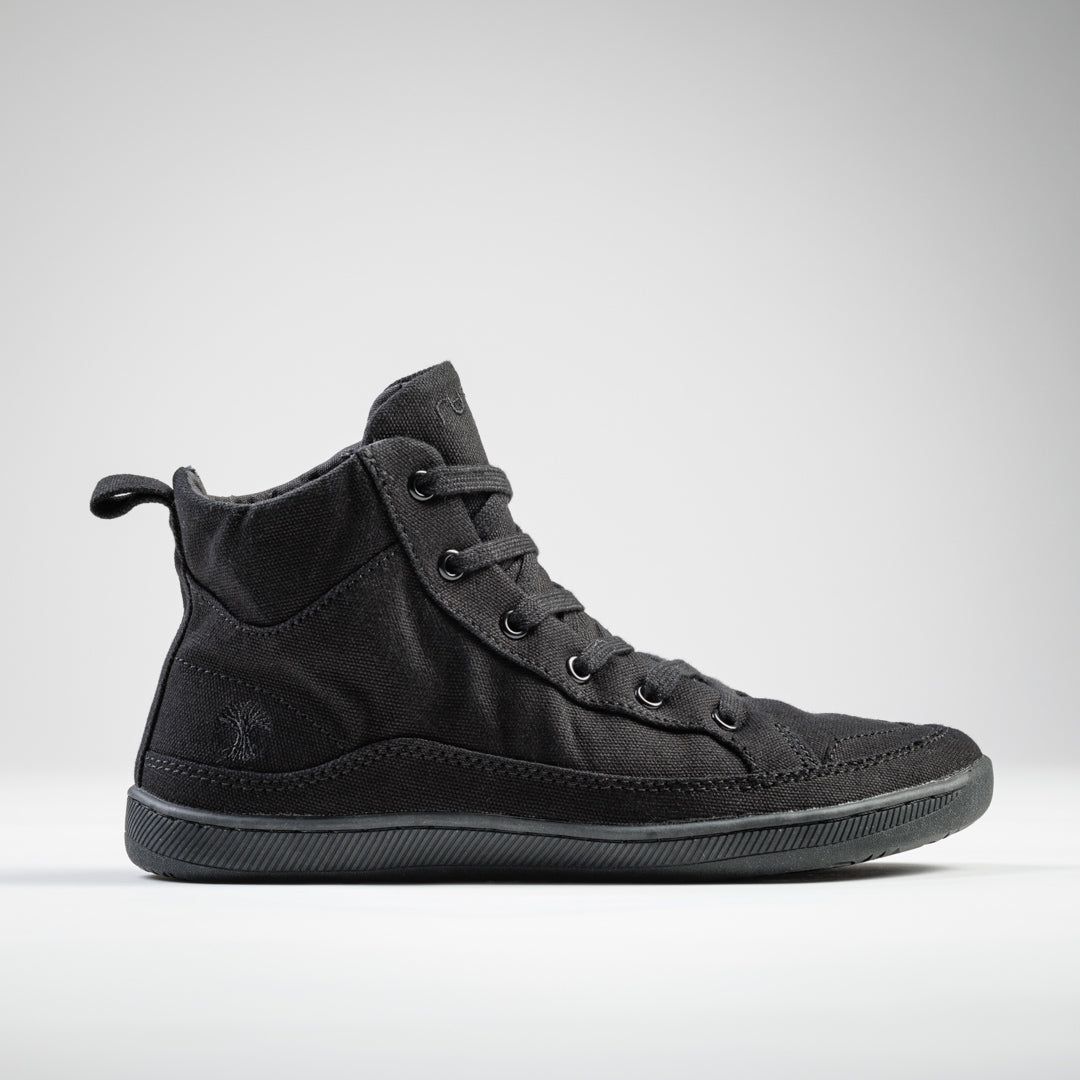
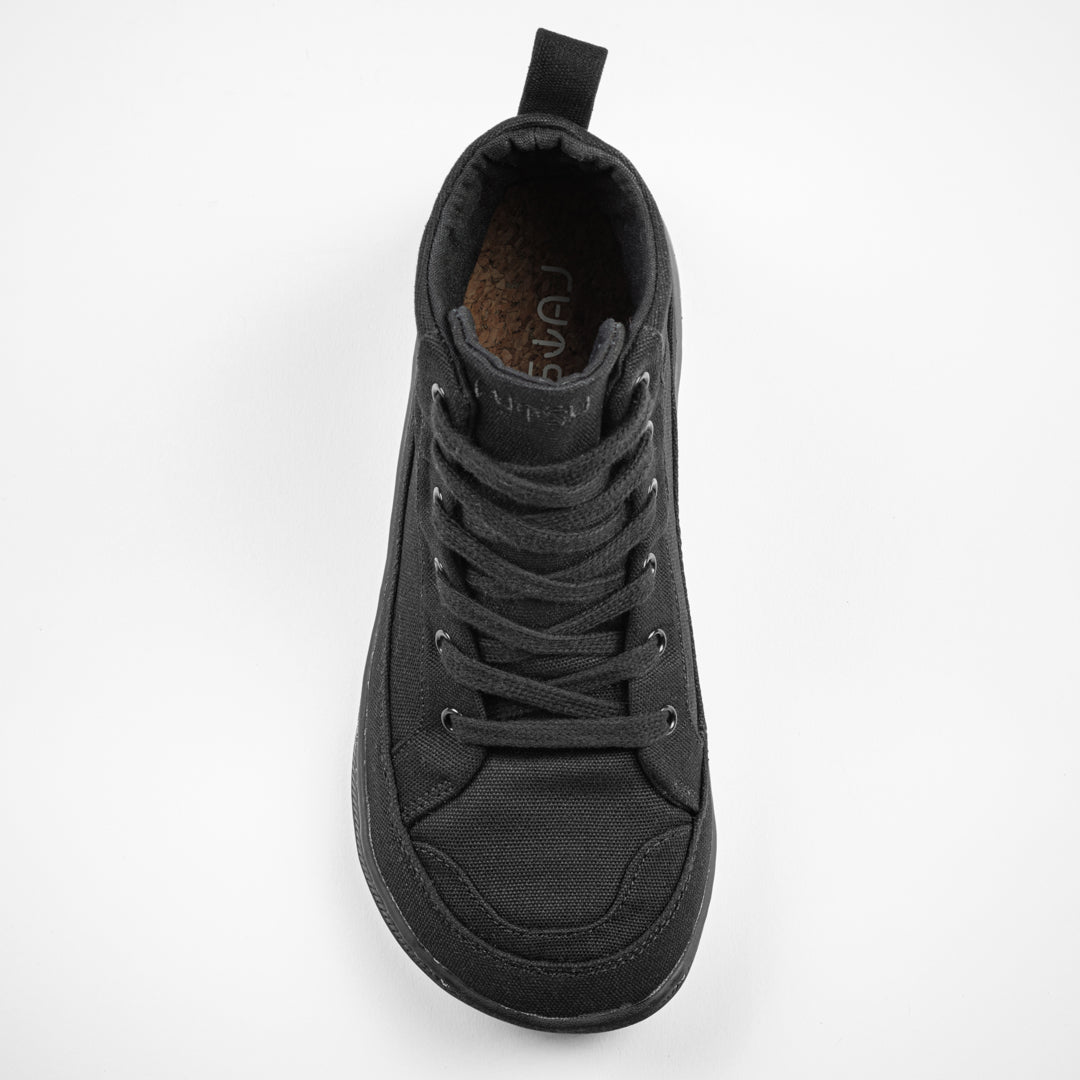
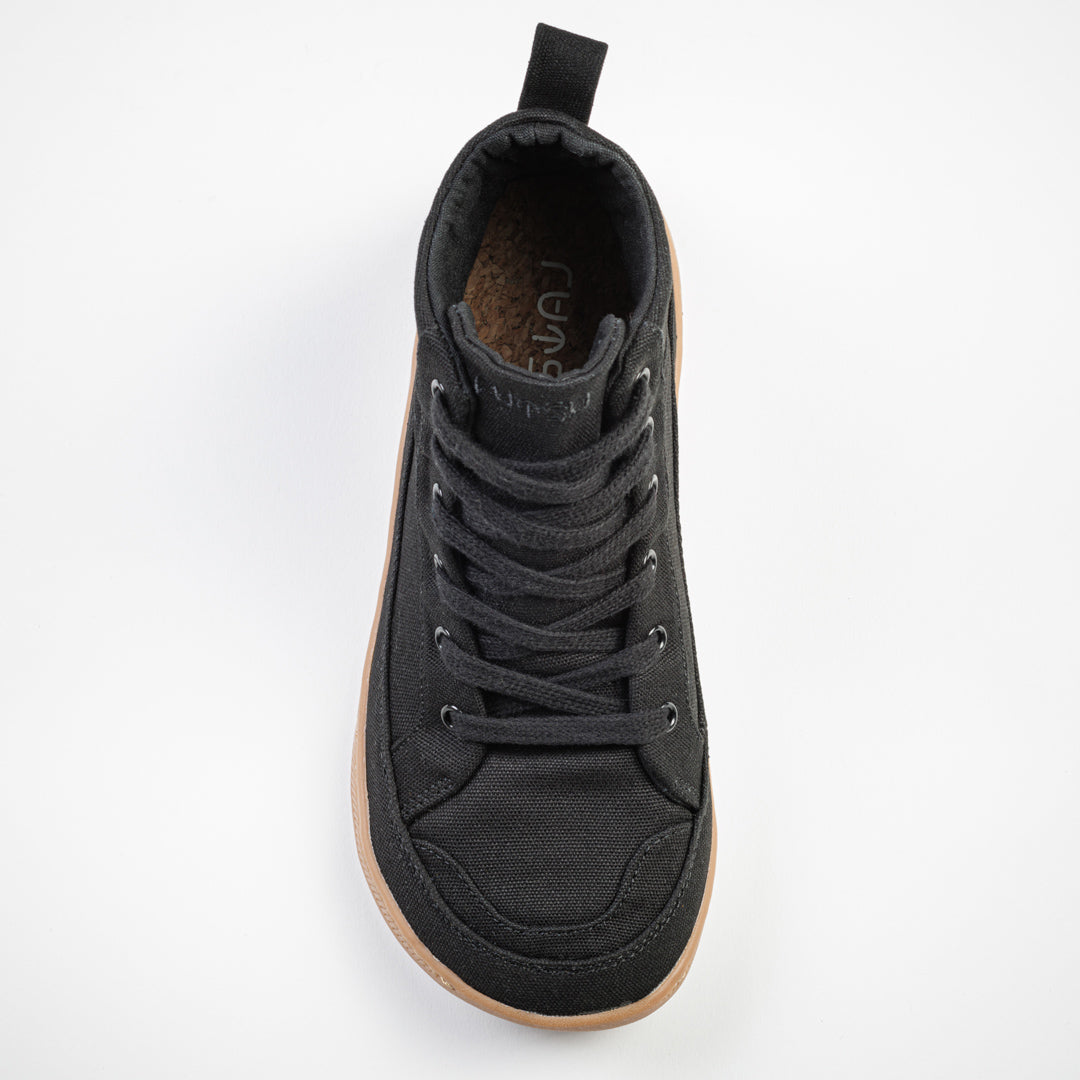
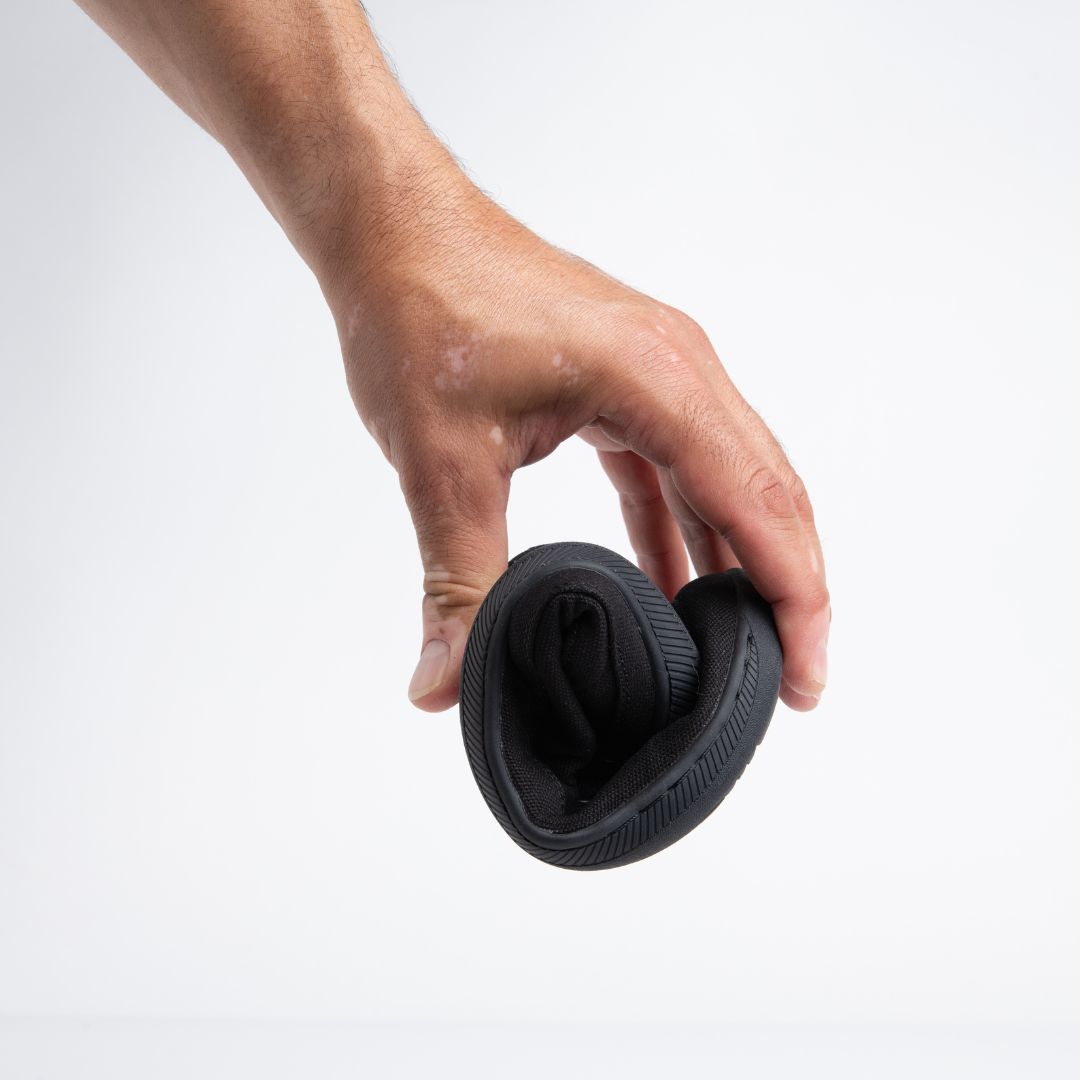
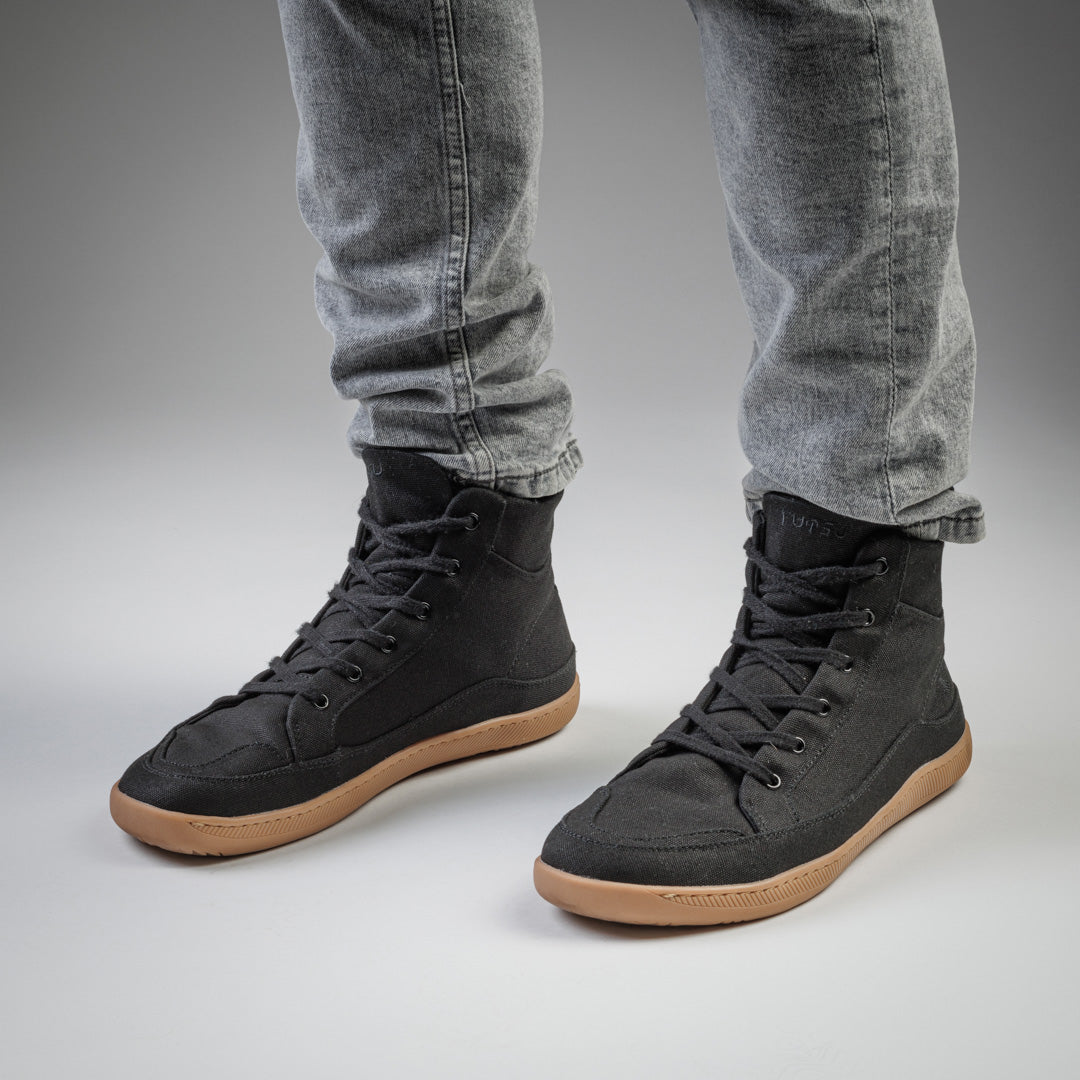
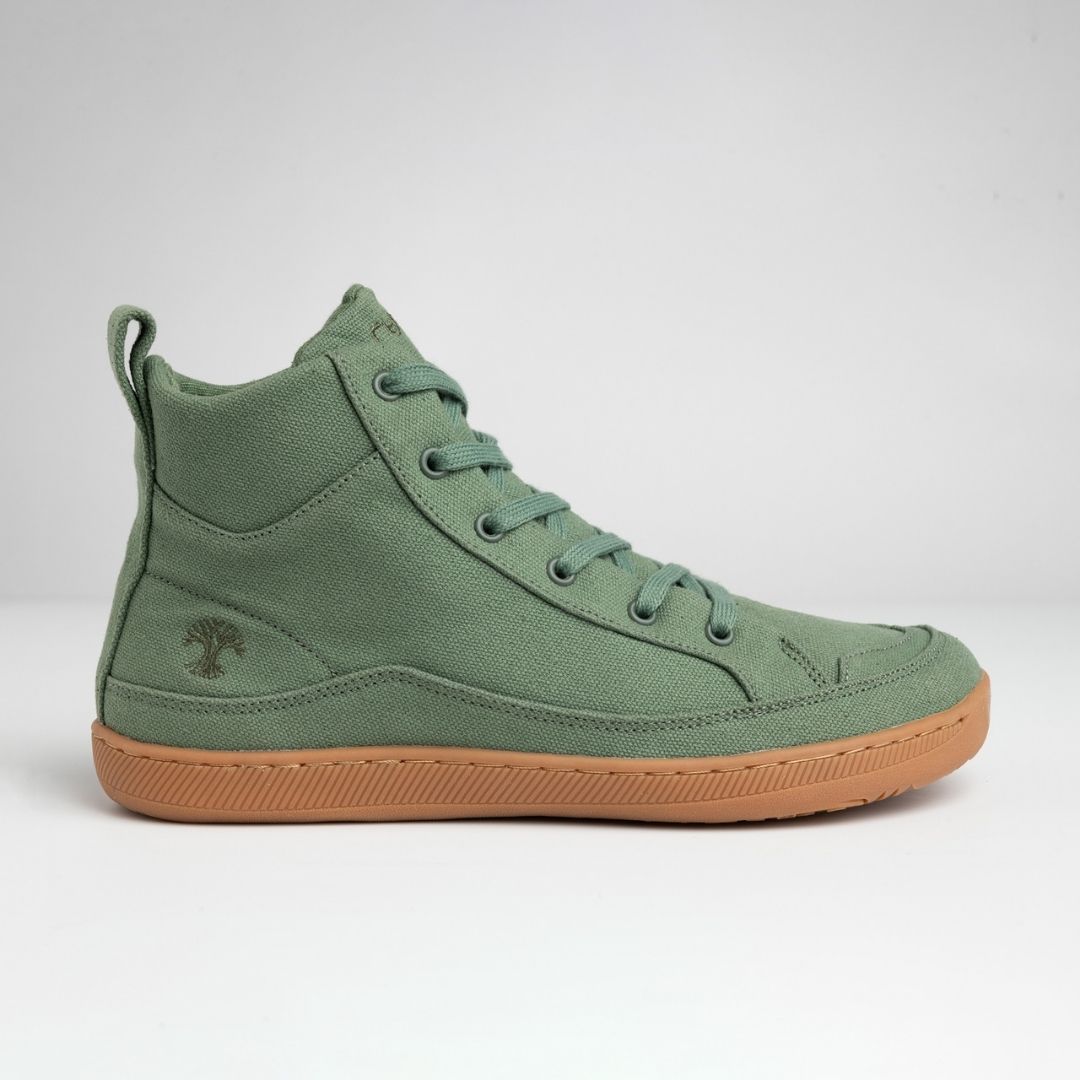
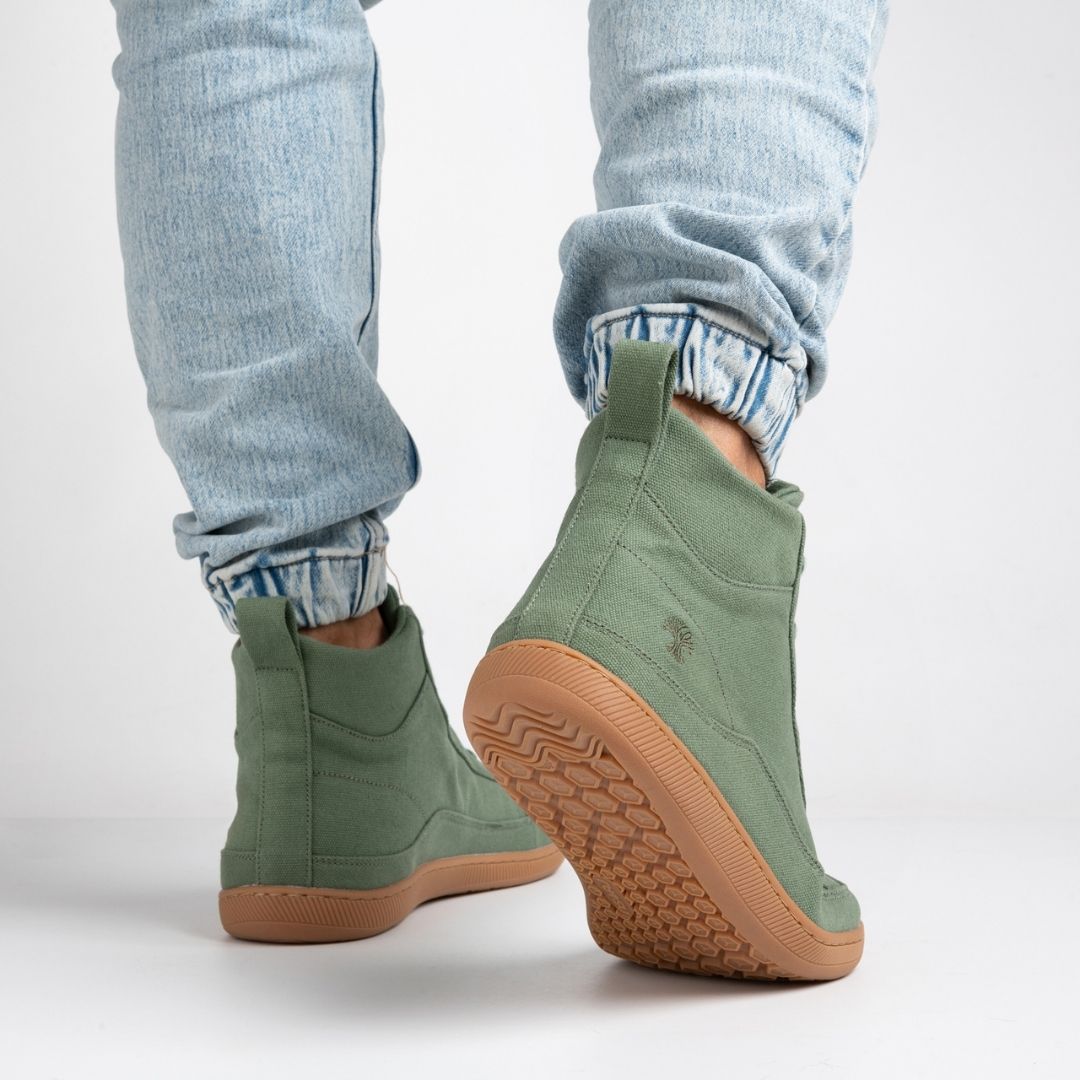
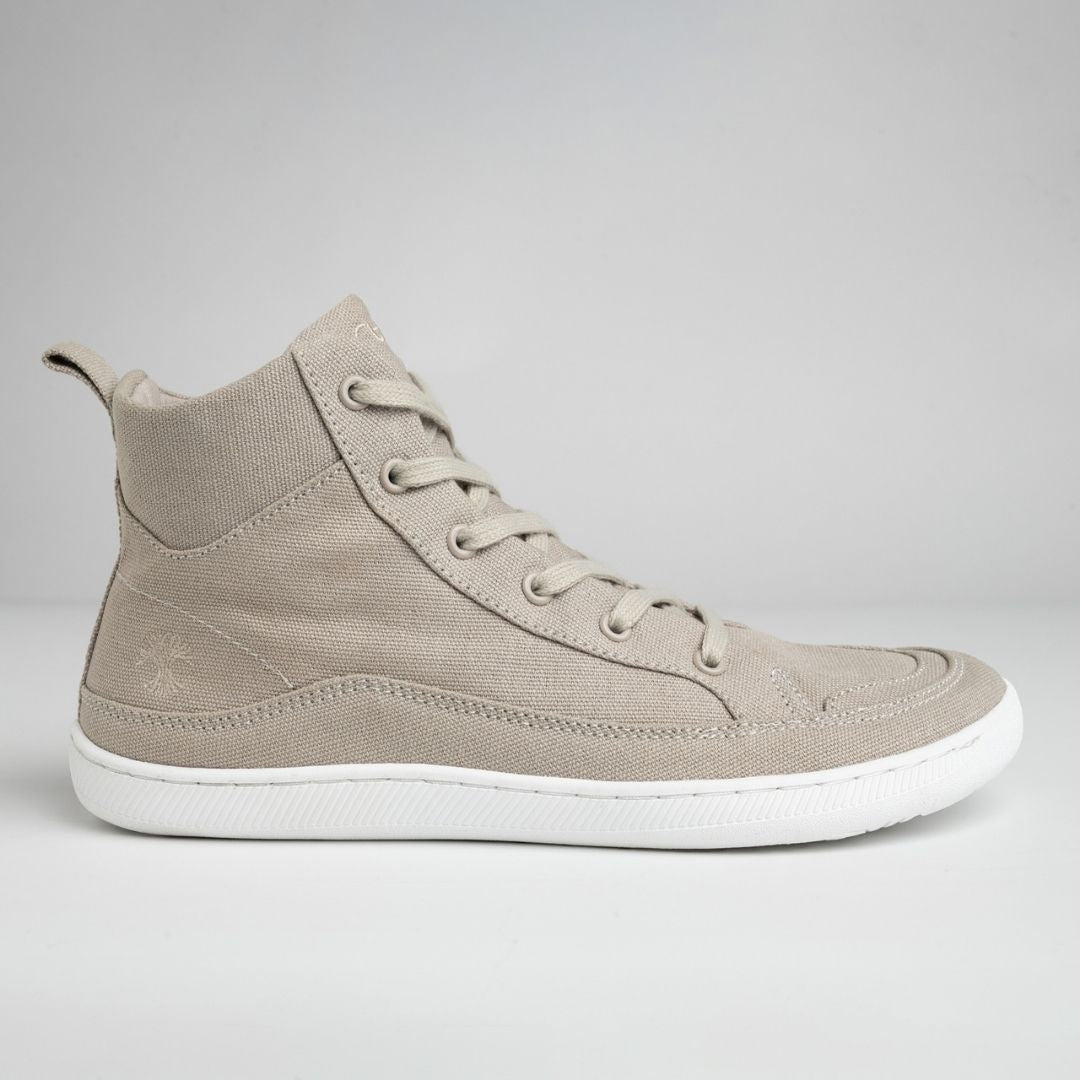
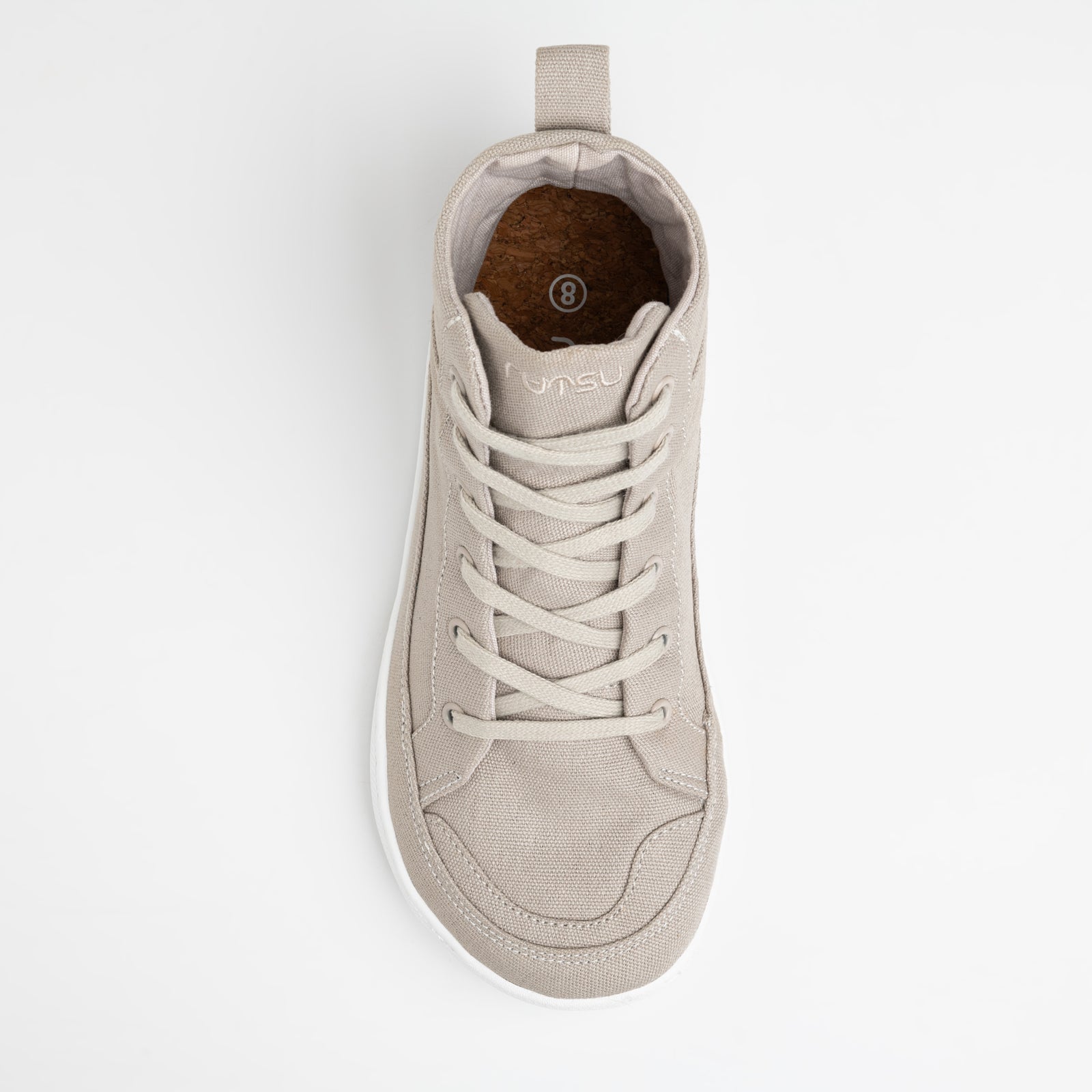
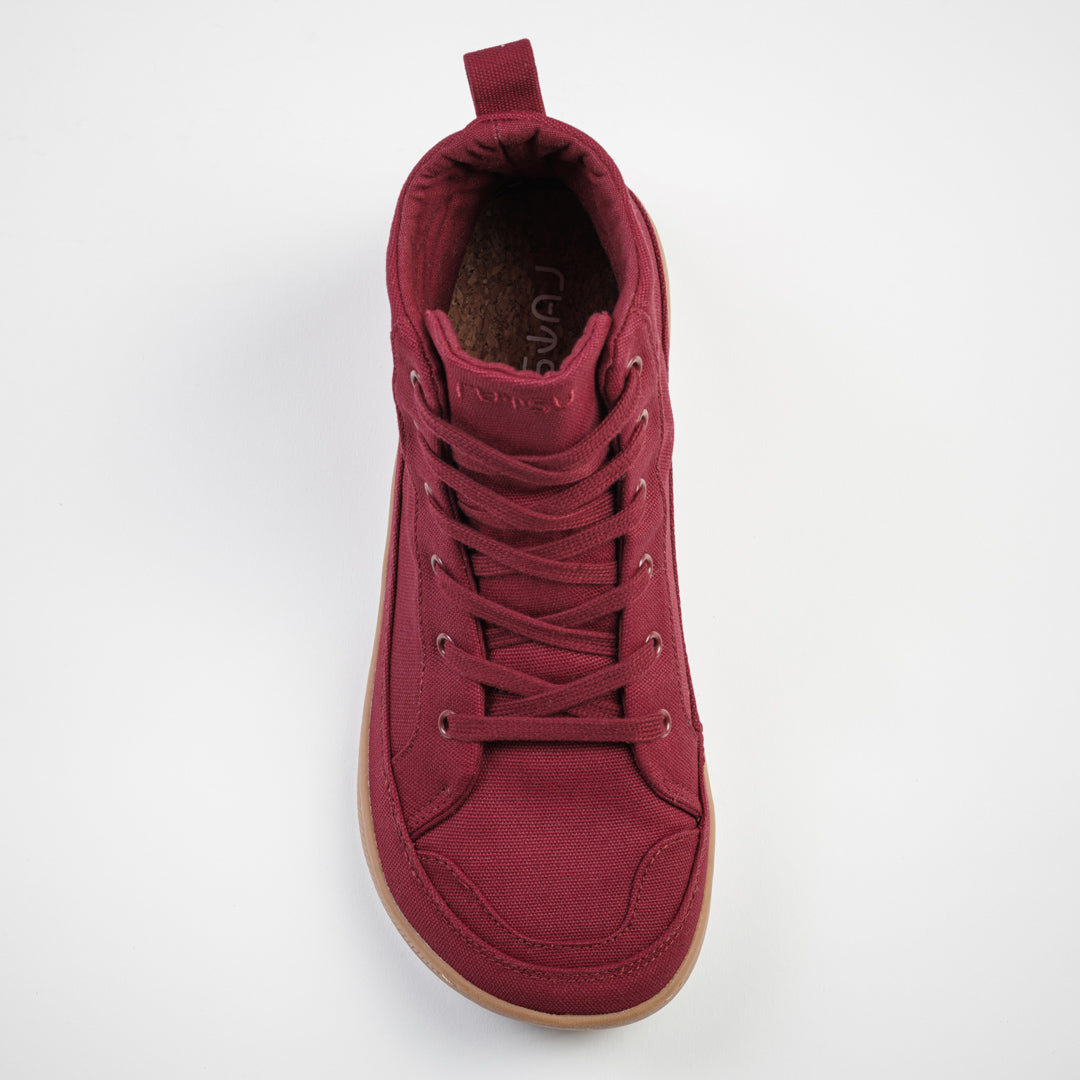
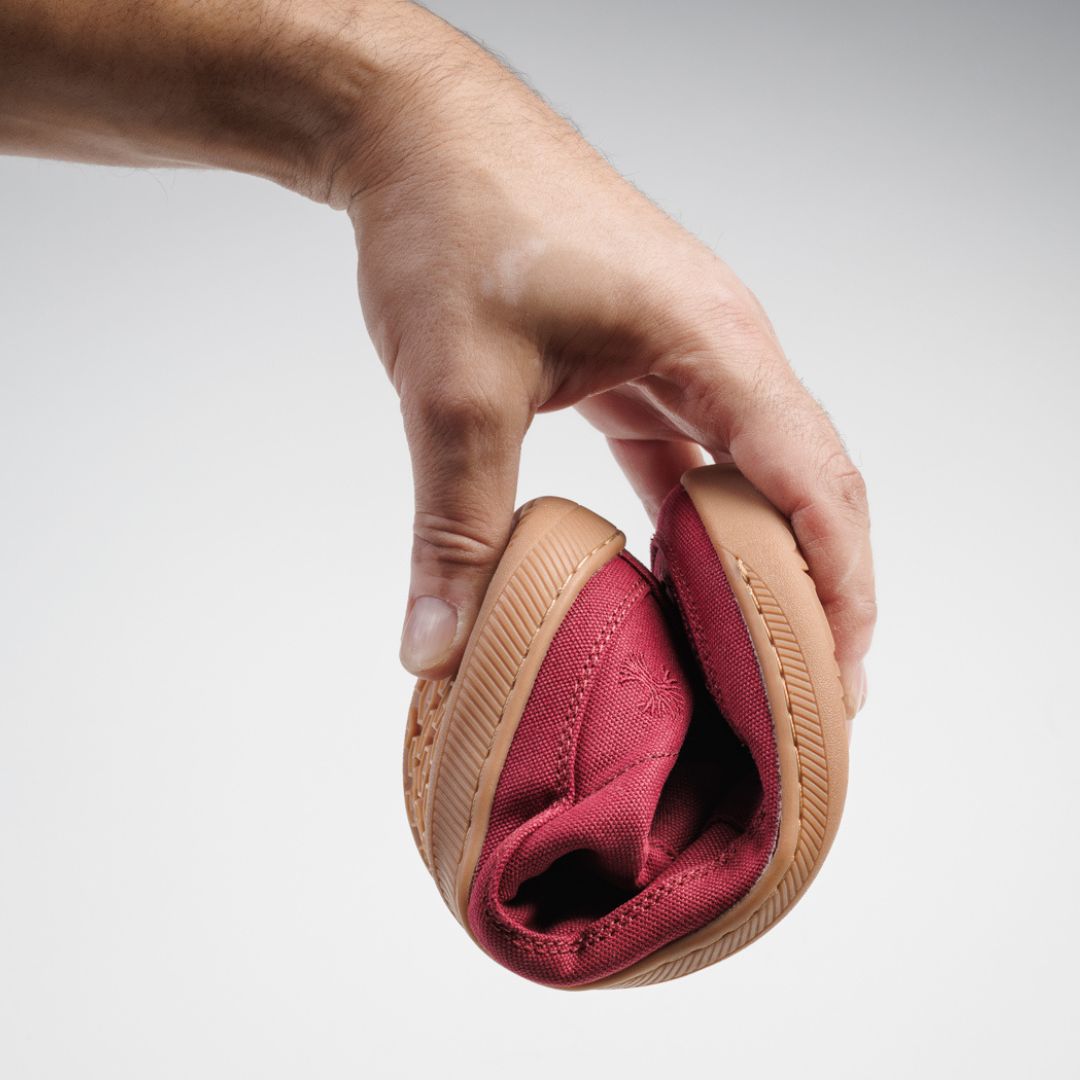
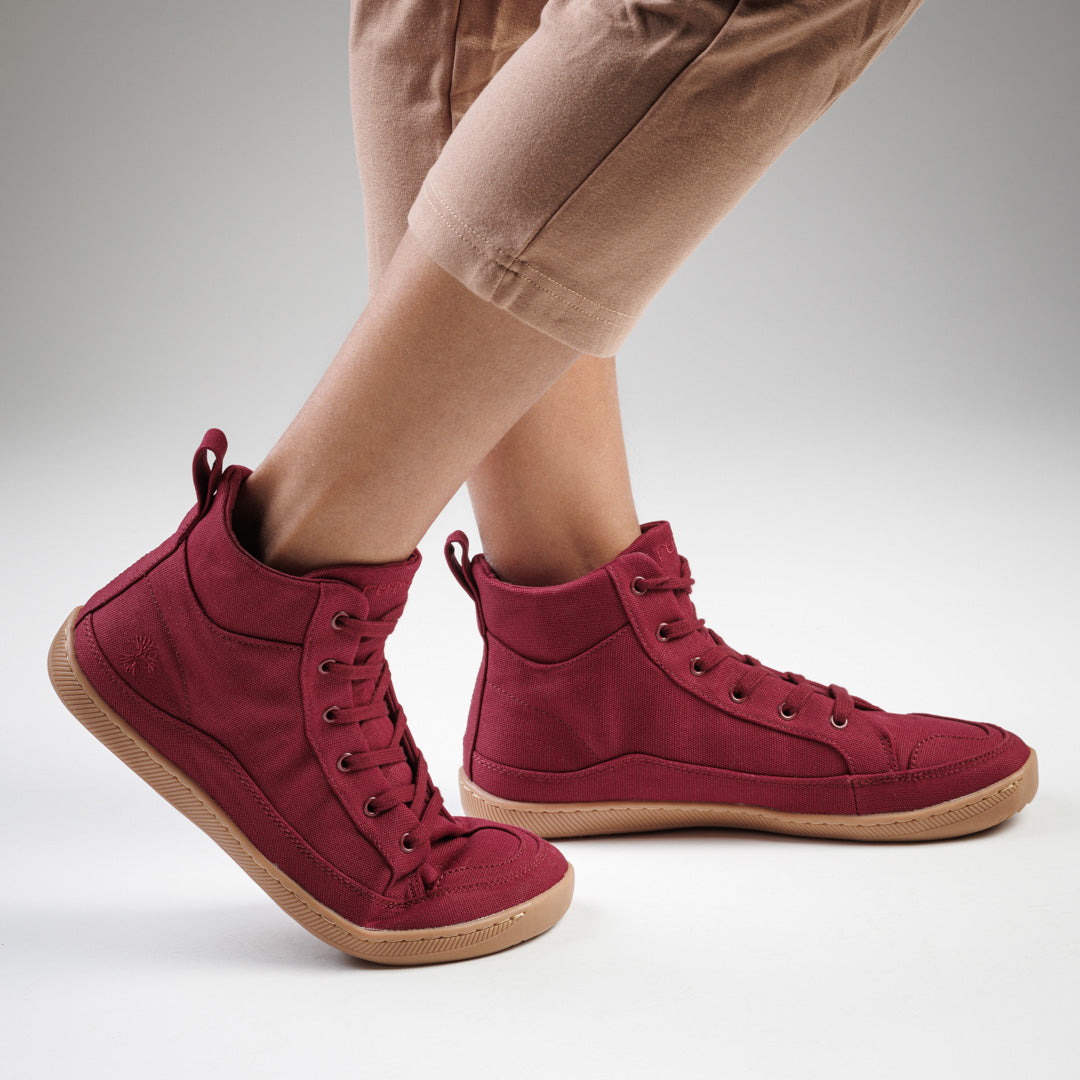
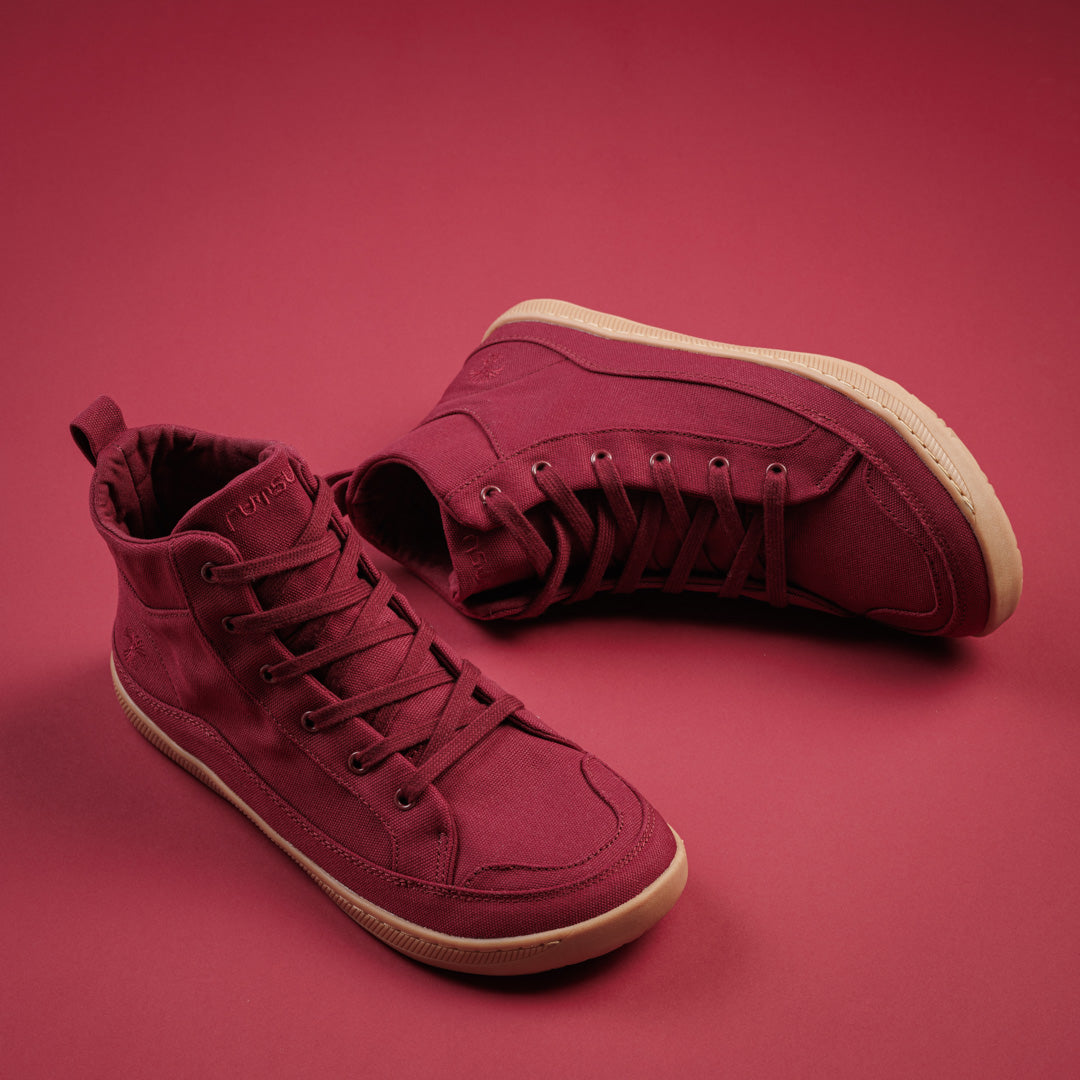
A real minimalist shoe usually checks four boxes: a wide toe box, a zero-drop sole (heel and forefoot sit at the same height), a thin flexible sole, and no built-in arch support. Roll it up. Twist it. If it barely bends, it isn't minimalist, no matter what the tag says.
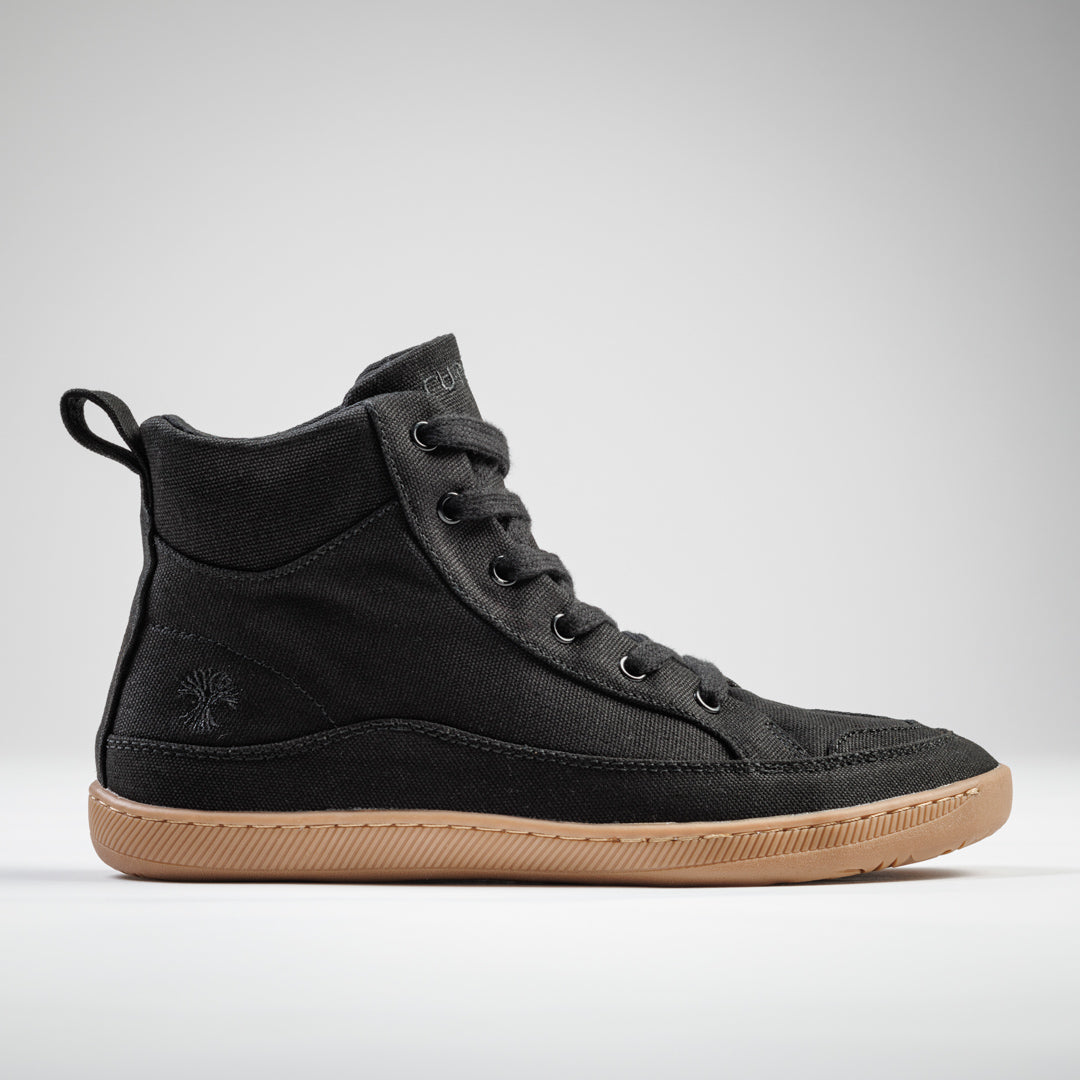
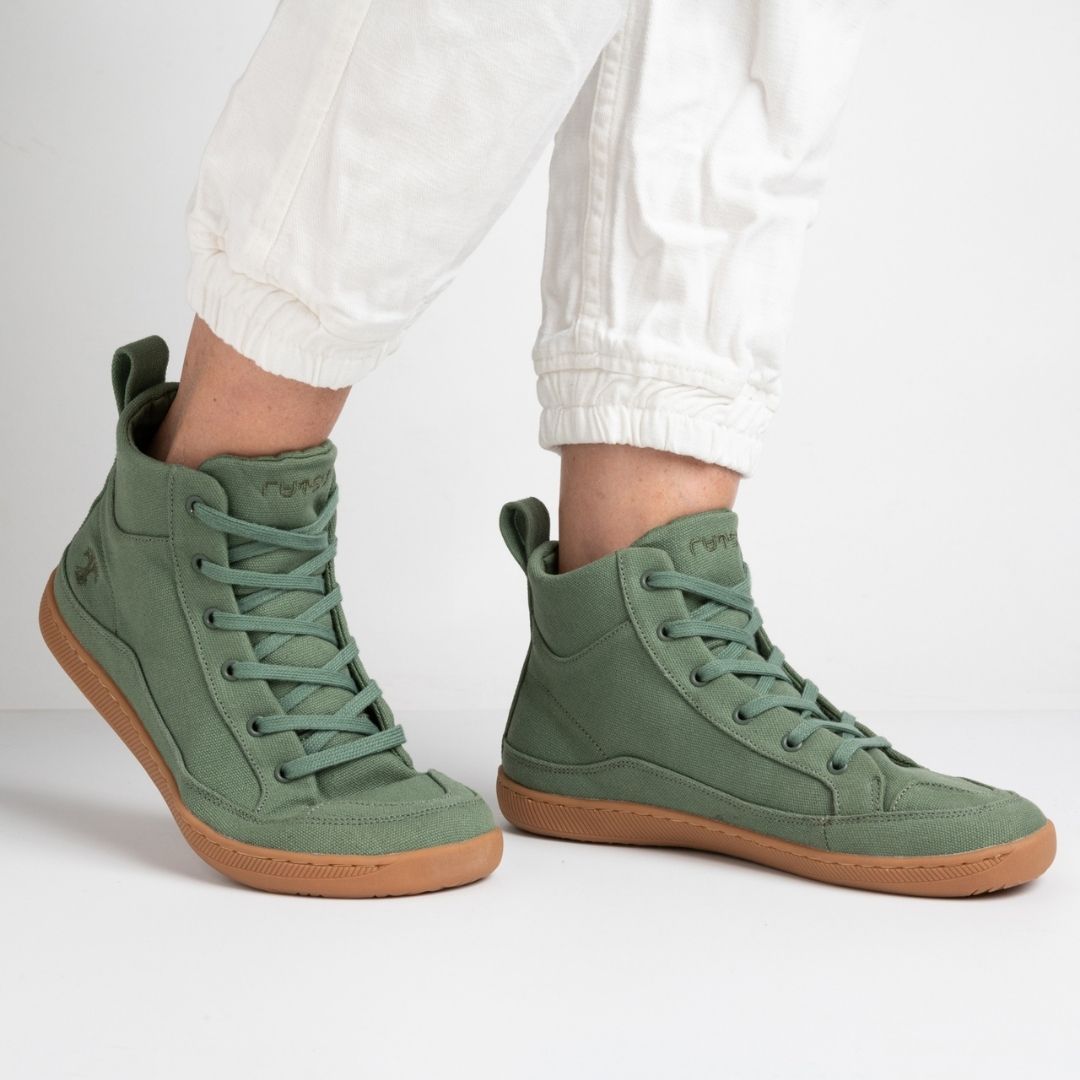
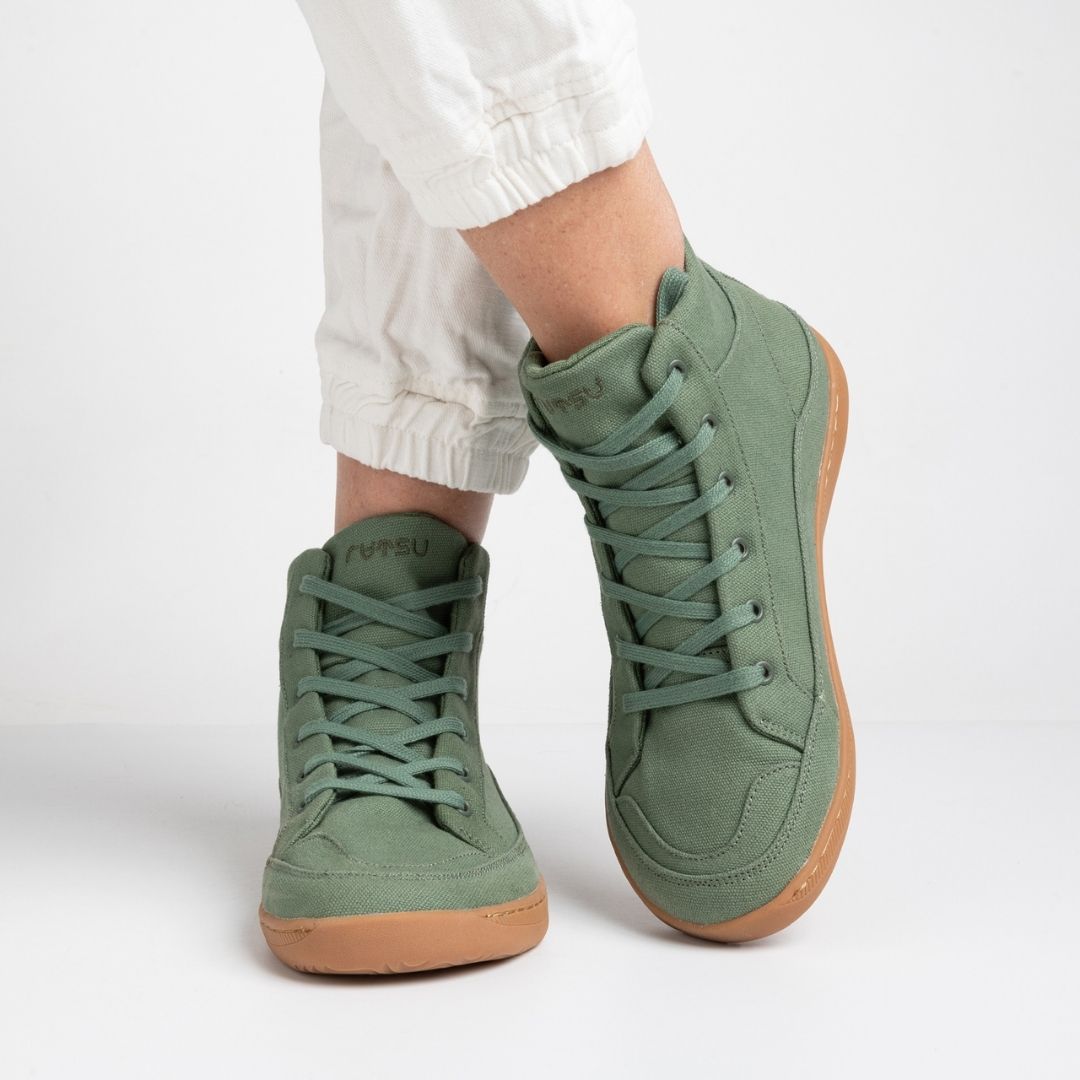
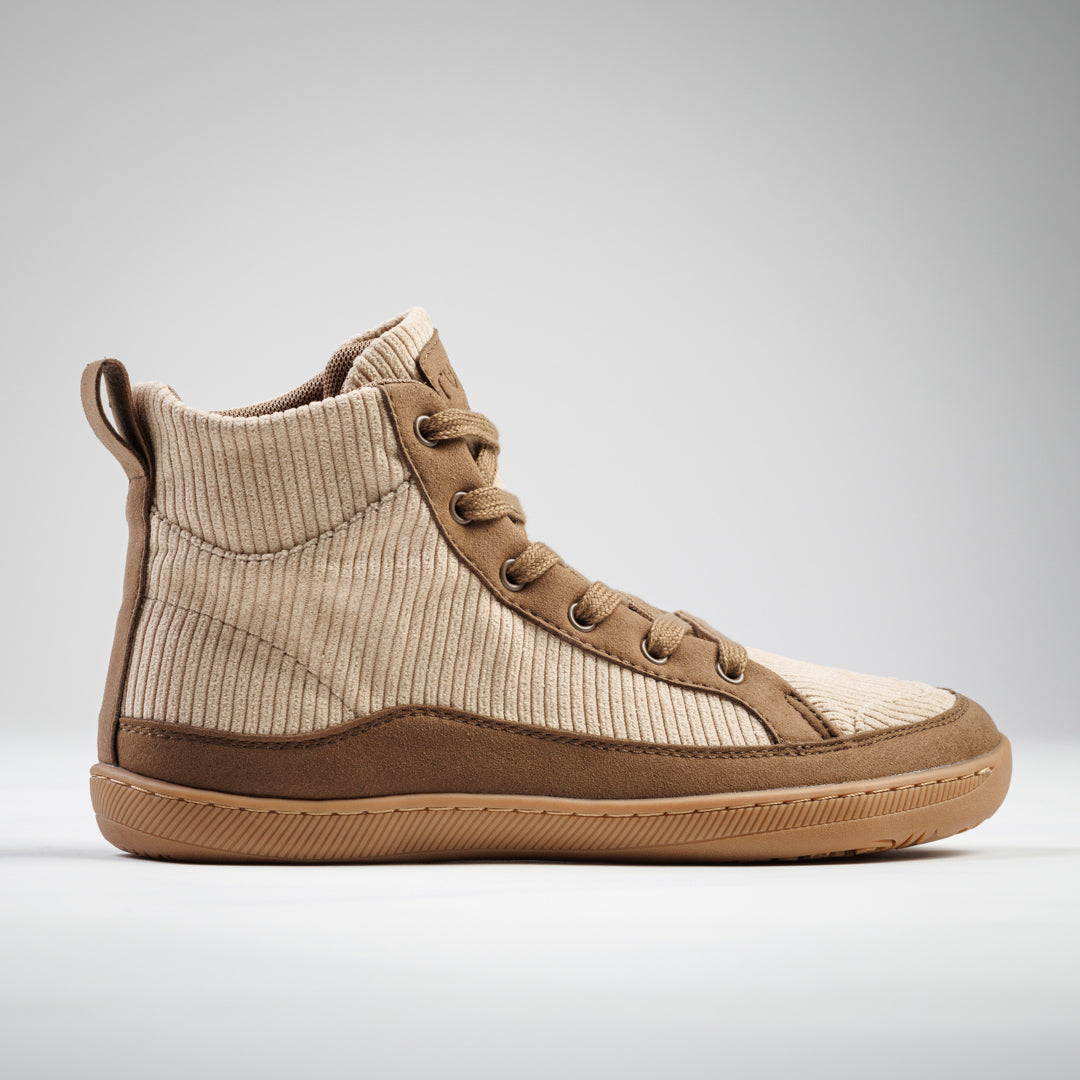
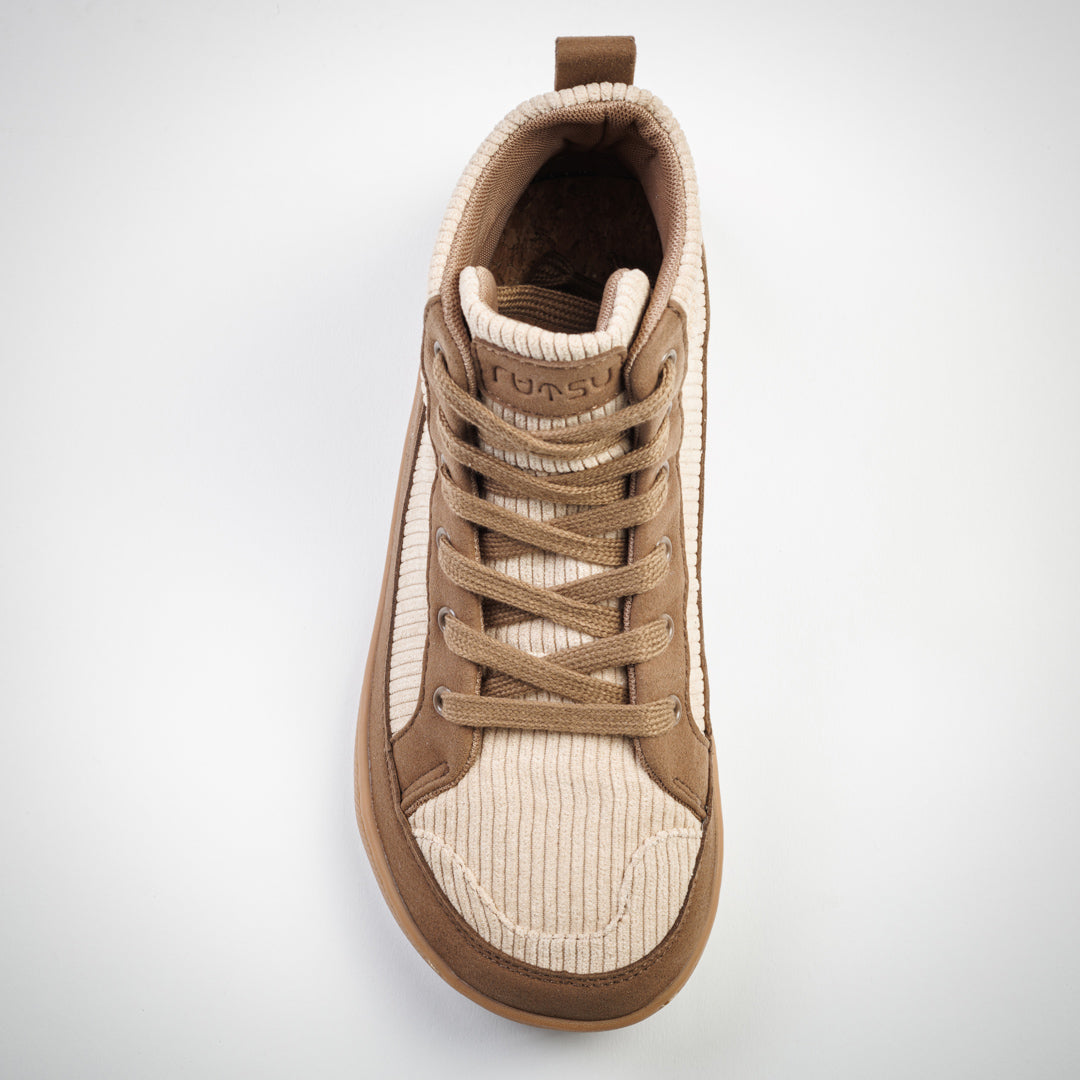
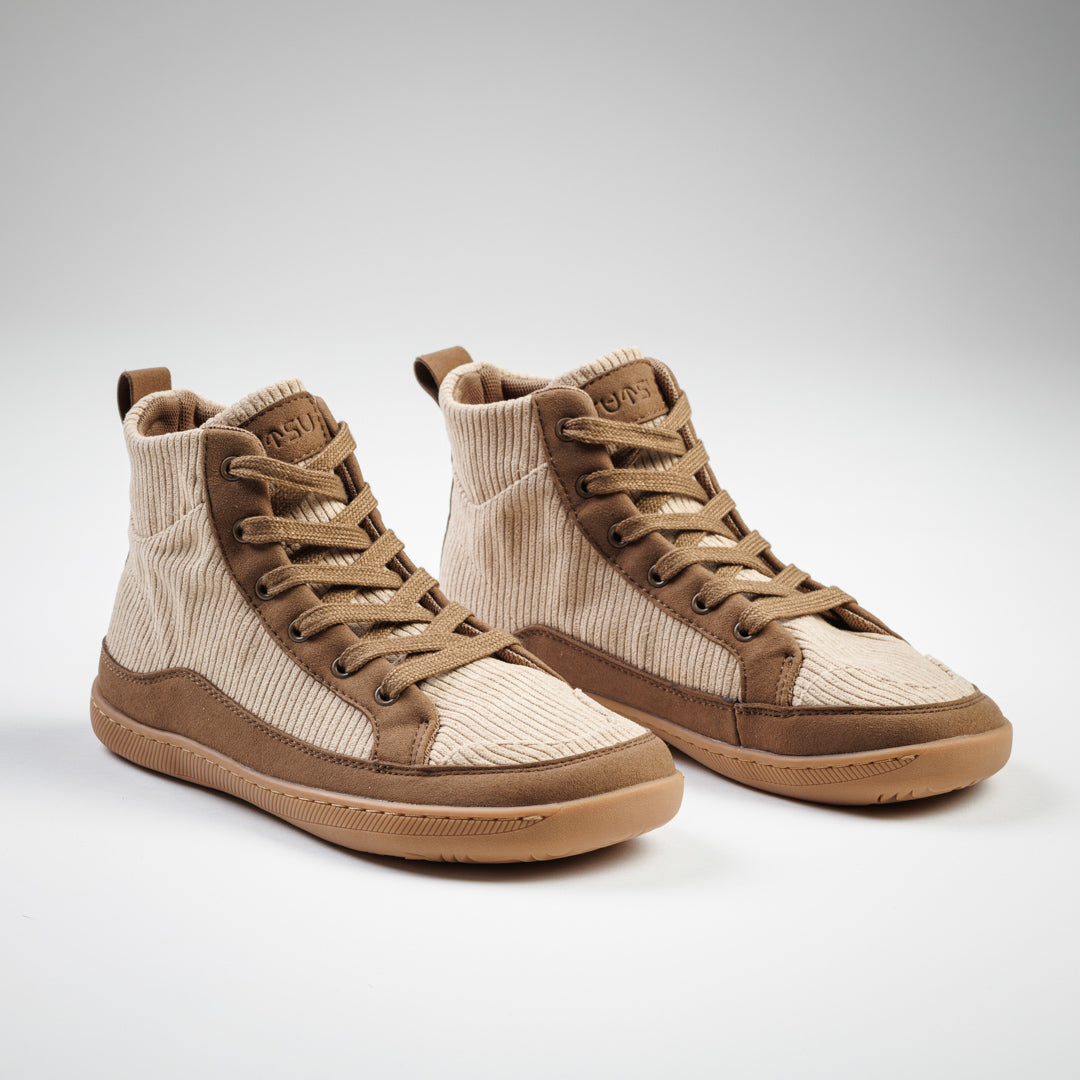
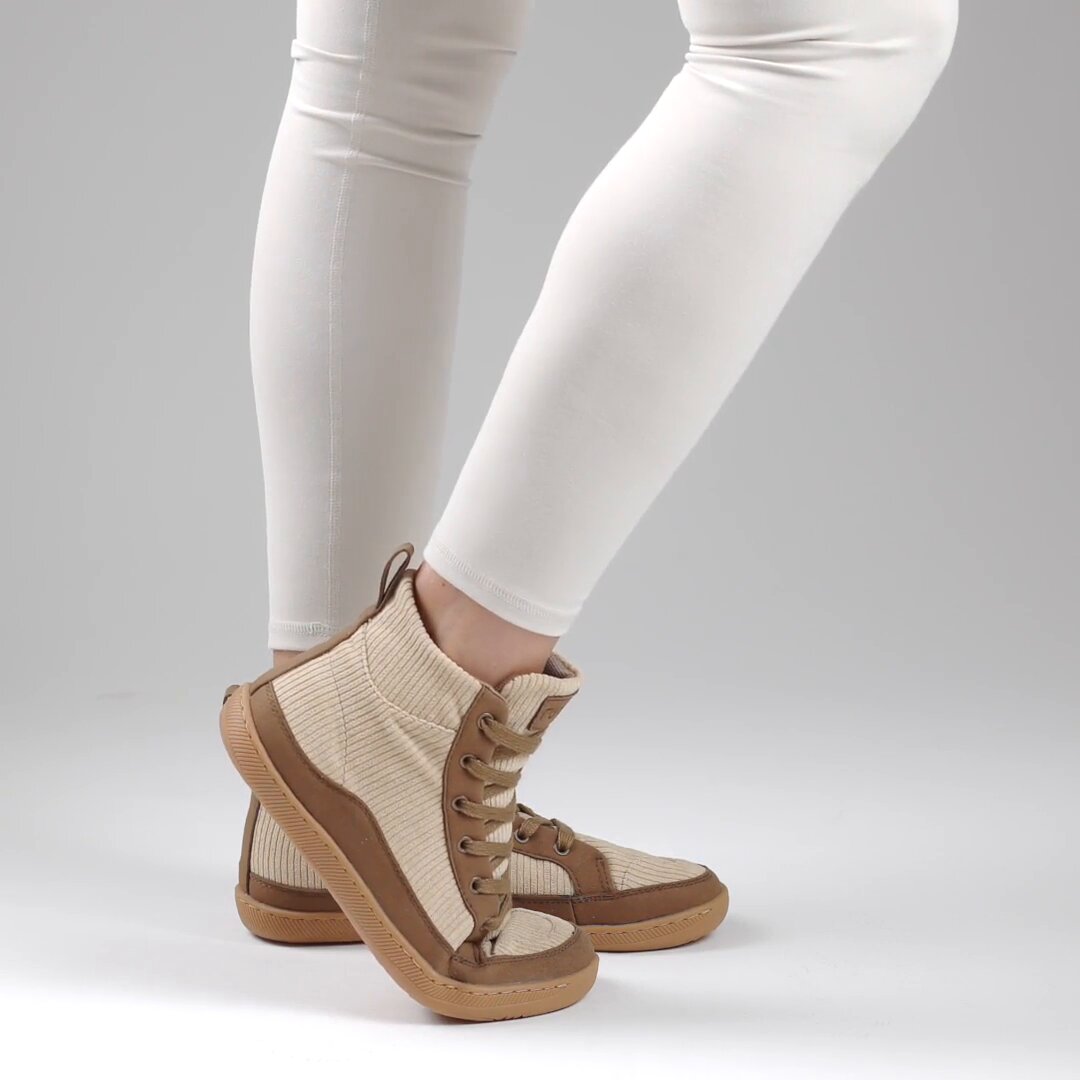
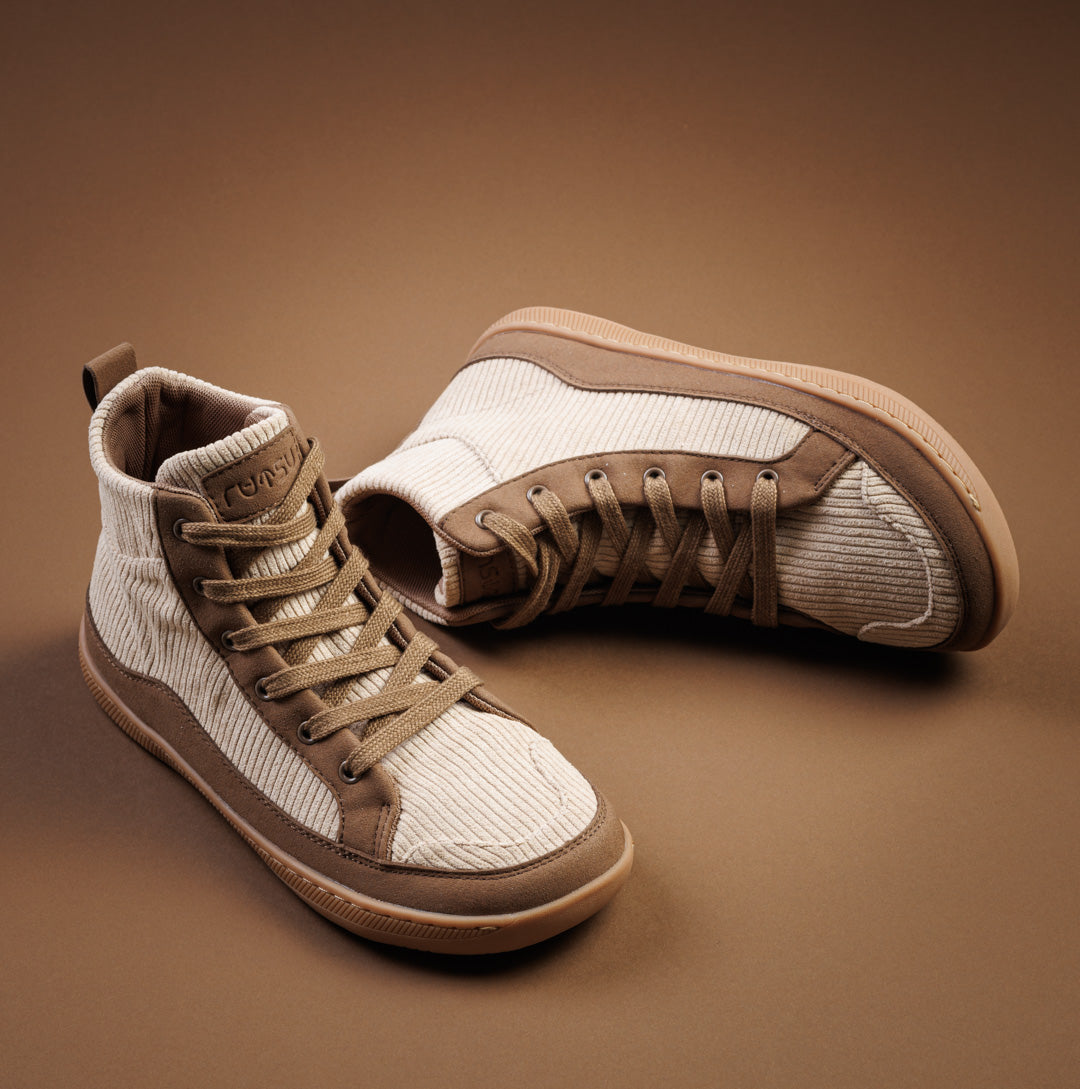
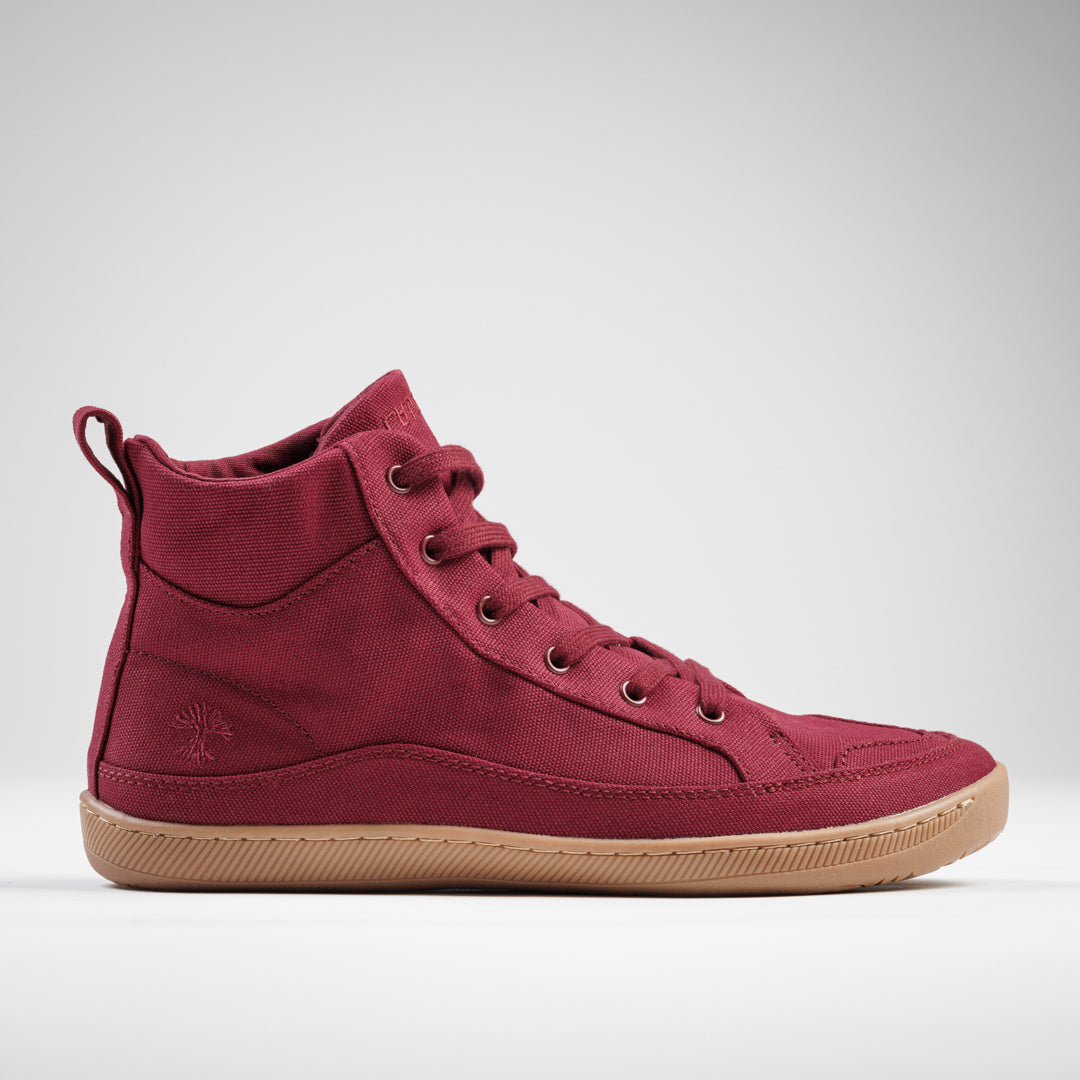
Why does this matter more for daily wear than for running? You spend far more hours walking, standing, and shifting your weight than you ever spend on a treadmill. Small differences compound across a 12-hour day. A pair from the low-top barefoot shoes collection at Rutsu Barefoot is built around those four traits rather than the look of them.
The Science Behind Barefoot-Style Shoes and Natural Foot Movement
Your foot holds 26 bones, 33 joints, and over 100 muscles, tendons, and ligaments. That's a lot of moving parts to lock down inside a rigid shoe.
Research suggests that thin-soled footwear may strengthen the small stabilizing muscles of the foot over time. Studies also indicate that people adjust their stride when they can feel the surface underneath them. Nerve endings in the sole send information upward, which some researchers connect to balance and body awareness.
Honestly? This is where the internet oversells things. There's limited scientific research proving minimalist shoes correct posture or cure pain, though anecdotal reports from long-term wearers are common and worth taking seriously. Treat them as a tool, not a treatment.
Minimalist Shoes vs. Traditional Cushioned Shoes: A Side-by-Side Comparison
Both types have a job. The question is which job you need done today.
FeatureMinimalist ShoesTraditional Cushioned ShoesSole thicknessRoughly 3-8 mm, flexibleRoughly 20-35 mm, stiffHeel drop0 mm8-12 mmToe boxWide, foot-shapedTapered toward the frontGround feelHighLowAdjustment periodWeeks to monthsNoneSuitsWalking, standing, daily wearLong pavement runs, prescribed support
Cushioning isn't the villain here. It just does the sensing on your behalf. Over years, that trade can leave the foot doing less work than it's capable of doing.
Best Minimalist Shoe Brands Worth Trying in 2026
Ask ten barefoot wearers for recommendations and you'll get twelve answers.
A handful of names keep surfacing: Vivobarefoot for leather styles, Xero Shoes for value, Lems for a gentler entry point, Be Lenka for European design, and budget options like Whitin for testing the waters before committing. Sole thickness and toe box shape vary a lot between them, so what fits your friend perfectly may pinch you.
Rutsu Barefoot sits in the everyday category, with vegan materials and styles made for walking, working, and warm weather rather than technical trail running. If sandals are your summer default, the barefoot sandal range covers that season without the molded footbed most sandals hide underneath.
How to Transition to Minimalist Shoes Without Injuring Yourself
Slow. That's the whole secret, and most people ignore it.
Start with one to two hours a day during week one. Add roughly 30 minutes every few days. Watch your calves and the arch area closely, since those absorb most of the new load. Soreness that fades by morning is normal. Sharp pain that lingers is your cue to back off.
Give the shoes four to eight weeks before you judge them.
Some people need longer, especially after decades in raised heels. Foot strength doesn't rebuild on a schedule you get to pick. Keep your old pair in rotation during the switch, too. Nobody says you have to go all in on day one.
Minimalist Shoes That Actually Look Good for Work and Casual Outings
The old knock on barefoot shoes was fair. Many of them looked like foot gloves and belonged nowhere near an office.
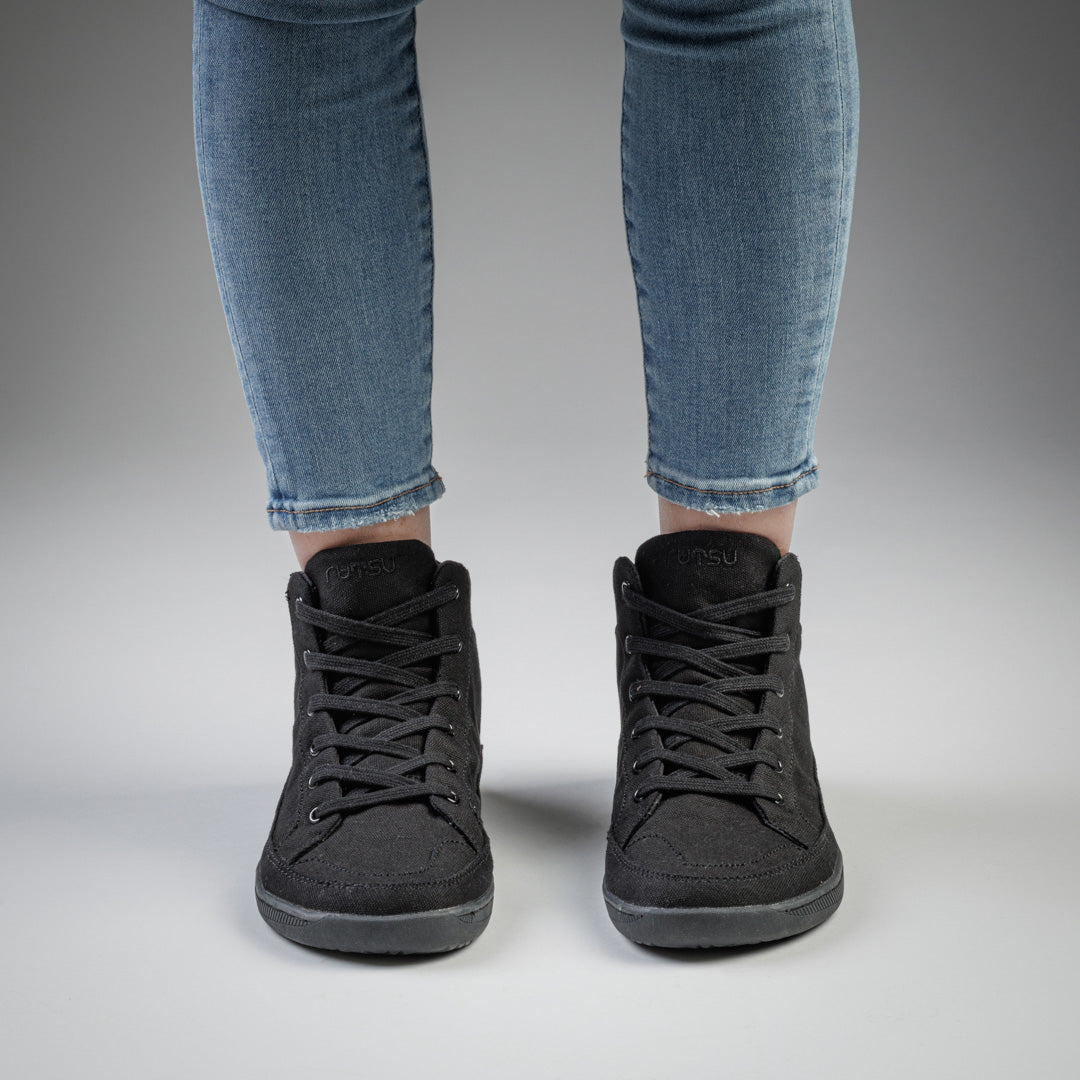
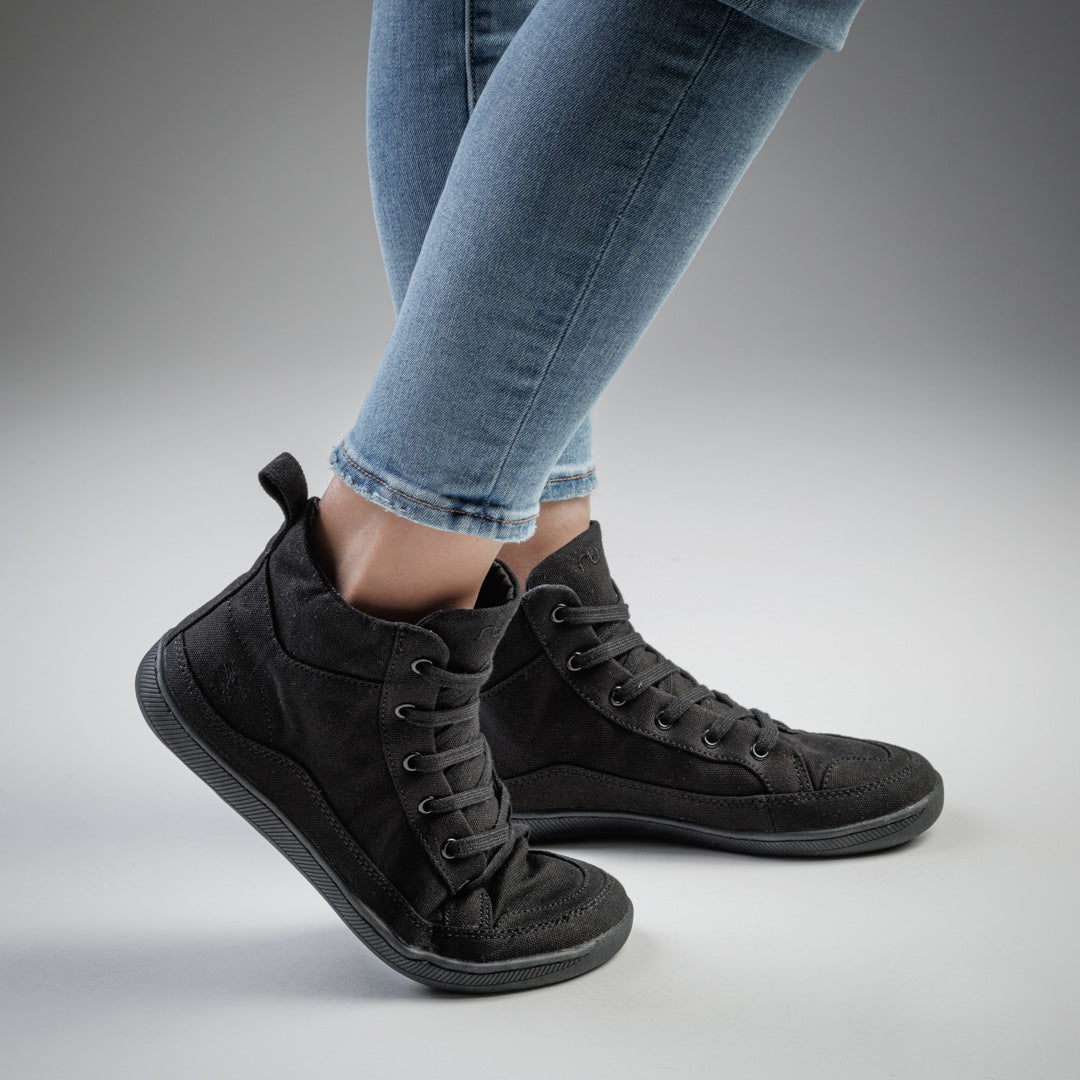
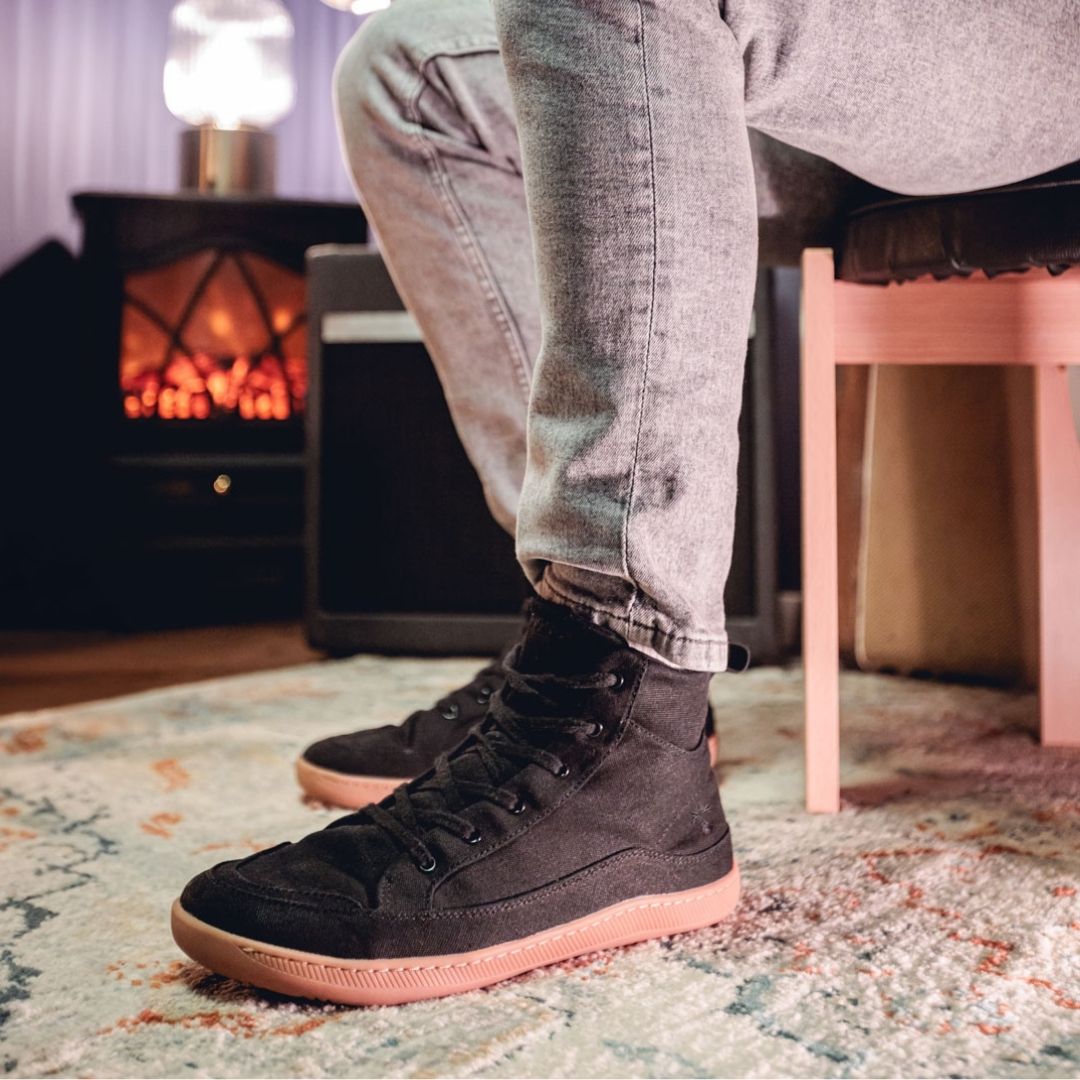
That's changed. Plenty of current styles pass as ordinary sneakers or leather-look derbies, with the wide toe box disguised well enough that nobody comments. For dress codes leaning formal, the barefoot work shoes collection covers the polished end while keeping the flat, flexible sole underneath.
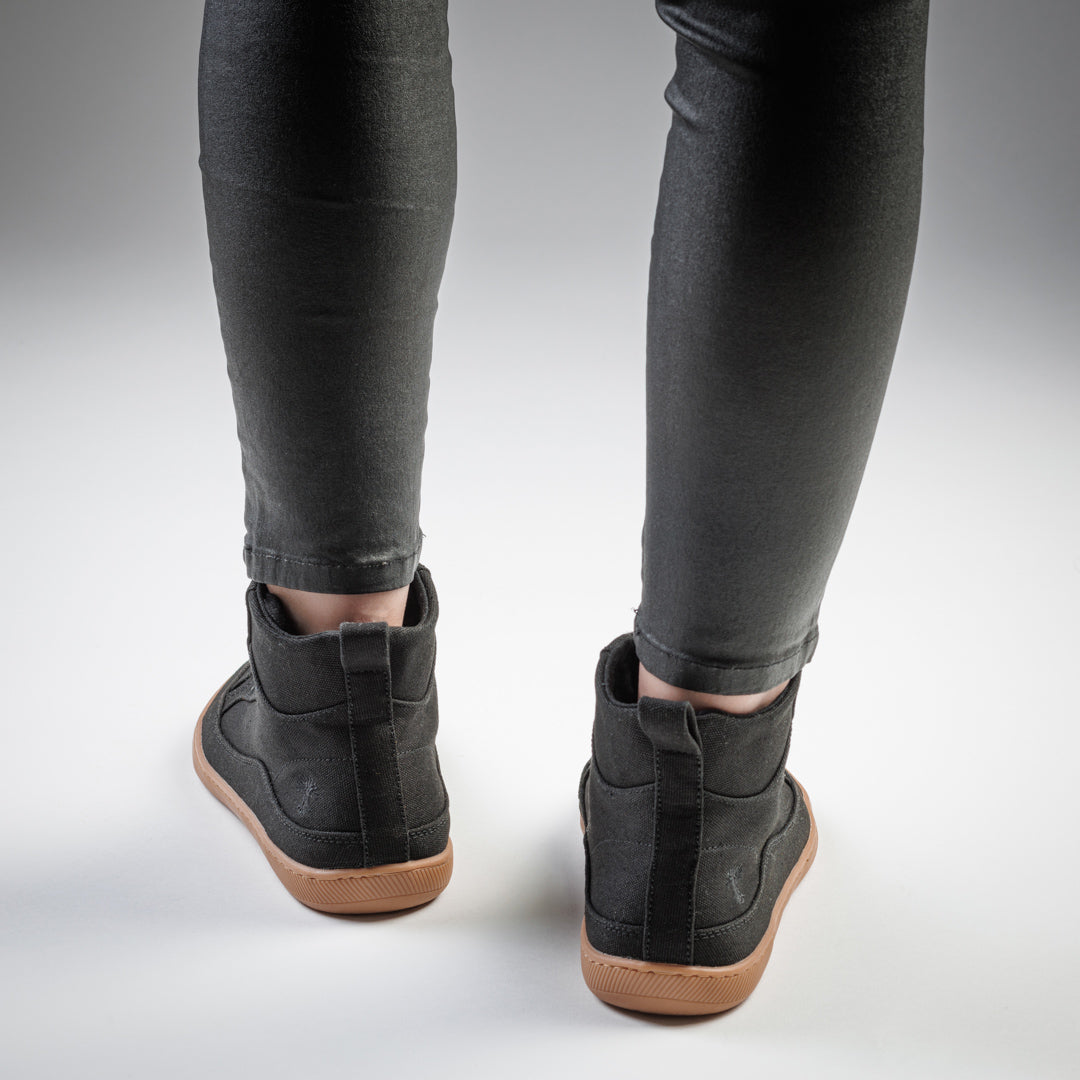
Casual is the easy part. A low-profile sneaker in black or off-white pairs with almost anything you own. One honest caveat: a foot-shaped toe box will always read slightly rounder than a pointed dress shoe. Most people never notice. A few will.
What to Look for When Buying Your First Pair of Minimalist Shoes
Measure your feet in the evening, when they've swollen to their largest. Compare that number against the brand's size chart instead of guessing from your usual size, because foot-shaped lasts run differently.
Three things deserve a check on any pair you're considering:
-
Toe box width at the widest point, ideally 2-5 mm wider than your foot
-
Sole flexibility, tested by twisting the shoe like a wet towel
-
Return policy, because your first pair is partly an experiment
Removable insoles earn bonus points. They let you start with a little padding and pull it out once your feet catch up.
Common Mistakes People Make When Switching to Minimalist Footwear
Most problems trace back to enthusiasm, not the shoes themselves.
The big one? Wearing a brand-new pair through a full 10-hour shift on concrete. Your calves will file a complaint by hour three. Other frequent slip-ups: sizing down out of habit, skipping the calf and foot stretches that ease adaptation, and pushing through real pain because a forum thread called it normal.
One more worth naming. People buy a single pair and expect it to handle trails, survive rain, and look sharp at a wedding. No shoe does all three well, minimalist or otherwise.
Who Should Avoid Minimalist Shoes and When Traditional Support Is Safer
Not everyone should make this switch, and that deserves saying plainly.
If you live with diabetes and reduced foot sensation, an active stress fracture, severe plantar fasciitis, or a condition your podiatrist manages with prescribed orthotics, thin soles may not serve you well. Talk to a professional first. Same goes for anyone recovering from foot or ankle surgery.
Age alone isn't a barrier, though older adults with balance concerns should transition slowly and stick to softer ground early on. Minimalist shoes aren't for everyone. Any brand telling you otherwise is selling, not advising.
Final Thoughts
Minimalist shoes for everyday wear ask something of you that cushioned shoes never do: patience. Weeks, not days. Start short, learn the difference between soreness and pain, and keep a backup pair in the closet while your feet catch up.
Curious enough to try? Browse the low-top barefoot shoes collection at Rutsu Barefoot and start with the two-hour rule. Your feet have carried you this far. Letting them move the way they were built to move seems like a fair trade.
FAQs
Can You Wear Minimalist Shoes on Concrete and Hard Surfaces All Day?
Yes, once your feet have adapted, though many people report that taking a couple of months. Build up gradually, and consider a slightly thicker sole if your job keeps you standing for eight hours or more.
How Long Does It Take to Get Used to Minimalist Shoes?
Most people describe four to eight weeks for comfortable daily walking. Full adaptation, including calf and foot strength, can stretch past six months if you've spent years in cushioned footwear.
Are Minimalist Shoes Good for People With Flat Feet?
Some people with flexible flat feet report improvement as their foot muscles strengthen over time. Rigid flat feet are a different situation, so check with a podiatrist before you switch.
Do Minimalist Shoes Help With Back and Knee Pain?
There's limited scientific research on this, but anecdotal reports suggest gait changes may ease some discomfort for certain people. Pain has many causes, so don't lean on footwear as a standalone fix.
How Do You Know If a Shoe Counts as Minimalist?
Twist it, then bend it. If the sole rolls up easily, sits flat from heel to toe, and gives your toes room to splay, it qualifies.
Can You Run and Work Out in the Same Minimalist Shoes You Wear Daily?
For gym sessions and short runs, usually yes. Longer distances wear thin soles down faster, so a dedicated pair may serve you better once you're logging real mileage.