

Anyone who has caught themselves mid-slide on a wet kitchen floor knows the feeling. That half-second of panic where your arms fly out.
Non slip work shoes aren't glamorous. They're the thing standing between you and a very bad shift. Good news: you don't need $200 to get real traction. You need to know what creates grip, which features match your job, and which ones are marketing fluff in a safety costume.
What Makes a Work Shoe Truly Non-Slip and How the Outsole Technology Works
Grip comes down to three things. Rubber compound, tread pattern, and how much sole touches the floor.
Softer rubber grabs better. Harder rubber lasts longer. Most brands land in the middle, and the honest ones tell you which way they lean.
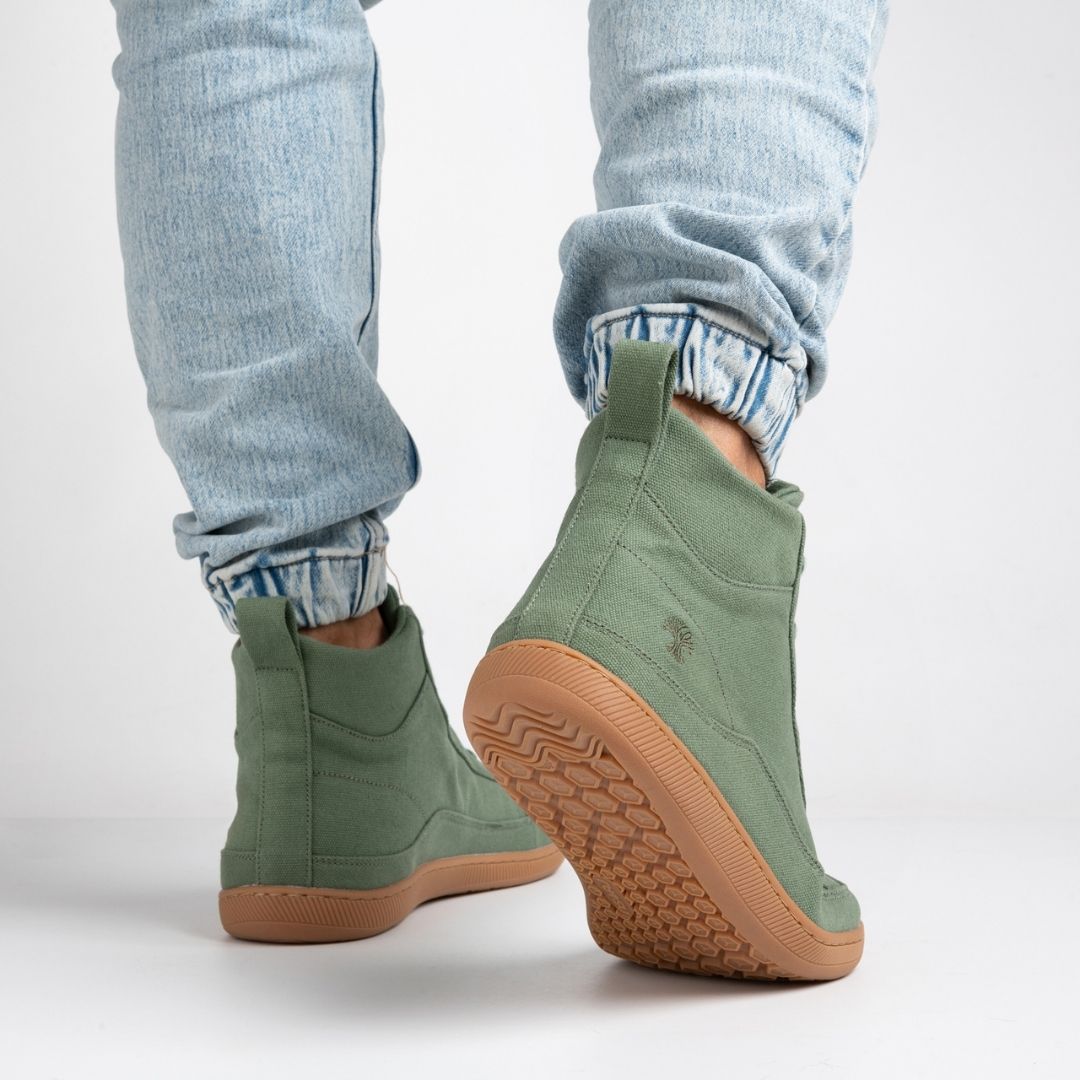
Then there's the tread. Flip over a good slip-resistant sole and you'll see small channels cut across it, often hexagons or wavy lines. Those channels shove liquid sideways instead of letting it pool under your foot. Same idea as car tires in the rain.
Here's what nobody tells you. A shoe can pass a lab slip test and still feel sketchy on your actual floor. Lab tests use one tile and one contaminant. Your workplace has its own cocktail of grease, sanitizer, and whatever got spilled at 2am.
Non-Slip Work Shoes for Restaurant and Kitchen Workers
Kitchens are the worst-case scenario for footwear. Oil, water, flour dust, and a floor that gets mopped four times a shift.
Working back of house? You want three things. A closed upper liquid can't seep through. A sole rated for oily surfaces. Something you can rinse off at the end of the night. Clogs are popular for a reason, though plenty of line cooks find them clumsy mid-rush.
Weight is the sleeper issue nobody talks about. Ten hours on your feet, covering four or five miles inside a 400-square-foot space. Every ounce adds up. Some kitchen staff report less end-of-shift fatigue after switching to lighter footwear, though that varies by person.
Best Non-Slip Options for Healthcare Workers and Nurses
Twelve-hour shifts. Polished vinyl. The occasional spill you spot half a second too late.
Nurses need traction, sure. But the louder complaint is aching feet and a tight lower back by hour nine. Fit does more work there than any tread pattern. Shoes that squeeze your toes force your foot to stabilize in ways it shouldn't have to.
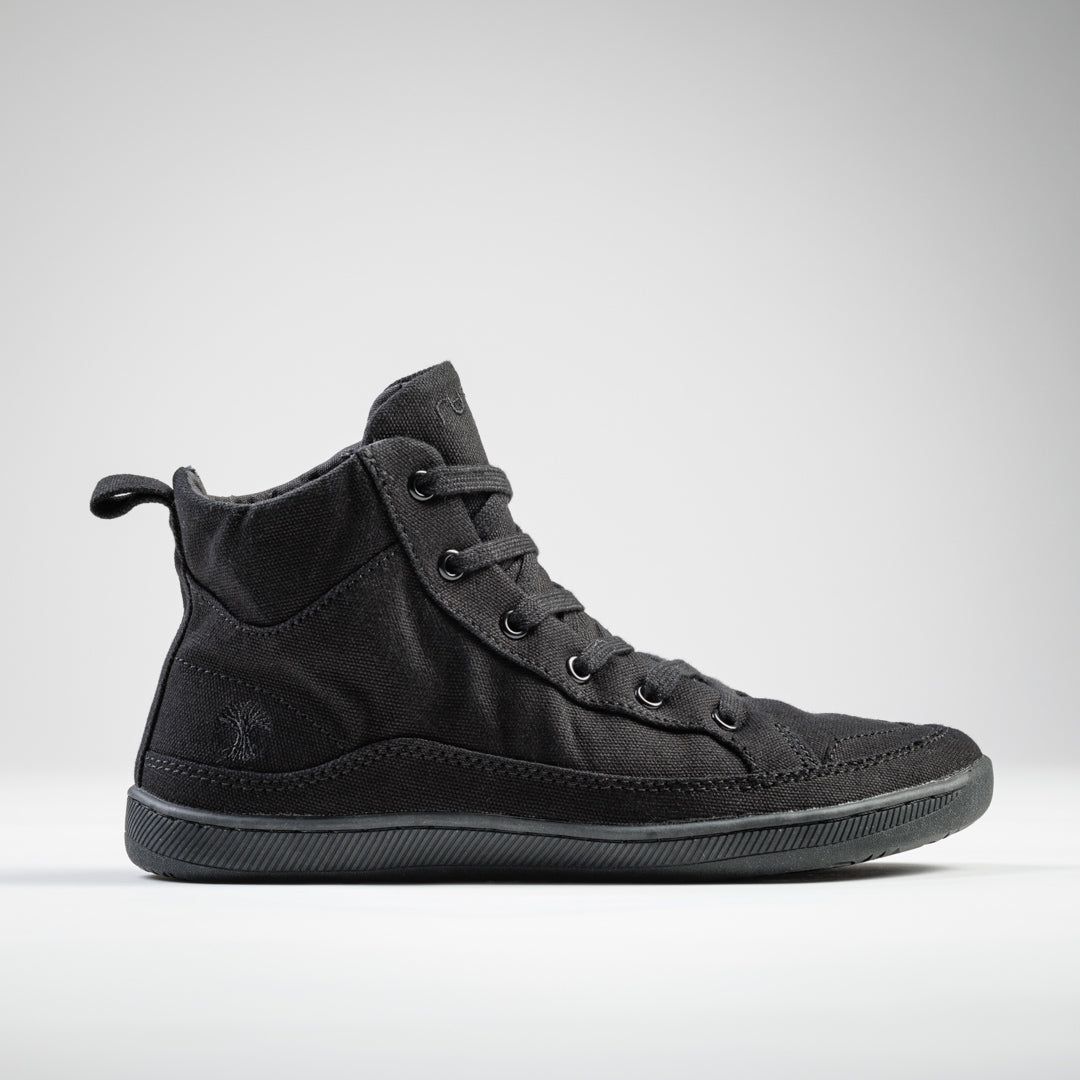
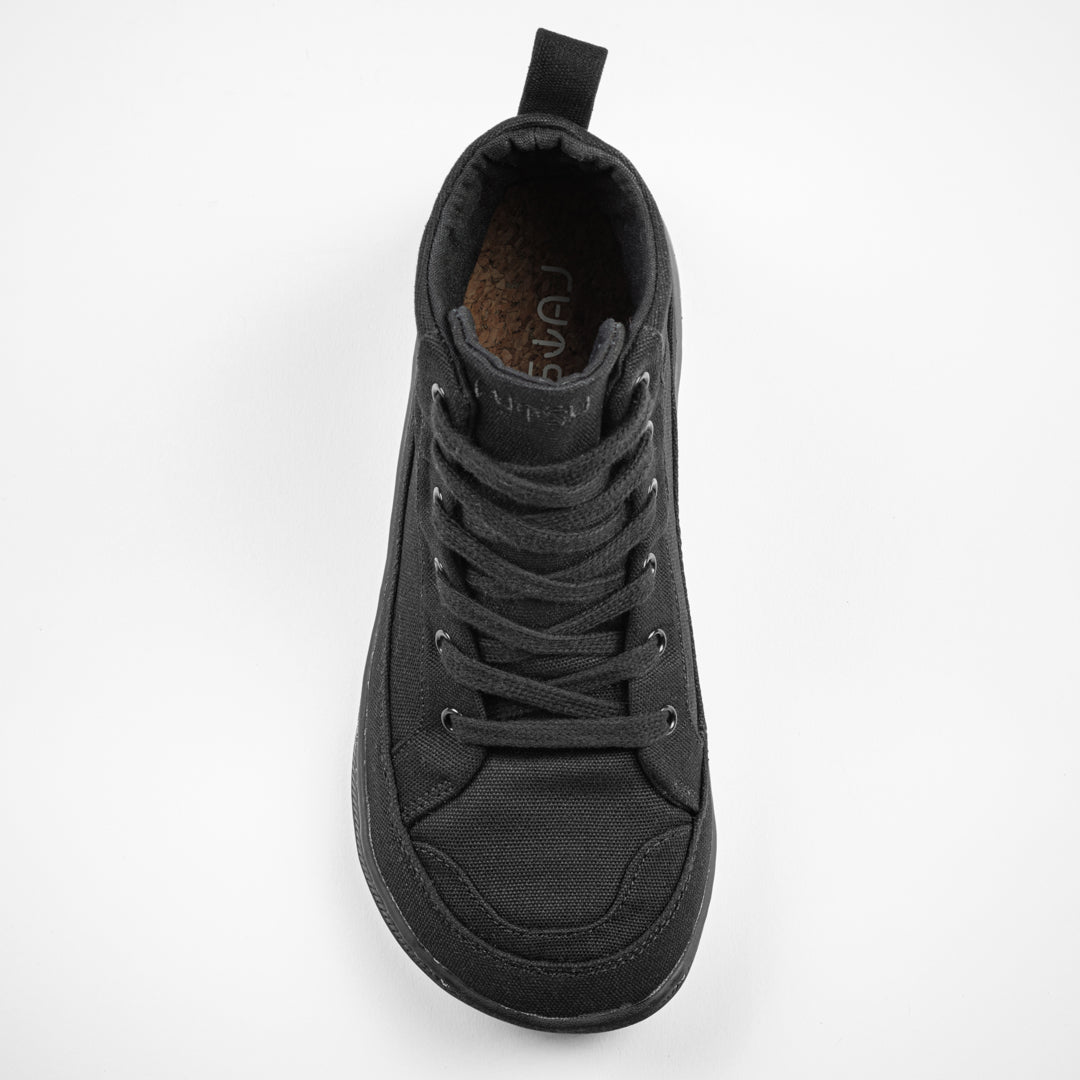
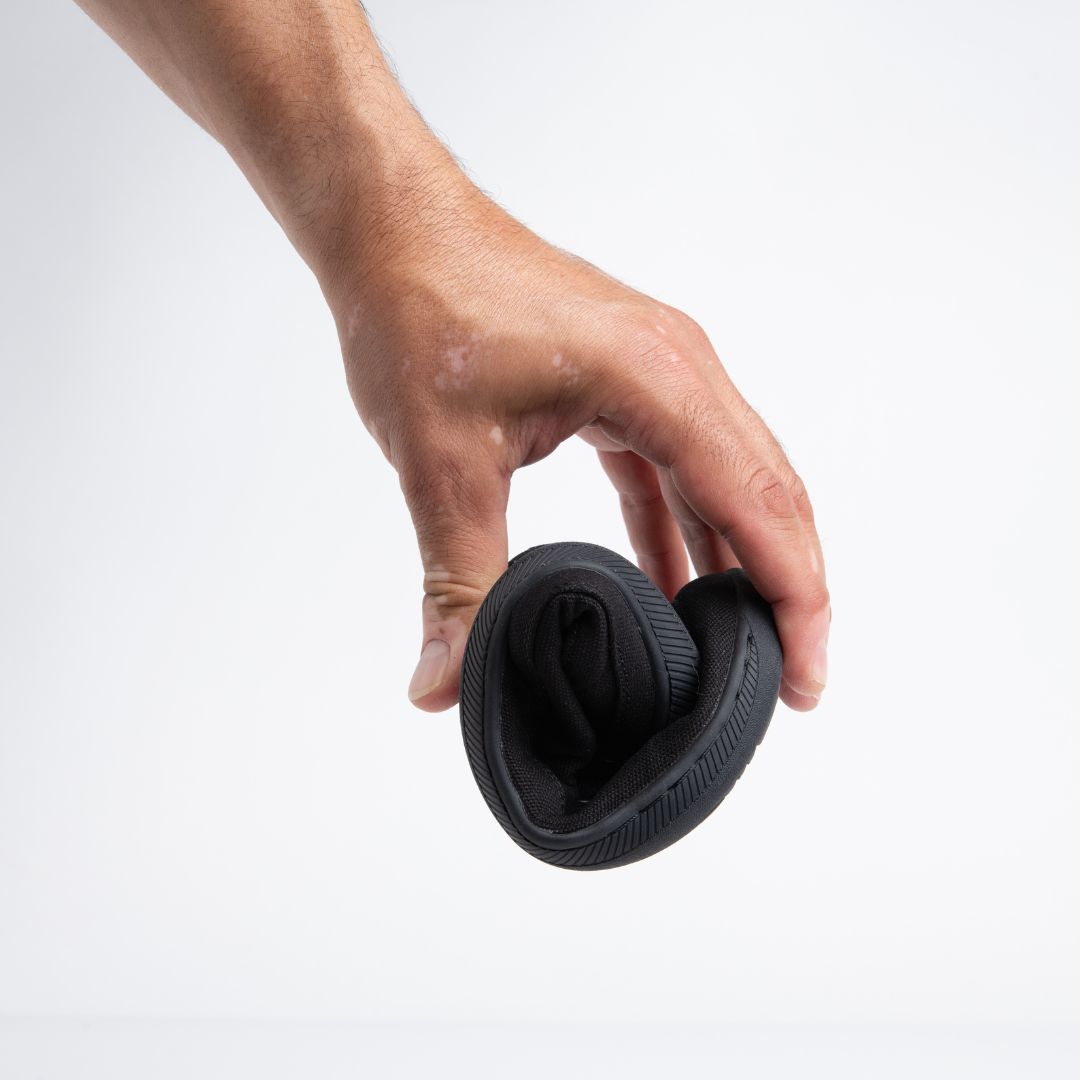
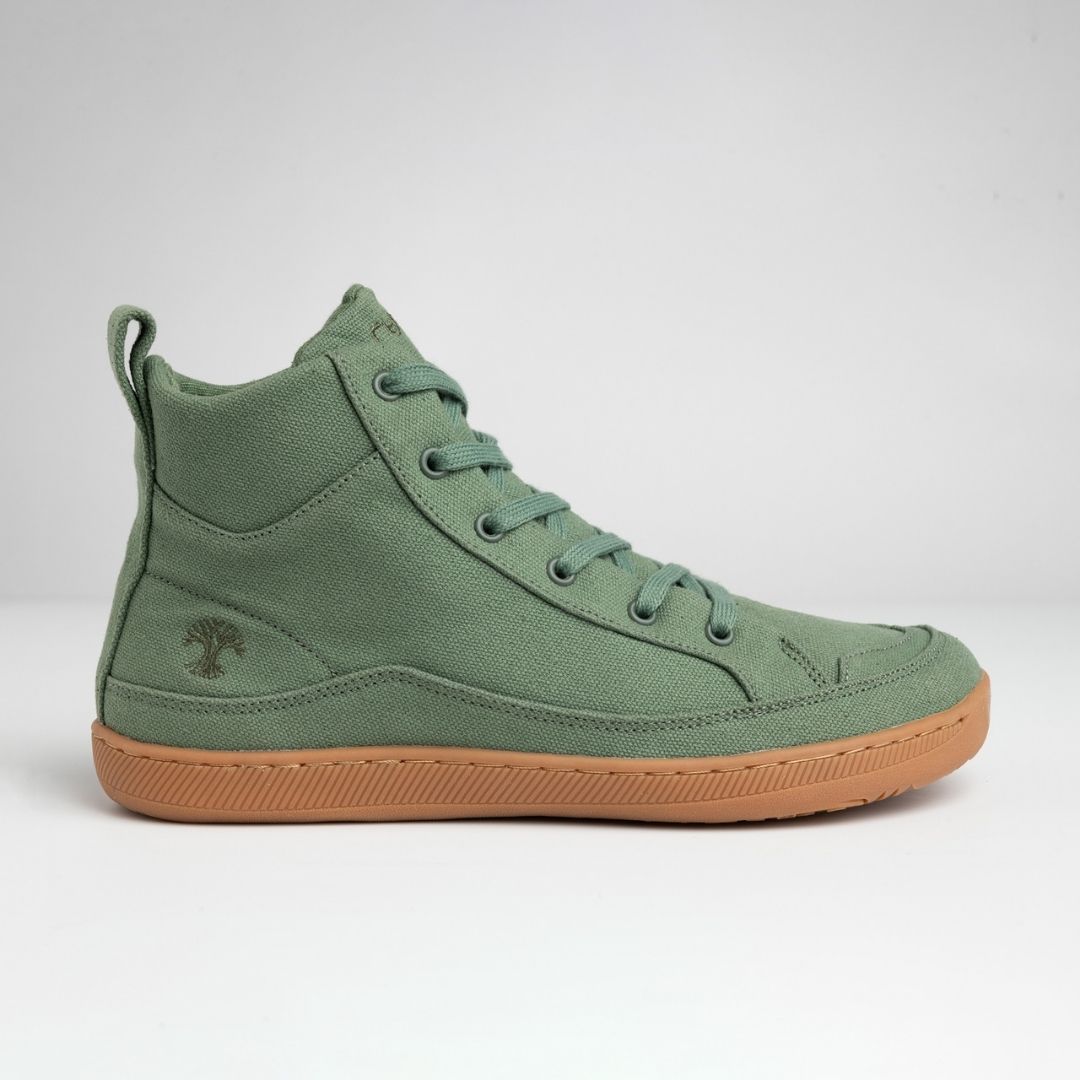
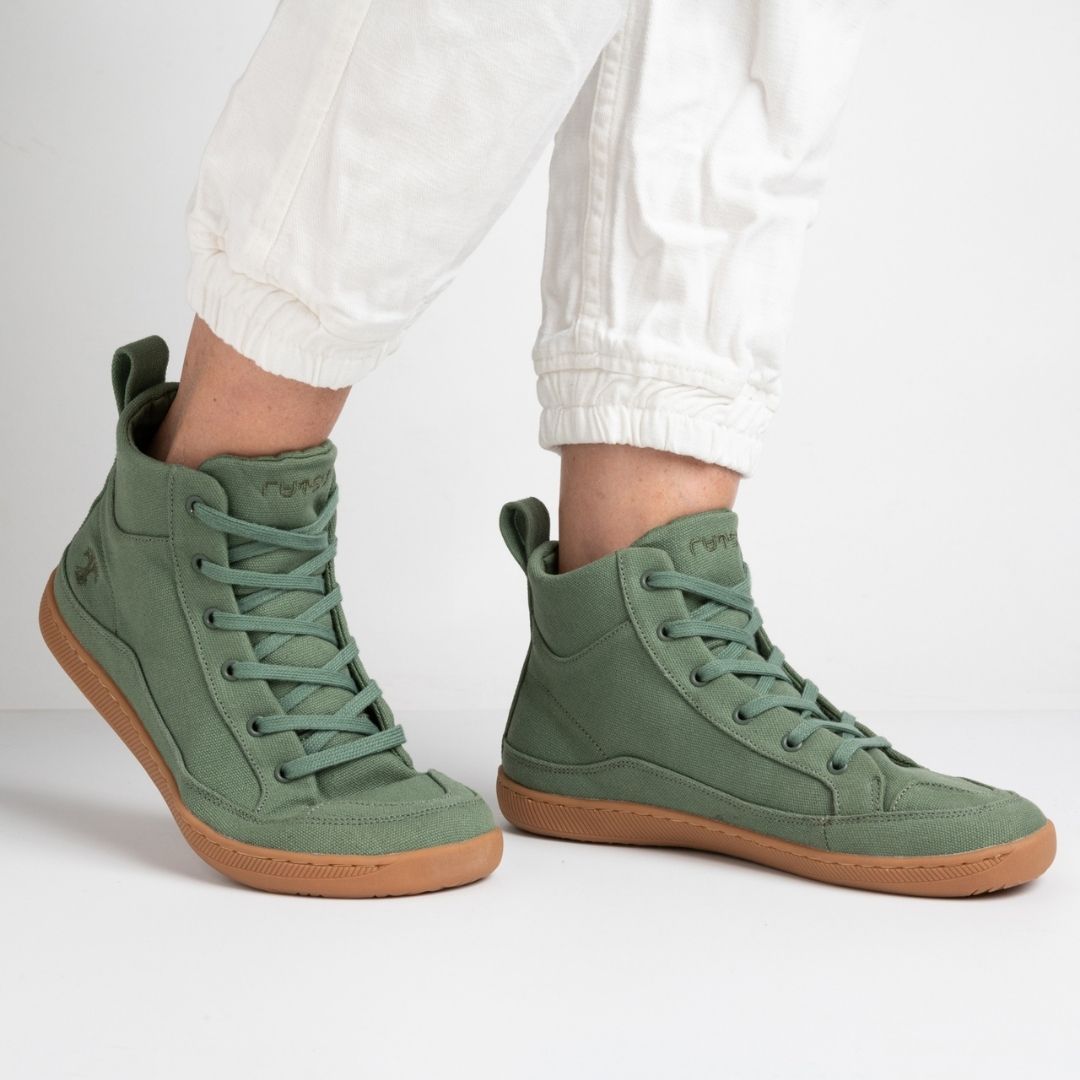
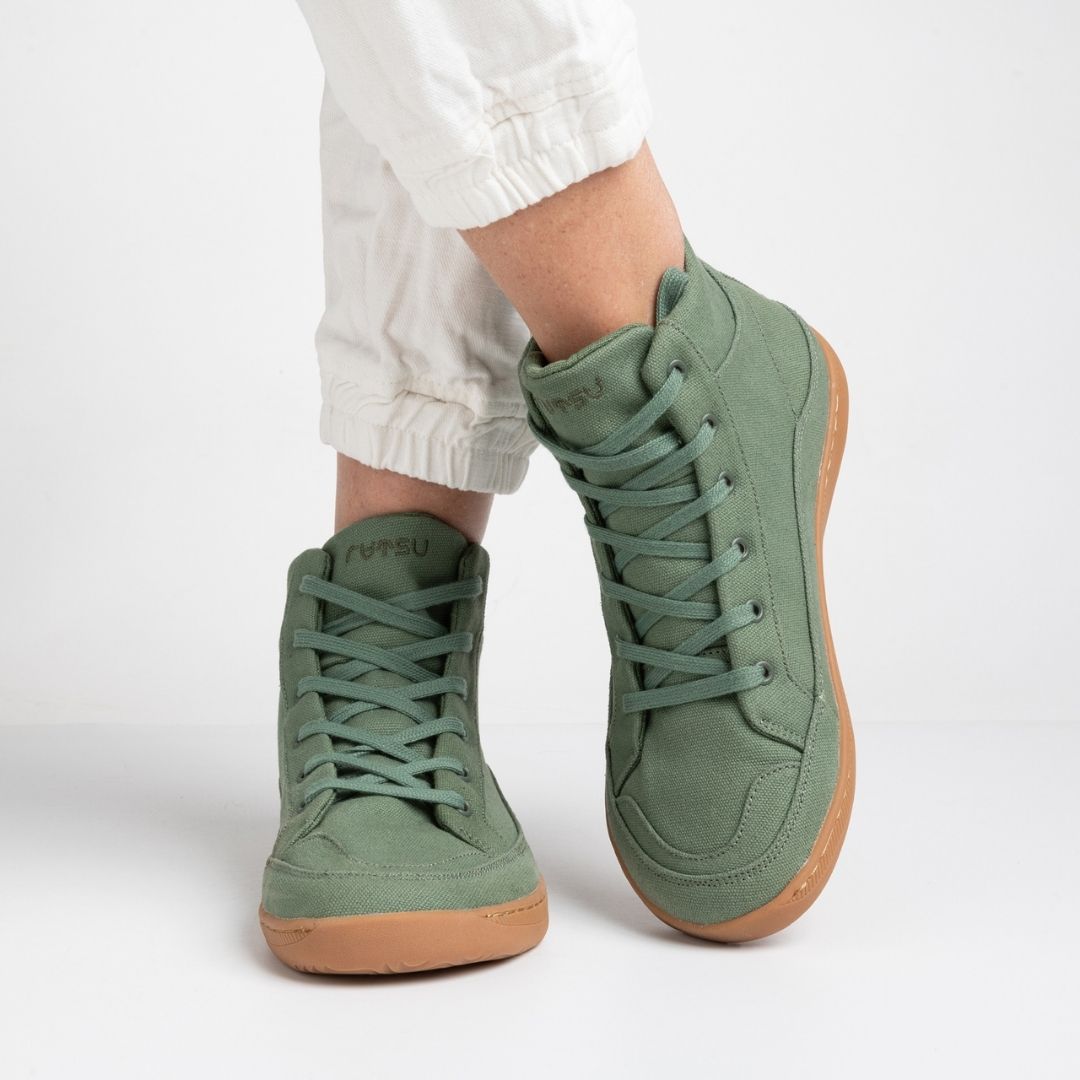
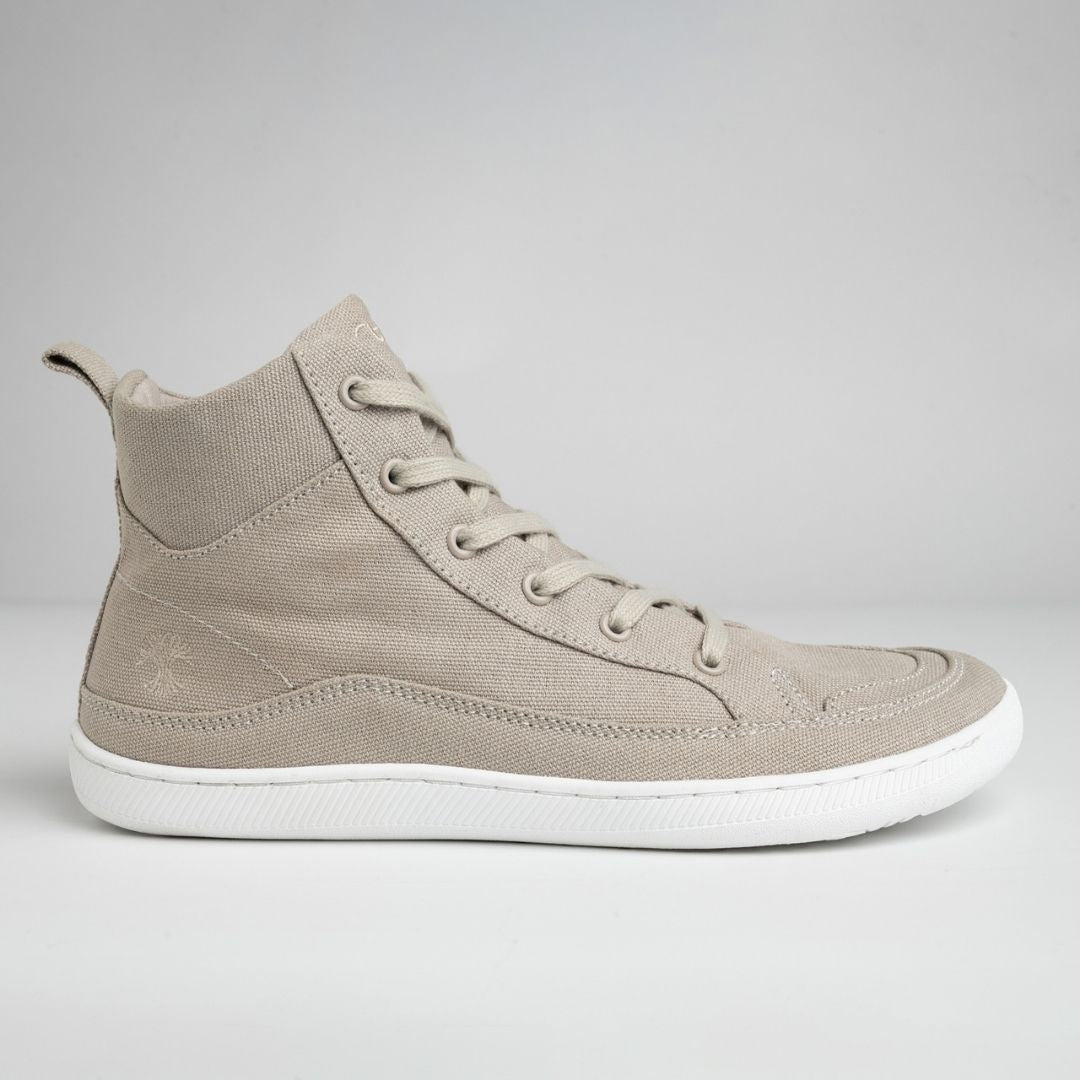
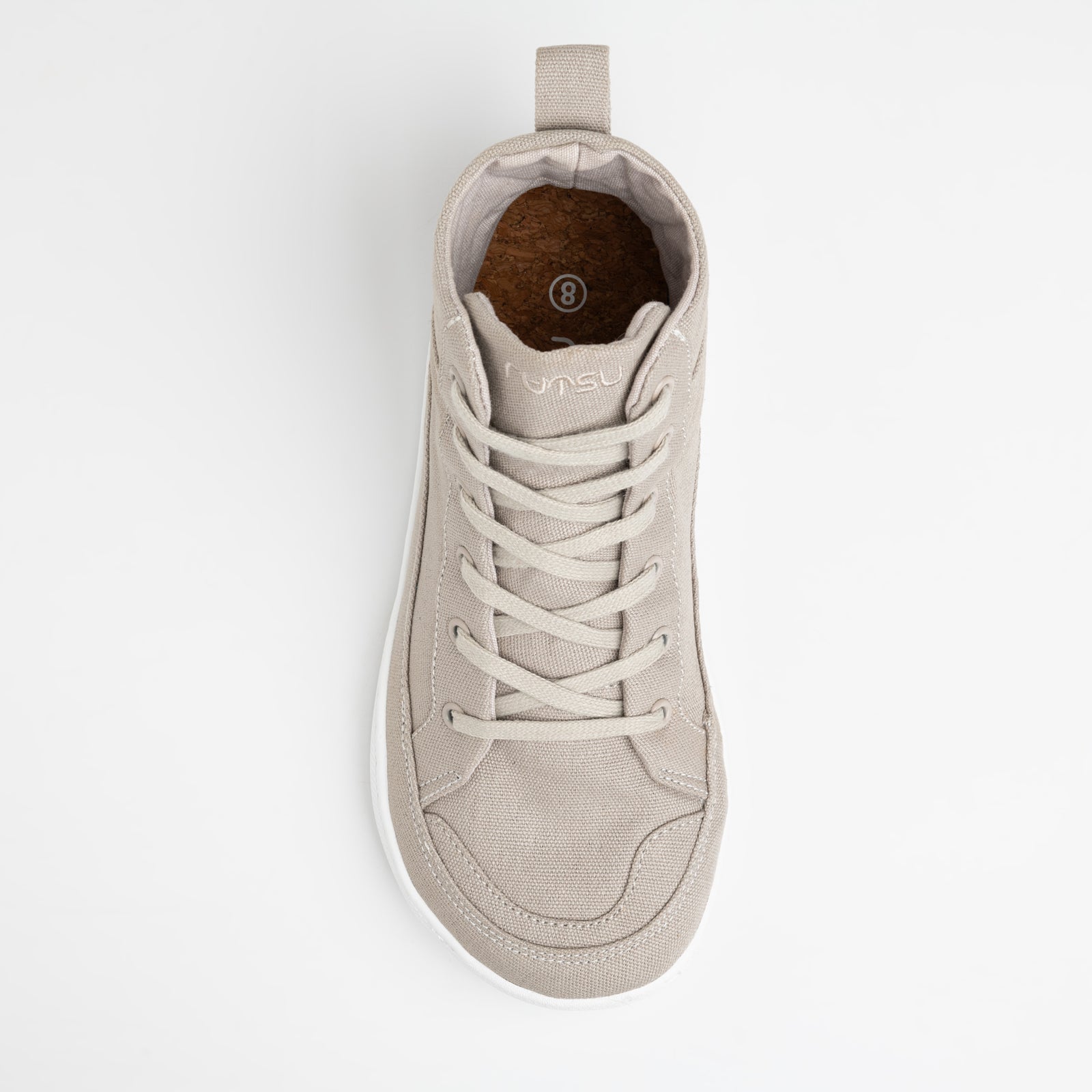
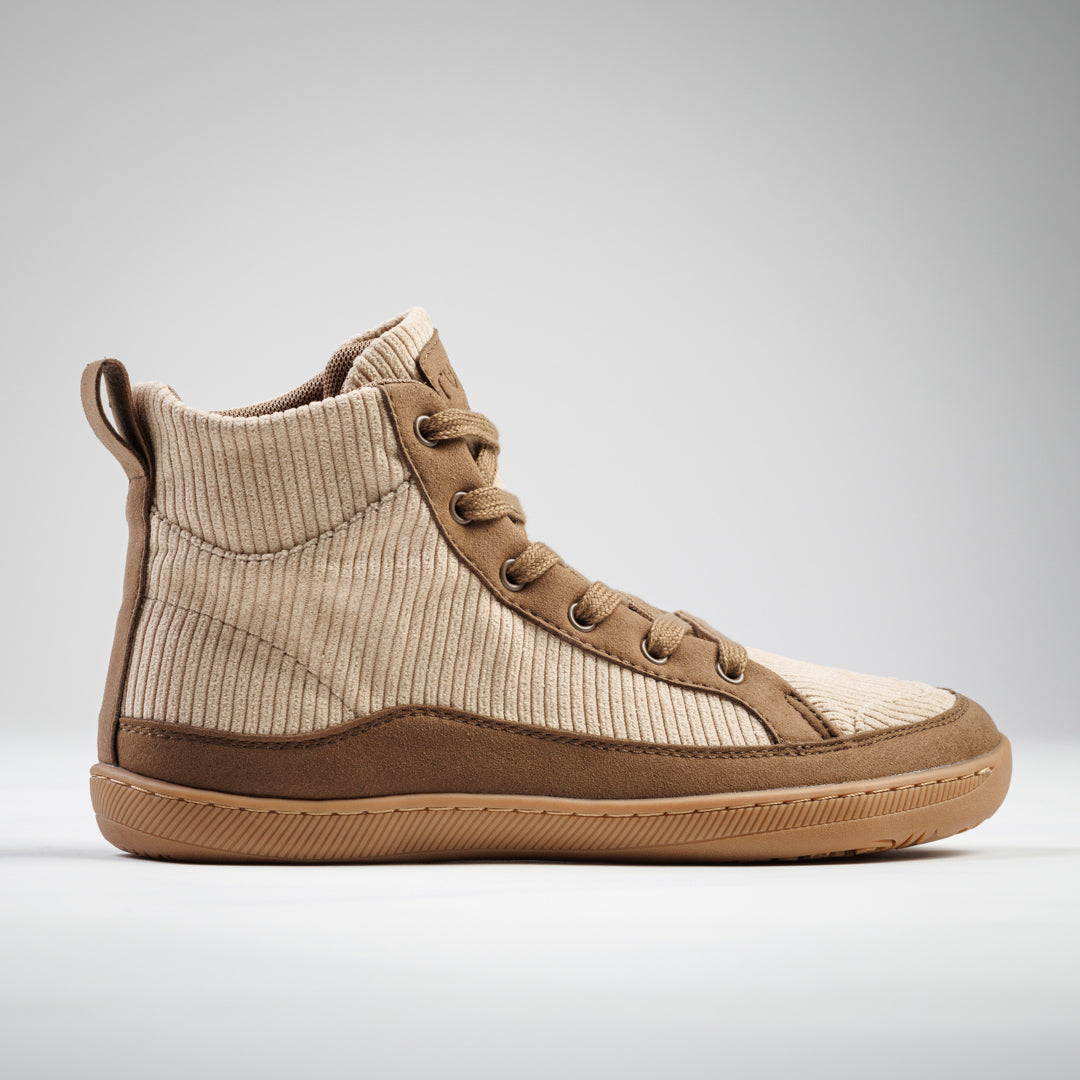
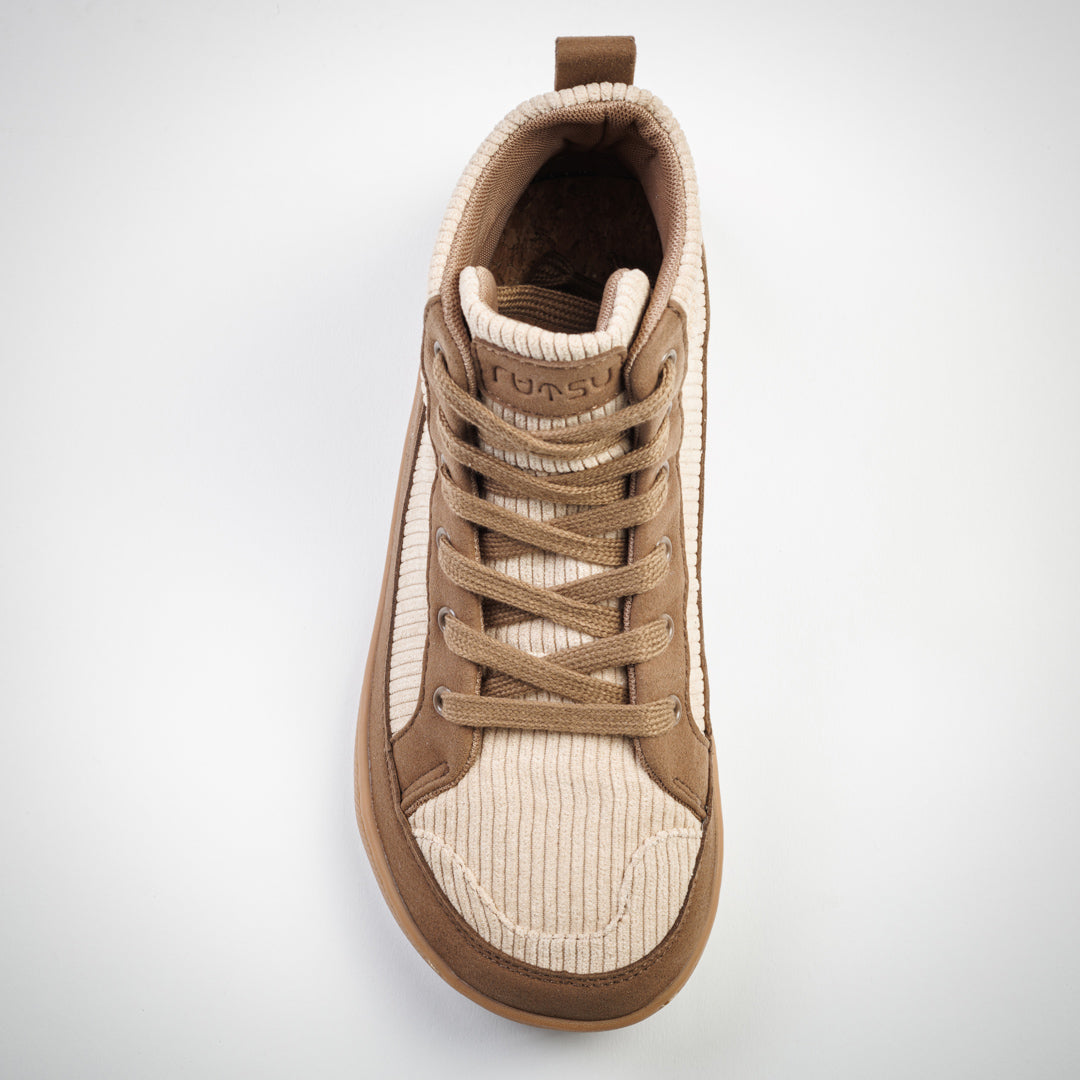
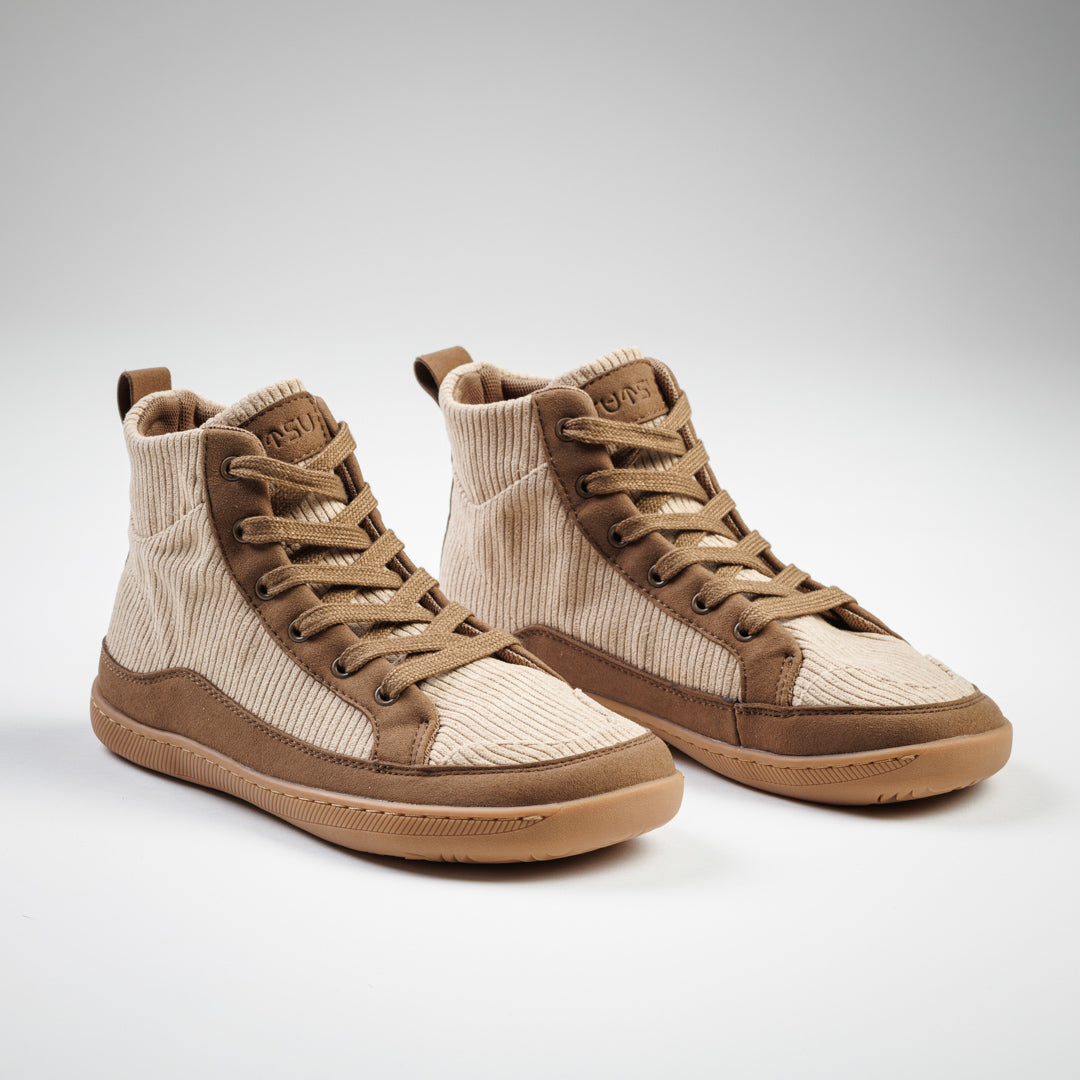
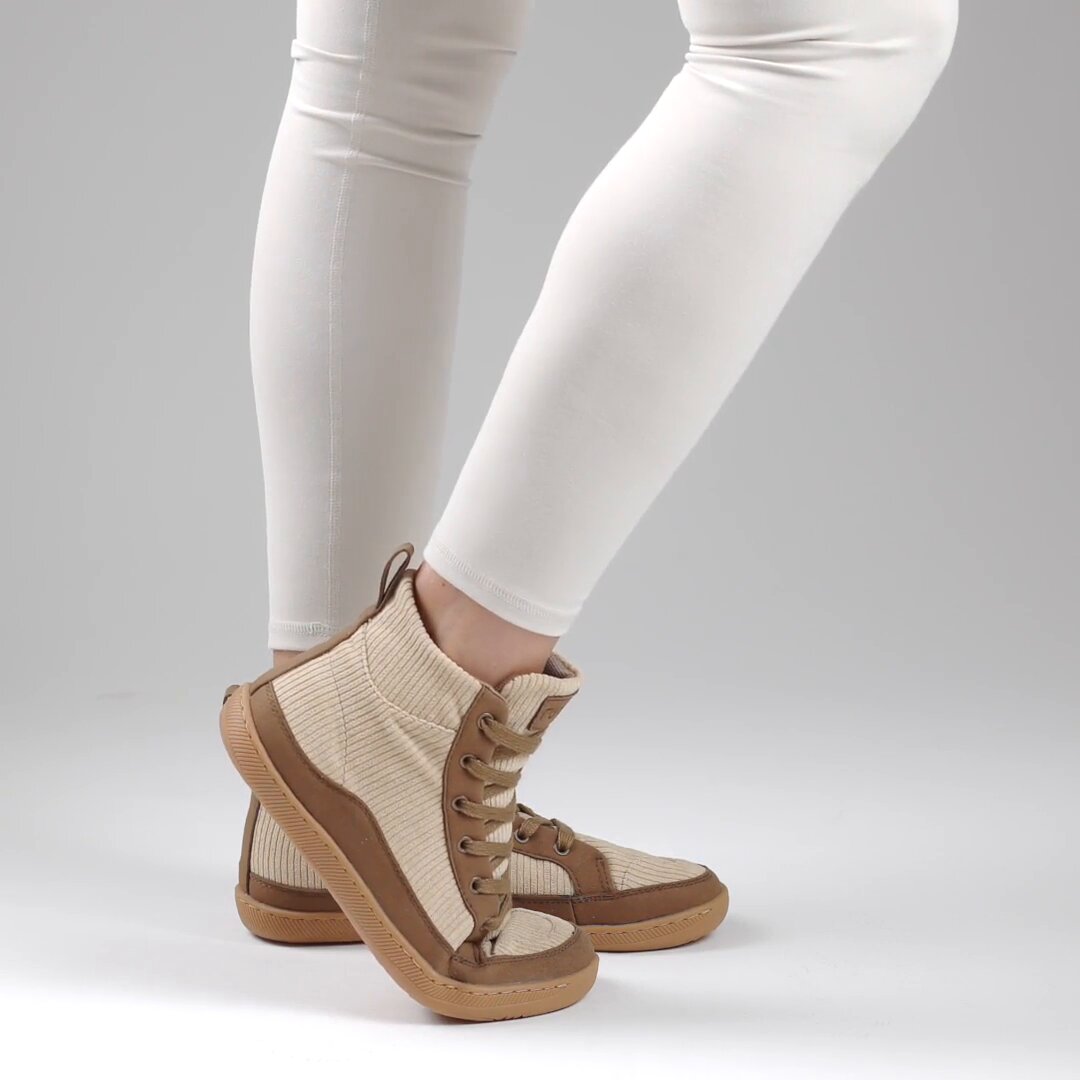
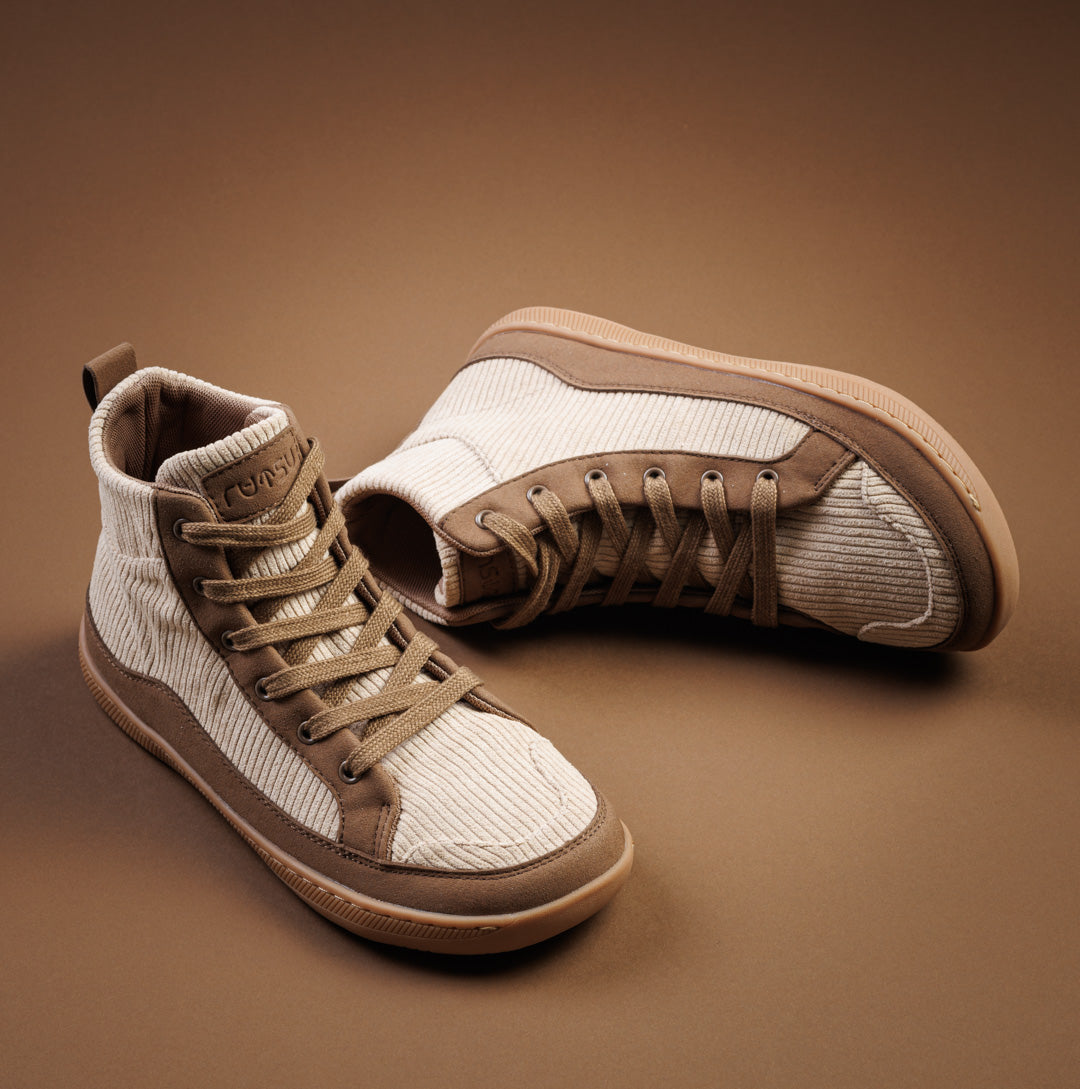
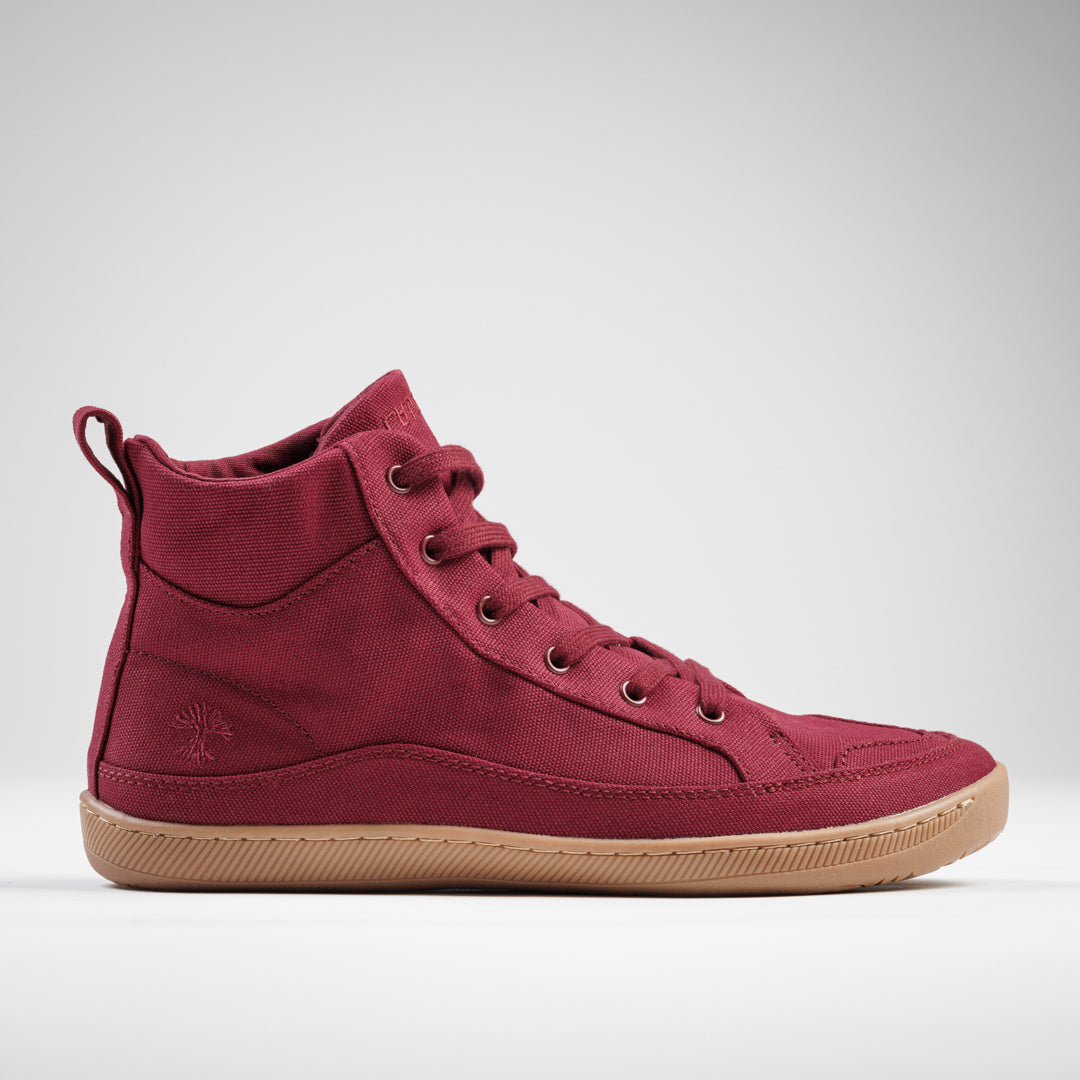
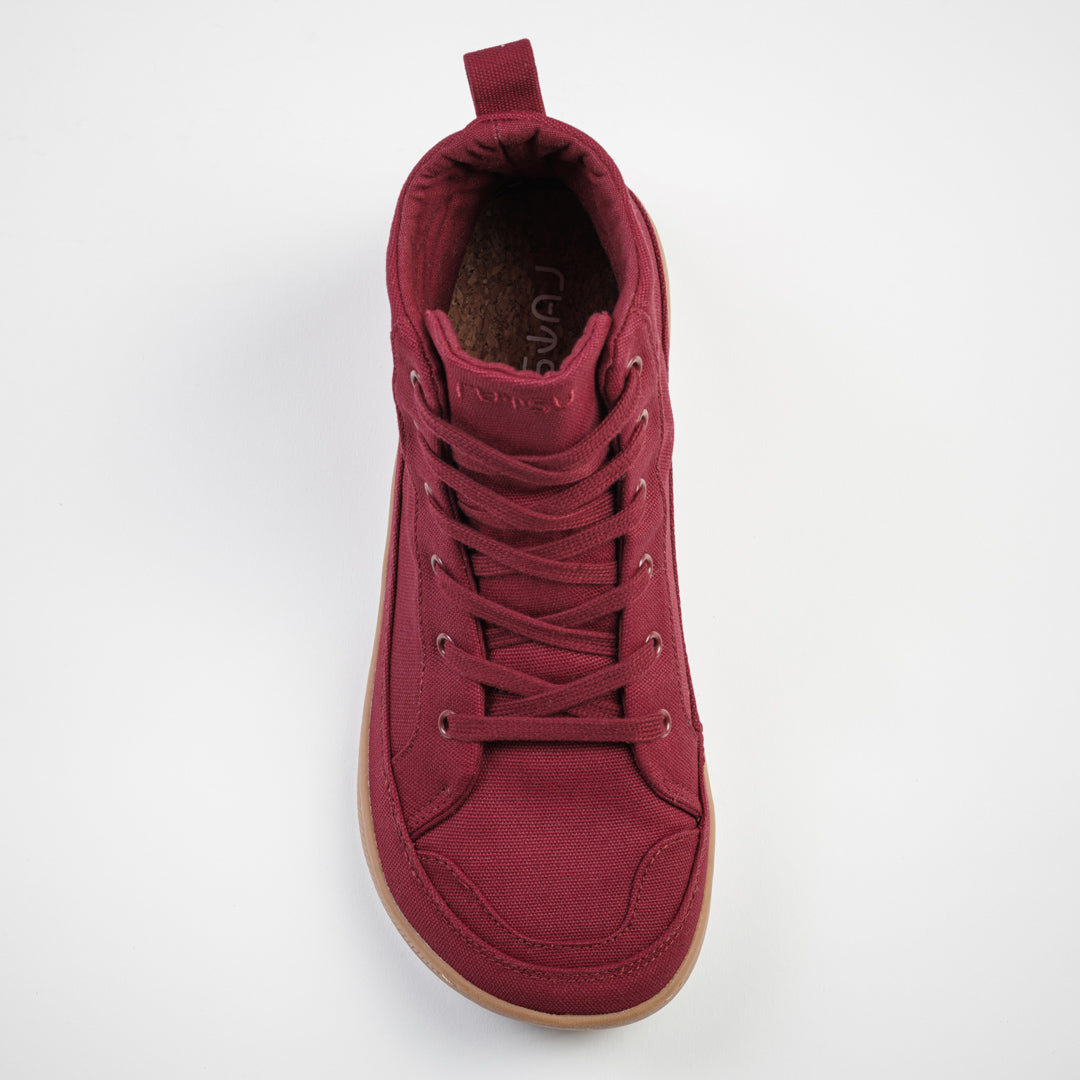
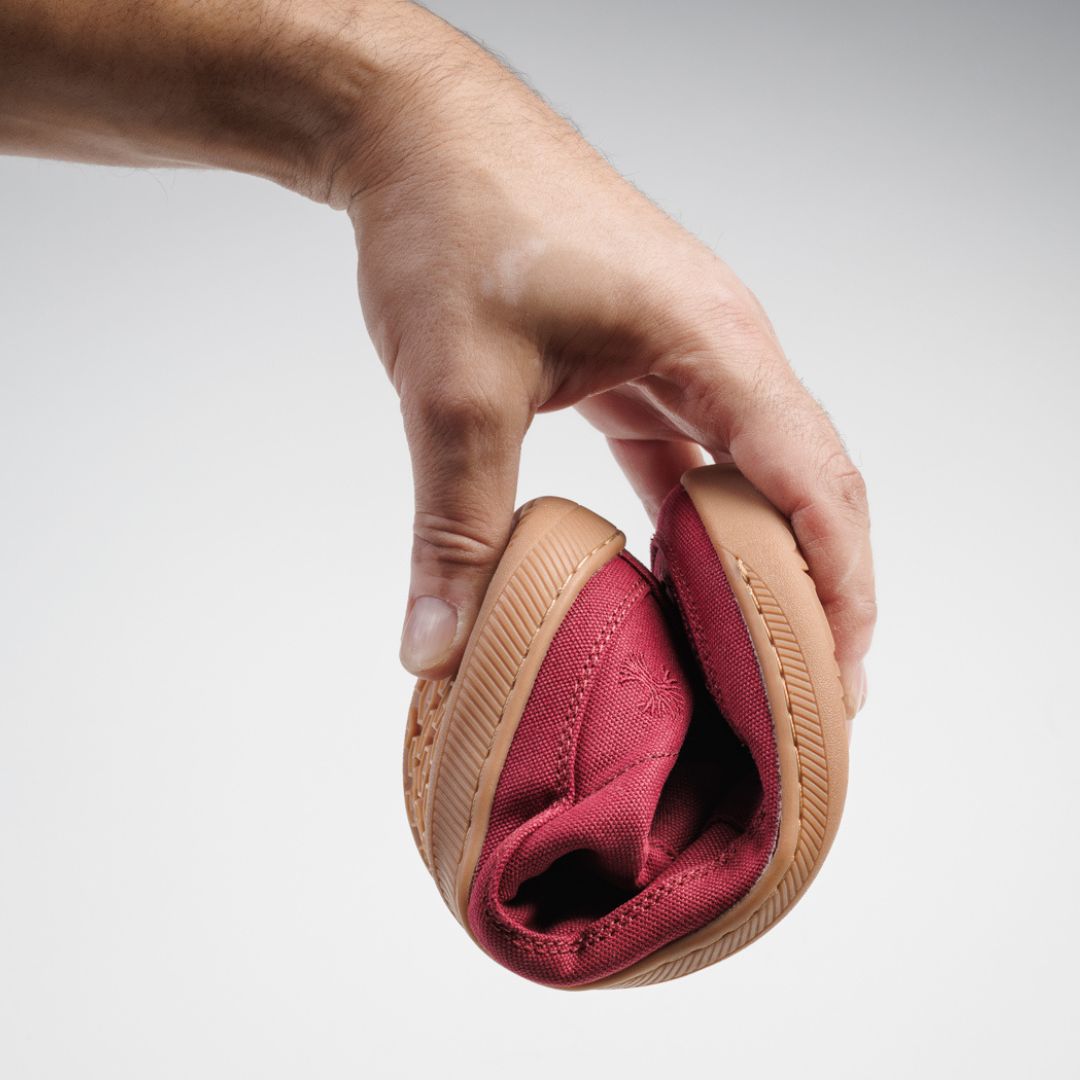
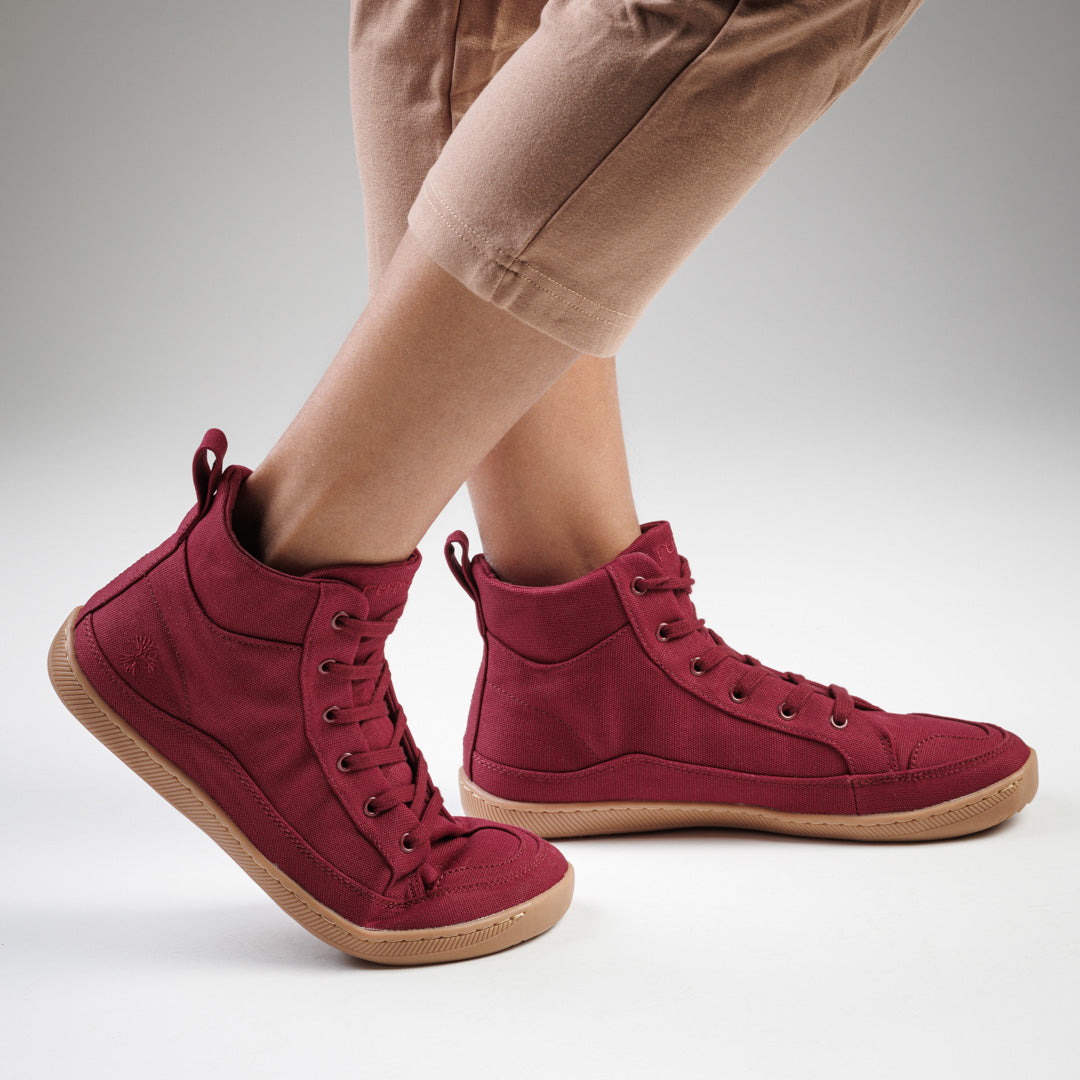
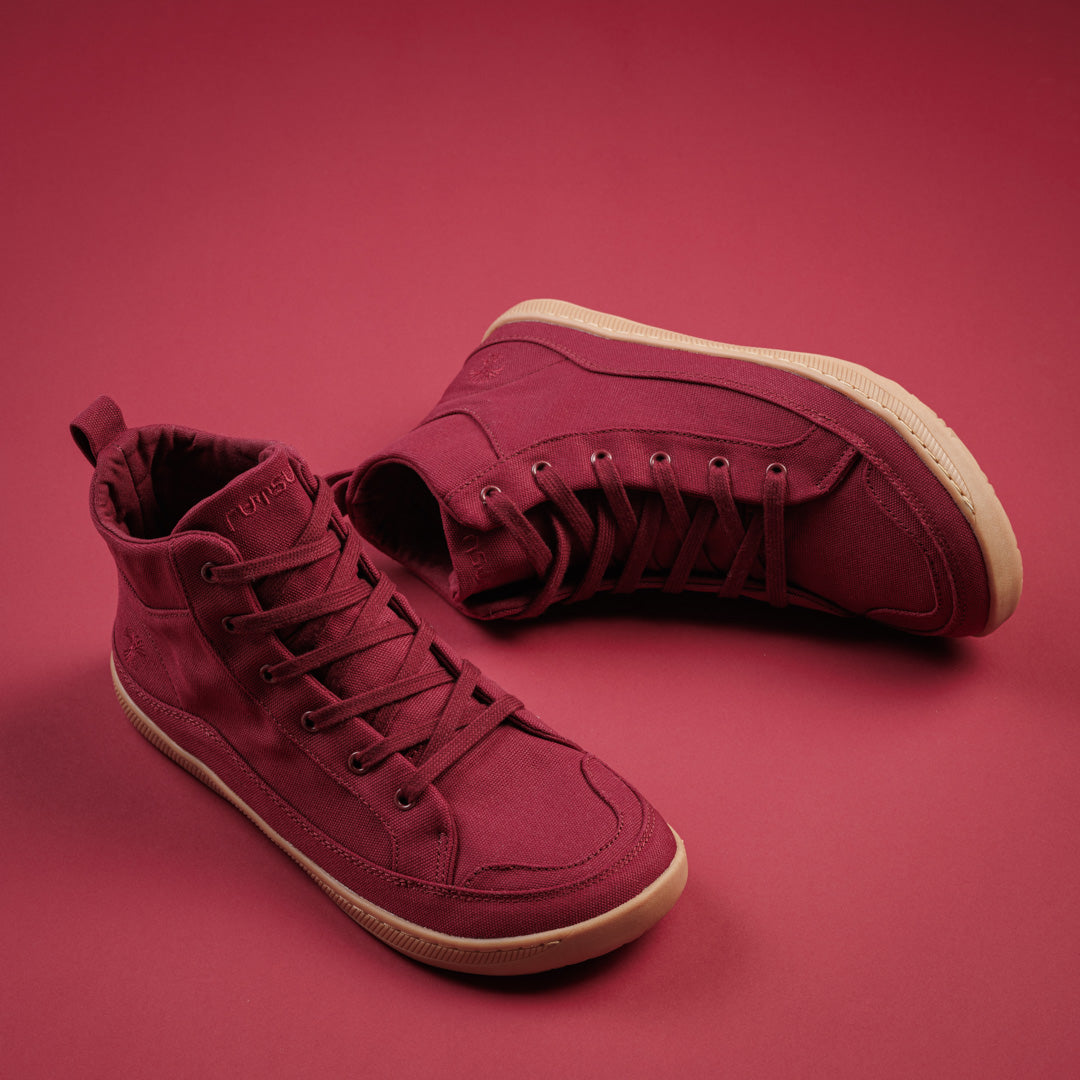
Wide toe boxes help. So does a sole flexible enough to let your foot move instead of fighting a rigid platform. Rutsu Barefoot builds around that idea. For a starting point on judging fit, this breakdown of the best barefoot shoes ladies should buy covers the trade-offs without the usual sales gloss.
Worth saying plainly: thin, flexible soles aren't right for every clinical setting. If your unit requires fluid-impermeable uppers or a specific slip rating, that rule wins. Every time.
Non-Slip Work Shoes for Warehouse, Construction and Industrial Jobs
Time to be blunt with you.
Construction sites need protective toe caps, puncture-resistant midsoles, and footwear tested to ASTM safety standards. Barefoot and minimalist shoes don't do any of that. They're not built for it, and no amount of grip makes up for a dropped pallet jack.
Warehouse work sits in a grayer zone. An order picker on sealed concrete has different needs than someone working a forklift lane. Check your site rules first. Then worry about comfort.
Industrial floors also punish soft rubber. Metal shavings and raw concrete chew it up fast, so a harder compound with deeper lugs usually outlives a stickier sole.
How to Tell If Your Current Work Shoes Have Enough Grip
Flip them over. Right now, if you can reach them.
Are the tread channels still cut deep, or worn smooth under the ball of your foot and the heel? Those two spots always go first. Once the pattern flattens, water has nowhere to escape.
Run your thumb across the rubber. Hard and glassy means the compound has aged out. Slightly tacky is what you want.
Then there's the honest test. Do you catch yourself shortening your stride on wet floors without deciding to? Your body figures it out before your brain does. If you're walking like you're on a frozen pond, your shoes already quit.
Non-Slip Work Shoes That Look Professional Enough for Office and Retail
Not every job with slip risk involves a hairnet.
Retail floors get mopped mid-shift. Lobbies turn into skating rinks when it rains. But chunky rubber clogs won't fly when the dress code says "polished."
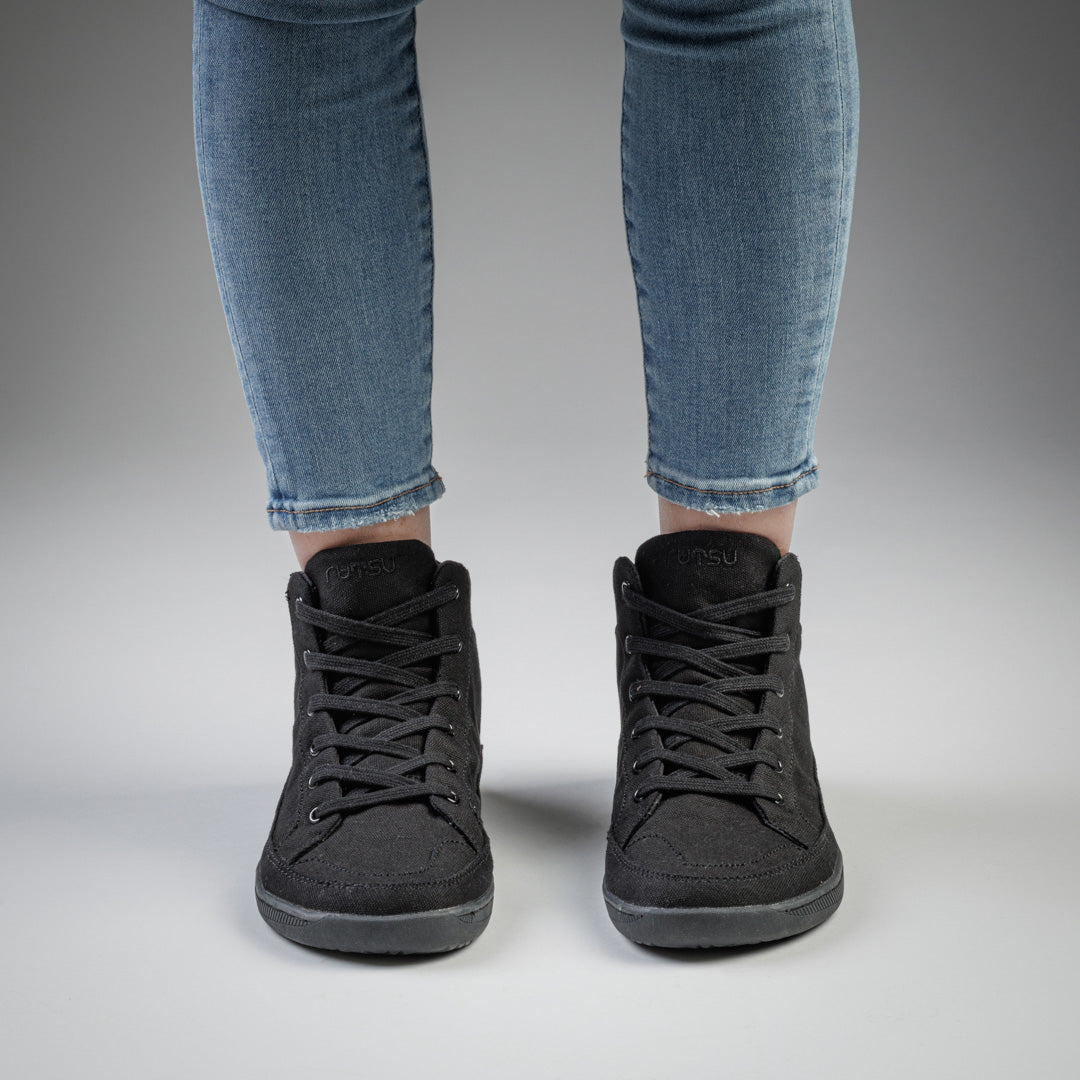
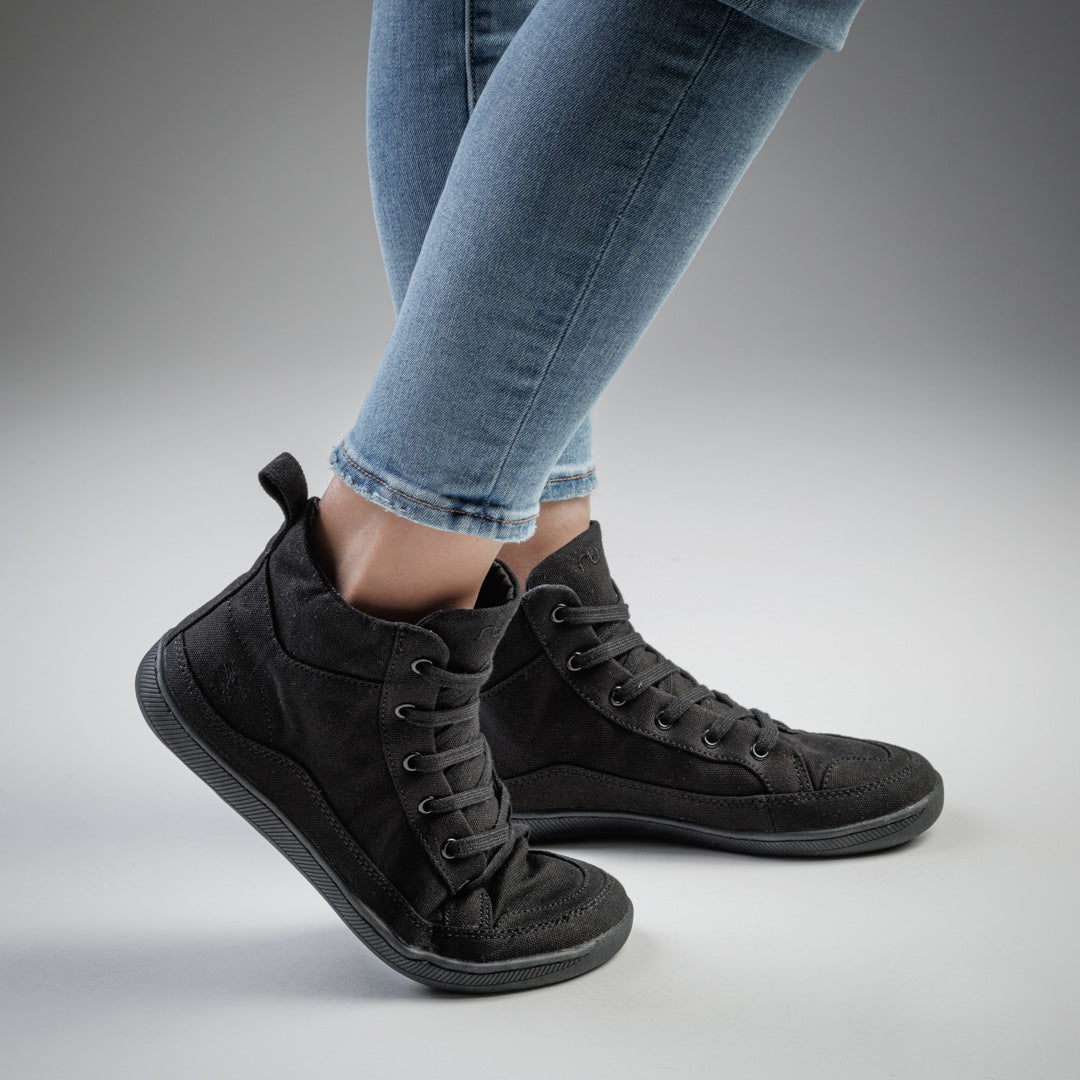
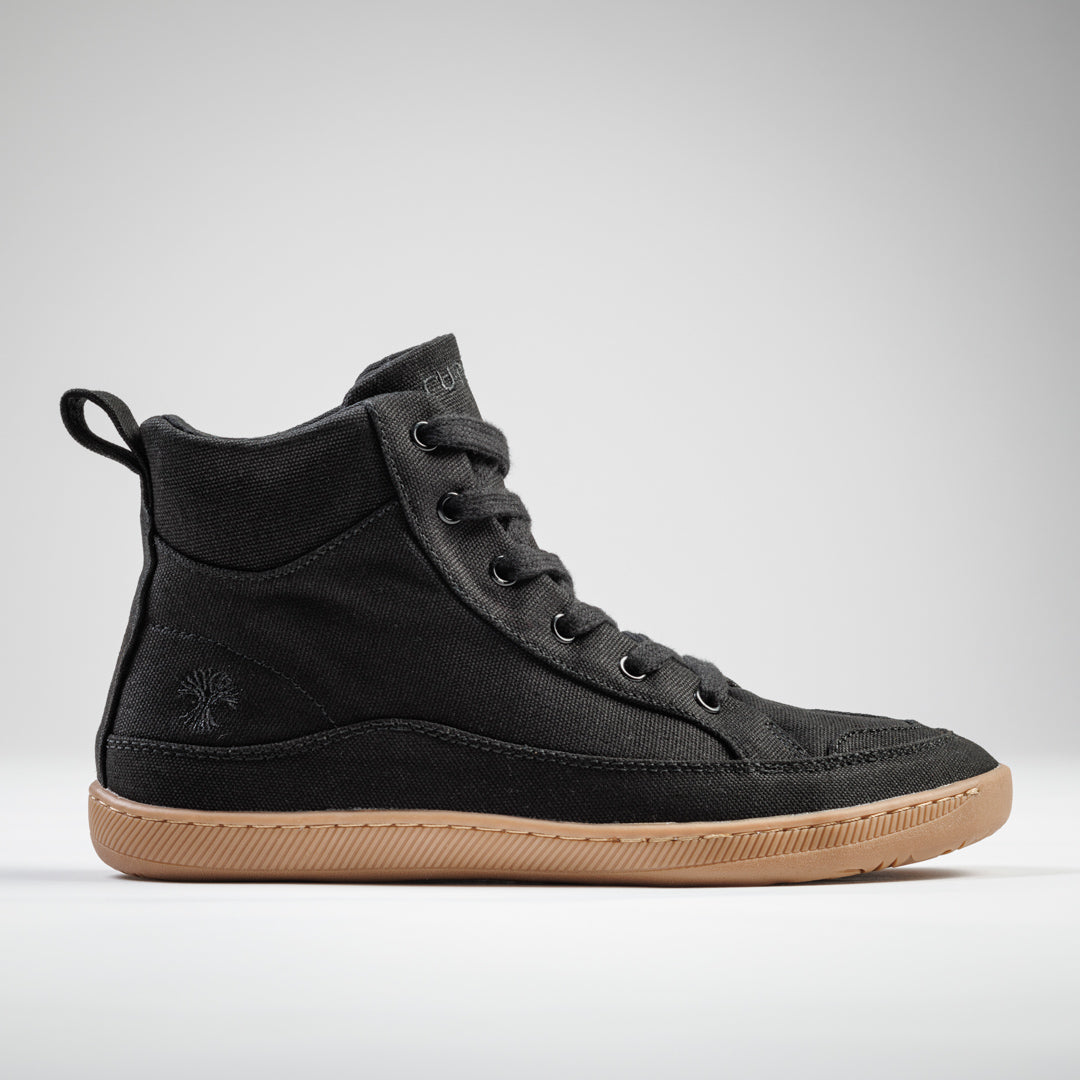
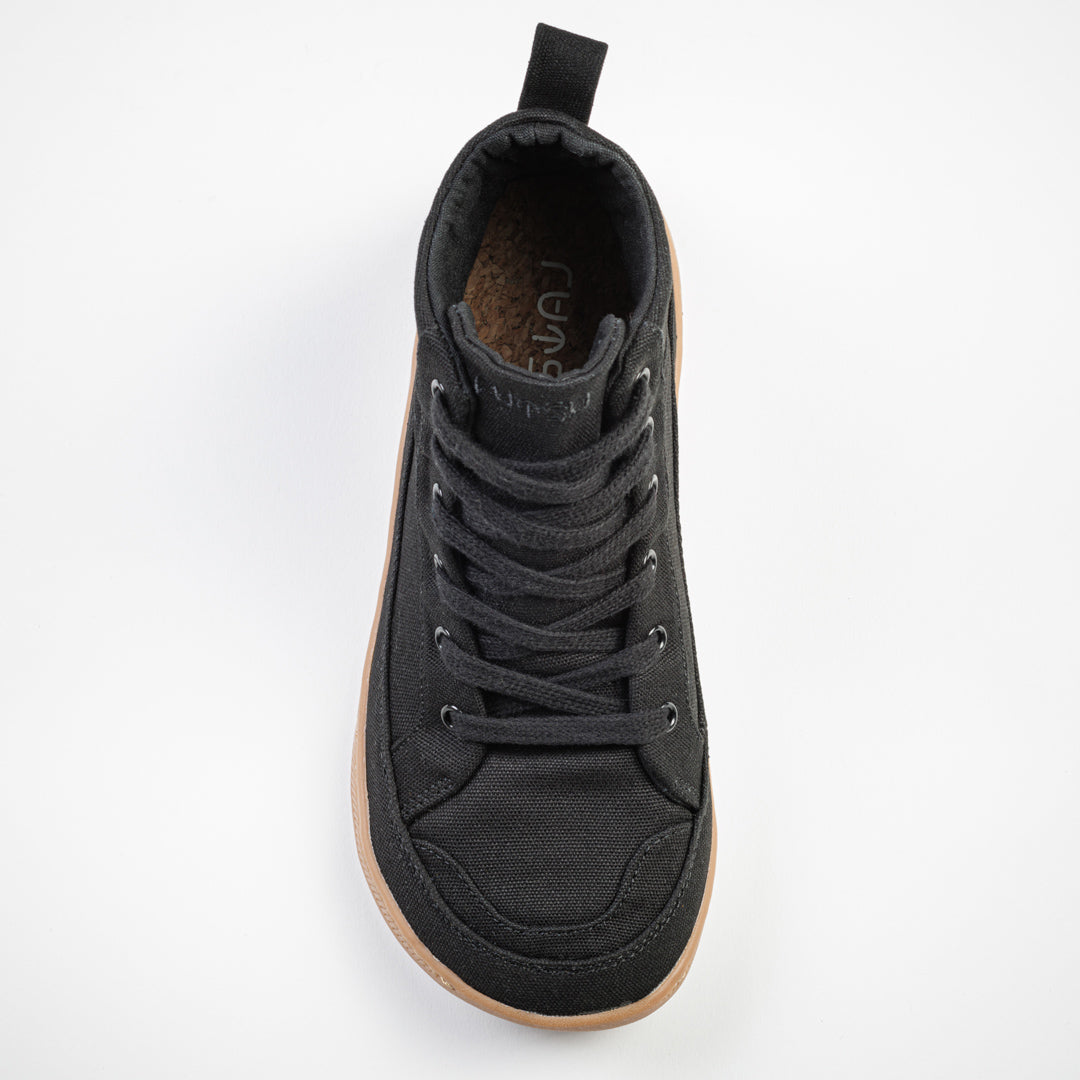
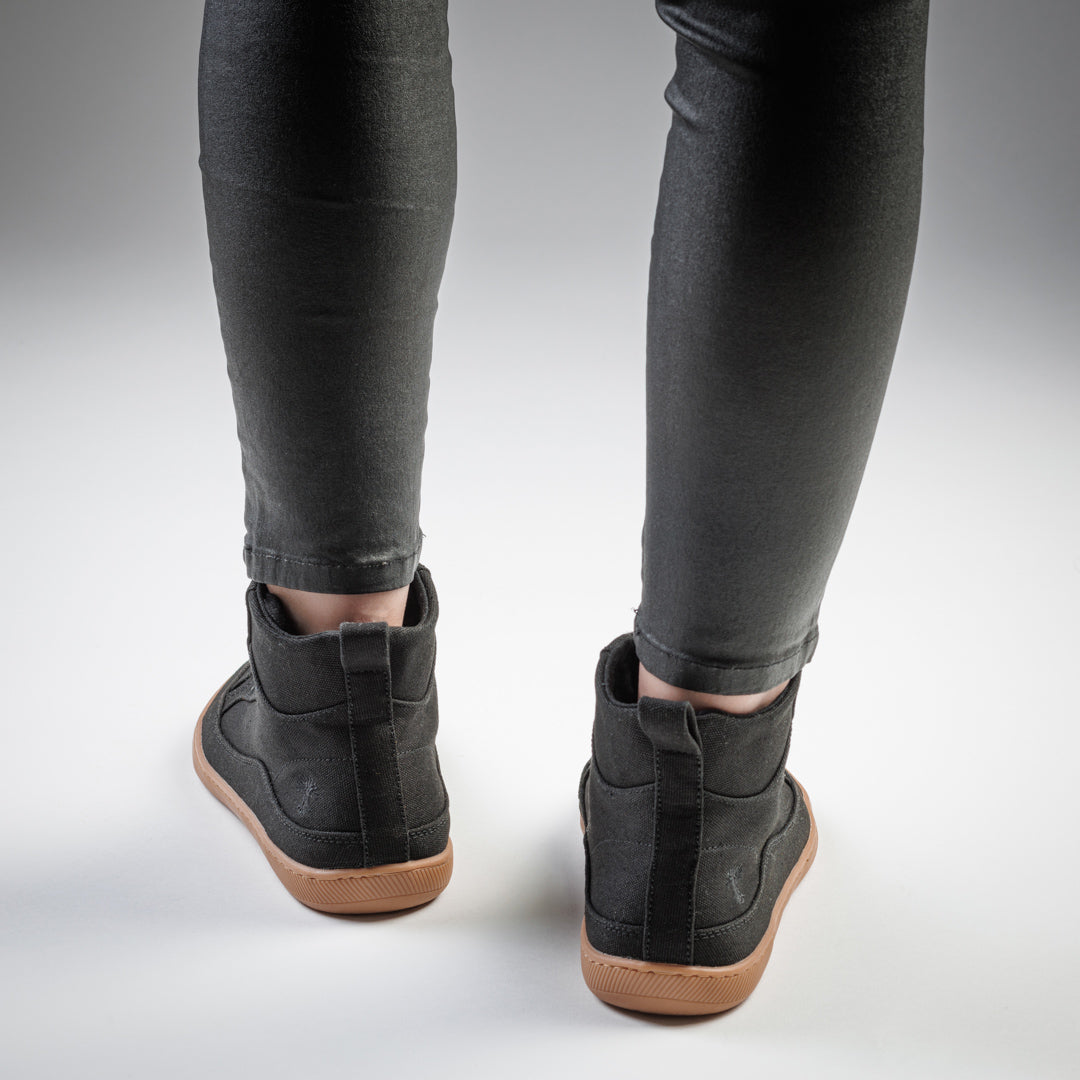
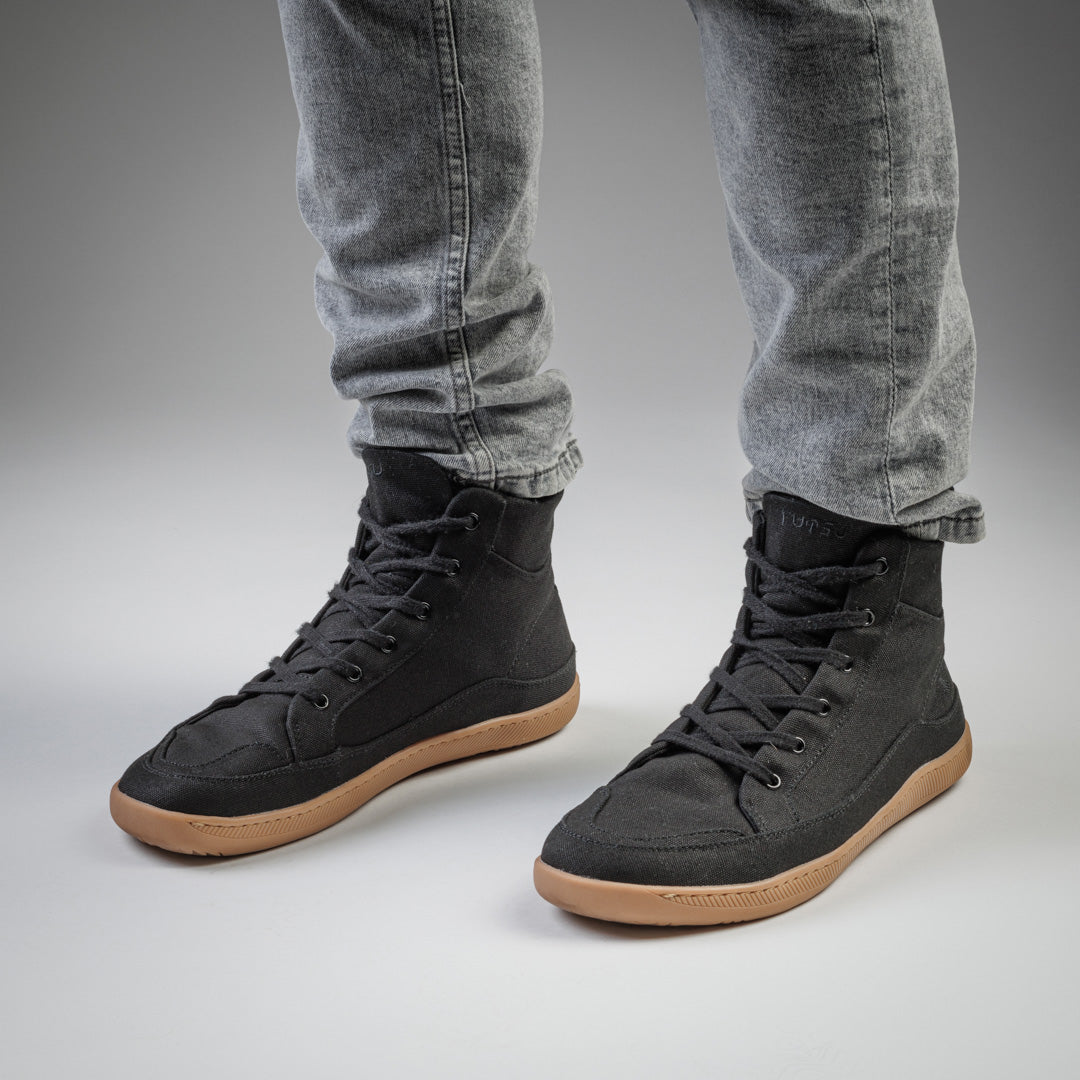
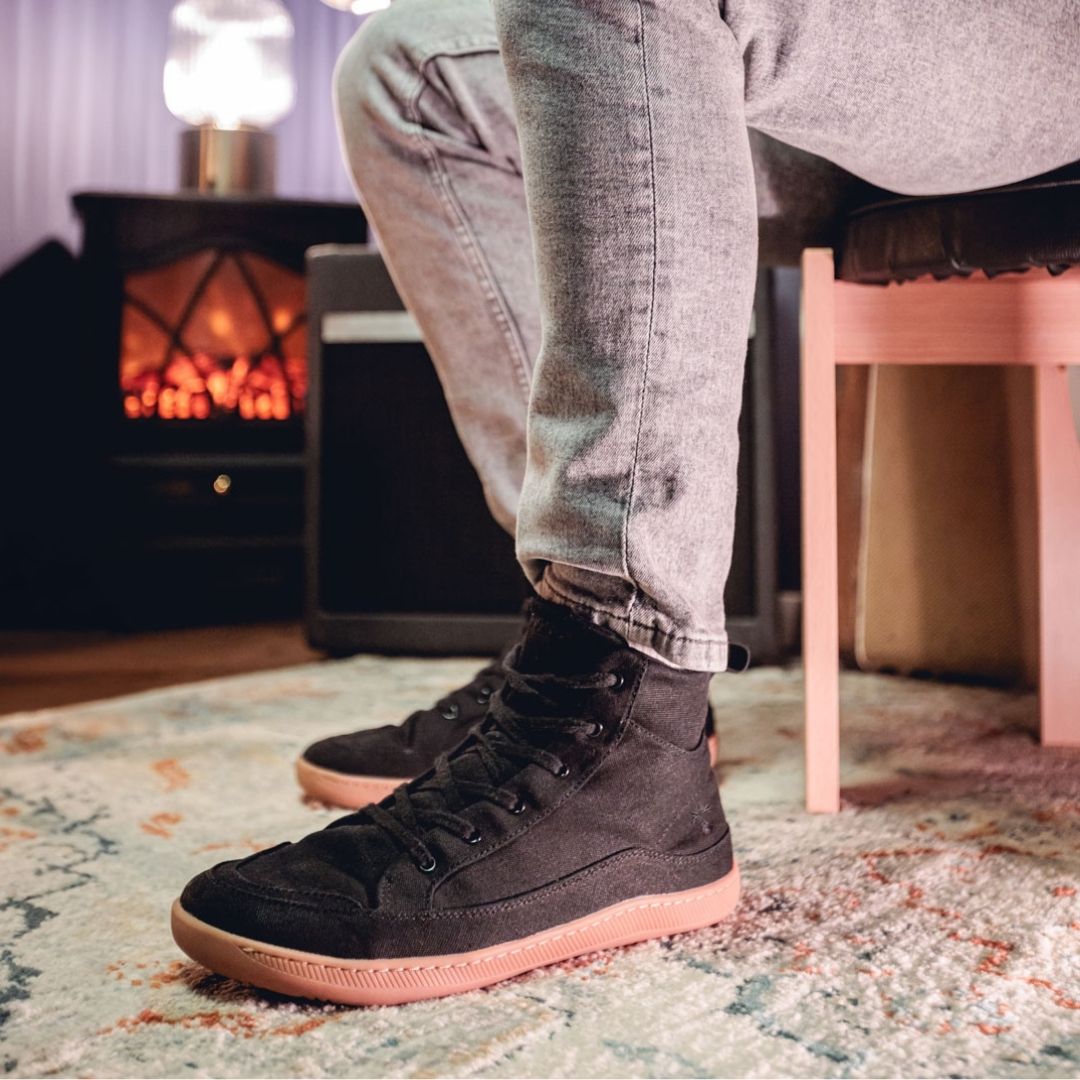
Black is the cheat code. A clean black shoe with subtle tread reads as dress footwear from three feet away, which is the only distance anyone actually looks. Rutsu Barefoot's black barefoot shoes fit that brief. The flat, flexible sole suits people who stand in one spot more than they sprint around.
One caveat, though. Dress-style soles usually trade some grip for looks. If your floor is genuinely slick, don't lie to yourself about it.
Waterproof vs. Water-Resistant Non-Slip Shoes: Which One Do You Actually Need?
Most people overbuy here.
Waterproof means a membrane blocks liquid entirely. Great for standing in puddles. Rough on breathability, which is why your socks feel like swamp by lunch.
Water-resistant sheds splashes but surrenders under sustained soaking. For maybe 80% of indoor work, that's plenty.
So ask one question. Does liquid land on your shoes, or do your shoes sit in liquid? Splashes call for water-resistant. Standing water calls for waterproof.
How to Break In Non-Slip Work Shoes and Keep Them Grippy Longer
Brand new soles are often slicker than broken-in ones. That thin factory release layer has to wear off first.
Scuff them on rough pavement for a few minutes before your first shift. Sounds crude. Works anyway.
Switching to a flatter, more flexible shoe deserves more patience than most people give it. Jump straight from a heavily cushioned work shoe to something minimalist and your calves may protest. Two weeks of short wear, building up slowly, is a sensible starting point. Rutsu Barefoot's barefoot sneakers are a common entry point for that transition. Anyone with an existing foot condition should talk to a podiatrist first.
Upkeep is simple. Scrub grease off the tread weekly with warm soapy water. Grease fills those drainage channels and quietly turns your tread into a pancake.
Budget-Friendly Non-Slip Work Shoes That Still Meet Safety Standards
Cheap and unsafe are not the same thing.
Plenty of shoes in the $40 to $70 range carry legitimate slip-resistance ratings. What you give up at that price is durability, not certification. A $50 pair might last five months where a $130 pair goes fourteen. Run that math against your own hours.
Where I'd never cut corners: anything tied to a real safety requirement. Toe protection, electrical hazard rating, puncture resistance. Those aren't upgrades. They're the entire point.
And skip no-name sellers listing "anti-slip" with no rating and no test behind it. That phrase means nothing on its own.
Picking Your Pair Without Overthinking It
The right non slip work shoes depend less on brand loyalty and more on honest answers about your floor, your hours, and your real hazards. A line cook and a warehouse picker need different things.
Start with the requirements you can't negotiate. Chase comfort with whatever budget survives.
If your job means standing and walking rather than dodging heavy industrial hazards, a flatter and more flexible shoe may be worth trying. Have a look through the Rutsu Barefoot barefoot sneakers collection and see whether that style matches how you actually move.
Frequently Asked Questions
Do Non-Slip Work Shoes Lose Their Grip Over Time?
Yes, faster than most people expect. Rubber hardens with age and tread channels wear flat, and both cut traction. Heavy kitchen use can noticeably dull grip inside six months.
What Is the Difference Between Slip-Resistant and Non-Slip Shoes?
"Slip-resistant" usually means the shoe passed a recognized traction test. "Non-slip" is often just marketing language with nothing behind it. Look for a stated standard, not a confident adjective.
Can You Wear Non-Slip Work Shoes Outside of Work as Everyday Shoes?
Absolutely, and plenty of people do. Just know that softer slip-resistant compounds wear down quicker on rough outdoor surfaces like asphalt.
Are Non-Slip Shoes Required by OSHA for Certain Jobs?
OSHA doesn't mandate slip-resistant footwear across the board, but it does require employers to address slip and fall hazards. Many workplaces set their own footwear rules to meet that duty. Ask your employer directly.
How Often Should You Replace Non-Slip Work Shoes?
For full-time work in a wet or greasy environment, six to nine months is a common range. Lighter use can stretch past a year. Let tread wear make the call, not the calendar.
Do Non-Slip Shoes Work on Wet, Oily and Greasy Surfaces Equally?
No. Oil and grease are much harder to grip because they don't disperse the way water does. Soles tested specifically for oily surfaces handle kitchens far better than general wet-rated ones.