

Your feet cover somewhere between 4,000 and 7,000 steps on an average day. Most of us barely think about that until something starts aching around hour eight.
So what types of shoes are ideal for daily activities? Honestly, it depends on what your day looks like. A nurse on hour ten of a shift needs something different from someone who walks the dog and then sits at a desk. This guide sorts it by activity, not by marketing labels.
Why Choosing the Right Shoes for Daily Activities Can Make or Break Your Comfort
Each foot packs 26 bones, 33 joints, and over 100 muscles, tendons, and ligaments. That's a lot of moving parts to stuff into a stiff, narrow box for twelve hours straight.
Here's what nobody tells you about shoe shopping: a good deal of foot discomfort isn't about walking too much. It's about walking too much in the wrong shape. Tapered toe boxes squeeze your toes together. Stiff soles stop your foot doing its job, so ankles and hips pick up the slack.
Some people notice a difference within a few weeks of switching to a wider, more flexible shoe. Others notice nothing. Either way, comfort starts with fit rather than the price tag.
The Best Walking Shoes for Everyday Errands and Commuting
Walking is the thing most of us do the most and think about the least.
For errands, school runs, and the hike to the train, three features matter. Light weight, a sole that bends, and room for your toes to spread. Heavy shoes drain energy across thousands of steps. Stiff ones ask other joints to compensate.
Warm weather changes the math. A pair of barefoot sandals gives you ground feel and airflow without the sweaty sock problem. In July, that matters more than people admit.
One practical tip: shop at the end of the day. Feet swell, and a pair that fits at 9 AM can pinch by 6 PM.
Running Shoes vs. Training Shoes: Which One Fits Your Daily Routine?
They look similar. They are not.
Running shoes handle repeated forward motion, usually with a raised heel and thick cushioning underfoot. Training shoes sit flatter and wider so you can move sideways during lifts, jumps, and circuits without rolling off the edge of the sole.
Mixing both in one week? A flat, flexible trainer covers more situations than a dedicated running shoe does.
One caution worth repeating. Coming from cushioned, high-heeled runners? Don't switch to a zero-drop shoe and immediately run five miles. Calves and Achilles tendons need time to adapt. For some that's weeks, for others months, and rushing it is how injuries happen.
Top Shoe Picks for People Who Stand All Day at Work
Nurses, teachers, baristas, warehouse crews. If that's your world, shoes are equipment.
Standing all day is a different problem from walking all day. Blood pools, arches fatigue, pressure lands on the same spots hour after hour. Two things help: enough width that toes aren't compressed, and enough flex to shift your weight freely.
Rutsu Barefoot's barefoot work shoes are cut around that wider, foot-shaped last, with slip-resistant outsoles built for tile and kitchen floors.
A quick honesty check, though. If your job requires a certified safety toe, buy a shoe rated for it. Comfort never overrides a safety requirement.
Casual Sneakers That Balance Style and All-Day Support
Can a sneaker look sharp and still let your foot move? Yes, though the market makes you hunt for it.
Most casual sneakers hide a tapered toe box under a good-looking upper. You won't feel it in the store. You will feel it three hours into a museum.
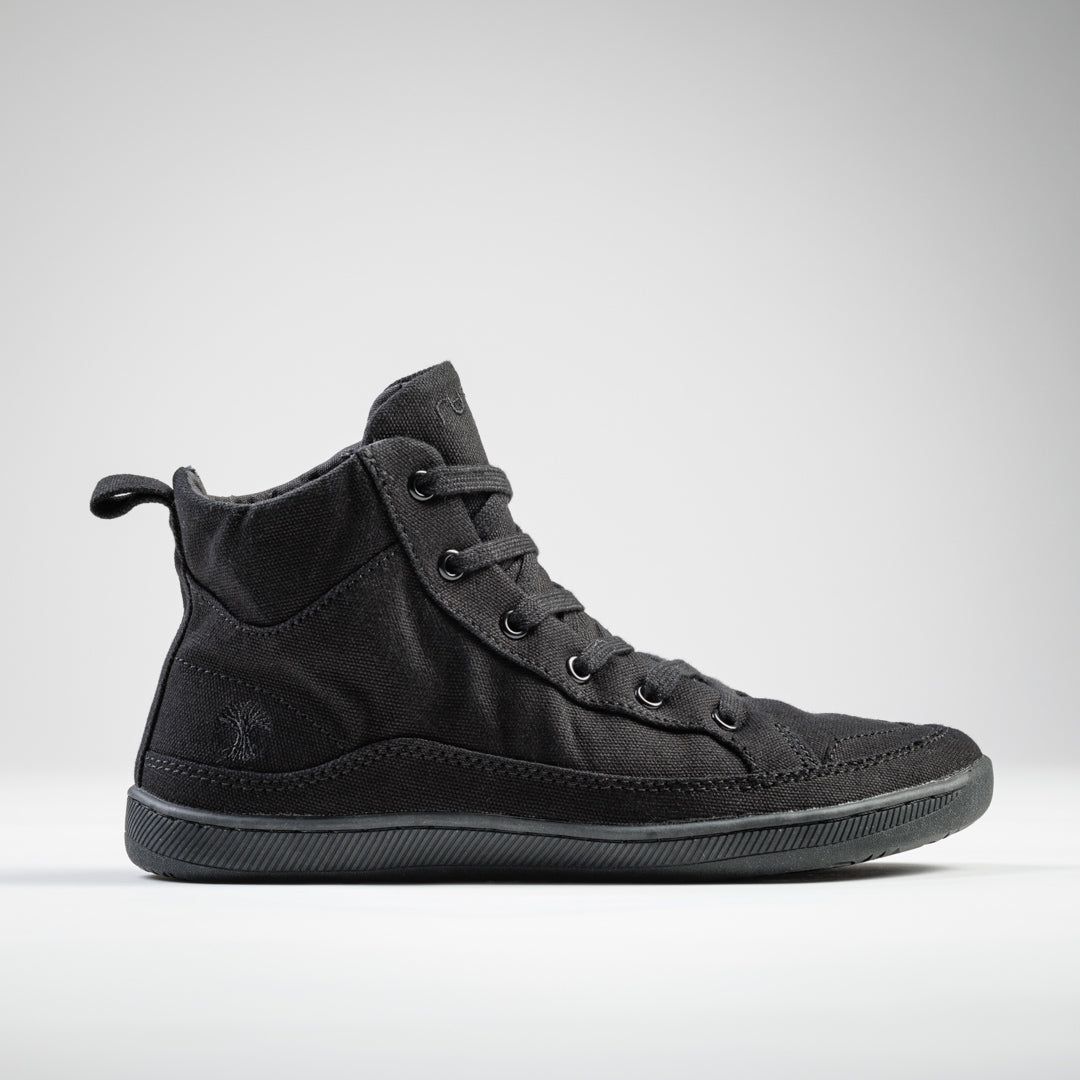
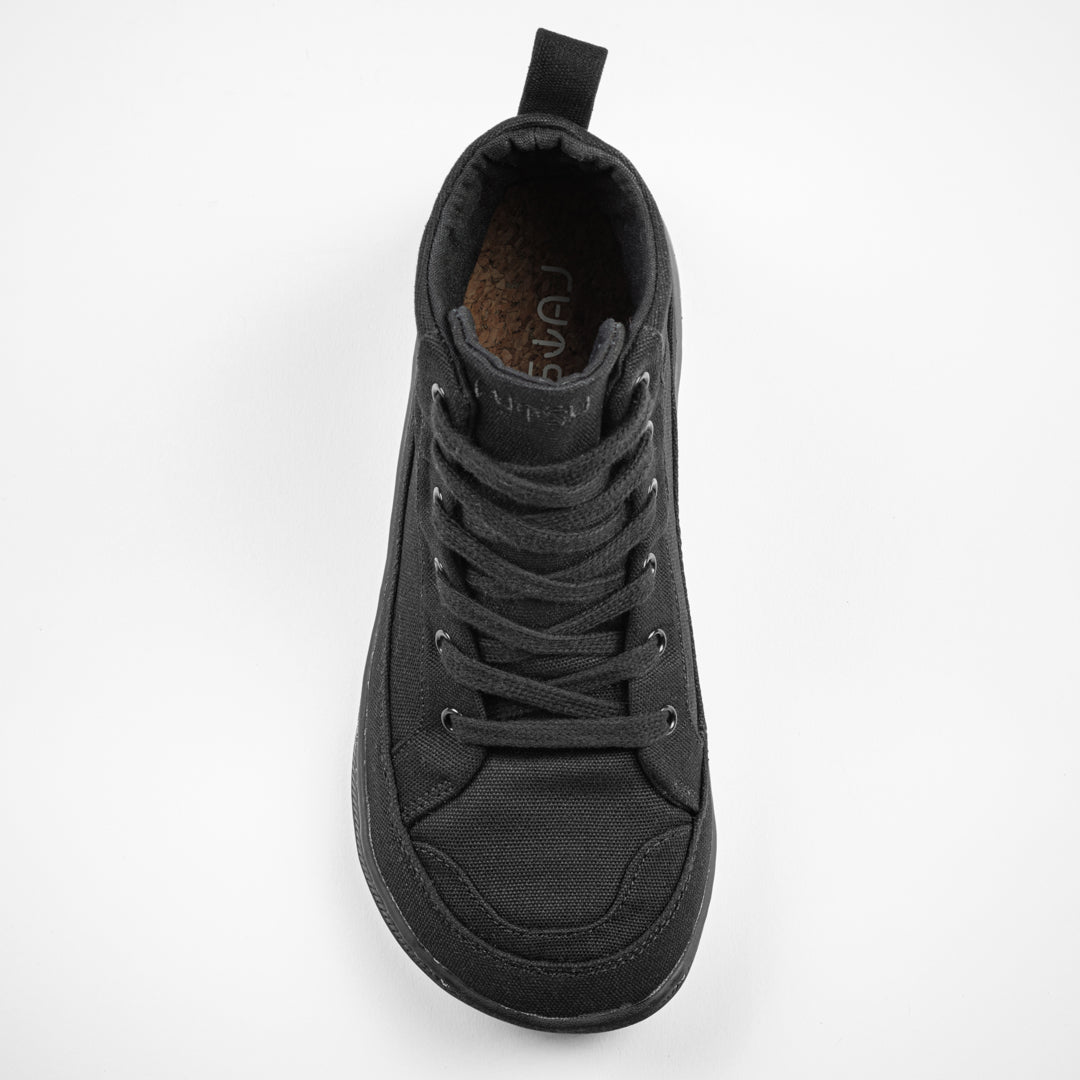
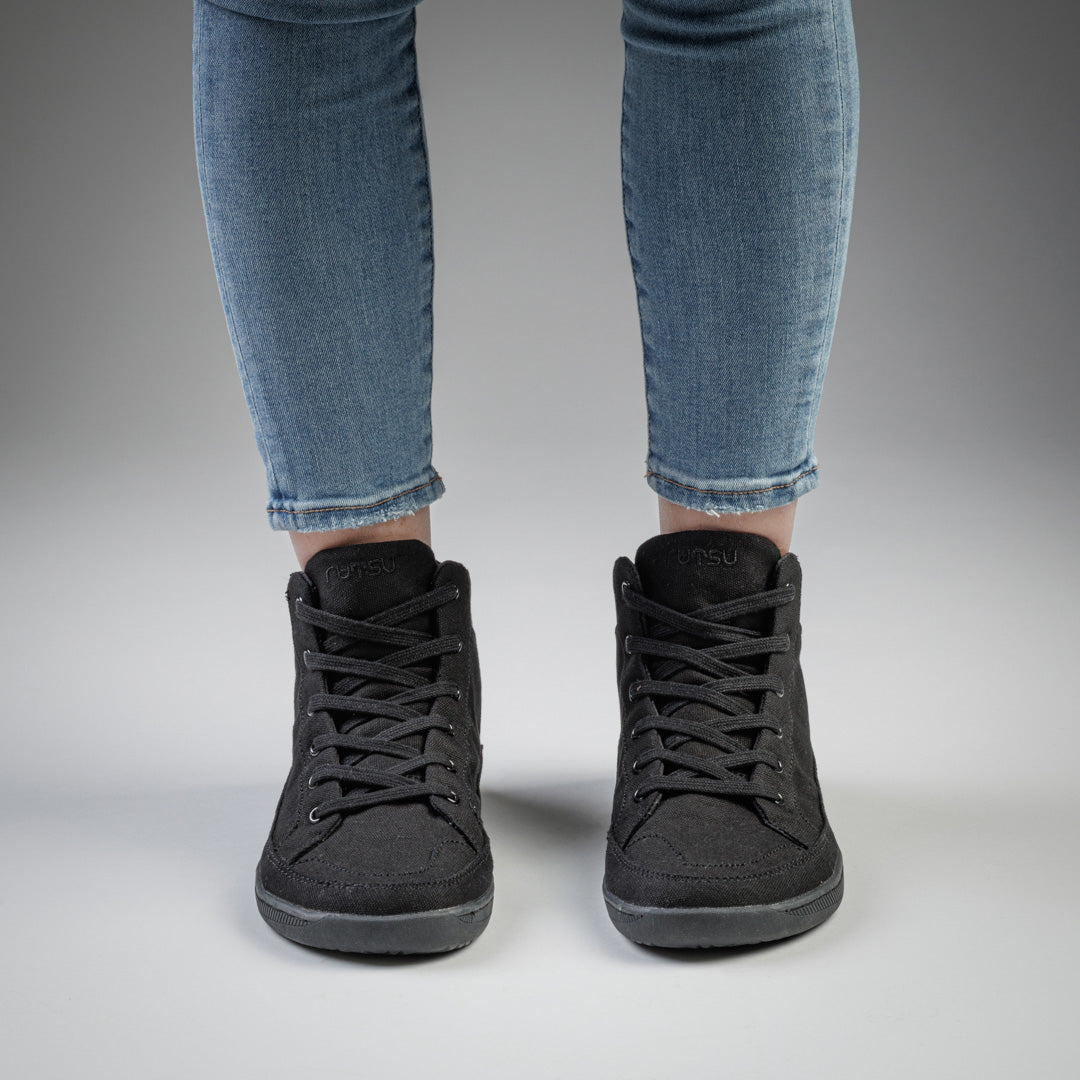
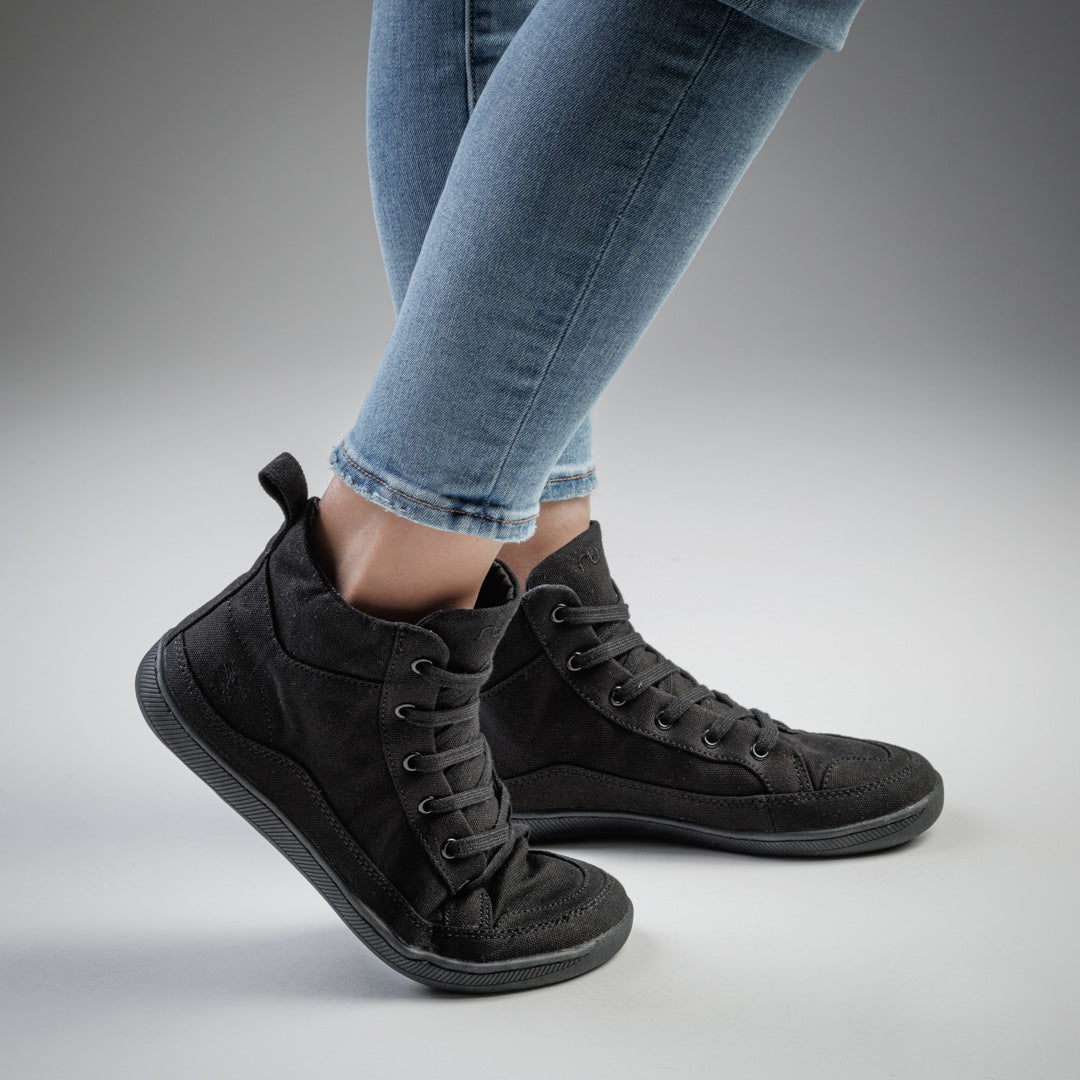
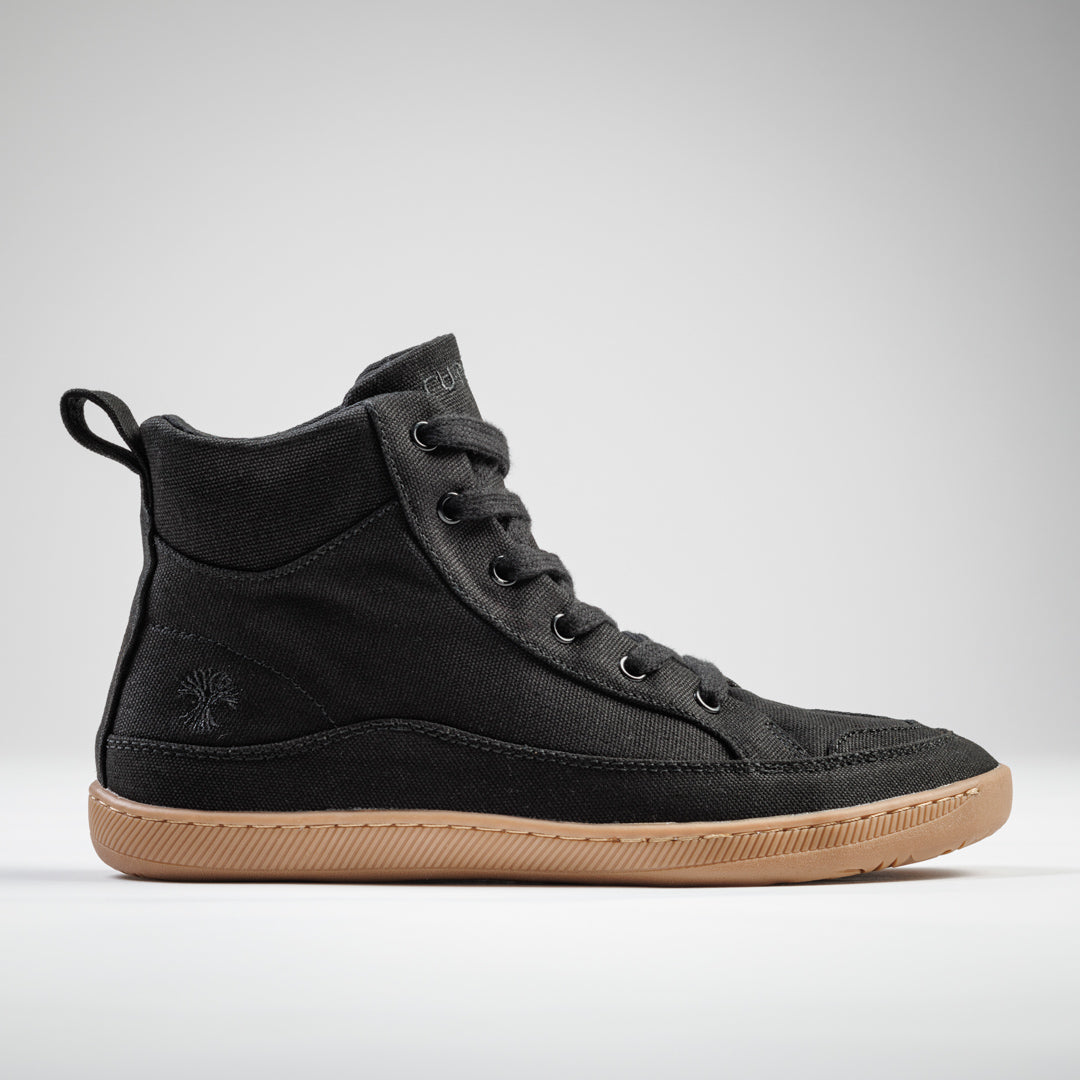
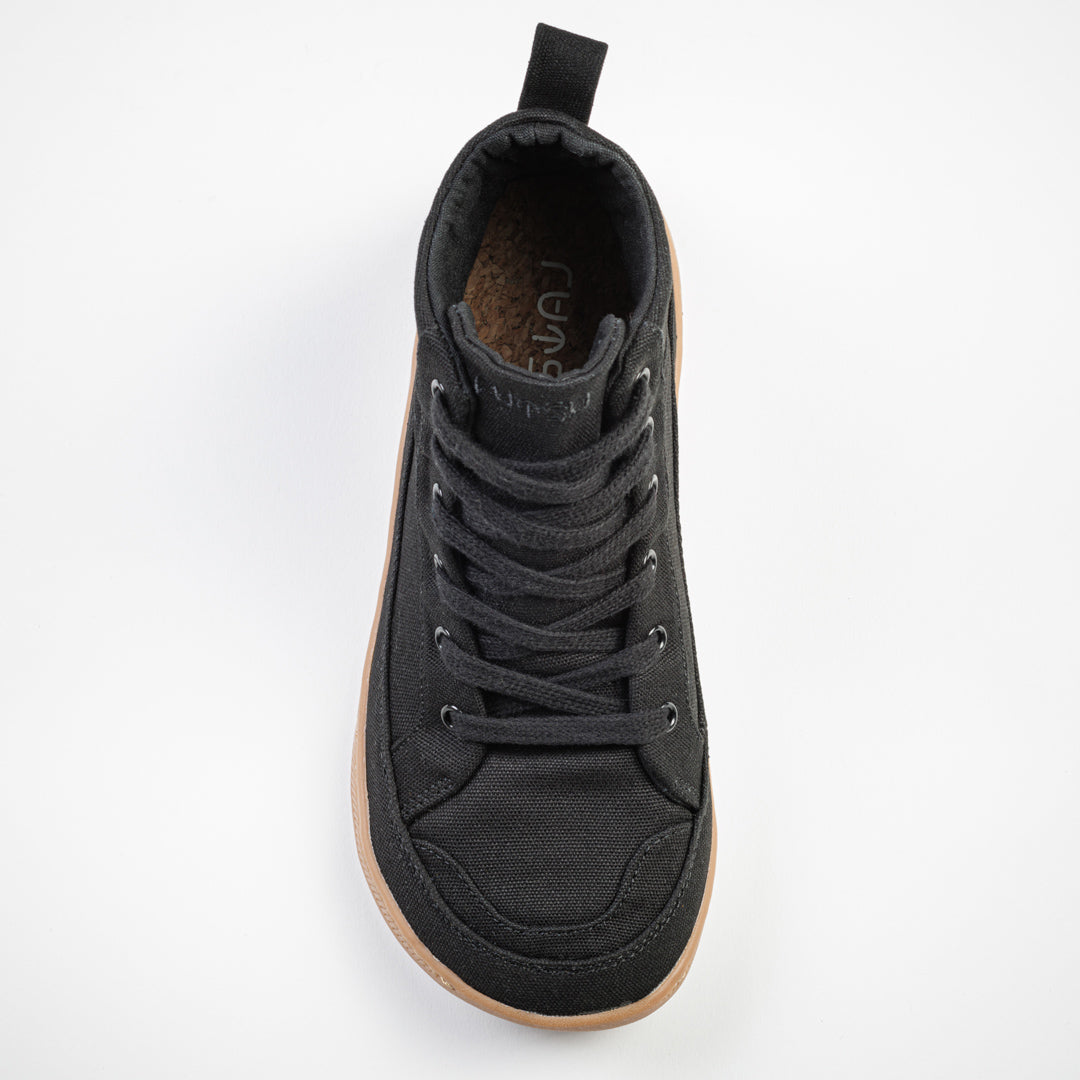
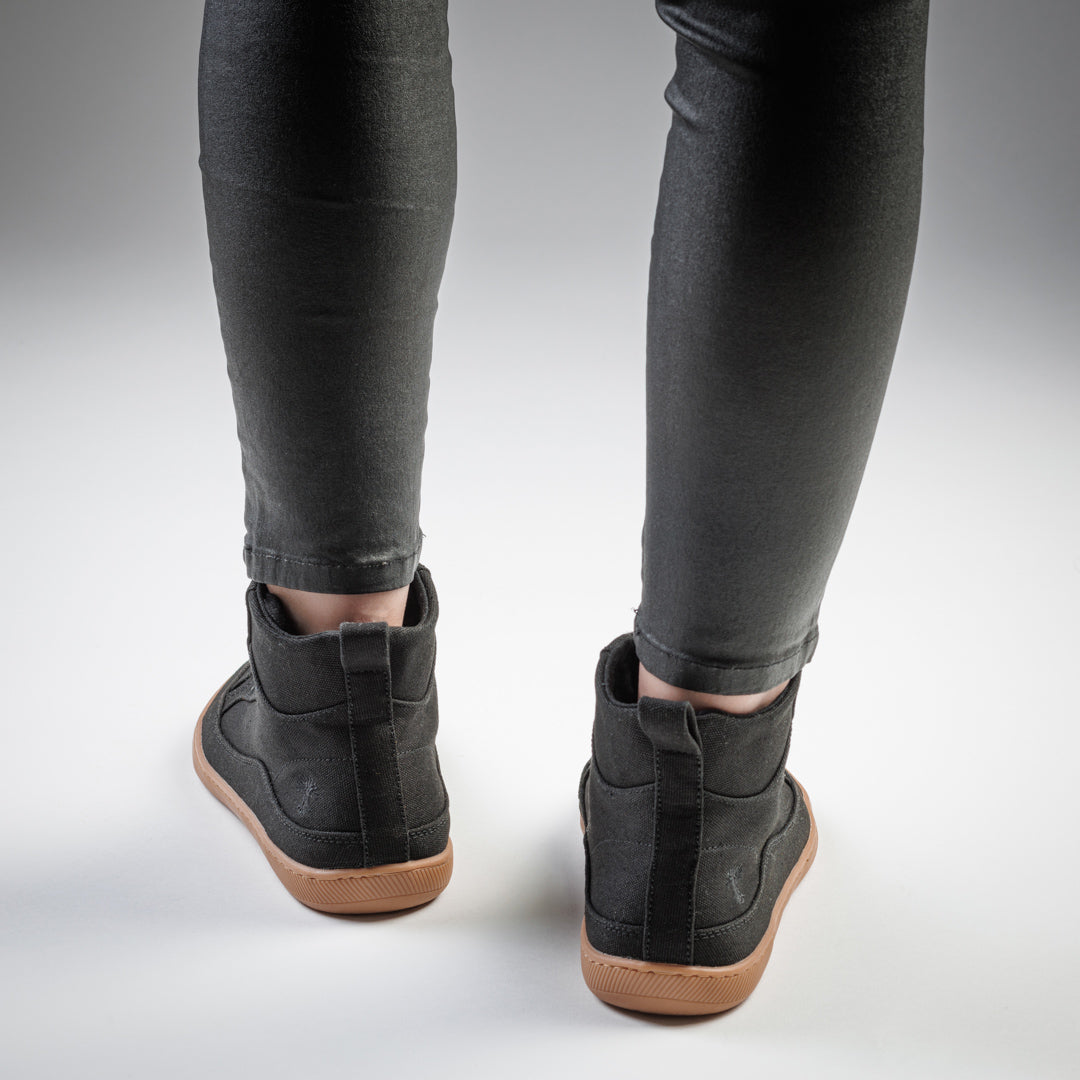
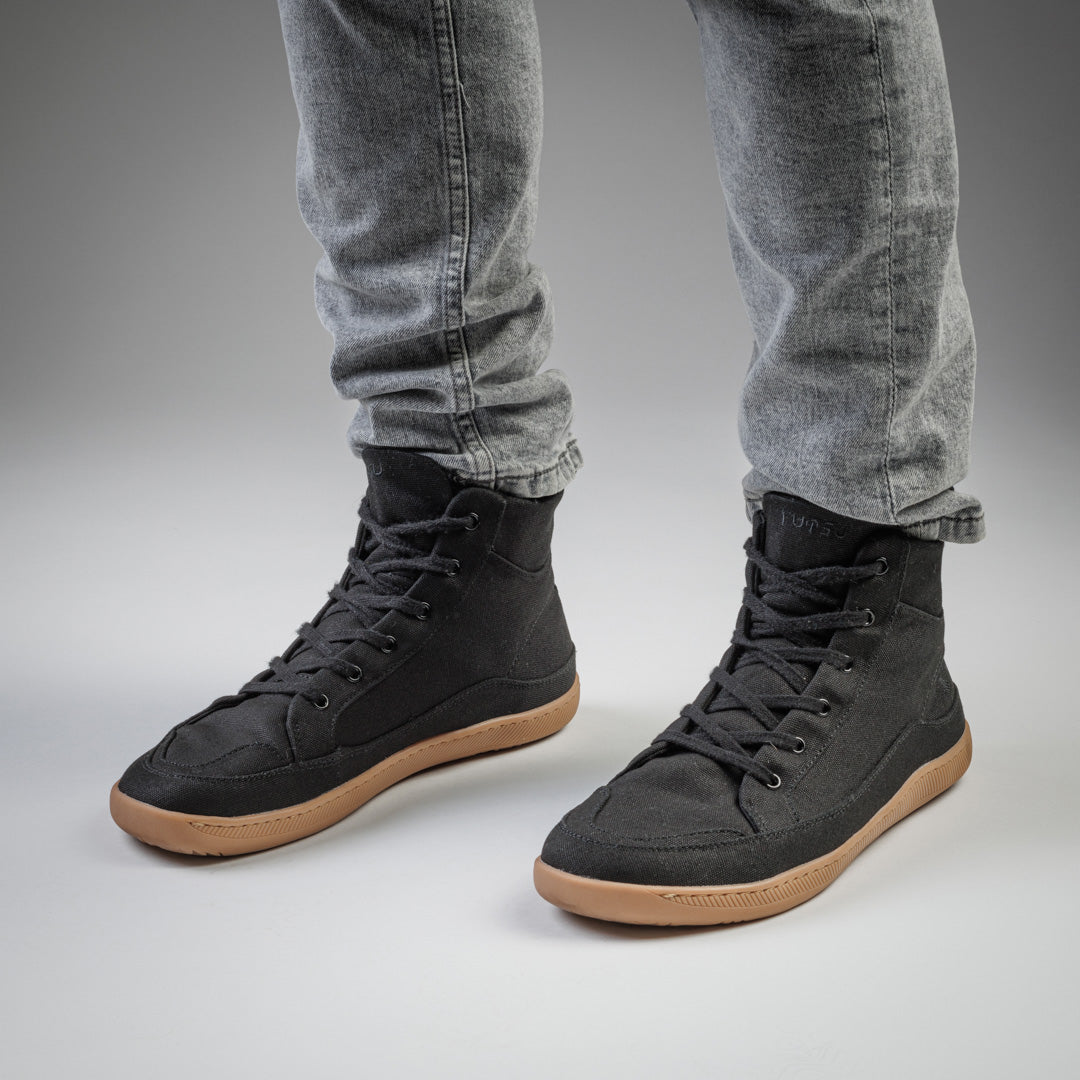
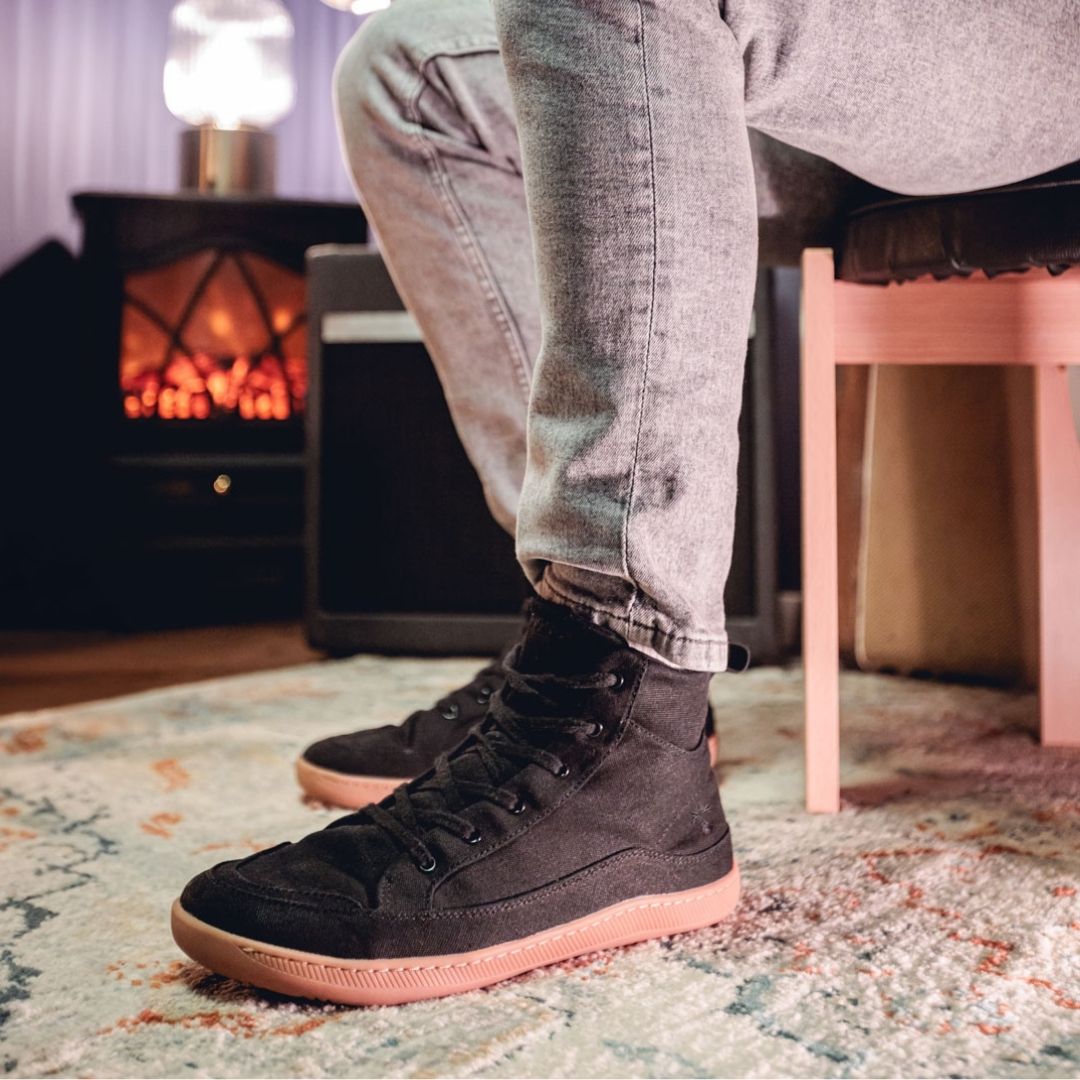
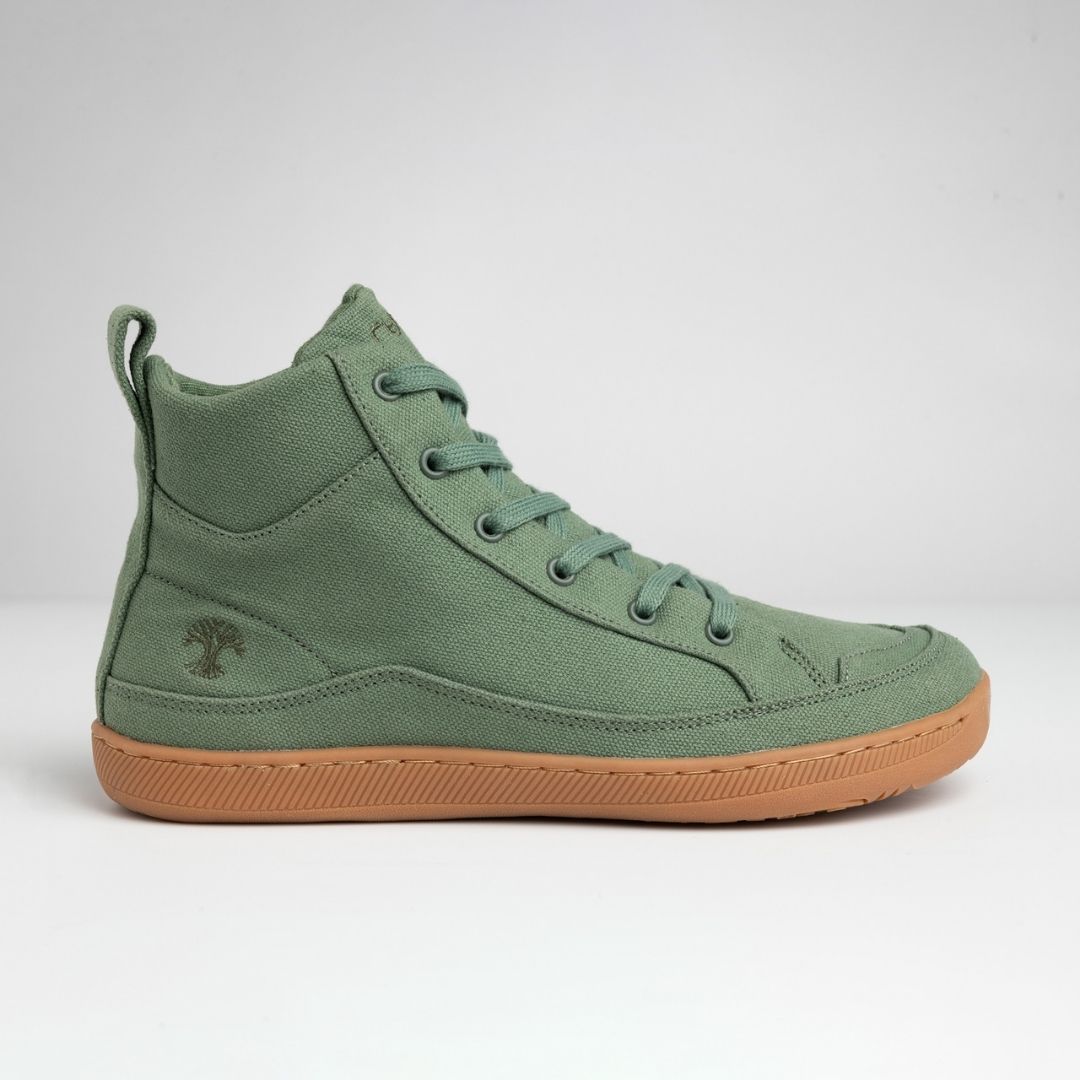
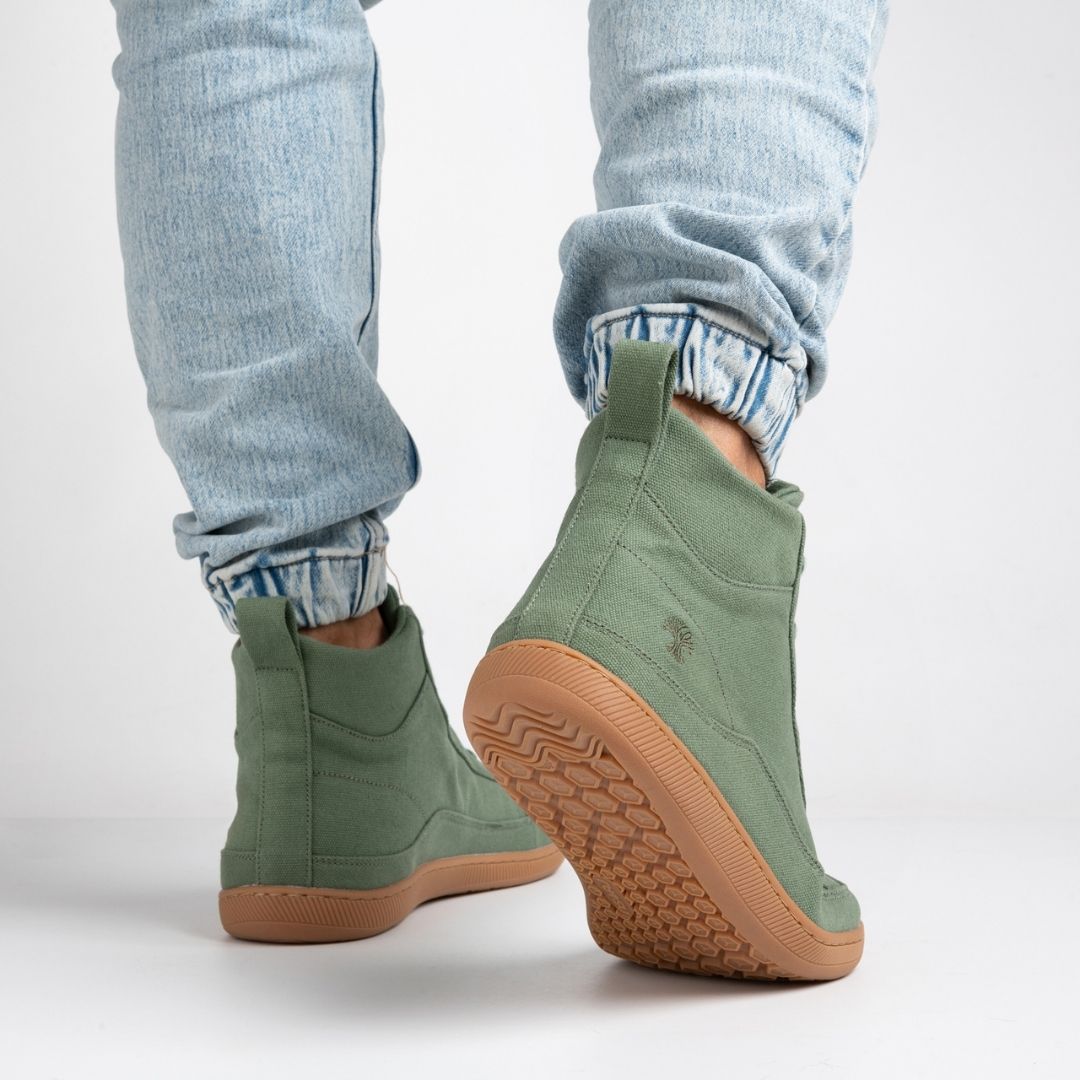
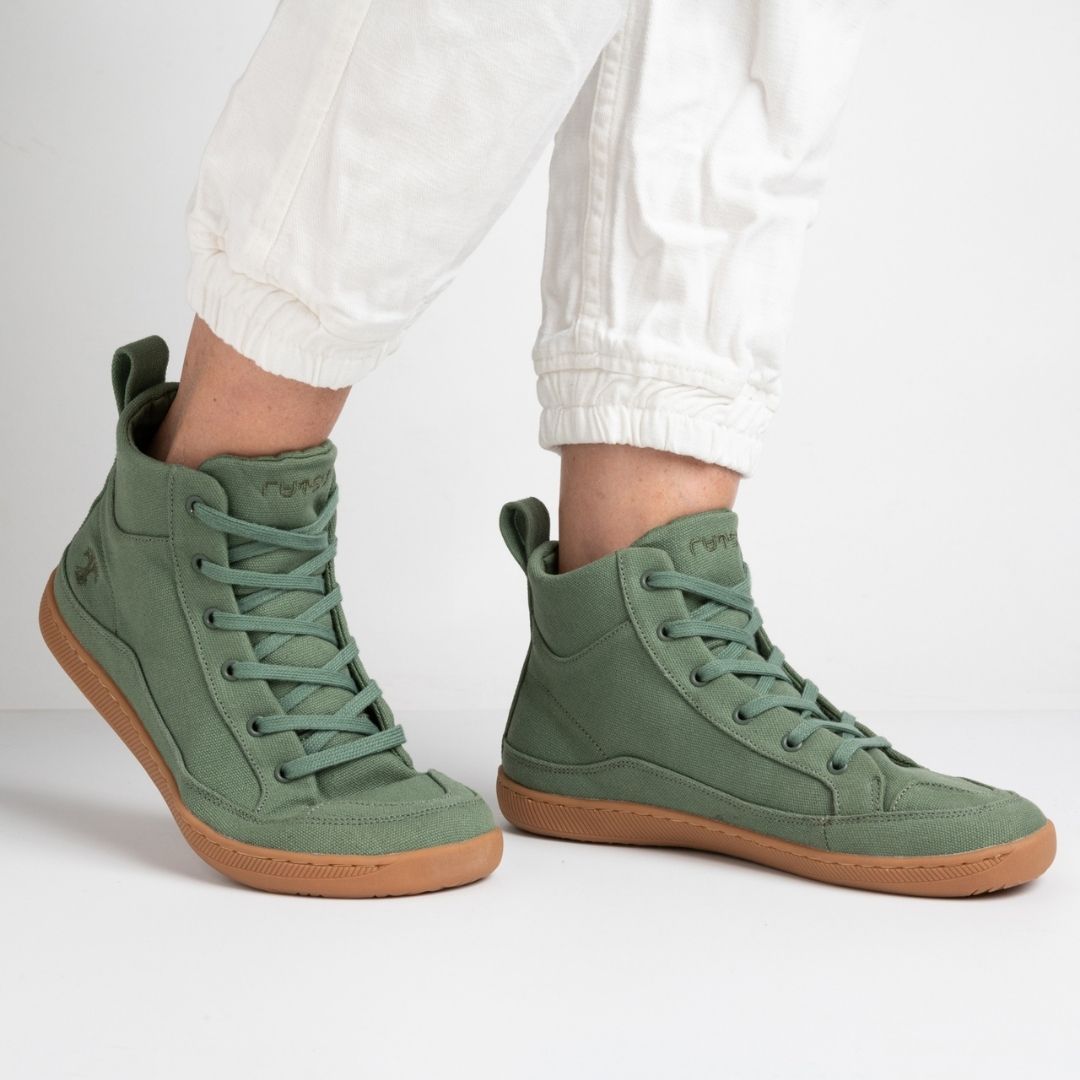
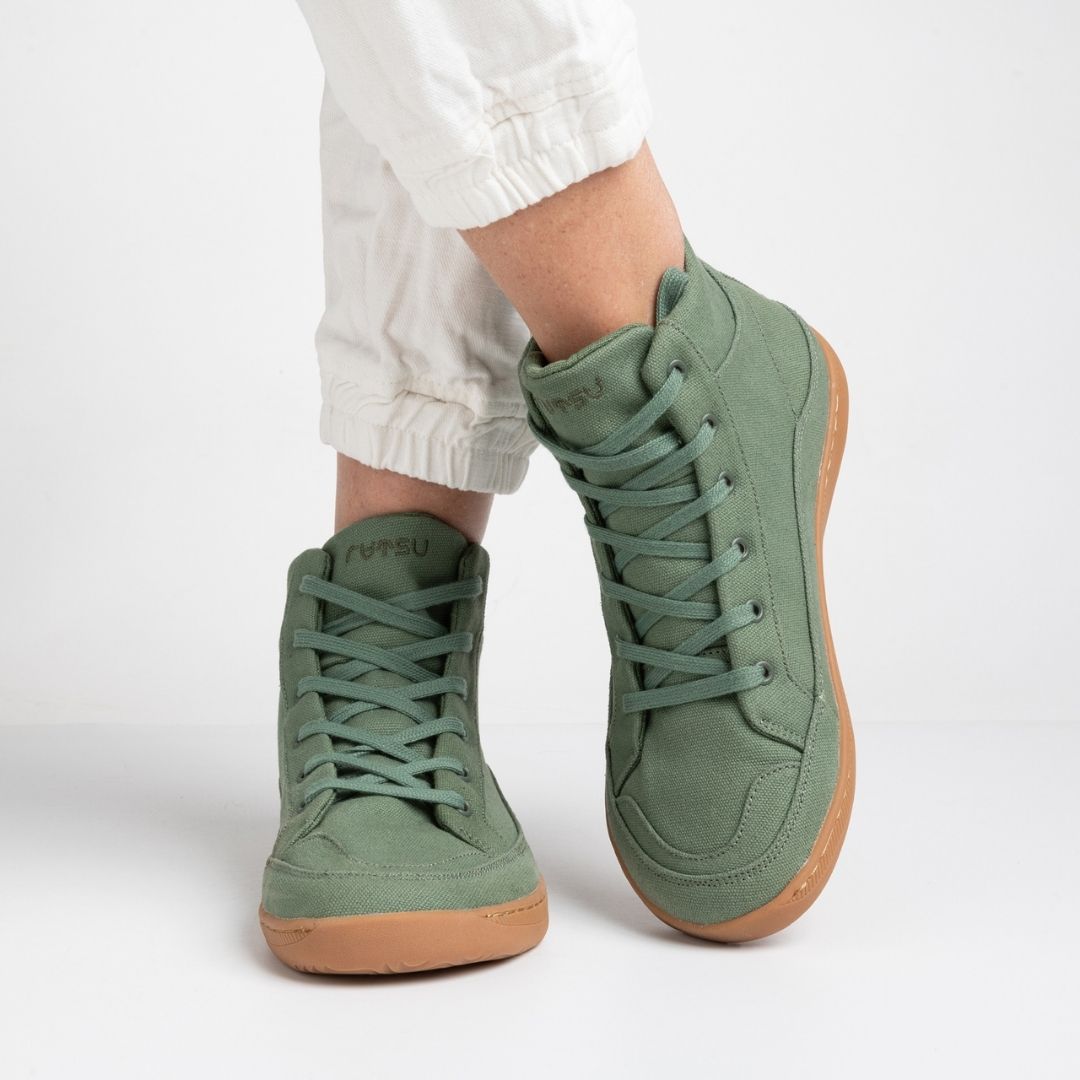
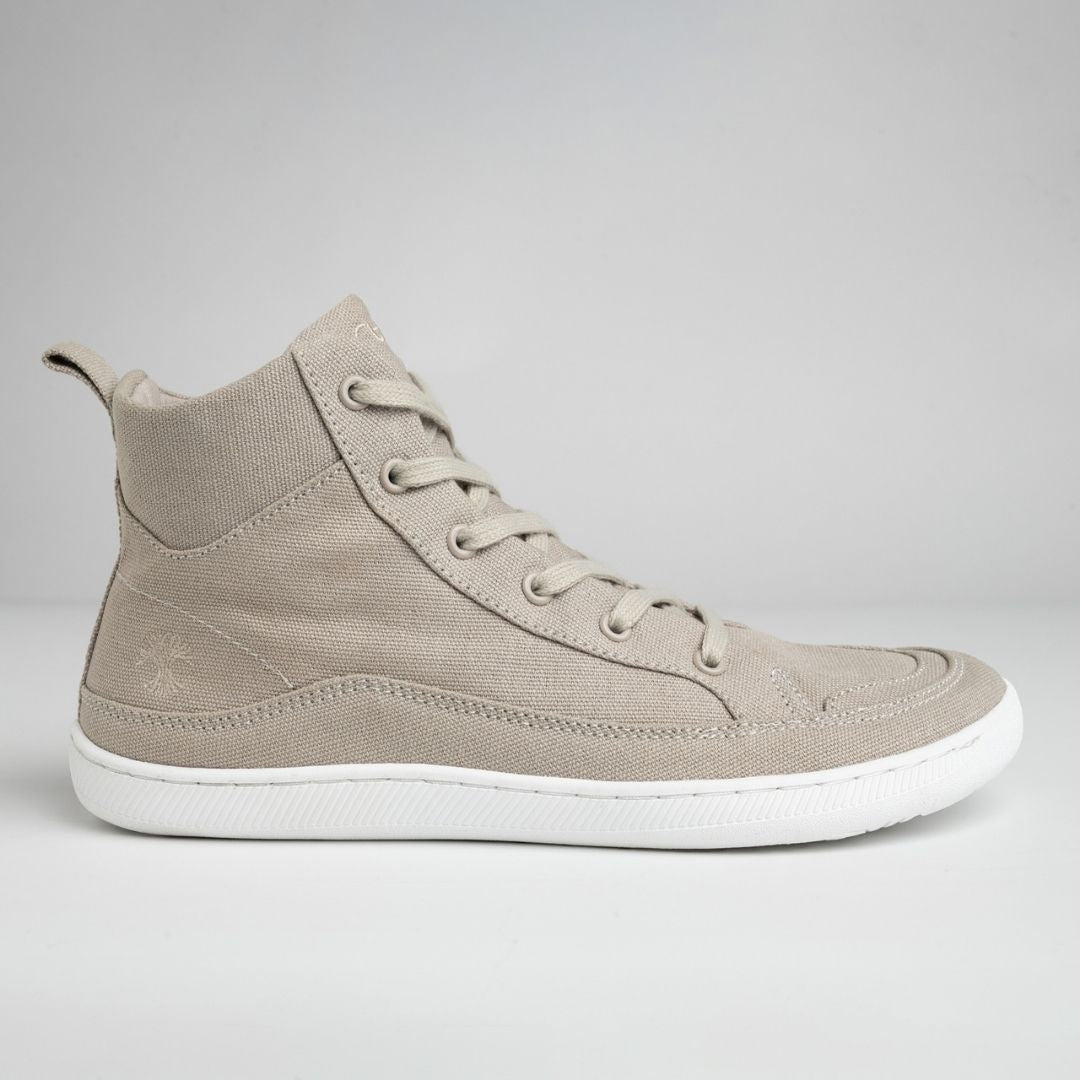
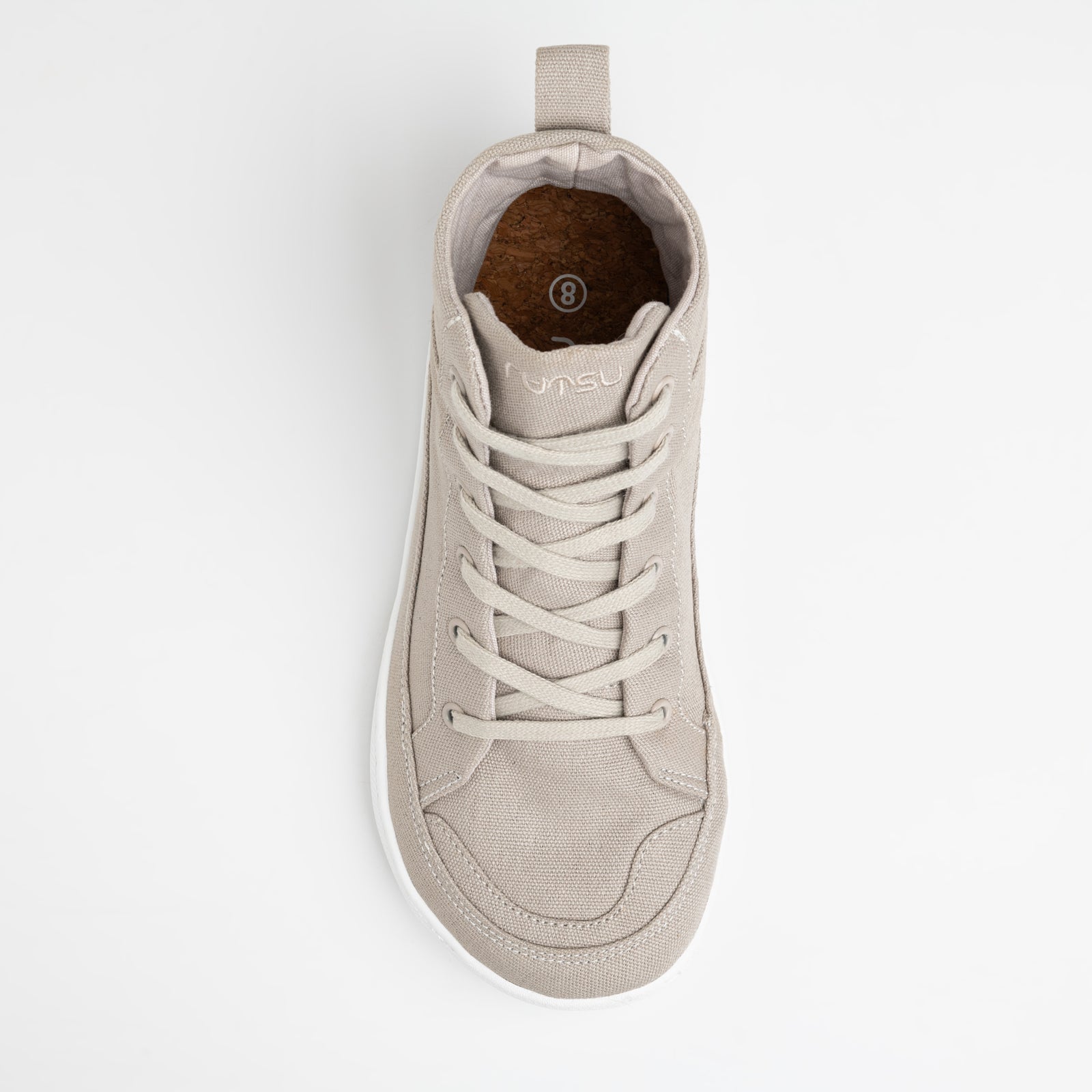
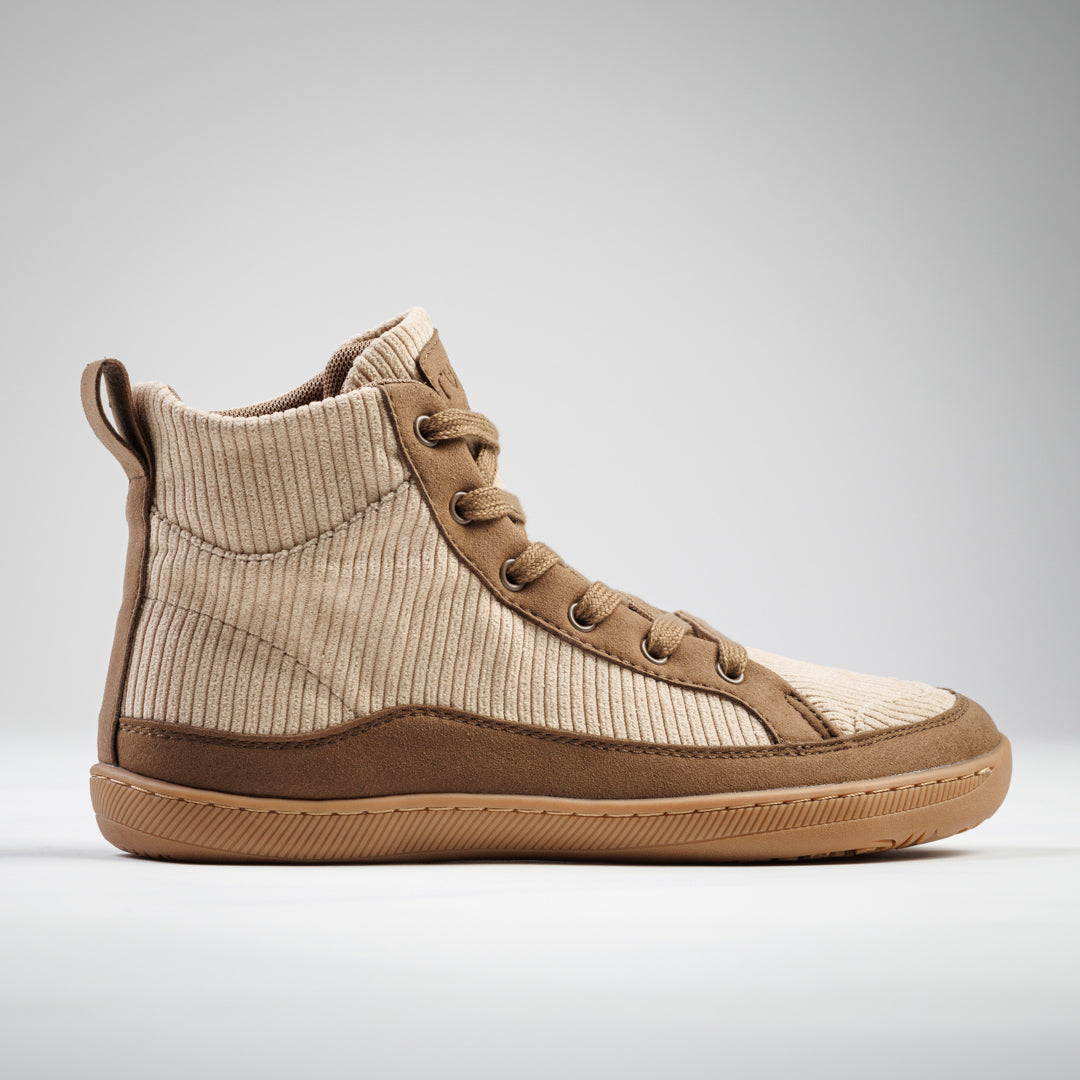
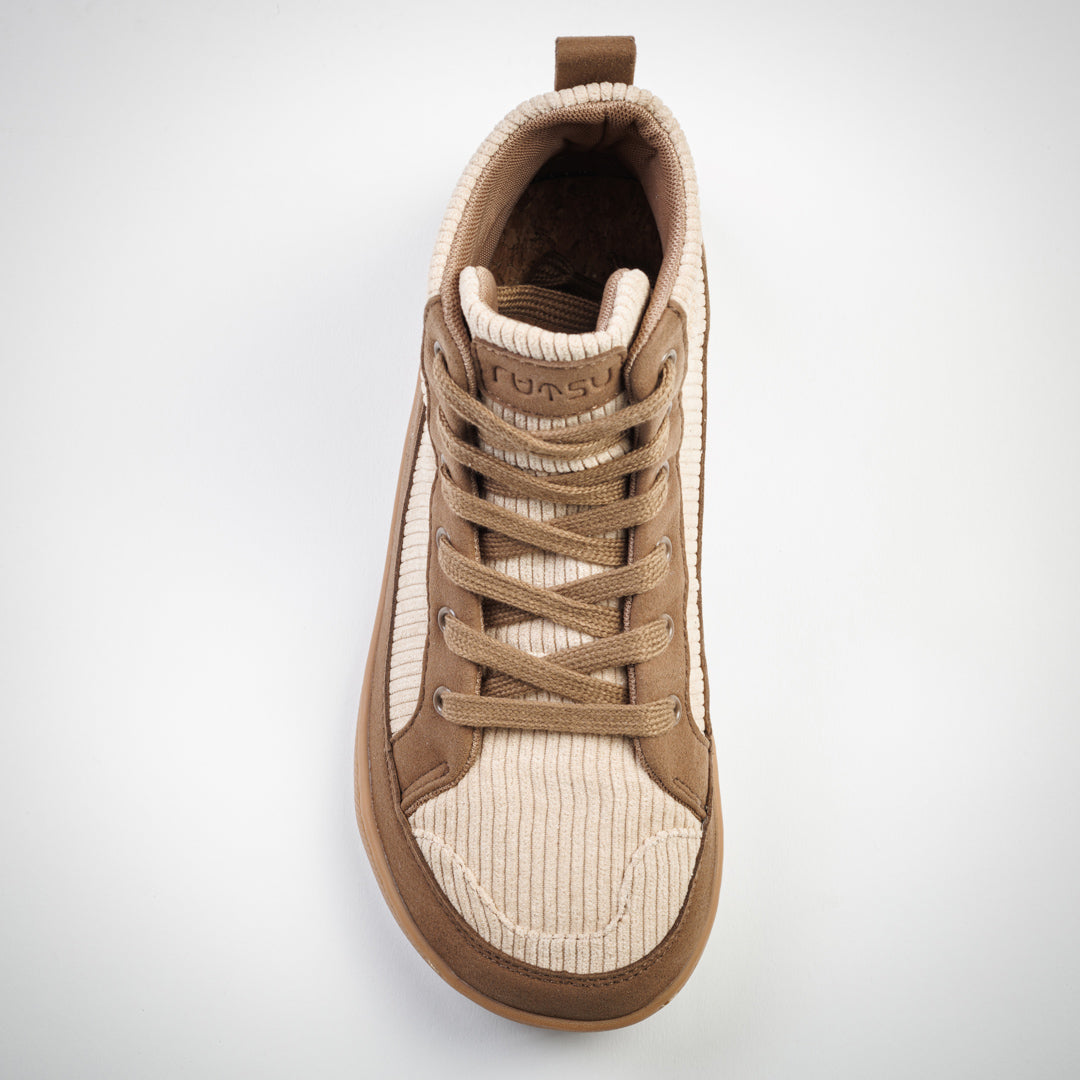
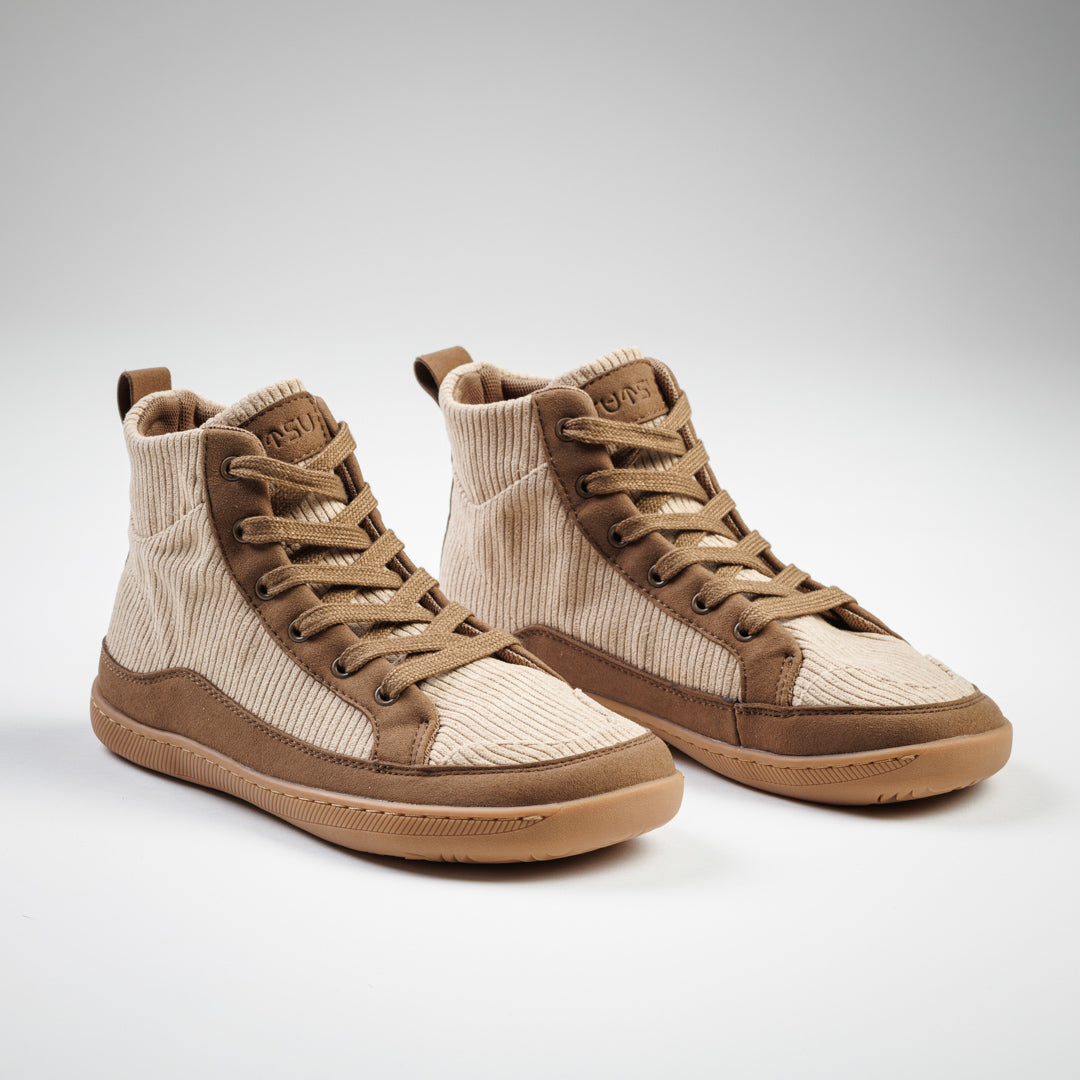
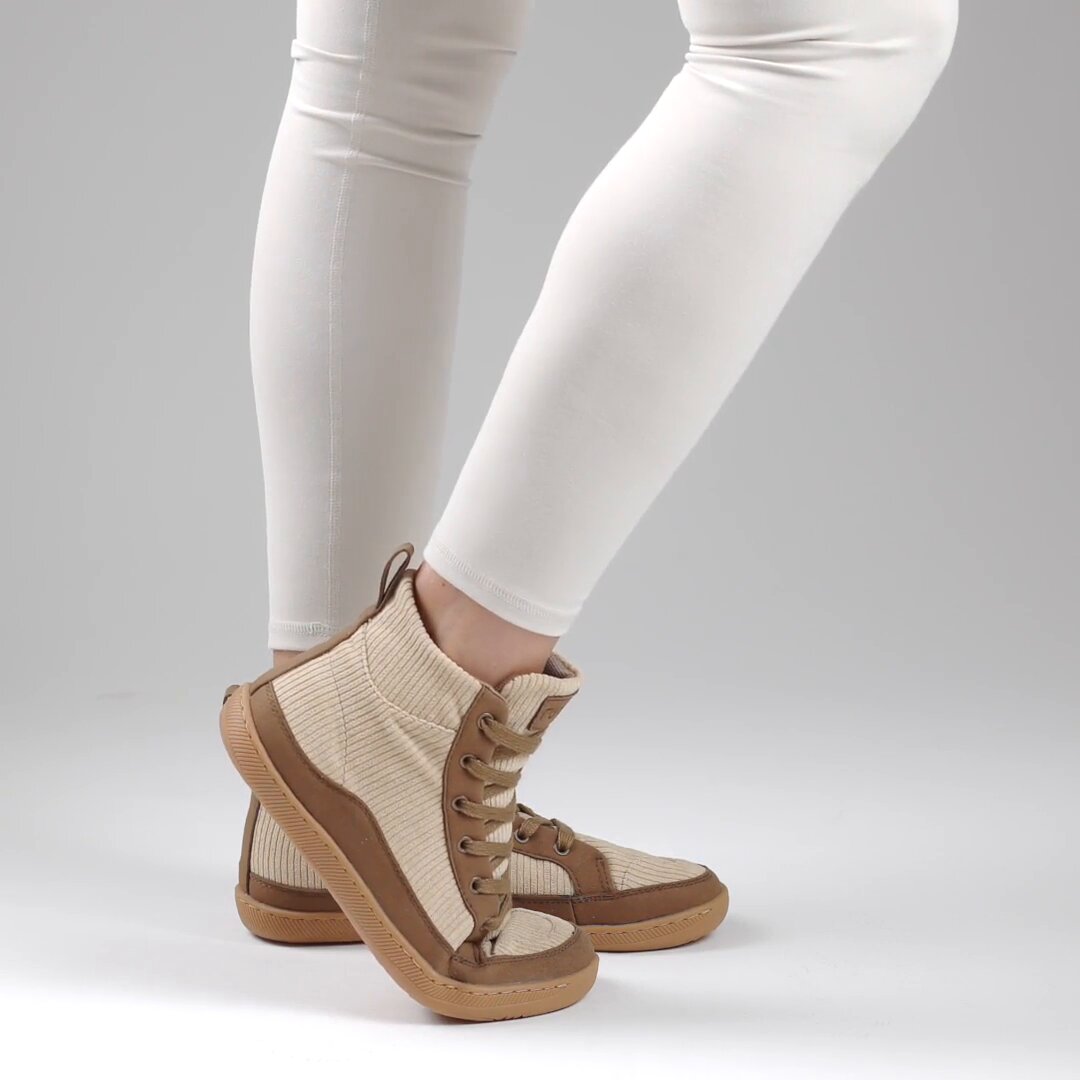
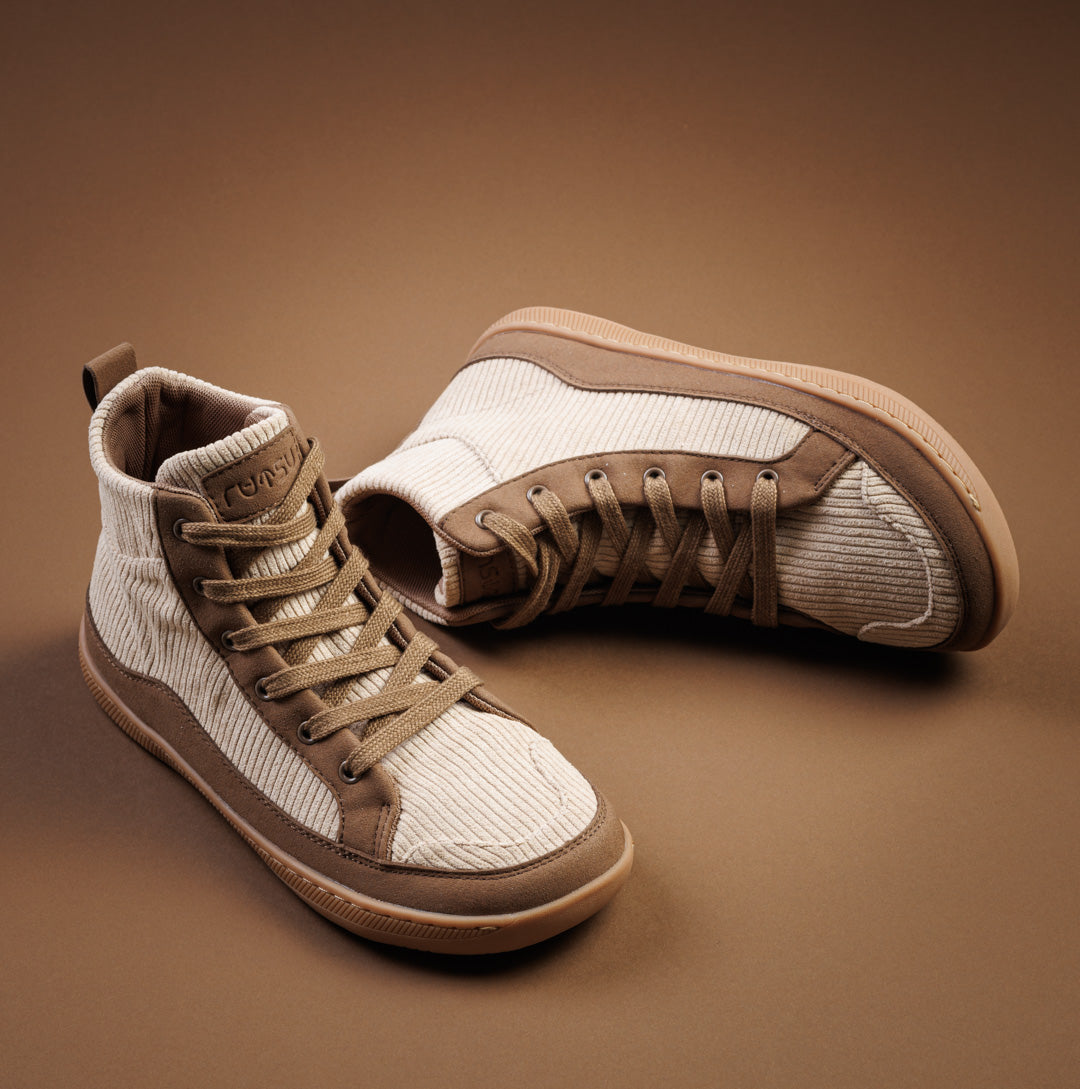
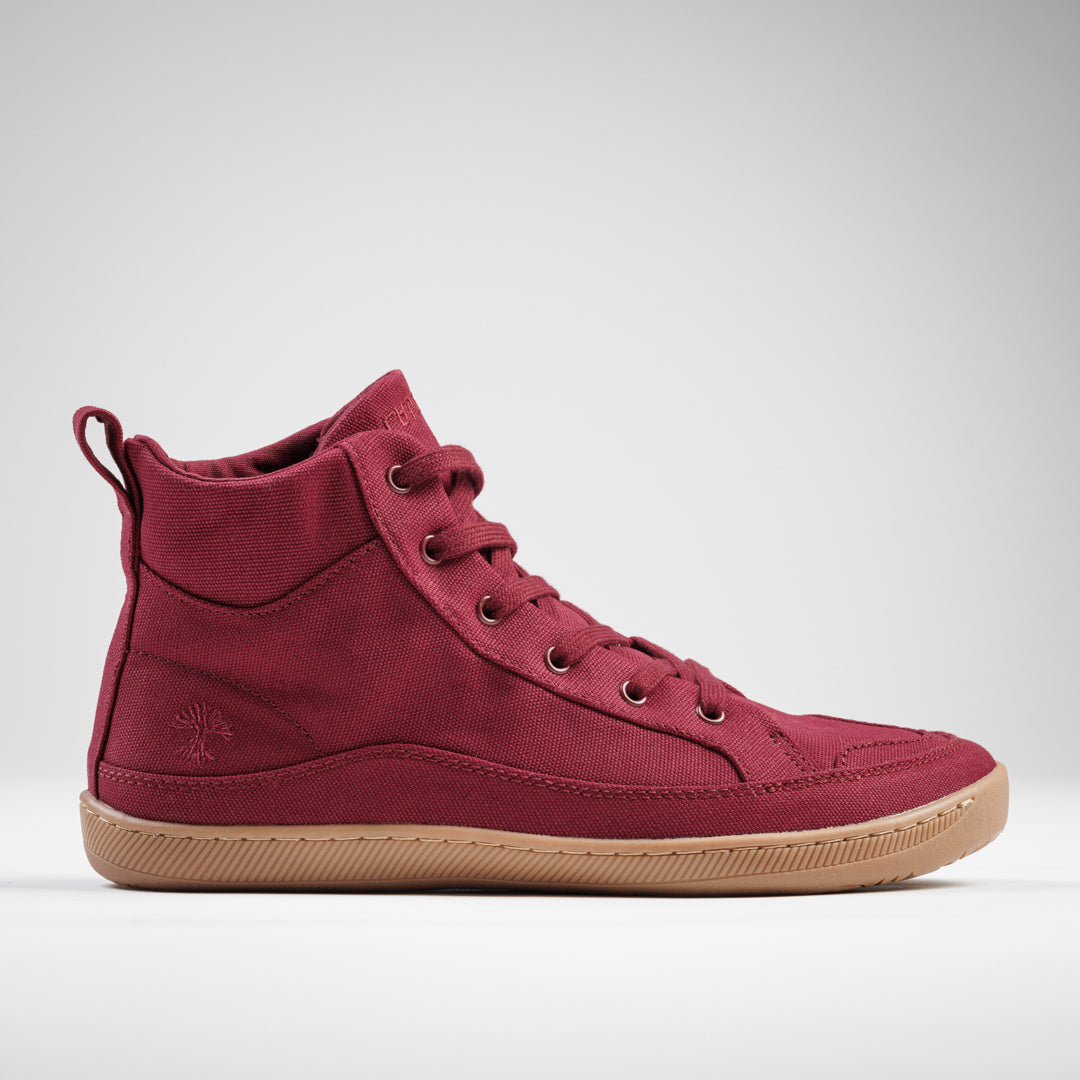
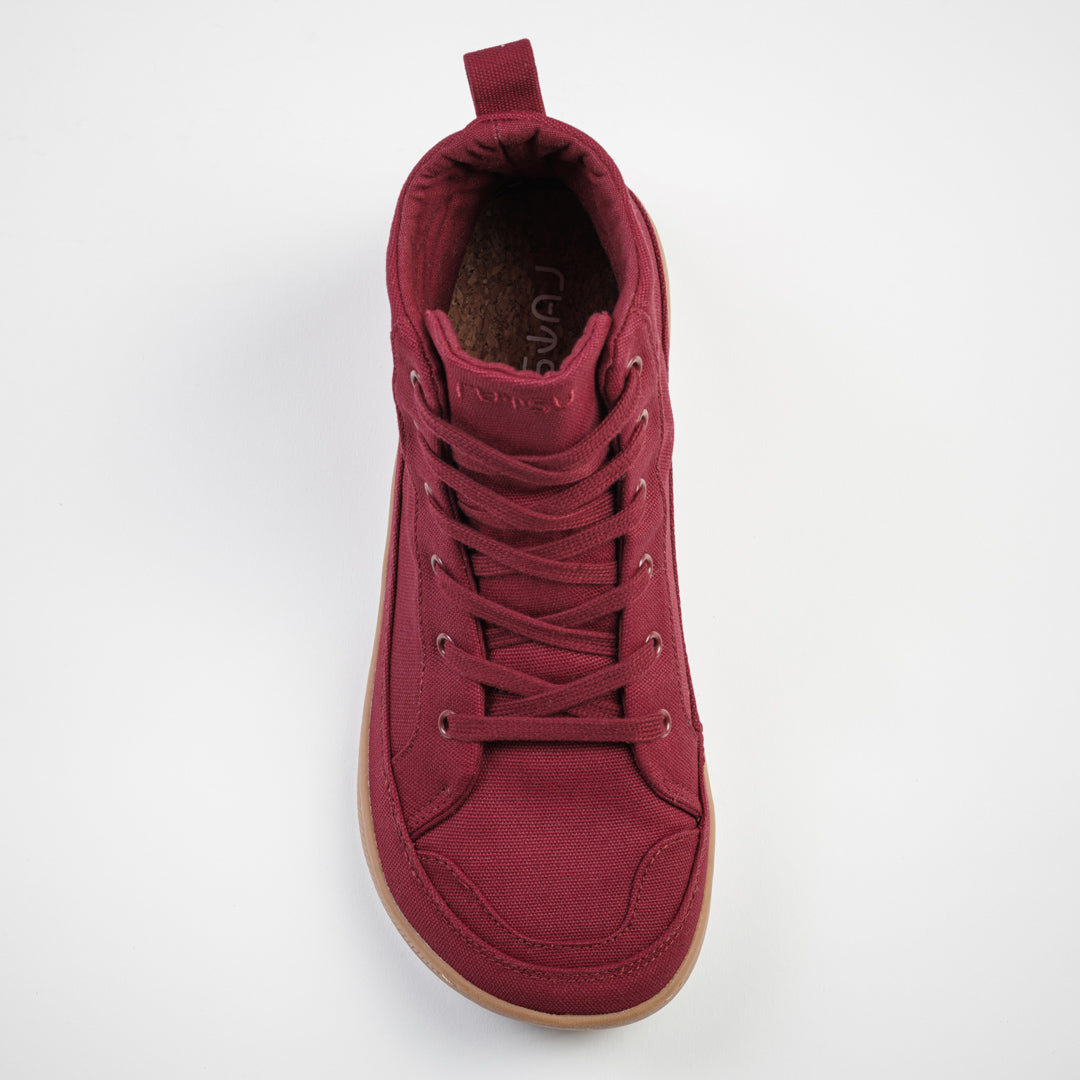
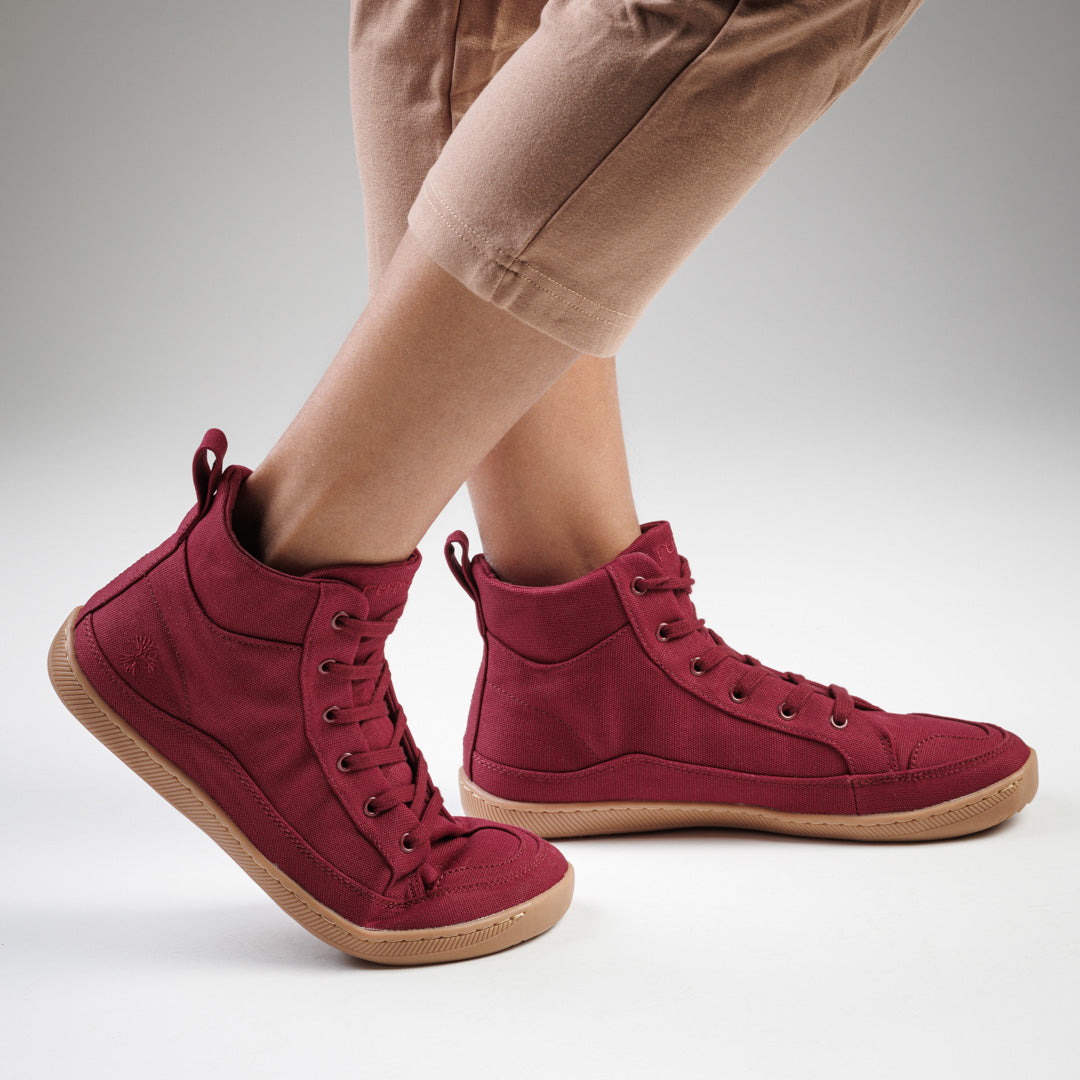
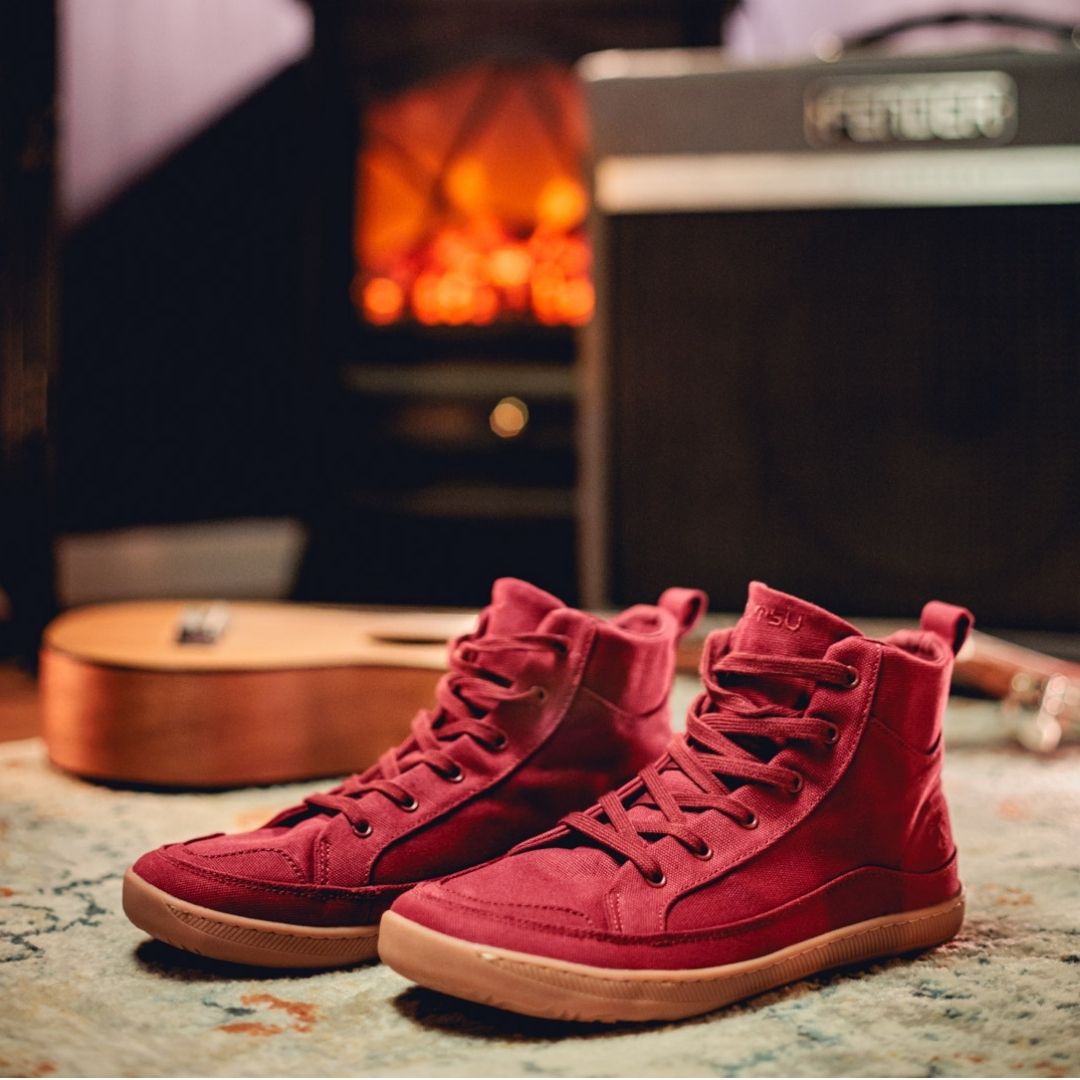
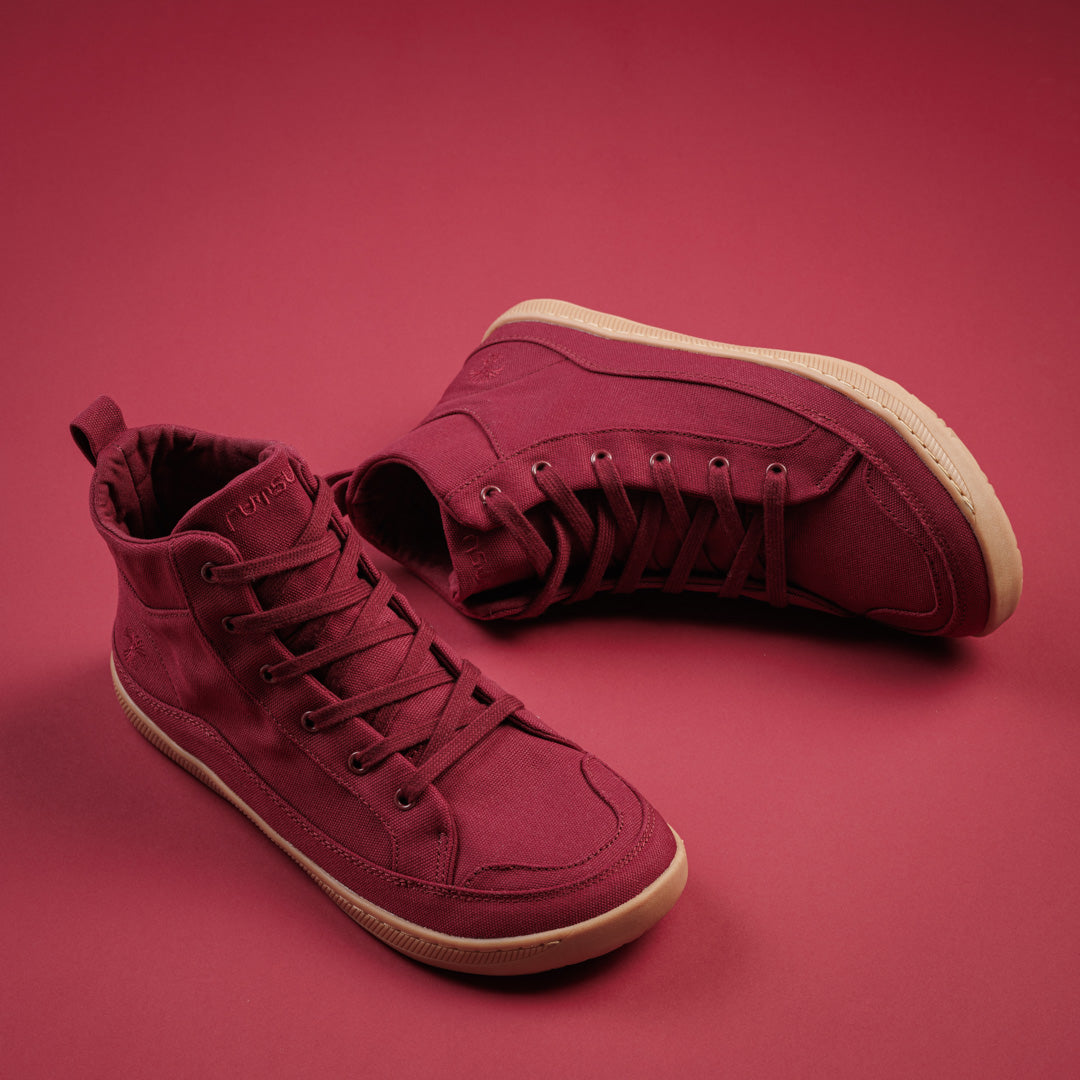
Rutsu's high-top barefoot shoes work for people who want ankle coverage and a bit of visual structure without a rigid slab underneath. One caveat: a high collar adds coverage, not medical ankle support. Real stability comes from strong muscles, not from fabric wrapped around a joint.
Dress Shoes That Won't Wreck Your Feet by 5 PM
Formal footwear is where foot comfort goes to die. Pointed toes, hard soles, and elevated heels, all in one handsome package.
You can't always opt out. Weddings happen. Interviews happen. So work the margins instead. Choose a squared or rounded toe over a sharp point. Keep heel height modest. Pick an upper that softens with wear.
A few brands now cut dress styles on a foot-shaped last. Several of Rutsu's darker work styles pass in business-casual settings without announcing themselves.
Also, carry a change of shoes for the commute. Nobody on the train is judging your feet.
Outdoor and Hiking Shoes for Active Weekends
Trail footwear forces a real trade-off: ground feel versus protection.
On packed dirt and smooth singletrack, a thin, grippy sole lets you read the terrain and adjust your footing. Plenty of hikers report better balance this way. On sharp scree, loose rock, or under a 30-pound pack, more material underfoot is the smarter call.
Be realistic about your weekends. A flexible trail shoe suits a five-mile loop just fine. A multi-day trek under a heavy load is a different animal, and minimalist footwear isn't right for every trip.
Grip beats tread depth, by the way. Rubber compound matters more than aggressive lugs on wet rock.
Key Features to Look for When Buying Everyday Shoes
Skip the marketing copy on the box. Check these five things instead.
Toe box width. Pull the insole out and stand on it. Toes hanging over the edges? Too narrow.
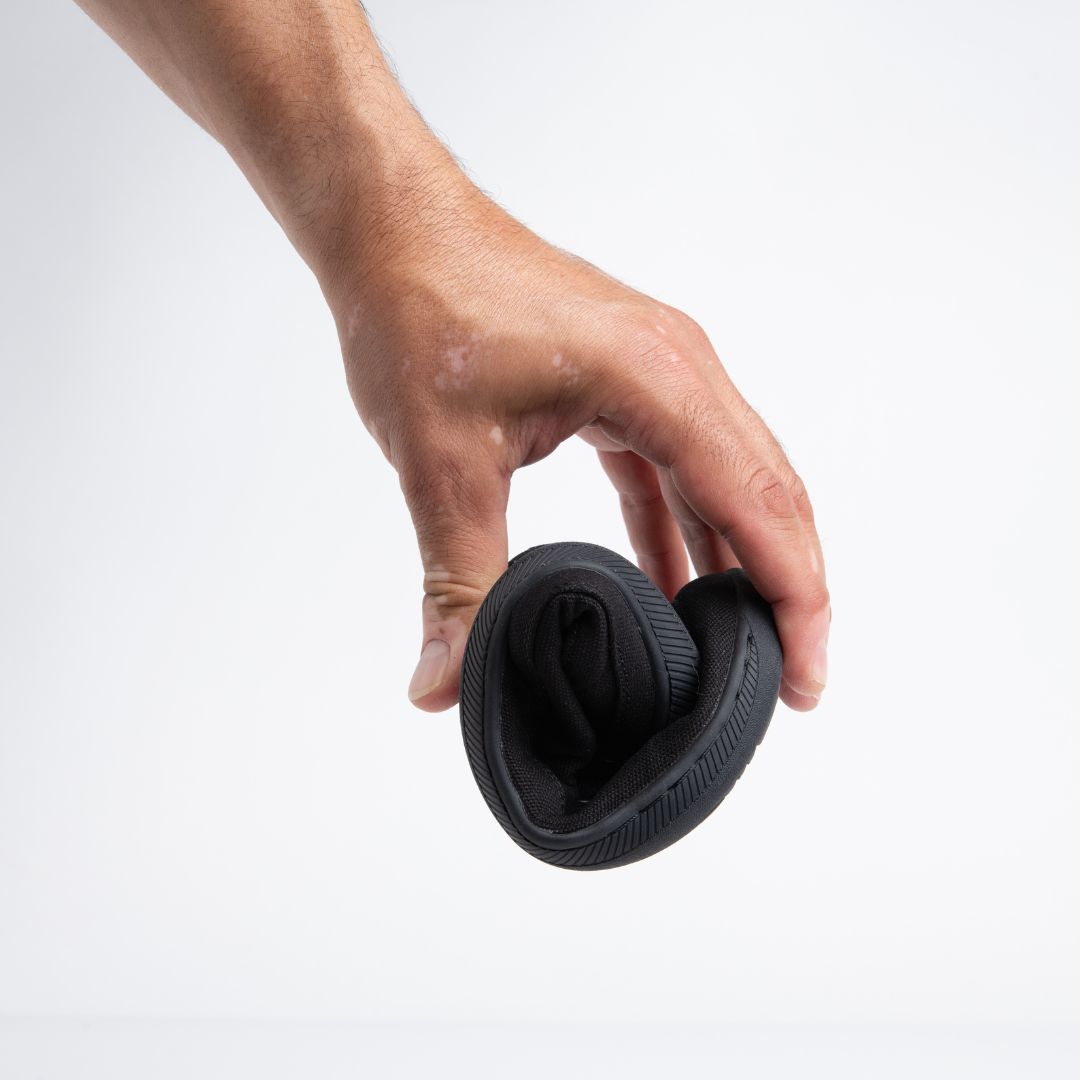
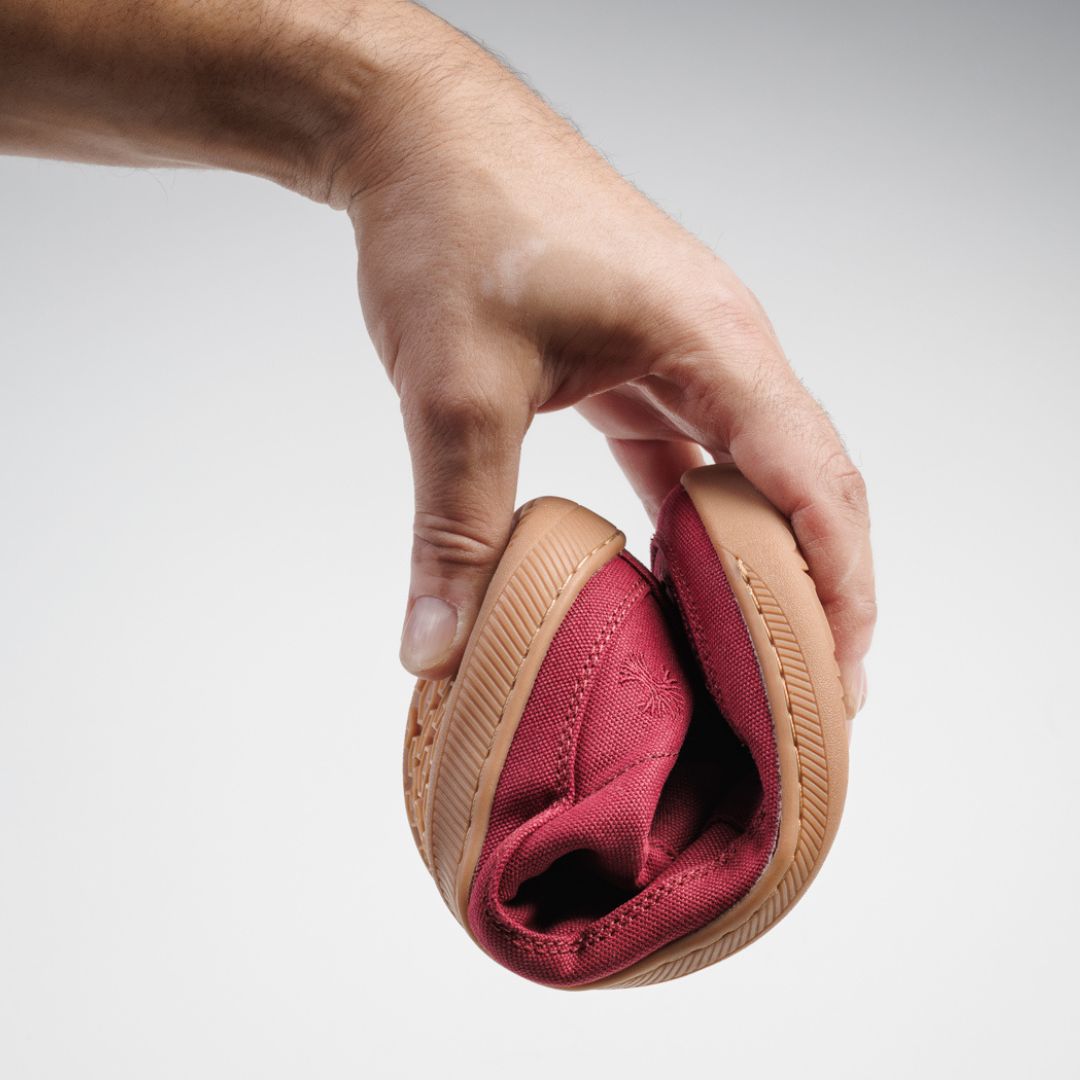
Flexibility. Bend the shoe. It should fold with reasonable effort, not resist like a plank.
Heel drop. A lower drop keeps your posture closer to how you stand barefoot. Higher drops tip more load toward the forefoot.
Weight. Under 10 ounces per shoe feels noticeably lighter across a full workday.
Fastening. Laces hold your heel in place better than most slip-ons, though a good elastic system works too.
Five checks, maybe two minutes in the store. Cheaper than physical therapy.
How to Match the Right Shoe to Your Foot Type and Arch
The wet foot test is the classic move. Step on cardboard with damp feet and read the print: a wide, filled-in shape suggests a lower arch, a narrow band suggests a higher one.
Useful? Somewhat. Here's the part most articles leave out. Research on matching arch height to a set level of support has been mixed, and studies haven't consistently shown that it prevents injury. Comfort predicts how you'll feel by evening better than any arch category does.
The barefoot view holds that your arch works like a spring, and that letting foot muscles engage may help them strengthen. Scientific evidence there is still limited, and anecdotal reports vary widely.
If you have diabetes, ongoing foot pain, or a diagnosed structural condition, talk to a podiatrist before changing your footwear. That isn't a disclaimer. It's just the sensible order of operations.
Building a Rotation That Fits Your Actual Week
So, what types of shoes are ideal for daily activities? Not one pair. A small rotation that mirrors your real hours. Something light for walking, something wide for standing shifts, something you don't dread wearing to dinner.
Start with the shoe you wear most often. That's where a change pays off fastest.
If a wider, more natural shape sounds like what your feet have been asking for, take a look at Rutsu Barefoot's barefoot work shoes. The full range sits at rutsubarefoot.com. Your 5 PM self will notice the difference.
Frequently Asked Questions
How Often Should You Replace Shoes You Wear Every Day?
Most daily shoes last 6 to 12 months, or roughly 300 to 500 miles for running-focused pairs. Check the outsole and whether the shoe still holds its shape. Flattened, twisted, or worn-through soles are your signal.
Can You Wear Running Shoes as Everyday Walking Shoes?
You can, and lots of people do. They're heavier and more heel-raised than walking requires, which some folks find tiring by evening. A lighter, flatter shoe usually feels better for errands.
Are Flat Shoes Bad for Your Feet During Daily Activities?
Not by default. Flat and unsupportive aren't the same thing: a flat shoe with a wide toe box and a flexible sole lets your foot do its job. Thin, floppy flats with no grip are the ones that cause grief.
What Shoe Materials Are Most Durable for Daily Wear?
Dense knit uppers and quality leather hold up longest. For soles, rubber outlasts EVA foam, which compresses over time. Vegan microfiber options have closed much of the durability gap in recent years.
How Do You Know If a Shoe Has Enough Arch Support?
Honestly, "enough" is personal. Finish a normal day without aching arches or hot spots and your current setup is probably fine. Persistent pain is a reason to see a professional, not to guess your way through insoles.
Is It Better to Rotate Between Multiple Pairs of Daily Shoes?
Usually, yes. Rotating lets linings and midsoles dry and rebound, which may stretch the life of each pair. It also varies the load on your feet slightly, and many people find that more comfortable.