

There is no honest single number. Any shoe's lifespan on a standing job depends on how many hours you log, what floors you stand on, how wet your workplace gets, and how you care for the pair between shifts. Two people buying the same model can wear out their shoes months apart.
What you can do is learn what actually wears a pair down and how to tell when yours is finished. That matters more than a generic estimate, because on a slick floor the moment your shoes stop gripping is the moment they are done, whether they are three months old or a year old.
Why barefoot work shoes wear differently?
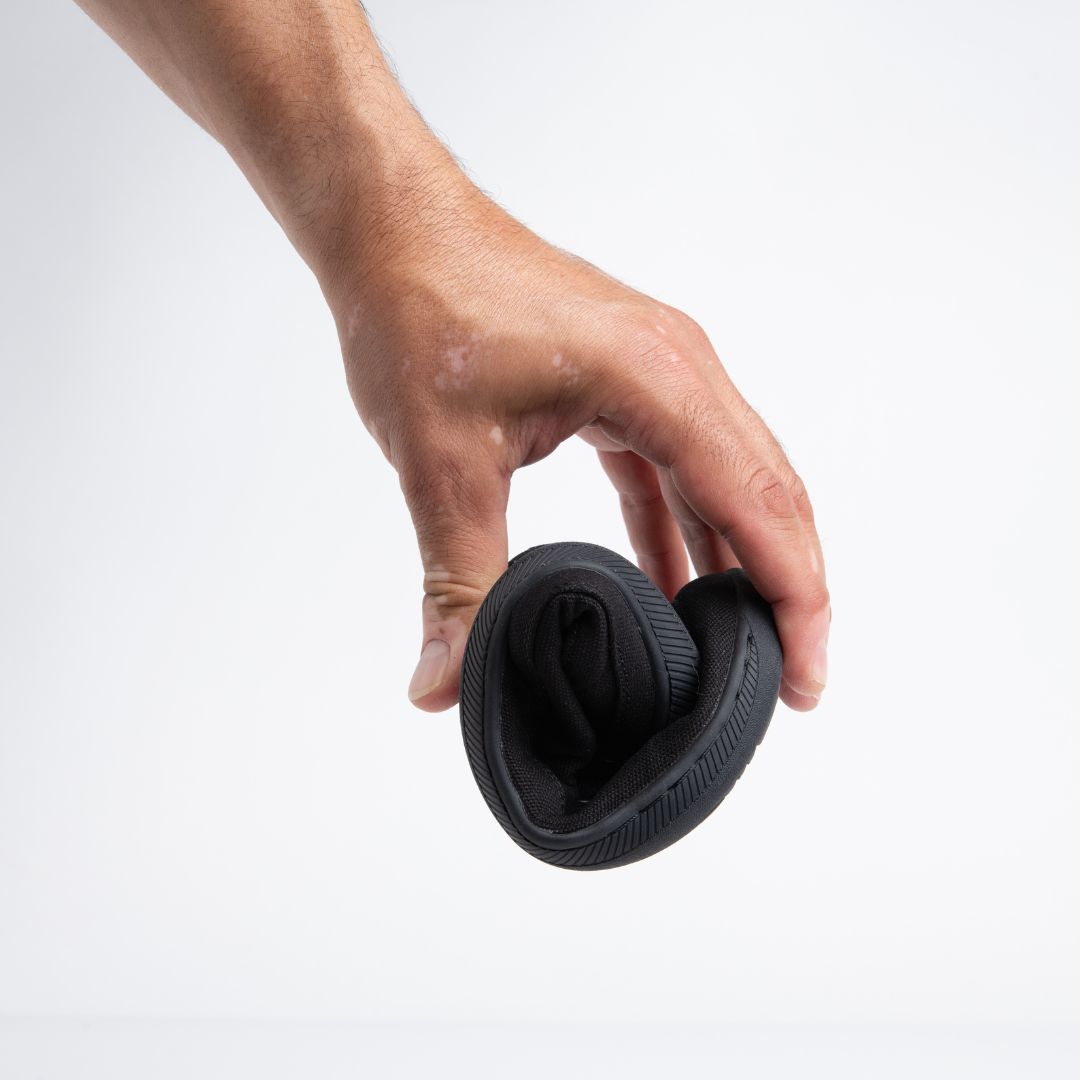
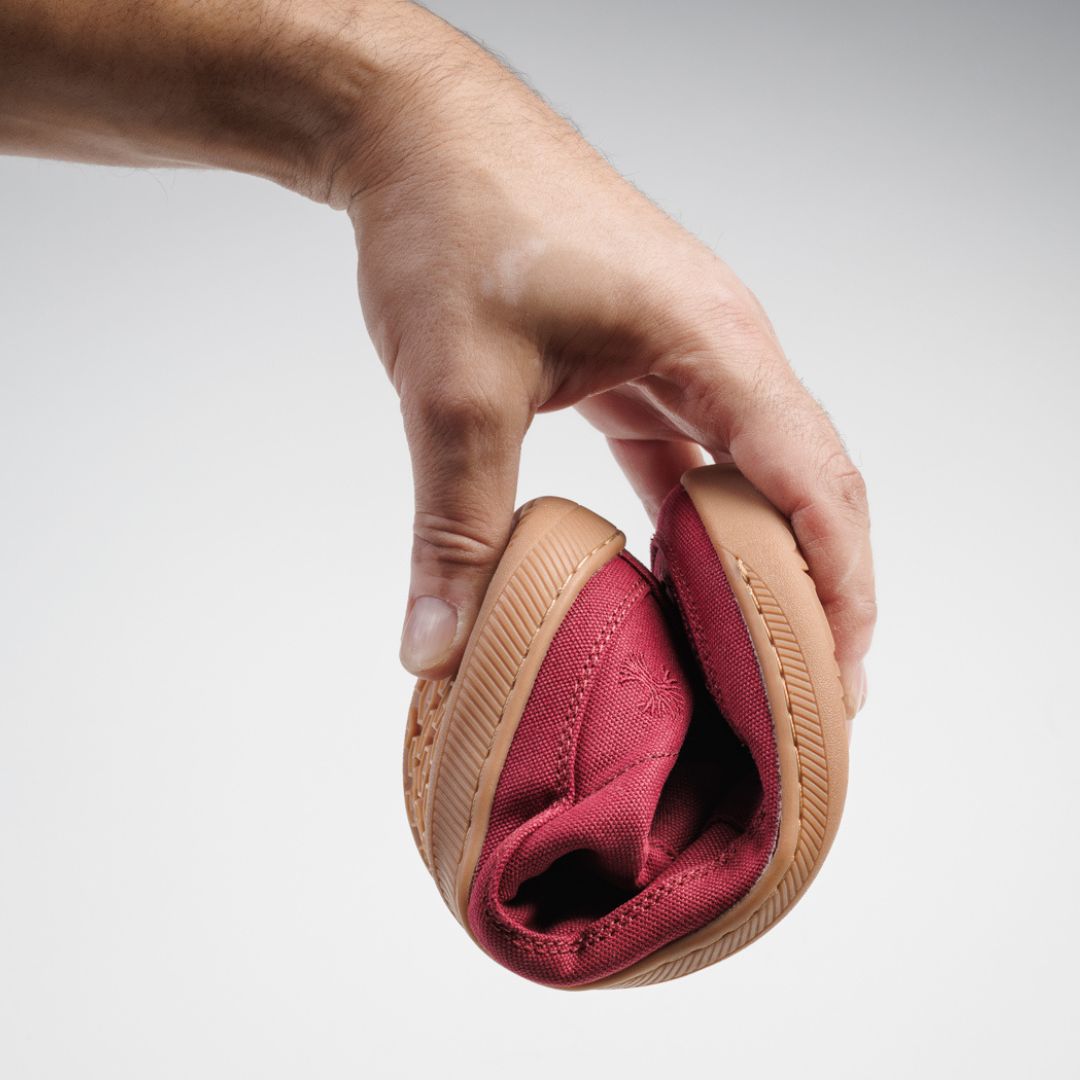
Conventional work shoes usually have thick foam midsoles that compress over time. Many people replace them when that cushioning goes flat. Barefoot-style shoes don't rely on thick cushioning, so there is less foam to collapse. The wear shows up in other places instead: the outsole tread, the upper where it flexes, and the removable insole.
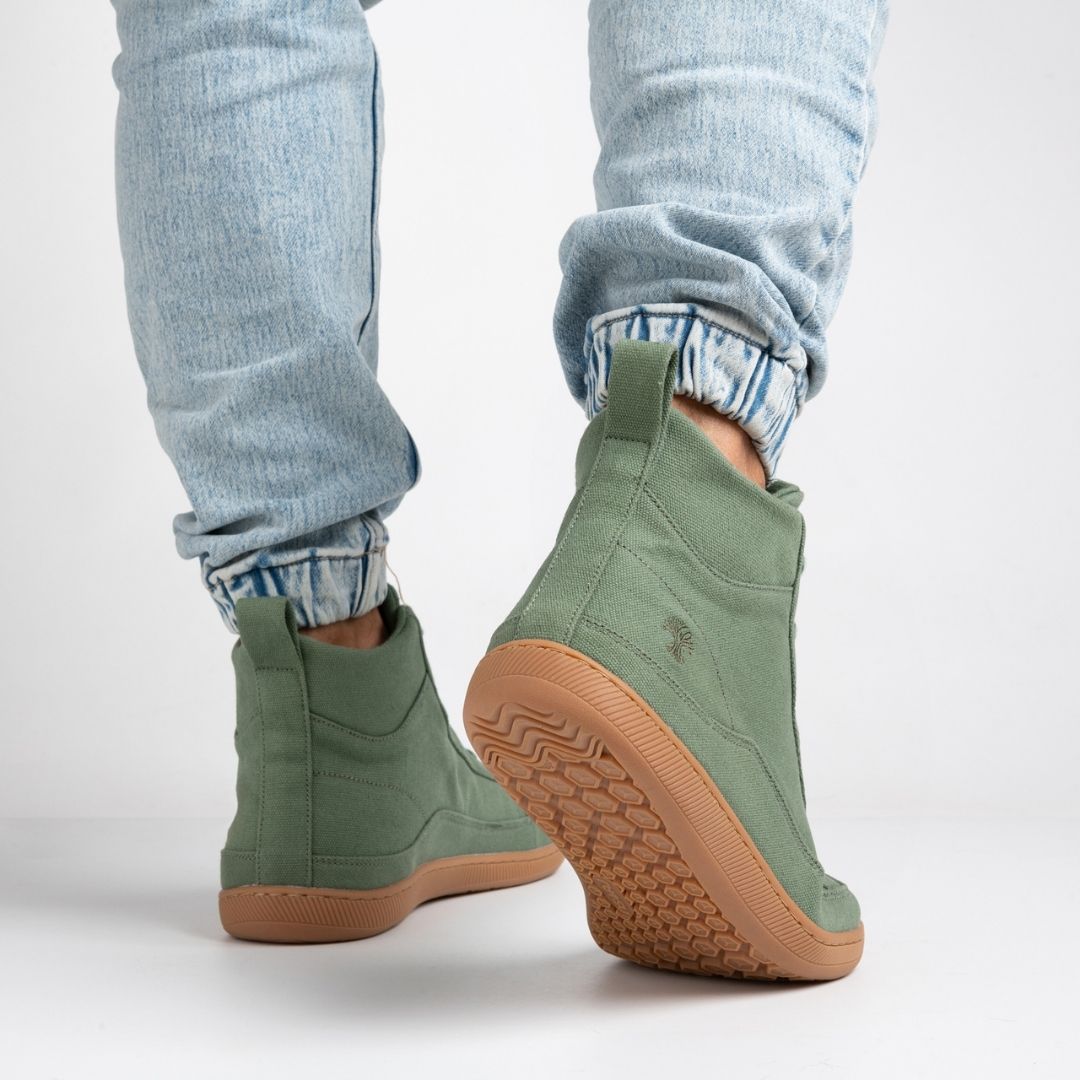
The trade-off is that a thin, flexible sole has less rubber in reserve. When tread wears through in high-pressure zones, grip drops. That makes the outsole the part to watch most closely on barefoot work shoes, especially if you work on wet or greasy floors.
The factors that decide how long a pair lasts
Hours on your feet each week
This is the biggest driver. Wear builds up with time in the shoe, not with time since purchase. A pair worn for four long shifts a week collects far more wear than the same pair worn for errands on weekends. Count your weekly hours, not your months.
The floors you stand and walk on
Rough concrete and gritty surfaces grind tread faster than smooth tile, vinyl, or carpet. Walking distance matters too. A server covering the whole restaurant floor wears a shoe differently than a cashier standing at one register.
Moisture and what's in it
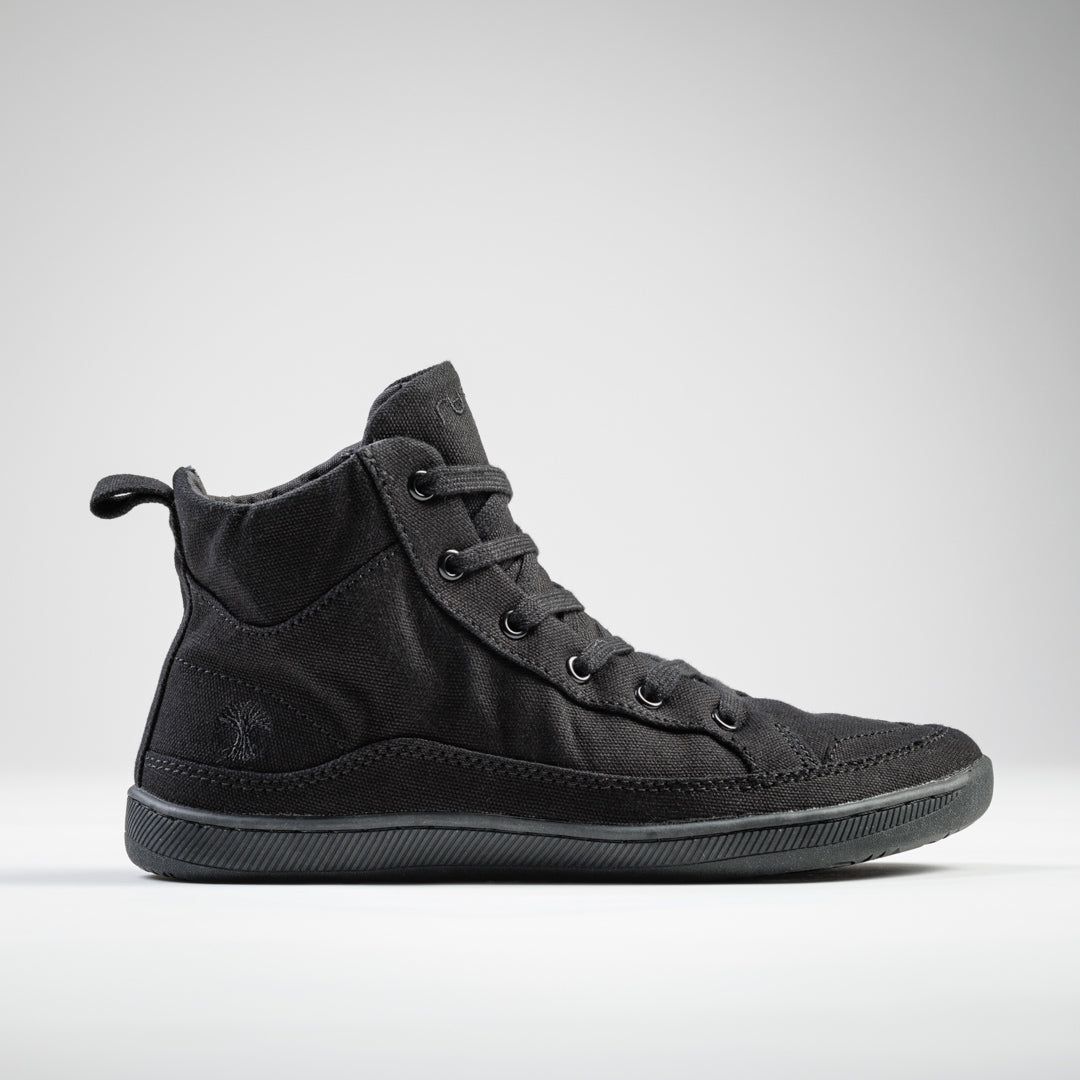
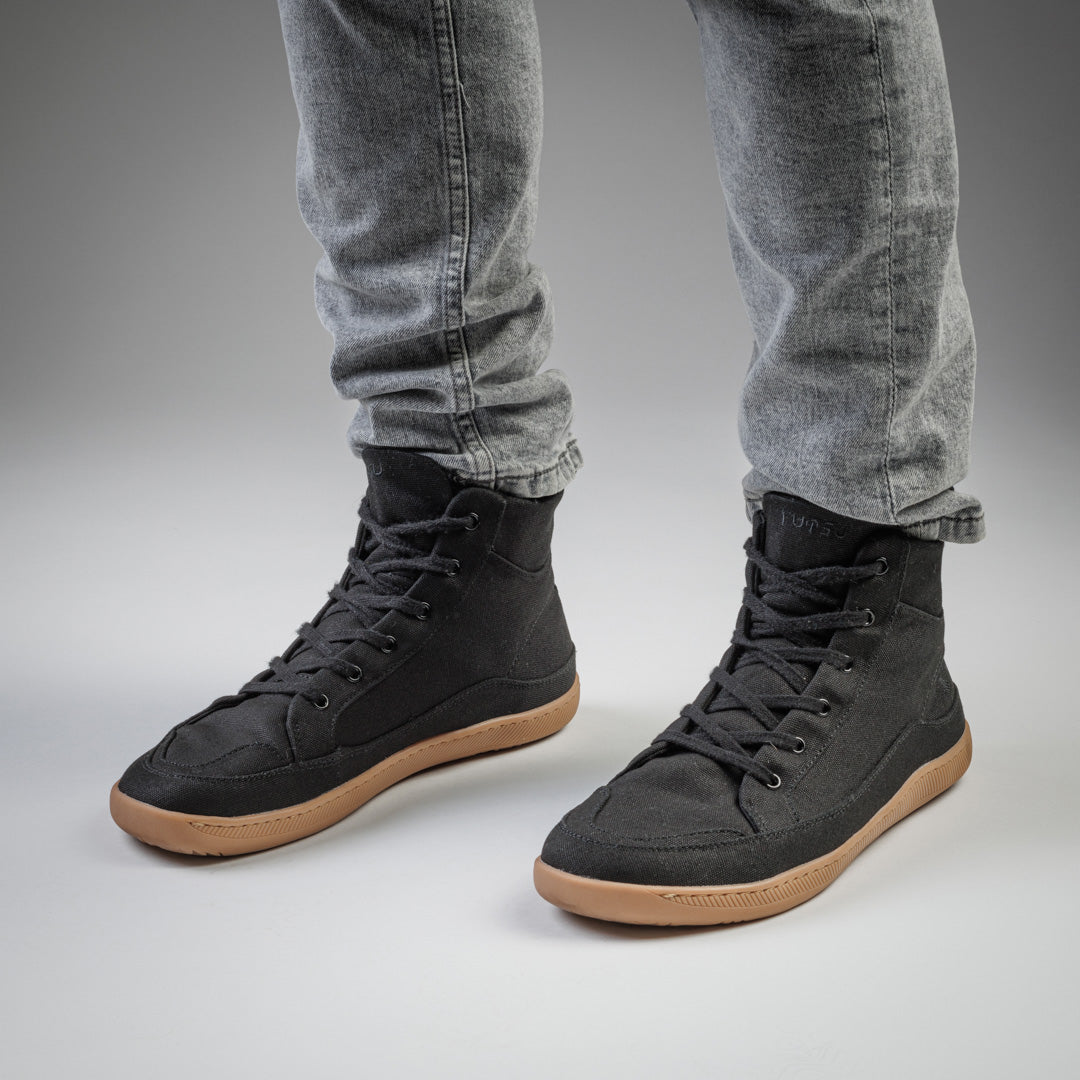
Repeated wetting and drying is hard on any shoe. Water, cleaning chemicals, grease, and salt all stress materials, stitching, and adhesives. The Rutsu Shift has a water-repellent upper, which helps with splashes. It isn't waterproof, so a shoe that is regularly soaked will age faster than one that just sees the occasional spill.
How the shoes dry?
Shoes that never fully dry between shifts break down faster and hold onto odor. Heat speeds drying, but it can also damage materials. Rutsu's care instructions for the Shift say to air dry only and never use a dryer.
Your fit and your gait
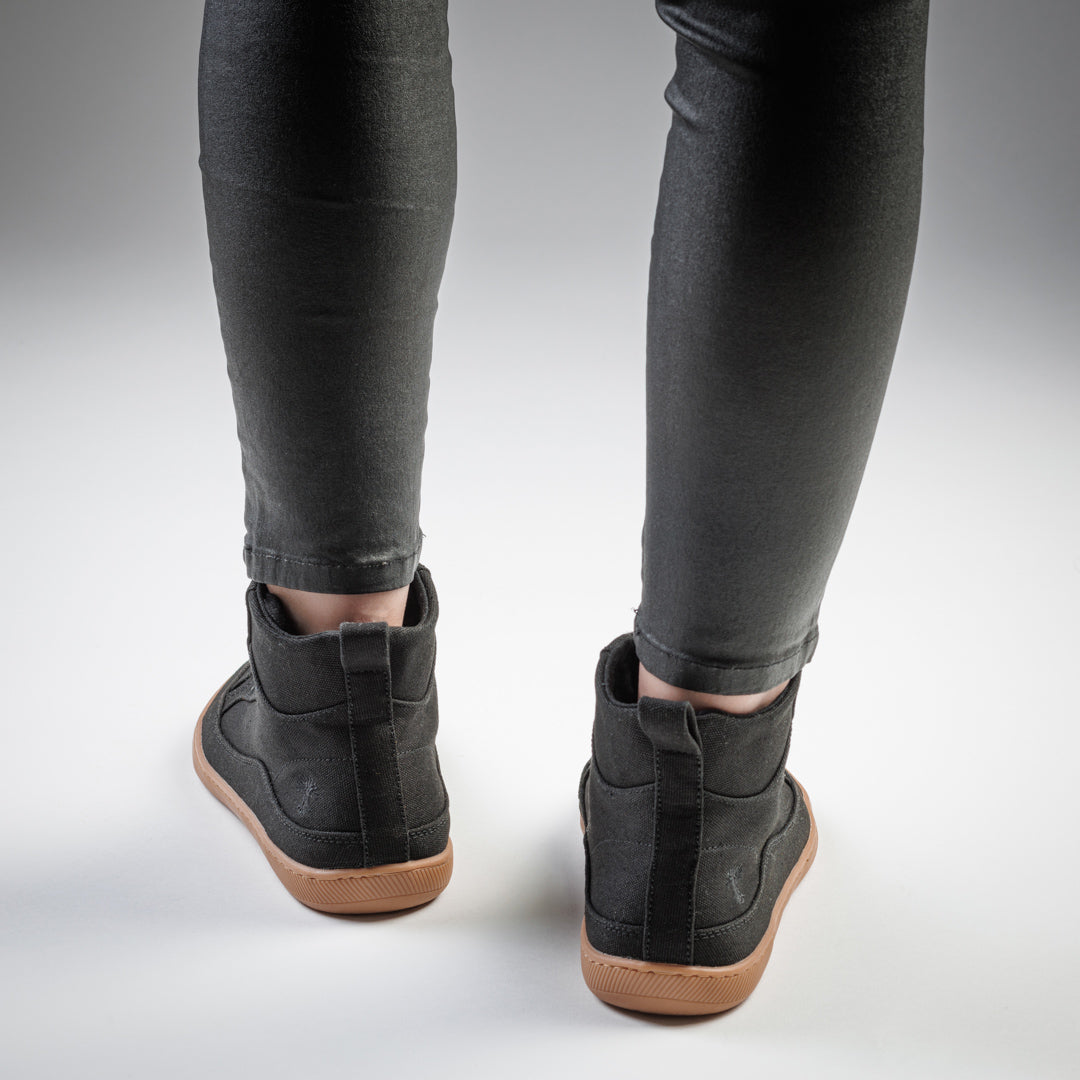
A shoe that is too small puts more pressure on the upper and toe area. A shoe that is too big lets your foot slide and creates friction. Your walking pattern matters too. Many people wear down one area of the outsole, often the outer heel or the ball of the foot, much faster than the rest.
Rotation
Wearing the same pair every shift gives it no time to dry out. Rotating between two pairs means each pair gets a full rest and dry cycle. You'll buy two pairs at once, but each one takes fewer consecutive hours of use.
What's built into the Rutsu Shift?
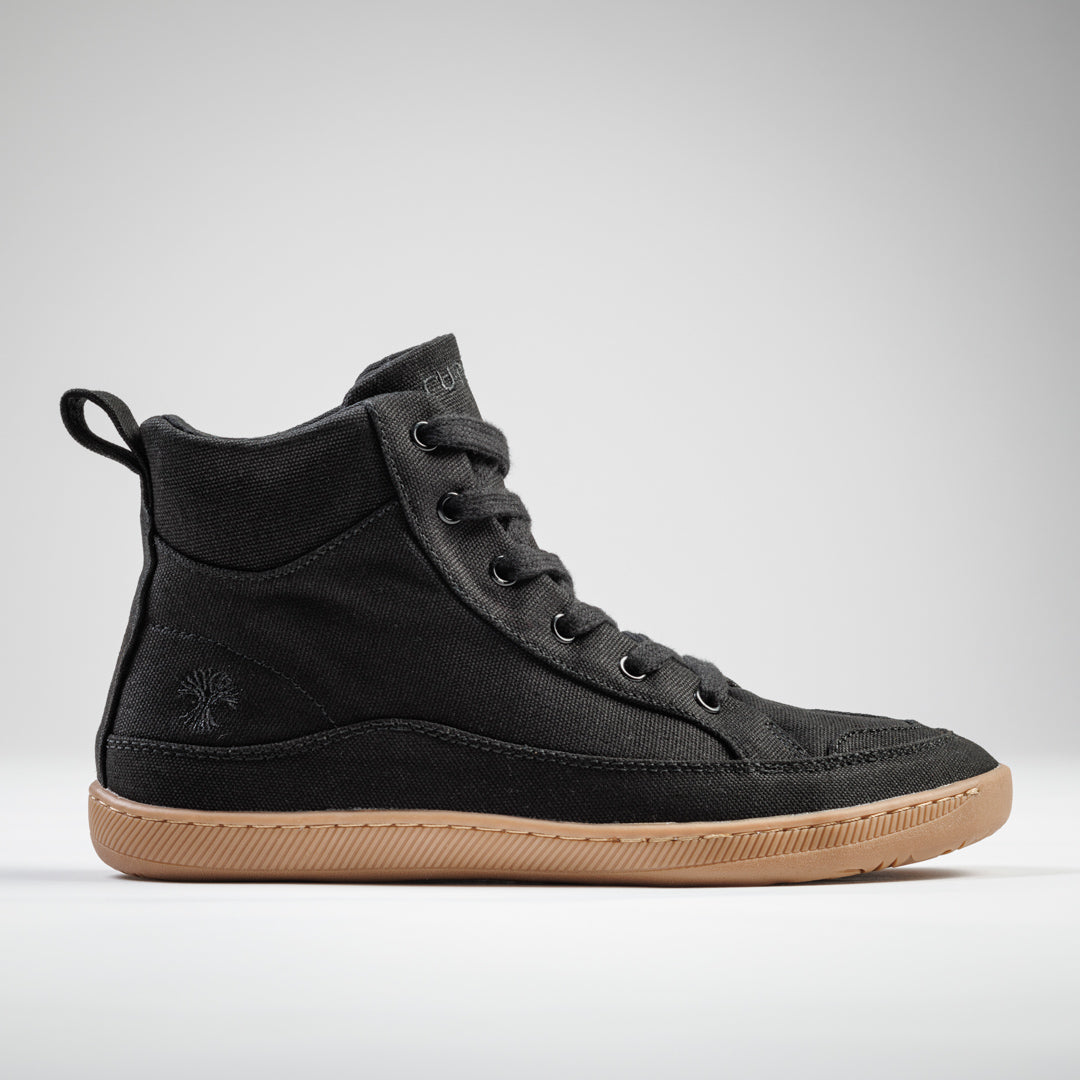
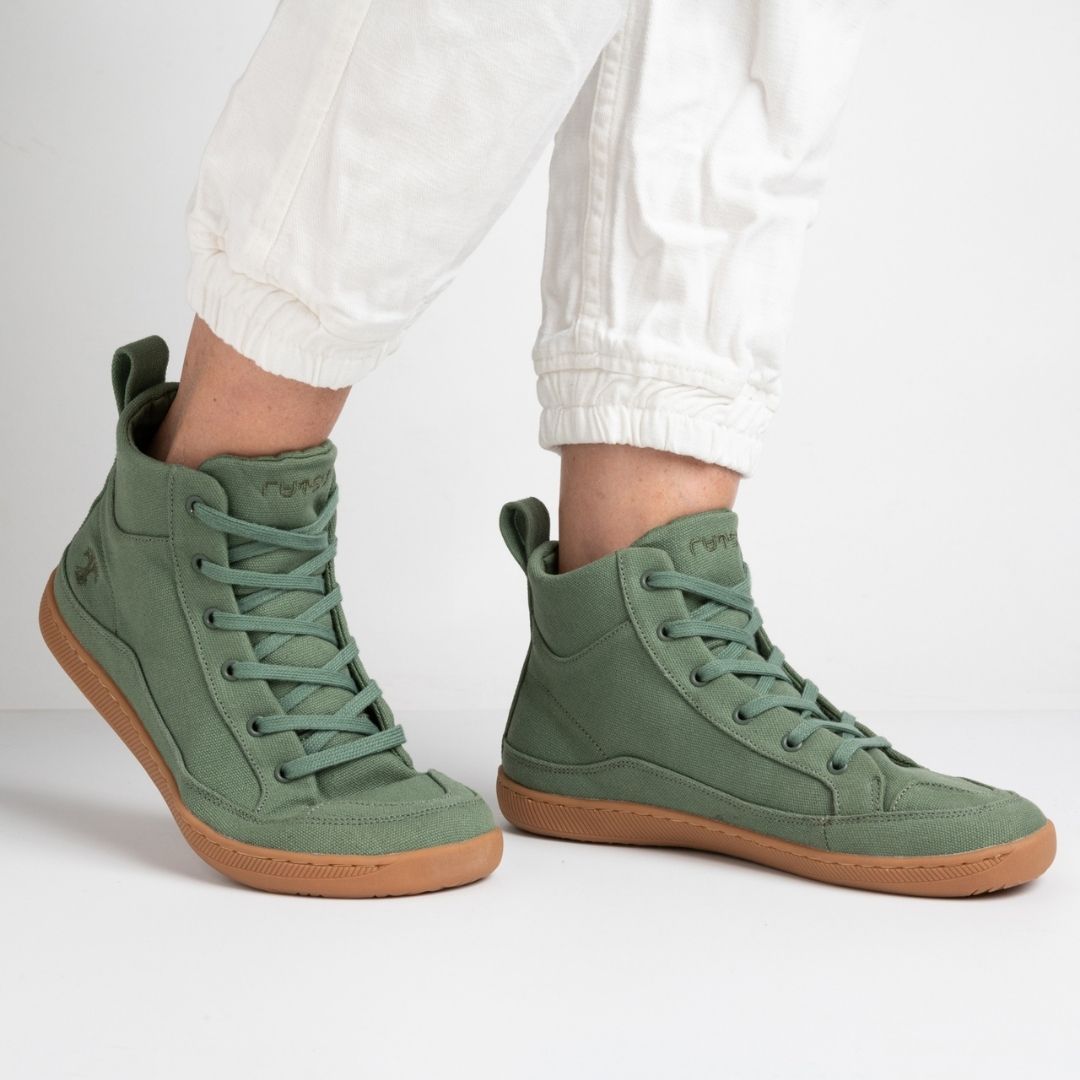
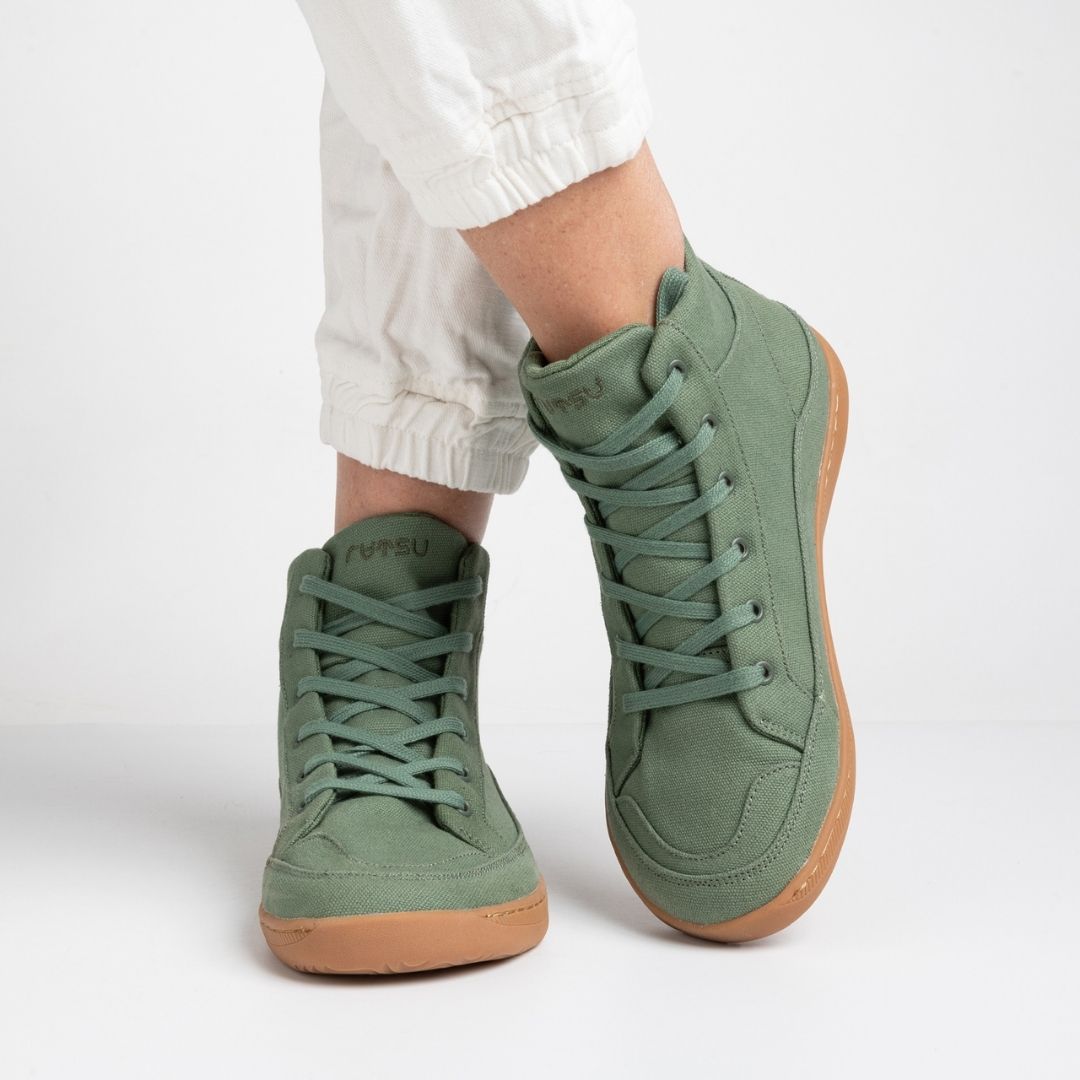
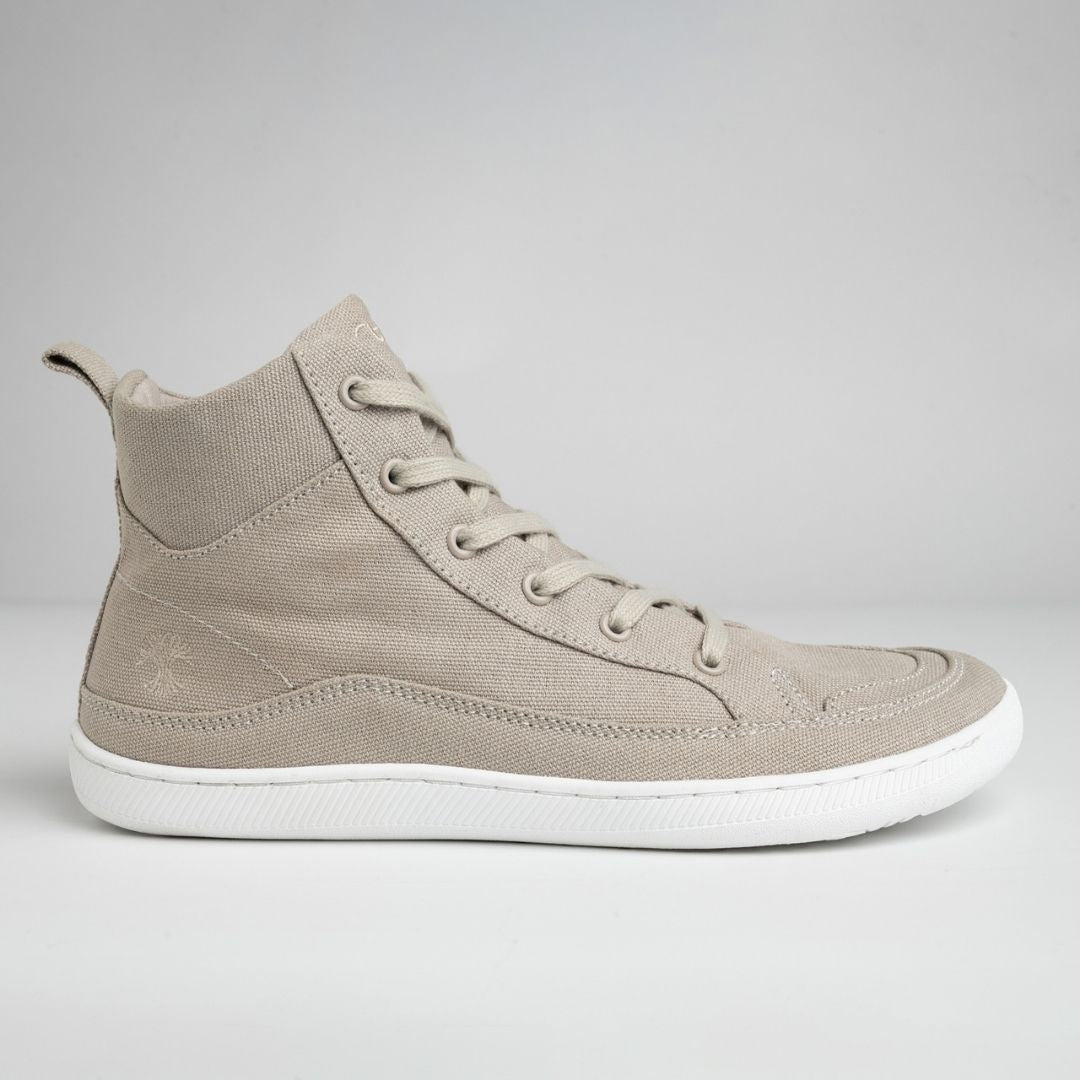
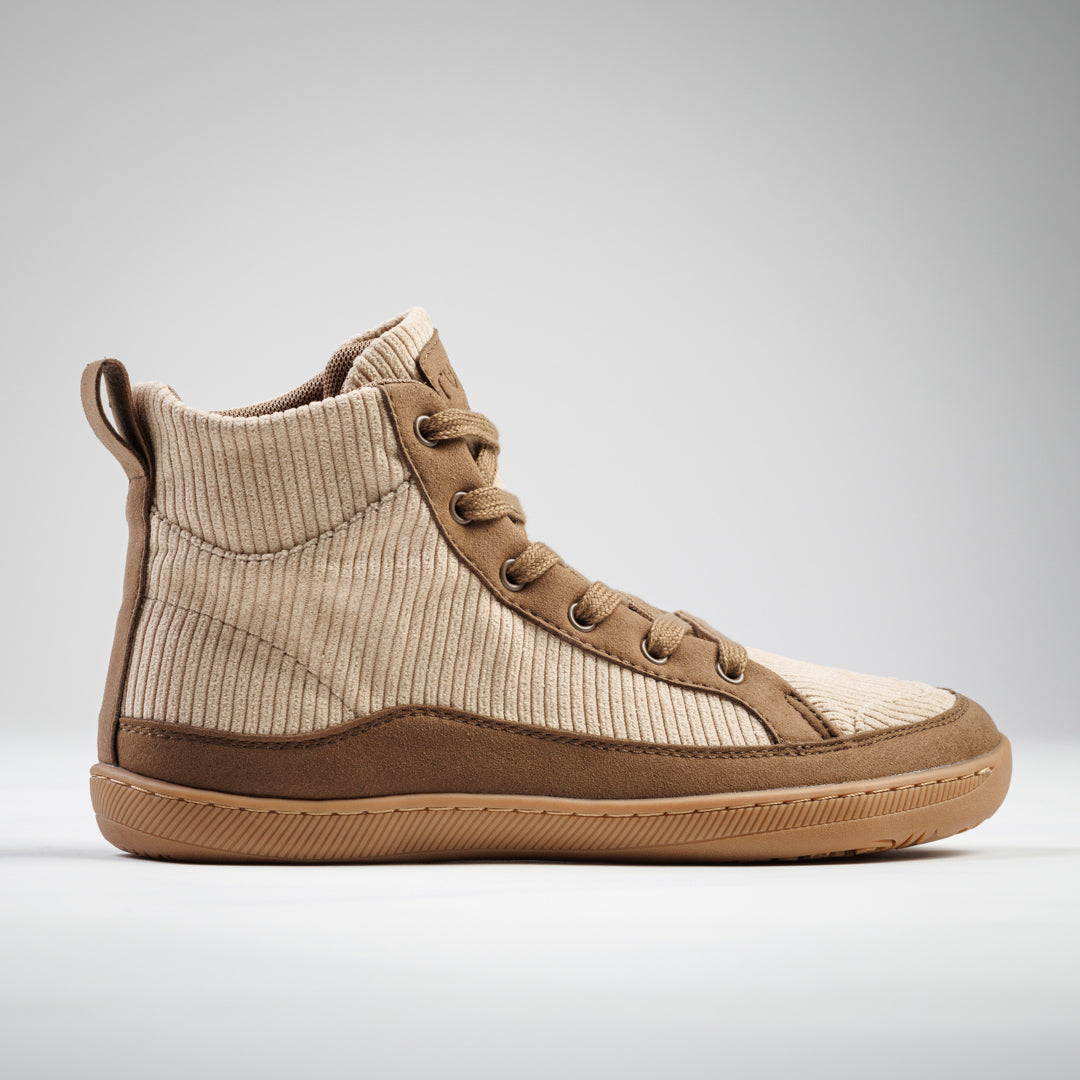
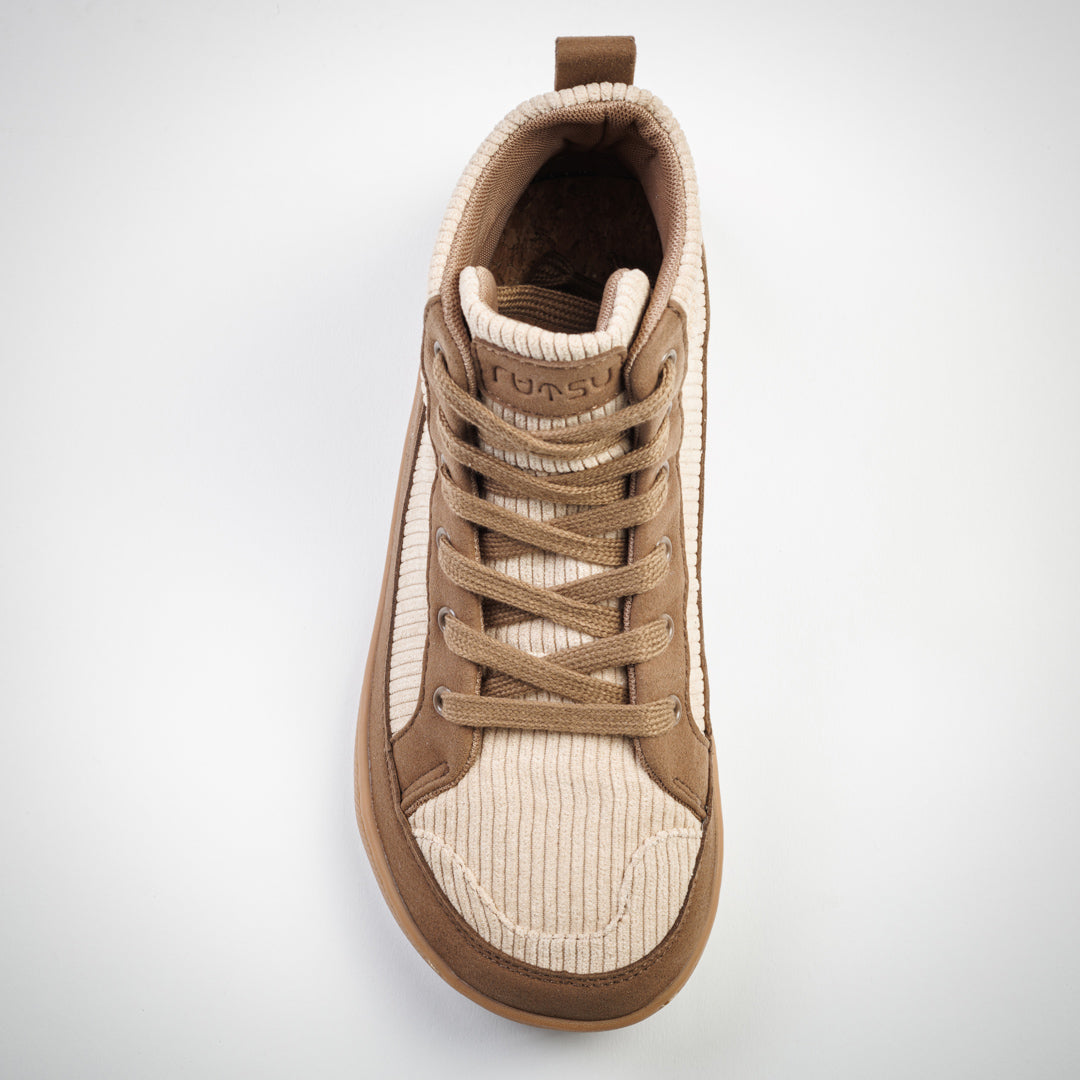
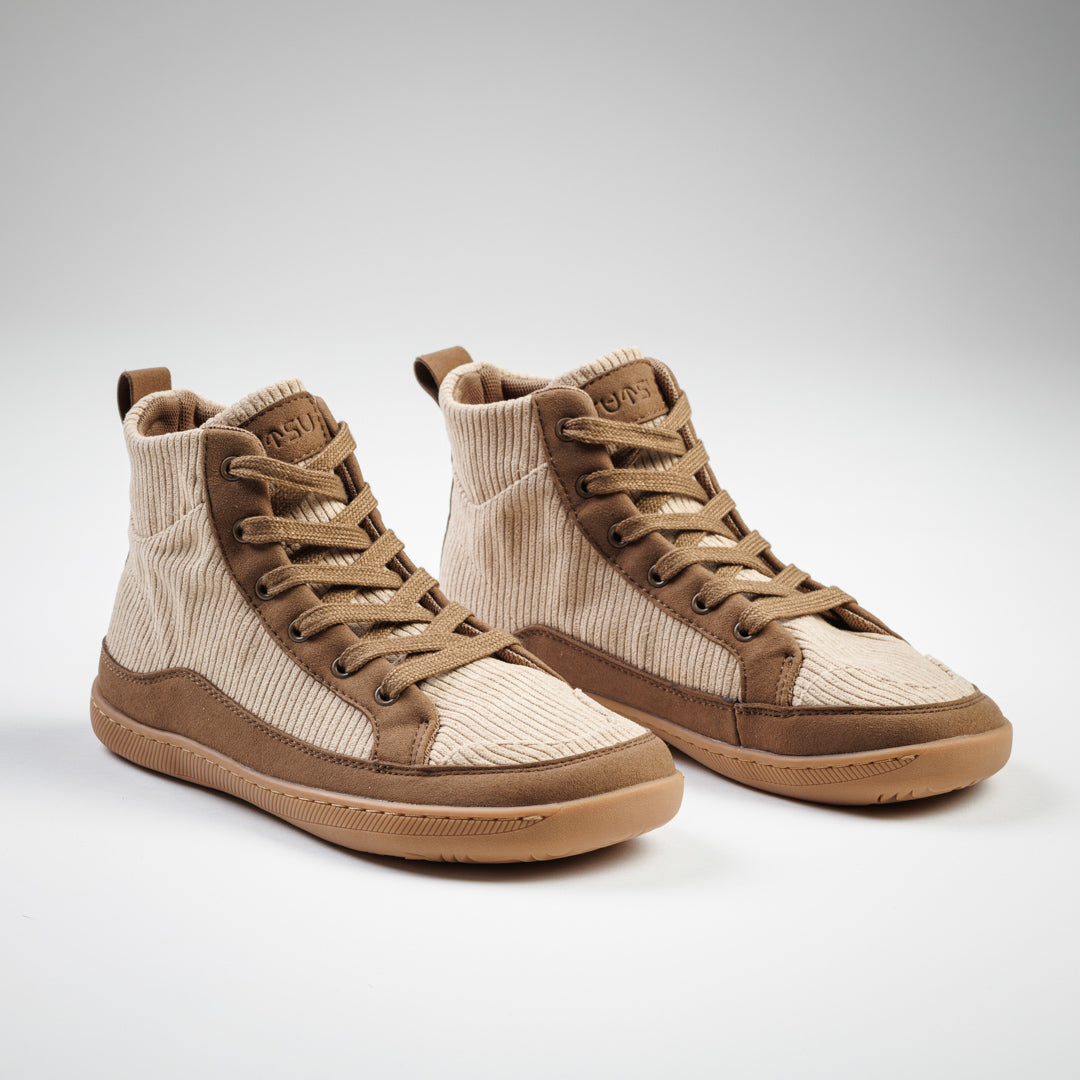
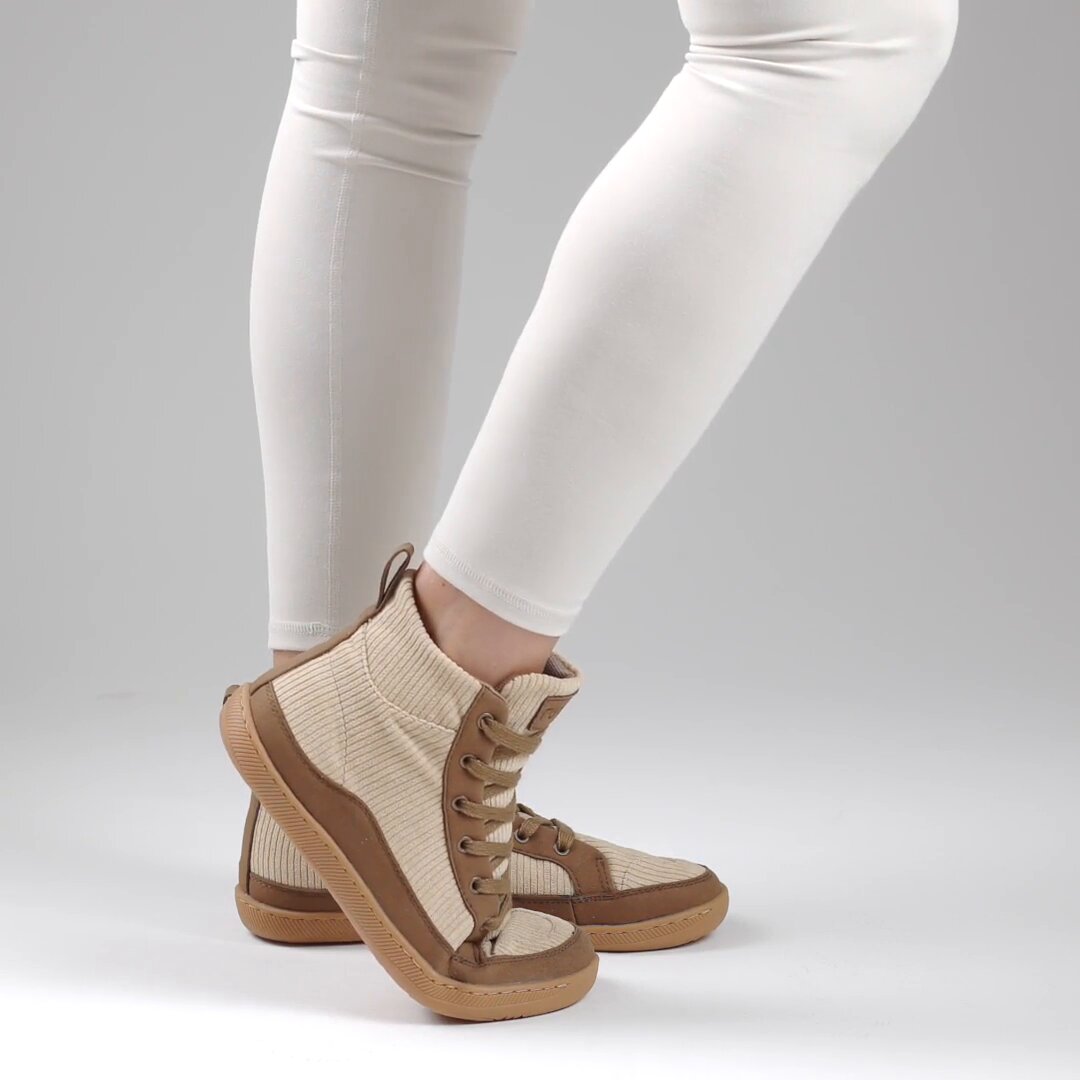
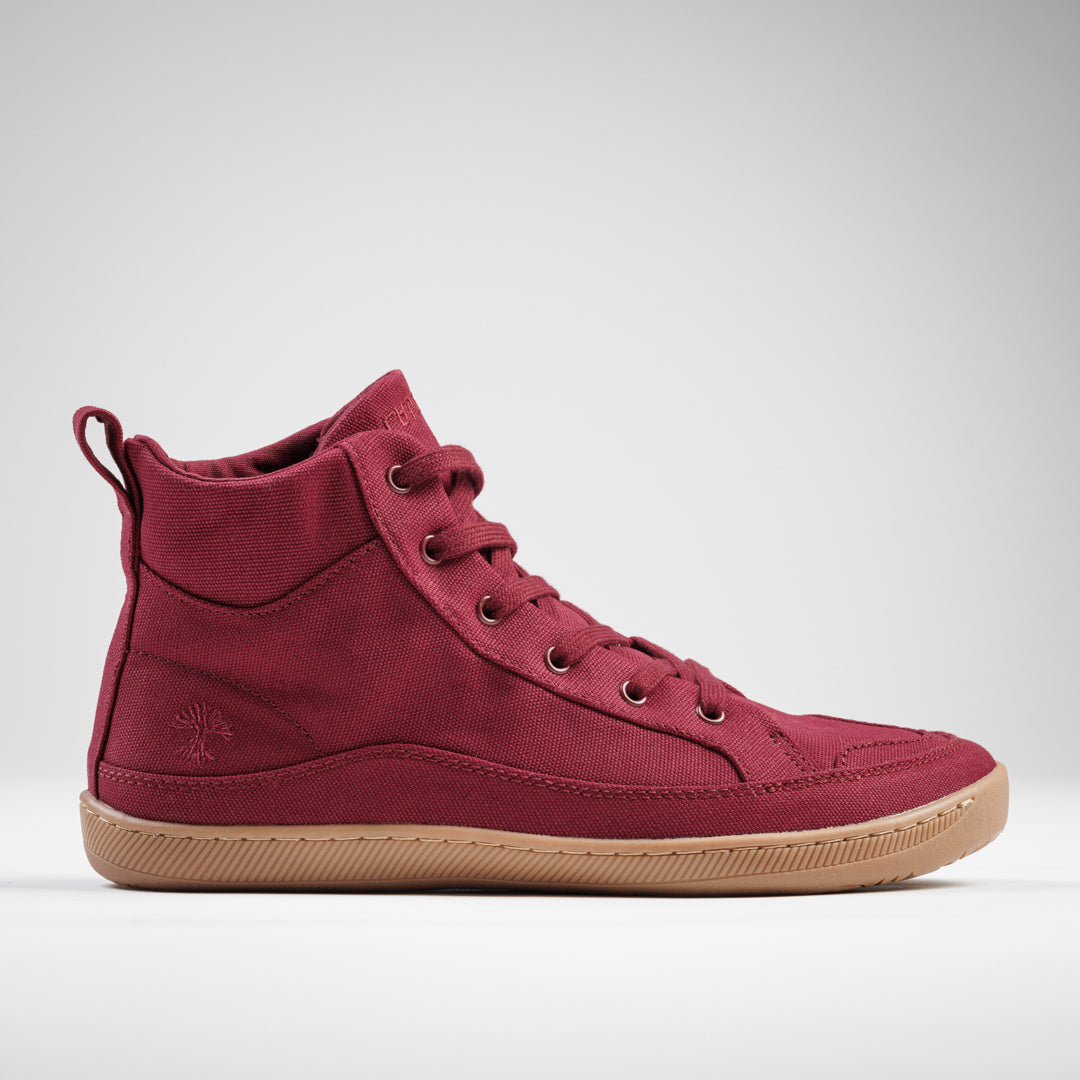
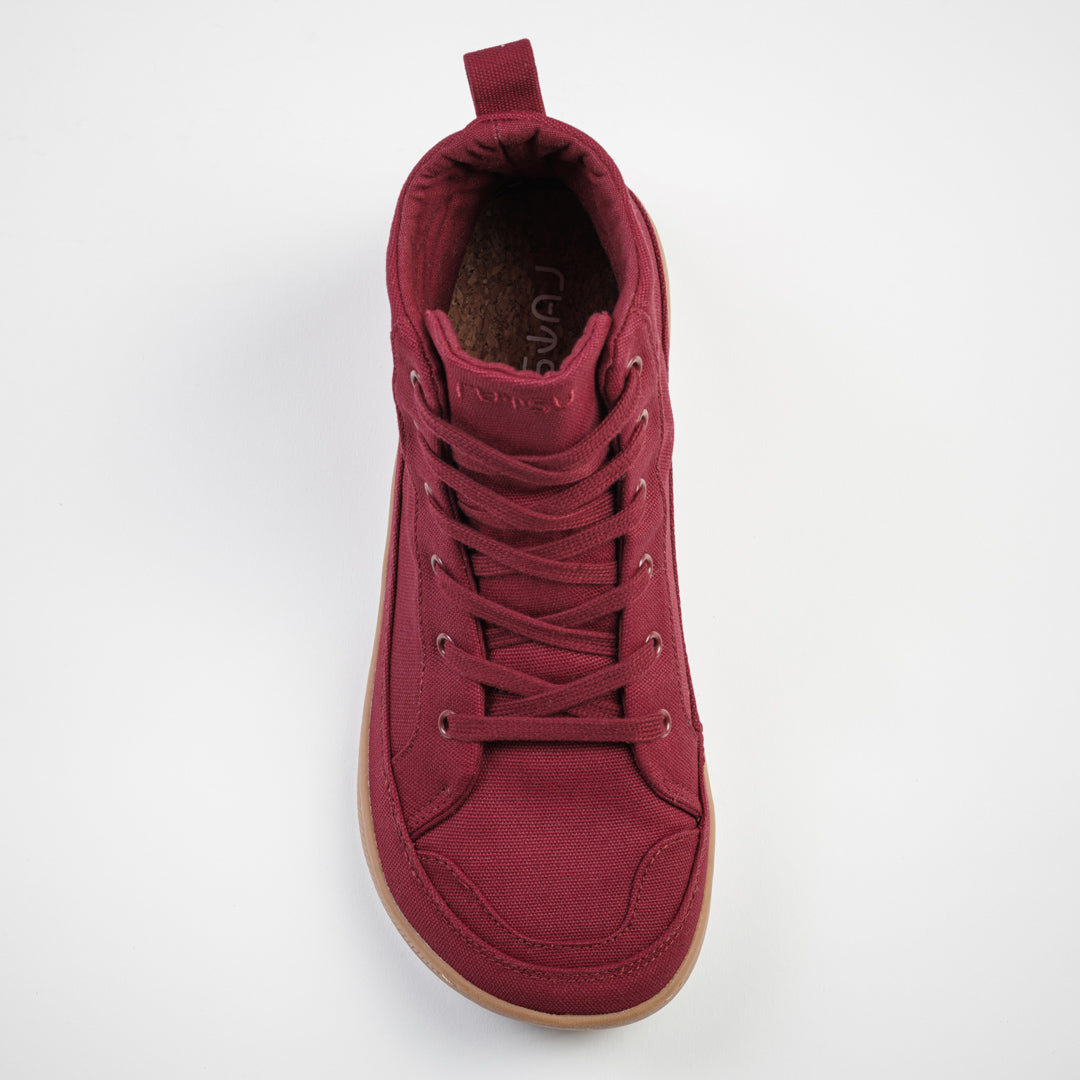
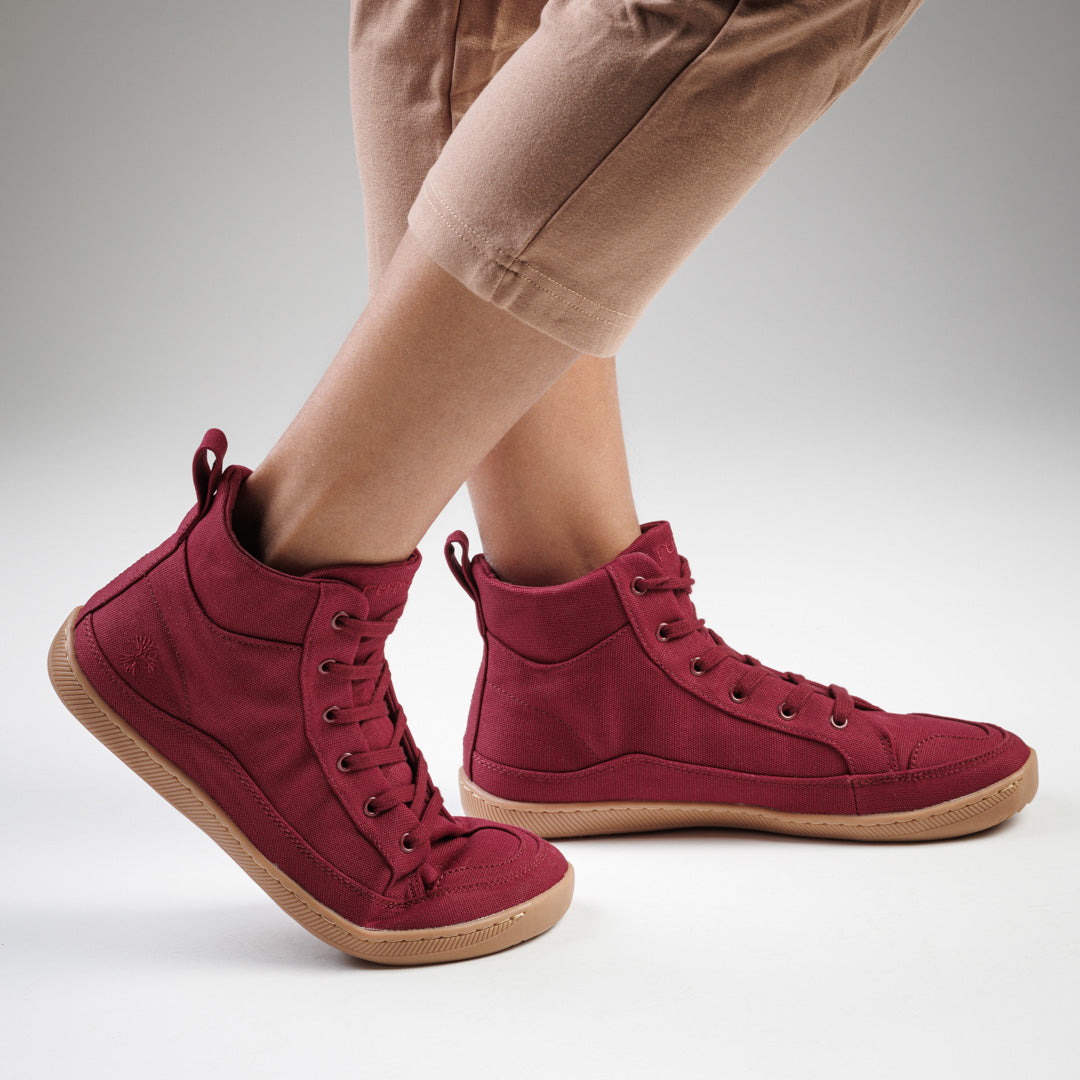
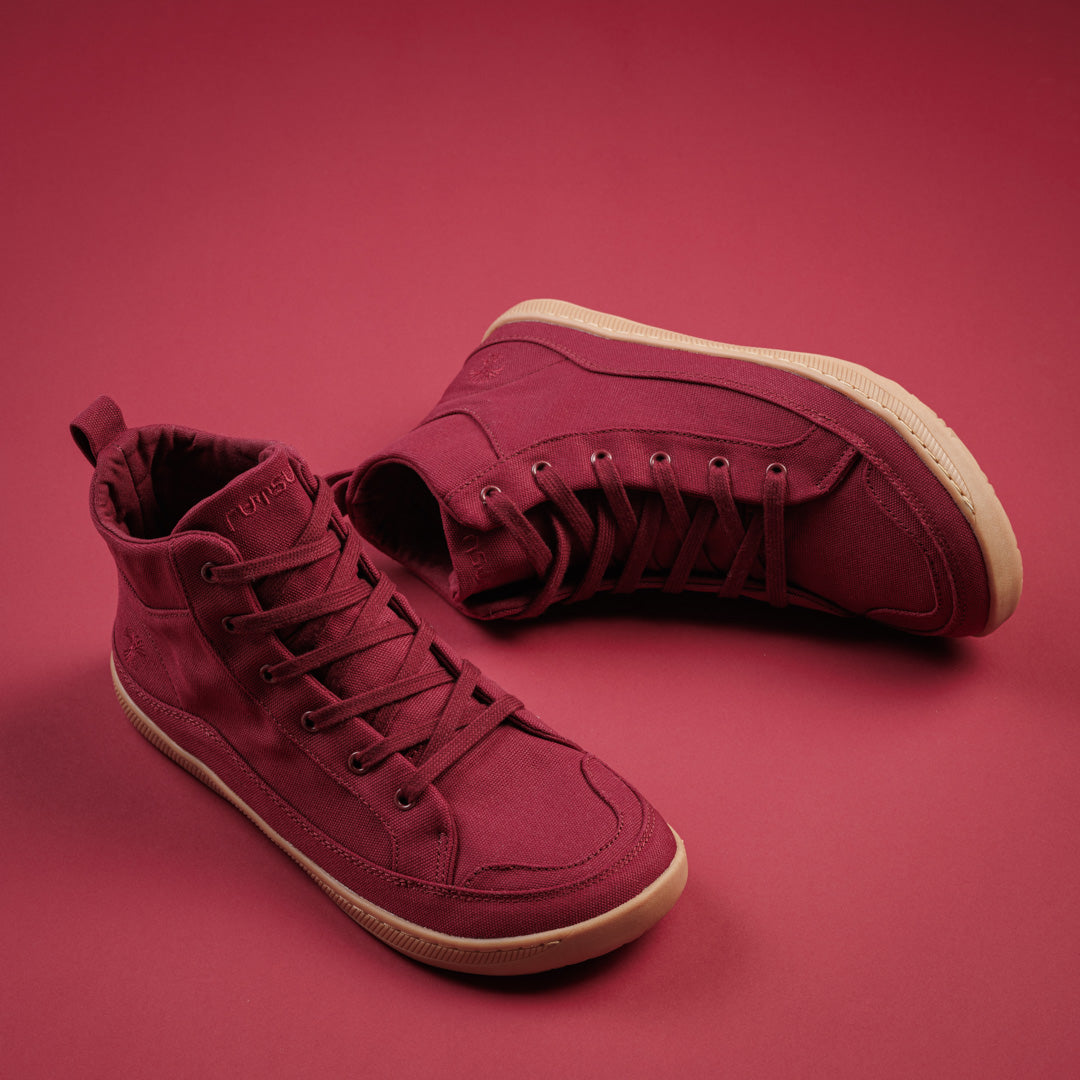
Rutsu doesn't publish a lifespan estimate for the Shift, and we won't invent one. Here is what the brand does document about its construction, and why each detail matters for wear:
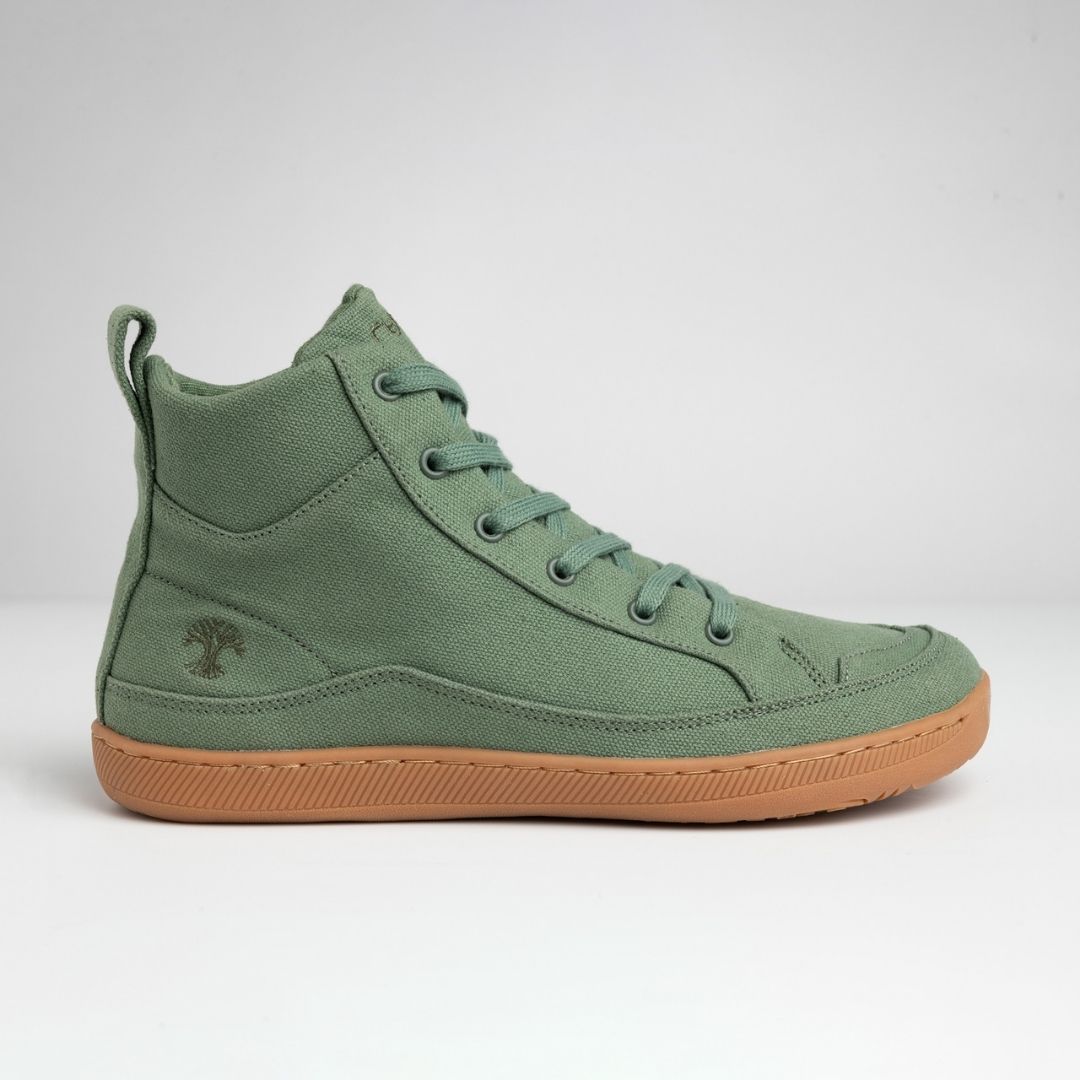
- Slip-resistant rubber outsole. Rubber is the part that meets the floor, so its tread is your main wear indicator.
- Stitched sole attachment. Rutsu's stitching runs through the upper to attach the sole, rather than serving only as decoration. This is designed to strengthen the bond between sole and upper, a common failure point.
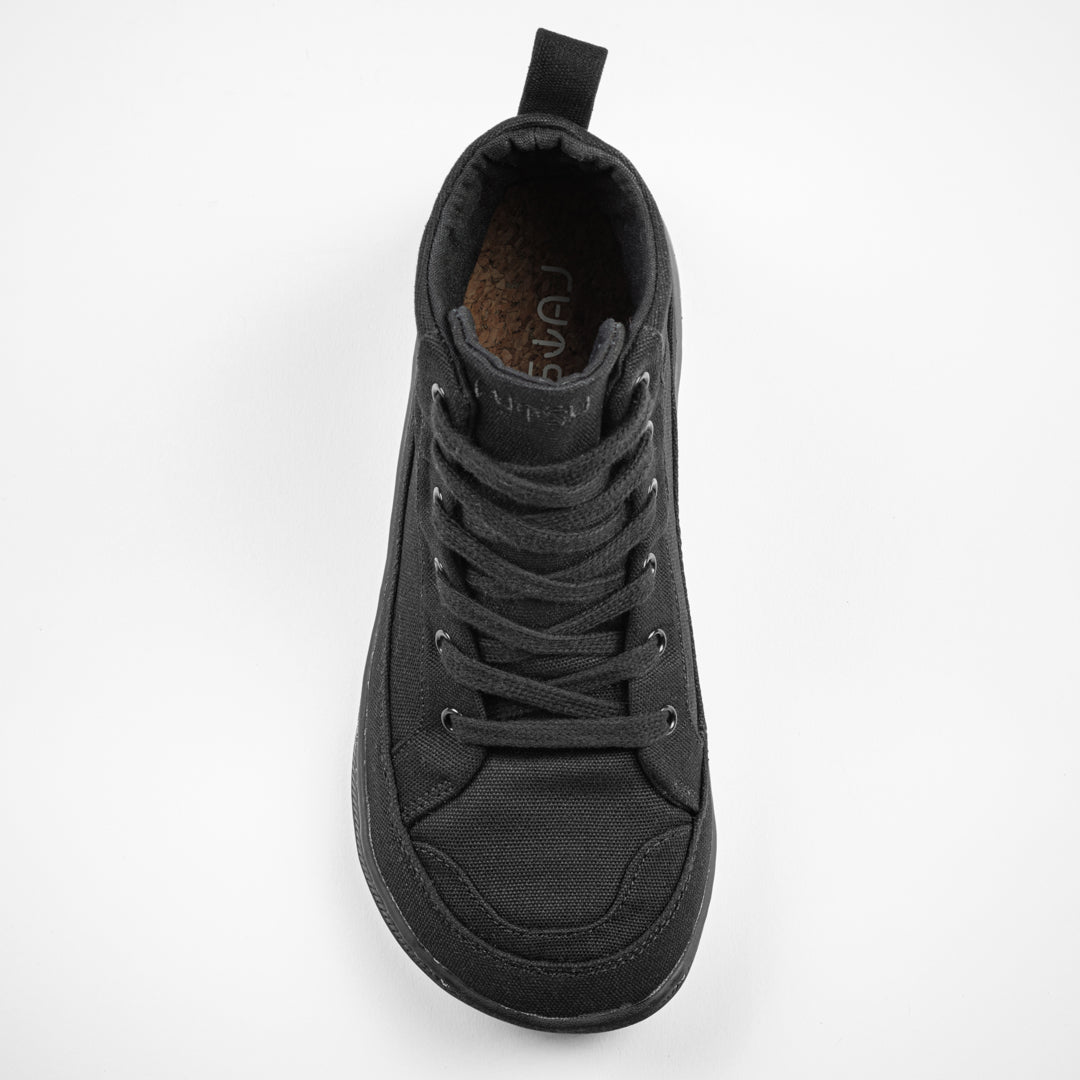
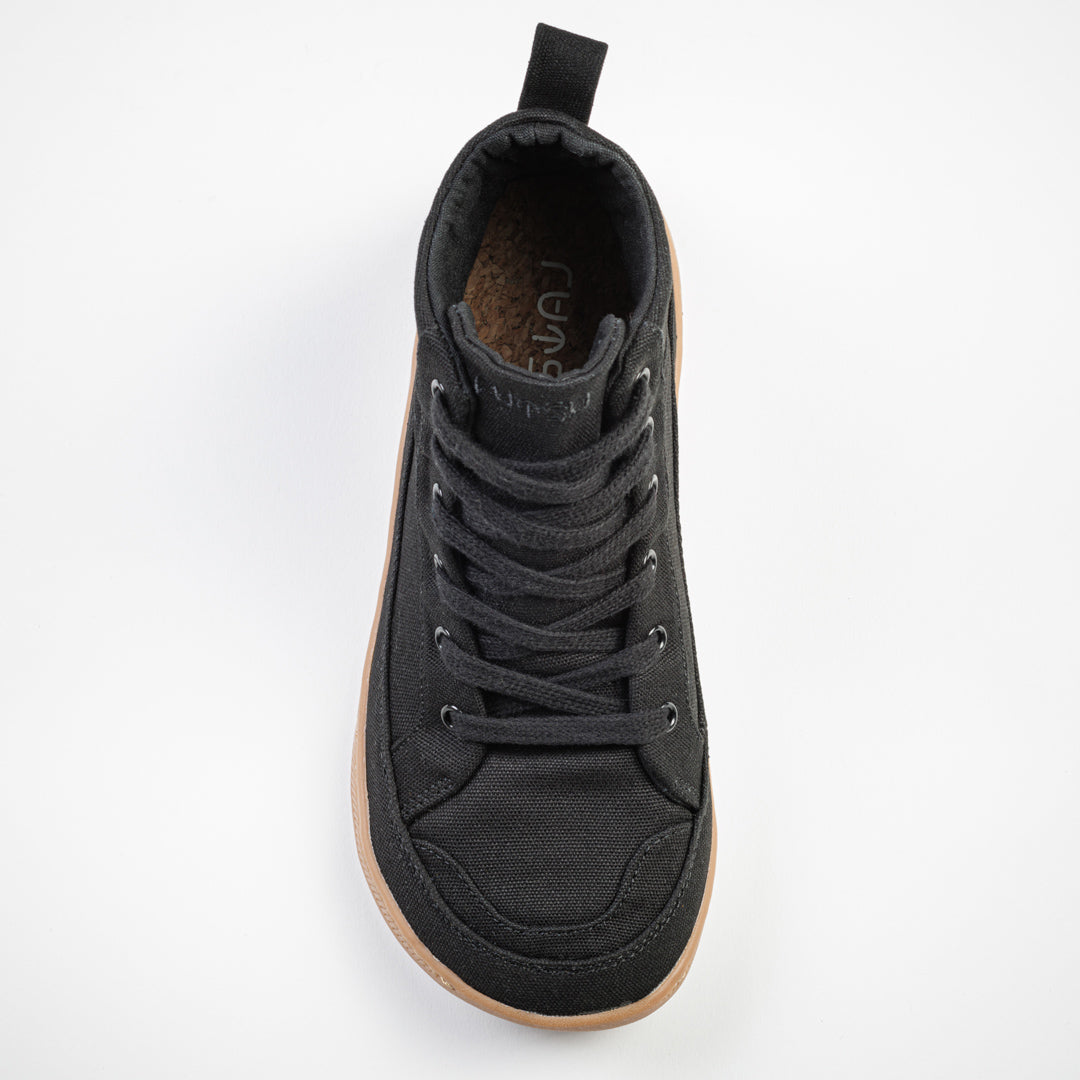
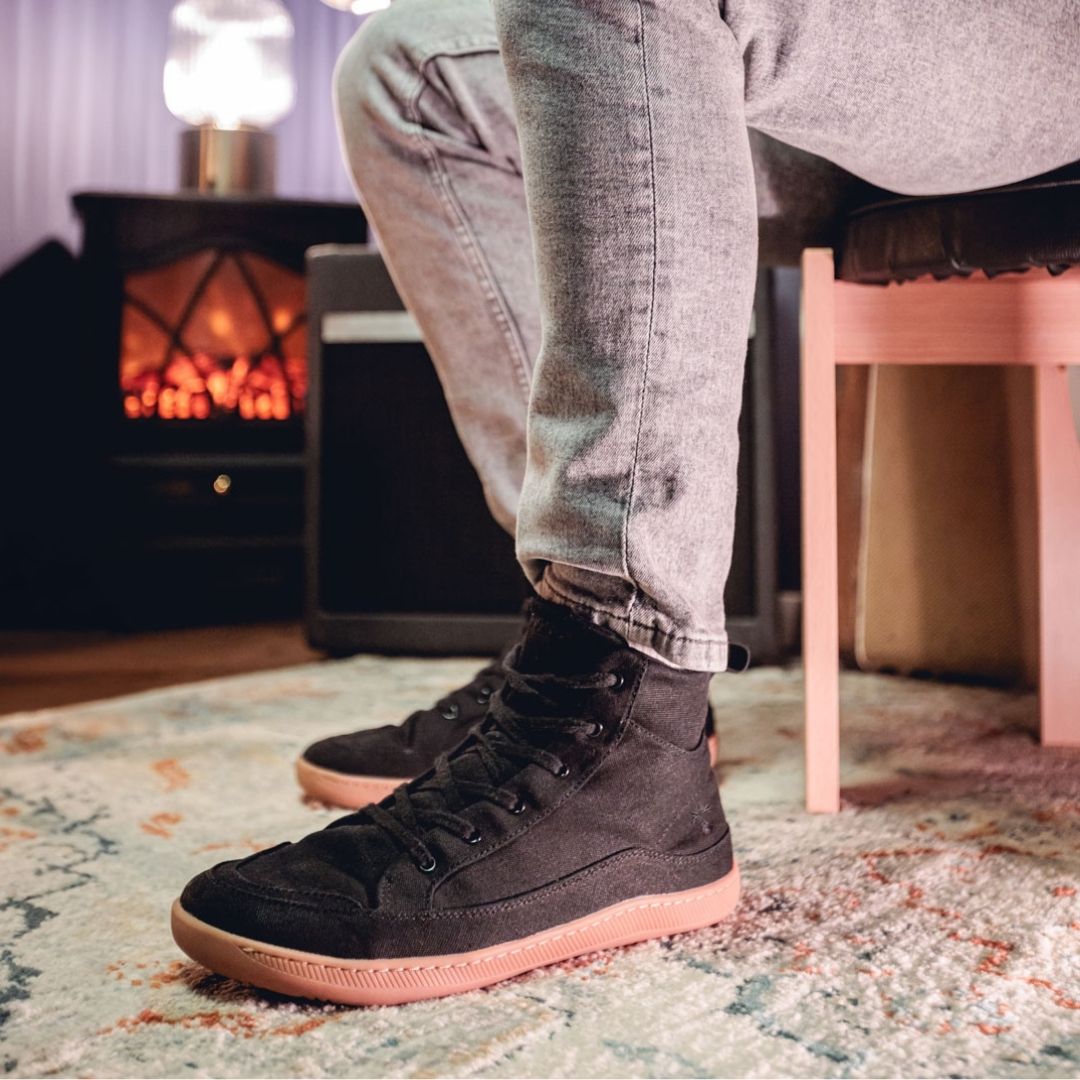
- Microfiber and mesh upper. It is designed for breathability and water repellency and can be hand washed with mild soap and water.
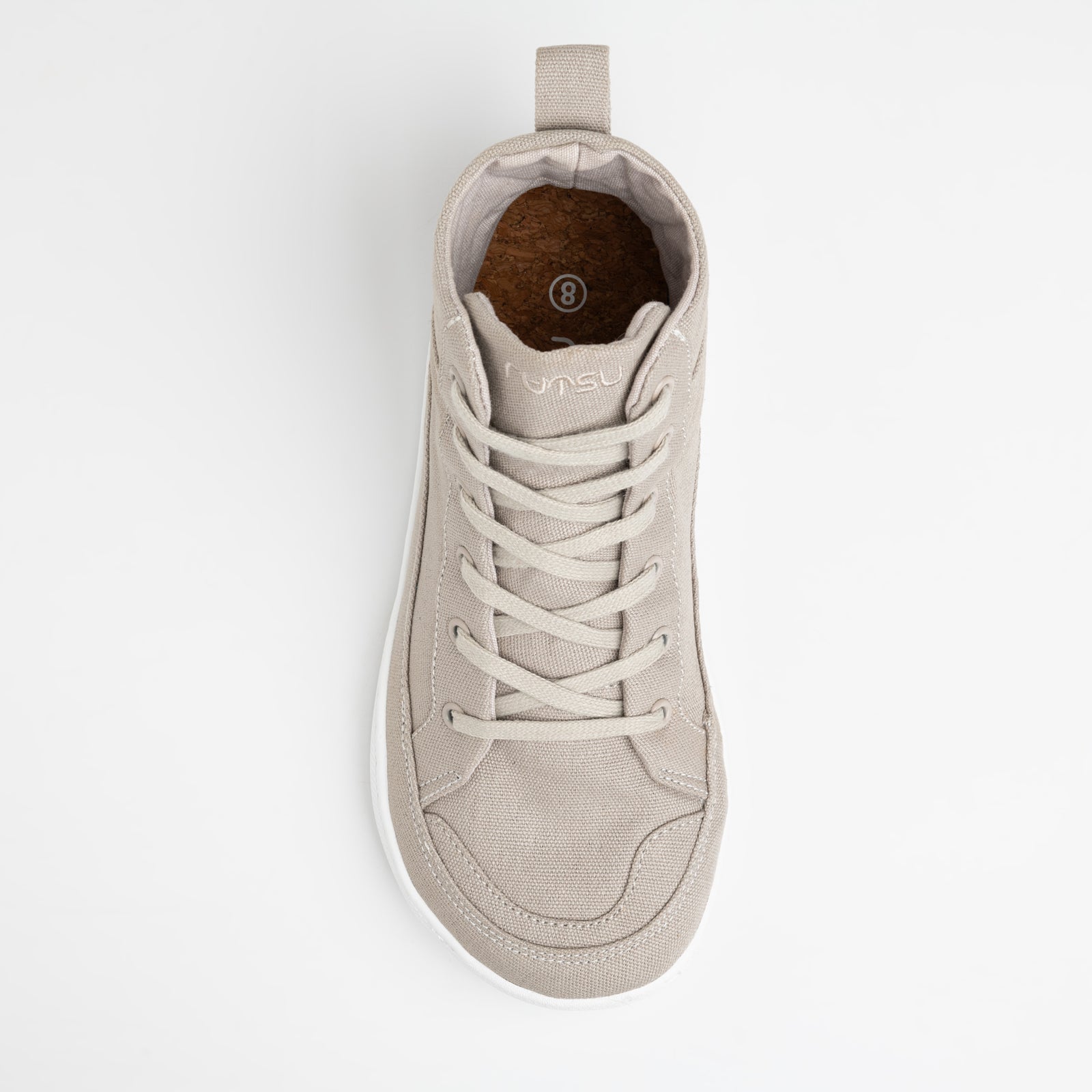
- Removable insoles. You can take them out to clean and dry separately, which helps the whole shoe dry faster.
Signs it's time to replace your work shoes
Check your shoes against this list every few weeks. Any one of the first two is reason enough to replace a pair used on slick floors.
The tread is worn smooth. Look at the outsole under good light. If the pattern has flattened in the areas where you put the most weight, grip is reduced. Treat this as a safety issue, not a cosmetic one.
You've started slipping where you didn't before. Your feet often notice lost traction before your eyes do. Take it seriously.
The sole is separating from the upper. Any gap where the sole and upper meet will let water in and tends to grow.
The upper is torn or cracked at the flex point. The crease across the forefoot takes the most bending. Holes or splits there usually spread.
Water gets in faster than it used to. If splashes that used to bead up now soak through, the upper has likely lost some of its repellency.
The insole is flattened, torn, or smells no matter what. An insole in poor condition changes how the shoe feels all day, even if the outside looks fine.
Your feet feel different by the end of a shift. New hot spots or aches that appear in a familiar pair can be a sign of wear. If pain persists, check with a podiatrist or physical therapist as well.
A simple way to track wear
Take a photo of the outsole the day you start wearing a new pair. Every month, take another photo under the same light and compare the two. Write down roughly how many shifts you work per week. After one pair, you'll have your own data on how long shoes last in your job, which is more useful than any average.
How to get more shifts out of a pair?
- Pull the insoles after a wet or sweaty shift so both parts dry fully.
- Clean with mild soap and water by hand. Don't machine wash, bleach, or iron them.
- Air dry at room temperature, away from heaters and direct sunlight.
- Rinse off salt, grease, or cleaning chemicals soon rather than letting them sit.
- Rotate two pairs if you work most days of the week.
- Wear the shoes for work, and use a different pair for yard work or rough outdoor use.
Planning your replacement
Replacing work shoes is a recurring cost, so it helps to plan instead of reacting to a pair that has already failed. If you use HSA or FSA funds for other health expenses, you may wonder whether work shoes count as an eligible expense. The short version is that job requirements alone don't make them one, and our guide explains what does.
Buy the next pair before the current one fails completely. That gives you time to break in the new pair on shorter shifts while the old pair still works as a backup. It also protects you if your size is temporarily sold out, which happens with the Shift between restocks.
Before you order the next pair
Feet can change over time, and a size that felt right a year ago may not be right now. Wide toe box shoes also feel different from conventional work shoes, so your old size isn't always your best guide. Take two minutes to re-measure and find your size before you replace a pair, especially if your last pair wore unevenly or felt tight at the end of long shifts.
Frequently Asked Questions
Is there an average lifespan for barefoot work shoes?
There's no reliable universal figure. Lifespan depends mostly on weekly hours, floor surfaces, moisture exposure, and care. Track your own pair's wear to learn what to expect in your job.
What wears out first on barefoot work shoes?
Usually the outsole tread in high-pressure areas, followed by the upper at the forefoot flex point and the insole. On slick floors, reduced grip is the most important sign.
Does rotating two pairs make work shoes last longer?
It gives each pair time to dry fully between shifts, and each pair takes fewer consecutive hours of wear. For people who work most days, it's one of the simplest ways to reduce wear.
Can barefoot work shoes be resoled?
Rutsu doesn't list a resoling service. Contact Rutsu support if you have questions about a specific pair.
Can I return work shoes that wore out quickly?
Rutsu's standard return and exchange policy covers unworn items in original packaging within 30 days. For questions about a worn pair, contact Rutsu support directly.
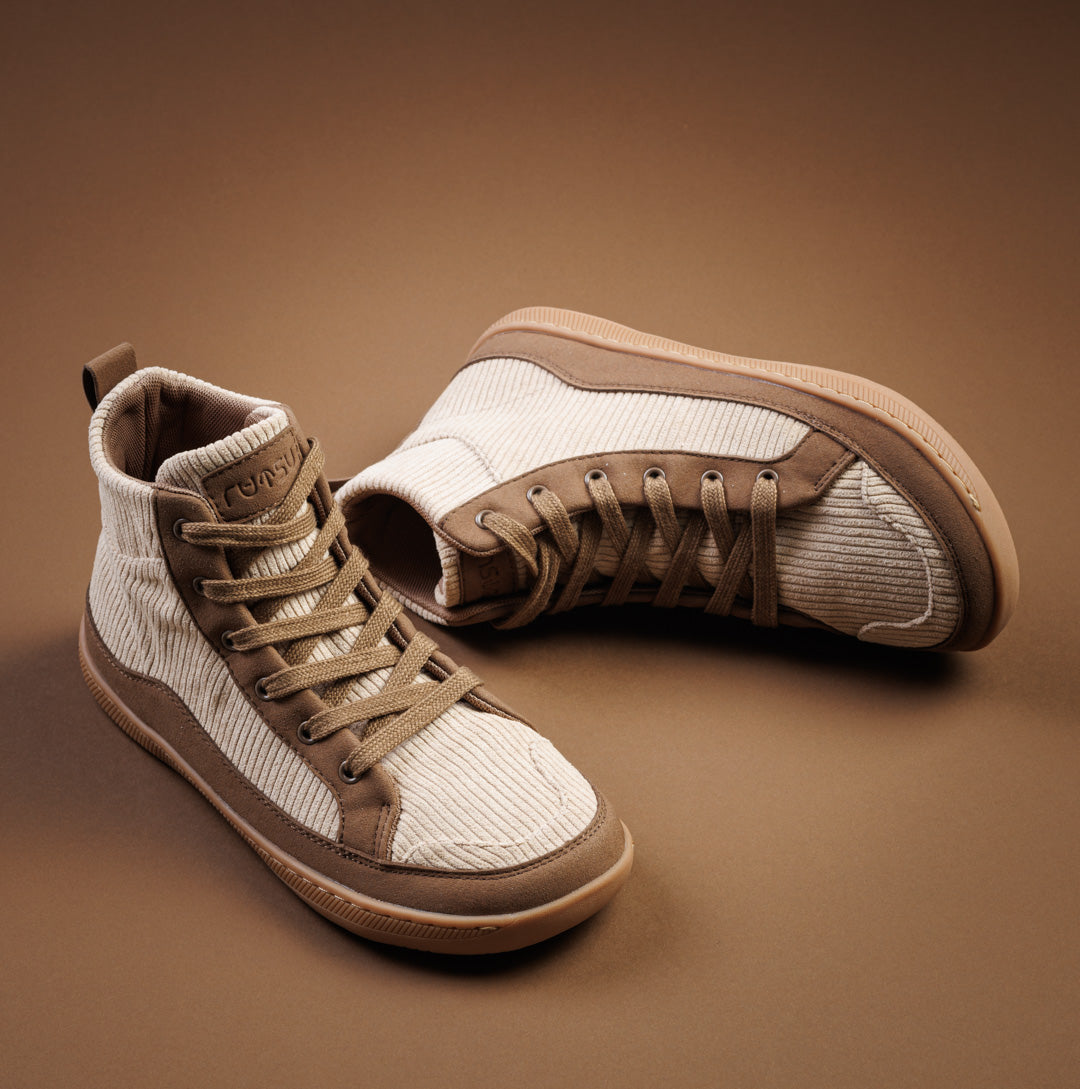
When your current pair is showing its age, browse the Rutsu Shift in low and high styles and plan your replacement before your next long stretch of shifts.