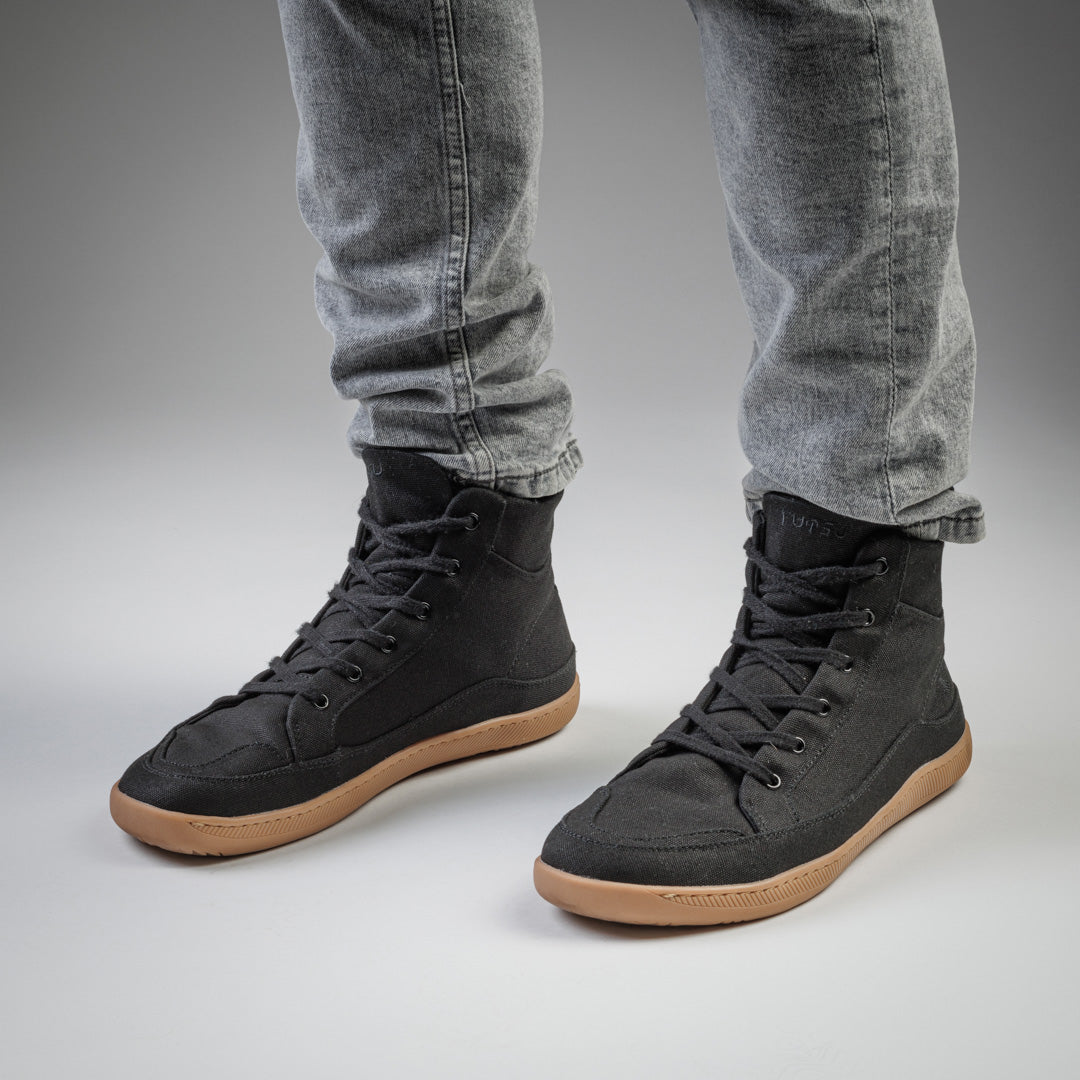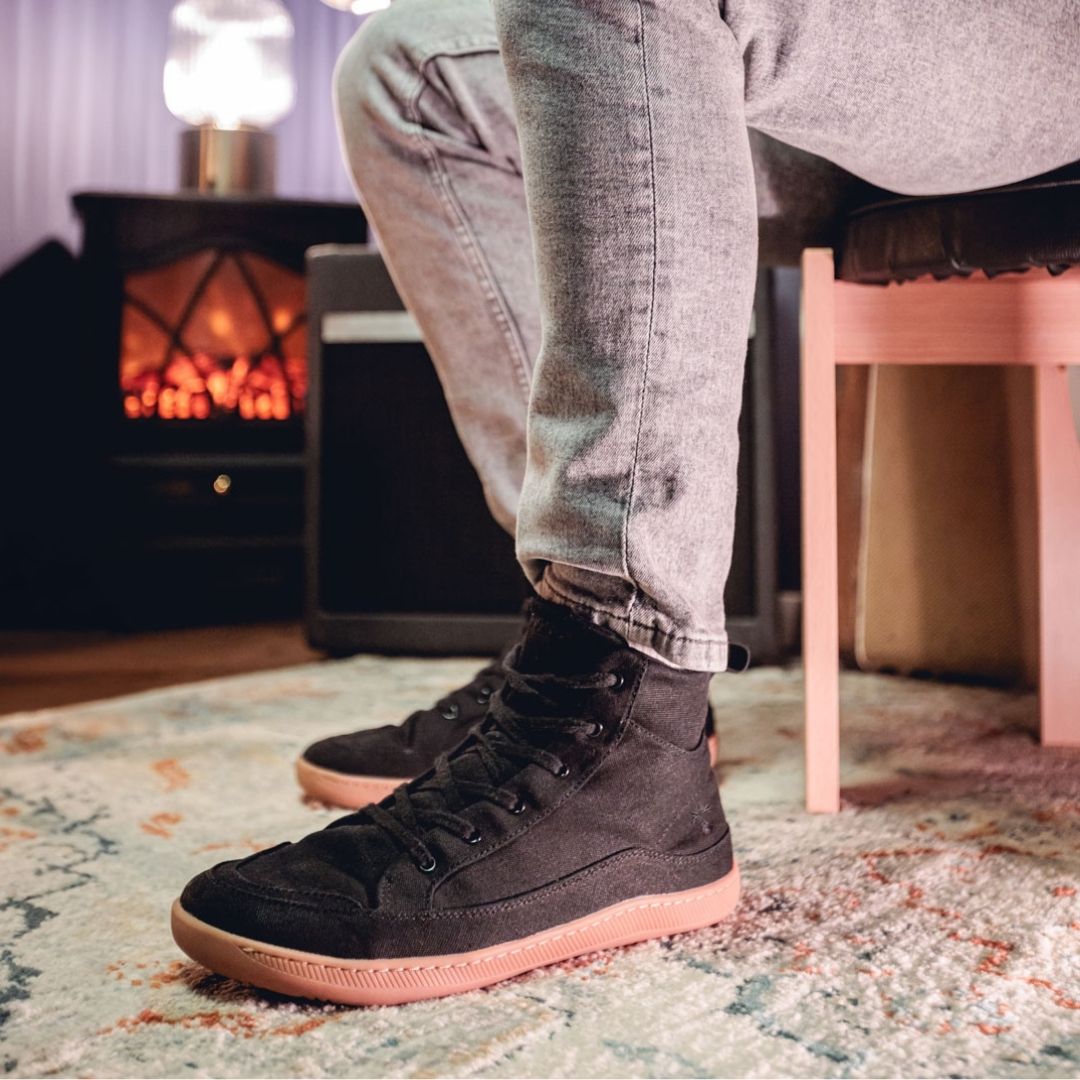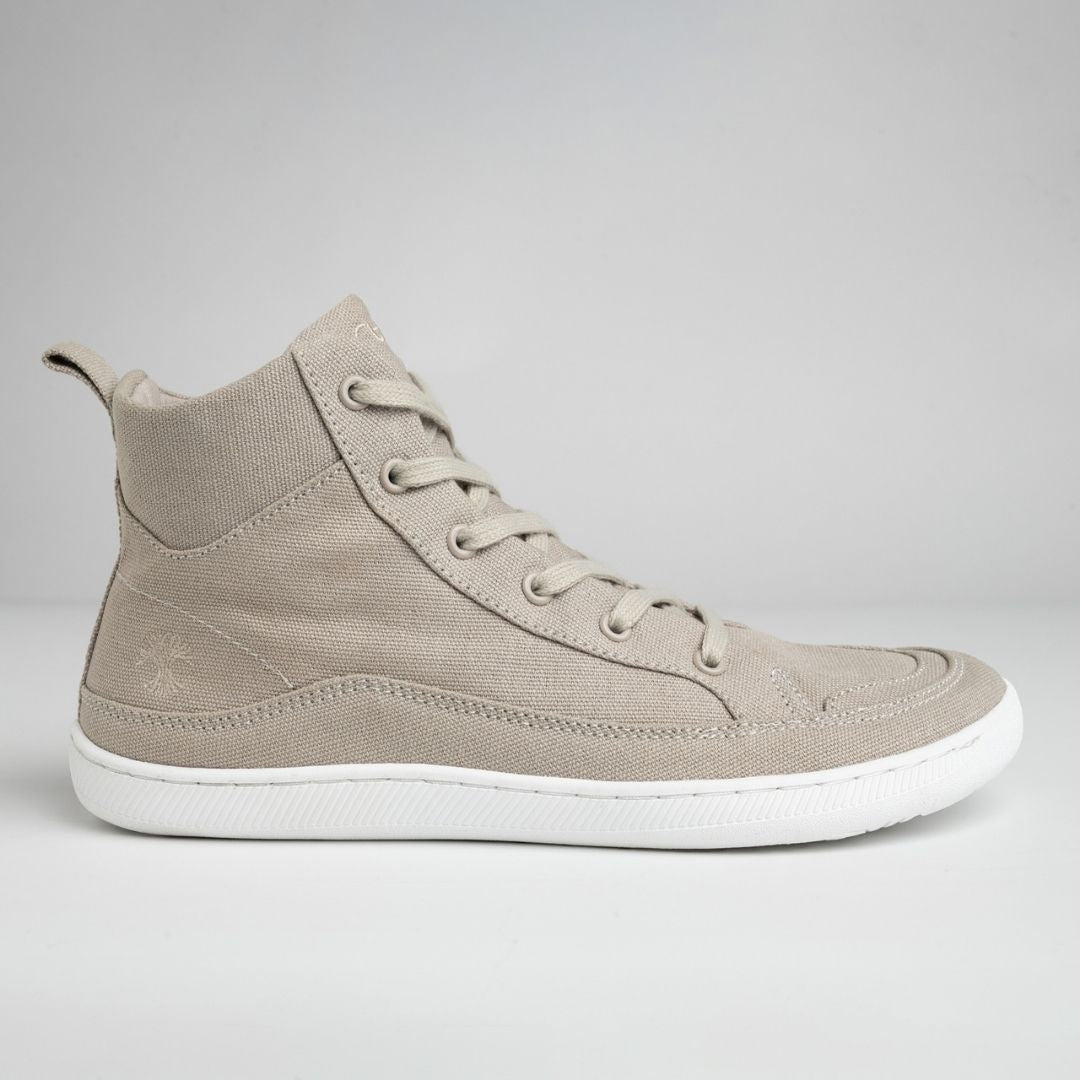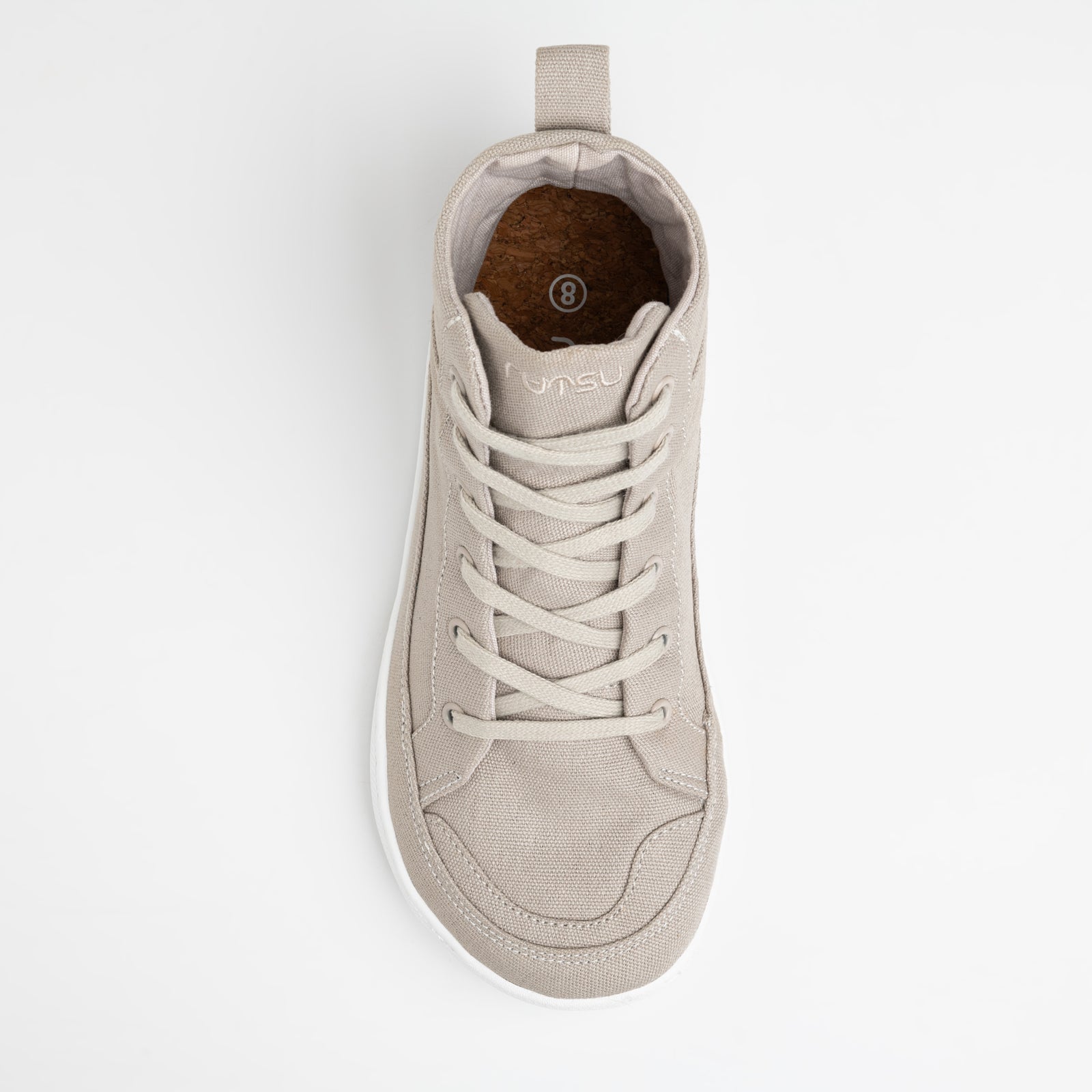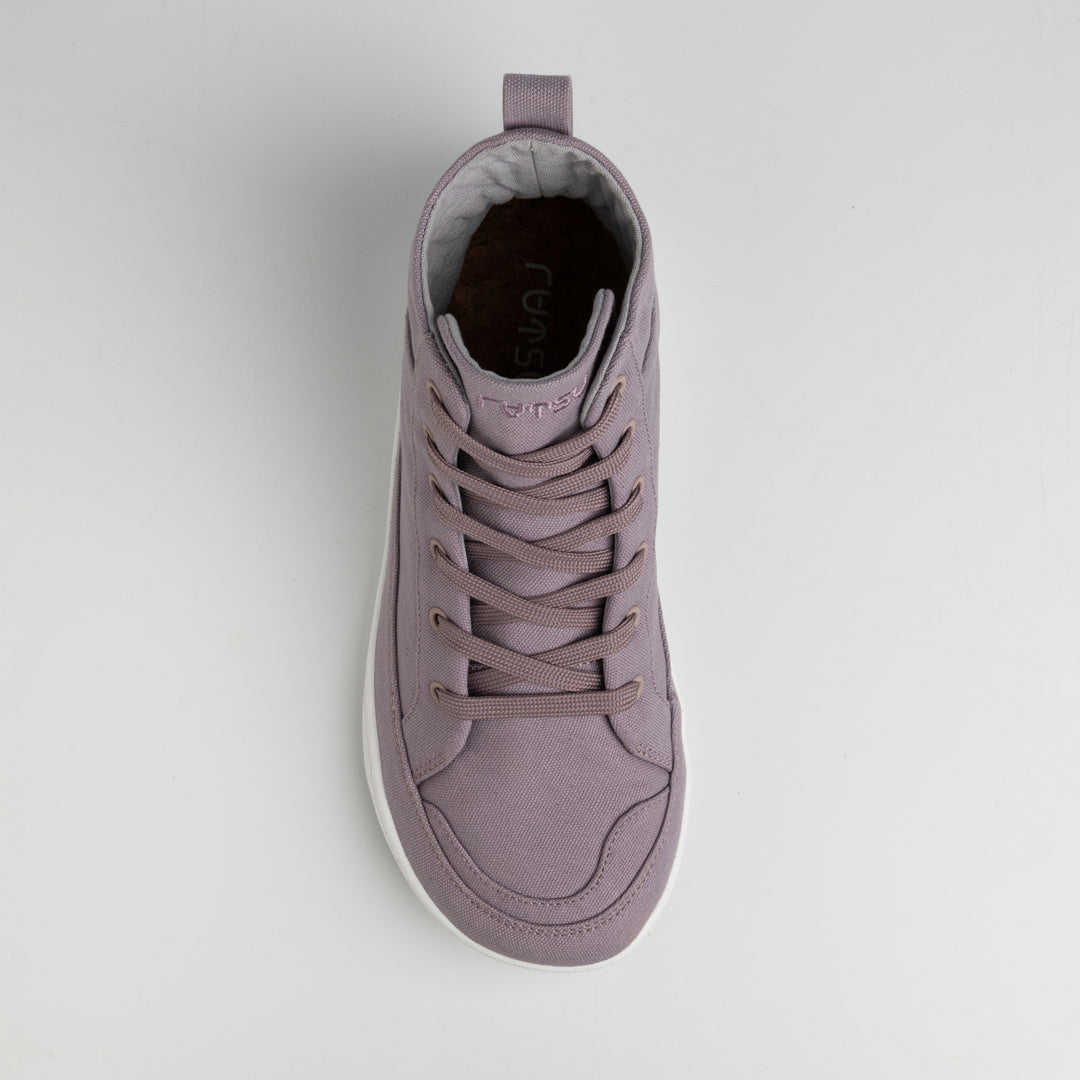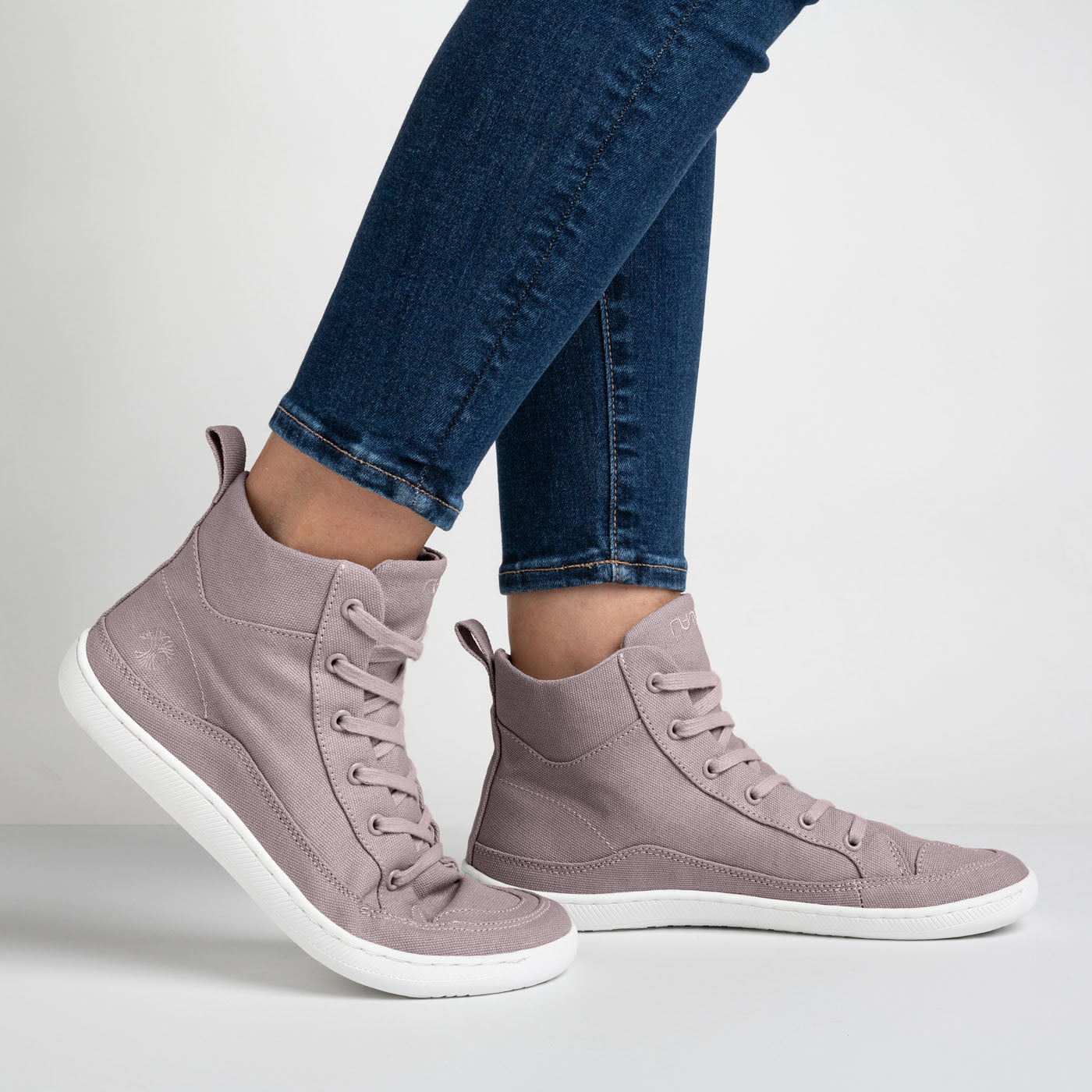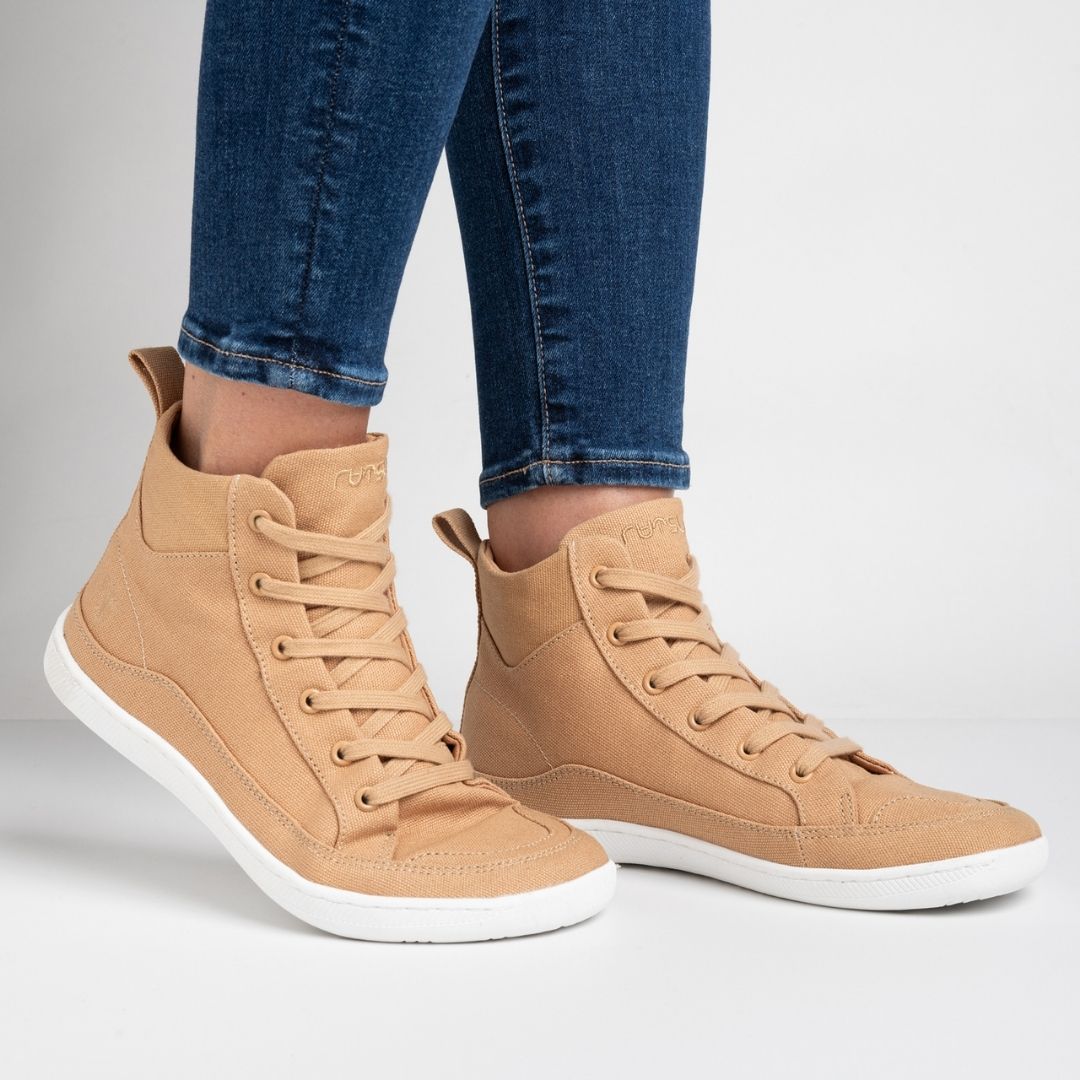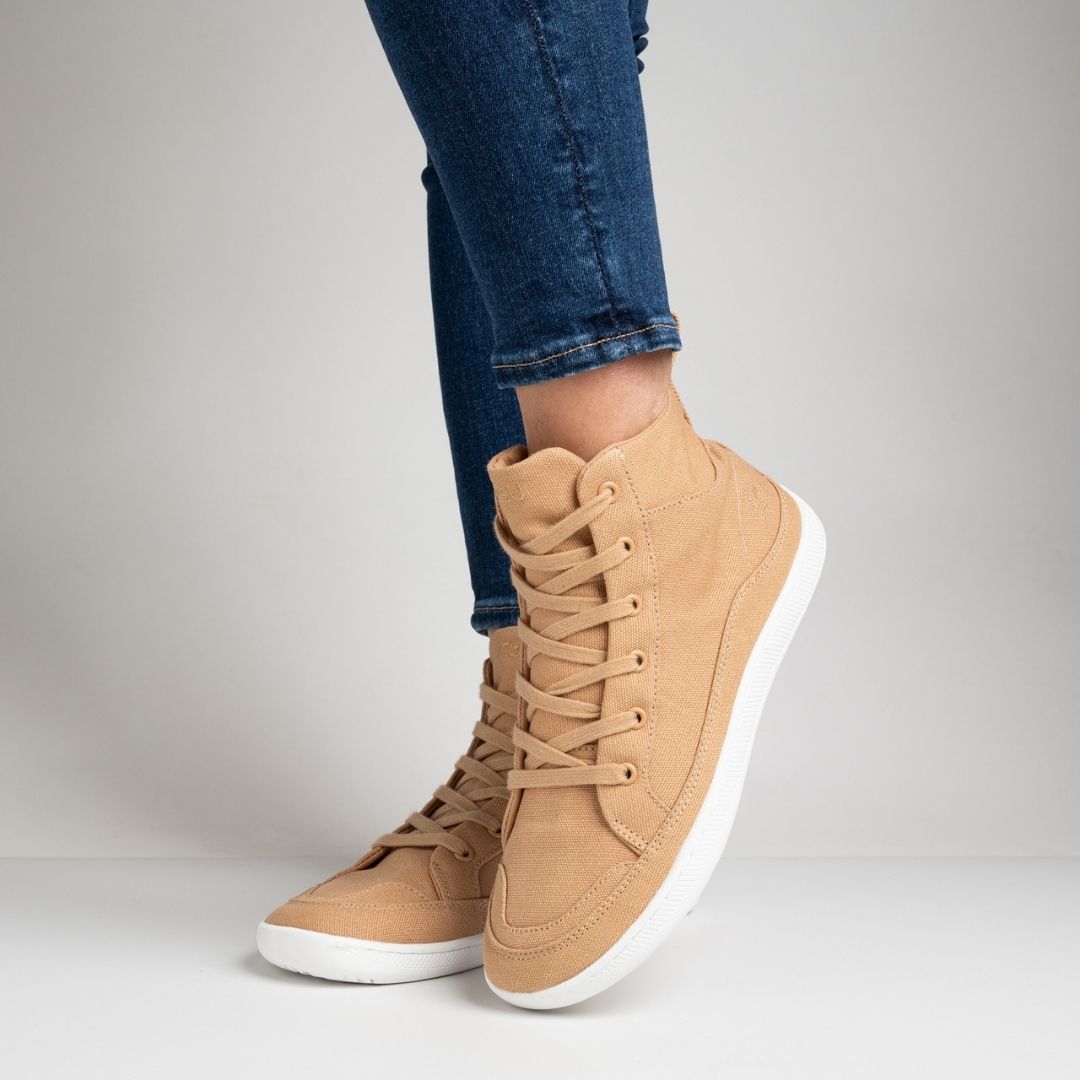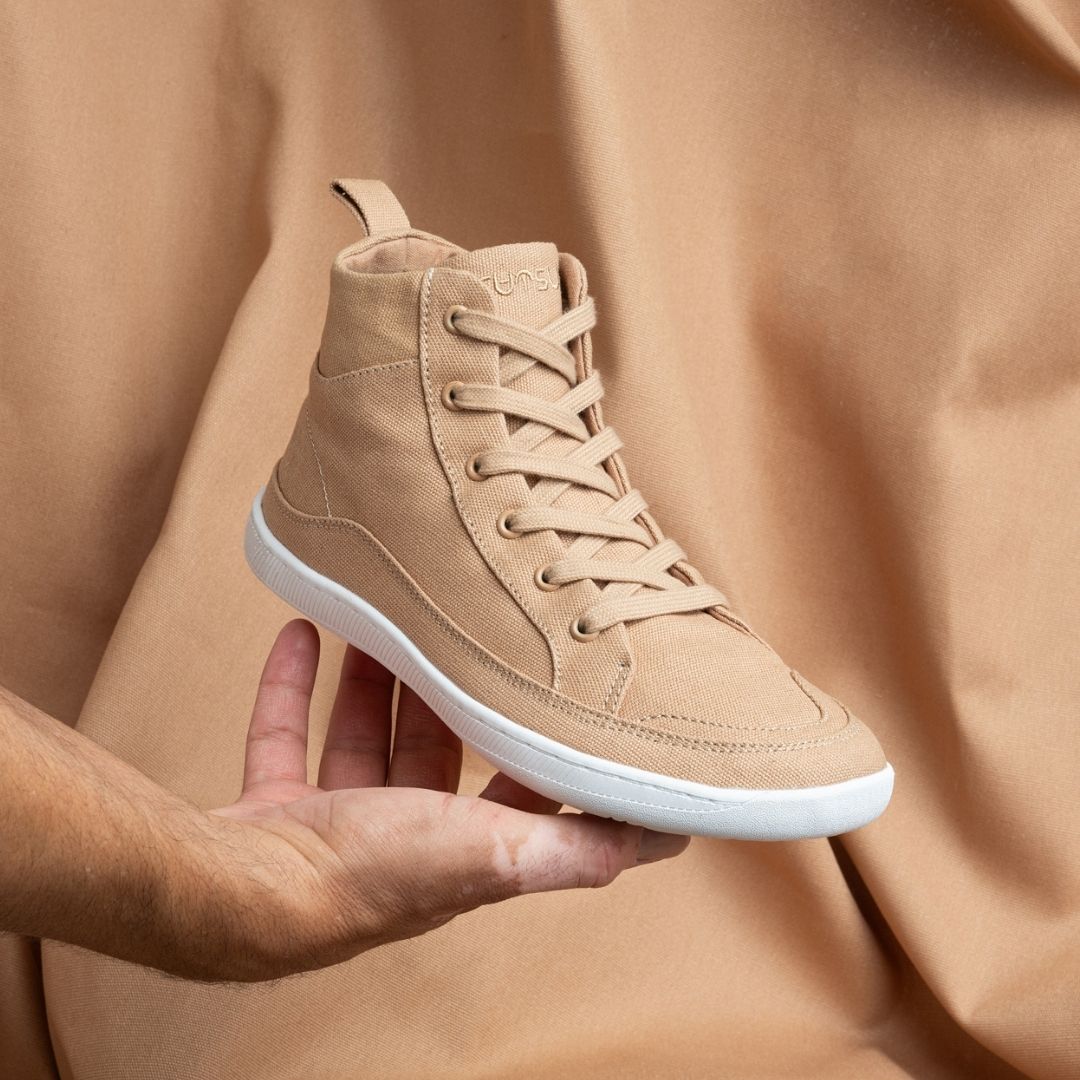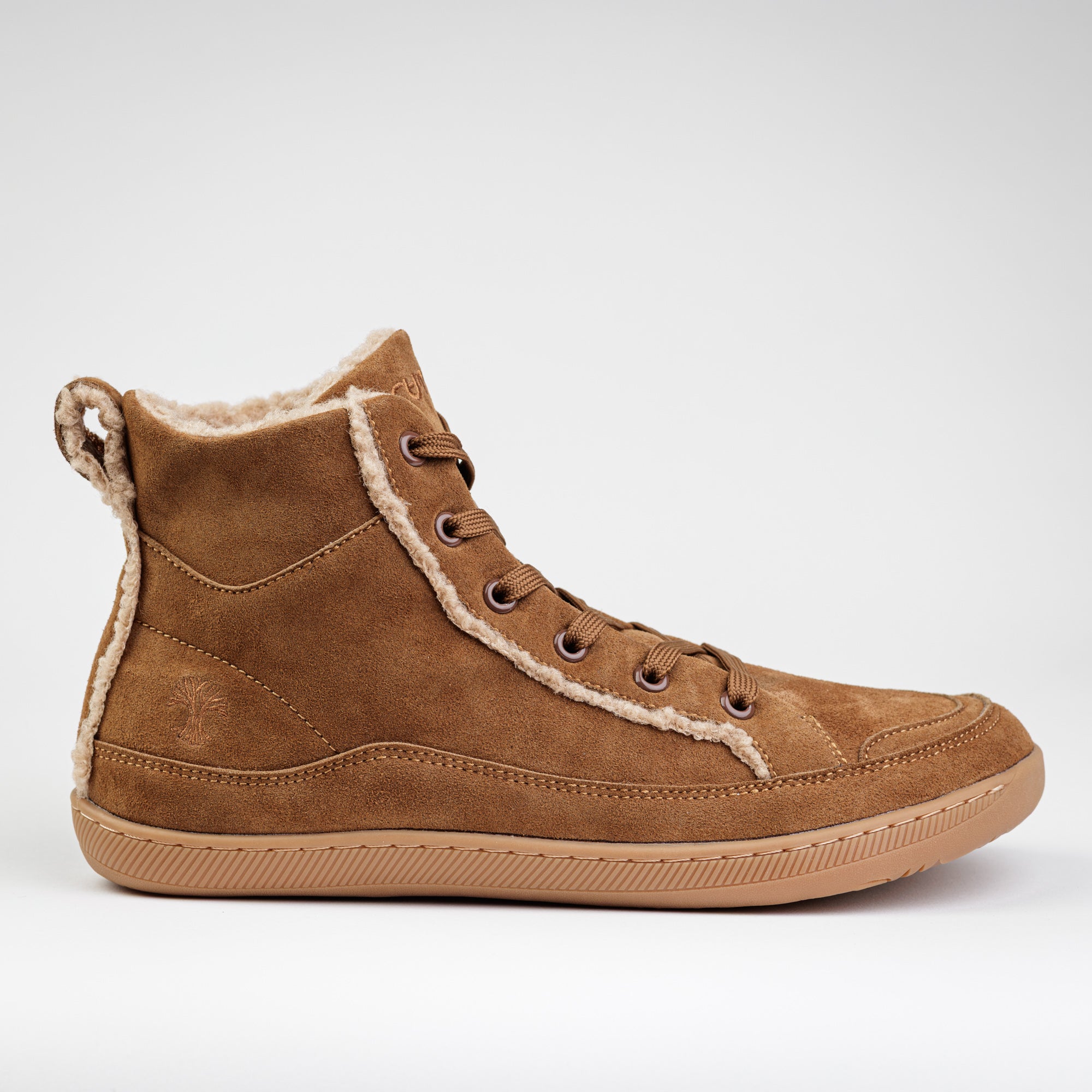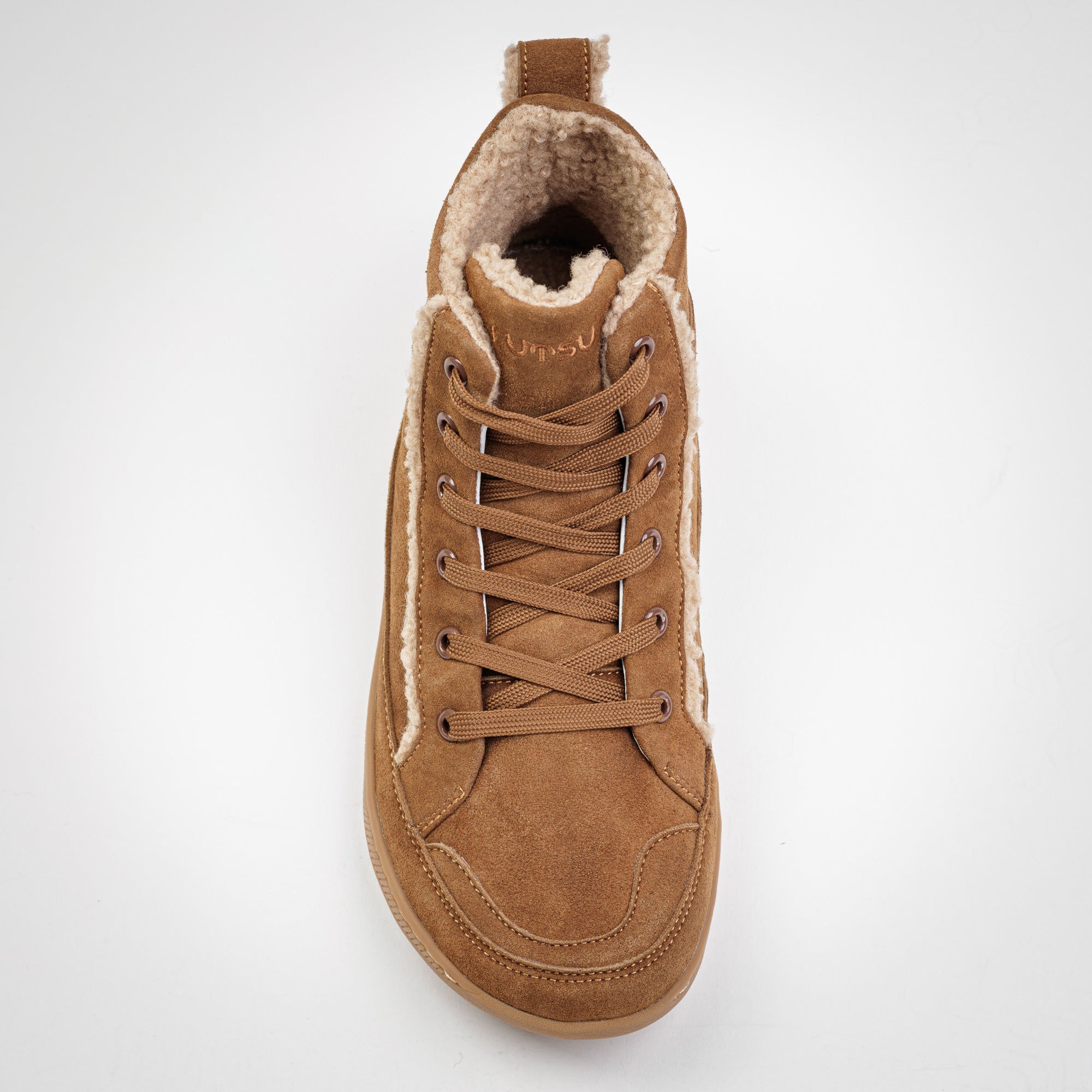


Strip away the foam, the heel lift, the chunky sole. What's left is a shoe that lets your foot move the way it was built to move. The benefits of minimalist running shoes get talked about a lot, often with more hype than honesty. So let's do this properly. Some of what you've heard is true. Some of it depends entirely on you, your feet, and how patient you're willing to be.
What "Minimalist" Really Means: Zero Drop, Ground Feel, and Less Between You and the Road
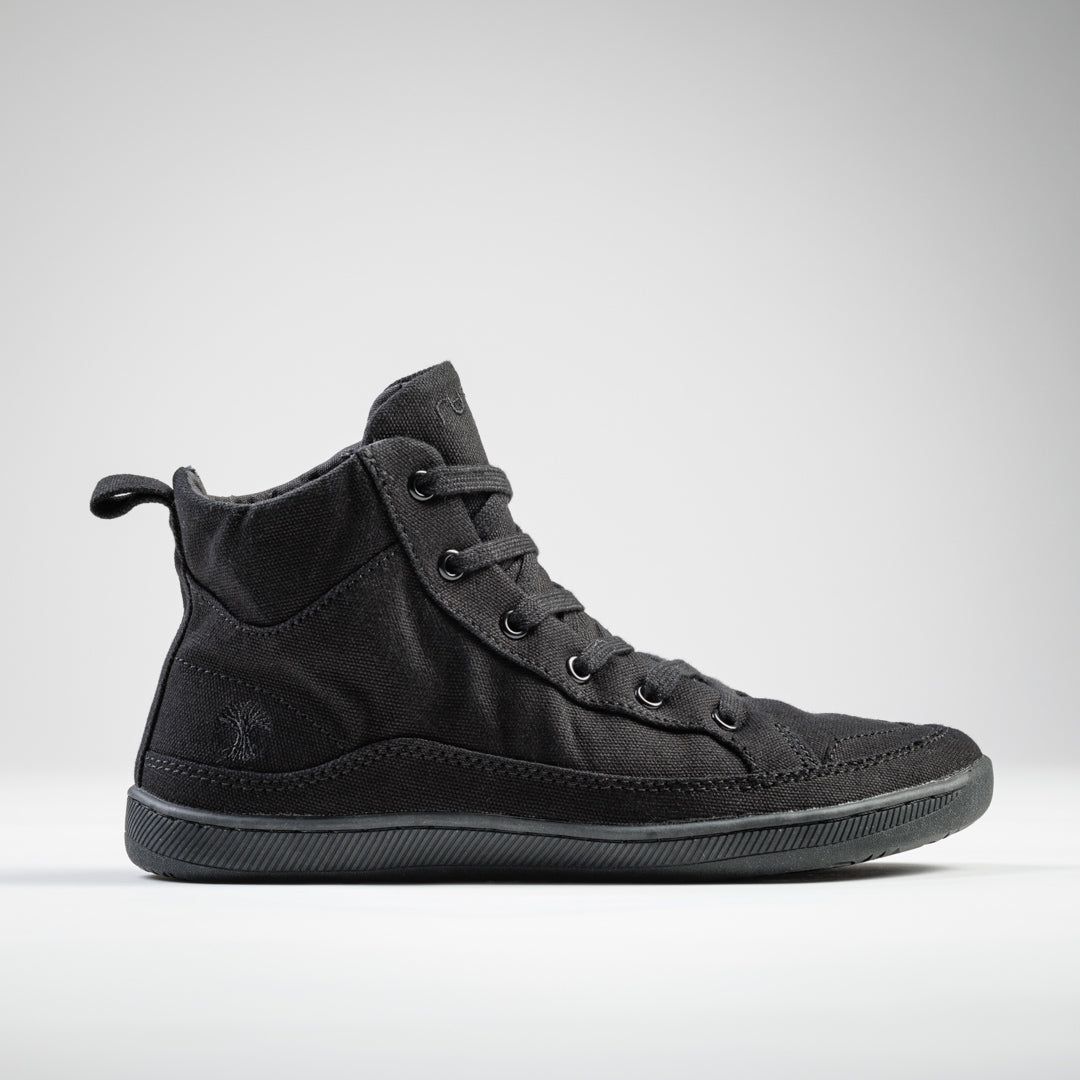
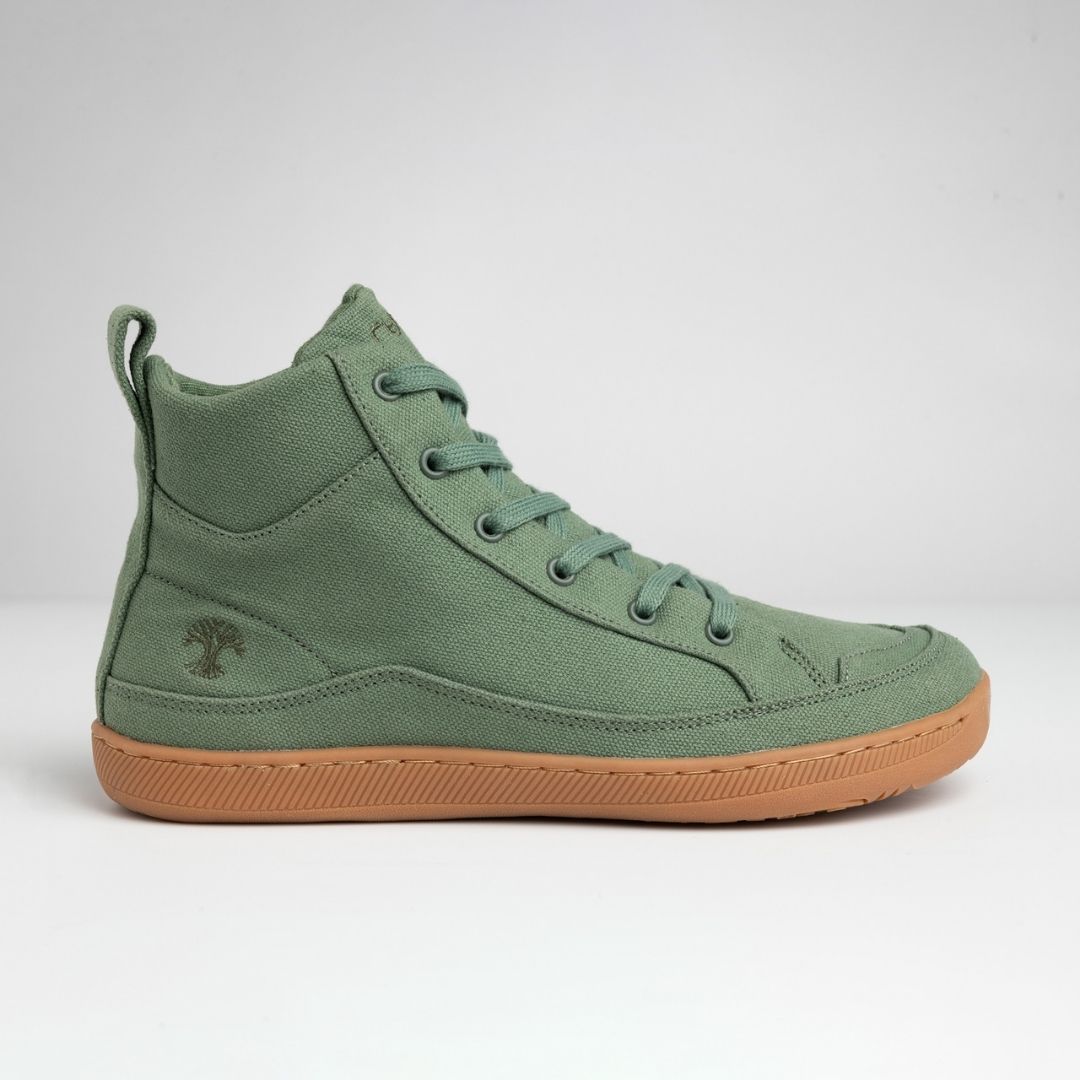
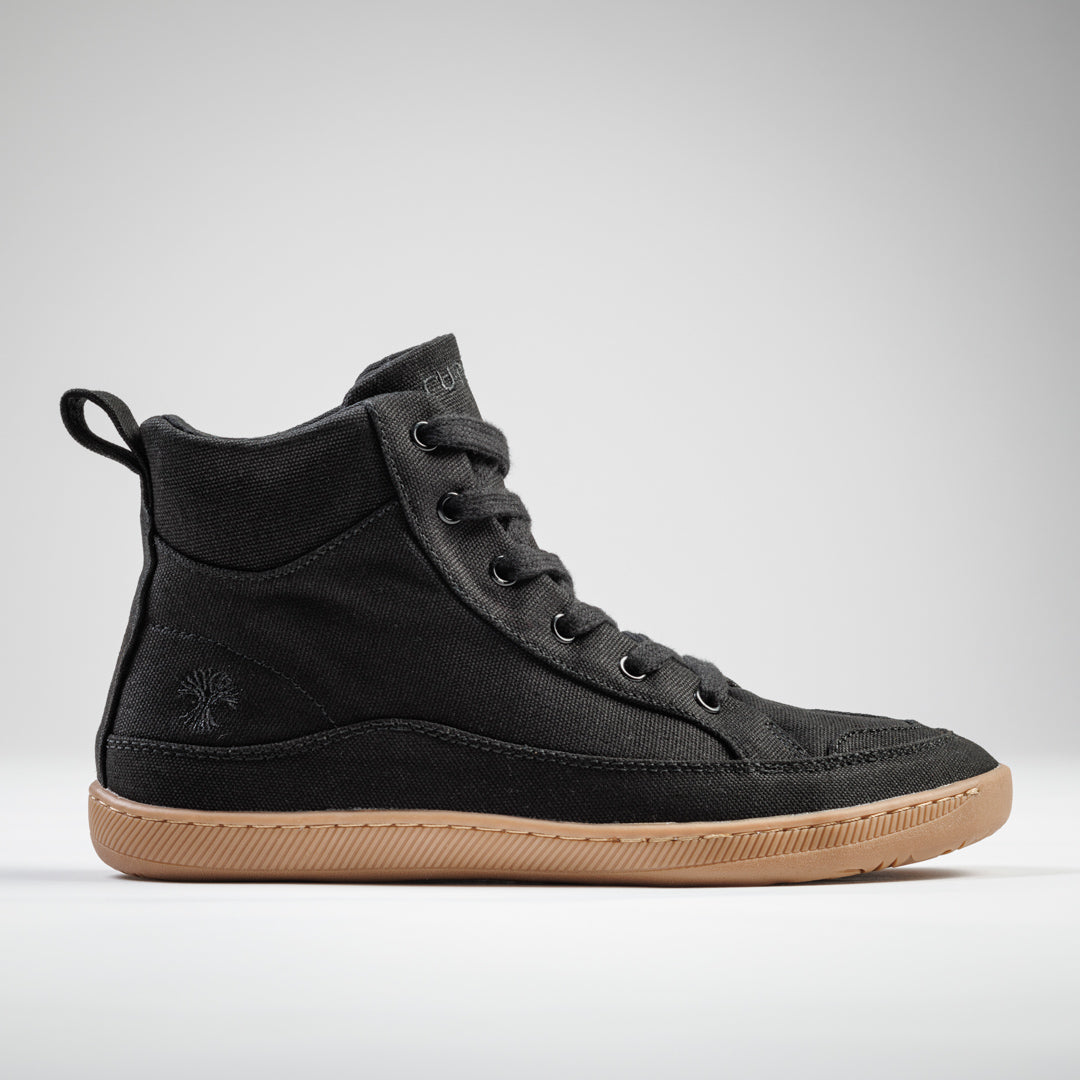
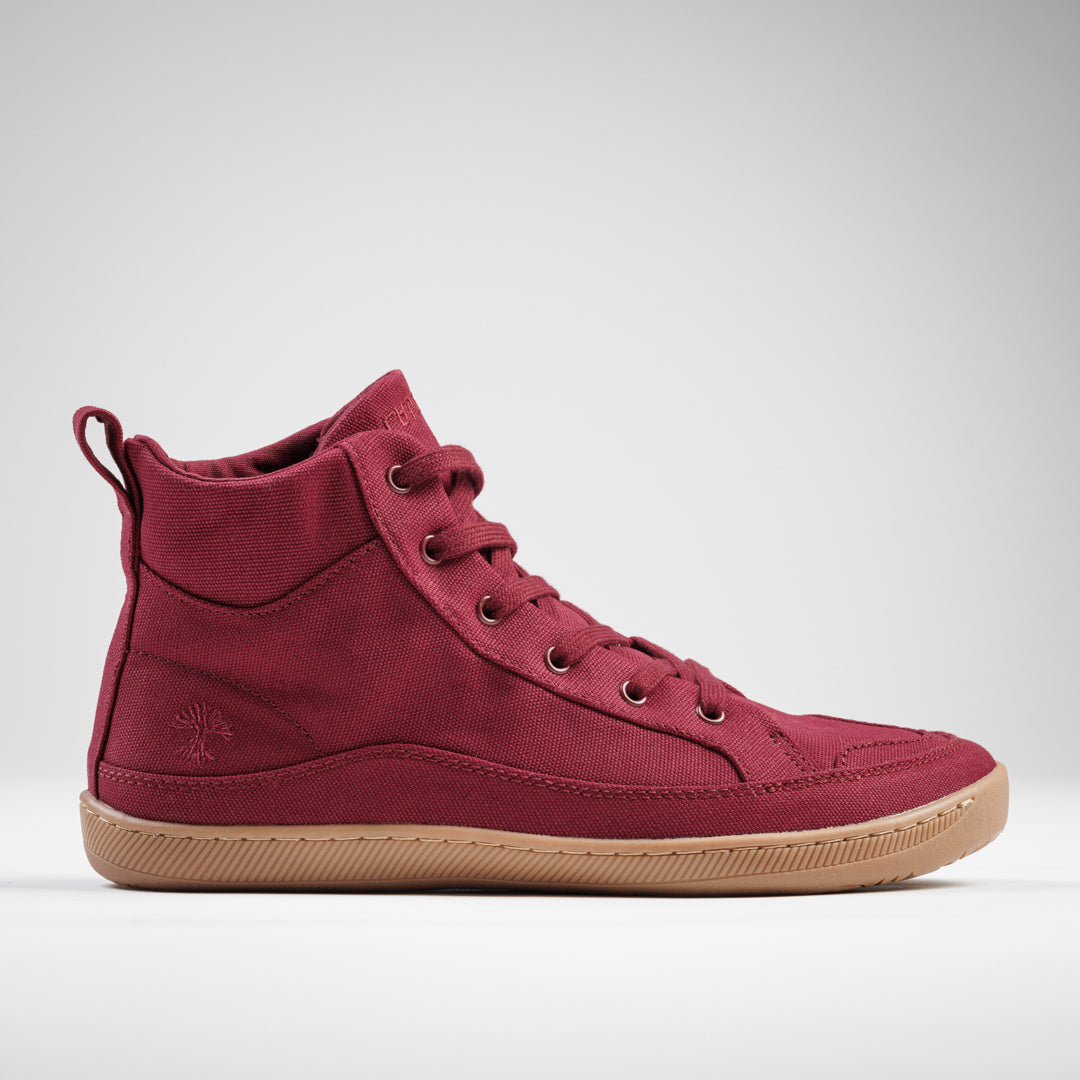
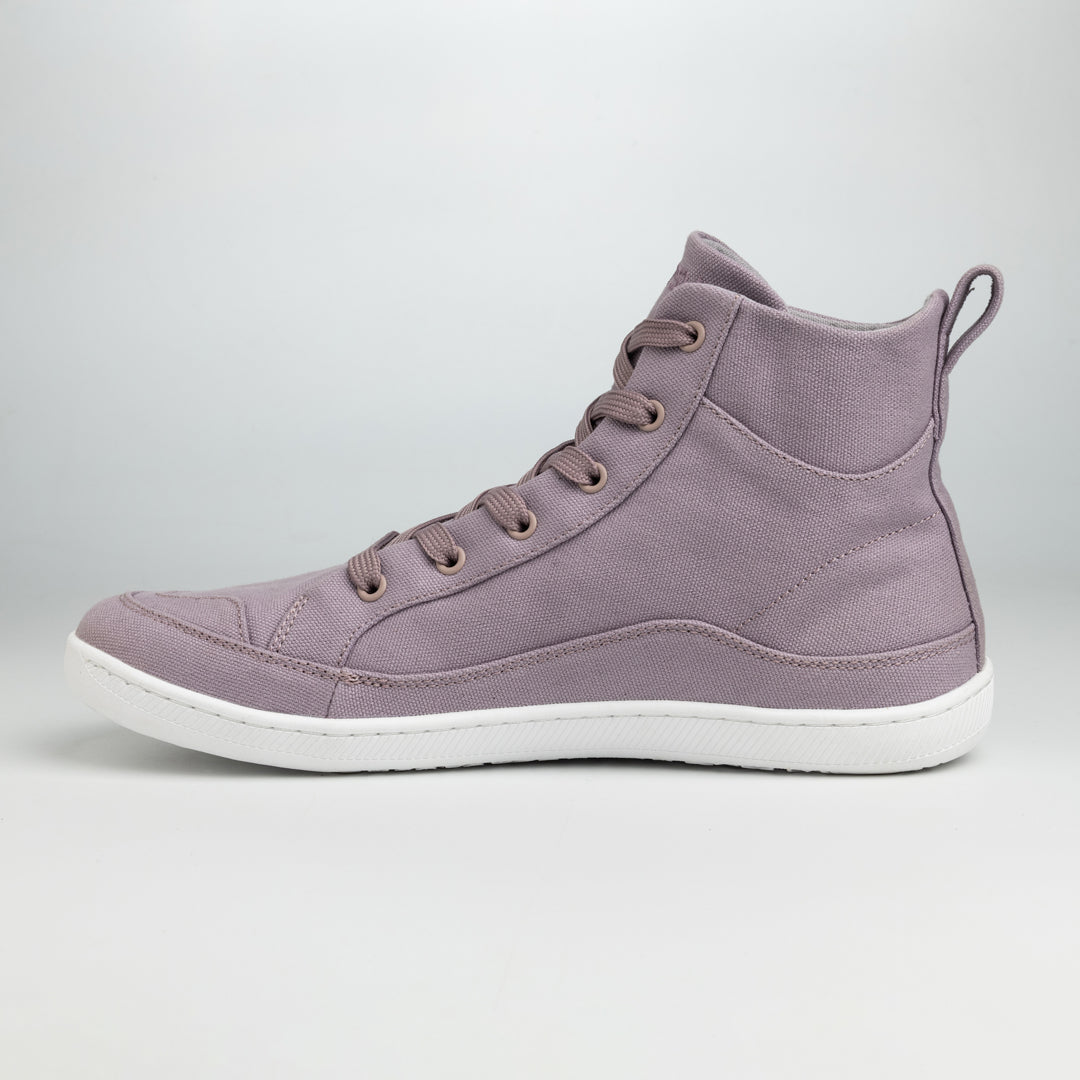
The word gets slapped on everything these days, so here's a clean definition. A minimalist shoe has a thin, flexible sole and little to no heel-to-toe drop (that height difference between your heel and your toes). Zero drop means your foot sits flat, the way it does barefoot on grass.
Ground feel is the other piece. You actually sense the surface under you, every pebble and slope. Conventional running shoes mute that signal with thick padding. Minimalist shoes turn the volume back up. Think of it like the difference between driving with thick winter gloves on versus your bare hands on the wheel.
How Minimalist Shoes Change Your Stride: The Shift to Forefoot Striking
Here's where things get interesting. In cushioned shoes, most runners land heel-first, because thick padding hides the impact. Strip that padding away and your body protests. Heel-striking starts to sting, so you naturally roll toward the ball or middle of your foot.
That shift matters. Forefoot and midfoot landing tends to shorten your stride and bump up your cadence (steps per minute). Research suggests this can lower the sharp impact spike that travels up through your legs. Notice I said can, not will. Your form has to actually change for the benefit to show up.
Stronger Feet and Lower Legs: The Muscles Conventional Shoes Keep Dormant
Your feet hold more than 100 muscles, tendons, and ligaments. Most of them spend their lives on vacation. A stiff, supportive shoe does the stabilizing work for them, so they switch off and weaken over the years.
Go minimal and those muscles get called back to duty. Your arches, your toes, the small stabilizers around your ankles, all of it starts working again. This is one of the hidden benefits of barefoot shoes that people rarely mention until they feel it. After a few weeks, many runners report their feet simply feel more capable. Stronger from the ground up.
Better Form, Better Feedback: How Ground Connection Improves Running Mechanics
Ever notice how you tiptoe across a gravel driveway? That's instant feedback in action. When you can feel the ground, your body self-corrects in real time. You stop slamming your feet down, because slamming hurts.
This feedback loop is quietly powerful. It nudges you toward a softer, quieter landing without much conscious effort. Coaches spend months teaching runners to land lightly. Minimalist shoes teach the same lesson through your nerve endings, faster and for free. Your feet become the coach.
Lighter on Your Feet: What Shedding Cushioning Does for Efficiency
Cushioning weighs something. Not much per shoe, but you take thousands of steps per run, and the math adds up. Lighter shoes mean less weight to swing forward with every stride.
Studies on running economy suggest that for every 100 grams added to a shoe, oxygen cost rises by roughly 1 percent. Minimalist shoes sit at the light end, often under 200 grams. Does shaving grams turn you into a sprinter overnight? No. But over a long run, small savings compound, and your legs notice.
The Benefits Come With Conditions: Who Gains Most and Who Should Be Cautious
Now for the honest part, because not everyone wins here. Minimalist shoes reward runners who are willing to transition slowly and rebuild strength from scratch.
Some people should think twice, or at least talk to a professional first. If you have nerve issues related to diabetes, you may not feel ground damage you'd otherwise avoid. Got a history of stress fractures? The early weeks carry real risk. Heavier runners, and those with certain foot conditions, sometimes find the adjustment harder on the body. This is not a one-size-fits-all situation, and anyone who tells you it is, is selling something.
The Honest Tradeoffs: What You Give Up When You Go Minimal
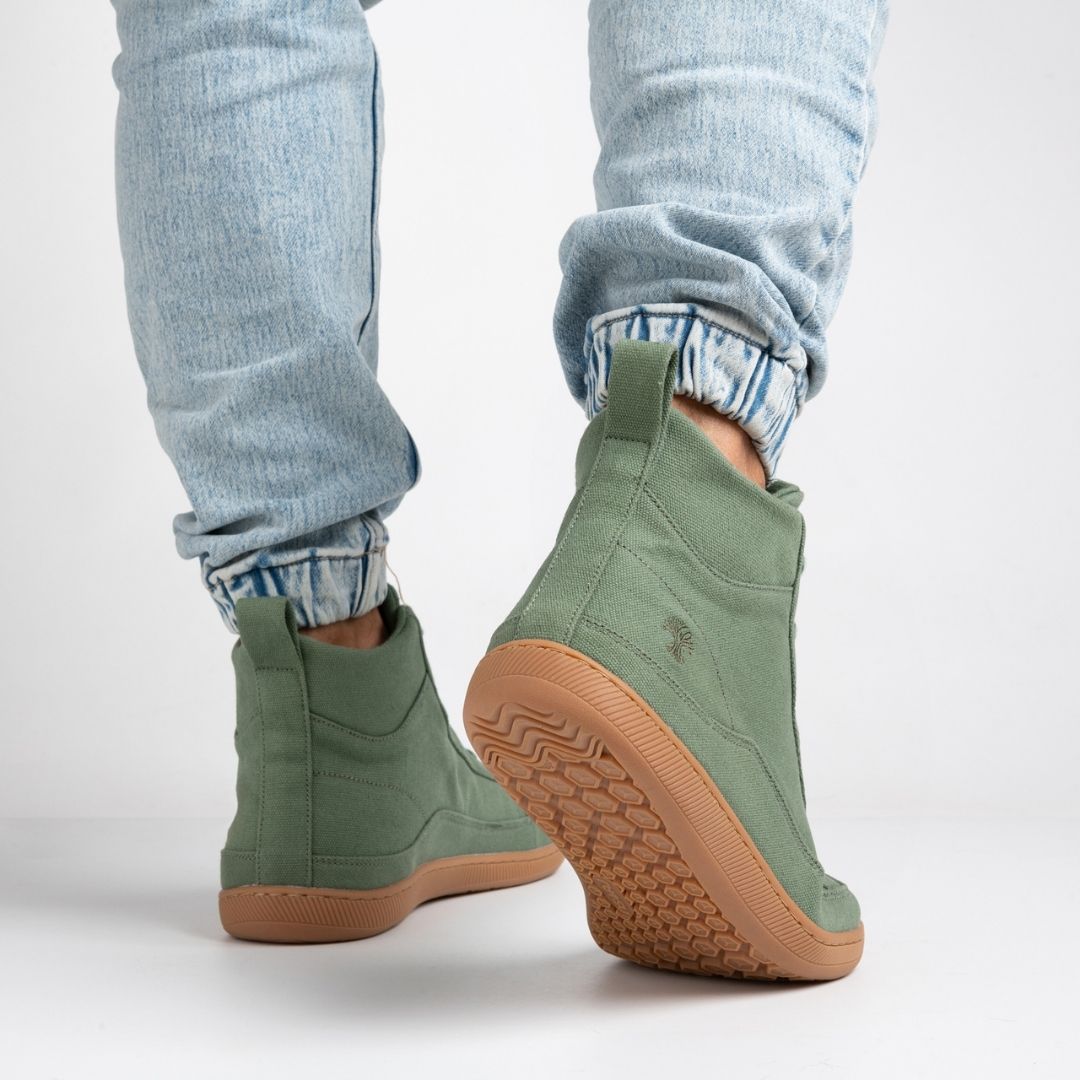
Less shoe means less protection. Step on a sharp rock and you'll feel it more than you would in padded trainers. That's just physics.
You also lose the bailout cushioning that lets sloppy form slide. In minimalist shoes, bad form punishes you quickly, which is great for learning but rough in the moment. Long runs on hard pavement can leave your calves and feet sore for a while, especially early on. Worth it for many. A dealbreaker for some. Only you can make that call.
Making the Switch Safely: A Gradual Transition That Protects You
Here's the rule that saves people from injury: go slow, then go slower. Your muscles and tendons need time to adapt, and they adapt at their own stubborn pace.
Start with short sessions, maybe 10 to 15 minutes, a couple of times a week. Walk in them first if you want. Add a little distance each week, not a lot. If your calves or feet start screaming, back off. Rushing the transition is the single most common way runners get hurt in minimalist shoes, and it's completely avoidable. Patience here is not optional.
Choosing Your First Pair: What to Look For and What to Ignore
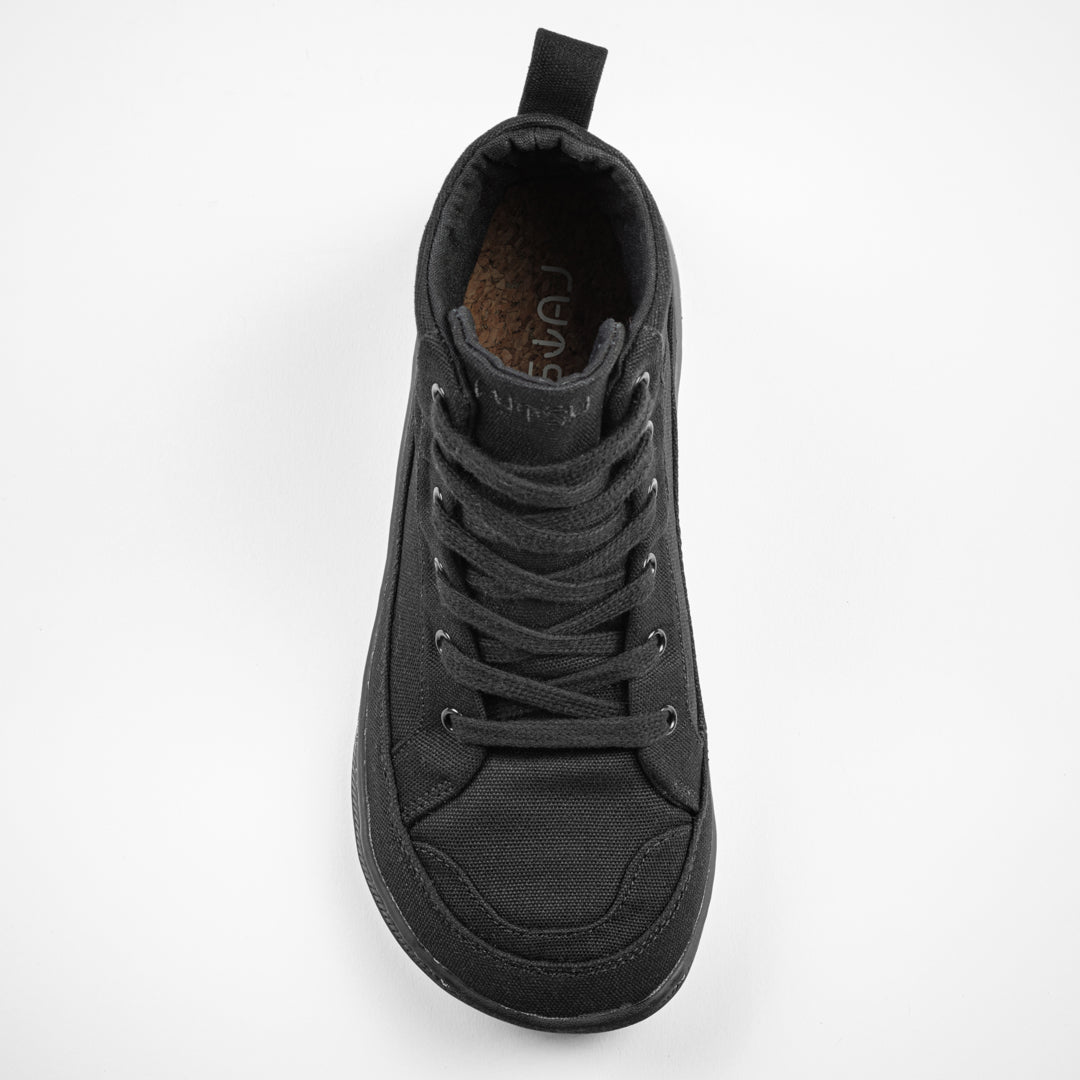
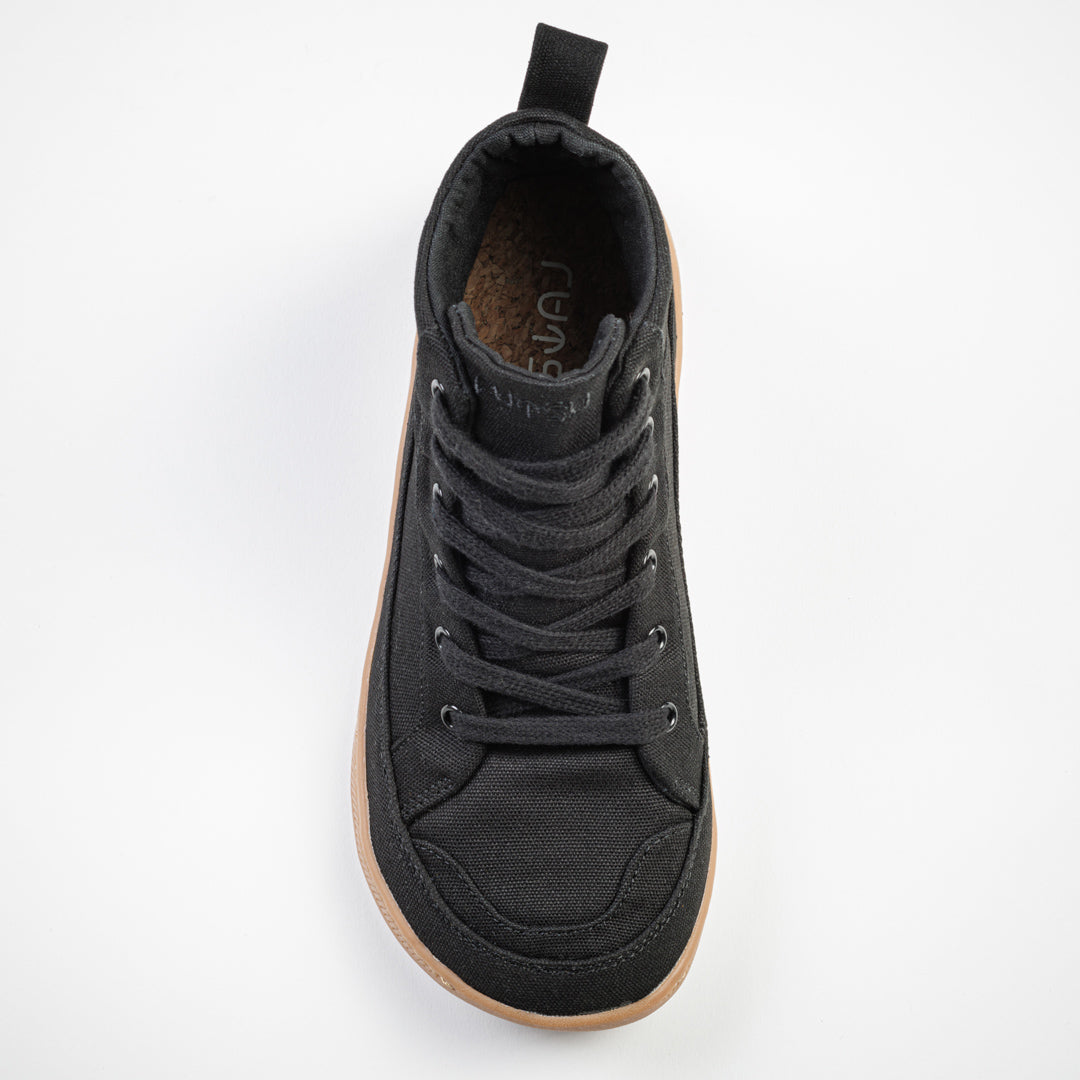
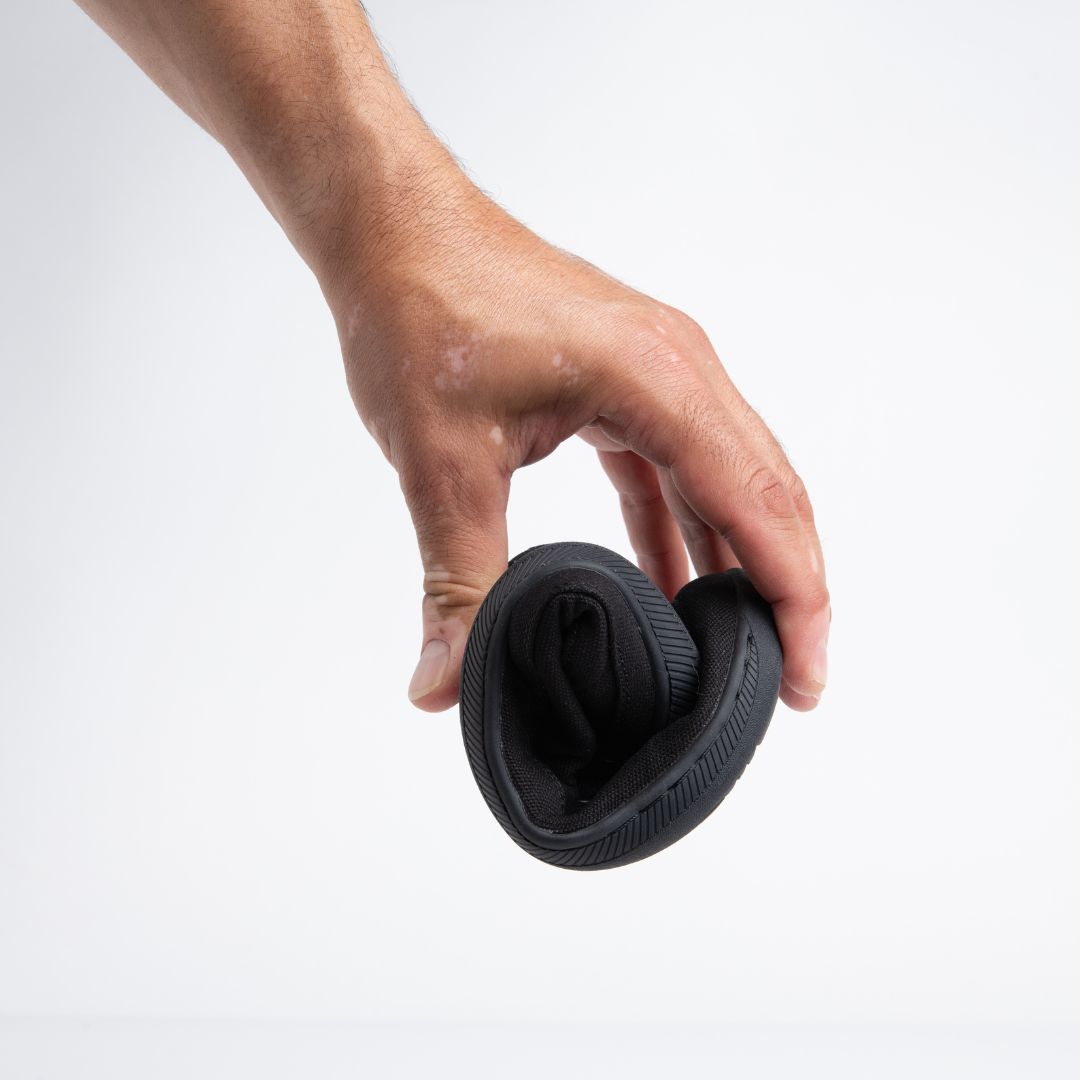
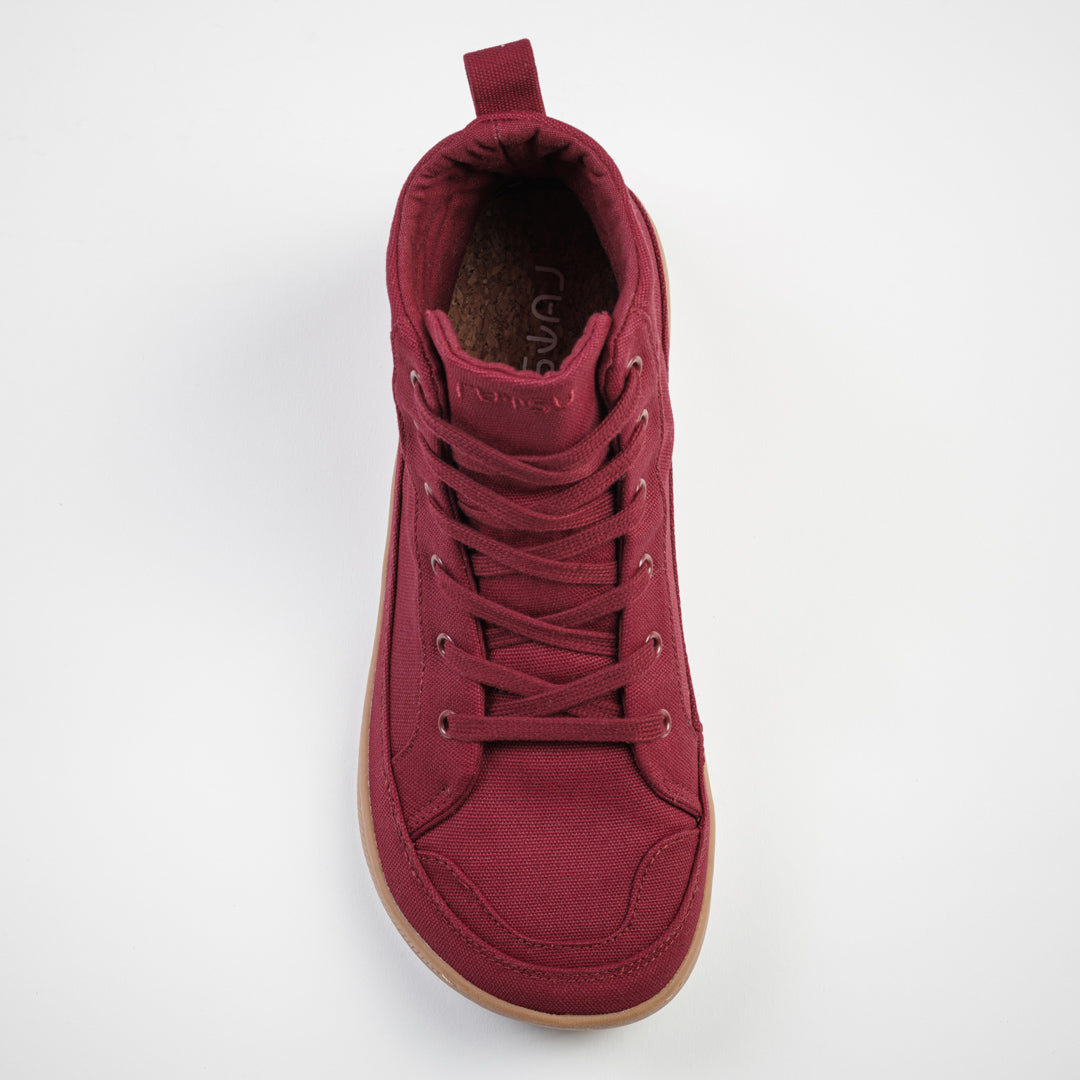
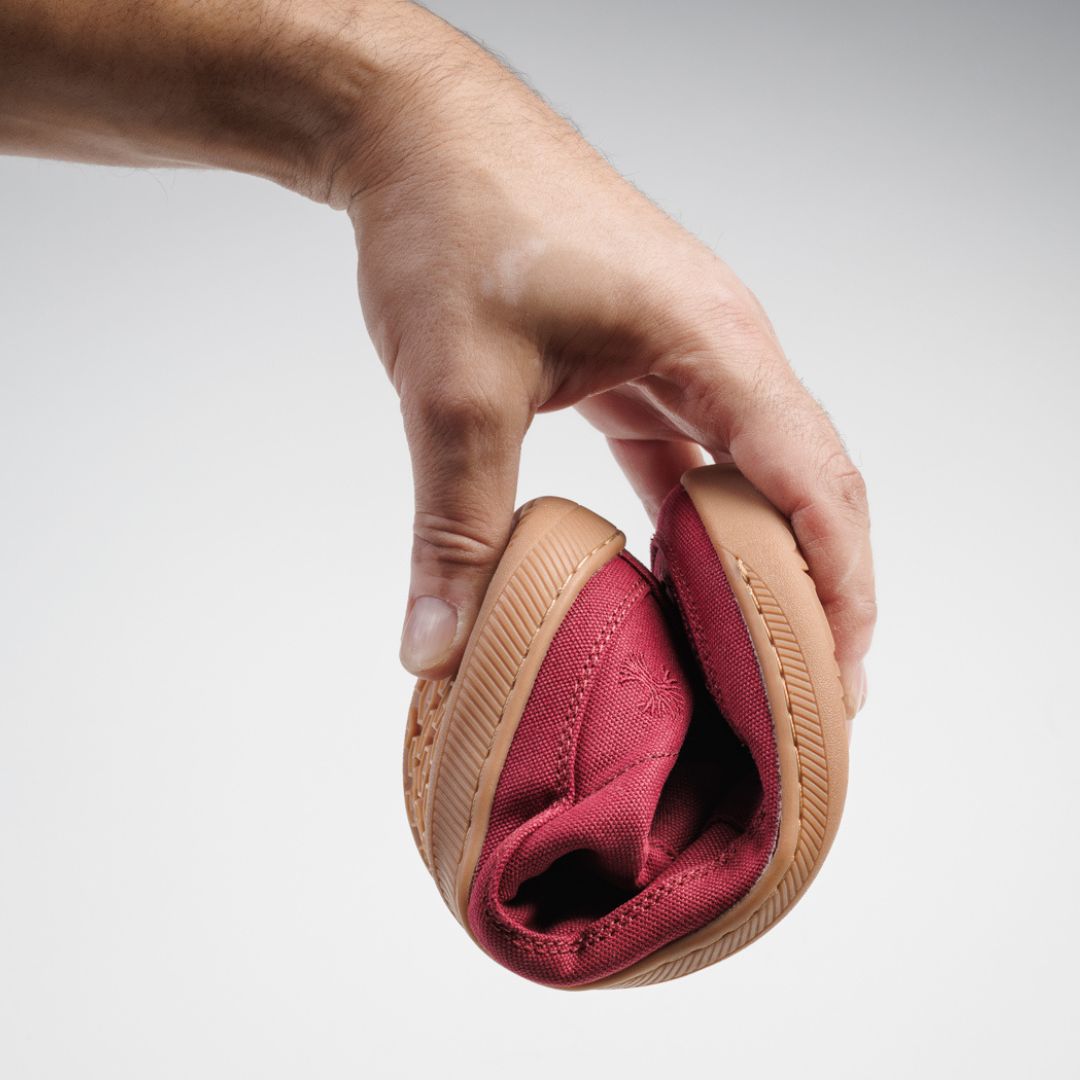
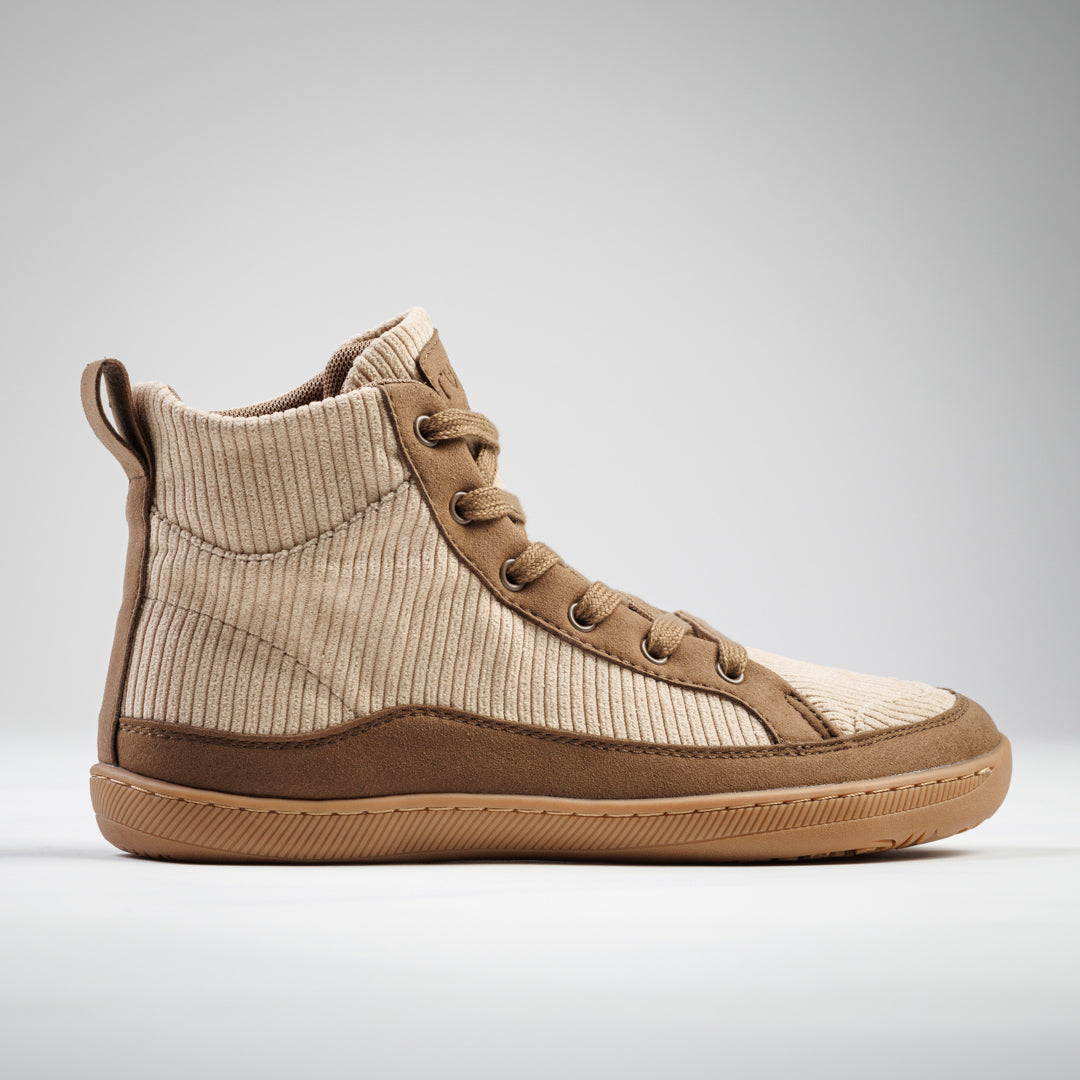
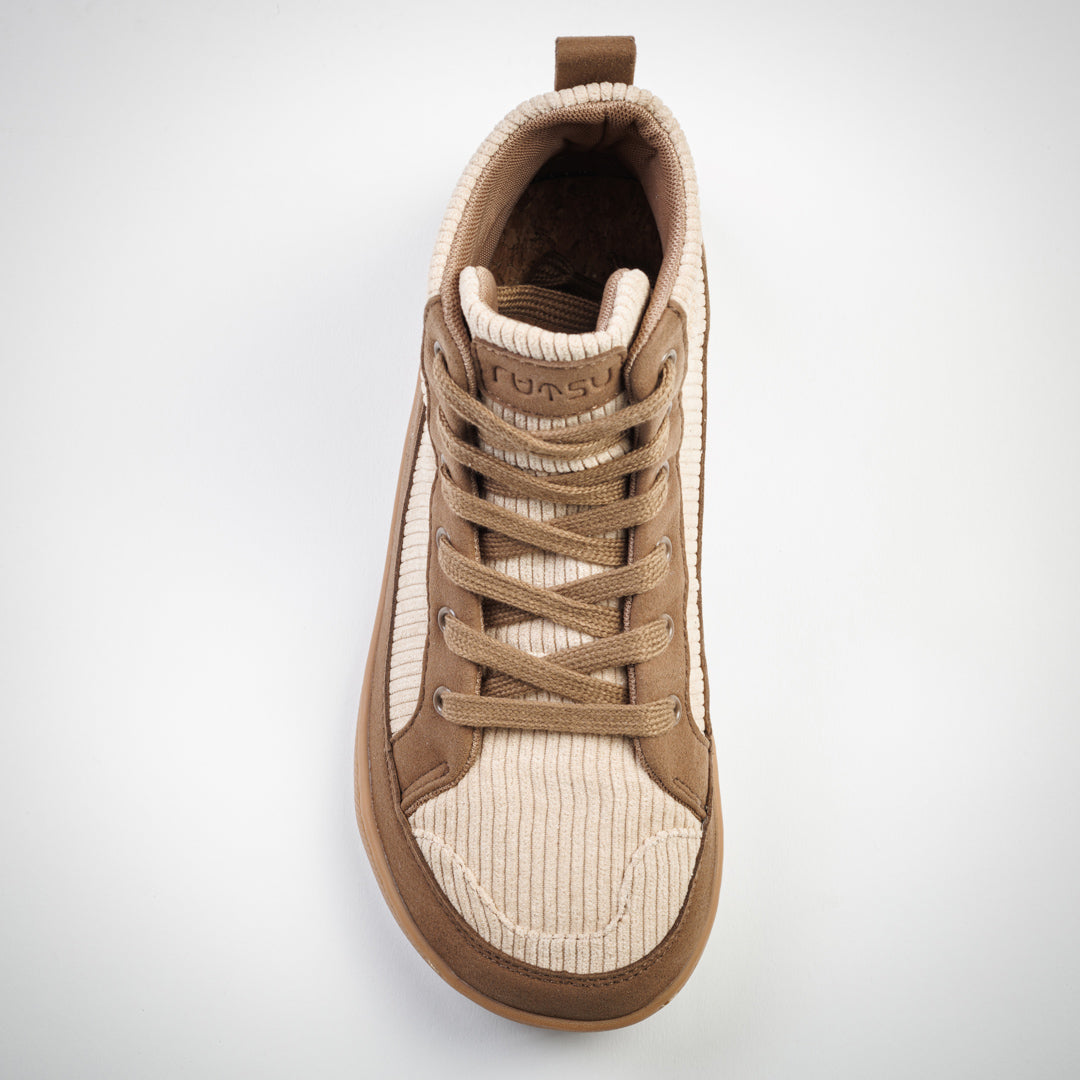
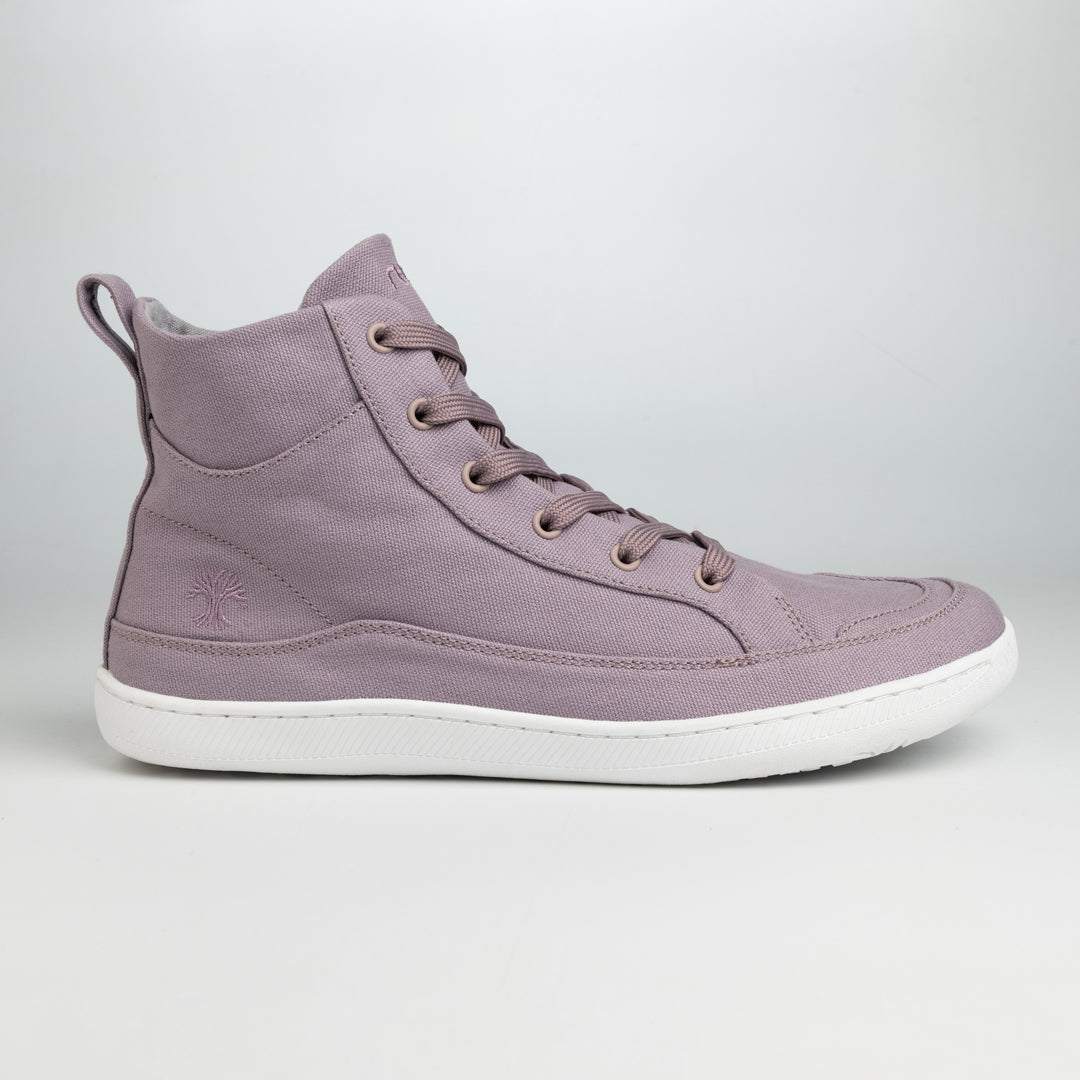
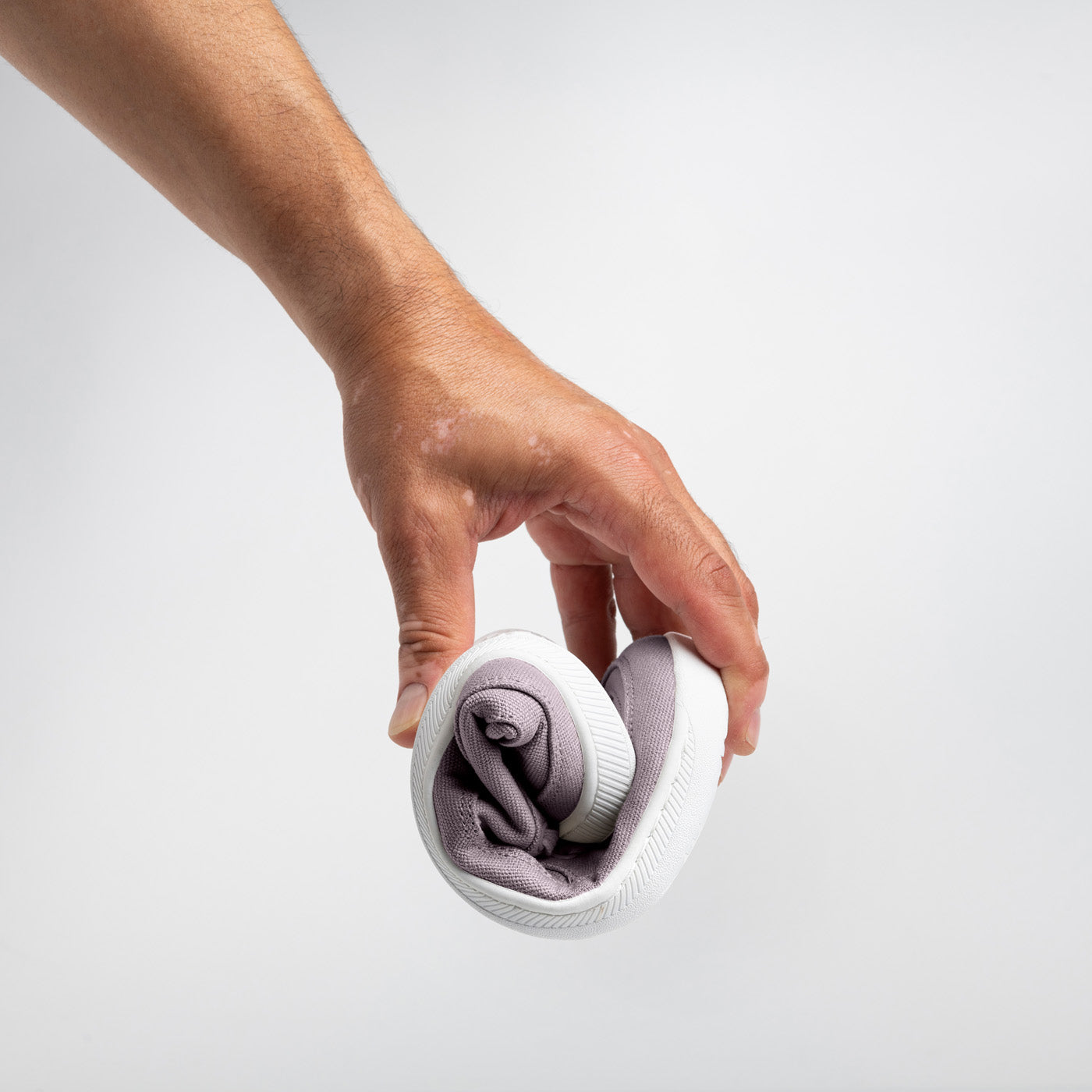
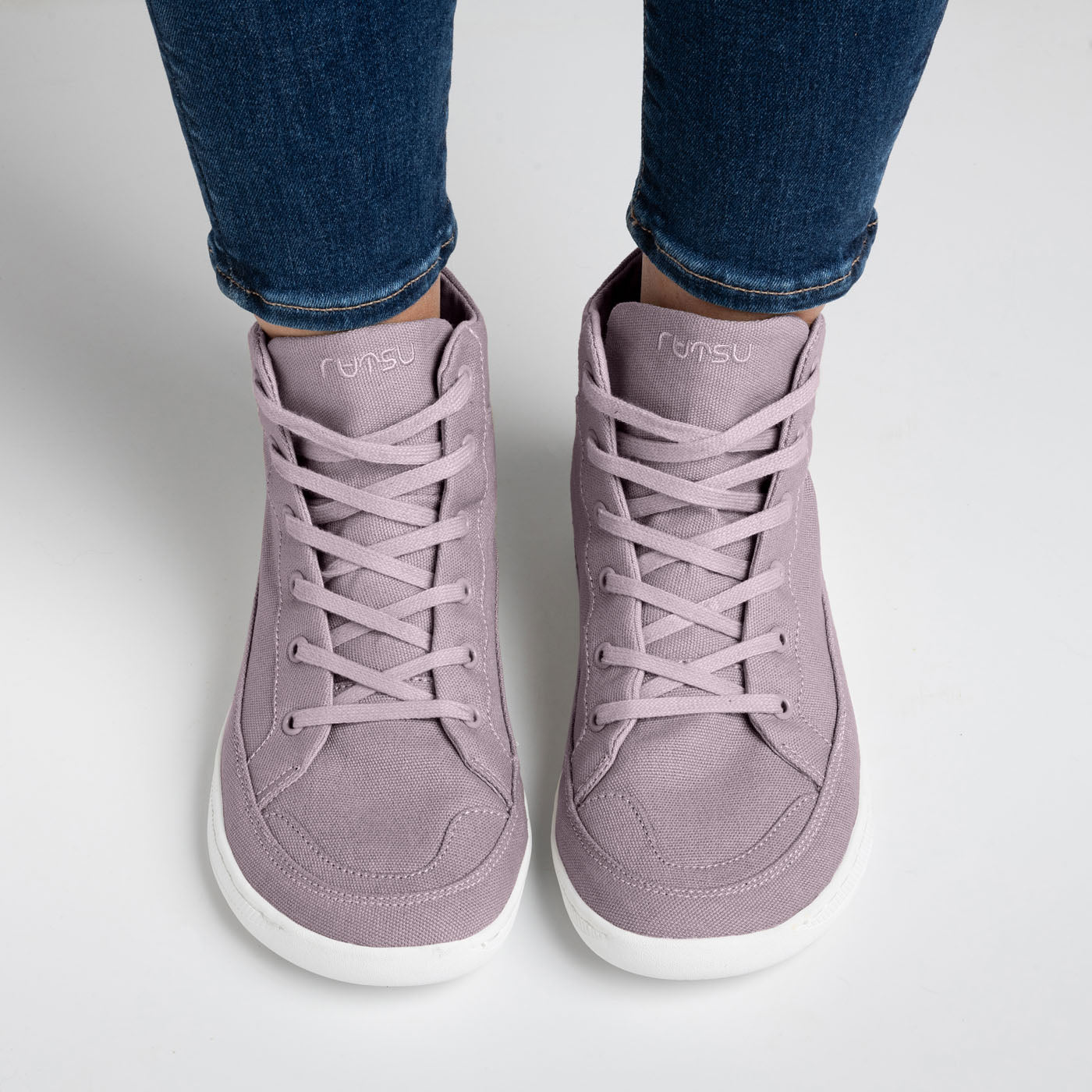
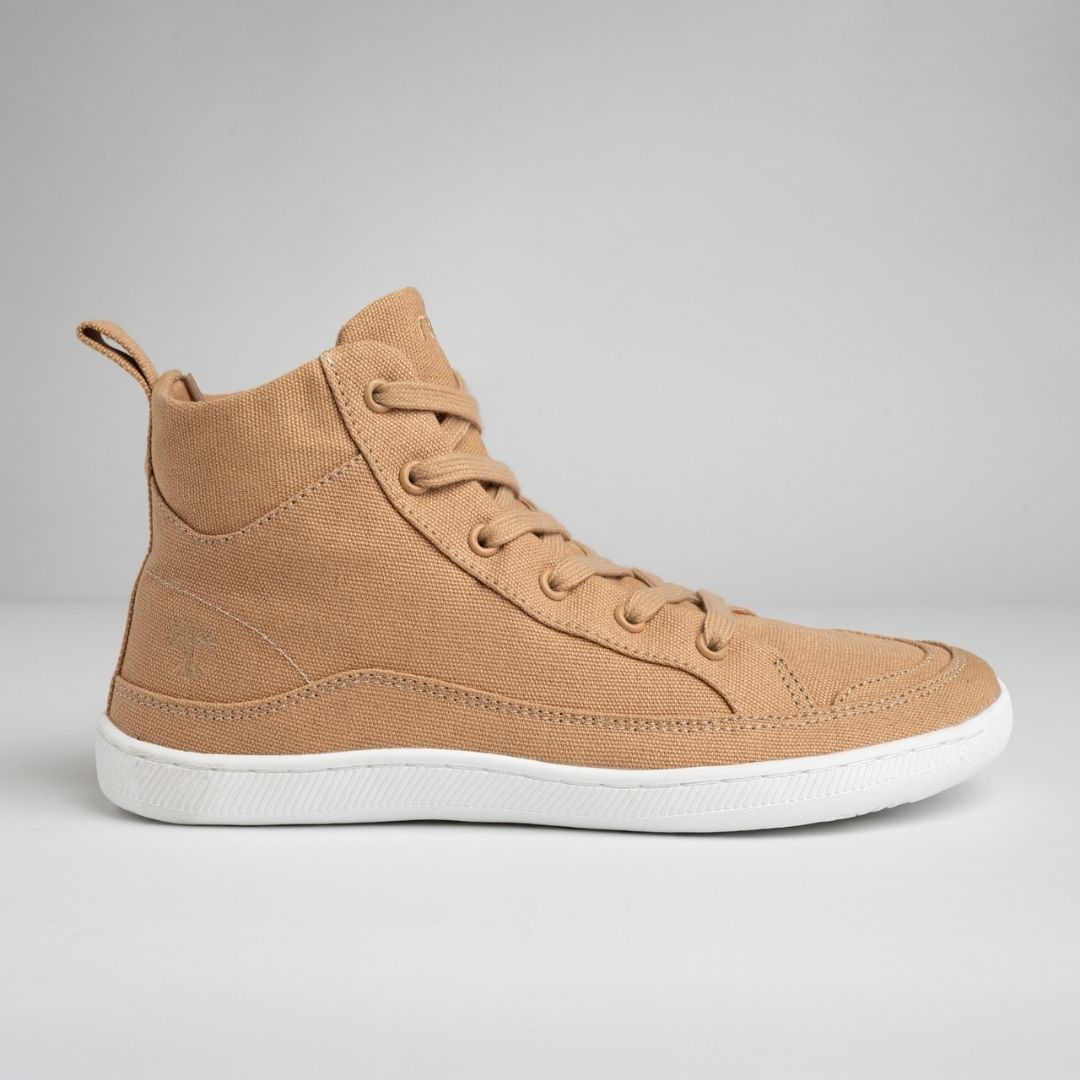
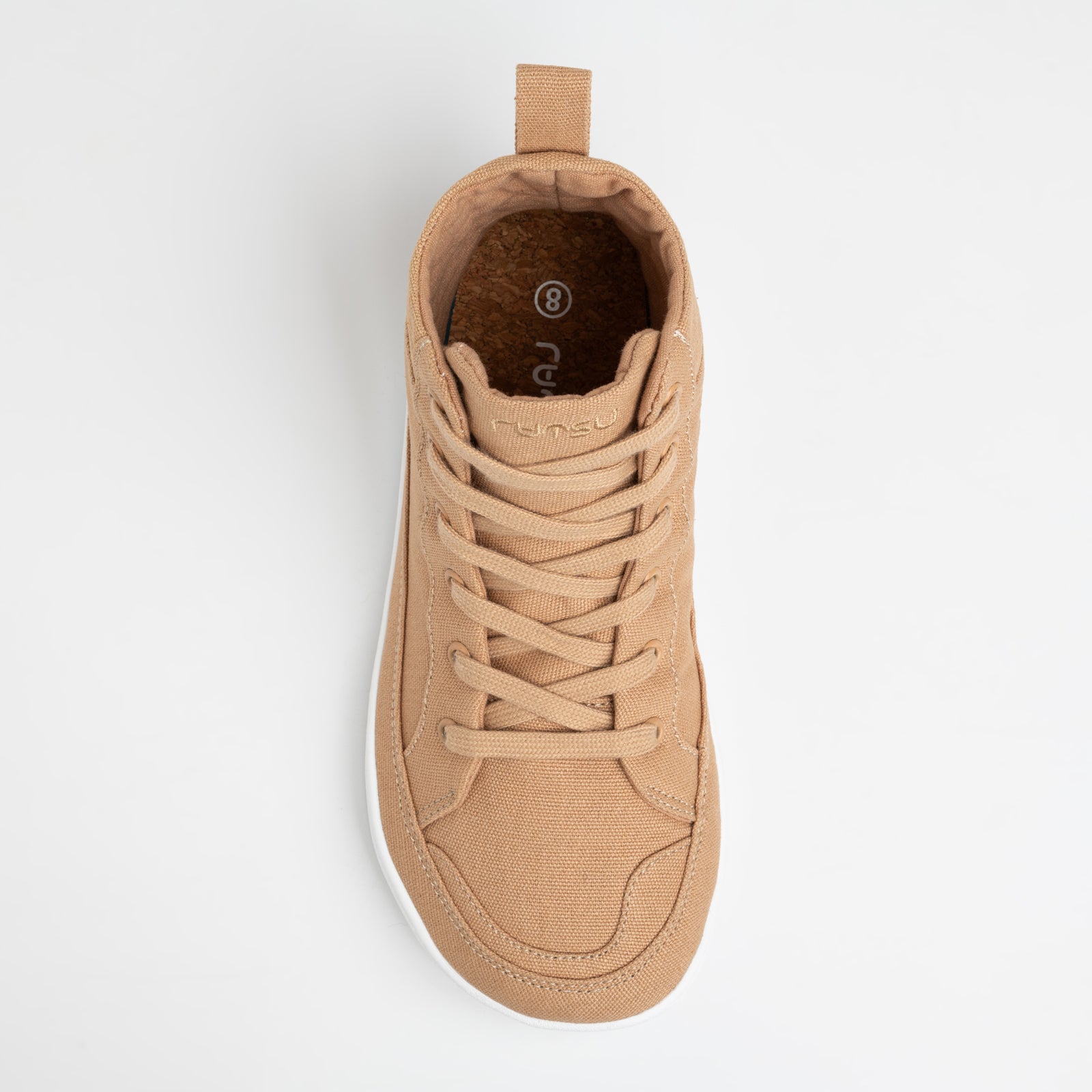
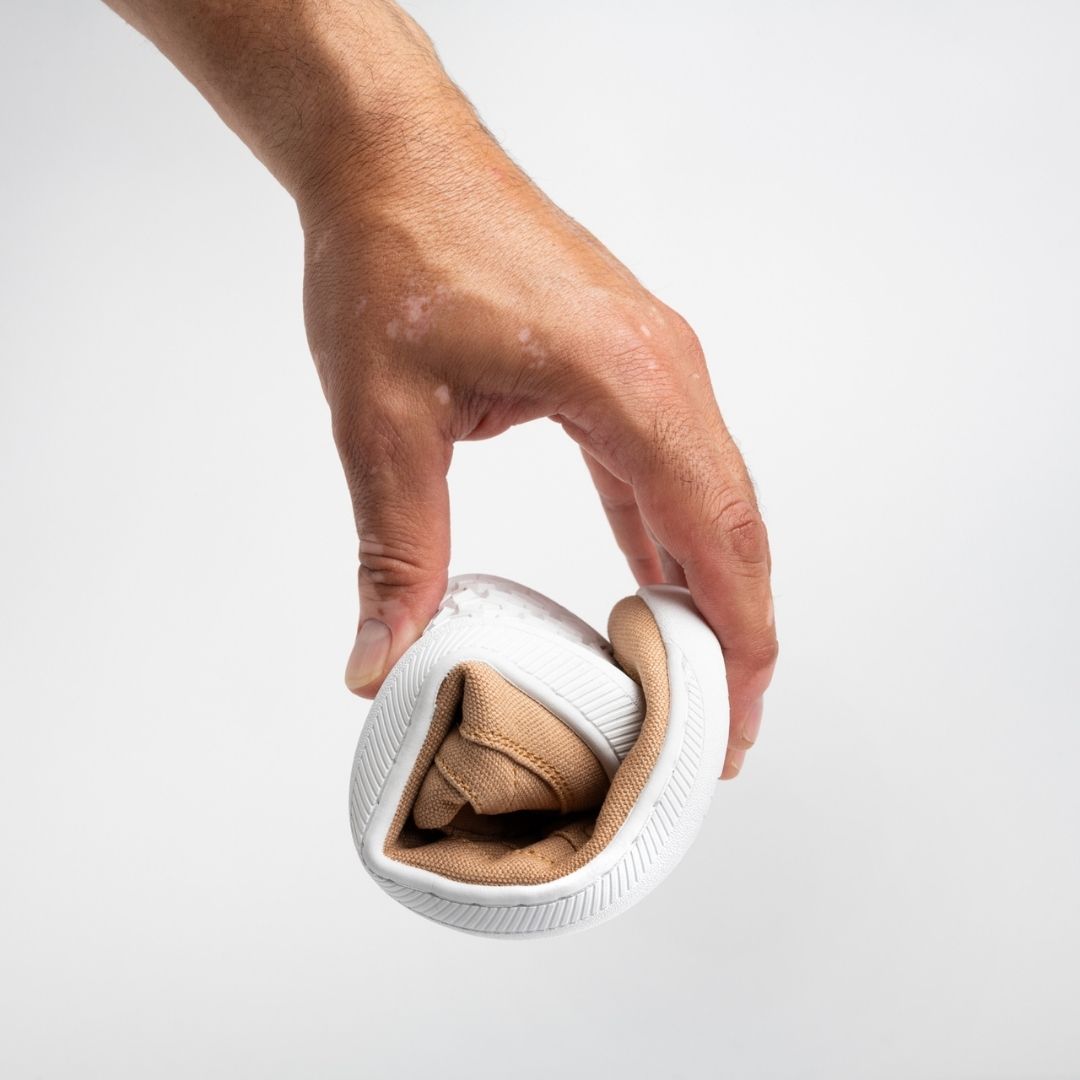
Look for a wide toe box (your toes should splay, not squish), a flexible sole you can roll up, and a true zero drop. Ignore aggressive marketing about magic materials. The basics matter far more than the buzzwords.
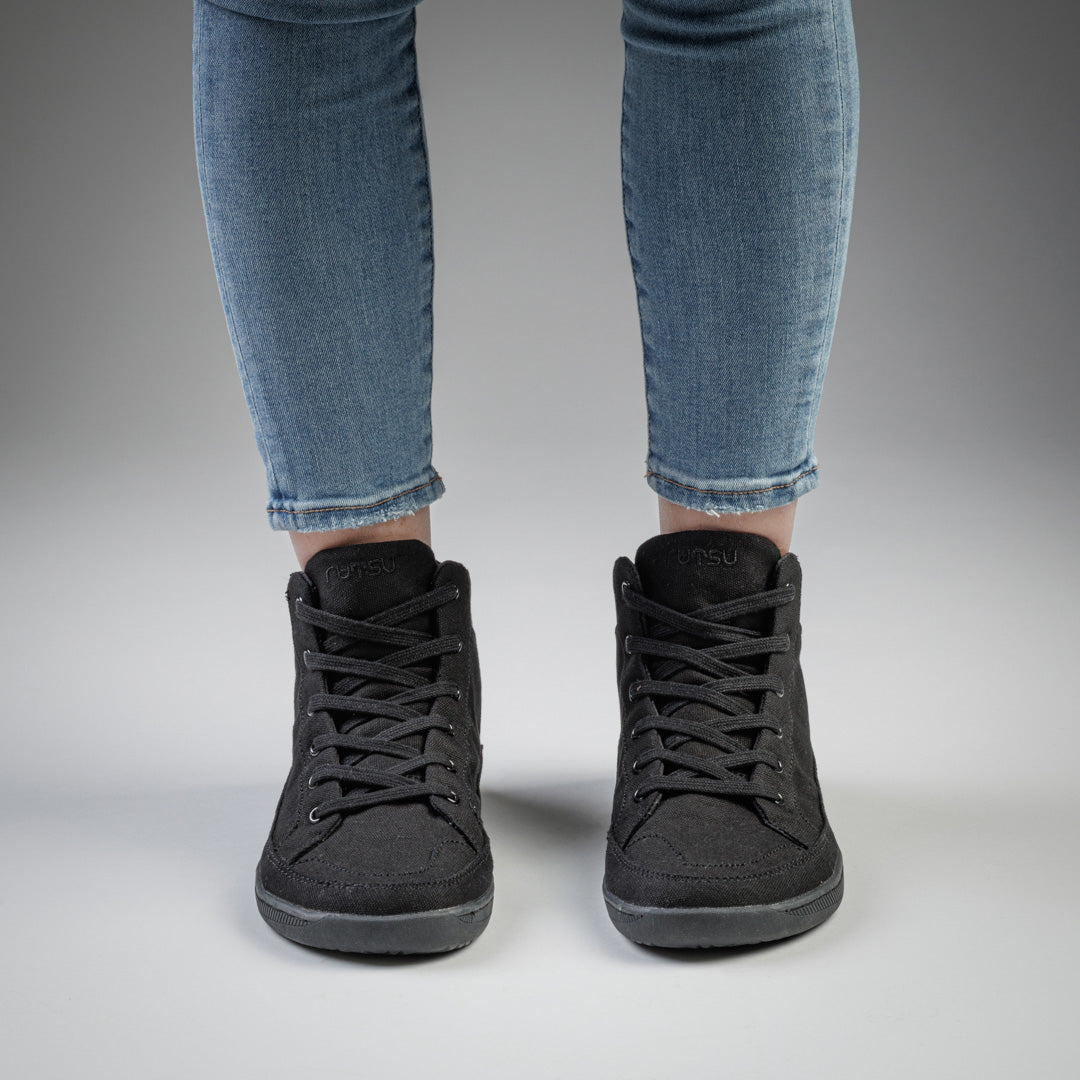
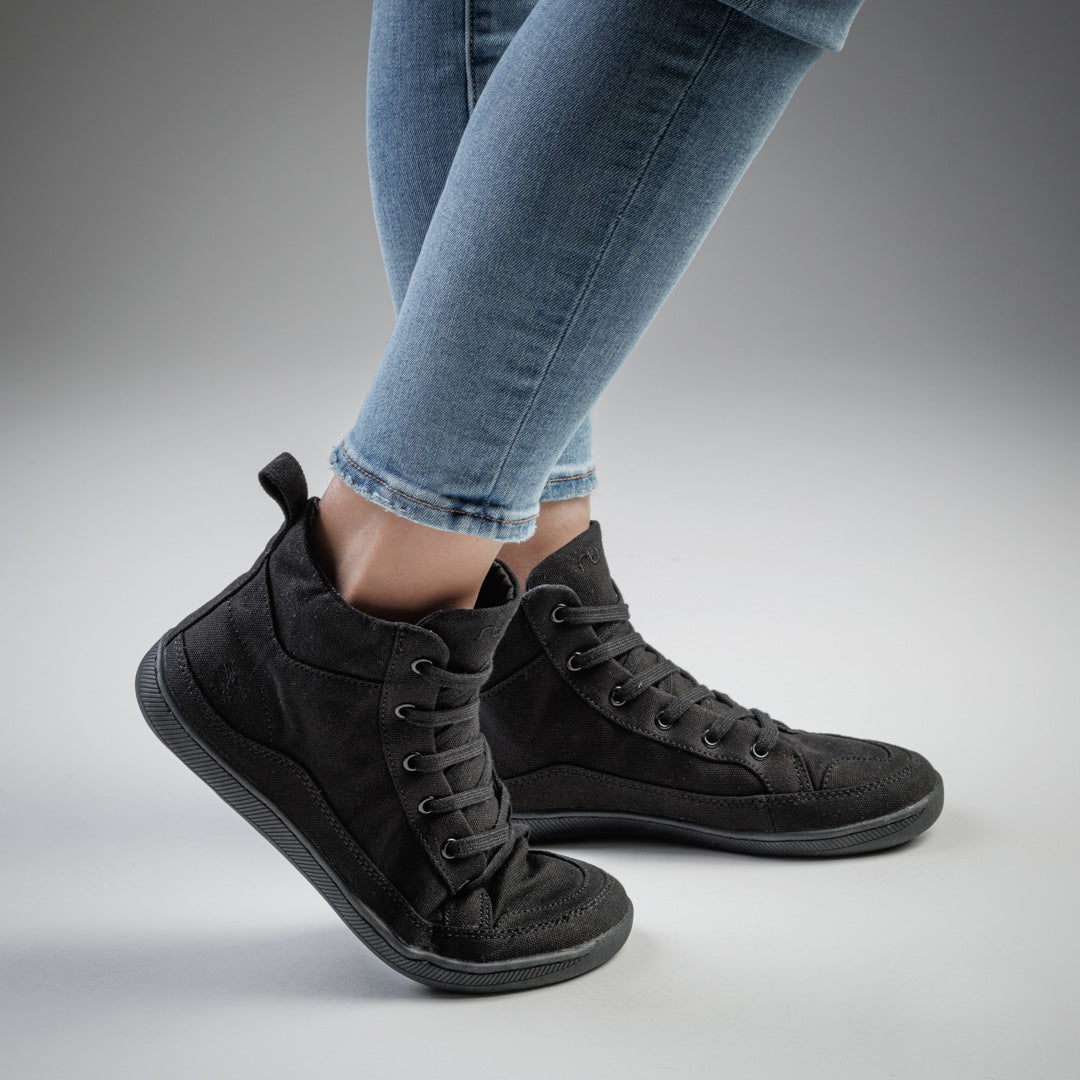
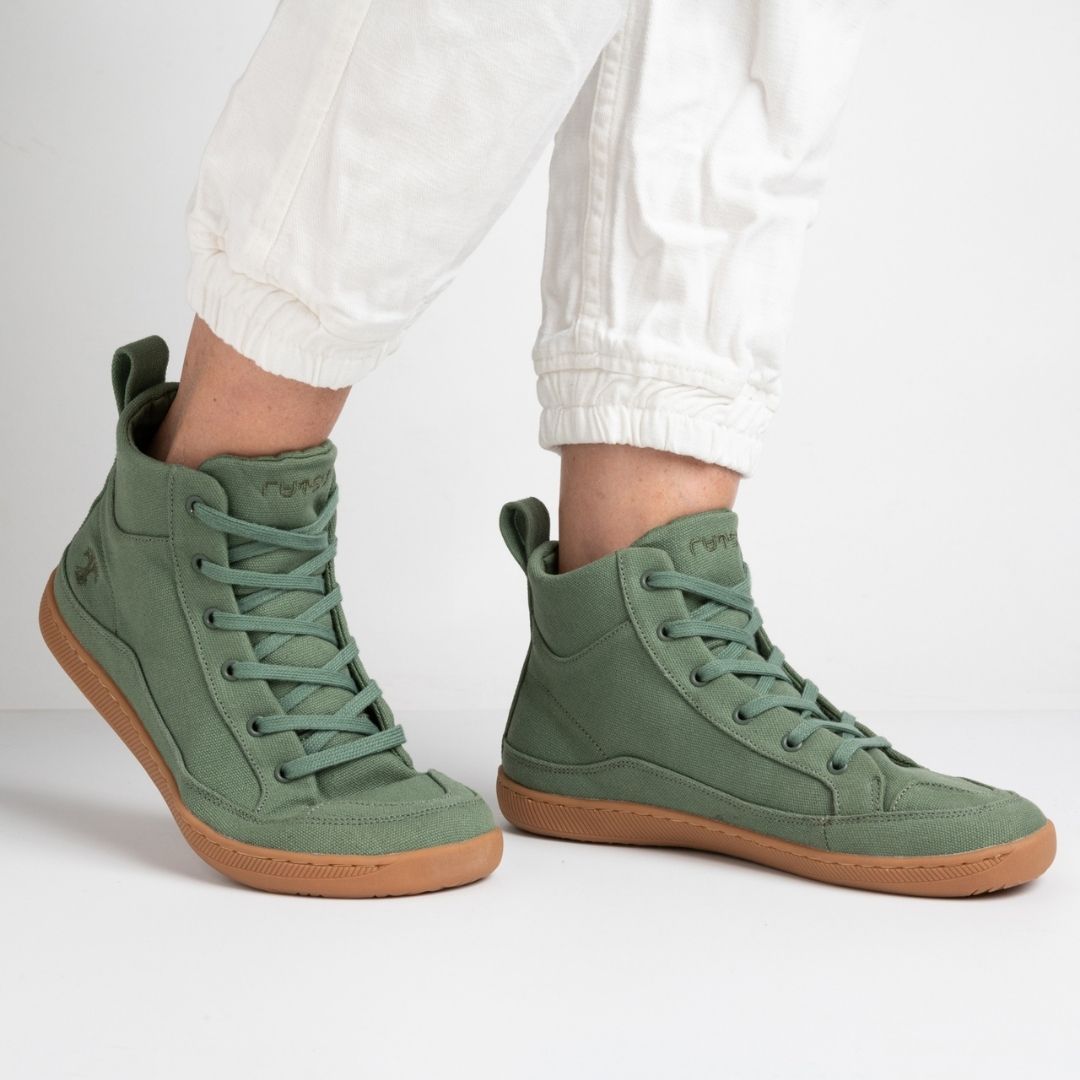
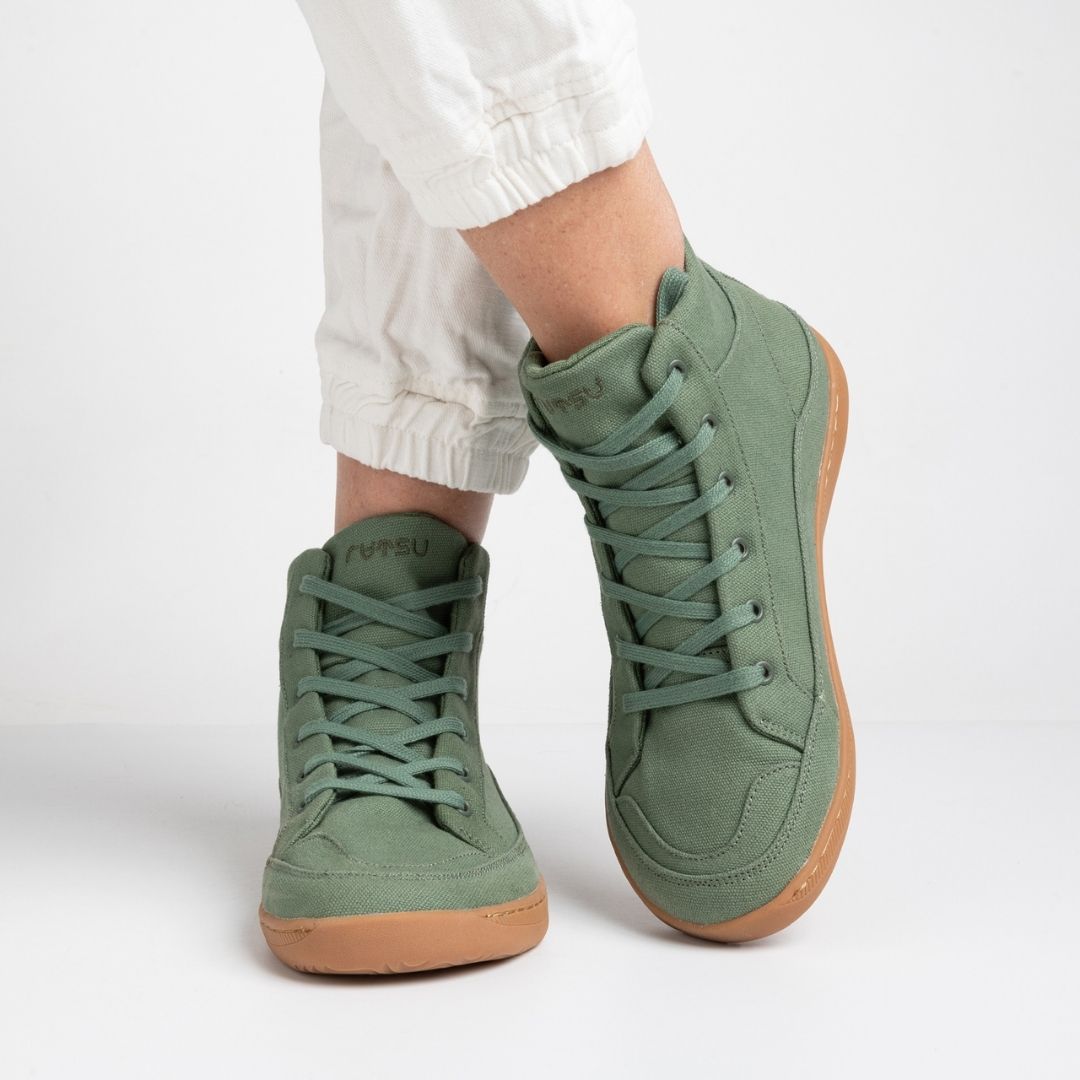
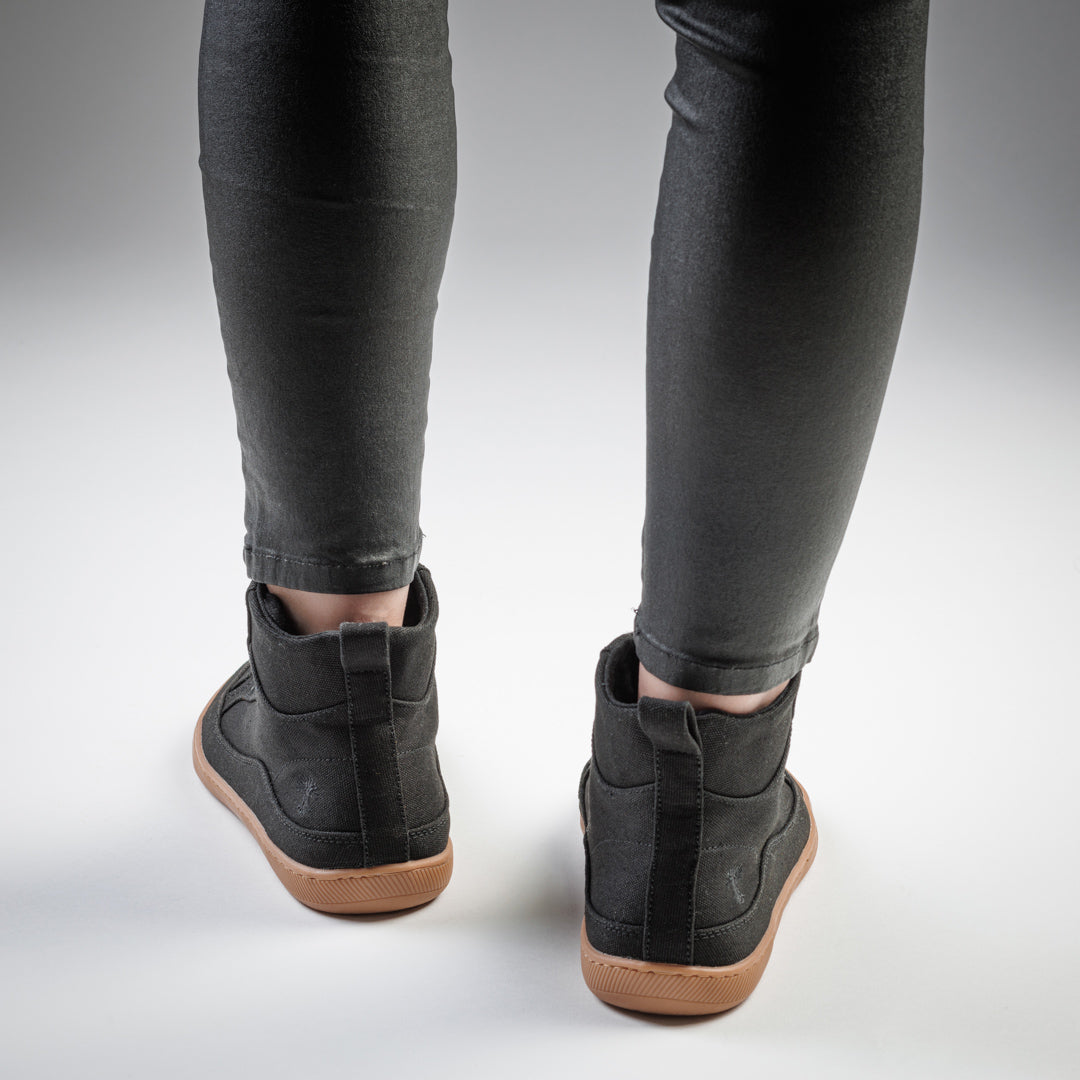
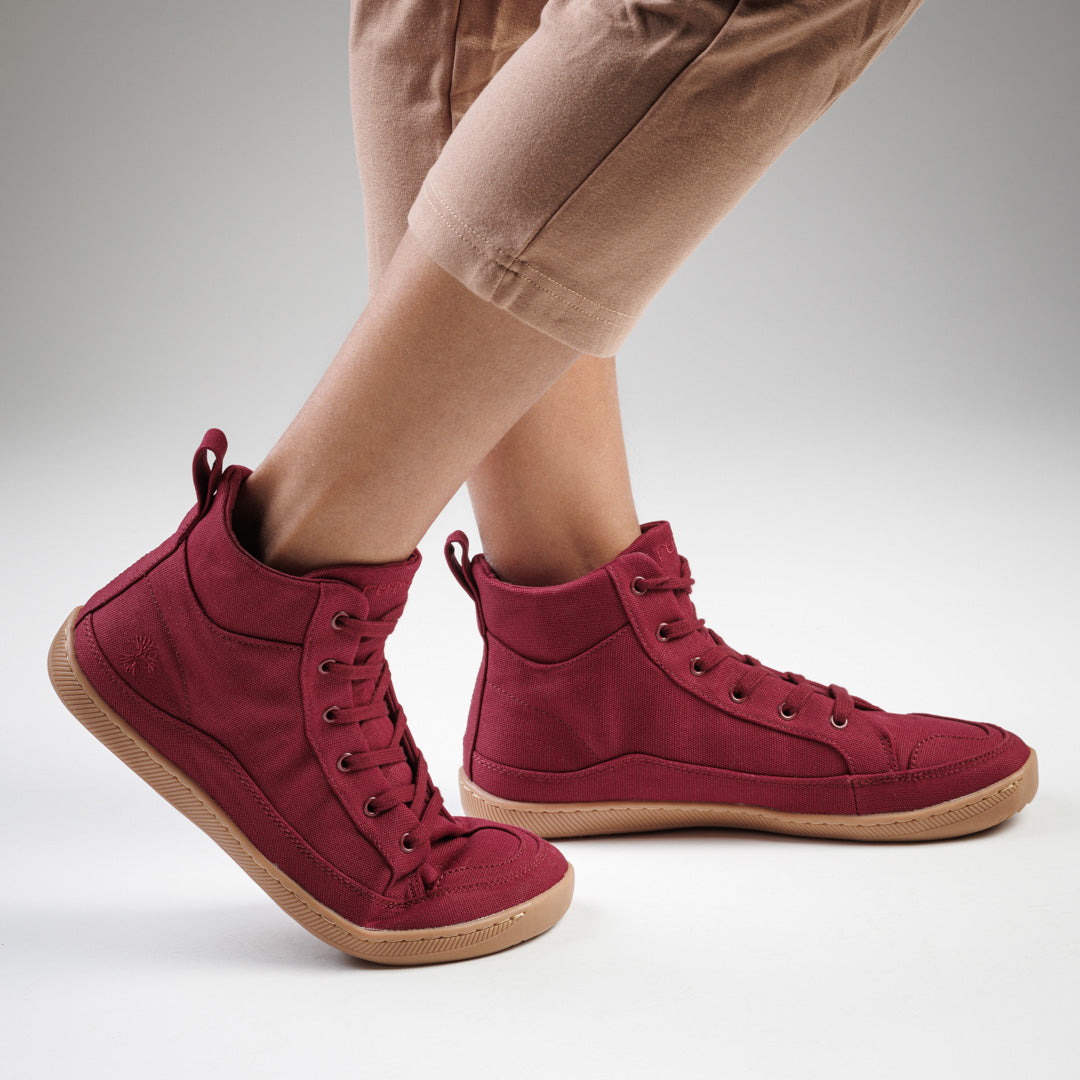
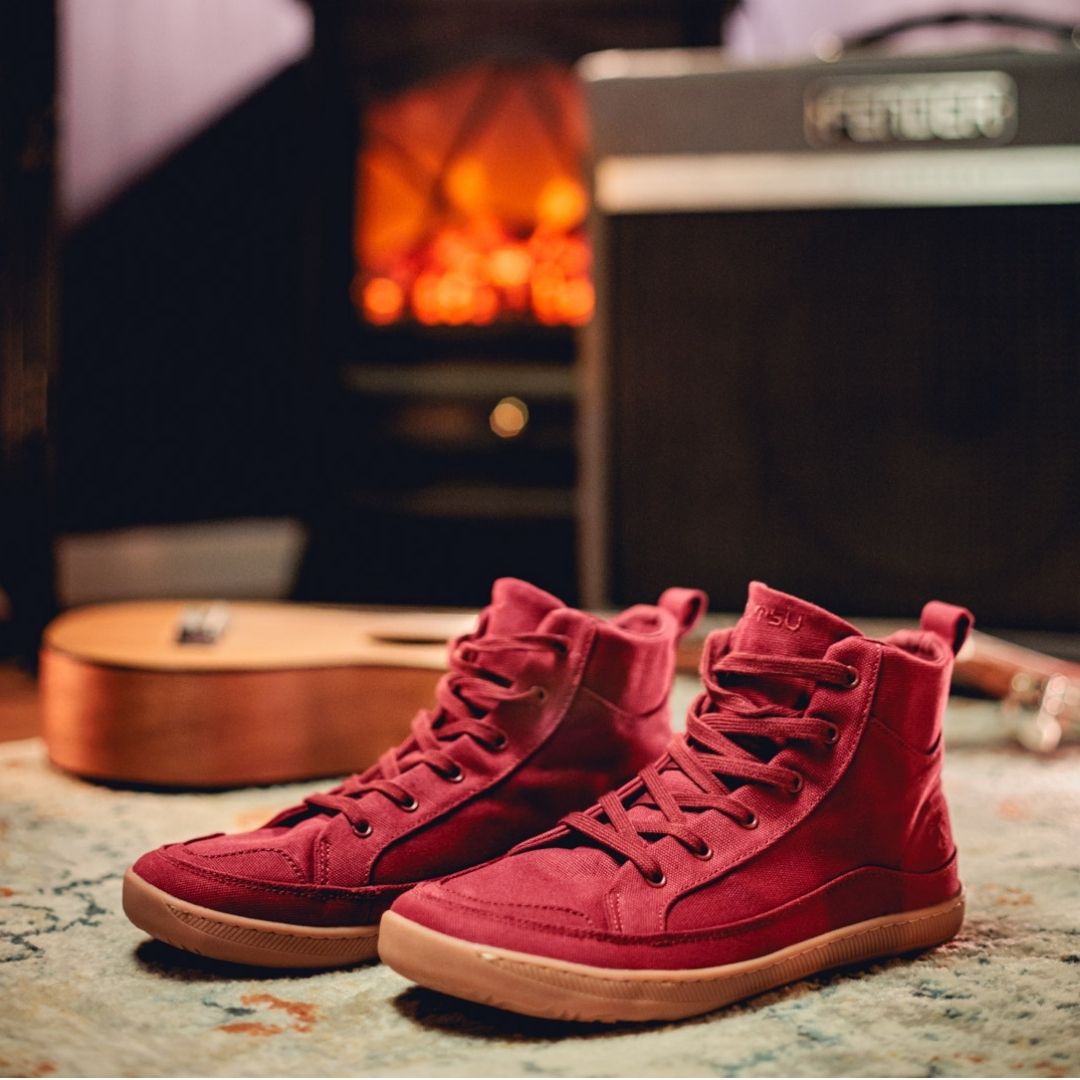
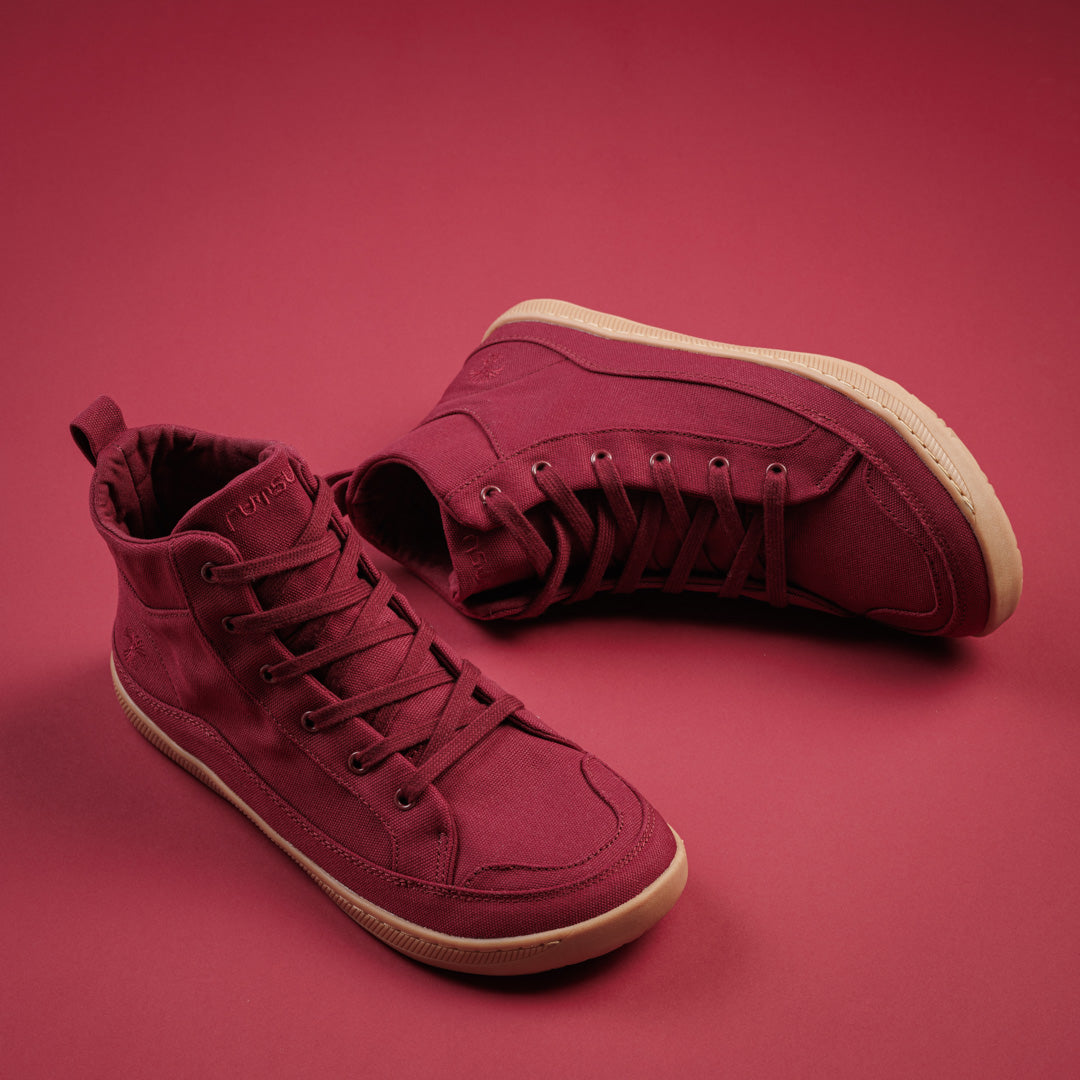
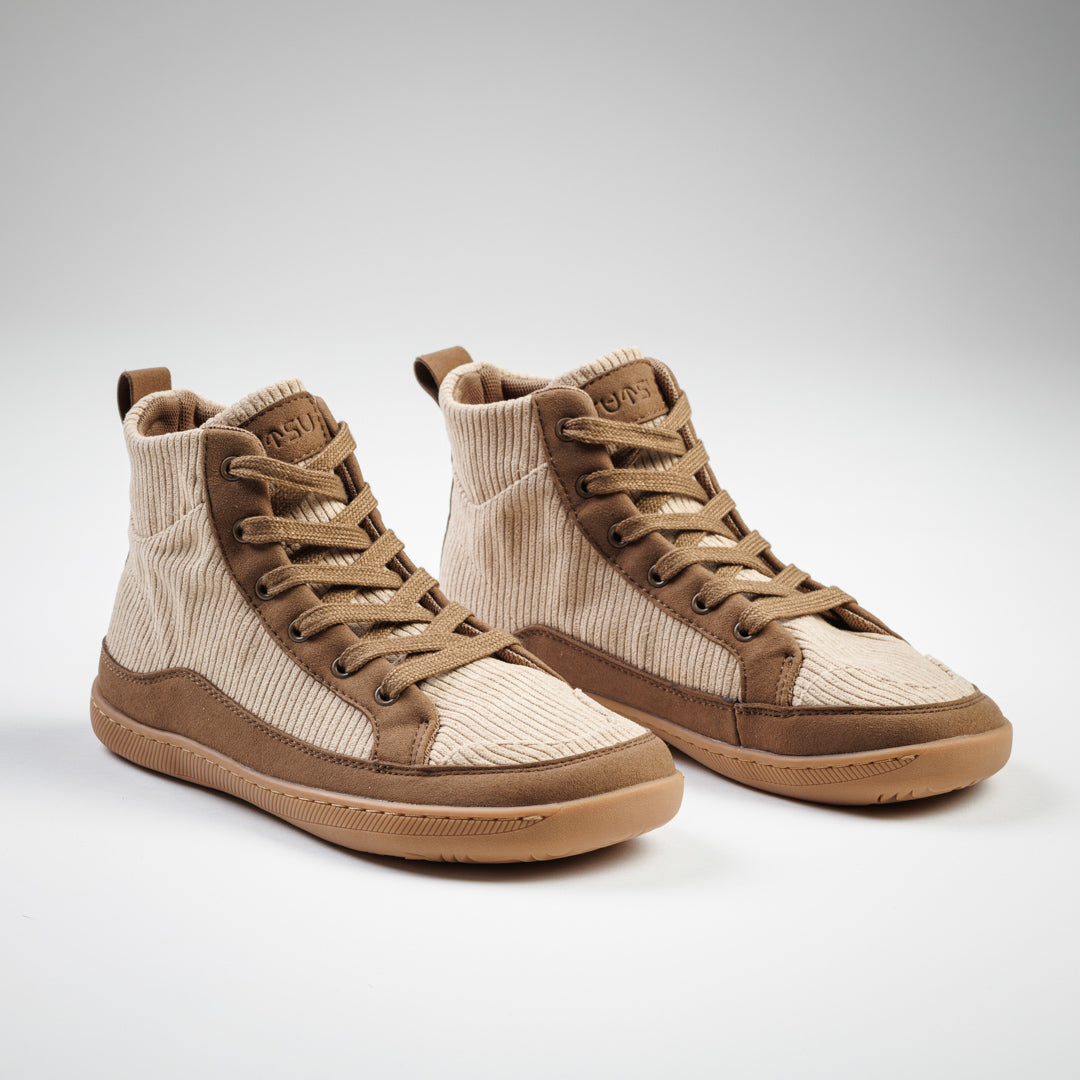
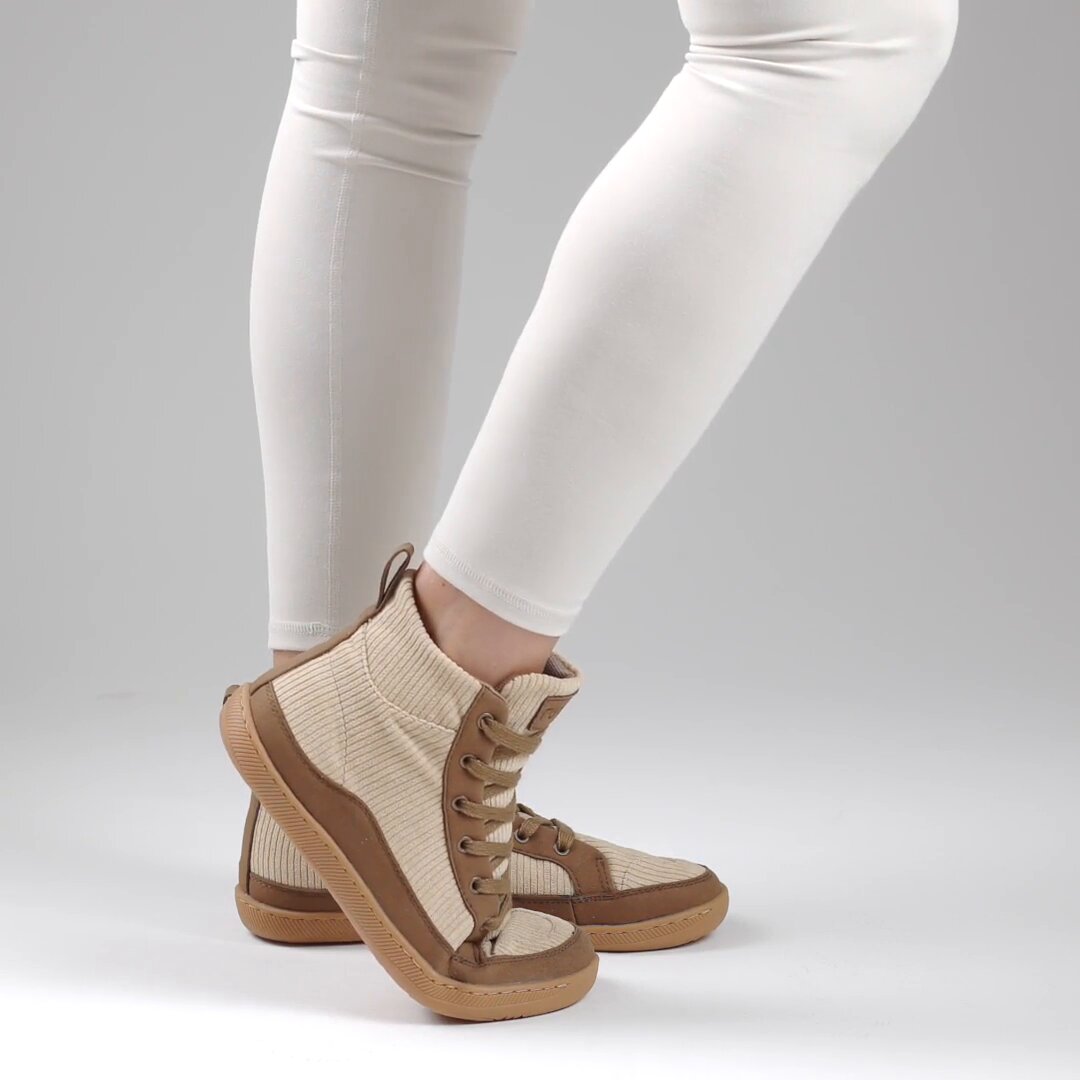
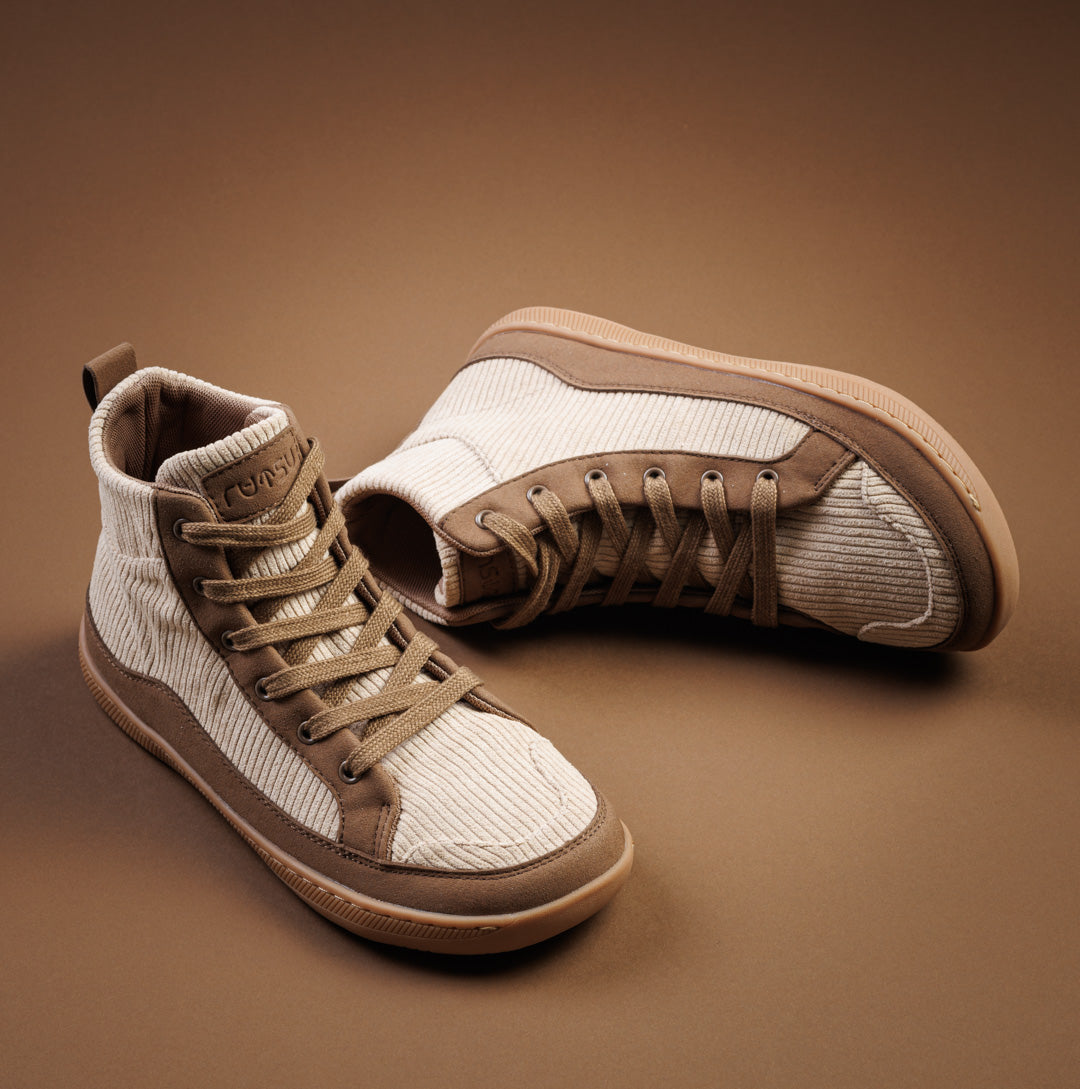
Fit comes first. A shoe that lets your foot move naturally beats a flashy one that doesn't. Rutsu Barefoot builds its shoes around exactly that idea, with vegan materials and a foot-shaped design meant to give your feet room to do their job. If you want to feel the benefits of minimalist running shoes for yourself, a lower-profile, foot-shaped pair is a sensible place to begin.
Conclusion
So, are the benefits of minimalist running shoes worth chasing? For a lot of runners, yes, as long as you respect the transition and listen to your body. Stronger feet, lighter steps, sharper form, and a connection to the ground that cushioned shoes hide from you. Just go in clear-eyed about the tradeoffs and the patience it takes.
If you're ready to give your feet room to move the way they're meant to, take a look at what Rutsu Barefoot offers and start slow. Your feet have been waiting for this.
FAQs
Are minimalist running shoes actually better for you?
"Better" is the wrong word. They're different, and whether that difference helps depends on your feet, your form, and how carefully you transition. For some runners they're a game-changer. For others, a recipe for sore calves and frustration.
Do minimalist running shoes reduce or increase injury risk?
It cuts both ways. Done right, they may lower certain impact-related stresses by improving your landing, but a rushed transition often causes calf and foot injuries instead. The shoe isn't usually the risk. How fast you switch is.
How long does it take to adjust to minimalist running shoes?
Most runners need several weeks to a few months, not days. Your muscles and tendons adapt slowly, so think in terms of steady progress rather than a quick flip.
Can beginners start running in minimalist shoes?
They can, but starting with walking and very short runs to build strength first is smart. New runners actually have an edge here, since they have no heel-striking habit to unlearn.
Are minimalist running shoes good for long distances?
Once your feet are conditioned, plenty of runners cover long distances in them comfortably. Getting there takes patience, though, and hard pavement can be tough on under-prepared feet.
Do minimalist shoes help with knee pain or make it worse?
Some runners report less knee pain after switching, possibly because a forefoot landing shifts certain impact forces away from the knee. Results vary, though, and if you have ongoing knee issues, check with a professional before changing anything.