

Your feet have spent most of their life inside a padded cast. Thick soles, a narrow front, a heel higher than the toes. No wonder shopping for your first barefoot shoes feels strange.
Good news: the decision isn't complicated once you know what to check. Sole thickness. Toe box width. Flexibility. That's most of it, honestly.
This guide covers fit, transition timing and the traps that catch nearly every beginner. No wasted money on a pair that ends up shoved in a closet.
What Barefoot Shoes Actually Are and How They Differ From Regular Footwear
Strip a shoe down to its job description and you get this: protect the bottom of your foot, then get out of the way.
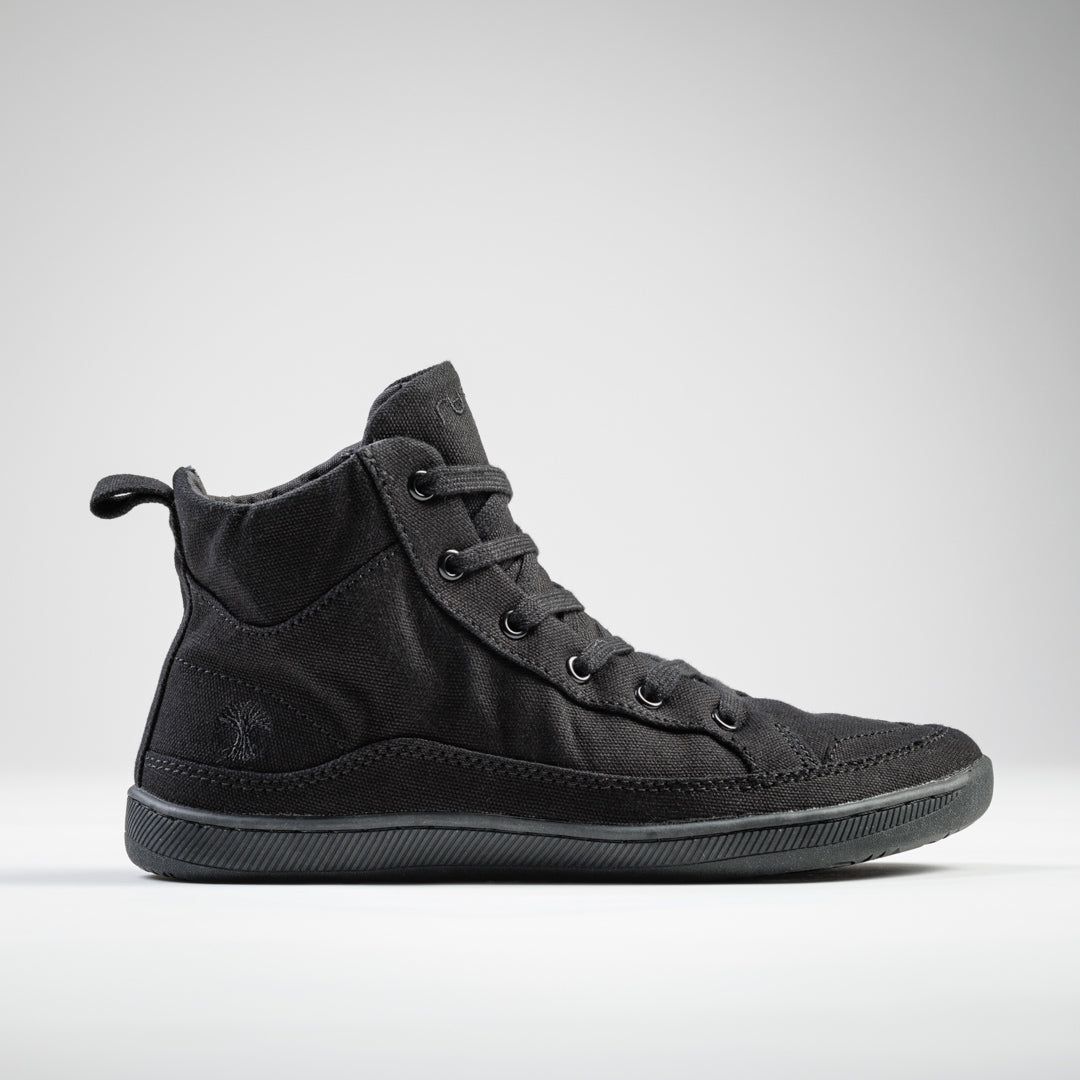
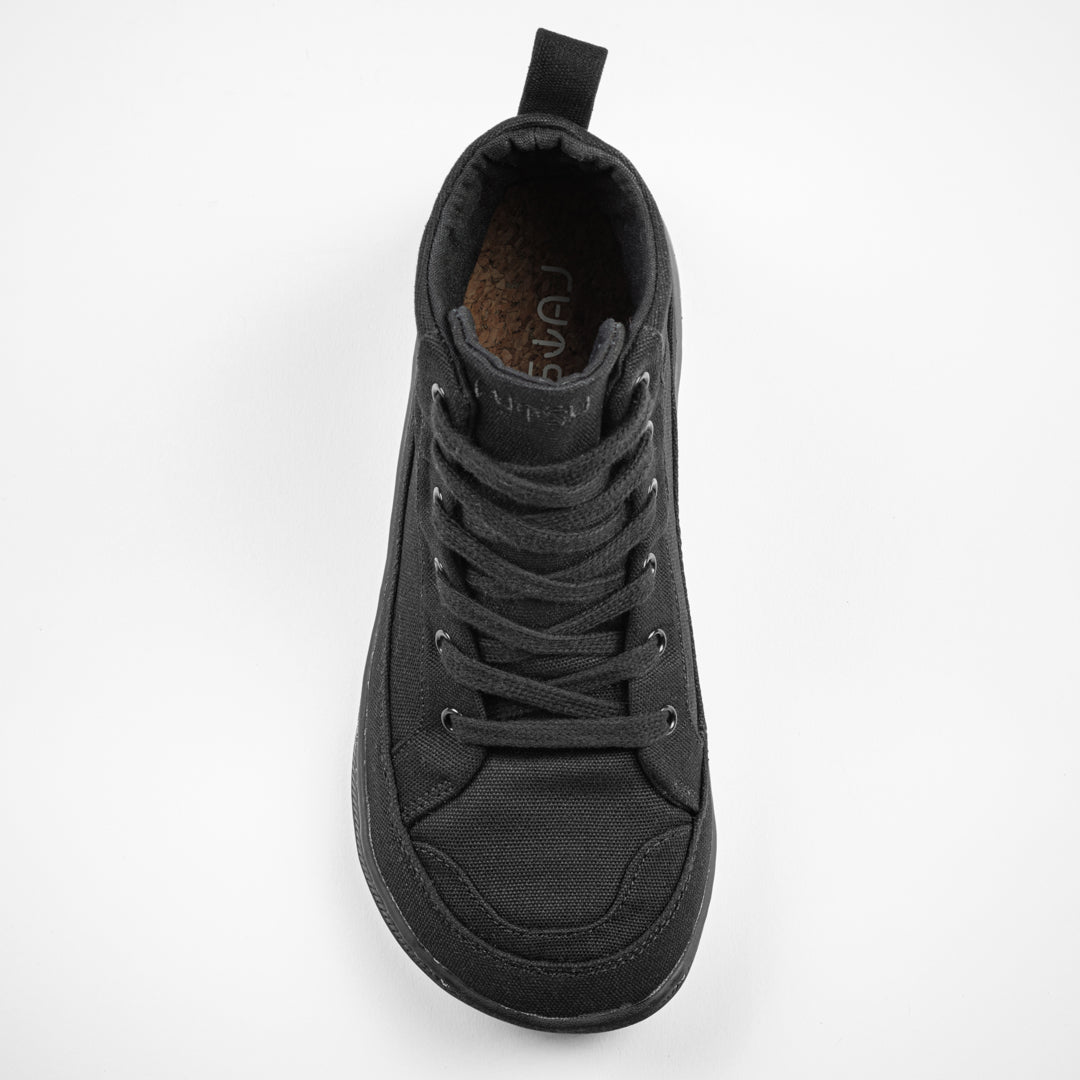
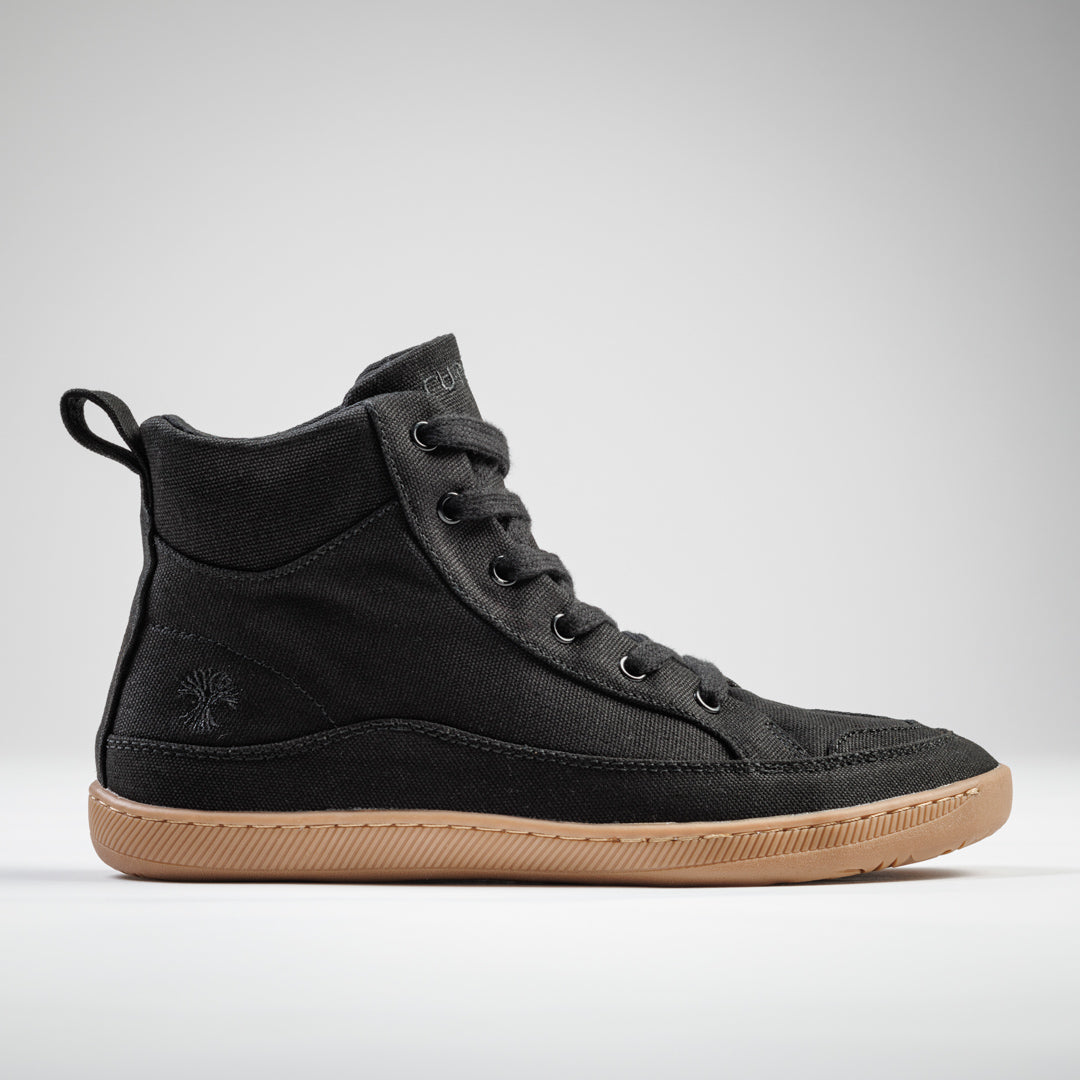
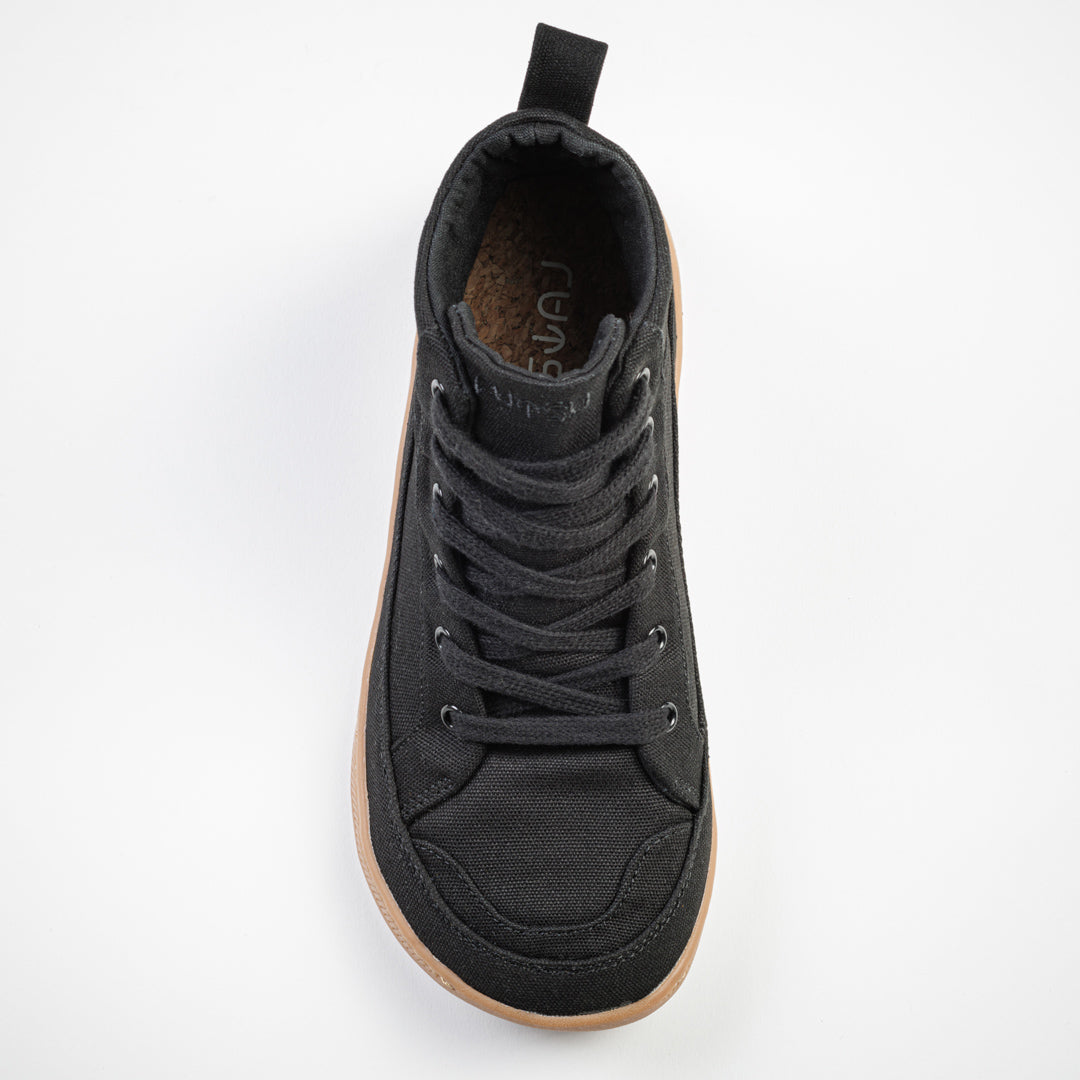
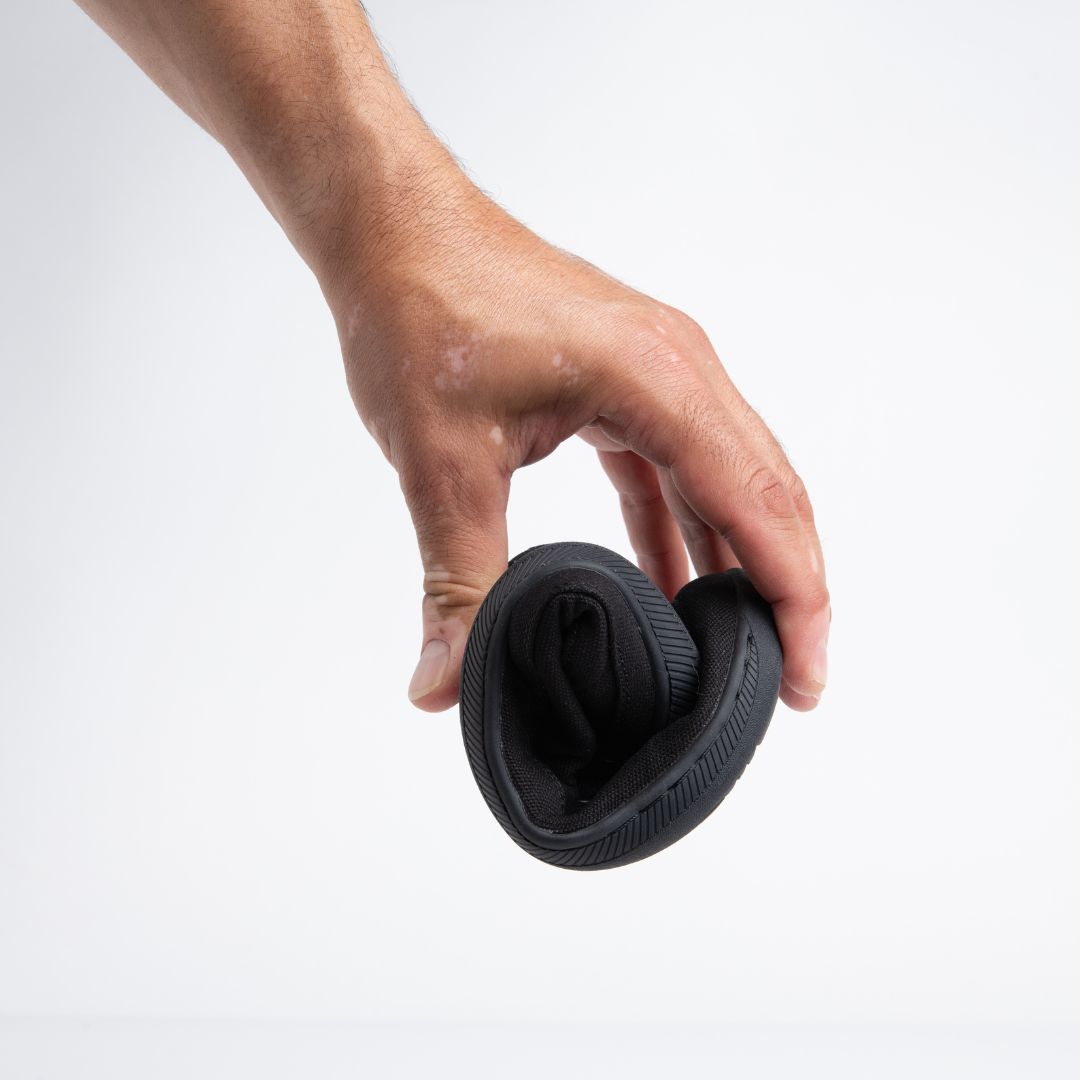
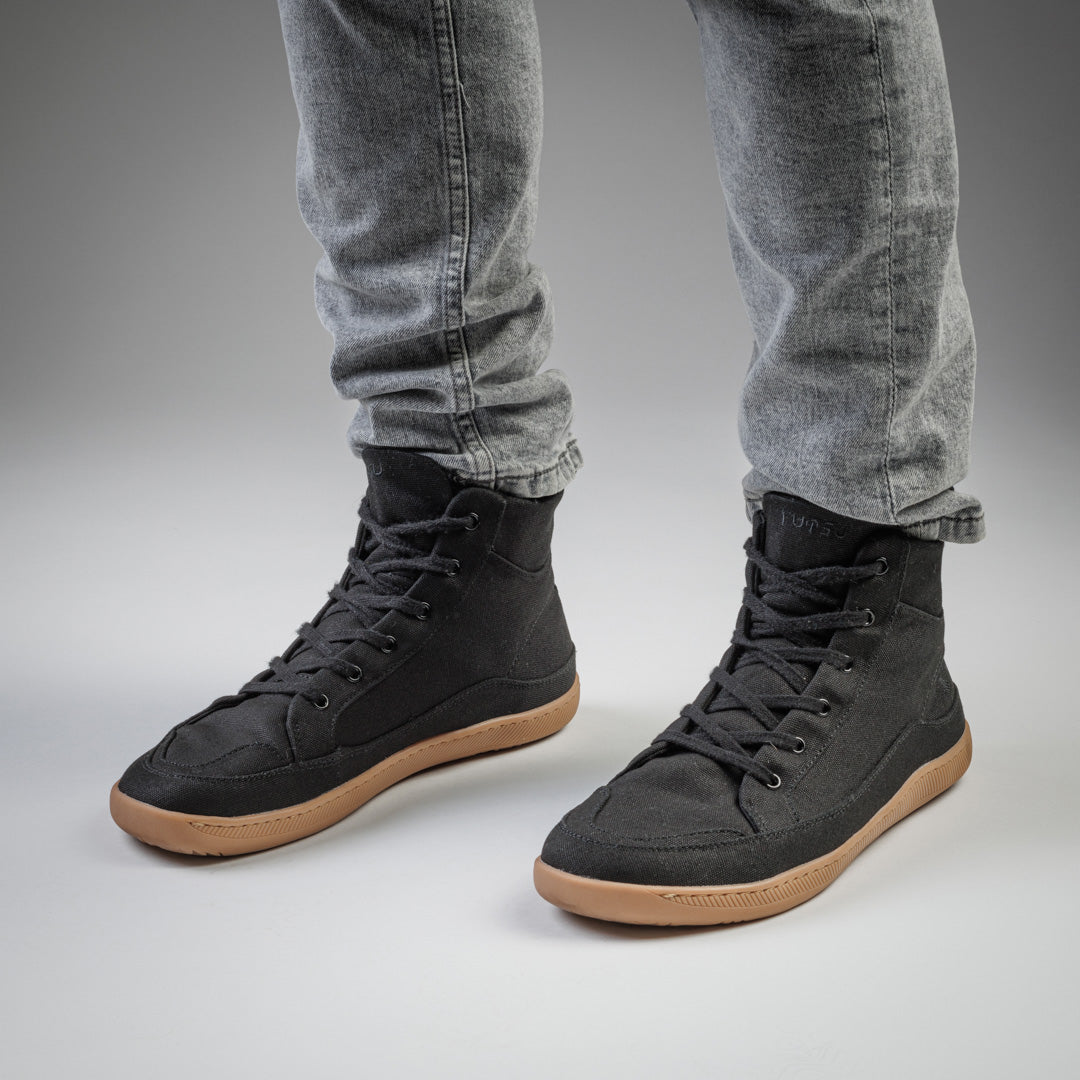
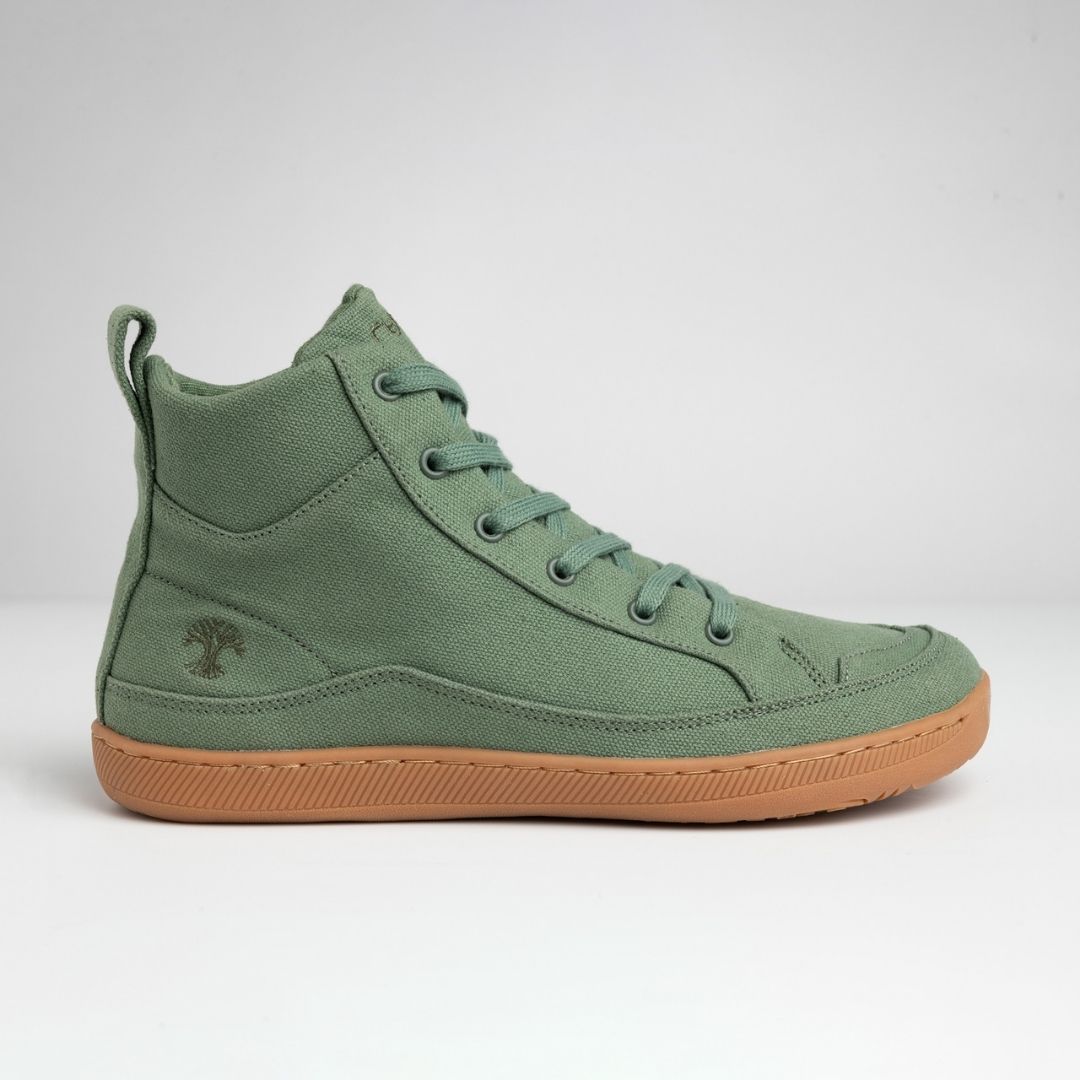
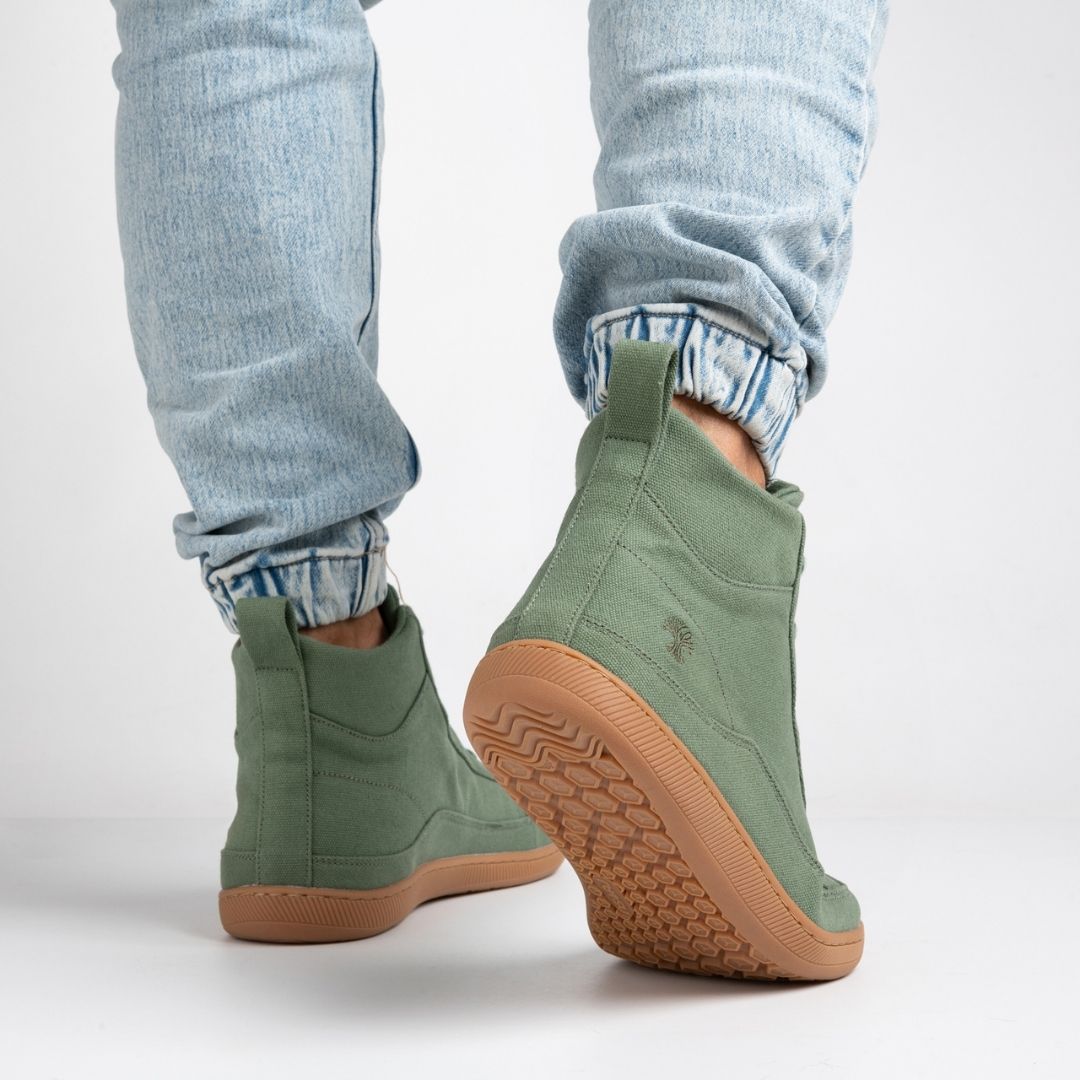
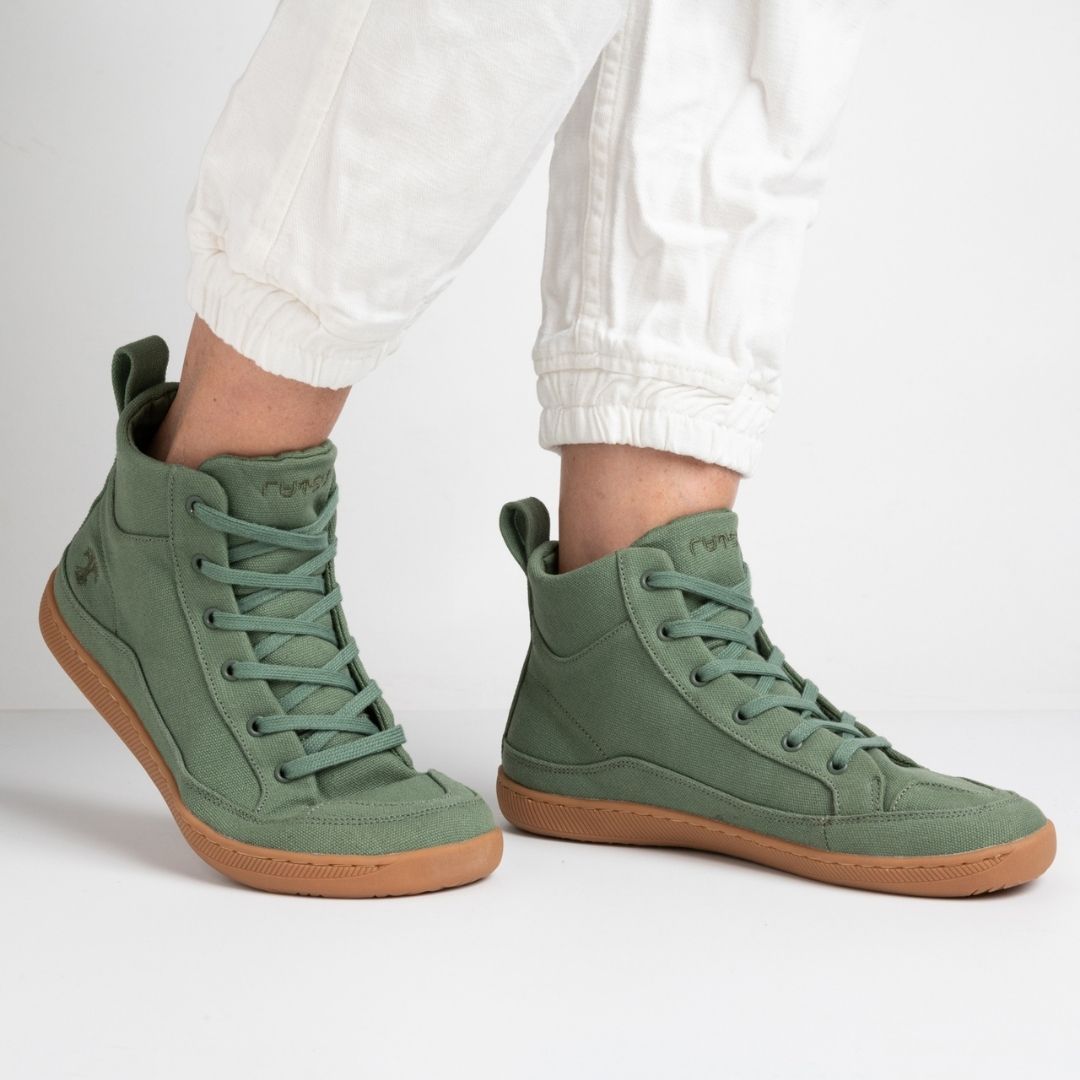
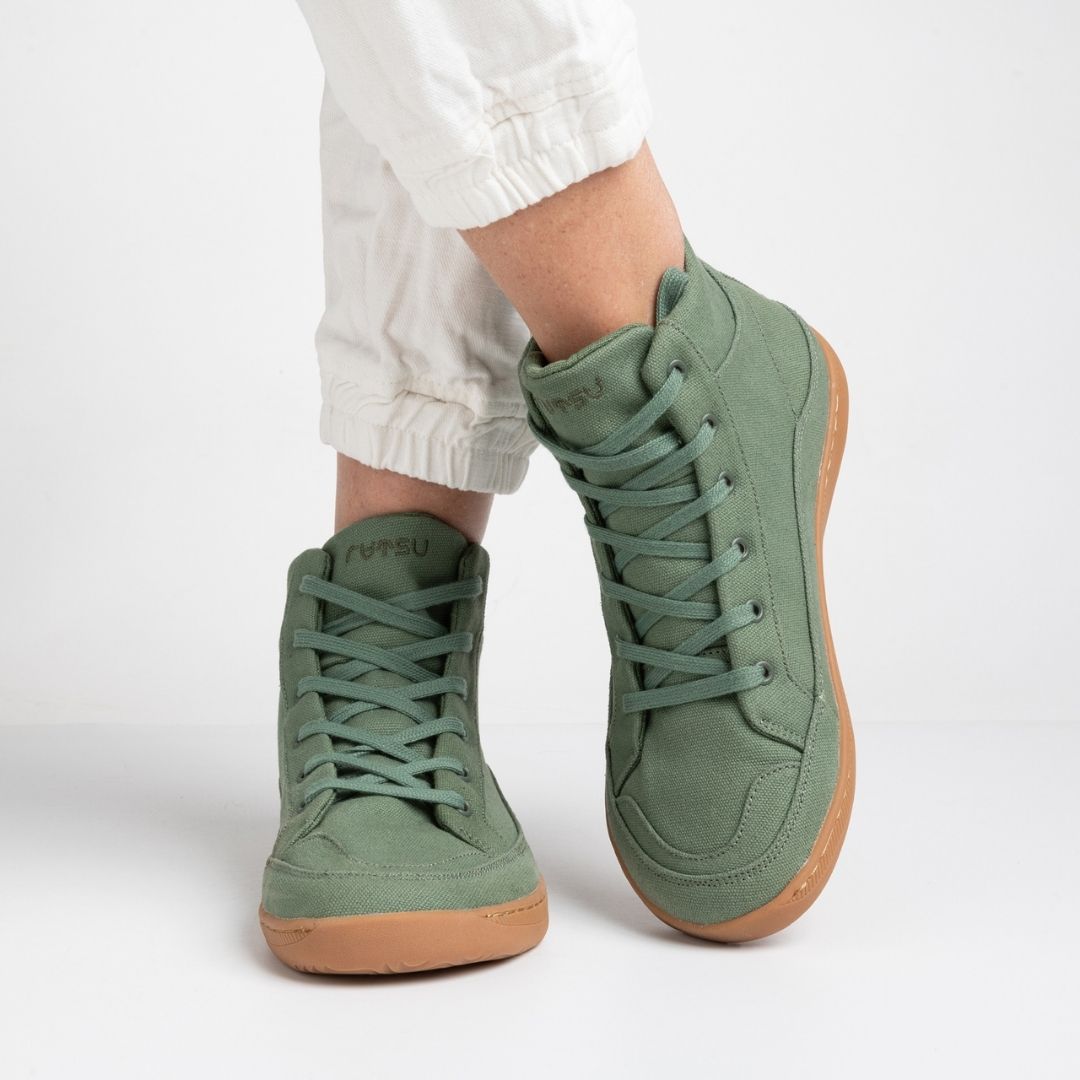
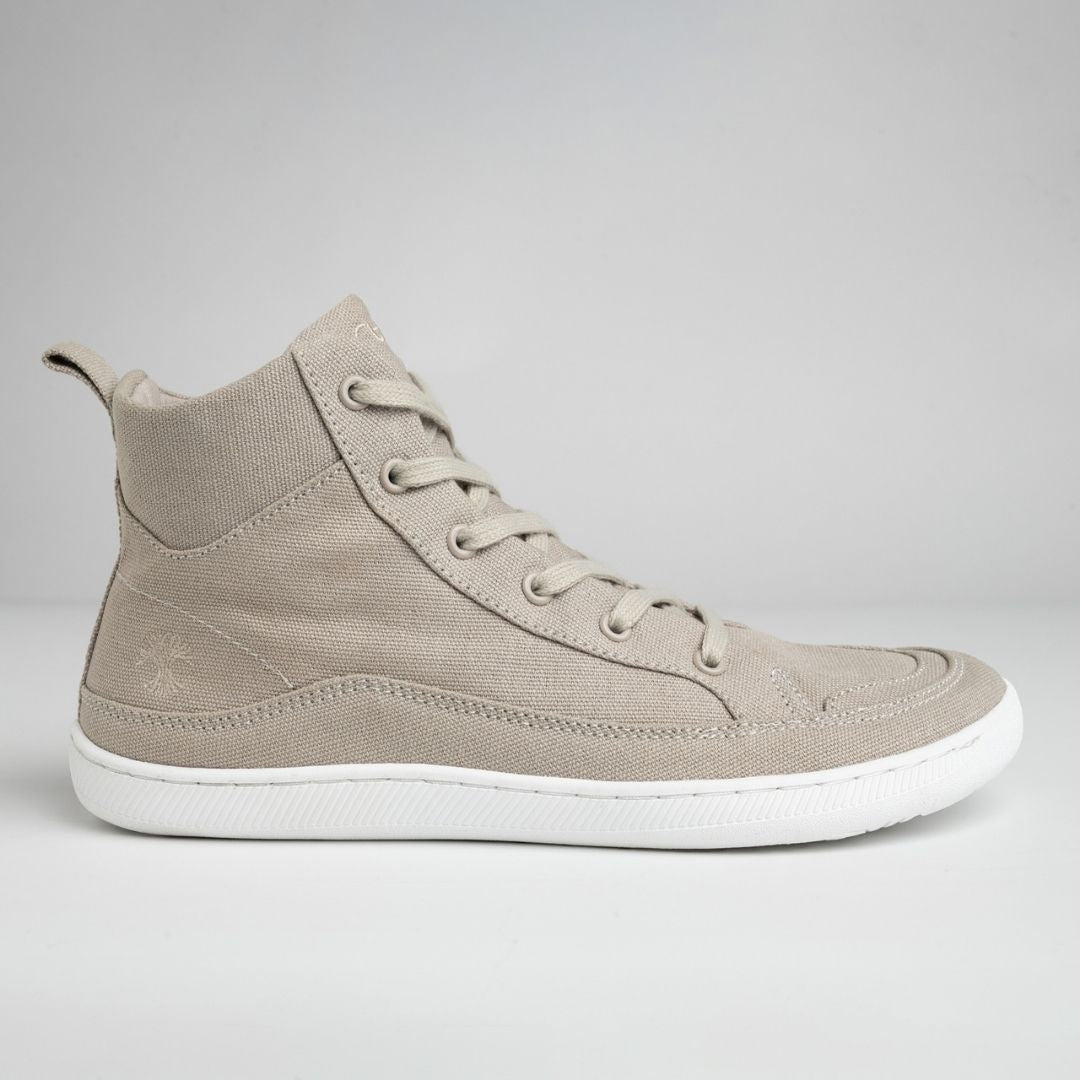
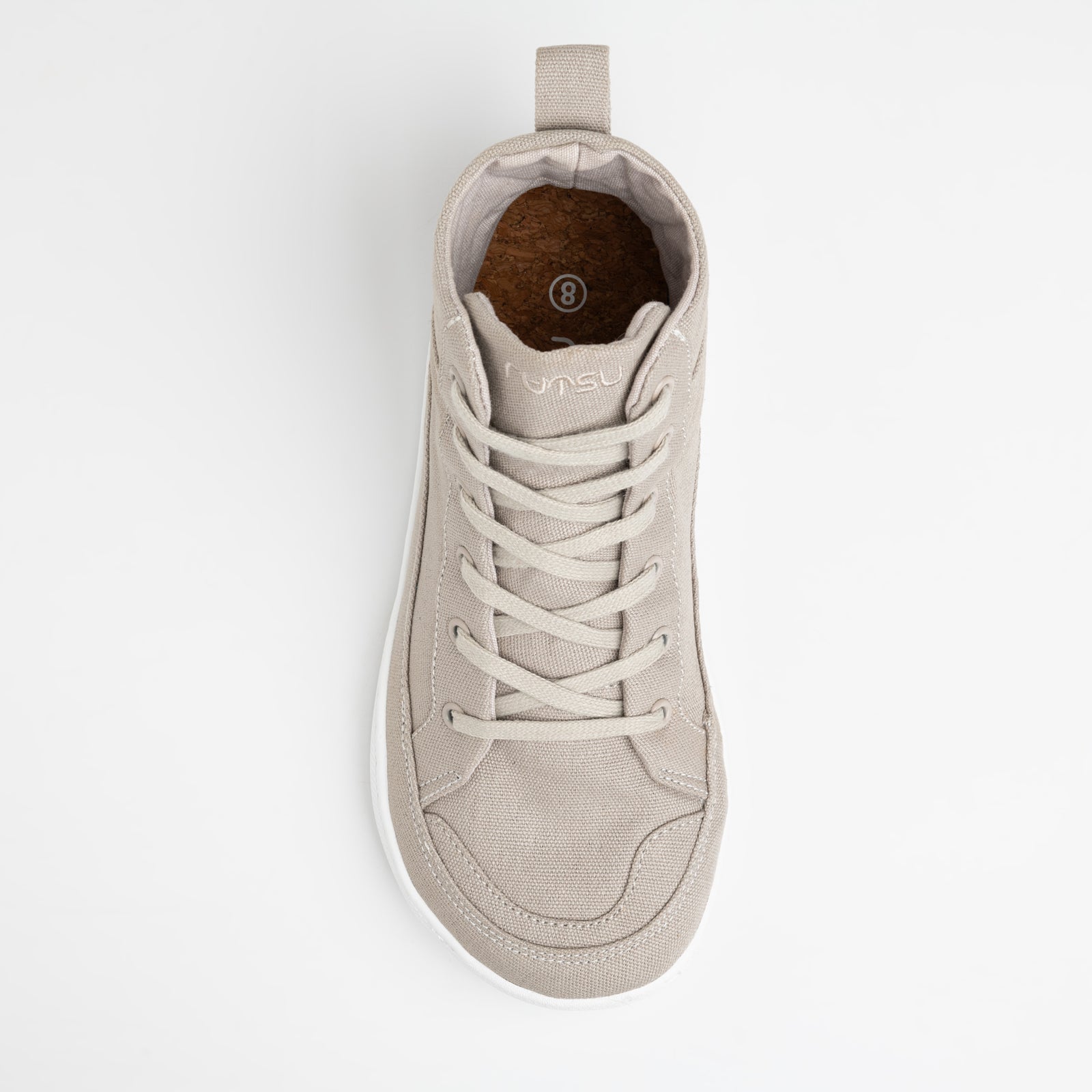
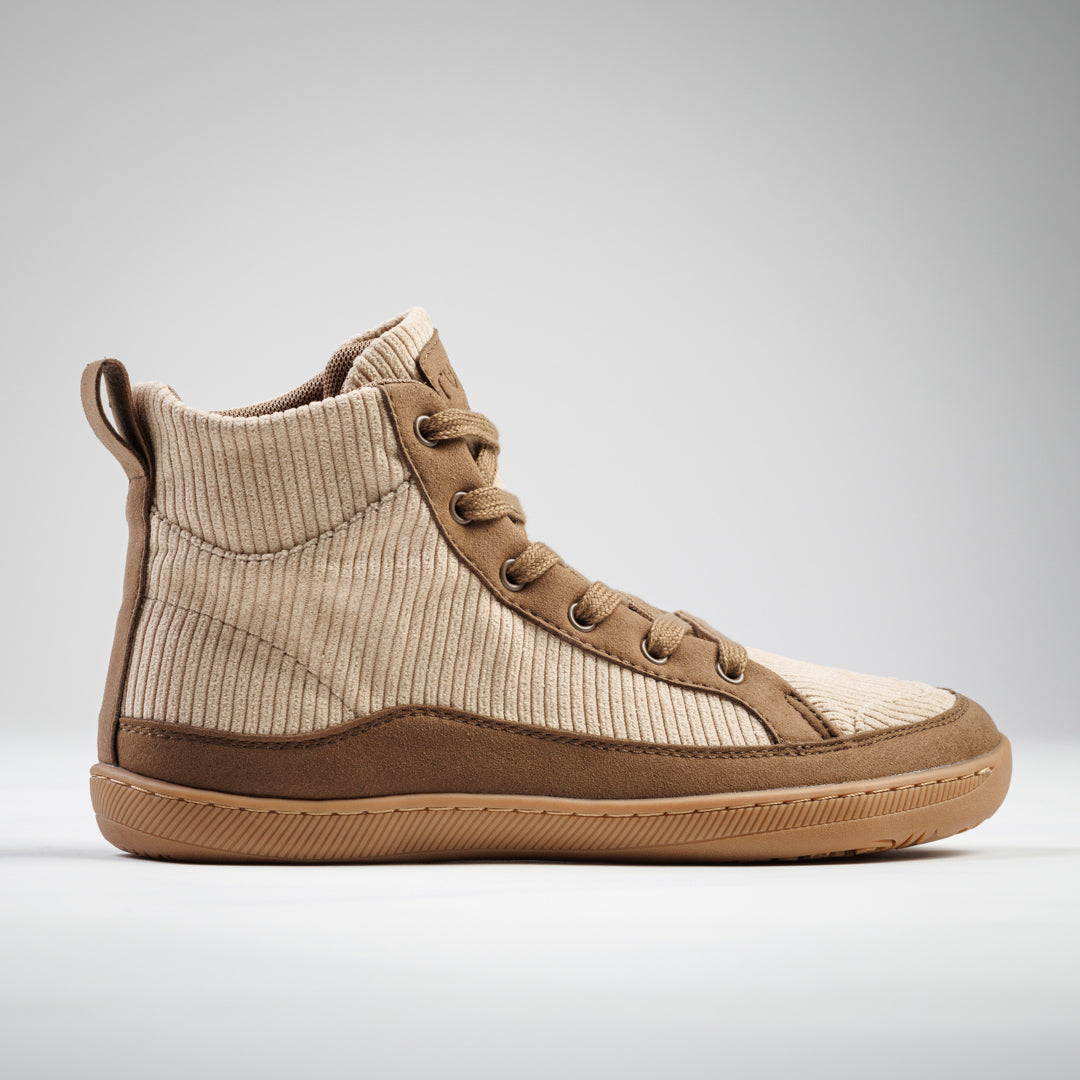
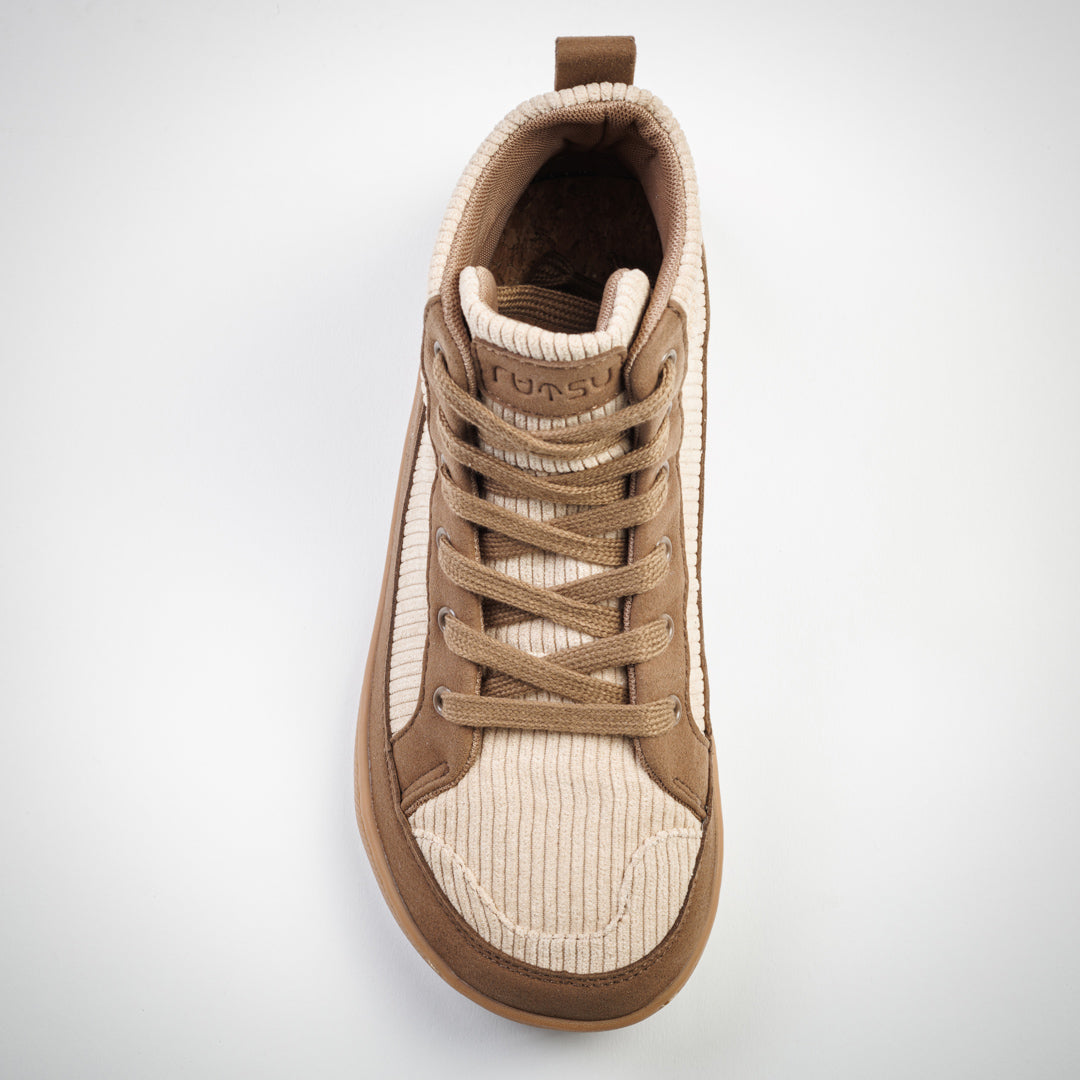
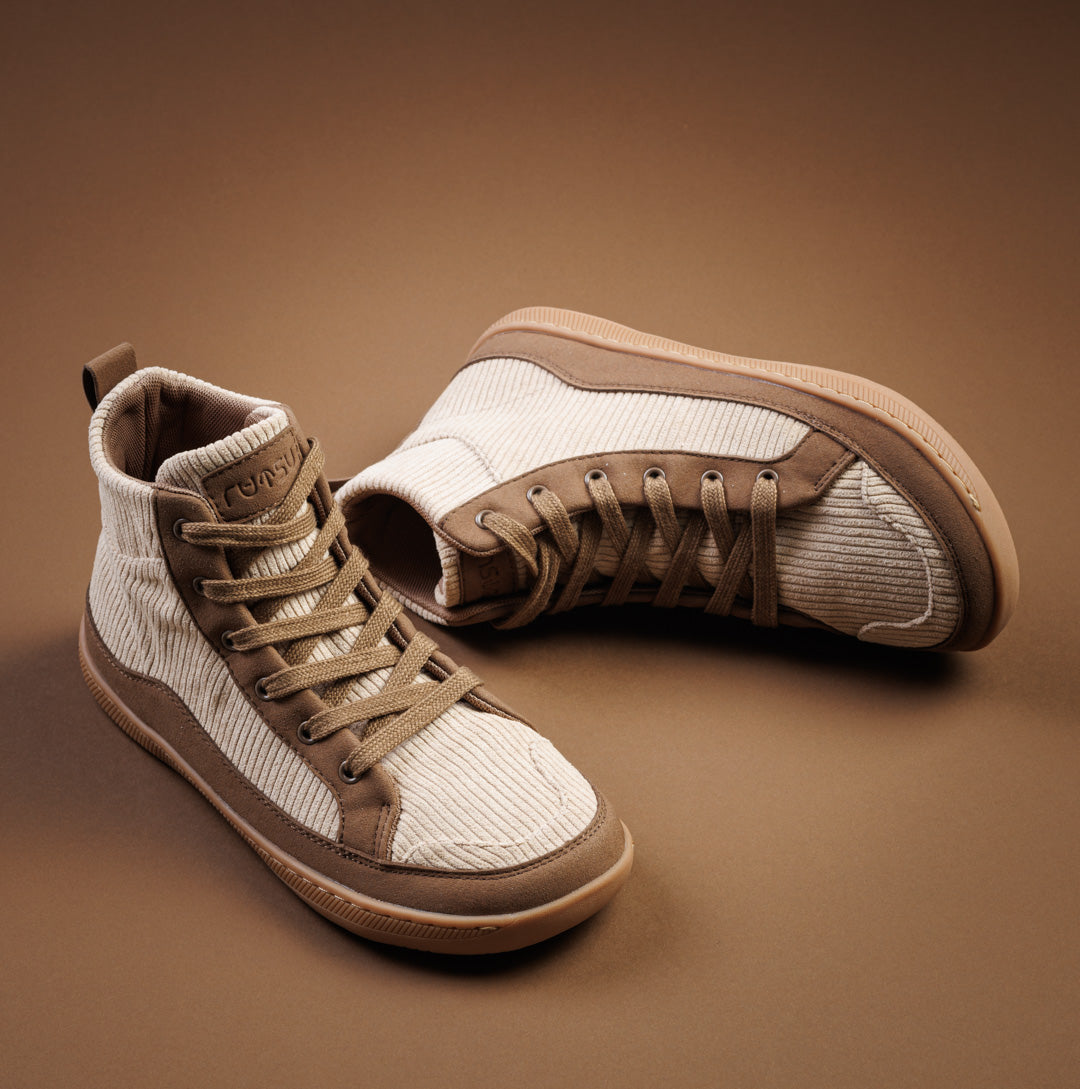
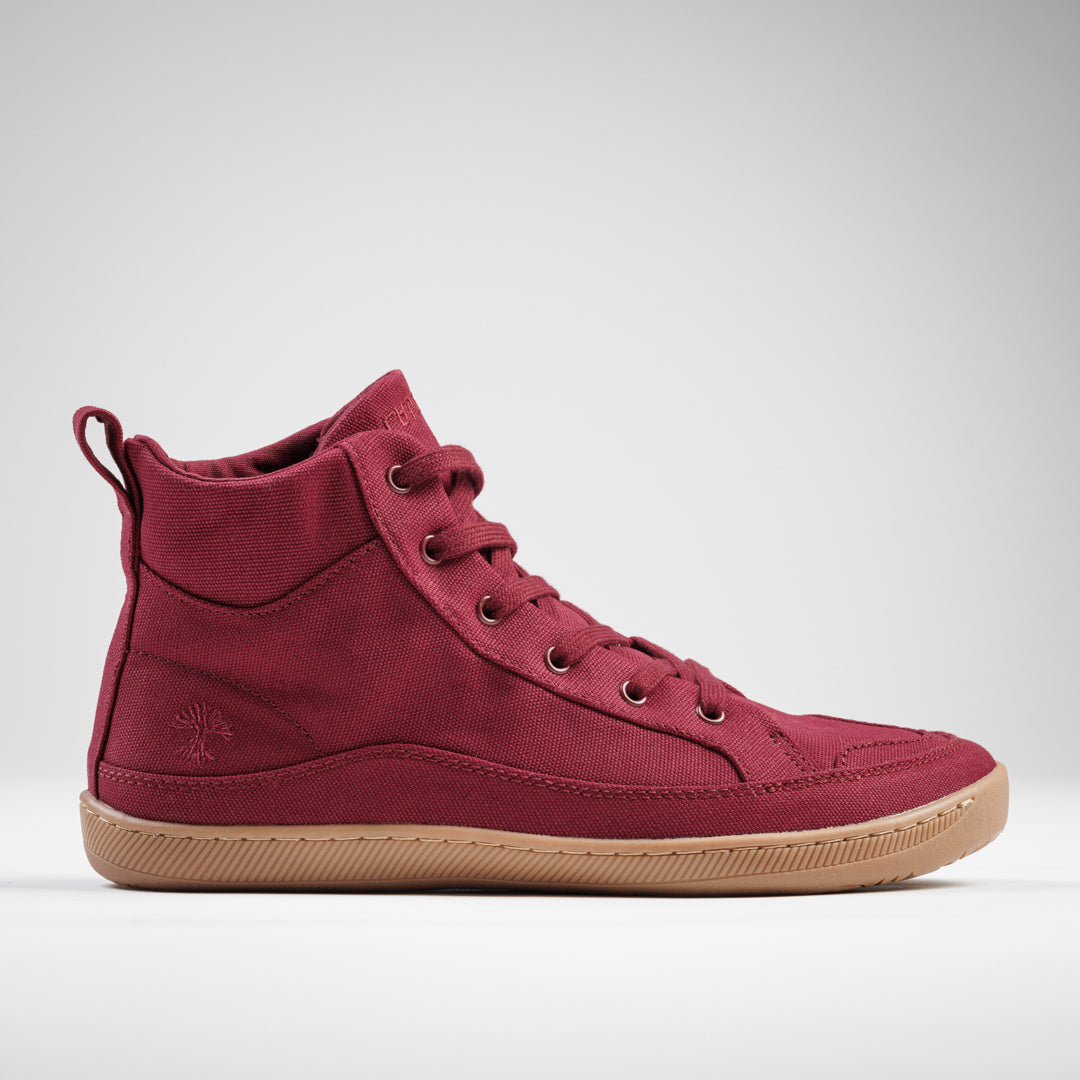
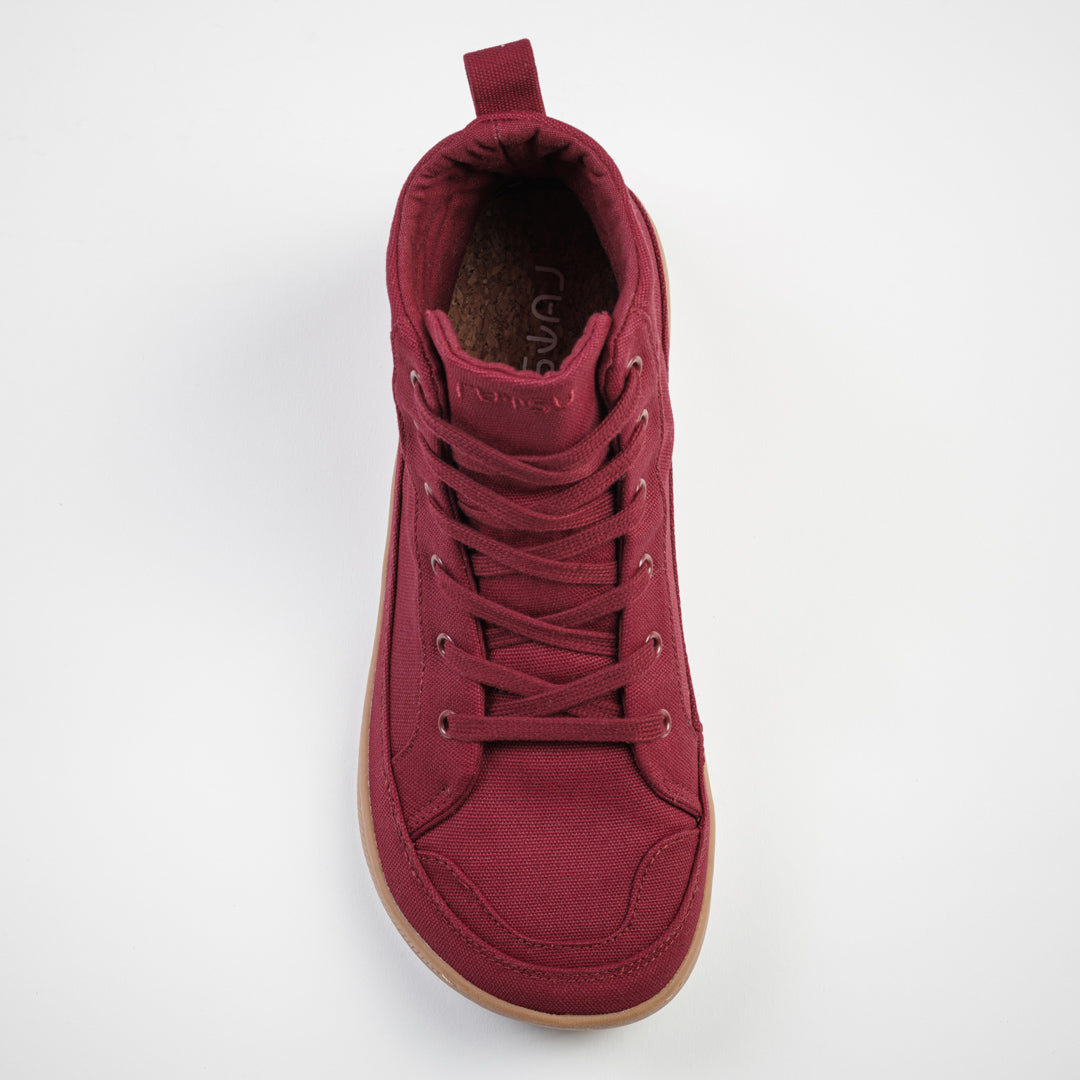
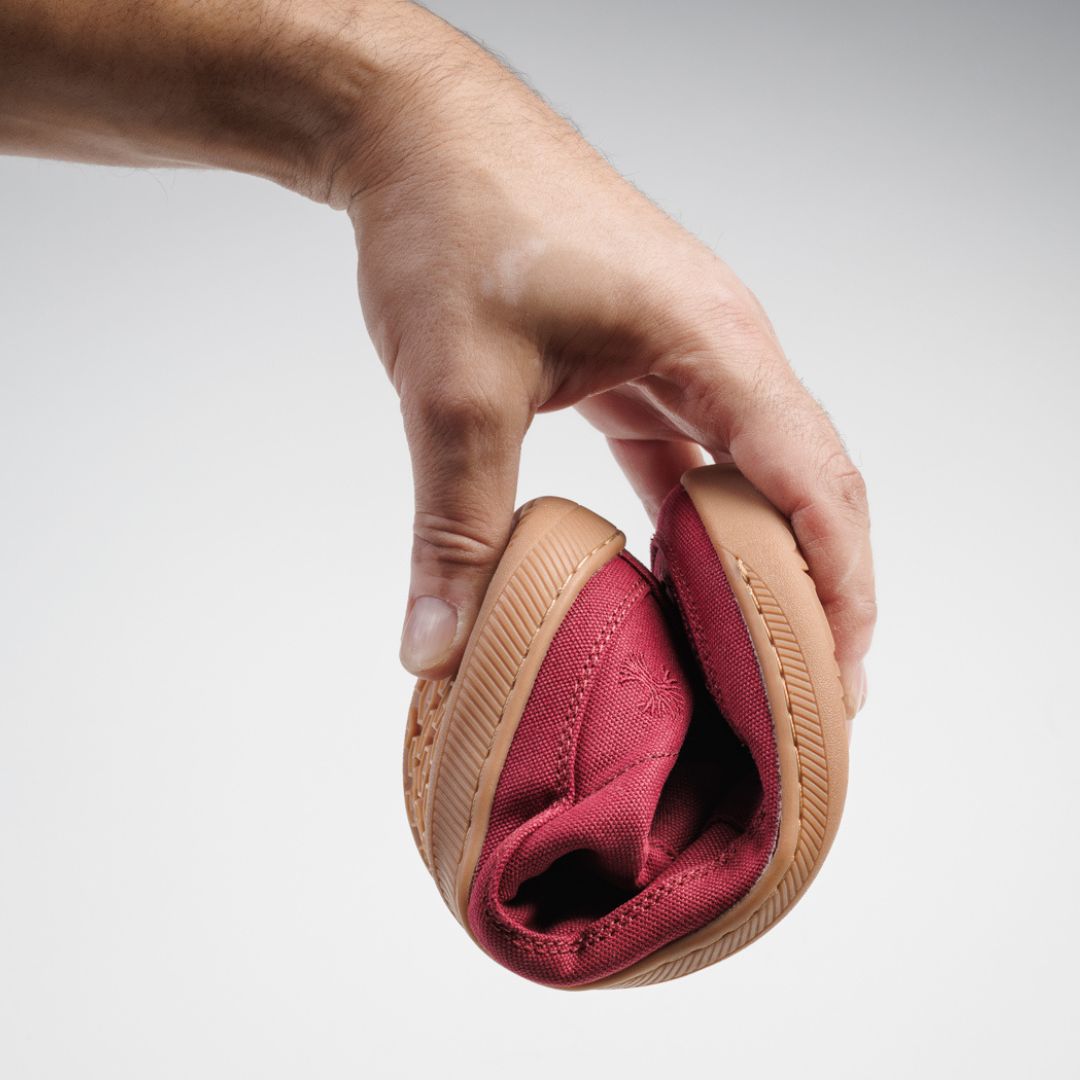
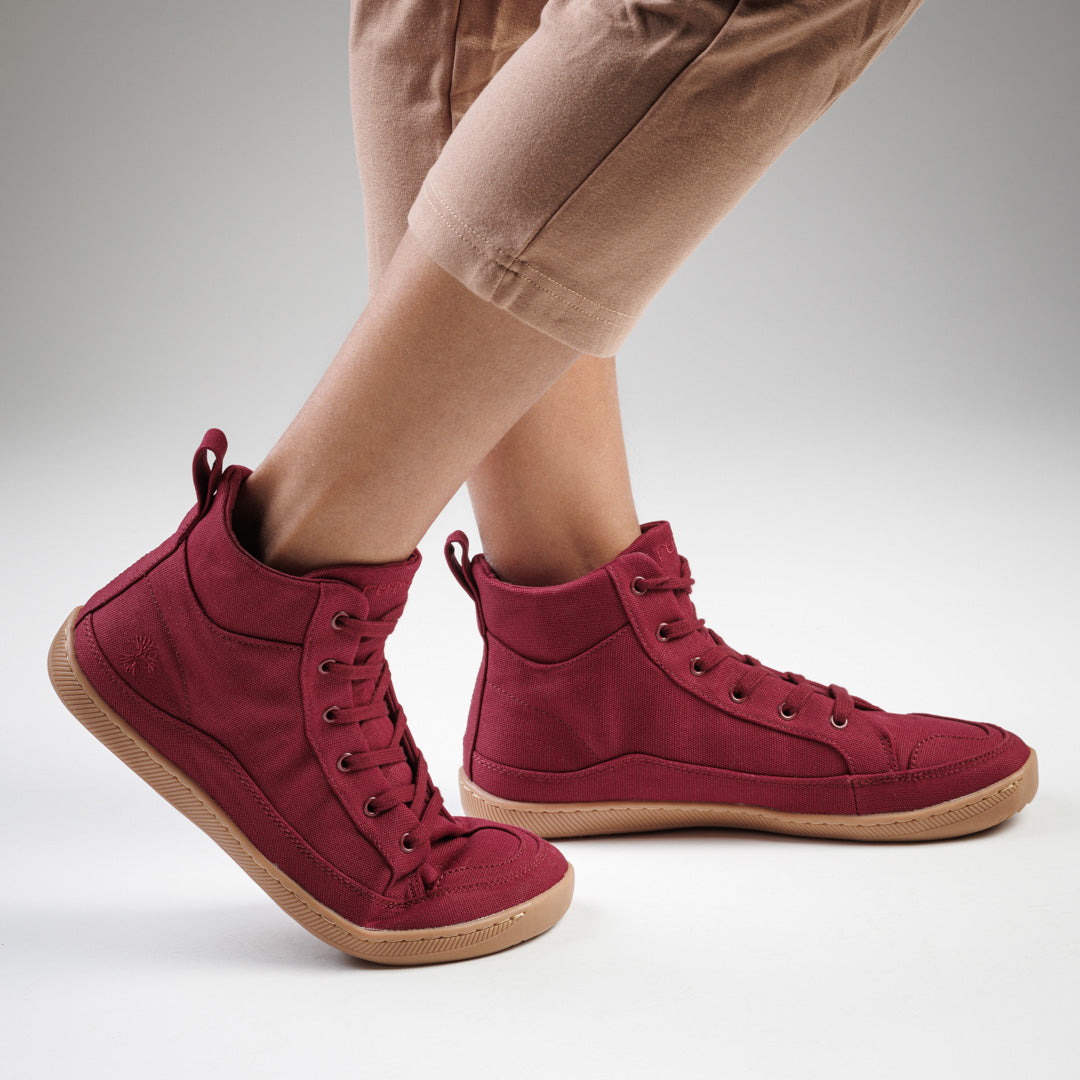
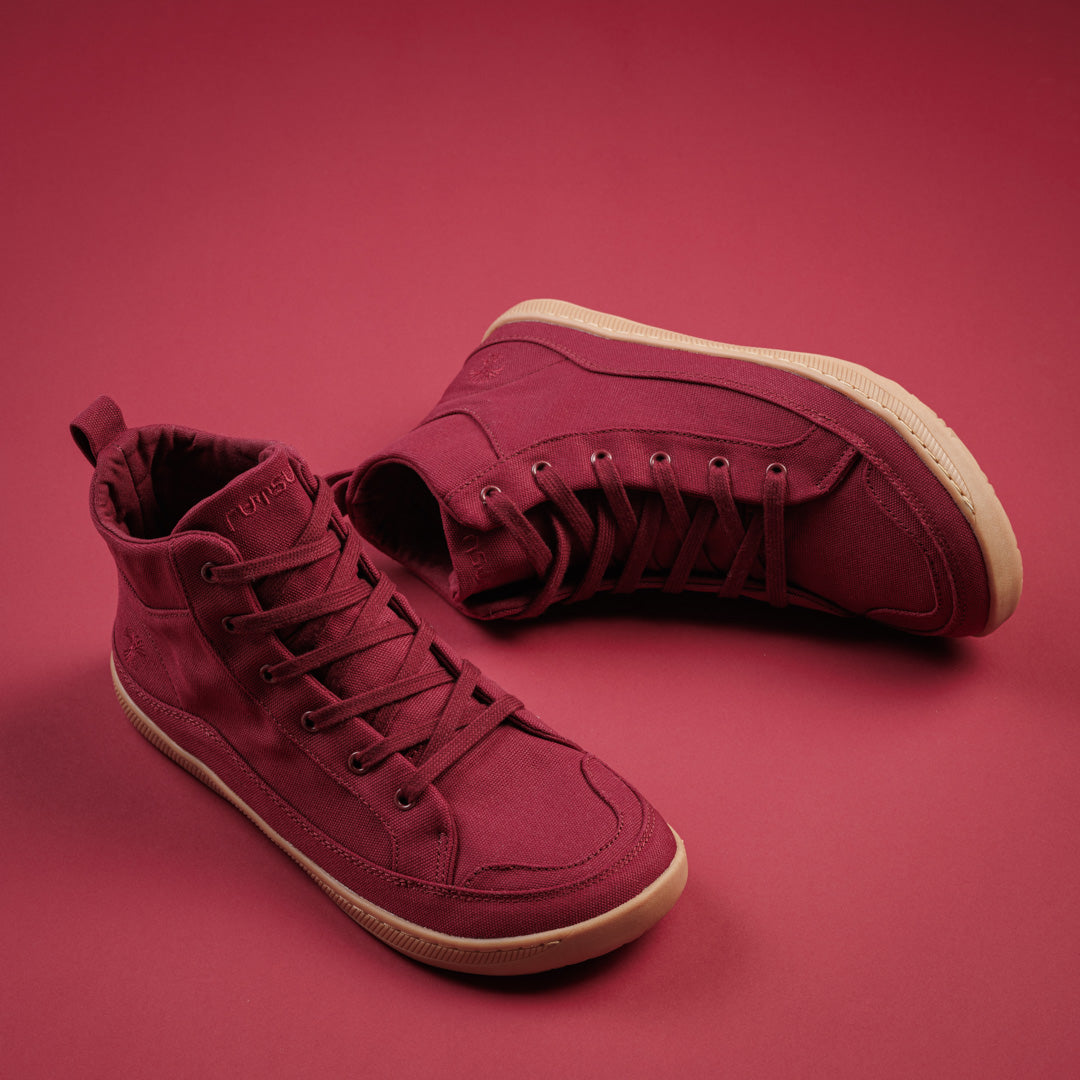
Barefoot shoes differ from the sneakers most of us grew up in. The sole is thin and bends easily, usually 3 to 8 millimeters. The front follows the shape of an actual foot, wide across the toes instead of tapering to a point. And the heel sits level with the forefoot, which is what people mean by "zero drop."
No arch support wedge. No motion control plastic. Your foot does the work, and the shoe just keeps the gravel out.
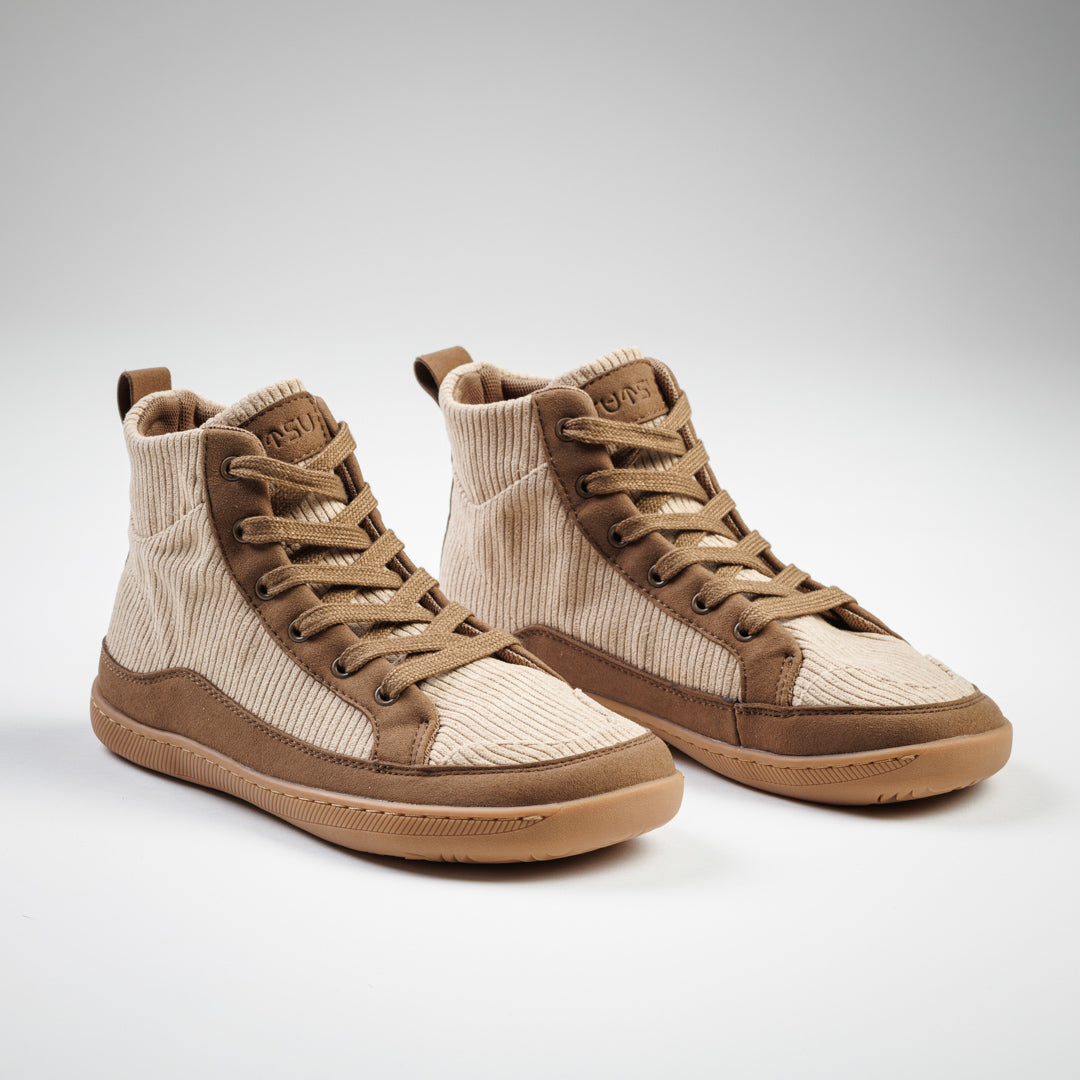
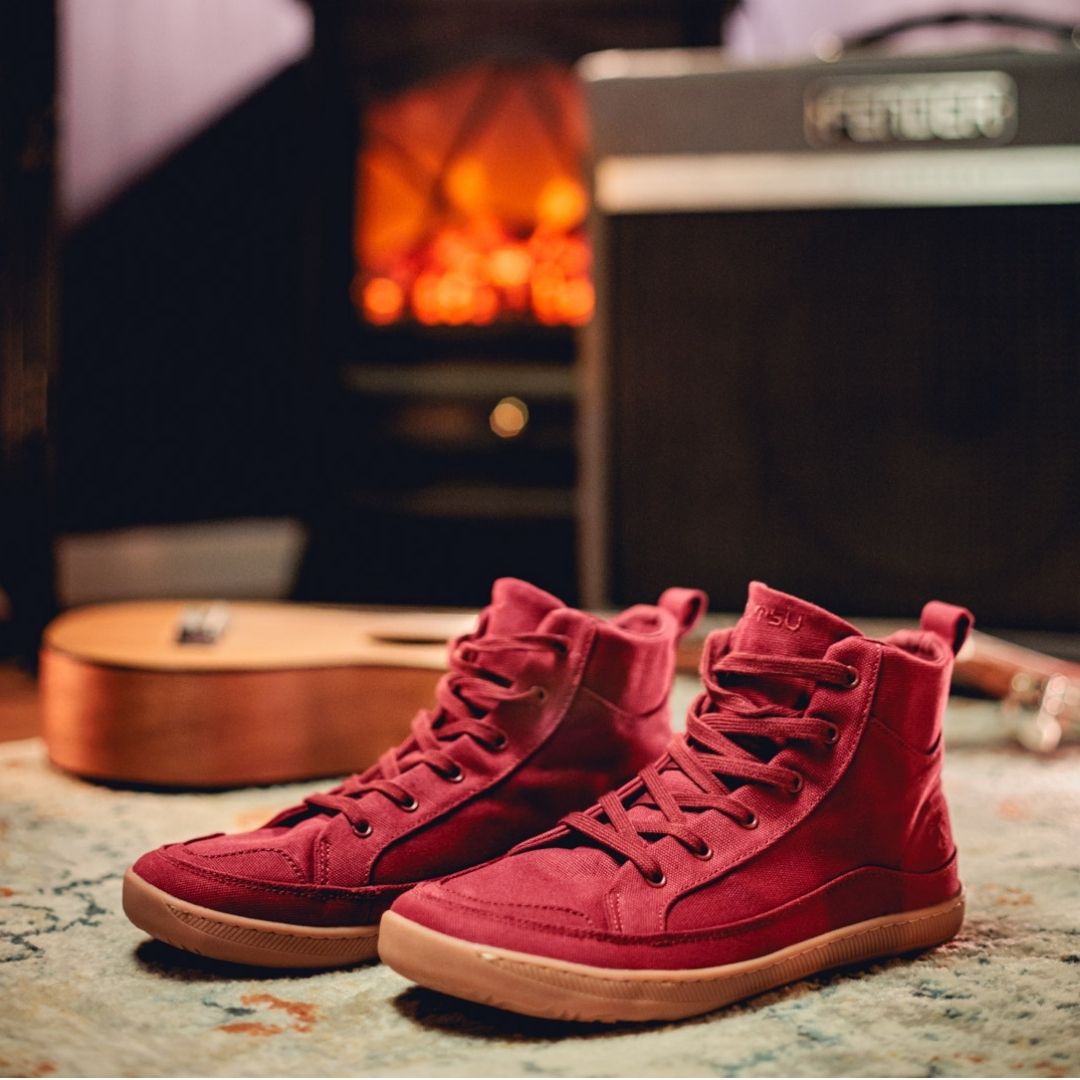
Rutsu Barefoot builds every pair on that idea. It's why our low-top barefoot shoes look wider at the front than almost anything on a shelf.
Signs You're Ready to Try Your First Pair of Barefoot Shoes
How do you know it's time? A few signals show up again and again.
Your toes feel squeezed by mid-afternoon. You kick your shoes off the second you get home. Maybe your feet spread out on sand last summer and you thought, hang on, that feels better.
Some people arrive here after knee or hip niggles that never quite settled. Others just got curious. Both are fine reasons.
One honest caveat. If you're managing a diagnosed foot condition, speak with a podiatrist first. Barefoot shoes aren't a treatment, and anyone selling them as one is overselling.
How to Choose the Right Barefoot Shoe Shape for Your Foot
Here's where most first-timers get it wrong.
Trace your bare foot on paper. Stand up while you do it, because feet spread under body weight. Then measure two things: the widest point across your toes, and heel to longest toe. Those numbers matter more than the size you've bought for years.
Wide forefoot, narrow heel? You'll want a tapered heel cup so your foot doesn't slide. High instep? Check the laces run far enough down toward the toes.
Millimeters count. A pair 2mm too narrow will irritate you daily, and you'll quietly stop wearing it by week three.
Best Barefoot Shoe Brands for First-Time Buyers in 2026
Rather than hand you a ranked list that goes stale by autumn, here's what separates a beginner-friendly brand from one that'll frustrate you.
Look for published last widths, not just shoe sizes. Look for a real return window, since your first pair involves guesswork. And look for a range covering casual, walking and warm weather, so you're not restarting the search in June.
Vegan materials matter to plenty of first-time buyers too. Rutsu Barefoot uses them across the full catalog, including our barefoot sandals for the months when a closed shoe feels like too much.
Whichever brand you pick, buy from somewhere willing to take the shoe back.
The Transition Plan: How to Go From Cushioned Shoes to Barefoot Safely
Go slow. Slower than you think you need to.
Week one: an hour a day, indoors or on short errands. Week two: two hours, plus a walk around the block. Weeks three and four: build toward half a day if nothing aches.
Your calves and the small muscles inside your feet have been on holiday for decades. They will complain. Mild soreness after a longer walk is normal; sharp pain in the heel or across the top of the foot means back off for a few days.
Runners, listen up. Don't take your first pair out for a 5K. Walk in them for a month, then start at roughly 10 percent of your usual mileage.
Some people find transition insoles useful early on, adding a small buffer while the feet catch up.
First Barefoot Shoes for Walking vs. Running vs. Casual Wear
Three uses, three different priorities.
For walking, you want grip and a sole around 5 to 7mm. Enough to handle sidewalks without turning every pebble into an event.
For running, low weight and flexibility win. Most beginners shouldn't start here at all. If you're set on it, pick a grippier outsole and treat month one to three as training for your feet, not for a race.
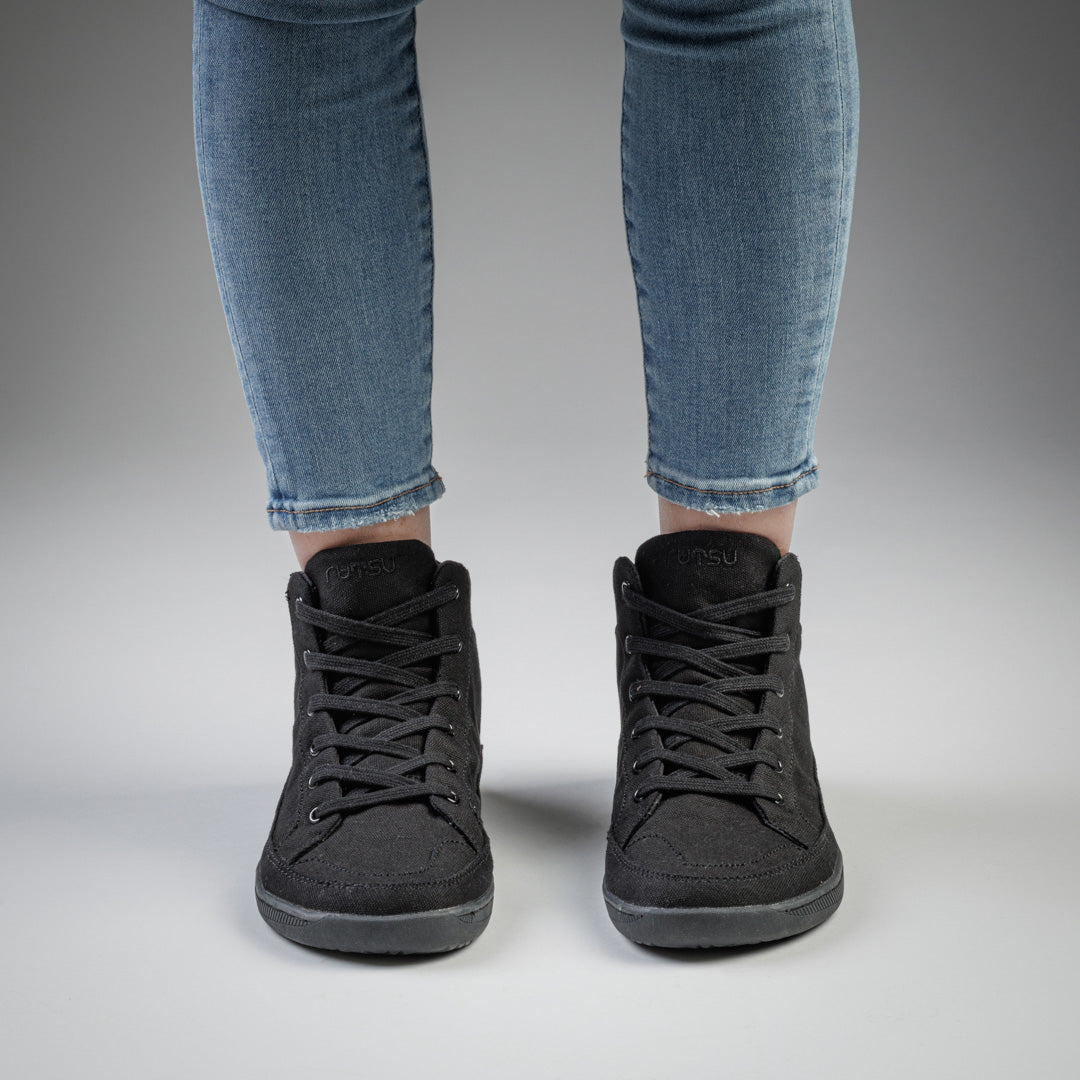
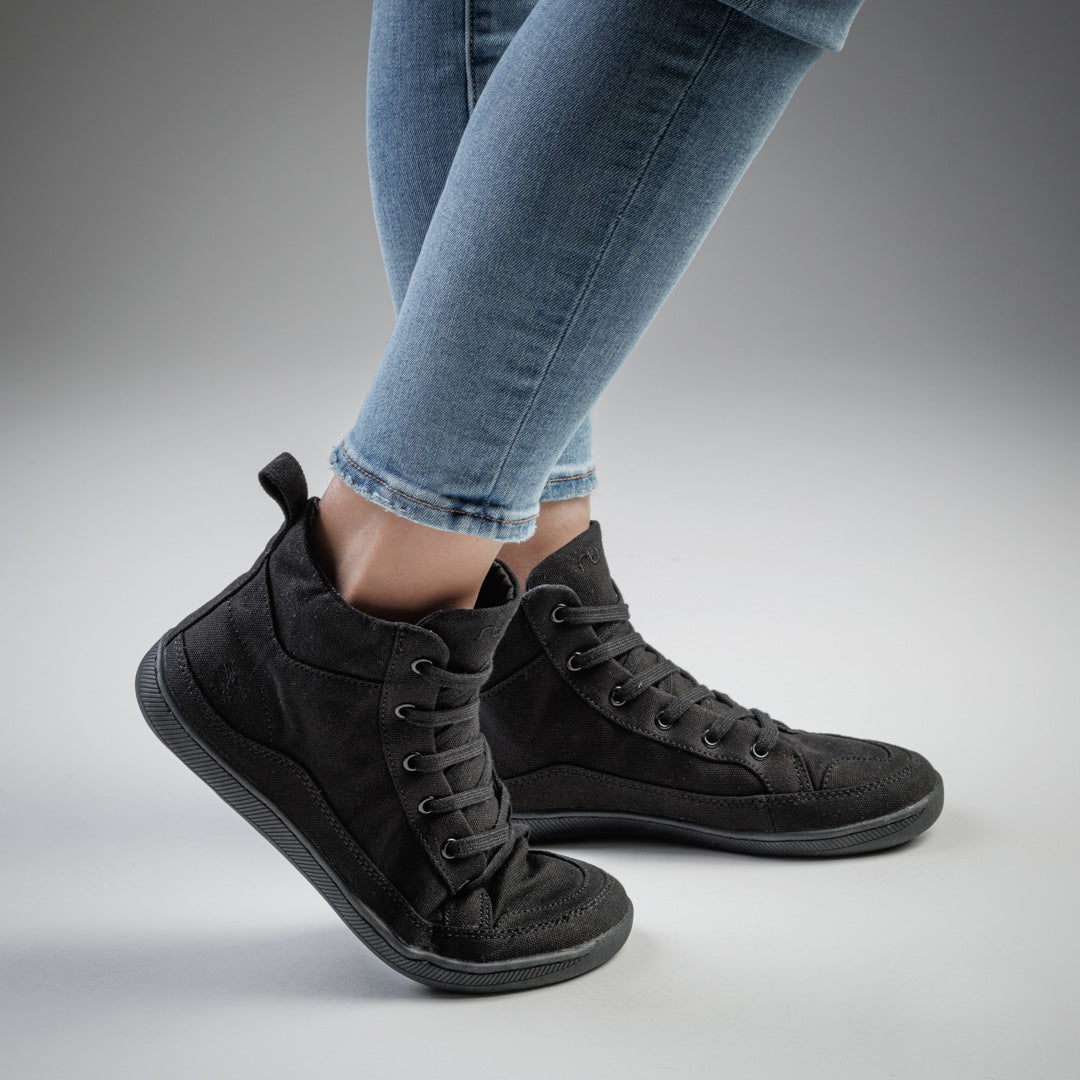
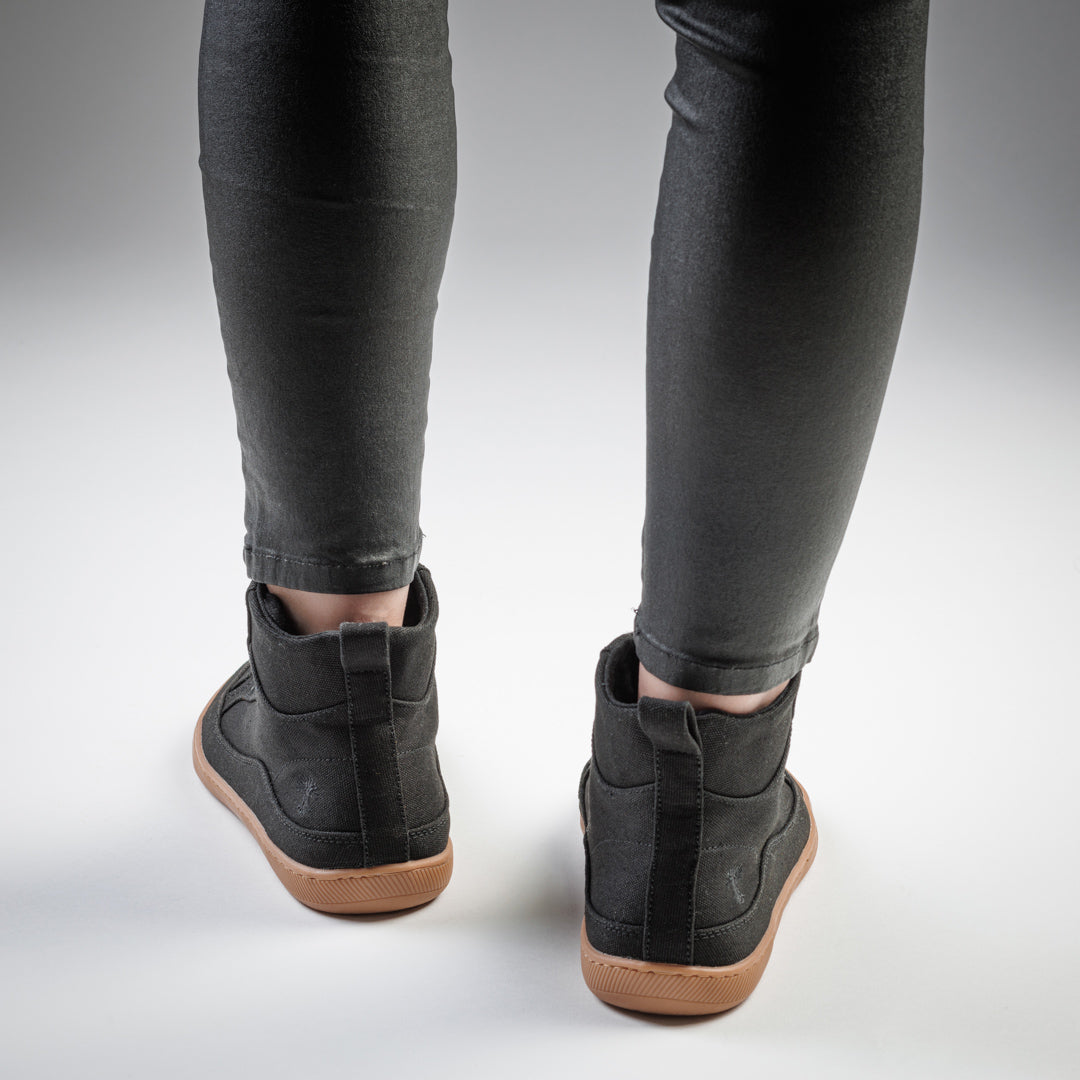
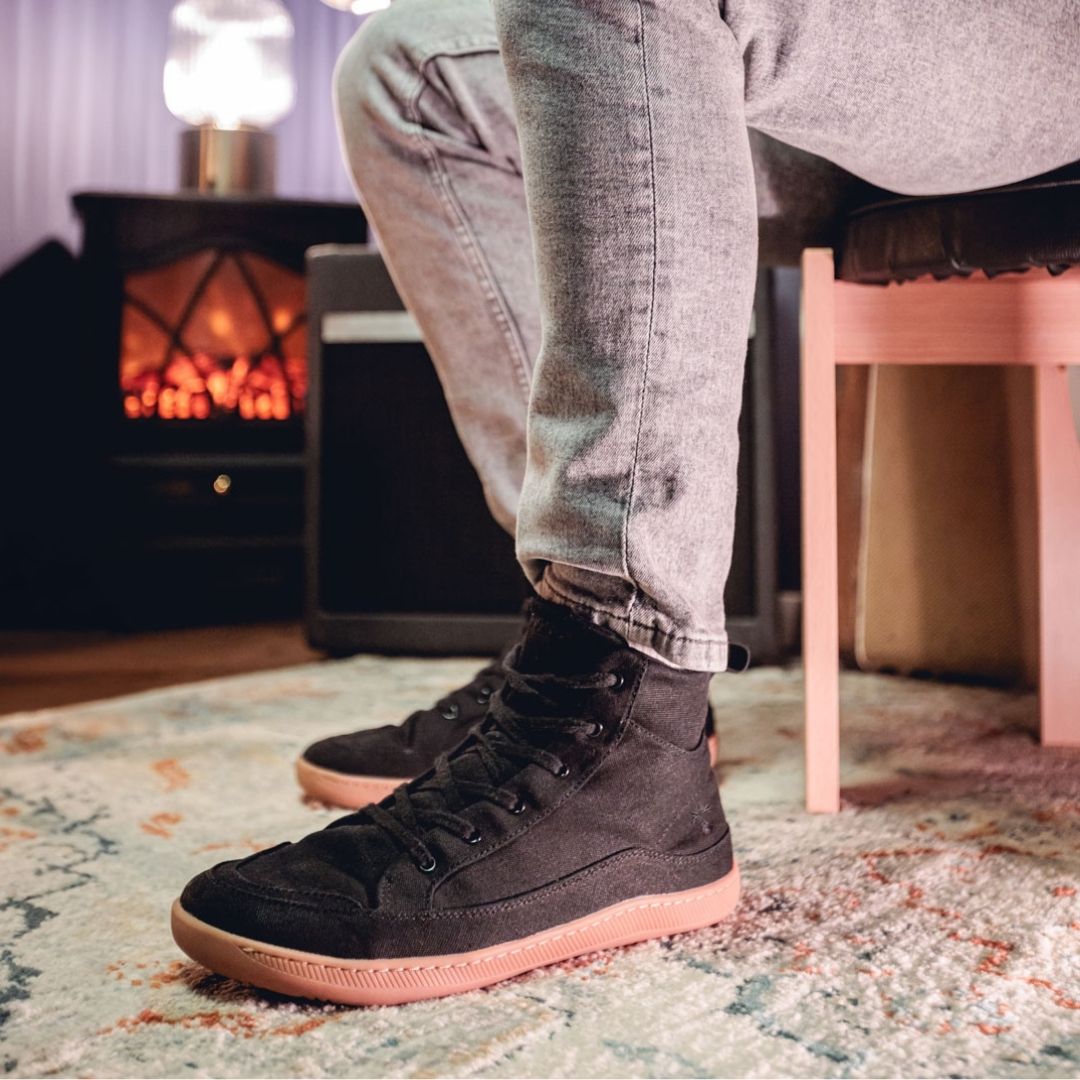
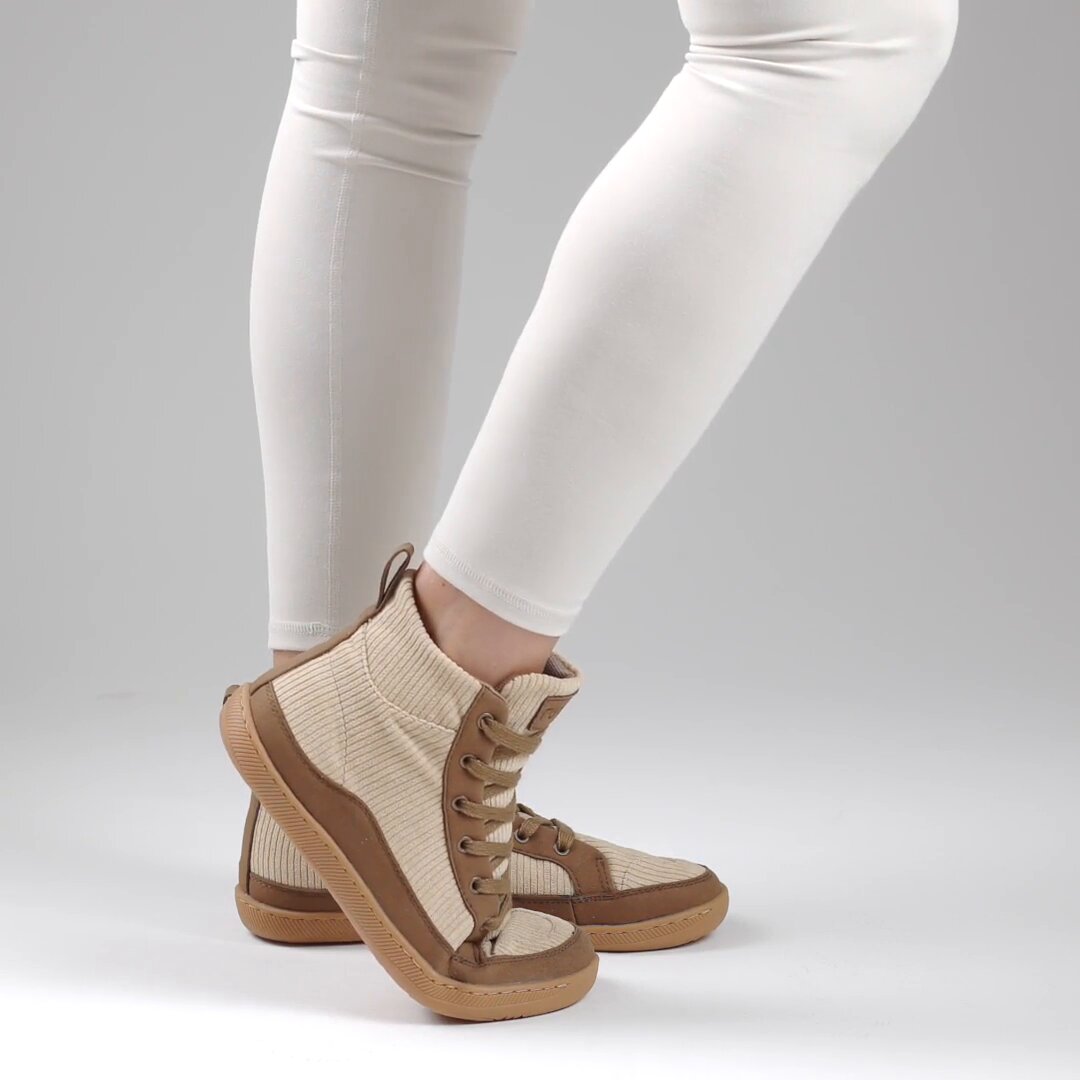
For casual wear, comfort and looks decide it. A low-top you'd happily wear to the office is the pair you'll actually keep on. Hours on your feet drive the adaptation.
One everyday pair beats buying three at once. Trust me on that one.
How Much Should You Spend on Your First Pair of Barefoot Shoes?
Expect $70 to $180 for a solid pair. Below that, outsoles wear through fast. Above it, you're often paying for premium materials rather than better function.
Here's what nobody tells beginners: the expensive pair isn't automatically the right pair. Fit beats price. A $90 shoe matching your foot shape beats a $200 one that pinches your little toe.
Tight budget? Look for last-season colorways or a clearance page. Same last, same sole, smaller number on the tag.
The Most Common First-Timer Mistakes and How to Avoid Them
Mistake one: too much, too soon. Covered already, but it's easily the biggest.
Mistake two: ordering your usual size. Barefoot brands size differently, and many people end up going up. Measure, don't guess.
Mistake three: expecting the shoe to fix something. Barefoot footwear may support better foot mechanics over time, though research remains limited and results vary between people. It isn't a cure.
Mistake four? Wearing them on weekends only. Adaptation comes from consistent hours, not one heroic Sunday hike.
And the last one: quitting in week two, right when soreness peaks and just before it fades.
How Your Feet, Posture and Gait Will Change After Switching to Barefoot Shoes
Changes arrive slowly, and they're subtle at first.
Many people report their toes splaying wider within a couple of months. Old shoes start feeling tight across the front. A strange but satisfying problem to have.
Your stride may shorten slightly. Some walkers find they land softer, closer to the midfoot than the heel. This varies a lot, and the evidence on injury risk stays thin.
Posture is what people mention most. Standing level, without a raised heel tipping you forward, tends to change how you carry your weight. Whether that means less back or knee discomfort is still an open question, and anecdotal reports are mixed.
Give it six months before you judge the results.
Ready to Start?
Choosing your first barefoot shoes comes down to three things: a toe box matching your actual foot, a sole thin enough to feel the ground, and the patience to build up slowly.
That's it. No secret formula.
If you're ready, measure your foot, then browse the Rutsu Barefoot low-top range and order by your numbers. Your feet have waited long enough.
FAQs
Can You Wear Barefoot Shoes if You Have Wide or Flat Feet?
Wide feet usually do better in barefoot shoes than in conventional ones, since the toe box allows spread. Flat feet are more individual. Some people find level, flexible soles comfortable and others don't, so check with a podiatrist if you have pain.
How Long Does It Take for Your Feet to Adjust to Barefoot Shoes?
Most people need four to twelve weeks before daily walking feels normal. Running takes longer, often six months or more. Go by how your feet respond, not by the calendar.
Are Barefoot Shoes Safe to Wear on Pavement and Hard Surfaces?
Yes, with a sensible build-up. Concrete feels unforgiving at first, so start with short walks and a slightly thicker sole. Feet adapt to hard ground gradually, like they adapt to anything else.
Should Your First Barefoot Shoes Have Some Cushioning or Zero Drop?
Zero drop is the whole point, so don't compromise there. A slightly thicker sole, around 6 to 8mm, is a reasonable starting place if you feel nervous. Go thinner later once your feet are ready.
Can Kids and Teenagers Wear Barefoot Shoes as Their First Footwear?
Growing feet generally benefit from room to spread, and many parents start children in wide, flexible shoes early. Kids adapt faster than adults too. Check the fit every few months, because feet grow quickly.
What Is the Difference Between Barefoot Shoes and Minimalist Shoes?
Barefoot shoes are zero drop, wide and flexible with no arch support built in. Minimalist shoes cover a broader category that may include a small heel drop or light cushioning. Every barefoot shoe is minimalist, but not every minimalist shoe is barefoot.