

Thinking about barefoot hiking shoes for your next trail? Good. But let's be honest about what you're signing up for first.
Barefoot hiking asks your feet to do work that regular boots have been doing for you your whole life. That's not a bad thing. It's just a real adjustment, and skipping the adjustment is how people end up sidelined. Here's what actually happens to your feet, and how to pick the right pair by terrain. We'll also cover where barefoot shoes for hiking make sense, and where they don't.
Why Barefoot Hiking Shoes Are Fundamentally Different From Regular Trail Shoes
Regular hiking boots stack rigid soles, ankle support, and thick padding between you and the ground. Barefoot hiking shoes strip most of that away. On purpose.
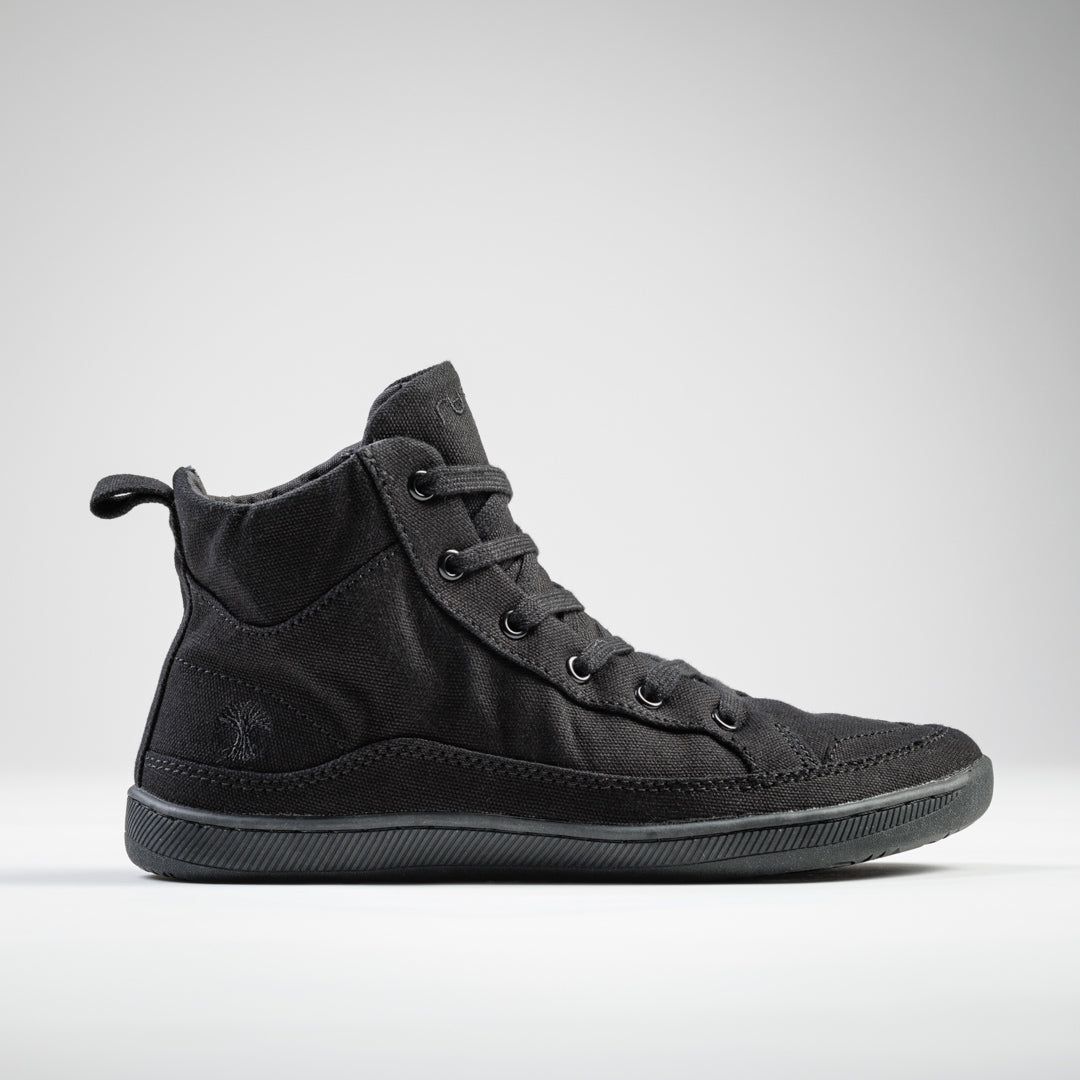
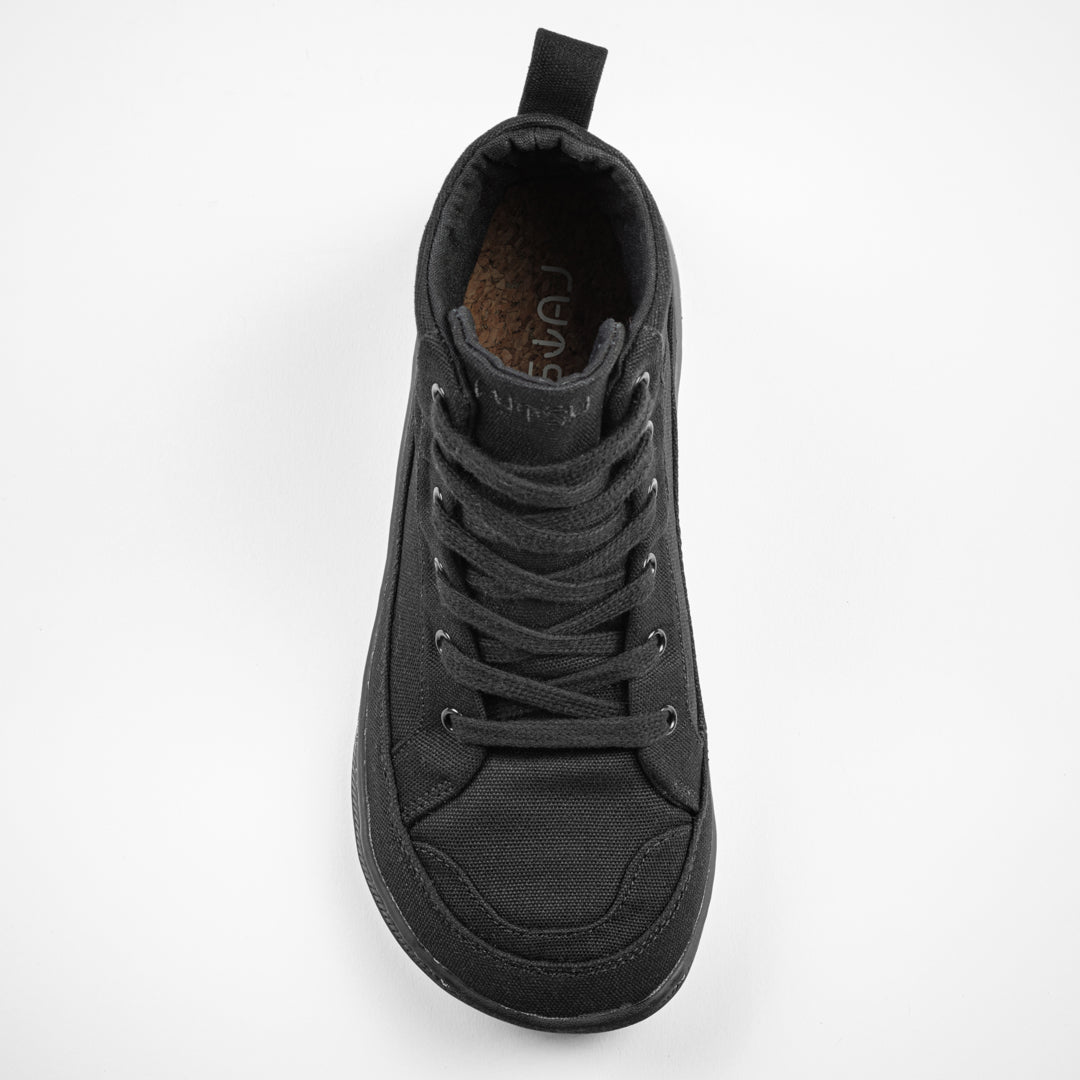
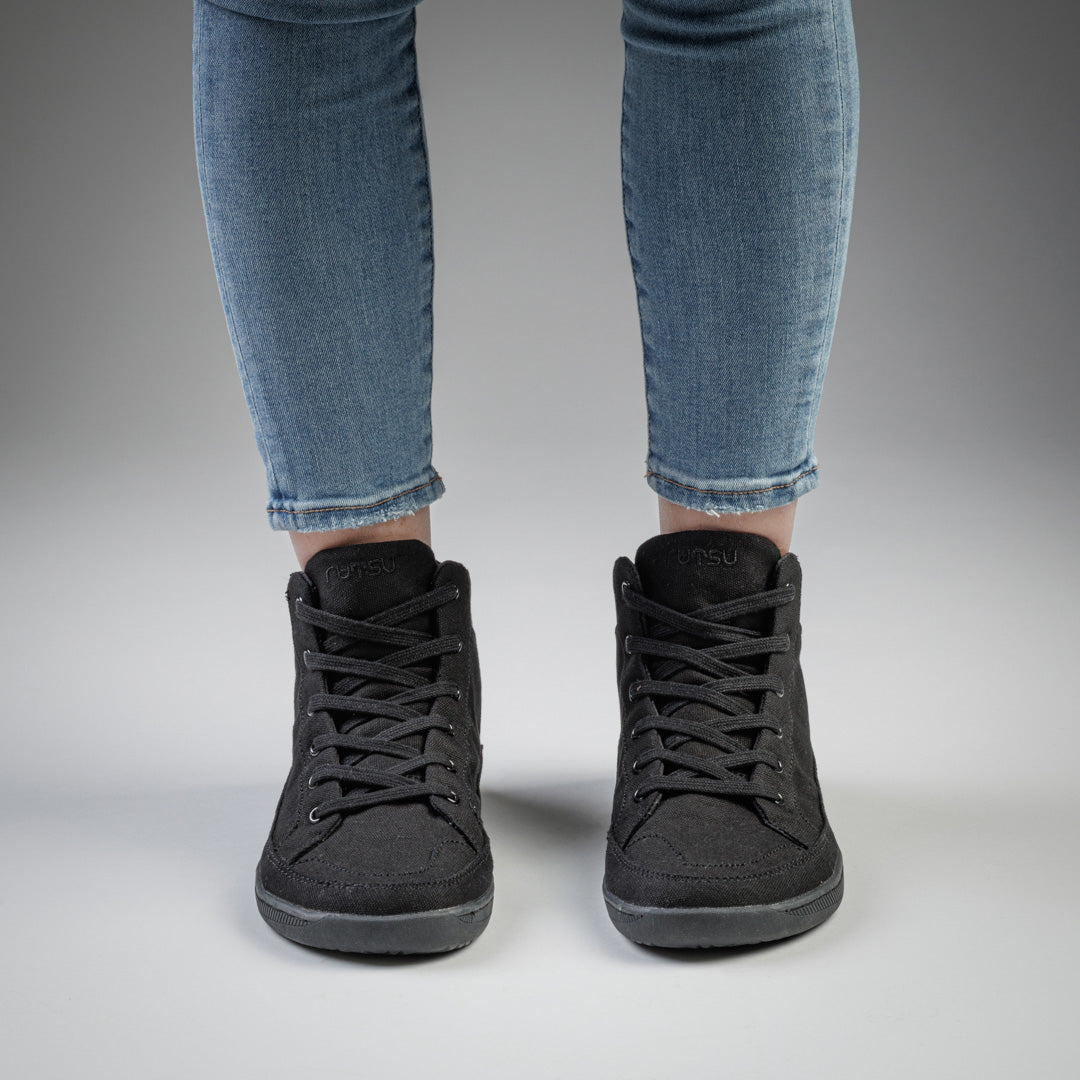
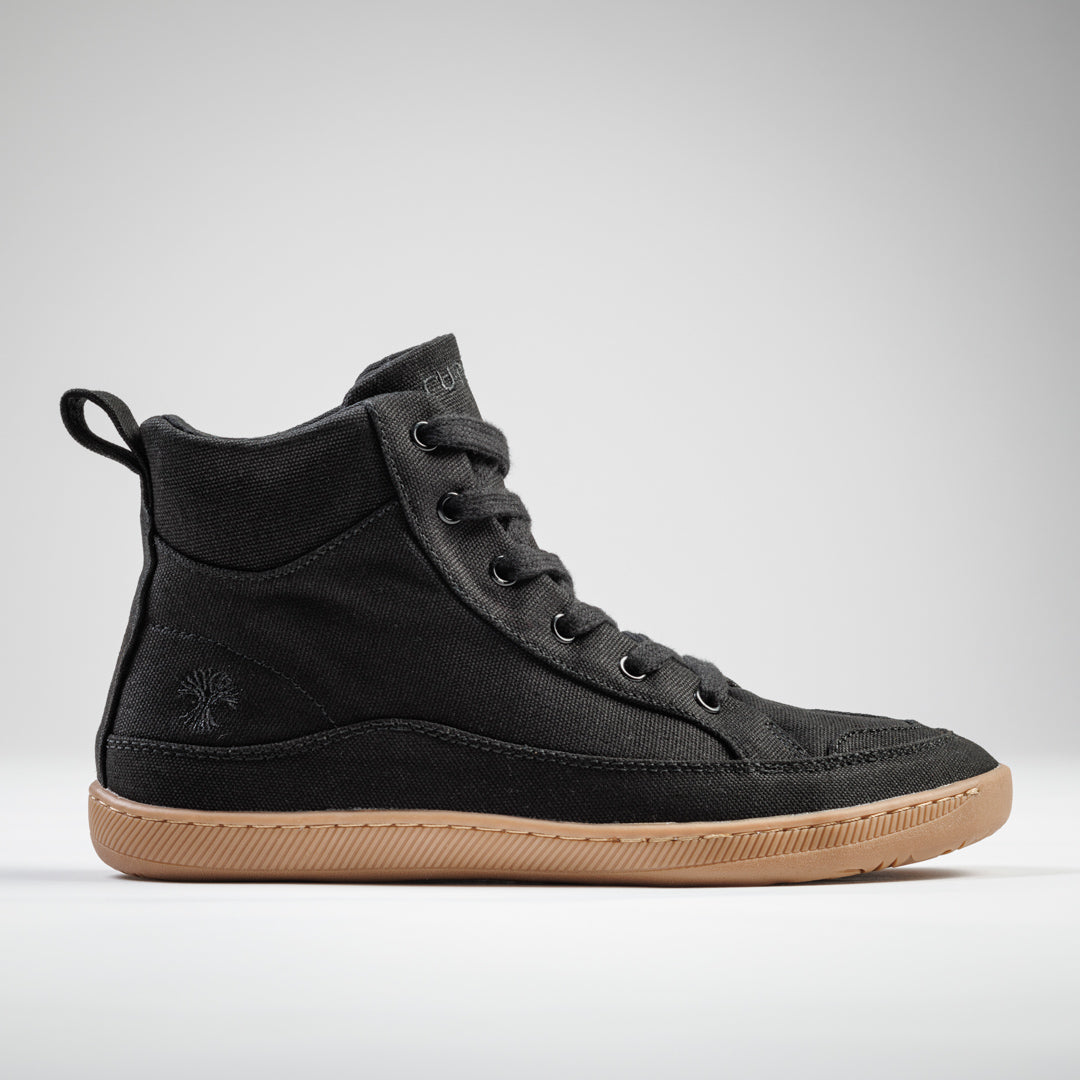
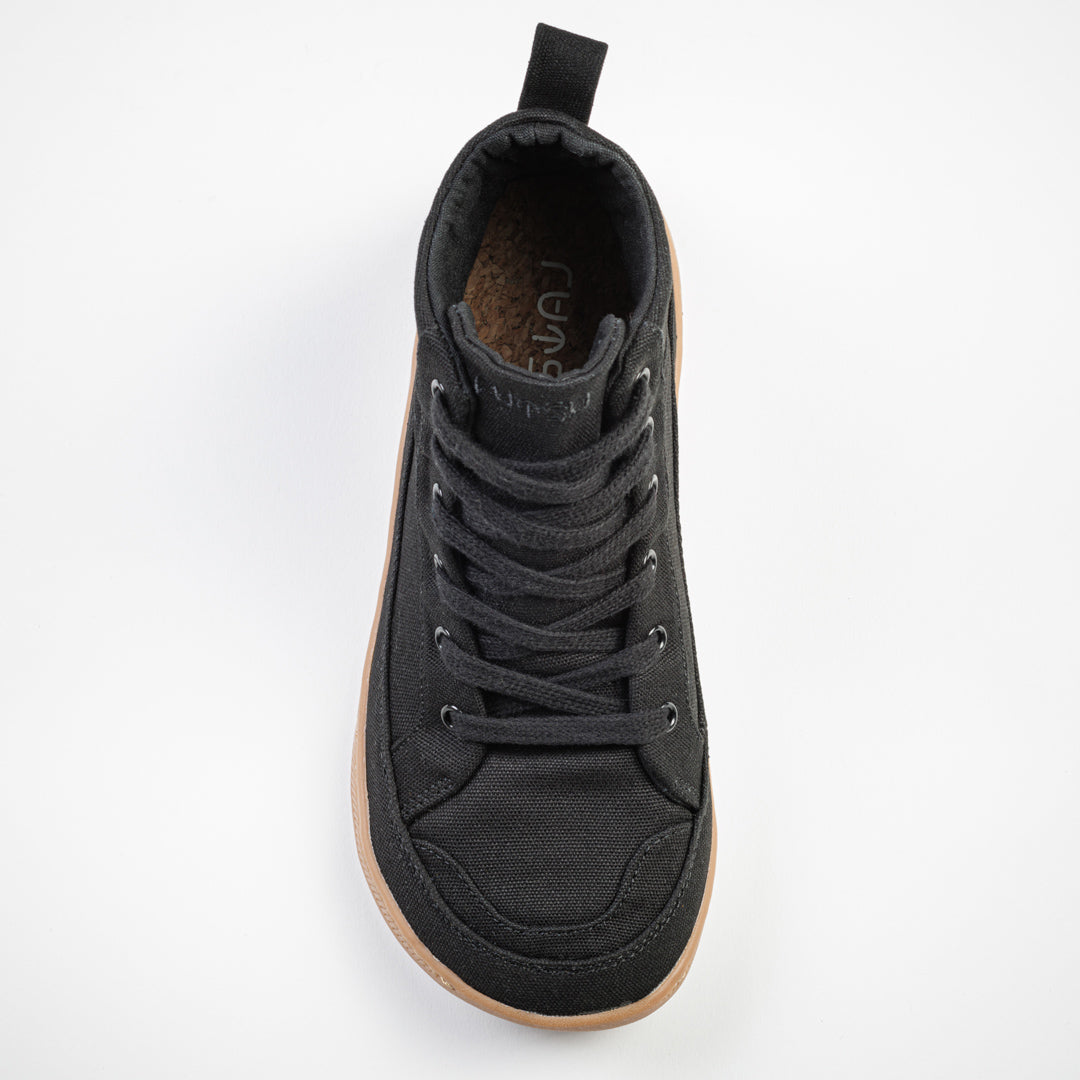
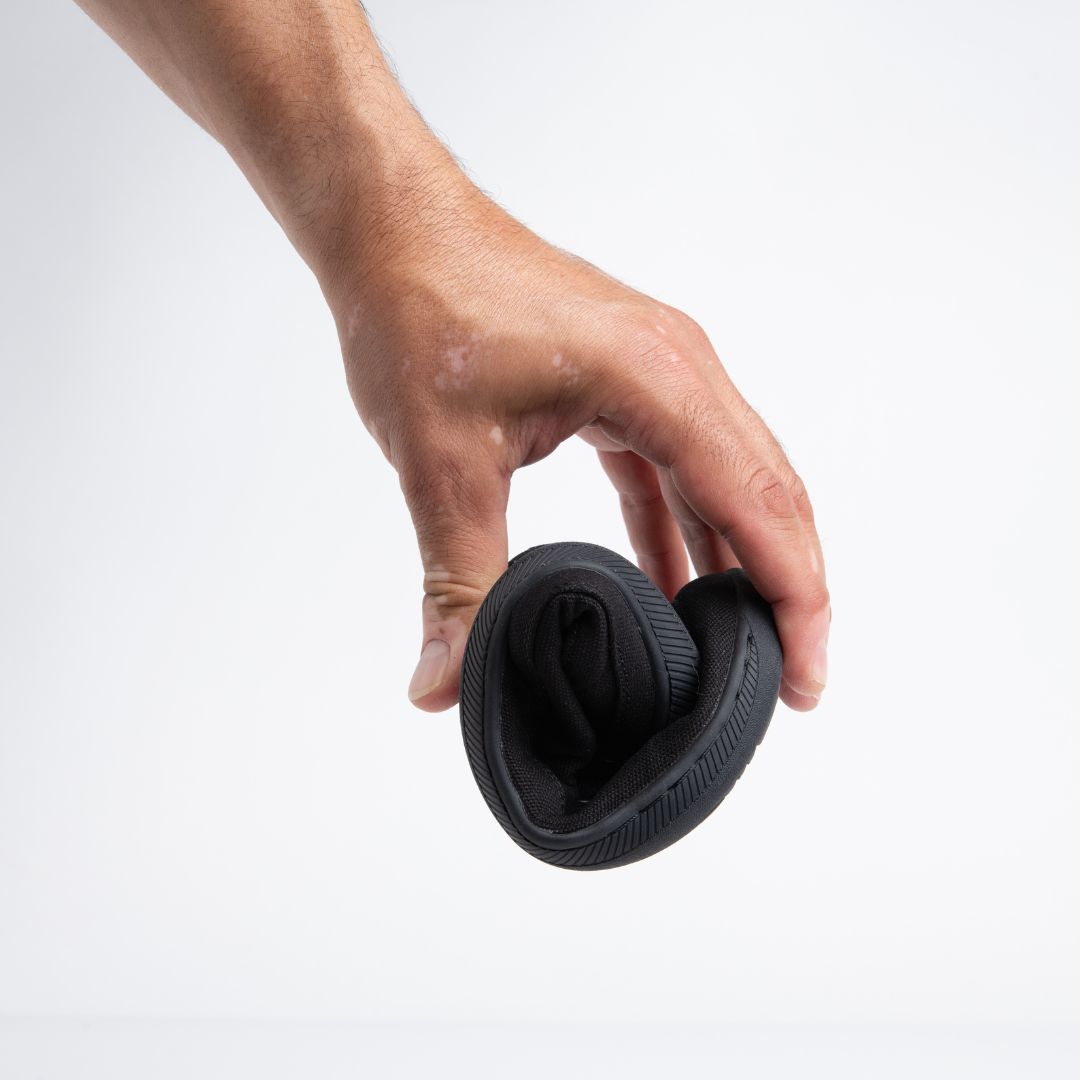
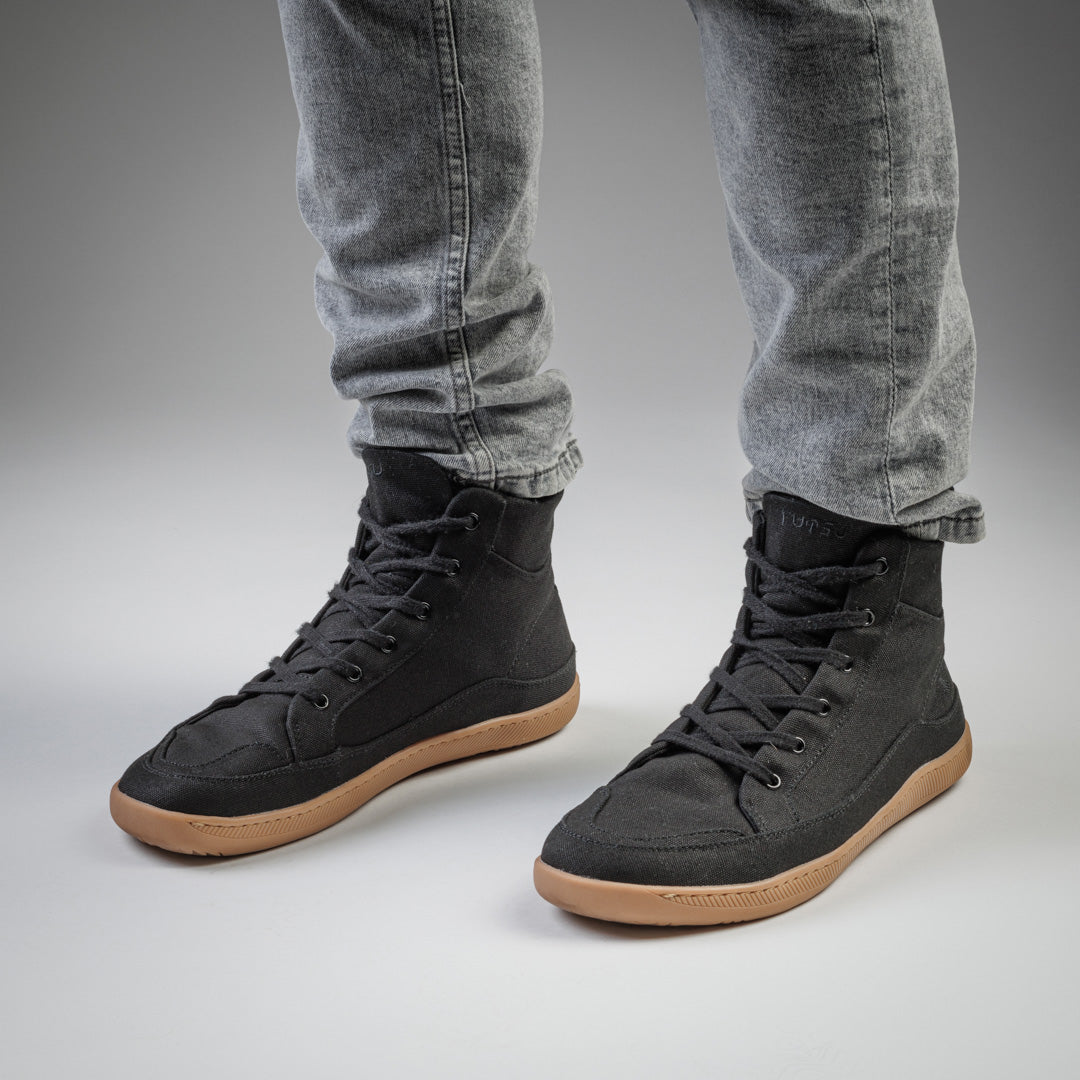
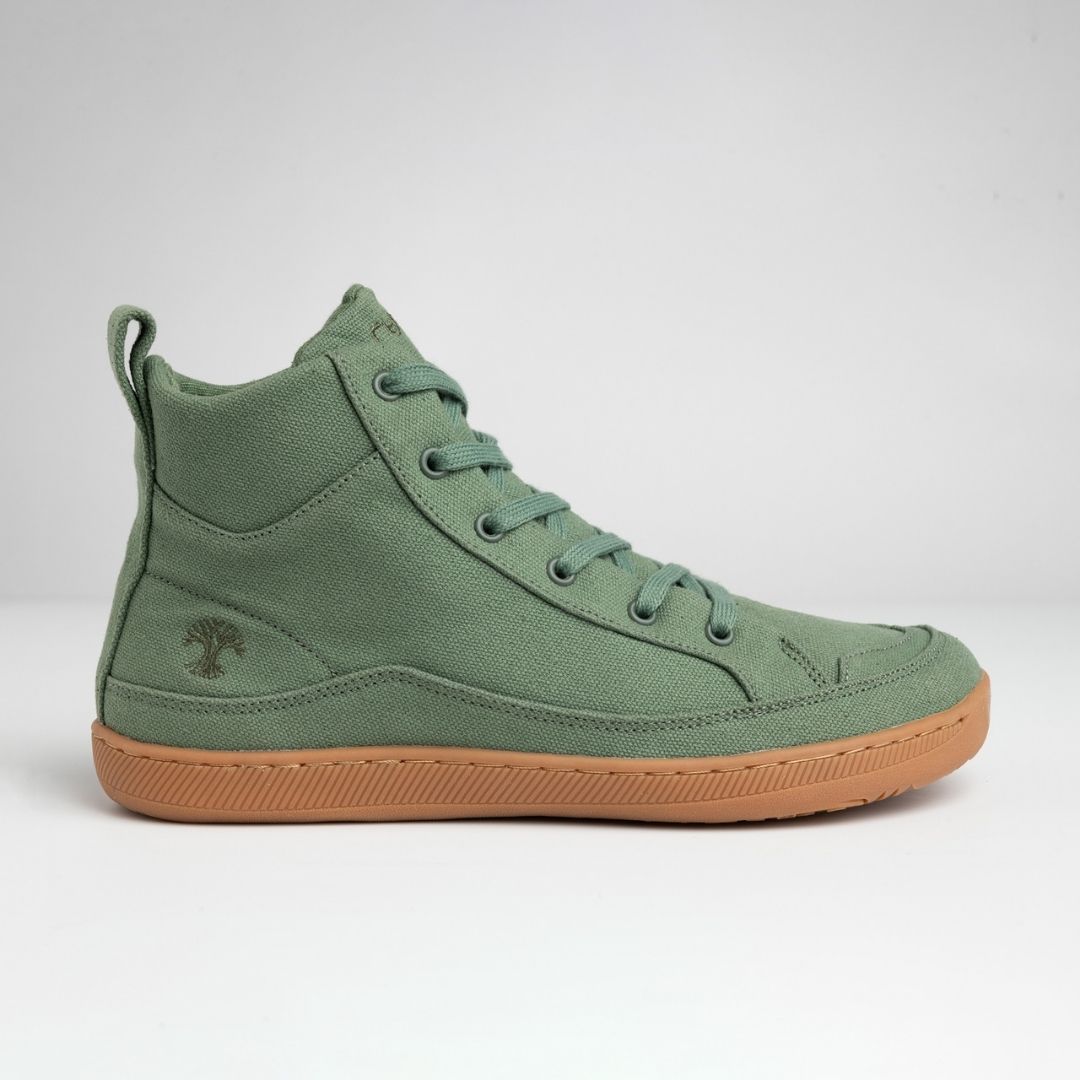
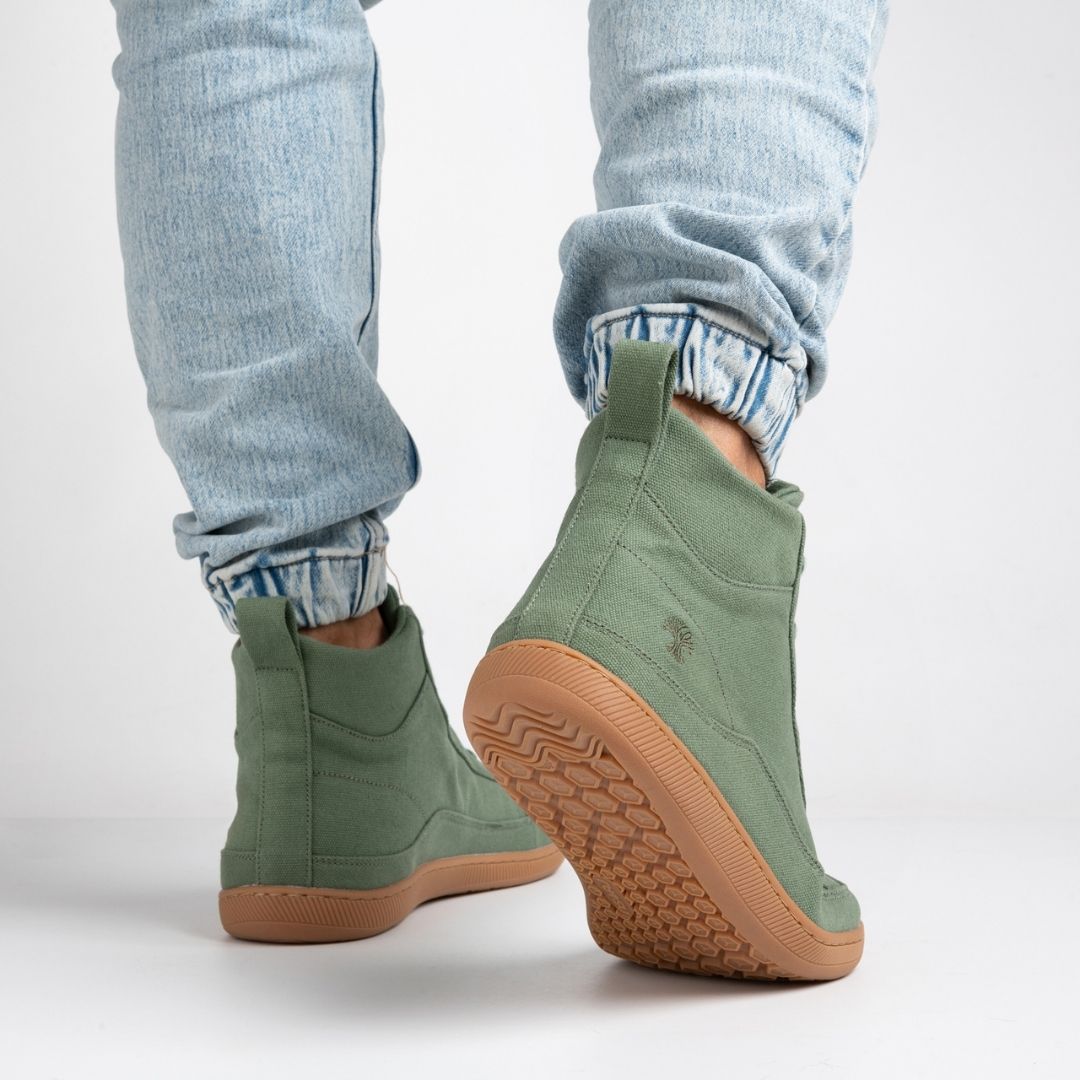
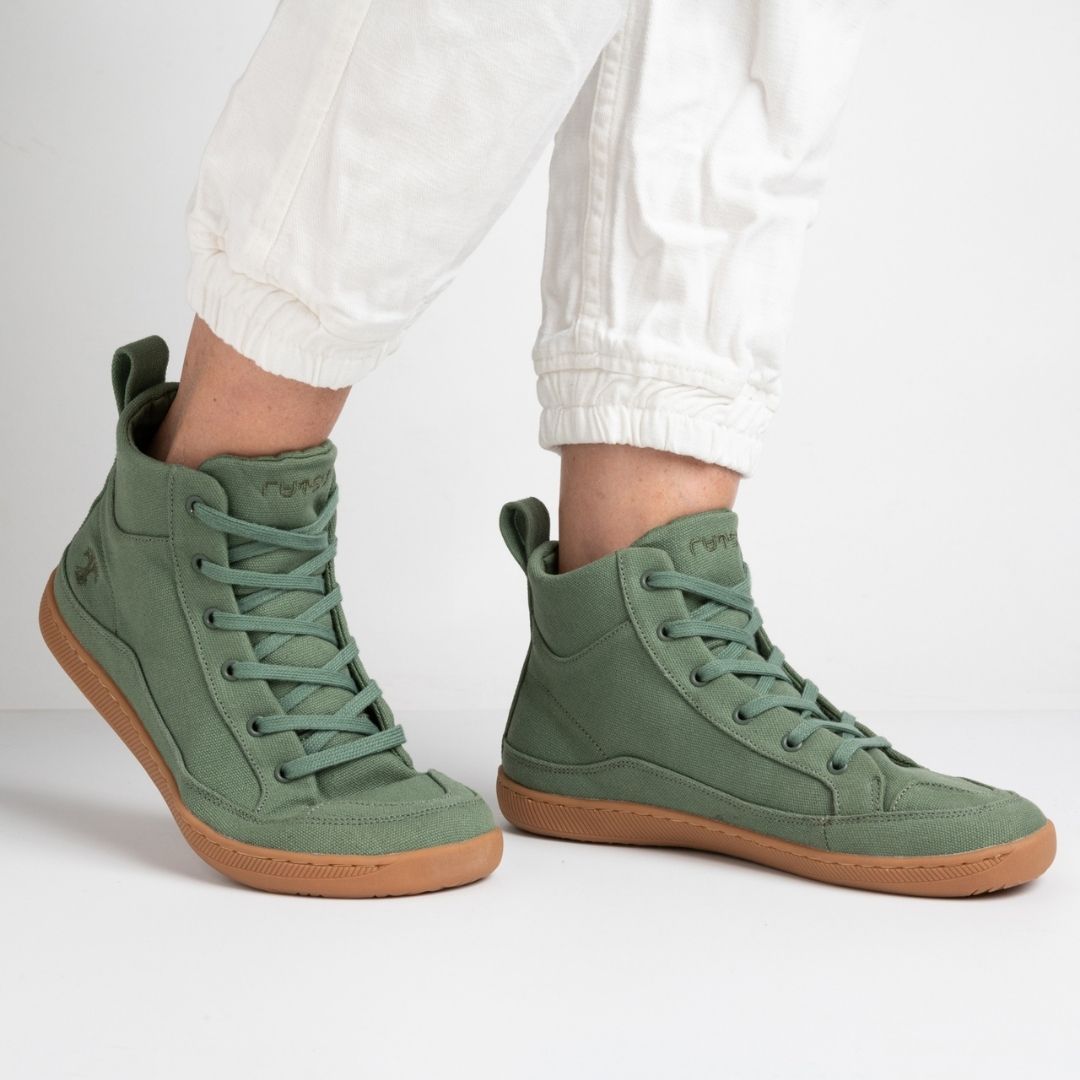
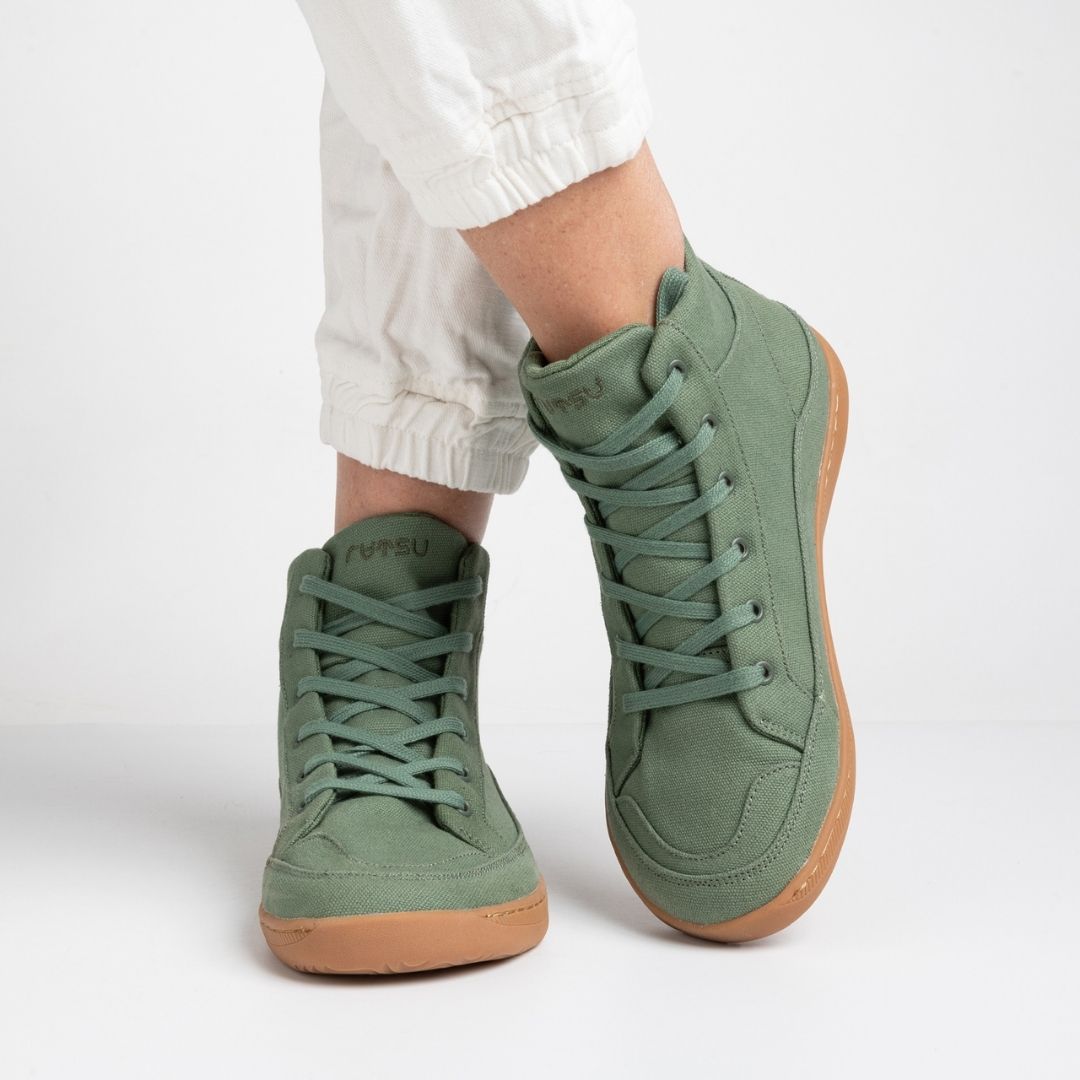
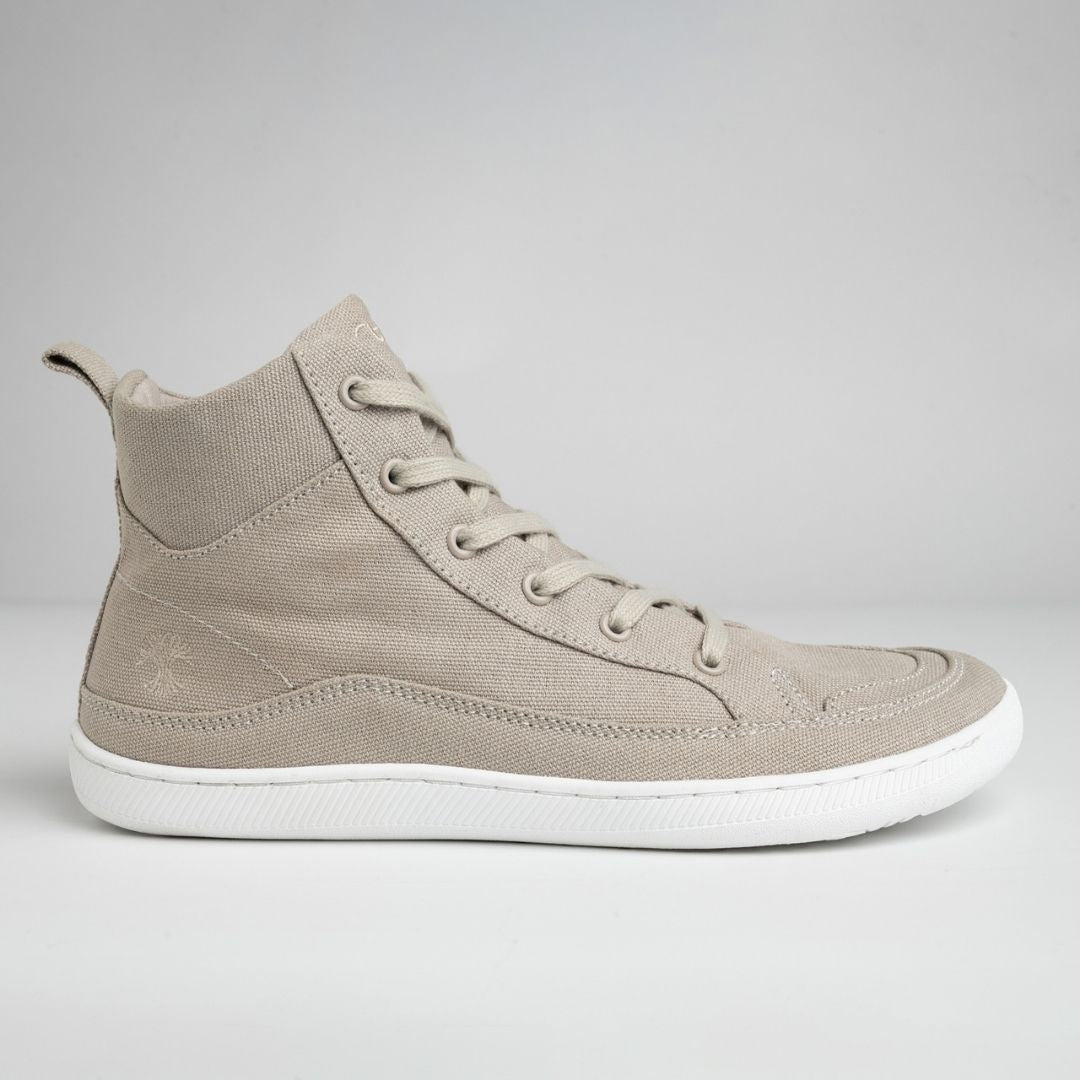
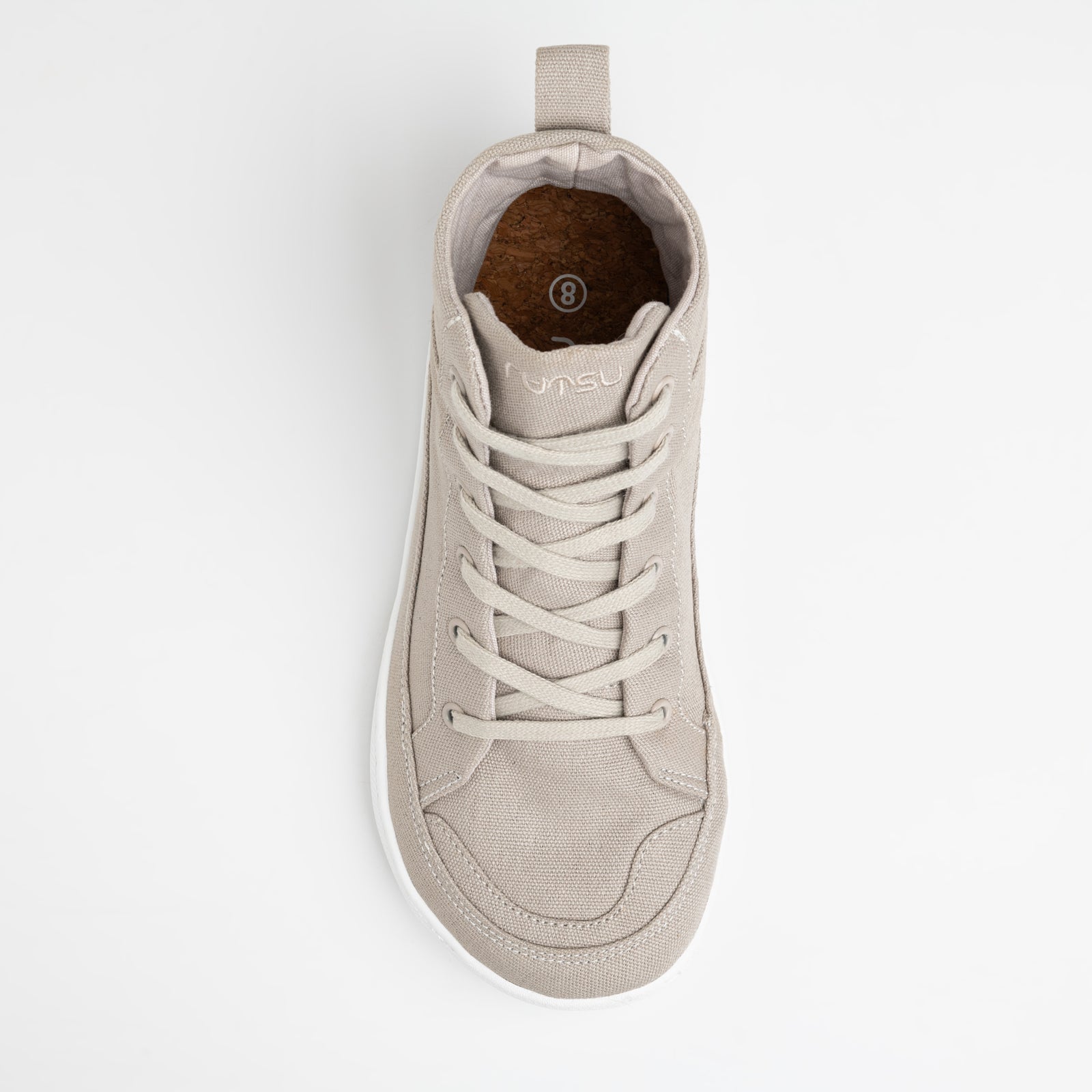
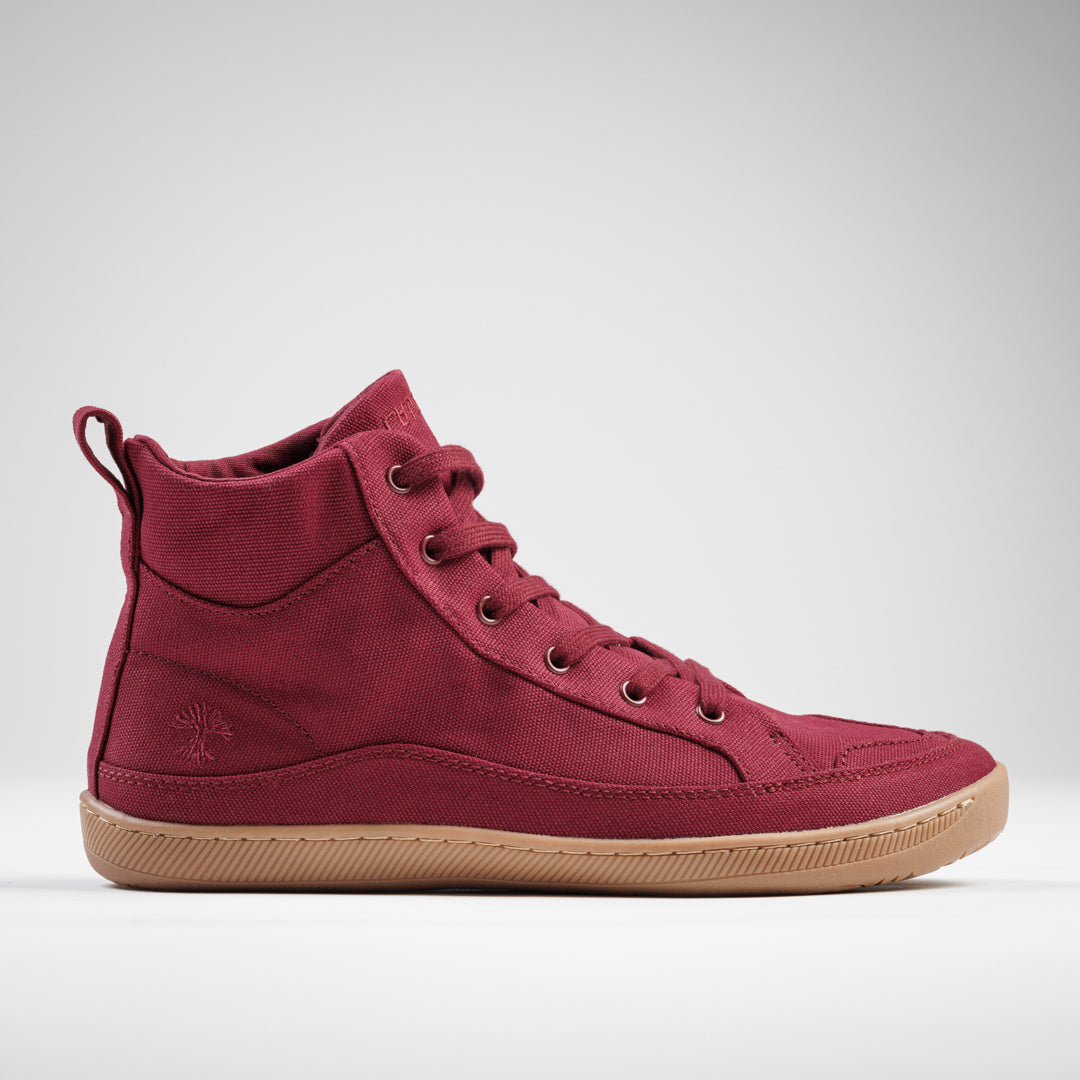
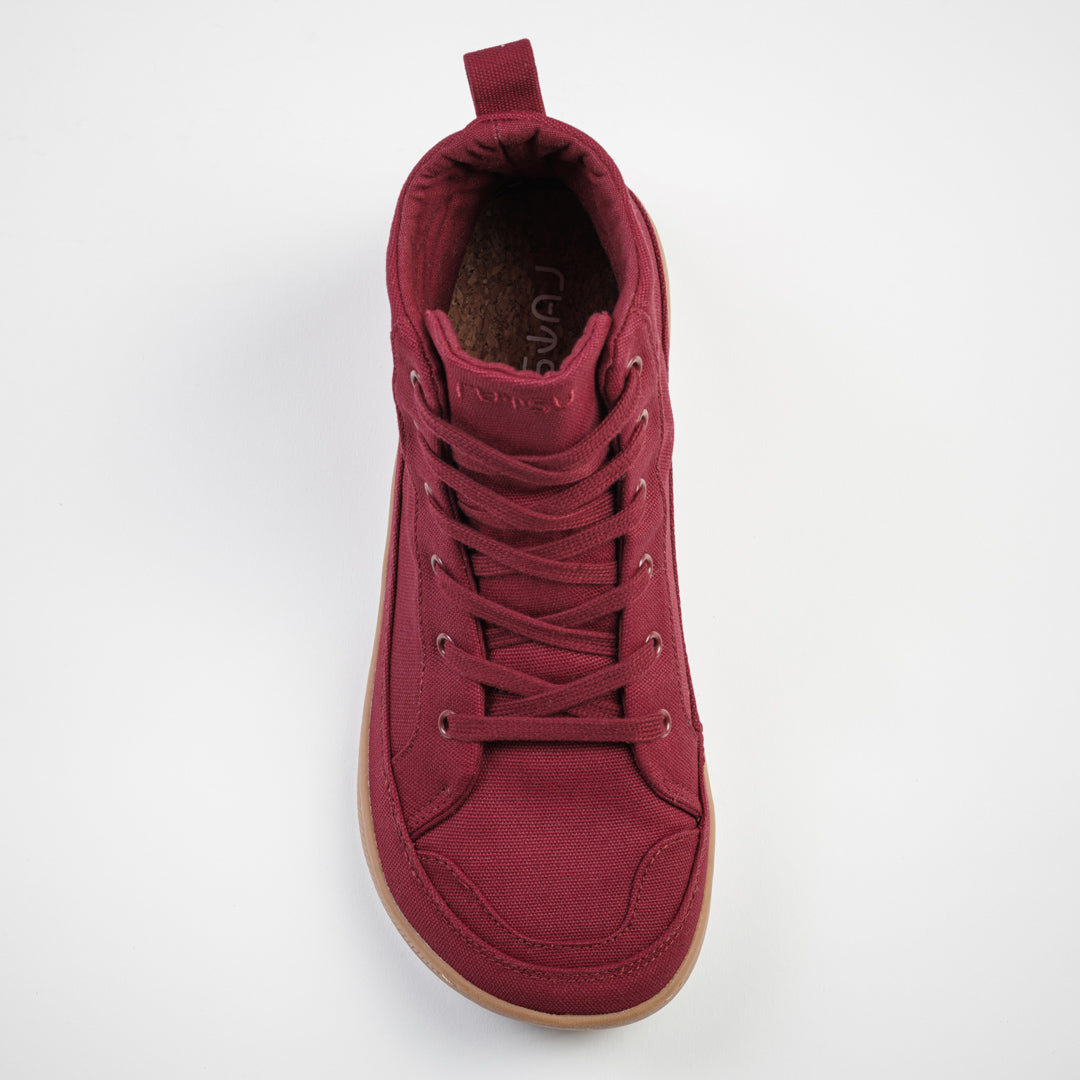
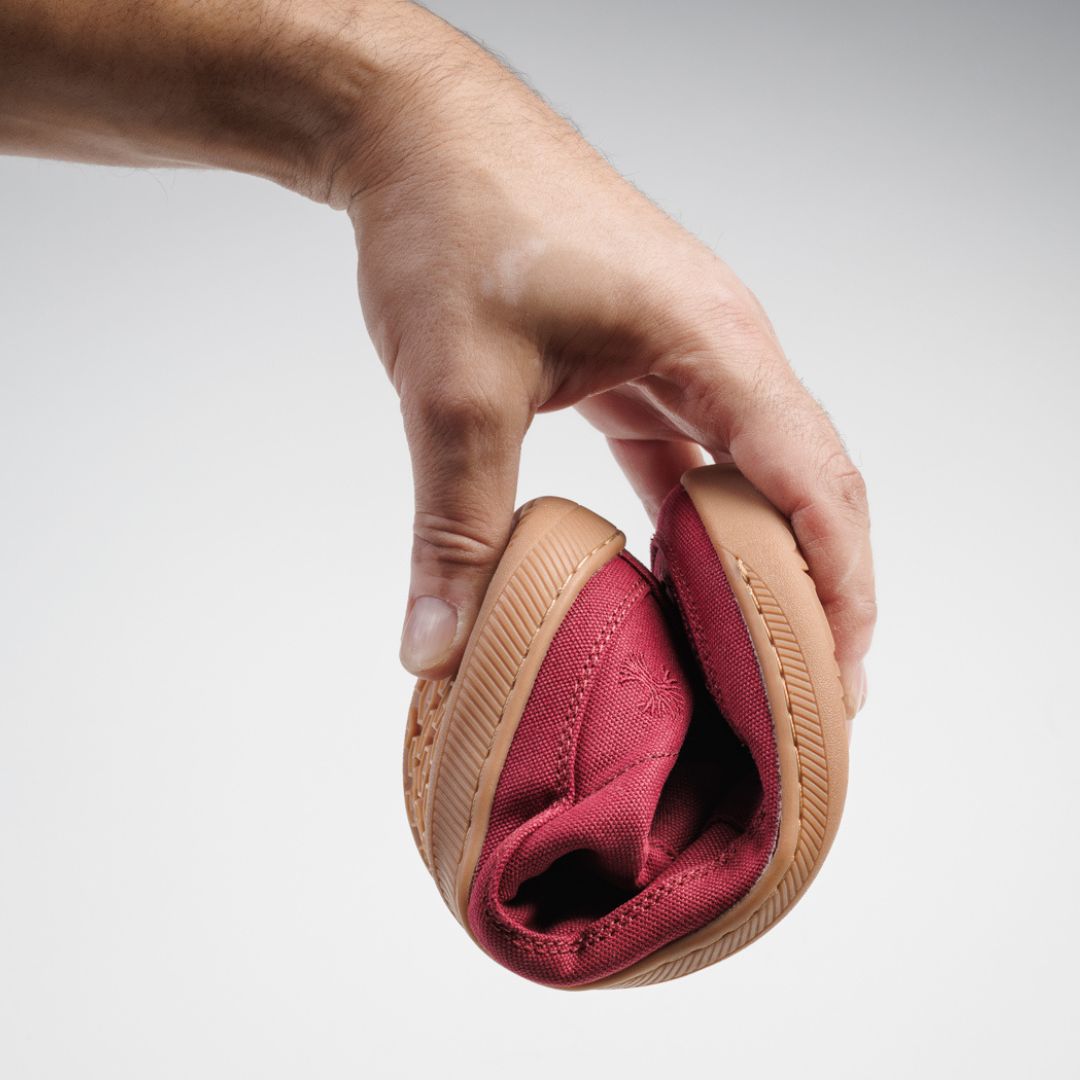
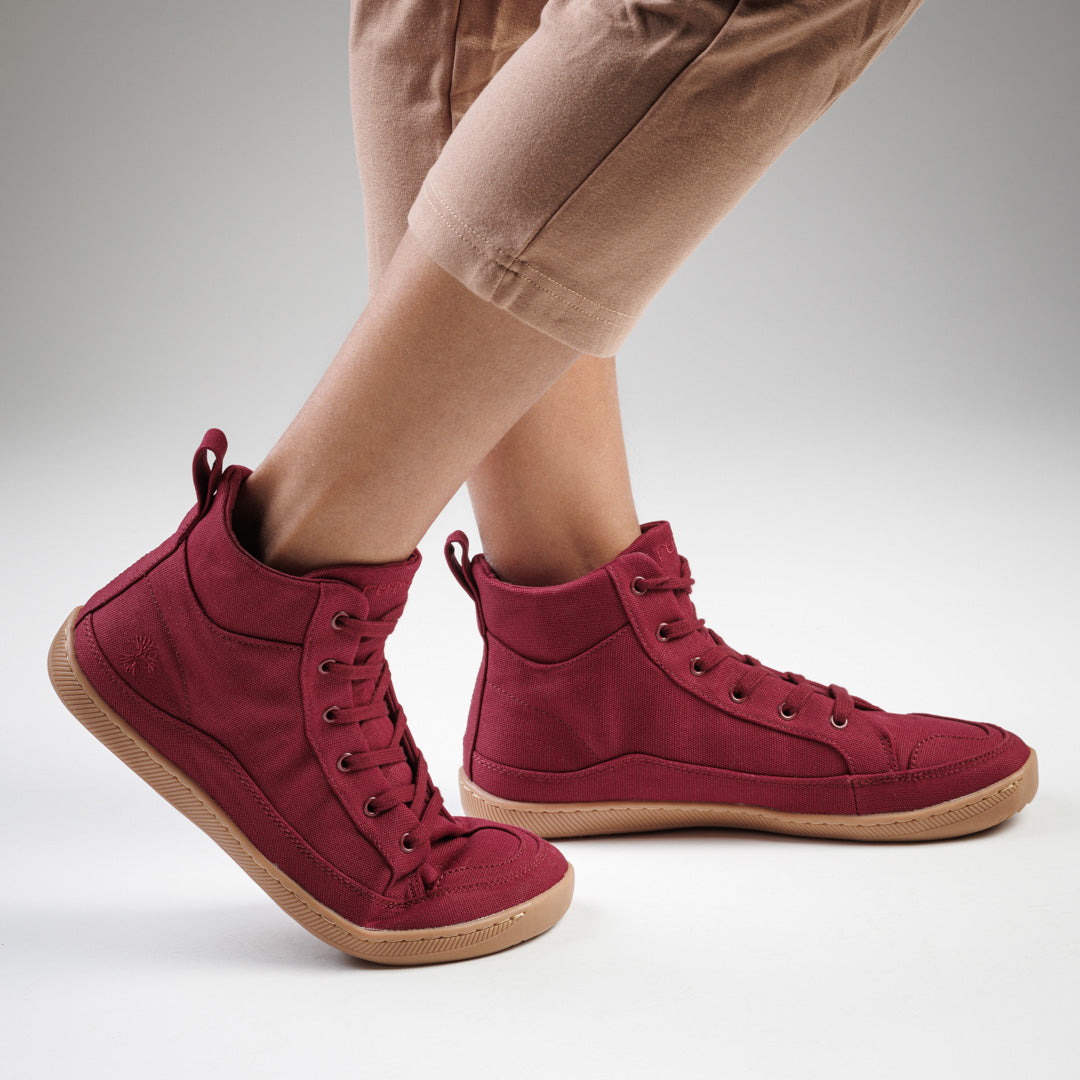
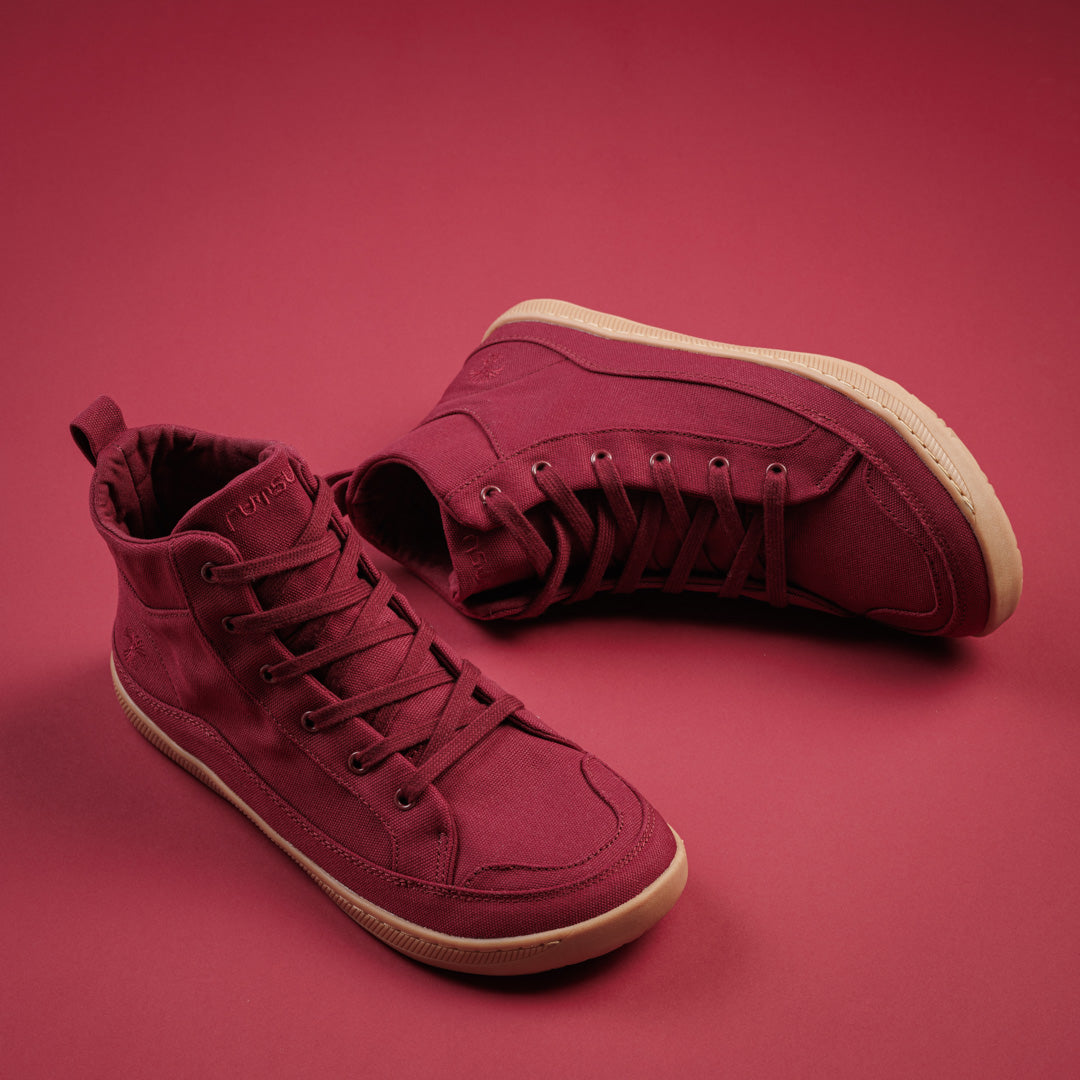
A wide toe box lets your toes spread and grip uneven rock the way they're built to. Zero heel-to-toe drop keeps your foot flat, not tilted forward. A thin, flexible sole lets you feel roots, gravel, and slope changes as they happen. That last part matters more than people think. Trail feedback through your feet helps you adjust your step before you roll an ankle, not after.
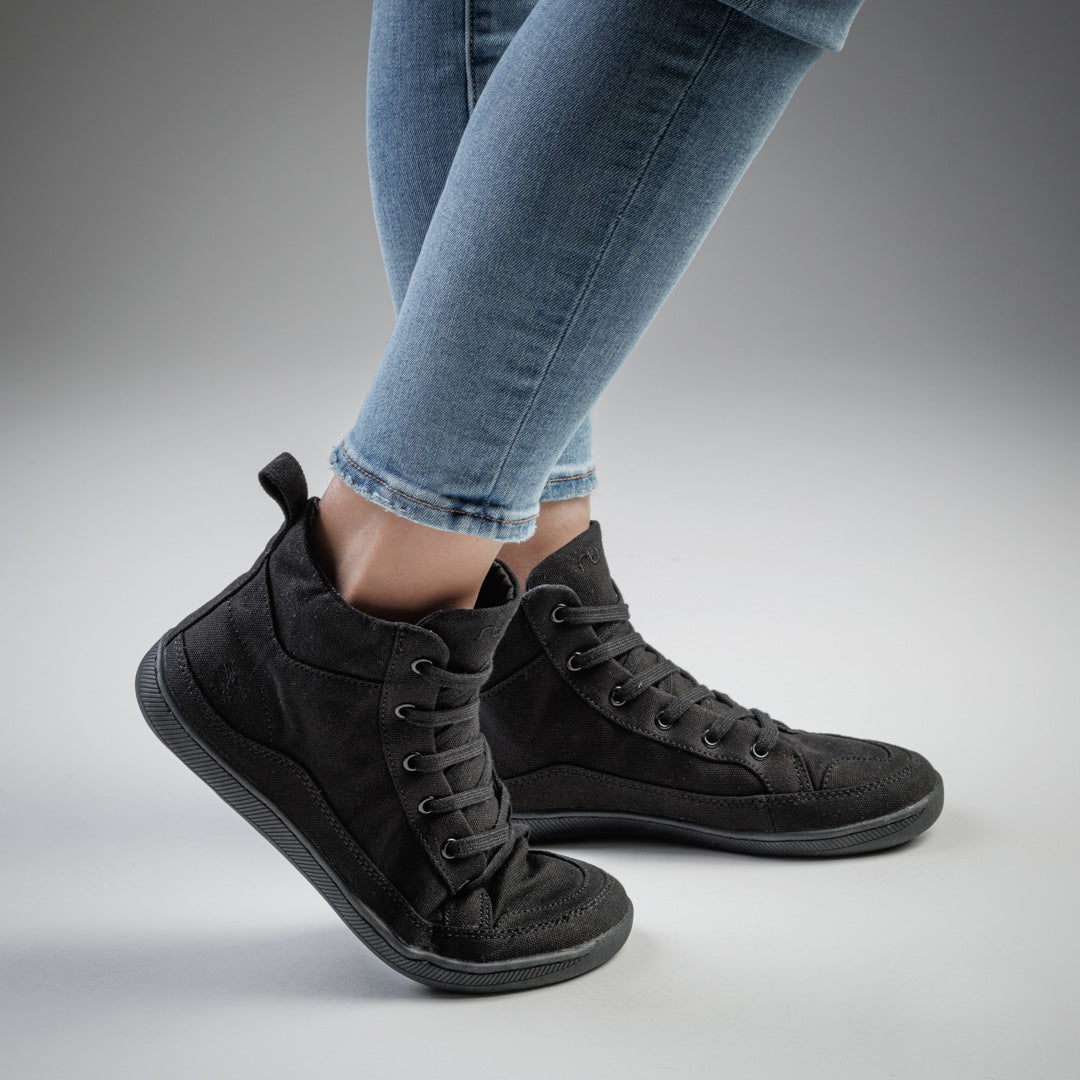
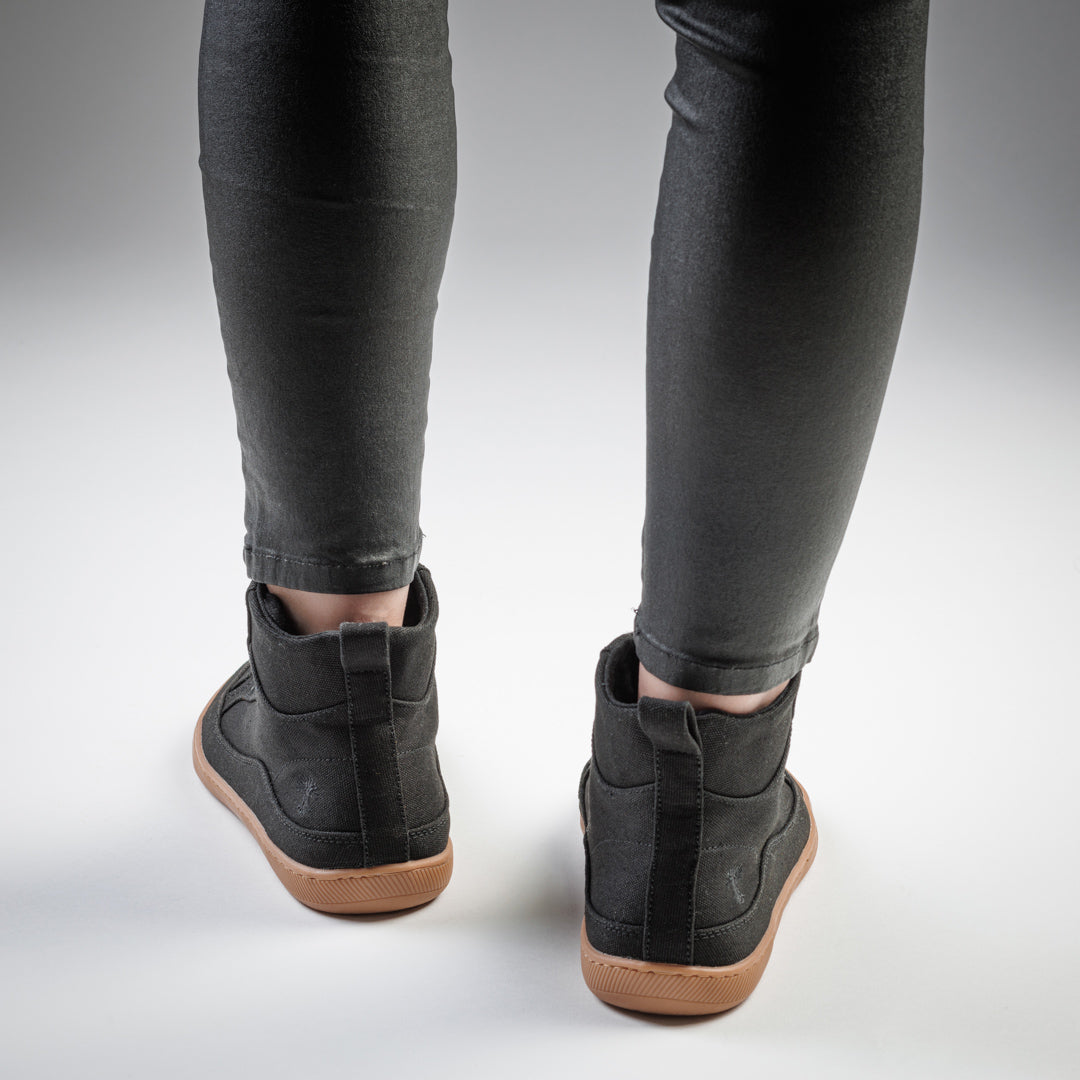
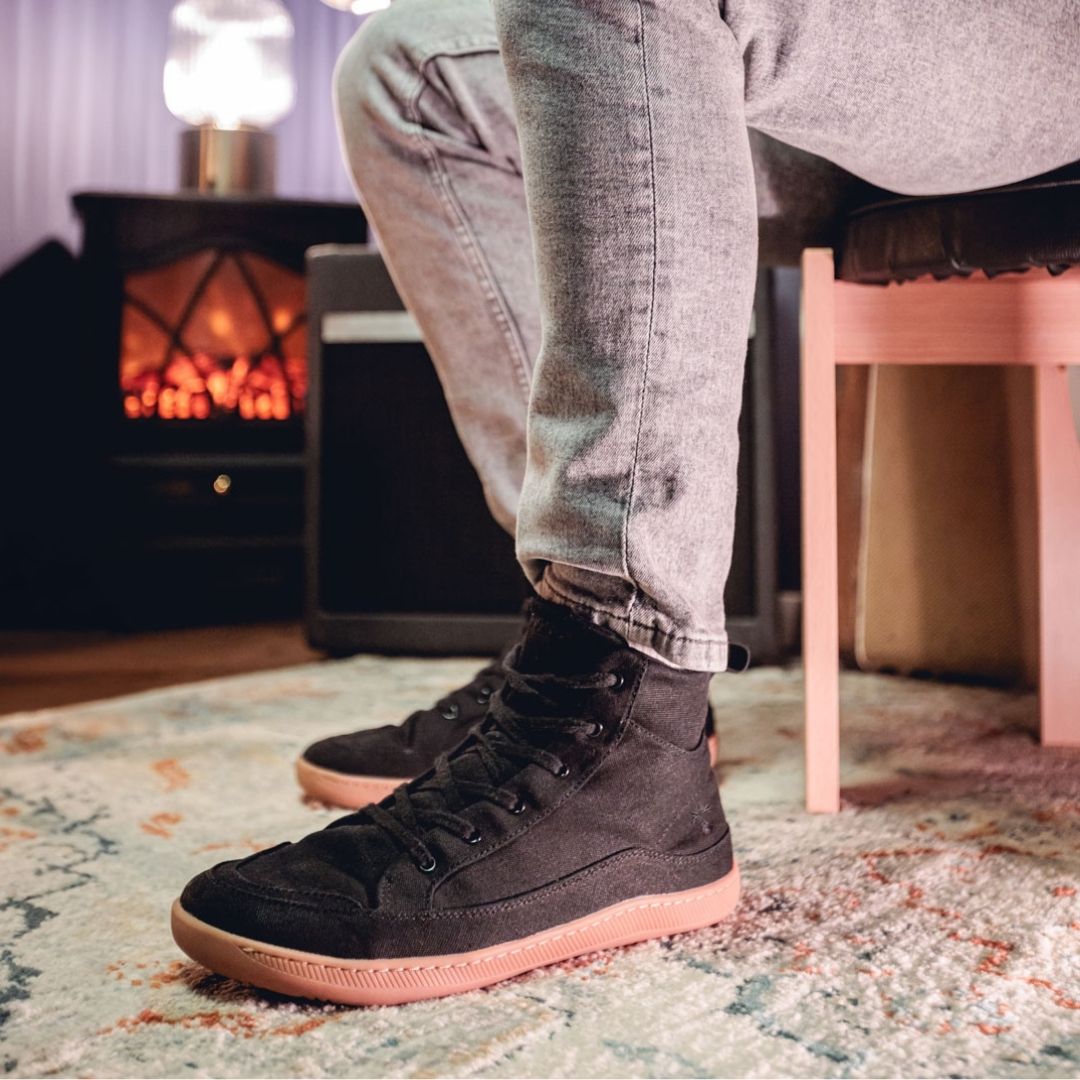
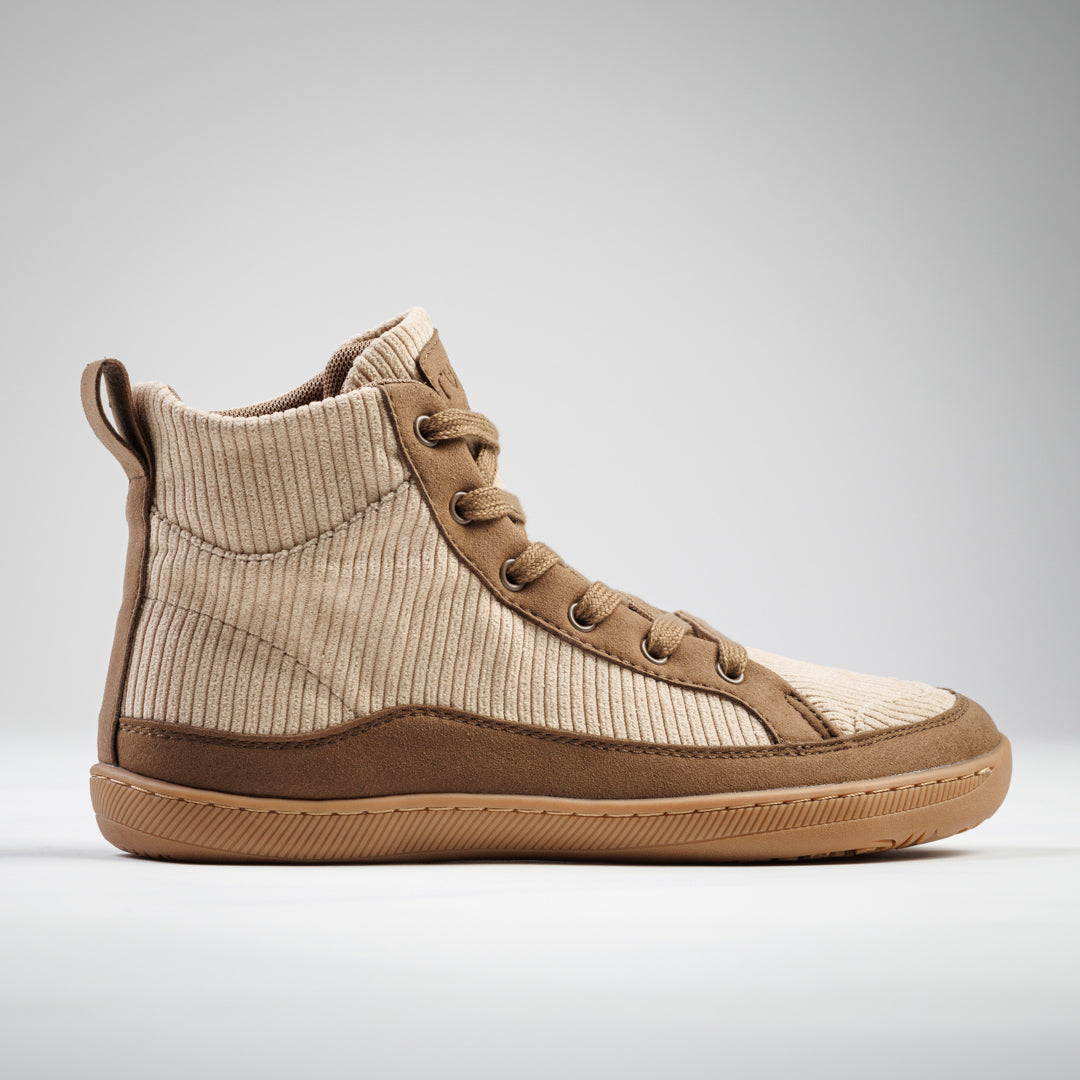
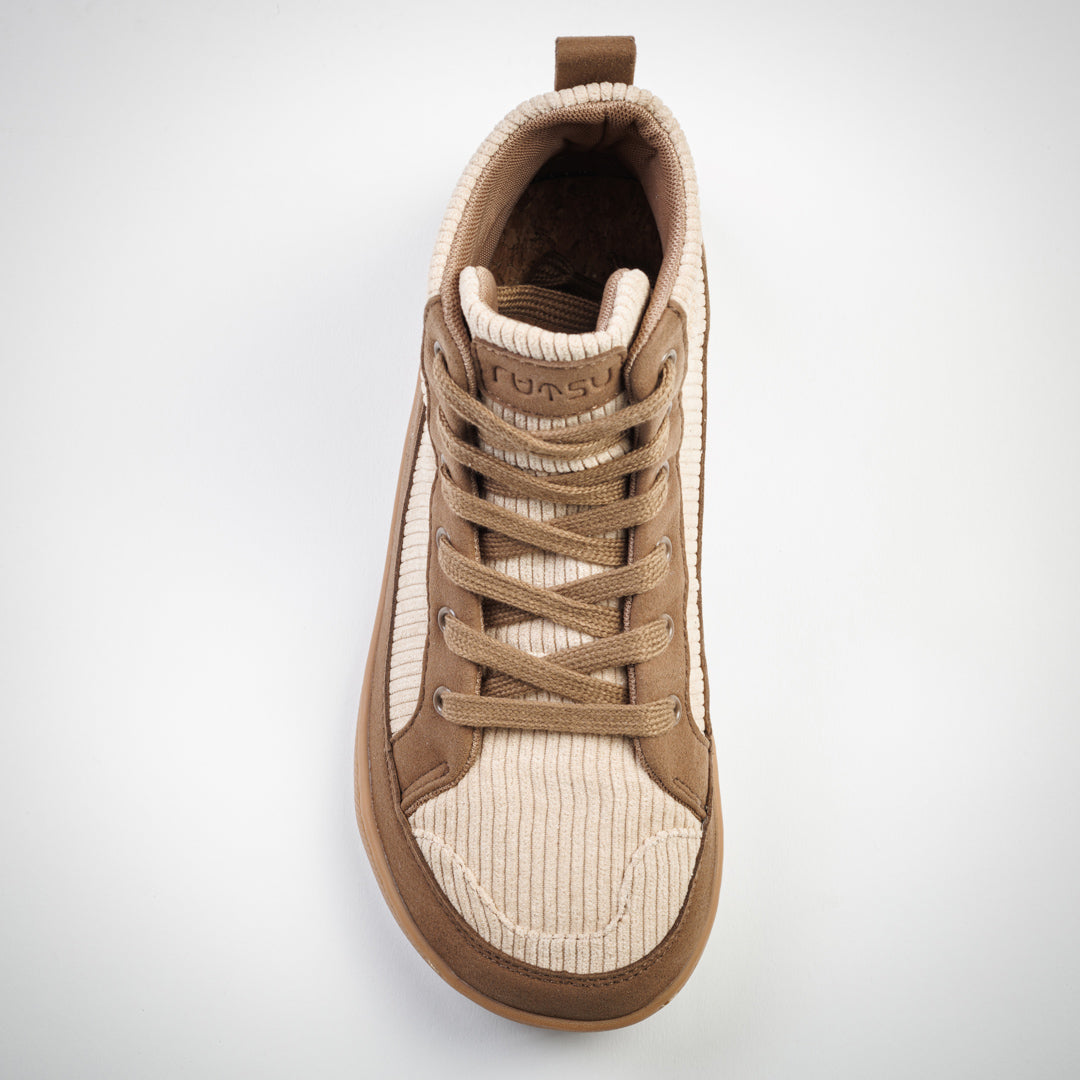
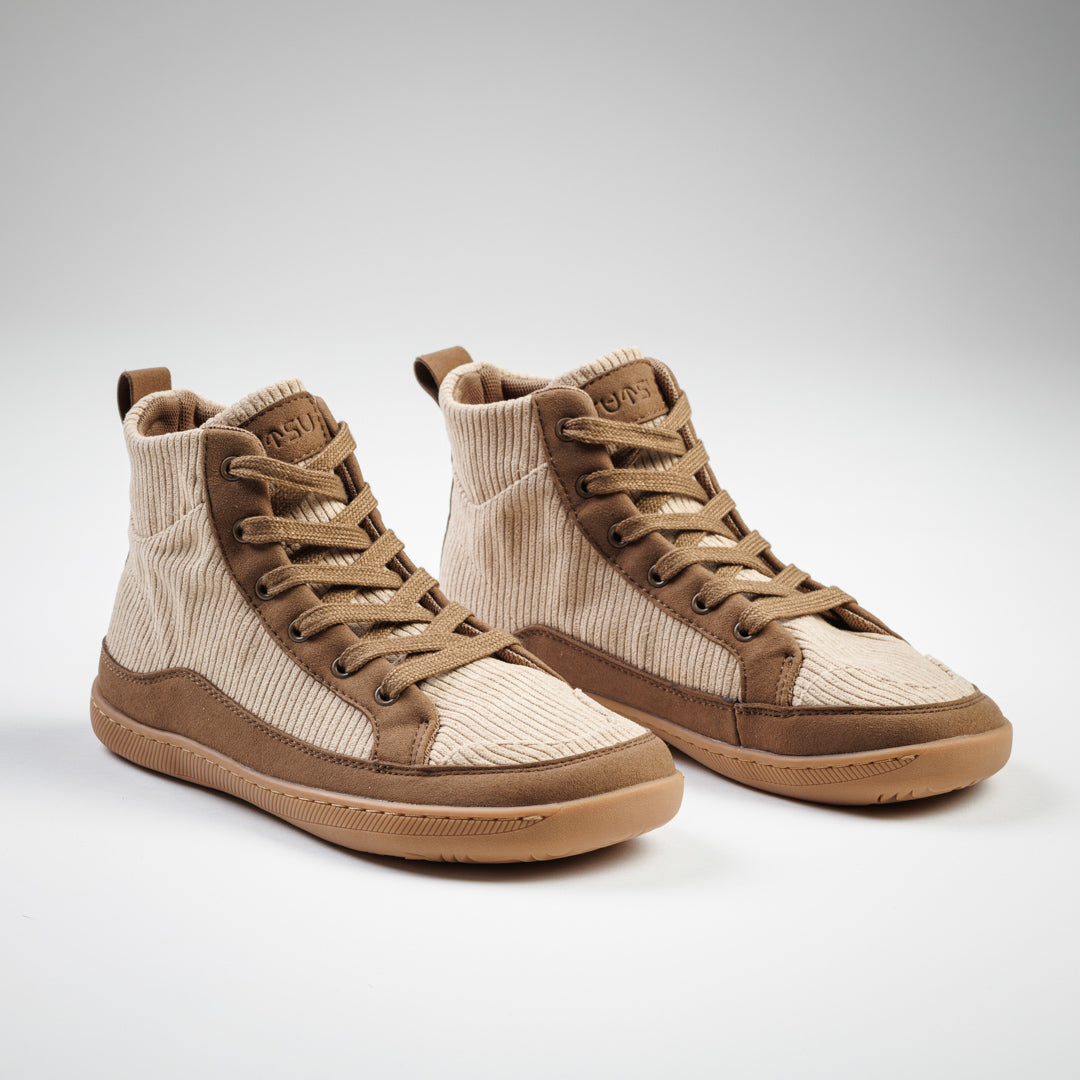
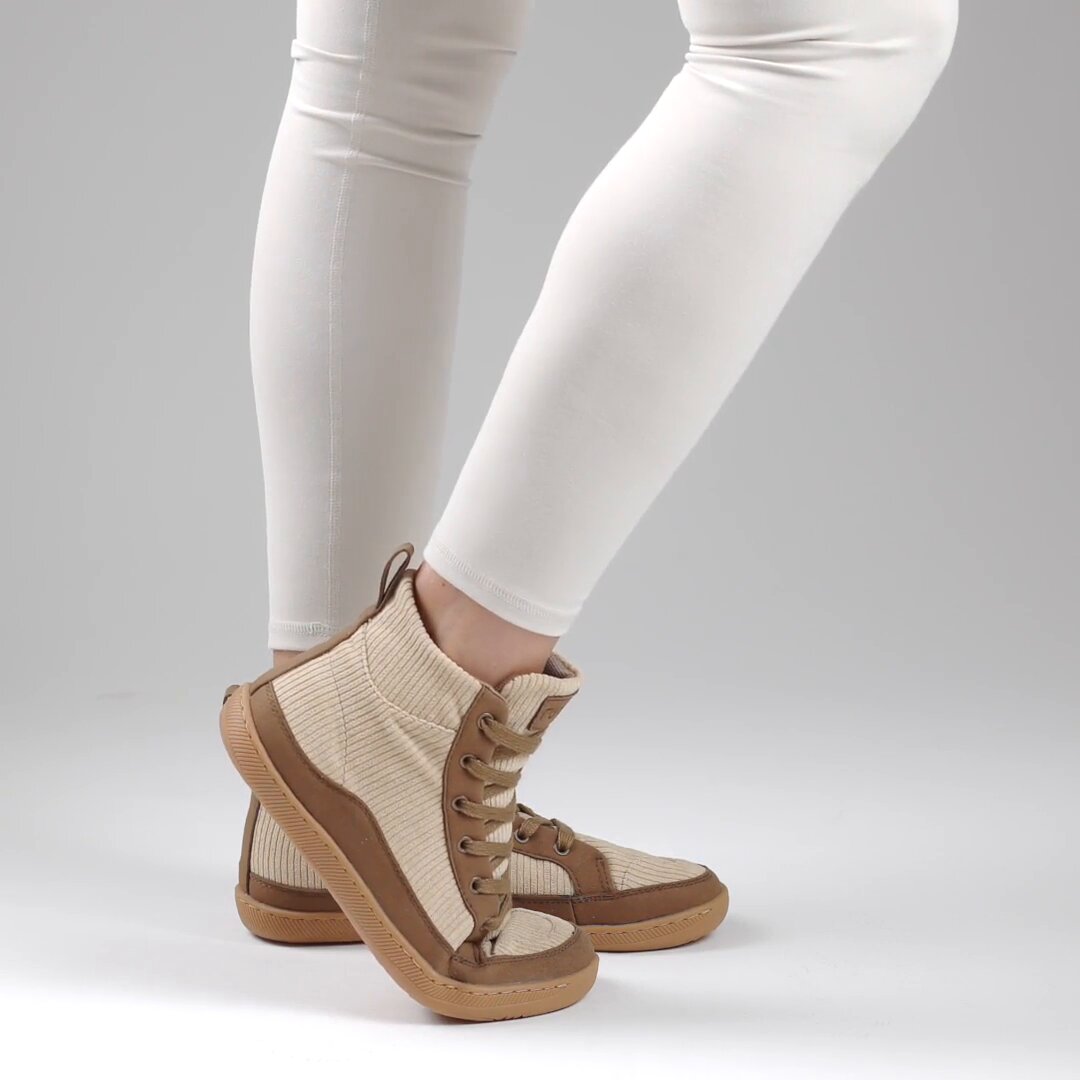
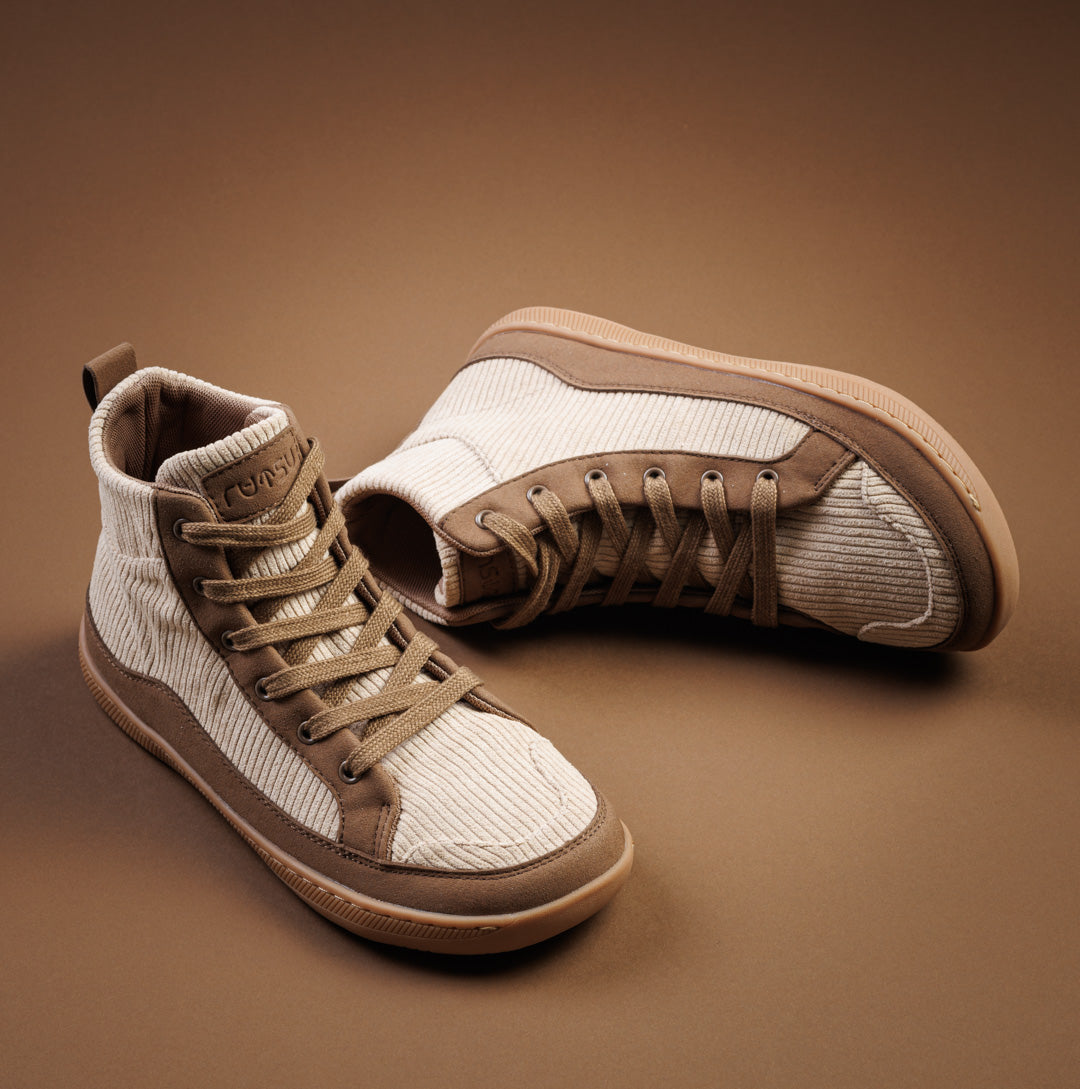
Rutsu Barefoot's barefoot hiking shoes lean into this design rather than trying to split the difference. You lose the tank-like protection of a boot. In exchange, you get a foot that actually reads the terrain.
What Happens to Your Foot and Ankle When You Remove the Cushioning: The Biomechanics
Here's the part transition guides gloss over. Without cushioning, your foot has to soak up impact using its own muscles and tissue instead of foam. No shortcuts there.
The small muscles in your foot, the ones most people never think about, start firing more with every step. Your ankle works harder too, since a rigid boot shaft isn't stabilizing things for you anymore. Over time, this can build real strength. On day one, though? It's just fatigue.
Some hikers notice sorer arches and calves after their first few barefoot miles. That's normal. It's also exactly why rushing this is a mistake.
The Risks Nobody Talks About: Common Injuries From a Bad Transition to Barefoot
Let's talk about what goes wrong, because plenty does when people skip the ramp-up.
Stone bruises and metatarsal stress reactions show up often. Usually in new barefoot hikers who go straight from cushioned boots to a 10-mile rocky trail. Plantar fasciitis can flare up too, which is almost funny, since that's often the exact issue some hikers hope barefoot shoes will fix. Achilles tightness is common in the first few weeks. A zero-drop shoe asks your calf to lengthen in a way it hasn't in years.
None of this means barefoot hiking is dangerous. It means the transition needs real patience, not a weekend crash course.
The Adaptation Process: How Long It Actually Takes Your Feet to Strengthen
Most people underestimate this timeline badly.
Expect 4 to 8 weeks of short, easy trail walks before your feet feel ready for moderate terrain. Rocky, technical trails may need 3 months or more of steady buildup. Distance hikers pushing double-digit mileage in barefoot shoes often report 6 months or longer before it feels fully natural.
Sound slow? It is. But rushing this is exactly how a fun weekend hike turns into six weeks on the couch.
How to Choose a Barefoot Shoe by Terrain: Rock, Mud, Snow, Desert
Terrain changes everything here. A one-size-fits-all pick just doesn't exist, no matter what a product page tells you.
-
Rock and technical trail: Look for a slightly thicker sole with puncture resistance, since sharp rock is unforgiving on bare feet
-
Mud and wet trail: Prioritize aggressive lug patterns; barefoot soles are thin, and grip does the heavy lifting
-
Snow: Very few barefoot shoes handle true winter conditions well; insulation matters more than ground feel here
-
Desert and sand: Breathable uppers and a snug midfoot fit keep sand out and prevent blisters from shifting grit
Browse Rutsu Barefoot's barefoot hiking shoes and you'll notice most pairs lean toward rocky and mixed terrain, which covers most weekend hikers. If you're planning true alpine snow travel, though, a barefoot shoe probably isn't your best call. That's worth saying plainly, even if it costs a sale.
Grip vs. Protection: The Tradeoff Every Barefoot Hiker Needs to Understand
Here's the tension at the heart of barefoot hiking: more ground feel means less material between you and whatever you step on.
Thinner soles grip better because your foot can mold around rock and root. They also transmit more of what's underneath, sharp gravel included. Thicker barefoot soles protect more but dull some of that feedback. There's no perfect answer, just a tradeoff you get to choose based on your trail and your risk tolerance.
Comparing Barefoot Hiking Shoes: What Suits Beginners vs. Experienced Hikers
Rather than naming a pile of models, here's what actually separates a beginner-friendly barefoot hiking shoe from one built for seasoned feet.
Beginners generally do better with a touch more sole thickness. It forgives an inconsistent gait and untrained feet. Experienced barefoot hikers often move toward thinner, more flexible soles for maximum ground feedback once their feet have built real strength. Ankle mobility, arch strength, and total trail hours all play a part in which end of that spectrum makes sense for you. New to this? Start closer to the protective end. You can always work your way toward minimal over time.
Foot-Strengthening Exercises Before You Hit the Trail
Want to shortcut some of that adaptation window? Strength work helps. A lot, actually.
Toe splays and towel scrunches build the small stabilizing muscles in your feet. Calf raises, done slowly, get your Achilles ready for zero-drop walking. Single-leg balance work builds the ankle stability your old boots used to handle for you. Even 10 minutes a few times a week, kept up for a month before your trip, makes a real difference. Skip it, and you're just hoping for the best.
Barefoot vs. Minimalist vs. Regular Hiking Shoe: When Each One Wins
None of these three categories is universally "better." Each wins in a different scenario.
Barefoot shoes shine on moderate, dry trails where ground feel and foot strength matter most to you. Minimalist shoes, with their slight cushioning and small heel drop, work well as a middle ground for hikers not ready to go fully barefoot. Regular hiking boots still make sense for heavy loads, technical alpine terrain, or anyone with a foot condition that needs more support. Honestly, a lot of experienced hikers end up owning more than one type and choosing based on the trip.
Frequently Asked Questions
Are barefoot shoes suitable for long, challenging hikes?
They can be, once your feet are fully adapted. For beginners or very technical, multi-day routes, a more protective shoe is usually the safer starting point.
How long does it take to adapt to barefoot hiking on rough terrain?
Most hikers need 2 to 3 months of gradual buildup on moderate trails before rough, rocky terrain feels manageable. Rushing this timeline is the top cause of injury.
Do barefoot shoes protect enough against snakes and stings?
Not fully. Barefoot shoes offer far less puncture protection than a thick hiking boot. Hikers in snake or scorpion territory should factor that in and stay alert on the trail.
Can barefoot shoes be used in winter or snow?
Some models handle light, dry cold reasonably well, but most barefoot shoes aren't built for deep snow or ice. A dedicated winter boot is the safer choice for true winter conditions.
What's the difference between barefoot and minimalist shoes?
Barefoot shoes have zero heel drop and minimal cushioning throughout. Minimalist shoes sit closer to a middle ground, often with a slight heel drop or extra padding while keeping a wide toe box.
Are barefoot shoes suitable for people with flat feet?
It depends on the individual case. Some people with flat feet adapt well and even build stronger arches over time, while others need more support. Checking with a podiatrist before switching is a smart move either way.
Final Thoughts
Barefoot hiking shoes reward patience with real trail feedback and stronger feet, but only if you respect the adaptation curve. Rush it, and you're looking at sore arches at best and a stress injury at worst.
Start slow. Build strength before you push distance. Match your shoe to the terrain in front of you, not just the trend. That's the whole approach to barefoot shoes for hiking in a nutshell, and it's simpler than most guides make it sound.
Want a deeper walkthrough before you buy? Read our guide to the best shoes for barefoot hiking for a closer look at what fits your trail.