

Most men wear the same five pairs of shoes for a decade. Sneakers. Work boots. Dress shoes. Maybe flip-flops for the beach. And one sad pair of athletic sandals from a vacation in 2017.
Then summer hits. Your feet are sweating, your sneakers feel like ovens, and your old flip-flops give you that weird ache between your toes. So you start digging around online and stumble onto something called barefoot sandals for men. Wider than regular sandals. Thinner soles. Weirdly minimal. Worth it?
Honestly? They might be. With some caveats.
What Are Barefoot Sandals and Why Are Men Wearing Them
A barefoot sandal keeps the protection of a sole and tosses out almost everything else. No molded footbed. No raised heel. No arch lump pushing into the middle of your foot. What you get is a thin, flexible layer between you and the ground, plus some straps to hold things in place.
Men have been gravitating toward them for a few reasons. Wider feet hate narrow sandals. Older guys with stiff hips have noticed their feet feel less locked up. And there's a growing crowd that just wants to feel something other than memory foam under their toes.
That said, this style isn't for everyone. If you've worn cushioned shoes your whole life, your feet may need a real adjustment period before sandals like these feel comfortable.
What to Look For When Buying Barefoot Sandals for Men
Five things matter more than the brand on the strap.
Toe box width. Your toes should splay naturally without touching the edges. If your pinky hangs off the side, that sandal isn't built for your foot.
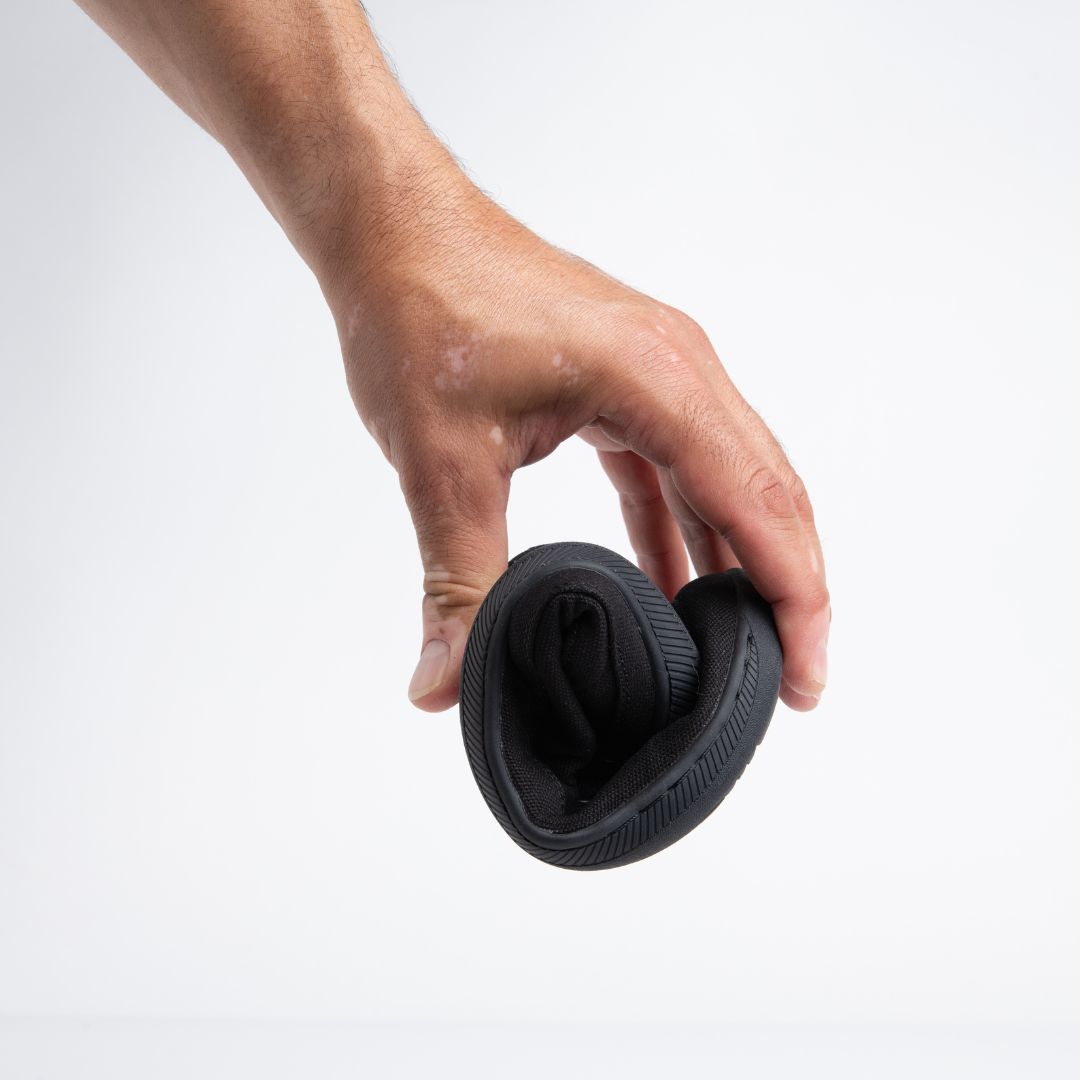
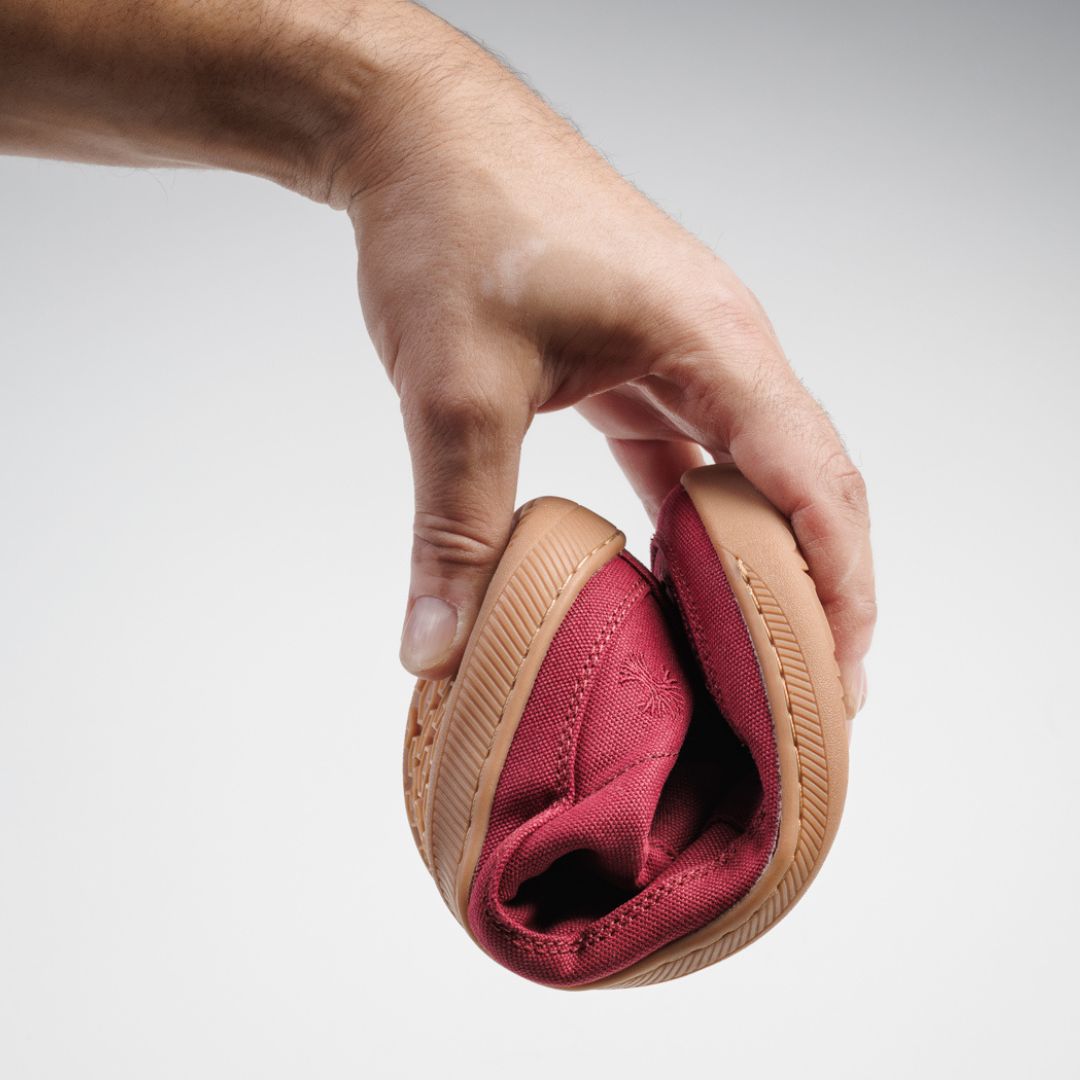
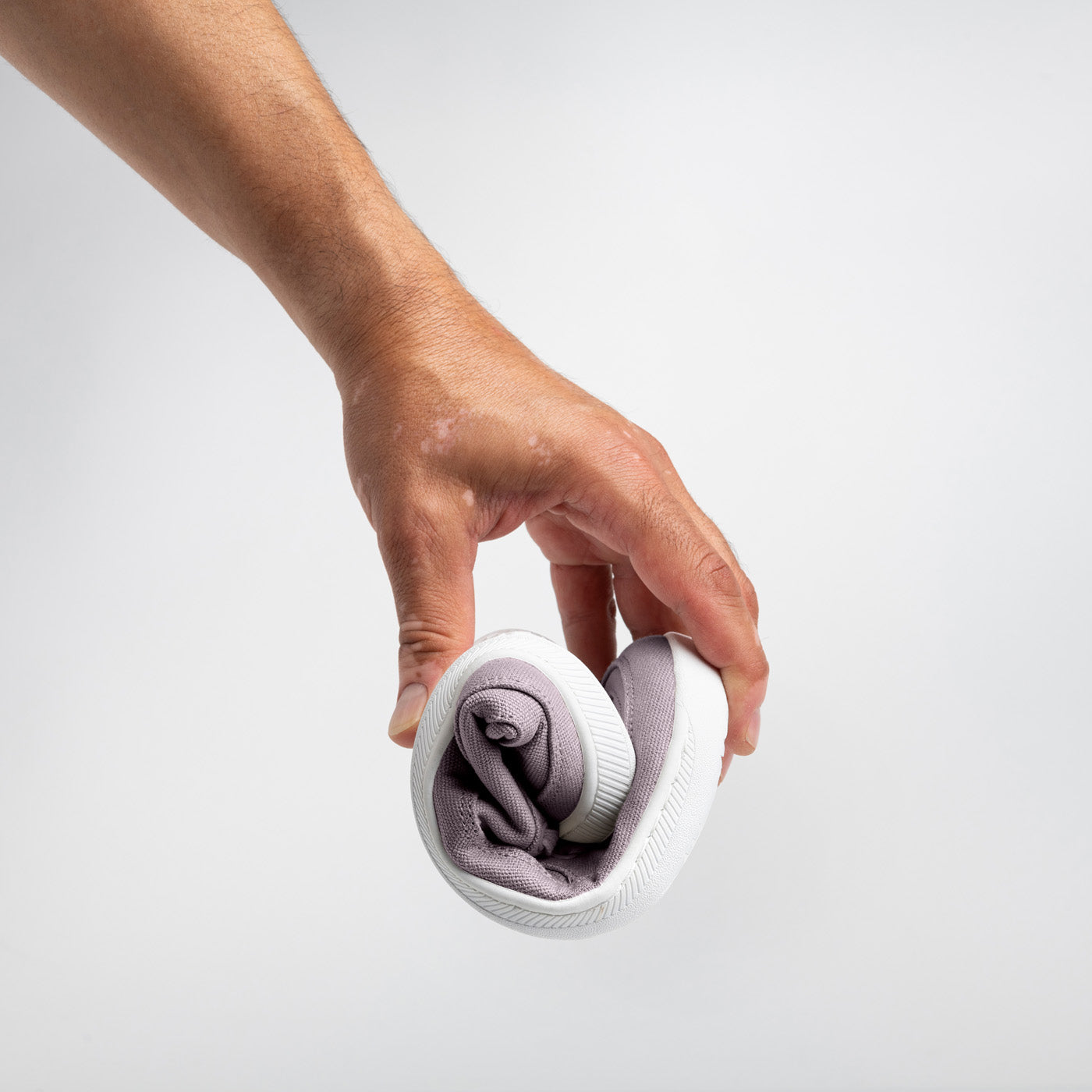
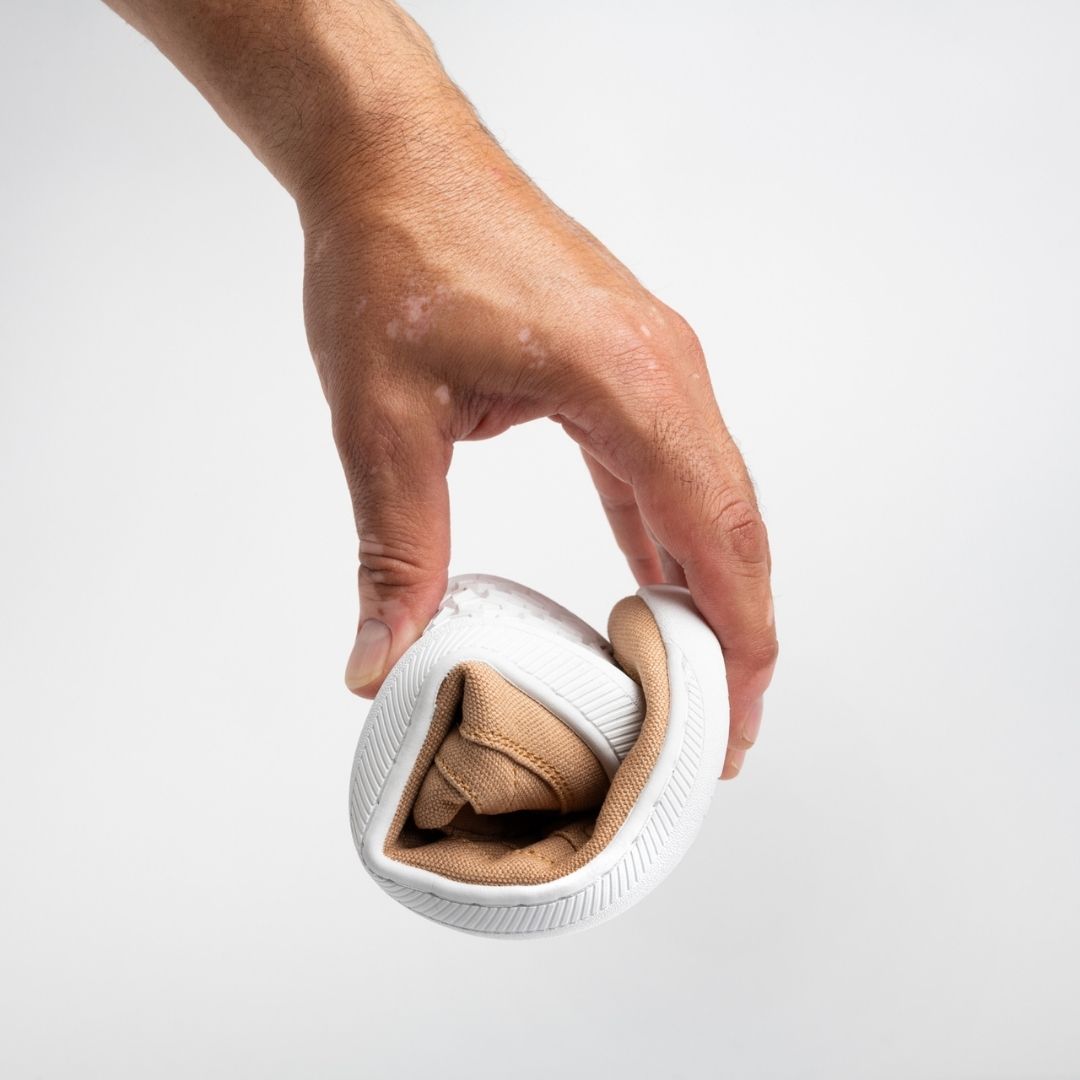
Sole flexibility. Roll it up. Twist it. A real barefoot sandal flexes in every direction without much resistance.
Drop. Heel and forefoot should sit at the same height. Anything over 4mm starts drifting away from the barefoot category.
Strap system. Adjustable in multiple spots. Most men's feet aren't symmetrical, and one-strap designs rarely accommodate that.
Sole grip. Some grip is good. A treaded climbing-style outsole? That's better for trails than smooth city walking.
Best Barefoot Sandals for Men in 2025: Top Rated Options
The market has grown a lot, and a few names keep popping up in reviews. Xero Shoes has built a loyal following with their Z-Trail and Z-Trek lines. Earth Runners get praise from the grounding-focused crowd. Bedrock Sandals lean into the adventure side.
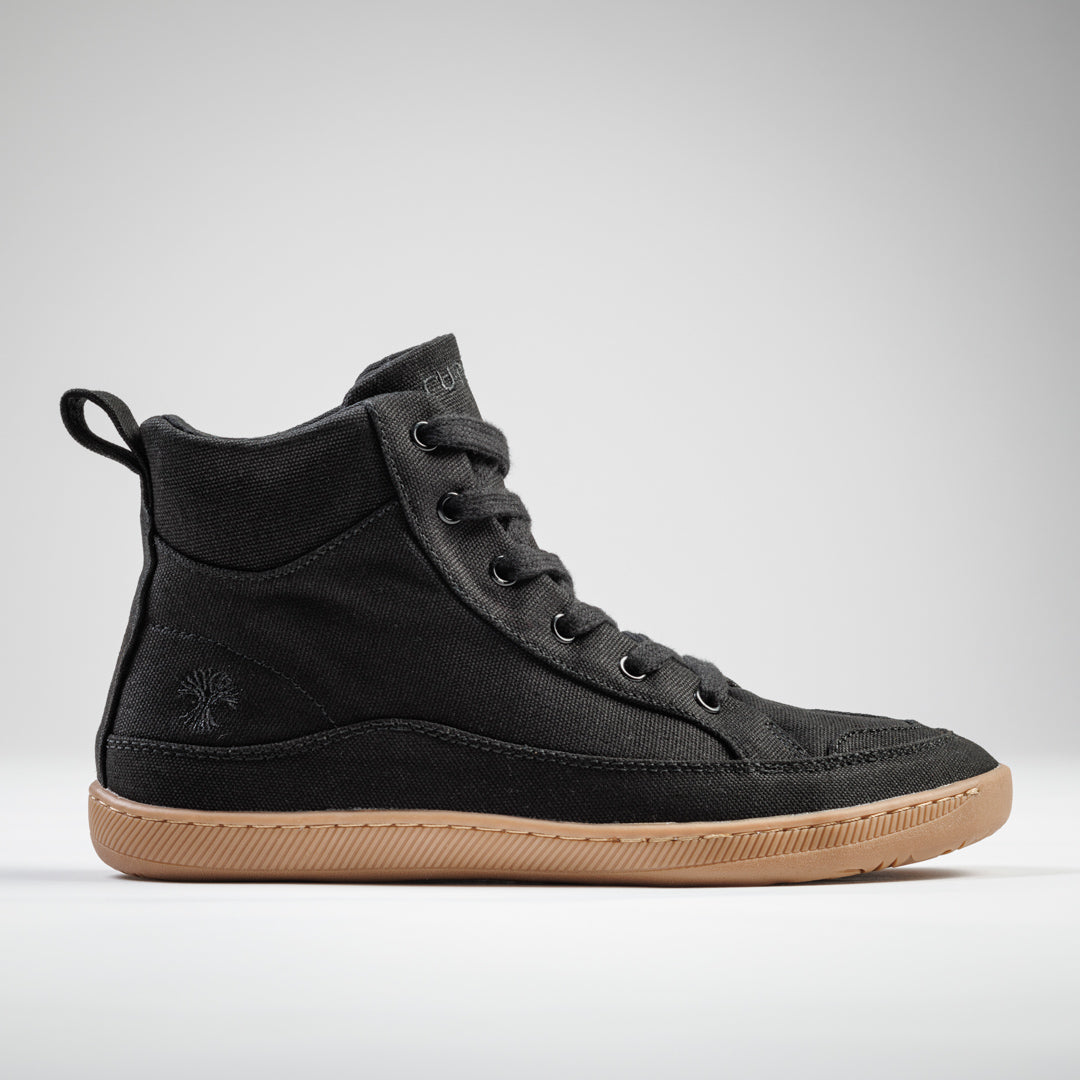
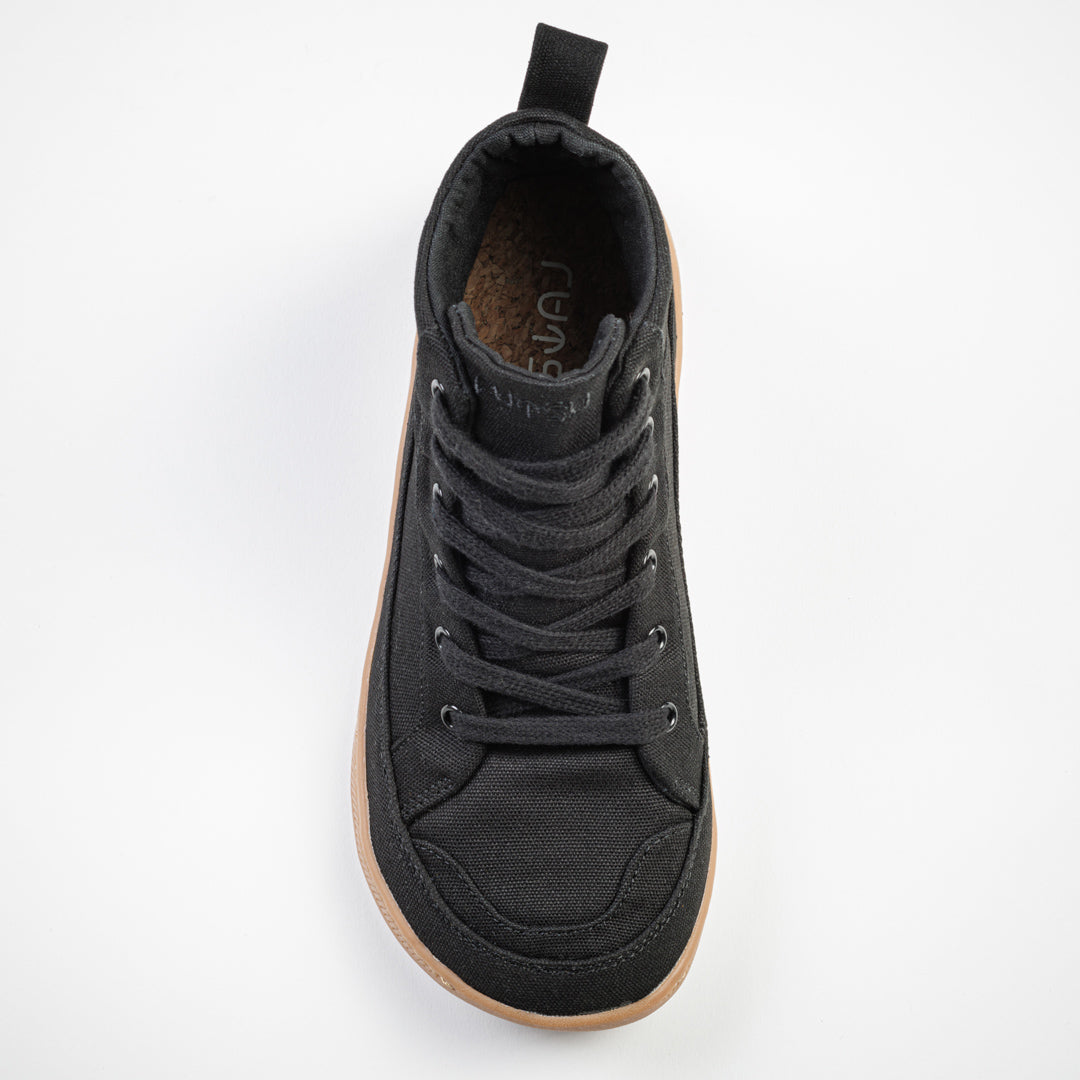
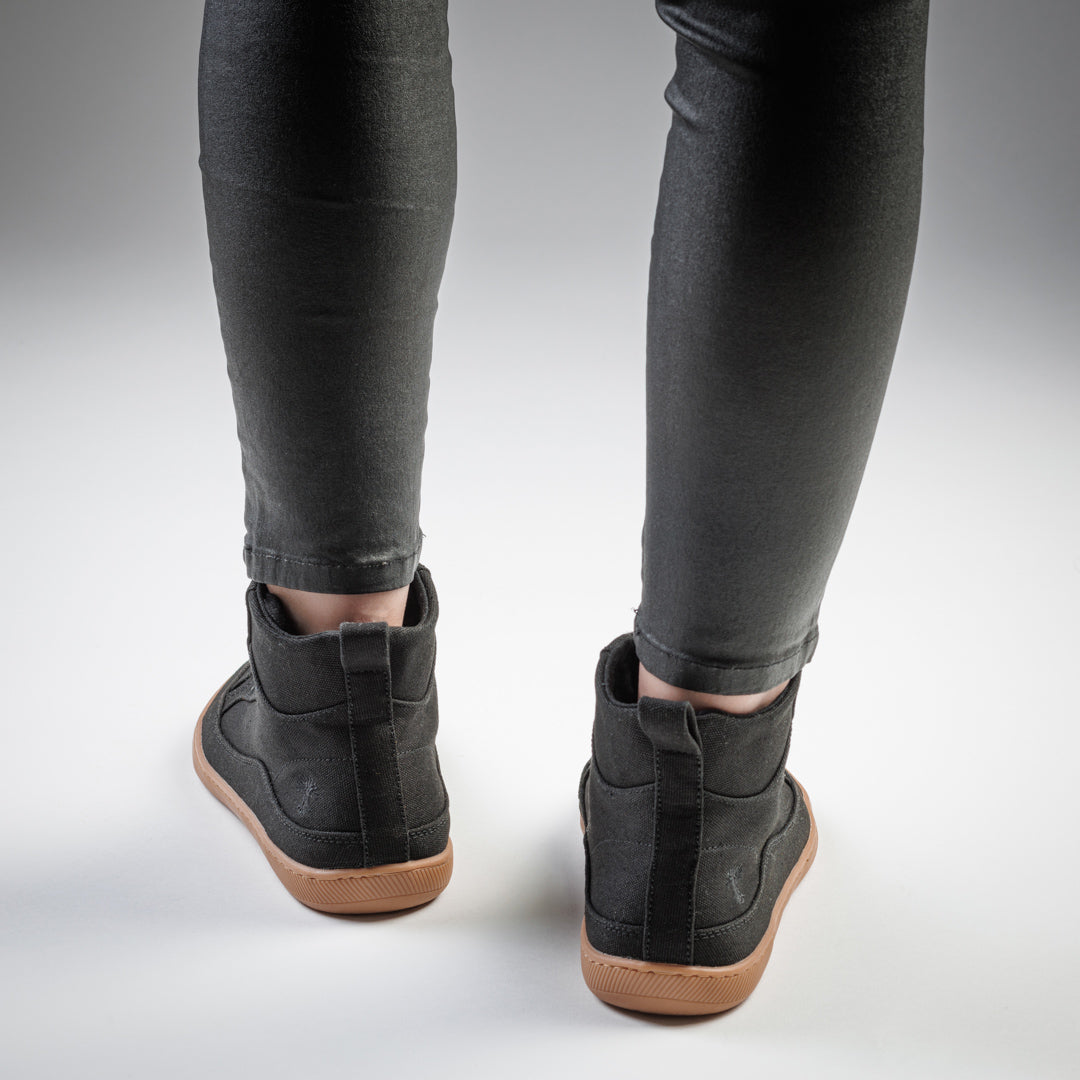
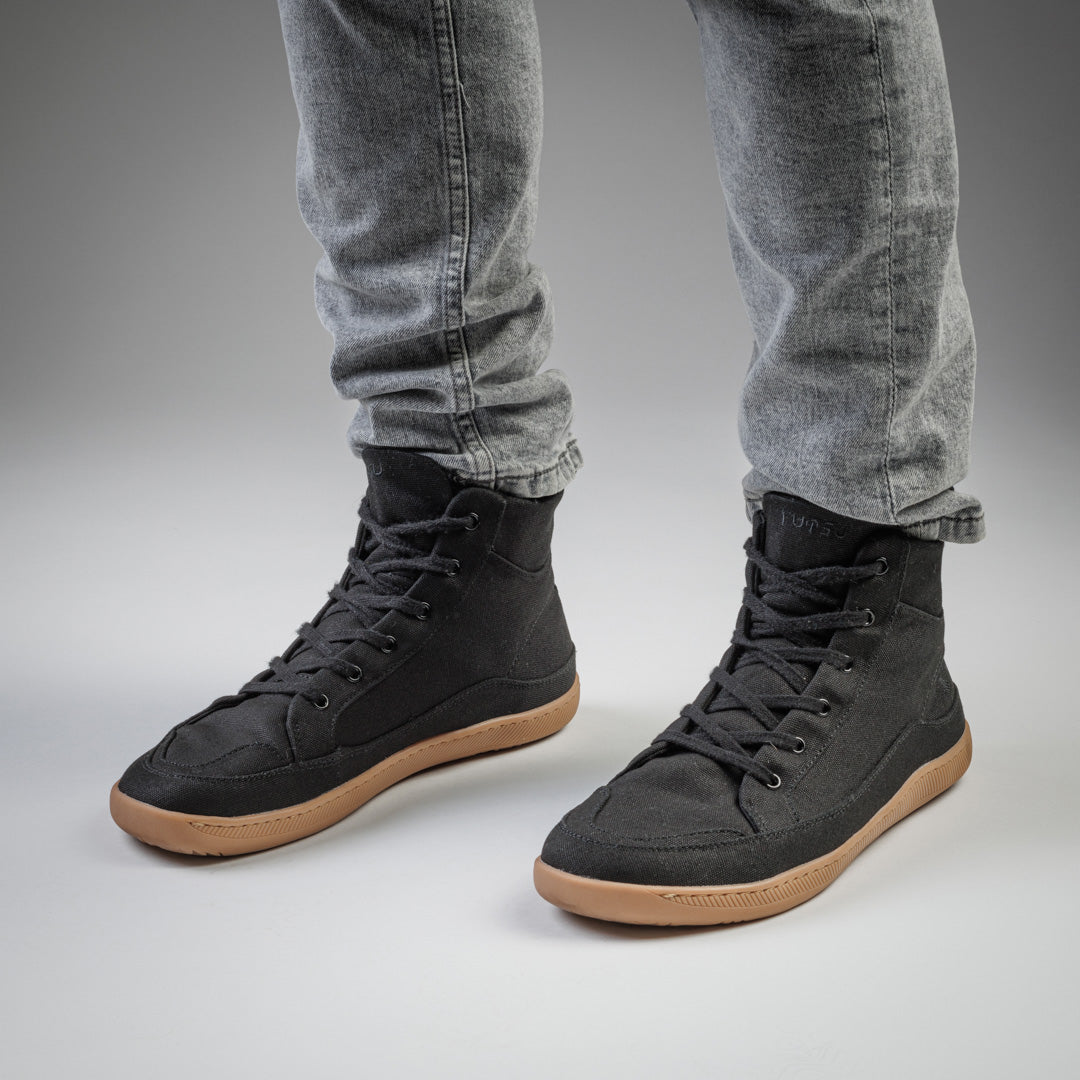
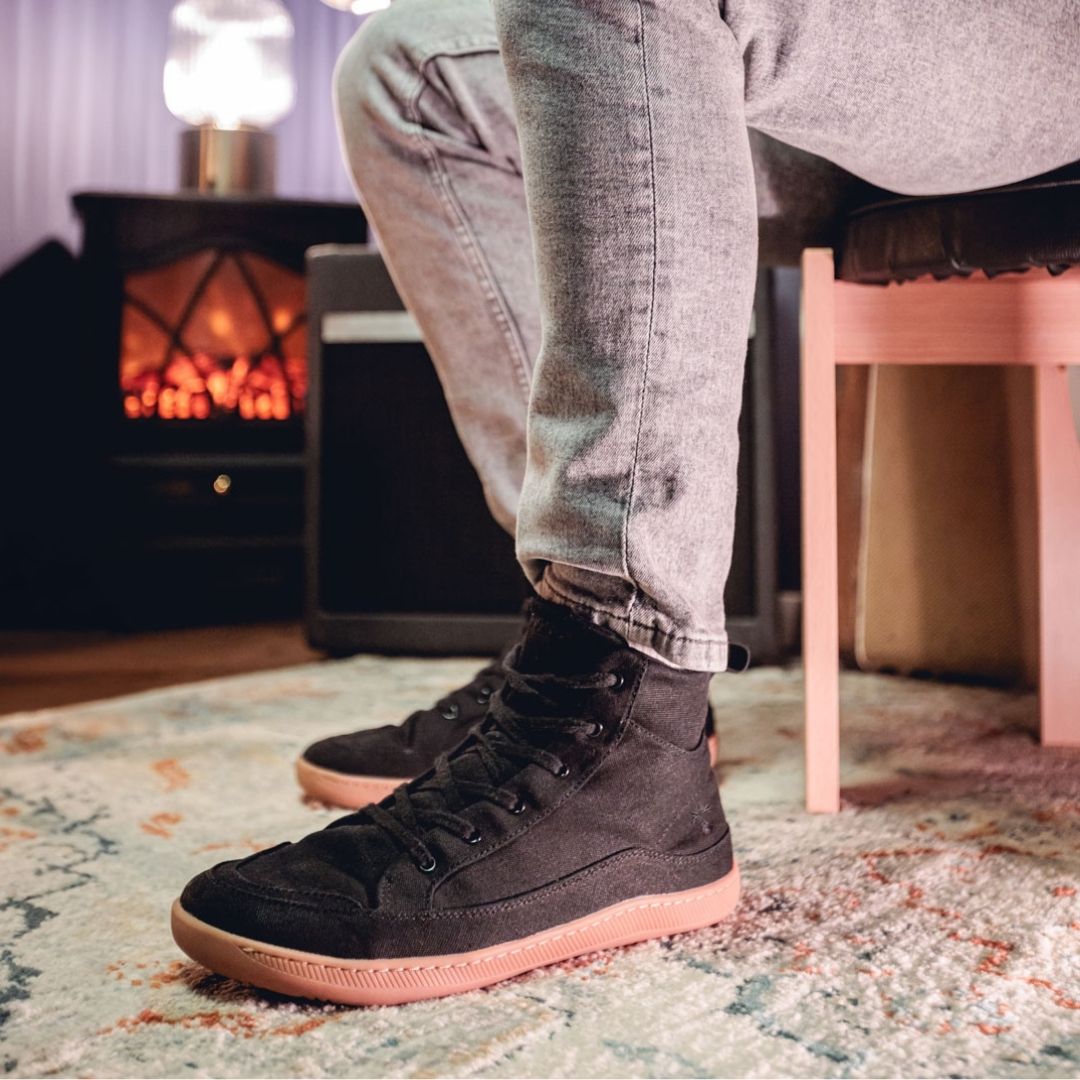
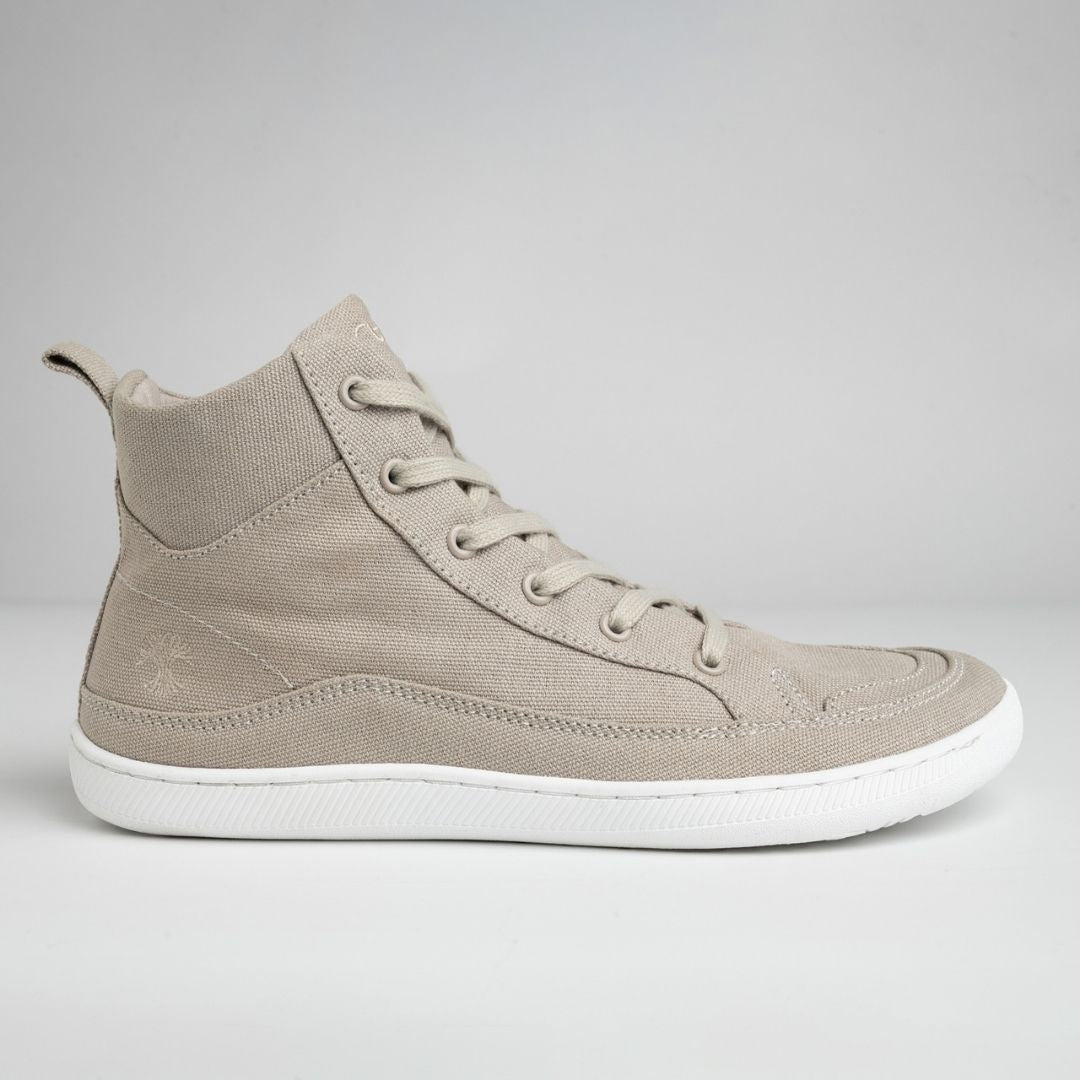
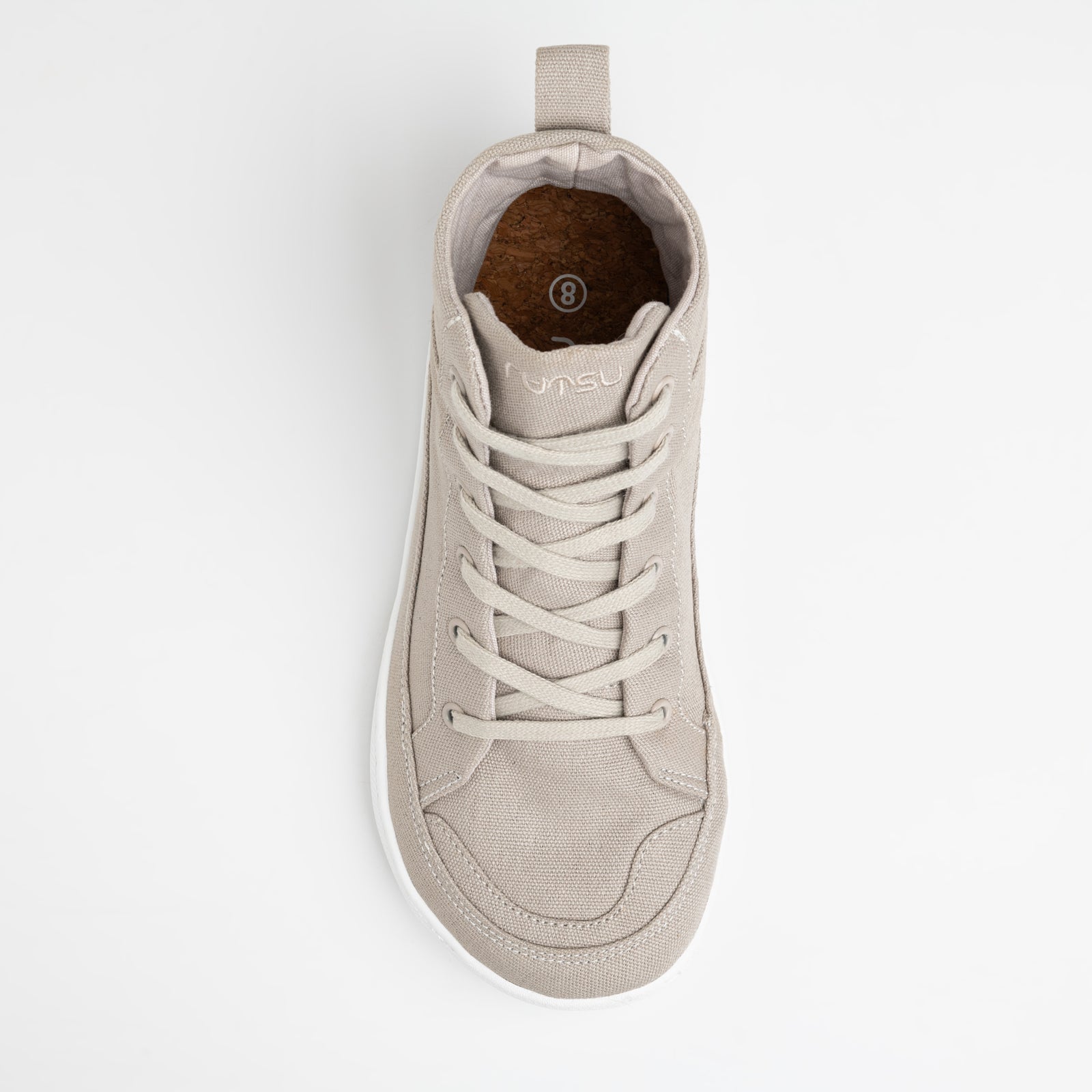
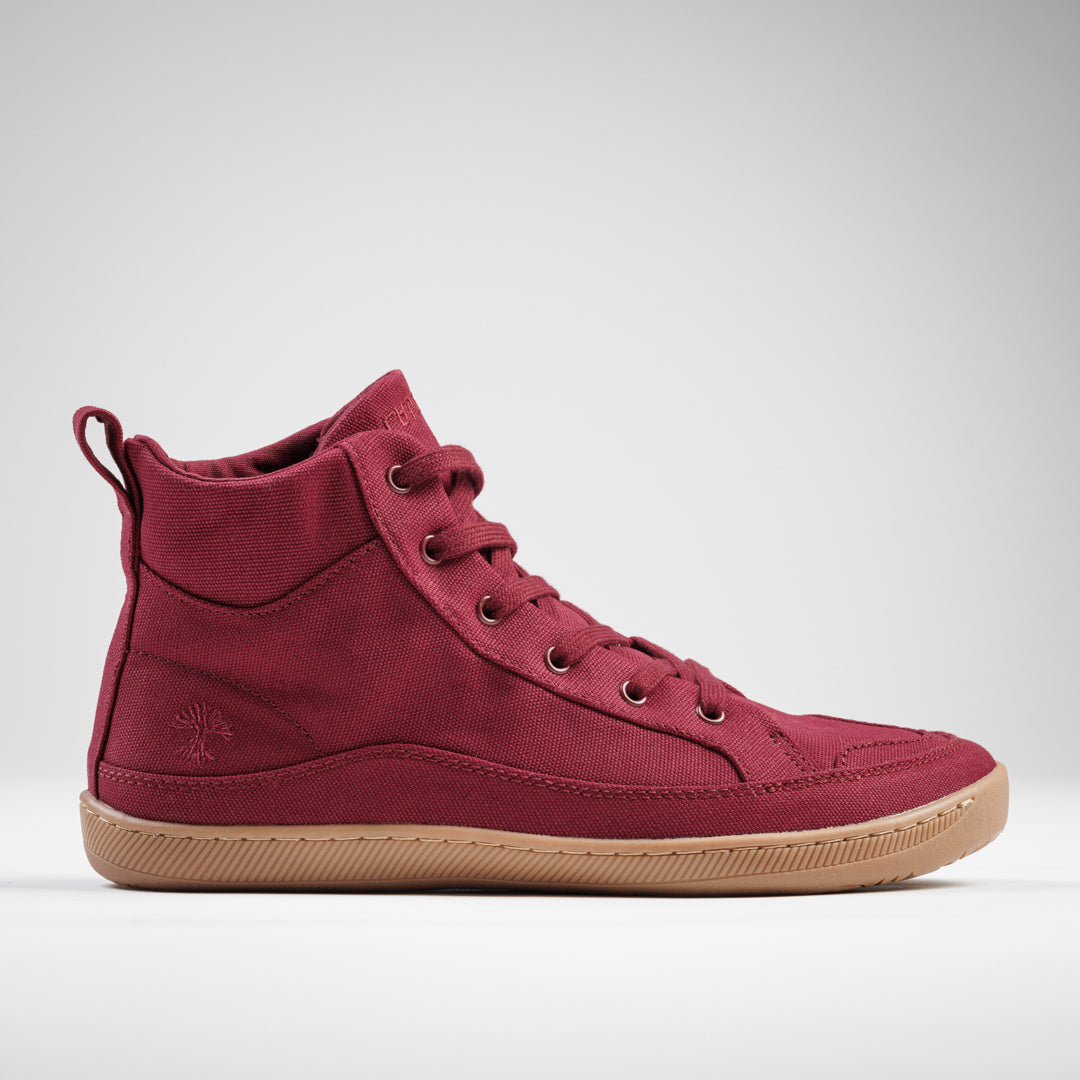
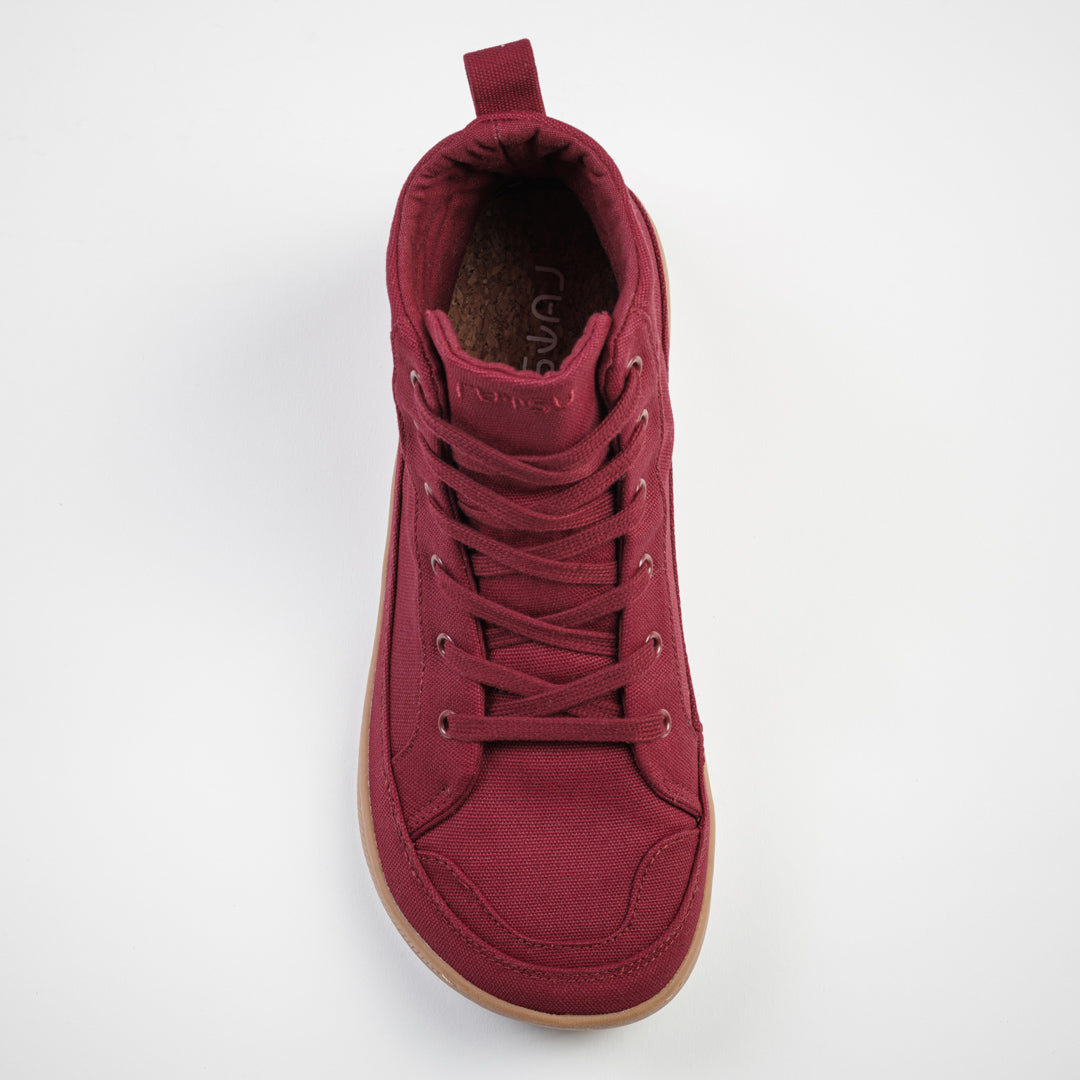
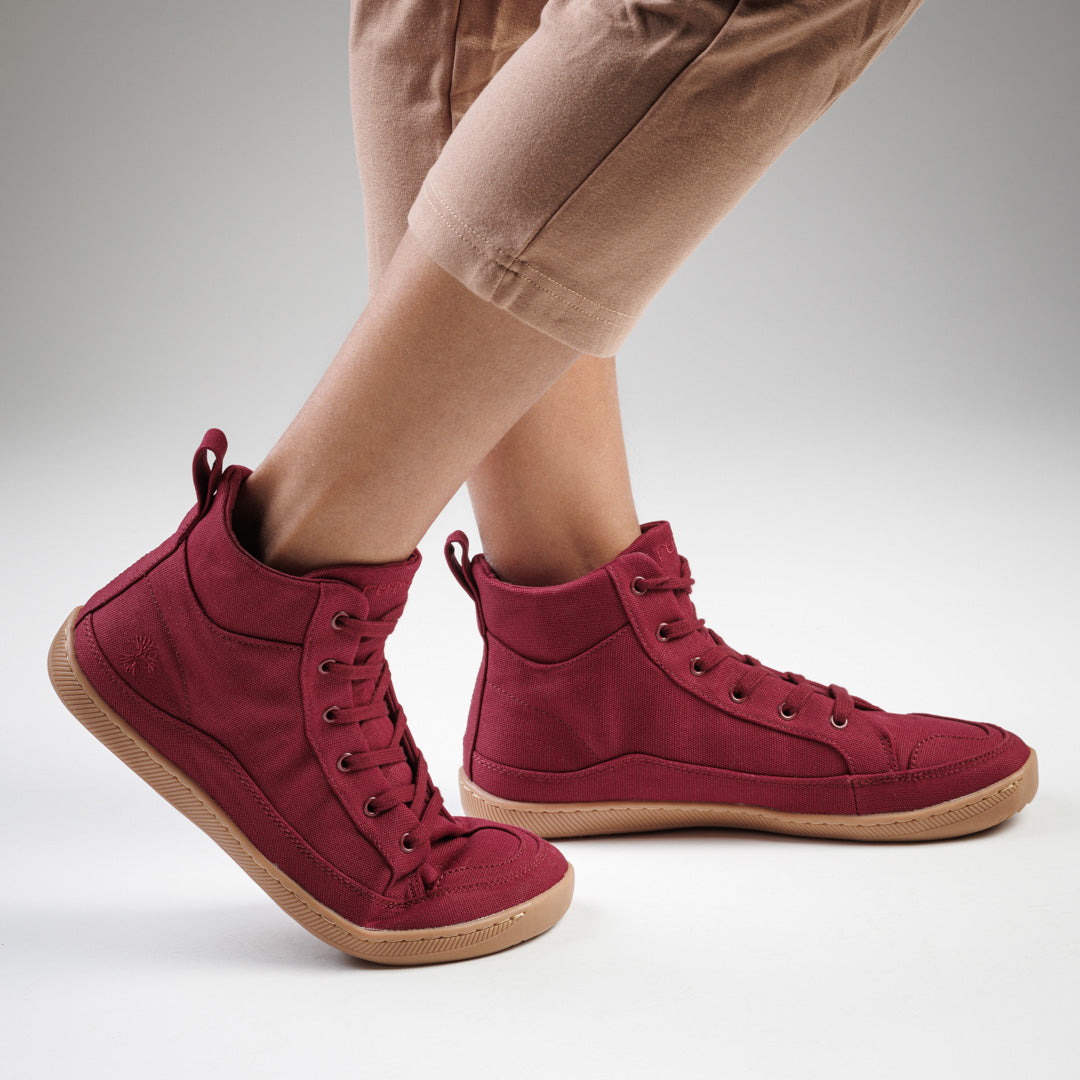
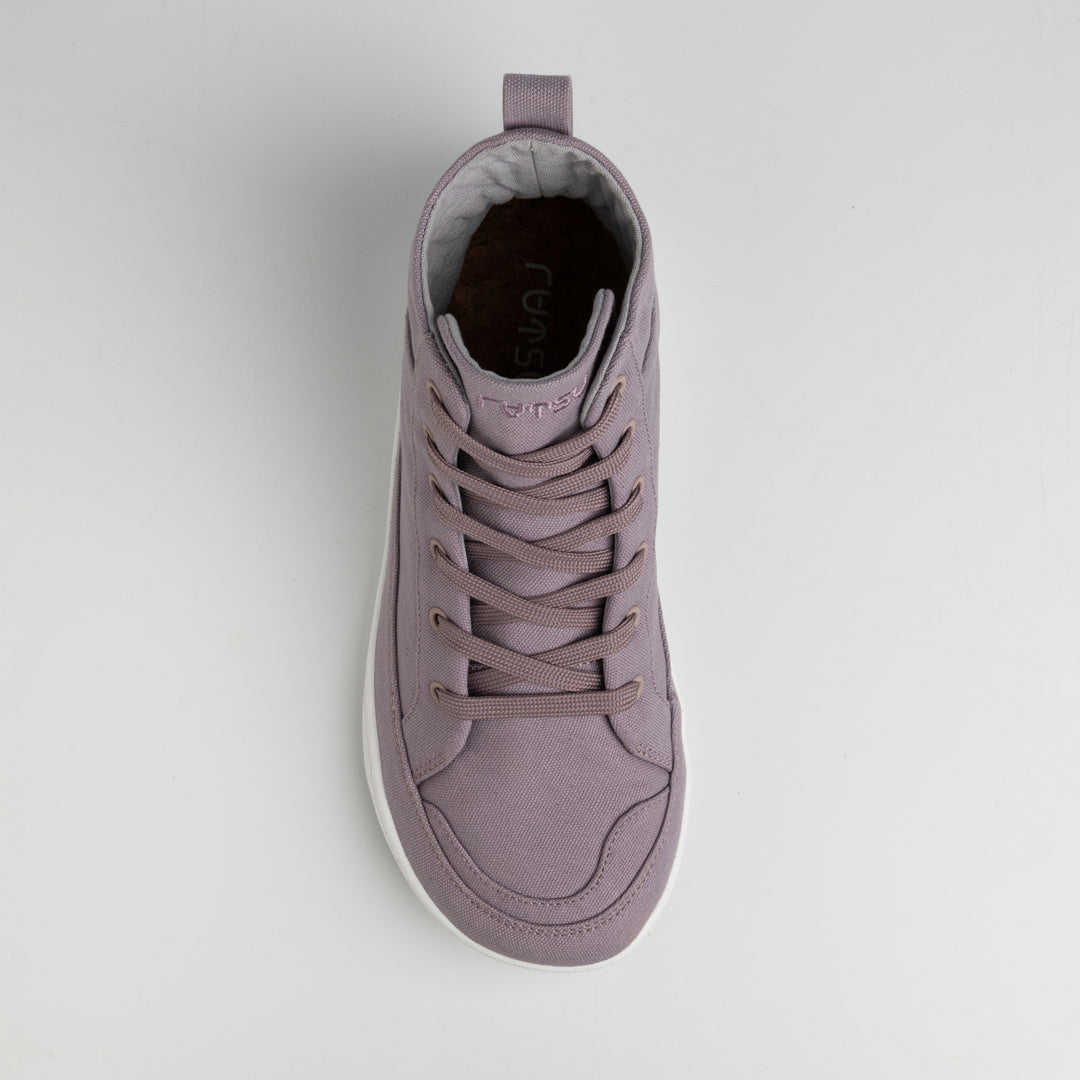
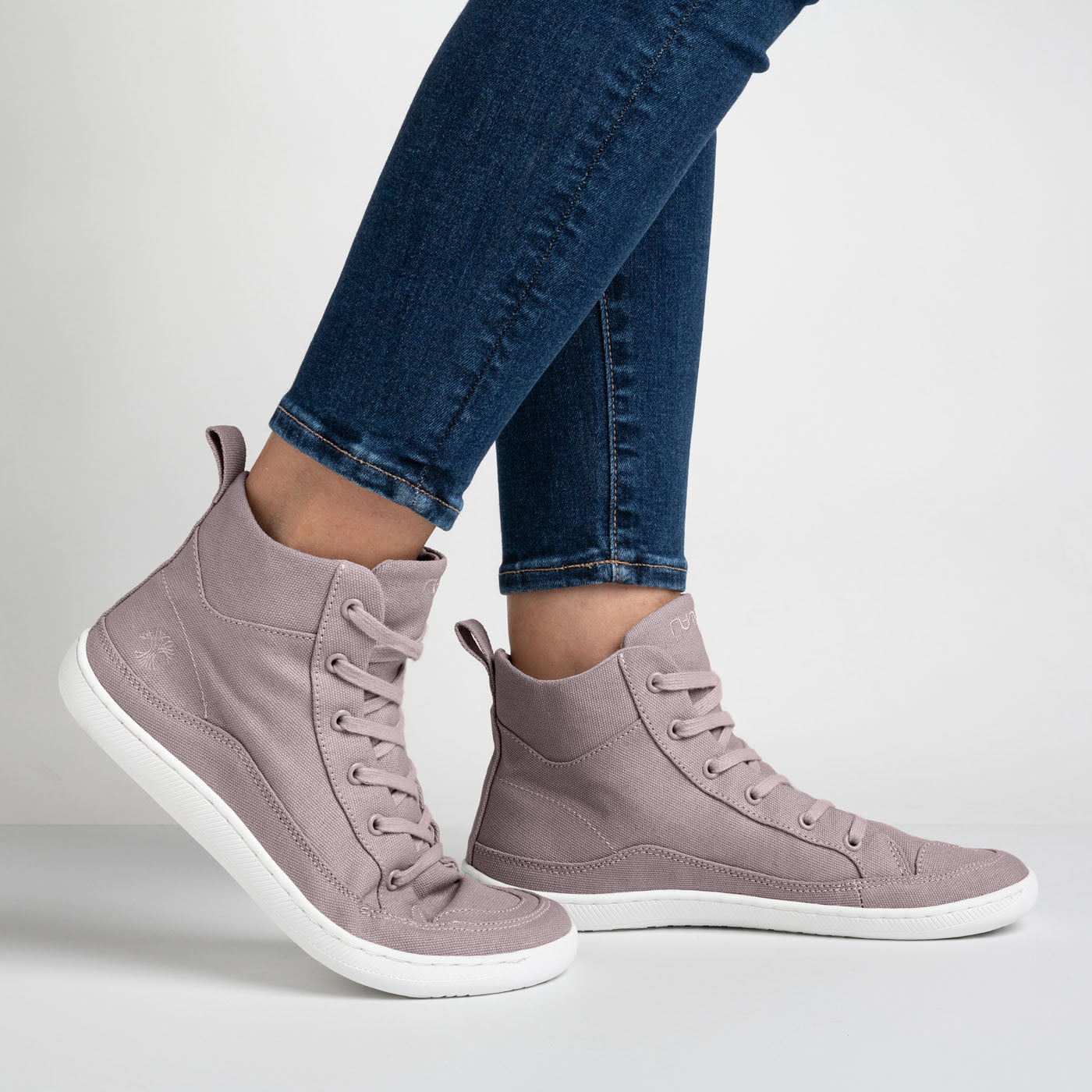
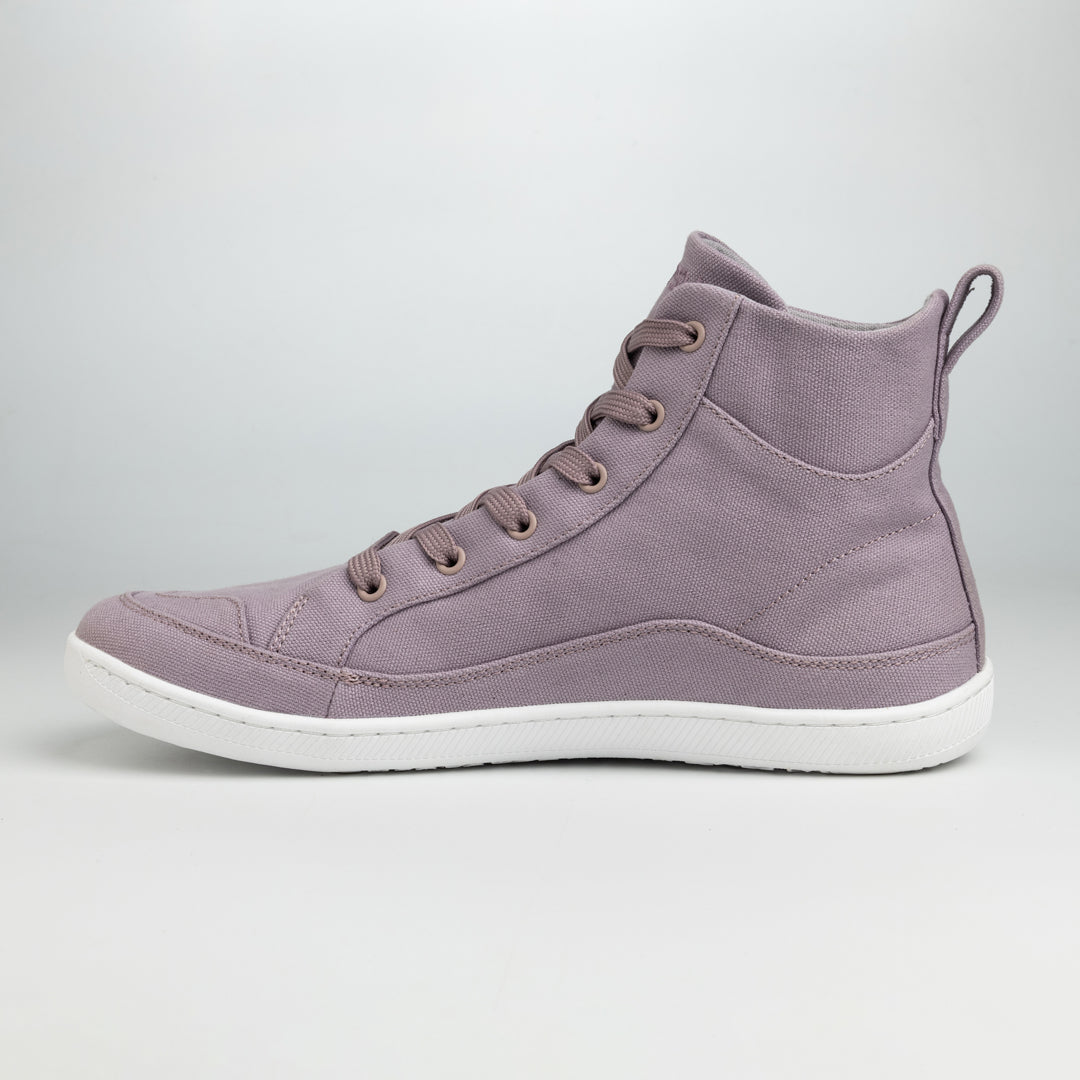
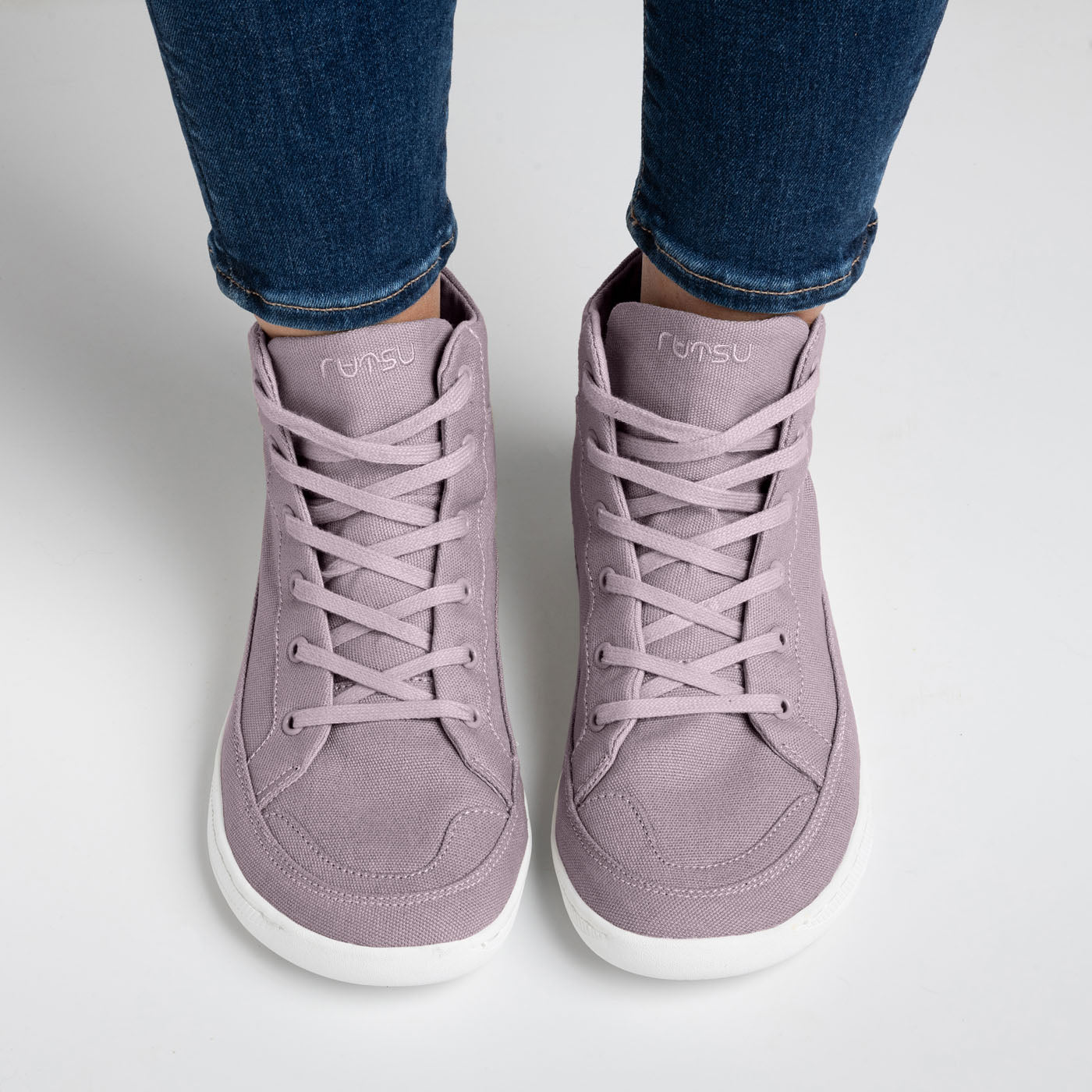
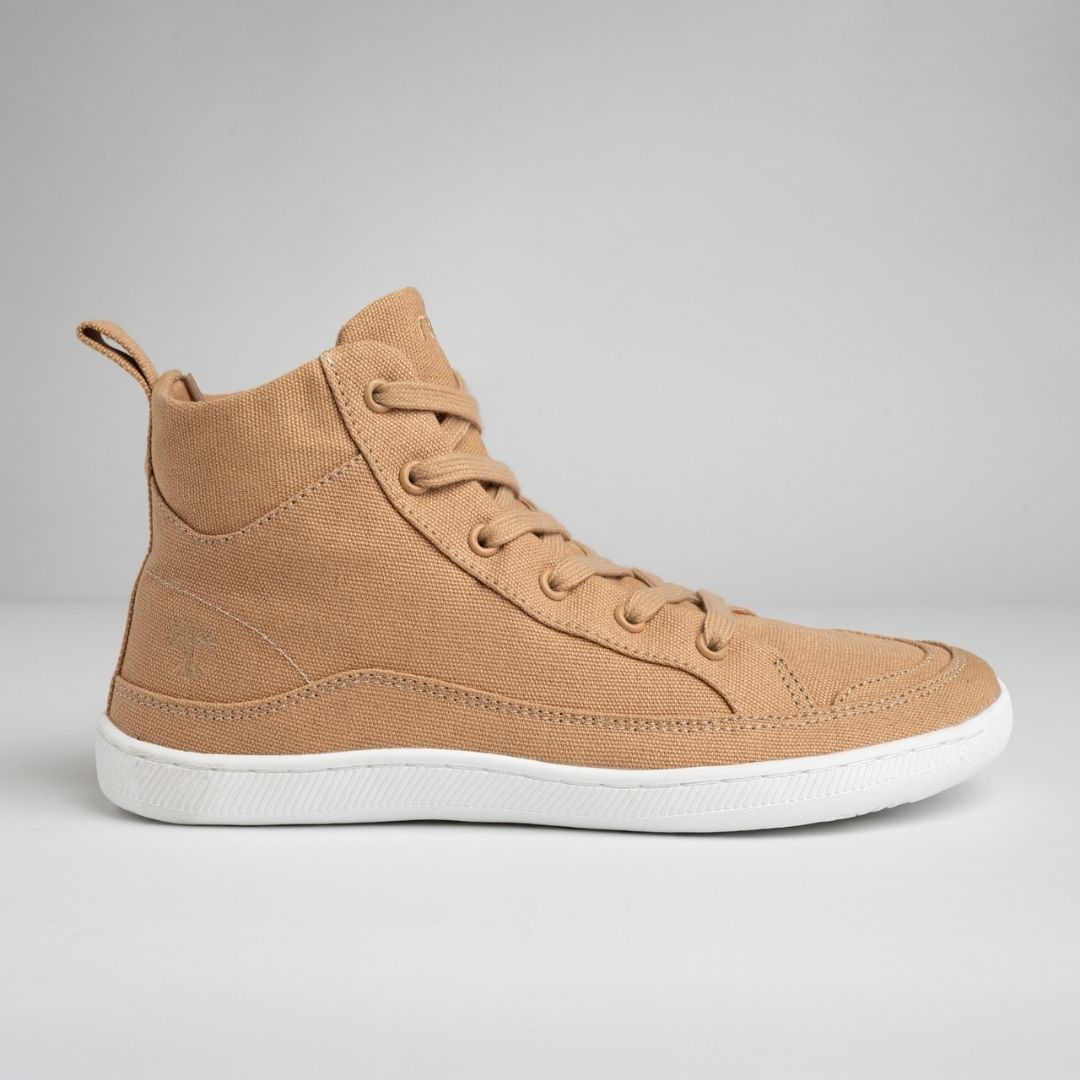
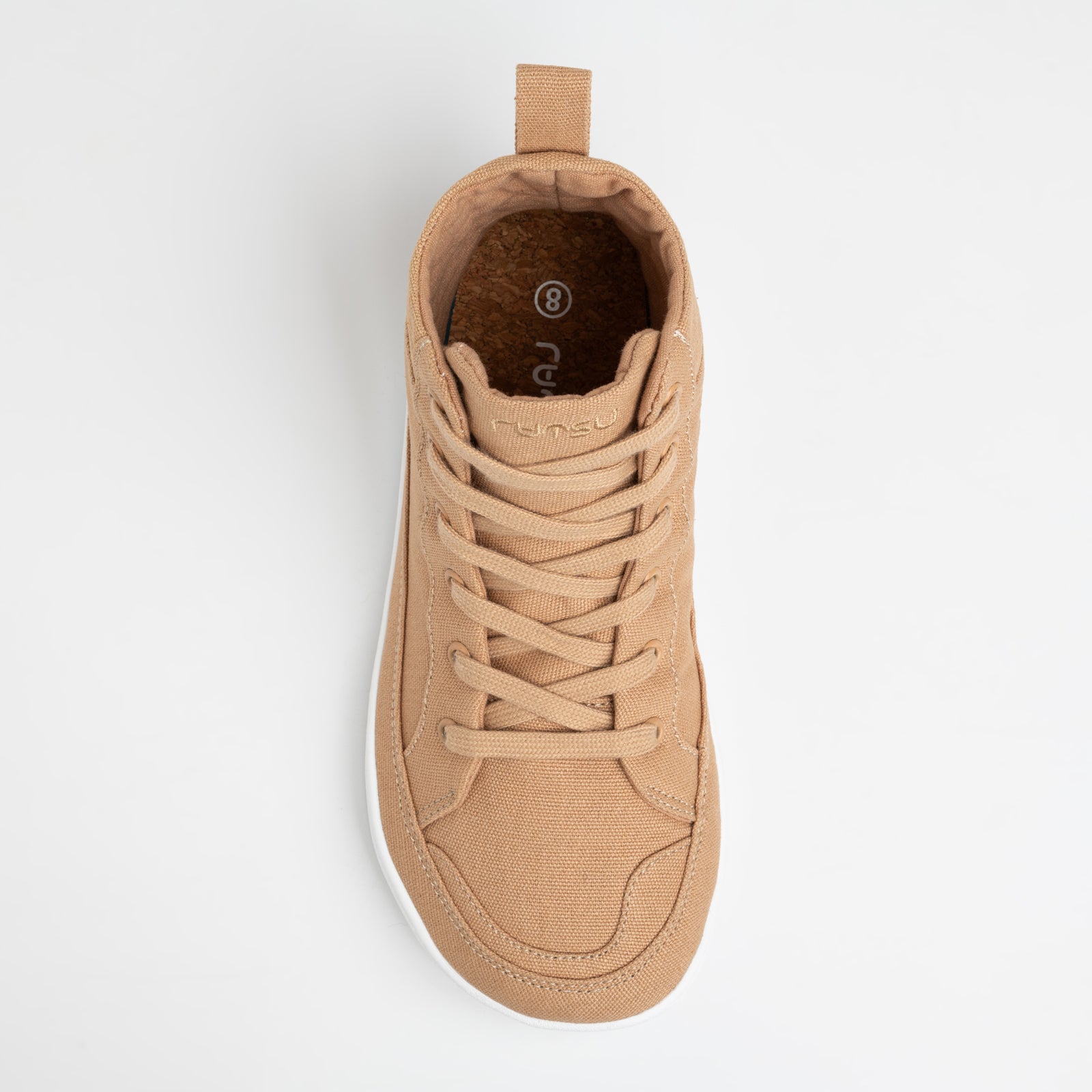
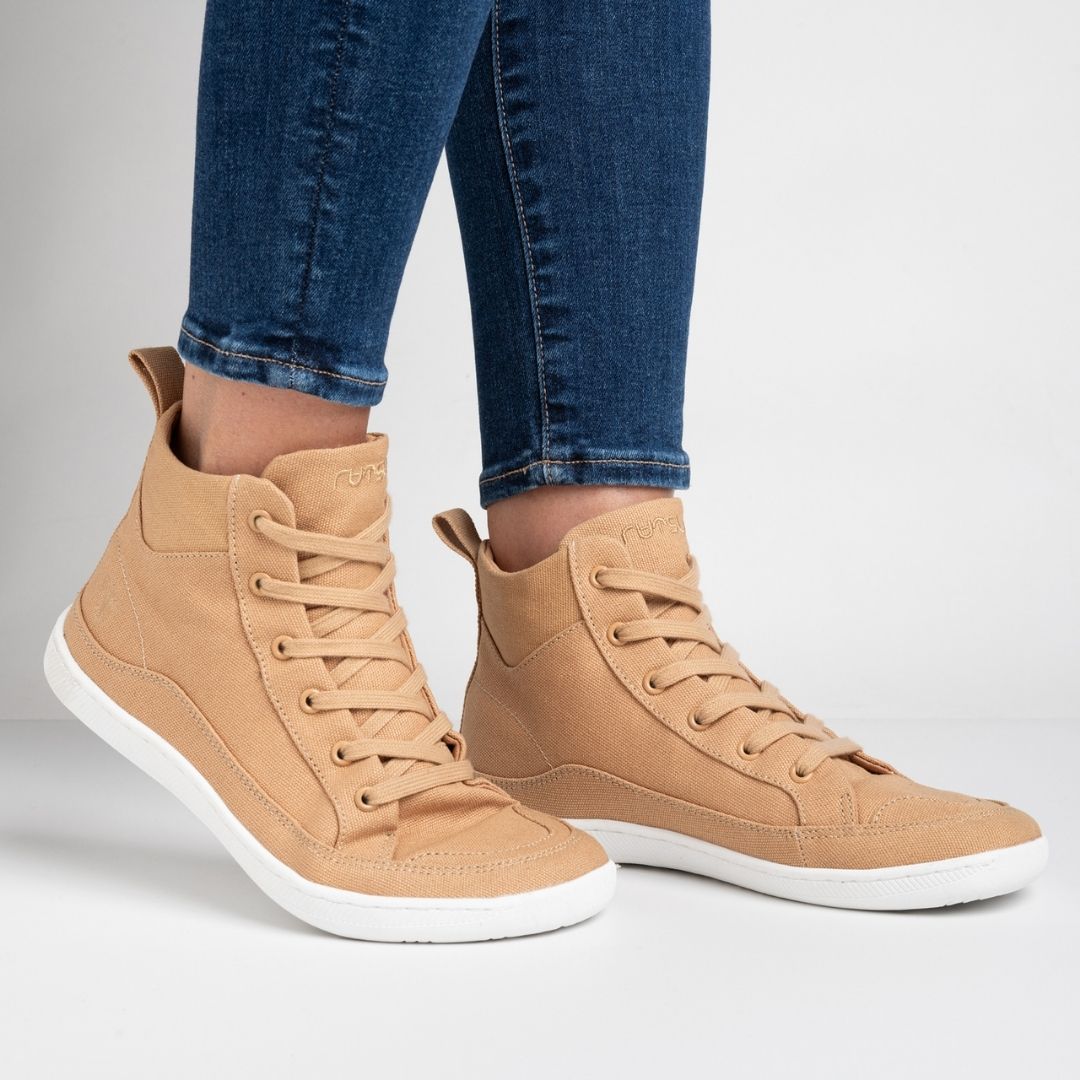
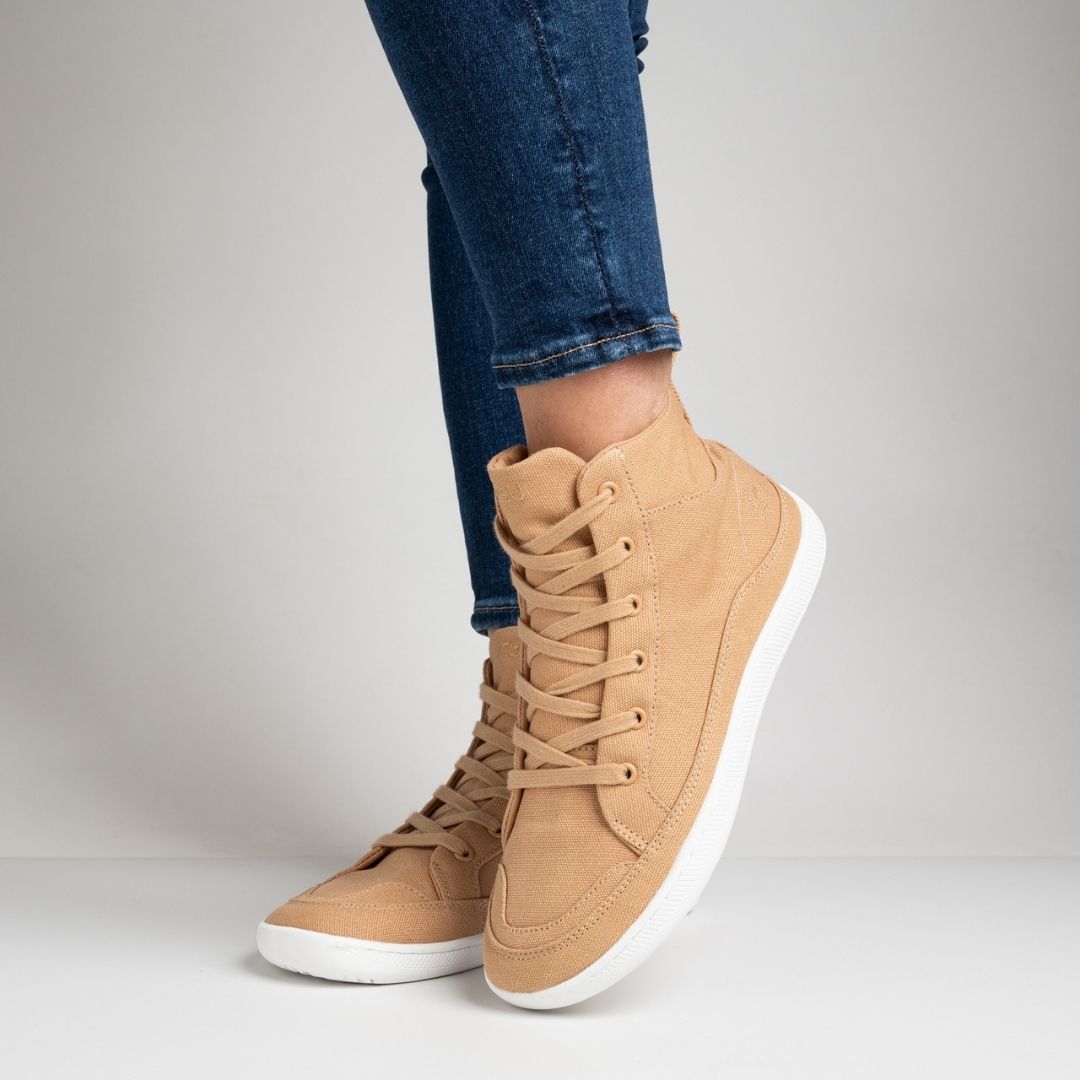
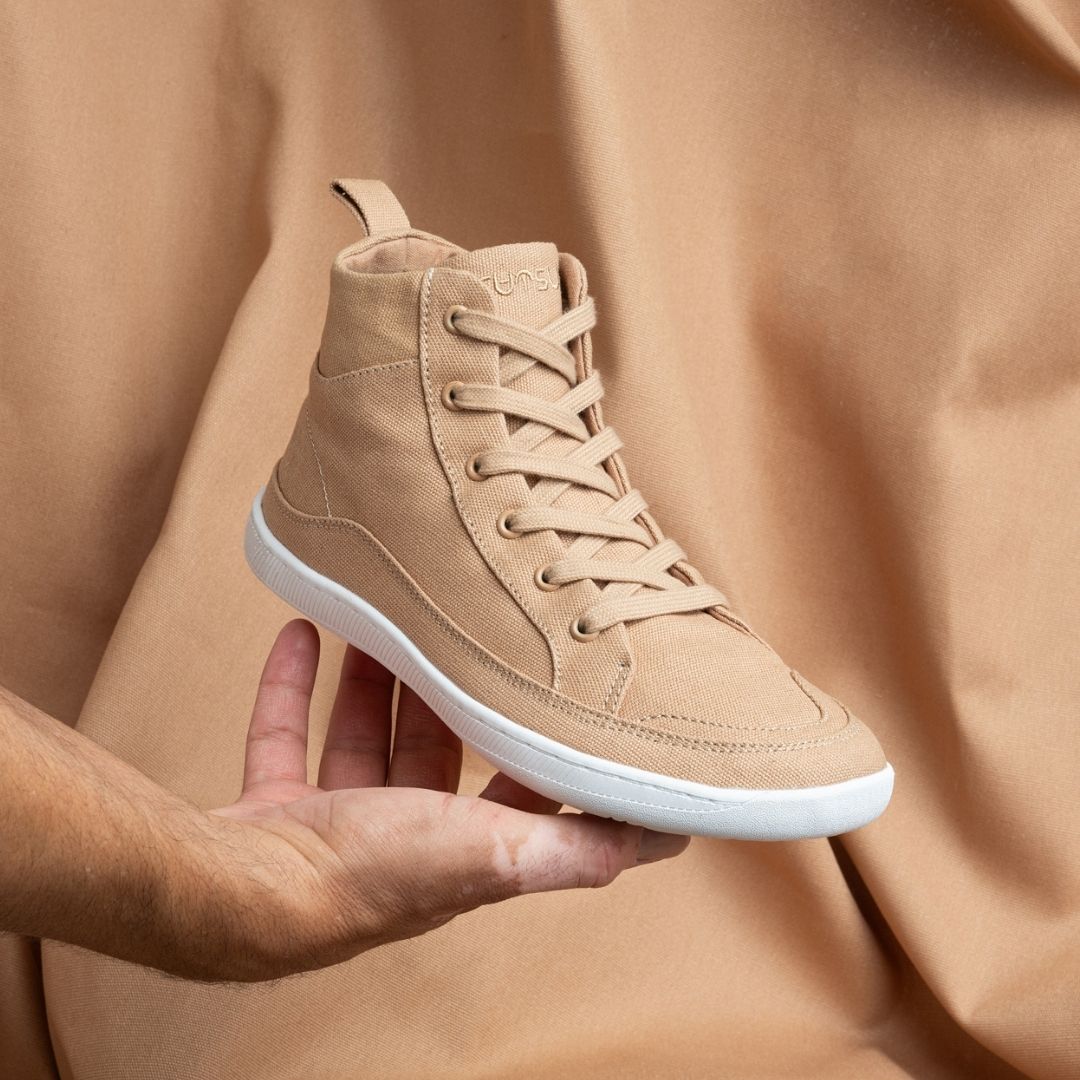
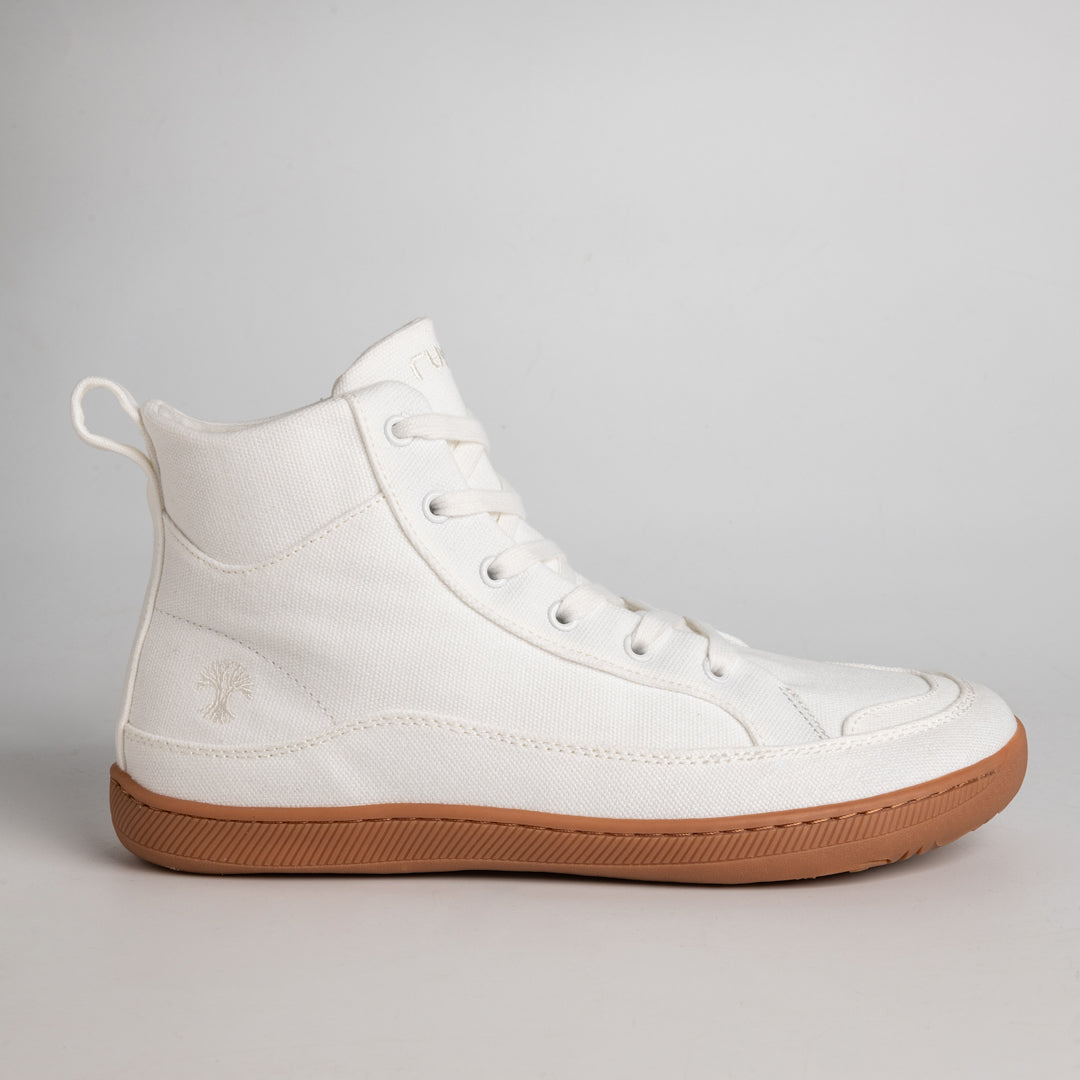
For shoppers looking at something more lifestyle-focused, Rutsu Barefoot has been picking up attention for their vegan-material designs and modern aesthetics. Their sandals tend to look less "outdoor gear" and more wearable for everyday situations.
The best pair really depends on what you're doing with them. Trail walks, casual wear, and water activities each call for slightly different builds.
Best Barefoot Sandals for Men Who Hike and Trail Walk
Trail use changes the equation. You need more grip, sturdier straps, and a sole that can take a beating.
Things that matter on dirt and rock: a thicker outsole (still flexible, just more durable), aggressive tread pattern, and straps that won't loosen mid-hike. Some hikers prefer a heel strap rather than just a back-of-foot loop. Steeper descents will tell you why.
For trail-ready options, browsing collections of barefoot hiking shoes and sandals side by side can help you compare features without getting locked into one category. Some men find that a closed-toe hiker works better on technical trails, while sandals stay reserved for water crossings or warmer day hikes.
(One caveat worth flagging. If you're hiking somewhere with sharp scree, snakes, or thick brush? Closed-toe footwear is the smarter call, full stop.)
Best Casual Barefoot Sandals for Everyday Wear
Daily wear is a different beast. The trail features that matter on a mountain don't matter much when you're walking to a coffee shop.
For casual use, look for:
-
Cleaner styling (less webbing, fewer buckles)
-
Comfortable straps that don't dig in over long wear
-
A sole that lasts but doesn't look like a tractor tire
-
Materials that handle sweat without smelling by day three
Sandals worn for daily errands also need to handle pavement, which gets hot. Black soles in direct sun can climb past comfortable temperatures fast. A lighter sole color may help, though no sandal is fully heat-proof in extreme conditions.
Barefoot Sandals vs. Regular Sandals: What Your Feet Actually Feel
Slip on a typical sandal and your foot lands on a molded contour. The arch is supported. The heel sits in a cup. Your stride basically gets dictated by the shoe.
Switch to a barefoot version, and your foot becomes the boss again. You feel the ground texture. Your toes spread. Your weight distributes across your whole foot rather than getting funneled into preset zones.
Some men describe the difference as walking on a thin yoga mat compared to walking on a couch cushion. Less luxurious, more aware. Whether that feels good or annoying depends entirely on the person.
How Barefoot Sandals Affect Foot Strength, Balance, and Posture
Here's where we have to slow down on the bold claims.
Limited scientific research exists on barefoot sandals specifically, but anecdotal reports from regular wearers suggest some users notice stronger foot muscles over months, better balance on uneven ground, and reduced toe crowding. A few report posture changes too.
That said, these results aren't universal. Some men feel zero difference. Others get sore arches for weeks. And anyone dealing with diagnosed foot conditions like advanced plantar fasciitis, neuropathy, or severe overpronation should talk to a podiatrist before swapping footwear types. The wrong pair at the wrong time can set you back.
What's the takeaway? Barefoot sandals may support natural foot function, but they're not a guaranteed fix for anything specific.
How to Style Barefoot Sandals Without Looking Out of Place
The big concern most guys have about barefoot sandals isn't comfort. It's looks. Will I look like I'm cosplaying as a Reddit hiking guide?
Reasonable worry. Some early barefoot sandals leaned heavily into the "tech webbing strapped to a rubber slab" aesthetic, and that look isn't for everyone. The good news: design has improved.
Style basics that work:
-
Pair sandals with shorts that hit just above the knee, not below
-
Linen pants or relaxed chinos work surprisingly well
-
Skip the white socks (unless you're going full retro on purpose)
-
Stick to neutral or earth-tone straps for versatility
Modern designs like those from Rutsu Barefoot lean cleaner, which makes them easier to pair with smart-casual outfits.
Breaking In Your First Pair: A Practical Transition Guide for Men
Rushing this step is how men end up with sore calves and a return shipping label.
A reasonable transition timeline:
Week 1: Wear them around the house for an hour. Walk to the mailbox. Notice how your feet feel afterward.
Week 2: Stretch to 2-3 hours, maybe a short walk in the neighborhood.
Week 3-4: Half-day wear. Light errands. Short walks under a mile.
Week 5 onward: Full days, gradually adding distance.
If you feel sharp pain (not just unfamiliar soreness), back off. Recovery beats stubbornness every time. Some men adapt in three weeks; others need three months. Both are normal.
That's the honest reality of switching to barefoot sandals for men. The payoff can be real, but only if you give your feet time to catch up.
FAQs
Are barefoot sandals appropriate for office or smart-casual settings?
Some are, especially newer designs with cleaner straps and minimal branding. They work better in creative or relaxed office environments. Traditional corporate or client-facing settings usually still call for closed-toe footwear.
Can you wear barefoot sandals on hot pavement without burning your feet?
The thin sole offers less heat insulation than thicker sandals. On extremely hot pavement, soles can absorb heat quickly. Lighter sole colors may help slightly, but it's smart to avoid prolonged direct-sun pavement walks during peak summer hours.
How do barefoot sandals hold up in water and wet conditions?
Many handle water well, especially those with synthetic straps and quick-drying soles. Leather versions need more care and may stiffen after repeated soakings. Always check the brand's specific care instructions.
What size should I get if I'm between sizes in barefoot sandals?
Most barefoot sandal brands recommend sizing up when between sizes, since your toes need space to splay. Some brands also offer adjustable straps that accommodate slight variations. Check the brand's specific sizing chart before ordering.
Do barefoot sandals provide enough arch support for long walks?
By design, they don't provide built-in arch support. Some wearers find their foot muscles adapt over time and handle long walks fine; others may need to build up gradually or stick to shorter distances. Individual experience varies significantly.
How long do barefoot sandals typically last with daily use?
With daily wear, most quality barefoot sandals last 1-3 years depending on materials, terrain, and care. Soles wear faster on rough pavement and trails. Straps often outlast the sole, and some brands offer resoling services.