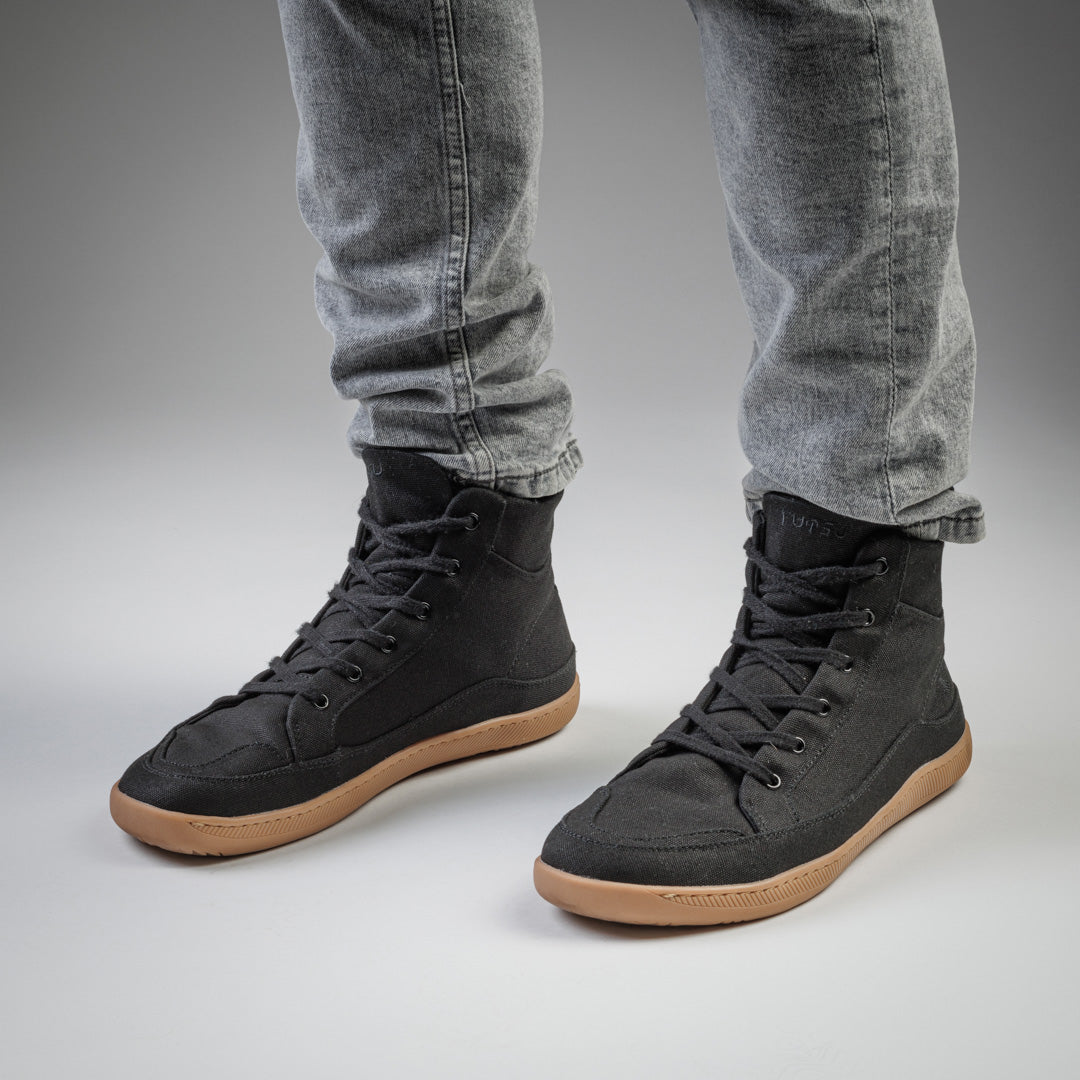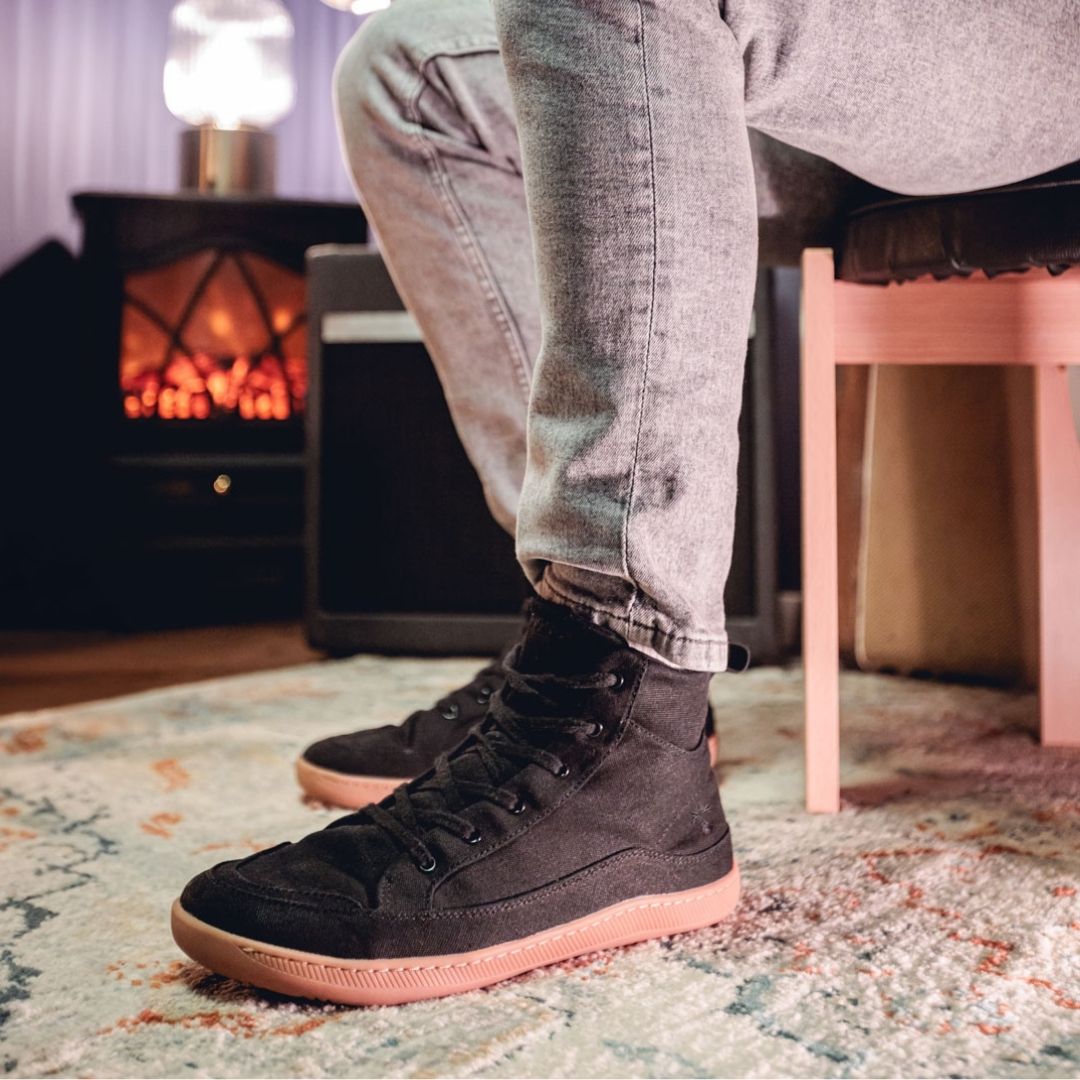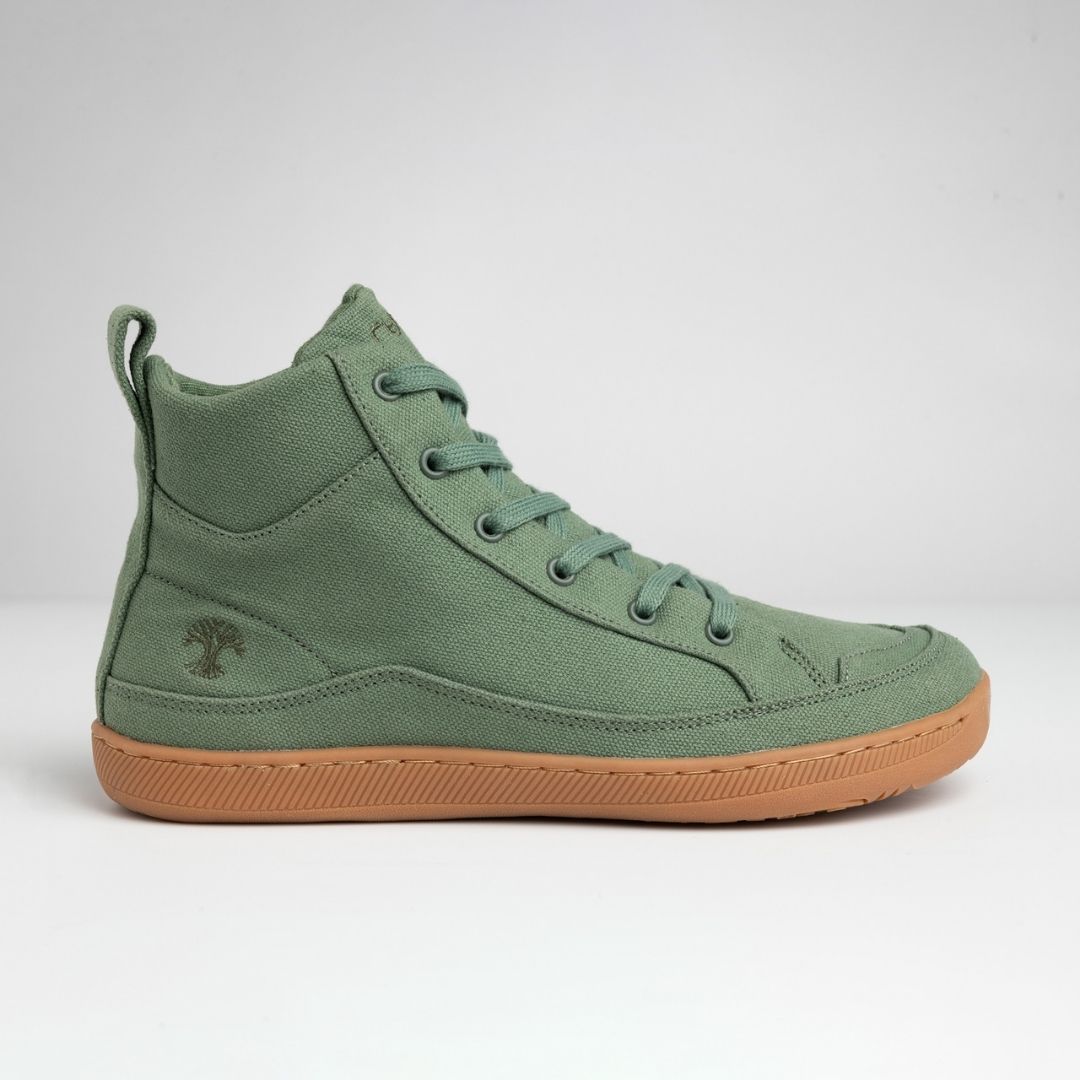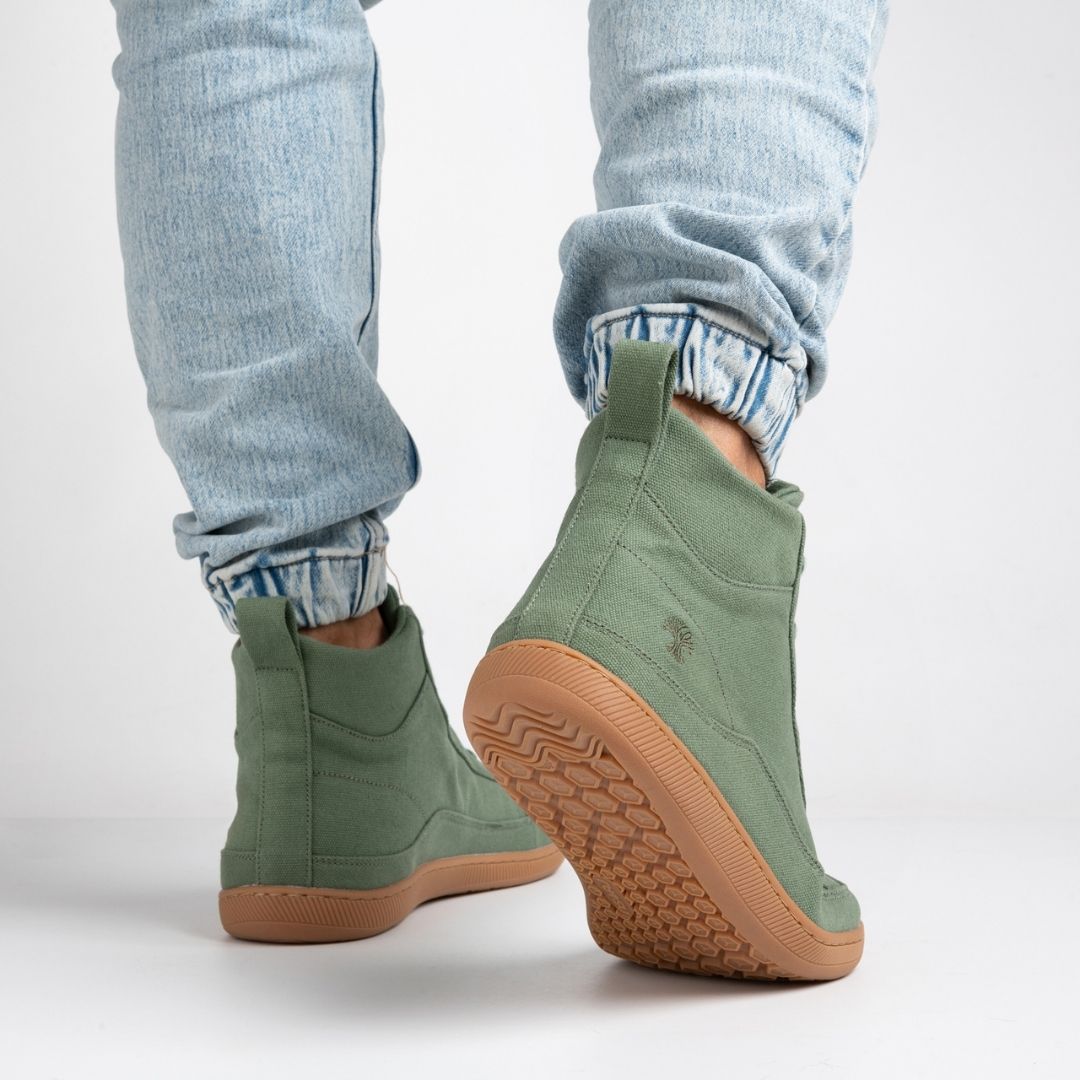


High top shoes have a way of making an outfit look finished. That extra height around the ankle? It changes the shape of the shoe, and your stance with it.
But here's what most guides skip: the cut affects more than your look. It shapes how your foot moves and how the shoe breaks in. So before you grab the first pair you like, let's talk about what you're really buying.
What Counts as a High Top? The Anatomy Behind the Silhouette
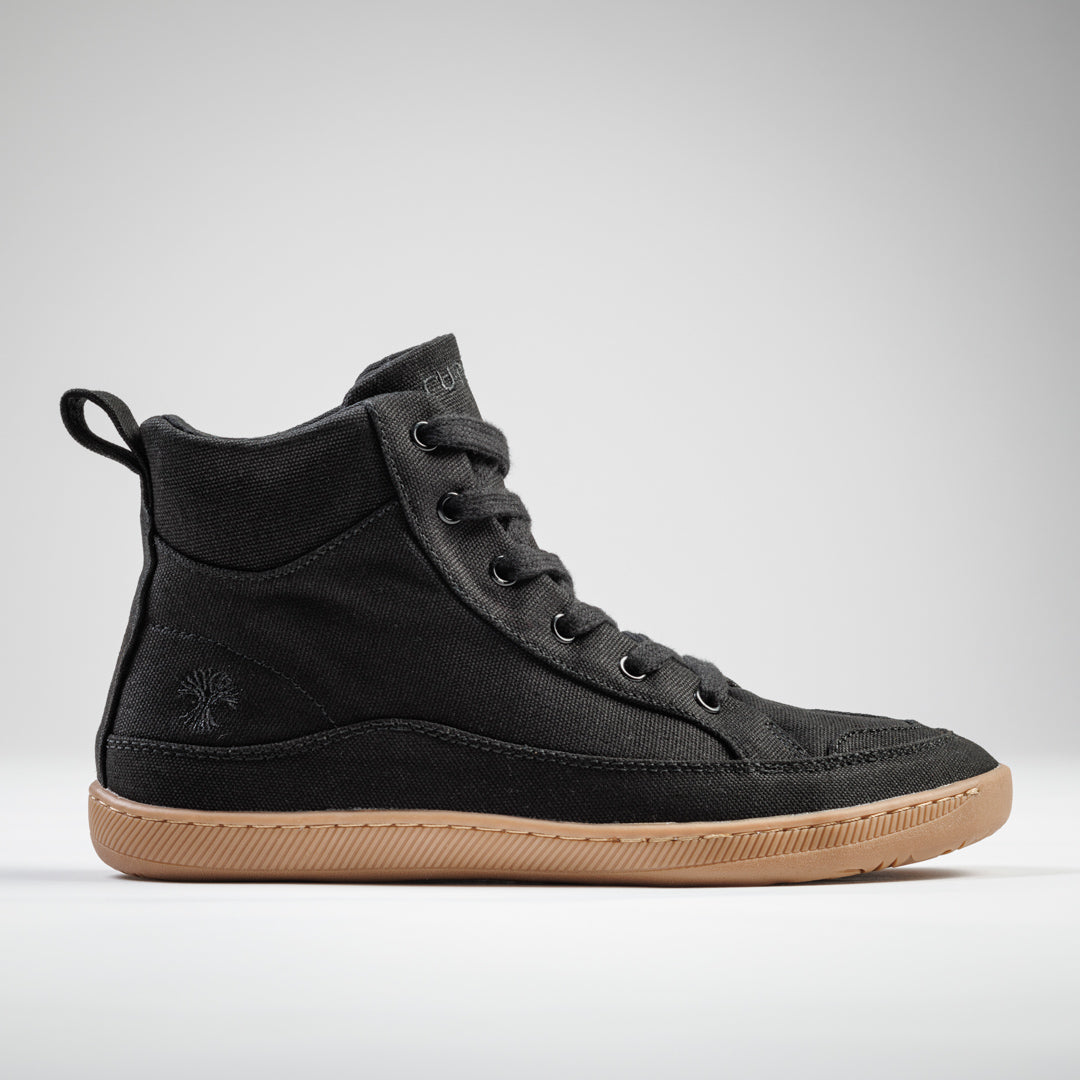
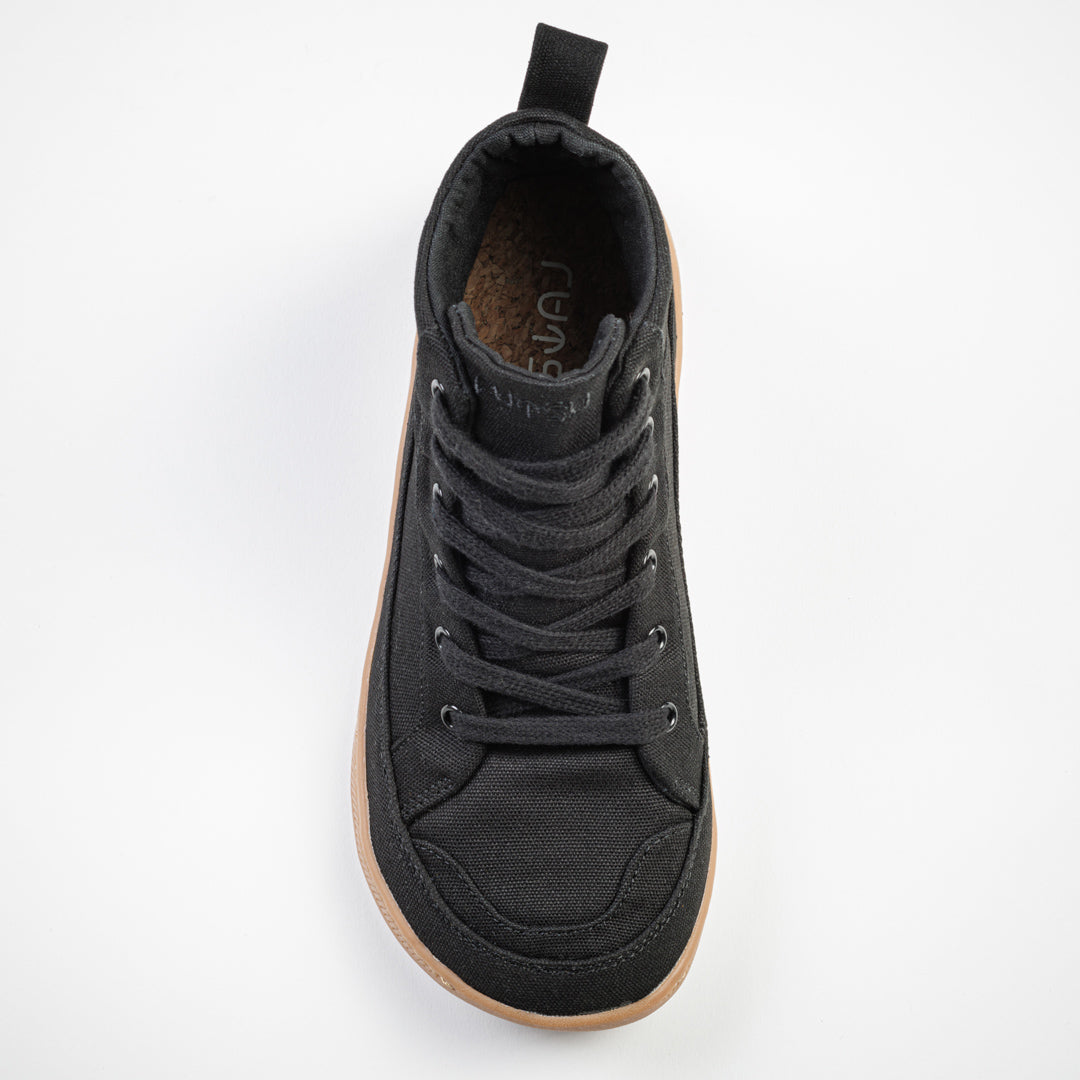
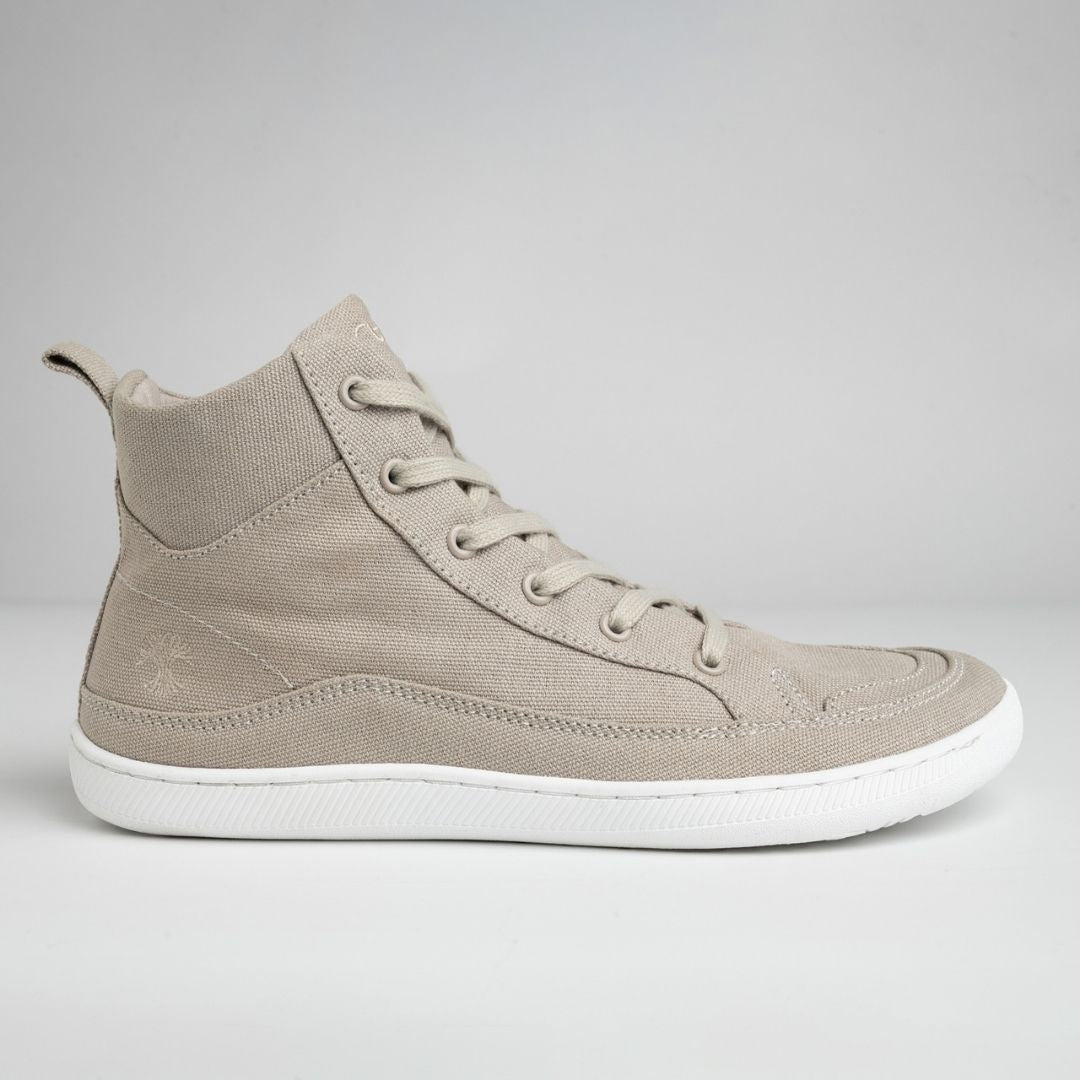
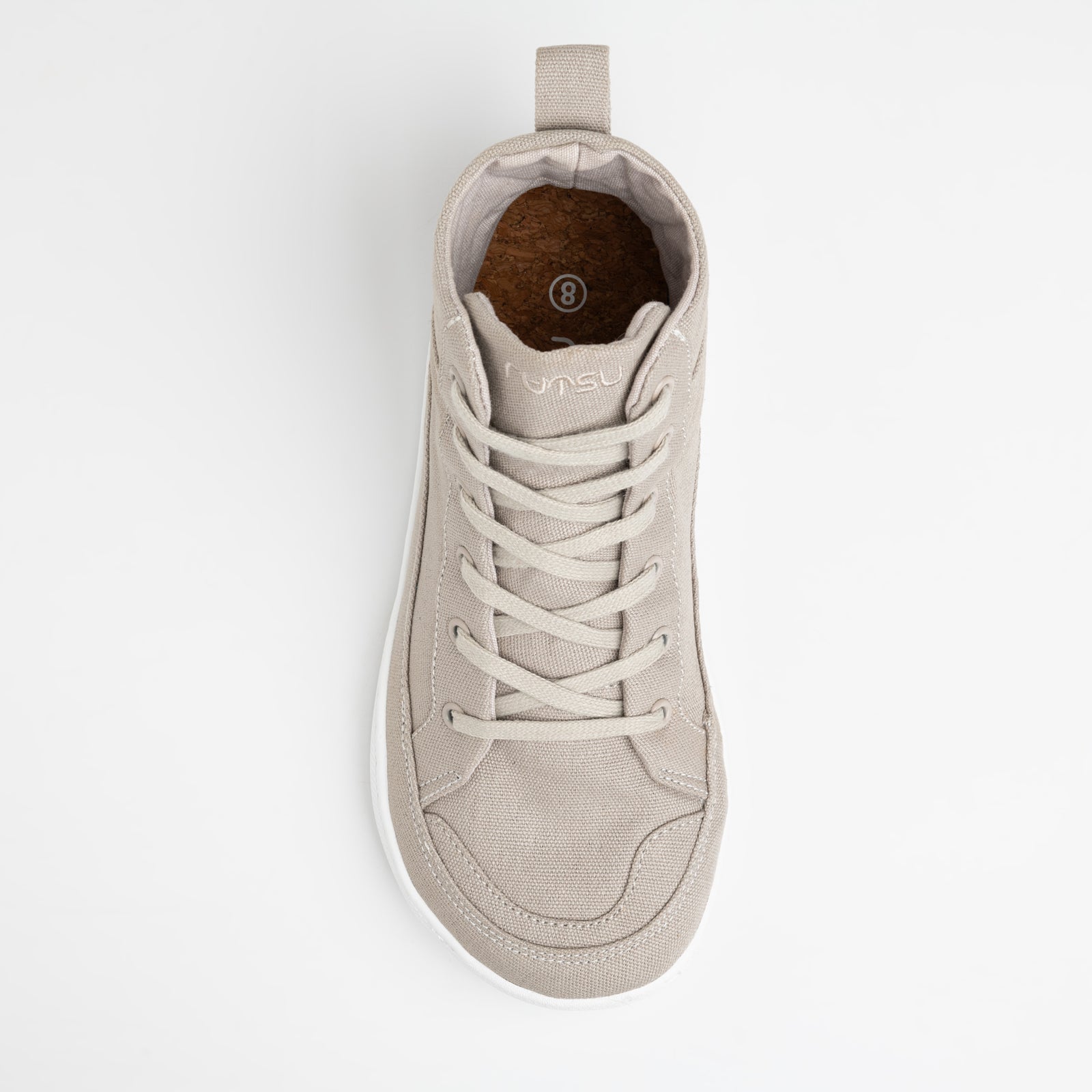
Strip away the branding and a high top comes down to one thing: the collar. That padded ring sits above your ankle bone, wrapping the lower leg in a way low shoes never touch. Most add extra eyelets up the tongue, so the laces climb past the ankle.
Look closer and you'll spot other tells. A reinforced heel counter. A taller tongue. The upper materials run soft, since stiff panels around a moving joint would rub you raw by lunchtime.
One myth to kill: a high collar doesn't mean a heavy, clunky shoe.
From the Hardwood to the Sidewalk: How High Tops Took Over
The high top didn't start as a style statement. It started on the basketball court, where early players wanted something that hugged the ankle. The canvas Converse All Star, around since 1917, ruled the game for decades.
Then culture got hold of it. When the Air Jordan 1 landed in 1985, the high top crossed from sport to status, and hip-hop pushed it further still. Athletic gear becomes a wardrobe staple, and nobody blinks.
High Tops vs. Mid Tops vs. Low Tops: What the Cut Actually Changes
Three cuts, three feels. The low top sits below the ankle bone and stays out of your way. The high top climbs above it and makes itself known. The mid top splits the difference.
So what changes? A few real things:
-
Movement: lower cuts let the ankle flex more openly.
-
Weight: more material up top means a touch more heft.
-
Coverage: high tops keep ankles warmer, which some love and others can't stand.
-
Look: the taller the collar, the bolder the statement.
No winner here. A runner wants a low top. Someone after warmth and a bolder look leans high.
The Ankle Support Question: What High Tops Really Do (and Don't) Protect
Here's the big one, and where marketing gets slippery. People assume a high collar locks the ankle and shields it from sprains. The truth is murkier.
Research on whether high tops prevent ankle injuries has been mixed. A tall collar on its own hasn't shown strong, reliable protection against rolling an ankle. What it gives you is snugness and warmth around the joint. That sense of security is real, even if the structural protection stays modest.
So what keeps ankles healthy? Strong muscles, balance, and a foot that's used to working. Some argue that leaning on stiff support lets the small stabilizing muscles get lazy. (Debated, not settled, so take it as one view.)
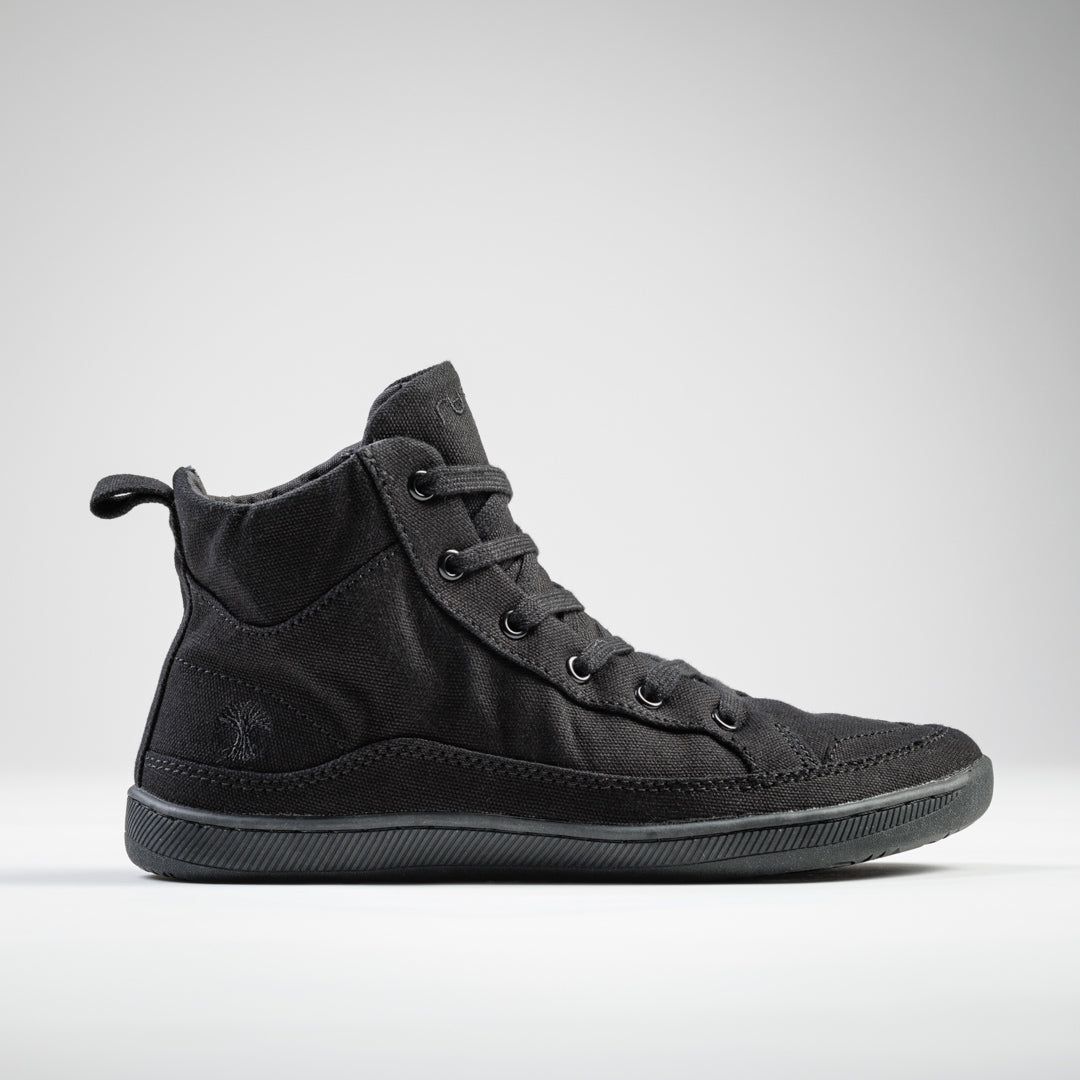
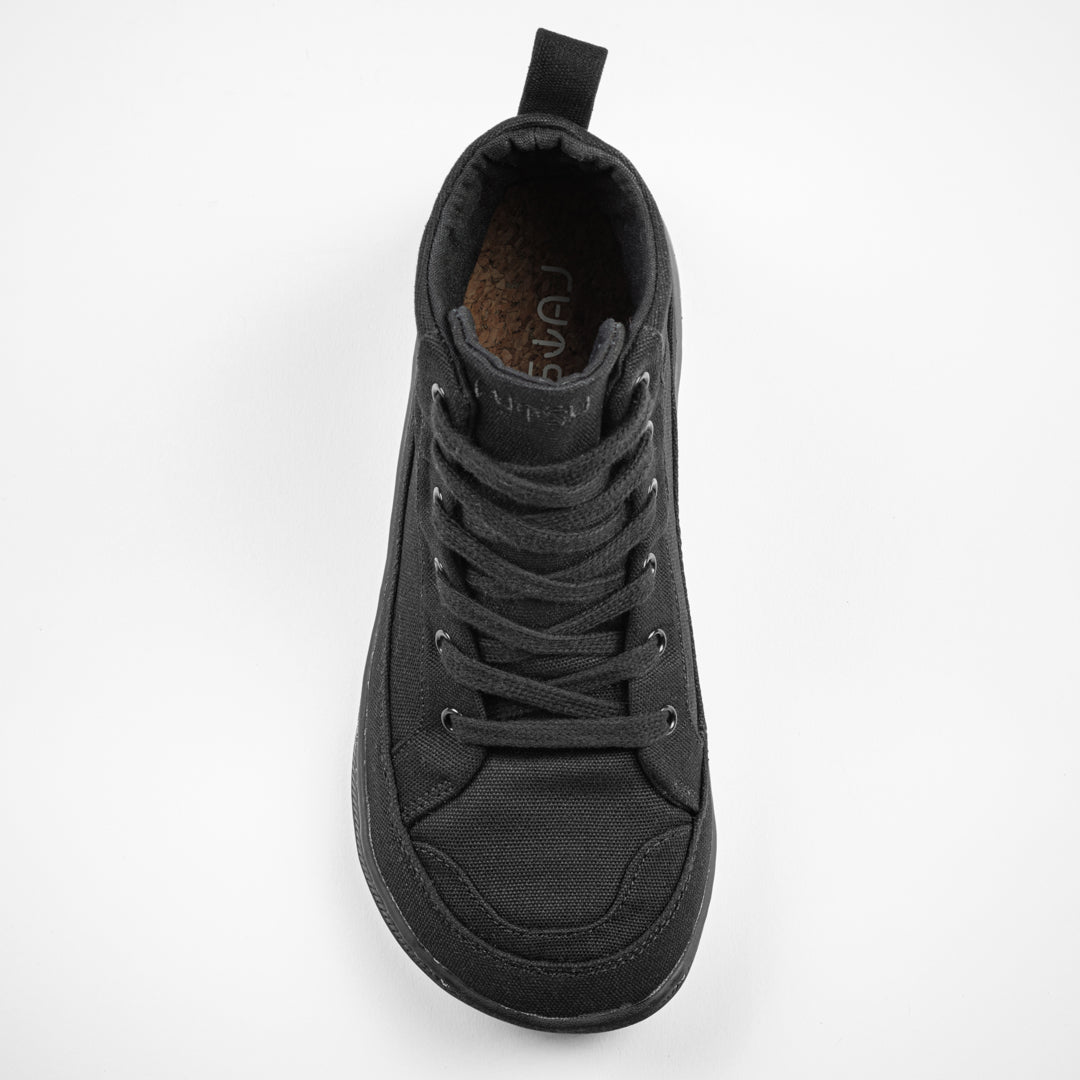
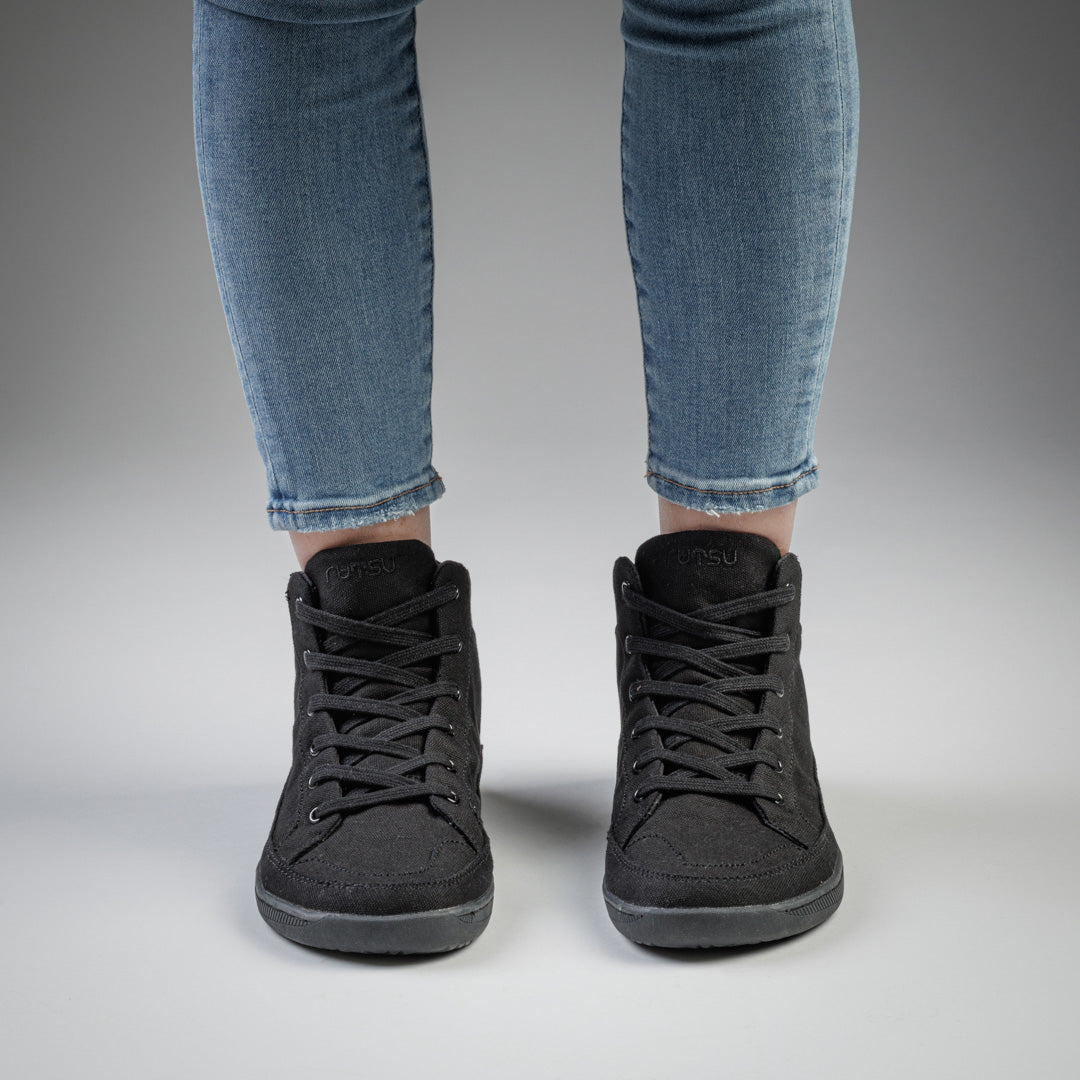
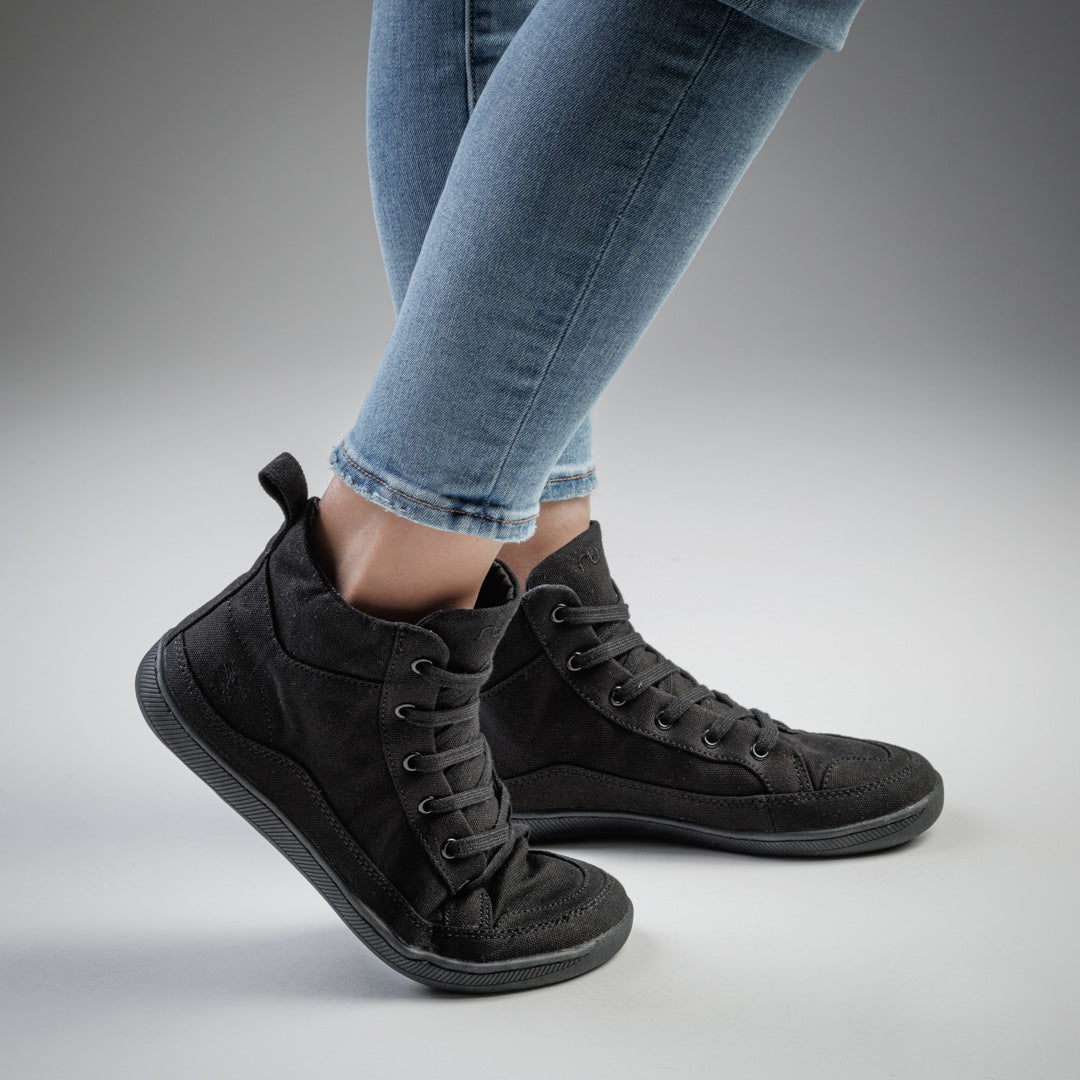
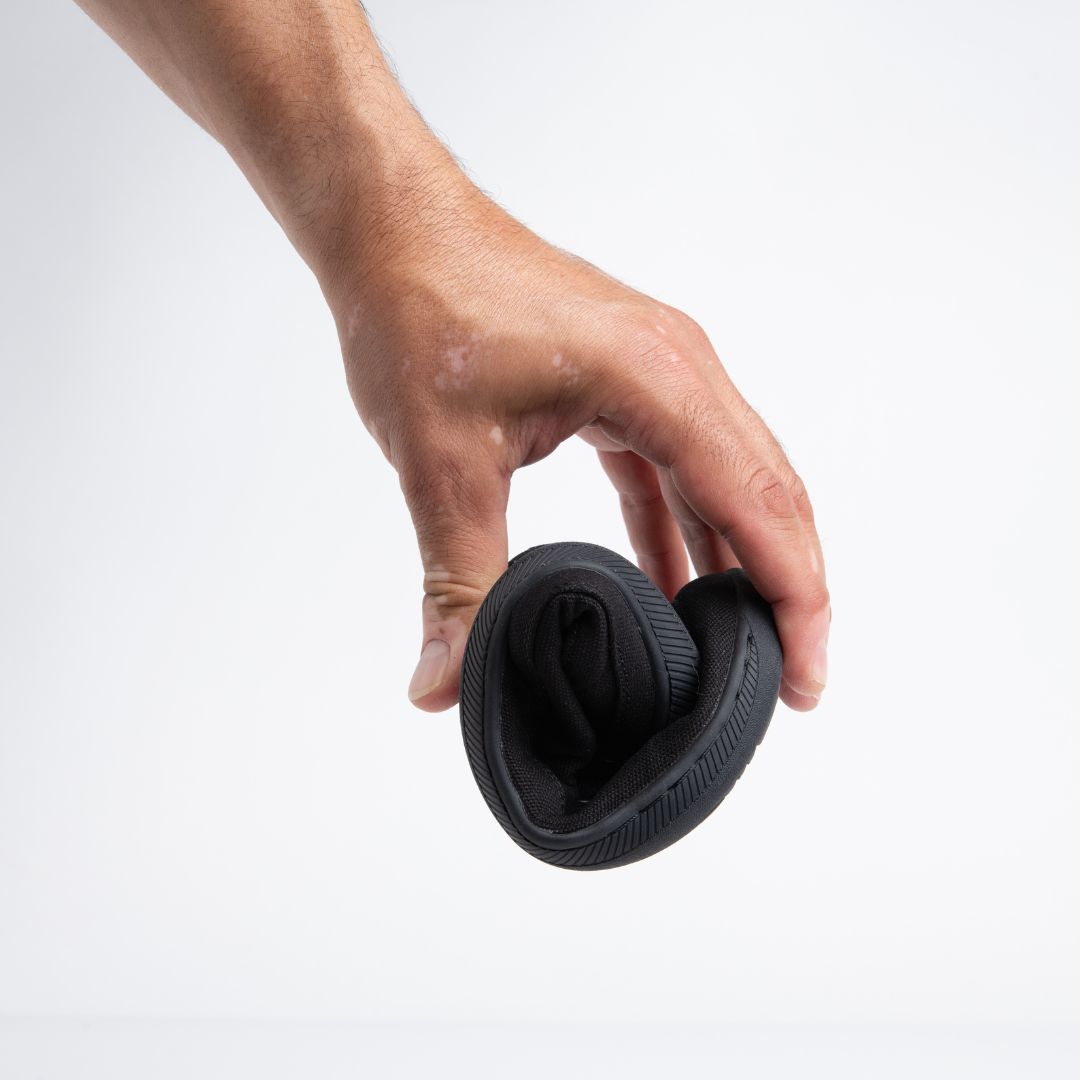
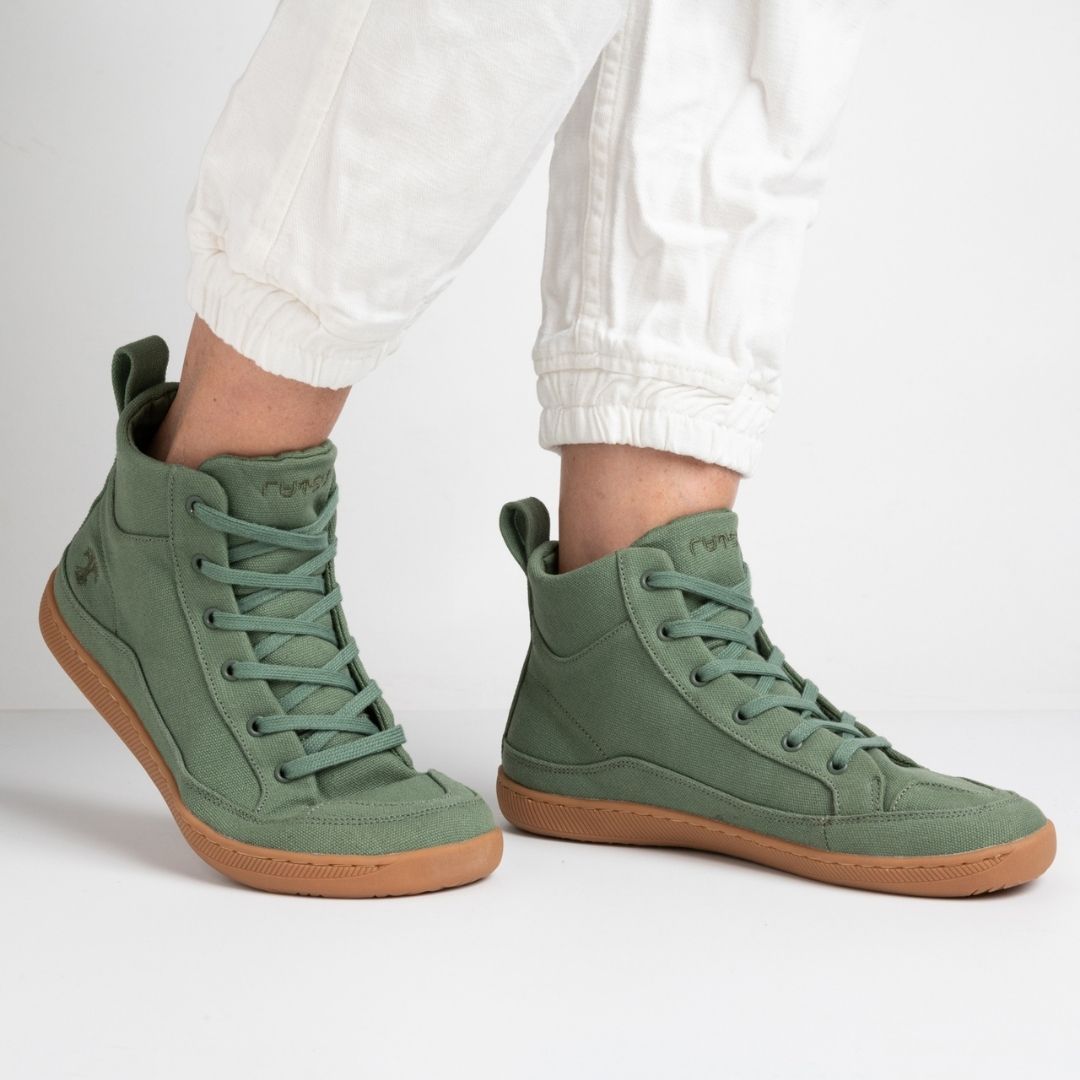
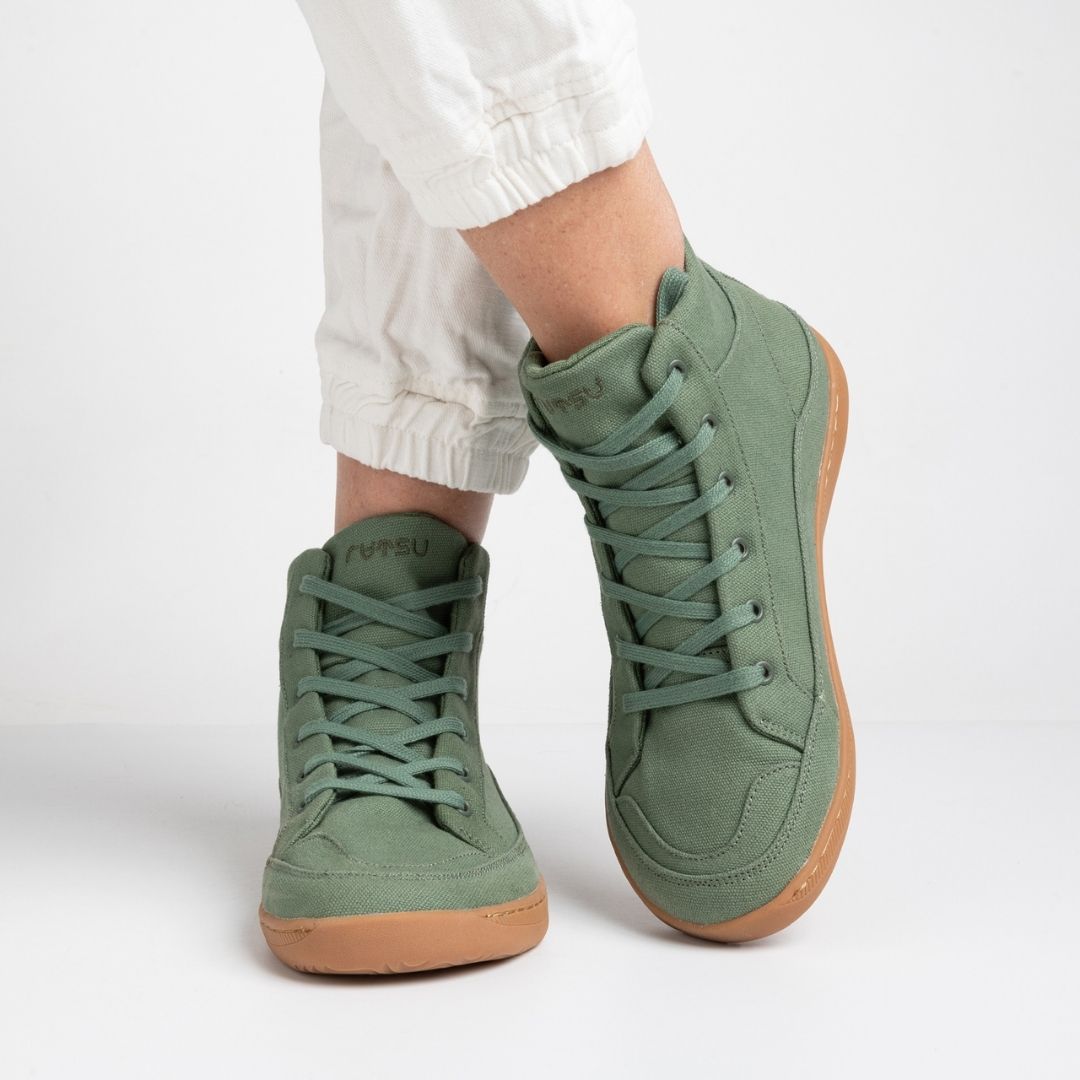
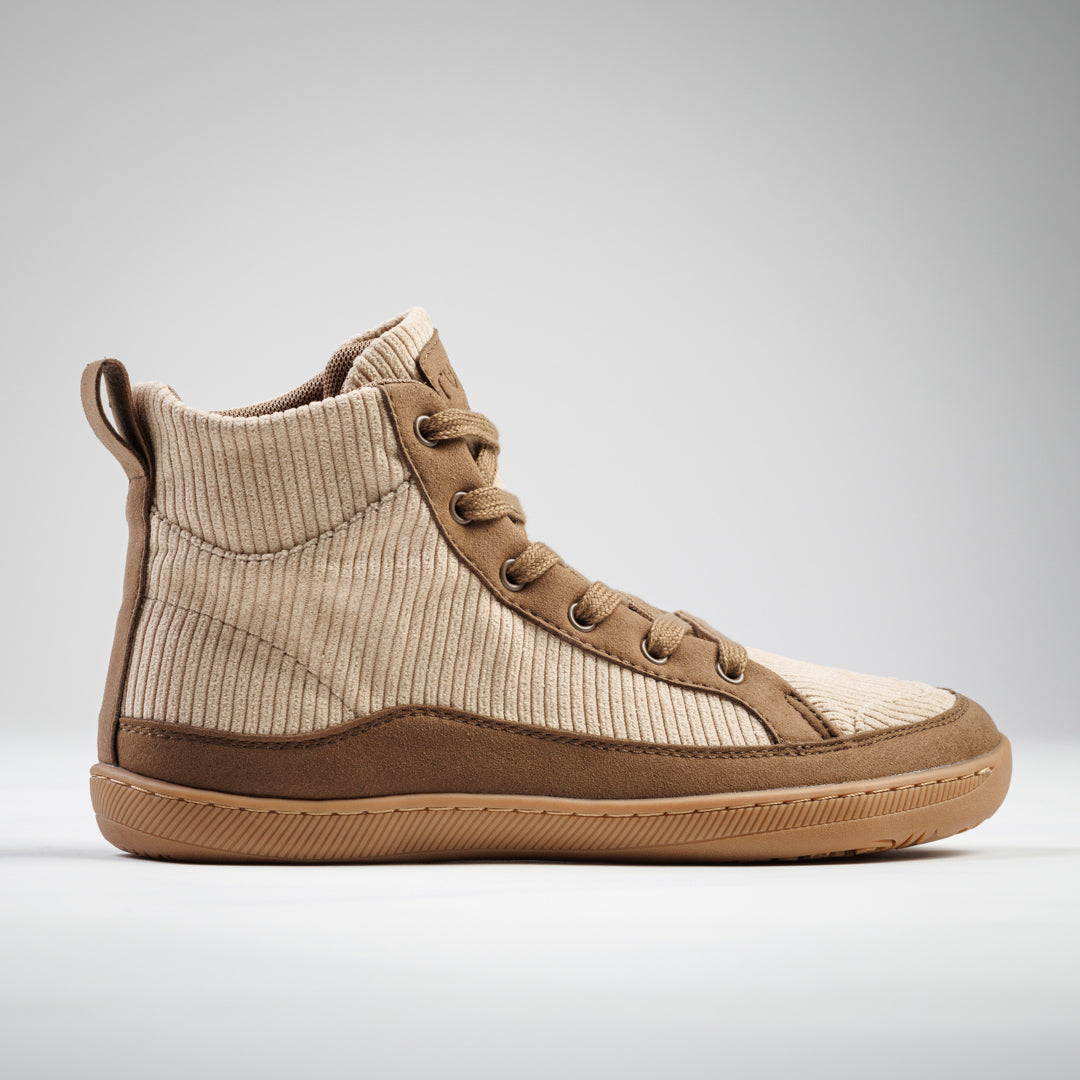
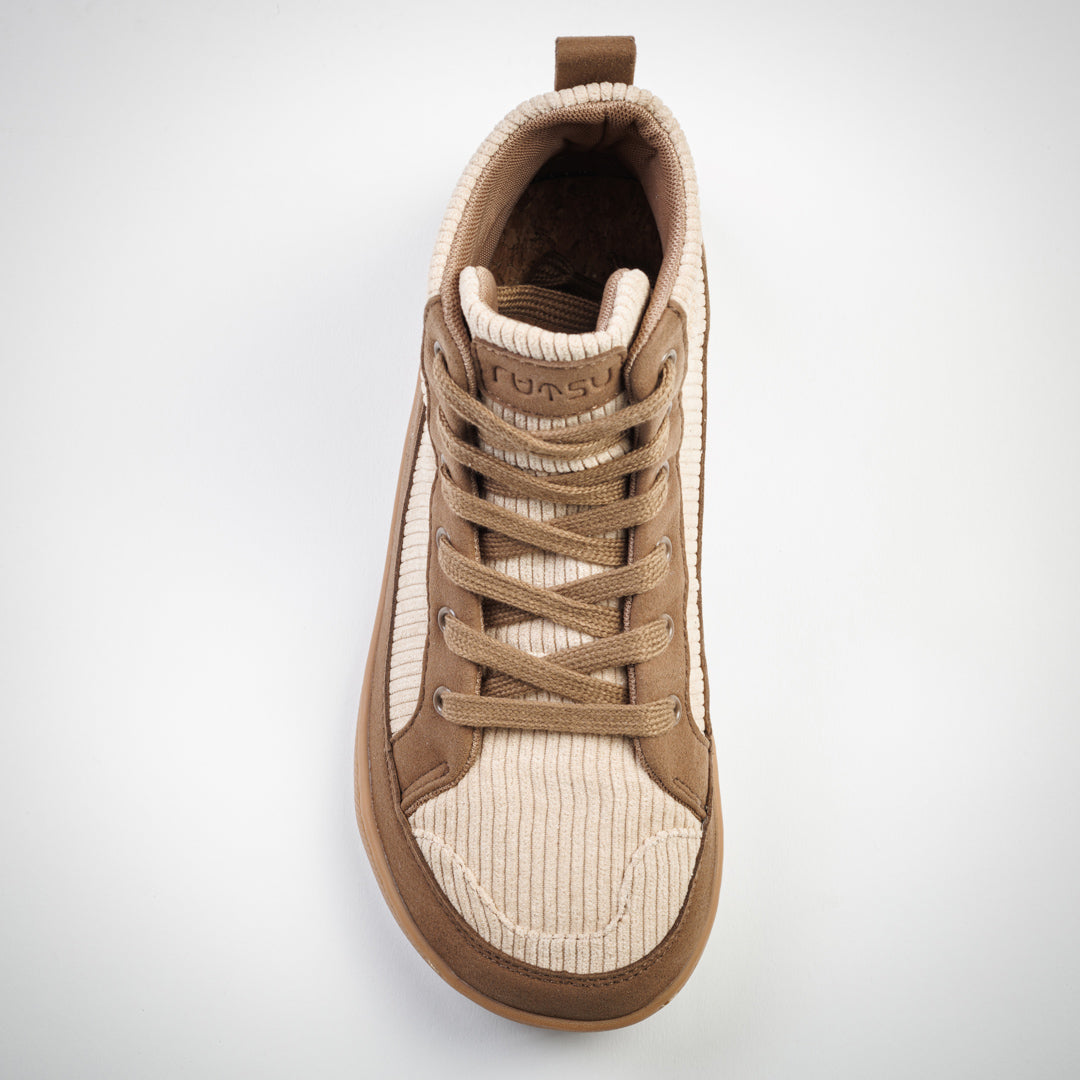
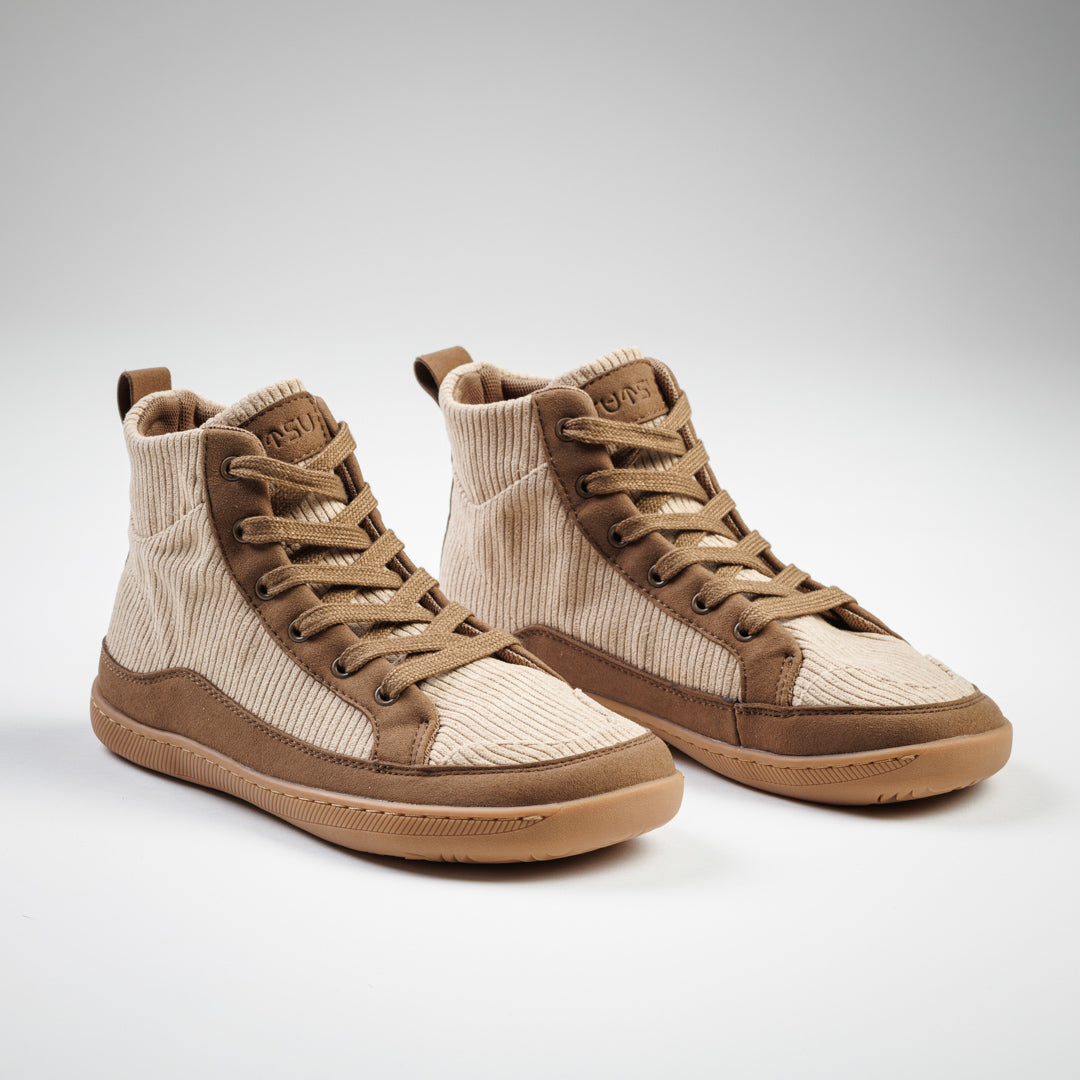
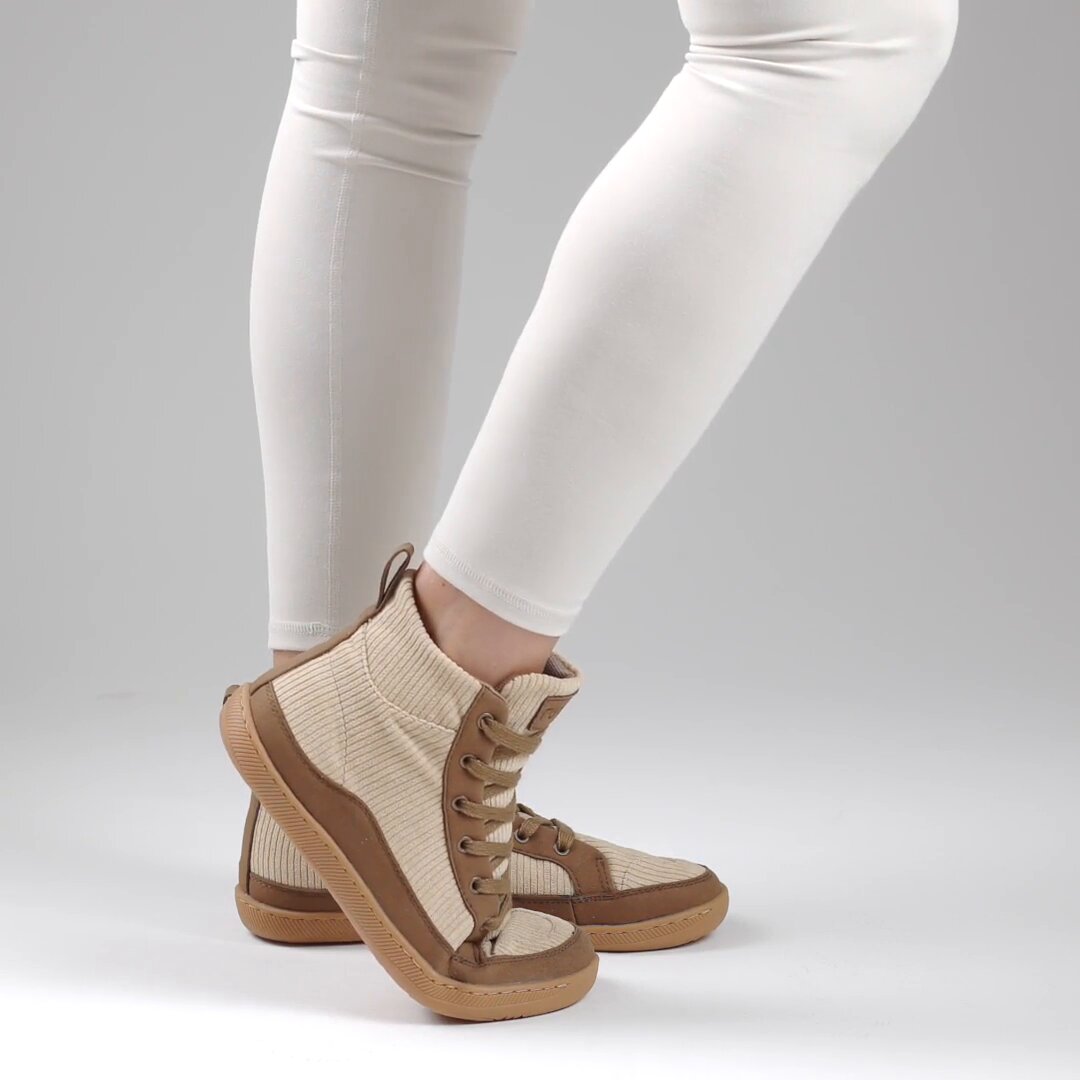
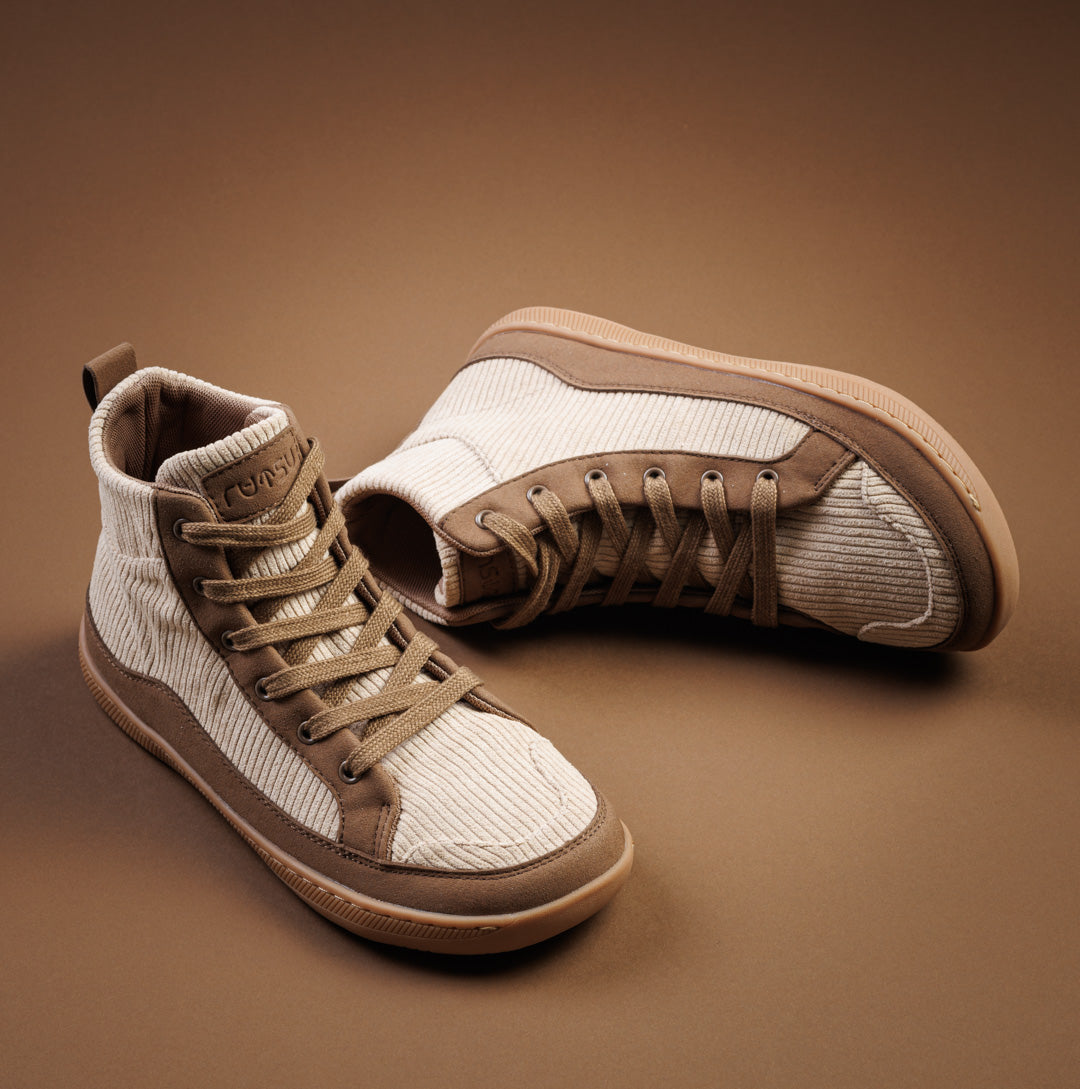
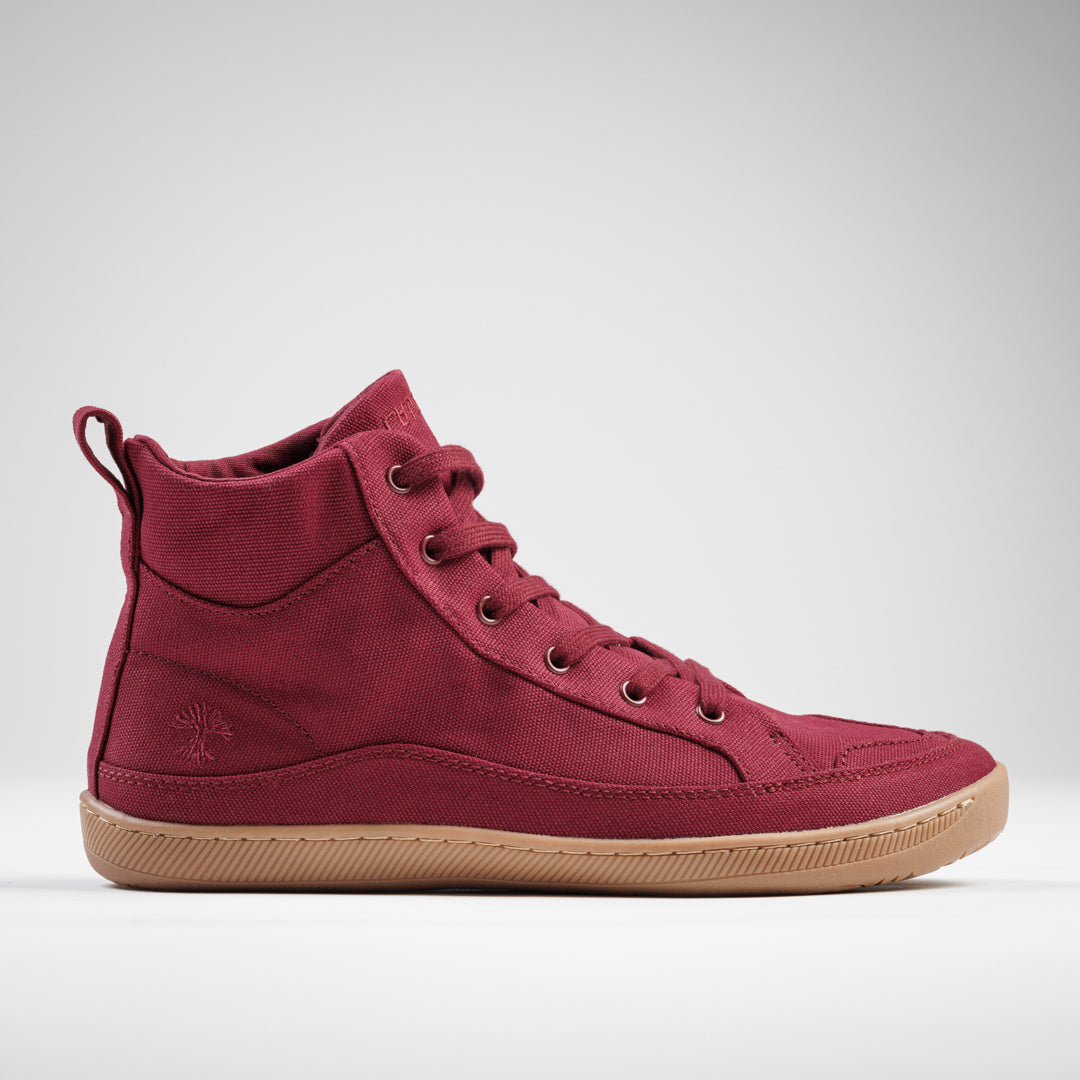
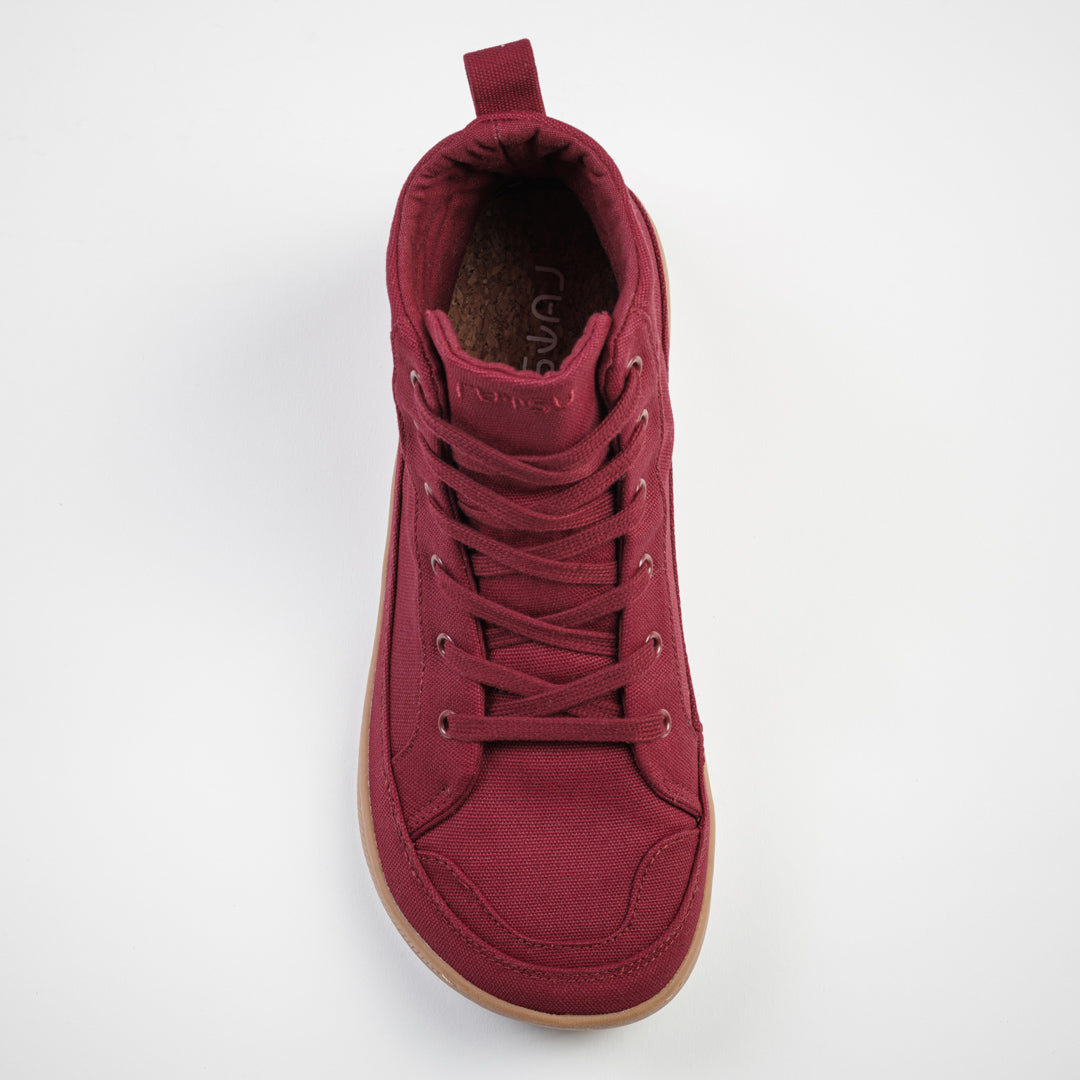
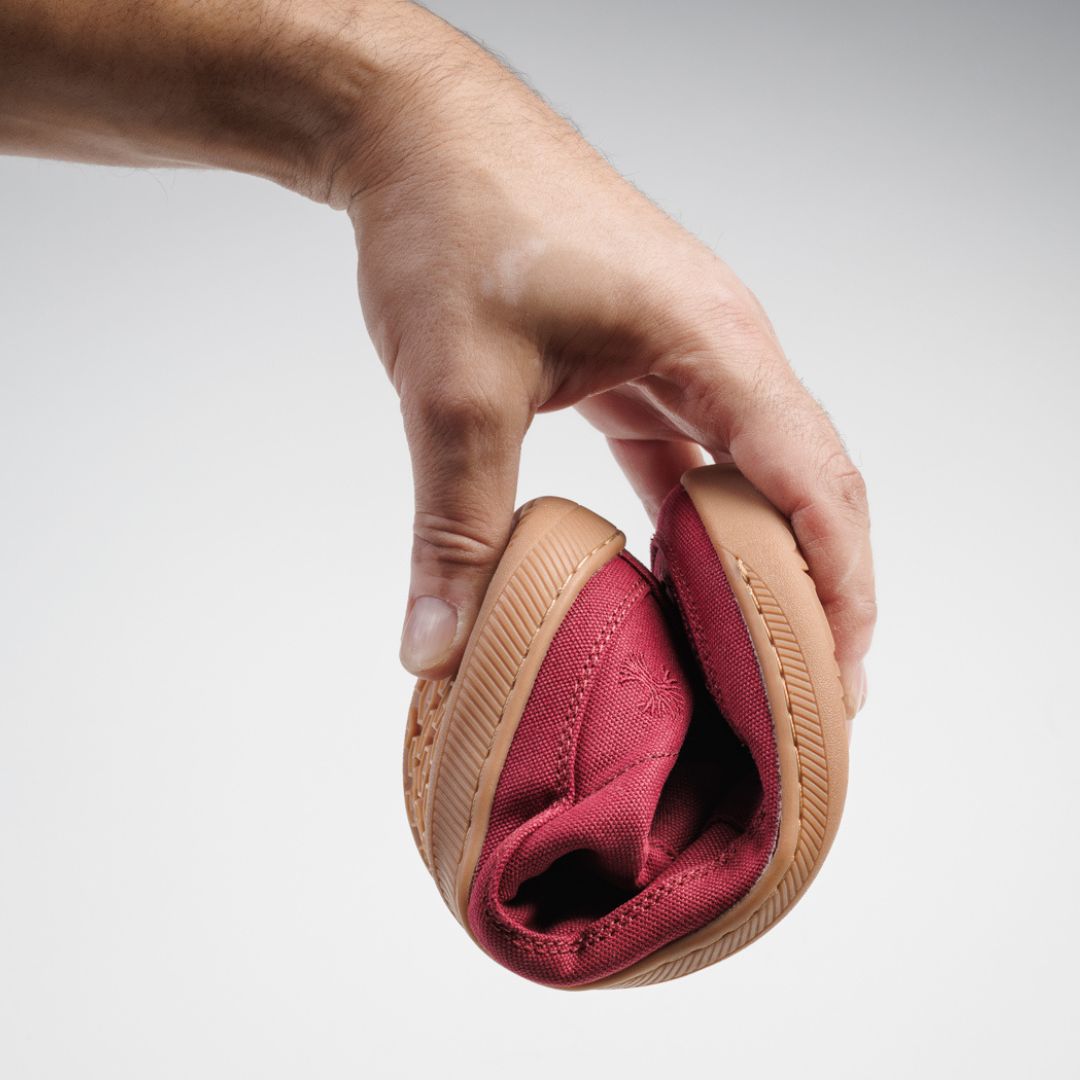
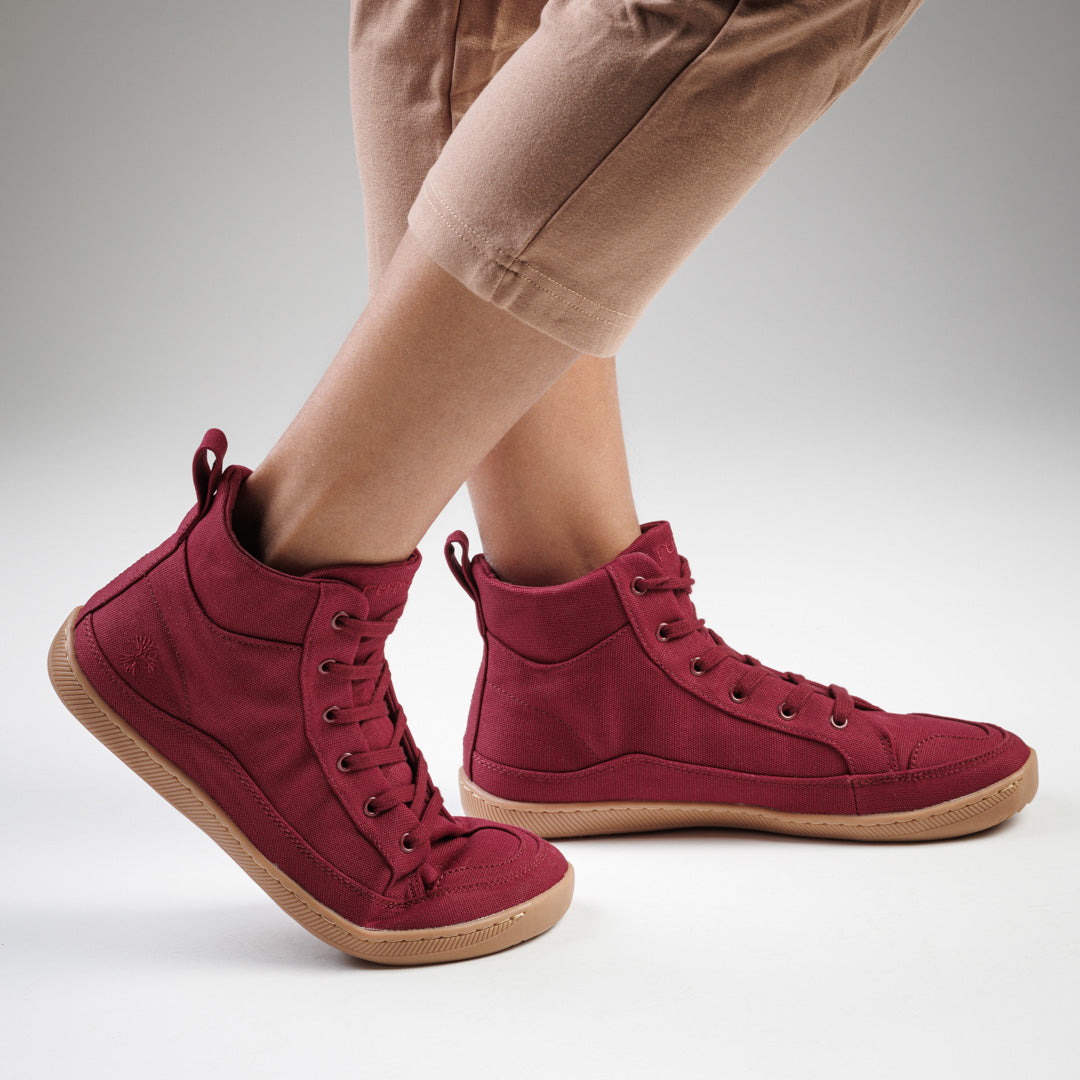
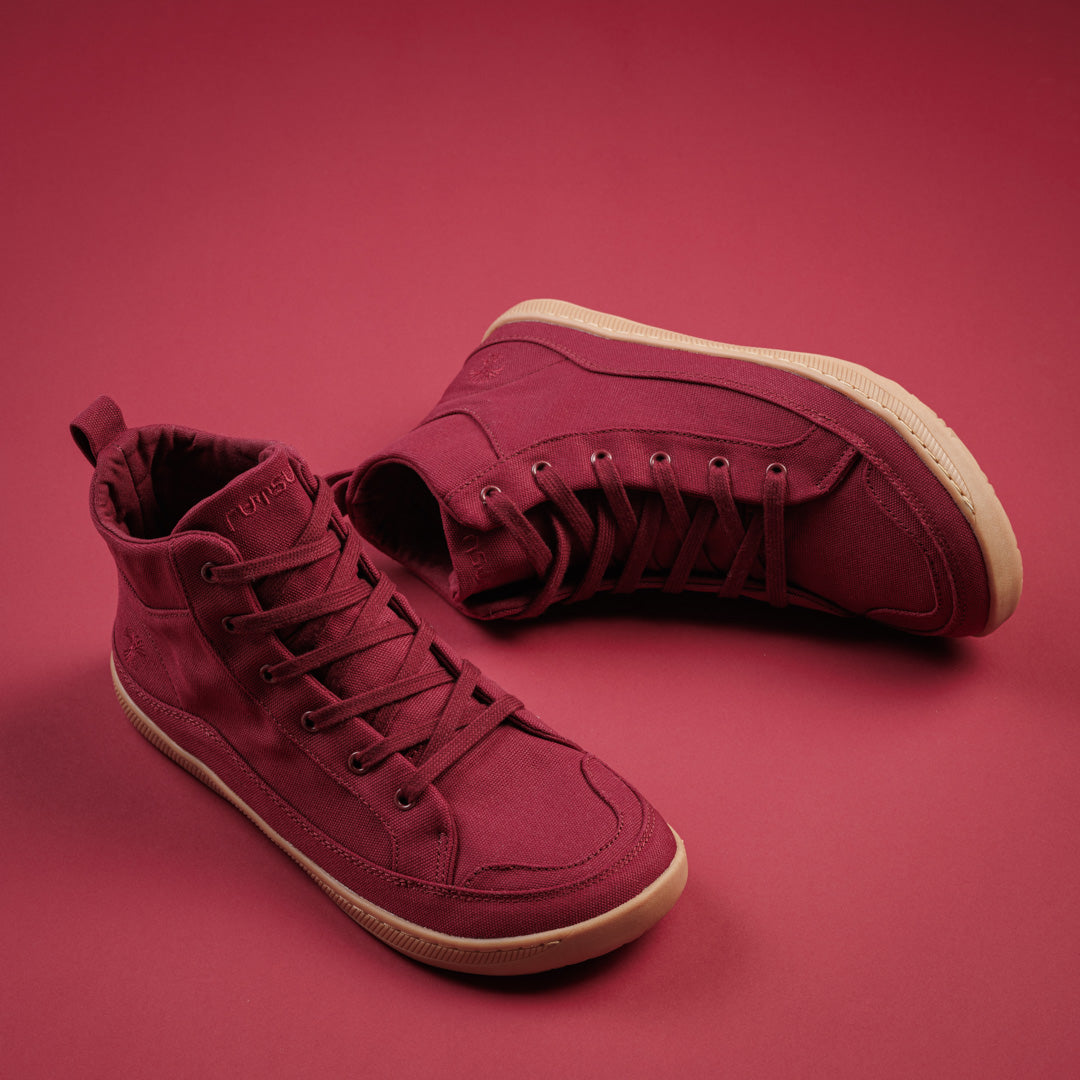
This is where barefoot-style design enters the chat. A pair of high-top barefoot sneakers keeps the collar you want while letting your foot bend, splay, and feel the ground.
The point isn't to brace the ankle still. It's to let it move and grow stronger. That won't suit everyone, and that's fine. But if rigid shoes have ever felt like a cage, it's worth a look.
Finding Your Fit: Materials, Lacing, and the Break-In That Makes or Breaks Them
A high top lives or dies by its fit, and the ankle is the tricky part. Too tight and the collar bites. Too loose and your heel slips with every step. You want snug, not strangled.
Material sets the tone. Canvas is light and soft from day one, with less hold. Leather and vegan leather feel structured and take longer to mold. Knit uppers flex like a sock. Brands working with plant-based materials, Rutsu Barefoot among them, lean on flexible vegan builds that skip the stiff break-in.
Lacing matters more than you'd guess. Those top eyelets exist for a reason: a lock-lacing trick up there cuts heel slip without choking your ankle.
And the break-in? Be honest. A stiff leather pair might need a week of short wears. A soft pair should feel good right away. If a shoe hurts on day one and the seller swears it'll "break in," stay skeptical.
How to Style High Tops for Your Body Type and the Occasion
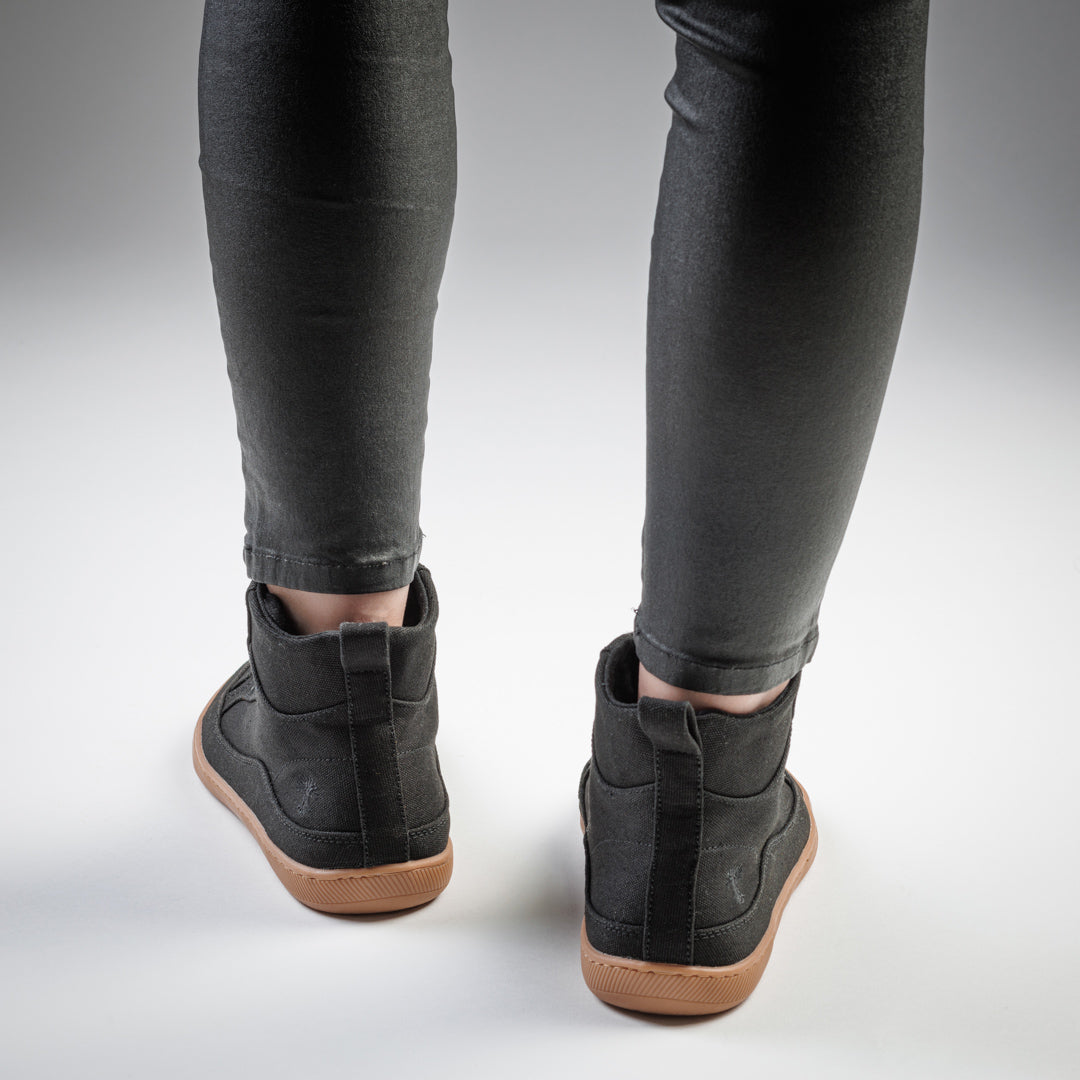
Styling high tops is easier than the internet makes it seem. One rule worth remembering: let the shoe breathe. Tapered or cuffed trousers show the silhouette instead of swallowing it.
For everyday, slim or straight jeans with a small cuff work nearly every time. Joggers with a tapered ankle play nice too. Going dressier? A clean leather high top under cropped chinos reads sharp.
Yes, you can wear high tops with shorts. The trick is proportion.
Occasion check: high tops skew casual to smart-casual. Great for weekends, travel, and relaxed offices. Black-tie? Leave them home.
The Icons: The Models That Defined the High Top
A few high tops became more than shoes. They became reference points.
The Converse Chuck Taylor All Star is the granddaddy, simple canvas that's outlasted a century of trends. The Air Jordan 1 turned a basketball shoe into a cultural object. Vans gave skaters the Sk8-Hi and its signature side stripe. The Reebok Freestyle won the fitness era on its double ankle straps.
What ties them together? None tried to be everything. Each nailed one look.
Height, Proportion, and Leg Length: Are High Tops Right for Your Frame?
Now the honest body-talk. High tops cut a visual line at the ankle, and that line can shorten how long your legs look. Not a dealbreaker. Just physics you can work with.
On the shorter side? You've got options. Match your shoe color to your trousers or socks for one long, unbroken line. A small cuff showing a sliver of ankle helps too. Taller folks have more room for bolder pairs.
The real question isn't "am I too short for high tops." It's whether you'll style them to flatter you. Almost any frame can pull them off. A barefoot high top helps here too. Its lower collar cuts a softer line than a thick, padded sneaker.
Keeping Them Fresh: Cleaning and Care That Extend Their Life
A high top you love deserves a little upkeep. The good news? It's quick.
For canvas, a soft brush and mild soap handle most grime. Skip the washing machine, since heat and tumbling wreck glue and shape. Wipe leather or vegan-leather uppers with a damp cloth, then a fitting conditioner. Air dry away from heat, always.
Two habits go a long way. Stuff them with paper while they dry so the collar keeps its shape. Treat them right and a pair lasts years, not seasons.
Choosing a High Top That Works for You
High top shoes earned their place for good reason. They look great, they carry real history, and the right pair pulls an outfit together fast.
Just remember what most guides gloss over. The cut changes how your foot moves. The ankle support story is murkier than it sounds. And fit beats hype every time.
If the classic look appeals but rigid, foot-squeezing construction doesn't, the high-top barefoot sneakers from Rutsu Barefoot give you the silhouette with room to move. Try a pair, walk around the house, and let your own feet judge. That's the only review that counts.
FAQs
Are high top shoes good for wide feet?
They can be, but the upper matters more than the cut. Look for a wide or natural toe box and flexible materials that don't pinch. Lock-lacing the top eyelets loosens the forefoot while holding your heel.
Can you wear high tops with shorts?
Absolutely. Keep the shorts near the knee and the socks low, so you don't chop your legs into too many sections. A clean, low-profile high top works best here.
Do high tops make you look taller or shorter?
On their own, they can shorten the leg line by cutting it at the ankle. Match your shoe color to your pants or socks to stretch it back out. Pairing matters far more than the shoe alone.
Are high top sneakers comfortable for all-day walking?
Some are, some aren't. Comfort comes down to flexibility, the right cushioning, and a collar that doesn't dig in. Light, flexible pairs beat stiff, heavy ones over long days.
How should high tops fit around the ankle?
Snug but never tight. The collar should hold your heel without pressing hard into the ankle bone. Pinching or rubbing on day one means the fit or lacing needs work.
Are high tops still in style right now?
Yes. High tops cycle in and out of the spotlight, but they've been a wardrobe staple for over a century. Classic silhouettes rarely go out of fashion for long.