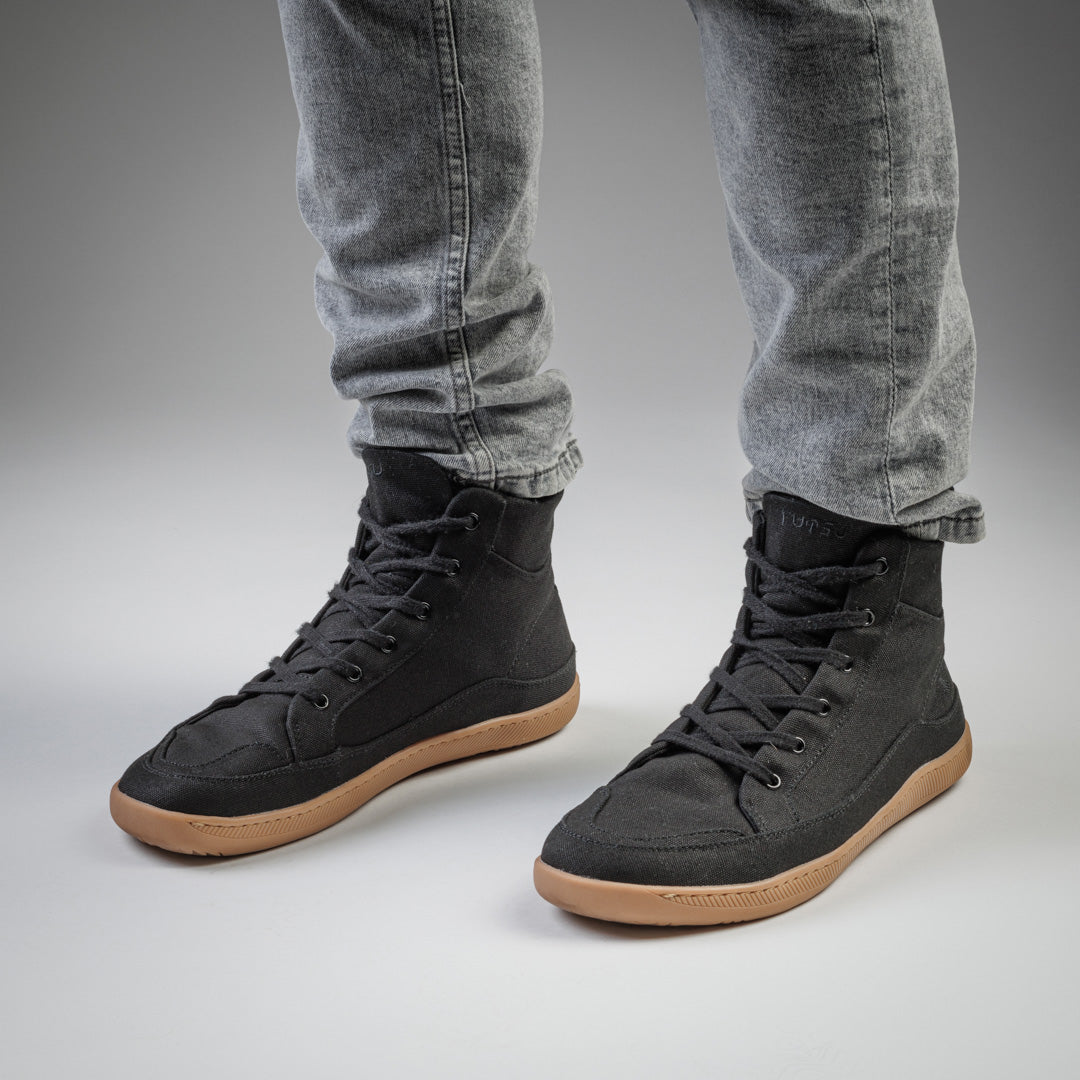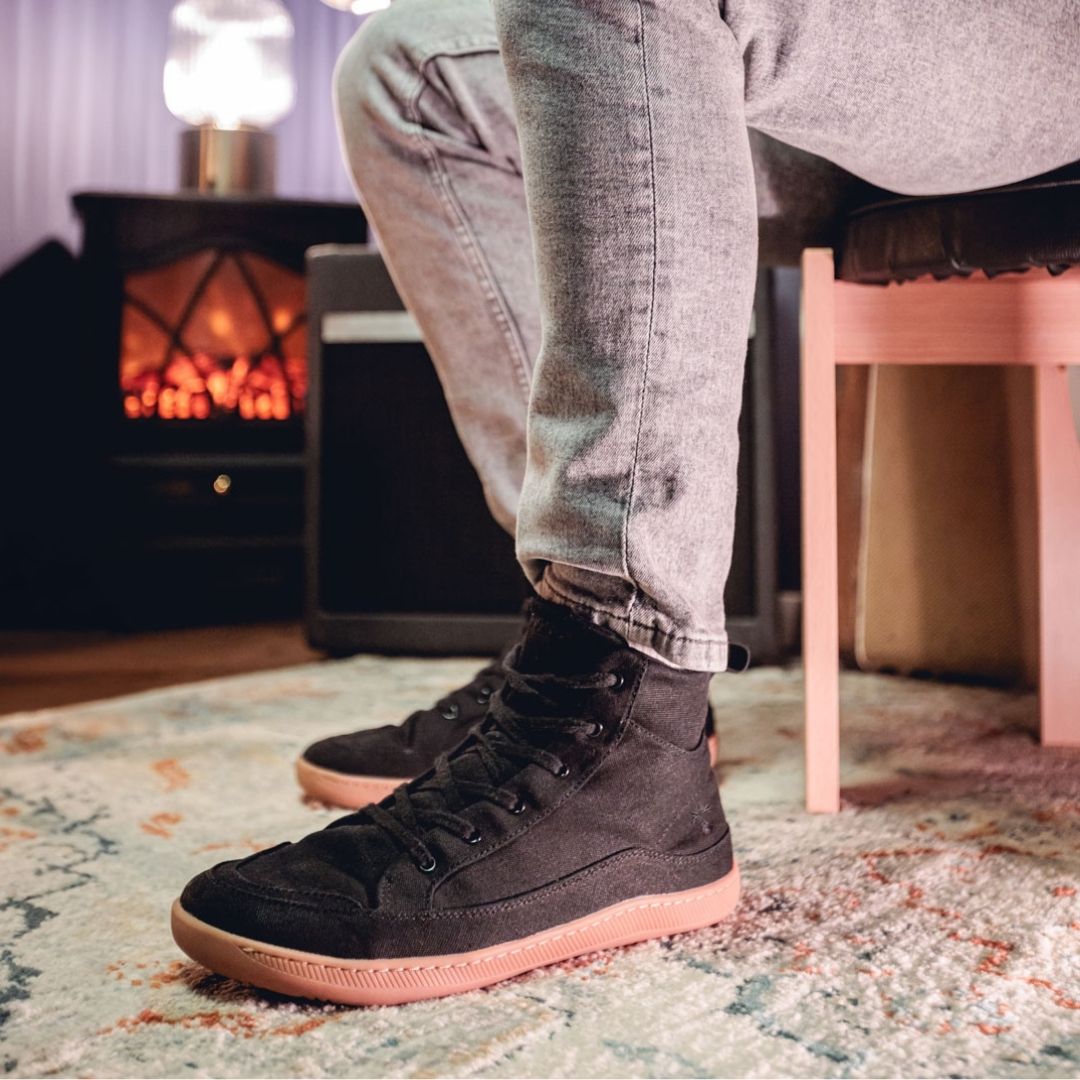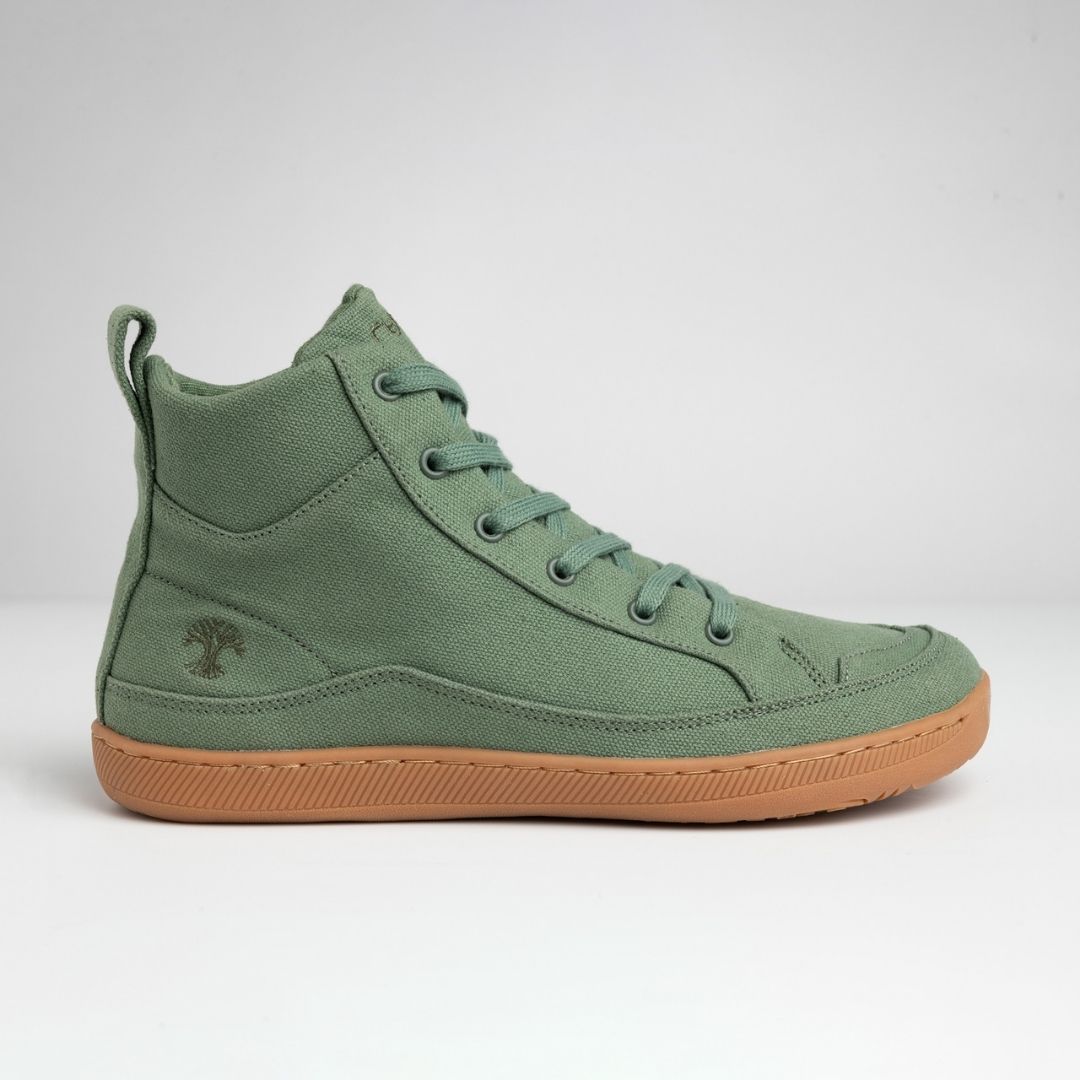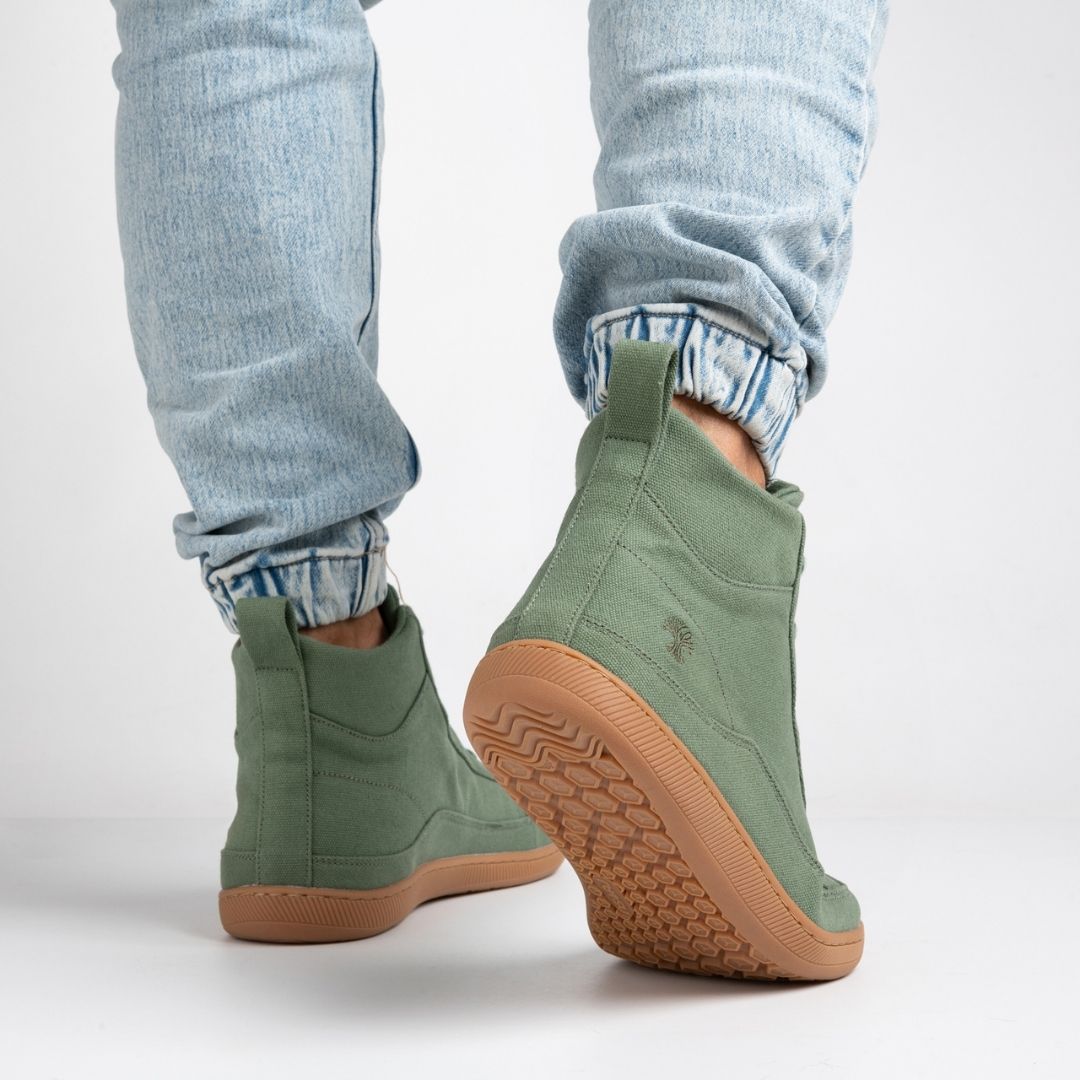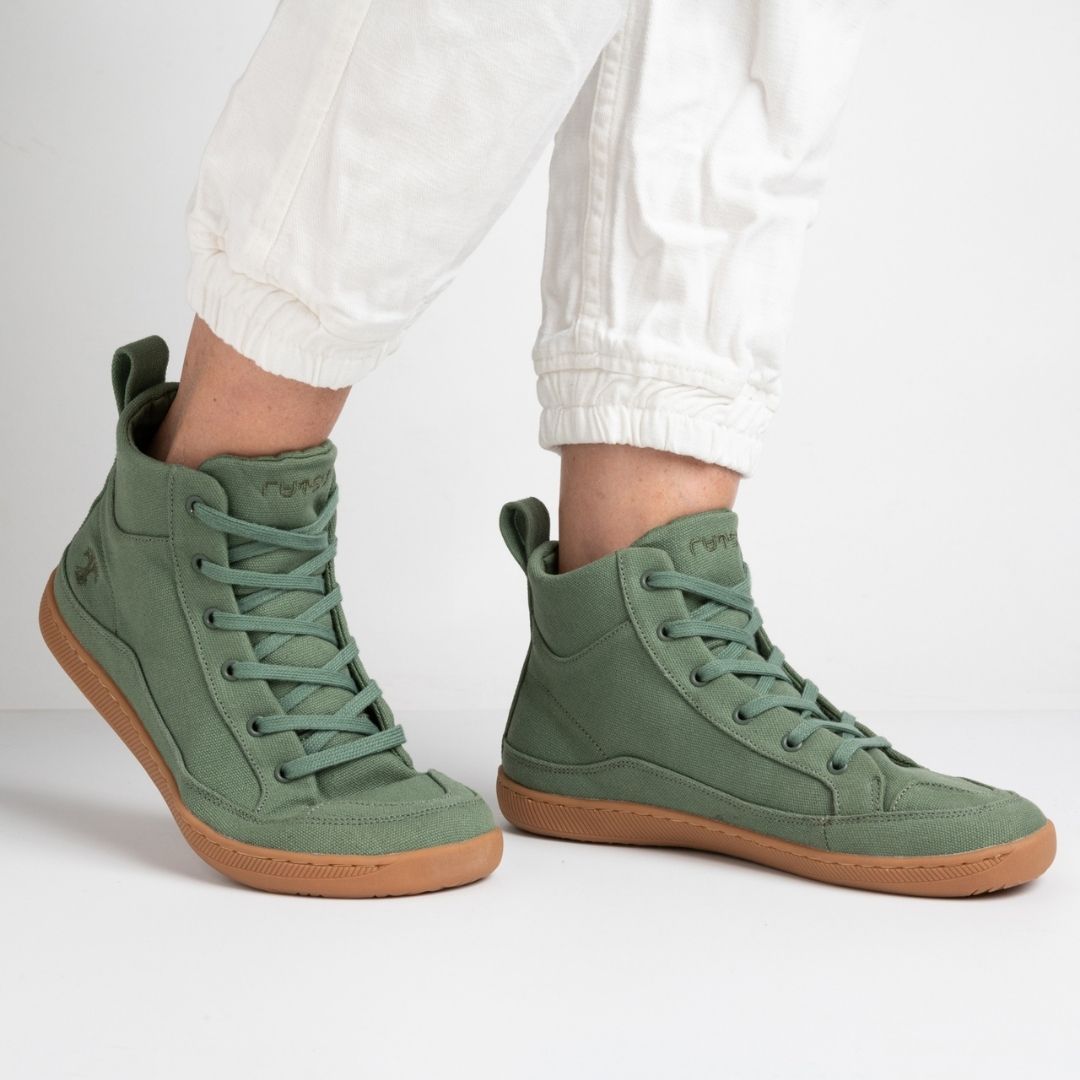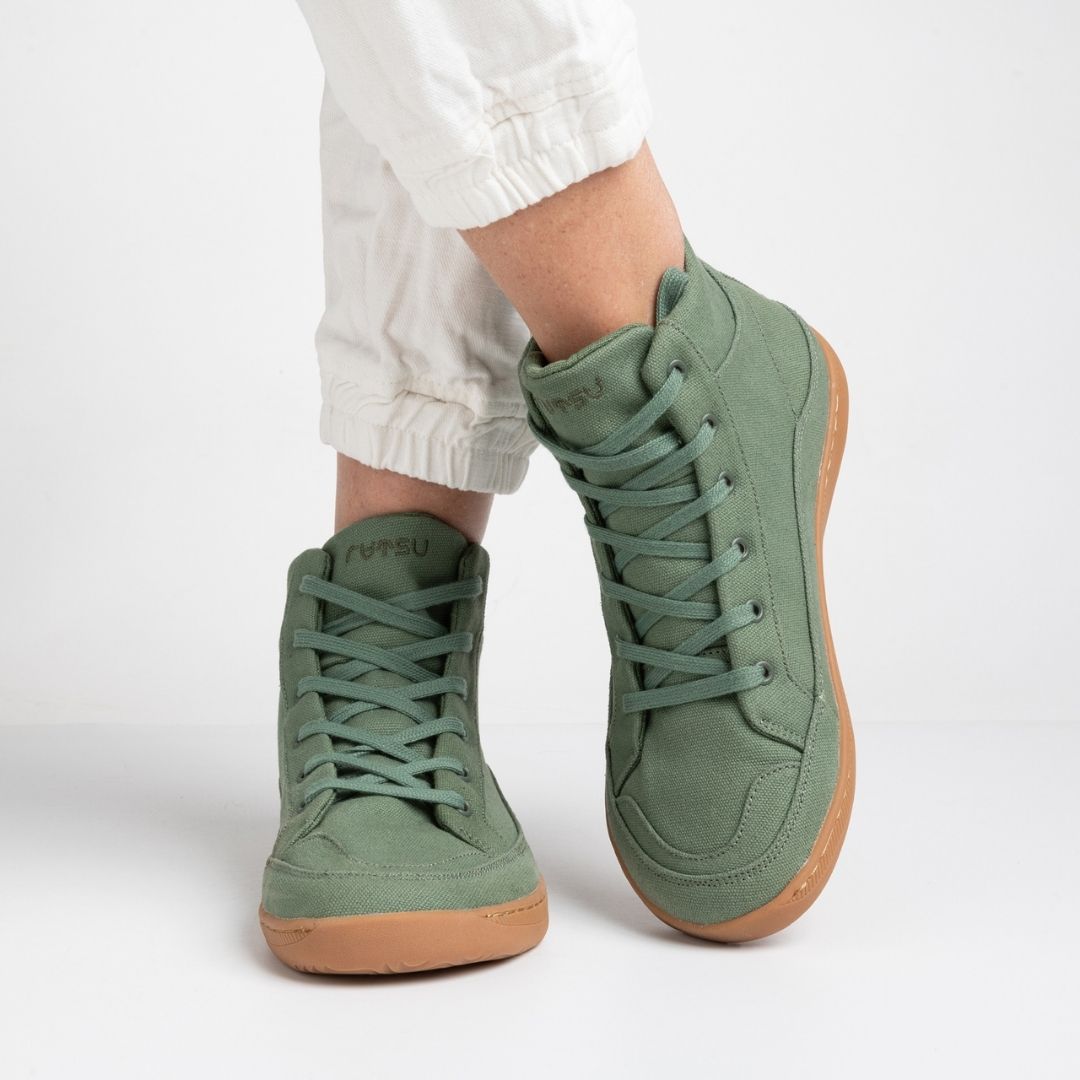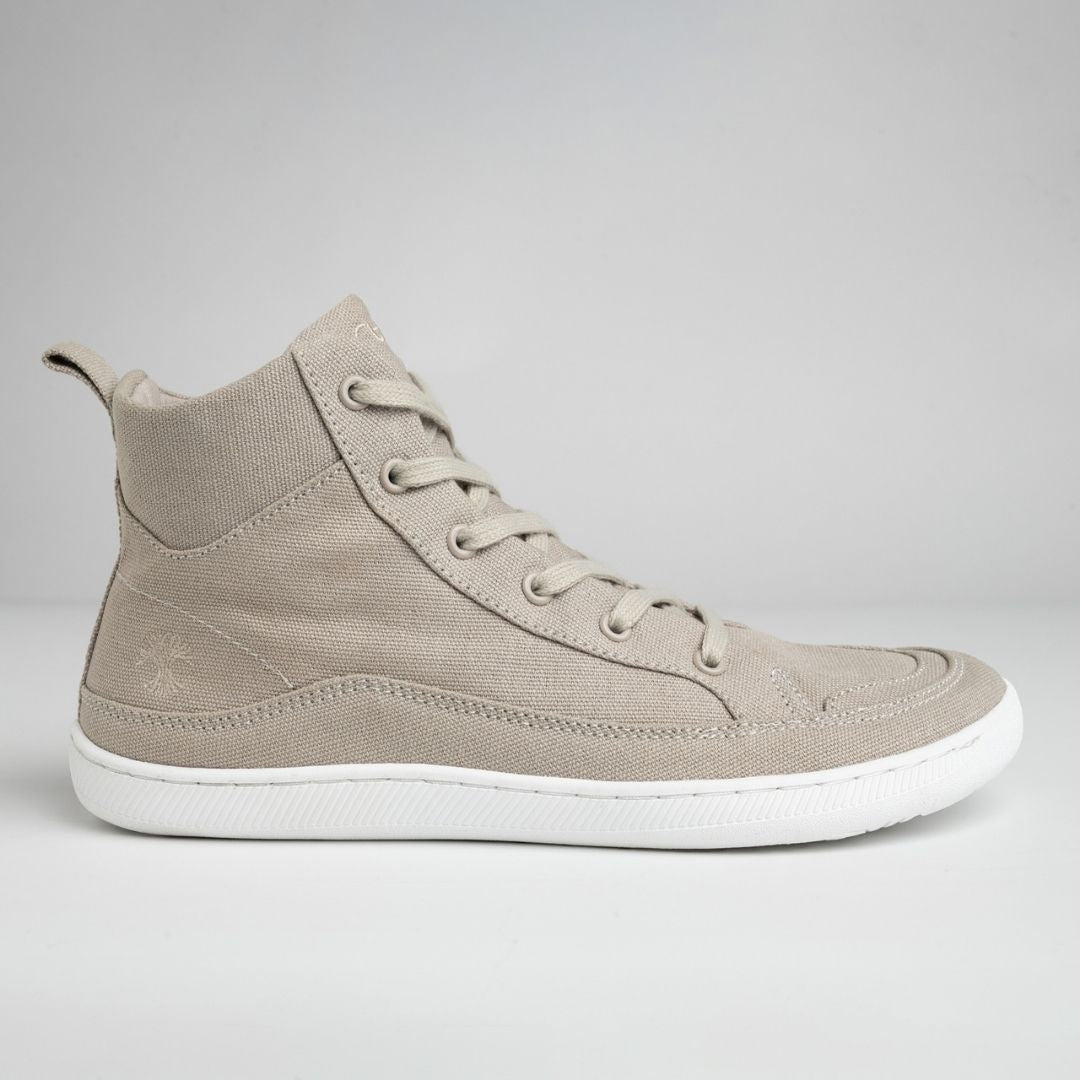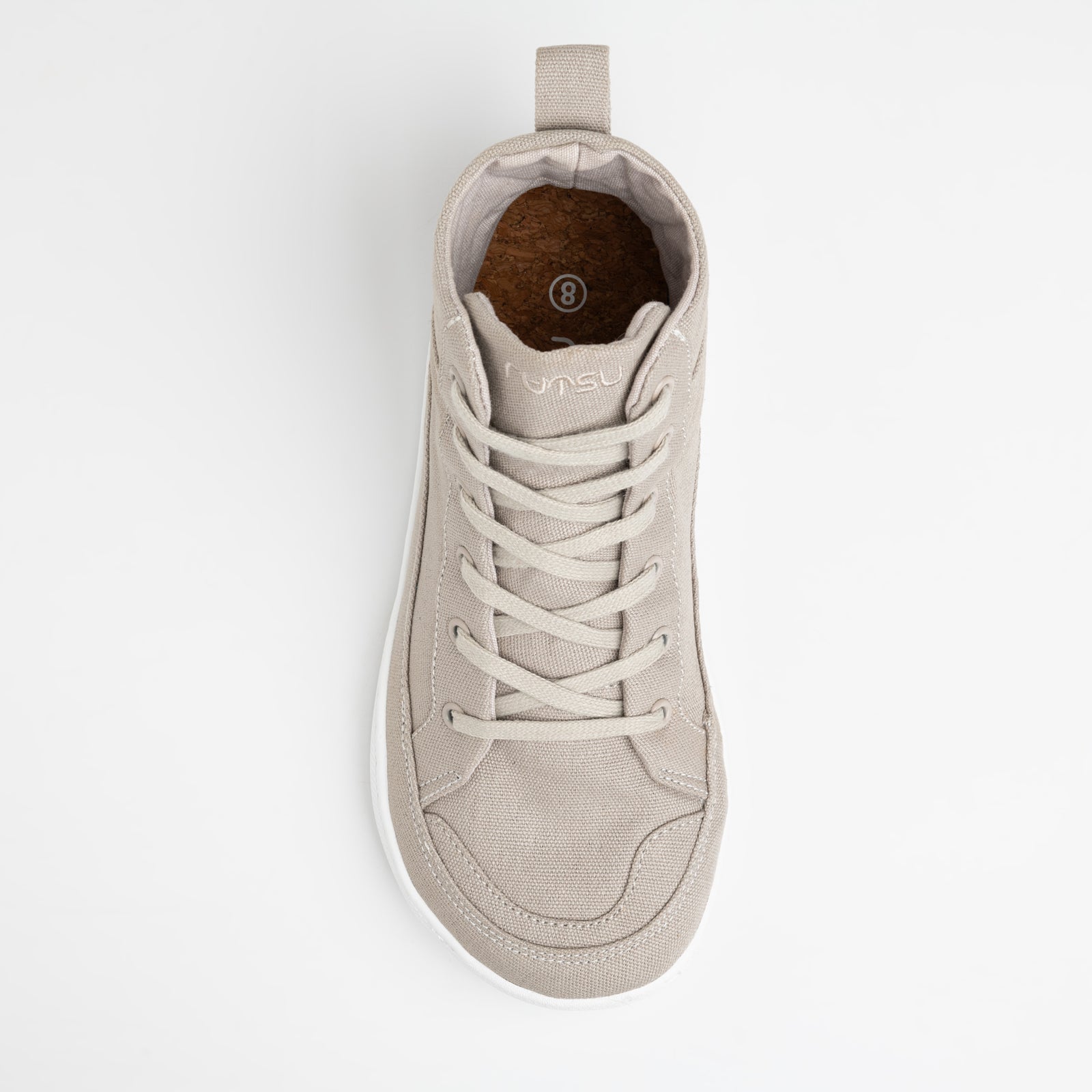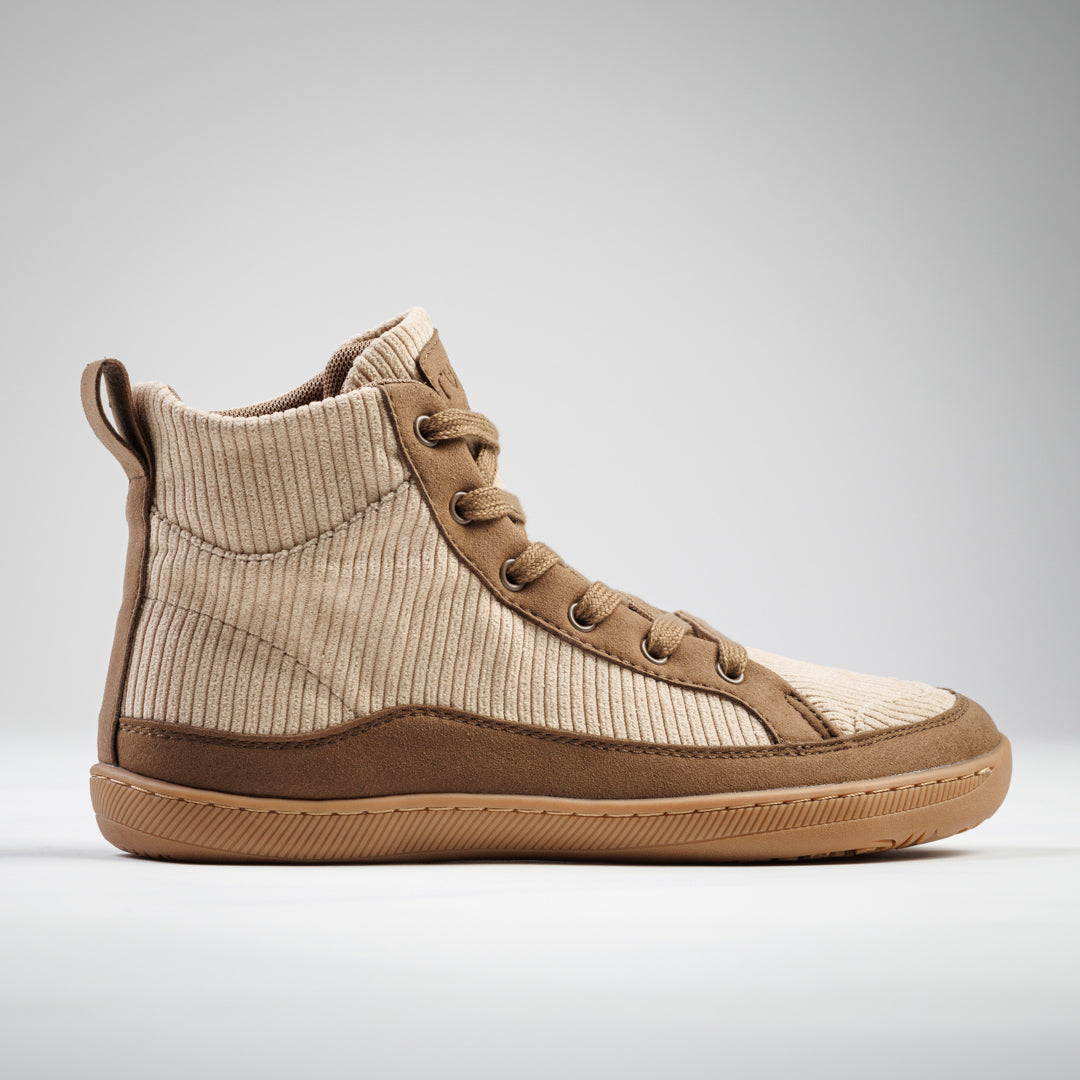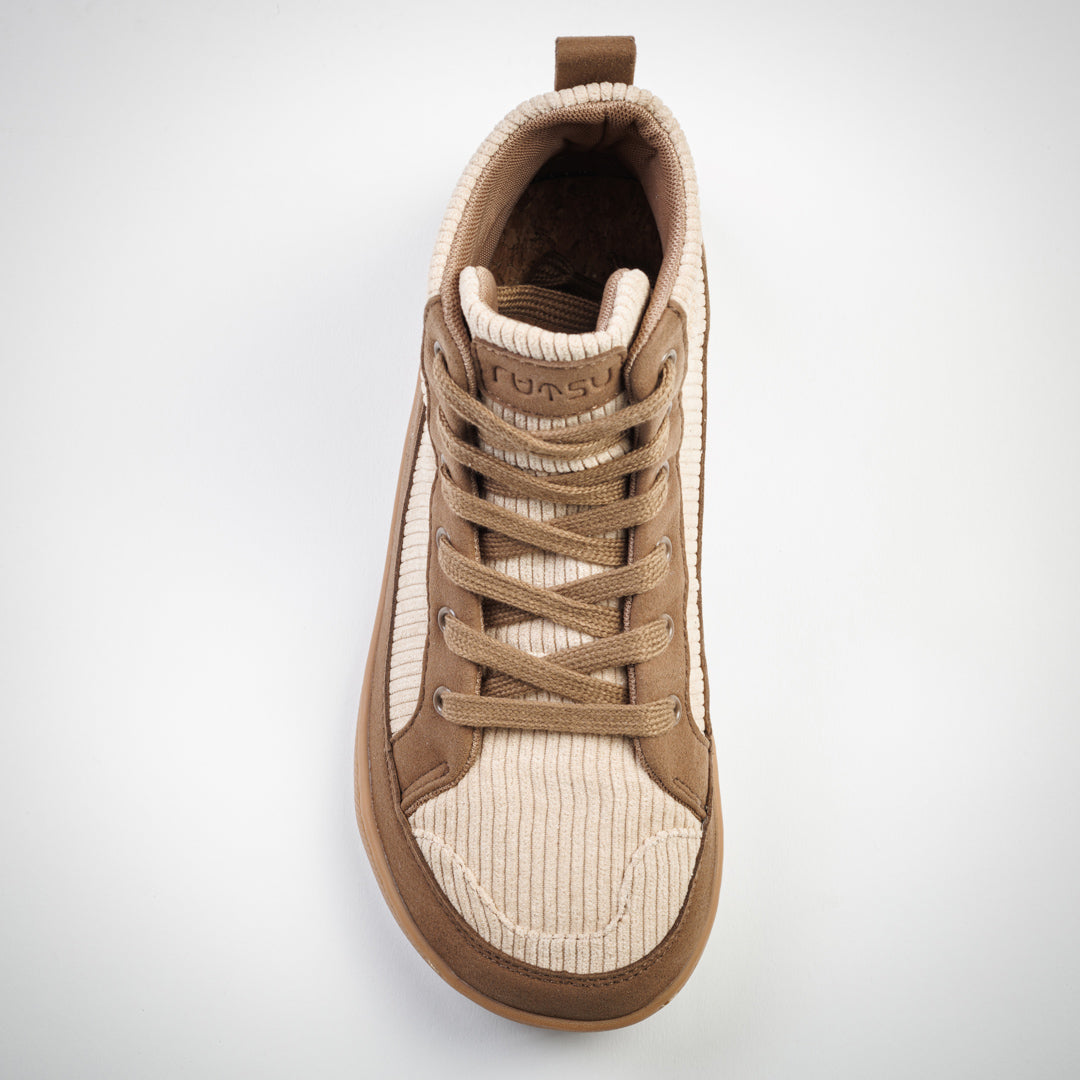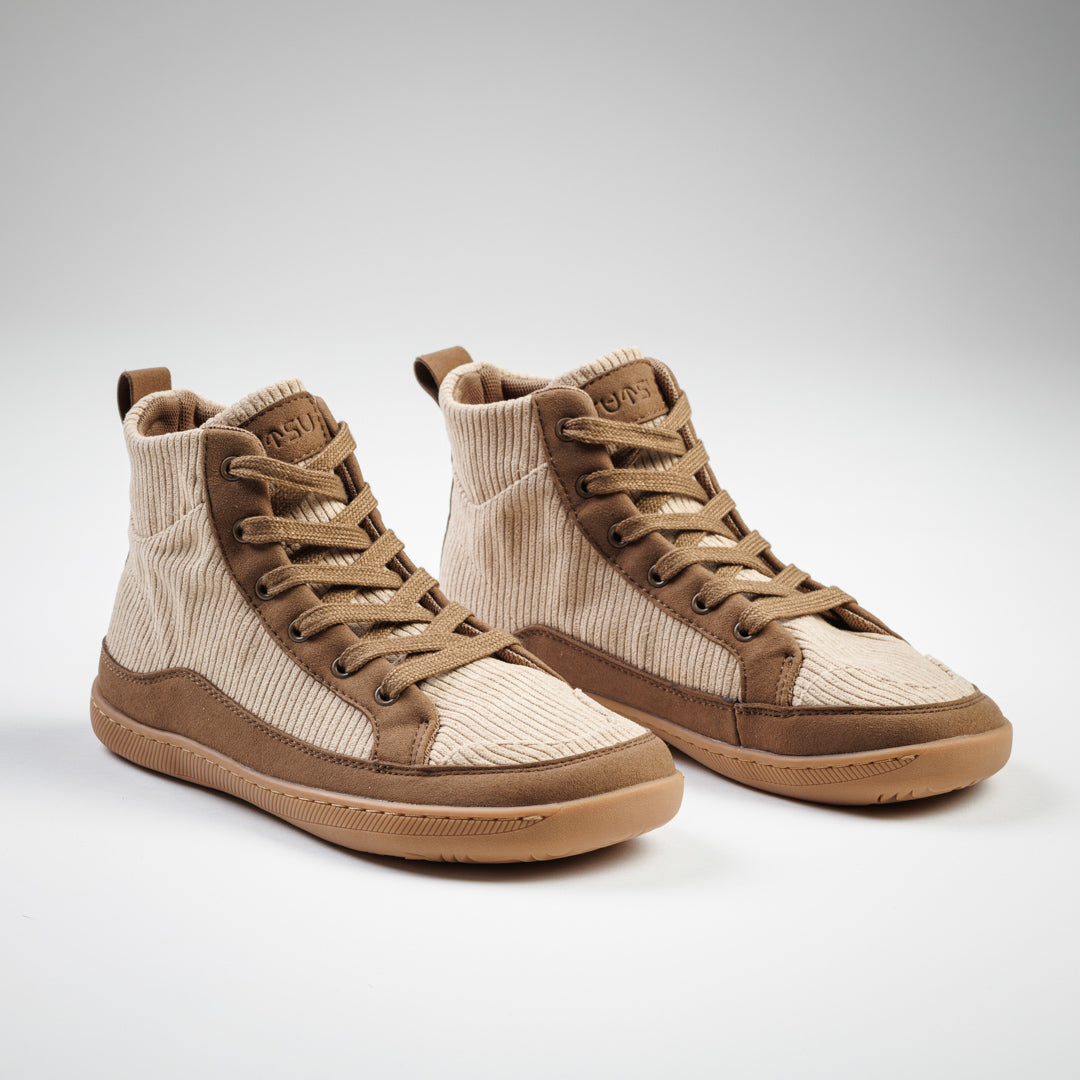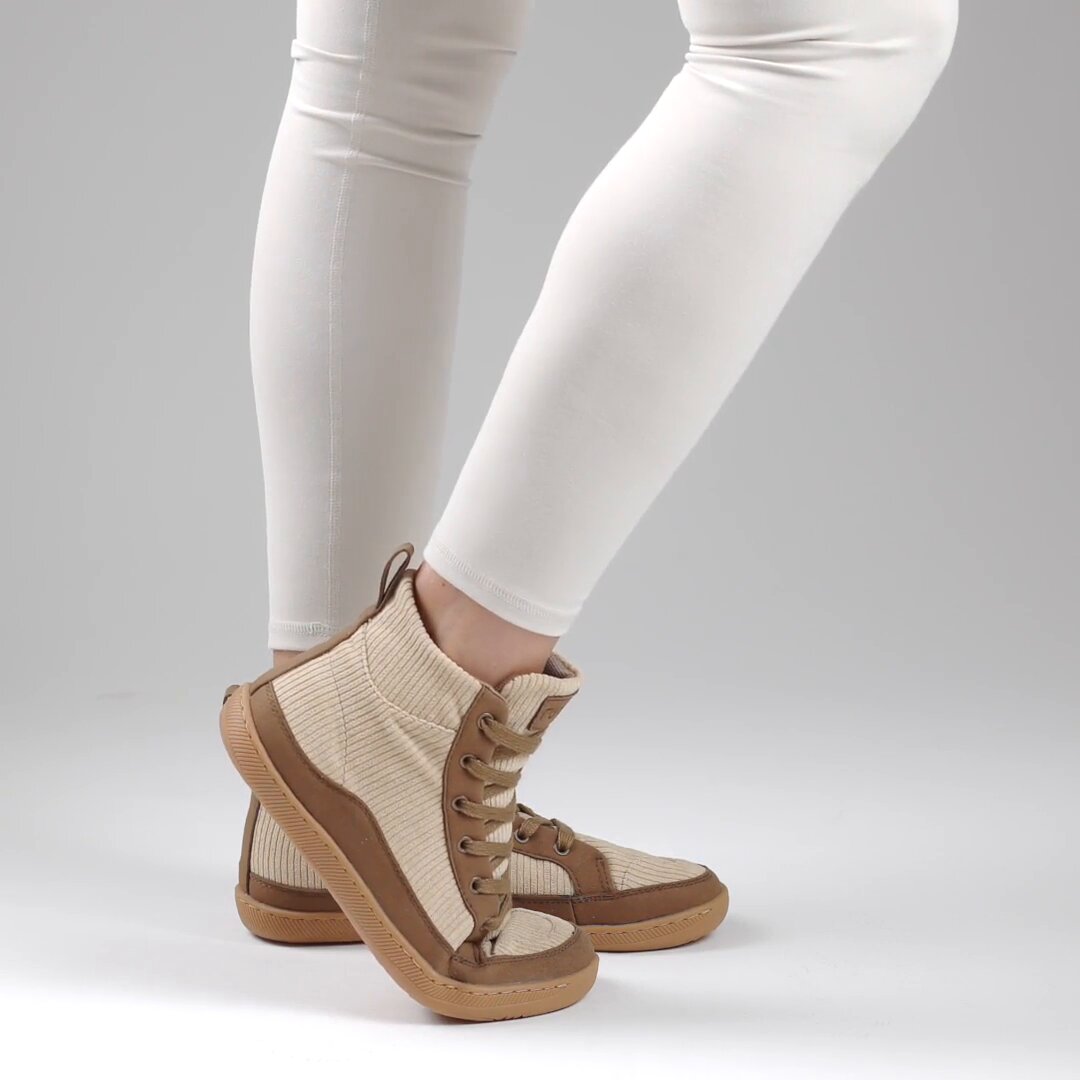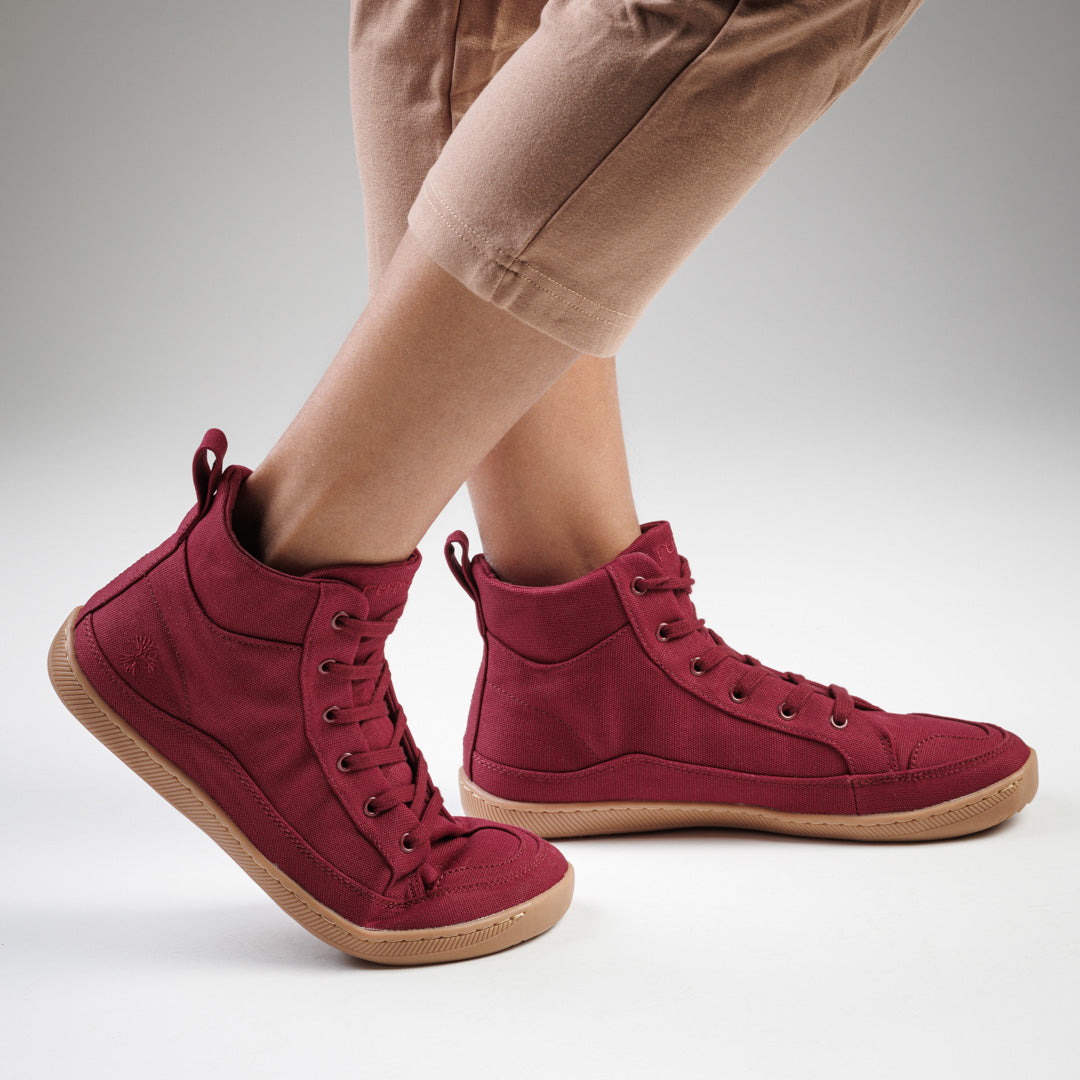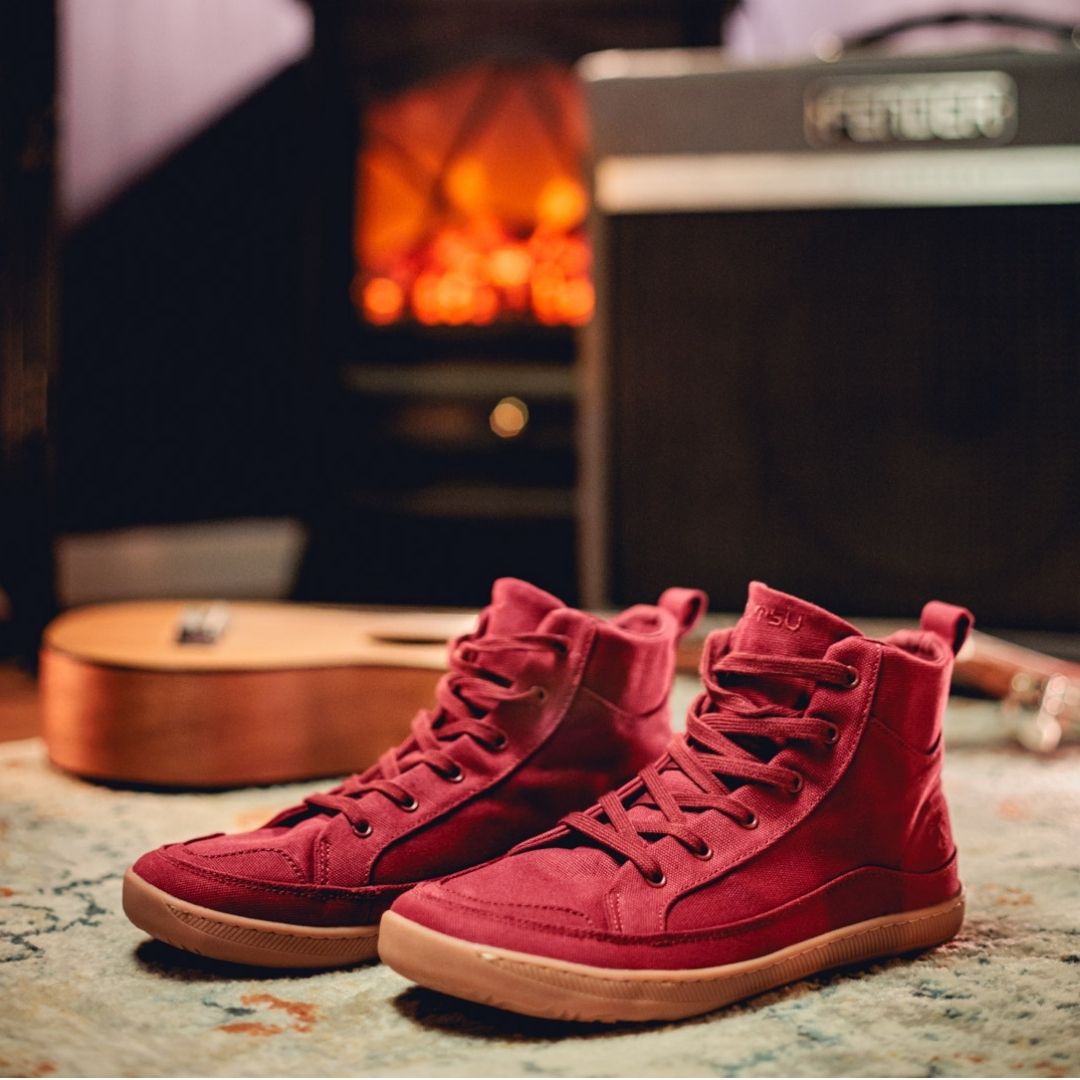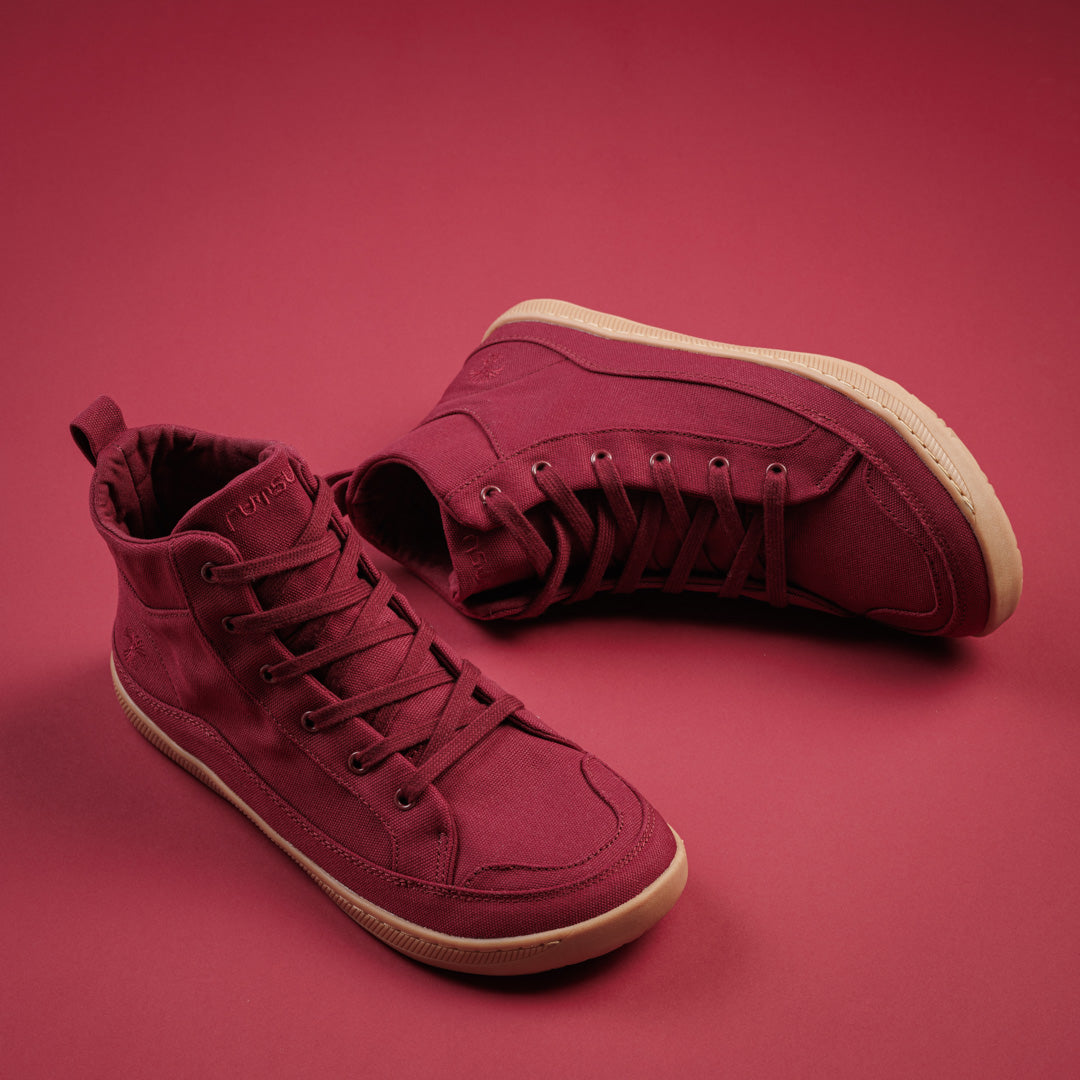


Excited to make the switch? Good. Just don't do what most people do, which is jump in too fast and end up sidelined for a month.
Transitioning to barefoot shoes works, and it works well for most healthy adults. But it's a process, not a purchase. This guide walks through what to actually do, week by week, so your feet build strength instead of breaking down. No guesswork, no vague "listen to your body" hand-waving without a plan behind it.
Why Most People Rush Their Barefoot Transition and Pay for It Later
Here's the honest truth: barefoot shoes feel great on day one. That's exactly the problem.
New wearers often love the freedom so much they wear them all day, every day, right out of the box. Their feet haven't built the strength for that yet. A few weeks in, they're dealing with sore arches, tight calves, or worse. Then they assume barefoot shoes just "don't work for them." It's not the shoes. It's the pace, and pace is the one thing entirely in your control.
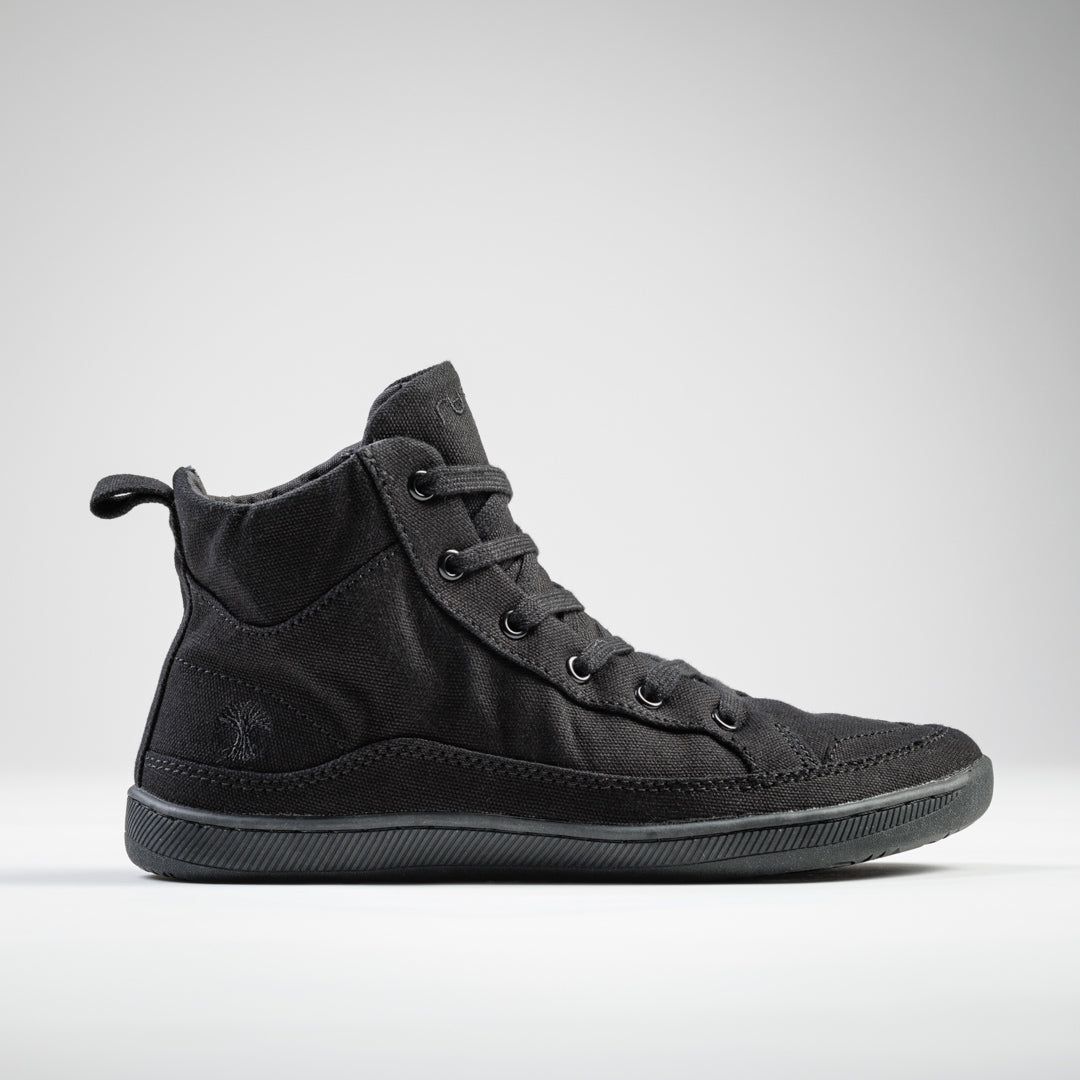
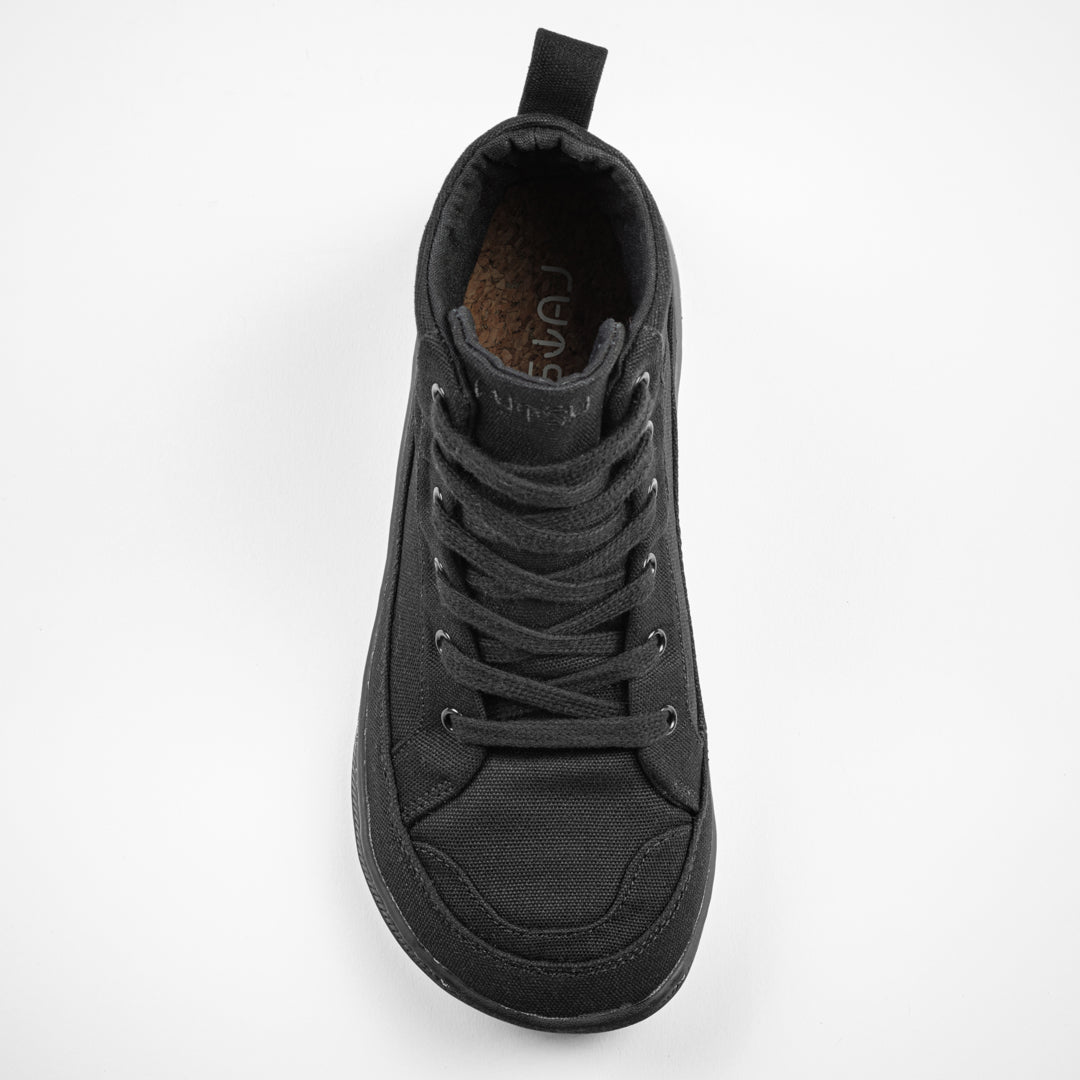
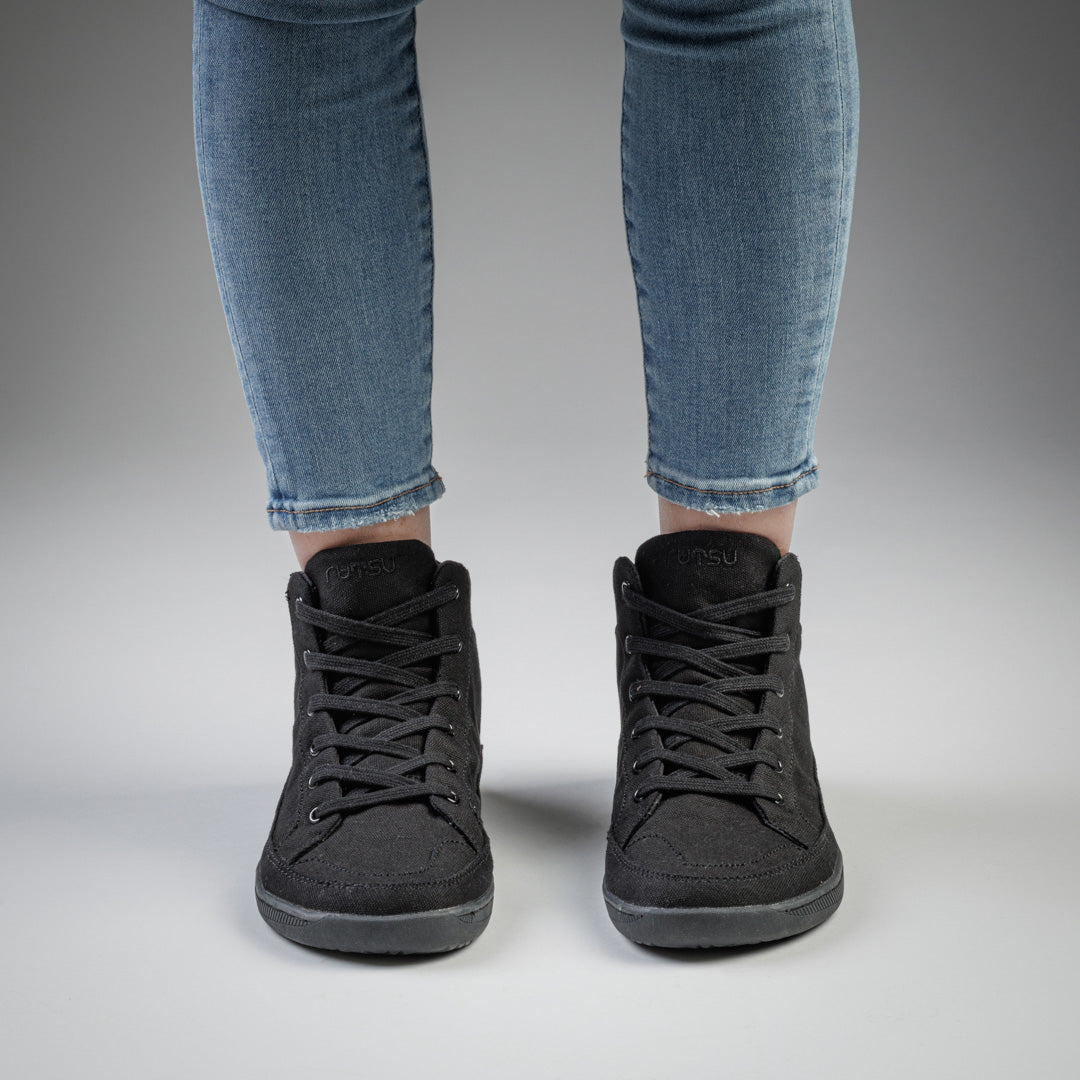
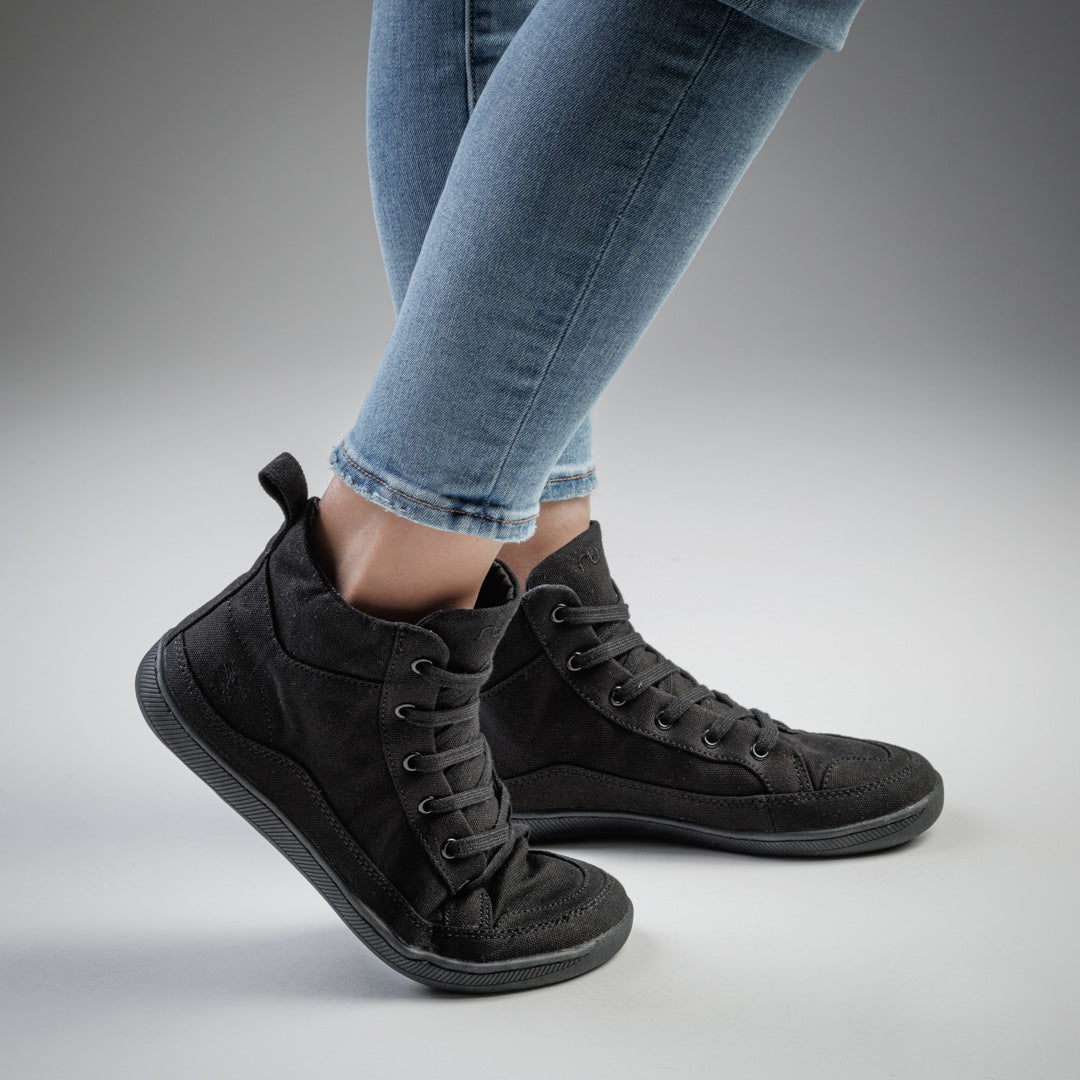
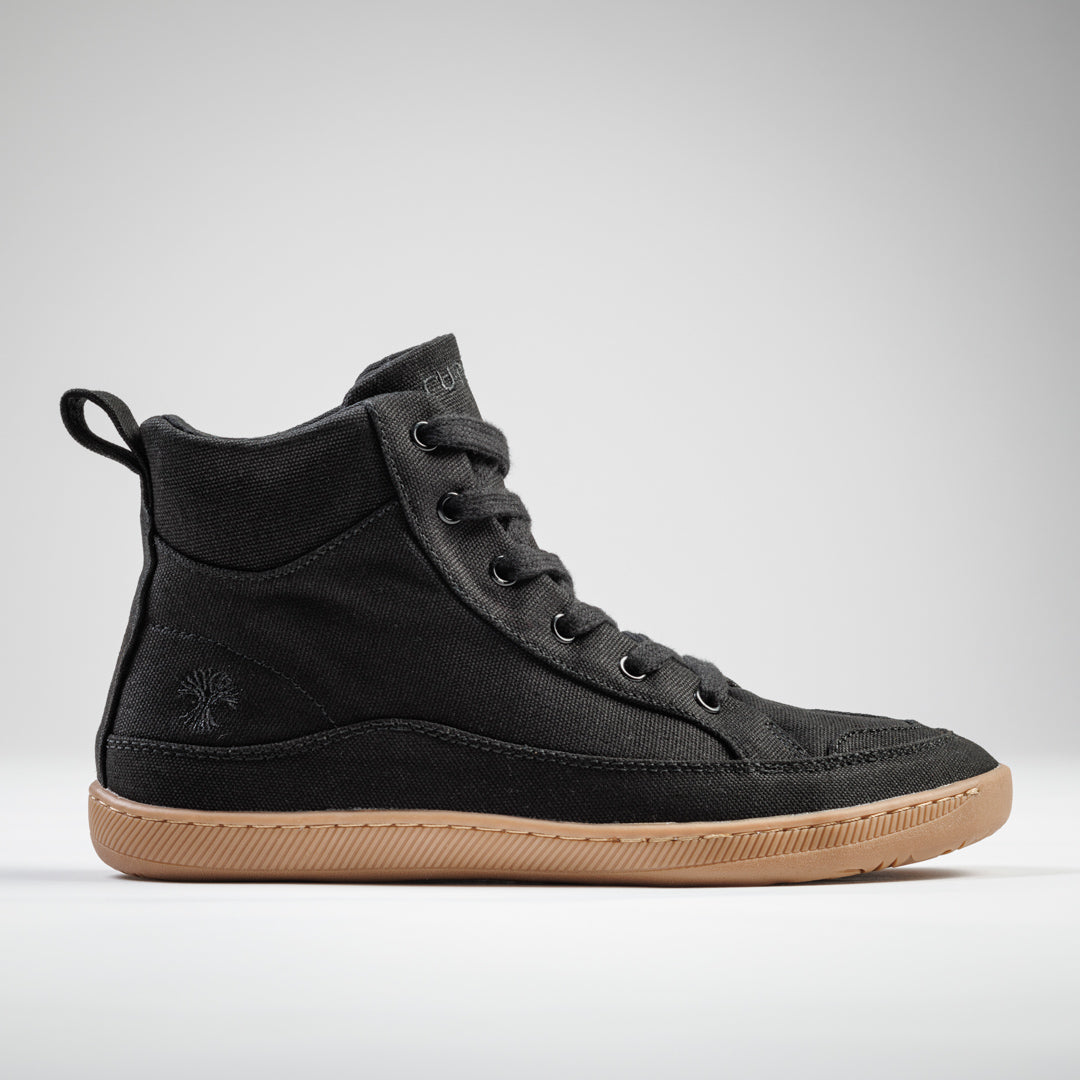
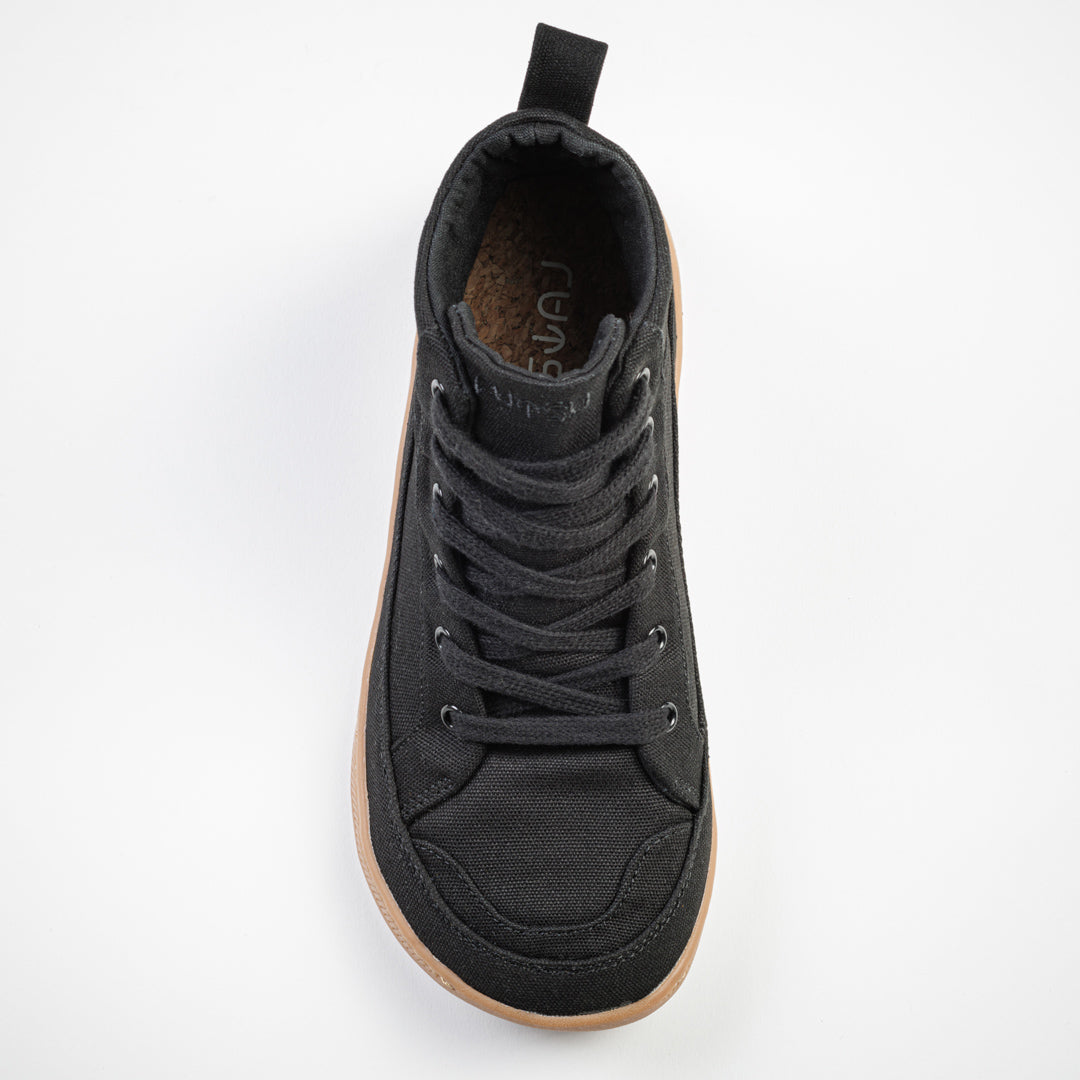
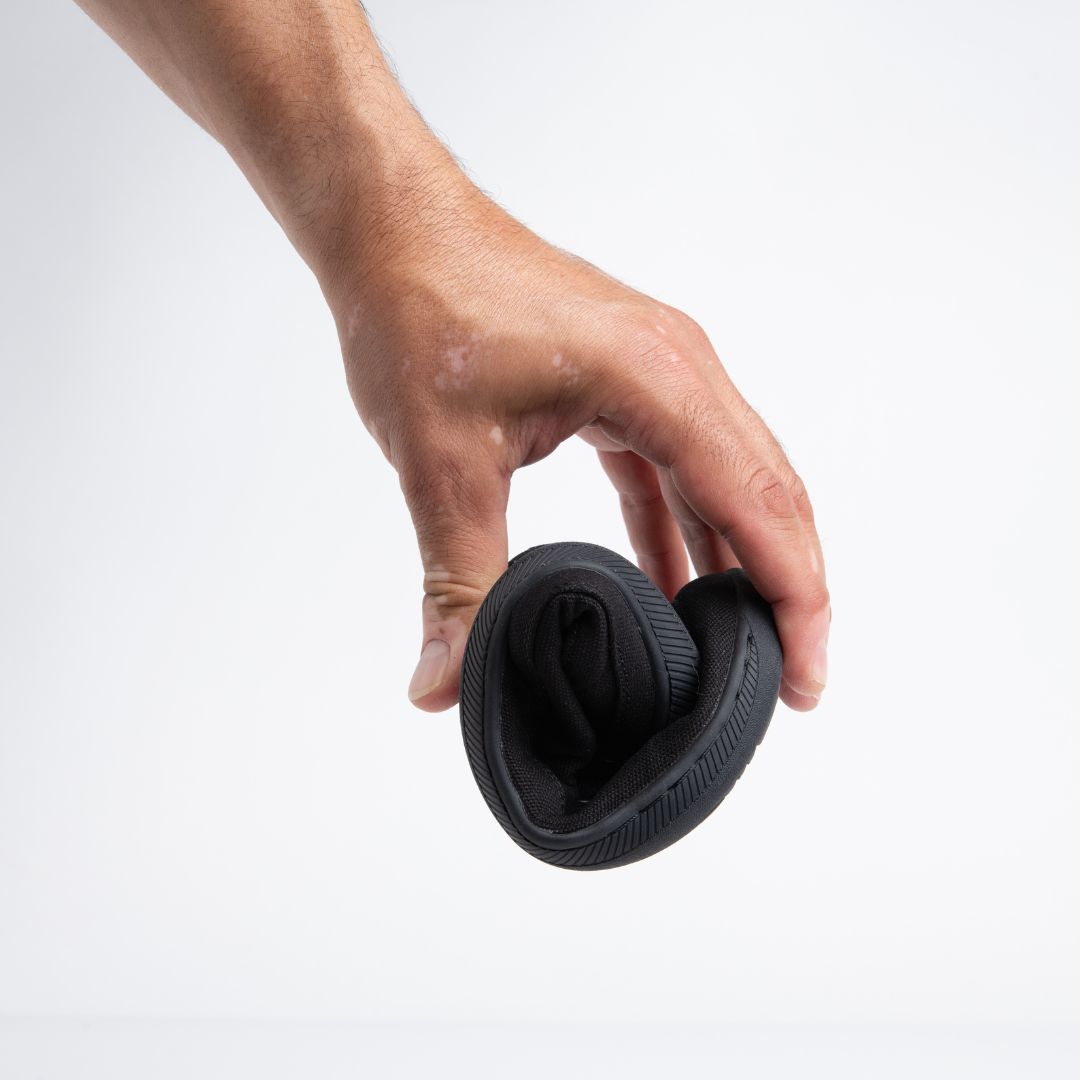
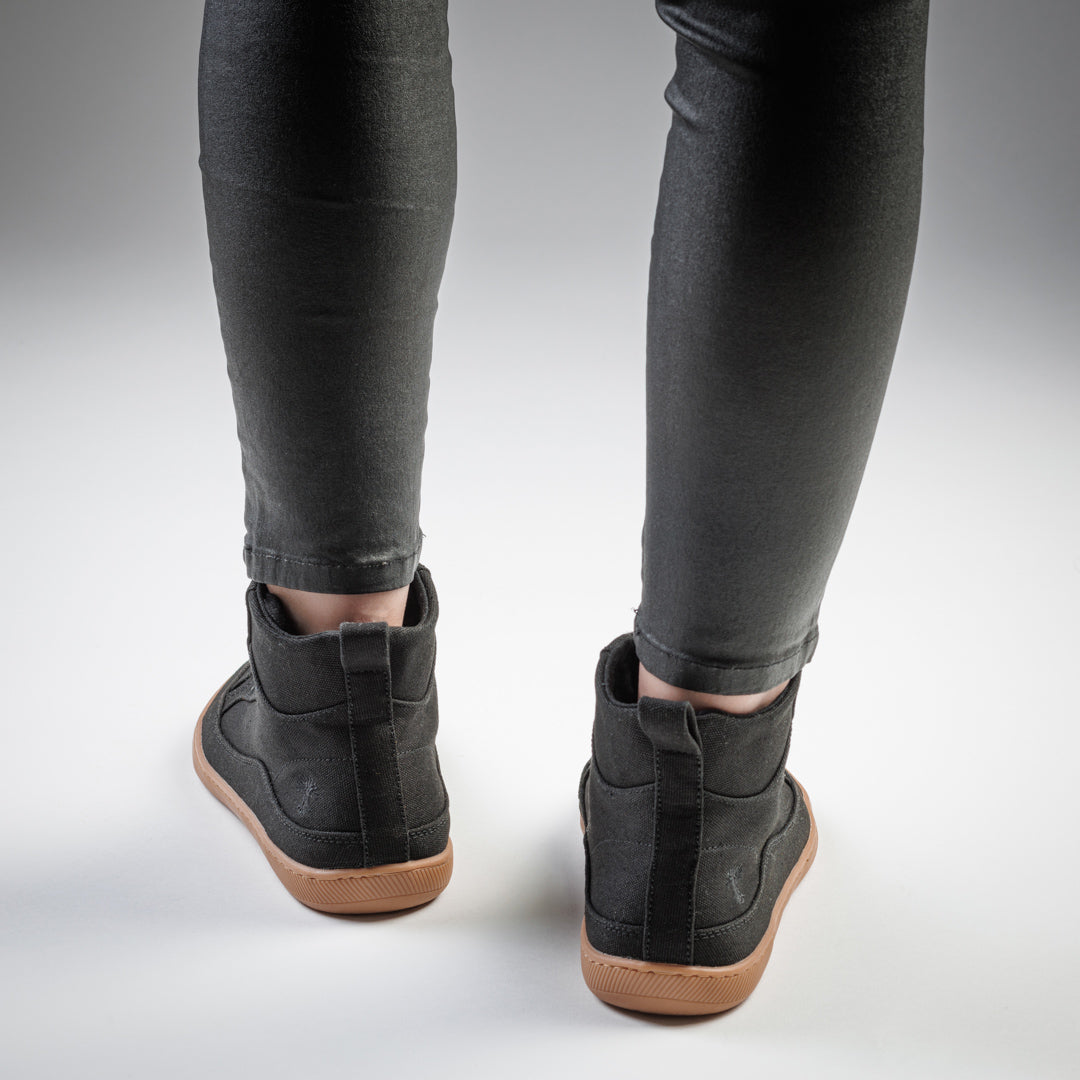
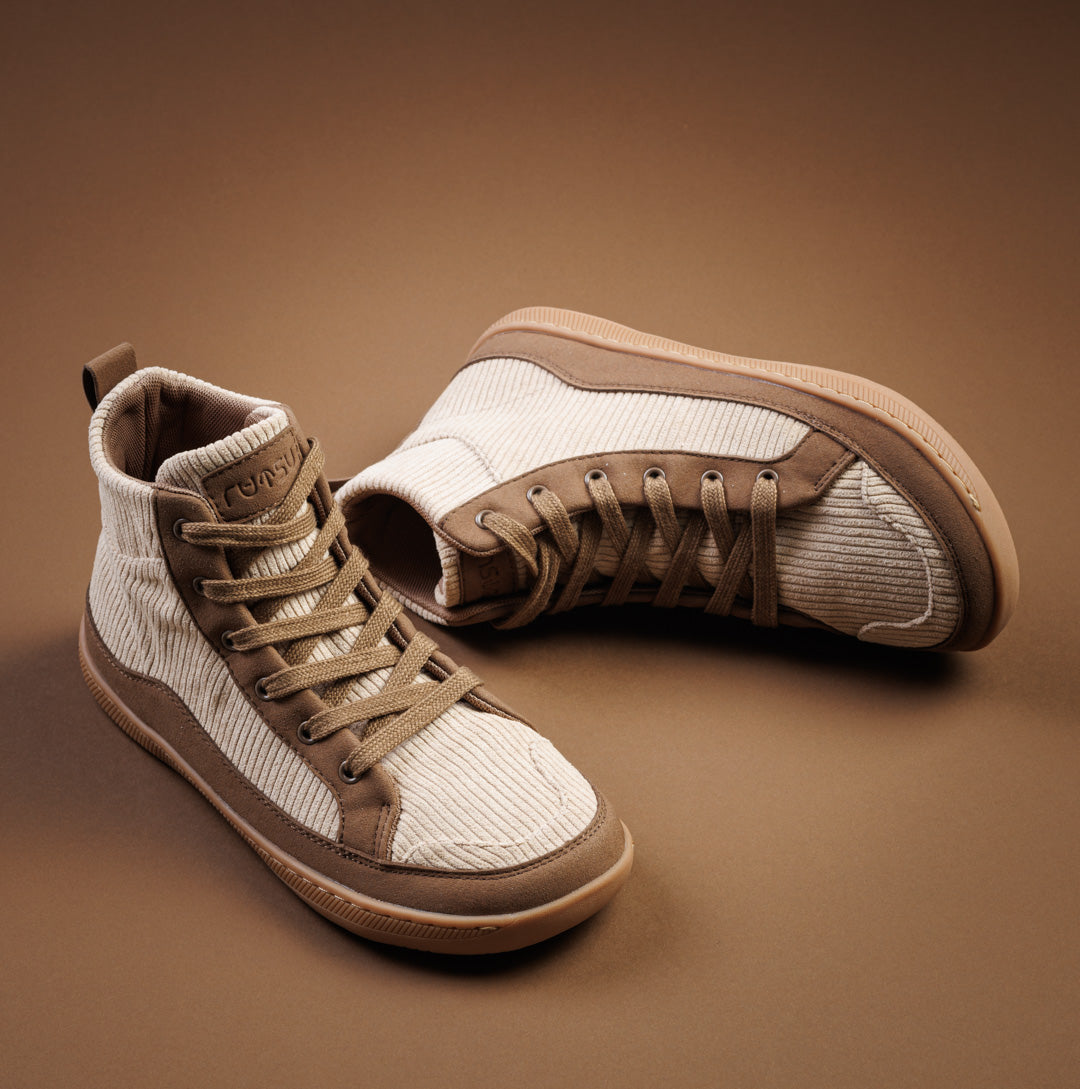
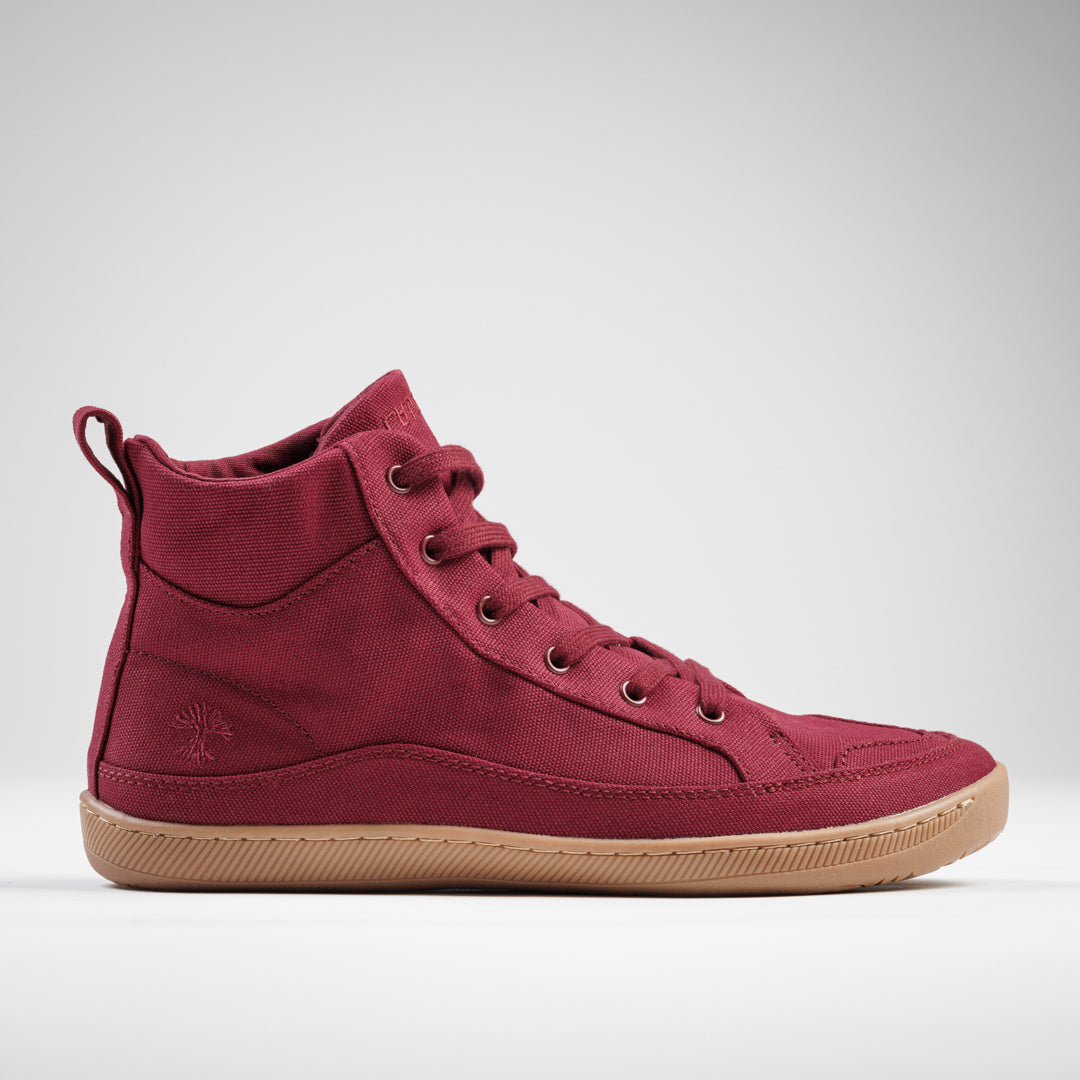
Rutsu Barefoot designs its shoes for this exact transition, which only works if you respect the timeline instead of fighting it. Think of it less like buying new gear and more like starting a new exercise routine. You wouldn't run a marathon the day after buying running shoes, would you?
The 4-Week Readiness Test: How to Know if Your Feet Can Handle the Switch
Before you commit to a full transition, run a simple check over four weeks. It won't take long, and it tells you far more than guessing ever will.
Can you walk barefoot on a hard floor for 20 minutes without discomfort? Can you do 15 calf raises without your Achilles complaining? Can you balance on one foot for 30 seconds, eyes open, without wobbling constantly? If yes to most of these, you're likely ready for a gradual shoe transition. If not, spend a few weeks on basic foot and ankle work first. There's no shame in that. Everyone starts somewhere.
This isn't a race. Consider it more of a checkpoint, one that tells you whether your foundation is solid enough to build on.
Week-by-Week Transition Timeline: What to Actually Do at Each Stage
A realistic timeline looks something like this, though everyone adapts at a slightly different pace.
-
Weeks 1 to 2: Wear barefoot shoes 1 to 2 hours daily, mostly indoors or on flat, familiar ground
-
Weeks 3 to 4: Extend to 3 to 4 hours, add short outdoor walks on smooth pavement
-
Weeks 5 to 8: Move toward half-day wear, introduce light trail or uneven surfaces
-
Weeks 9 to 12: Full-day wear becomes realistic for most people, along with longer walks
Some people move faster. Some need longer. Listen to your feet, not the calendar.
The Calf and Achilles Factor: Why This Is Where Most Injuries Happen
This is the part almost nobody warns you about enough.
Zero-drop shoes ask your calf and Achilles tendon to work in a position they likely haven't held in years, maybe ever. Regular shoes with a raised heel keep that tendon slightly shortened all day, every day. Switch to flat, and suddenly it's being asked to lengthen fully with each step. Rush that adaptation, and Achilles tightness or even tendinitis can follow. This is, honestly, the single biggest reason transitions fail.
Stretch gently. Go slow. Your calves will thank you later, even if they're grumbling right now.
Signs You're Progressing Too Fast (And What to Do About It)
Your body sends warning signs. The trick is actually listening to them.
Persistent arch pain that doesn't fade after rest is a red flag, not a badge of honor. Sharp, localized pain in the forefoot (possible stress reaction territory) means stop and scale back immediately. General muscle soreness that eases within a day or two is normal and expected. If symptoms escalate or don't improve with reduced wear, it's worth checking in with a podiatrist rather than pushing through.
Surface Progression: From Indoor Floors to Trails to Pavement
Not all ground is created equal, and your transition should reflect that.
Start indoors on flat, predictable floors where your feet can learn the basics without surprises. Move to smooth pavement next, since it's forgiving but still firm enough to build real feedback. Save uneven trails and gravel for later, once your feet have some mileage under them. Jumping straight to rocky terrain in week one is a fast track to a bruised sole.
Strength Exercises That Speed Up a Safe Transition
Want to shorten the timeline a bit? Targeted strength work helps, and it doesn't take long.
Toe splays and towel scrunches build the small stabilizing muscles most shoes let go dormant. Calf raises, done slowly and with control, prepare your Achilles for zero-drop walking. Single-leg balance drills rebuild the ankle stability that cushioned shoes quietly took over. Ten minutes, three or four times a week, adds up faster than you'd think.
Common Transition Mistakes That Stall Progress or Cause Setbacks
A few mistakes show up again and again, so let's name them.
Wearing barefoot shoes all day immediately is the biggest one by far. Skipping calf and ankle prep work is a close second. Ignoring early warning signs like consistent soreness, hoping it'll just pass, tends to backfire. And switching straight to running before walking feels fully comfortable? That's asking for trouble. One more worth mentioning: comparing your timeline to someone else's. Your neighbor's six-week transition means nothing if your feet need twelve.
How to Know You've Fully Adapted: The Benchmarks That Actually Matter
So how do you know when you're actually there?
Full-day wear feels normal, not like something you're enduring. Walking on uneven surfaces doesn't leave your feet sore the next morning. Your calves and Achilles feel strong through a full range of motion, not tight or guarded. Once you're hitting these consistently, you've likely completed the transitioning to barefoot shoes process, and running or longer hikes become a reasonable next step.
Frequently Asked Questions
Is it normal for my feet to hurt during the barefoot transition?
Mild soreness in your arches or calves is common and usually fades within a day or two. Sharp or lasting pain is not normal and means you should scale back and rest.
How many hours a day should I wear barefoot shoes when starting out?
Most people start with 1 to 2 hours daily and build up gradually over several weeks. Jumping straight to all-day wear is the most common cause of injury.
Can I skip straight to barefoot running if I'm already an experienced runner?
No. Running loads your feet very differently than walking, so even experienced runners need a separate, gradual buildup in barefoot shoes.
What if I have flat feet or a history of plantar fasciitis?
Some people with these conditions transition successfully, while others need more support. Checking with a podiatrist before starting is a smart precaution either way.
Do I need to stretch before or after wearing barefoot shoes?
Light calf and Achilles stretching, especially early in the transition, can help ease the adjustment. It's not strictly required, but many people find it makes the process more comfortable.
How will I know if I'm transitioning too quickly?
Watch for pain that doesn't improve with rest, or soreness that gets worse instead of better over time. Those are signs to slow down, not push through.
Final Thoughts
Transitioning to barefoot shoes isn't complicated, but it does take patience. Rush it, and you're looking at weeks of setbacks. Respect the timeline, and most healthy adults come out the other side with stronger, more capable feet.
Ready to start your own transition? Check out our full guide on how to transition to barefoot shoes for more detail on pacing your first few months.