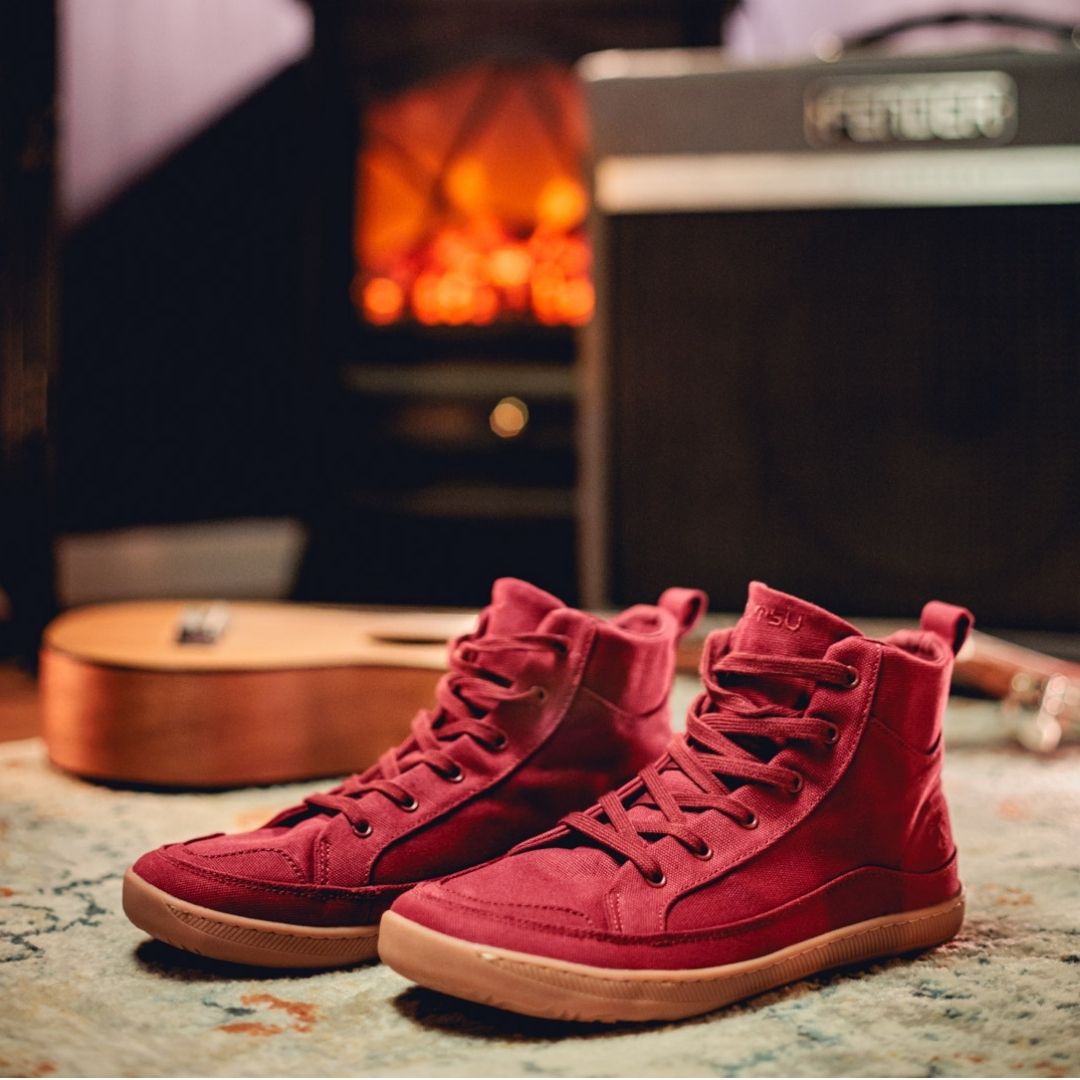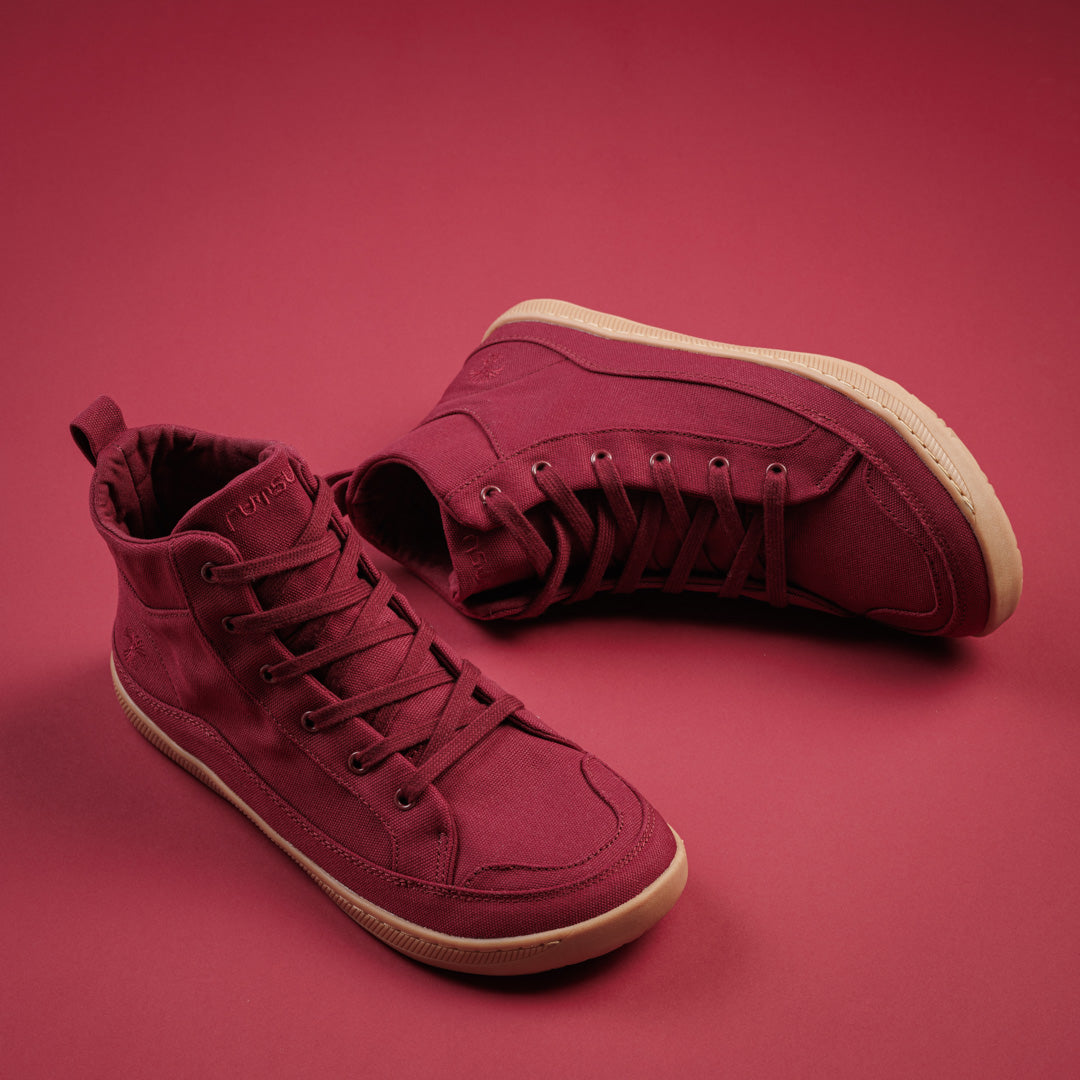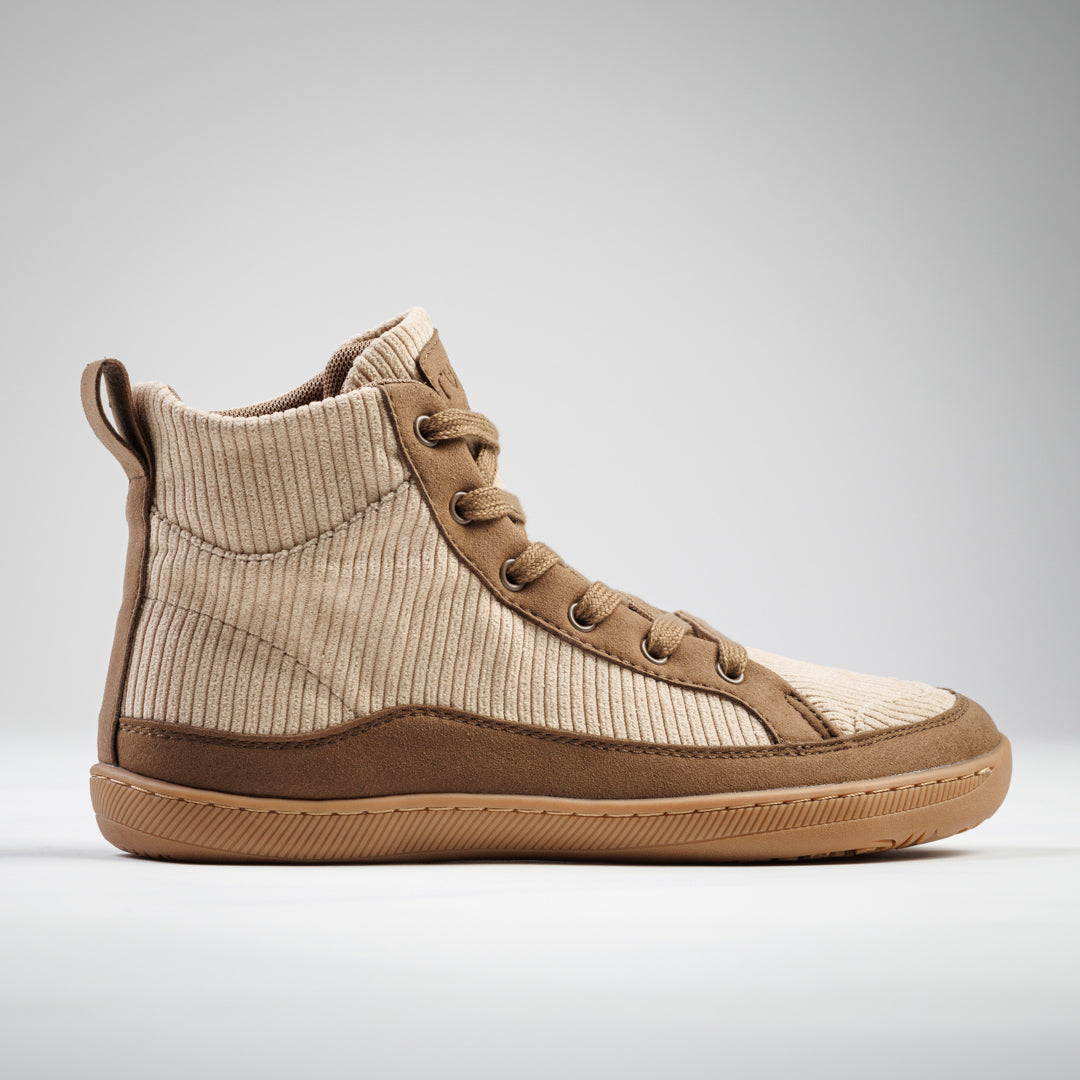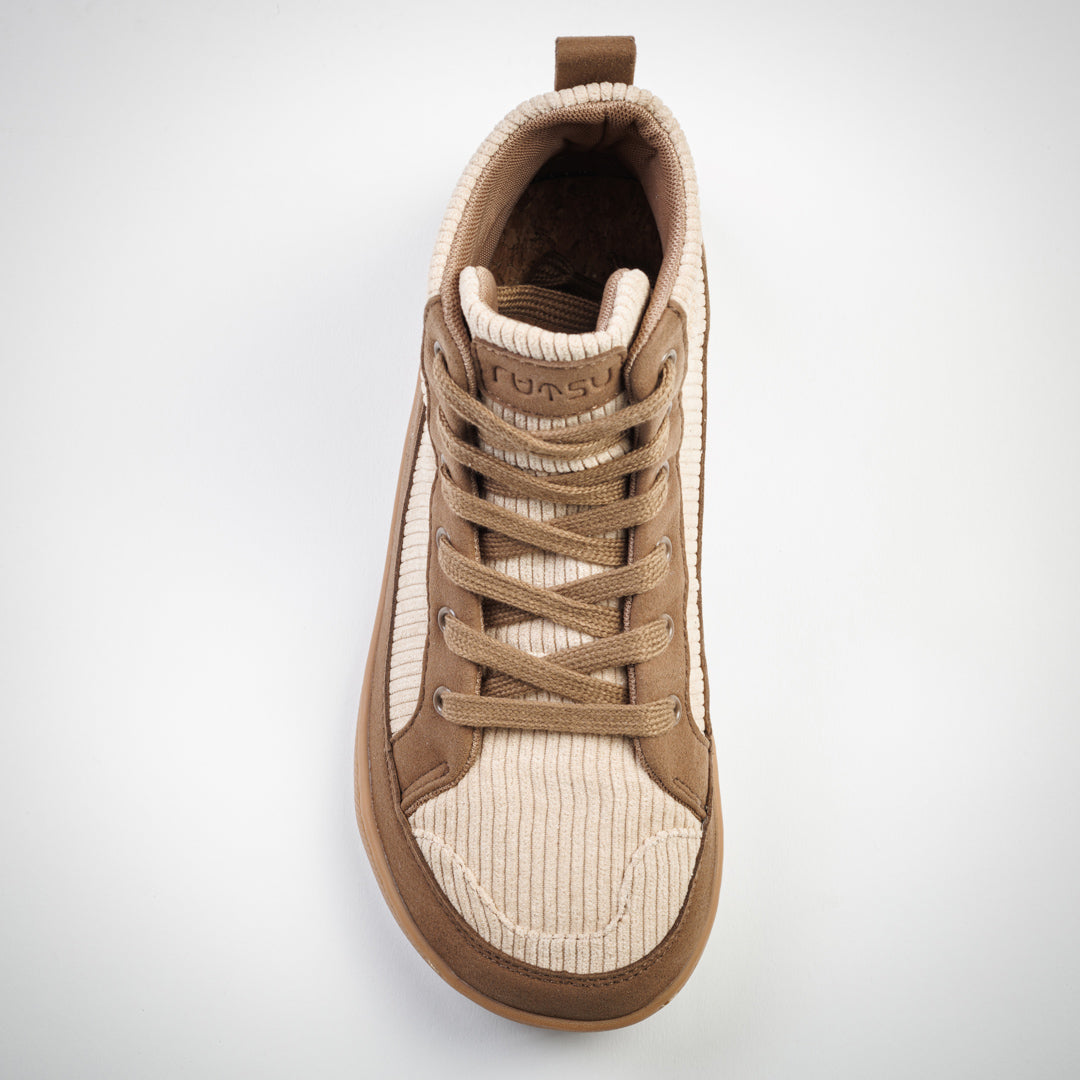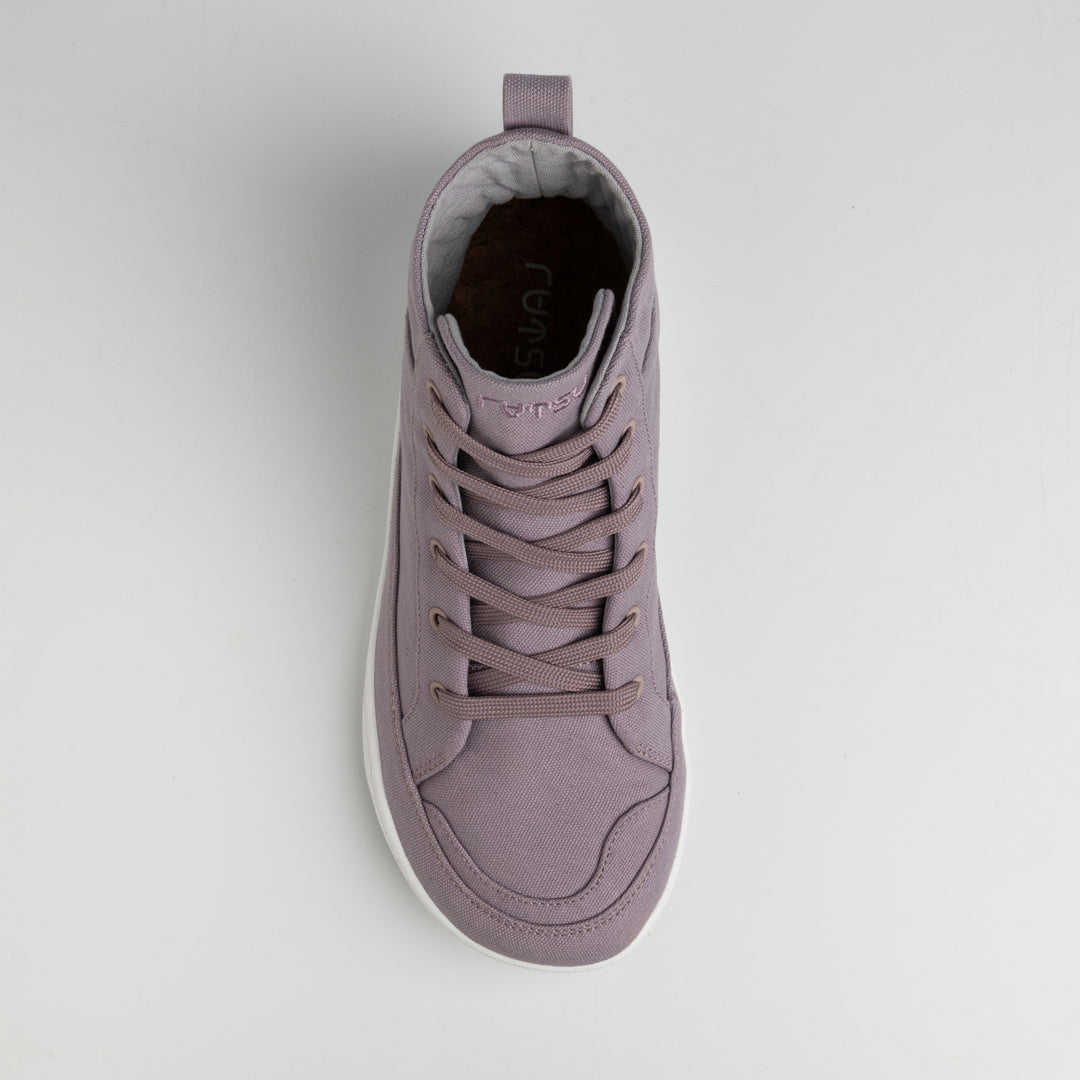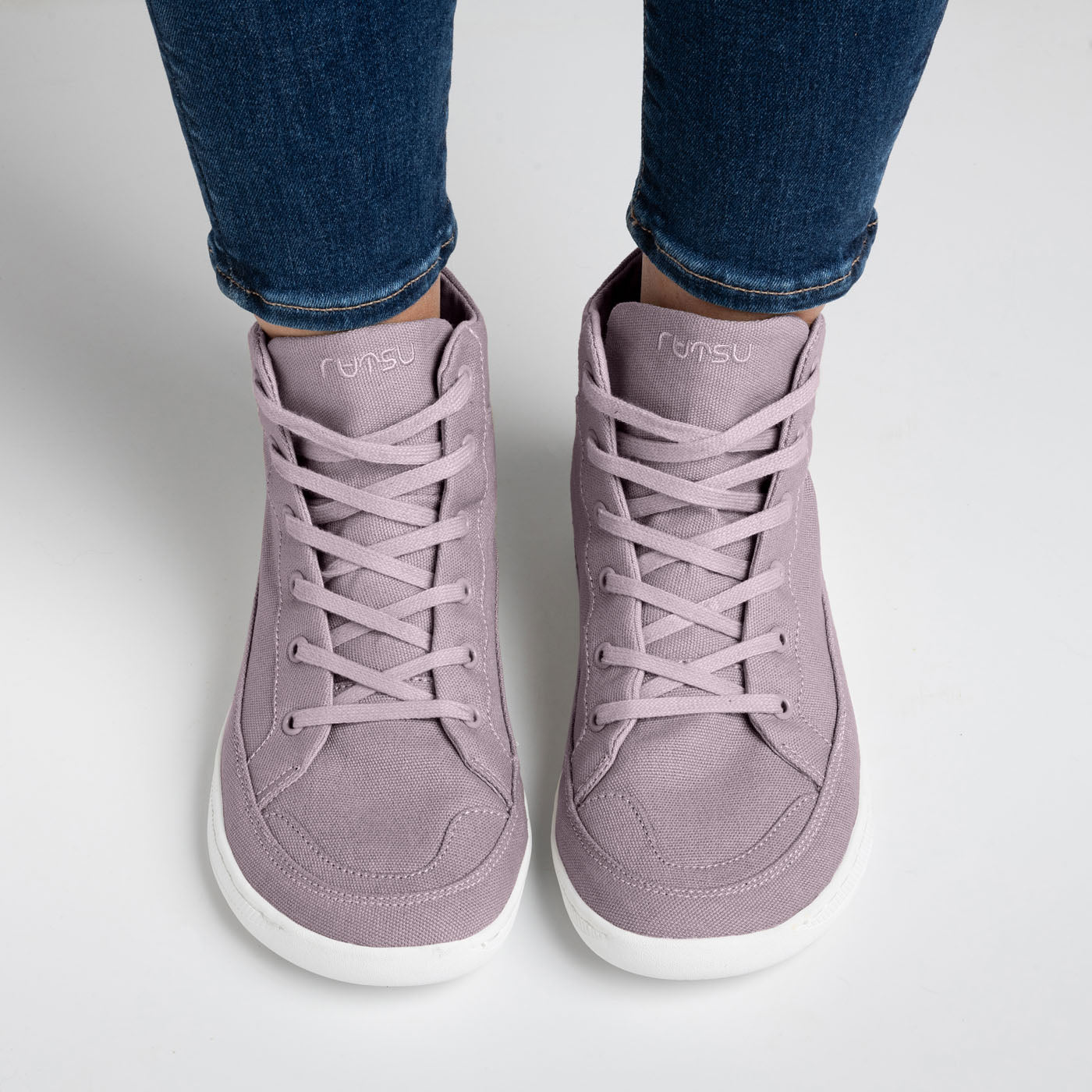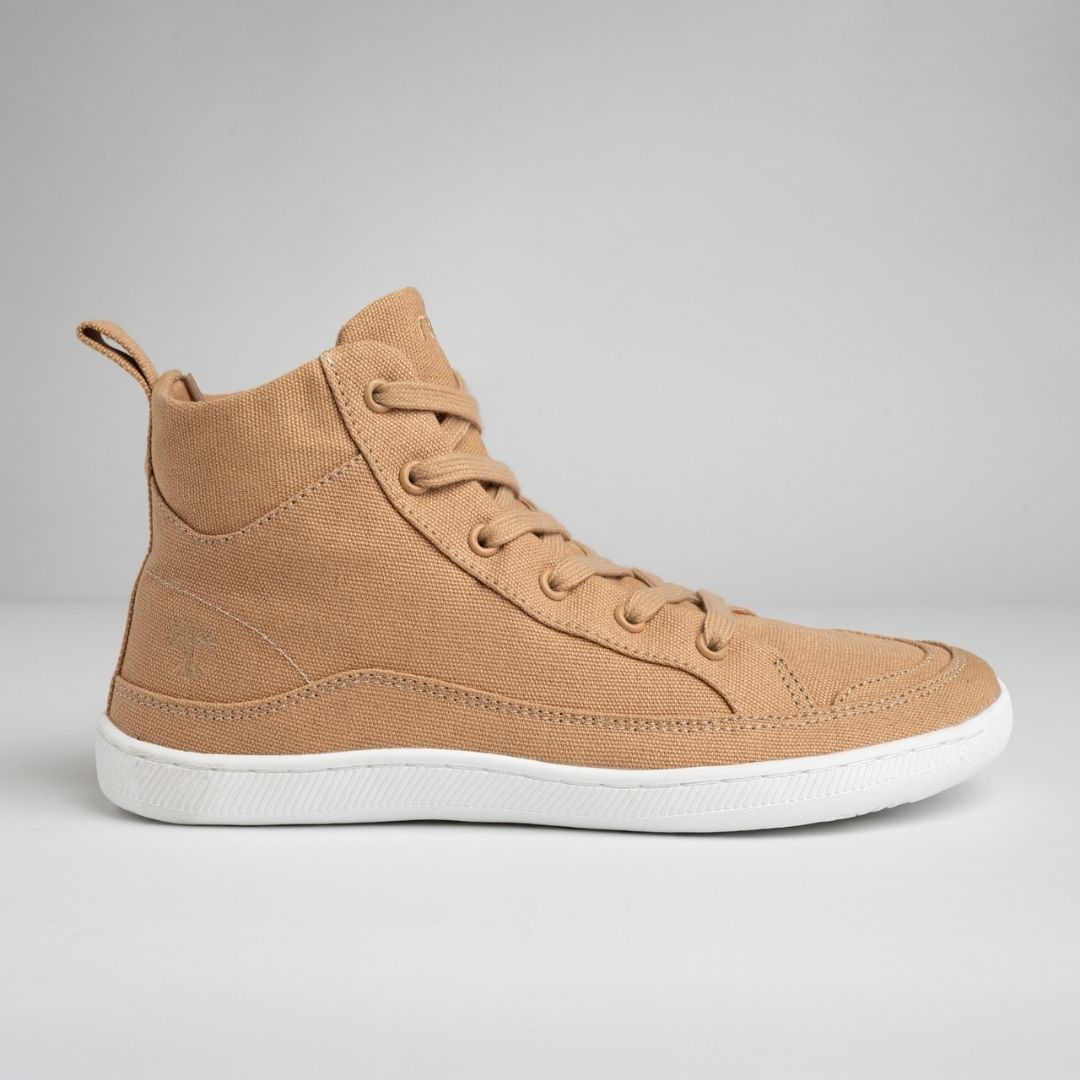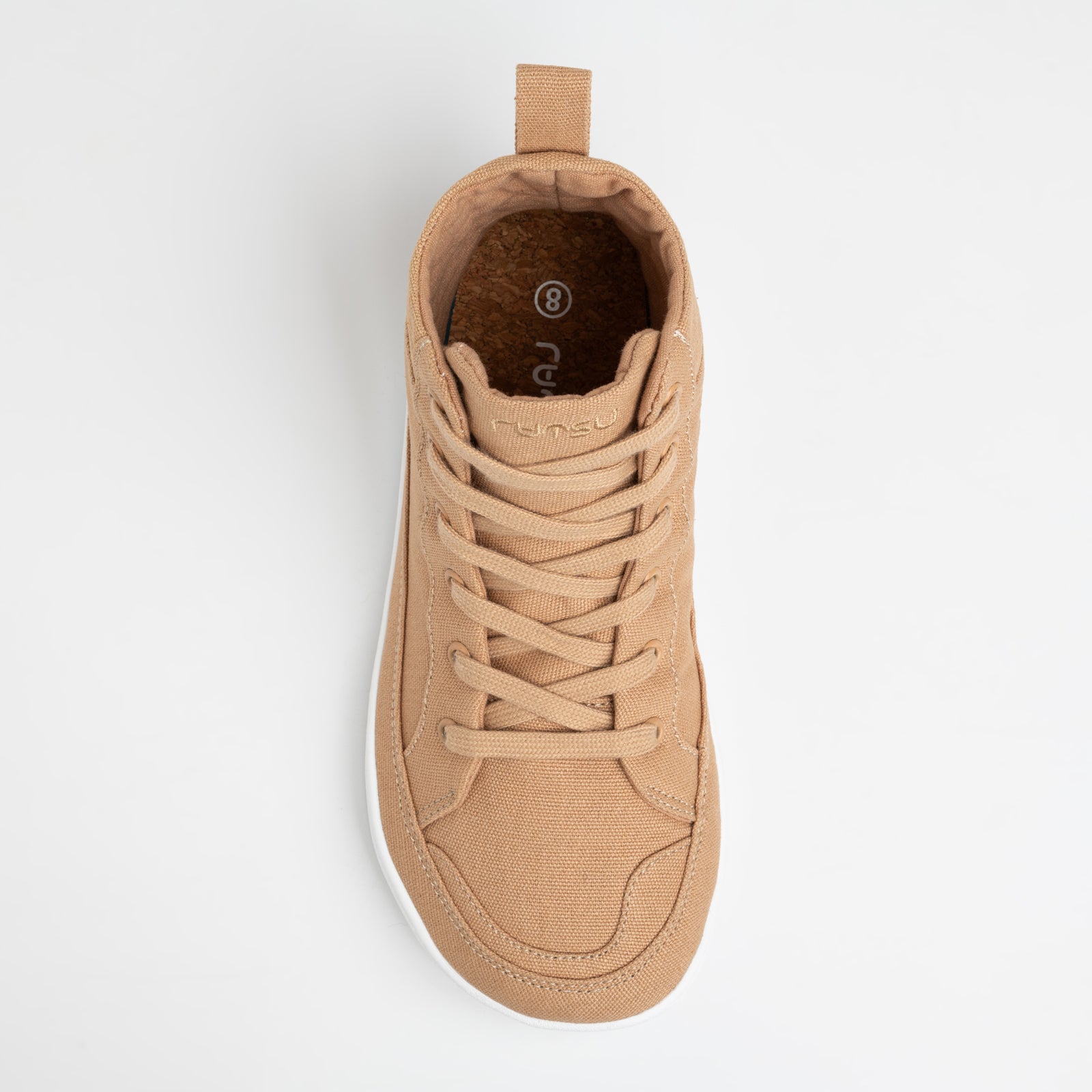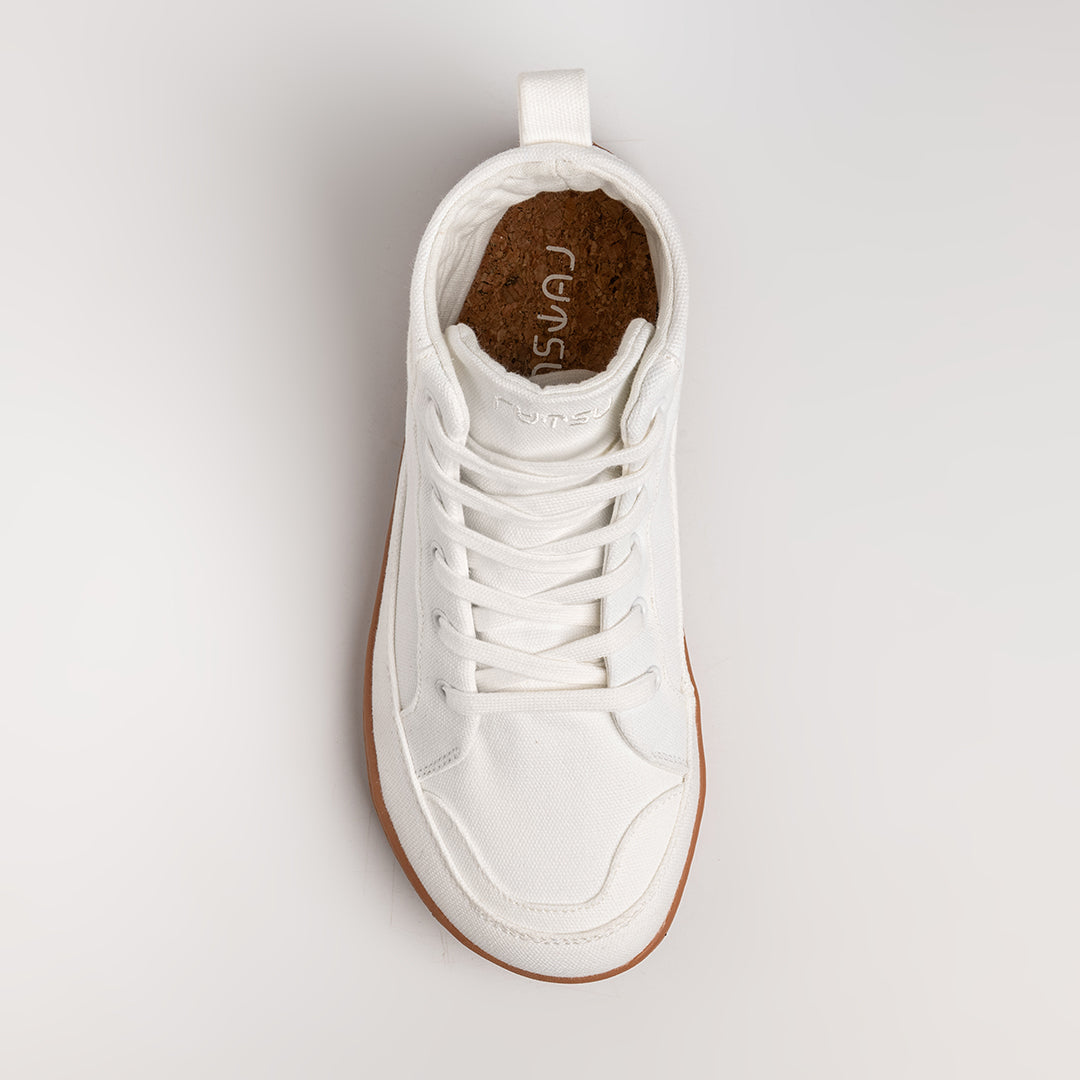


So a friend won't shut up about her new "weird-looking" shoes. Your uncle just bought a pair and claims his hip pain vanished. And now you're stuck wondering what all the fuss is about with these so-called minimalist shoes.
You're not alone in the curiosity. The category has exploded, and honestly, the marketing around it can get a little wild.
Let's cut through that noise.
Minimalist Shoes Defined: What Actually Makes a Shoe "Minimalist"
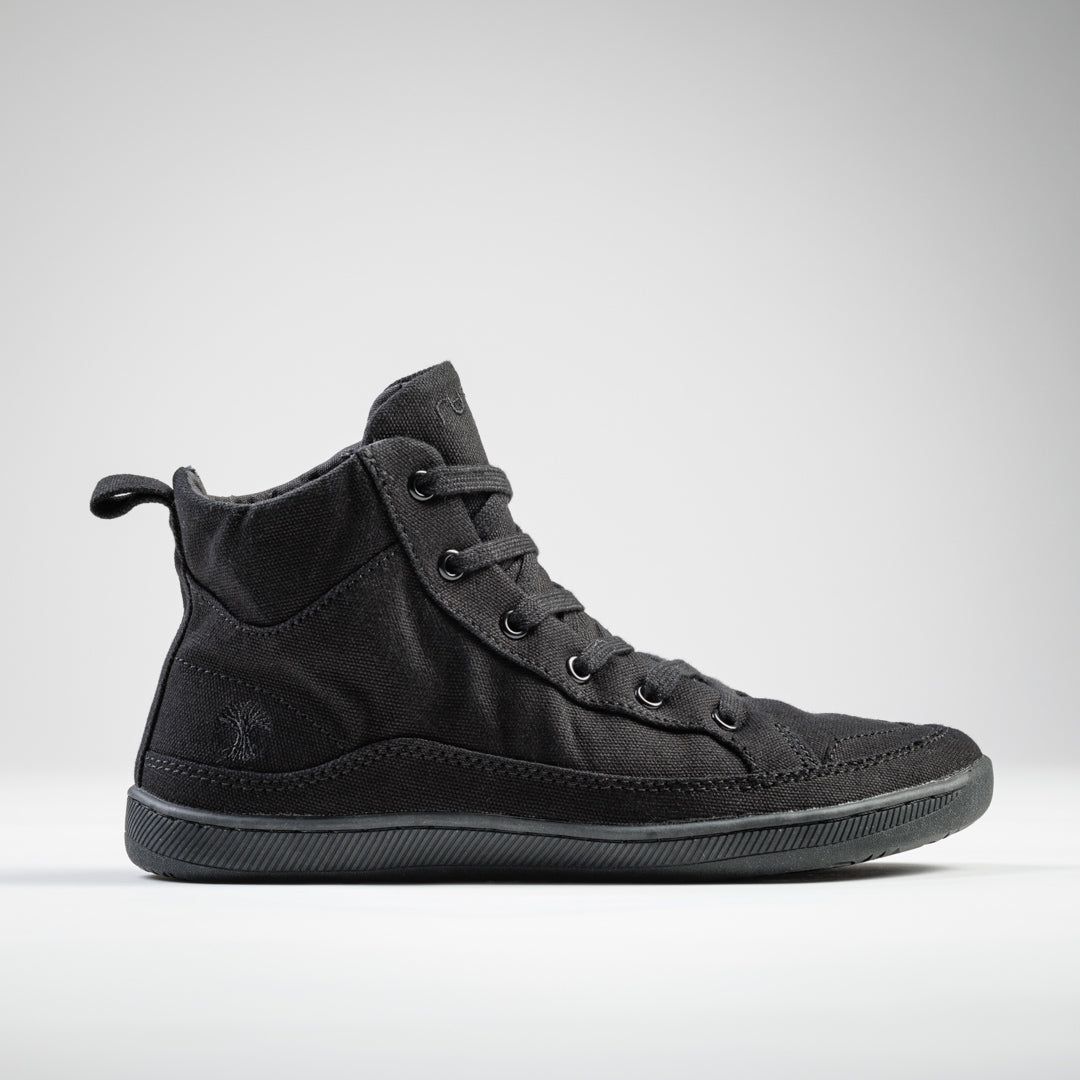
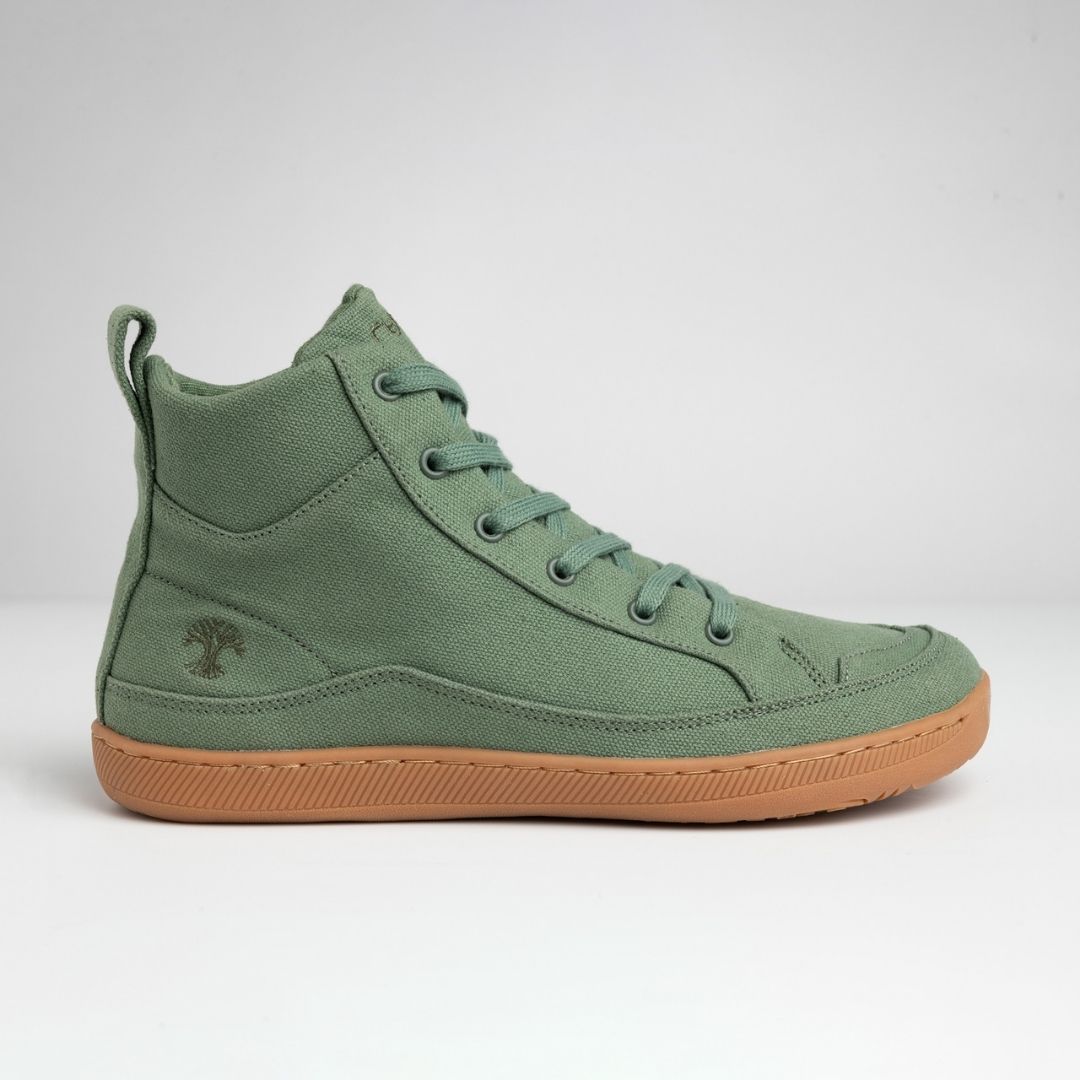
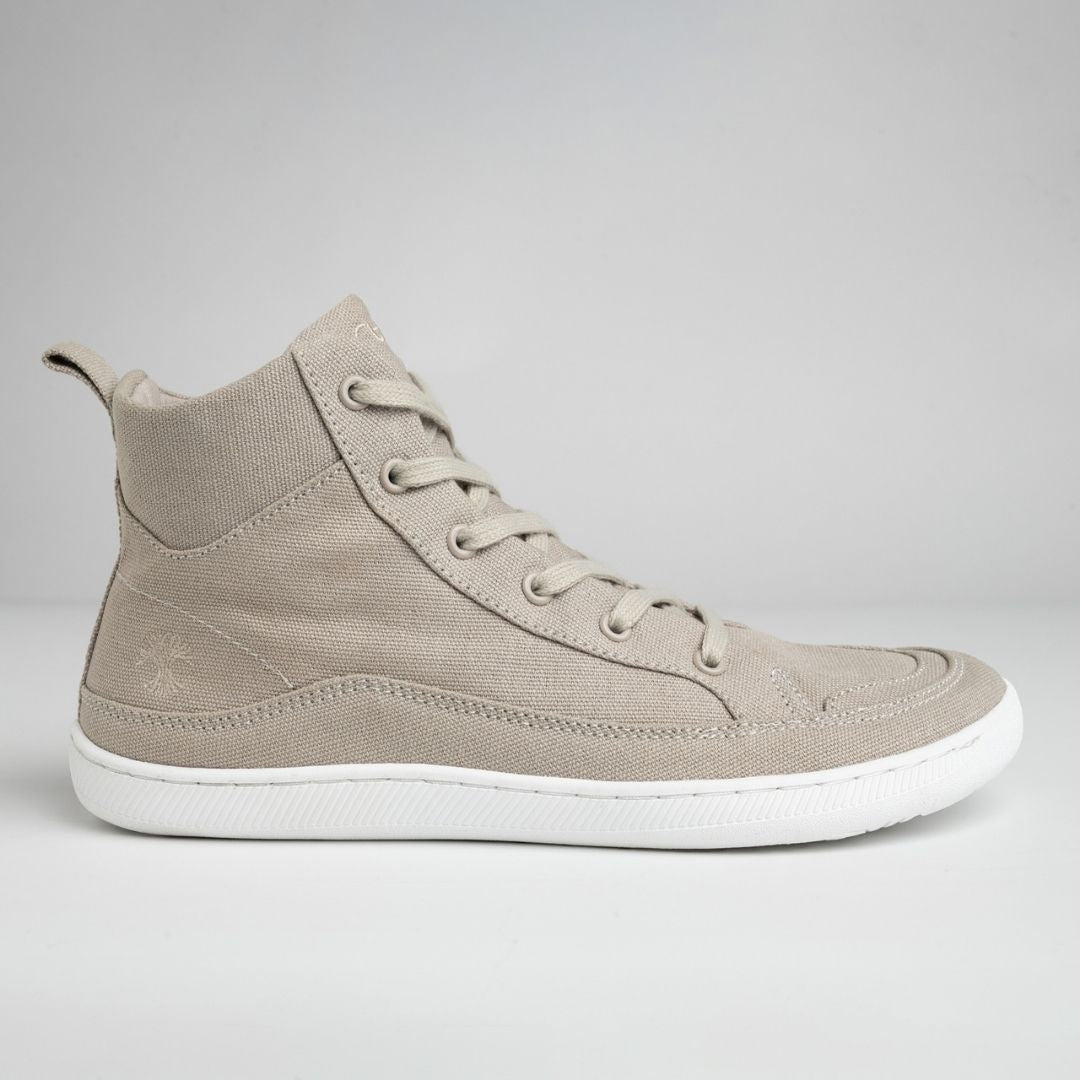
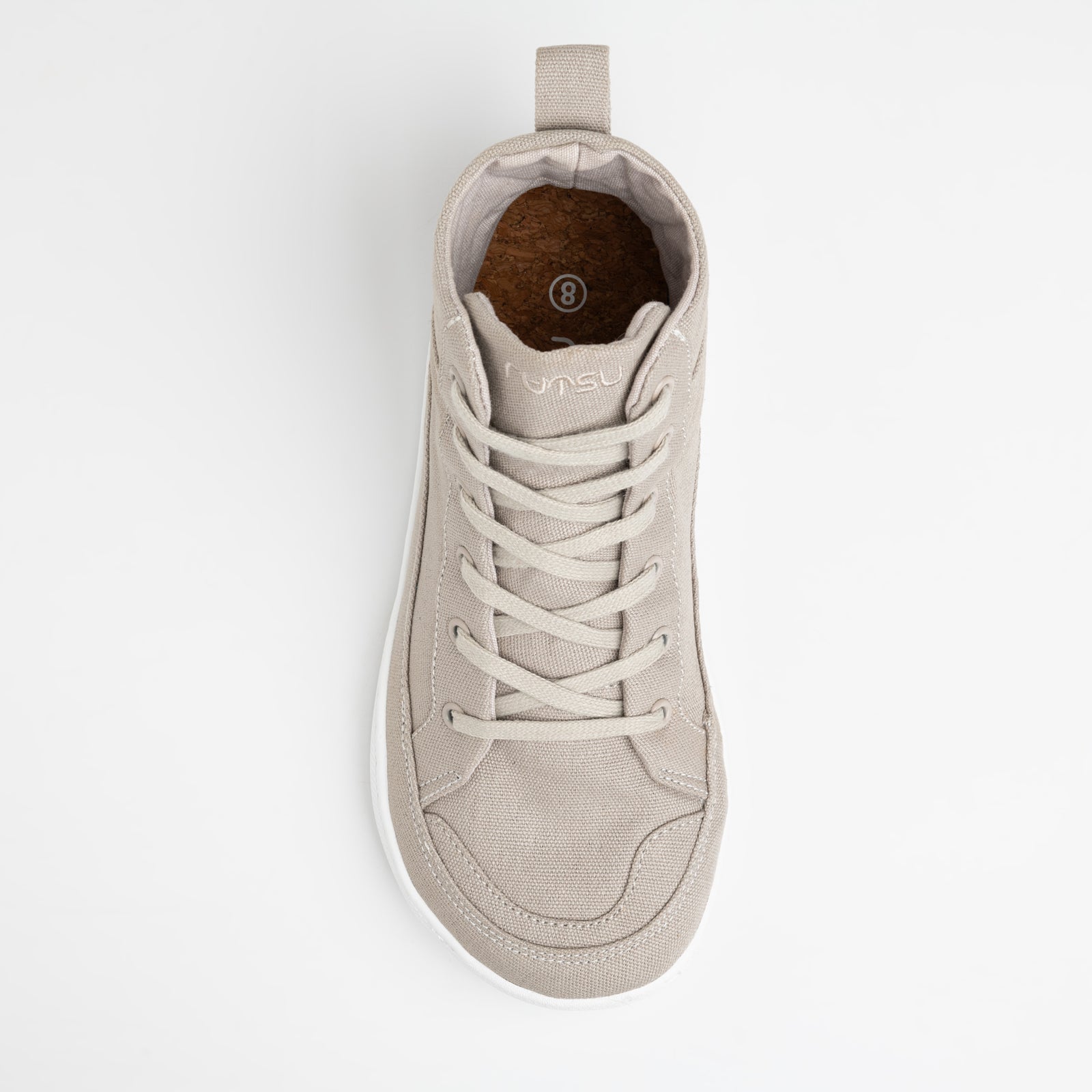
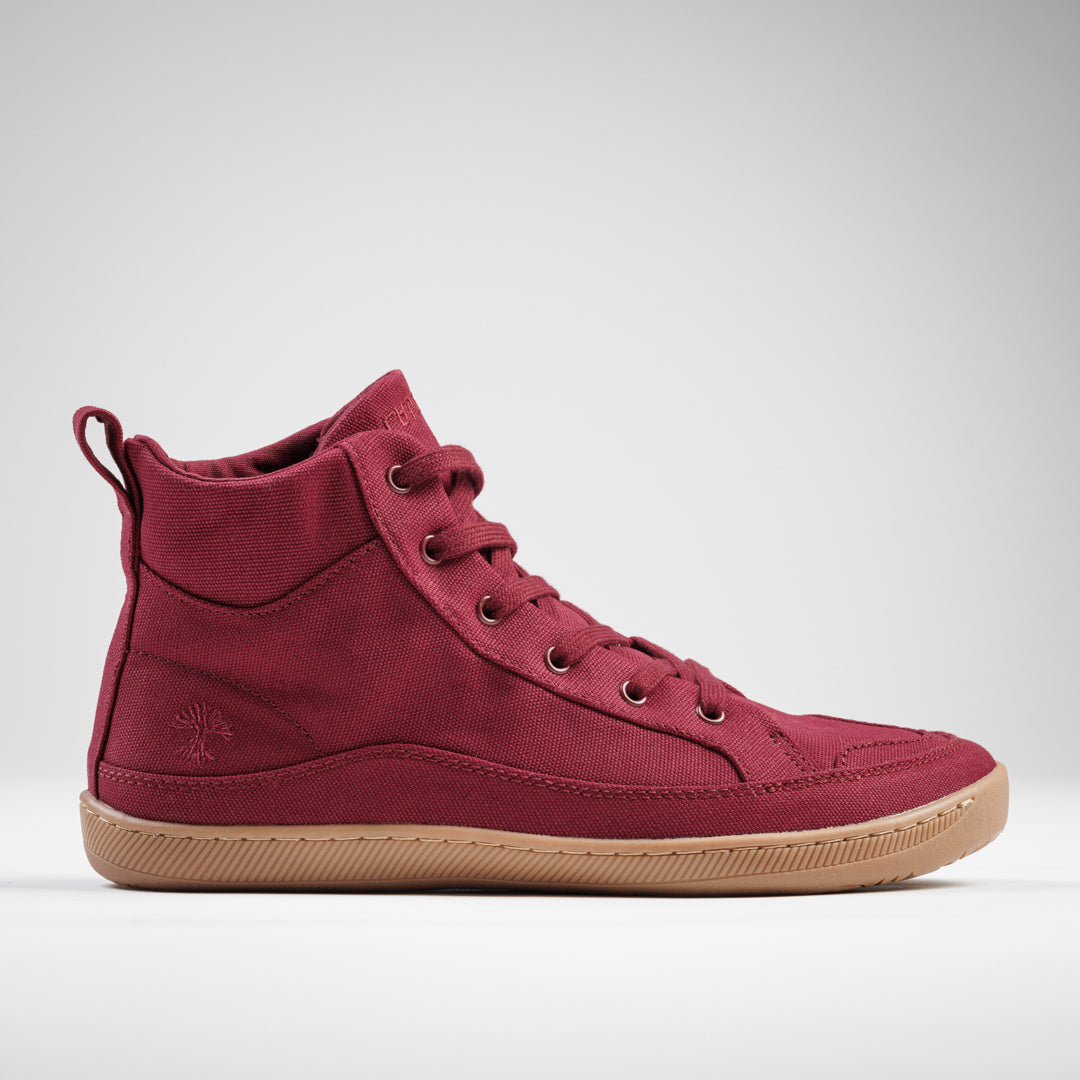
A minimalist shoe takes a knife to everything modern footwear has piled on over the decades. Cushioning? Trimmed way down. Heel lift? Mostly gone. That narrow, pointy toe box? Replaced with something that lets your toes actually breathe.
The philosophy behind them isn't complicated. Your foot evolved over millions of years to handle walking, running, climbing, and balancing on its own. Stack a 12mm heel under it, wrap it in foam, and squeeze the toes together, and you've essentially put your foot in a sling. Minimalist footwear removes the sling.
Picture a regular sneaker as a recliner for your foot. The minimalist version? More like a hammock. Supportive enough, but your foot still has to do the work.
The Five Features Every Minimalist Shoe Has in Common
Thin alone doesn't cut it. To genuinely earn the label, a shoe needs a specific combination of traits:
Low or zero heel-to-toe drop. Heel and forefoot sit on the same plane (or close to it). Conventional shoes often have an 8 to 12mm drop. Most minimalist designs land somewhere between 0 and 4mm.
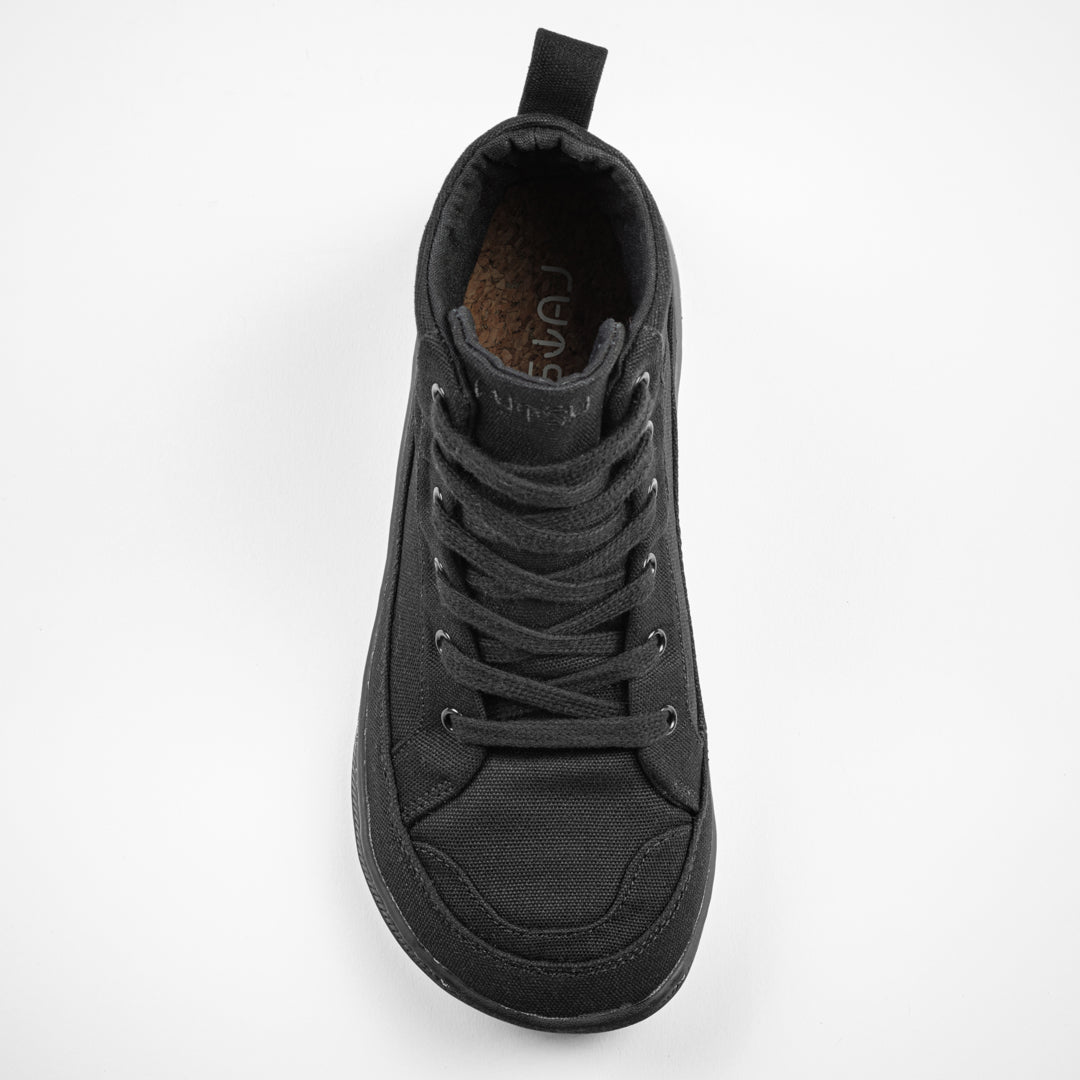
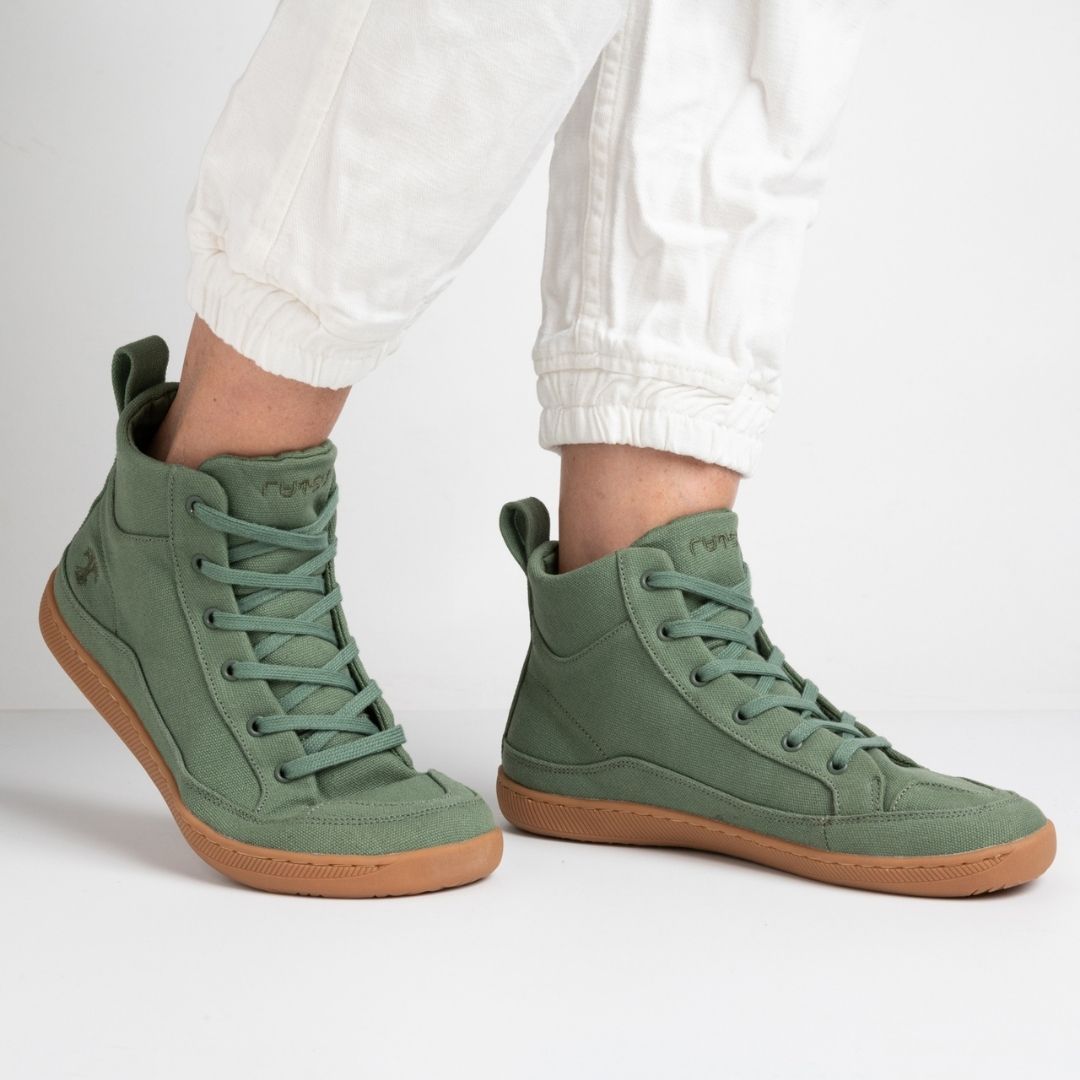
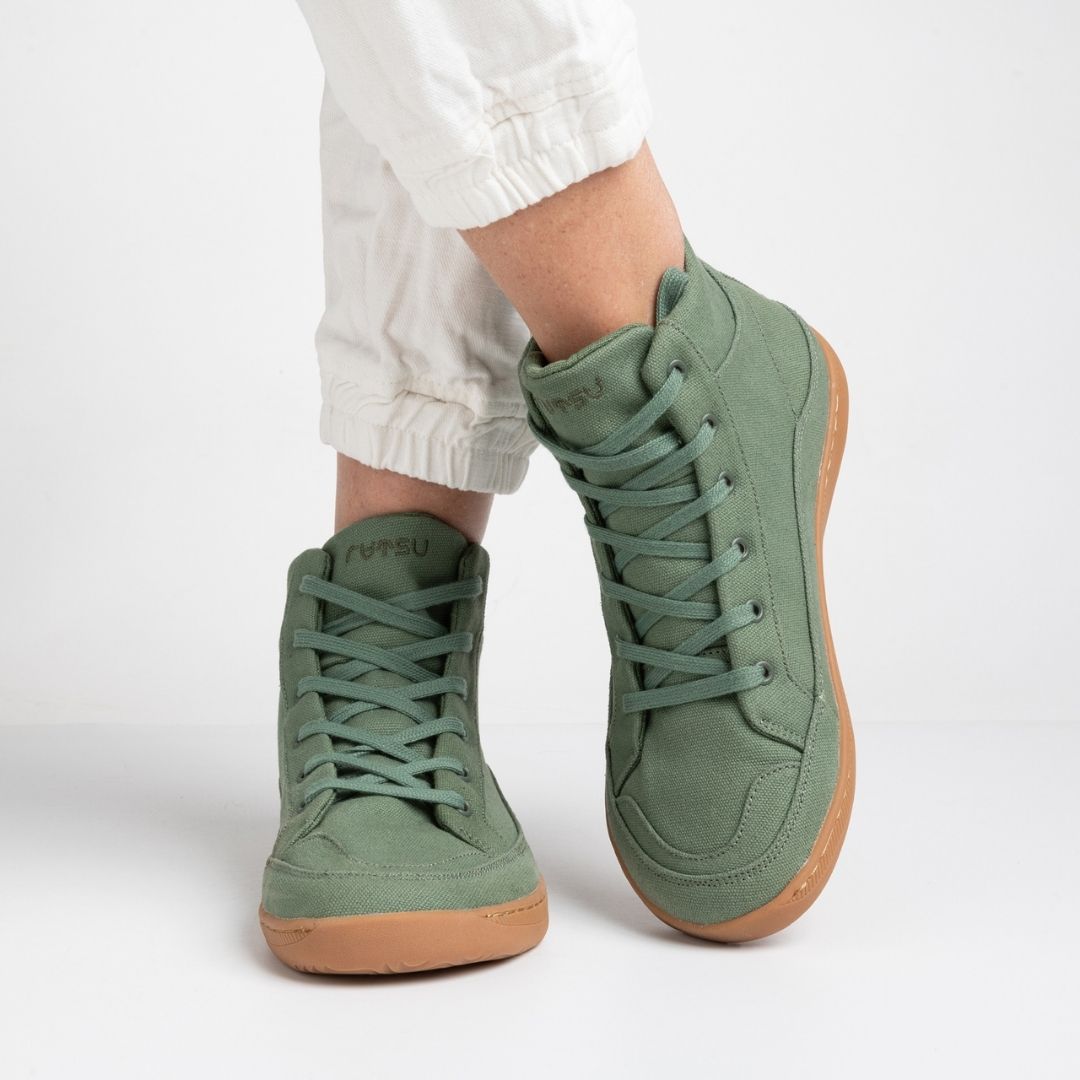
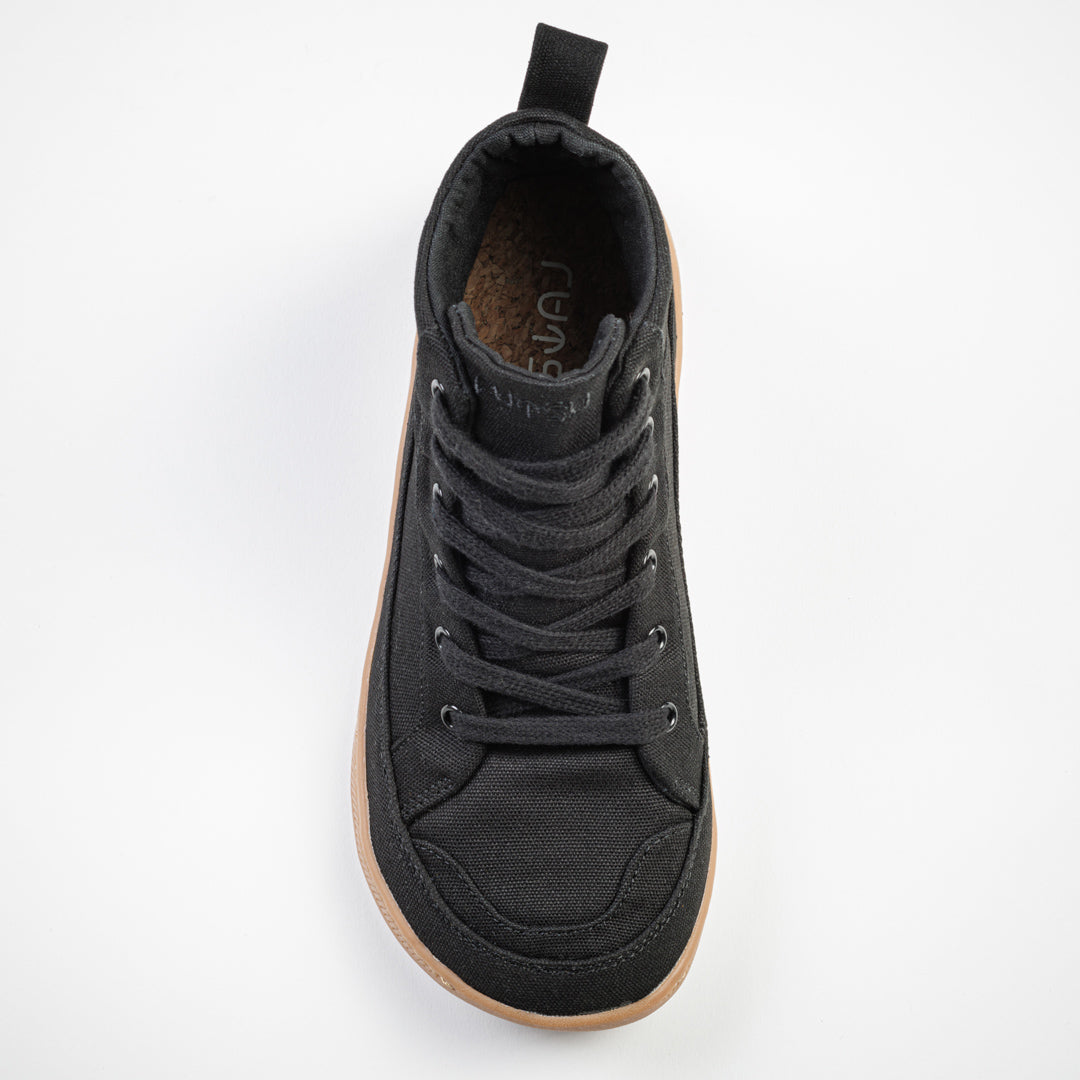
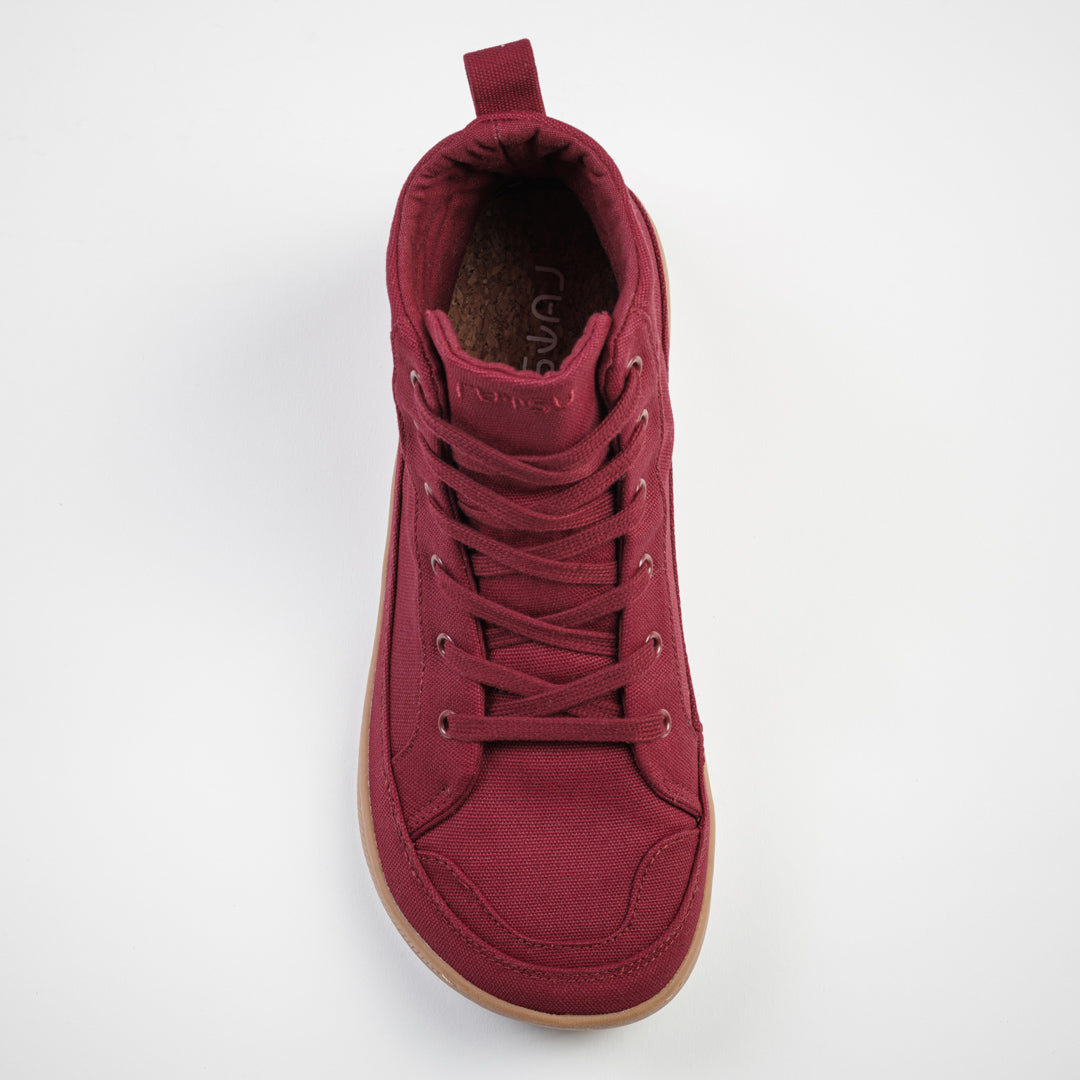
Toe box that fits actual toes. Your foot is widest at the toes. Funny how most shoes ignore that. A real minimalist shoe lets all ten toes spread out without fighting each other for space.
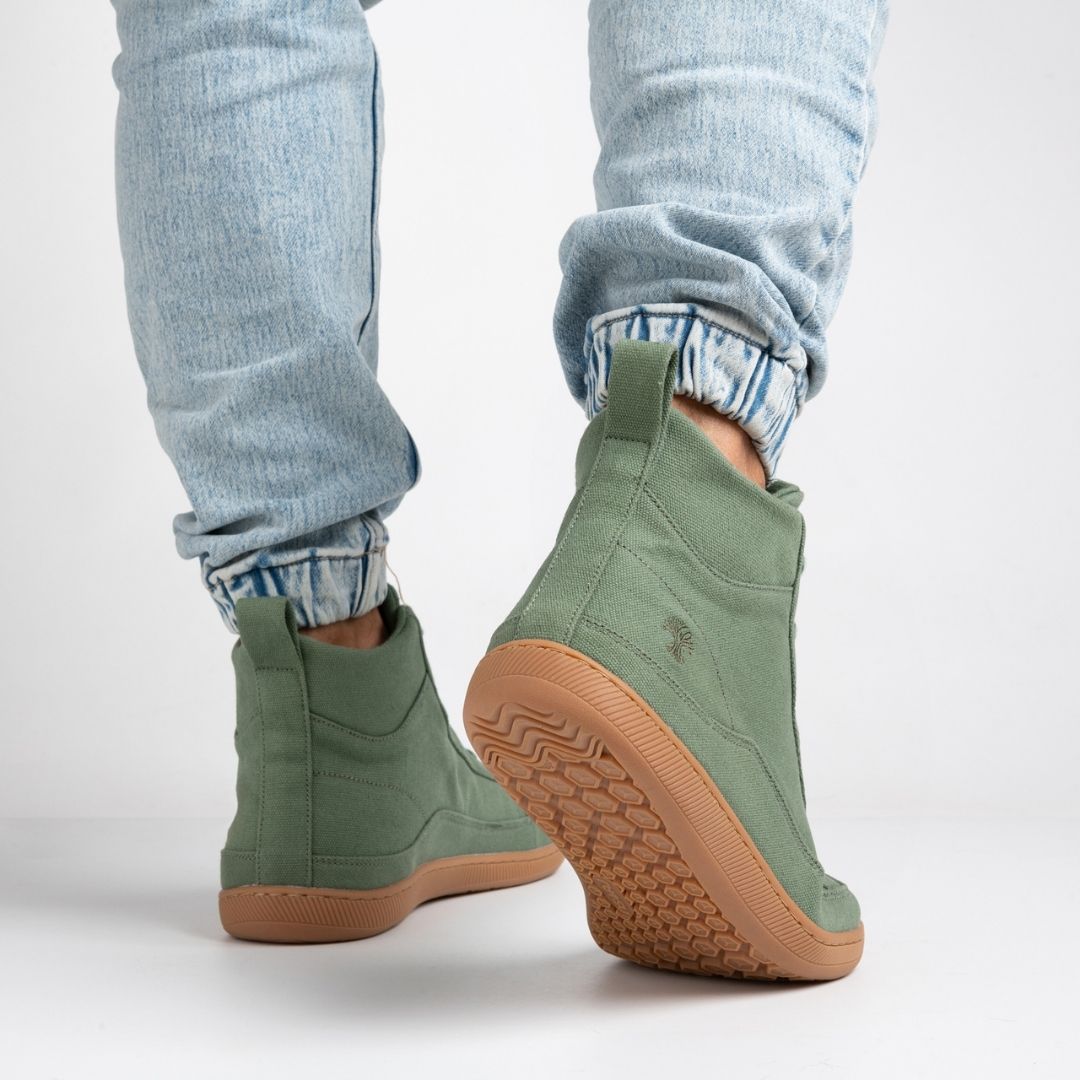
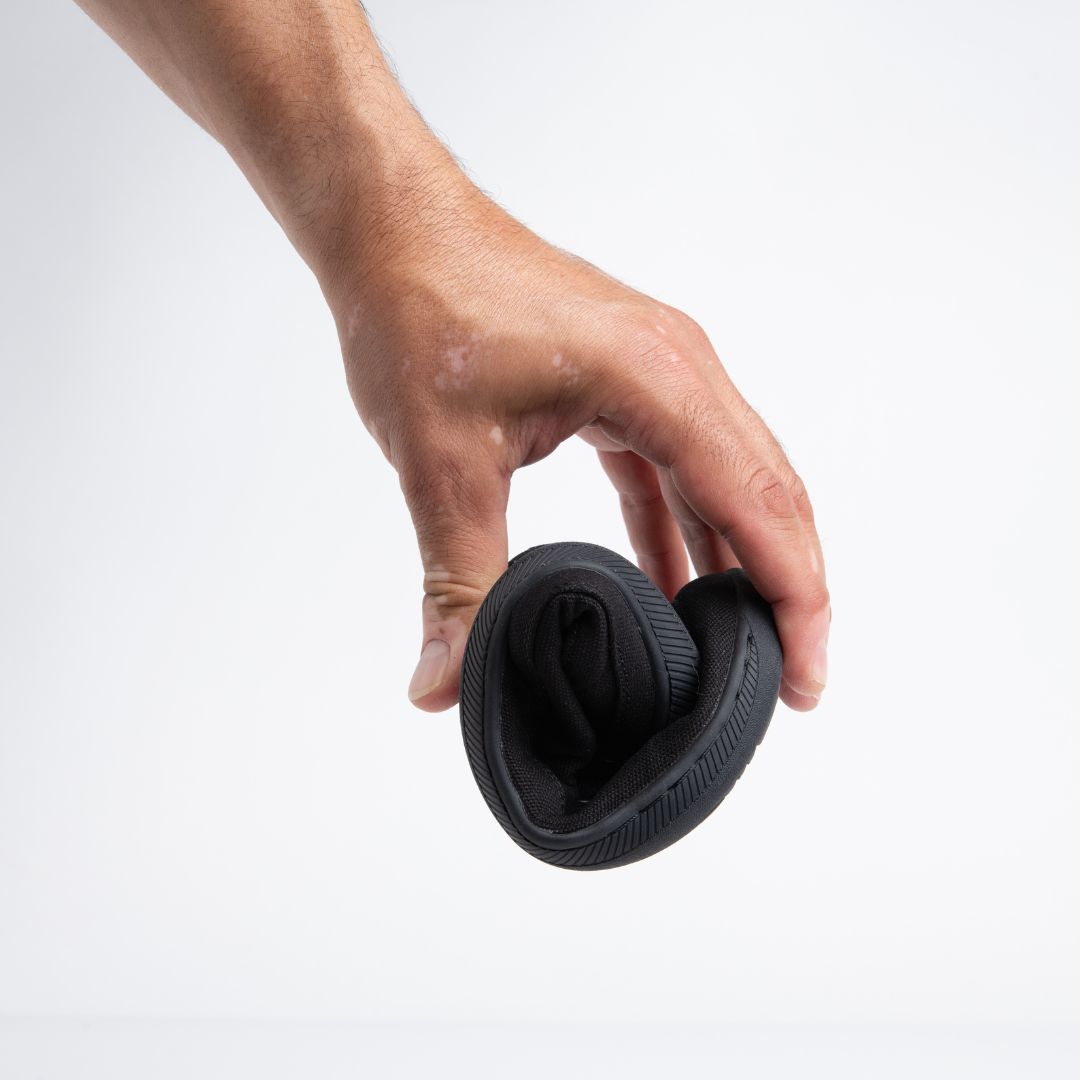
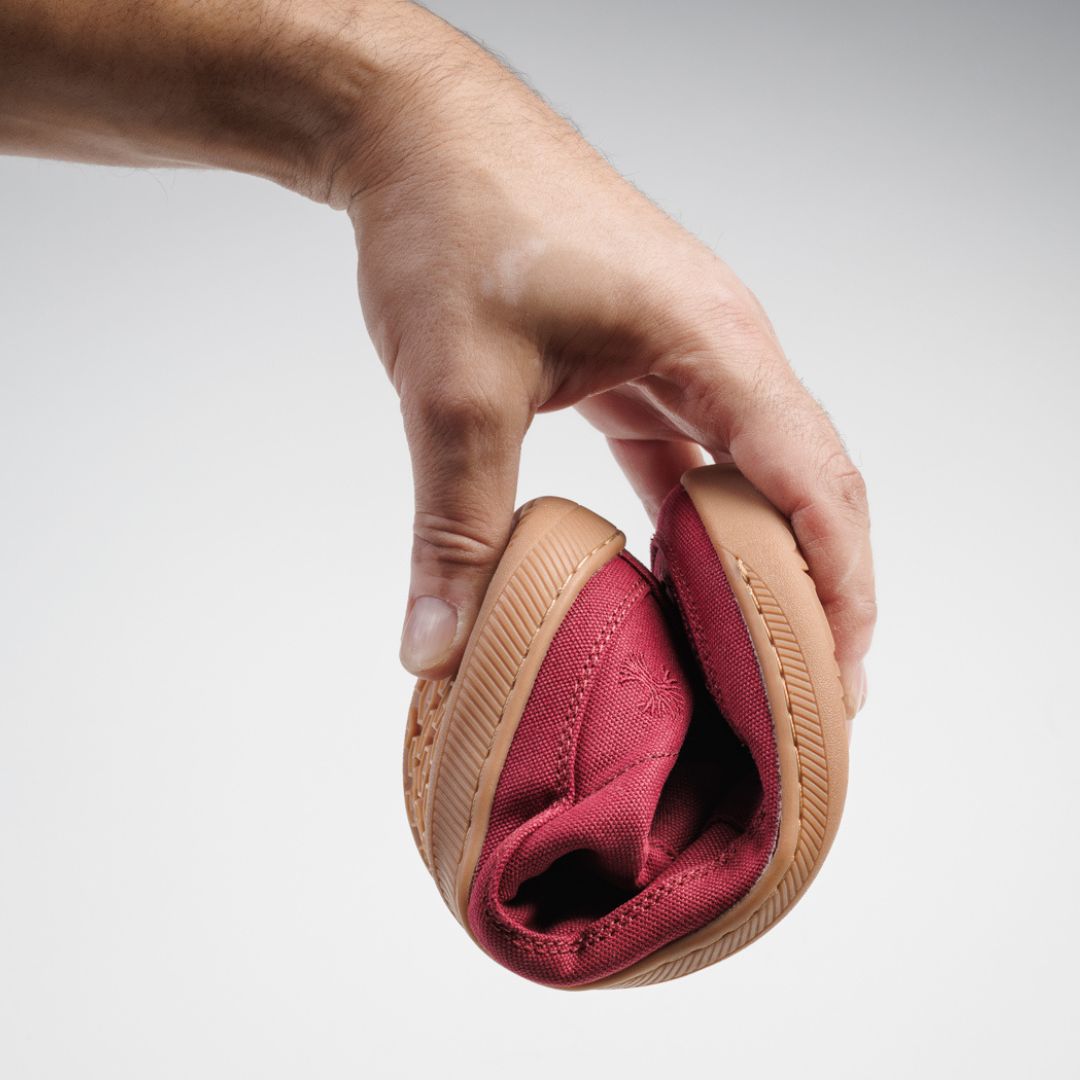
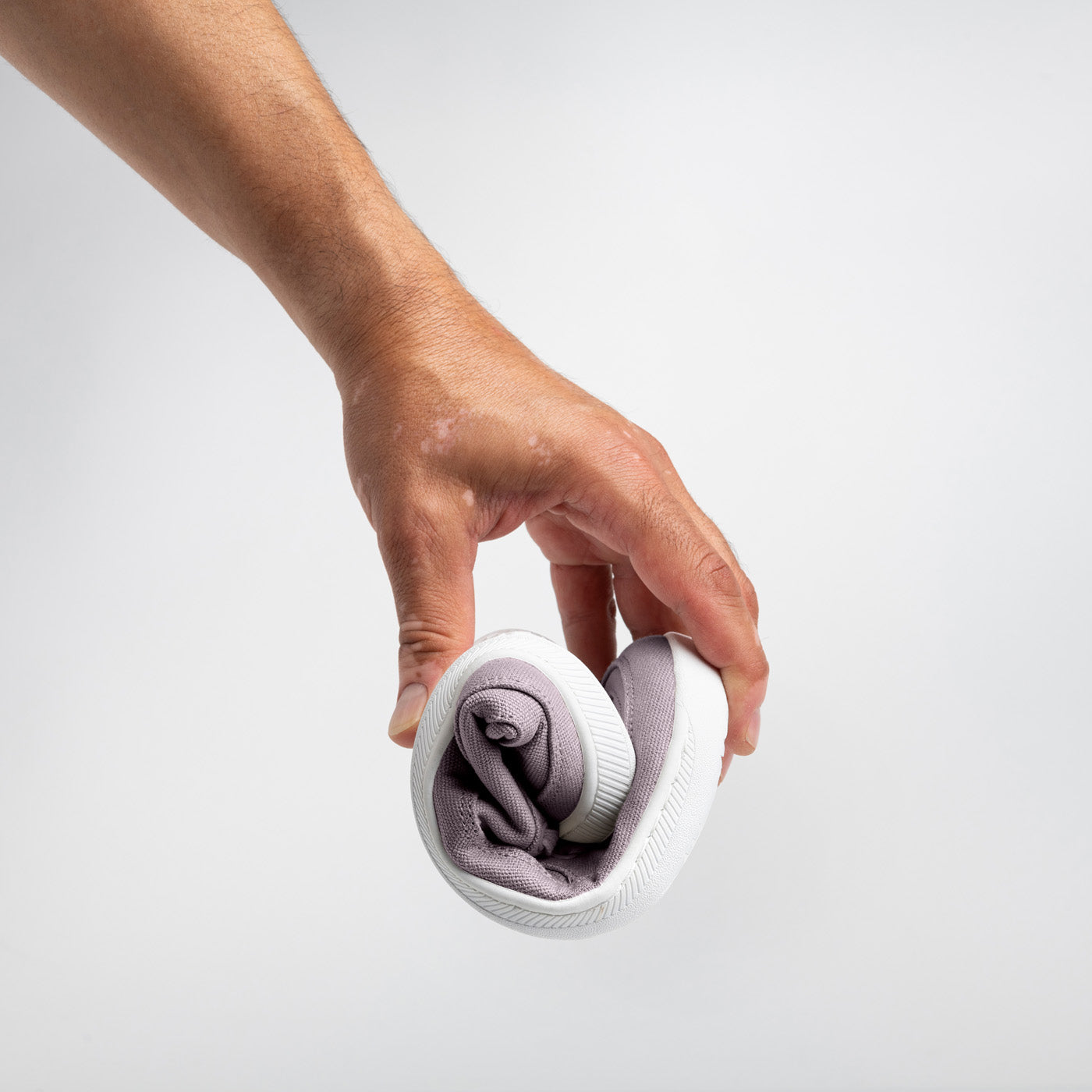
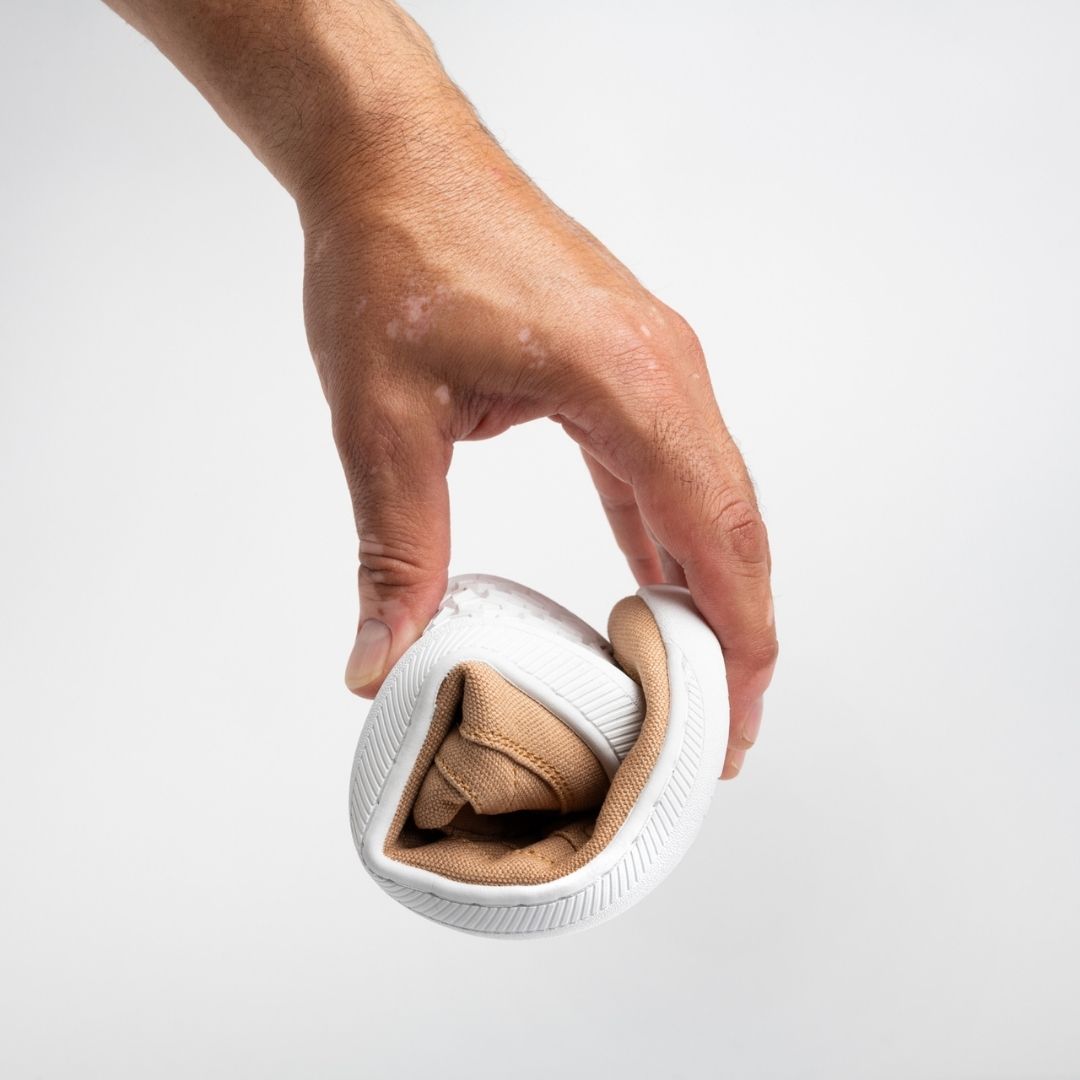
Bendy, thin sole. Twist it. Roll it up. If the shoe folds easily in your hands, it's letting your foot move naturally. If it feels like a plank, that's the wrong direction.
Light weight. Strip away the foam and reinforcement, and the shoe gets noticeably lighter. Some pairs weigh under 200 grams.
No built-in arch support. Sounds counterintuitive, right? But the goal is letting your foot's own muscles do their job instead of relying on a plastic shank to prop things up.
How Minimalist Shoes Differ From Barefoot Shoes (They're Not the Same)
This is where shoppers get tripped up. Walk into any forum and you'll see the terms tossed around like they mean the same thing. They don't, exactly.
Think of barefoot shoes as the purist version. Truly zero drop, paper-thin soles, almost no padding. The goal: mimic walking barefoot while protecting your skin. Minimalist shoes sit on a wider spectrum. A pair might have a 3mm drop, slightly more cushioning, or a marginally thicker sole. They reduce what conventional footwear adds, without going all the way.
Which type works better for you? Depends entirely on where you're starting from. Coming out of decades wearing chunky sneakers, going full barefoot overnight is a recipe for sore calves and frustrated giving up. A minimalist option splits the difference. A bridge between worlds, in a sense.
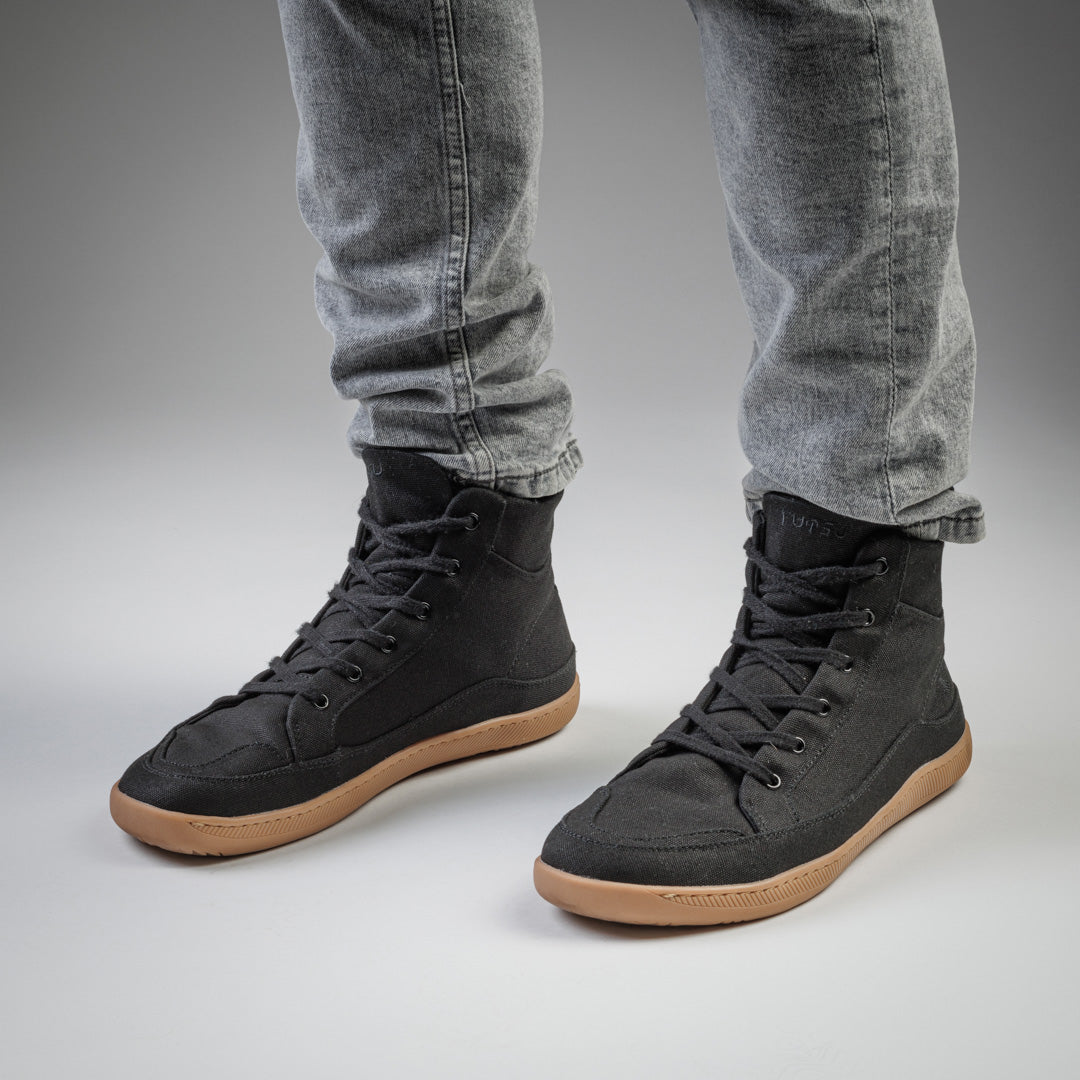
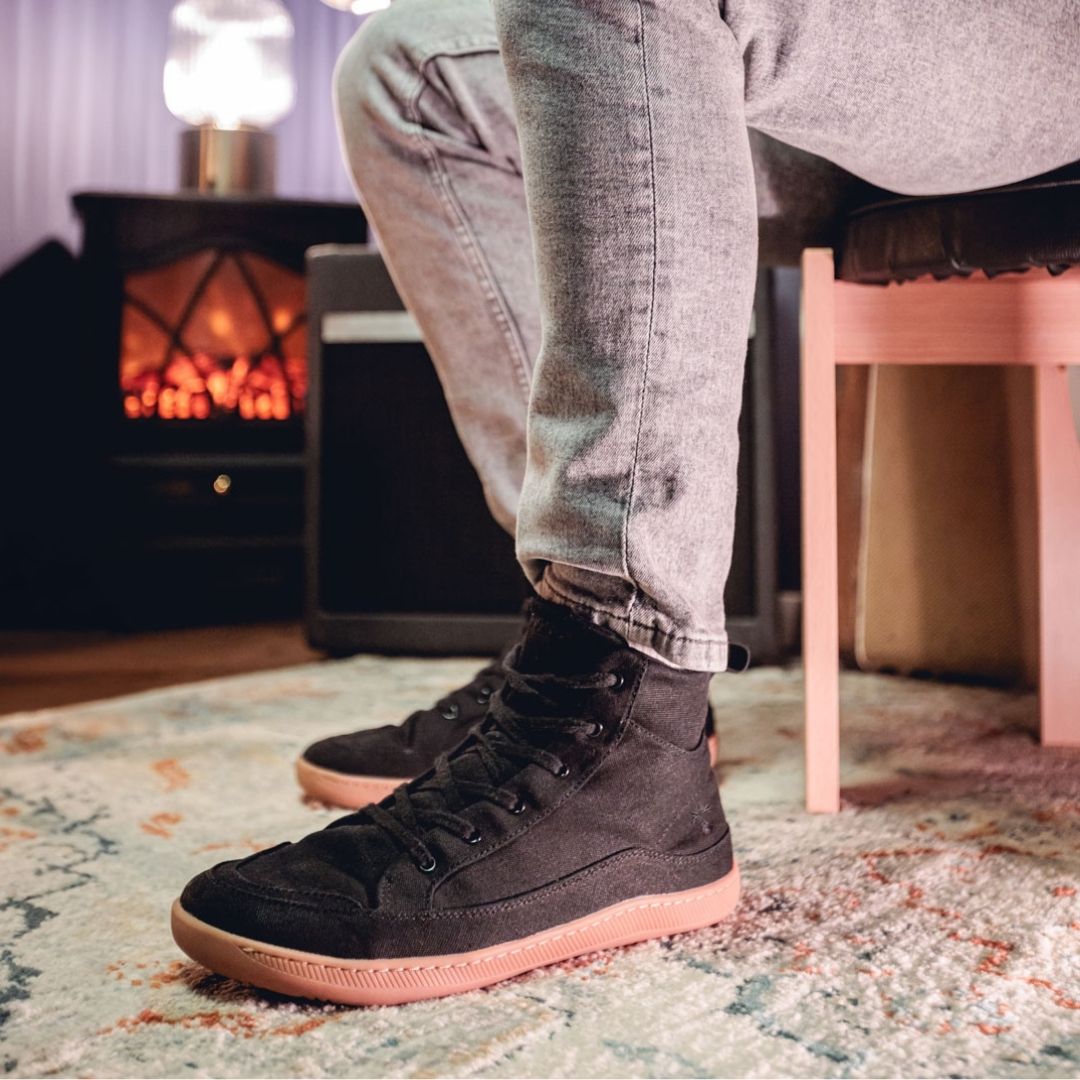
Rutsu Barefoot builds shoes that fit nicely in that space. Natural movement first, but still wearable for someone whose feet are still waking up.
What Happens to Your Feet When You Switch to Minimalist Shoes
Your feet have been on autopilot for years. Suddenly they have to work again, and they let you know about it.
The first few weeks bring some surprises. Calf tightness most mornings. A weird ache in the arch by afternoon. Even your shins might complain. None of this means something's wrong. Your foot houses 26 bones, 33 joints, and over 100 muscles, tendons, and ligaments. The vast majority have been dialing it in. Now they're back on the clock.
Stick with it, and things shift. Toes start to splay. Balance improves on uneven ground. The arches that felt fragile begin holding their own. This is the payoff phase, and it's why so many people stick with the change once they get through the bumpy start.
A note worth saying out loud: nobody's timeline is identical. Your neighbor might adapt in 18 days. You might need four months. Both are fine.
The Science-Backed Benefits of Wearing Minimalist Footwear
Research on this category is still building, but several findings stand out:
Foot muscle strength. Studies indicate that wearing minimalist shoes consistently may strengthen the small muscles inside the foot. Stronger intrinsics often translate to better stability.
Sharper proprioception. That's the technical word for your body's sense of where it is in space. Less material between your foot and the ground means more sensory information getting through. Some research links this to better movement awareness.
Different gait patterns. Runners who make the switch frequently shift away from heavy heel-striking. Landing closer to the midfoot may reduce certain types of impact loading, though outcomes vary.
Better toe positioning. A roomy toe box can let toes return toward their natural alignment. Some podiatrists suggest this may help with issues tied to crowding, like bunions or hammertoes, over time.
A quick reality check: none of these benefits are guaranteed. Bodies differ. If you have a real foot condition, get advice from a medical professional before changing footwear.
Potential Risks and Downsides of Minimalist Shoes
Time for the honest part. There are real downsides worth knowing about.
Doing too much, too soon. This is the big one. Rushing the transition can cause stress reactions, Achilles strain, or plantar fascia irritation. The cure is patience, which is harder than it sounds.
Less padding underfoot. You'll feel pebbles. You'll notice gravel. That's part of the design, but it takes adjustment.
Not perfect for every situation. Loading heavy barbells, mountaineering on technical terrain, or working twelve-hour shifts on concrete floors? Minimalist footwear isn't always the best tool for those jobs.
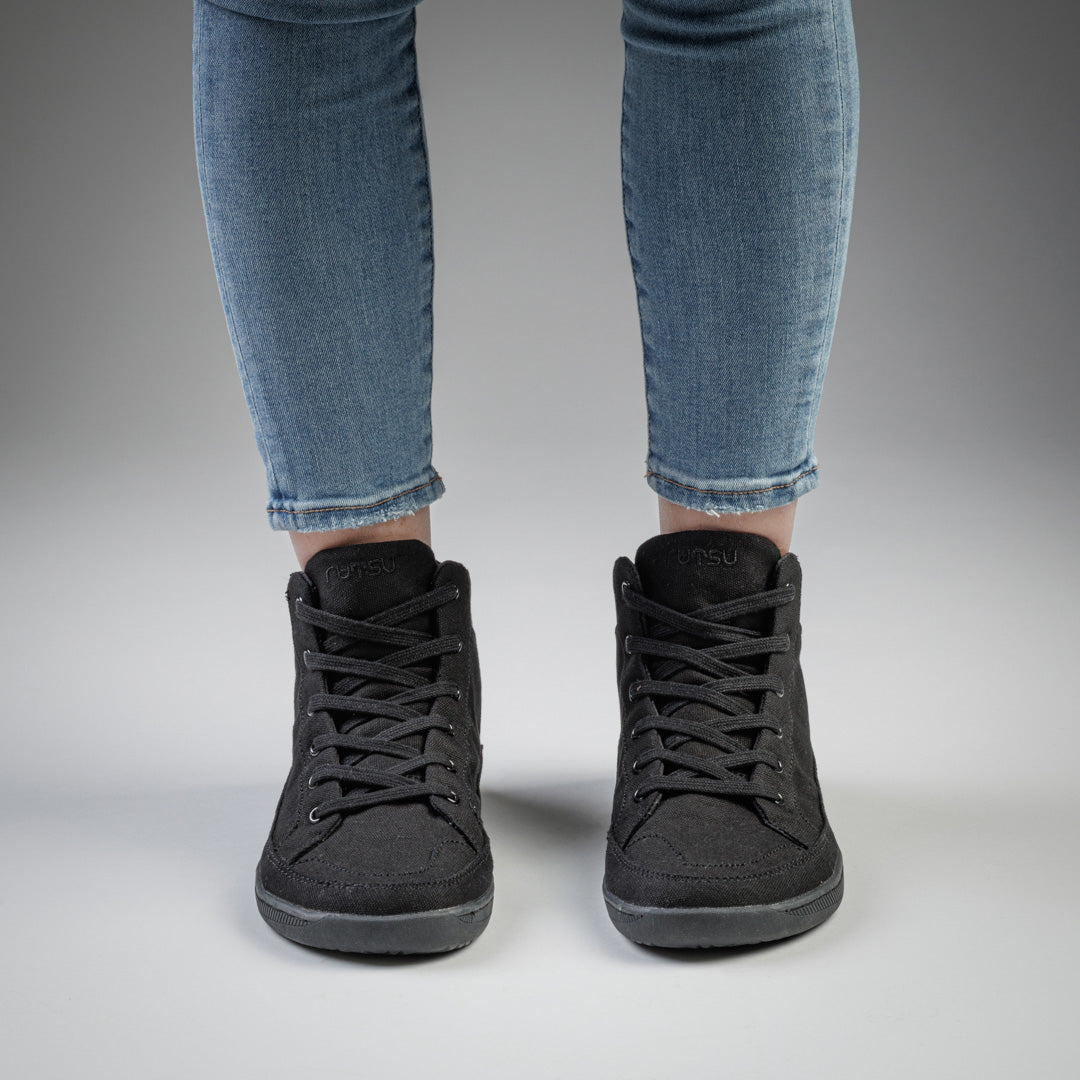
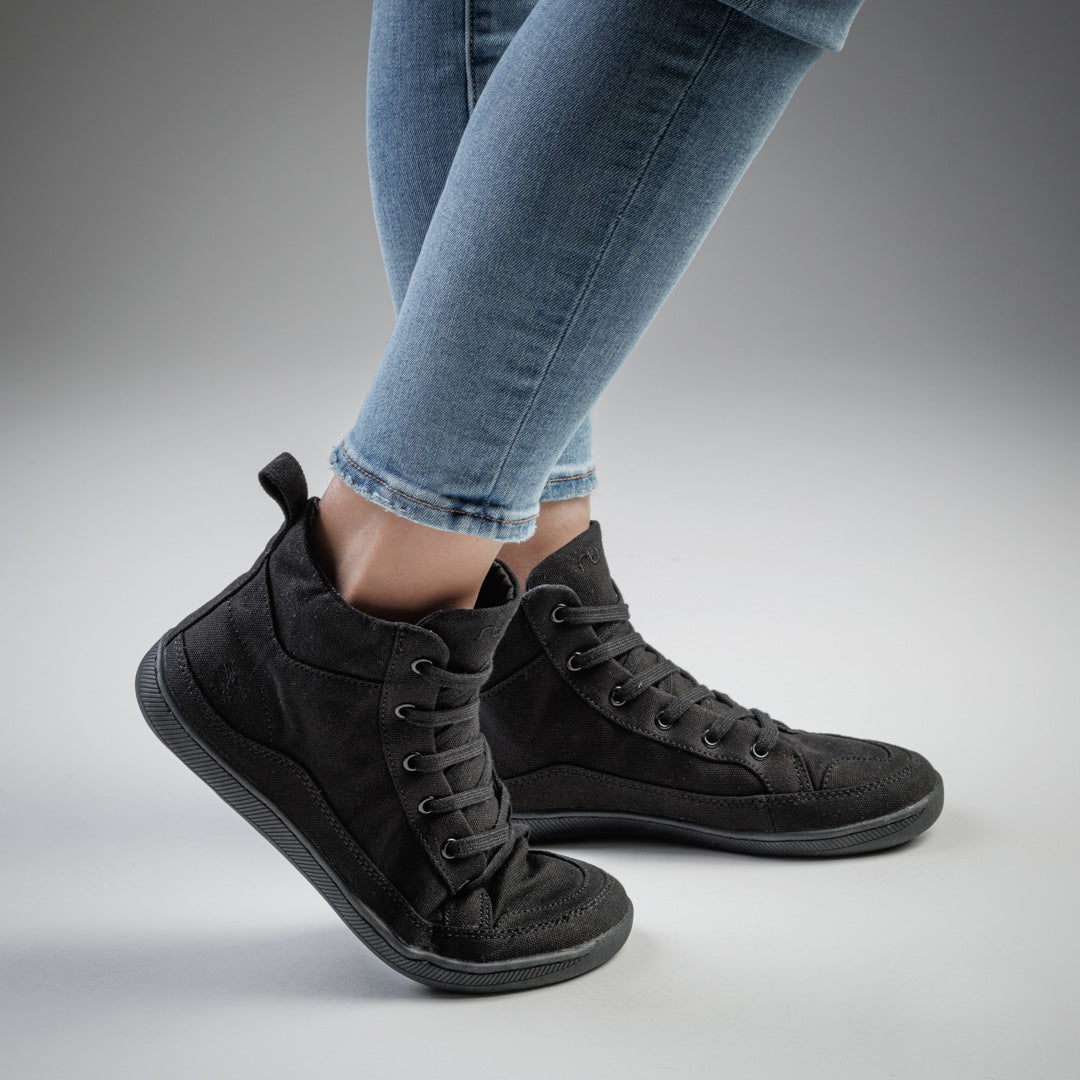
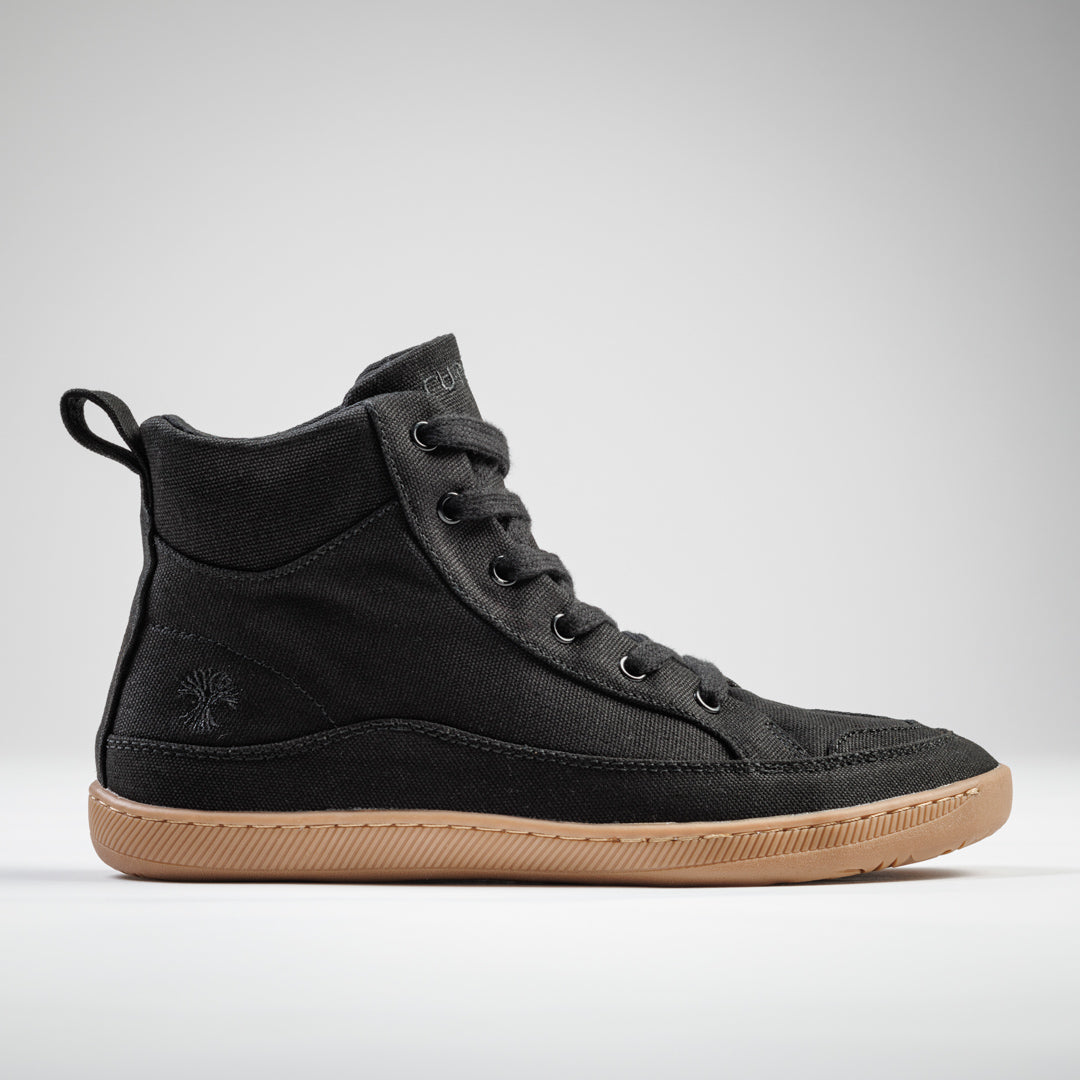
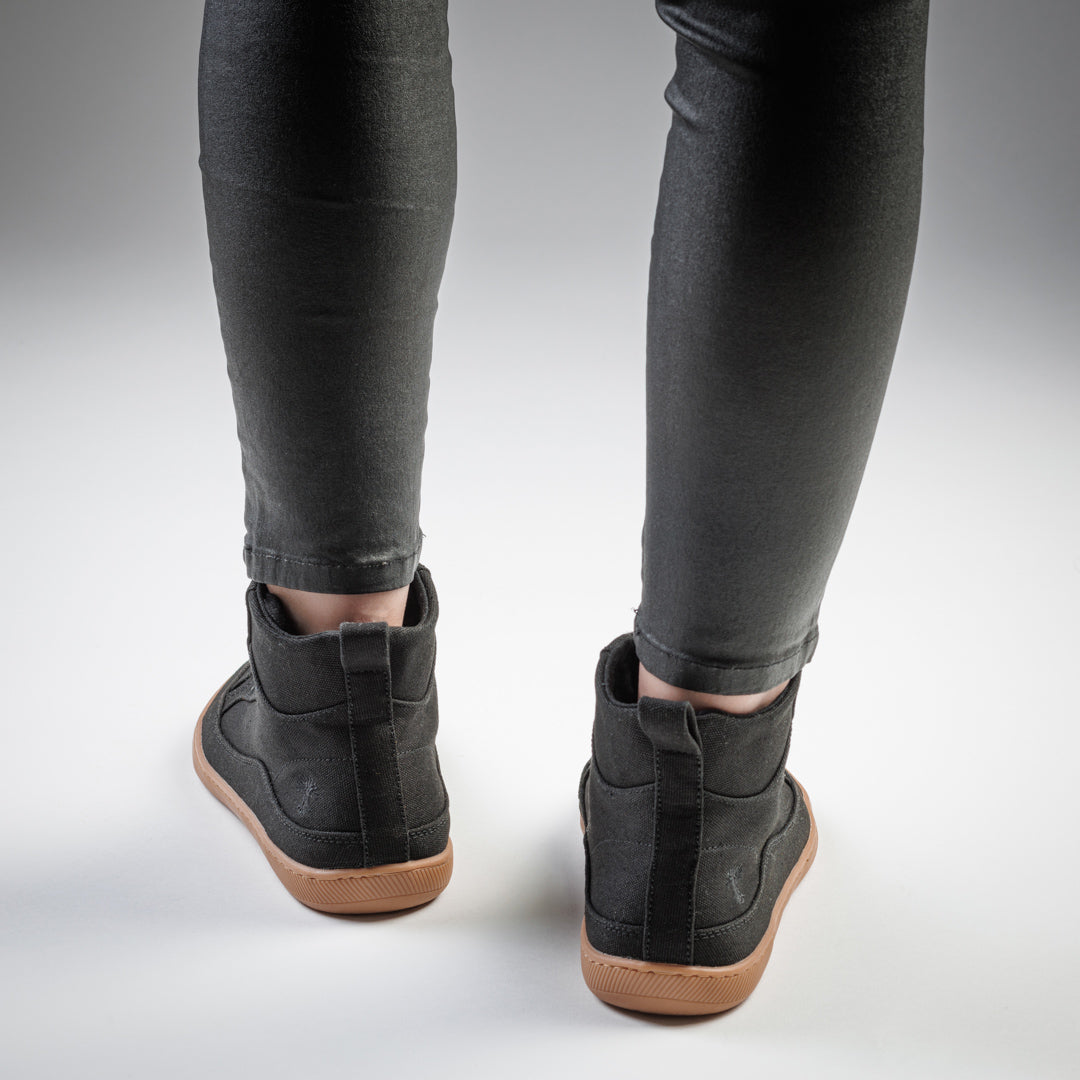
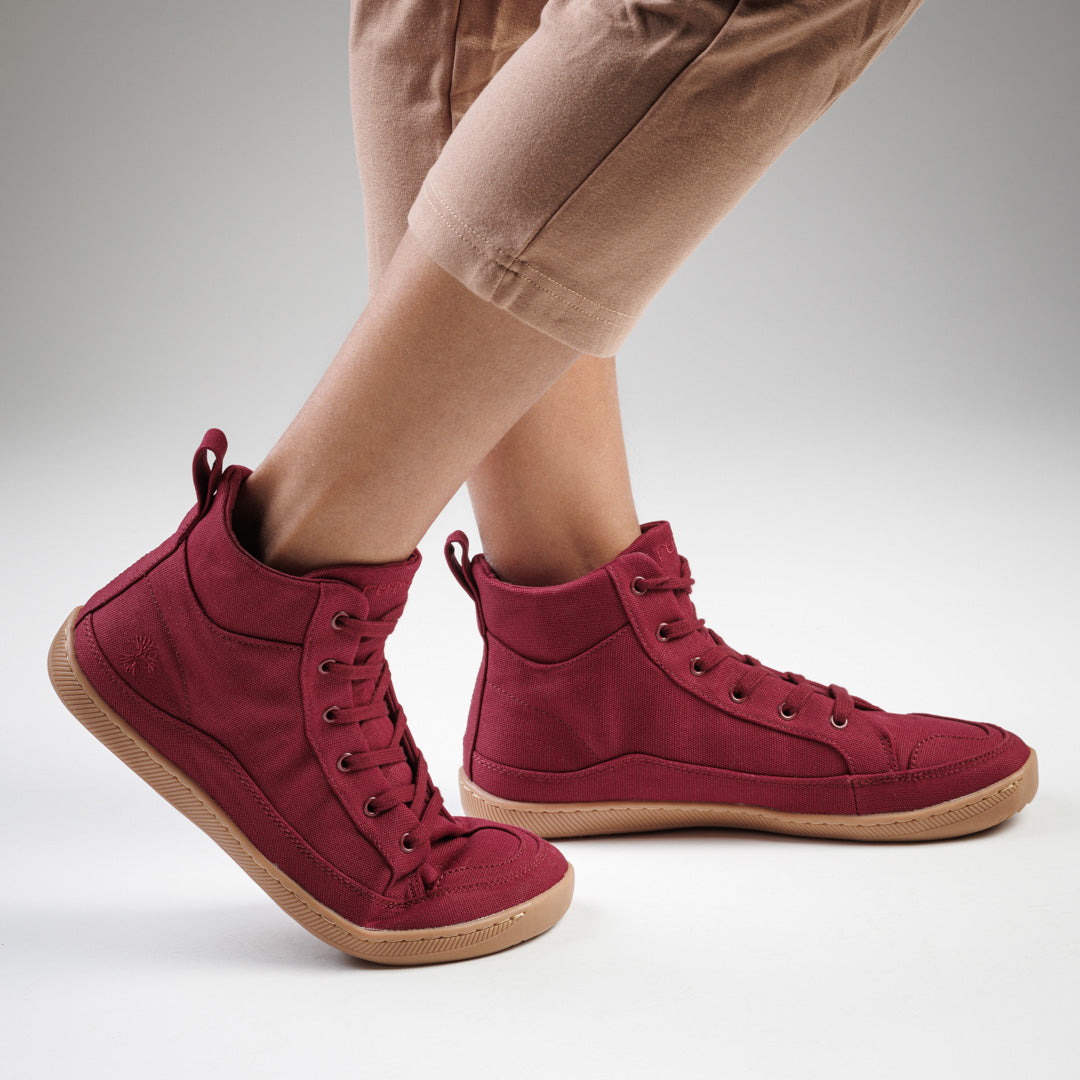
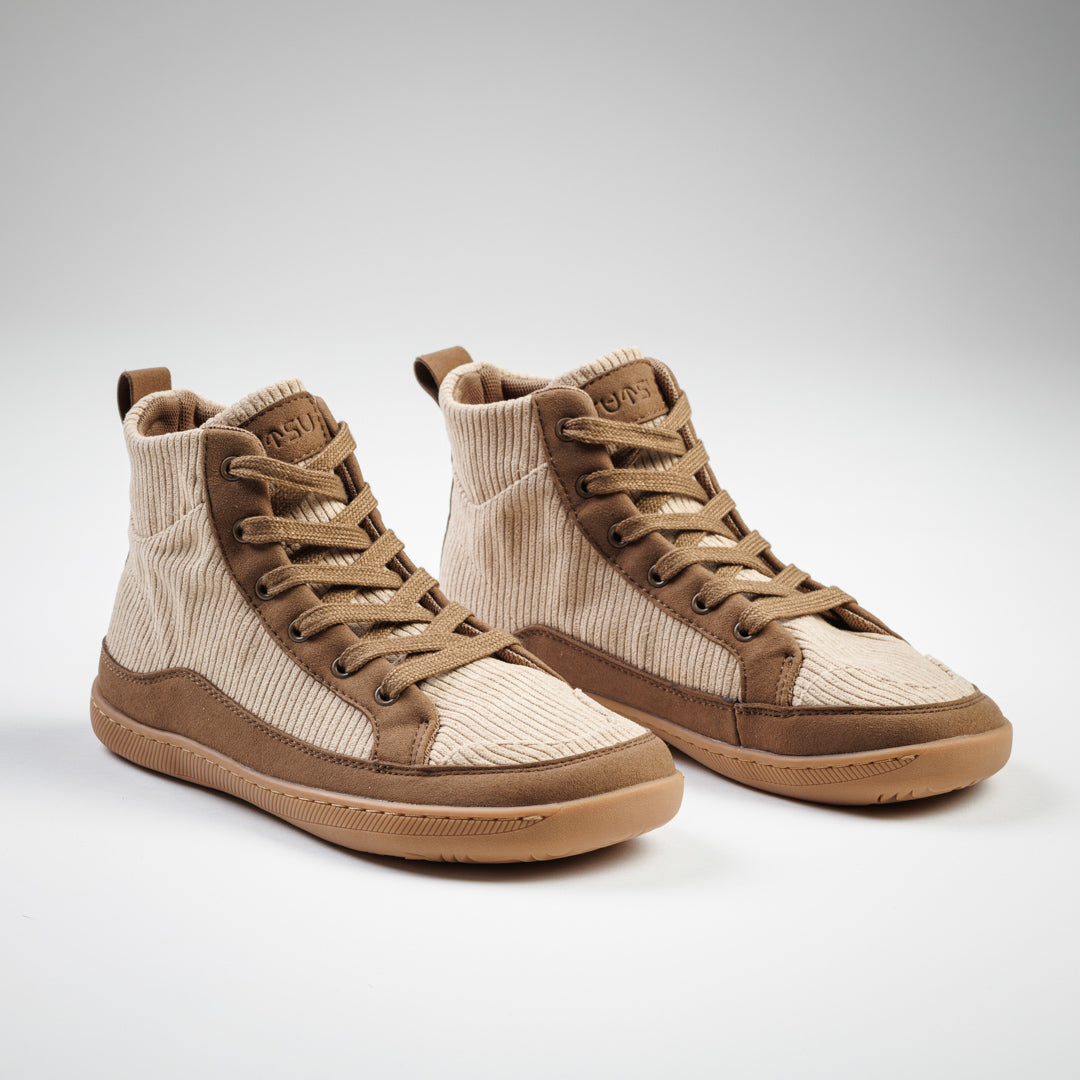
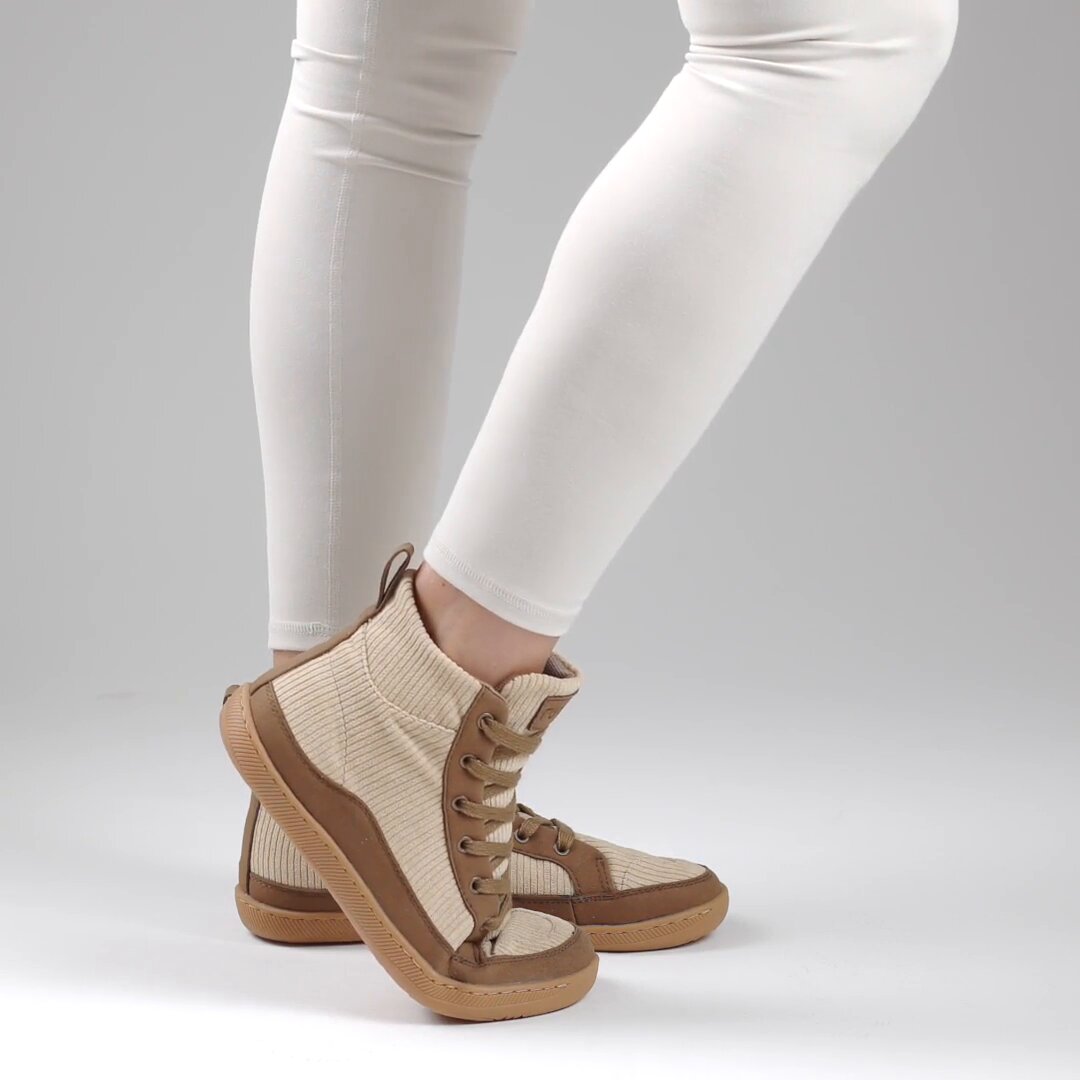
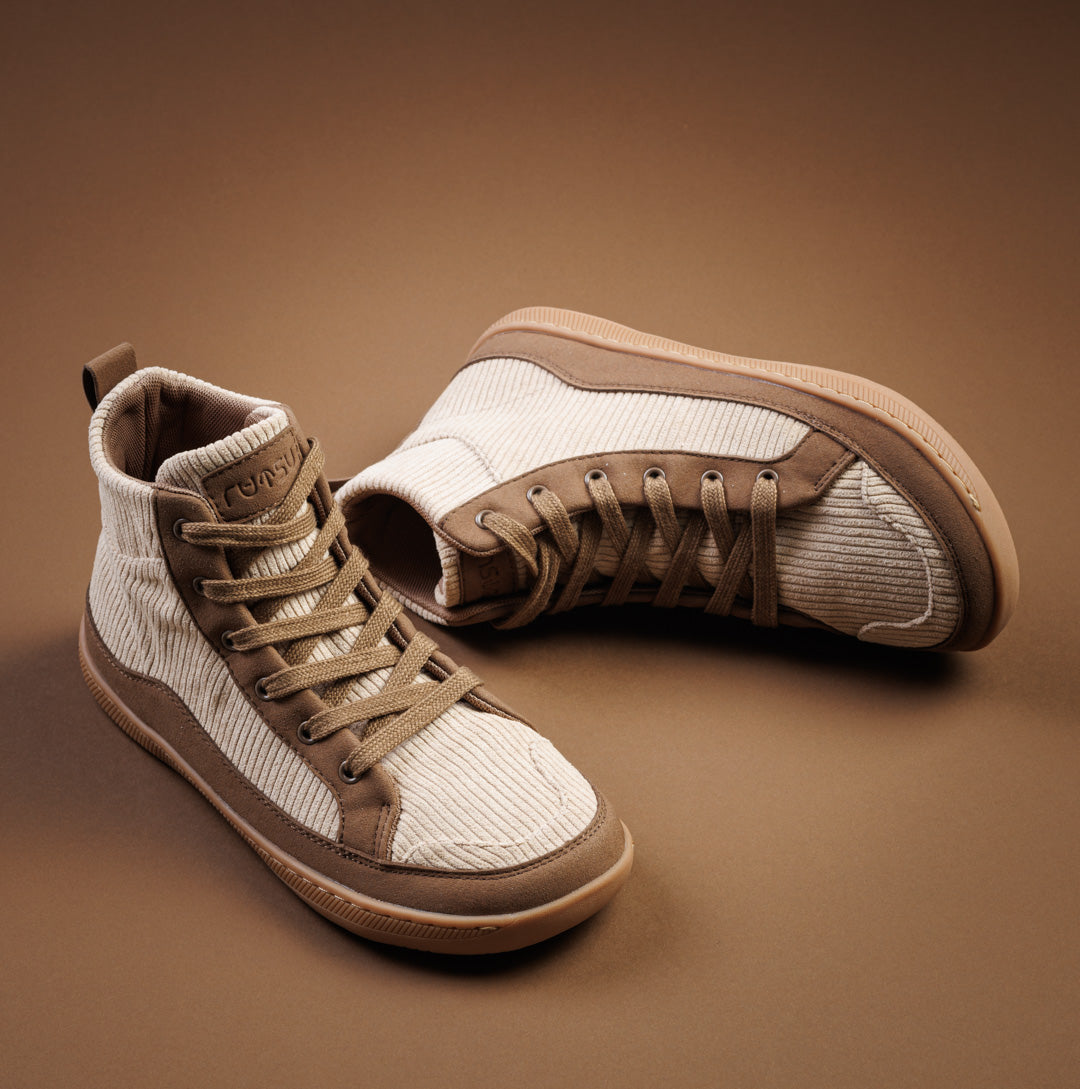
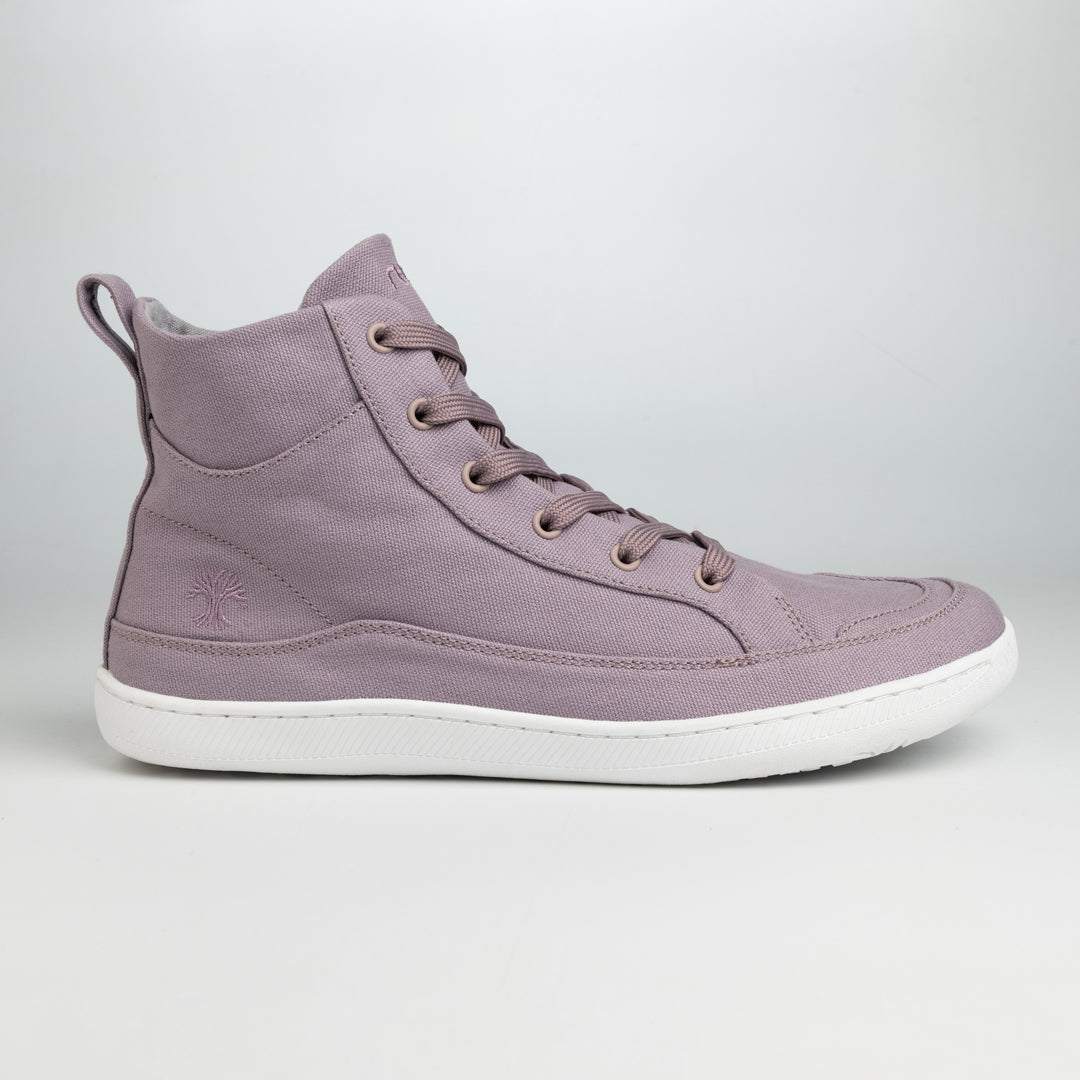
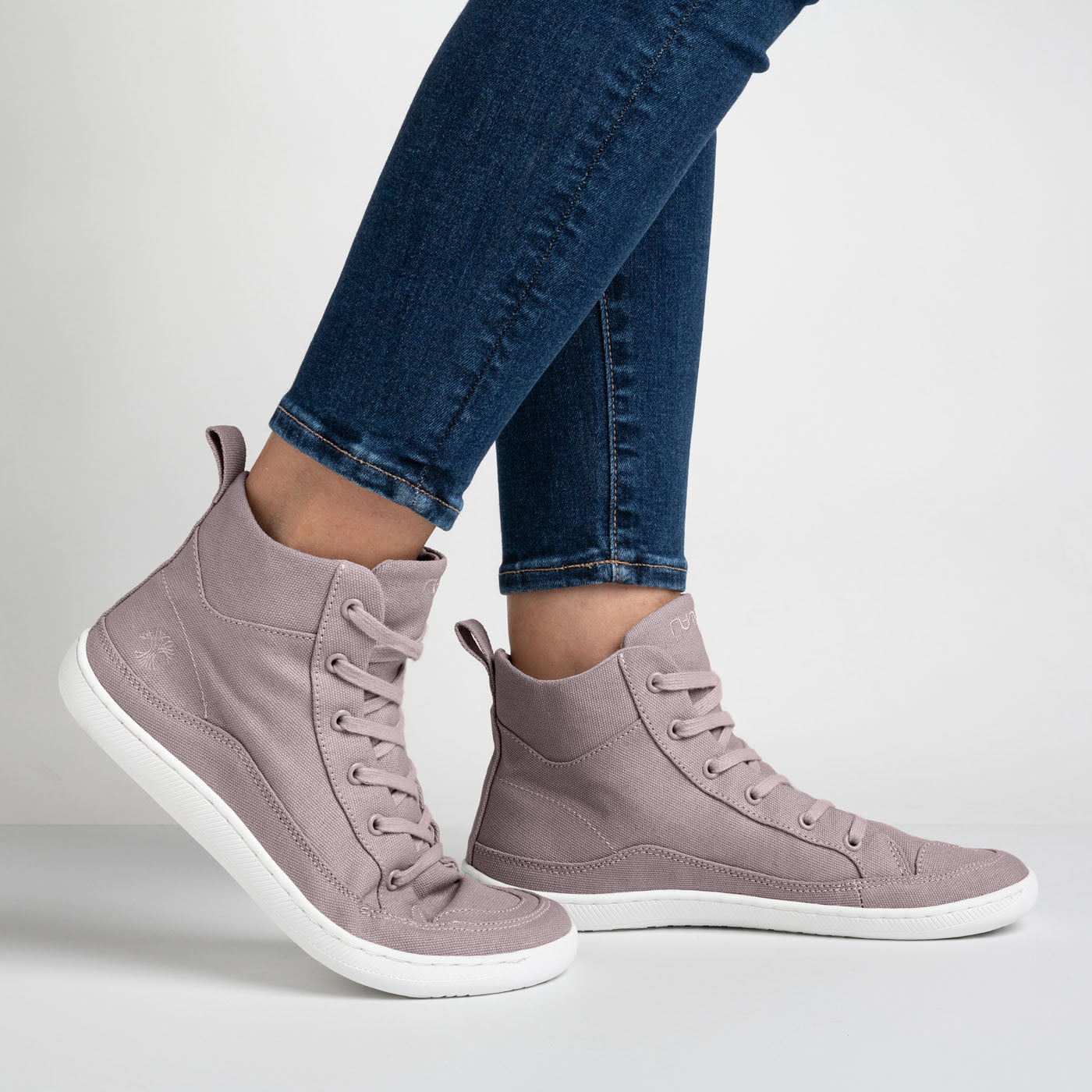
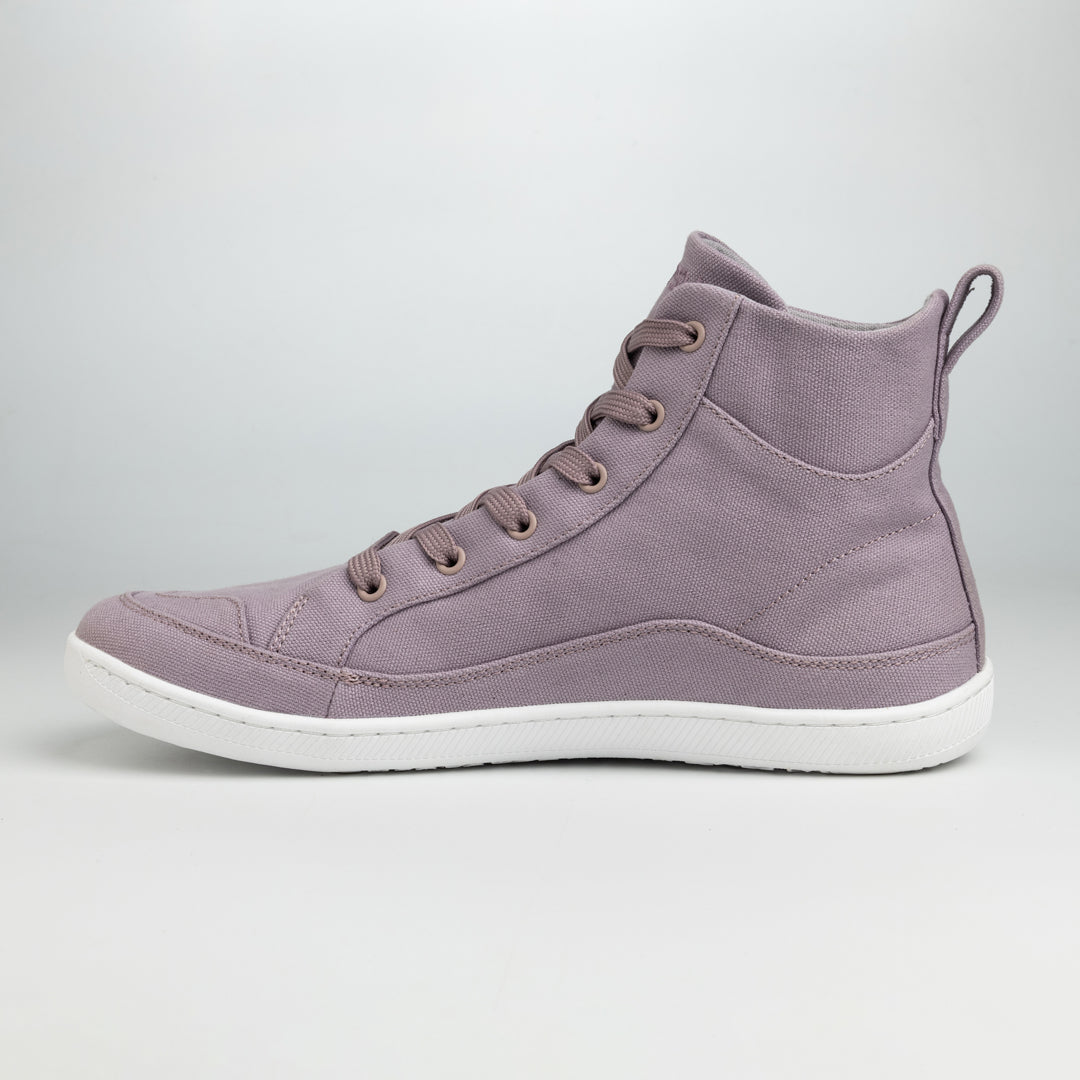
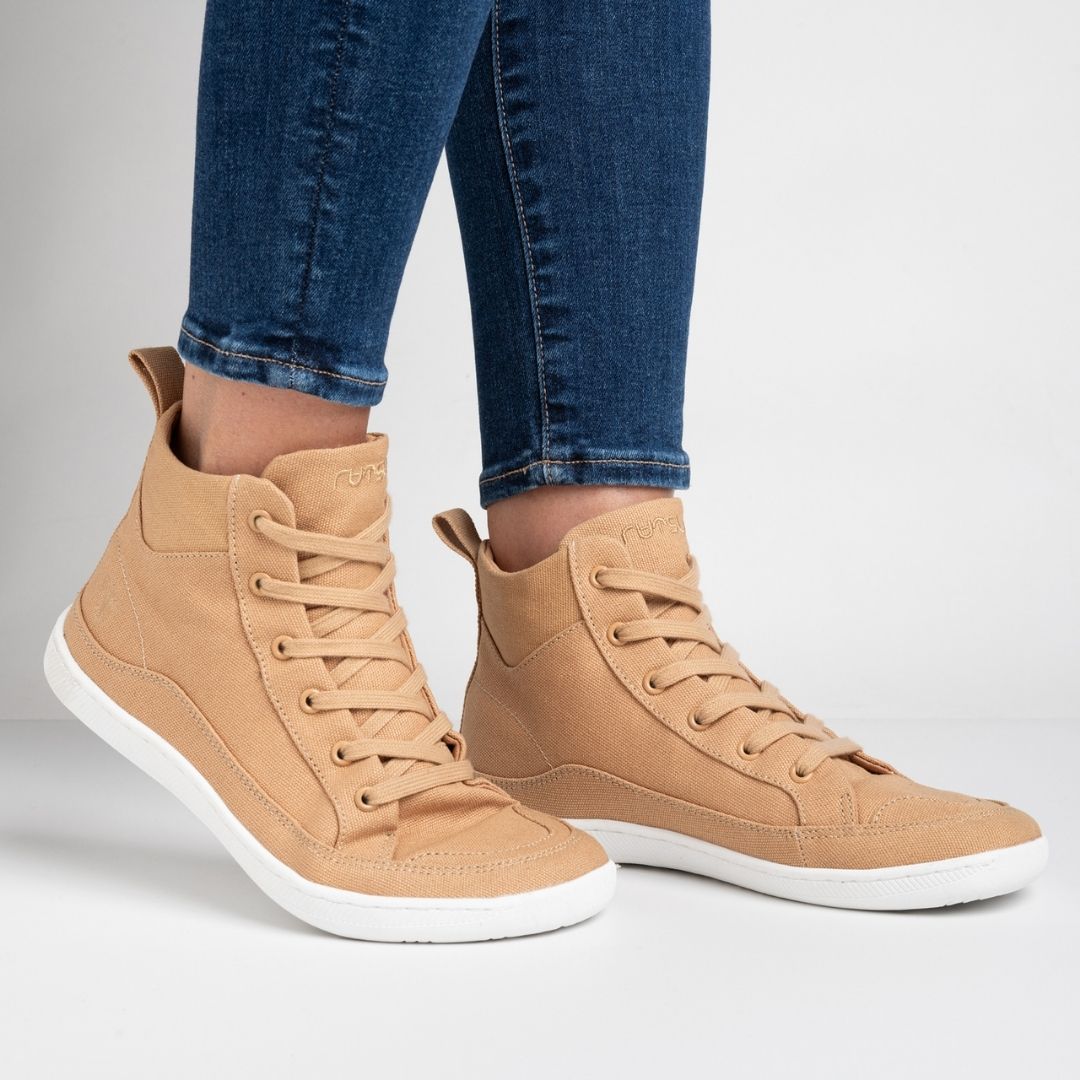
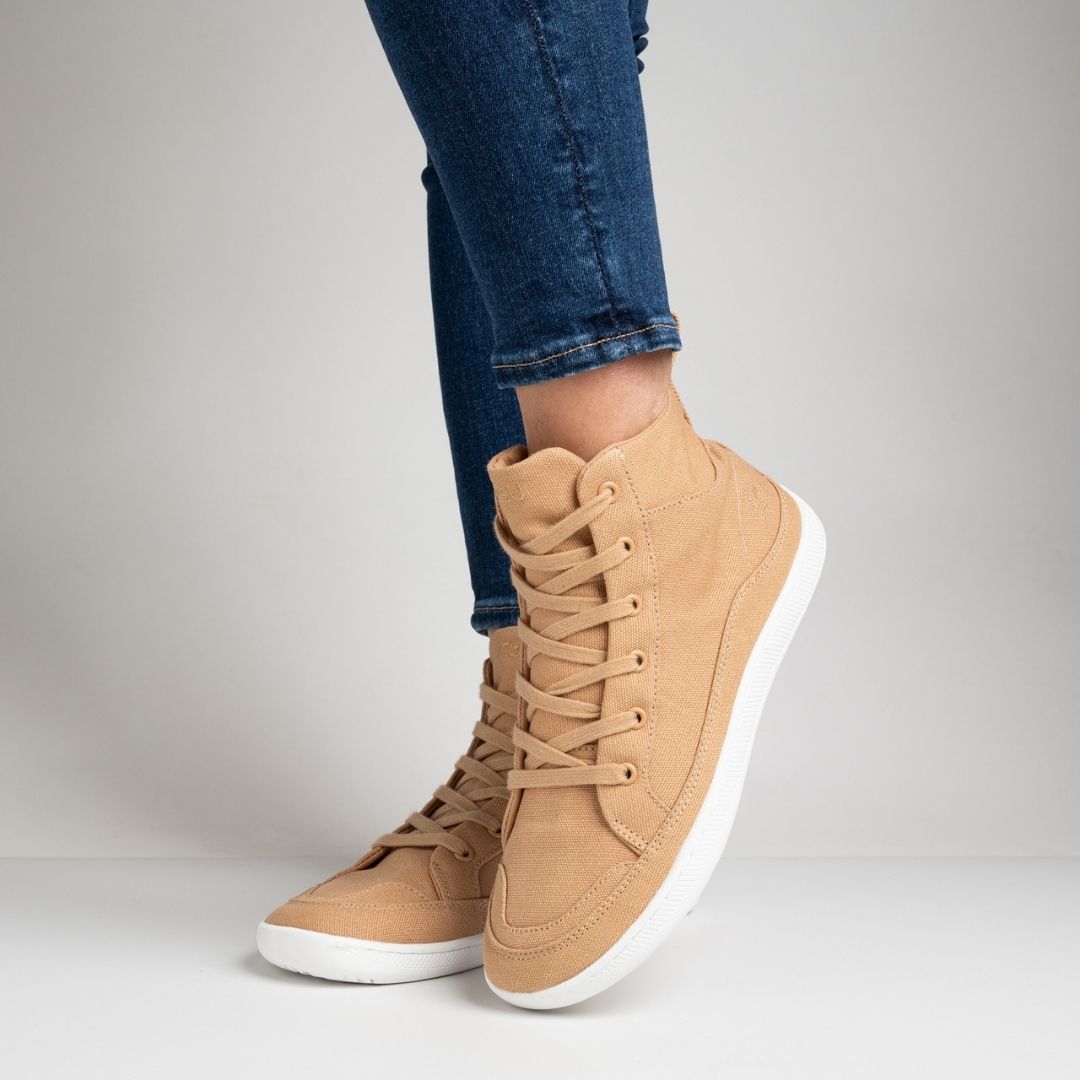
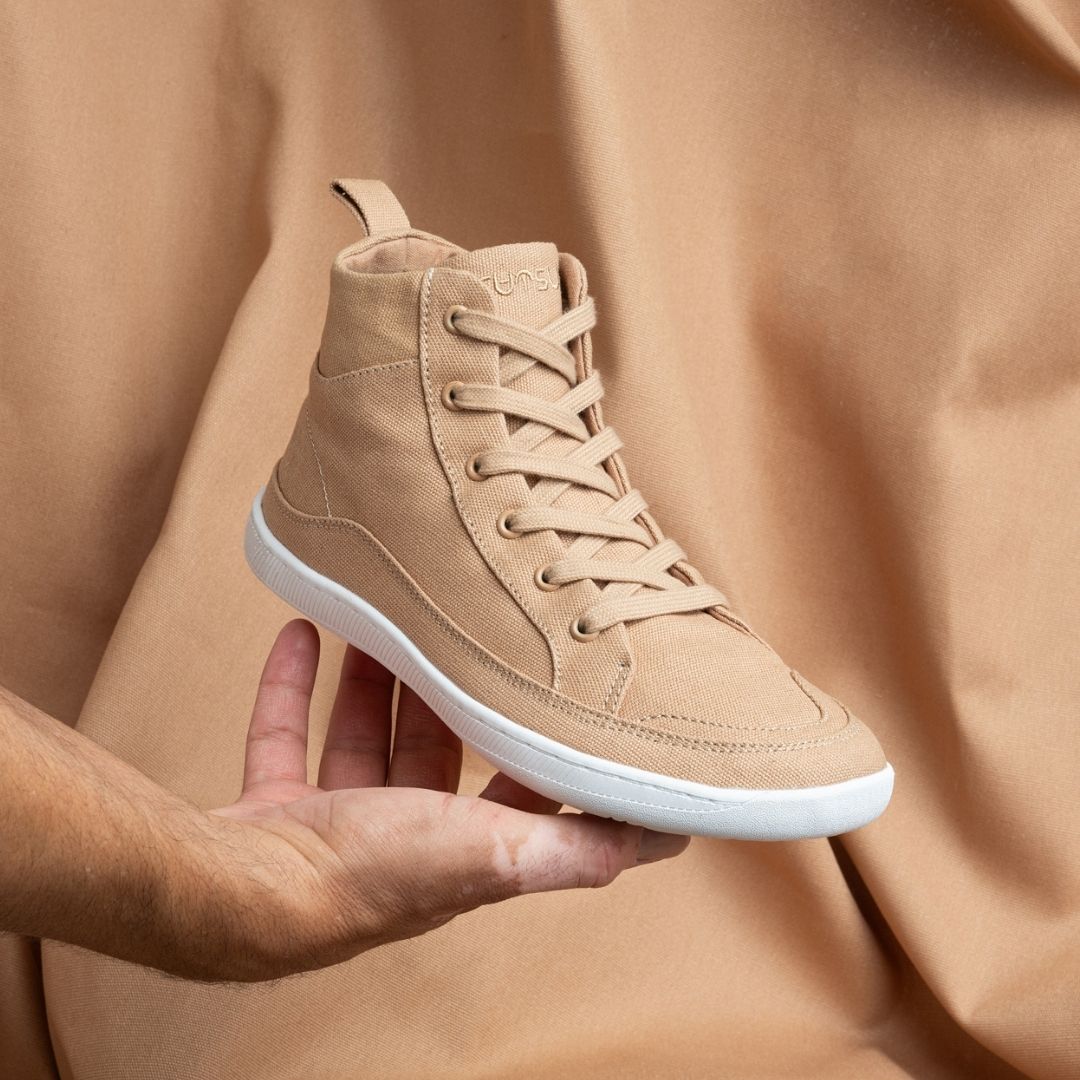
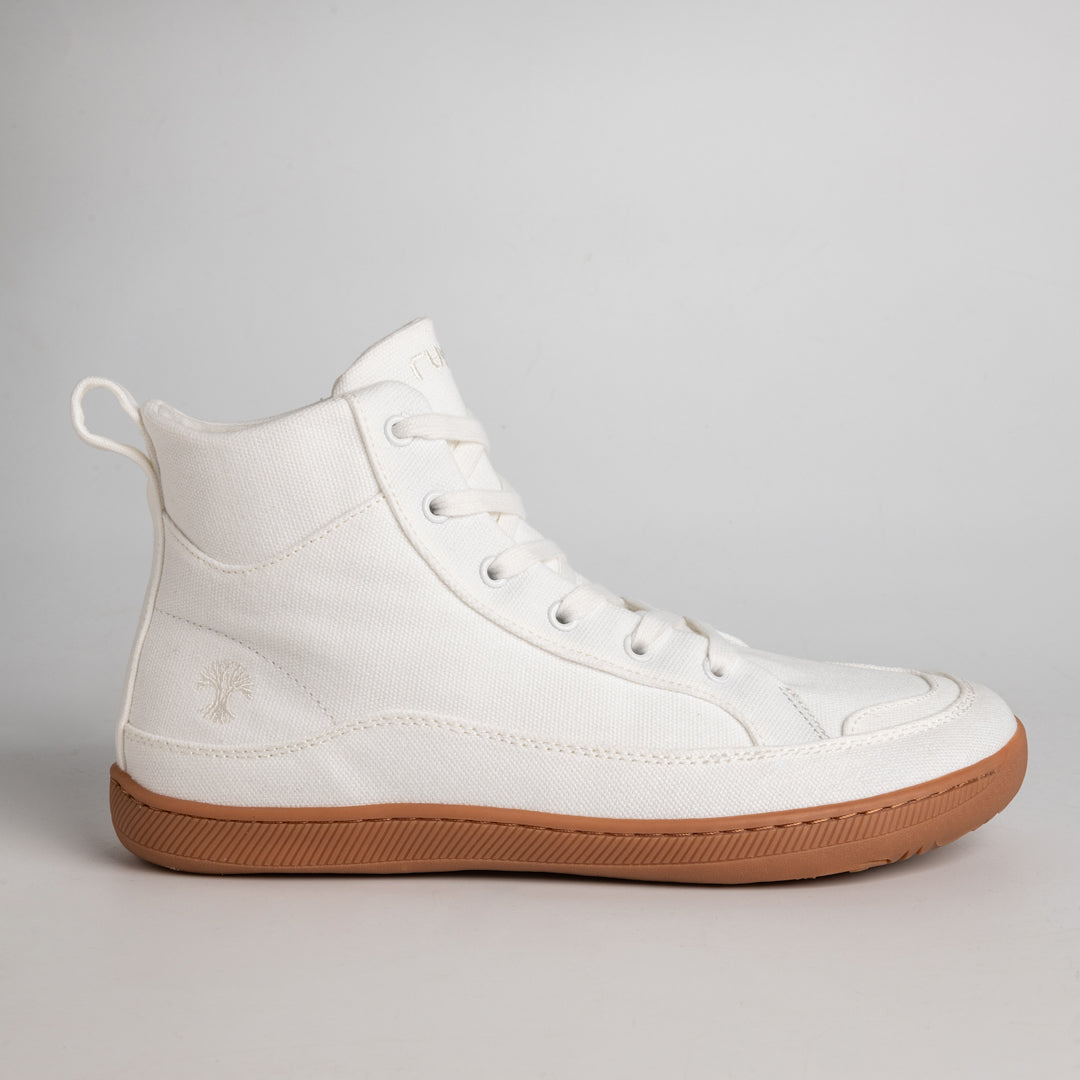
The look factor. Some pairs look unconventional. That wide toe box catches eyes. (Designs have improved a lot, though. Rutsu Barefoot's barefoot sneakers blend natural shape with a clean, modern look.)
Who Are Minimalist Shoes Best Suited For (and Who Should Think Twice)
Good candidates: People wanting to rebuild foot strength from the ground up. Runners curious about adjusting their stride. Anyone whose toes have been screaming inside conventional shoes for years. Hikers who want trail feedback without going totally unprotected.
Hold off if: You're dealing with severe plantar fasciitis flare-ups, advanced arthritis, or diabetic neuropathy. These situations require professional guidance, full stop. The wrong shoe at the wrong moment can set things back significantly.
Also, if you walked in expecting day-one comfort? Adjust those expectations. There's a learning curve, and impatience is what derails most people.
Types of Minimalist Shoes: Running, Hiking, Casual, and Everyday Options
This footwear category isn't a monolith. Different uses call for different designs.
Running pairs lean toward flexibility, low weight, and clear ground feedback. Look for a flexible sole and decent traction.
Hiking versions add tread depth and durability without piling on stiffness. Anyone shopping for barefoot hiking footwear should look for grippy outsoles and weather-ready materials.
Casual and daily wear focuses on style and comfort. These are the pairs for grocery runs, weekend coffee shops, walking the neighborhood. Rutsu Barefoot's low-top collection lands here nicely. Vegan materials, modern silhouette, and zero "health shoe" awkwardness.
Work and office styles are growing fast. Minimalist dress shoes, oxford-style options, even safety-rated work boots are now showing up.
How to Choose Your First Pair of Minimalist Shoes
Start by being honest about how you'll actually use them. The pair that suits a desk worker isn't the pair that suits a trail runner.
Then measure your feet. Both feet. They're often different sizes by half a size or more. Width matters as much as length. If toes feel pressed against the side when standing, the shoe is too narrow, end of discussion.
Look at the drop next. For a first pair, aim for 0 to 4mm. A slight heel lift can soften the transition if going fully flat feels intimidating.
Think about sole thickness too. Around 8 to 12mm of flexible sole still counts as minimalist and offers a gentler intro for ground-sensitive feet.
And finally? Don't overcomplicate the decision. Buy one pair. Wear them for an hour the first day. Then two. Build up over weeks. Your feet will be the most honest feedback system you've got.
FAQs
Can you wear minimalist shoes every day?
Yes, plenty of people do. The trick is building up to it slowly. Start with a couple hours, then stretch it over several weeks. Going all-in on day one is how injuries happen.
Are minimalist shoes good for people with flat feet or high arches?
They can be, depending on the person. Some flat-footed wearers report stronger arches over time. Others need more support initially. Talking to a podiatrist before switching is a smart move if you're unsure.
How long does it take to adjust to minimalist shoes?
Four to eight weeks for everyday wear is typical. Running or athletic use takes longer. A few folks adapt quickly; most don't. Patience pays off here.
Do minimalist shoes help with back or knee pain?
Anecdotal reports point that way for some wearers, possibly due to posture and gait shifts. Scientific evidence on this specifically is still limited. They aren't a medical treatment, so consult a professional if pain is your main reason for switching.
Are minimalist shoes suitable for running on pavement?
Yes, with caution. Pavement running calls for a careful transition and attention to landing form. A midfoot landing may reduce certain impact forces. Short runs first, longer ones later.
What is the difference between minimalist shoes and zero-drop shoes?
Zero-drop describes one specific feature: a 0mm heel-to-toe height difference. Minimalist is the broader umbrella, covering reduced cushioning, flexible construction, and roomy toe boxes. A shoe can be zero-drop without being minimalist (some have thick padding), and a minimalist shoe might have a 2 to 4mm drop while still qualifying.