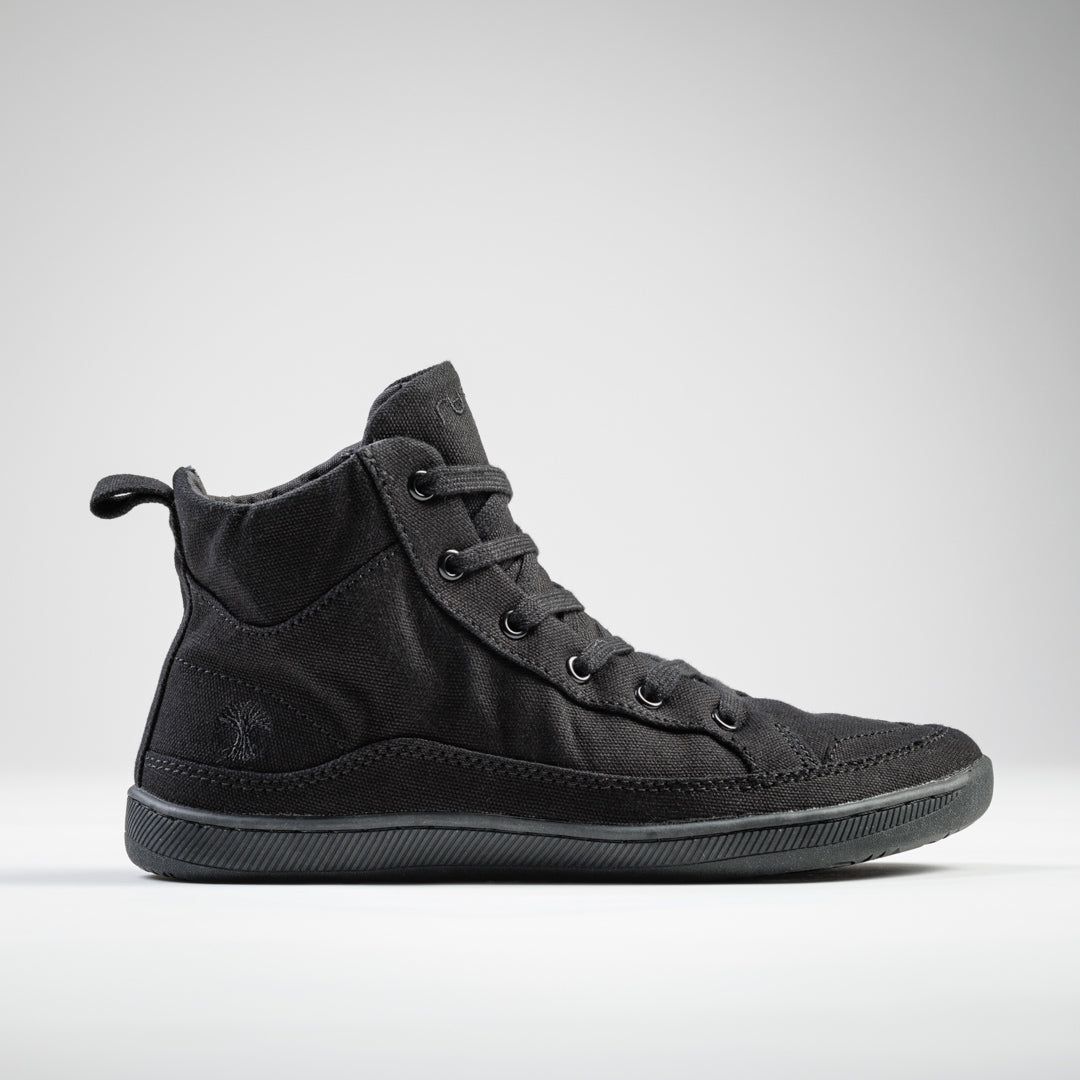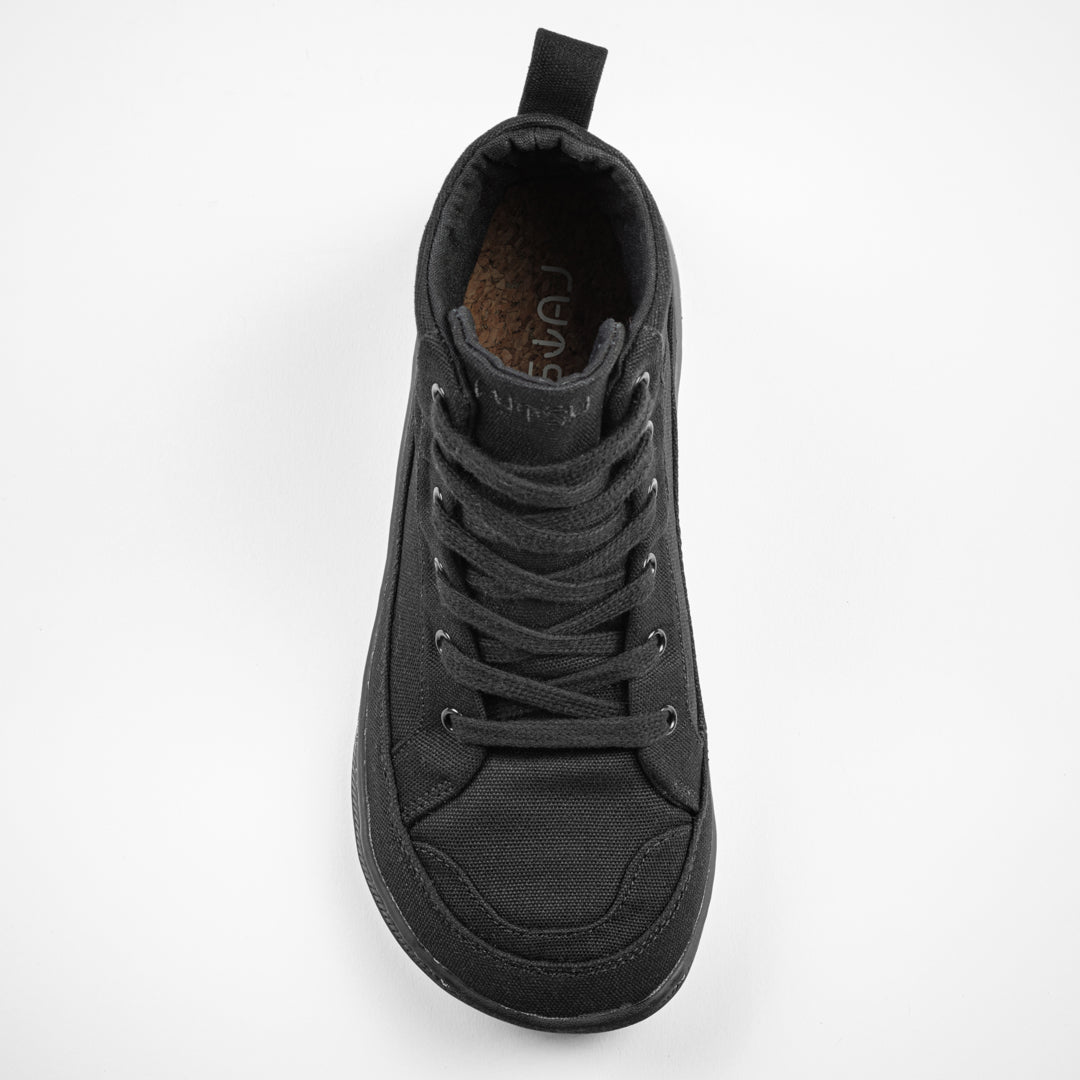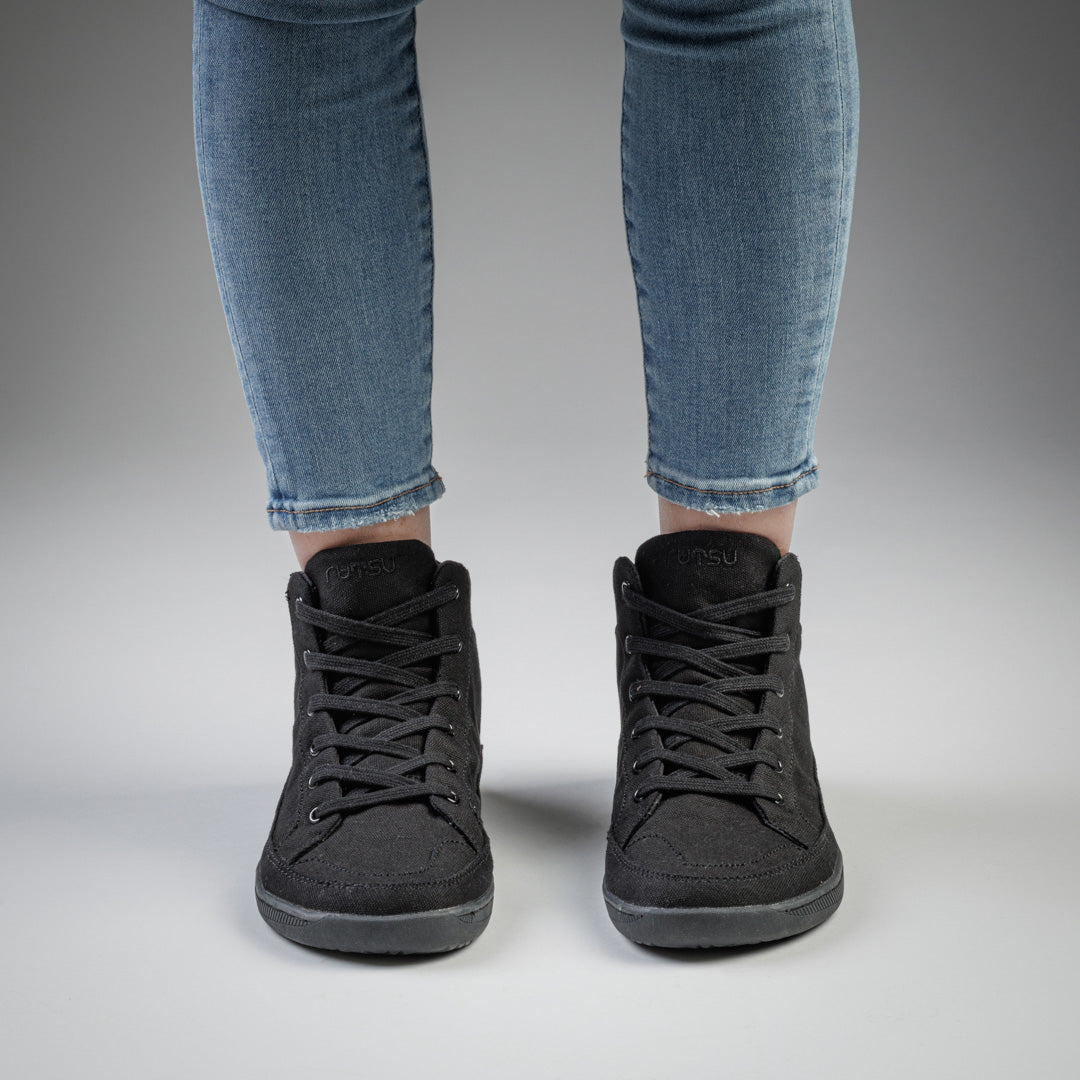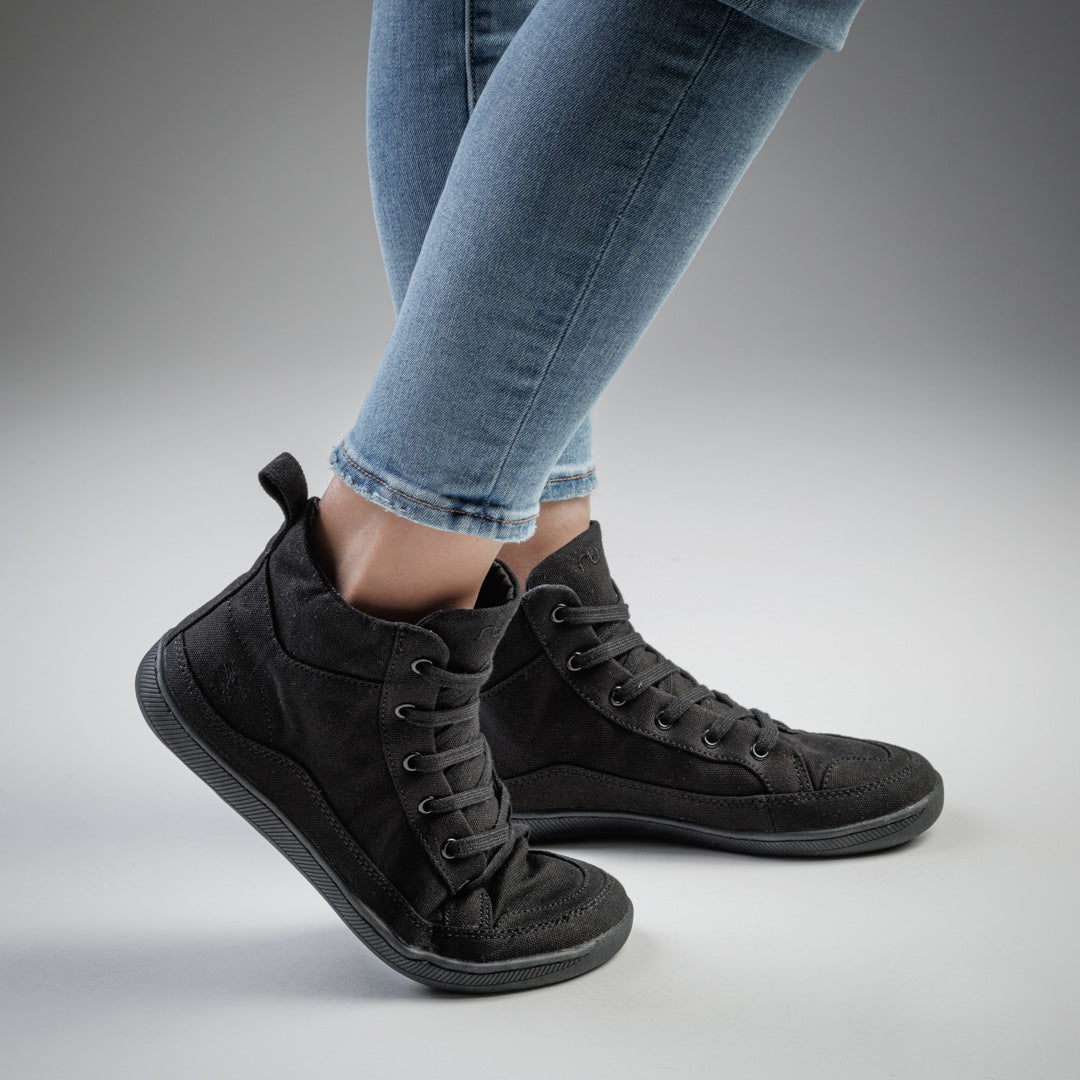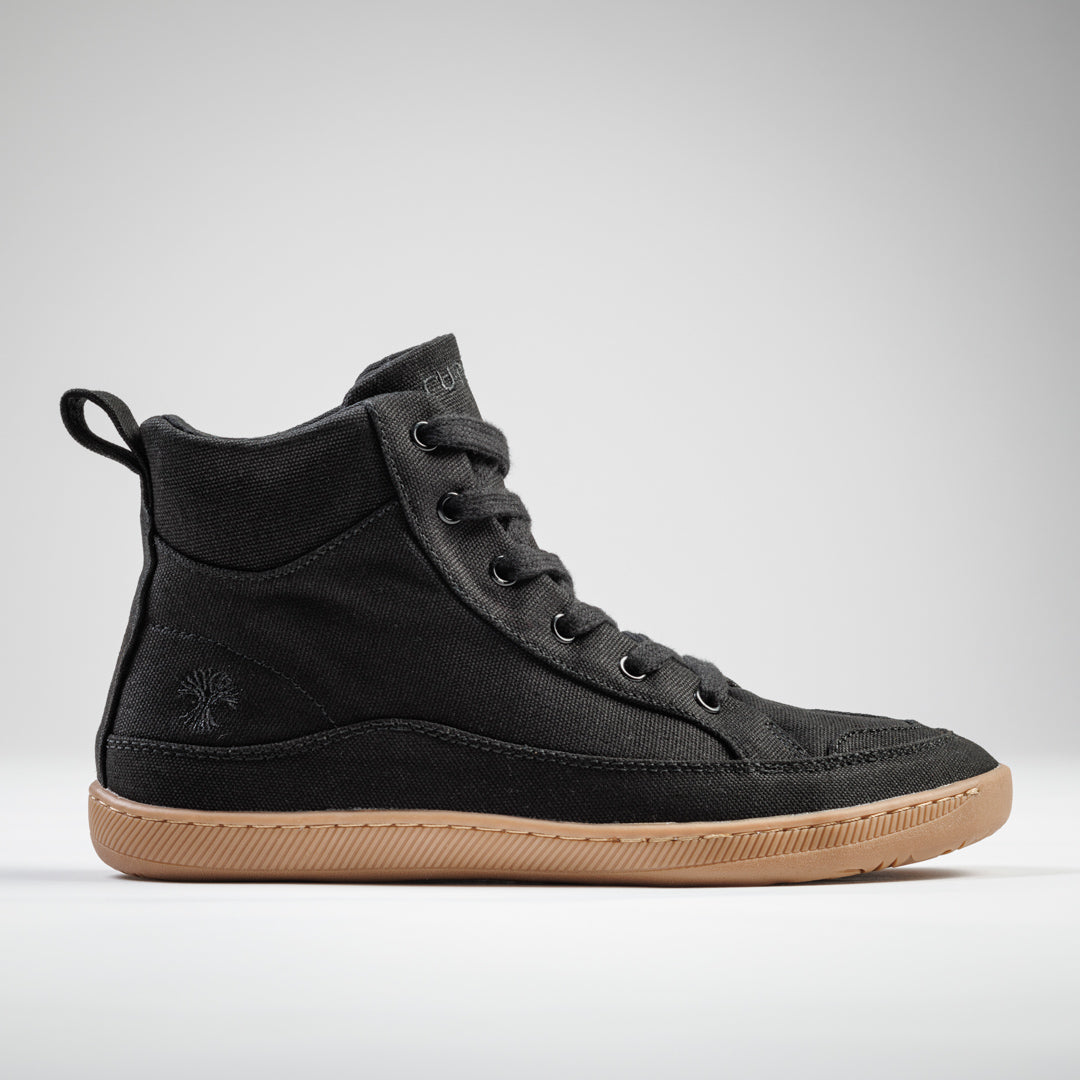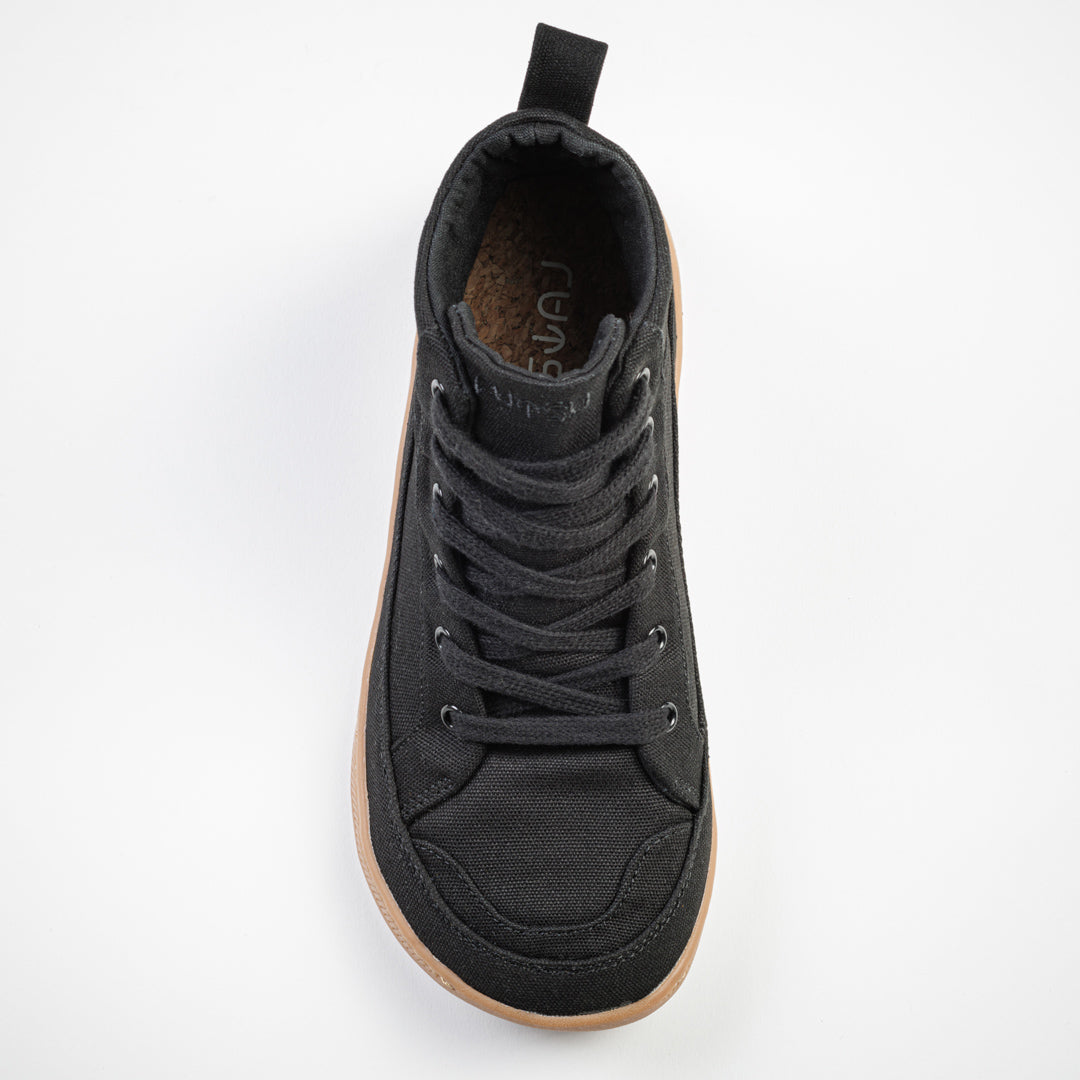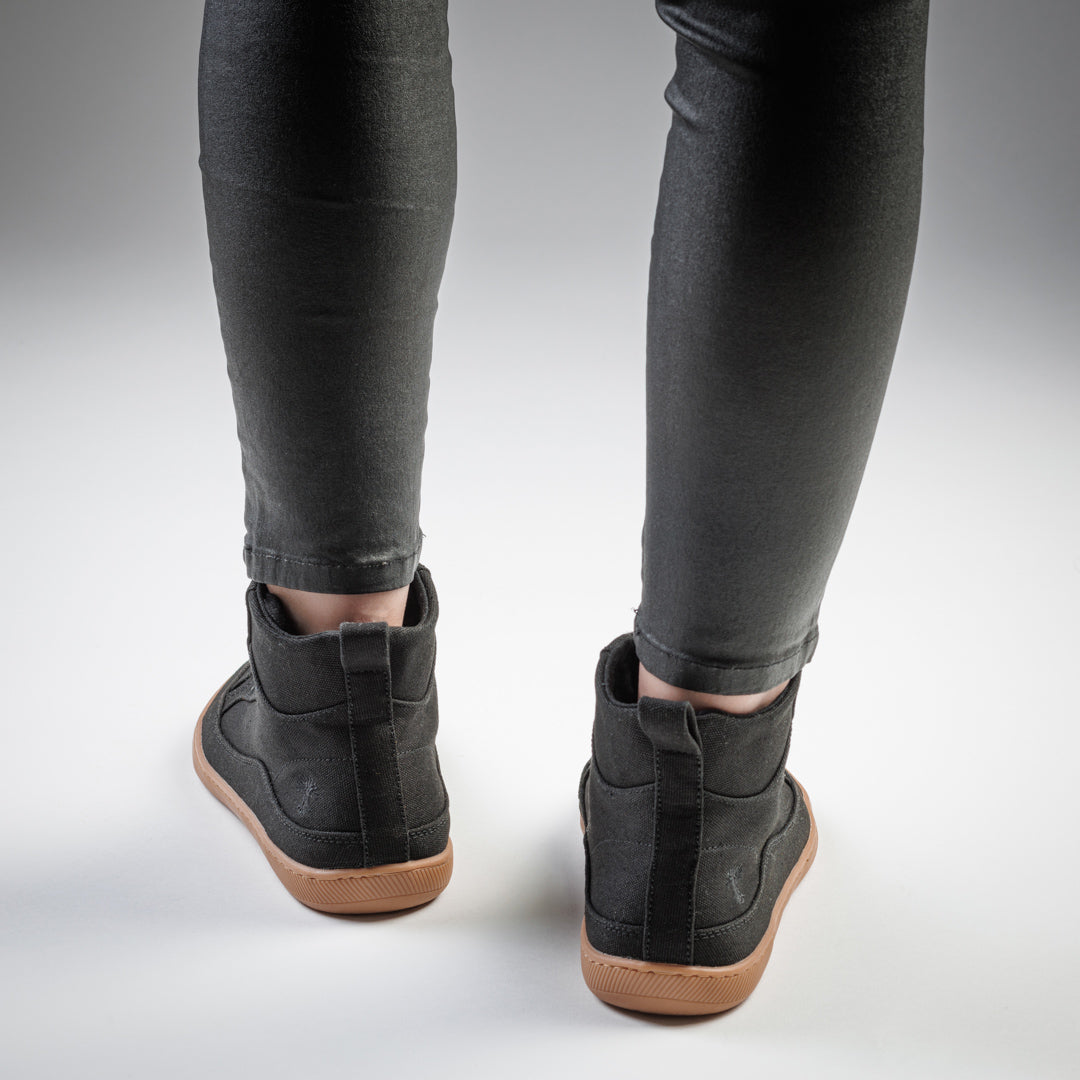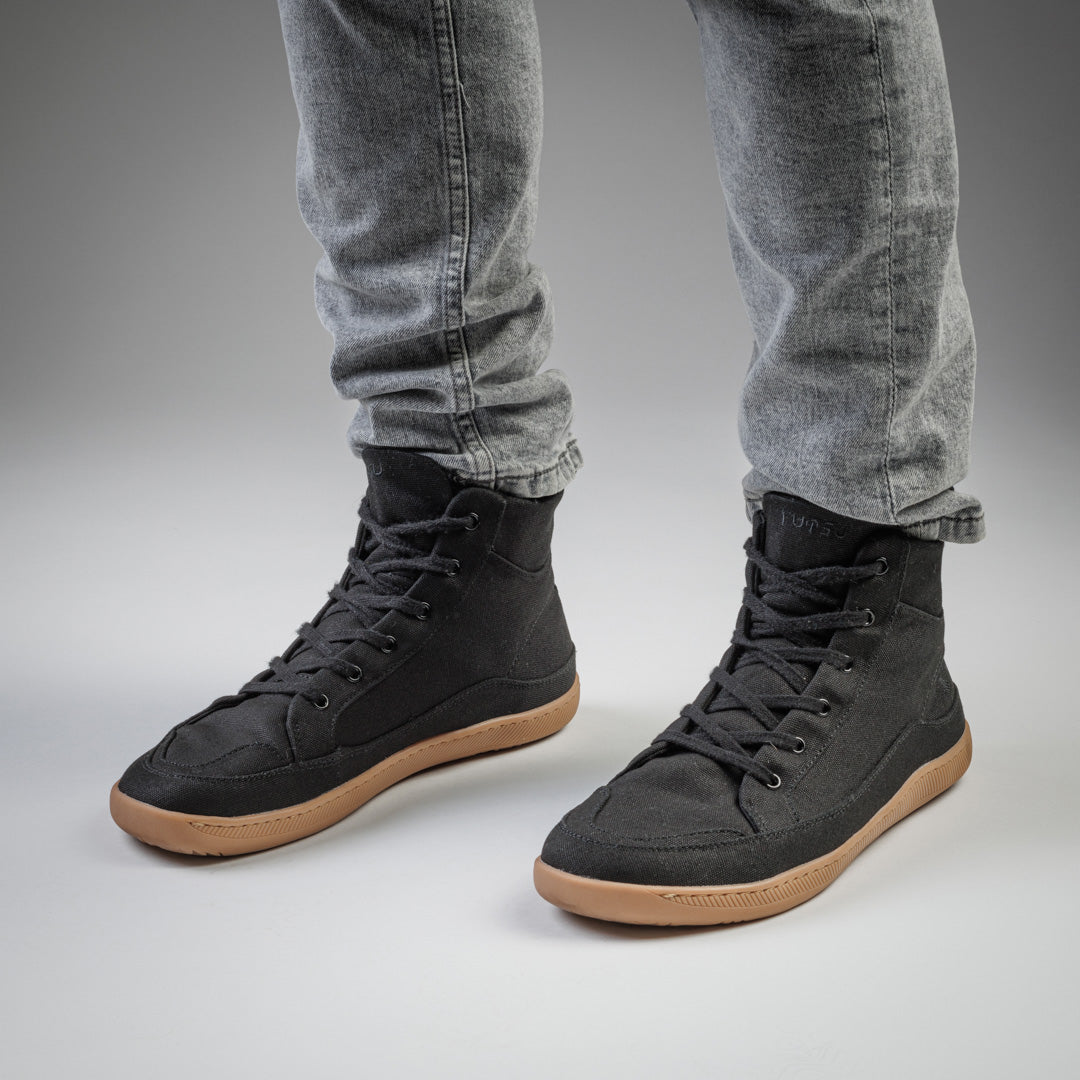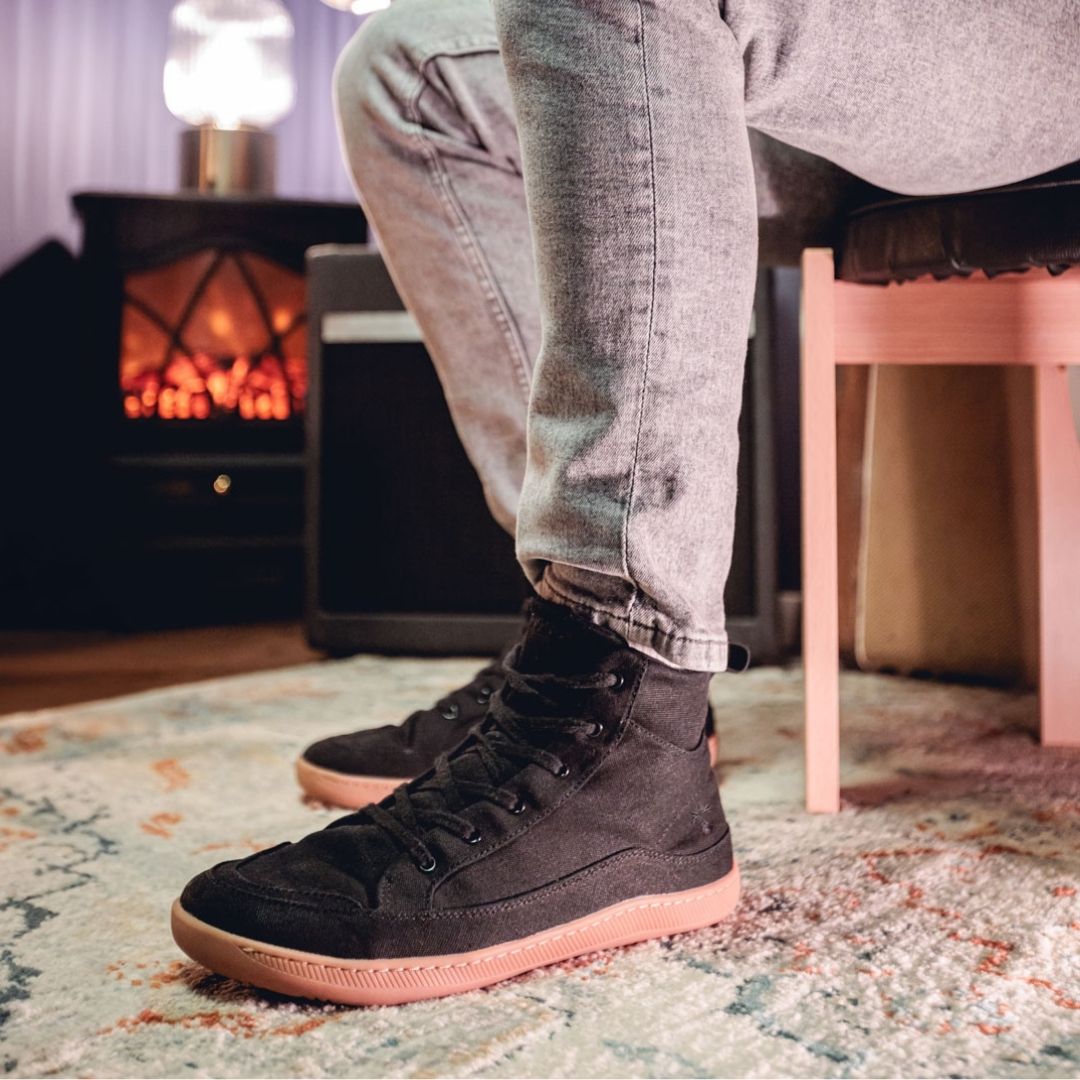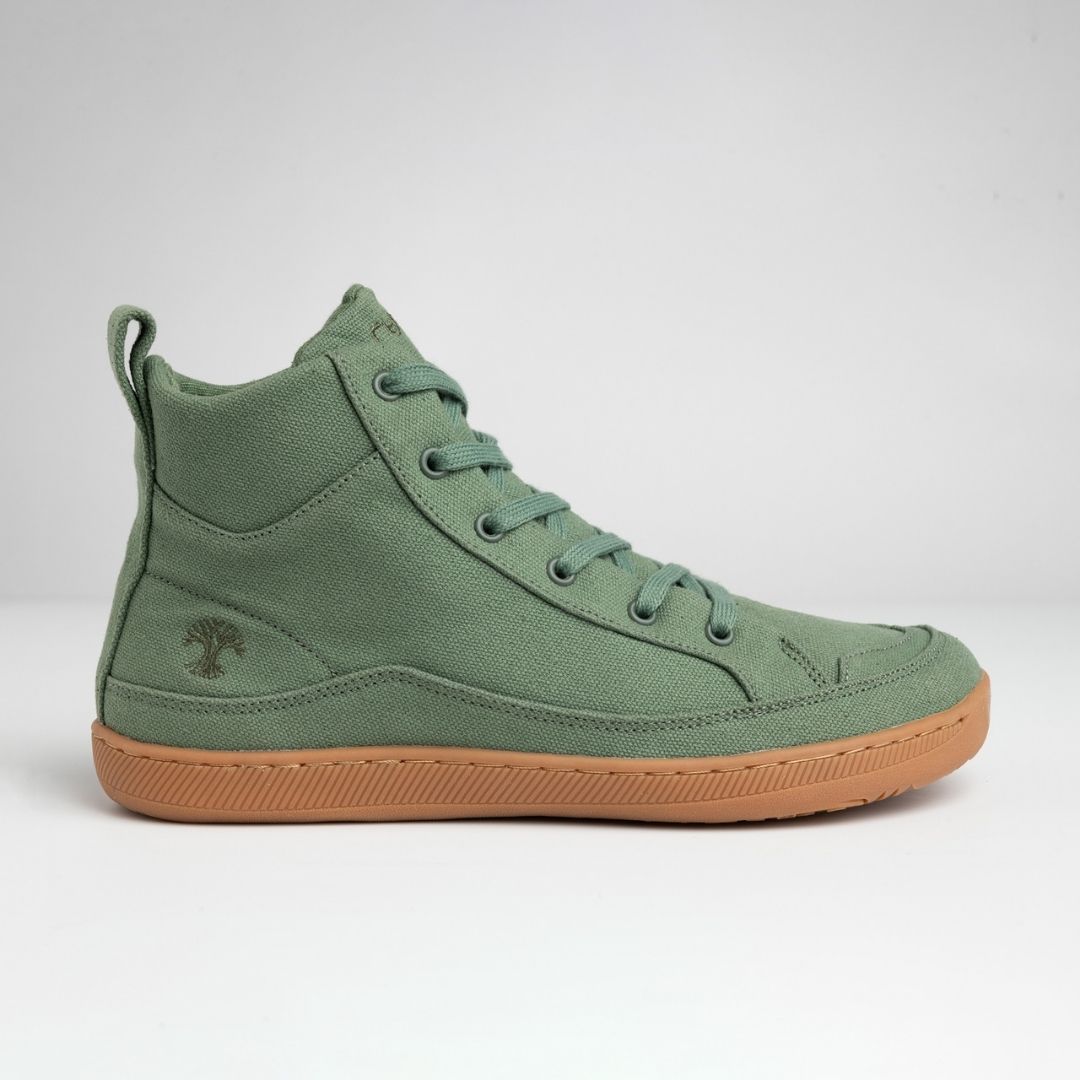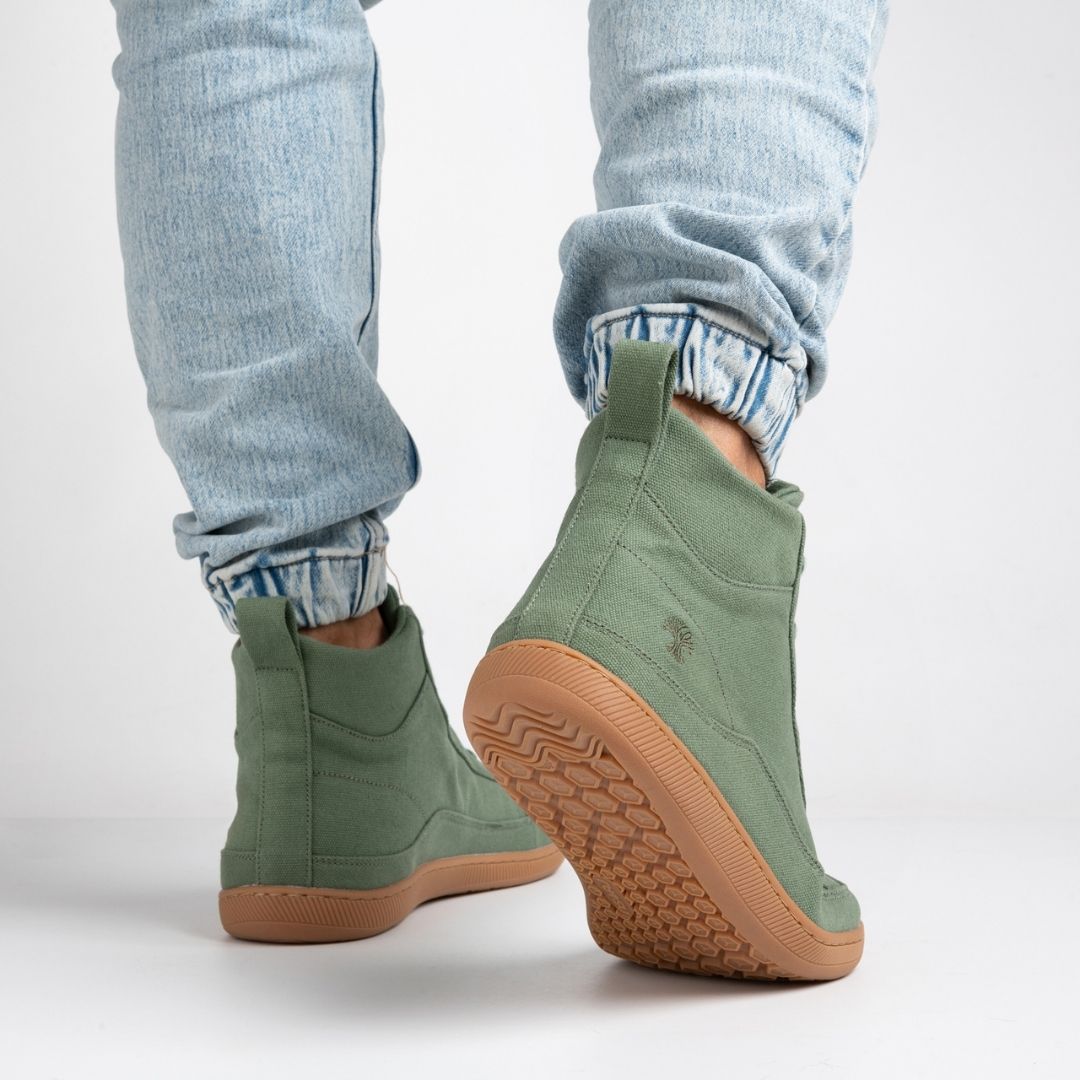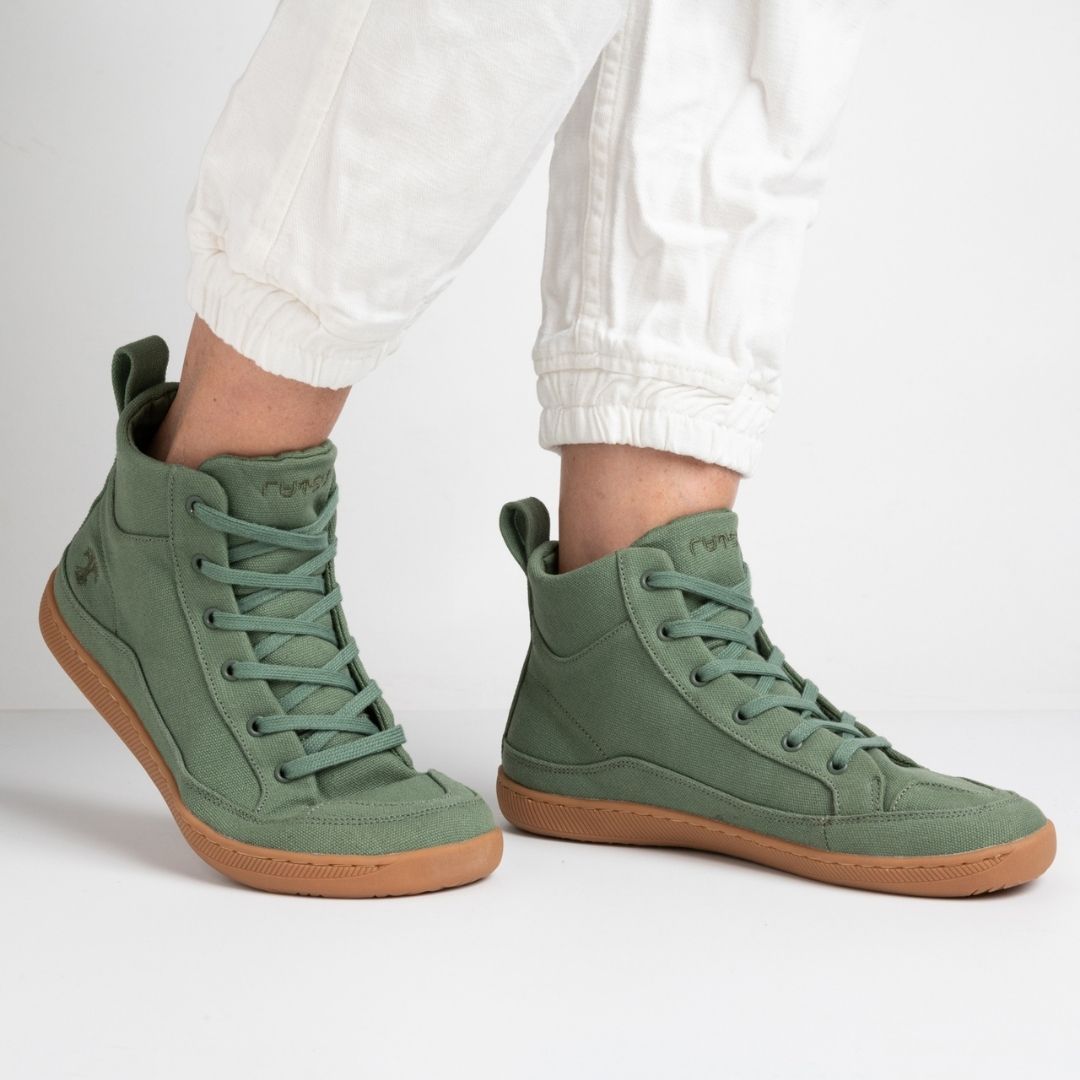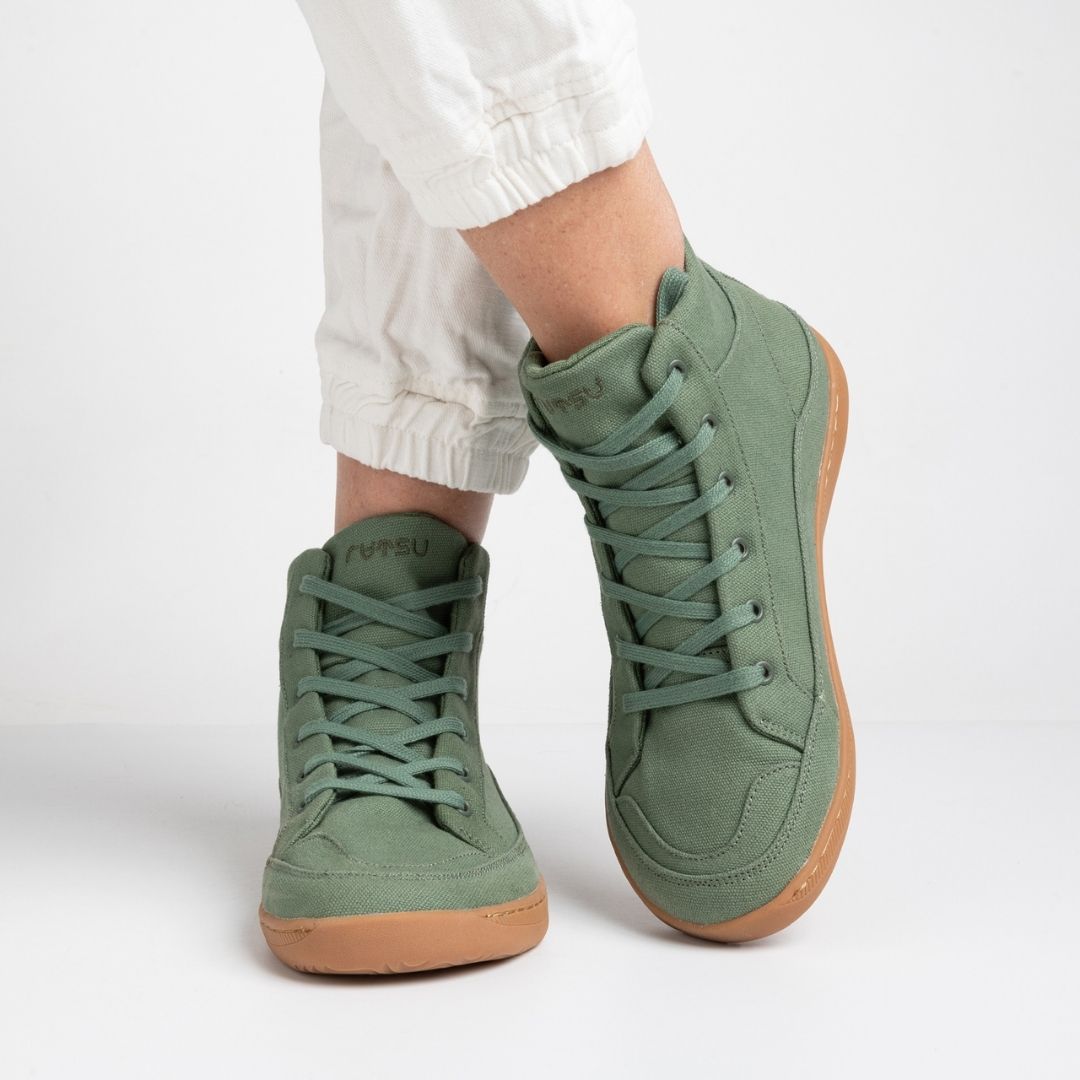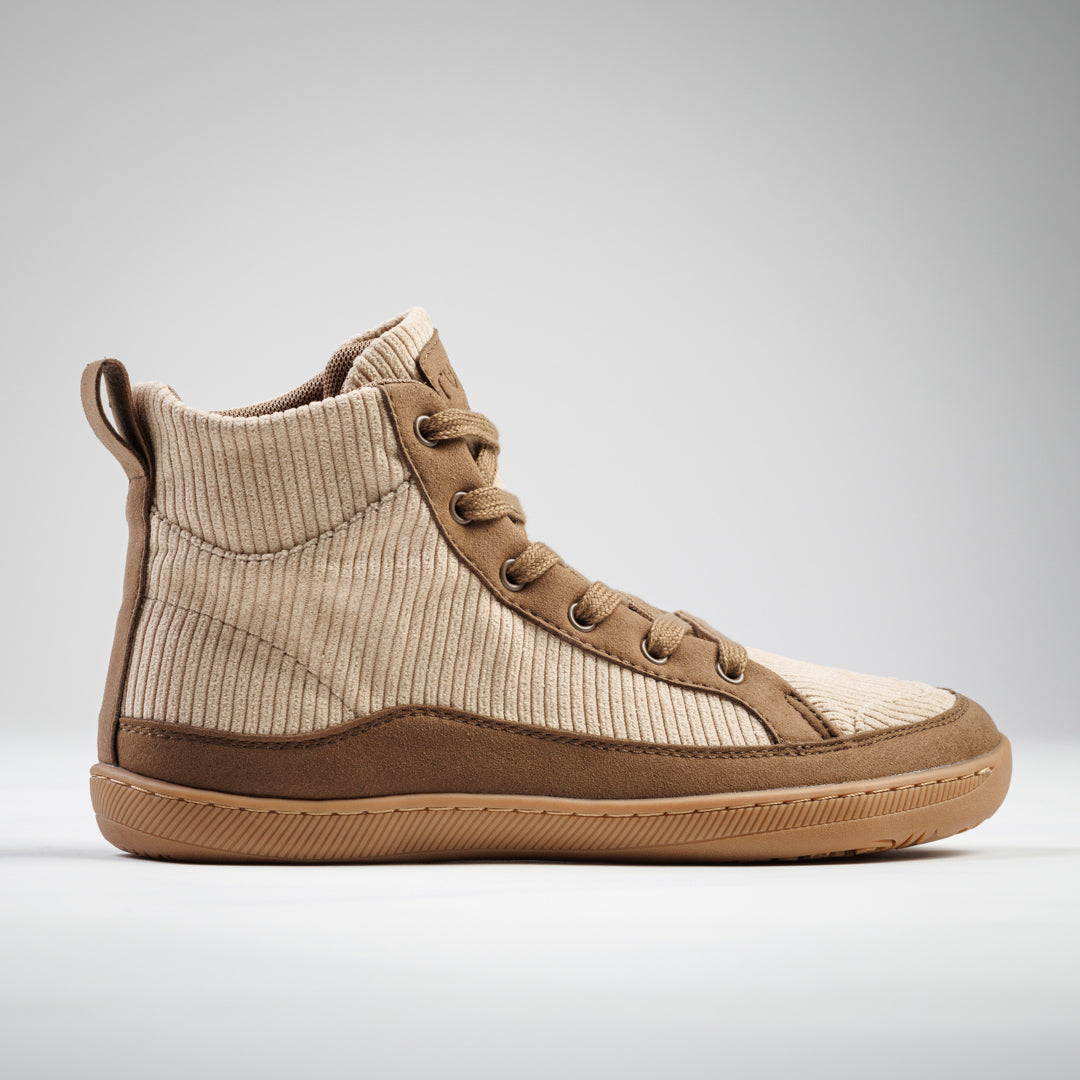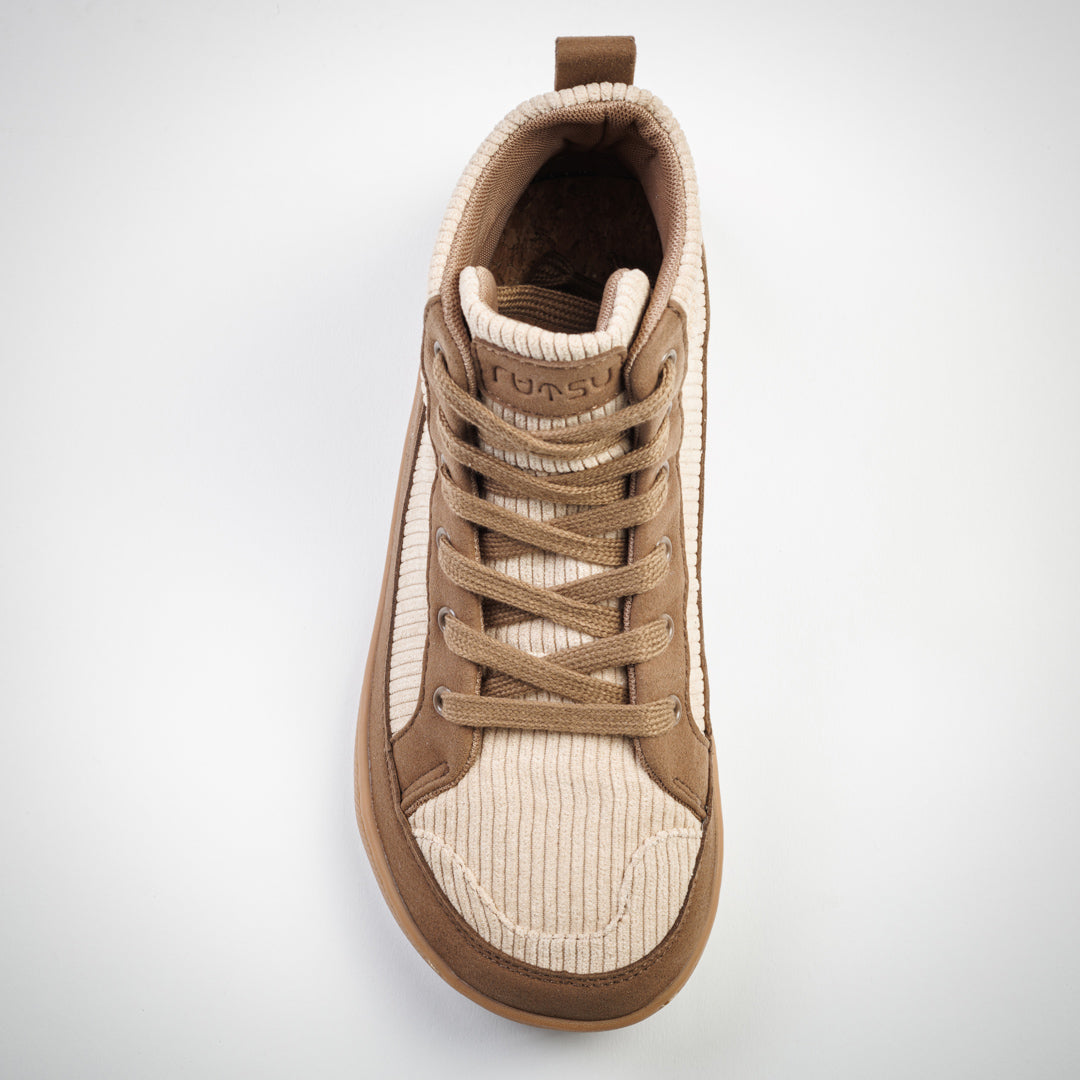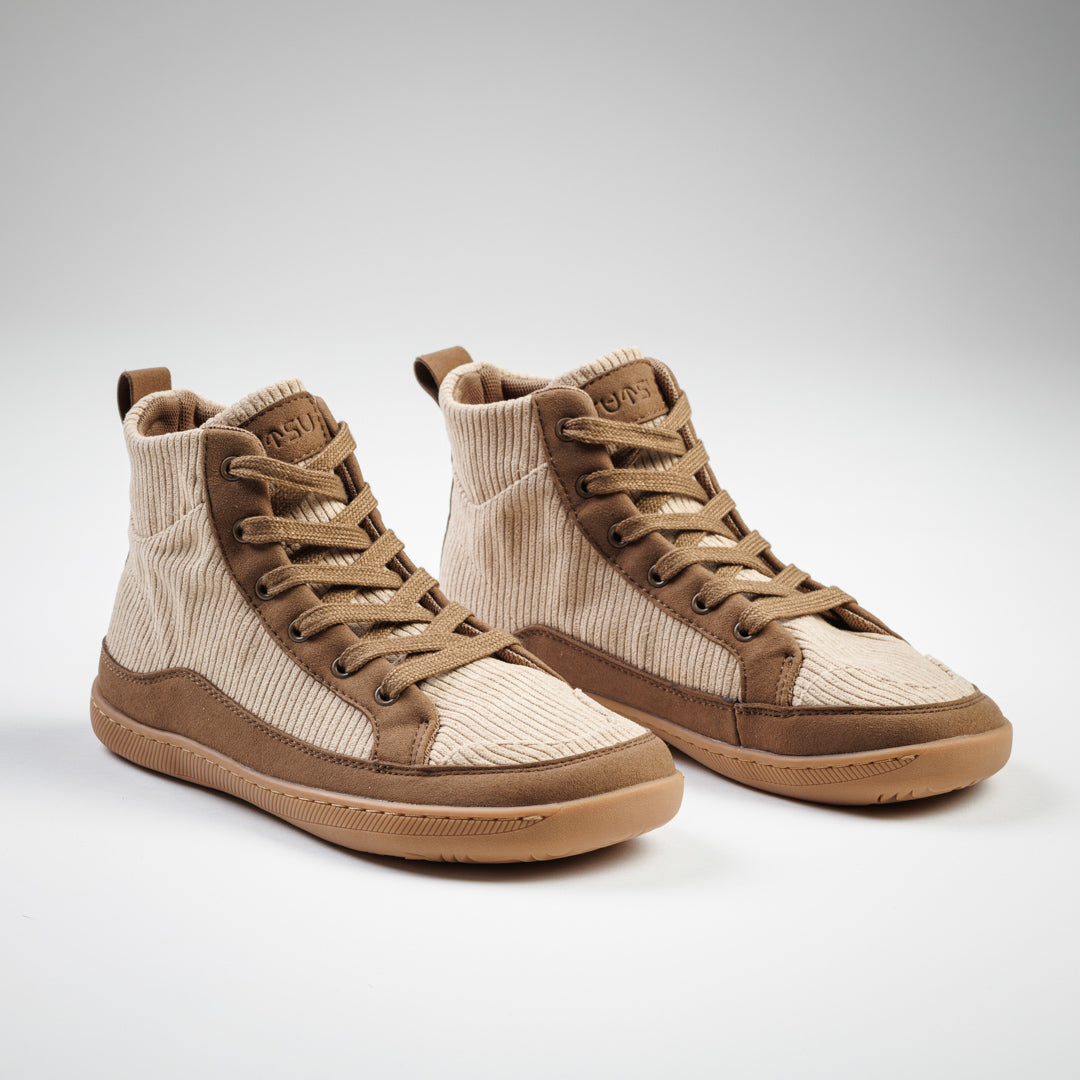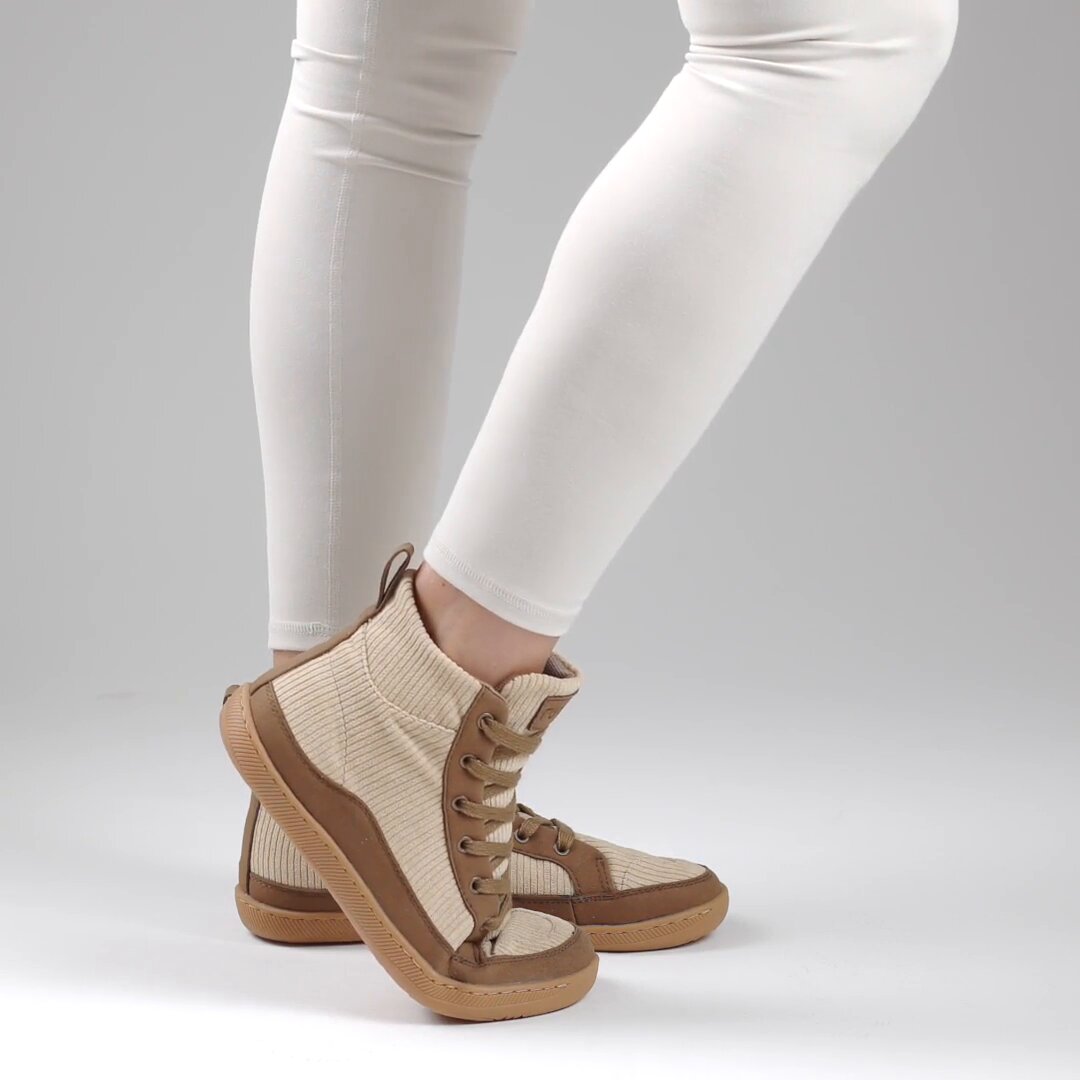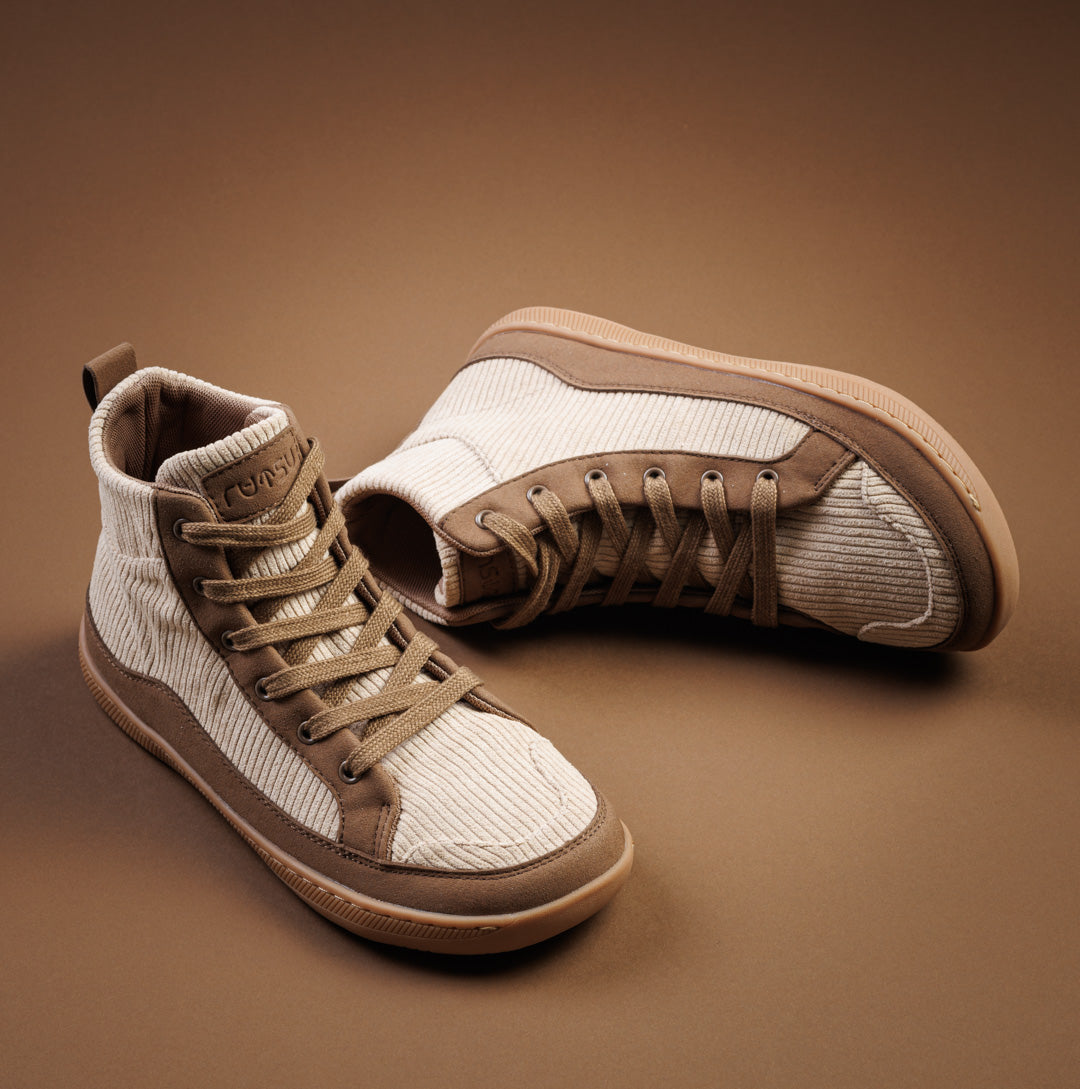


Thinking about training in barefoot gym training shoes? Smart move for some lifts. Less smart for others.
The gym isn't one environment. It's dozens of them stacked into one room, and your feet need different things depending on what you're doing. This guide breaks down where barefoot shoes genuinely help your training, and where they fall short.
Why Gym Floors Demand a Different Shoe Logic Than Running or Hiking
Running and hiking are about absorbing repeated impact. Lifting is about something else entirely: staying planted.
A gym floor doesn't move under you the way a trail does. What you need instead is a stable base. One that won't compress or shift while you're pushing hundreds of pounds through your legs. Cushioned running shoes actually work against you here. Foam compresses under load and can throw off your balance mid-lift. Flat, firm ground contact matters more in a squat rack than it does on a jog.
The Stability Case: How a Flat, Wide Sole Improves Your Lifts
Here's the logic behind barefoot training shoes, and it holds up.
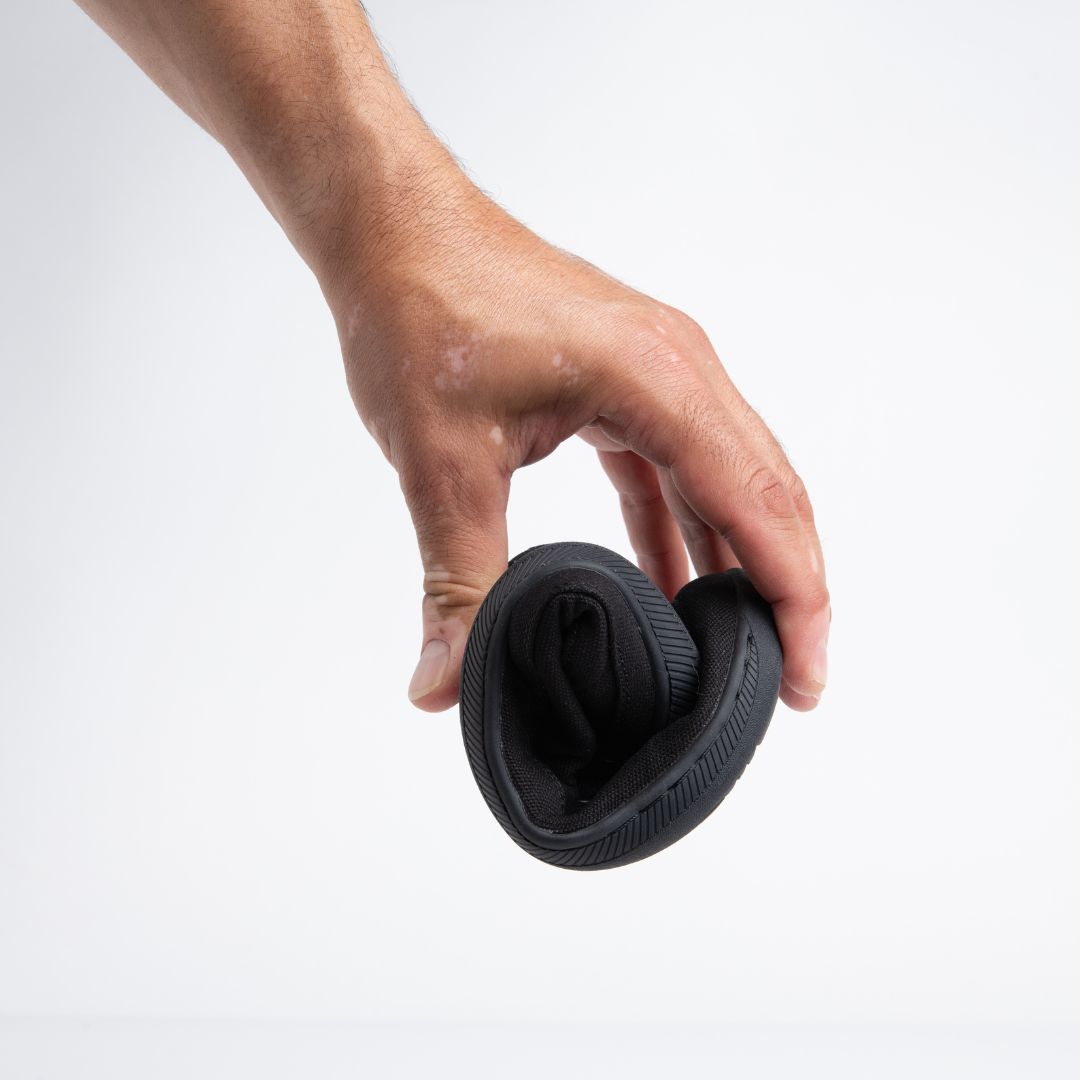
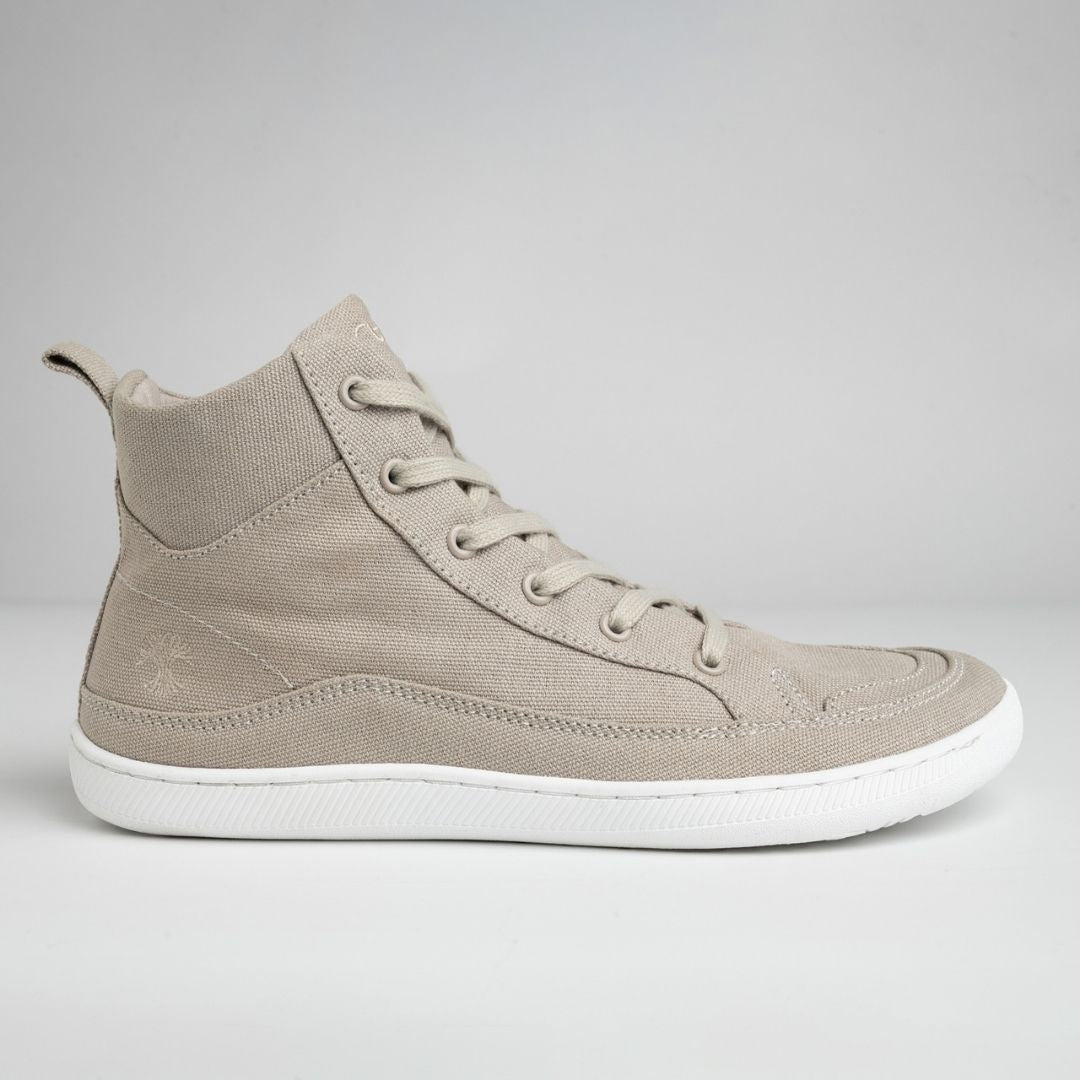
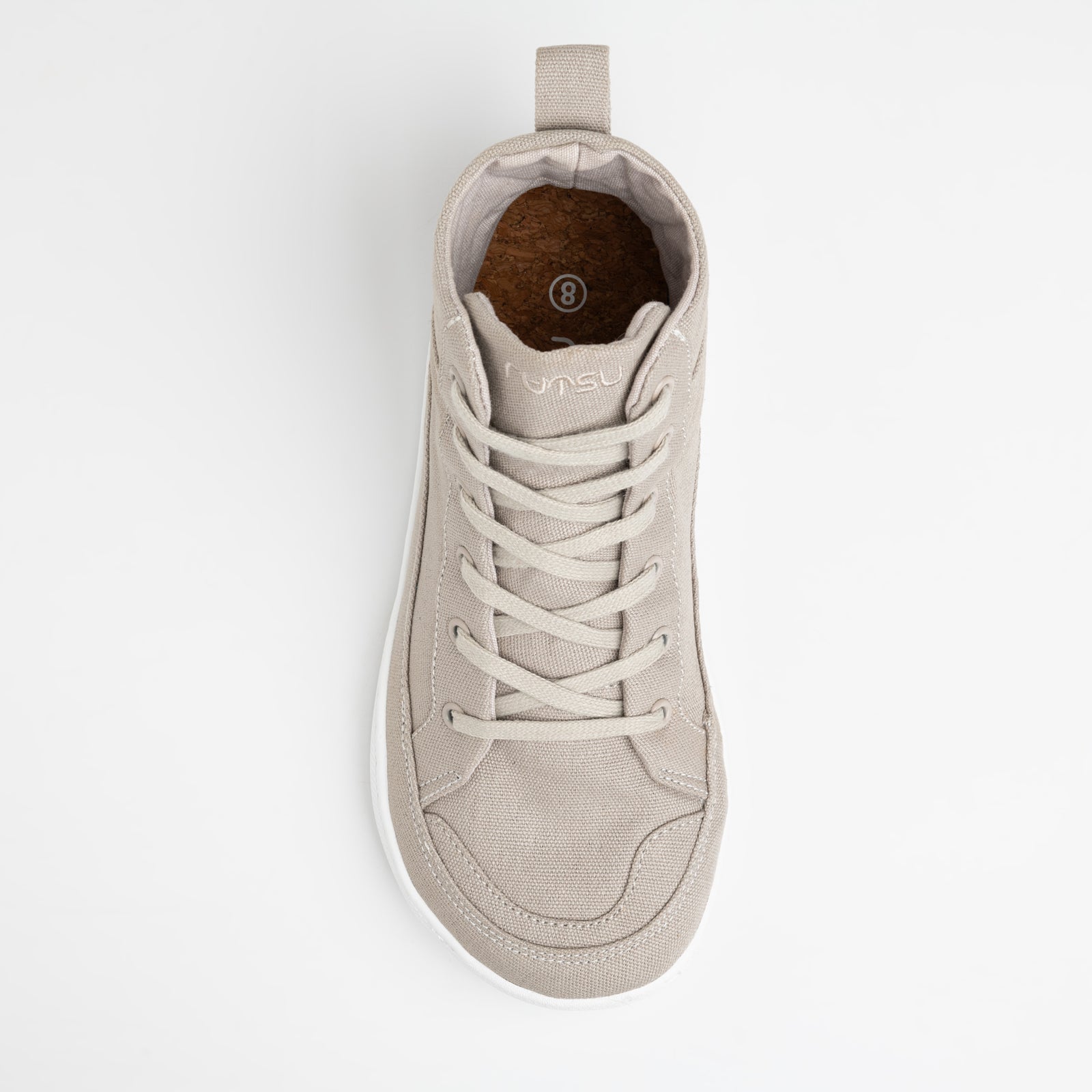
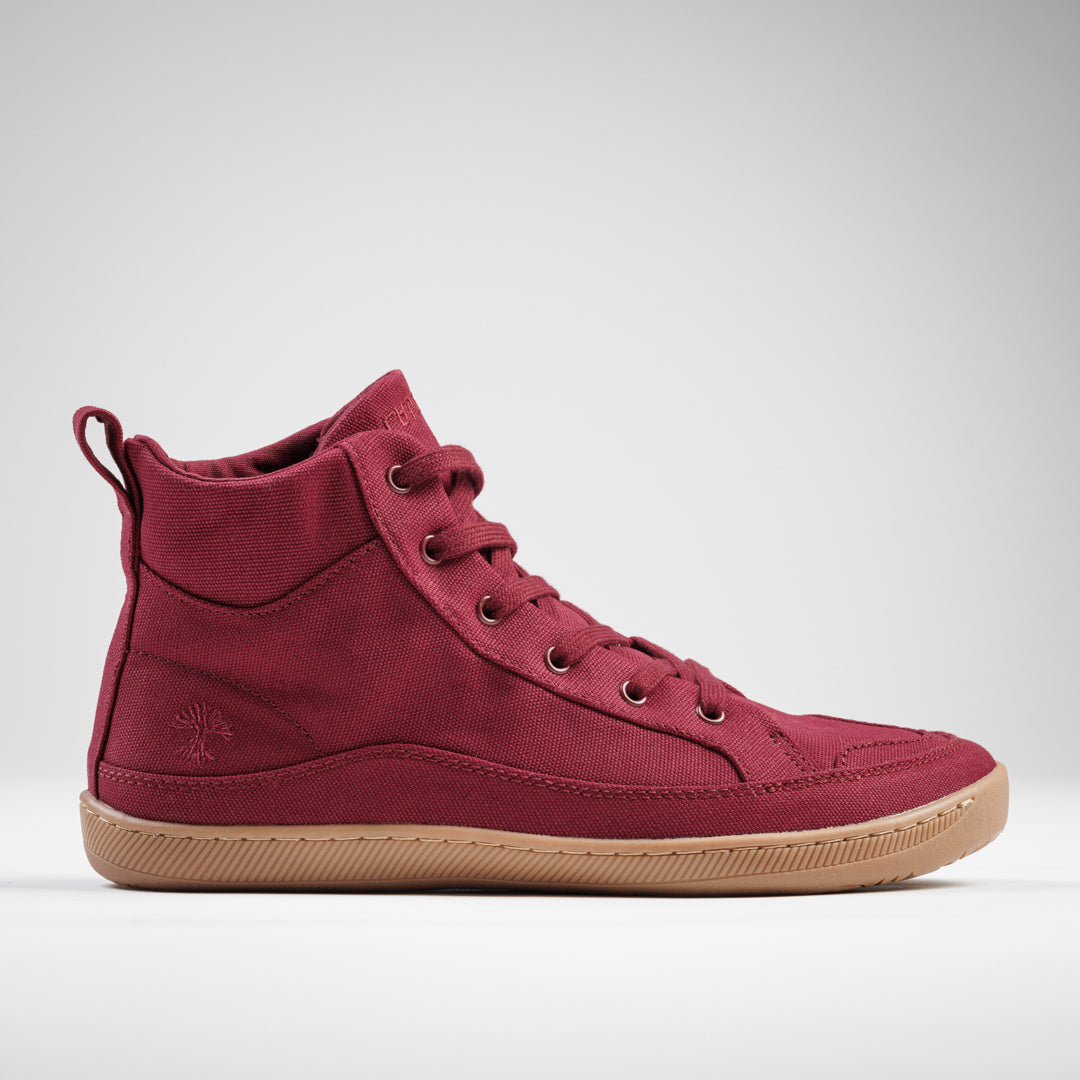
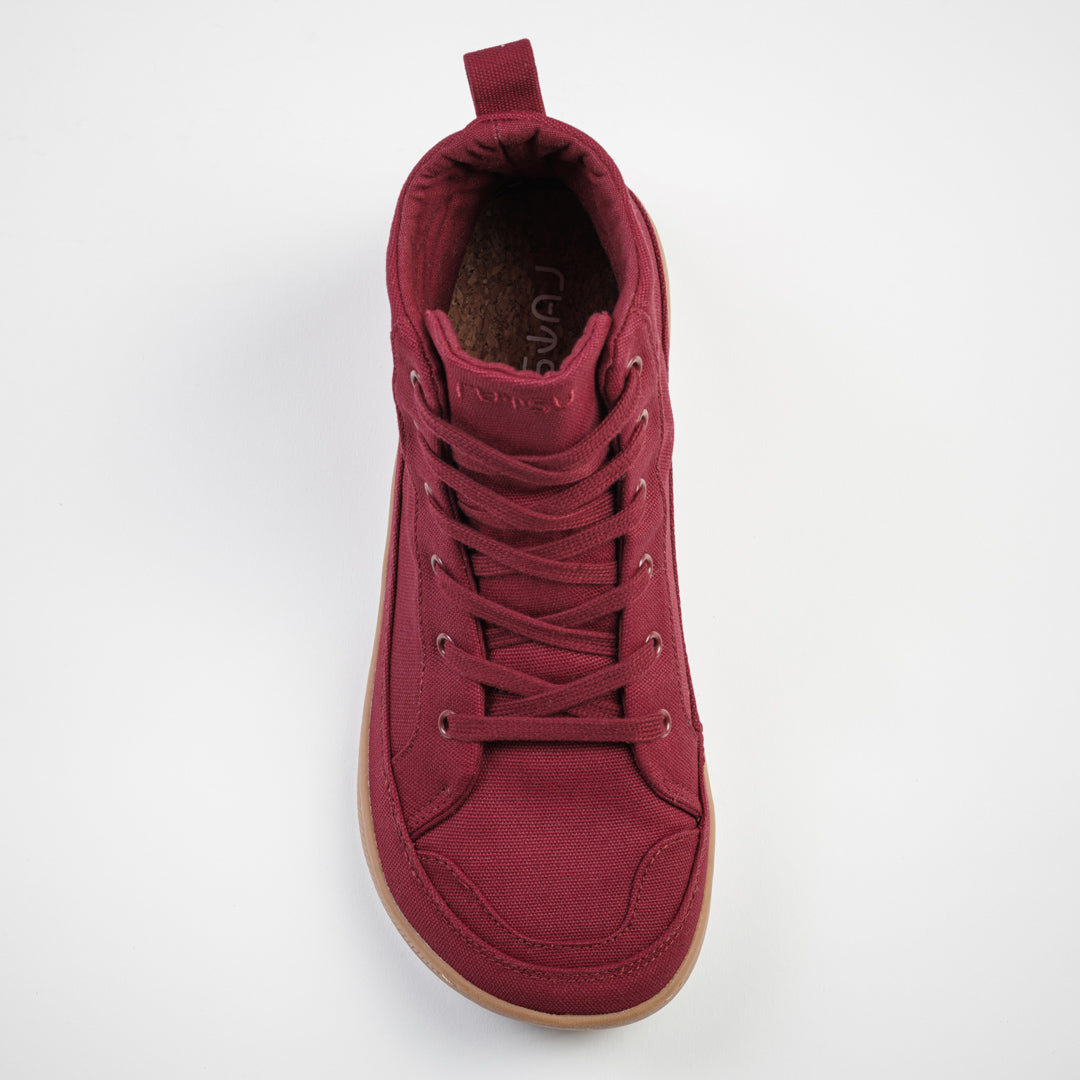
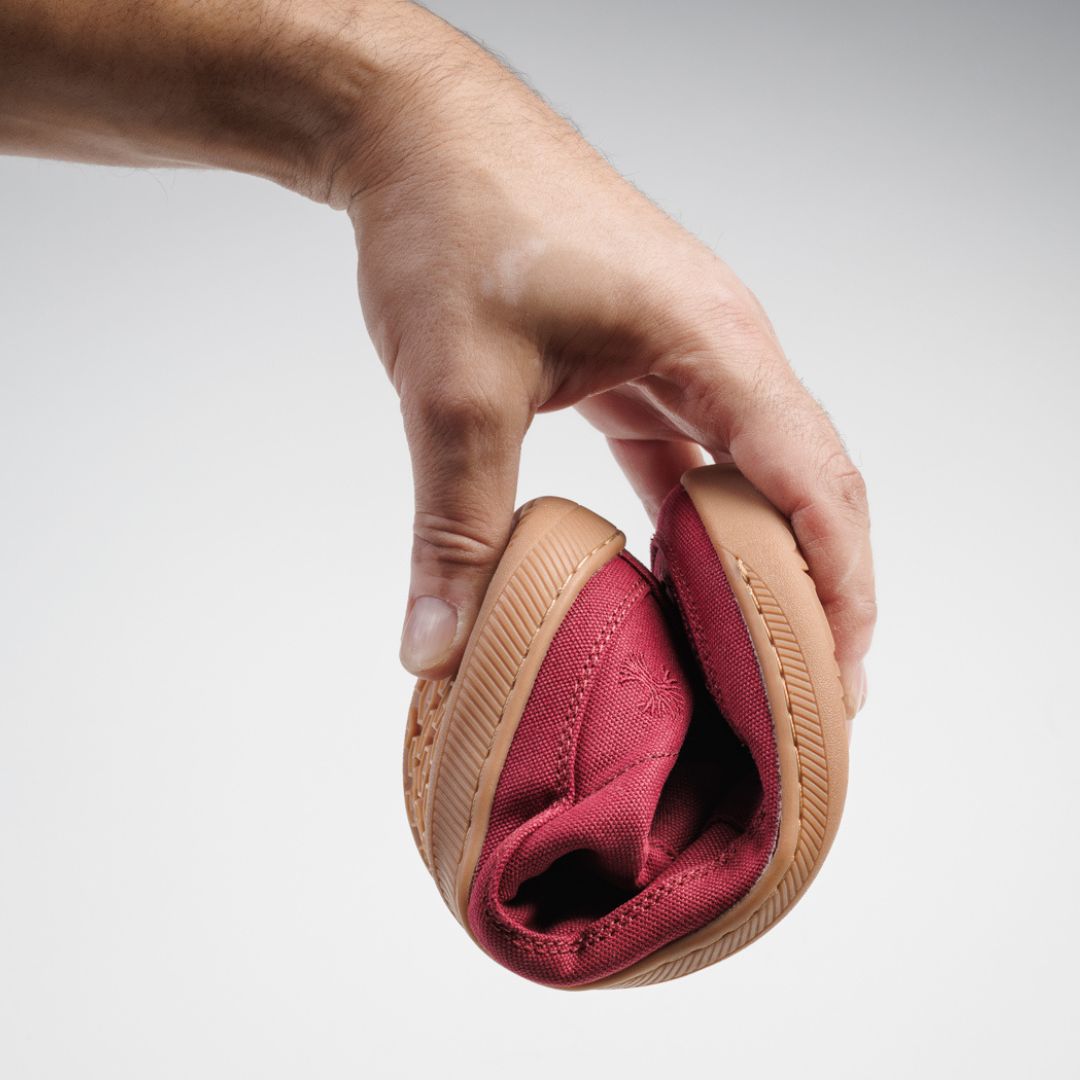
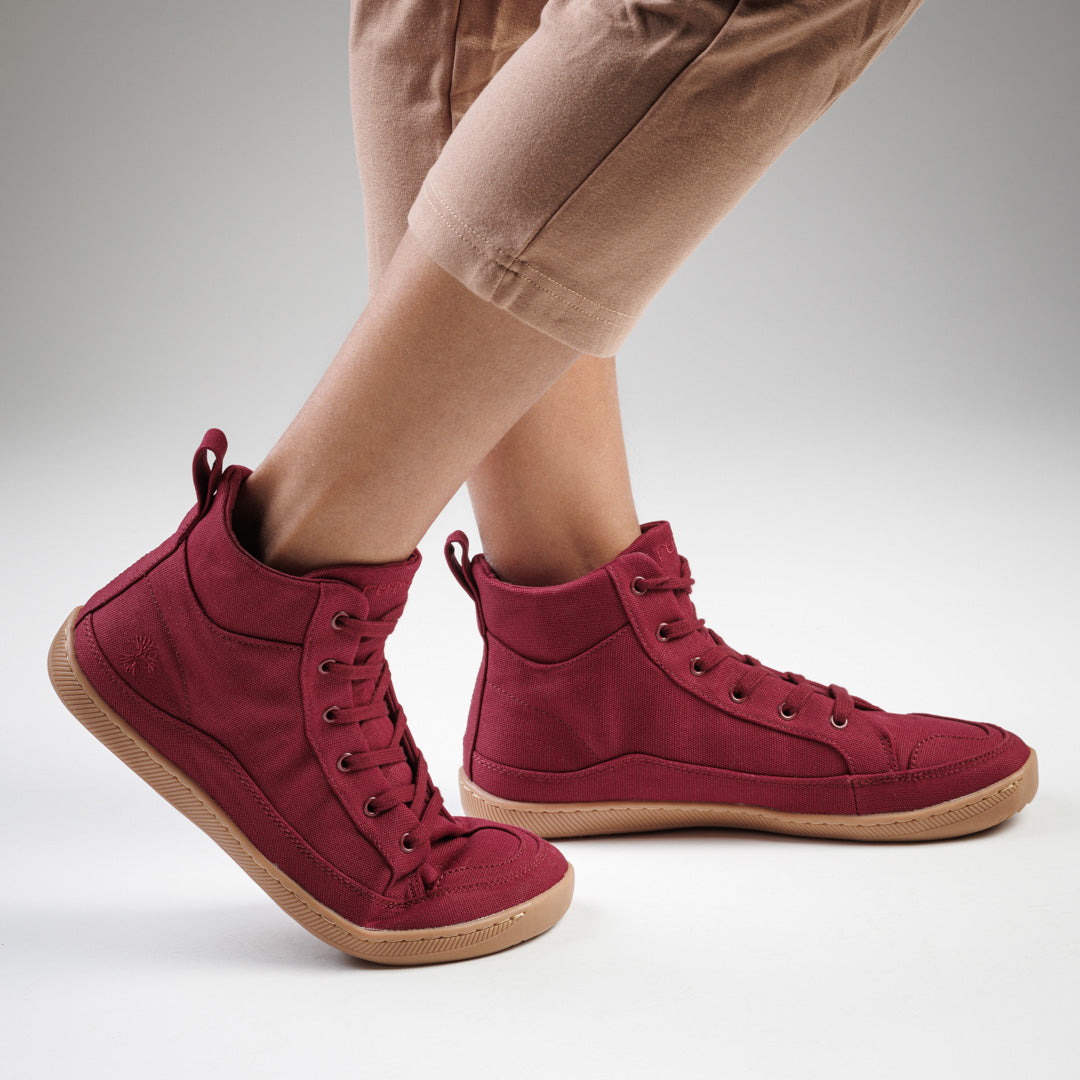
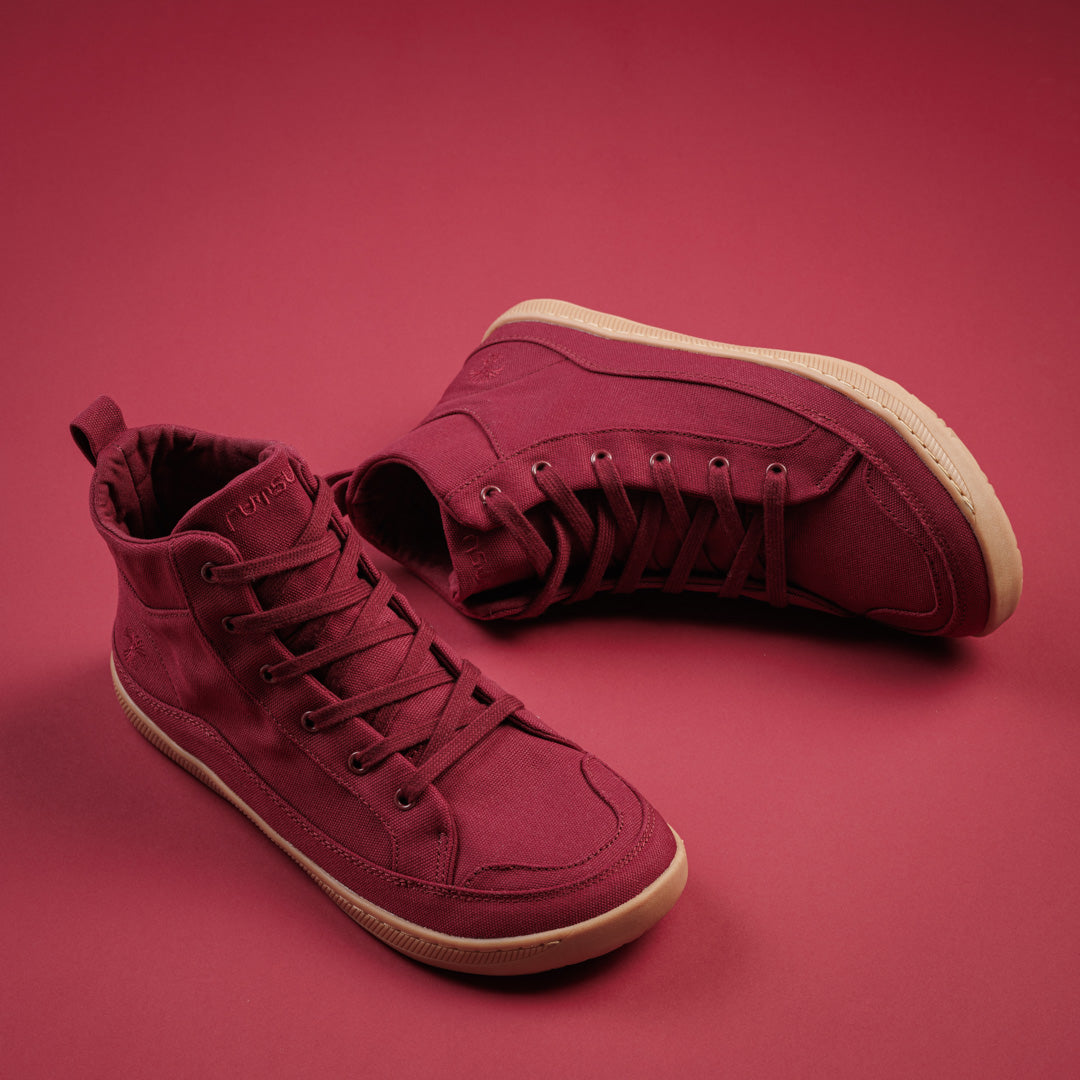
A wide, flat sole gives your foot a bigger, steadier base of support. Zero heel elevation keeps your weight centered over your midfoot instead of shifting forward. Many lifters find this helps with balance during heavy sets. Your toes can also spread and grip the floor actively. That adds a small but real edge some lifters notice during max-effort lifts.
Rutsu Barefoot's barefoot gym training shoes are built around this exact principle. Not every lift benefits equally, though, and that's worth understanding before you switch everything over.
Squats, Deadlifts, and Barefoot Shoes: What Actually Changes in Your Form
These two lifts are where barefoot shoes tend to shine the most.
For deadlifts, a flat sole shortens the distance the bar has to travel. Your foot simply isn't elevated by a heel. Many lifters find this makes the pull feel more efficient. For squats, a flat sole keeps your weight centered rather than pitched forward. Some lifters with limited ankle mobility, though, may find depth harder to reach without a heel lift. That's a real tradeoff, not a flaw specific to barefoot shoes.
Where Barefoot Shoes Fall Short in the Gym: Exercises That Need More Support
Let's be honest about the limits here, because there are real ones.
Heavy overhead pressing sometimes benefits from a bit more heel stability for some lifters, though this varies by individual. Box jumps and other high-impact plyometric work put more strain on your feet. There's no cushioning left to absorb the landing. Long, sustained cardio sessions on hard gym floors can also feel harsh in a fully flat, minimal shoe. None of this means barefoot shoes are wrong for the gym. It means they're a tool, not a universal fix.
Barefoot Training Shoes vs. Dedicated Weightlifting Shoes: The Real Tradeoff
This comparison trips people up constantly, so let's clear it up.
Dedicated weightlifting shoes have a raised, rigid heel, usually half an inch or more. That lift helps some lifters reach greater squat depth. It can also assist ankle mobility during Olympic lifts like the clean and snatch. Barefoot shoes go the opposite direction, prioritizing ground feel and a flat base over that ankle assistance. Neither is objectively "better." It depends on your lift, your mobility, and your goals.
What Happens to Grip and Power Output When You Ditch Cushioned Soles
Grip matters more in the gym than most people realize until they lose it.
A thin, flat sole lets your foot press right into the floor. Some lifters describe that as a more connected, responsive feel during heavy sets. Cushioned shoes, by contrast, can absorb some of that force before it reaches the ground. A few lifters feel this dulls their drive off the floor. This is subjective territory, and results likely vary by lifter, but the mechanical logic behind it is sound.
Injury Risks Specific to Lifting Barefoot-Style: What to Watch for
Barefoot lifting isn't risk-free, and pretending otherwise wouldn't be honest.
Toe and forefoot bruising can happen if weight plates get dropped or shifted without any protective layer. Lifters with existing foot conditions like plantar fasciitis should ease in cautiously rather than switching cold. Ankle mobility limitations can also make certain lifts, deep squats especially, feel harder or less stable without a heel lift to make up for it. Got a history of foot or ankle injuries? Check with a physical therapist before switching. It's a small step that saves headaches later.
How to Ease Into Barefoot Training Without Wrecking Your Lifts
Don't dump your old shoes the same week you buy new ones. Give your feet time.
Start with lighter accessory work and bodyweight movements to get used to the flat, unpadded feel. Move into moderate-weight squats and deadlifts once that feels stable, watching your form closely for any changes. Save your true heavy singles or Olympic lift work for later. Once you've built real confidence and stability in the new setup, go for it. Rushing this, like most transitions, tends to backfire.
Choosing a Barefoot Gym Shoe: Durability, Grip, and Fit Factors That Matter
Not every barefoot shoe is built the same way, and gym use has its own demands.
Look for a durable, grippy outsole that can handle repeated contact with rubber gym flooring without sliding. A snug, secure midfoot fit matters too. A loose shoe undercuts the whole reason you switched in the first place. Browse Rutsu Barefoot's barefoot gym training shoes if you want a pair built specifically with these gym-floor demands in mind. Breathability is worth a thought as well, since gym sessions tend to run hot and sweaty.
Frequently Asked Questions
Are barefoot shoes good for heavy squats and deadlifts?
They can work well for many lifters, especially on deadlifts where a flat sole shortens the bar path. Squats depend more on individual ankle mobility, so results vary from person to person.
Can I use barefoot shoes for both cardio and strength training?
You can, though long, high-impact cardio sessions may feel less comfortable without cushioning. Many lifters use barefoot shoes mainly for strength work and switch for extended cardio.
Do barefoot gym shoes help or hurt Olympic lifts?
It depends on your ankle mobility. Some lifters do fine without a heel lift, while others find a raised weightlifting shoe helps them hit proper positions more easily.
What's the difference between barefoot shoes and weightlifting shoes?
Weightlifting shoes have a raised, rigid heel that can assist ankle mobility and squat depth. Barefoot shoes are completely flat, prioritizing ground feel and a wide, stable base instead.
Are barefoot shoes safe for jumping and plyometric exercises?
They offer far less cushioning for landings, so many lifters find plyometric work more comfortable in a shoe with some impact absorption. This comes down to personal tolerance and training volume.
How long do barefoot gym shoes typically last?
It depends heavily on training frequency and surface. A well-built pair used a few times a week often holds up for a year or more. Regular gym flooring is generally gentler on shoes than outdoor trails.
Final Thoughts
Barefoot gym training shoes genuinely help some lifts, especially deadlifts and lifts that reward a stable, flat base. They're not a universal upgrade, though, and treating them as one sets you up for frustration.
Match the shoe to the lift, ease into the switch, and pay attention to how your body responds along the way. Curious about specific models built for this exact use case? Check out our guide to the best barefoot shoes for gym before you buy.