

Something strange happened in the barefoot shoe world over the past two years. The brands shouting loudest about "natural movement" kept wrapping feet in cowhide. Meanwhile, a quieter group of makers bet on plant-based materials, and their shoes started outperforming leather on the very metrics that matter most to barefoot enthusiasts.
If you've been curious about vegan barefoot shoes but assumed they meant flimsy, sweaty plastic, this article is for you. The tech has changed. The math has changed. And honestly? The shoes have changed.
The Quiet Shift Inside the Barefoot Movement Most Brands Aren't Talking About
Barefoot footwear has always attracted people who question defaults. Thick heels, narrow toe boxes, rigid arch support... the barefoot community rejected all of it. So why would that same community accept animal leather as the only "real" upper material without question?
They're not. Not anymore.
Online barefoot forums, Reddit threads, and specialty retailers all tell the same story: buyers now filter for animal-free options first, then compare performance. The shift isn't loud. It's just... happening.
Why "Minimal Footwear" and "Animal-Free" Were Always Heading Toward Each Other
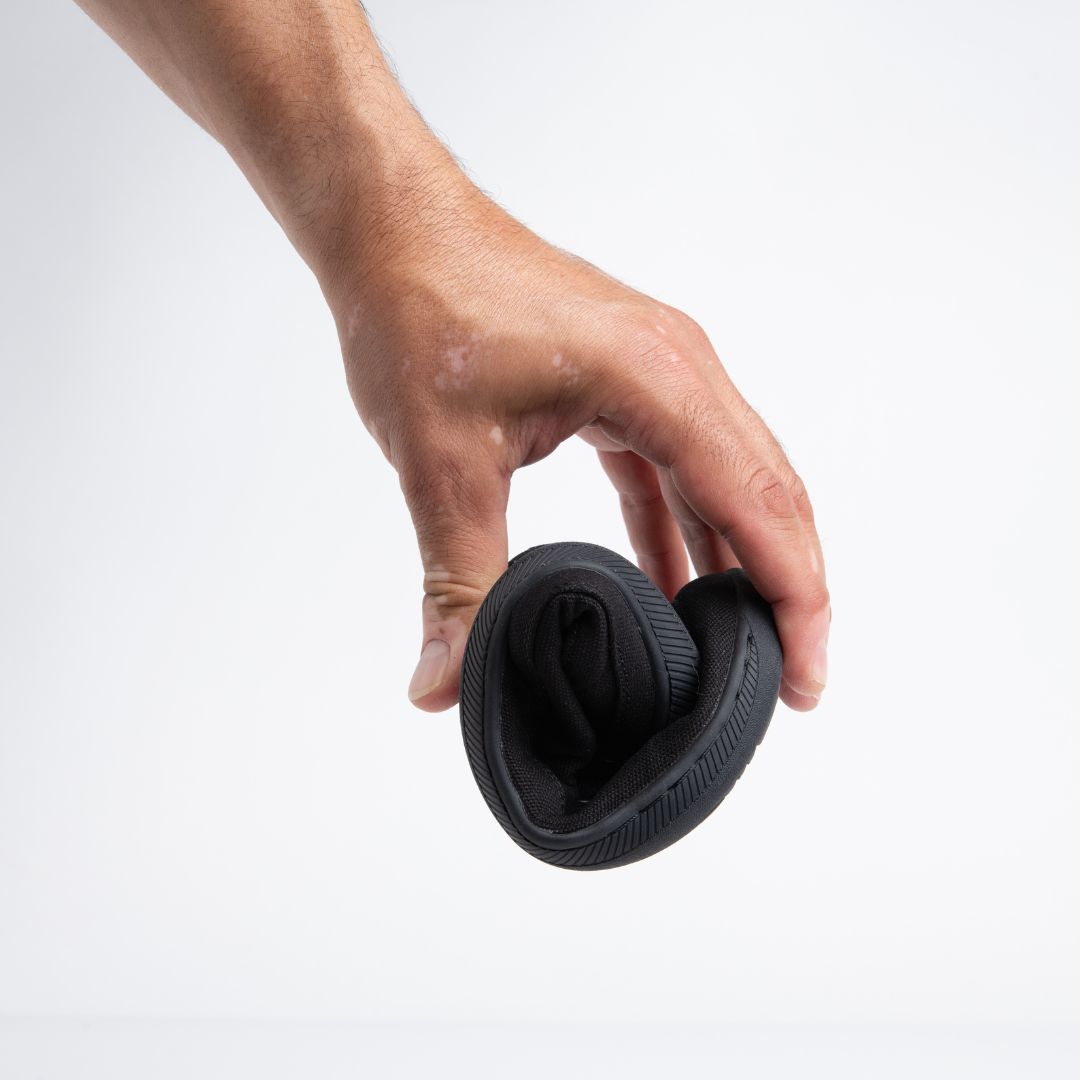
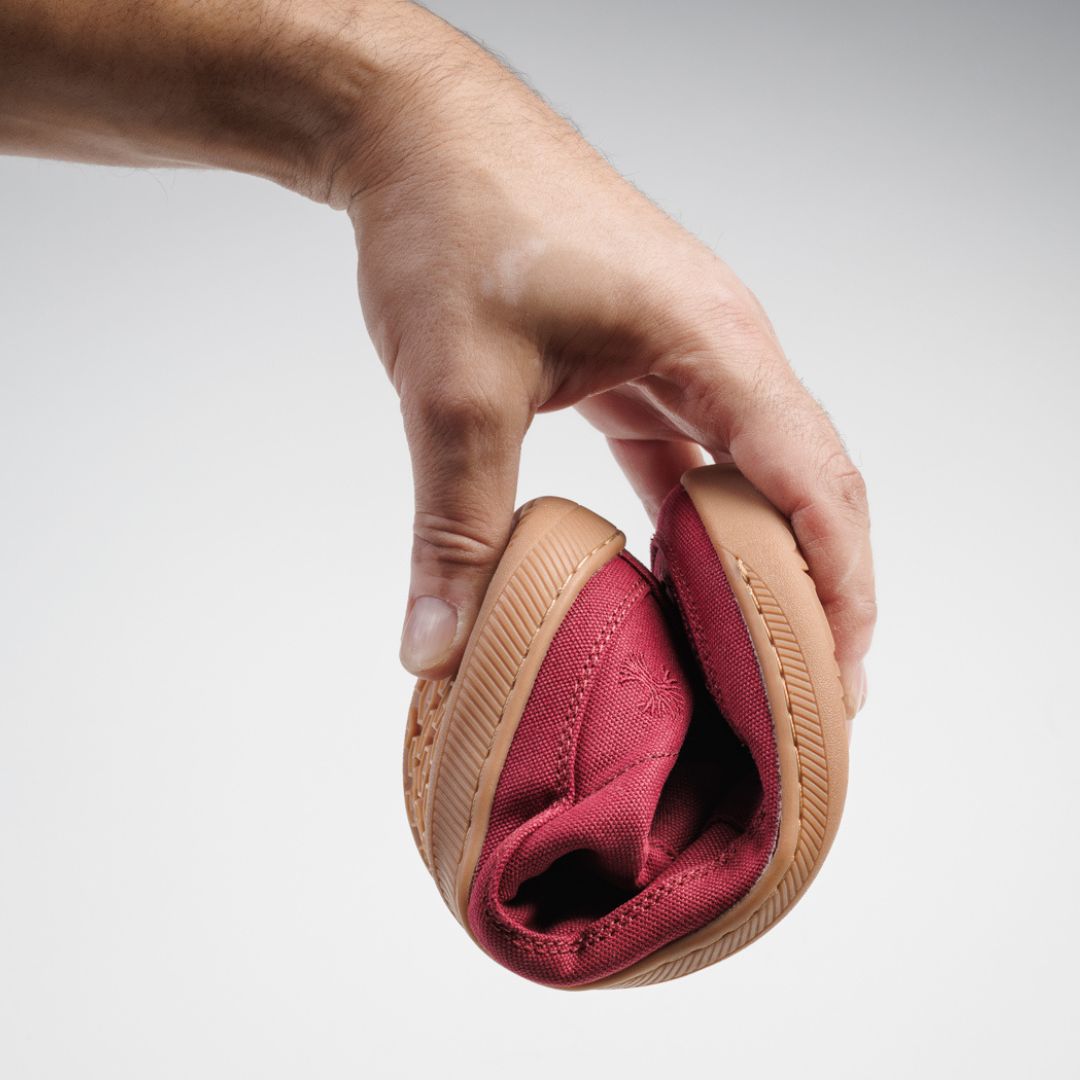
Think about it. Barefoot philosophy strips a shoe down to its essentials. Less cushioning. Less structure. Less interference between your foot and the ground. That same minimalist logic naturally points toward lighter, thinner, more flexible materials, exactly what next-generation vegan textiles deliver.
Leather is heavy. It stiffens over time. It fights the foot instead of following it. The barefoot ethos and plant-based innovation were always on a collision course. 2026 is just the year they fully converged.
What Actually Replaces Leather in a Barefoot Shoe: Mirum, Piñatex, Cactus, and Bio-PU Decoded
Not all vegan materials are created equal, and "vegan" doesn't automatically mean "plastic." Here's a fast breakdown:
-
Mirum is a plant-based composite (rubber, natural oils, agricultural waste) that looks and feels like leather without any plastic backing. Fully biodegradable.
-
Piñatex comes from pineapple leaf fiber. Flexible, breathable, surprisingly tough.
-
Cactus leather (Desserto) uses nopal cactus, which grows without irrigation. It's soft, durable, and partially biodegradable.
-
Bio-PU blends bio-based polyols with polyurethane. Less eco-pure than the others, but drastically lower-impact than petroleum PU.
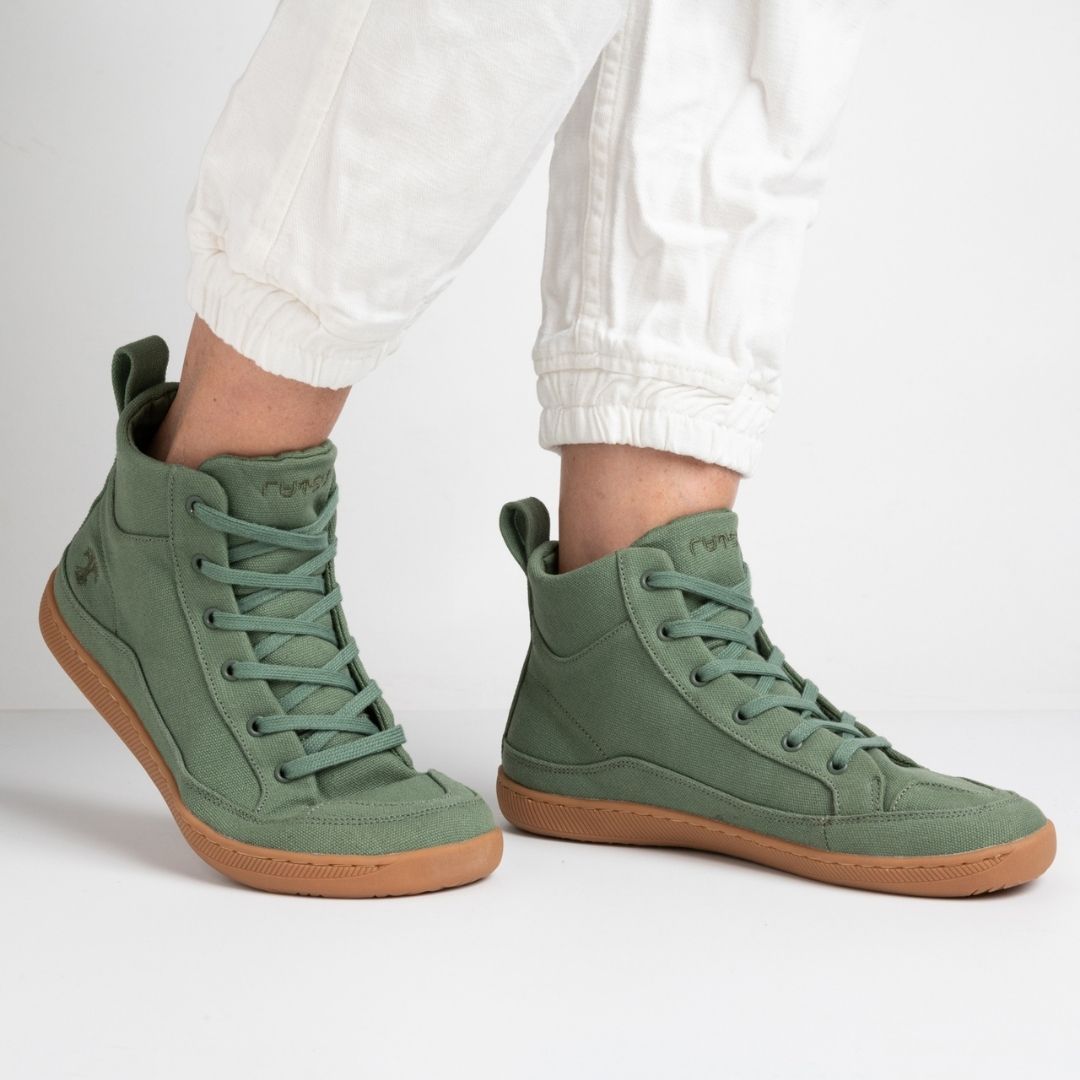
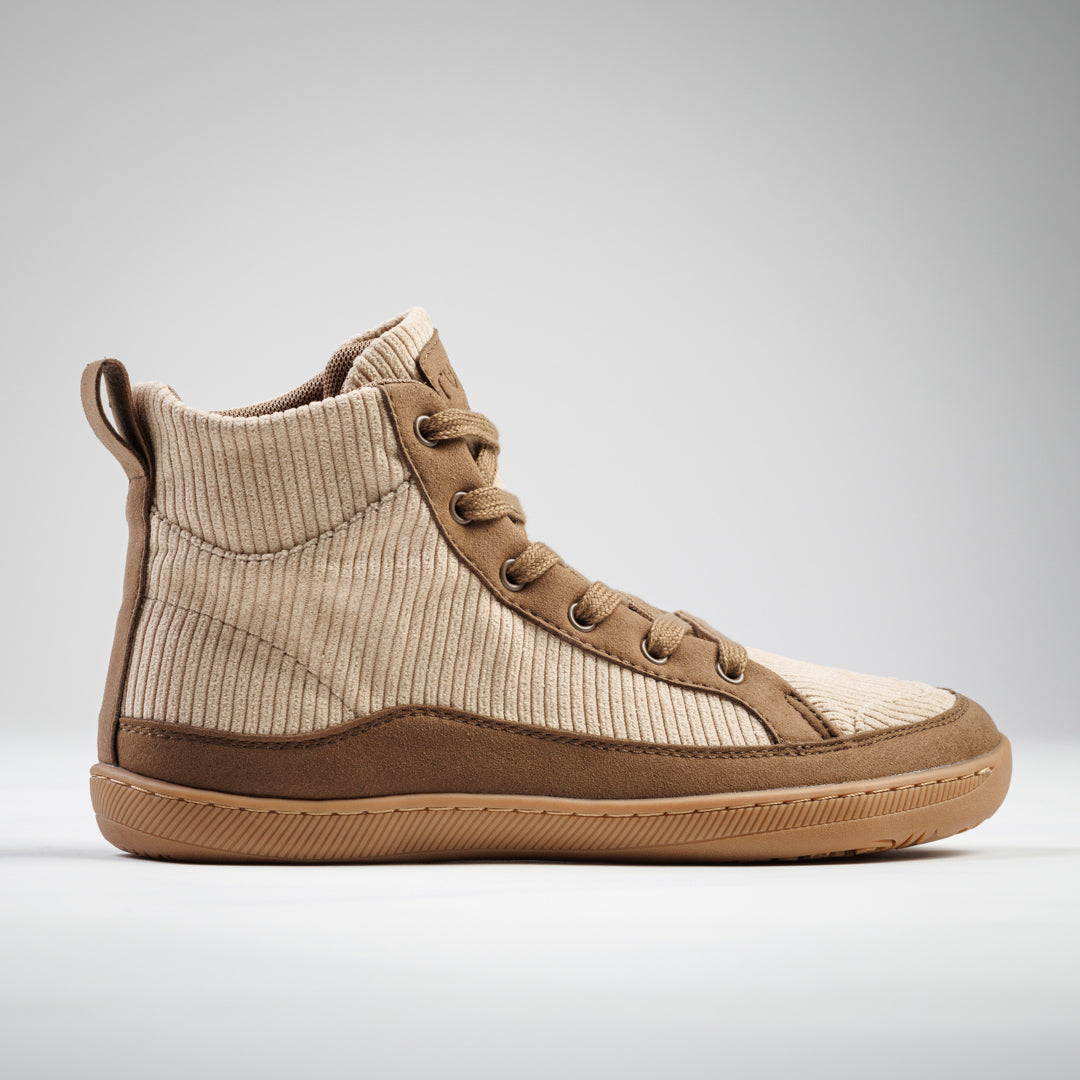
The best vegan barefoot brands, like Rutsu Barefoot, select materials based on the shoe's job, not just a "vegan" checkbox.
Breathability and Moisture Management: Where Vegan Materials Lost Five Years Ago and Win Today
Let's be honest. Early vegan shoes earned their sweaty reputation. PVC-lined uppers in 2019 were brutal. Your feet baked.
That era is over.
Modern vegan uppers use micro-perforated bio-textiles and moisture-wicking linings that rival or beat chrome-tanned leather on vapor transmission rates. Some Piñatex and cactus blends test above 4 mg/cm²/h, putting them in the same breathability class as premium calfskin. Rutsu Barefoot's breathable vegan barefoot sneakers are a good example of what's now possible: all-day wear without the sauna effect.
The Durability Myth: How Long Modern Vegan Barefoot Shoes Really Last
"But leather lasts forever." Does it, though? Barefoot leather shoes flex thousands of times per day at the ball of the foot. That constant bending cracks untreated leather faster than most people expect, usually within 12 to 18 months of daily wear.
High-quality vegan barefoot shoes now hit the same window, sometimes longer. Cactus leather tests at over 500,000 flex cycles without surface cracking. Mirum holds its structure under repeated wet-dry exposure. The durability gap has effectively closed.
Foot-Shape Fidelity, or Why Vegan Uppers Often Hold a True Toe Box Better Than Leather
Here's something nobody tells you: leather molds to your foot, yes, but it also shrinks when it dries. That wide toe box you loved on day one? After a few rain-soaked commutes, it might pinch.
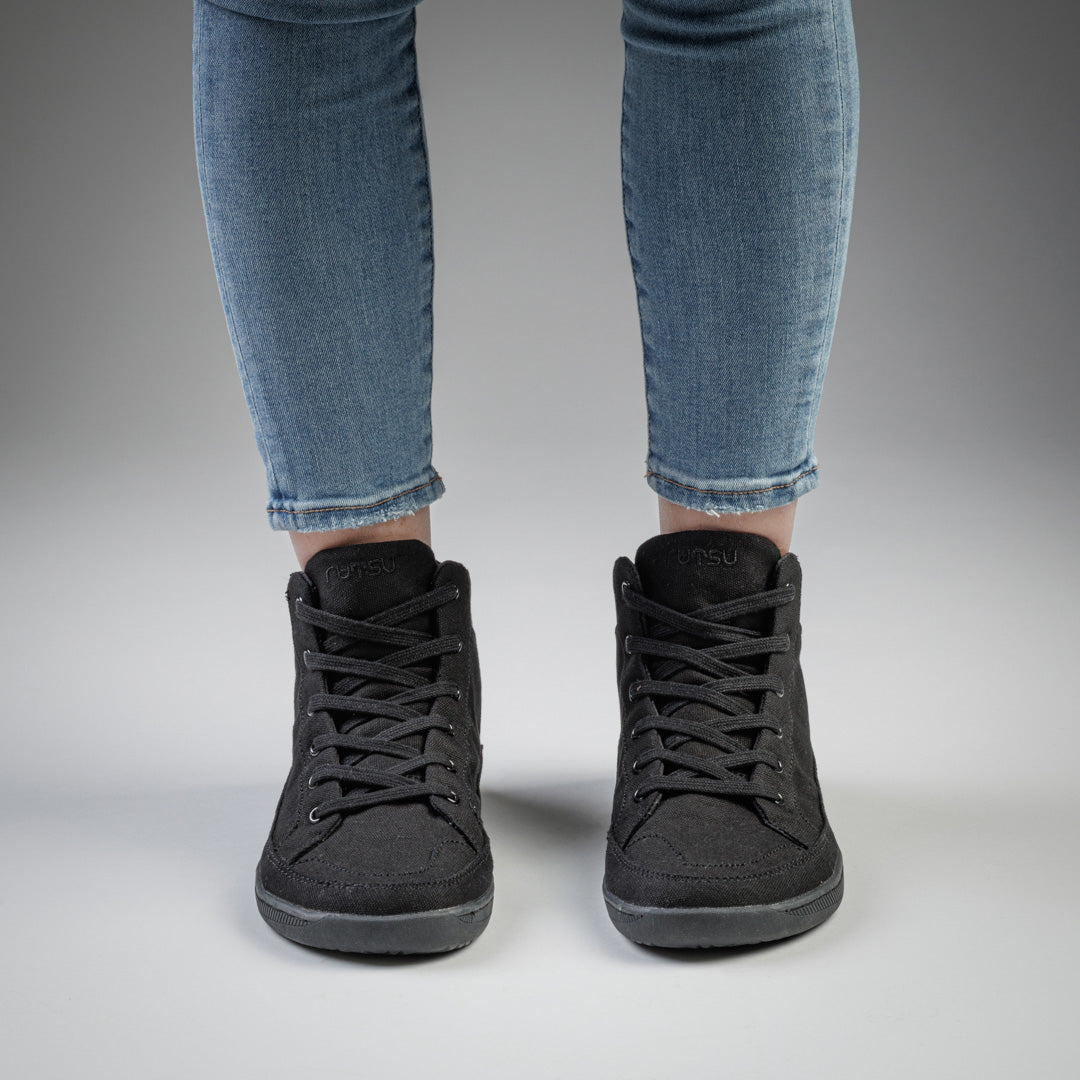
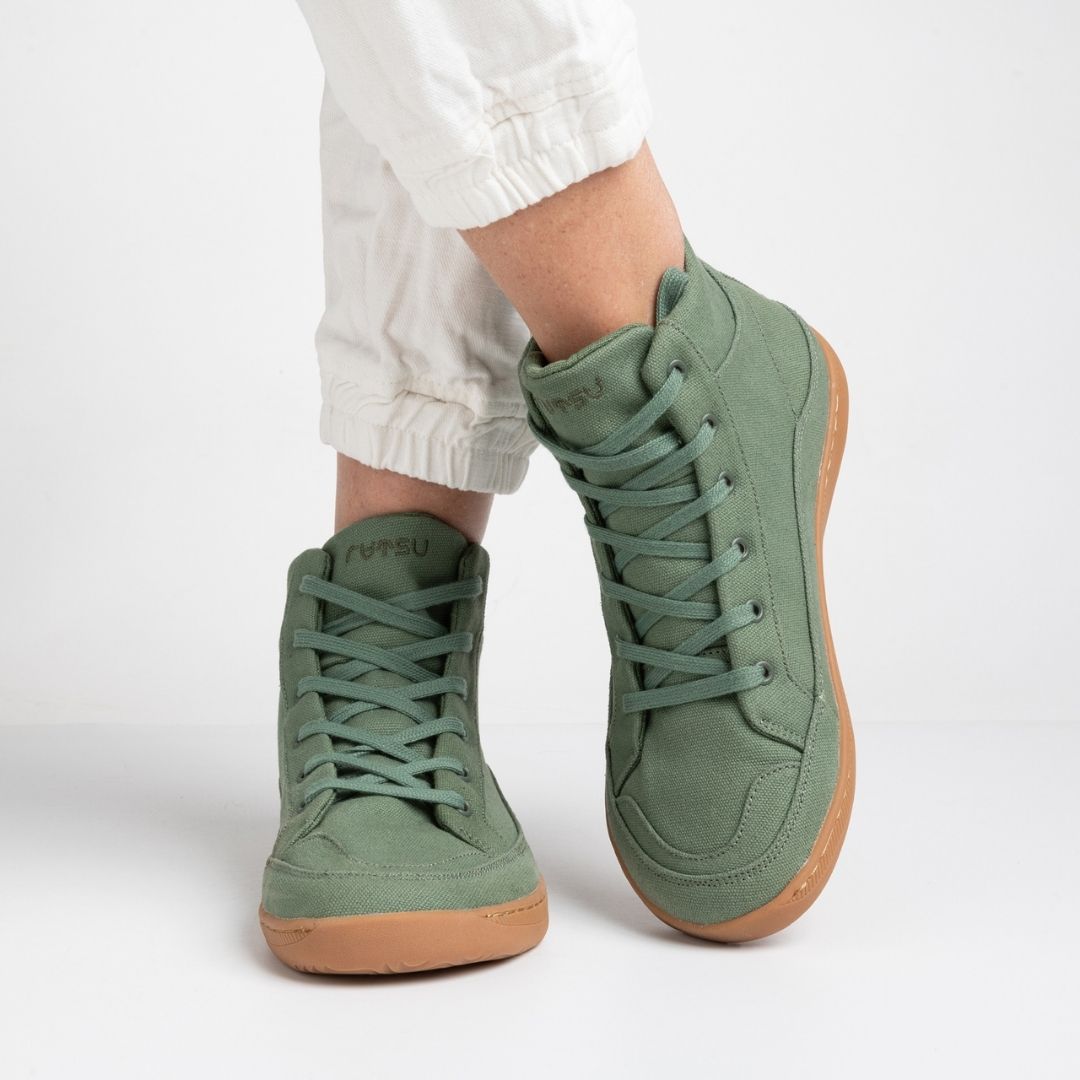
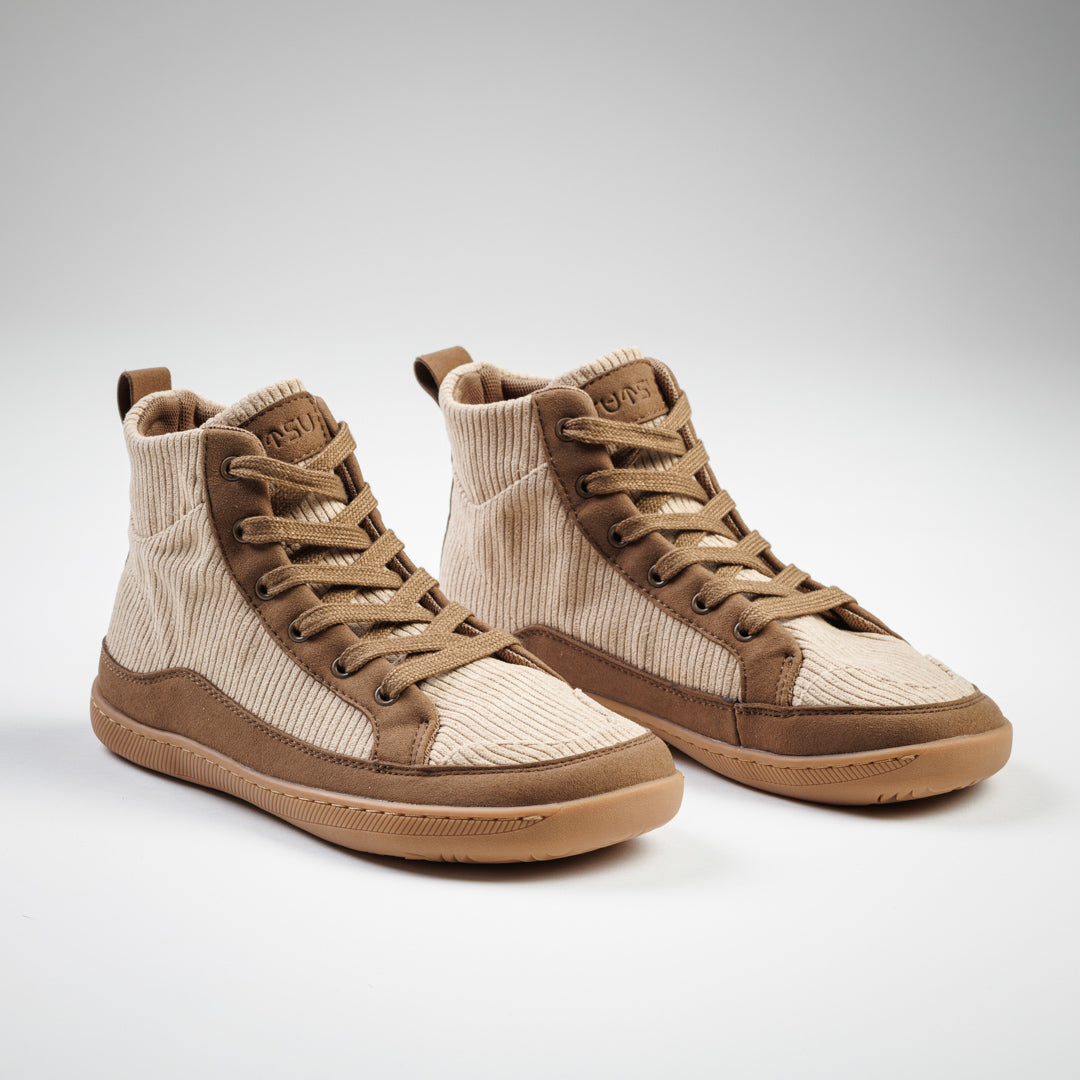
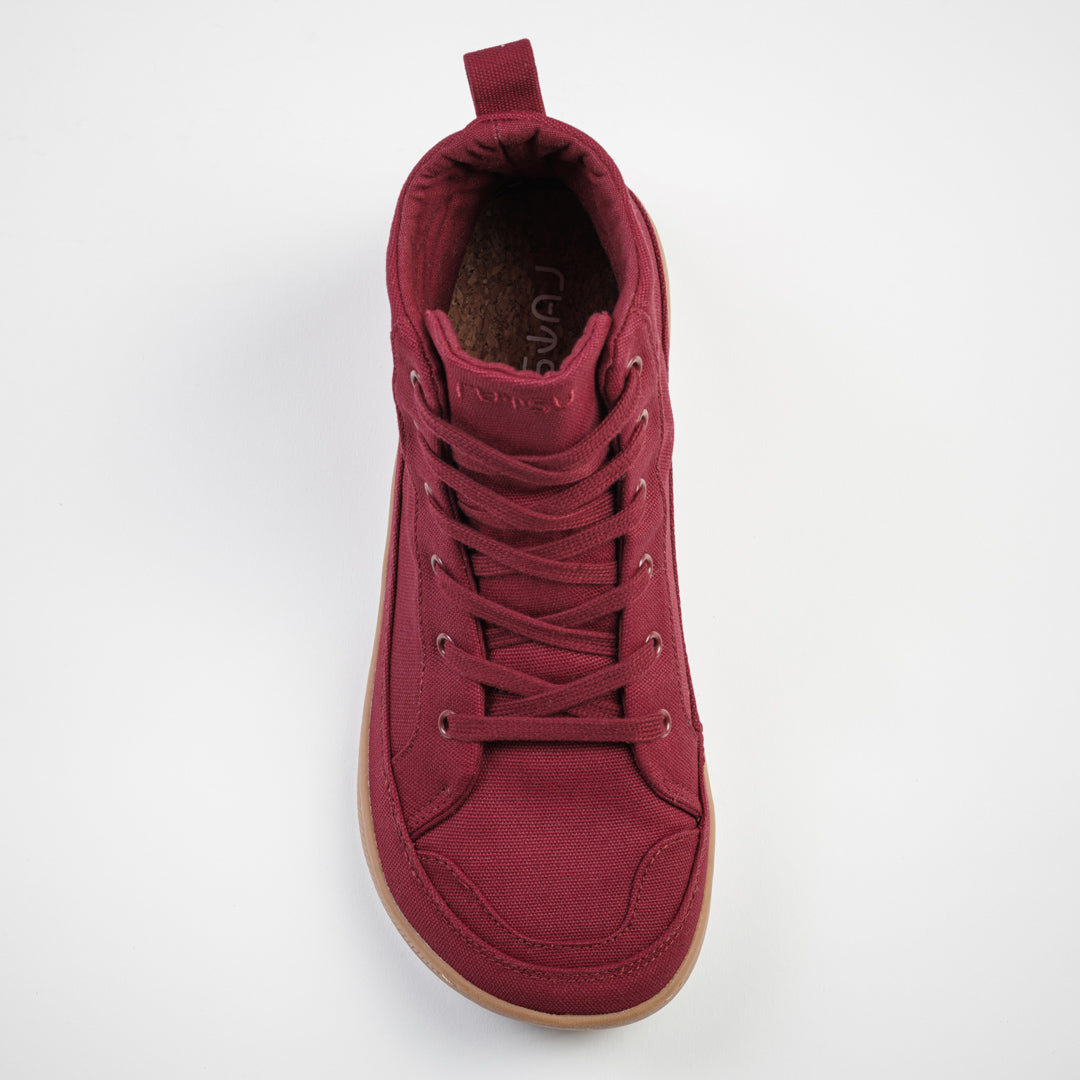
Synthetic and plant-based textiles don't shrink. Period. They hold their shape cycle after cycle. For barefoot wearers who chose this category specifically for toe freedom, that dimensional stability matters. Rutsu Barefoot's wide toe box vegan sneakers maintain that roomy splay from first wear to last.
The Carbon and Chemistry Math: Vegan vs. LWG-Certified Leather, Honestly Compared
Let's not pretend this is simple. LWG-certified tanneries have cut water use and chemical discharge significantly. Leather isn't the environmental villain it was in 2010.
But the full picture still tilts vegan. Cattle farming drives roughly 14.5% of global greenhouse gas emissions (FAO data). Even the cleanest tannery can't offset what happened upstream. Meanwhile, cactus and pineapple crops sequester carbon while growing. Bio-PU production generates 30 to 50% fewer emissions than petroleum-based PU.
Is any shoe perfectly green? No. But vegan barefoot shoes carry a measurably lighter footprint, especially when made with plant-based uppers and water-based adhesives.
Cost Over Time: The Per-Wear Calculation That Changes the Conversation
Vegan barefoot shoes typically retail between $90 and $160. Quality leather barefoot shoes? $180 to $300. If both last roughly 14 to 18 months of daily wear, the per-wear cost swings hard in vegan's favor.
Quick math: a $130 vegan shoe worn 400 times costs $0.33 per wear. A $250 leather shoe worn 450 times costs $0.56 per wear. That 40% savings adds up, especially if you rotate two pairs (which you should, for longevity).
The Brands Quietly Leading the Vegan Barefoot Category in 2026
A few names keep surfacing in community reviews and sustainability rankings:
-
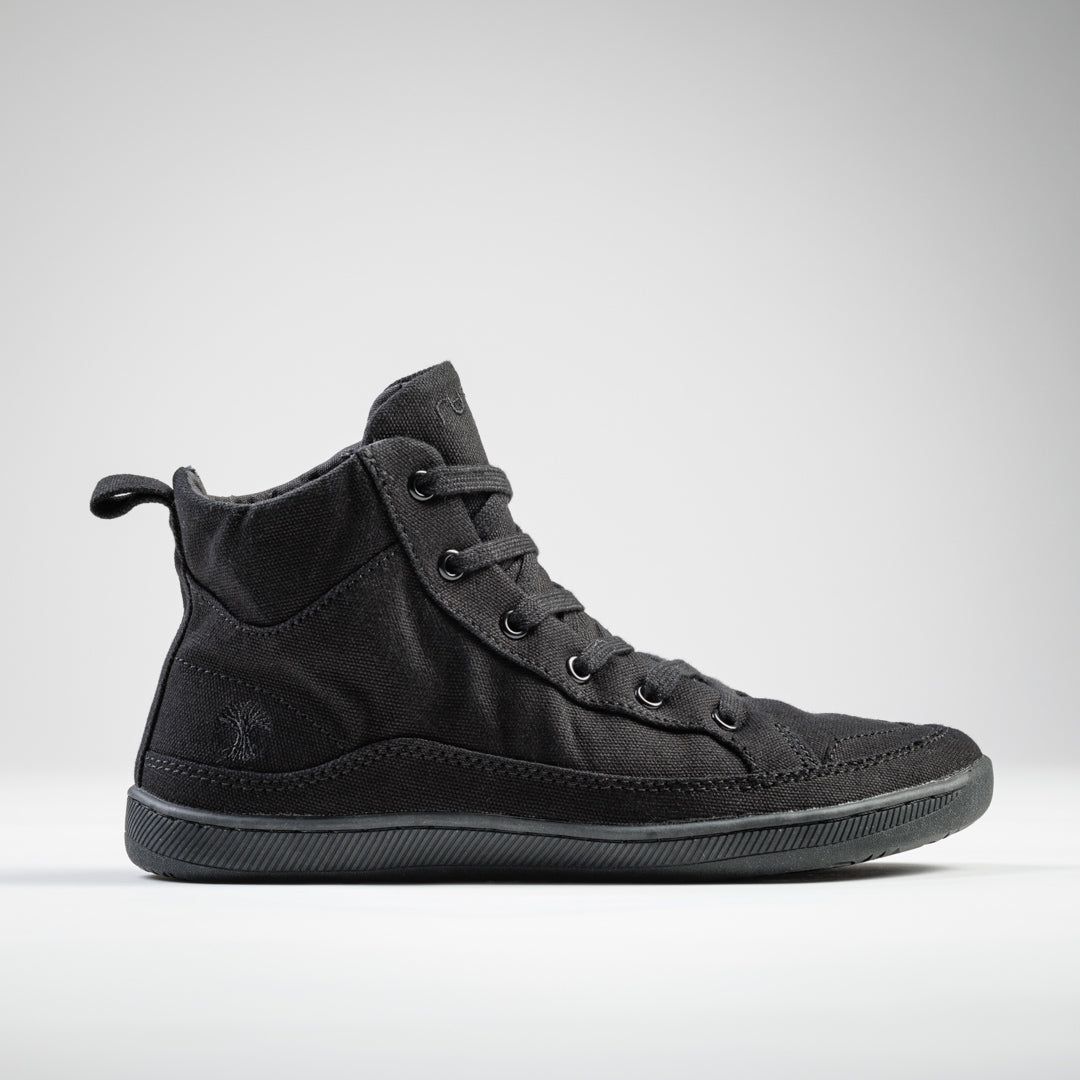
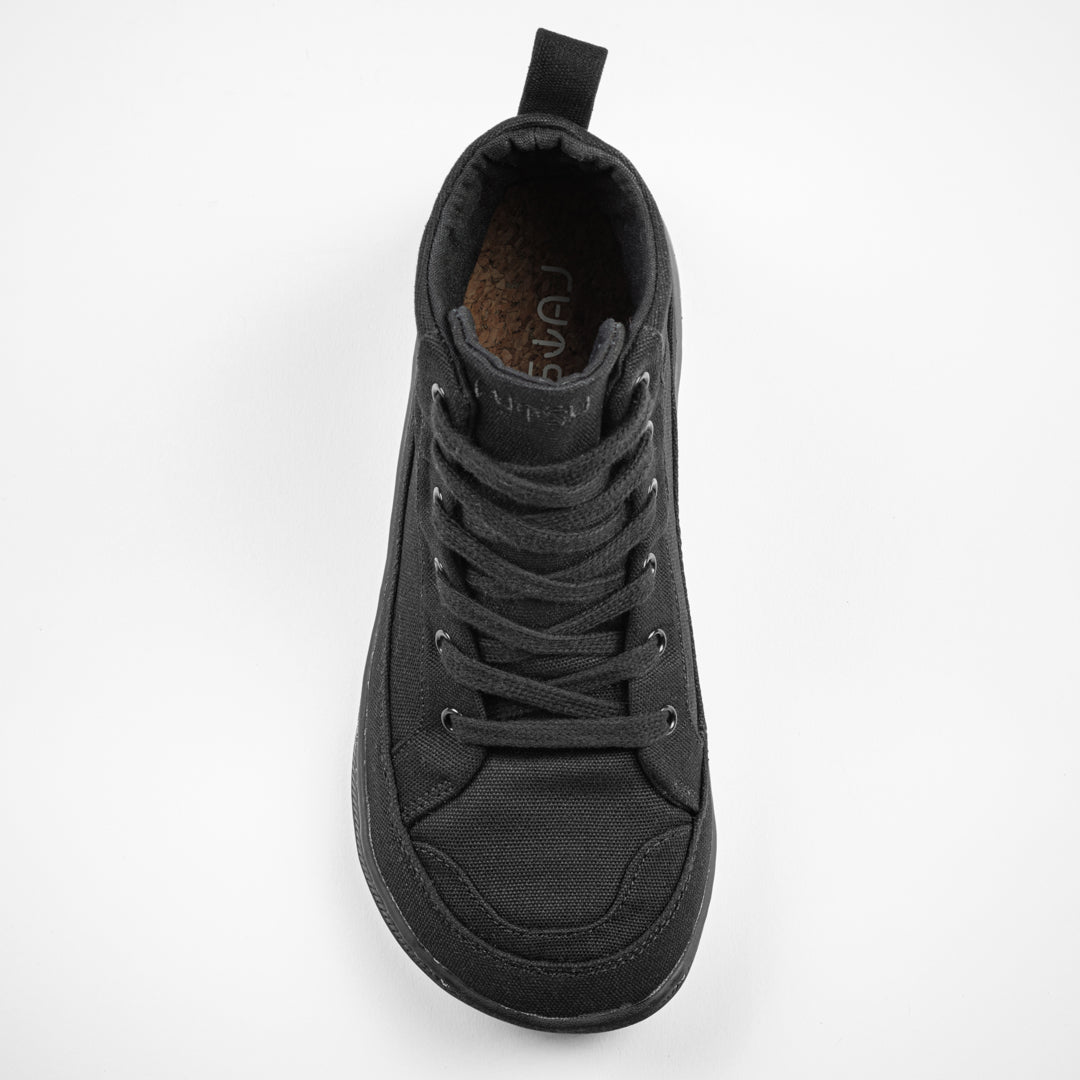
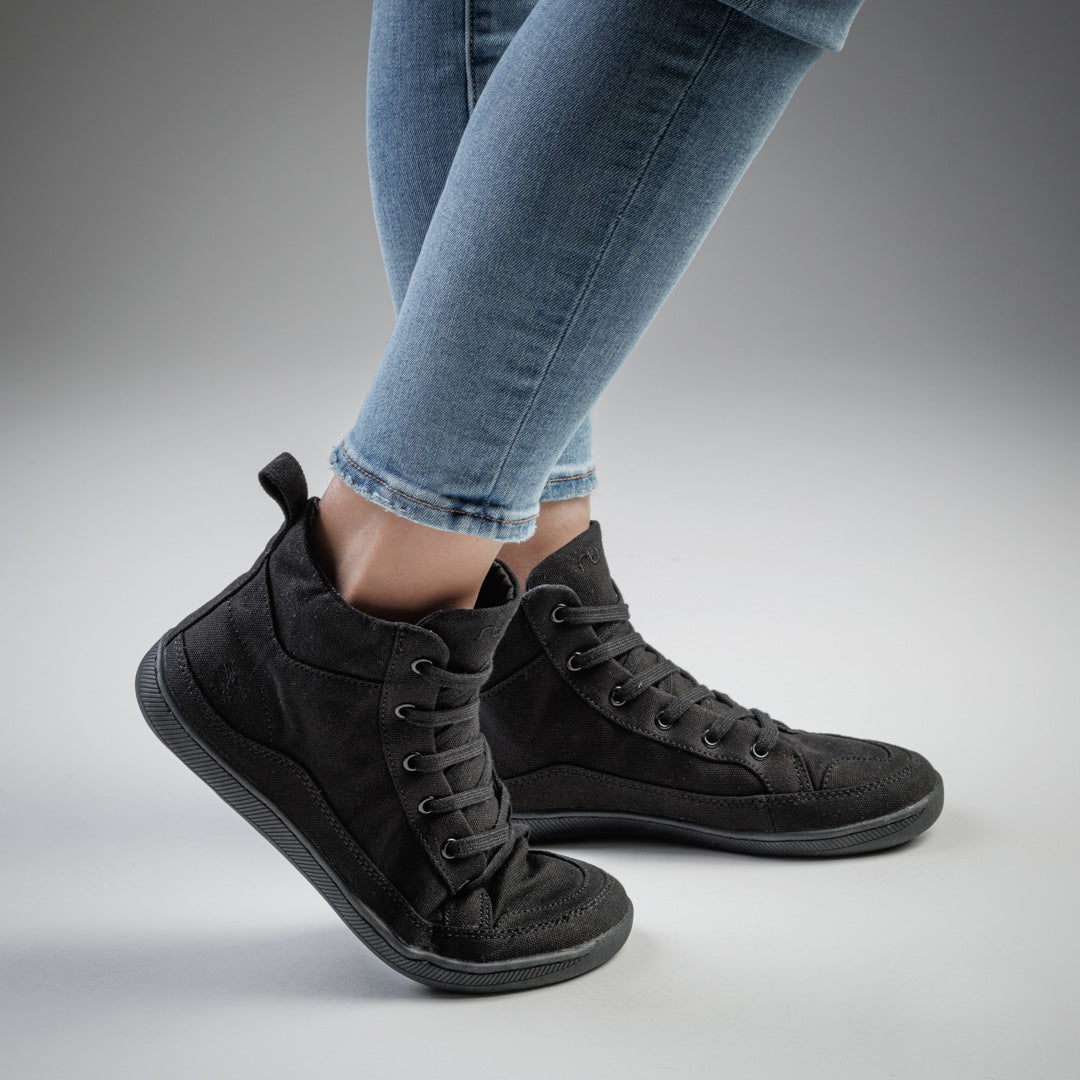
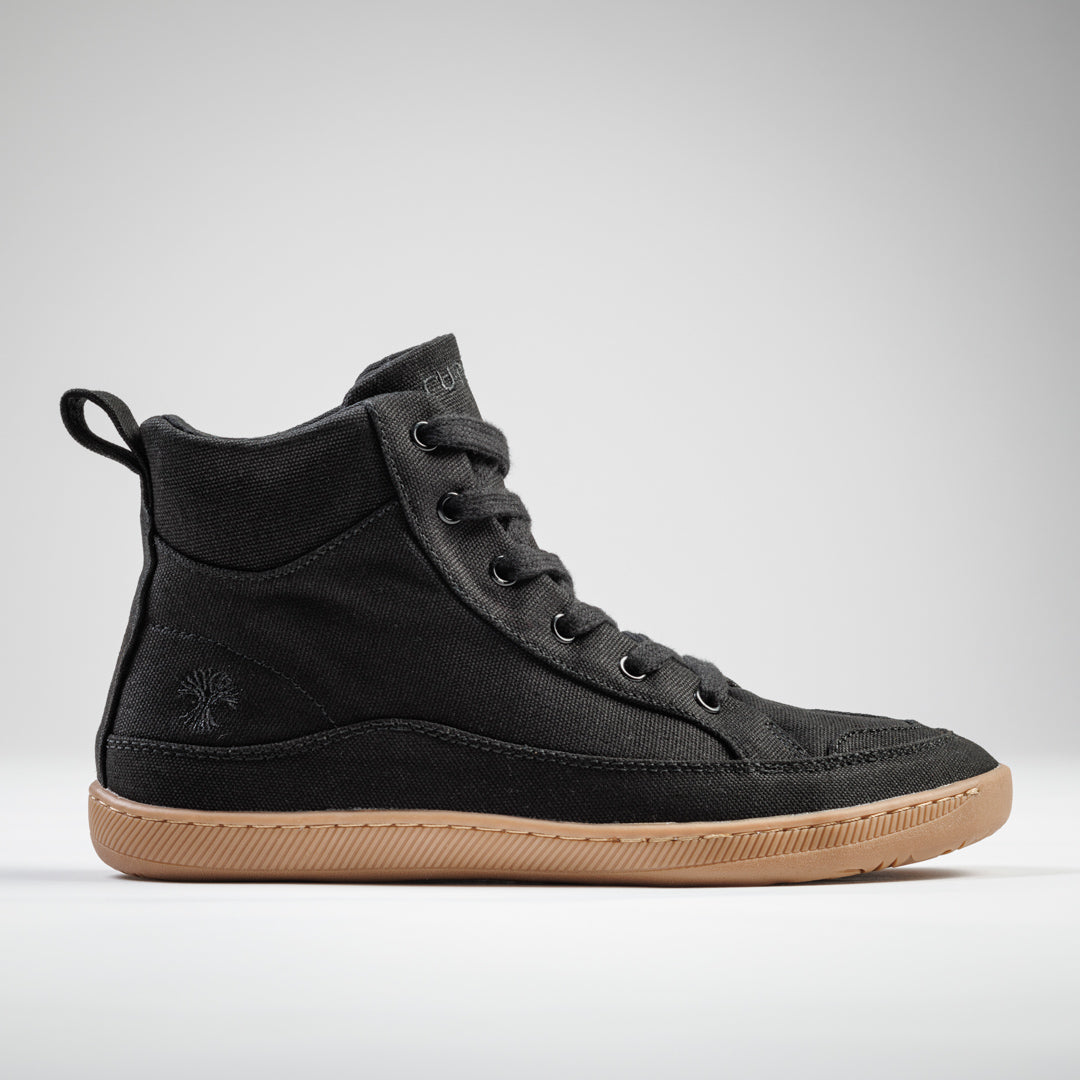
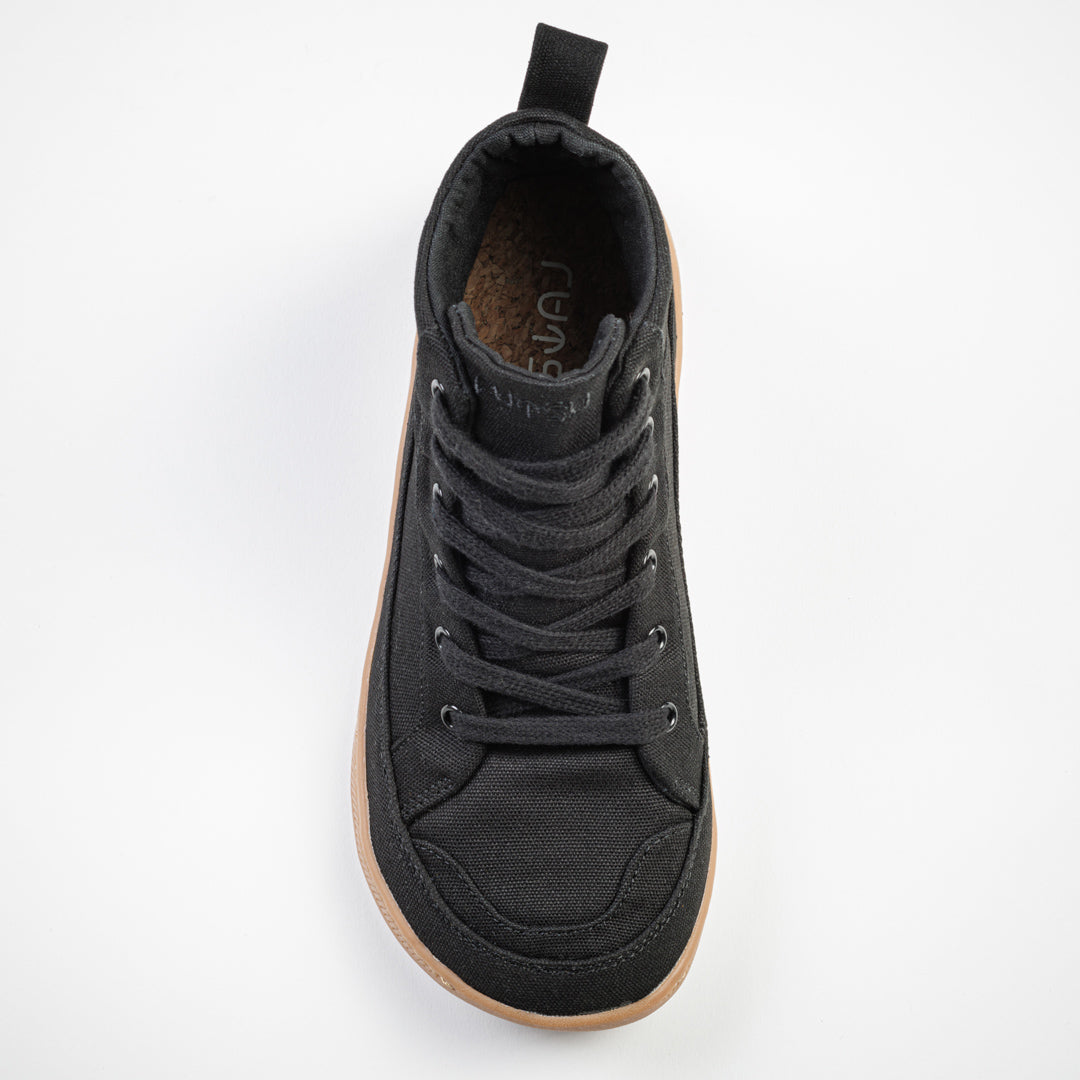
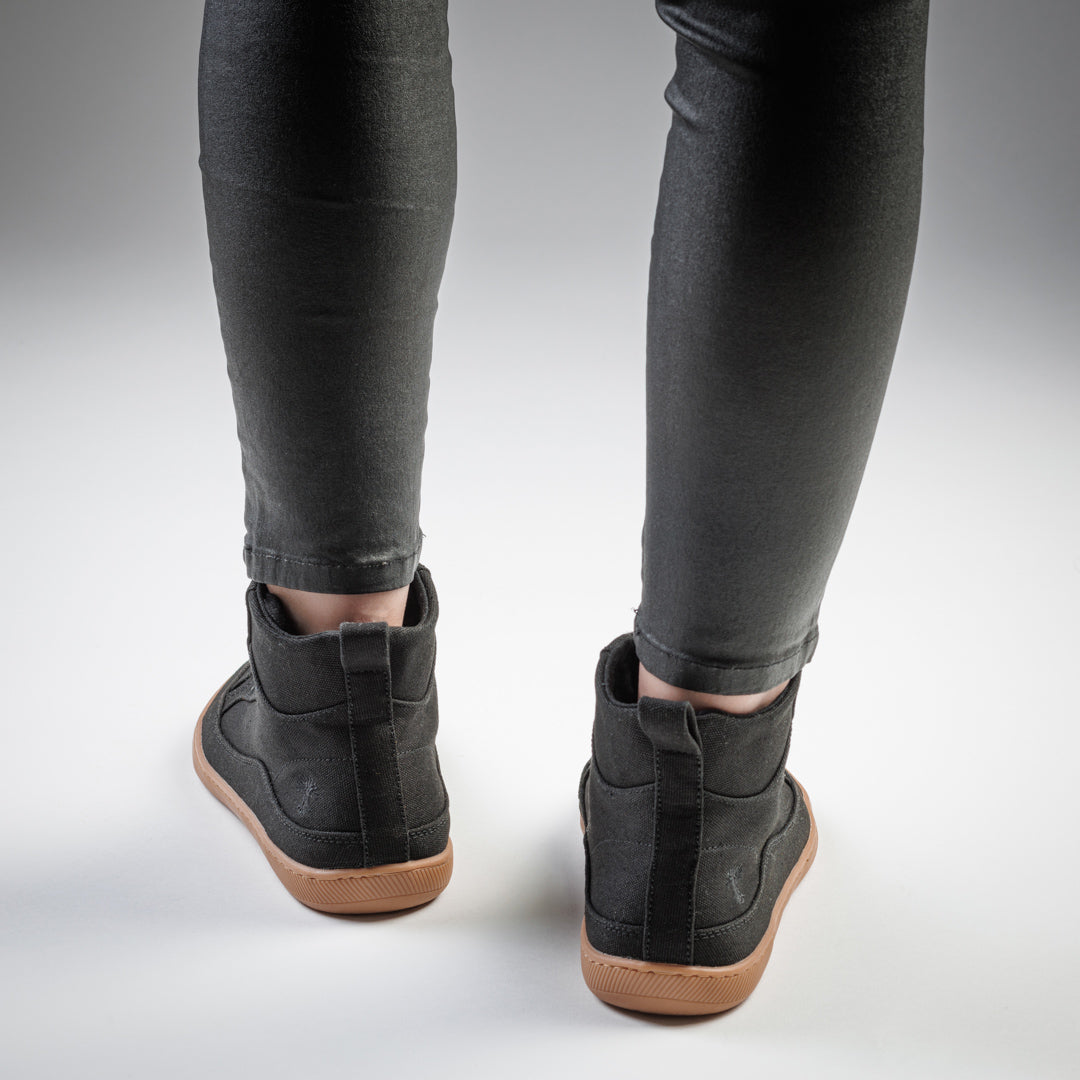
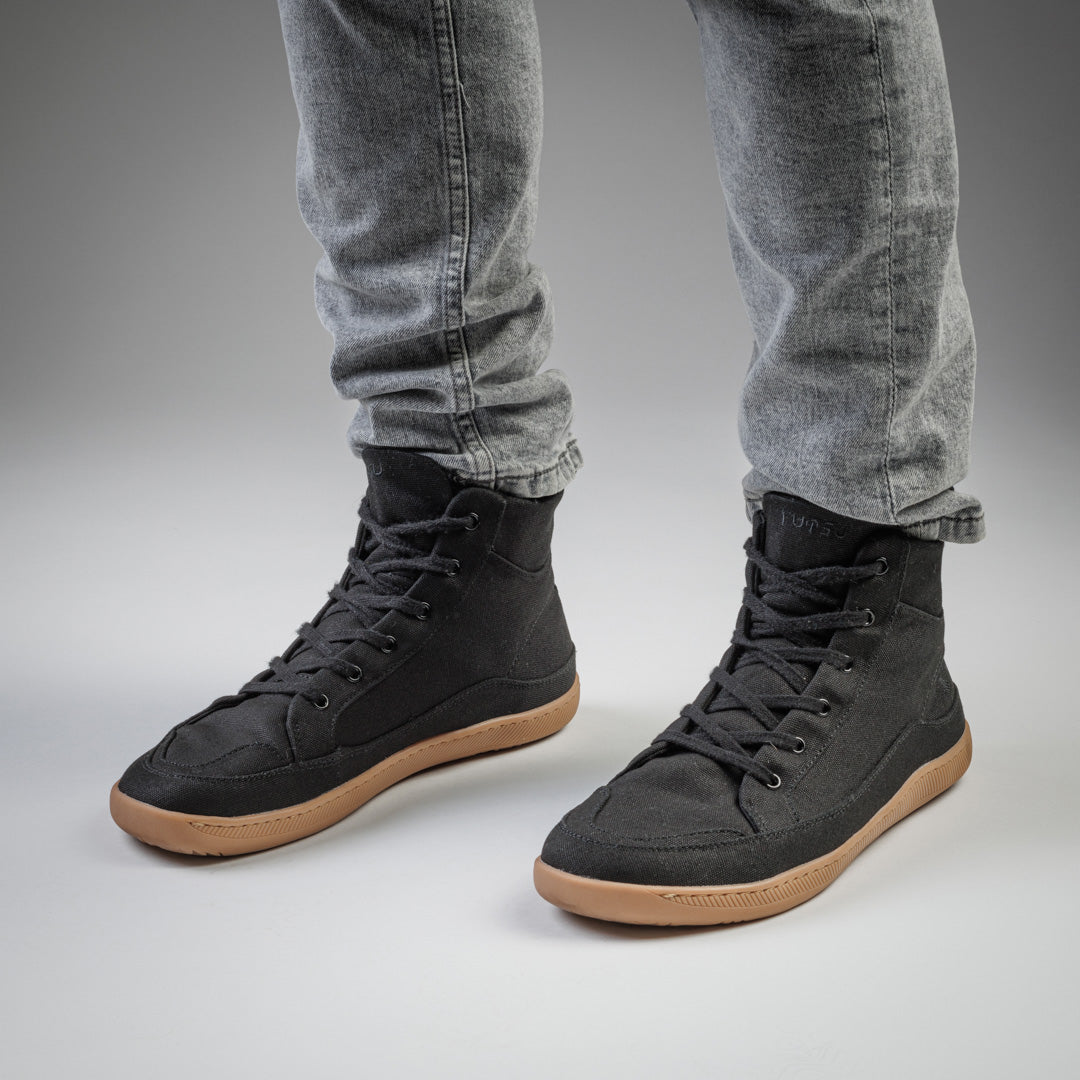
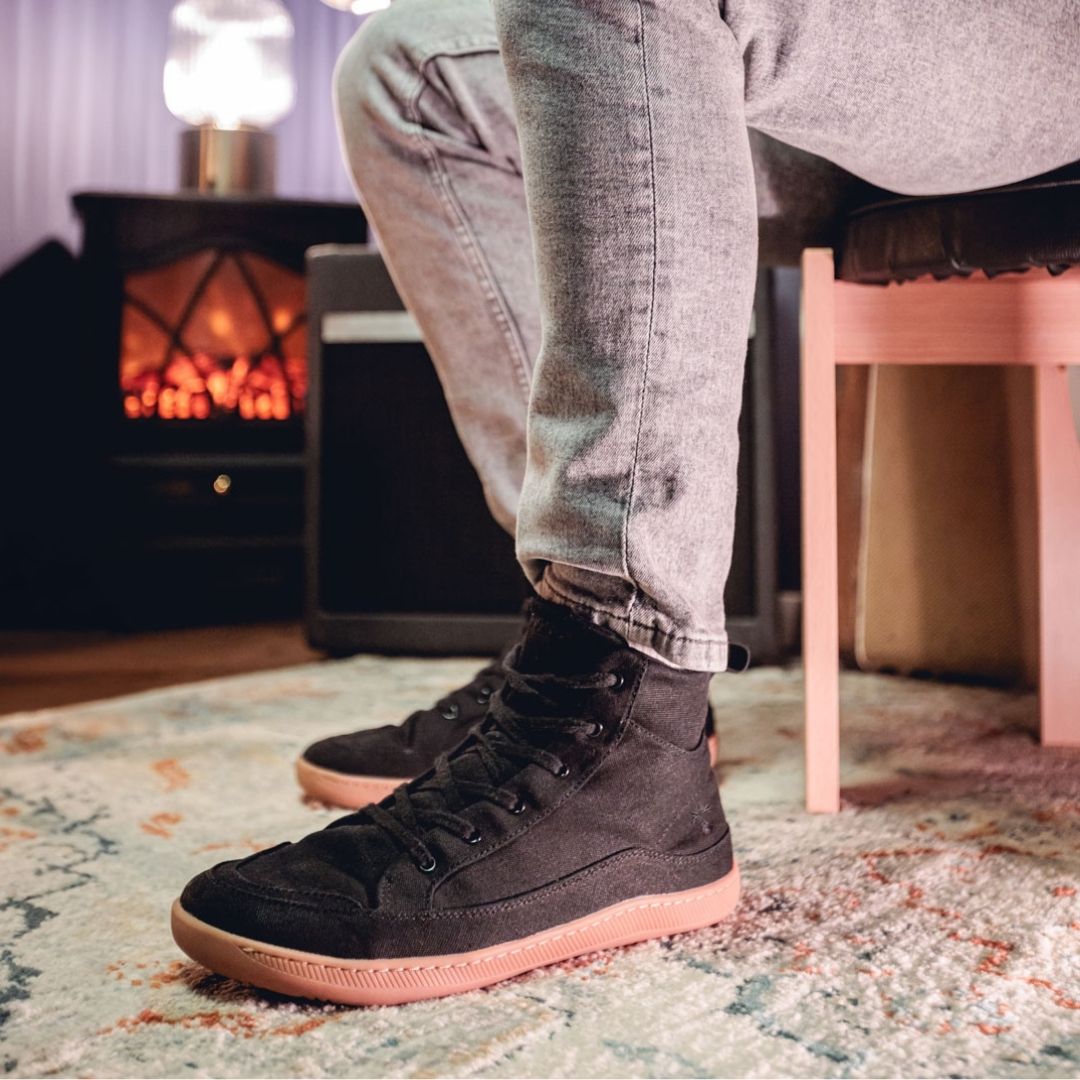
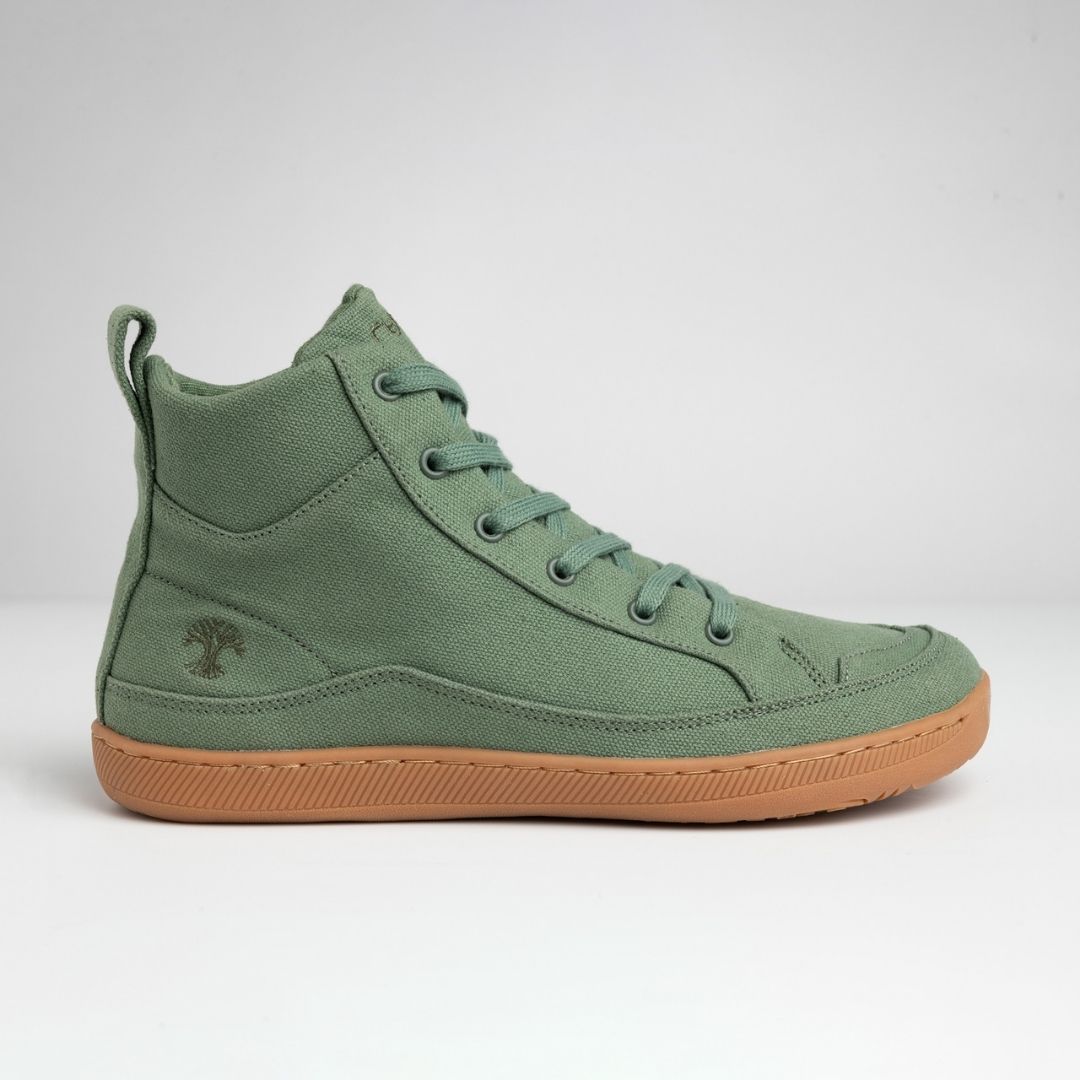
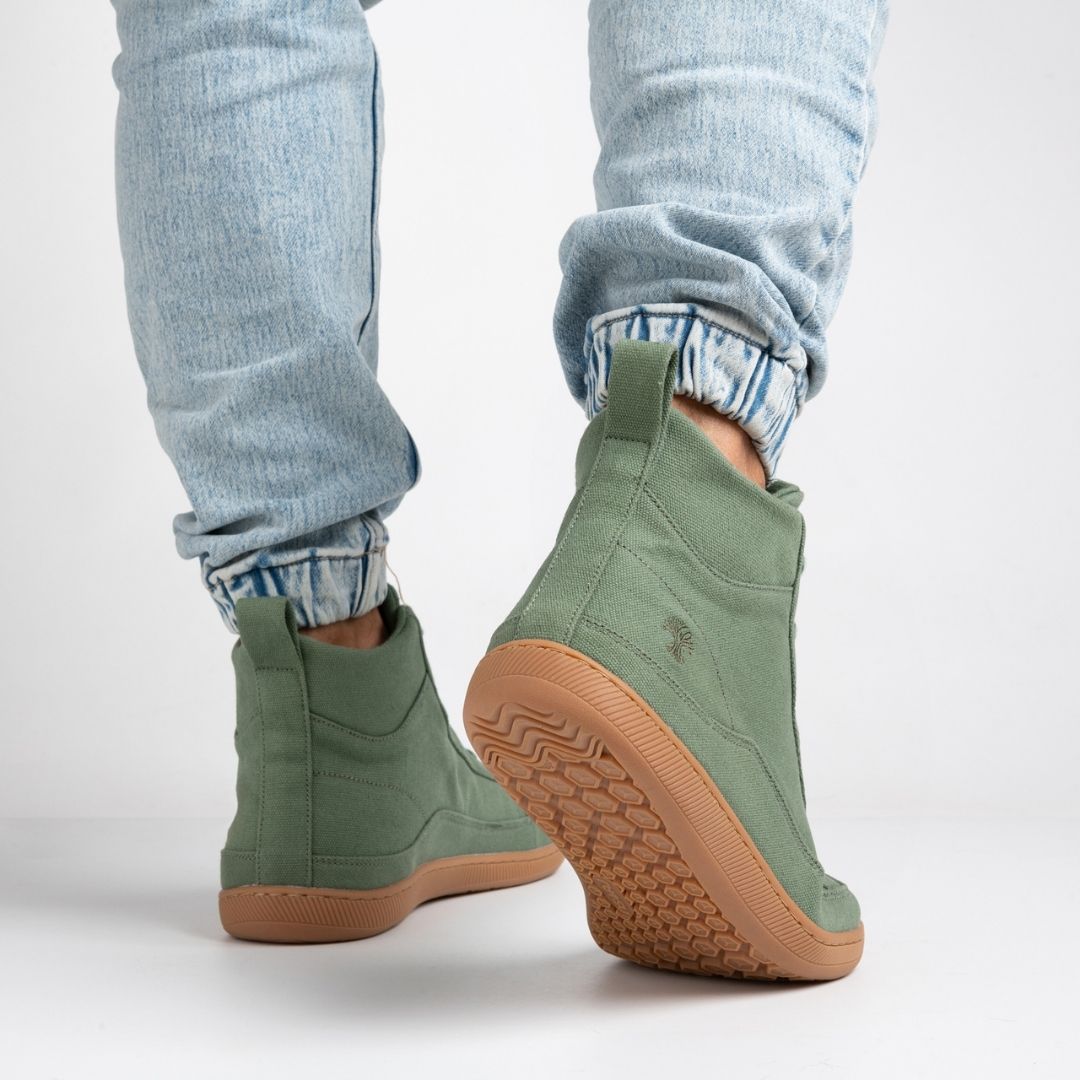
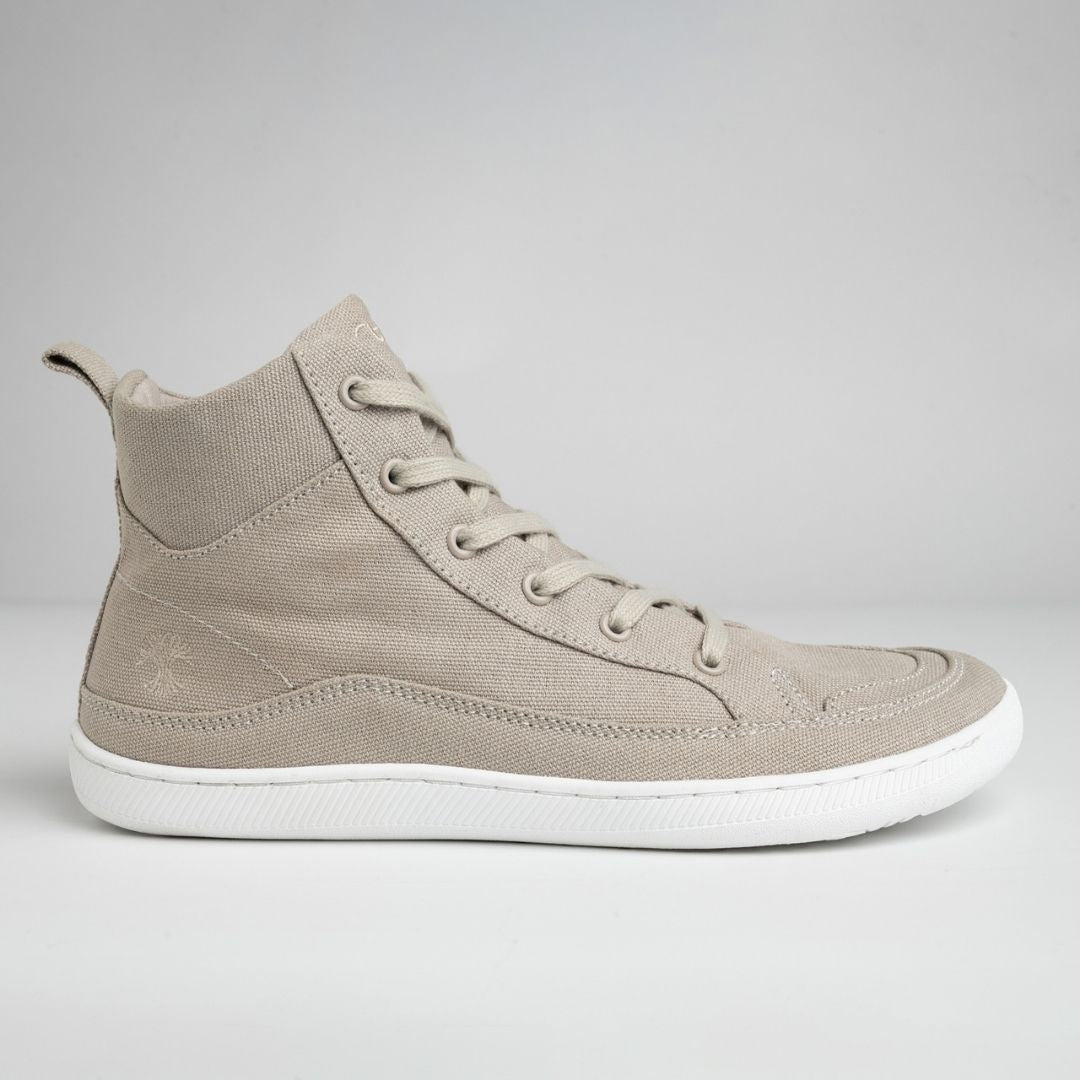
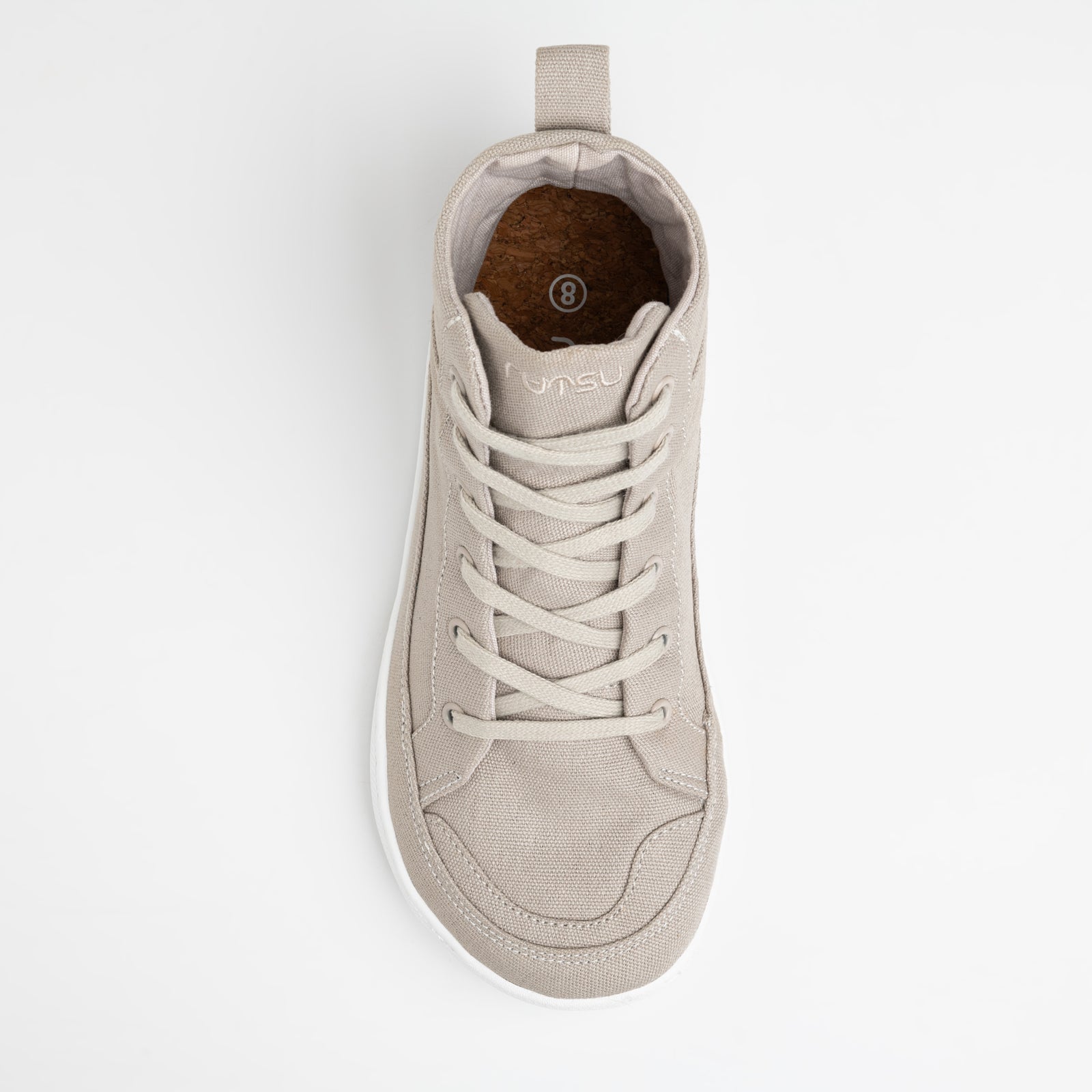
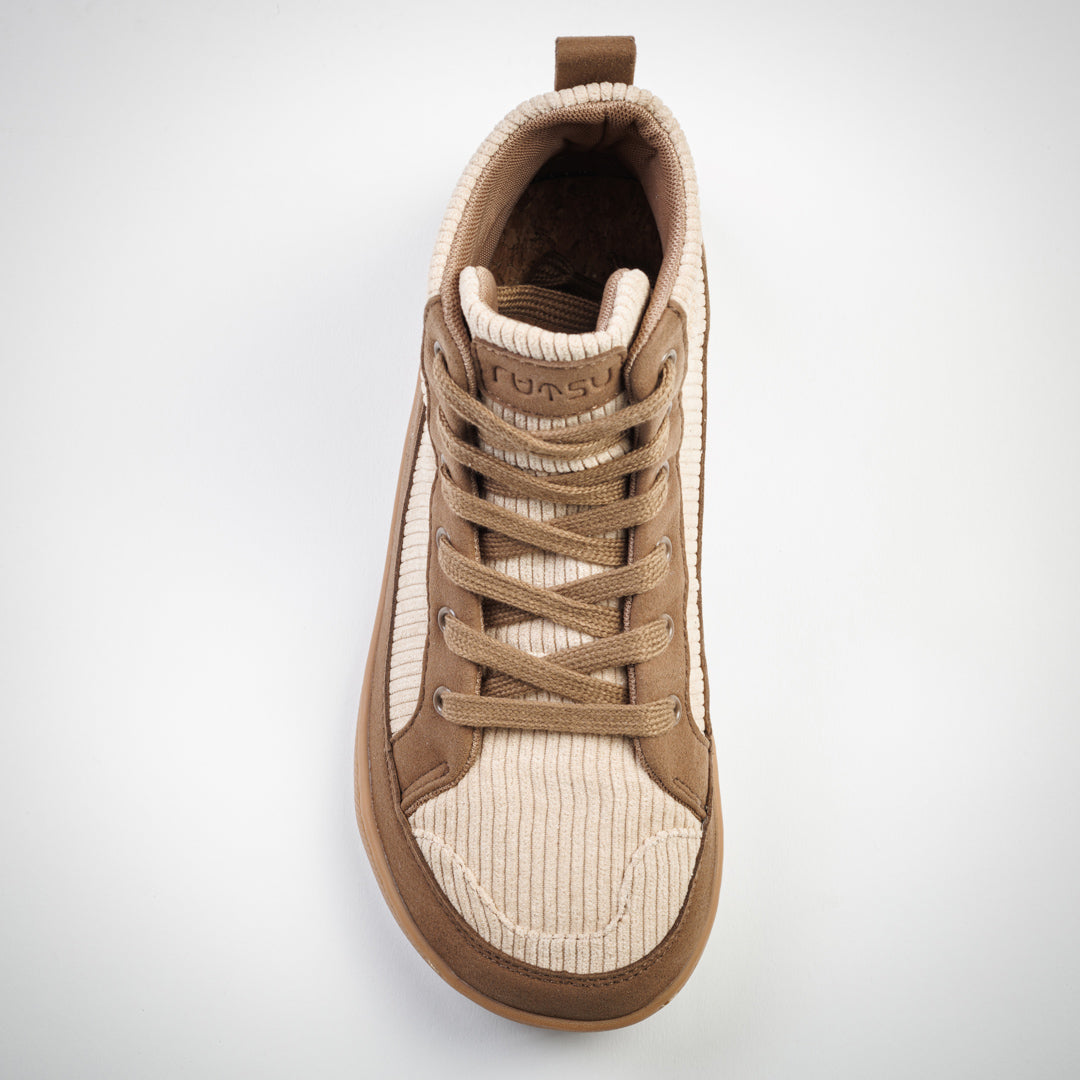
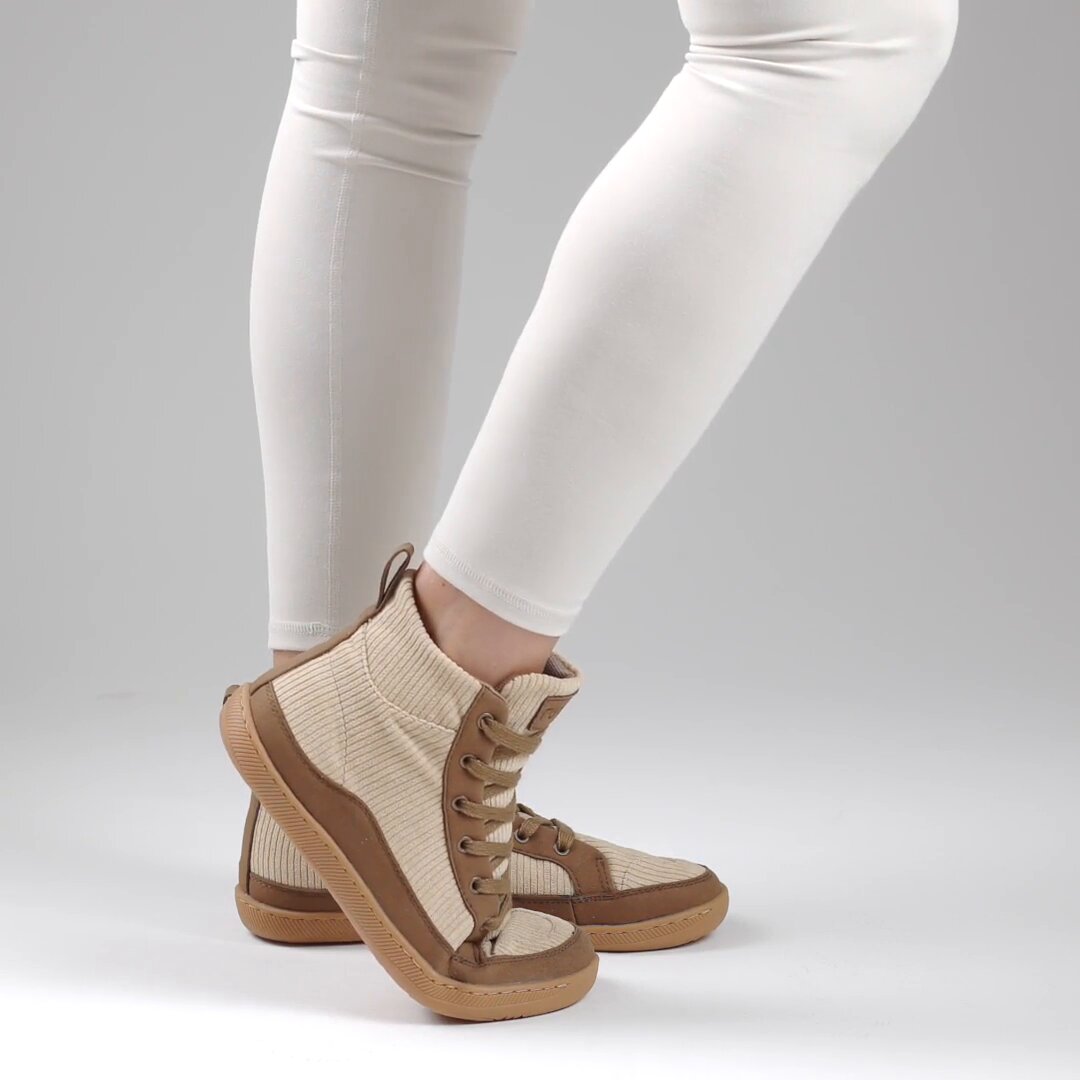
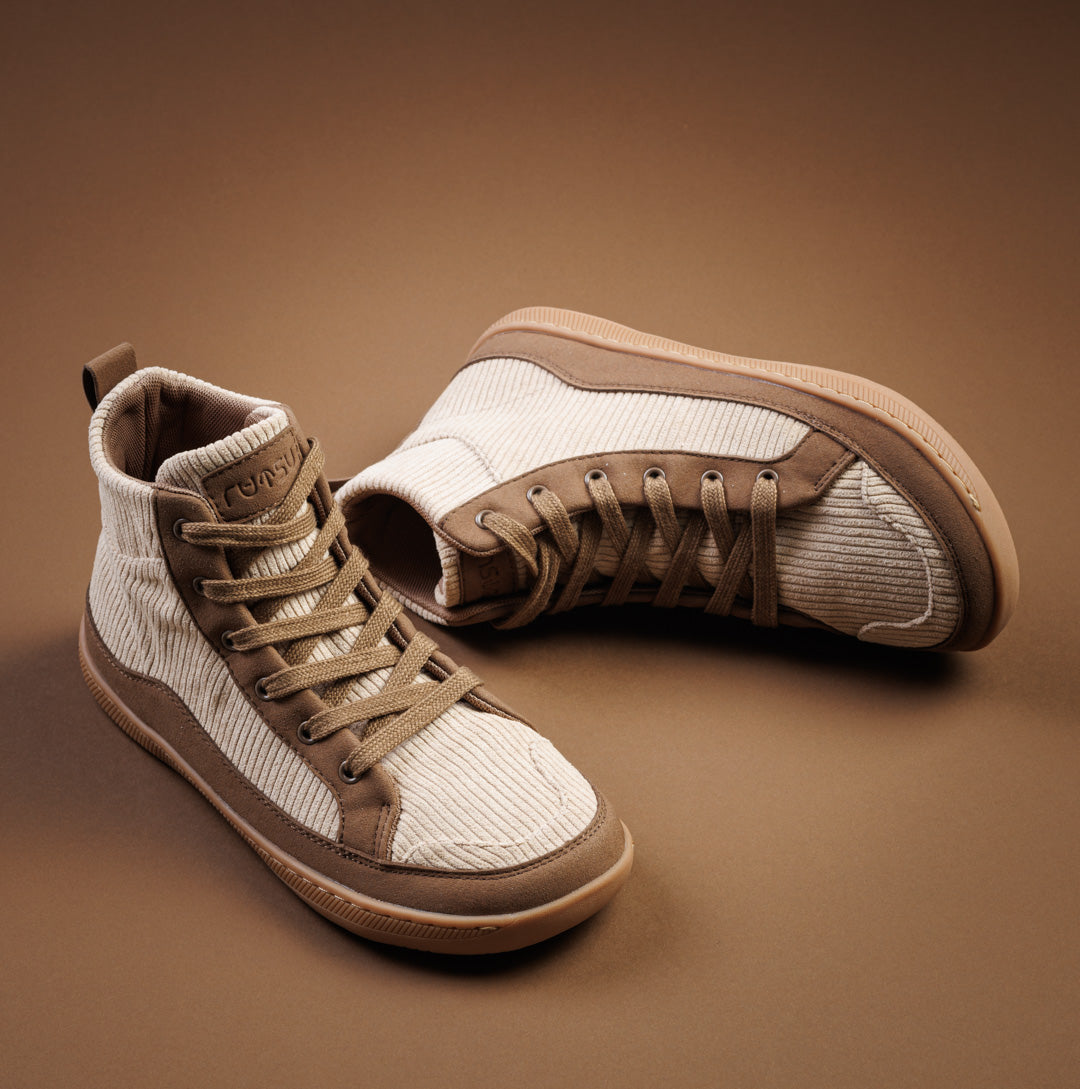
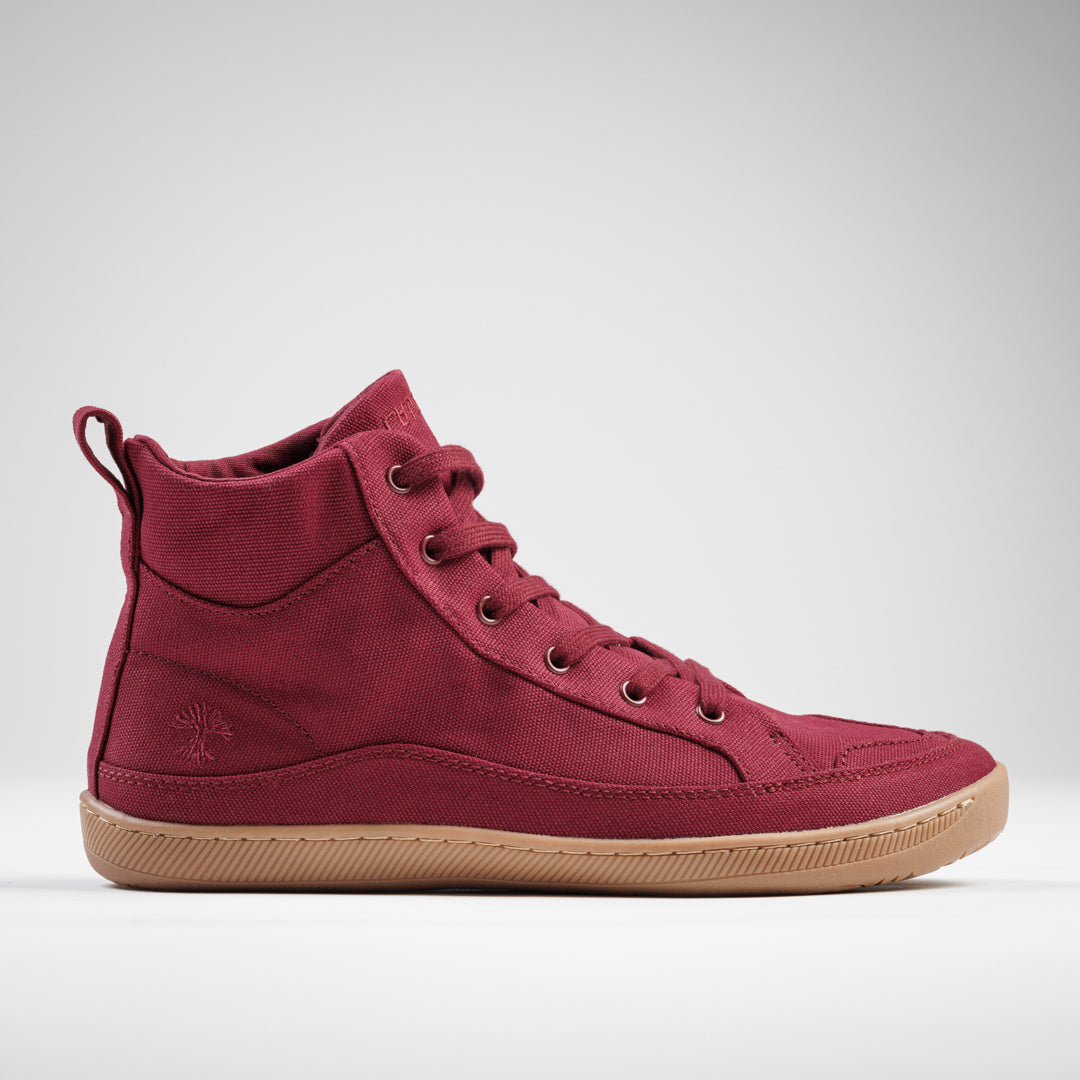
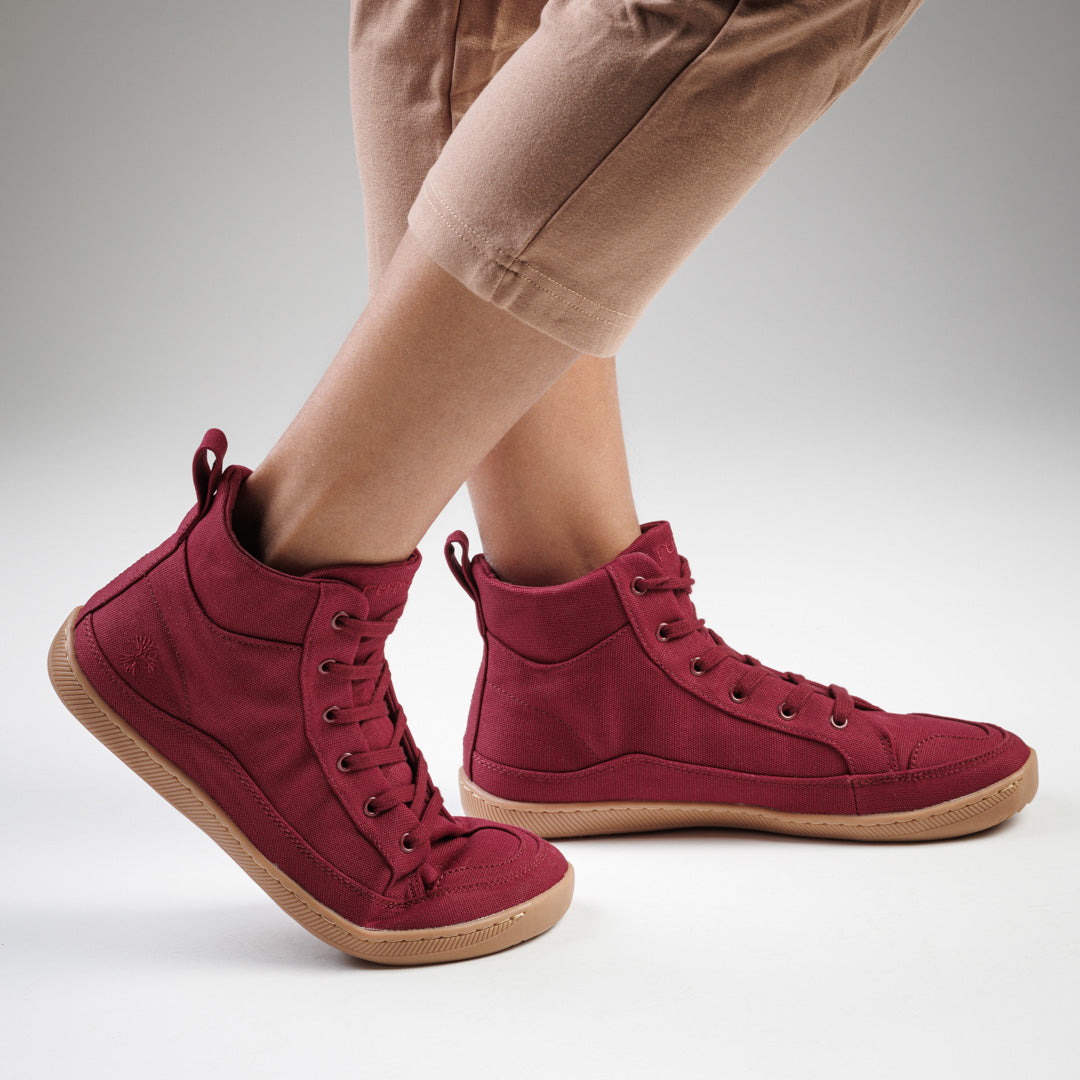
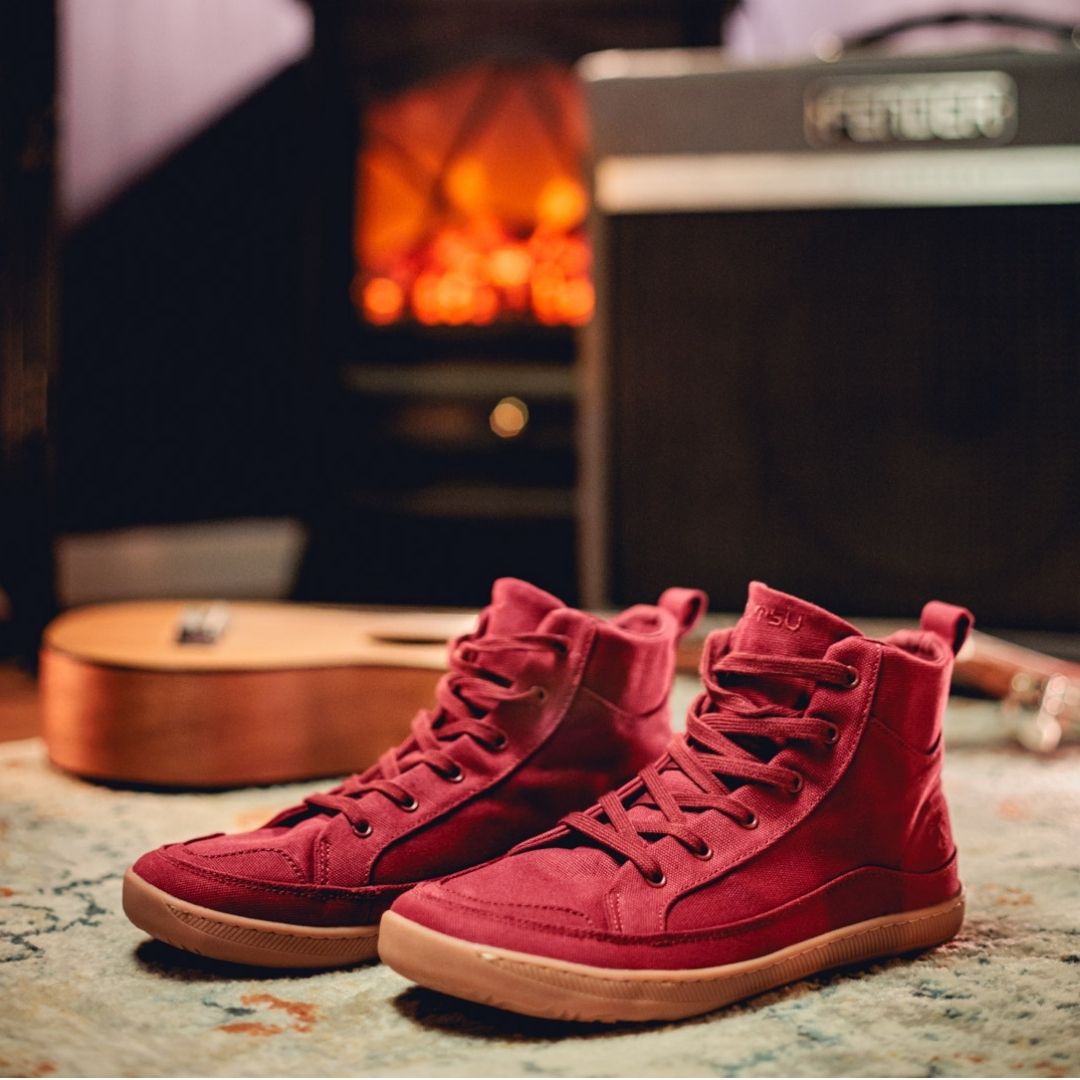
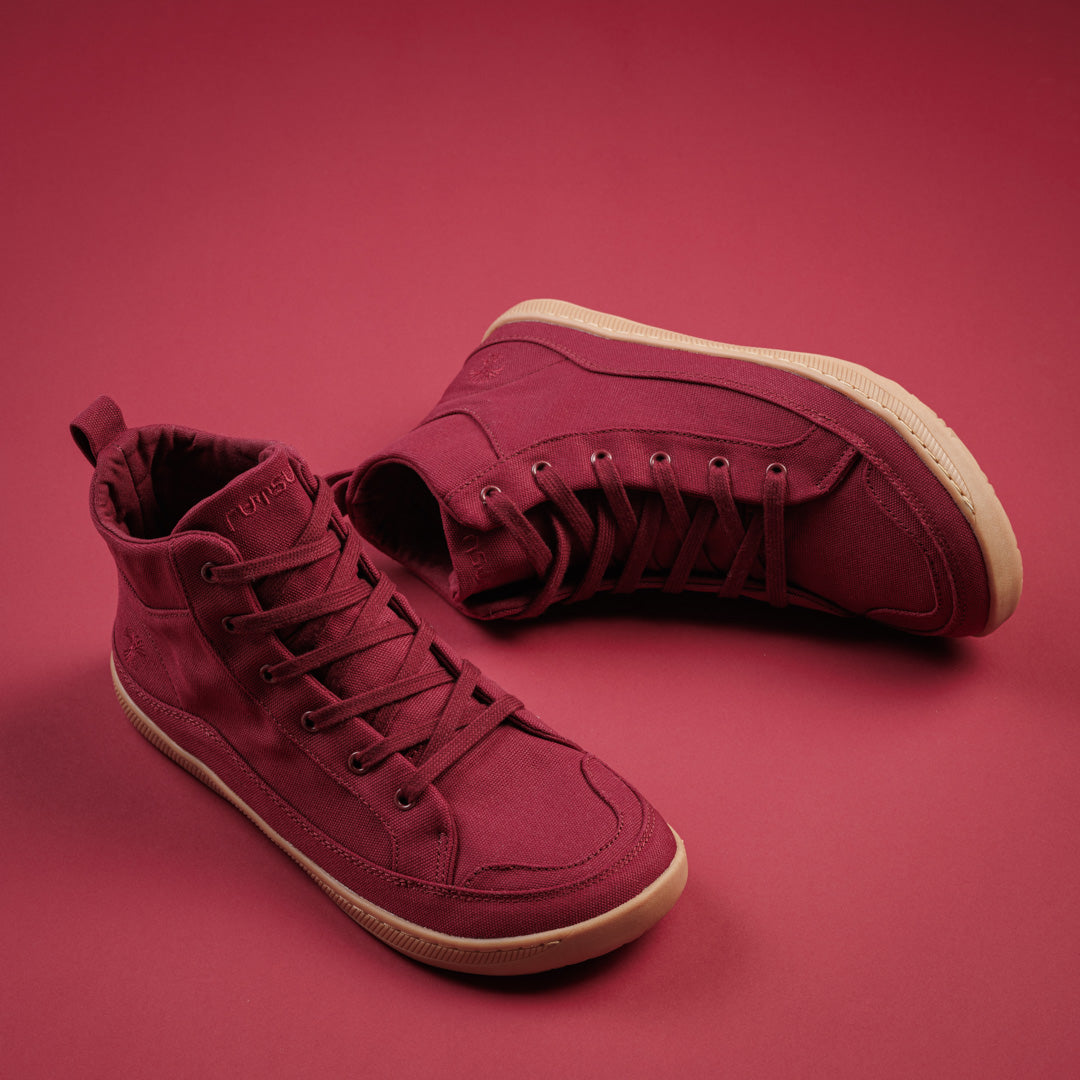
Rutsu Barefoot stands out for combining a true zero-drop sole with fully vegan construction, including glue and lining. Their high-top vegan barefoot sneakers have built a loyal following for ankle support without bulk.
-
Wildling Shoes leans into knit uppers and recycled soles.
-
Bohempia uses hemp-based textiles for a different take on plant-based footwear.
The category is growing fast. That competition benefits buyers.
Vegan barefoot shoes aren't a compromise anymore. They're a deliberate upgrade for anyone who values foot freedom, honest sustainability, and smart spending. The materials have matured. The performance data backs it up. And the brands doing it right, like Rutsu Barefoot, prove you don't have to choose between your ethics and your feet.
Your next pair might just be the one that changes how you think about shoes altogether.
FAQs
Are vegan barefoot shoes just plastic shoes with better marketing?
Some cheap ones are, yes. But serious brands use plant-derived materials like cactus leather, Piñatex, and Mirum, none of which are conventional plastic. Always check the material specs, not just the "vegan" label.
Do vegan barefoot shoes hold their shape as well as leather ones over time?
They often hold shape better. Plant-based and synthetic uppers don't shrink when wet, so the toe box and overall fit stay more consistent across seasons.
Can vegan barefoot shoes handle wet weather, hiking, or daily commuting?
Absolutely. Modern vegan uppers paired with natural rubber outsoles handle rain, light trails, and daily pavement well. For heavy mud or mountain hiking, check for reinforced toe caps and sealed seams.
Is recycled or plant-based material actually better for the environment than leather?
On a lifecycle basis, yes. Even LWG-certified leather carries the upstream emissions of cattle farming. Plant-based materials like cactus and pineapple fiber use far less water and generate fewer greenhouse gases.
Do vegan barefoot shoes smell more than leather ones, and how do you prevent it?
Old-school synthetic shoes did. Today's moisture-wicking linings reduce odor buildup. Rotating between two pairs and using cedar insoles keeps things fresh. Most owners report no noticeable difference from leather.
Are there fully vegan barefoot shoes (including glue, dye, and lining), or just "mostly vegan"?
Fully vegan options exist. Brands like Rutsu Barefoot use water-based adhesives, plant-based dyes, and animal-free linings. Check for certifications or ask the brand directly. "Vegan upper" alone isn't enough to call a shoe fully vegan.