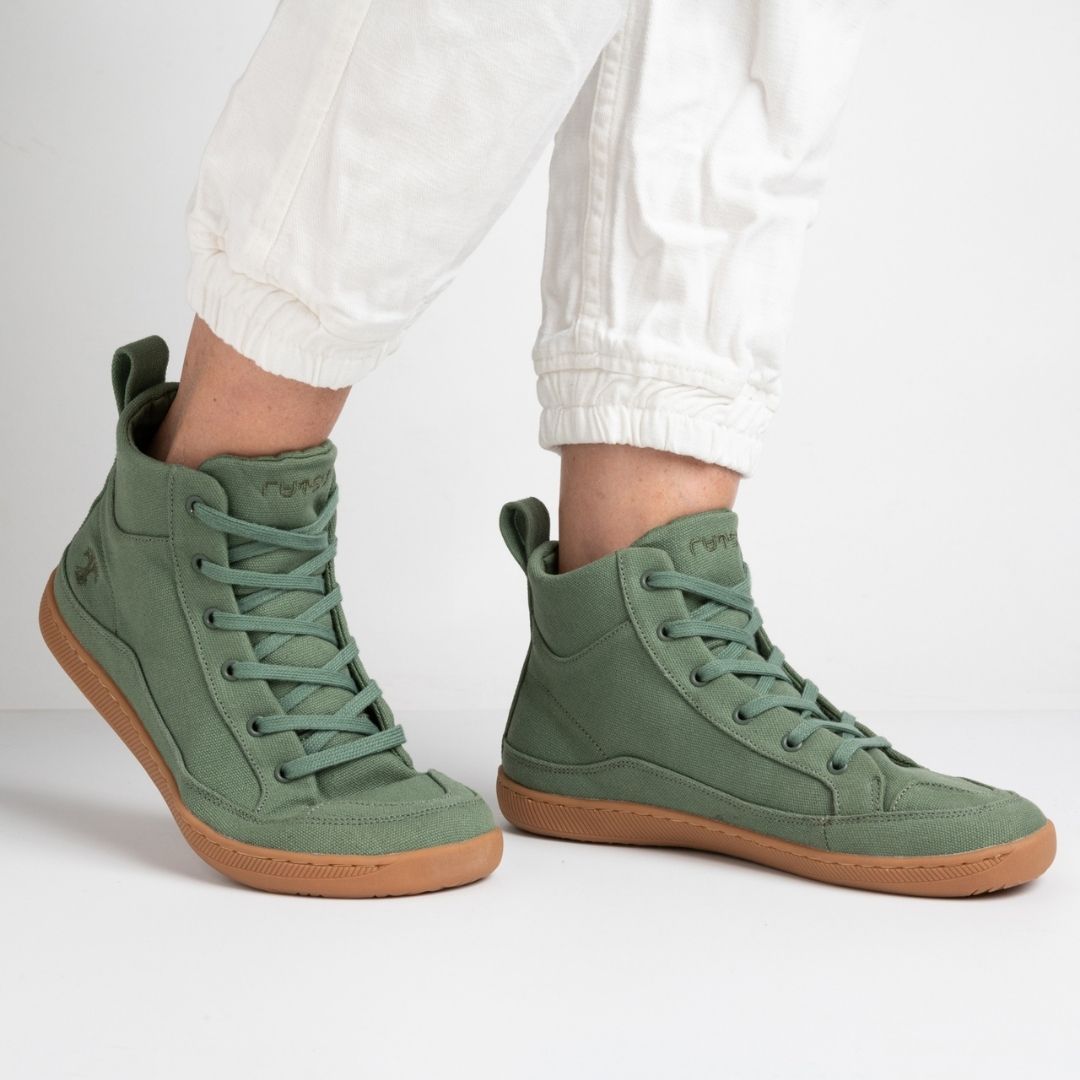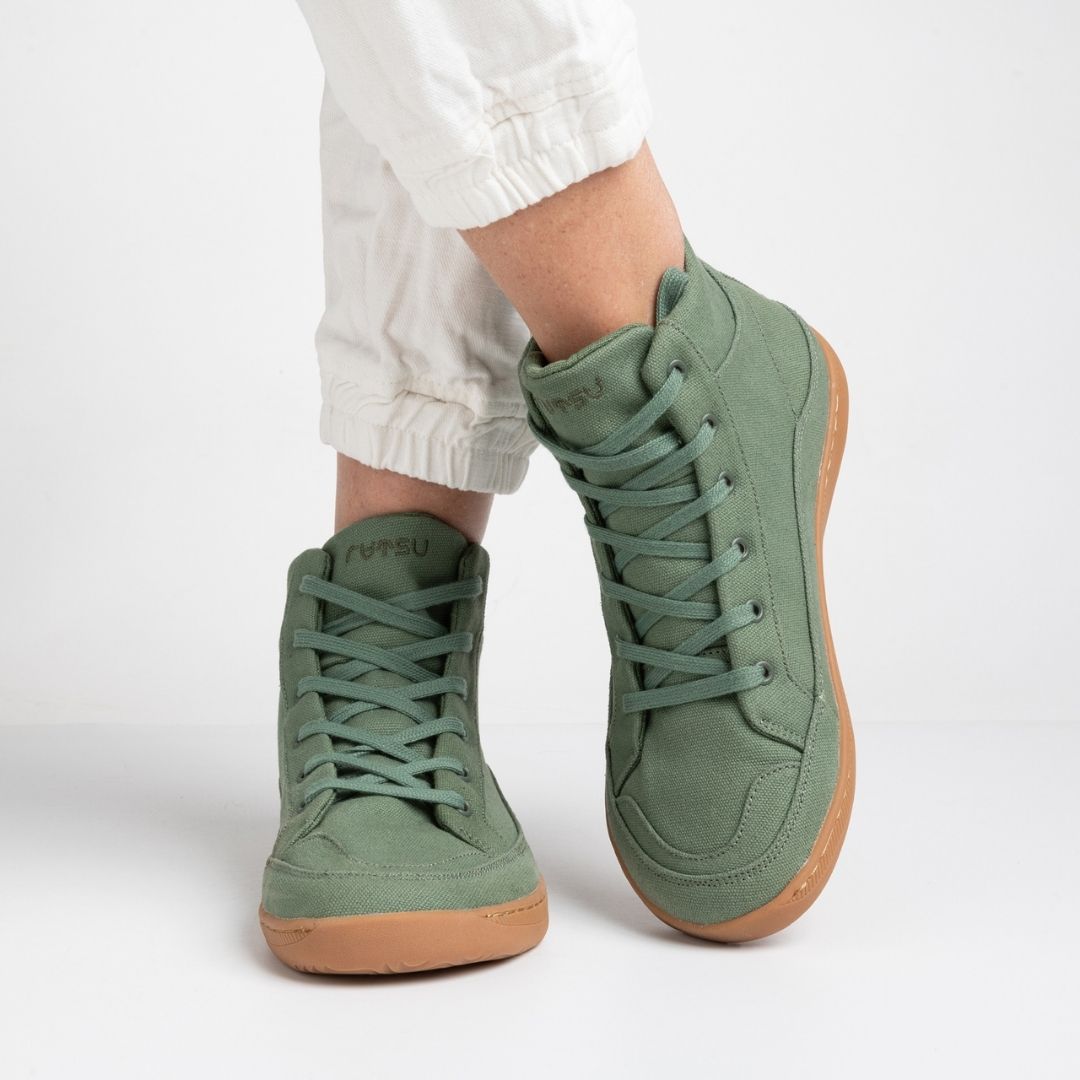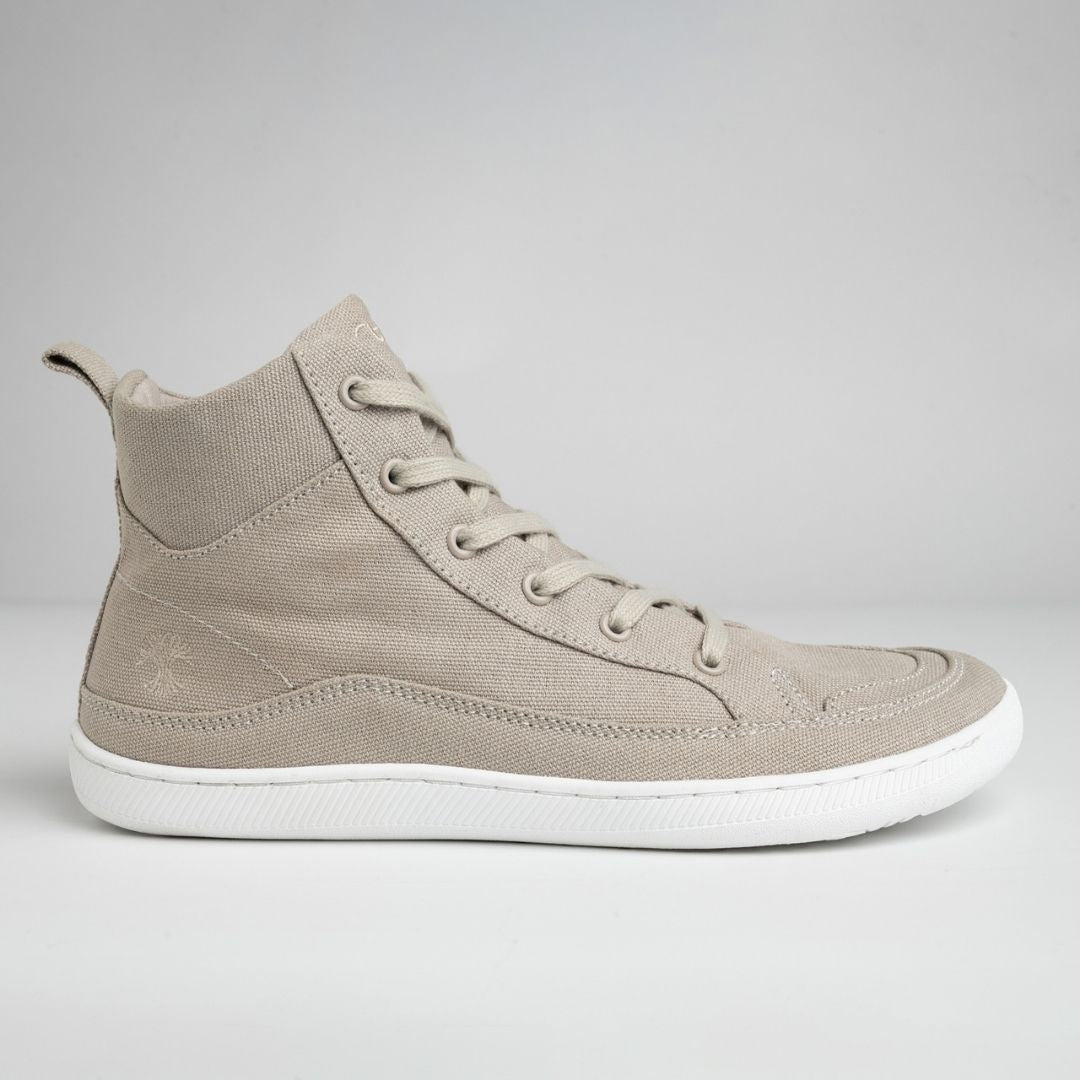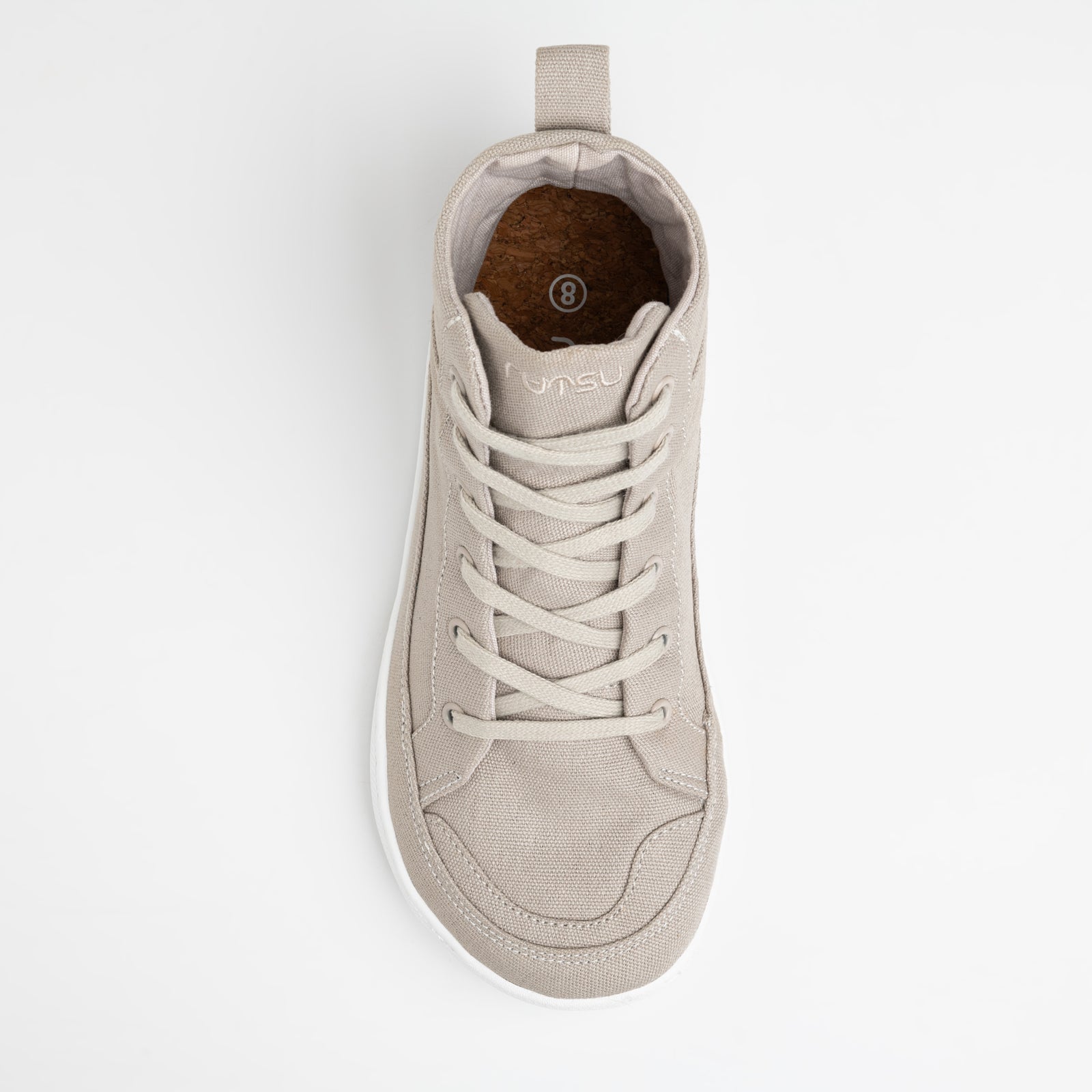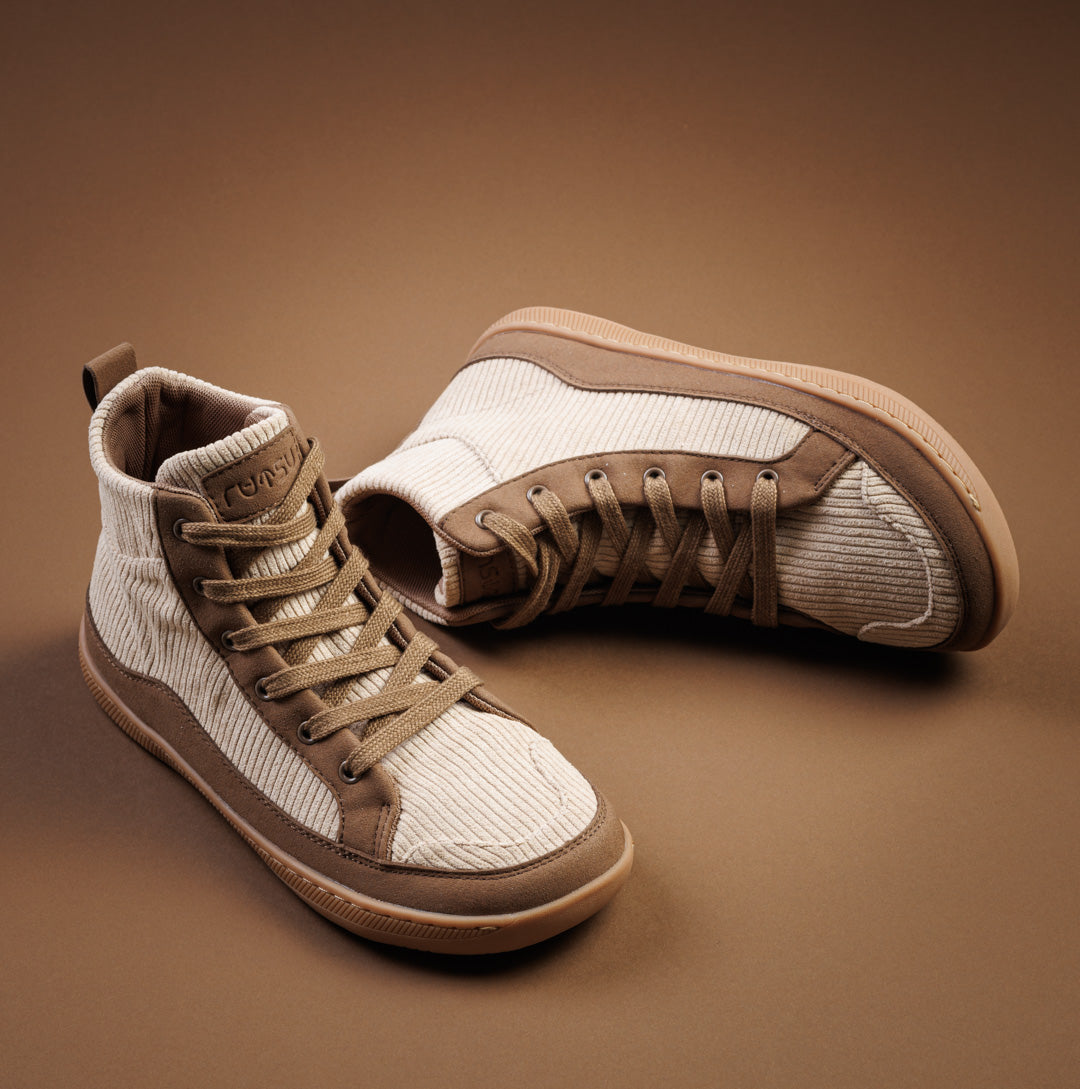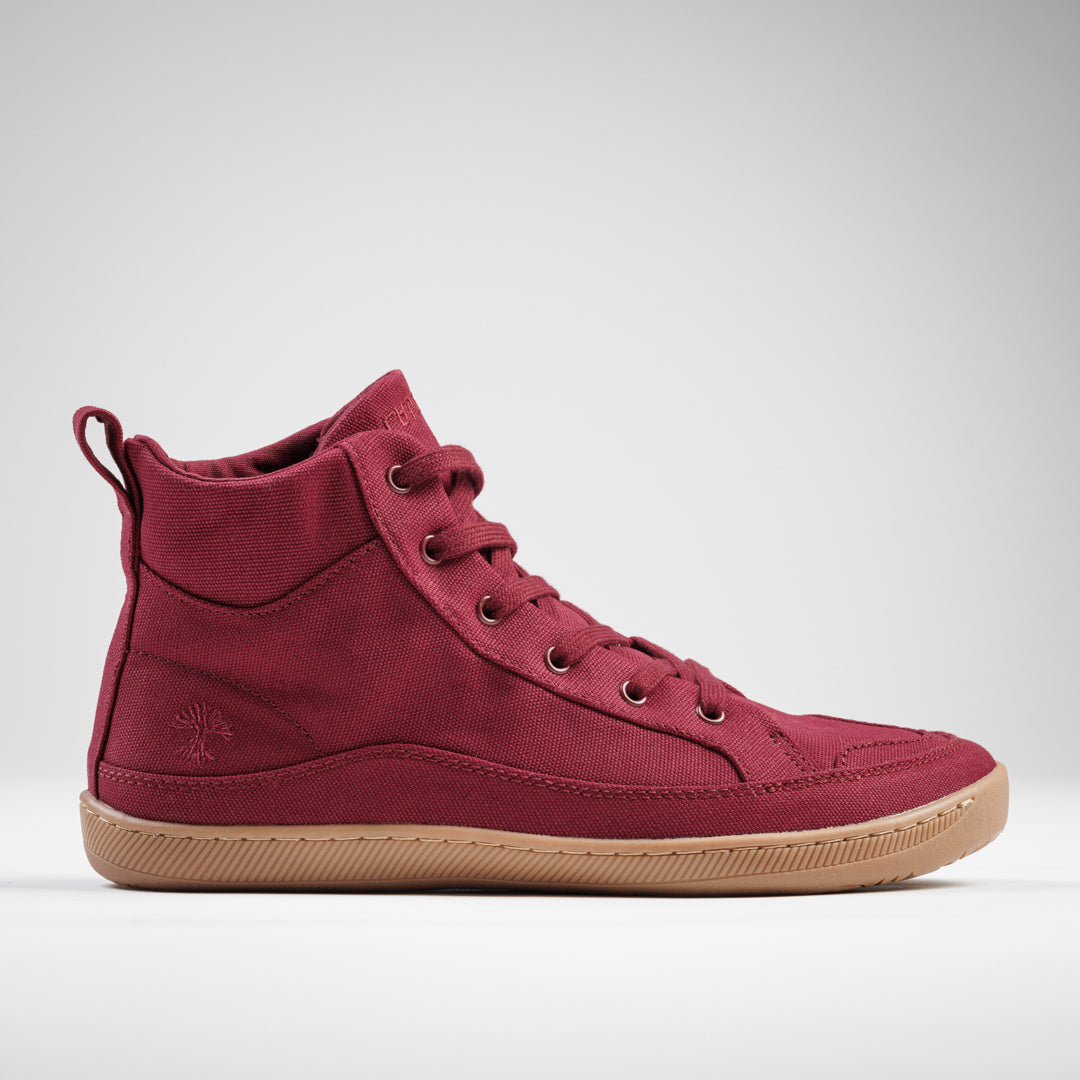


A red "SALE" banner pops up on a pair of barefoot shoes, and your brain does that thing. The quick math, the dopamine hit, the finger hovering over "Add to Cart." We get it. A good barefoot shoes sale feels like buried treasure.
But a discounted price tag doesn't automatically mean a good deal. Some sale shoes cut corners you can't see in a photo. Others are priced high year-round just so the "markdown" looks dramatic. And a few? They're not really barefoot shoes at all.
Run through these seven checks before you spend a dollar. Five minutes now could save you months of foot regret.
Why a "Barefoot Shoes Sale" Tag Can Cost You More Than It Saves
Sales exploit urgency. Countdown timers, "only 3 left" warnings, flash deals expiring at midnight. These tactics push you toward speed, not smart buying.
The real cost of a bad barefoot shoe isn't the $40 you paid. It's the knee pain from a hidden heel lift, the bunion pressure from a tapered toe box someone labeled "wide," or the return shipping you eat because you skipped the fine print.
A thoughtful purchase at full price beats a rushed buy at 50% off. That said, genuine sales from brands building proper barefoot shoes, like the Last Call clearance page at Rutsu Barefoot, do exist. You just need to know what to look for.
Stack Height: The First Number to Pull From the Spec Sheet
Stack height measures the total thickness of material between your foot and the ground. True barefoot shoes typically sit between 5mm and 12mm. Anything above 15mm starts defeating the purpose. Your foot can't feel the terrain, and your proprioception (your body's sense of where it is in space) takes a hit.
Here's a quick gut check: if the shoe feels like standing on a mattress, it's too thick. If the listing doesn't mention stack height at all? That's a red flag. Reputable barefoot brands publish this number because they're proud of it.
Heel-to-Toe Drop: Why "Zero Drop" Is Non-Negotiable (and Who Fakes It)
Zero drop means the heel and forefoot sit at the same height. No ramp. No tilt. Your foot stays level, just like standing barefoot on flat ground.
Some brands slap "minimal" on a shoe with a 4mm or 8mm drop. That's not zero. That's a wedge, and wedges shift your weight forward, strain your calves, and mess with your natural gait.
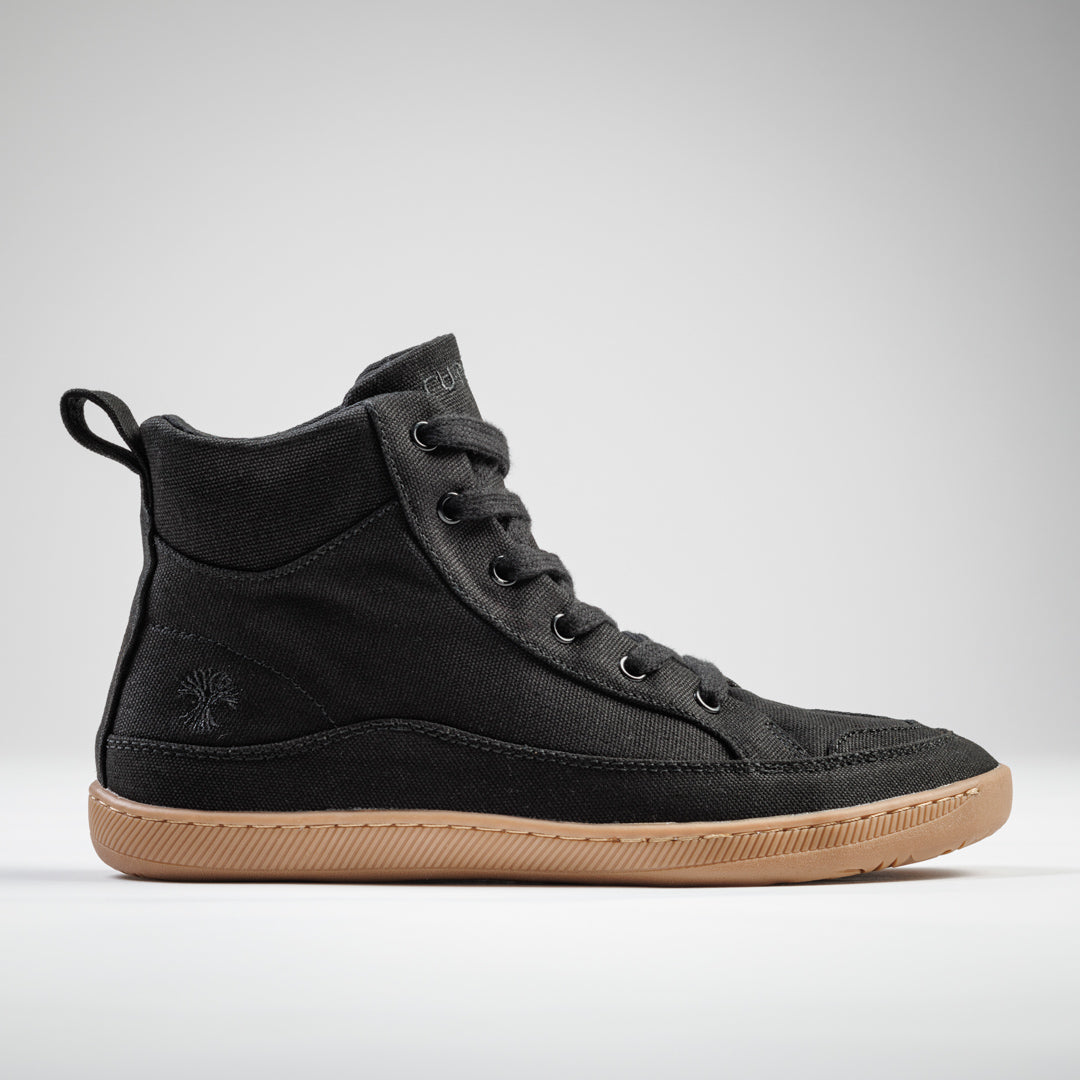
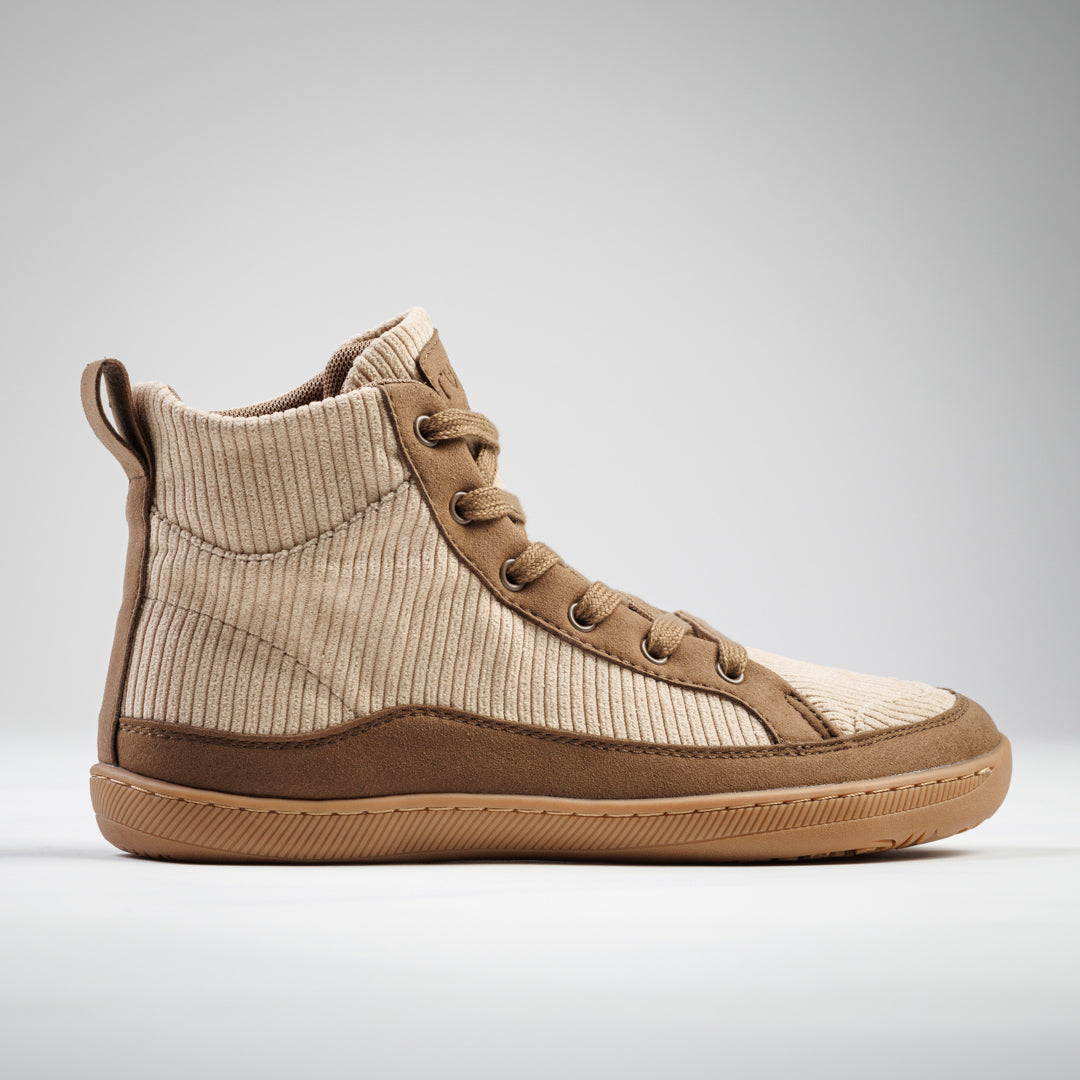
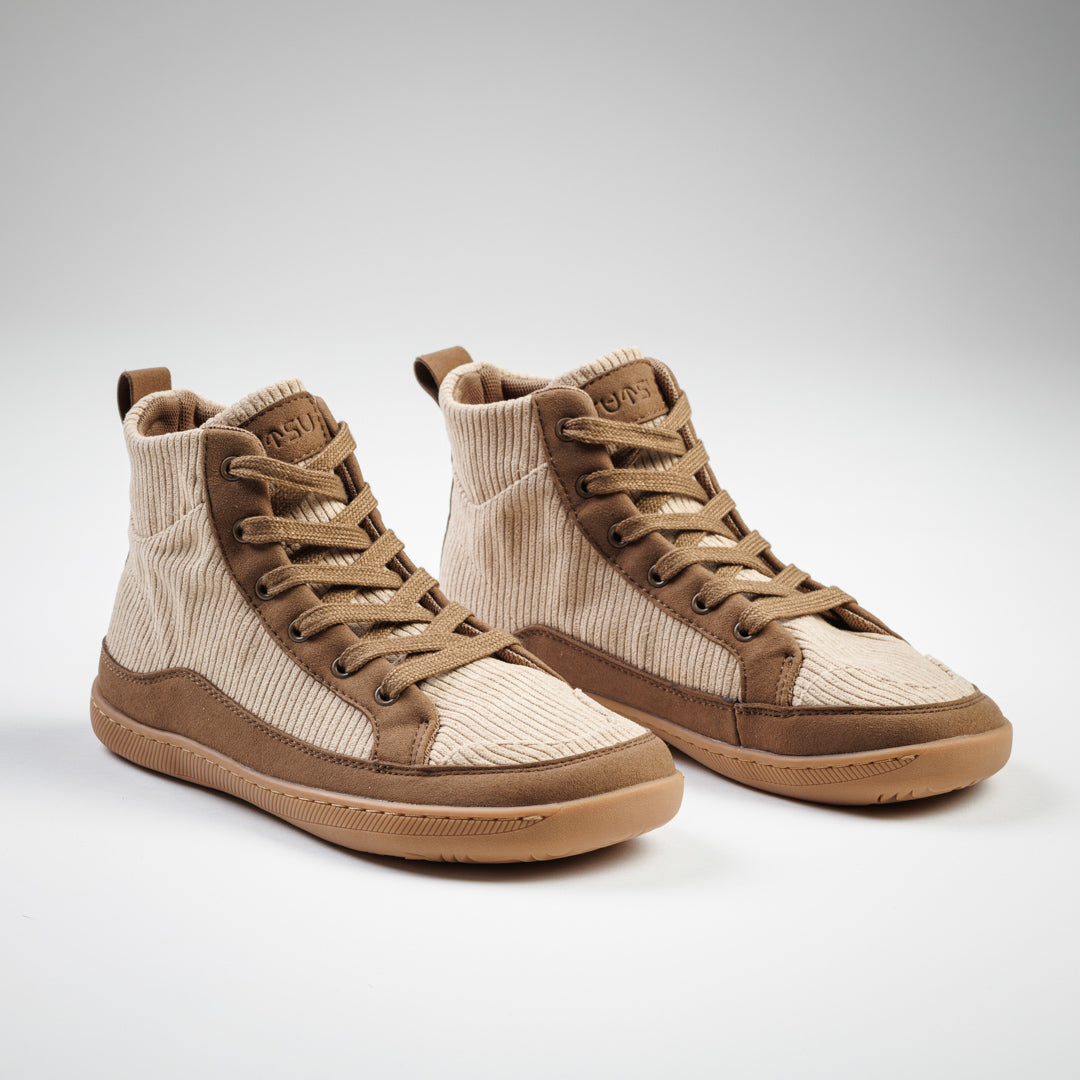
When scanning a barefoot shoes sale, look for the exact drop measurement, not marketing adjectives. Rutsu Barefoot lists this clearly because their zero-drop barefoot sneakers are built around that flat foundation.
Toe Box Shape: The Anatomy Check Marketing Photos Don't Show You
Your toes don't taper to a point. (Go ahead, look down.)
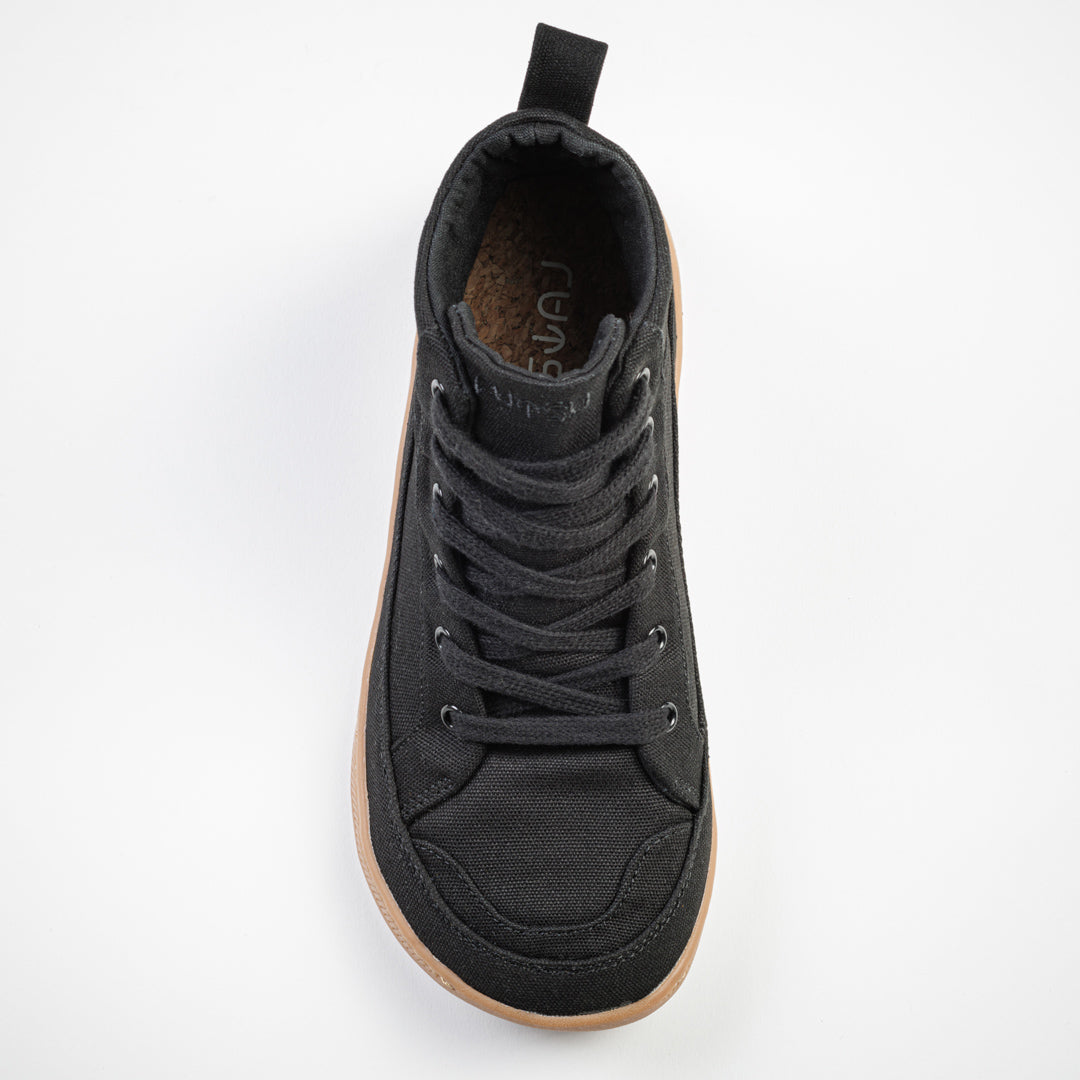
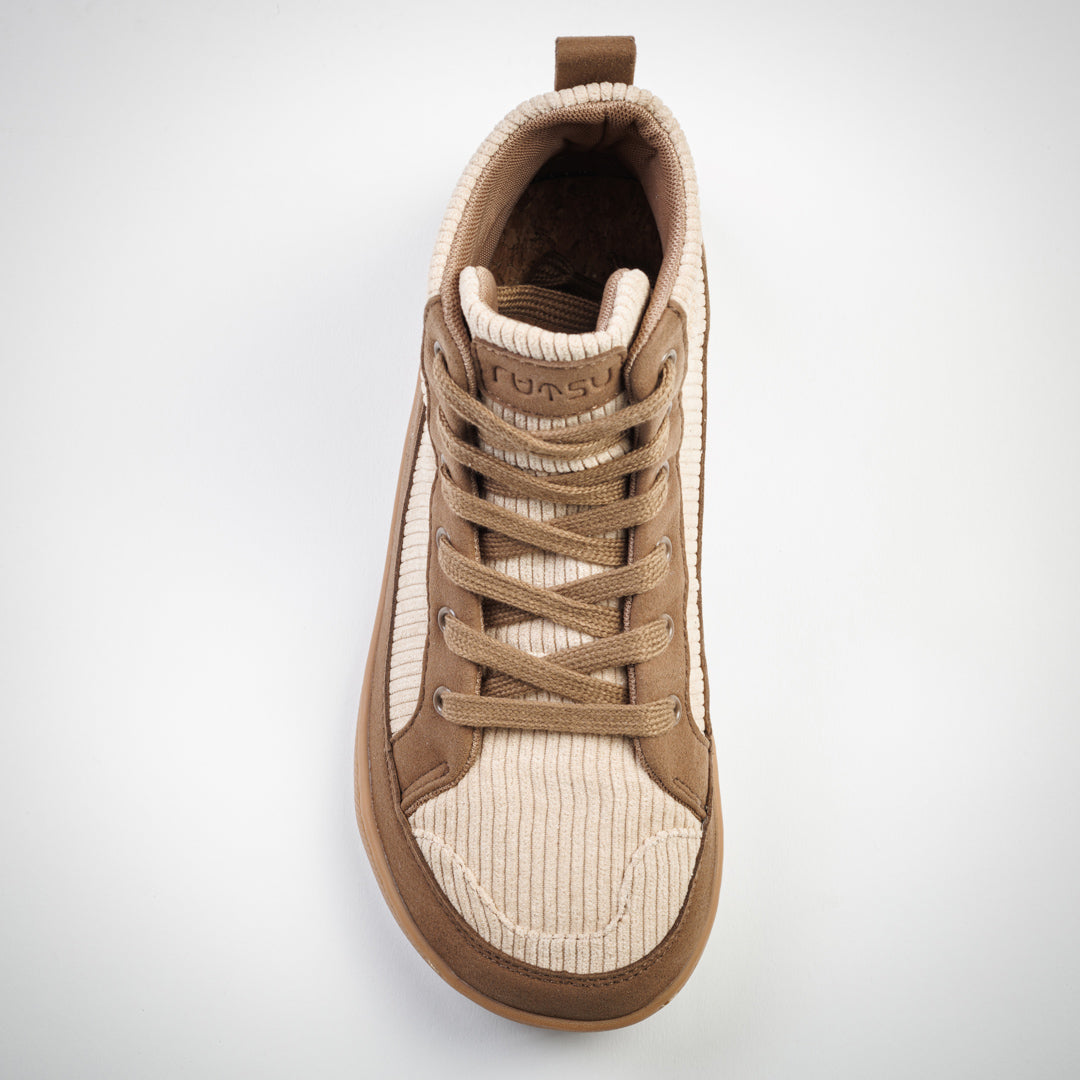
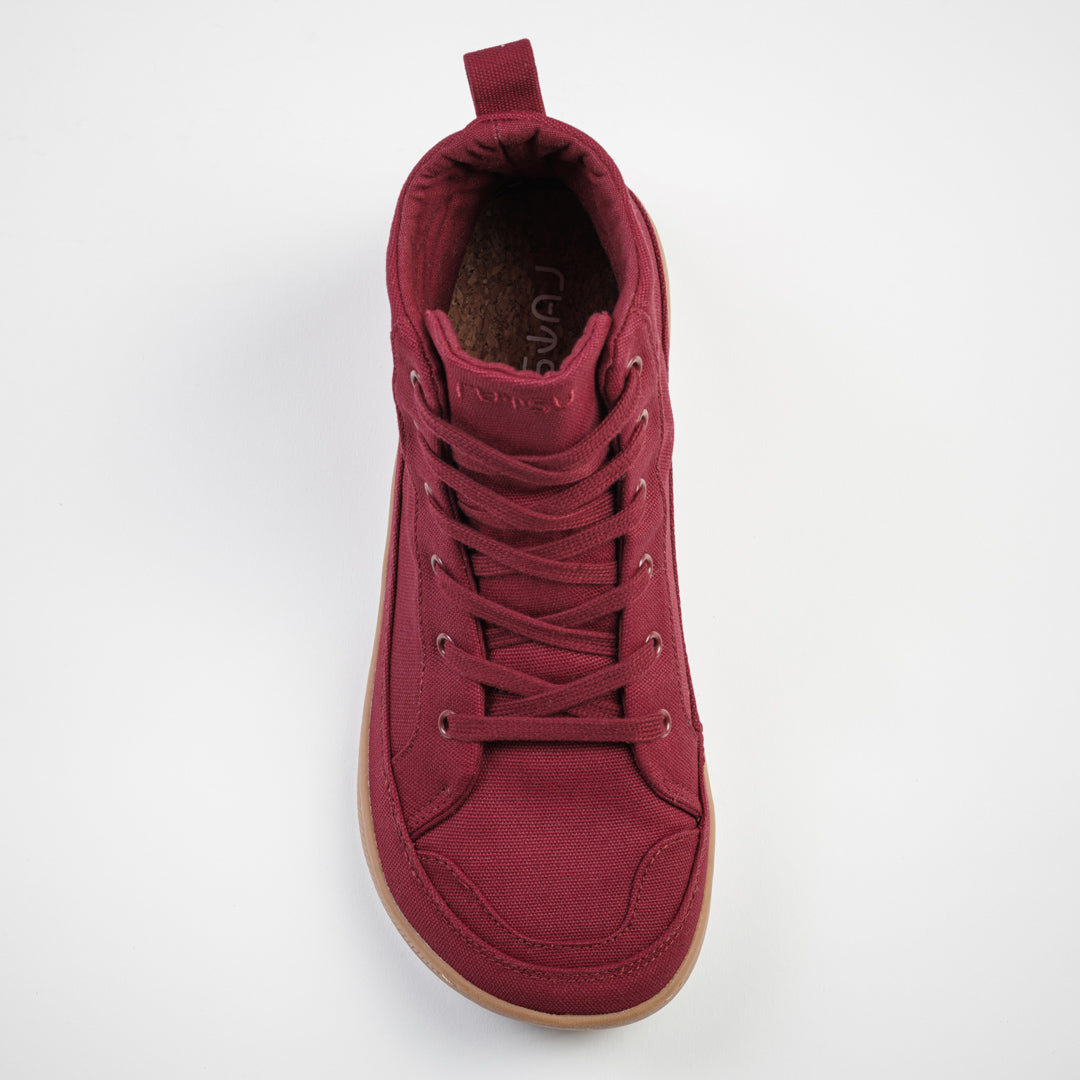
A proper barefoot toe box follows the natural fan shape of a human foot. Your big toe should spread without bumping the sidewall. Your pinky shouldn't feel squeezed or stacked.
Product photos can be deceiving. Shoot angles, stuffed toe boxes, and creative lighting all hide a narrow fit. Look for the shoe's actual last shape, or check if the brand publishes a foot-shaped outline you can print and compare against your own tracing.
Sole Flexibility: The 10-Second Test You Can Run Before Checkout
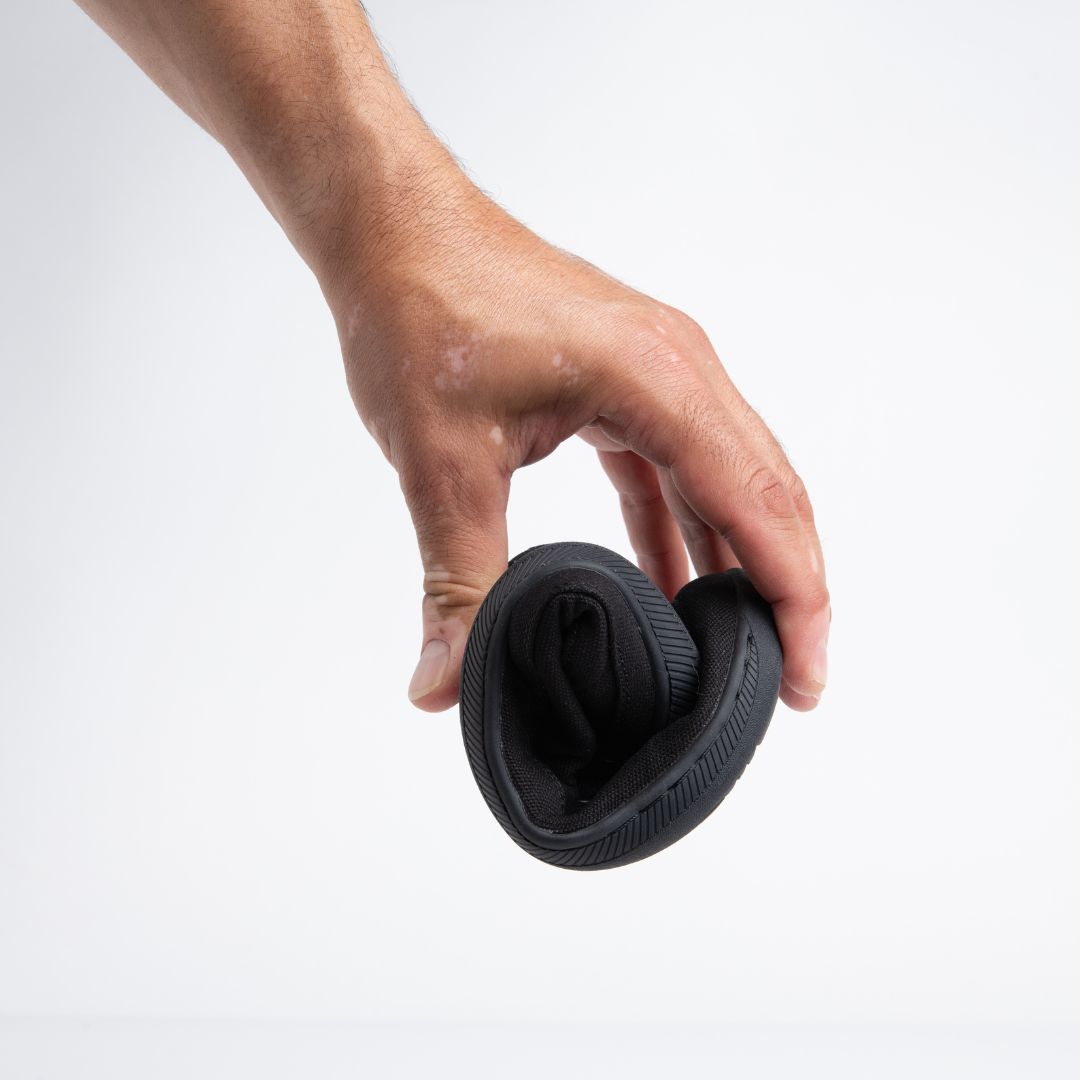
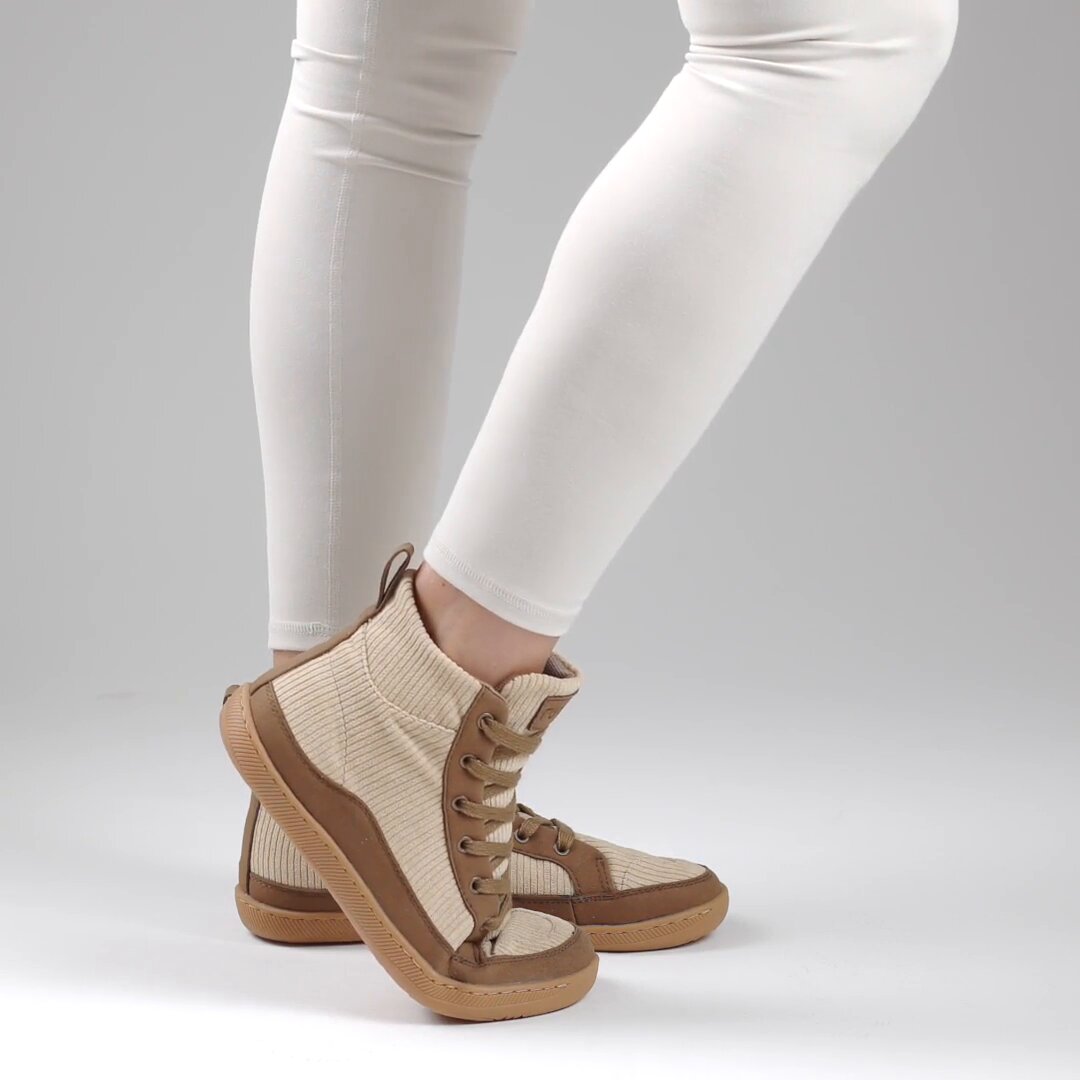
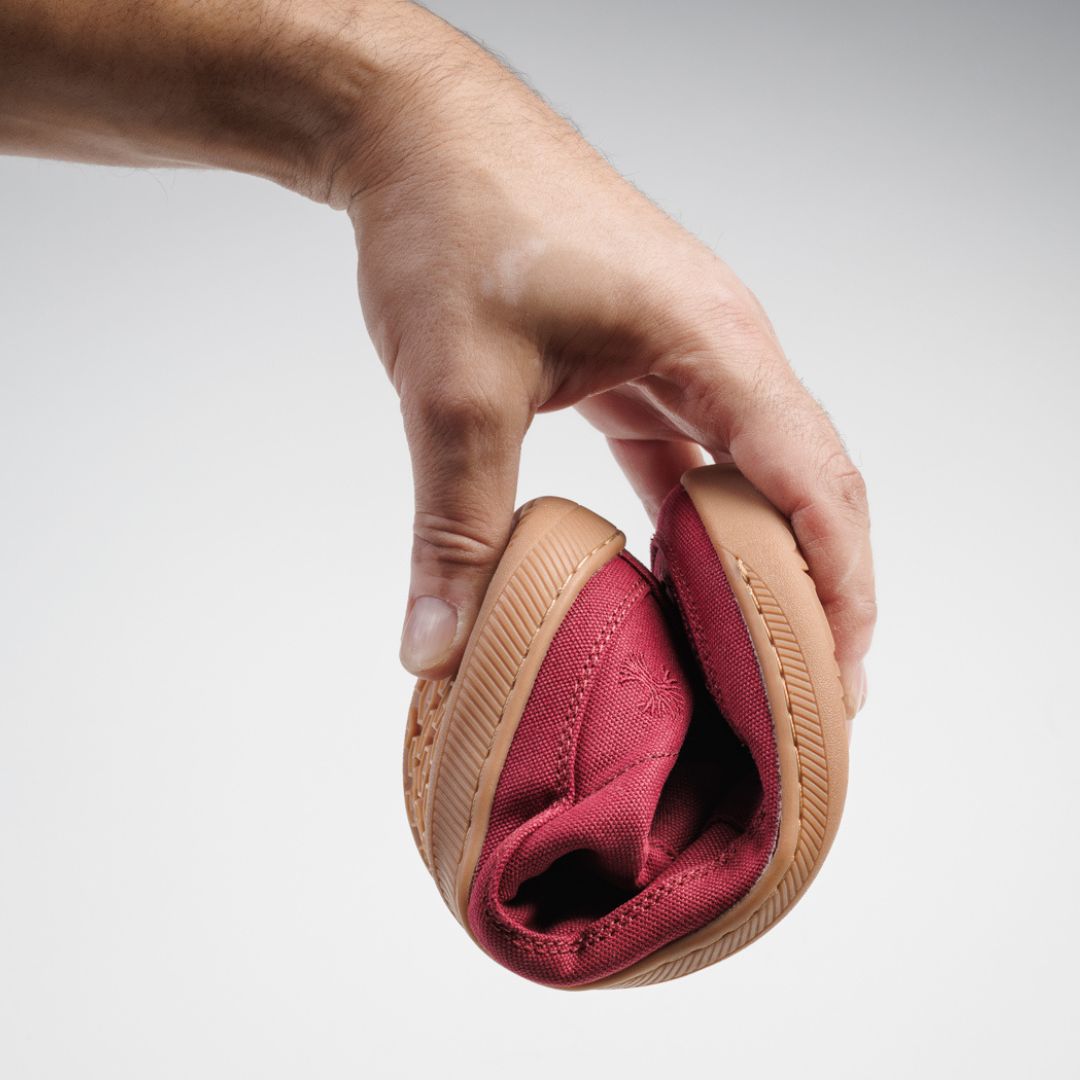
Grab any shoe you already own. Hold the heel in one hand and the toe in the other. Try to fold it in half. A true barefoot shoe bends easily, almost like a thick sock.
You can't do this through a screen, obviously. But you can look for videos showing the flex test, check product descriptions for sole thickness, and ask: does this brand talk about flexibility, or avoid the topic entirely?
Stiff soles block the 200,000+ nerve endings in your feet from doing their job. If the sole doesn't bend, your foot can't move naturally.
Upper Materials and Construction: Where Discounted Pairs Quietly Cut Corners
Here's where sale shoes often hide their compromises. The sole might check every barefoot box, but the upper tells a different story.
Cheap synthetics that don't breathe. Glue lines that peel after two months. Thin linings that create blisters. These are the first places manufacturers shave costs for a lower price point.
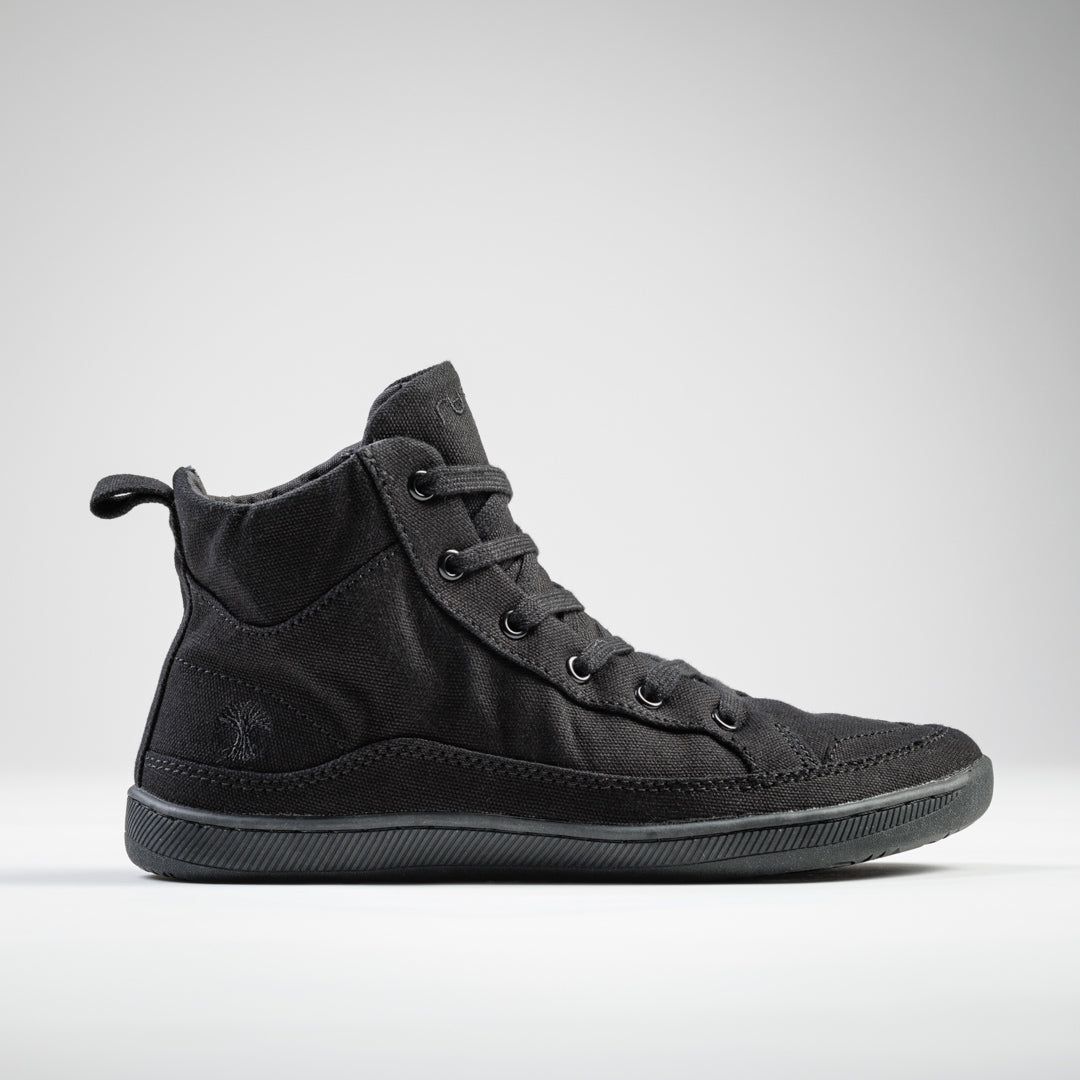
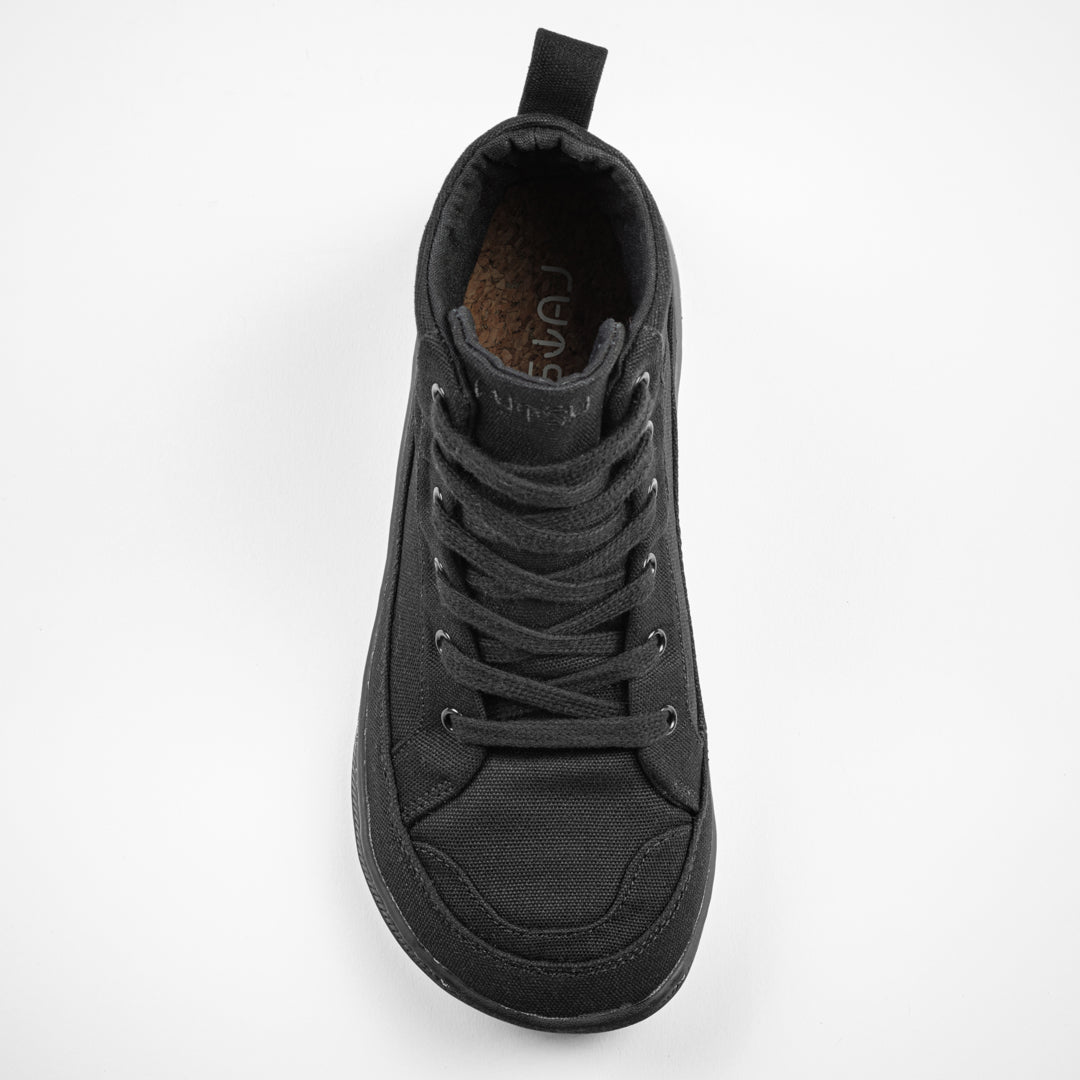
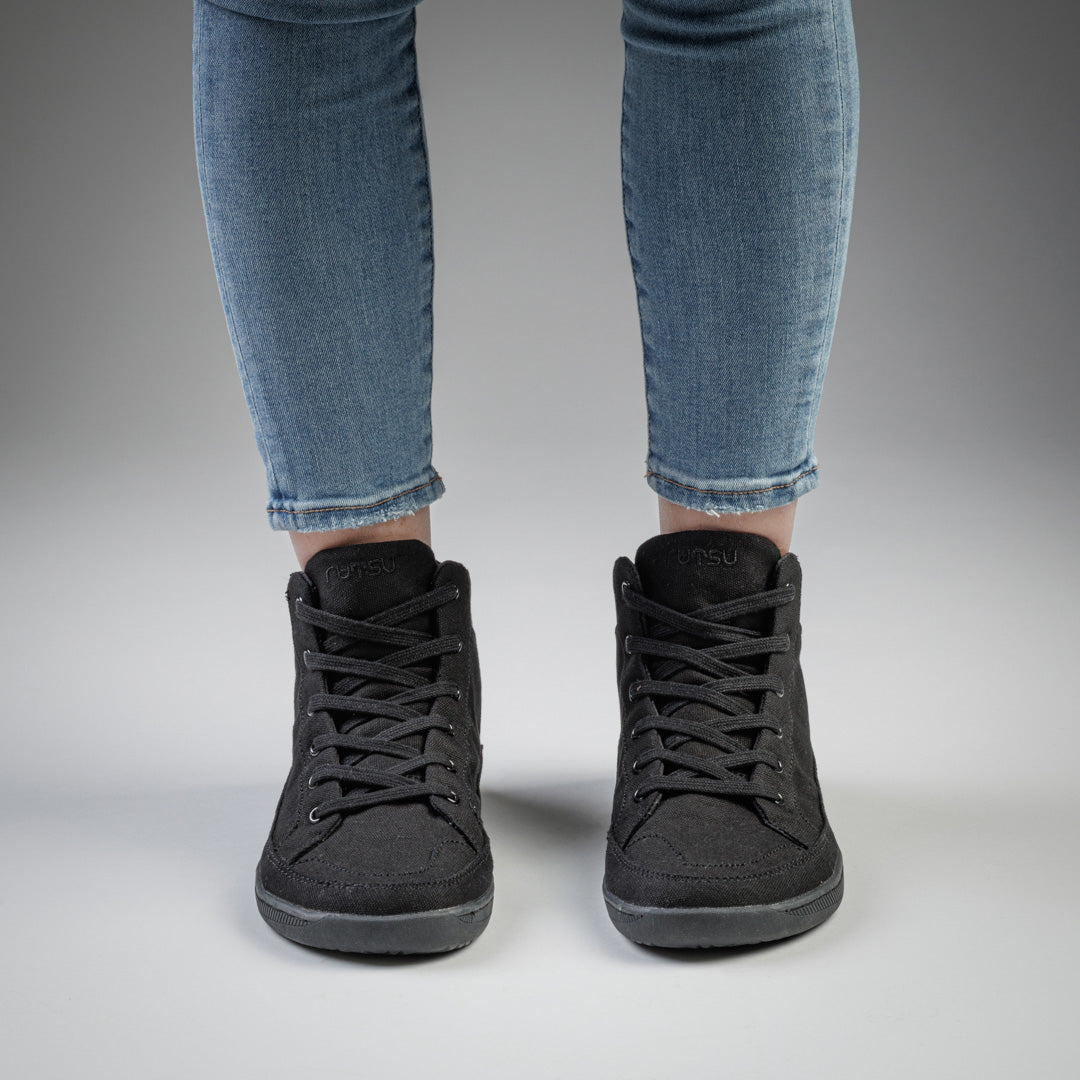
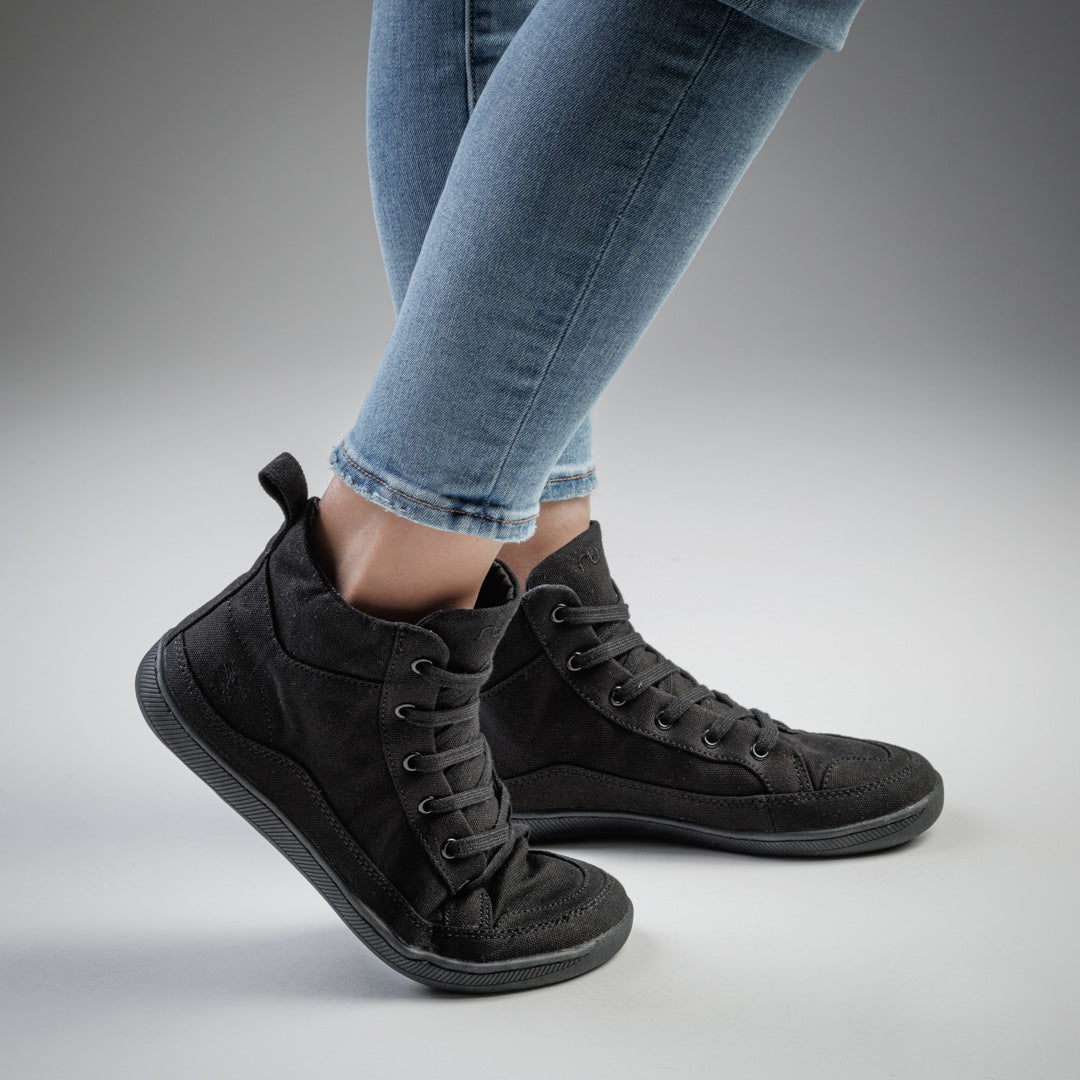
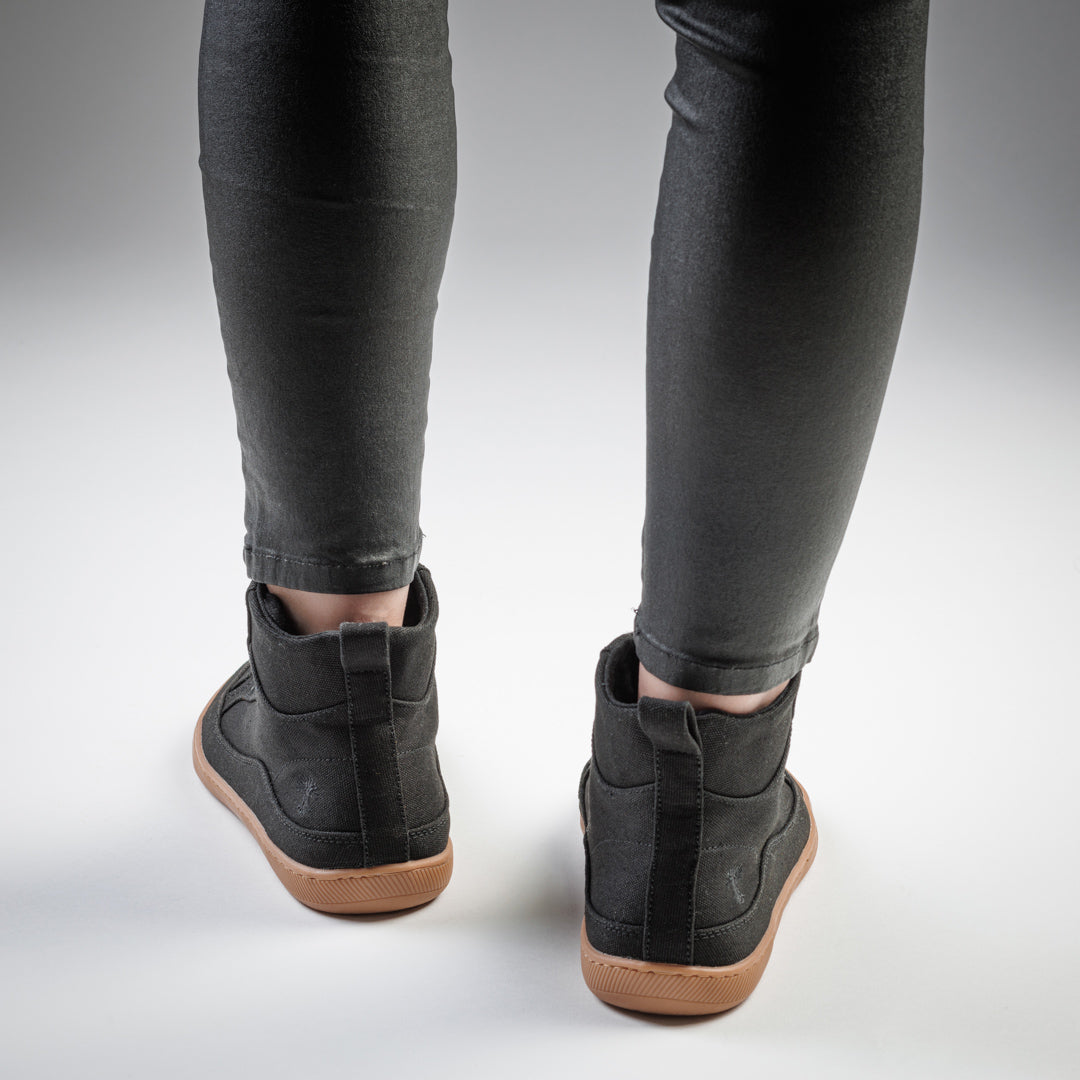
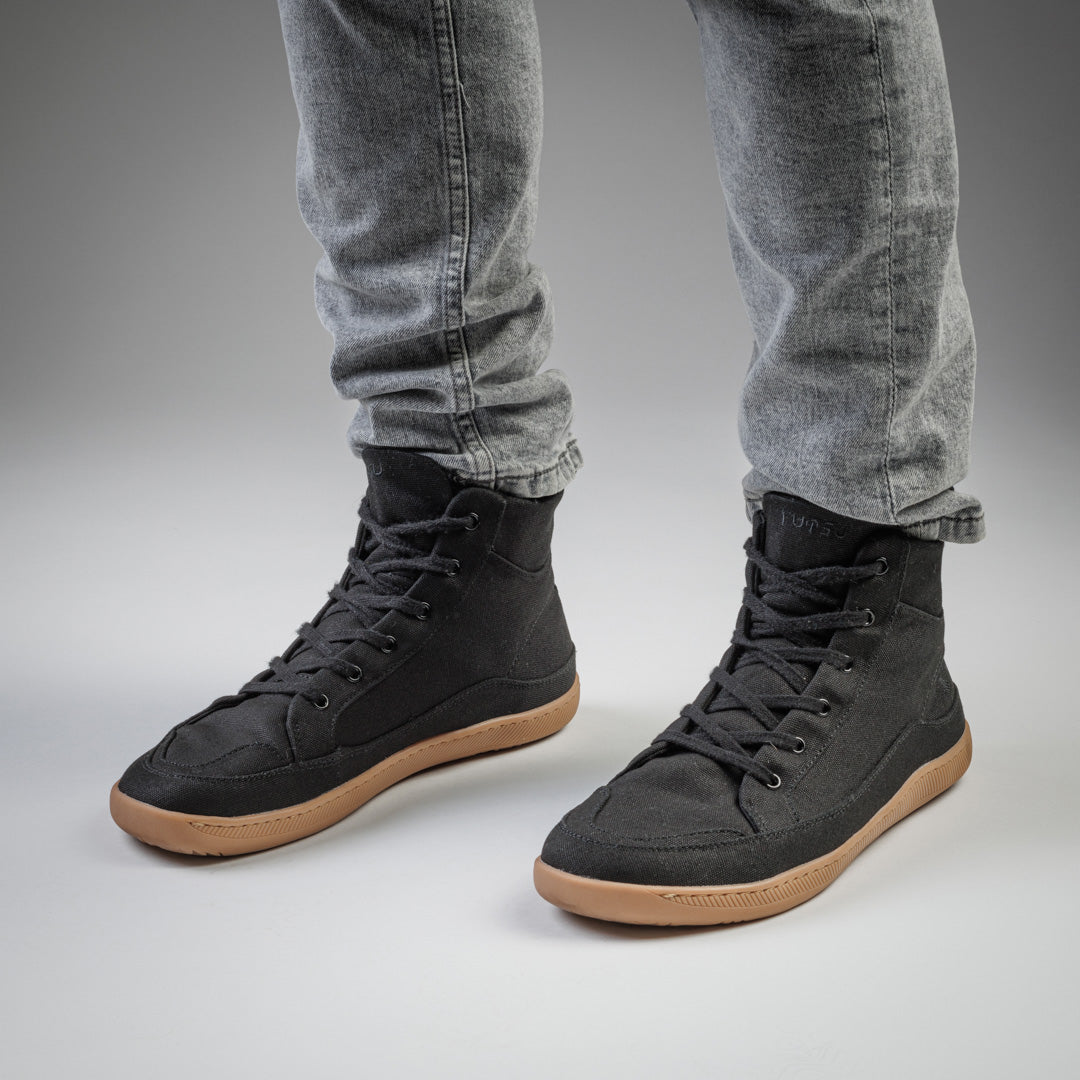
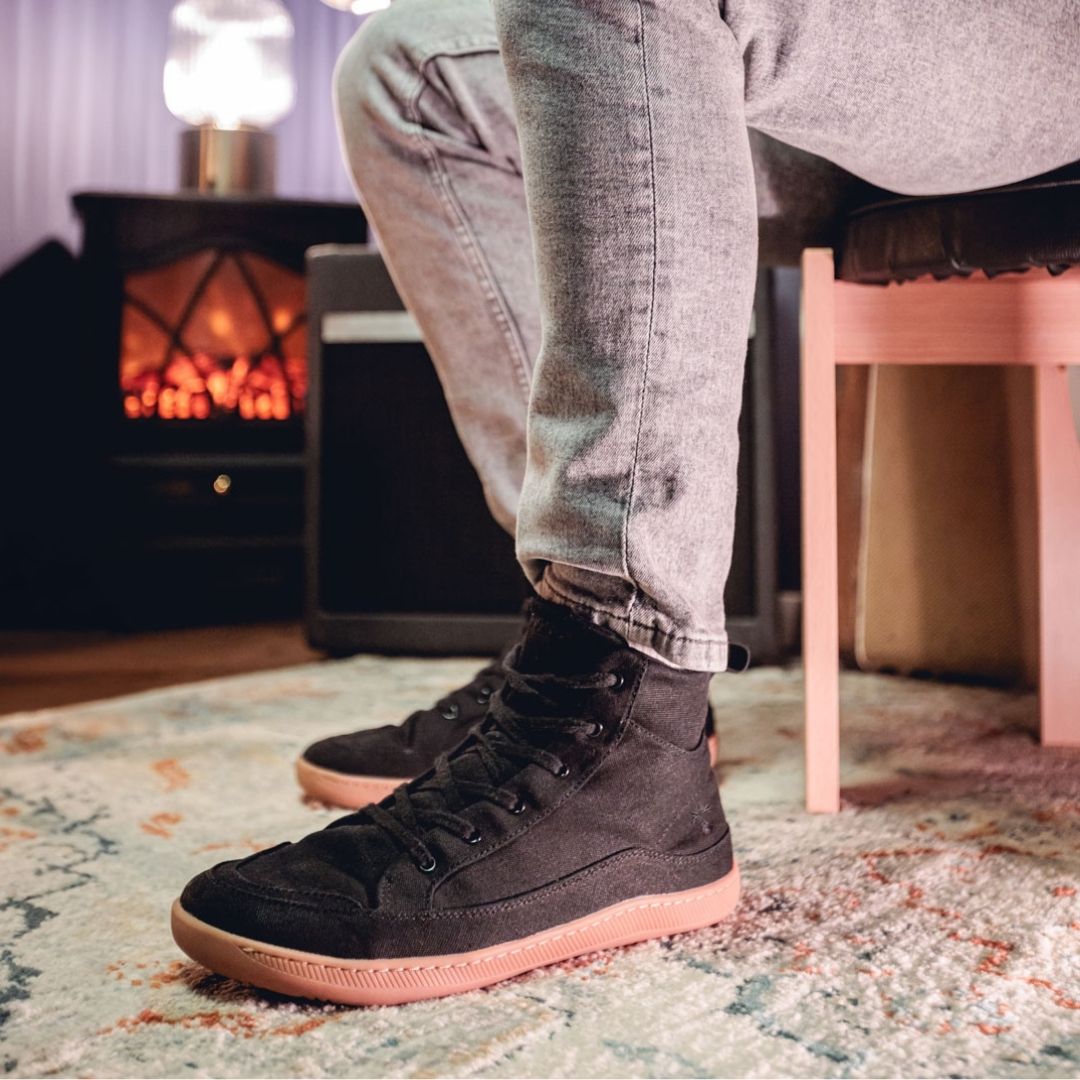
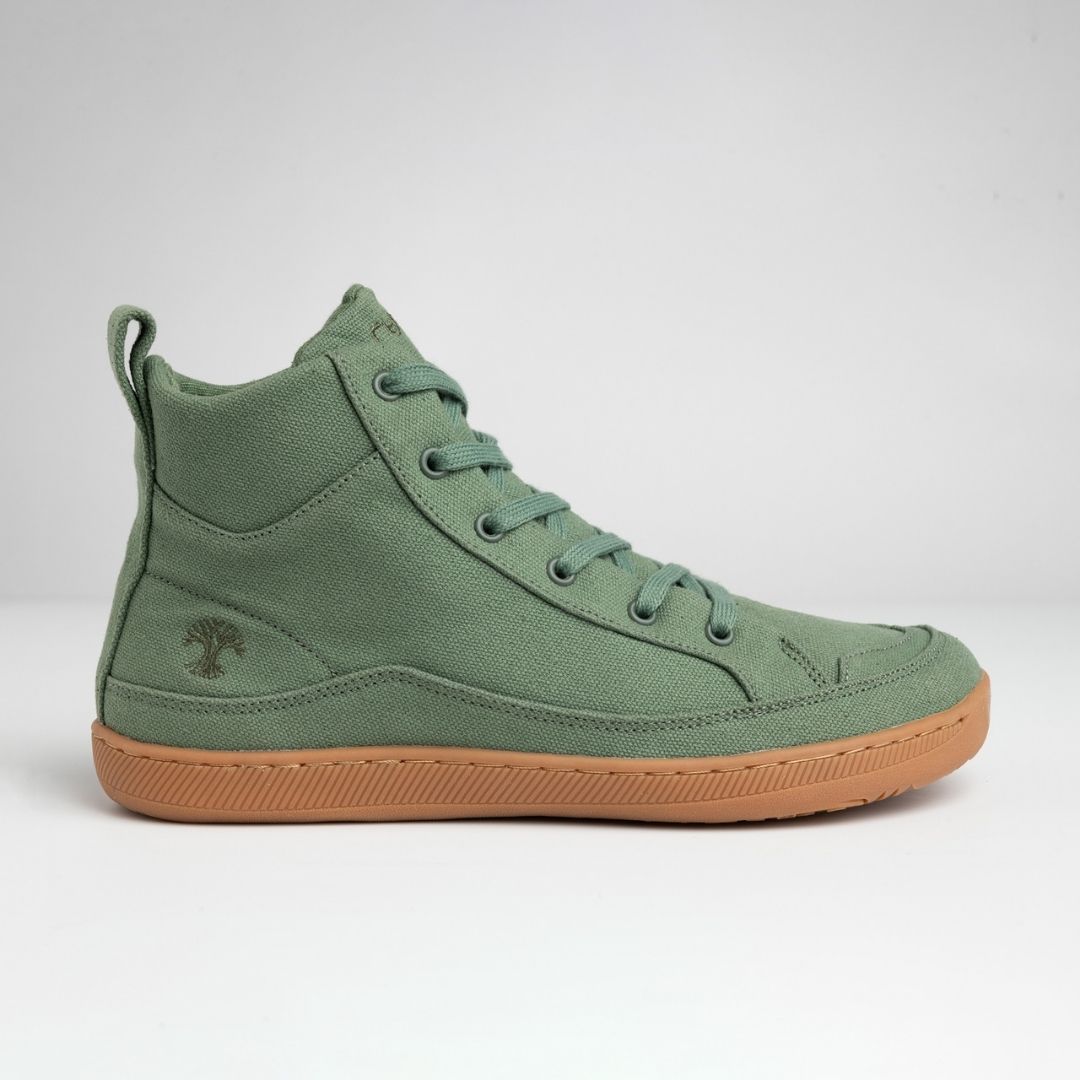
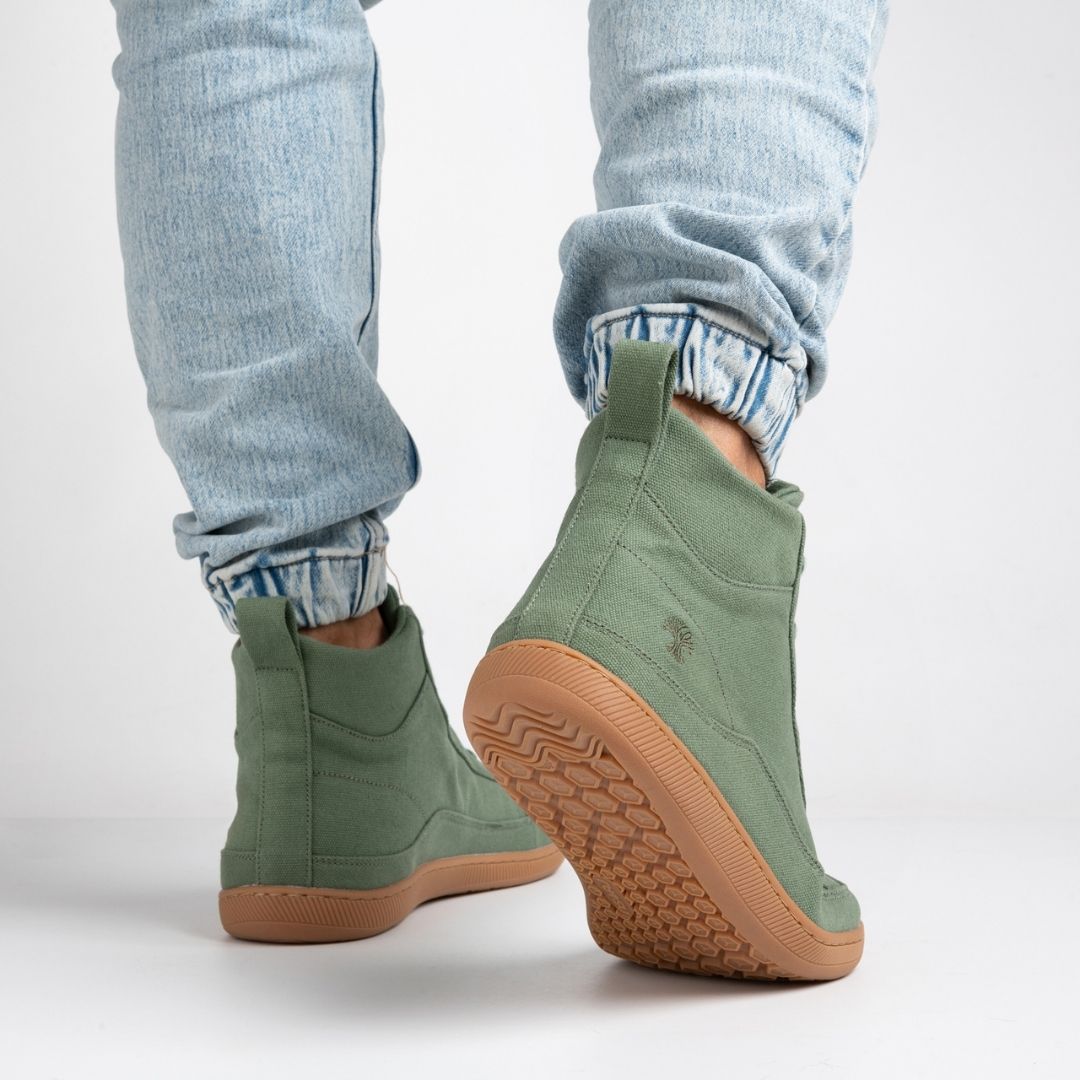
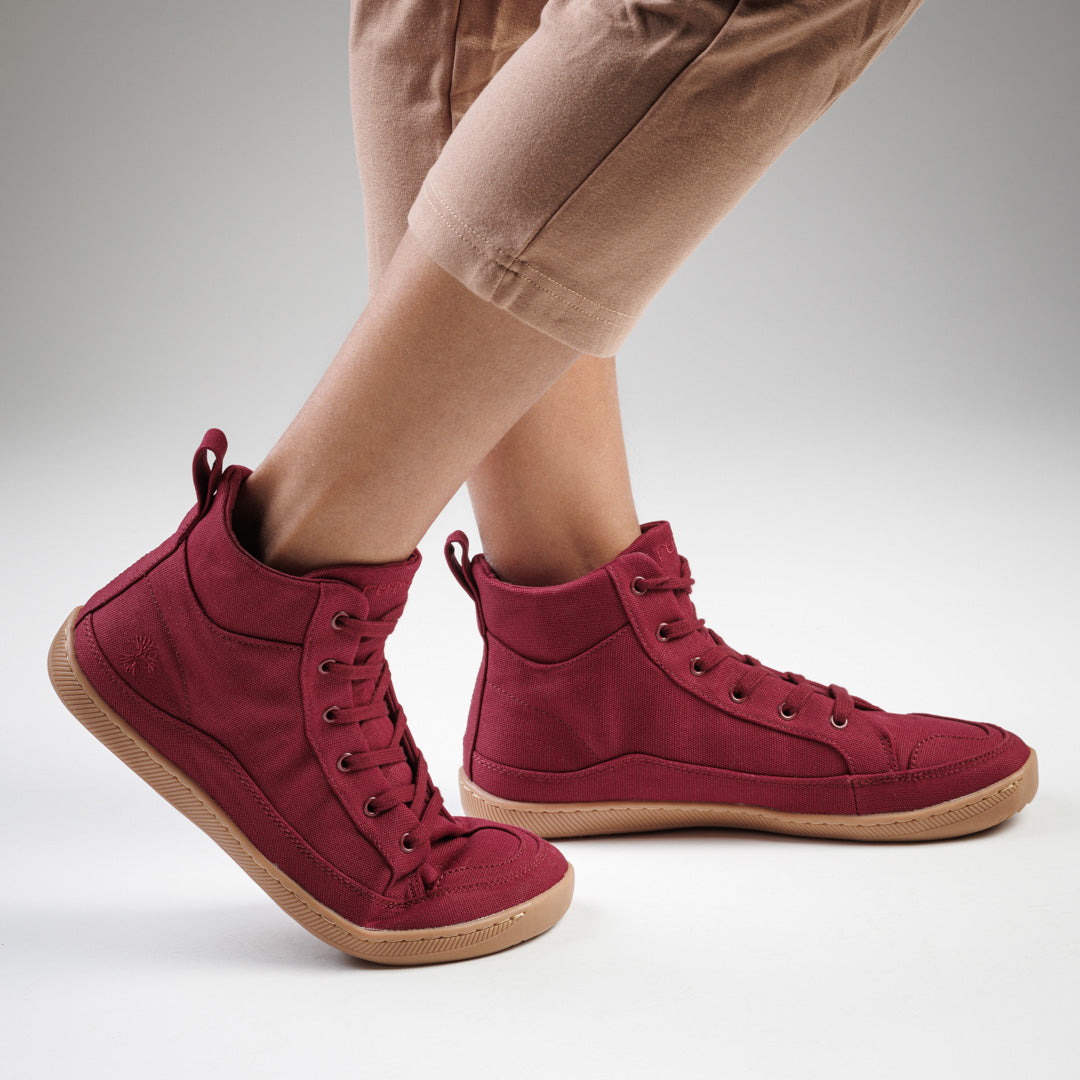
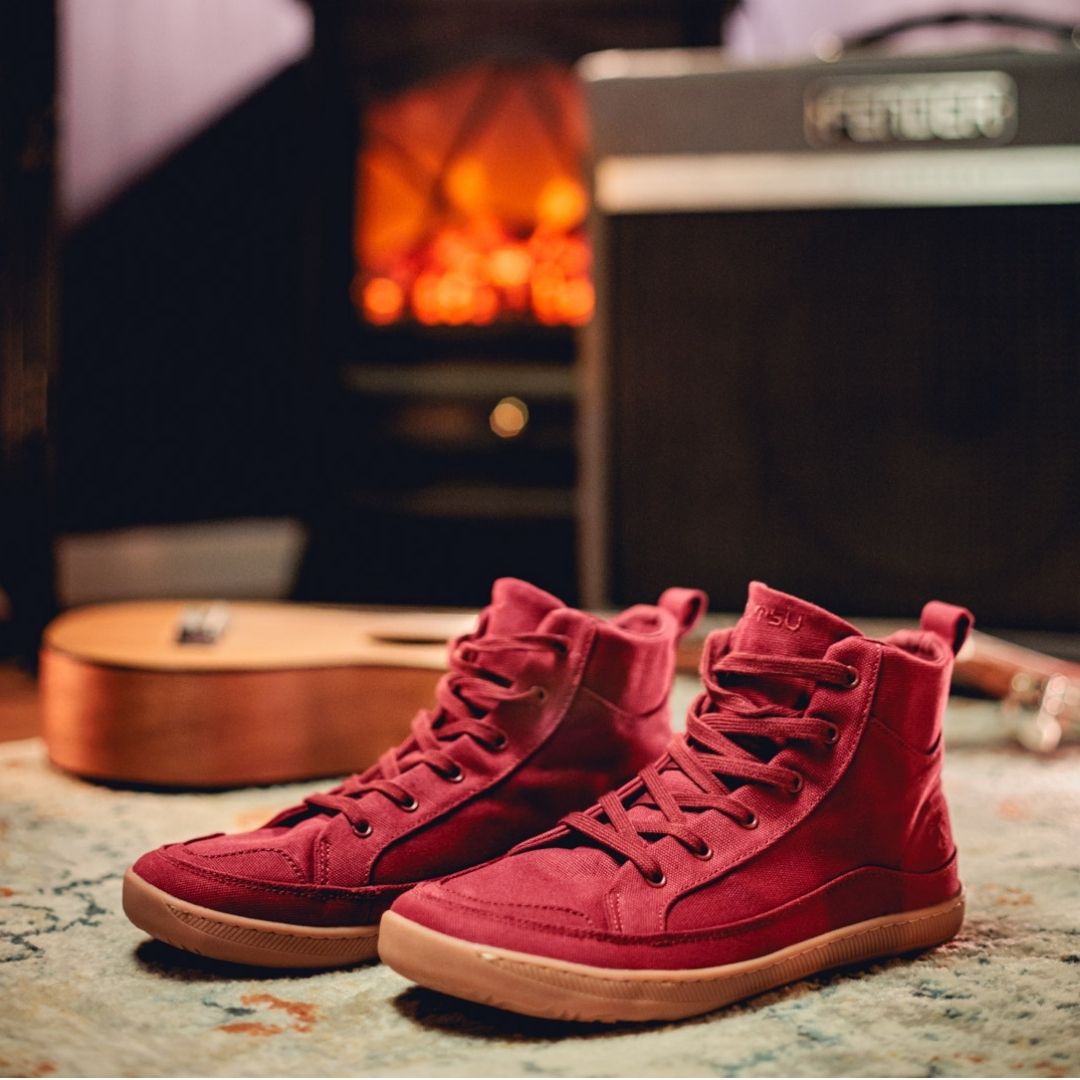
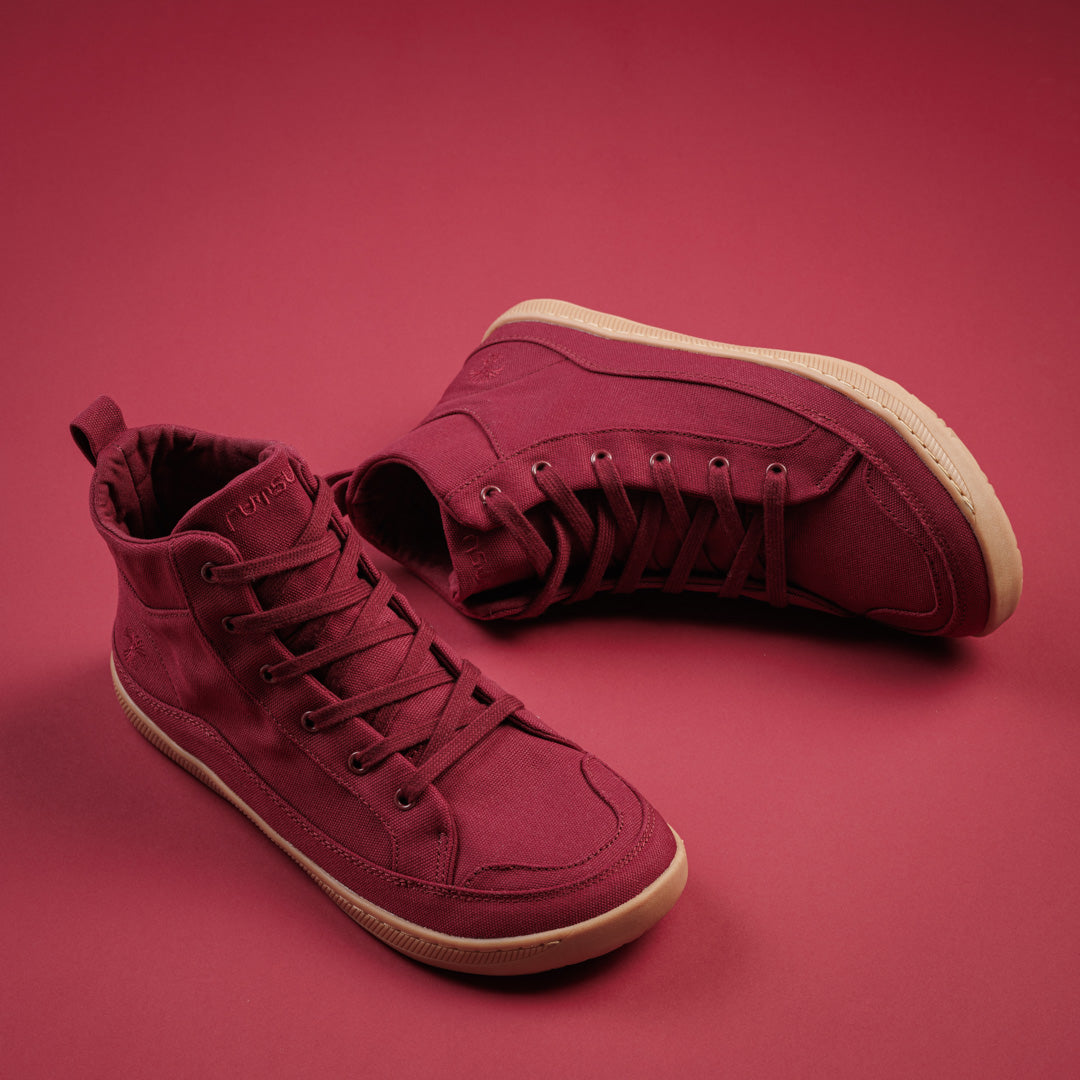
Rutsu Barefoot's high-top barefoot sneakers use quality materials across both sole and upper. That consistency matters. Your feet don't care which part of the shoe was built on a budget.
Sizing Without Trying On: How to Avoid the #1 Reason Barefoot Shoes Get Returned
Barefoot shoes fit differently than conventional footwear. You need about a thumb's width of space ahead of your longest toe. Your heel shouldn't slip. And width matters far more than length in this category.
To get sizing right online: trace your foot on paper while standing, measure the longest point in centimeters, and compare against the brand's specific size chart, not a generic conversion table.
Most barefoot brands size differently from Nike or Adidas. Trust the centimeters, not the number.
Return, Exchange, and "Final Sale" Fine Print: Read It Twice Before You Click Buy
Two words that should stop you cold: "final sale."
During a barefoot shoes sale, discounted items are often non-returnable. That's fine if you know the brand and your size. But trying a new brand for the first time on a final-sale pair? That's gambling.
Before checkout, answer three questions: Can I return these? Who pays return shipping? How long is the window? Rutsu Barefoot keeps their policies clear on their Last Call clearance page, so there's no guesswork.
When Barefoot Shoes Actually Go on Sale (and How to Spot a Markup-Then-Markdown)
Real sales follow patterns. End-of-season clearance moves out inventory for new styles. Black Friday brings site-wide discounts. Brands occasionally run flash sales mid-quarter.
The trick? Know the original price. Bookmark shoes weeks before a sale hits. If the price jumps right before a "40% off" event, that's a markup-then-markdown, and it's more common than you'd think.
Genuine barefoot brands don't need pricing games. They offer honest discounts when the timing makes sense.
FAQs
Why are barefoot shoes still expensive even when they're on sale?
Barefoot shoes require specialized lasts, thinner but durable soles, and wider toe box construction. All of that costs more than standard molds. Sale prices reflect a discount on real production costs, not inflated margins.
Are discounted or last-season barefoot shoes actually lower quality than full-price pairs?
Nope. Last-season models are the same shoes built to the same specs, just discounted to make room for newer styles or colorways.
Do barefoot shoes need to be broken in, or should they feel right out of the box?
They should feel comfortable immediately. If a barefoot shoe pinches or causes pain on day one, it's the wrong fit. Your feet might need a transition period, but the shoe itself shouldn't.
How long do barefoot shoes typically last before they need replacing?
Expect 6 to 18 months with regular use, depending on sole material and terrain. Rotating between two pairs extends the life of both.
Can people with flat feet, bunions, or wide feet safely buy barefoot shoes on sale?
Absolutely. Barefoot shoes often help these conditions by letting feet move naturally. Just confirm toe box width and avoid "final sale" until you've verified the fit.
Is it worth buying a cheaper or lesser-known barefoot shoe brand during a sale?
It can be, if the specs check out. Run through the seven points above. A lesser-known brand with genuine zero drop, thin soles, and a wide toe box might surprise you. But a cheap shoe that fails these checks isn't worth it at any price.