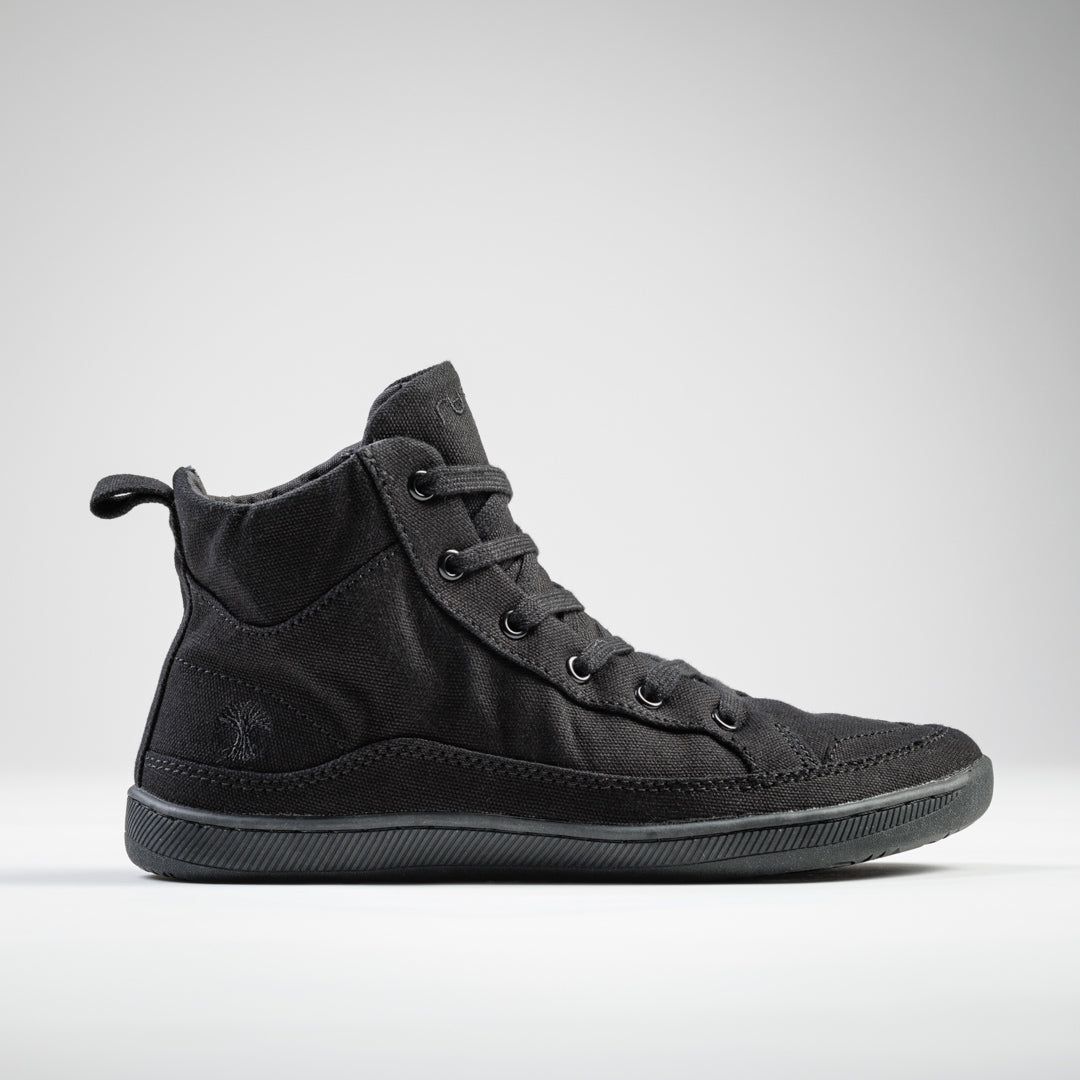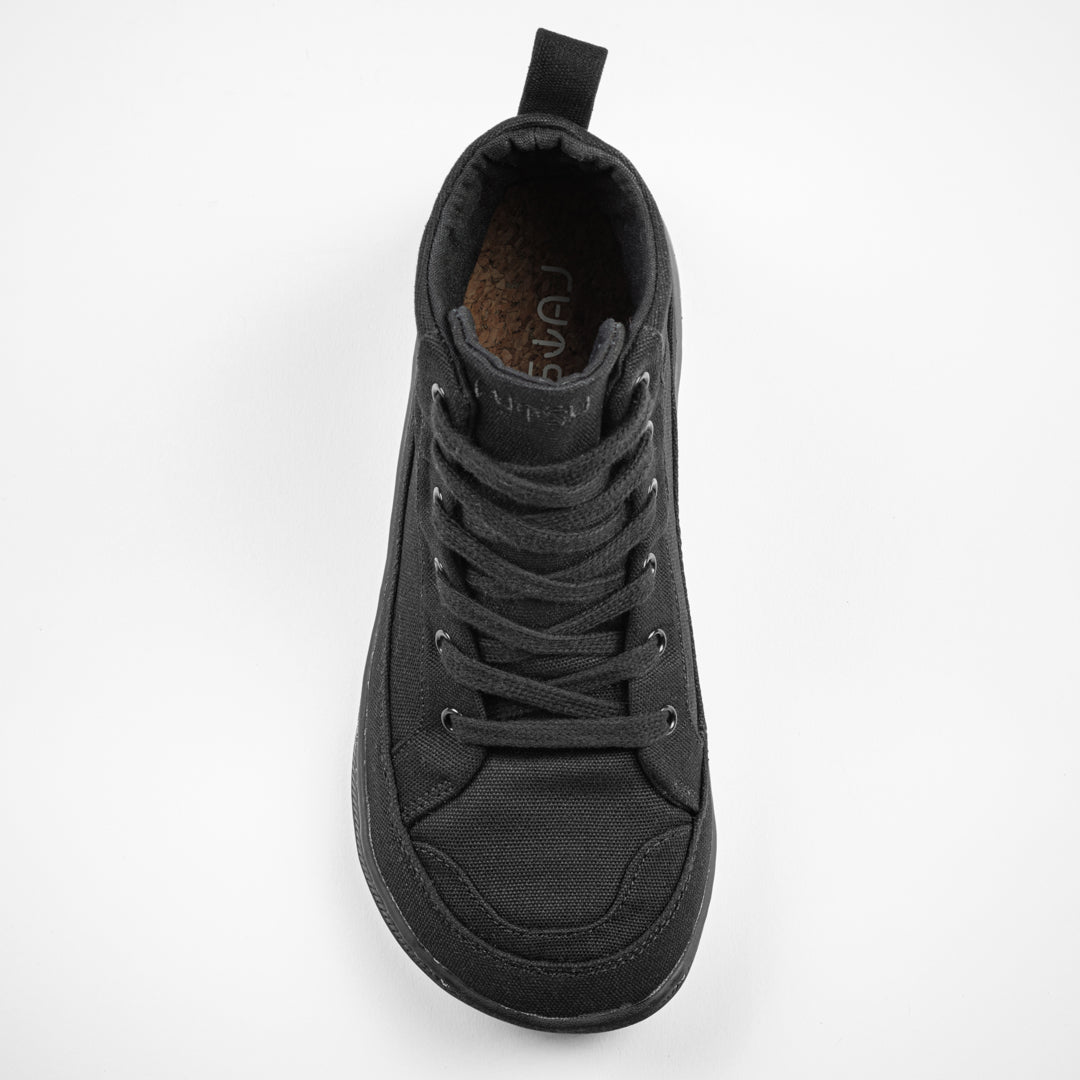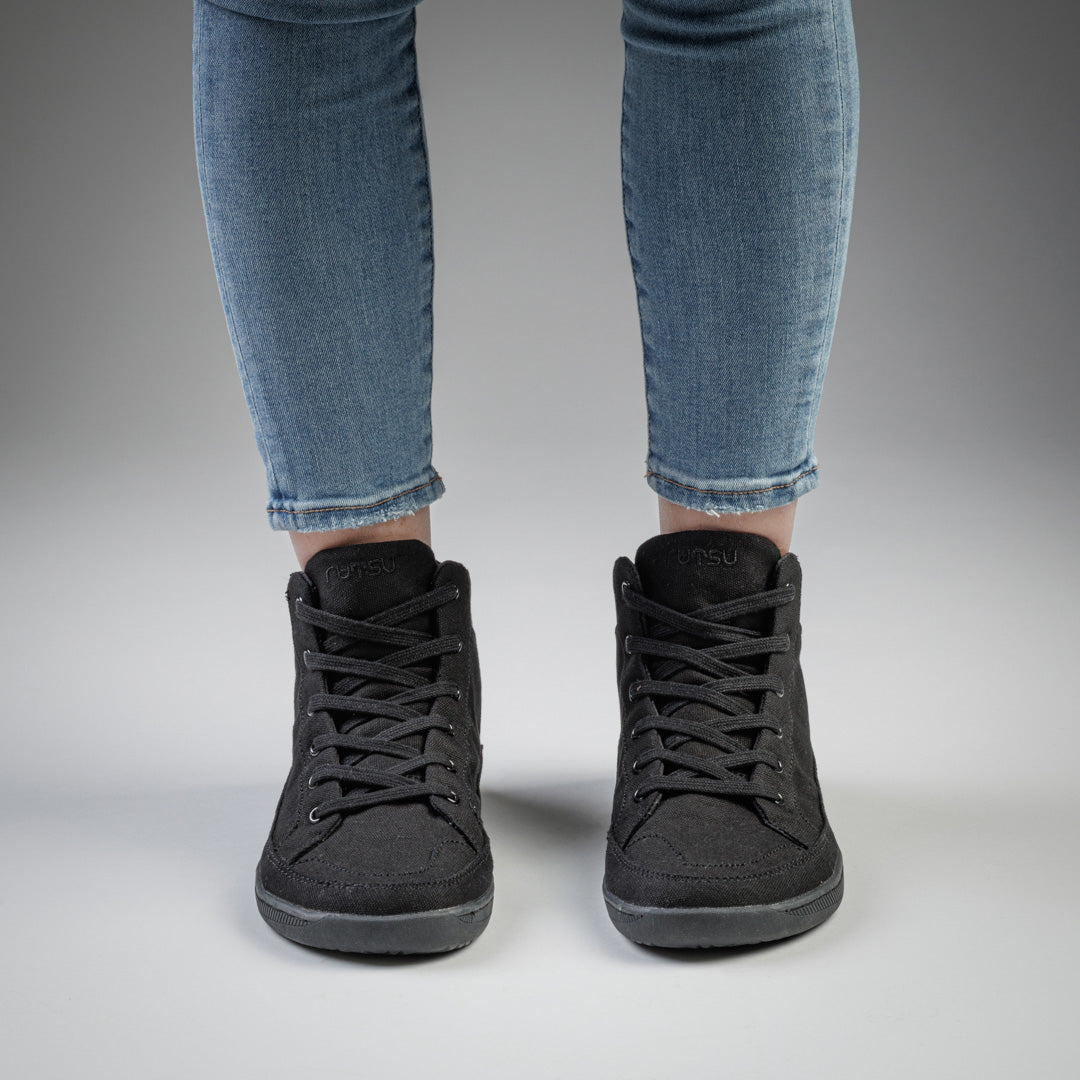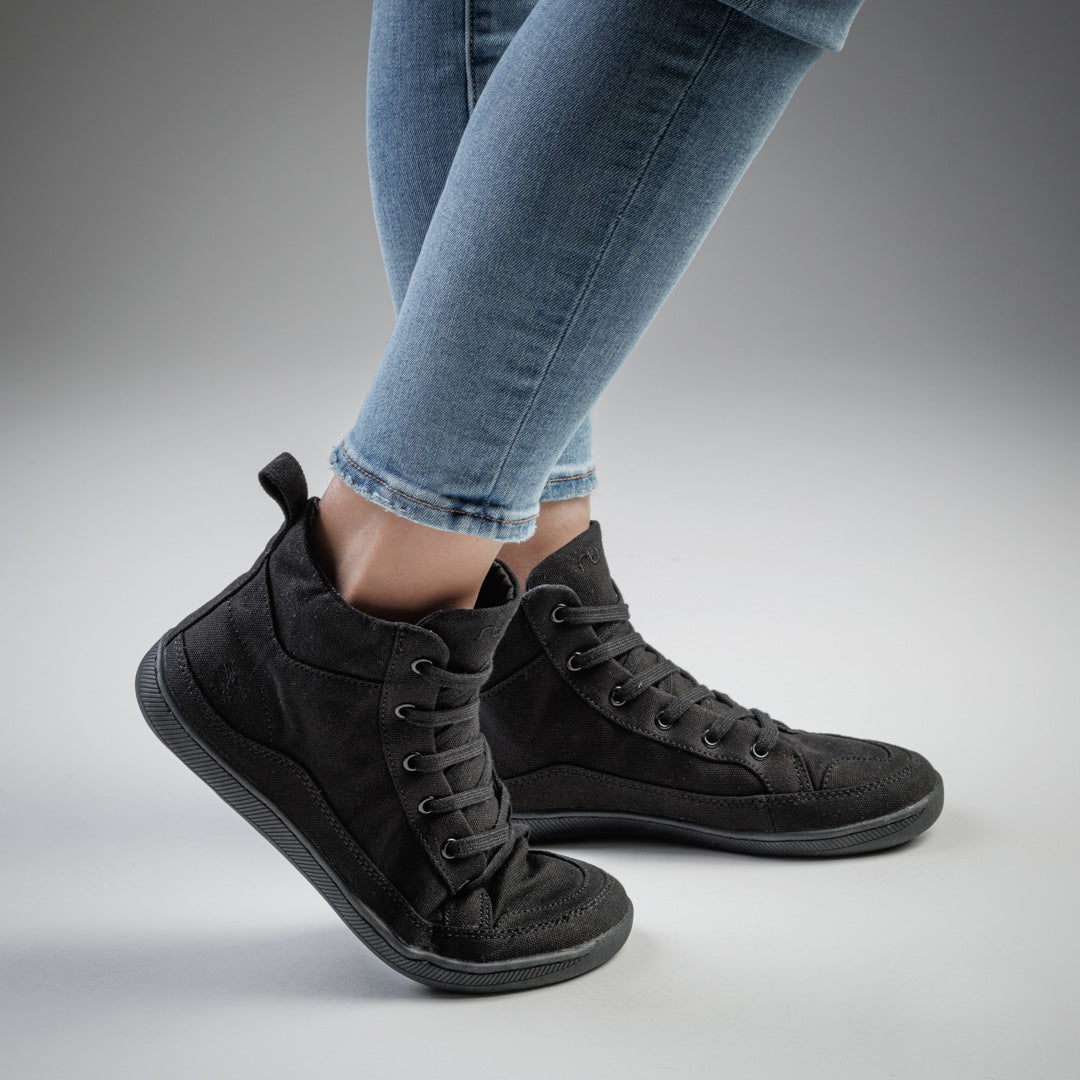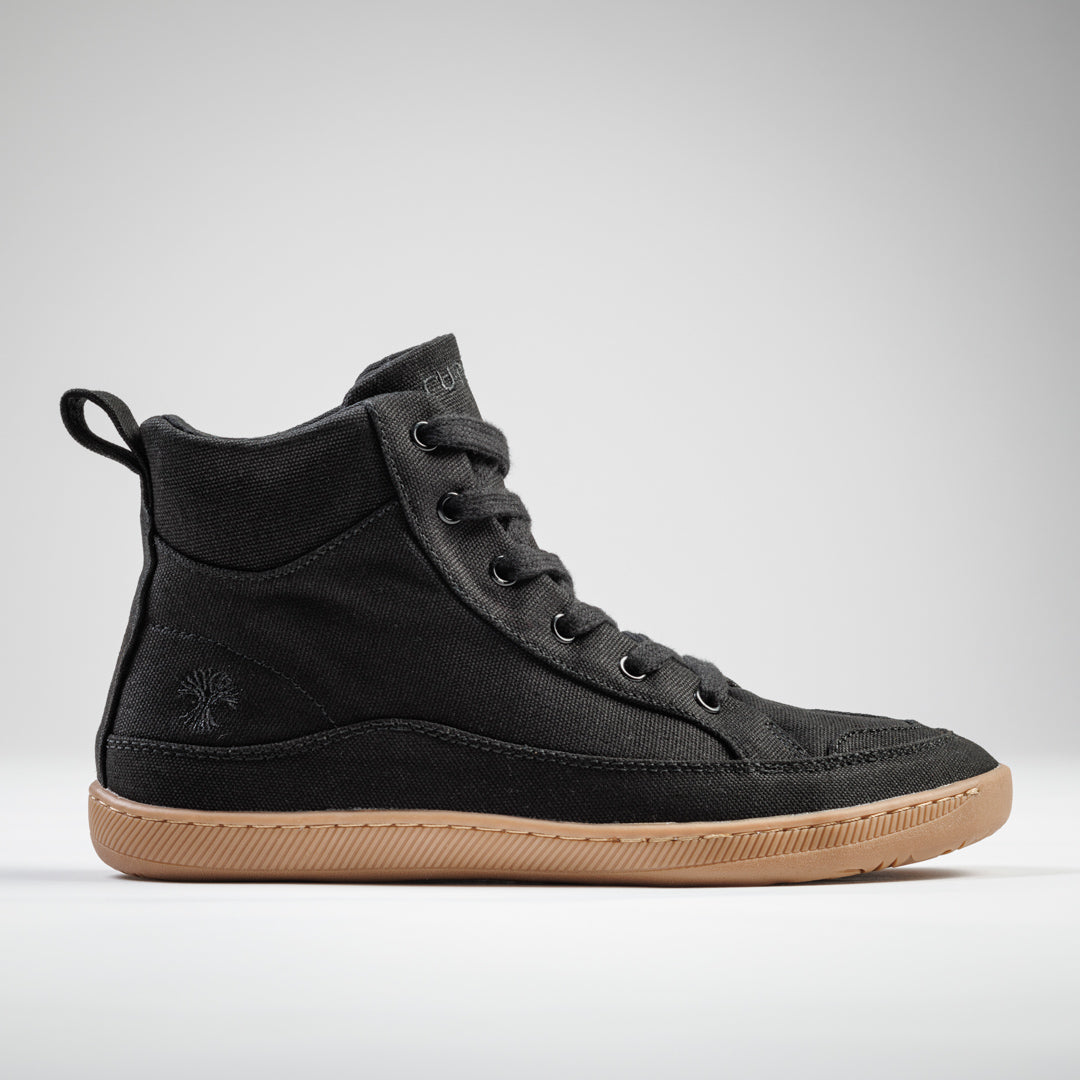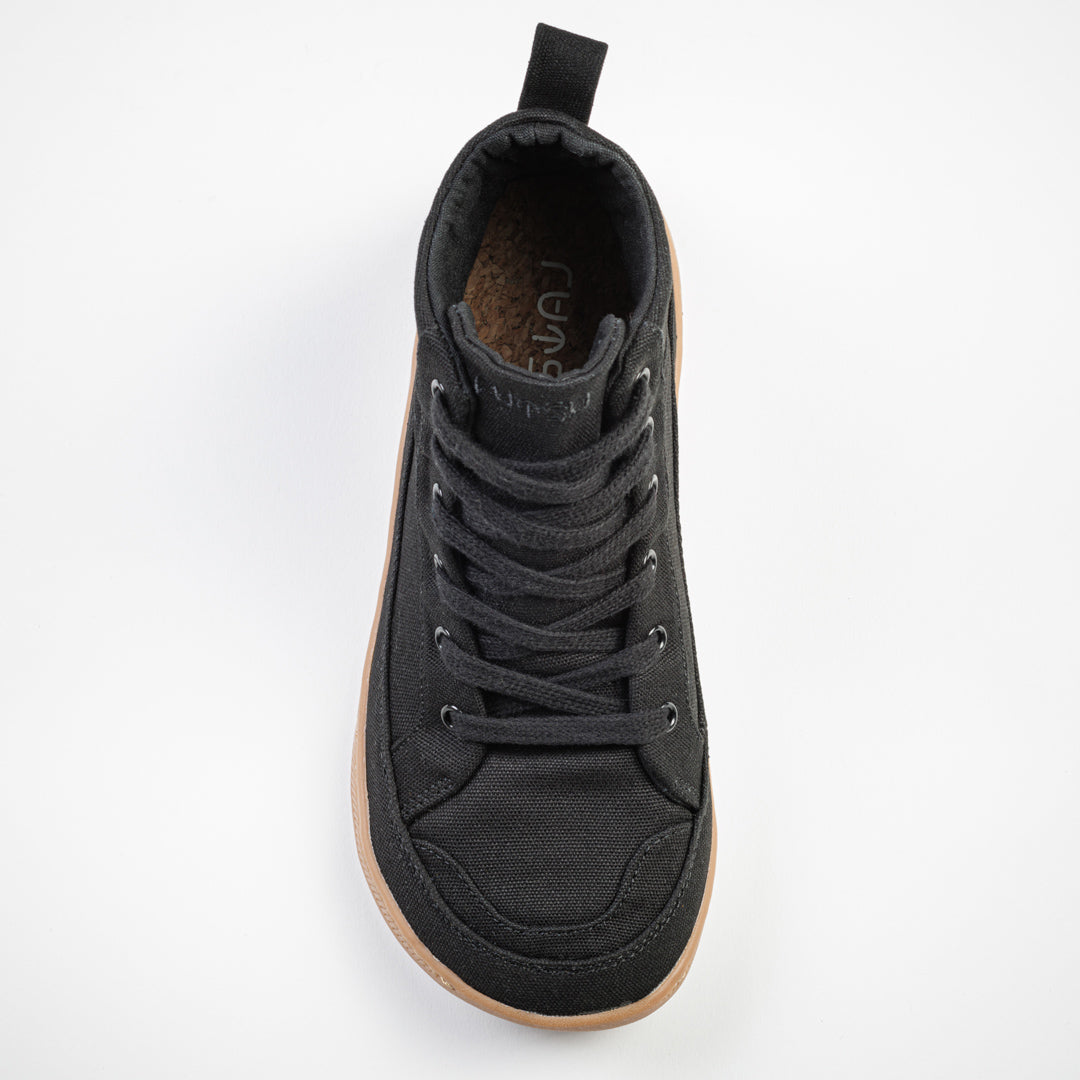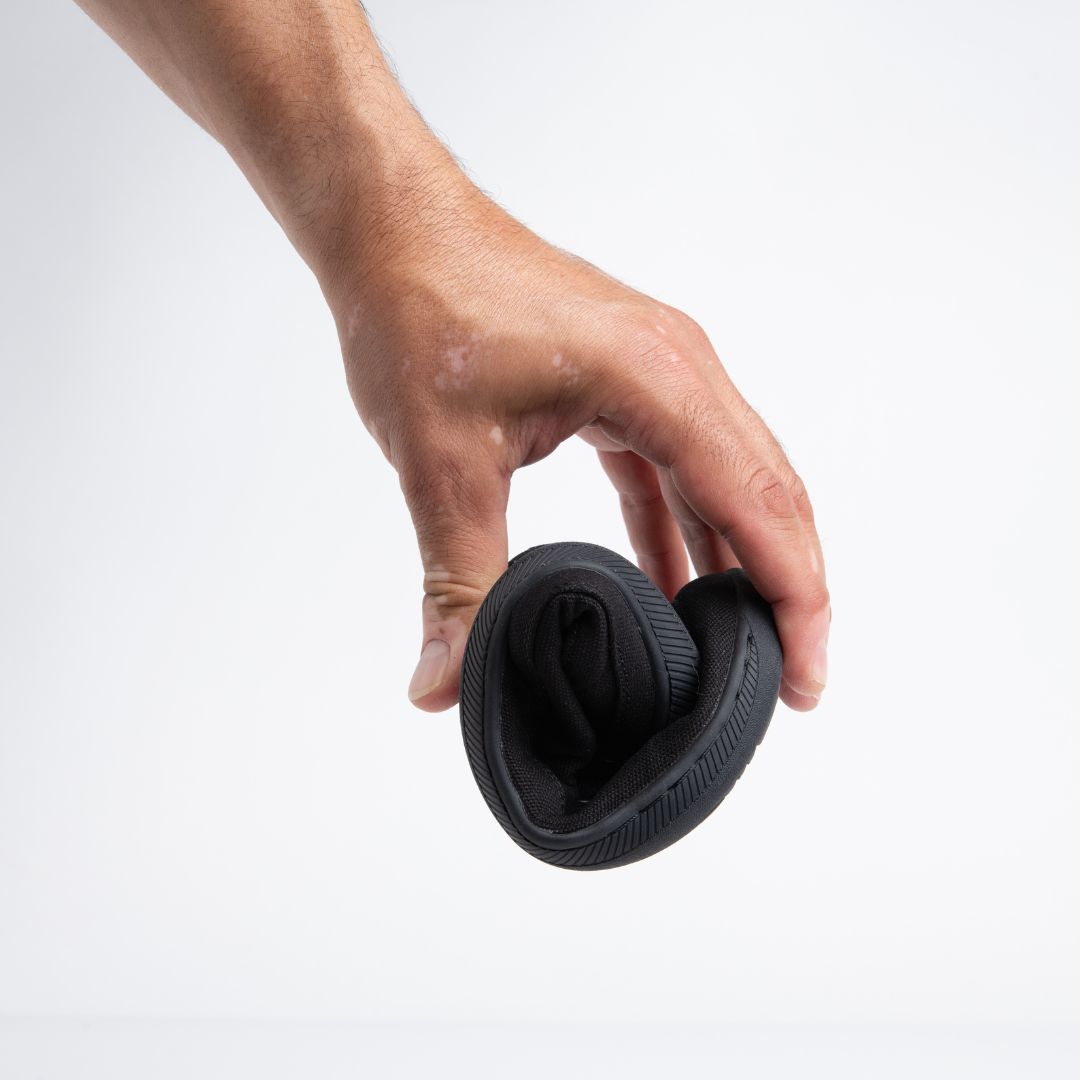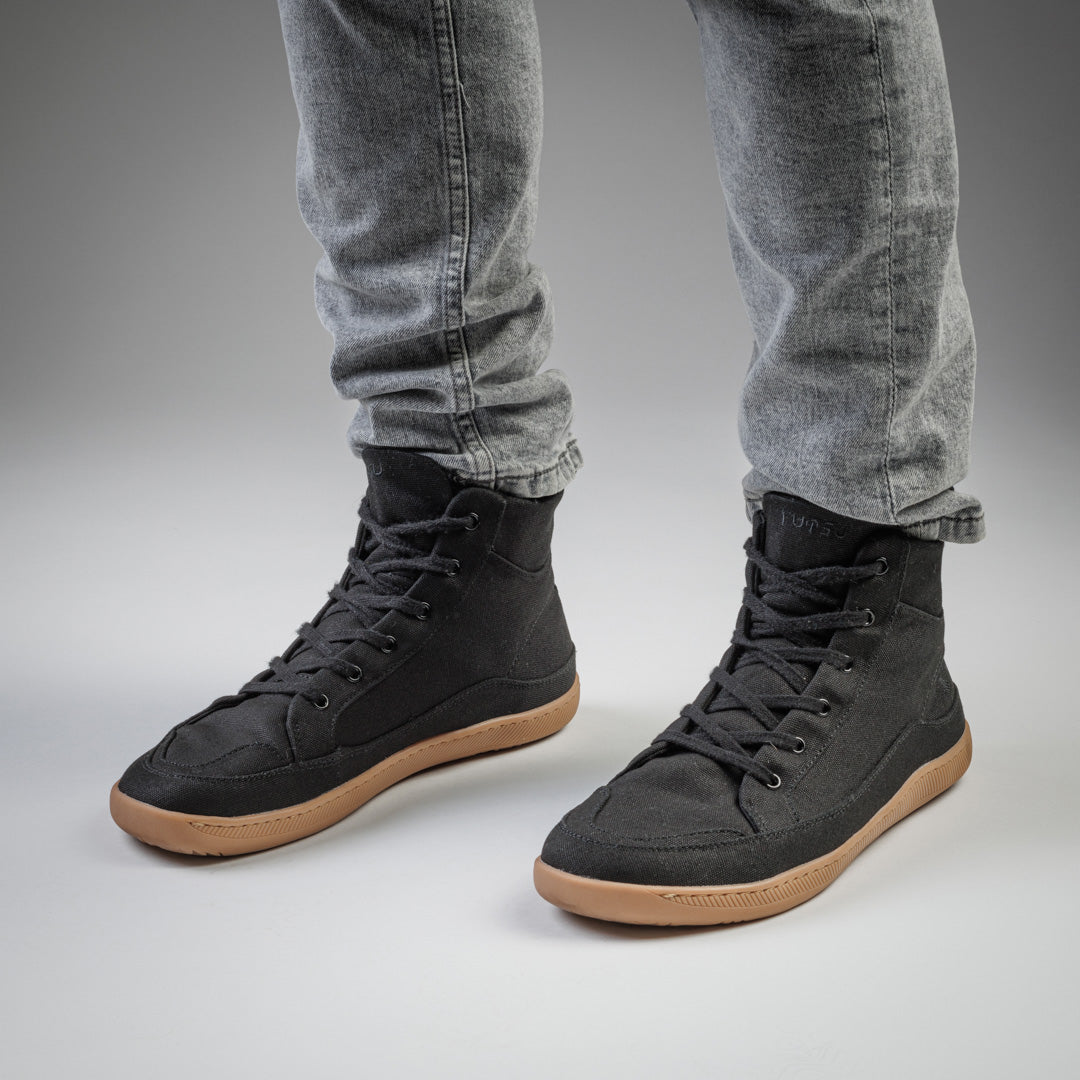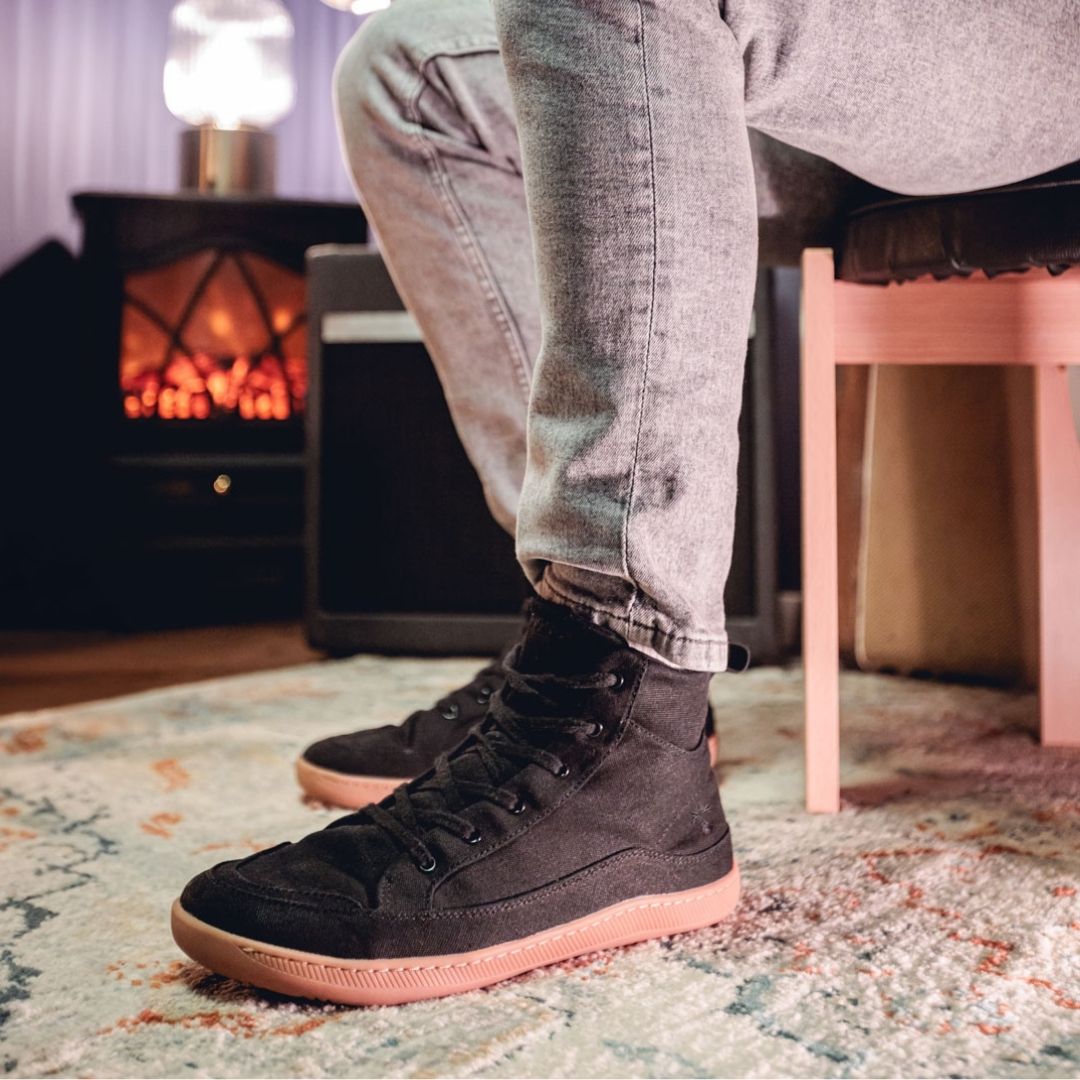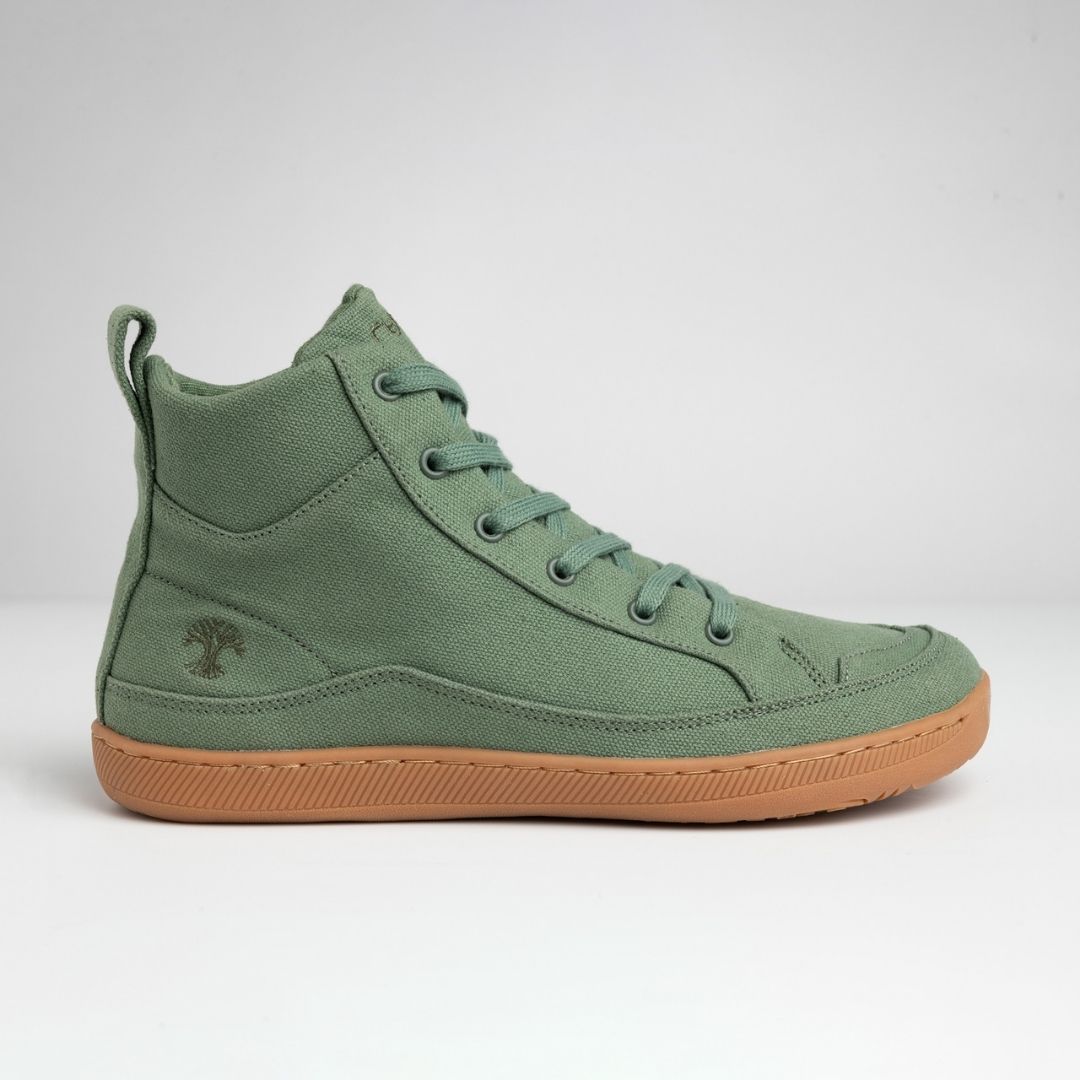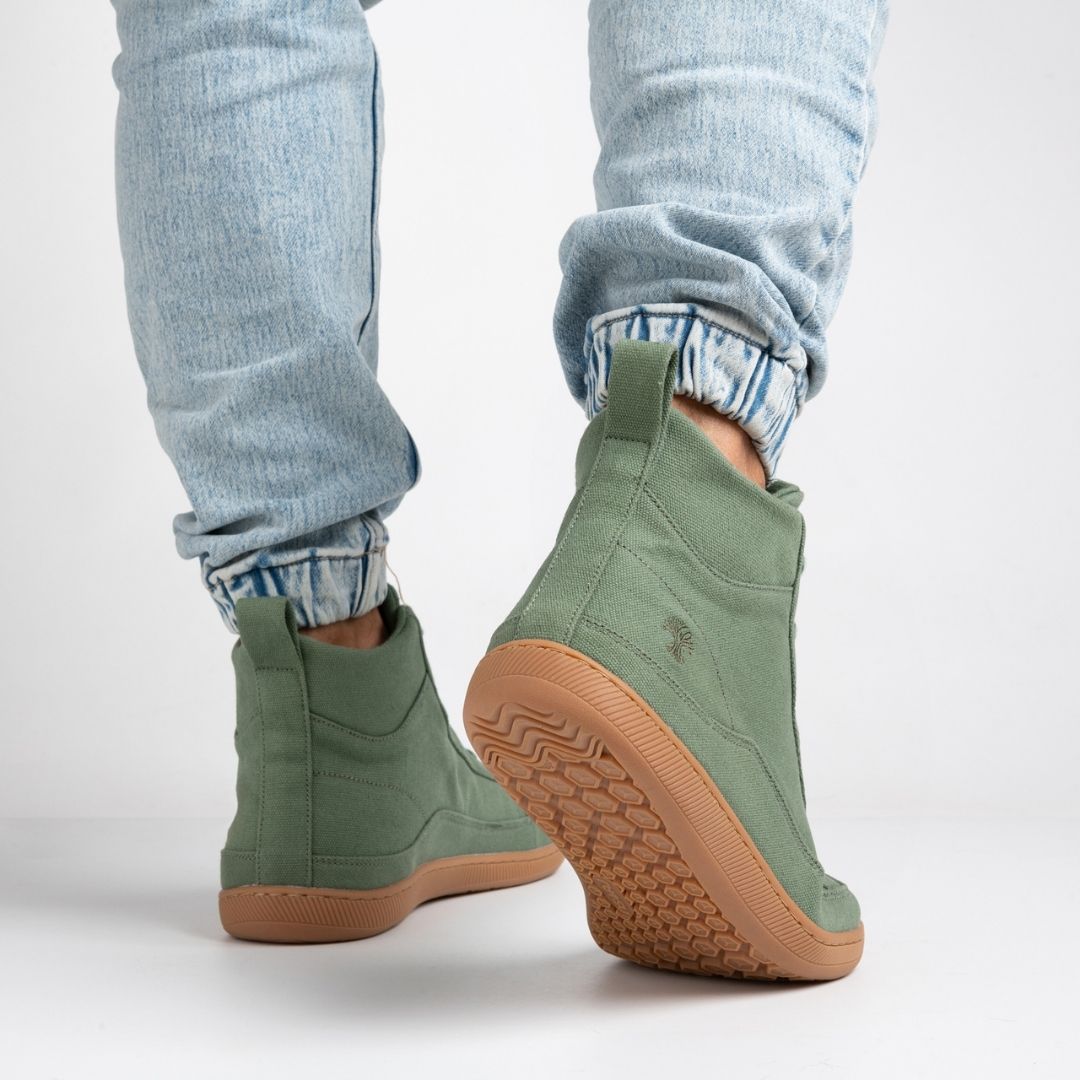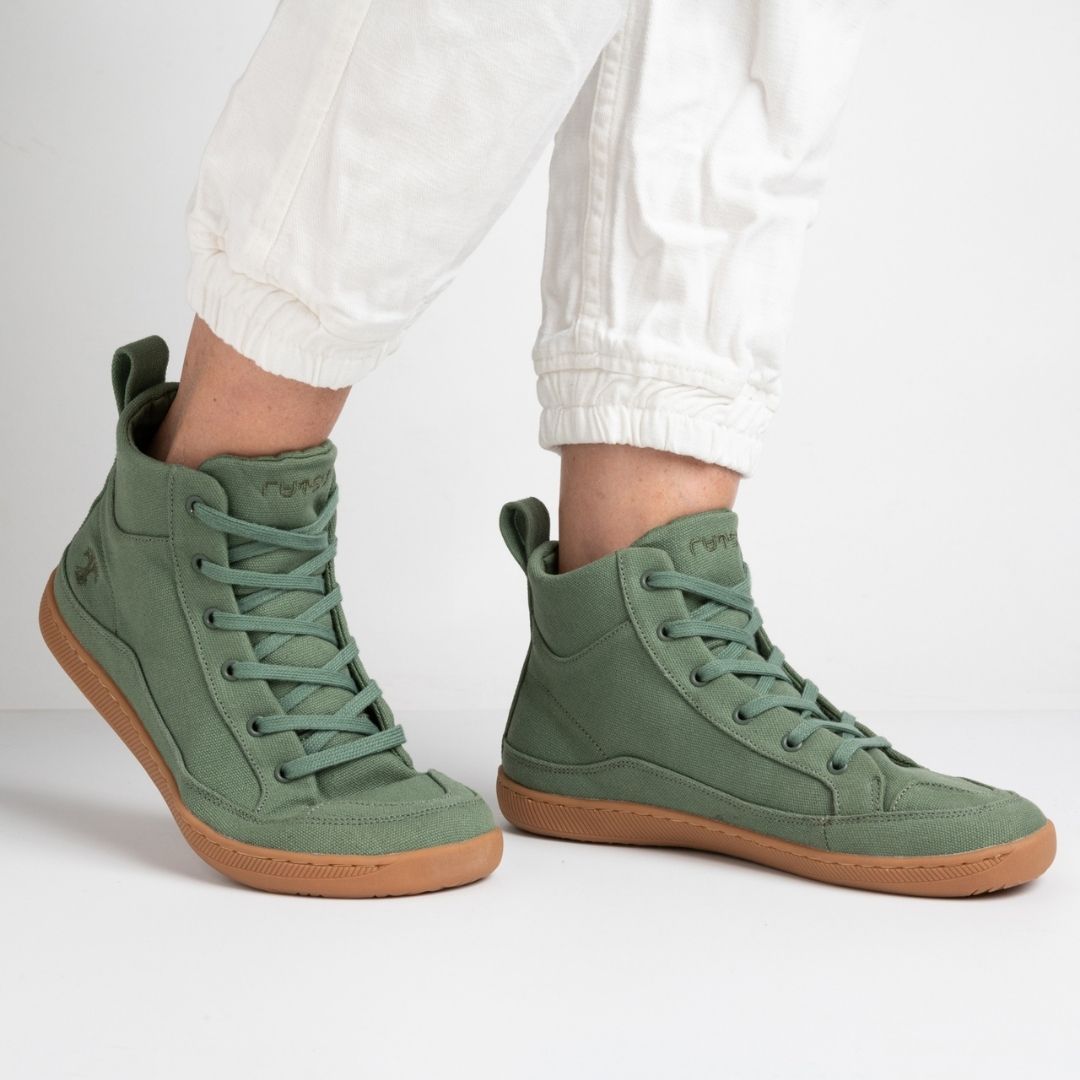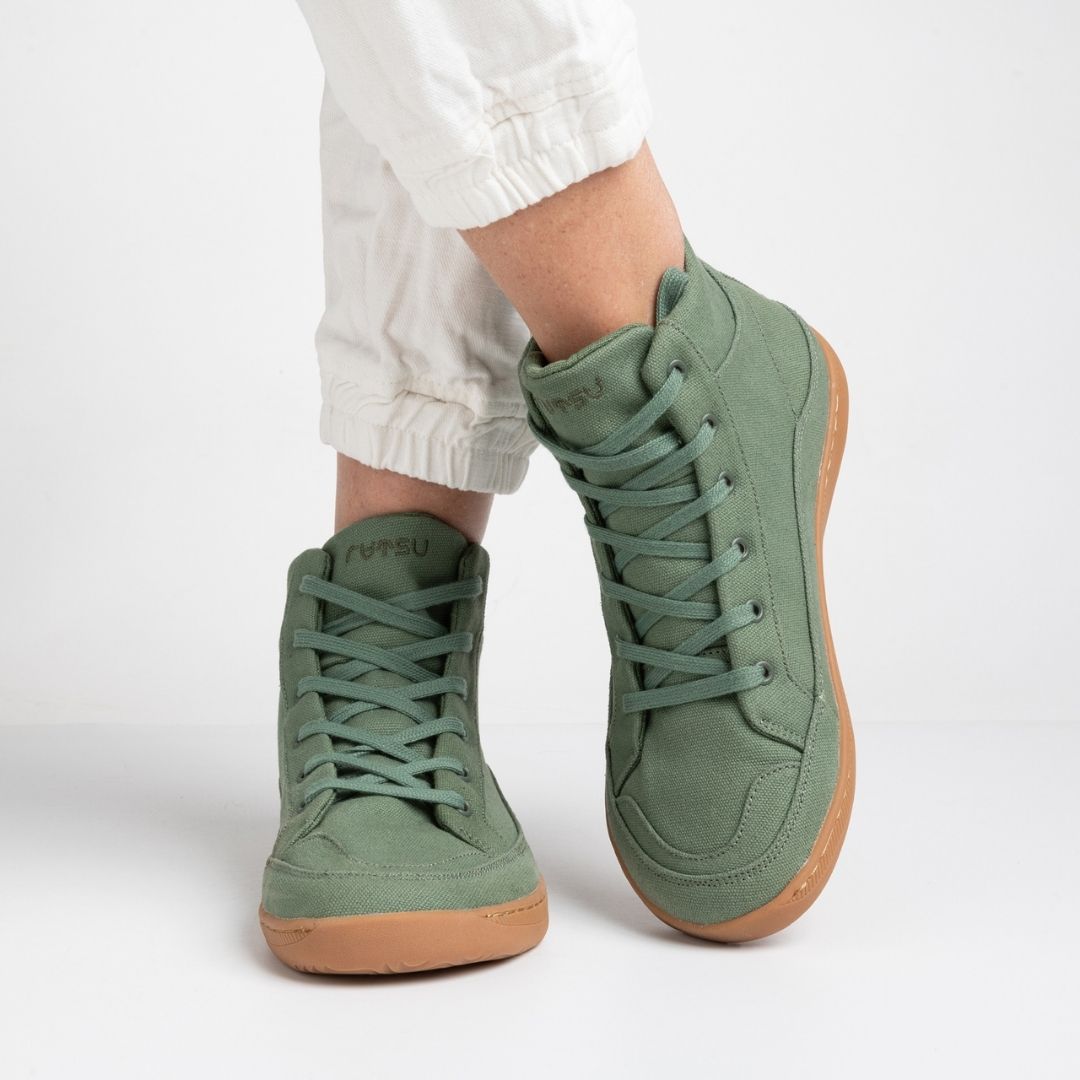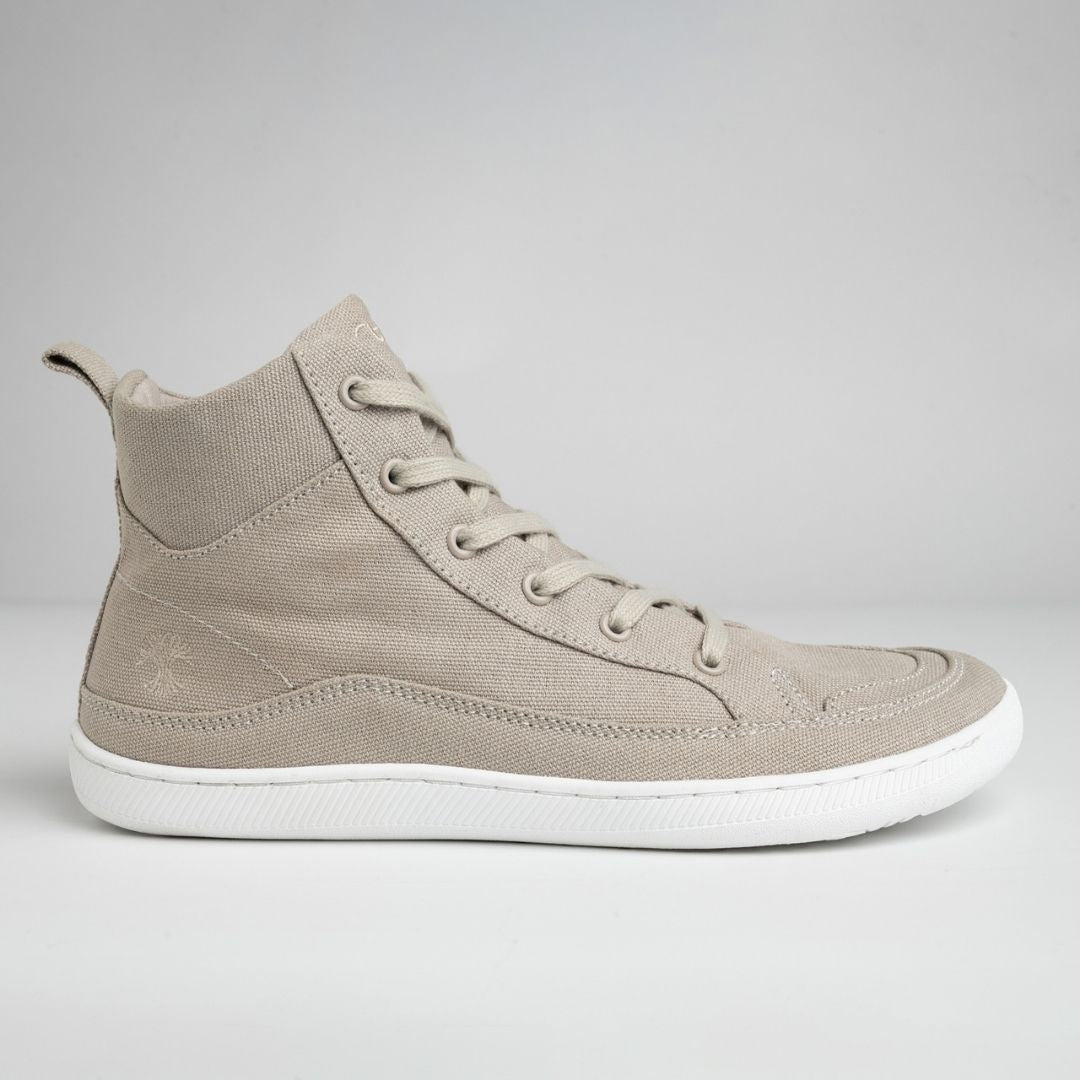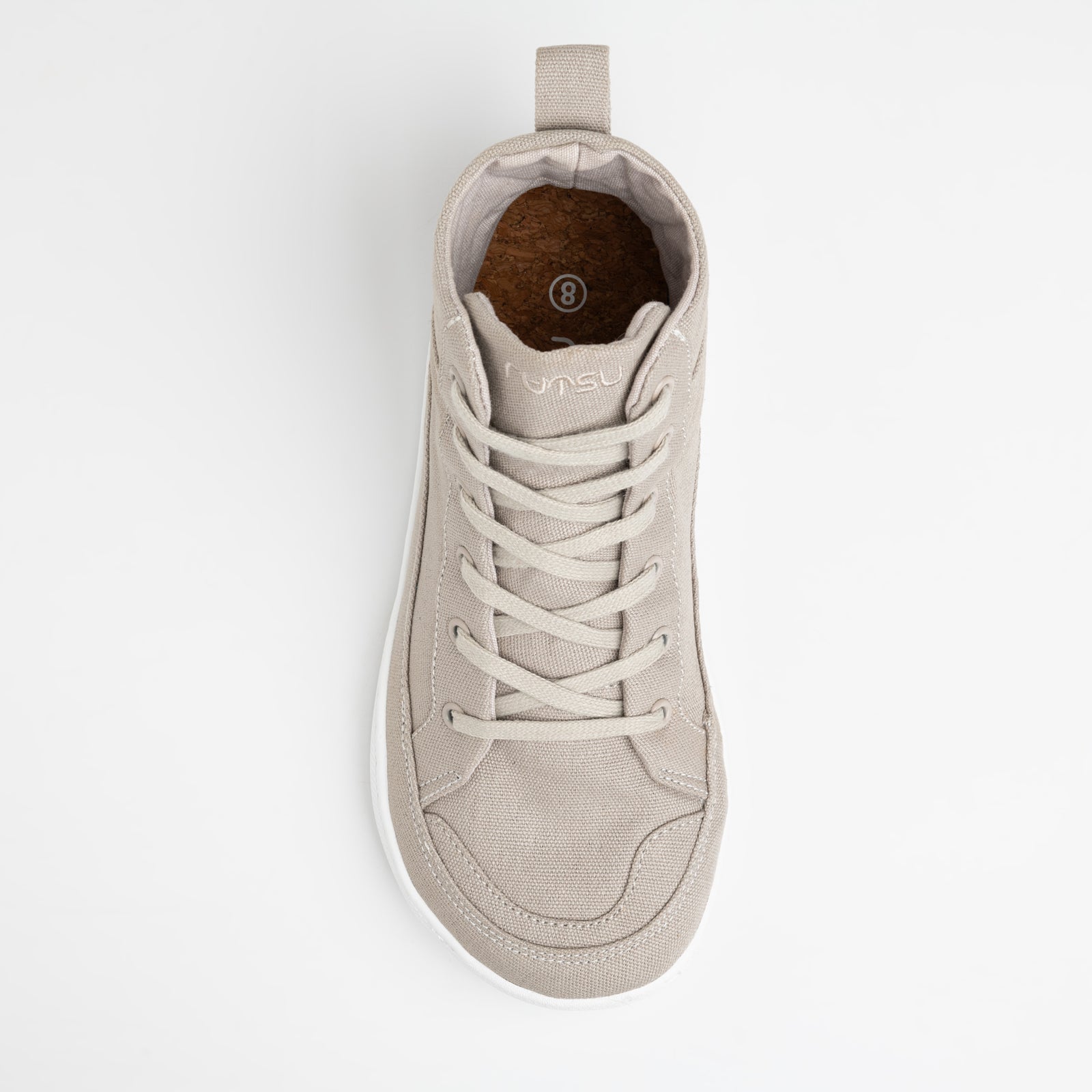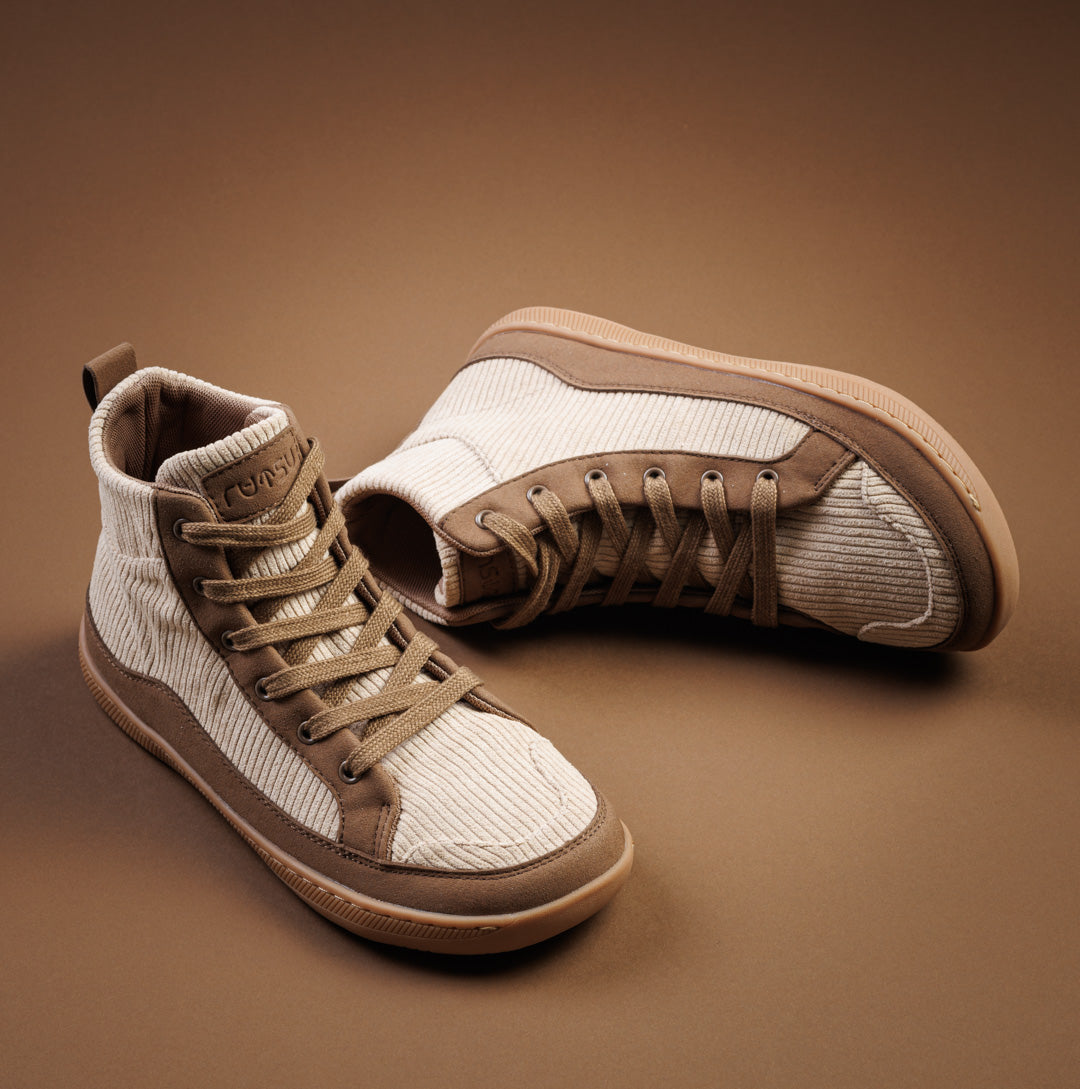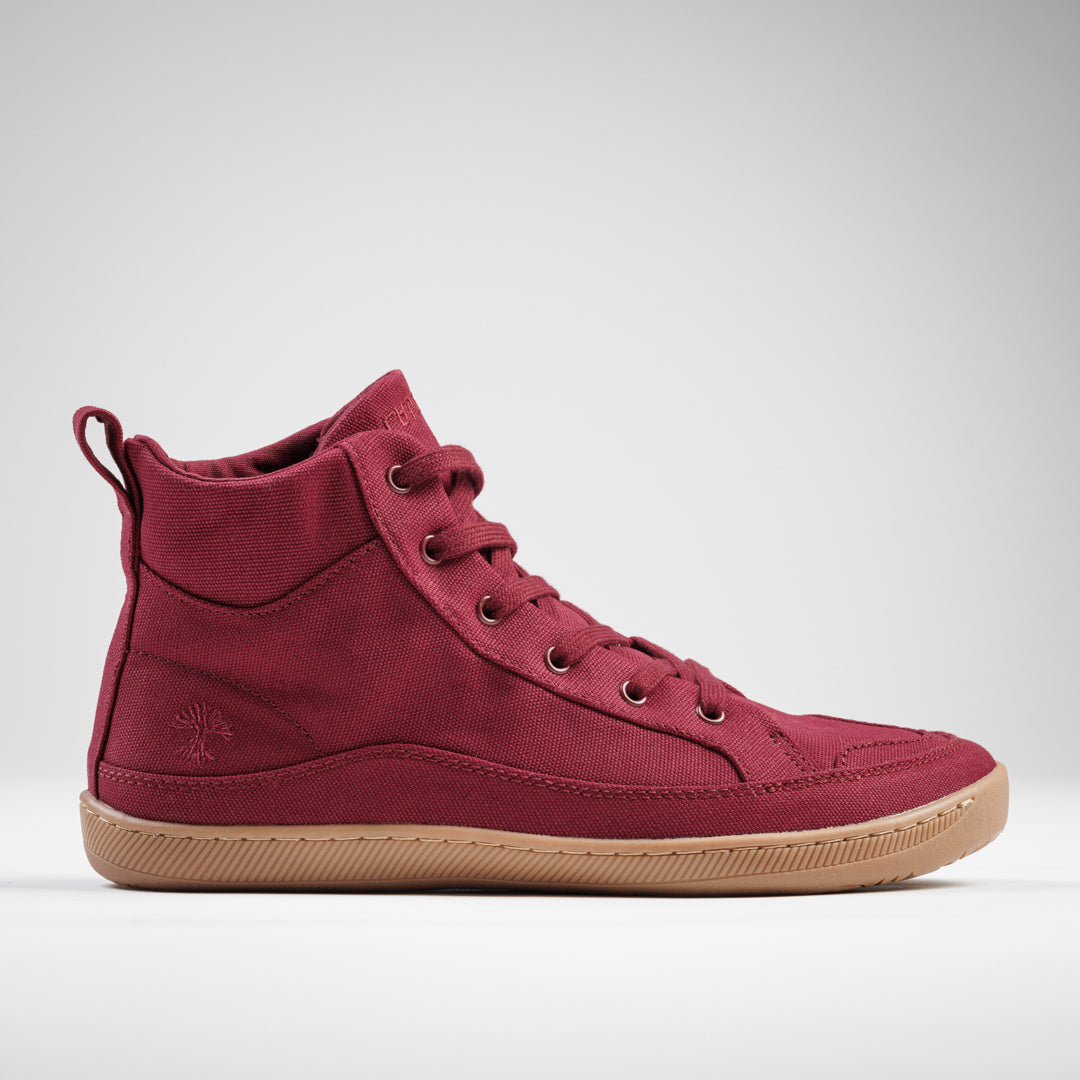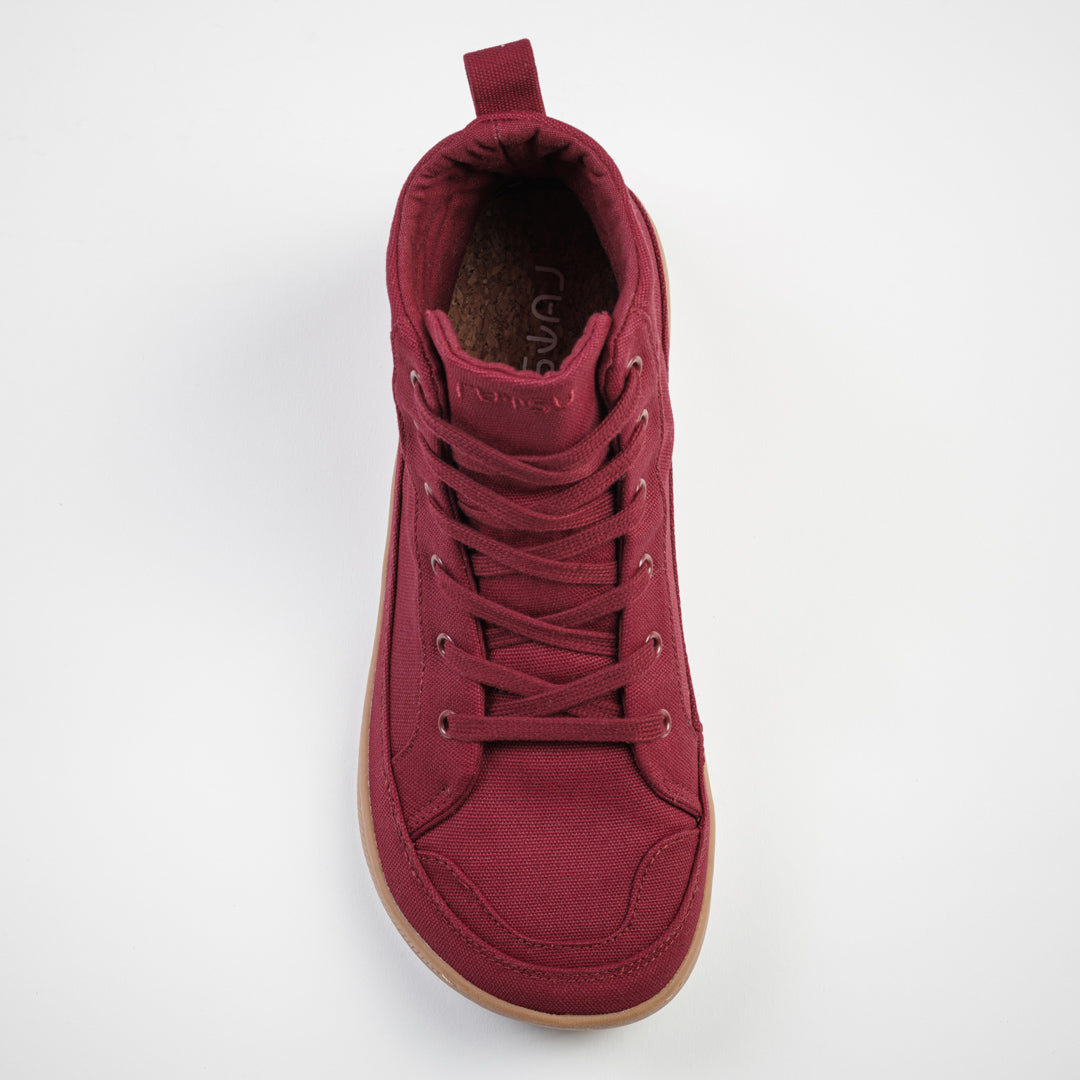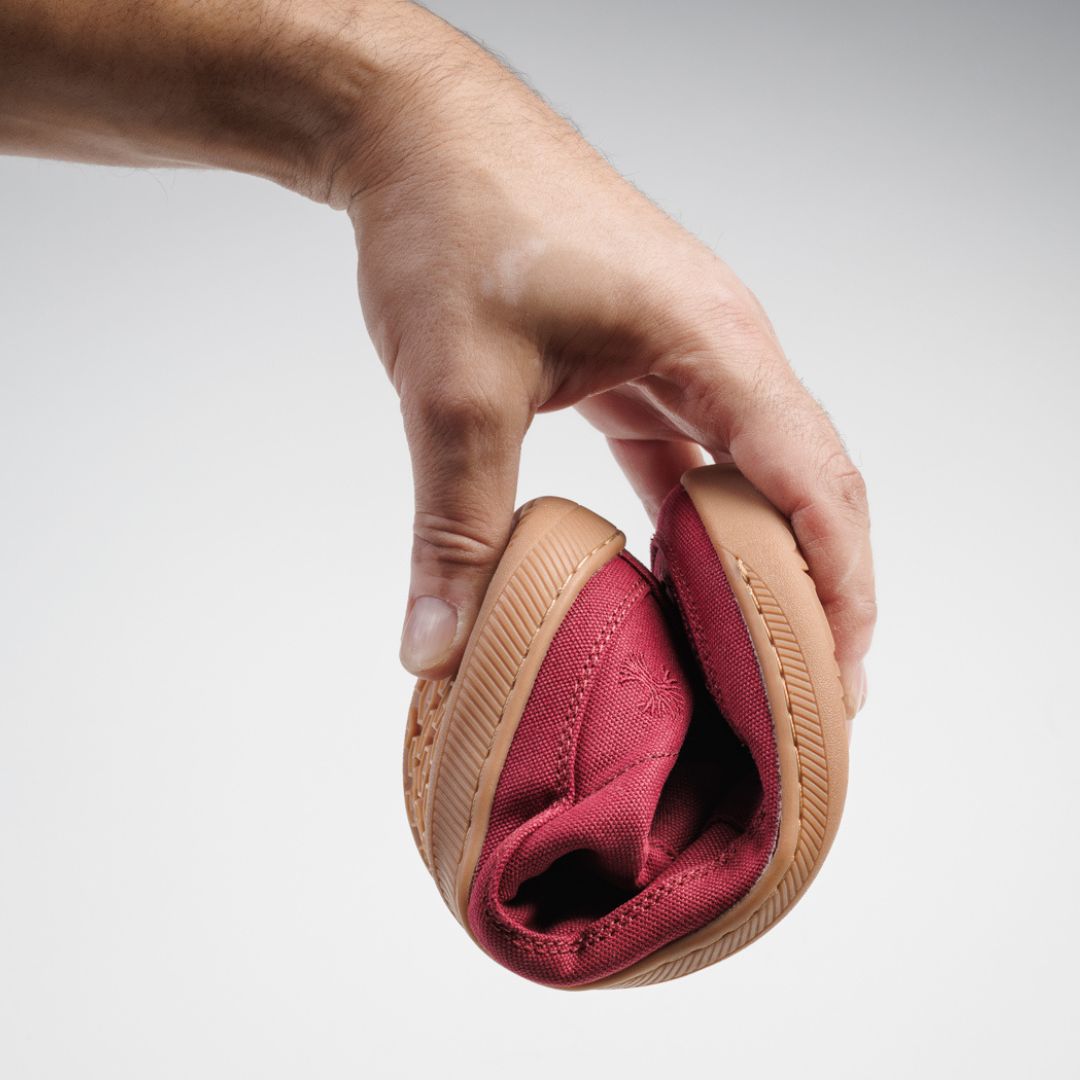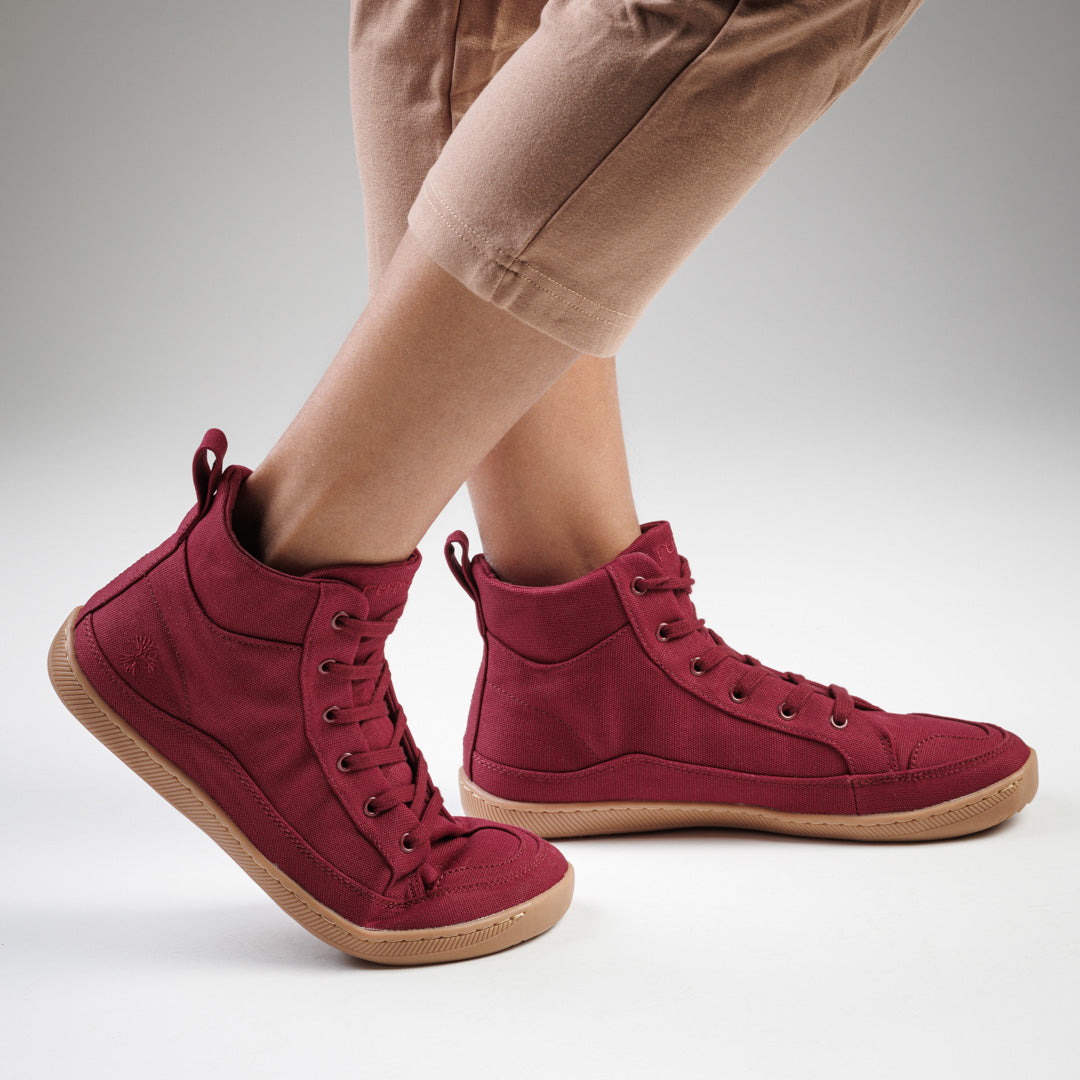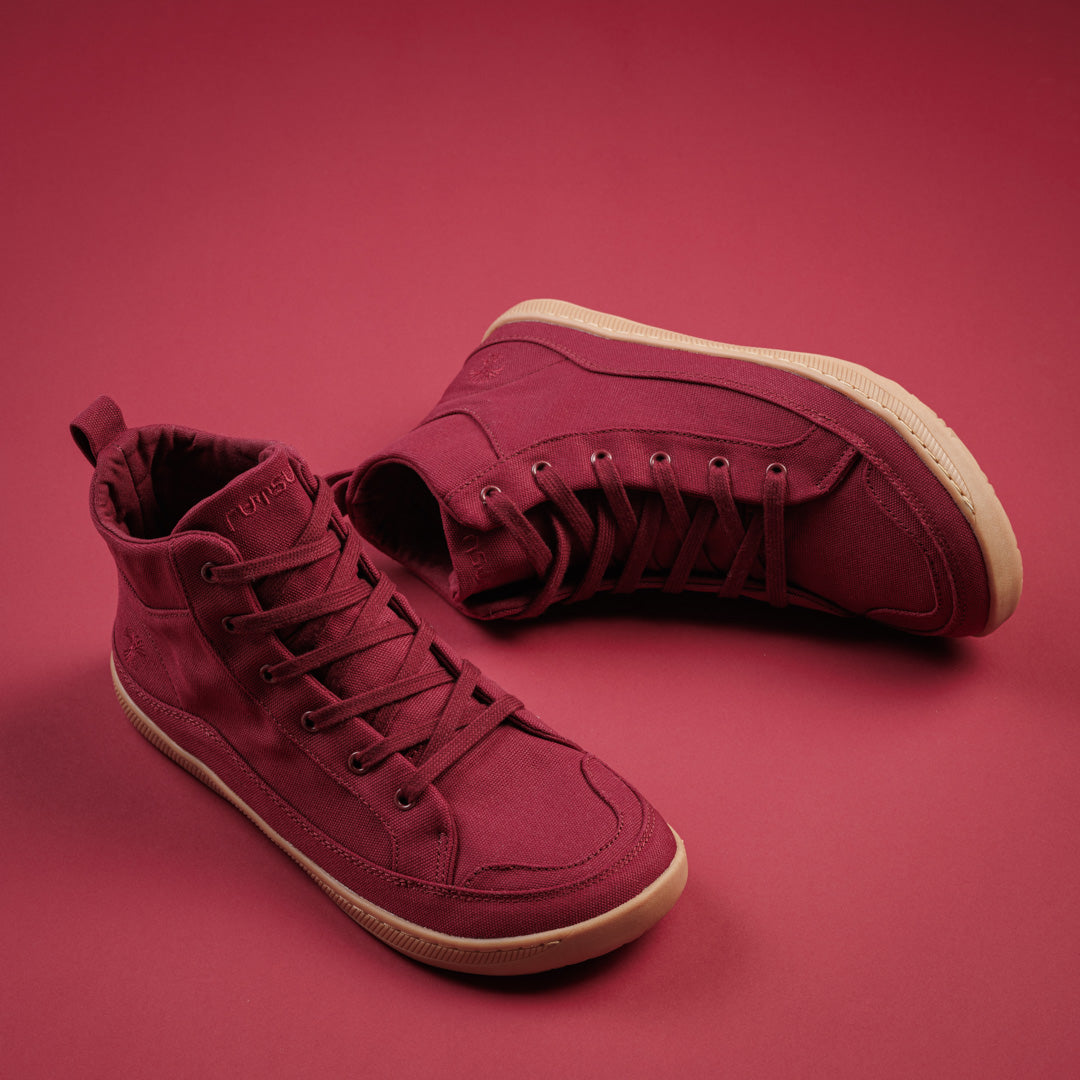


No type of shoe is automatically HSA or FSA eligible. Not barefoot shoes, not running shoes, not work shoes, and not even shoes labeled "orthopedic." A pair of shoes can generally be paid for with HSA or FSA funds only when it is bought primarily to treat, mitigate, or prevent a specific medical condition, when that purpose is documented, and when the expense meets IRS rules and your plan's requirements.
That answer explains why you see "HSA eligible" on some shoe websites and still hear that shoes don't qualify. Both statements can be true, depending on who is buying and why. Here is how the rules actually work.
*This article is general information, not tax or medical advice.
The rule behind every eligibility decision
HSAs, health FSAs, and similar accounts can only pay for "medical care" as defined in Section 213(d) of the Internal Revenue Code. Medical care means amounts paid for the diagnosis, cure, mitigation, treatment, or prevention of disease, or for affecting a structure or function of the body.
Everything else in this article follows from that definition. The question is never "is this a medical shoe?" The question is "was this purchase primarily for medical care for a specific condition?"
Why regular shoes usually don't qualify
IRS Publication 502 sets out a clear principle. You can't treat the cost of an item ordinarily used for personal, living, or family purposes as a medical expense unless it is used primarily to prevent or alleviate a physical or mental defect or illness. The IRS's own example is a toothbrush and toothpaste, which are personal expenses even though they support dental health.
Shoes are the textbook "ordinarily personal" item. Everyone needs them, whether they have a medical condition or not. So a pair bought for comfort, style, general foot health, or because barefoot shoes feel better is a personal expense, even if it genuinely helps you feel better.
IRS guidance also looks at whether you would have bought the item anyway. Expenses are more likely to count when they would not have been incurred "but for" the medical condition.
How different kinds of footwear are usually treated
Custom orthotics and prescribed shoe inserts
These have the clearest path. In IRS Chief Counsel guidance, braces and shoe inserts for injured or weakened body parts were described as items that will most likely qualify as medical care. They exist to treat a condition and have little personal use otherwise.
Orthopedic and diabetic shoes
IRS guidance says the excess cost of specially designed clothing used to treat a specific disease, with diabetic socks, compression hose, and orthopedic shoes given as examples, may qualify. Note the phrase "excess cost." Publication 502 applies the same logic to items bought in a special form because of a physical condition: you can include the difference between the special version and the normal version, not always the full price.
Everyday comfort, barefoot, running, and walking shoes
These are personal items by default. They can only move into medical-expense territory when there is a genuine medical purpose tied to a diagnosed condition, supporting documentation, and a plan administrator (or, for HSAs, the IRS rules) that accepts the expense. A shoe's features, such as a wide toe box or zero-drop sole, do not qualify it on their own.
Shoes your job requires
Safety toes, slip-resistant soles, or dress-code shoes required by your employer are workplace requirements, not medical ones. A job requirement does not make footwear a medical expense.
Where a Letter of Medical Necessity fits in
A Letter of Medical Necessity (LMN) is a document from a licensed practitioner explaining that a product is needed to treat or manage a specific condition. It is how many "HSA eligible" purchases outside a pharmacy get documented.
It is also where people get the rules wrong. In March 2024, the IRS issued an alert (IR-2024-65) warning that some companies misrepresent how nutrition, wellness, and general health expenses can be reimbursed. The IRS stated that a doctor's note based only on self-reported health information cannot convert a personal expense into a medical expense. The expense still has to be connected to a targeted, diagnosis-specific treatment.
So an LMN helps. It does not settle the question by itself.
Four layers that all have to line up
When you see "HSA/FSA eligible" on a product, it helps to separate four different things that often get blended together:
- The tax rules. Section 213(d) and IRS guidance define what counts as medical care. These rules are the same for everyone.
- Your medical situation. Whether you have a condition that the product is primarily meant to treat, mitigate, or prevent. This is personal, and two people buying the same shoe can be in completely different positions.
- Documentation. An LMN or prescription that connects the product to that condition, plus an itemized receipt.
- Your plan's decision. For an FSA, your administrator reviews claims and decides. For an HSA, you are responsible for keeping records that show your distribution paid for a qualified expense.
A store's "eligible" label speaks mainly to the purchase path, meaning a store offers a way to check out with HSA/FSA funds and a process to obtain documentation. It isn't a promise about layers two through four.
How this works when you buy from Rutsu
Rutsu partners with Truemed, a company that works with licensed medical practitioners. When you choose to pay with HSA or FSA at checkout, you complete a health survey about whether you are treating, mitigating, or preventing a chronic health condition. A licensed provider reviews your answers, and you receive an LMN by email only if you qualify. If you don't qualify, you can cancel the order before it is delivered.
That process covers the documentation layer. It doesn't replace your plan administrator's decision or the IRS rules, and not every shopper will qualify.
HSA and FSA reimbursement: what happens after you pay
If you pay with a regular credit or debit card, you submit your LMN and your Rutsu receipt to your plan administrator for reimbursement. If you pay with your HSA/FSA card, keep the same documents in case the administrator or IRS asks for them. The Truemed page explains how HSA/FSA payment works step by step, including paying with a card when your balance is too low.
If an FSA administrator rejects a claim, the expense simply isn't reimbursed. With an HSA, money spent on an expense that isn't a qualified medical expense is generally included in your taxable income and may face an additional 20% tax if you are under 65. That is the real cost of guessing, and a strong reason to keep good records and ask your plan questions up front.
A simple way to decide
Ask yourself three questions before buying any shoes with pre-tax funds:
- Am I buying these primarily because of a specific health condition, not just for comfort or general wellness?
- Do I have, or can I legitimately get, documentation that ties these shoes to that condition?
- Has my plan administrator confirmed they accept this kind of expense with that documentation?
If the answer to all three is yes, you are on solid ground. If any answer is no or unclear, pay normally or talk to your administrator first.
Frequently Asked Questions
Are barefoot shoes HSA or FSA eligible?
Not by default. Barefoot shoes may be purchased with HSA or FSA funds only when they are primarily used to treat, mitigate, or prevent a specific condition, the purchase is properly documented, and your plan accepts it.
Do I need a prescription to use HSA funds on shoes?
For ordinary footwear, you generally need documentation such as a Letter of Medical Necessity connecting the shoes to a medical condition. Requirements vary by plan, so check with your administrator.
Can I use my HSA or FSA for work shoes?
Not simply because your job requires them. Work footwear becomes a potential medical expense only when it is primarily for a medical condition and meets the same documentation and plan requirements as any other shoe.
Can I get reimbursed for shoes I already bought?
Rutsu's Truemed process does not apply to past purchases. Ask your HSA or FSA administrator directly about reimbursement for earlier purchases.
What happens if I use HSA money on shoes that don't qualify?
The distribution is generally treated as taxable income and may face an additional 20% tax if you are under 65. For FSAs, a non-qualifying claim is not reimbursed.
When you have confirmed the rules with your plan, you can start using HSA or FSA funds on your order by browsing Rutsu's eligible styles and choosing the Truemed option at checkout.