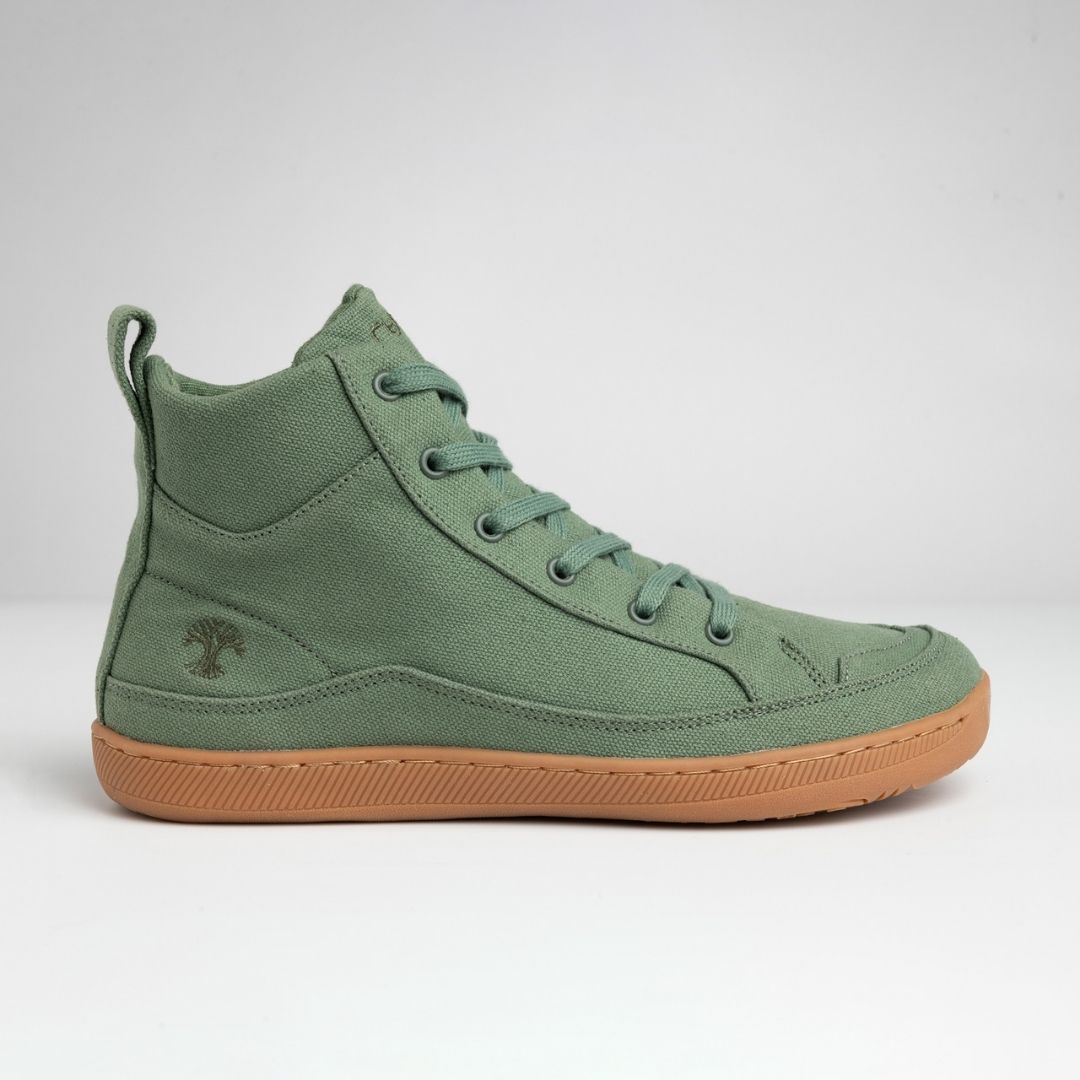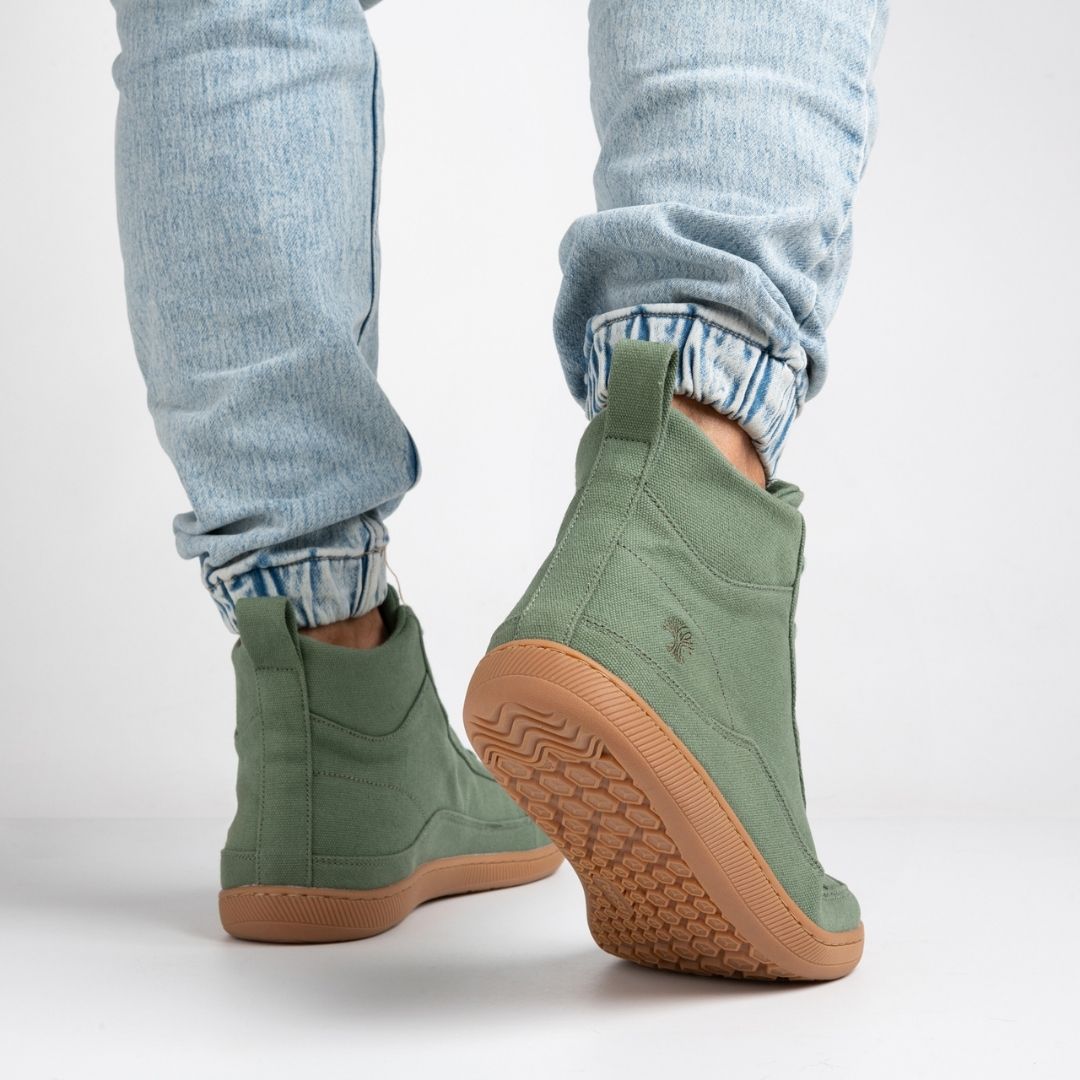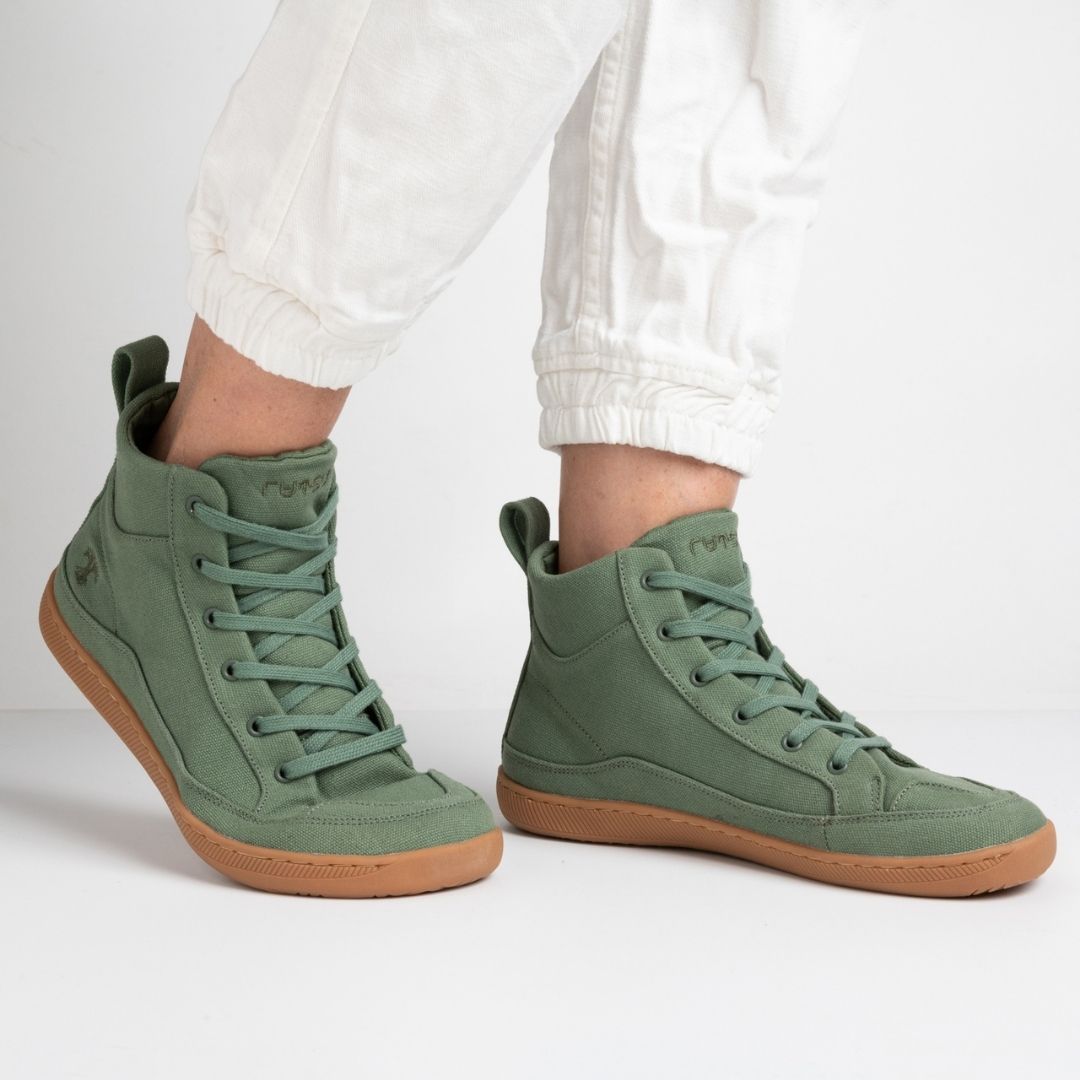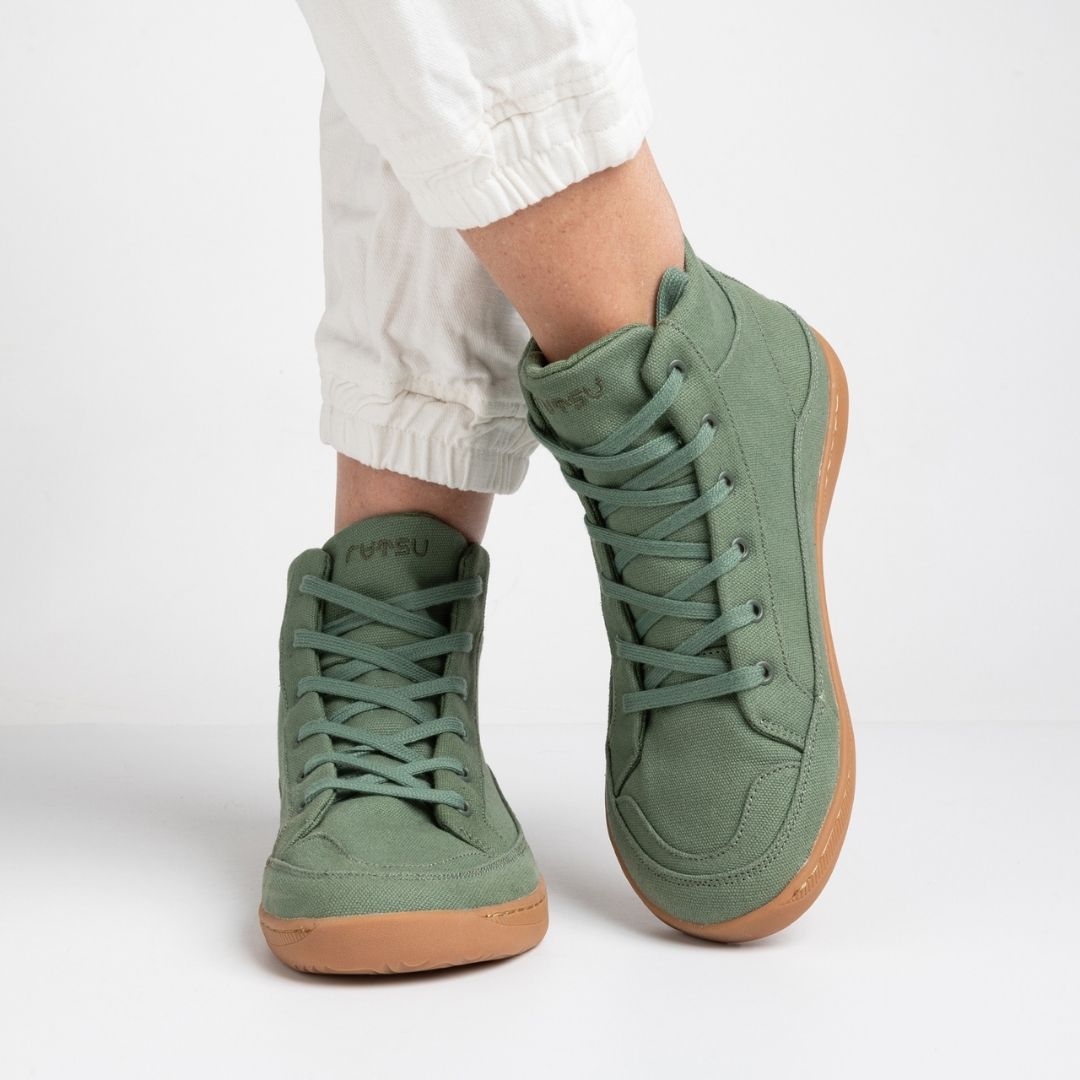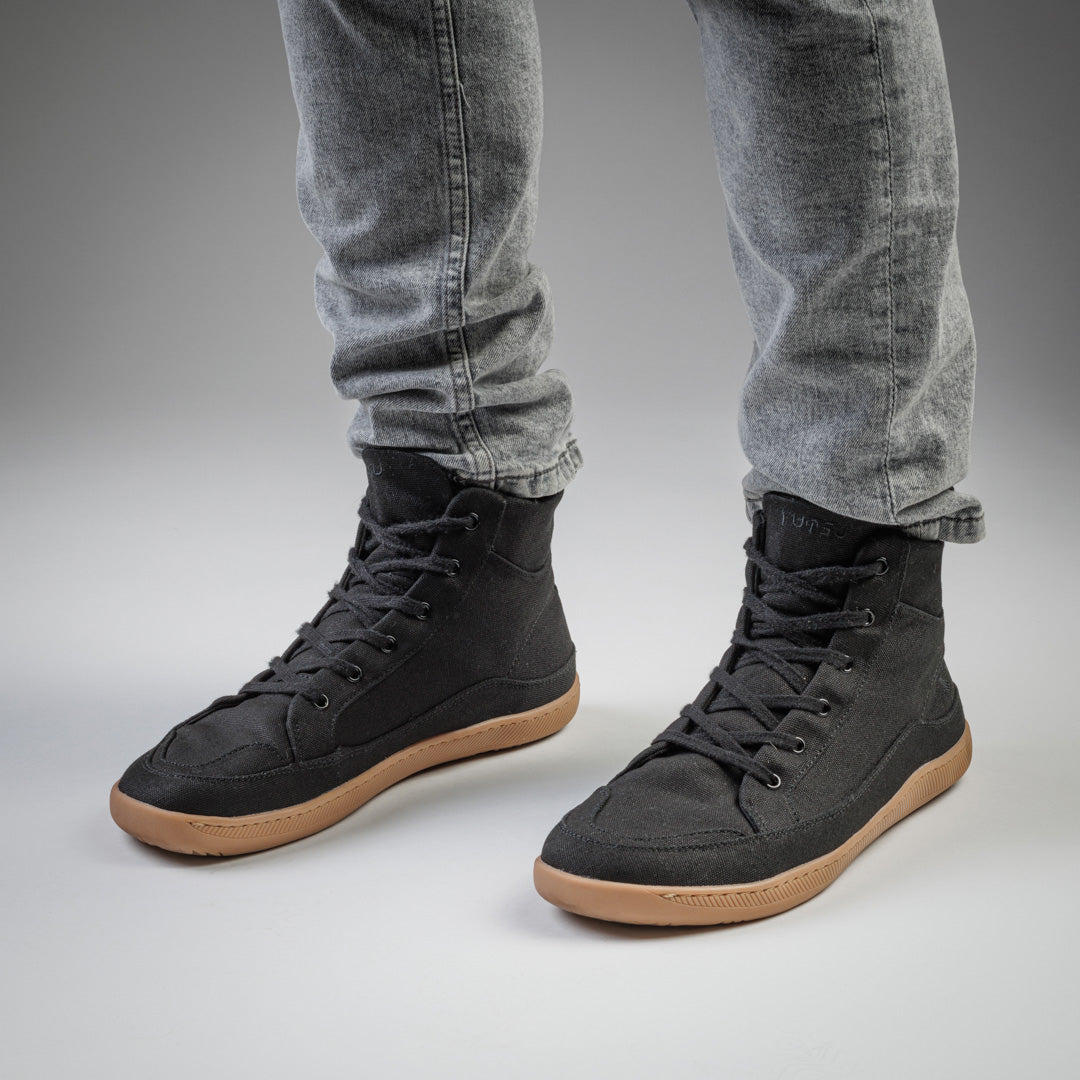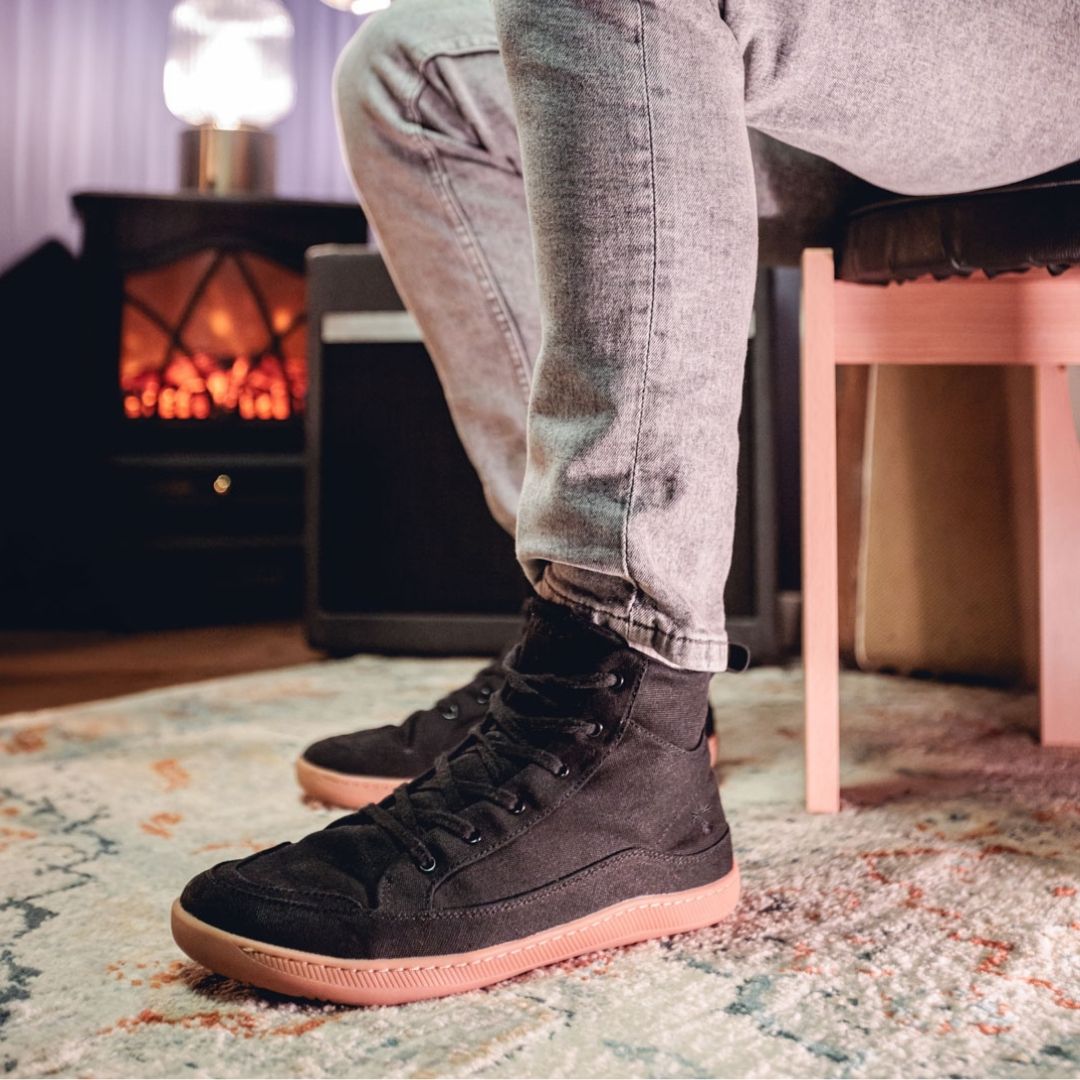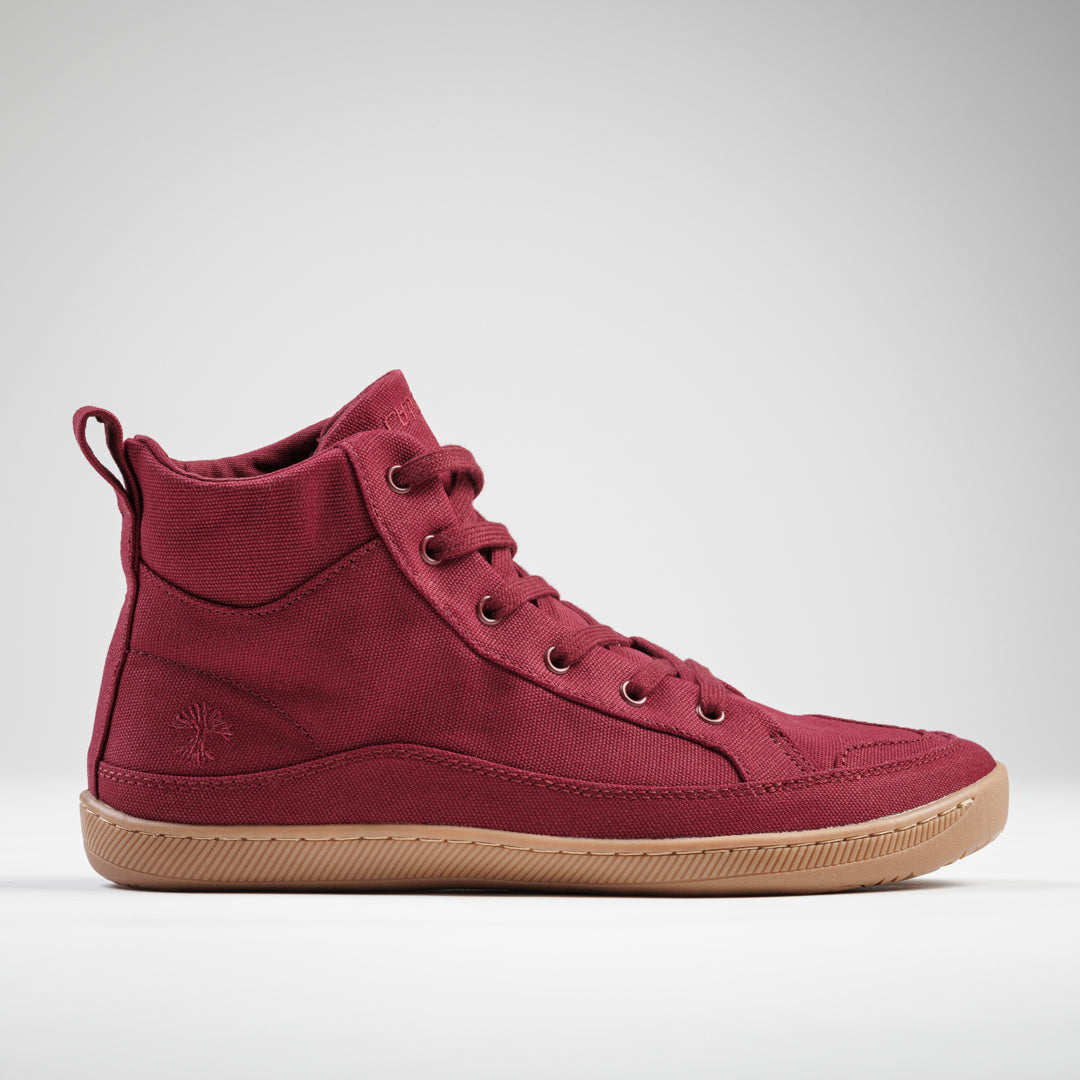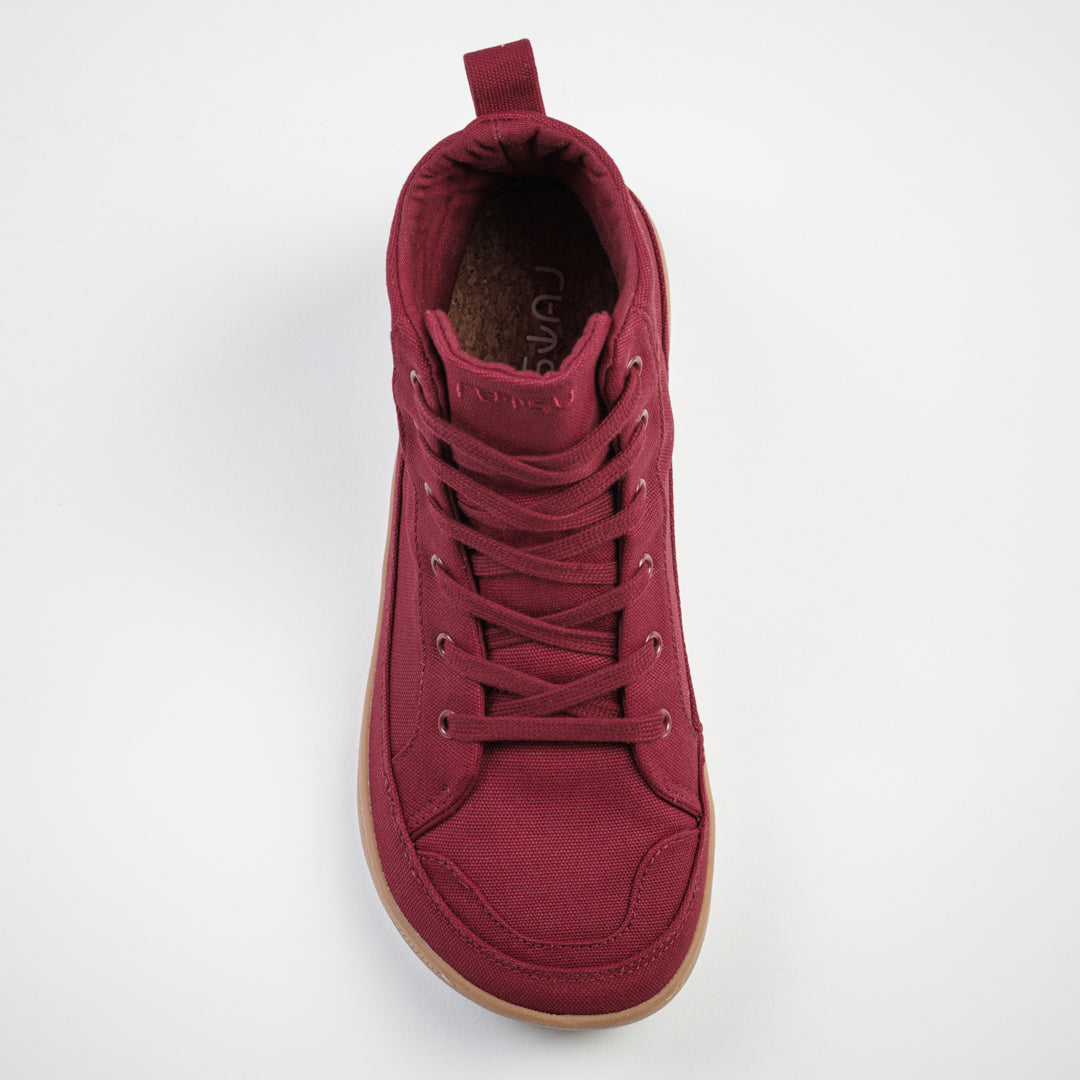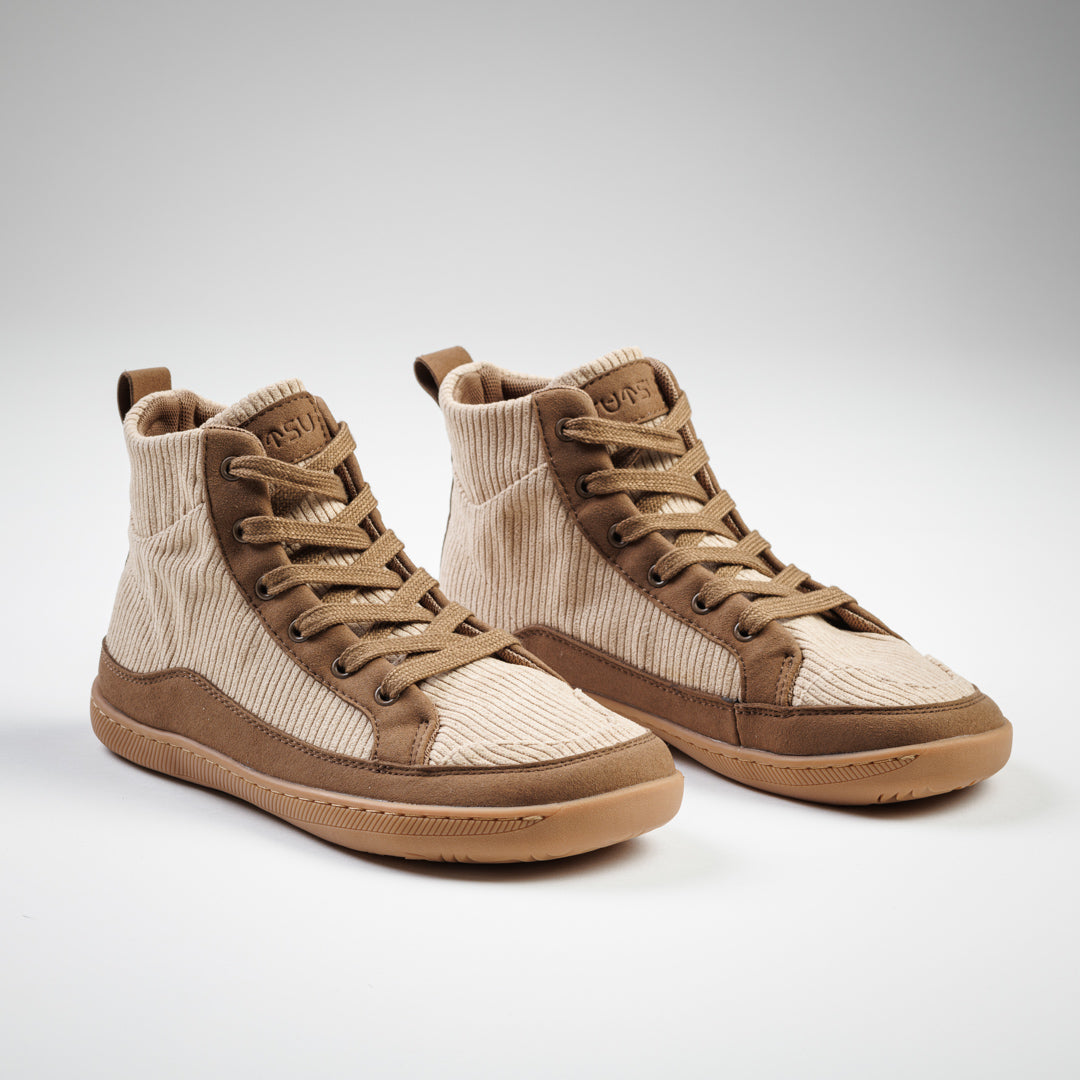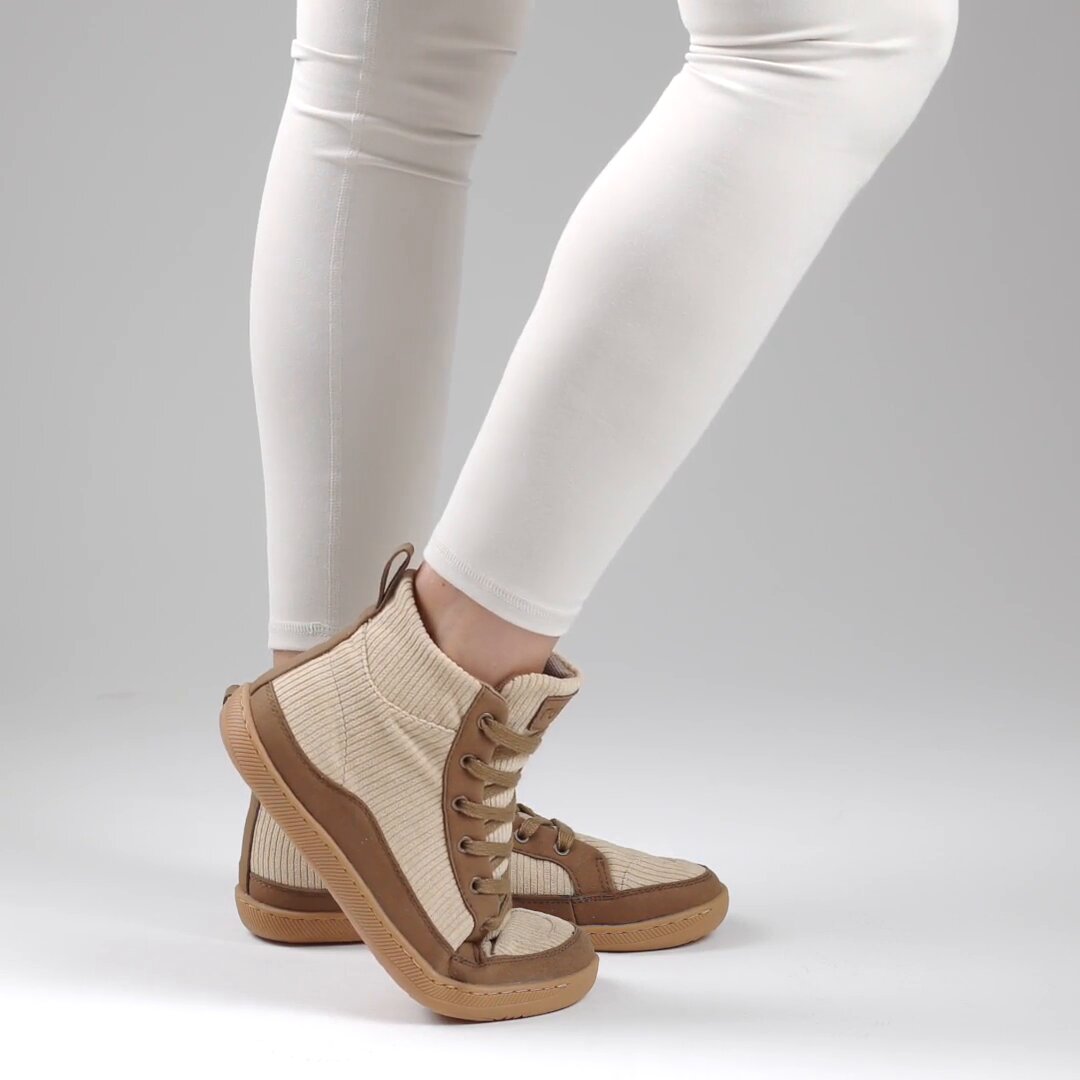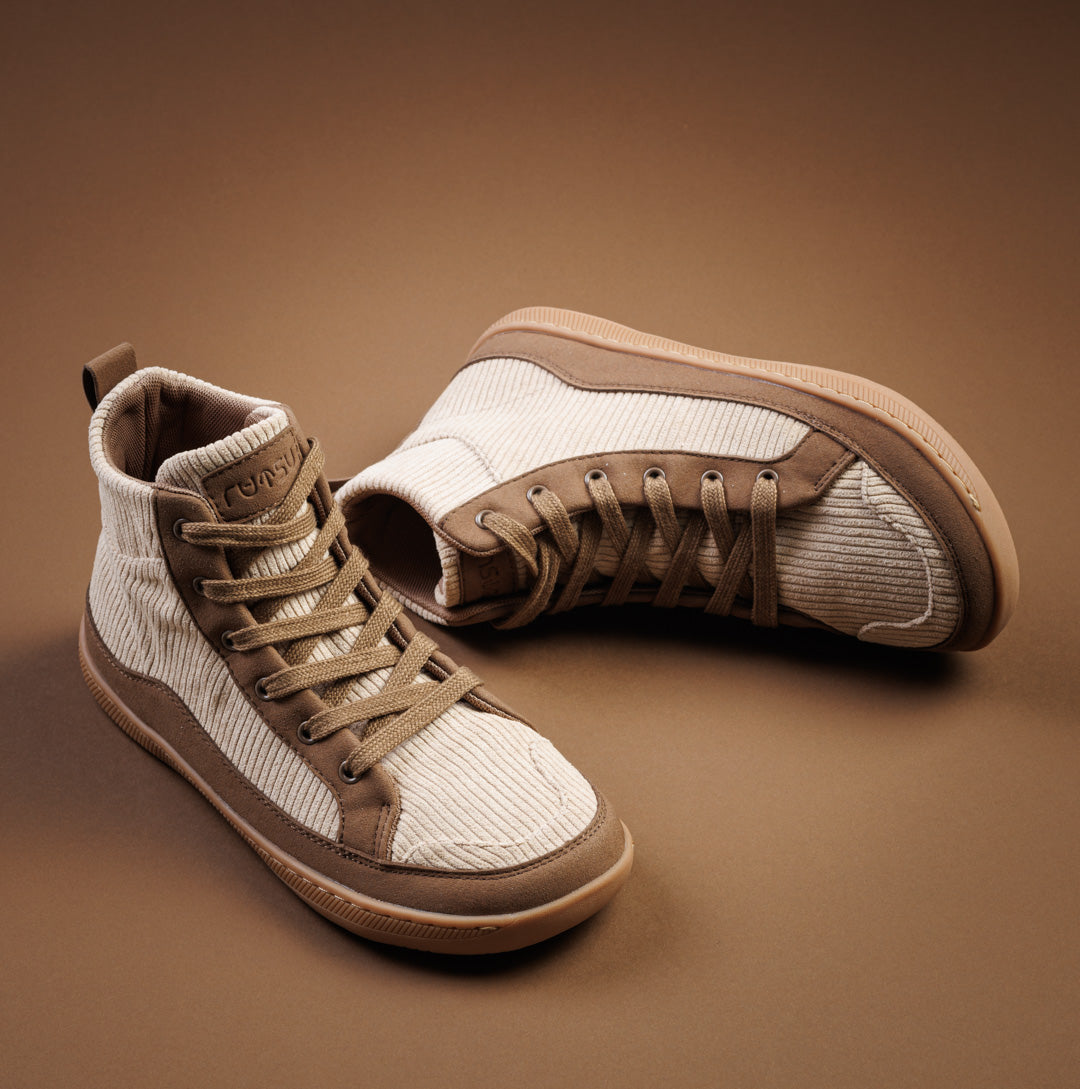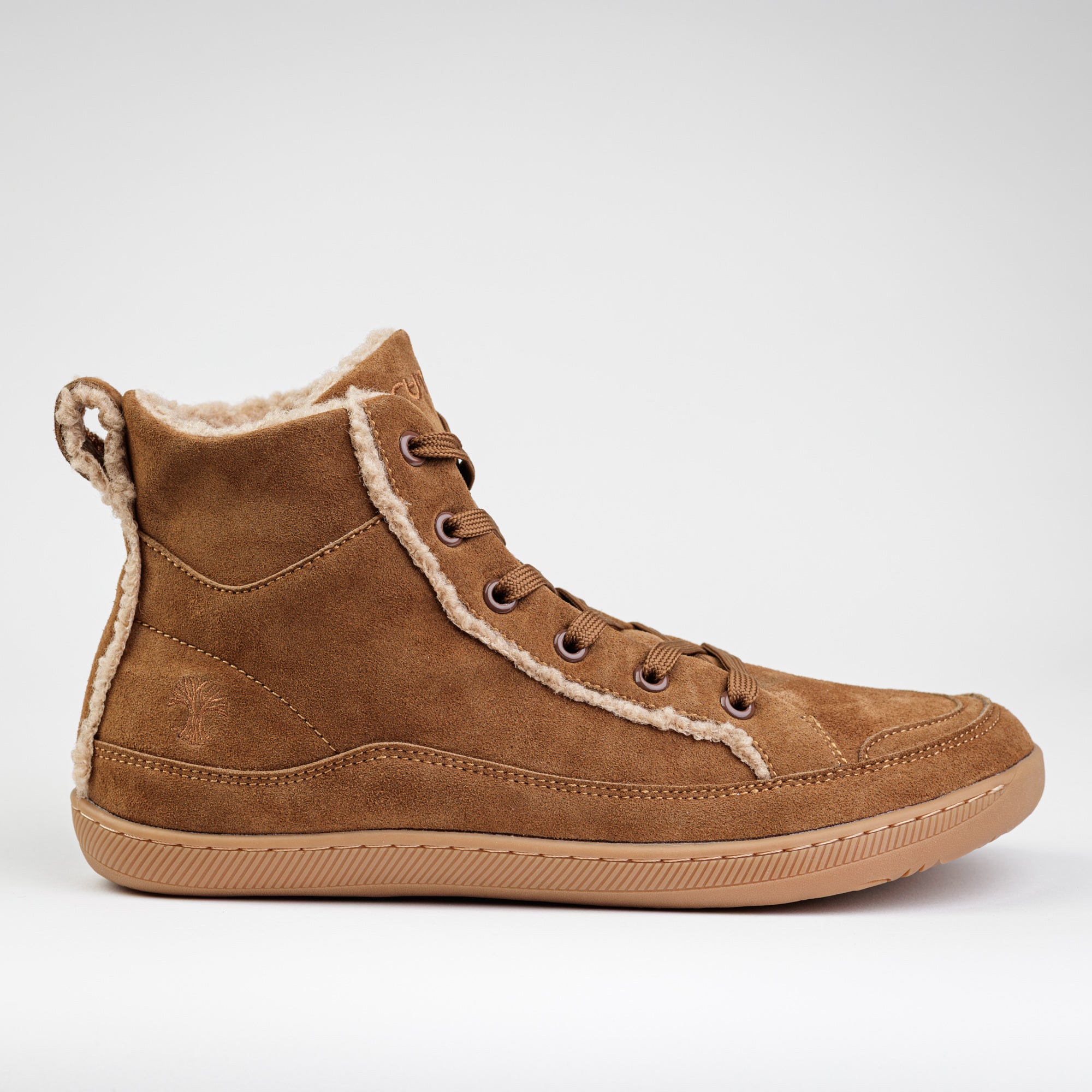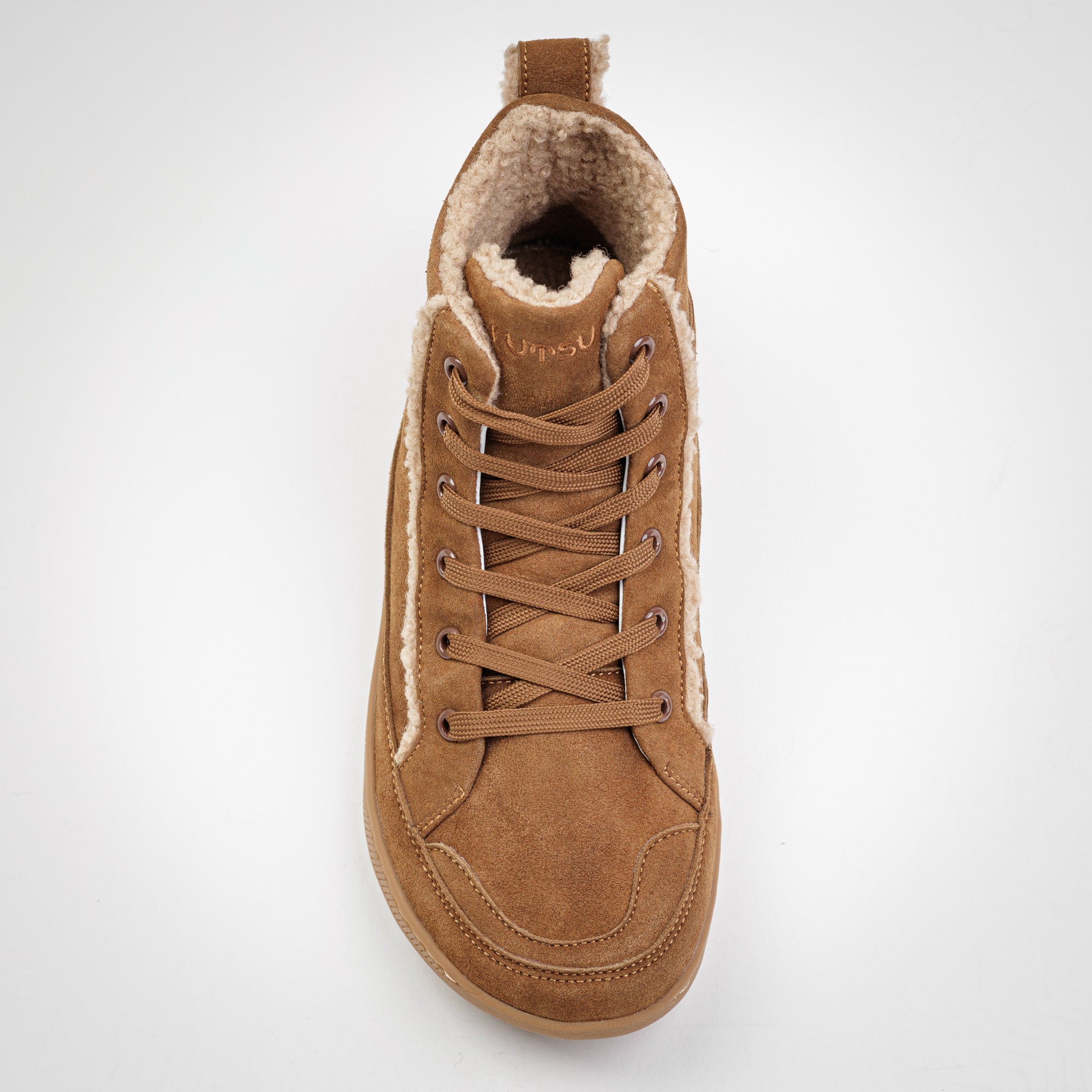


A teaching day can involve standing at the board, walking between classrooms, crouching beside a desk and supervising recess. Shoes need to suit that mix of activities, along with the floors and dress code of your school.
Barefoot shoes offer more space around the toes and a flexible sole with little cushioning. Some teachers prefer that feel; others are more comfortable with a cushioned shoe, particularly on hard floors. If you are considering a change, the useful question is whether a particular pair suits your working day and how you will introduce it.
What changes when you wear barefoot shoes
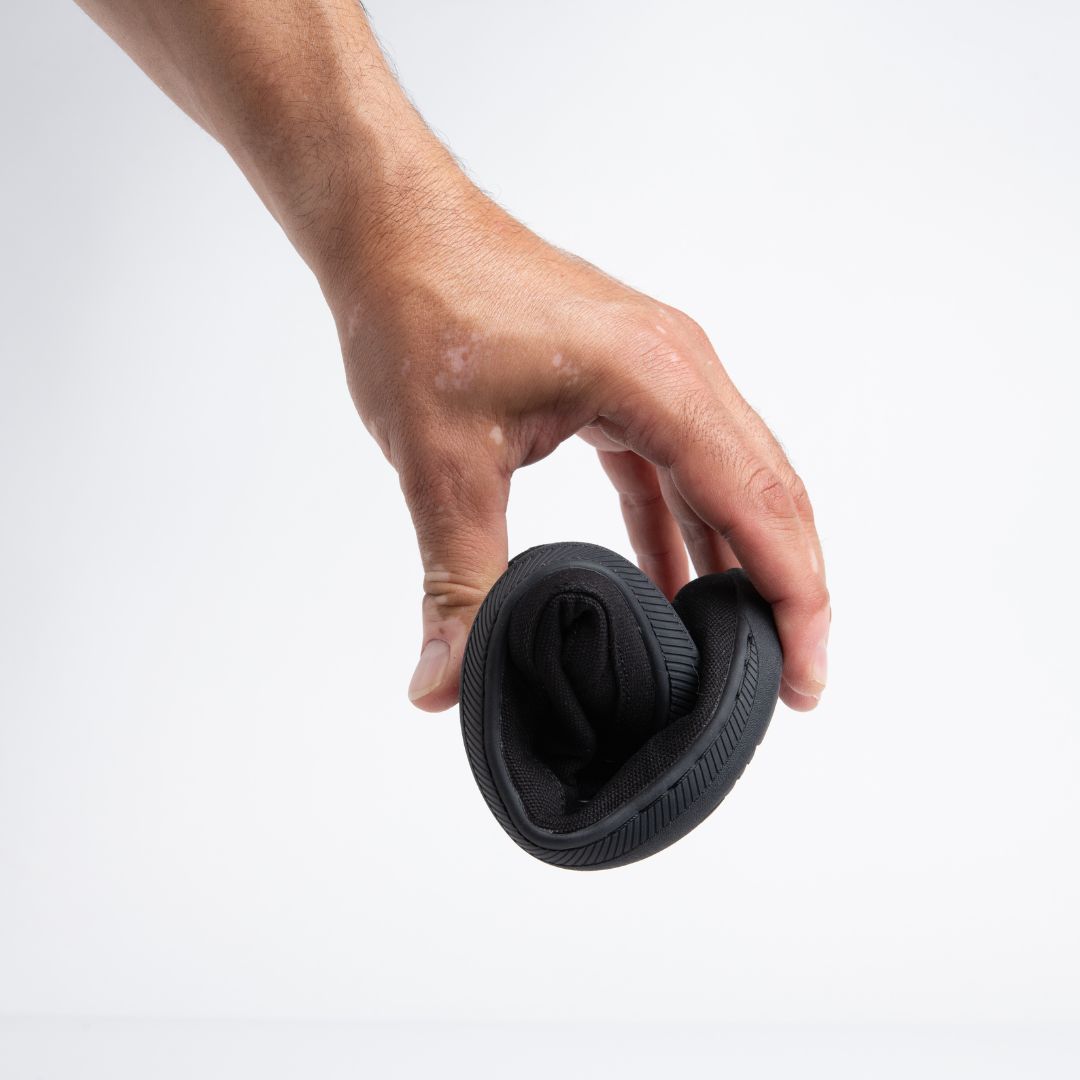
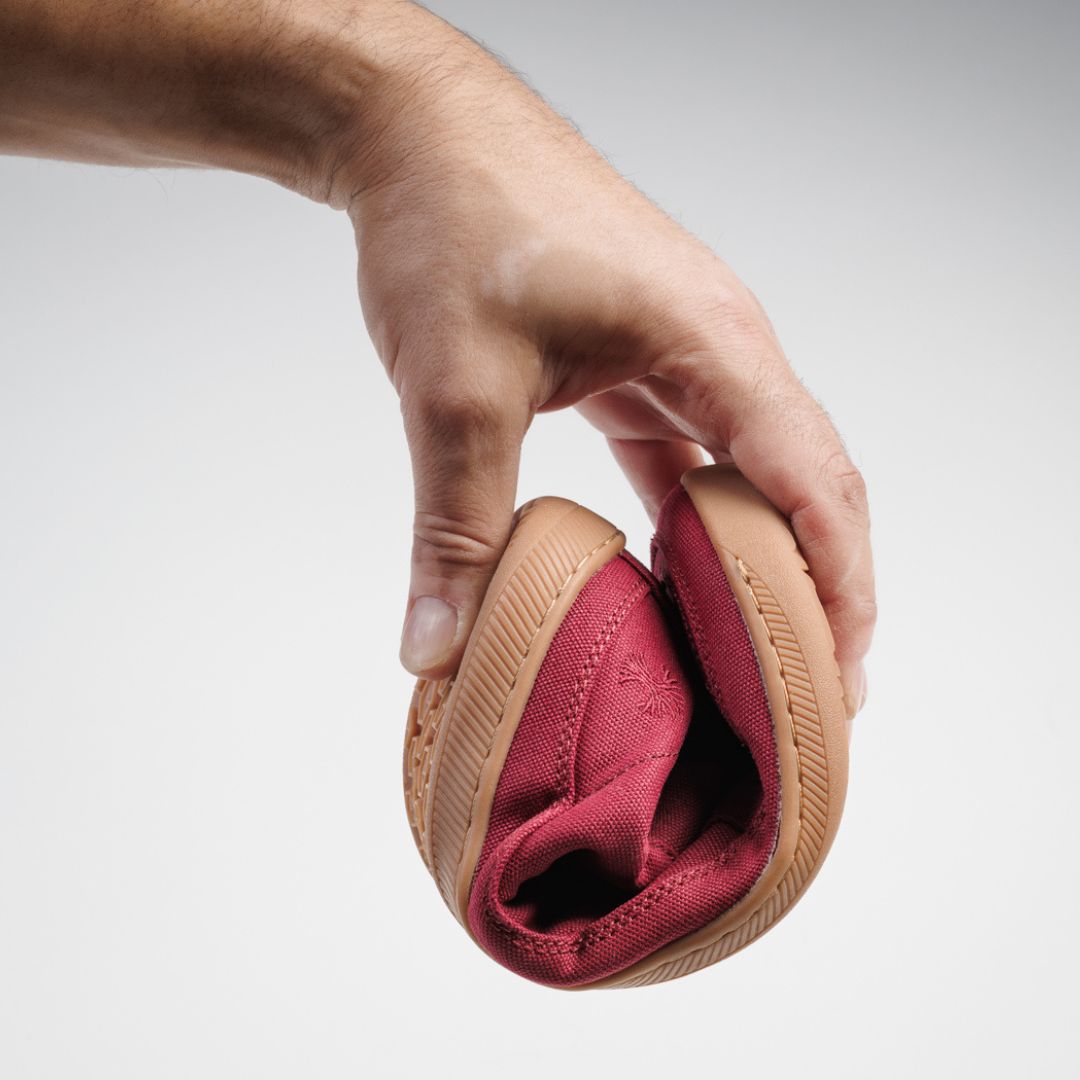
Barefoot footwear generally combines a wide toe box, a flexible sole and little or no difference in height between the heel and forefoot. The toe area is intended to allow room for your toes, while the sole bends as your foot moves.
The difference is noticeable if your current shoes have a thick foam midsole or a raised heel. You may feel the floor more clearly, and lowering the heel can increase the demands on your calves and Achilles tendons. That is a reason to allow time for adjustment, even if the shoes feel comfortable when you first try them on.
A roomy toe box and cushioning are separate features. You do not have to accept squeezed toes to get cushioning, or choose a thin sole simply because you want a wider fit. Assess both when comparing shoes for teaching.
Barefoot shoes also do not guarantee relief from foot, knee or back pain. If pain is the reason you are shopping, a footwear assessment may be more useful than choosing a category based on its marketing.
Think through your actual timetable
Start with the parts of the day that are hardest on your feet. A teacher who spends most lessons walking around a classroom has different needs from someone who stands at a demonstration bench or covers outdoor duty in wet weather.
Classroom floors and long periods standing
Tile, vinyl and concrete can feel firm under a thin sole. Even a carpeted classroom may have little cushioning if the carpet is thin and laid over a hard base. Try to judge the shoe on surfaces similar to those at school rather than only on a soft rug at home.
Where your timetable allows, vary your position and use opportunities to sit. A footwear change cannot remove the demands of standing in one place for a long period.
Crouching and working at floor level
A flexible forefoot can be useful when you bend down to a child's desk or sit on the floor. Check what happens to the upper when your toes bend. It should not form a fold that presses sharply across your foot.
Lace the shoes securely enough that you do not need to grip with your toes to keep them in place. A wide front and a secure fit through the middle of the foot should work together.
Recess duty and trips
Outdoor use changes the choice. A shoe that feels suitable on a dry classroom floor may be less suitable for wet grass, mud or gravel. Consider the surface, weather and tread, especially if you will be supervising children while moving quickly.
Keep your established footwear for a demanding field trip while you are still adjusting. A long day away from school gives you fewer chances to change shoes or shorten the walking.
Introducing a new pair during the school year
Begin outside your busiest teaching hours. A short walk at home or during a quiet part of the weekend gives you a chance to notice the fit without committing to a full working day.
When that feels comfortable, try a brief period at school and bring your usual shoes. Increase the time only when your feet and legs feel comfortable during wear and afterward. Check how you feel the following morning before adding more walking or standing.
Avoid attaching the change to a deadline. There is no requirement to reach a full day by a particular week, and a holiday does not need to end with you ready for an entire term in new footwear. Progress depends on your starting point, your schedule and your response.
Plan a gradual transition to barefoot shoes around days when you can change footwear. If pain appears, reduce the exposure rather than treating it as something to push through. Persistent pain or a known foot or tendon condition warrants advice from a qualified clinician.
Choosing a style for your classroom
Fit and school policy come first. After that, the material and silhouette can help you narrow the choice.
Canvas for a casual dress code
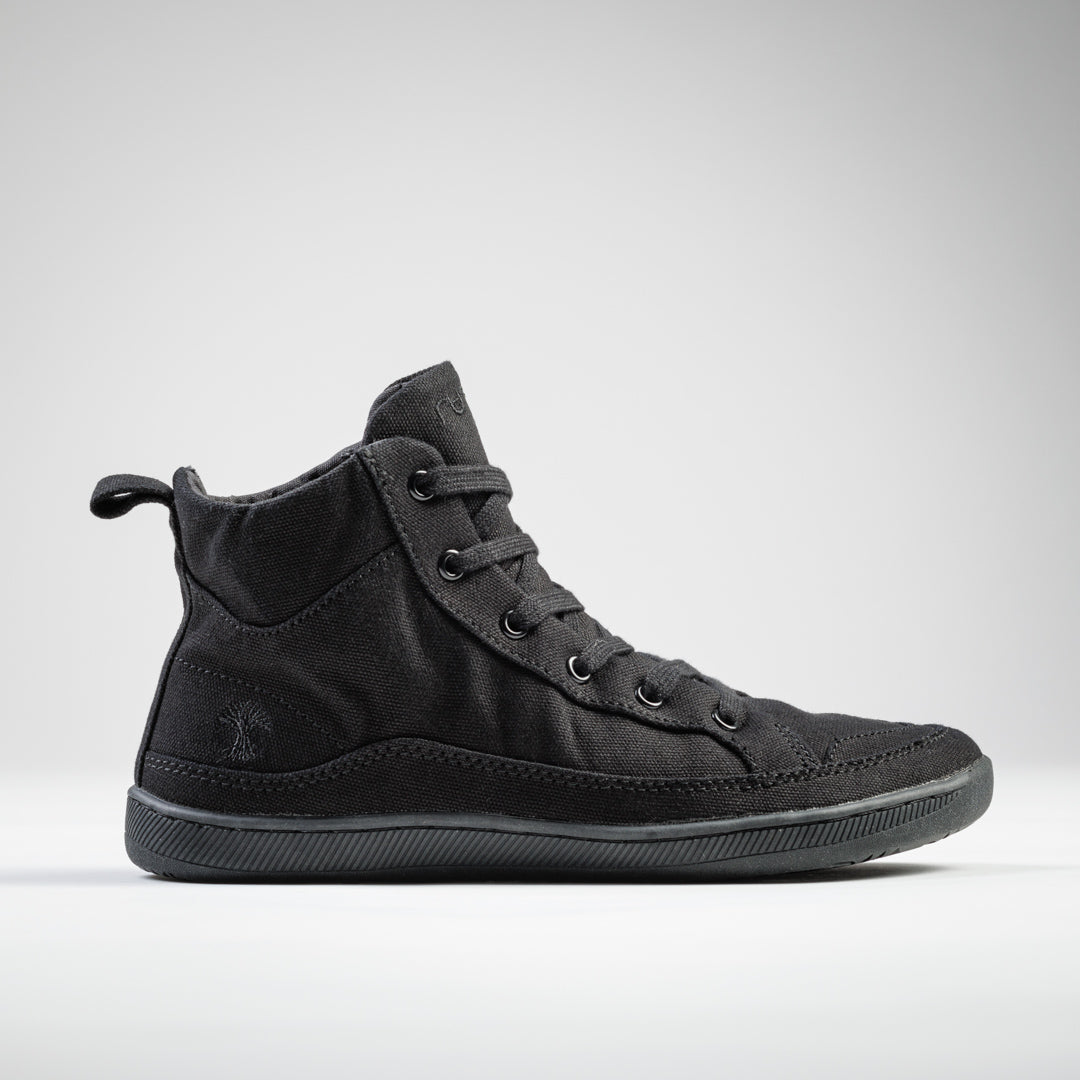
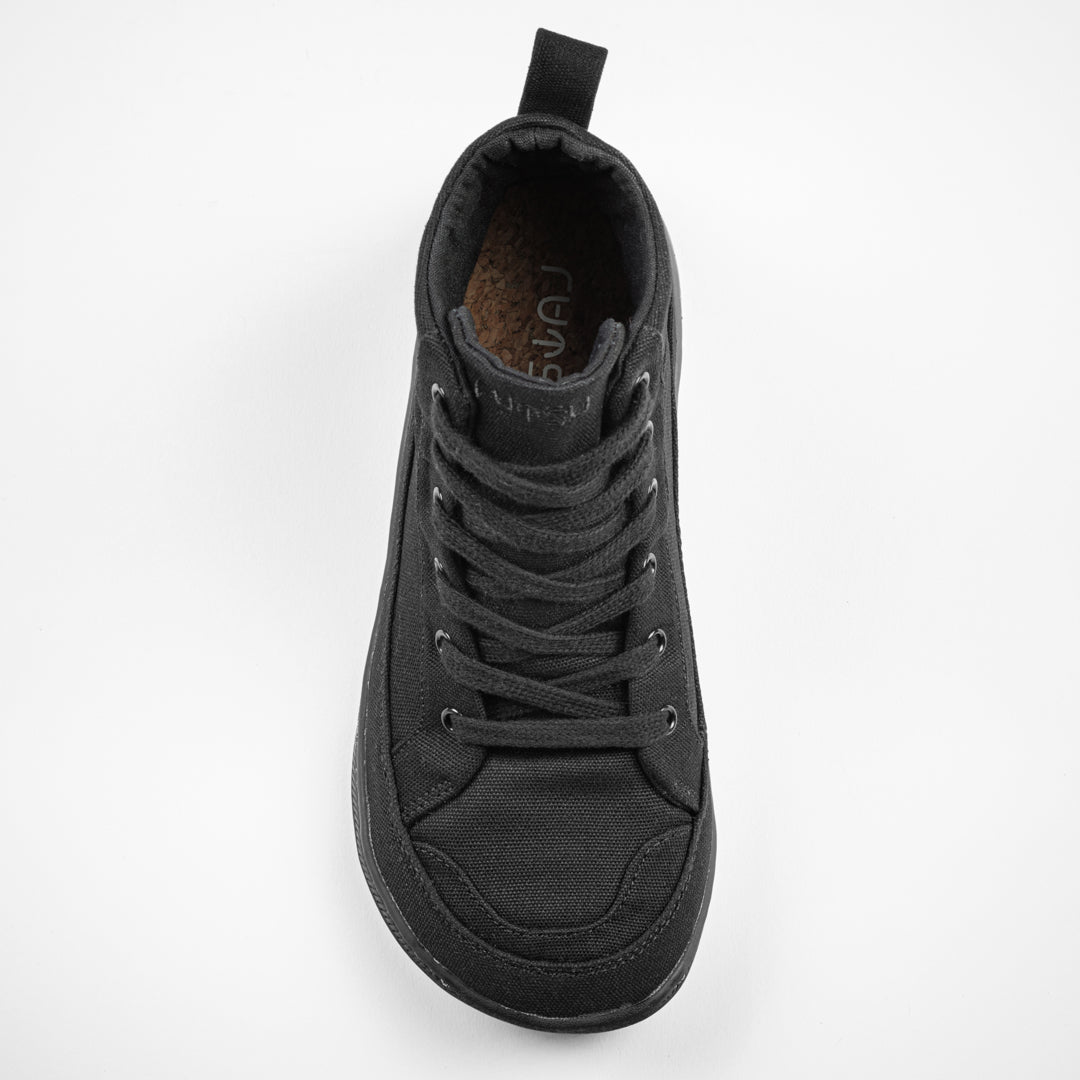
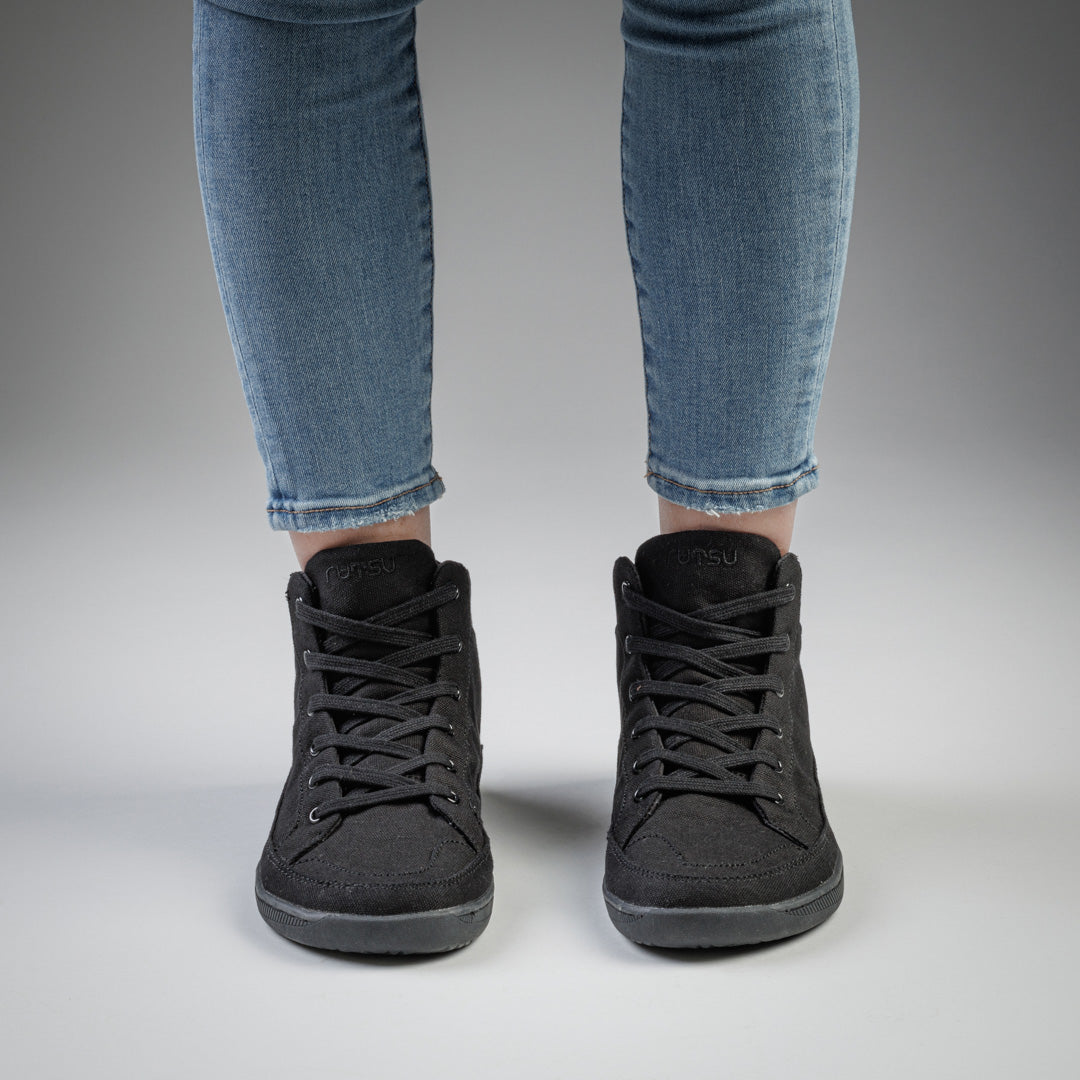
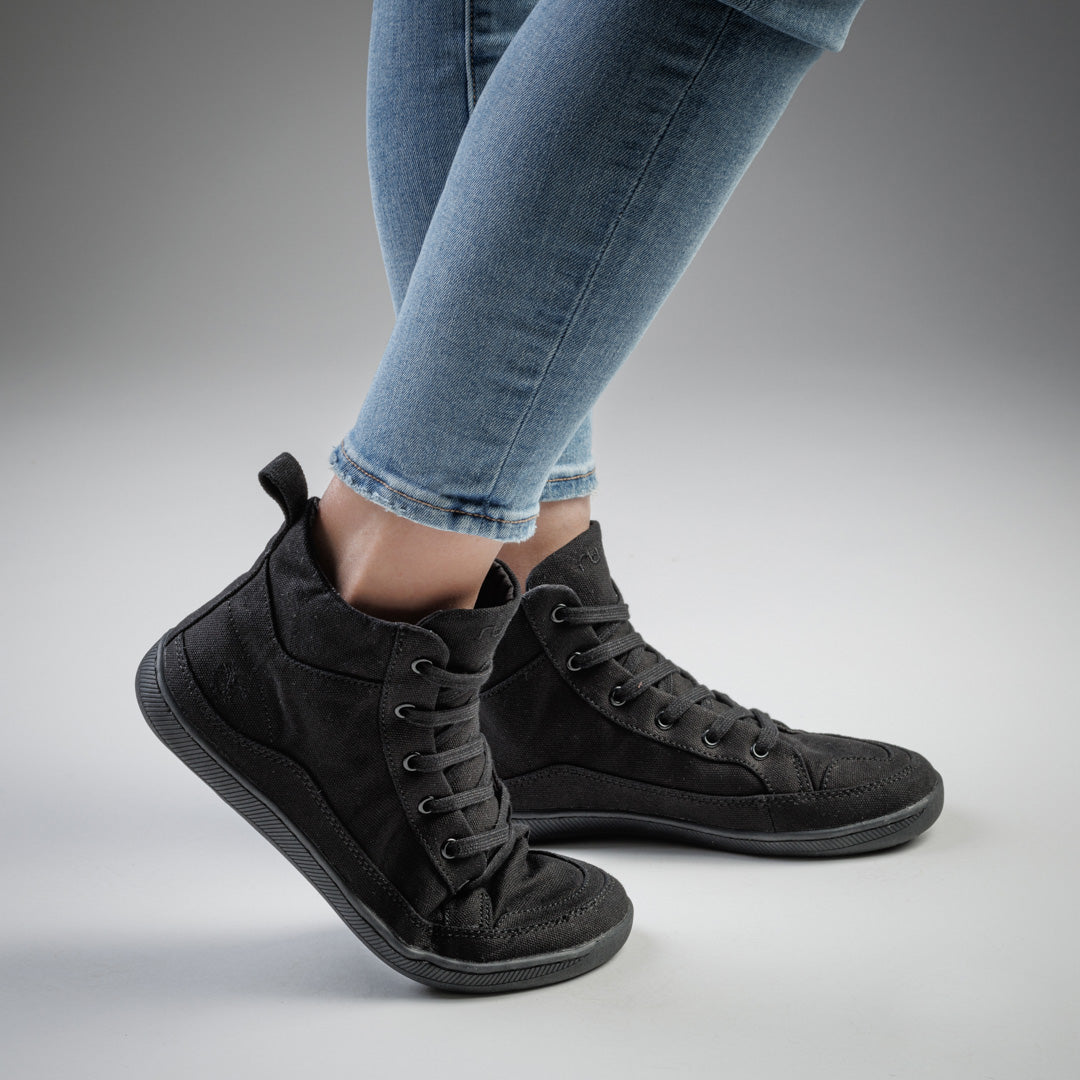
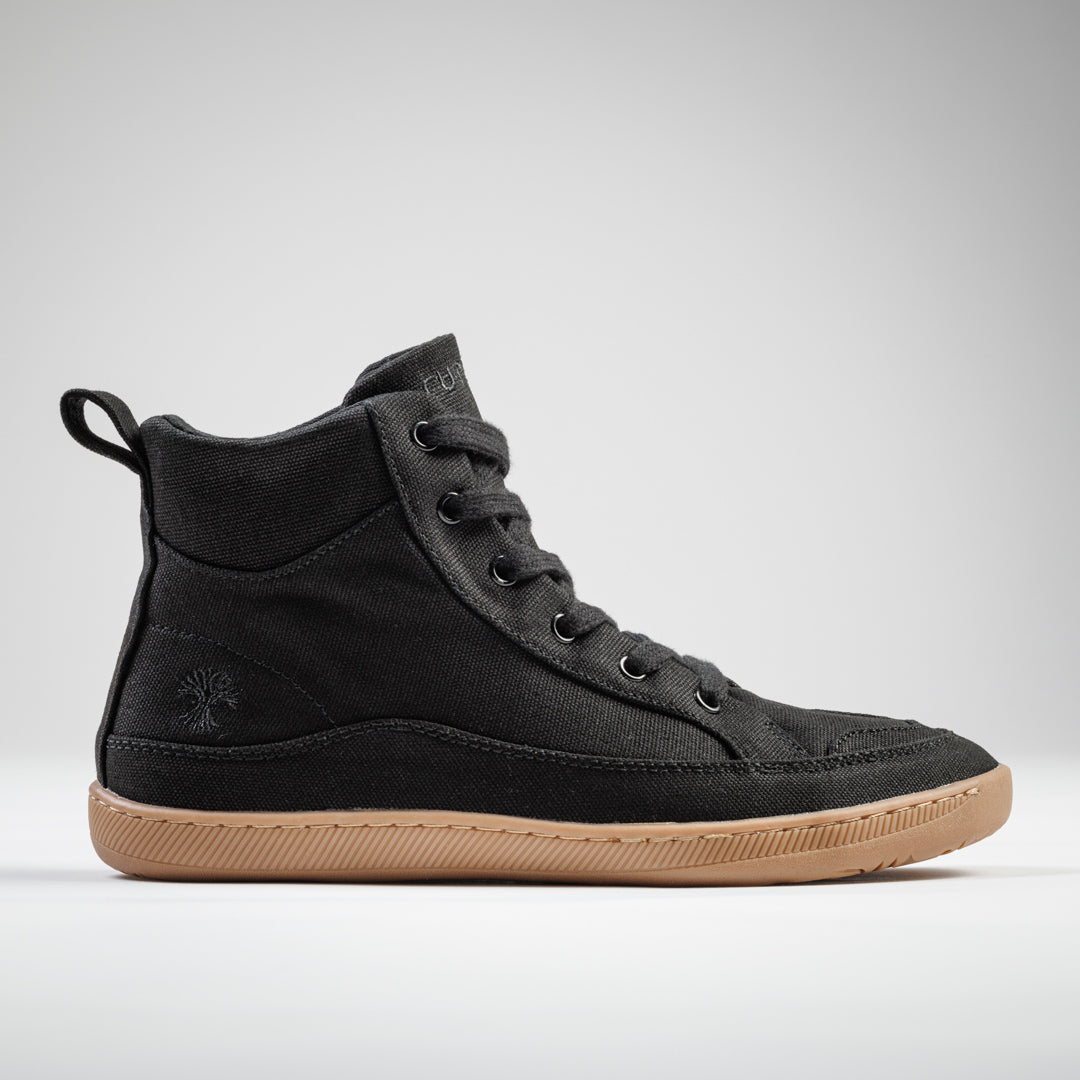
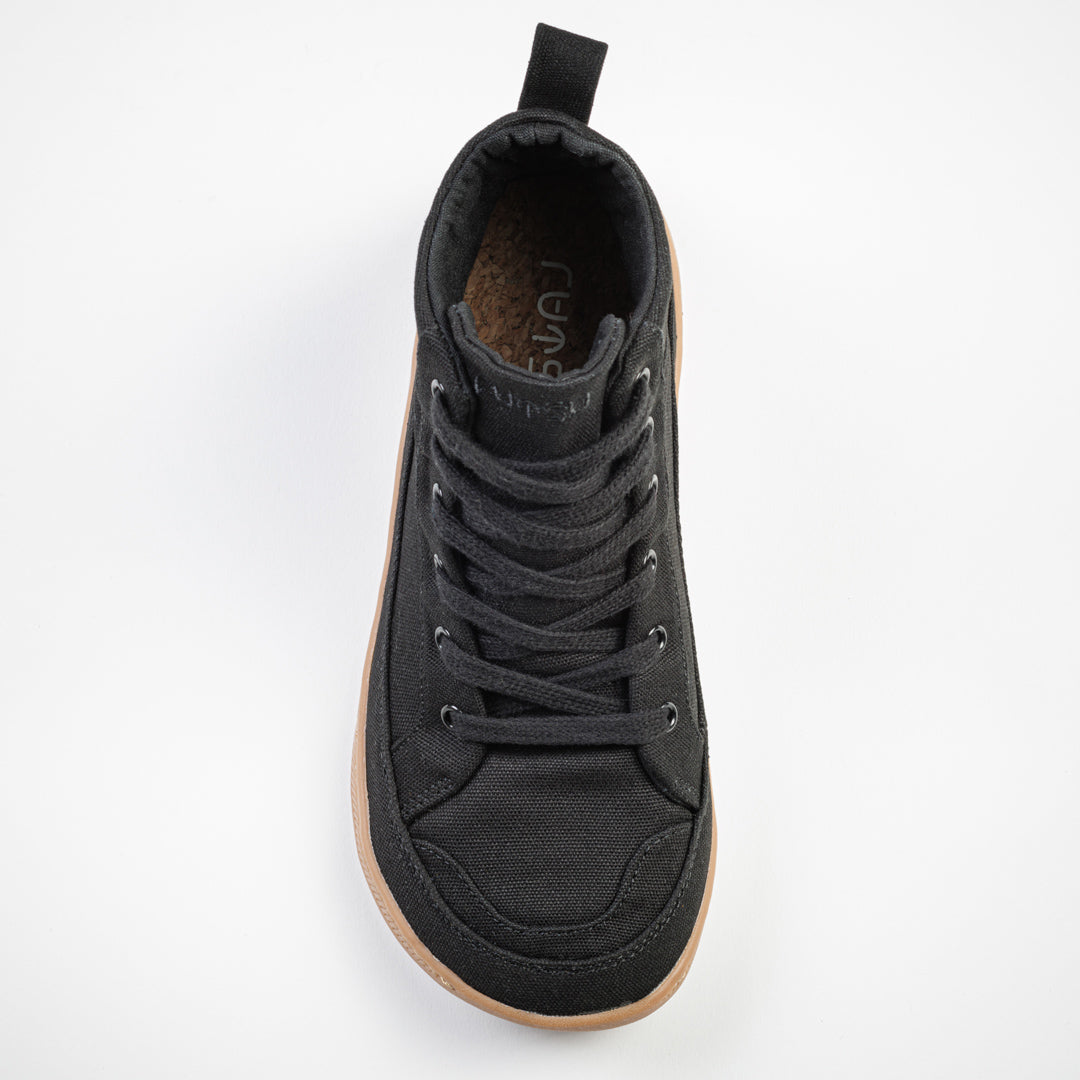
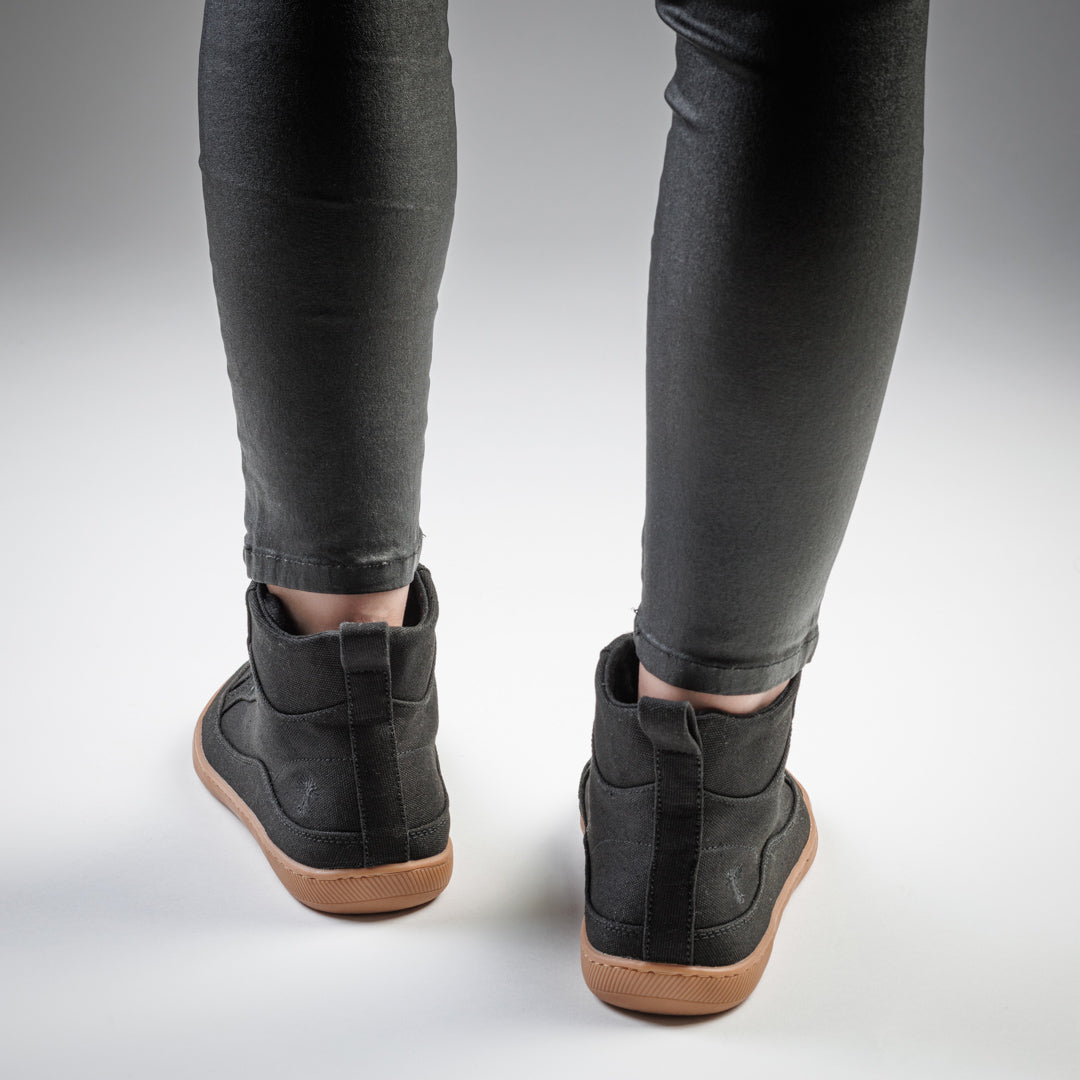
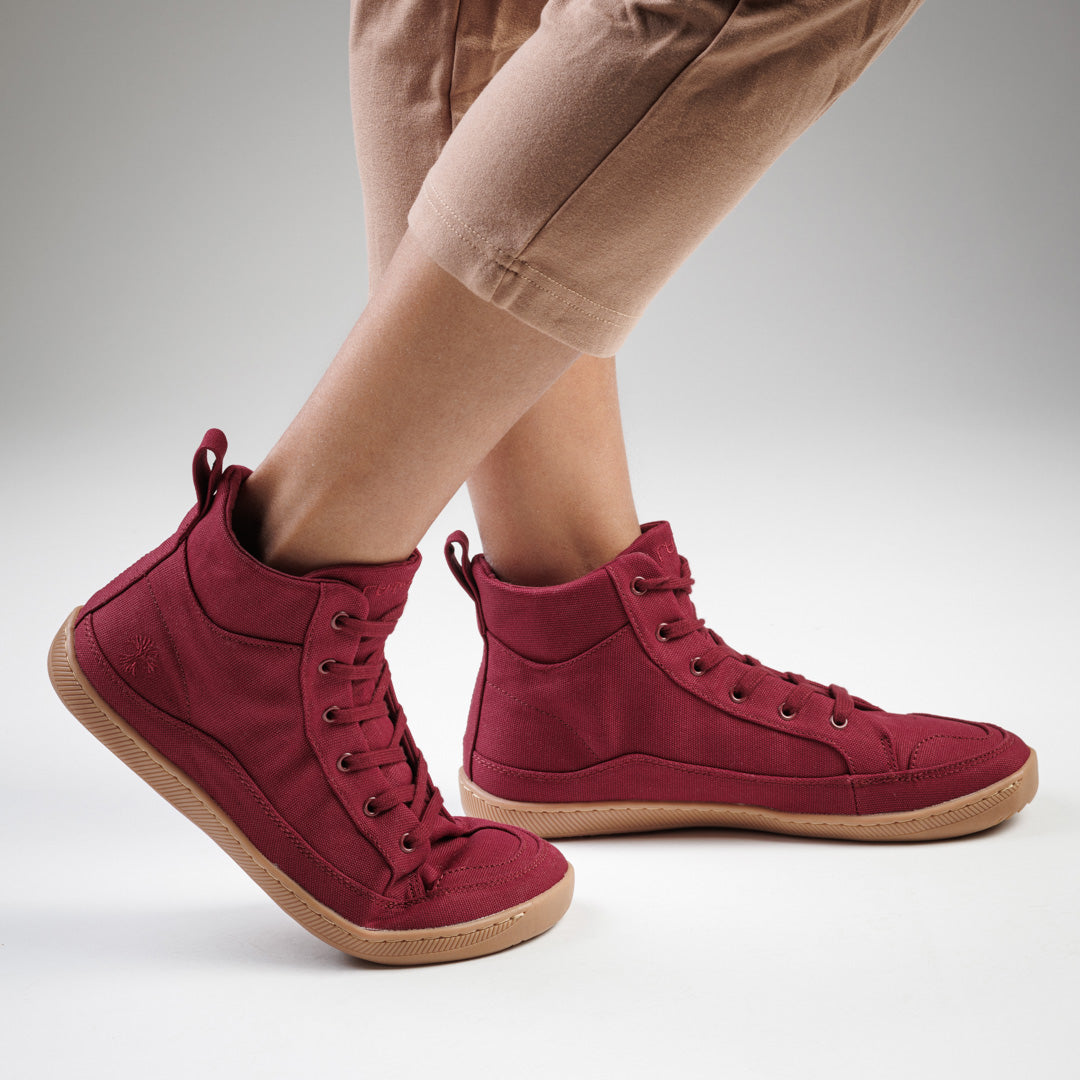
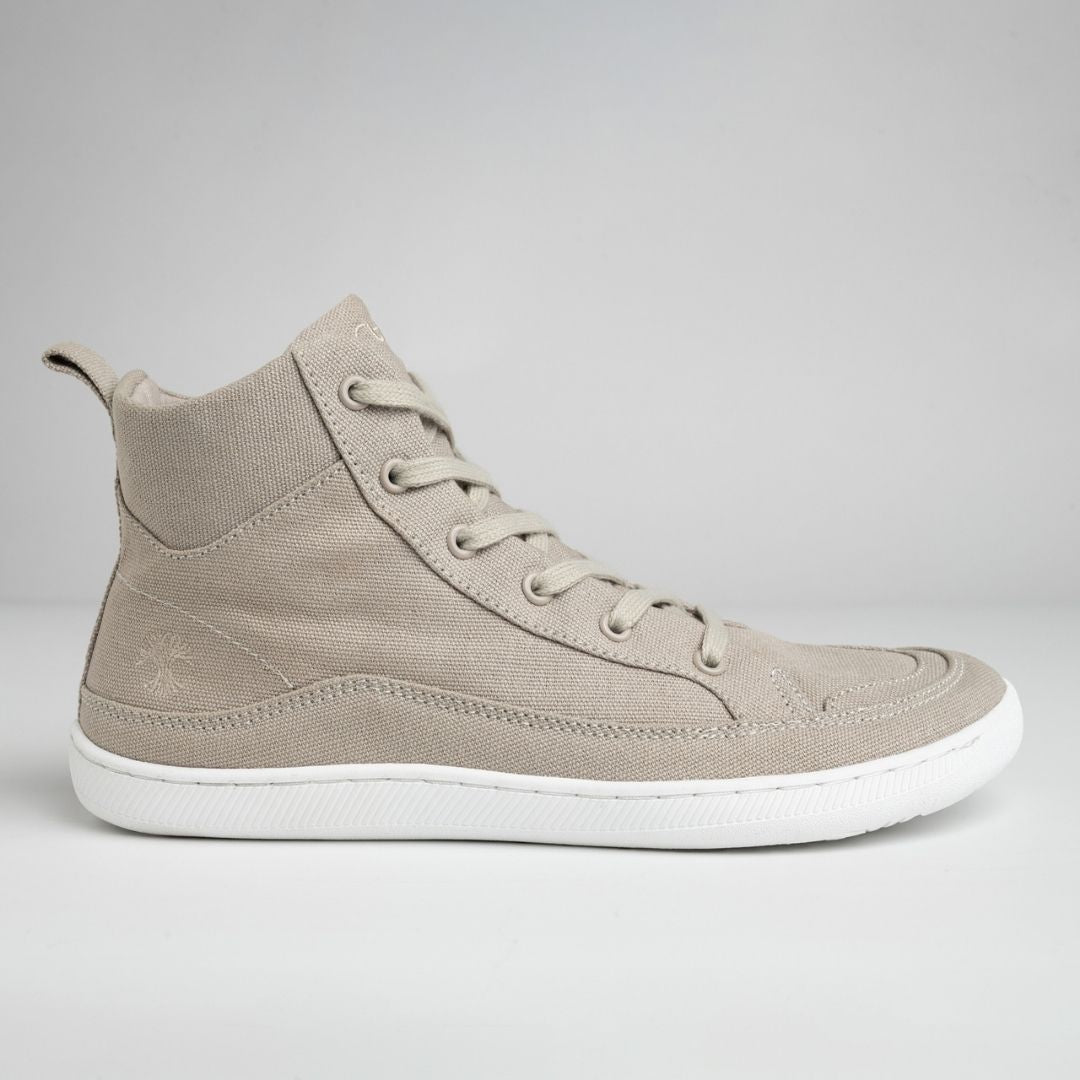
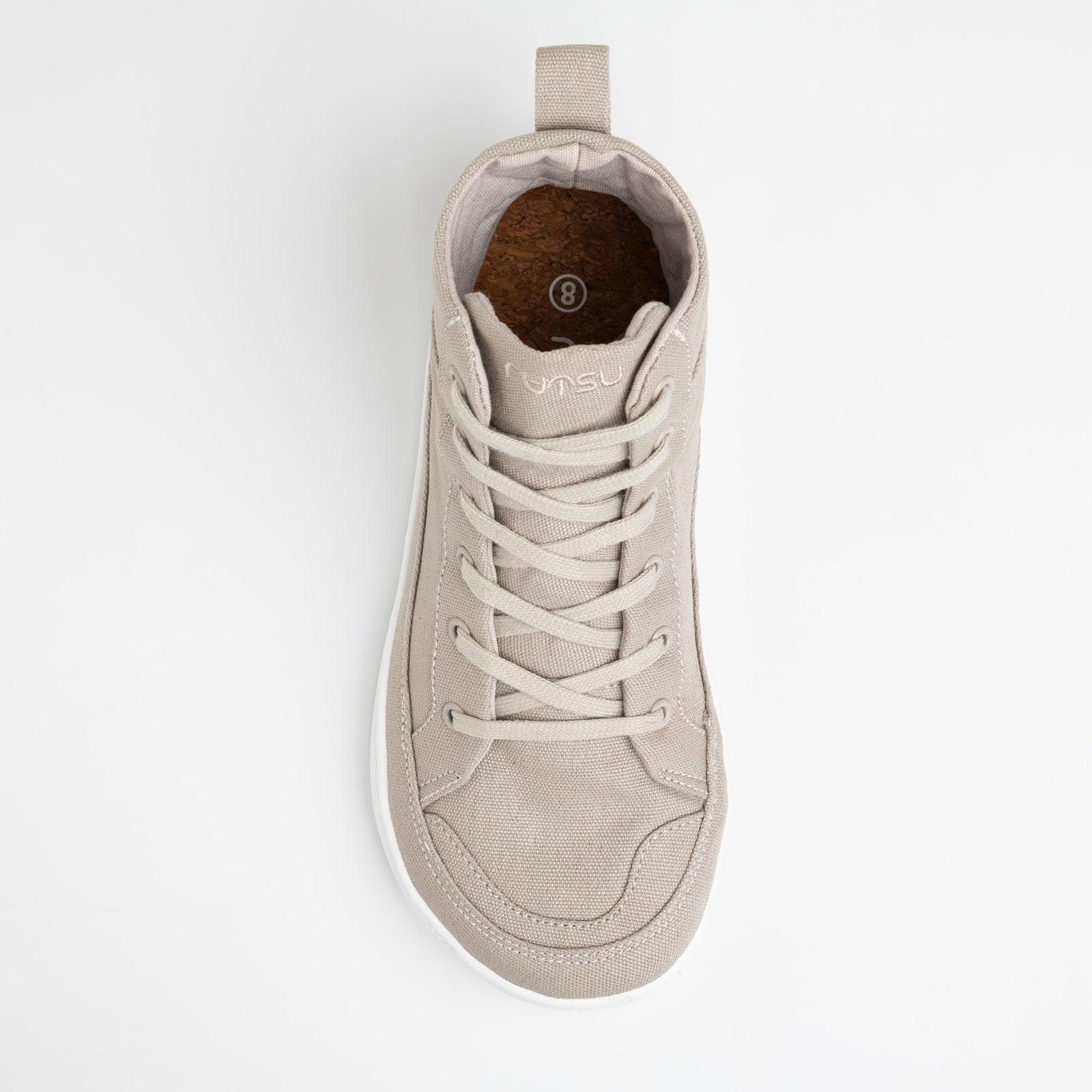
Rutsu's low top barefoot shoes include the Original Low, a canvas sneaker with a flexible rubber sole and a removable insole. It is an option for schools where sneakers are permitted and you prefer an understated shape with pants, skirts or dresses.
Canvas needs more attention after a spill than a smooth surface, so consider whether your day regularly involves paint, glue or food. A dark color may make some marks less noticeable, but it does not change the care requirements.
A smoother finish for a smarter outfit
The Fusion Leather styles in Rutsu Earth offer a smoother appearance that can suit a more dressed up casual outfit. The material is a leather and microfiber blend, so it is not vegan. Check your school's policy if sneakers are restricted; a different upper does not change the shoe's category automatically.
Work footwear where floor conditions matter
The Rutsu Shift has a slip resistant rubber outsole and a water repellent microfiber and mesh upper. Those are relevant features if you regularly move through areas where spills occur.
They do not establish approval for every school setting. The Shift is not presented as certified protective footwear, and water repellent does not mean waterproof. Check any requirements for a lab, workshop, cafeteria or other specialist area with your employer.
For a dry classroom with a relaxed dress code, a regular sneaker may already meet the practical requirements. Choose a work shoe because its features match your setting, rather than assuming every teaching role needs one.
Check the fit with your school socks
Measure both feet and use the larger measurement when comparing sizes. The Rutsu size chart lists inner dimensions and explains the allowance to leave in front of the longest toe. Sizing can differ between brands, so use the measurements rather than your usual number alone.
Try the shoes with the socks you wear to school. Thick fabric can reduce usable space around the toes, while a loose or bunched sock can create pressure even inside a roomy shoe.
Walk, turn and crouch indoors. Your heel should stay reasonably secure without overtightening the laces, and your toes should not hit the front. If the shoe is too narrow but a larger size feels too long, seek help with fit rather than automatically sizing up.
Find a pair that suits your school day
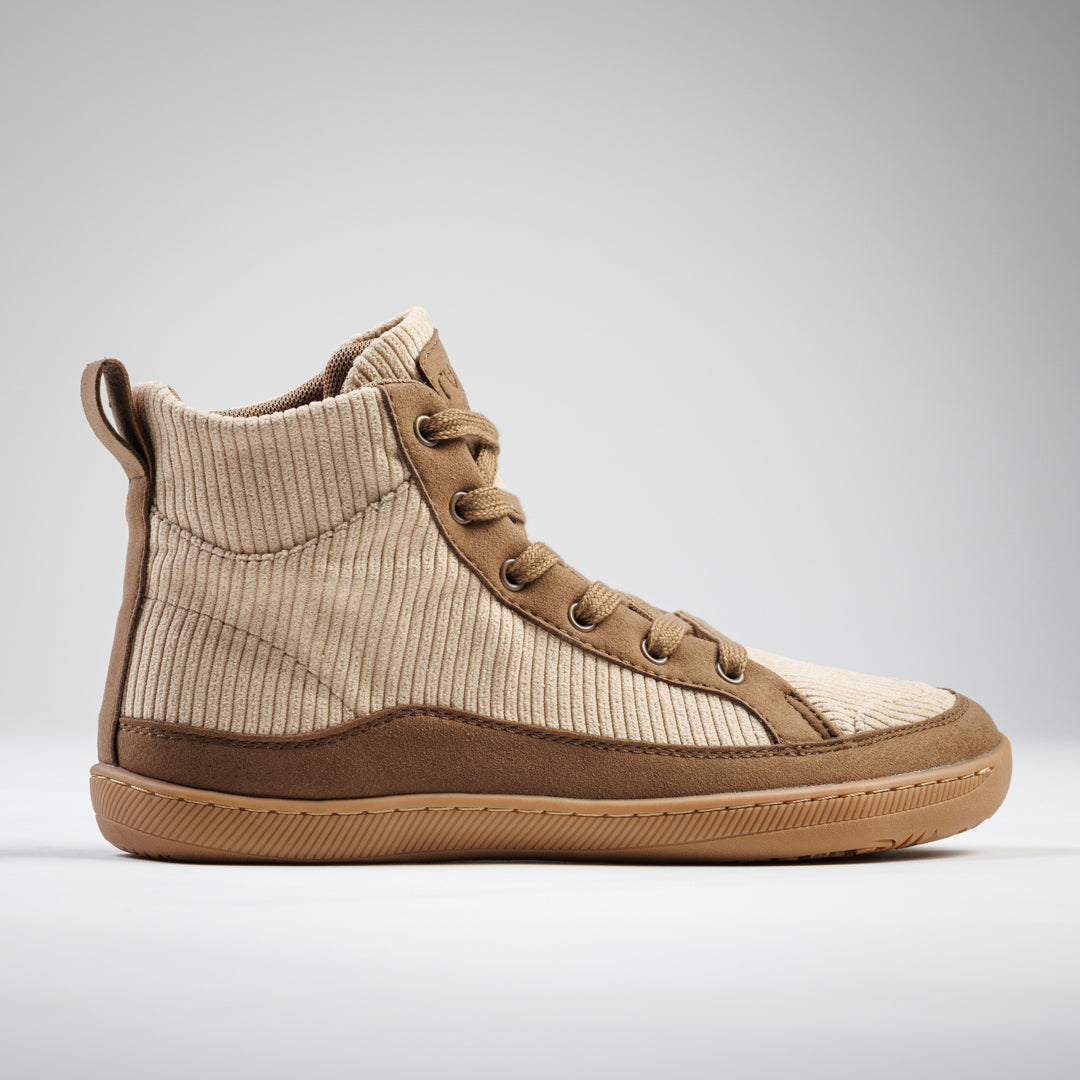
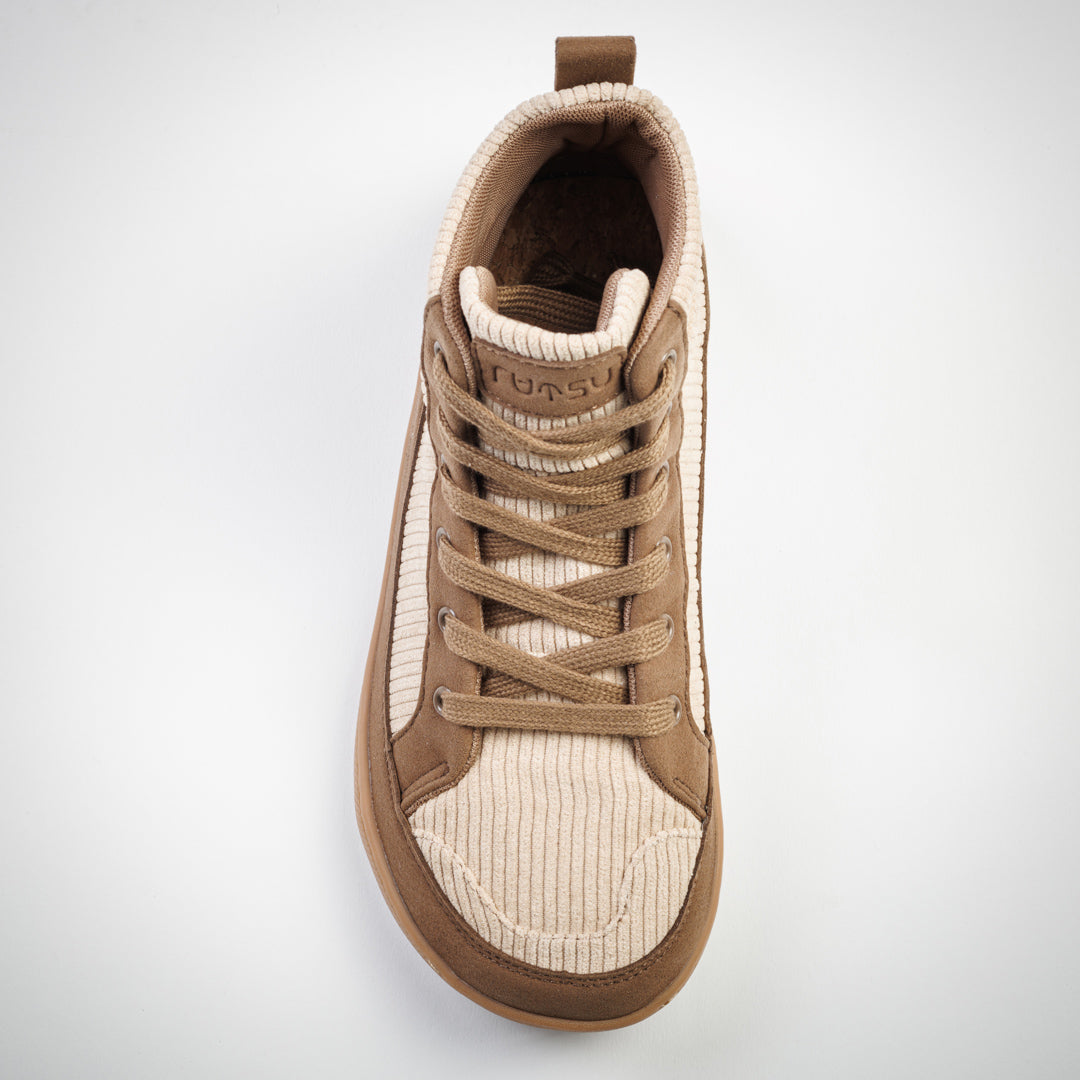
Rutsu makes casual barefoot footwear with familiar sneaker shapes, alongside the Shift work range. Start with your school's requirements and the fit you need, then compare materials and collar heights within the barefoot sneaker range. If you need help interpreting a measurement, contact support@rutsubarefoot.com before ordering.
Frequently asked questions
Are barefoot shoes suitable for standing all day?
They can suit some people, but a full teaching day is a demanding starting point. A thin sole may feel less comfortable on hard flooring than your current shoe. Build wear time gradually and judge the result by how you feel during the day and afterward.
Can I wear my prescribed orthotics in barefoot shoes?
A removable insole may create space for another insert, but that does not guarantee the combination will fit or meet your needs. Bring the shoes and orthotics to the clinician who recommended them before changing your setup.
Do higher collars make a shoe better for teaching?
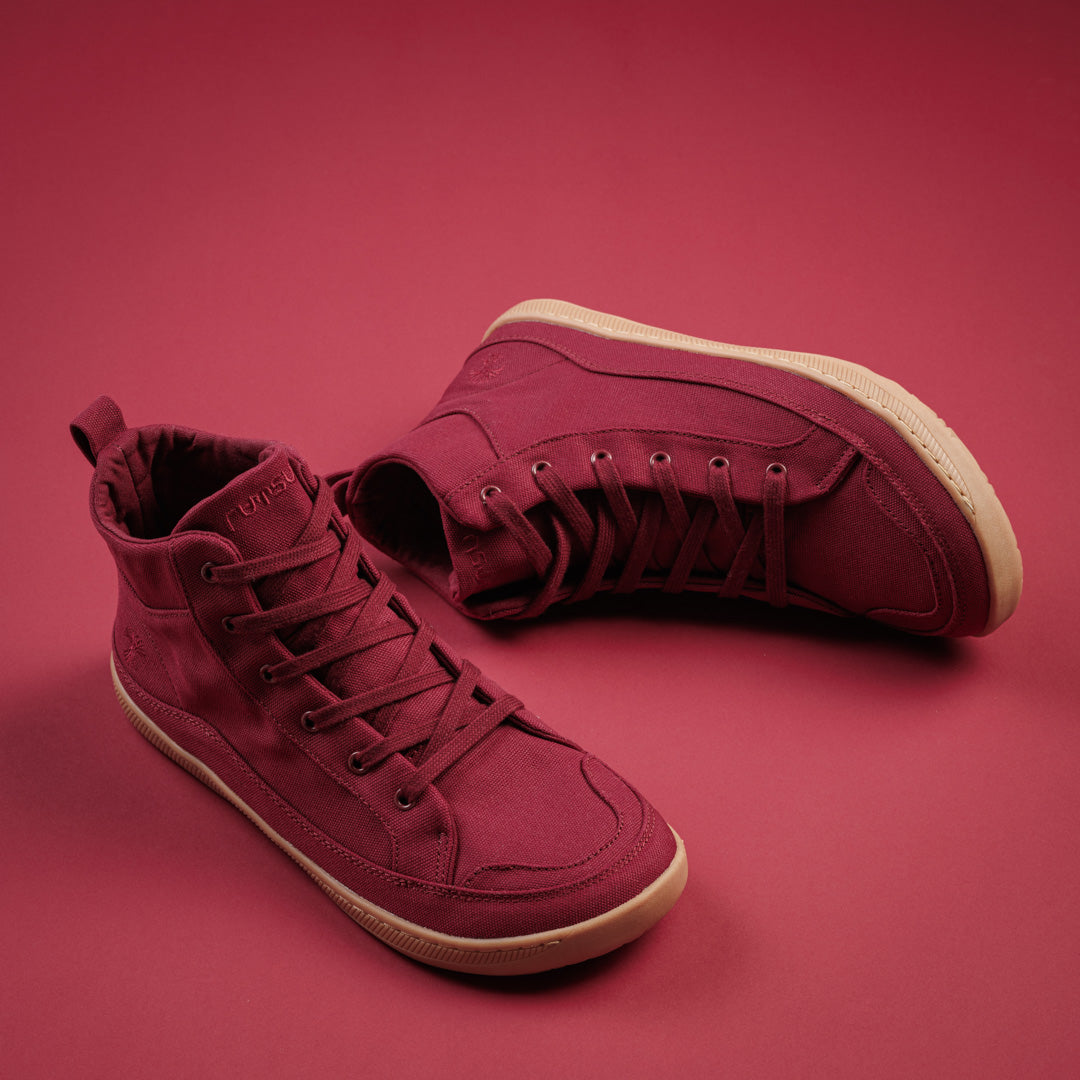
Collar height changes coverage and appearance. It does not, by itself, show that a shoe offers extra ankle protection. Choose the height that feels comfortable when you walk, sit and crouch.
Should I switch if I already have heel pain?
Get advice before making a substantial footwear change. Existing heel or Achilles pain may affect which shoe features are appropriate. Choosing a wider toe box does not require you to abandon cushioning or prescribed support.