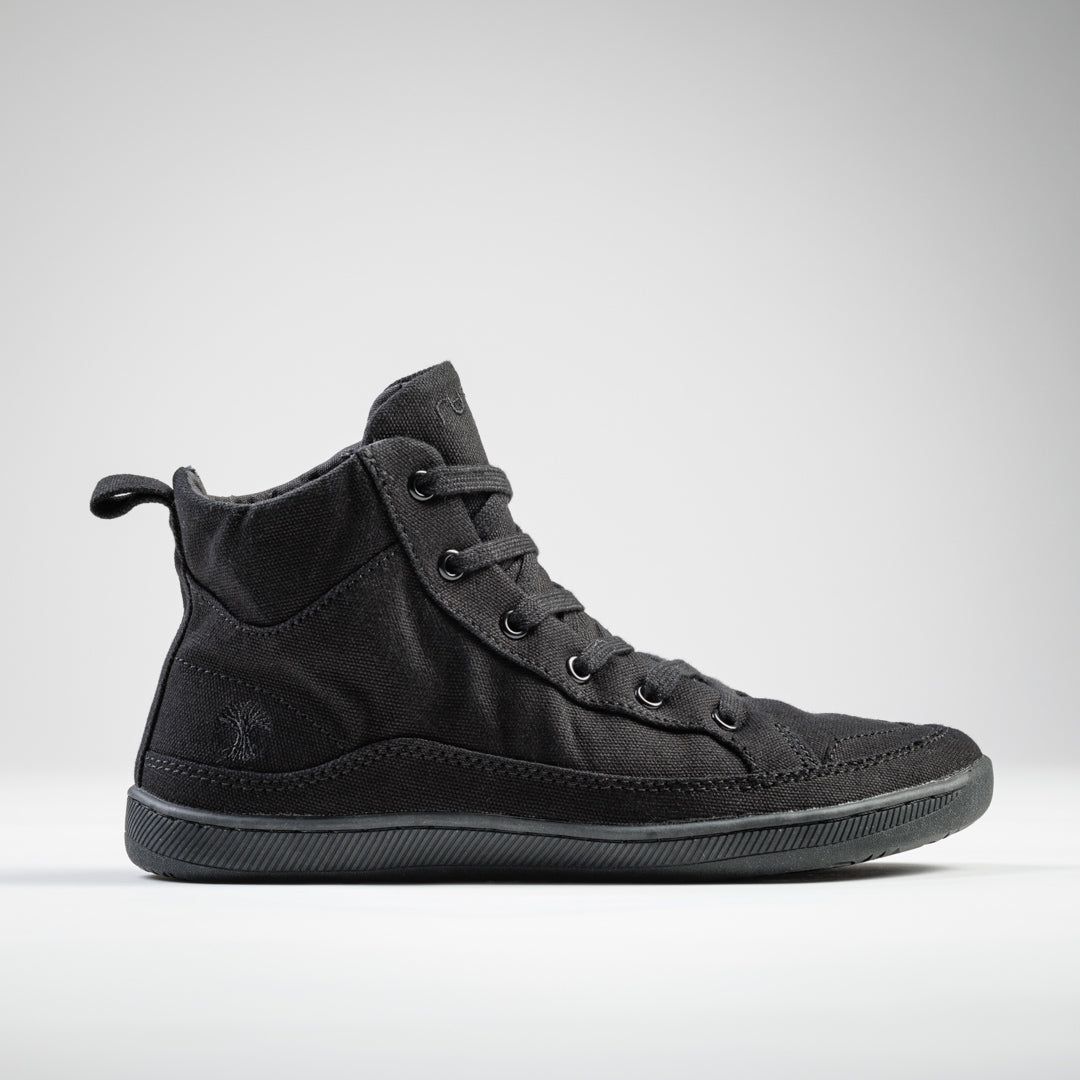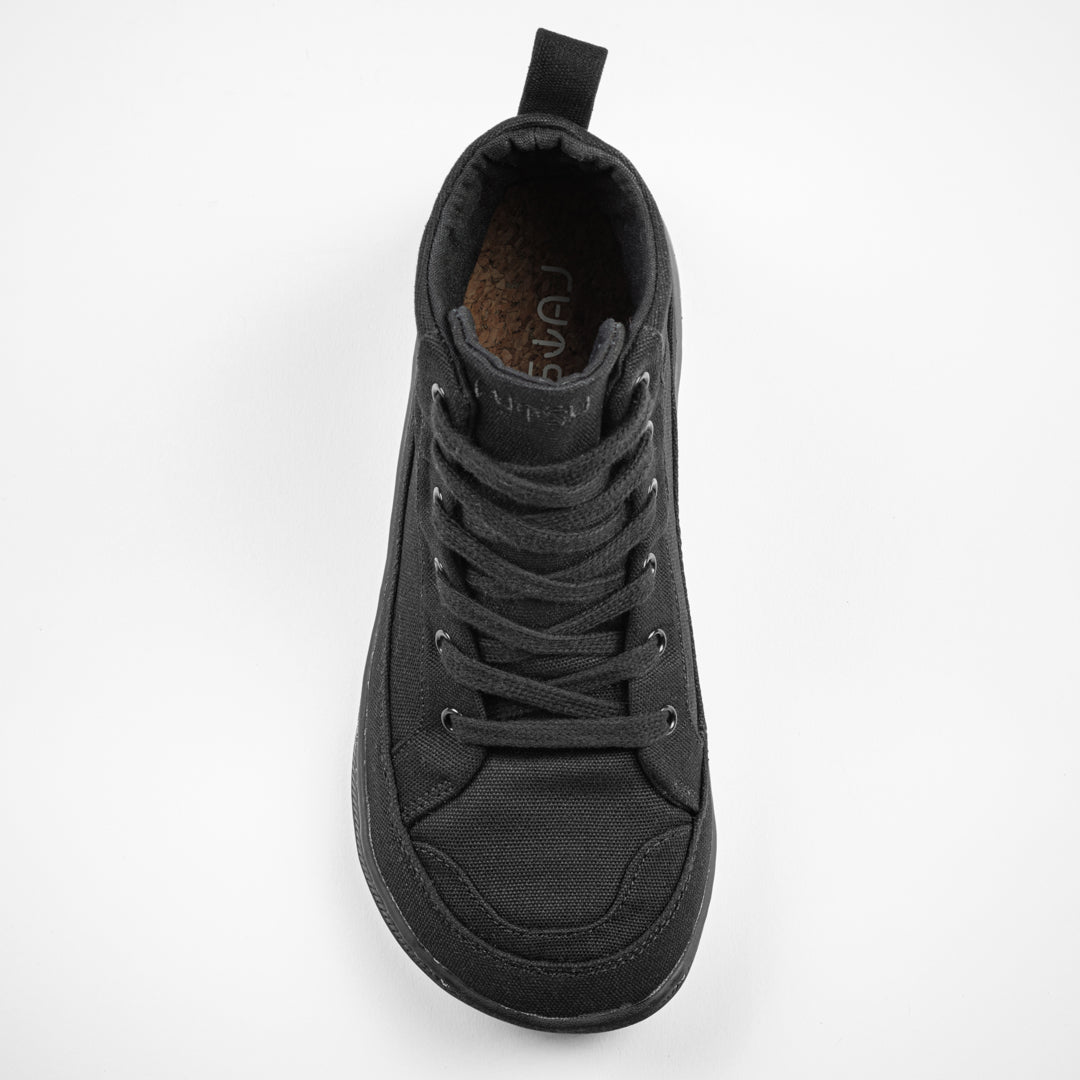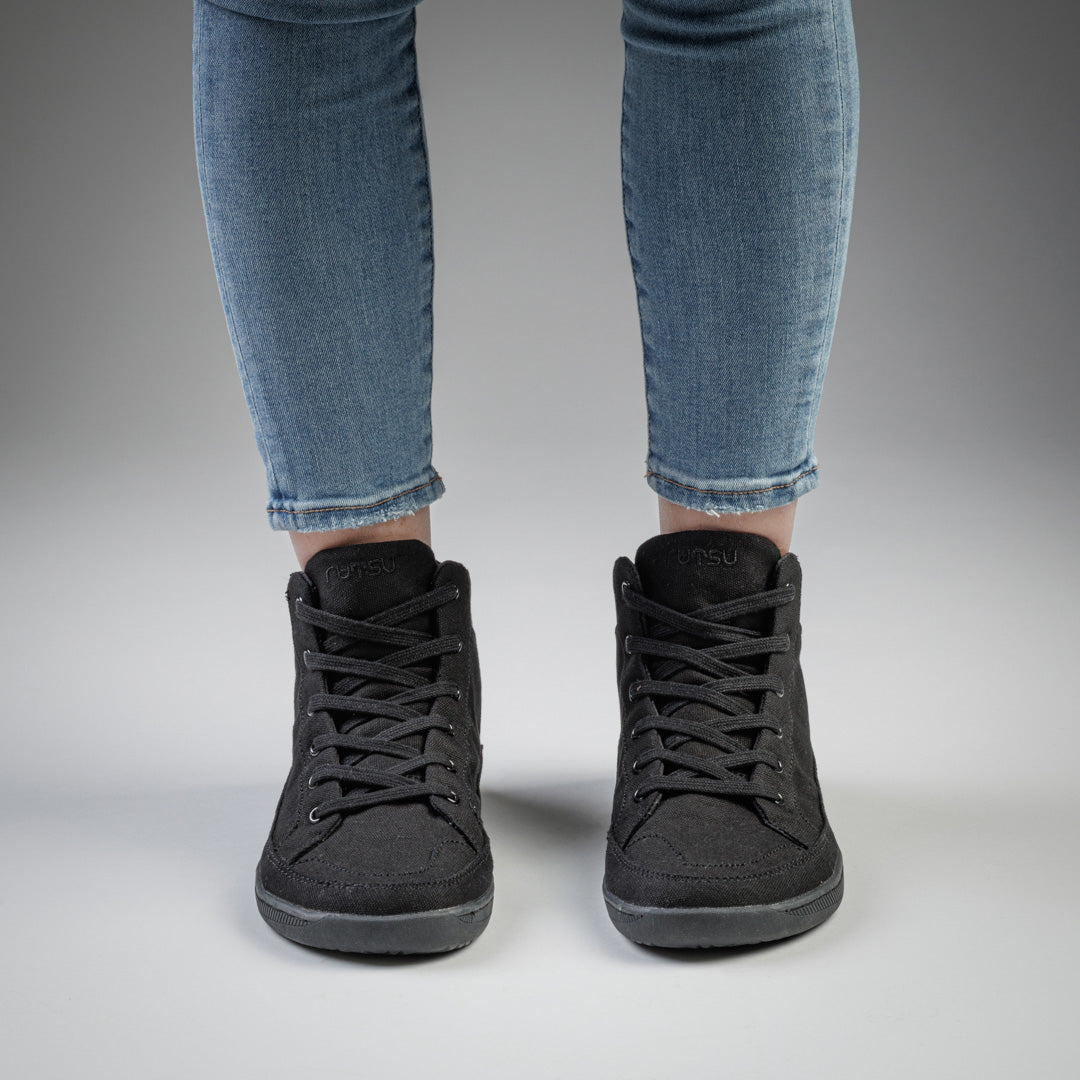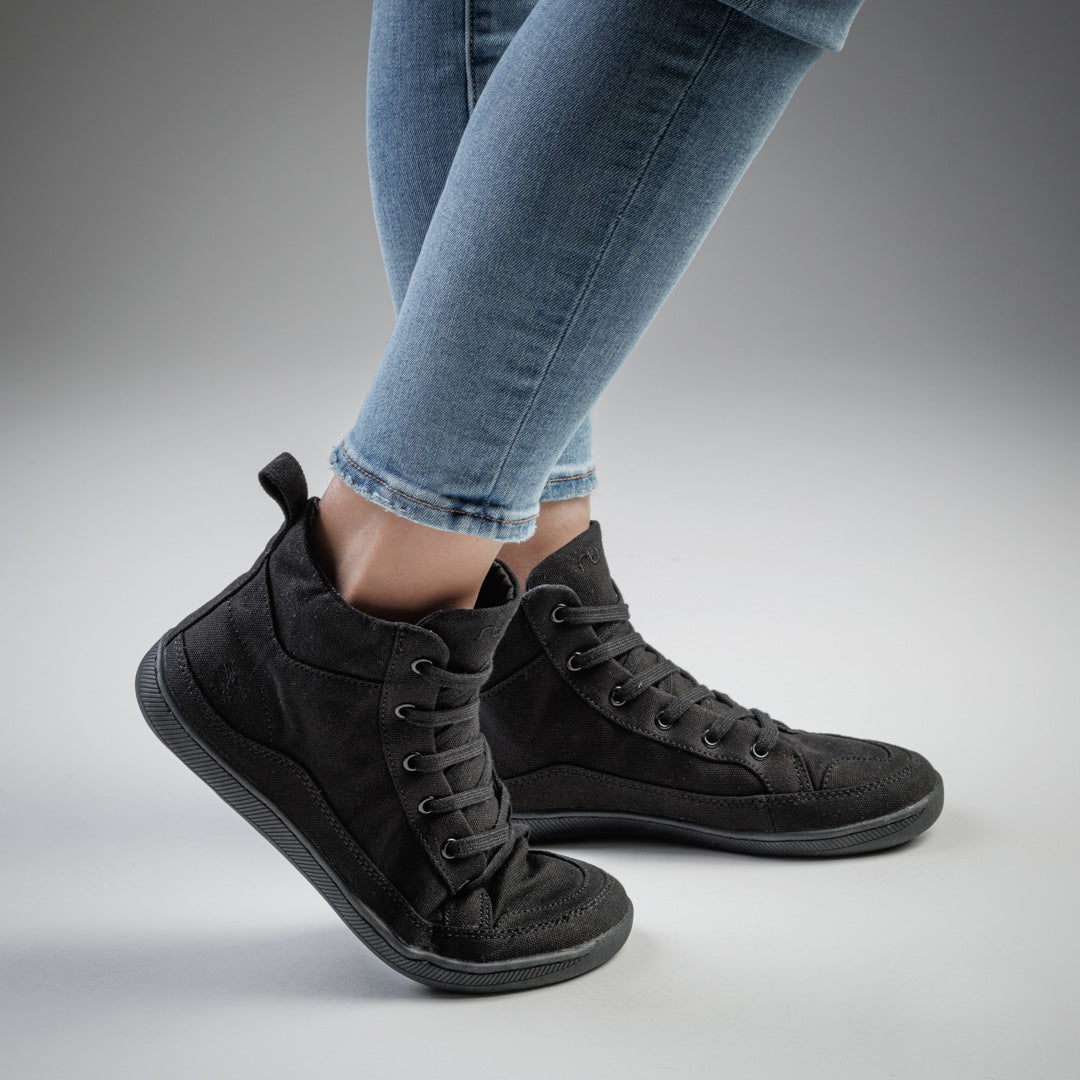


You're three miles into a gorgeous ridge trail, and your feet already feel like they're trapped in concrete blocks. Sound familiar? Heavy hiking boots do protect your soles, sure. But they also disconnect you from every rock, root, and ripple of earth beneath you.
That disconnect is exactly why thousands of hikers are searching for the best barefoot shoes for hiking. They want lighter feet. Better balance. An actual relationship with the ground. The trick, though, is picking the right pair. Not every flimsy minimalist shoe survives real trail abuse. So let's dig into what works, what doesn't, and where to spend your money.
What Makes a Barefoot Shoe Different From a Regular Hiking Boot
Here's the simplest way to think about it. A traditional hiking boot tries to replace your foot's job. It adds cushion. Stiffness. Heel lift. Arch props. A barefoot shoe does the opposite. It gets out of the way and lets your foot do what millions of years of evolution designed it to do.
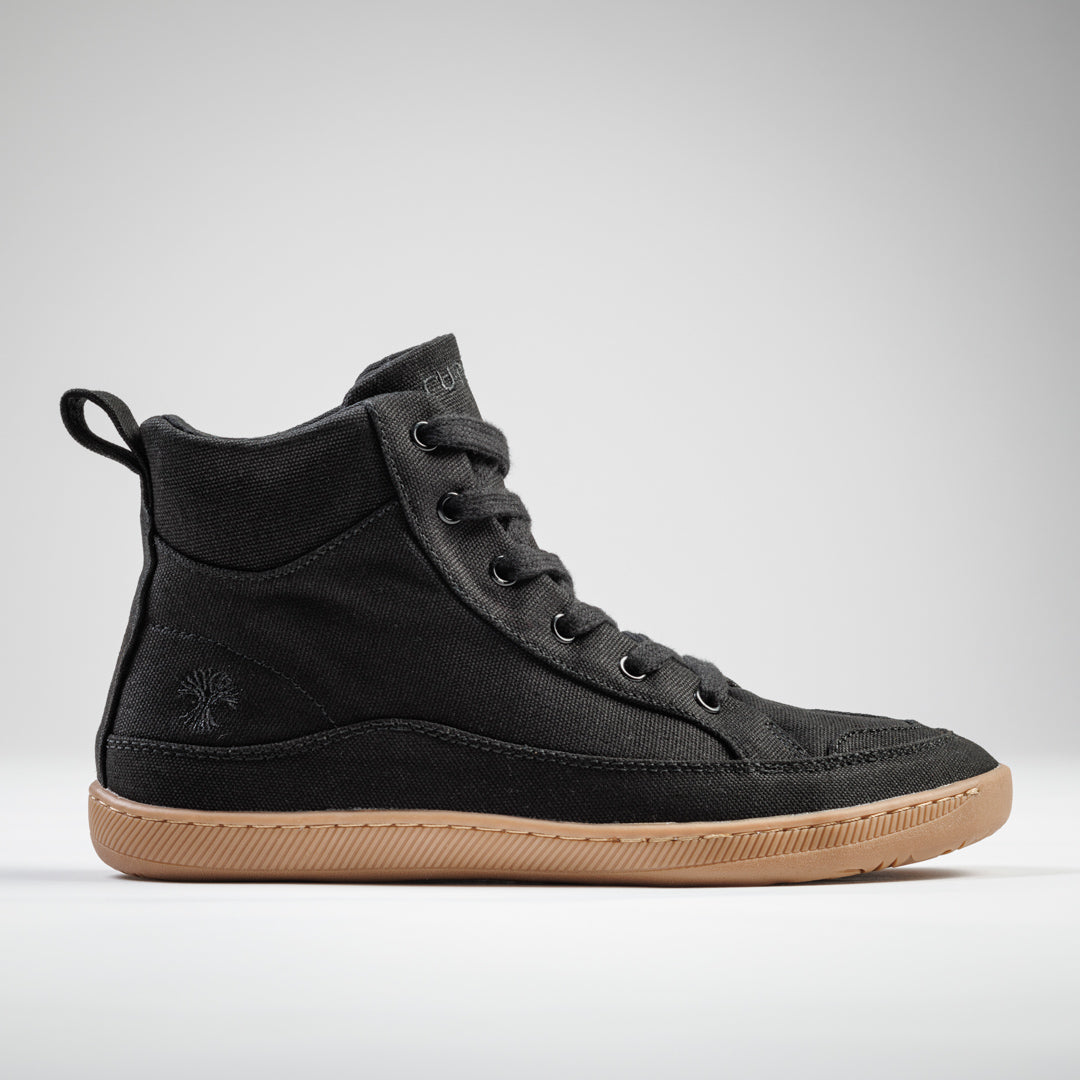
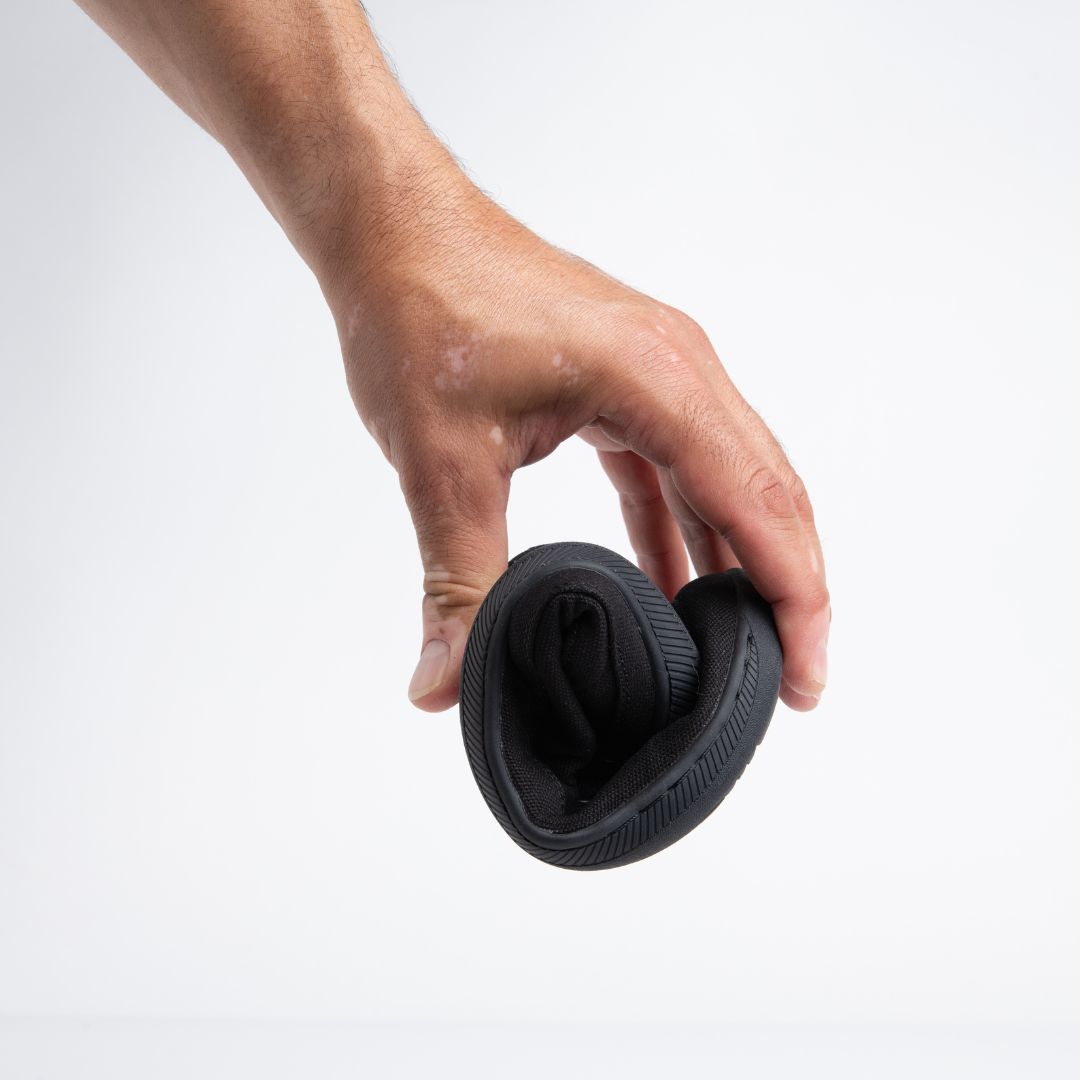
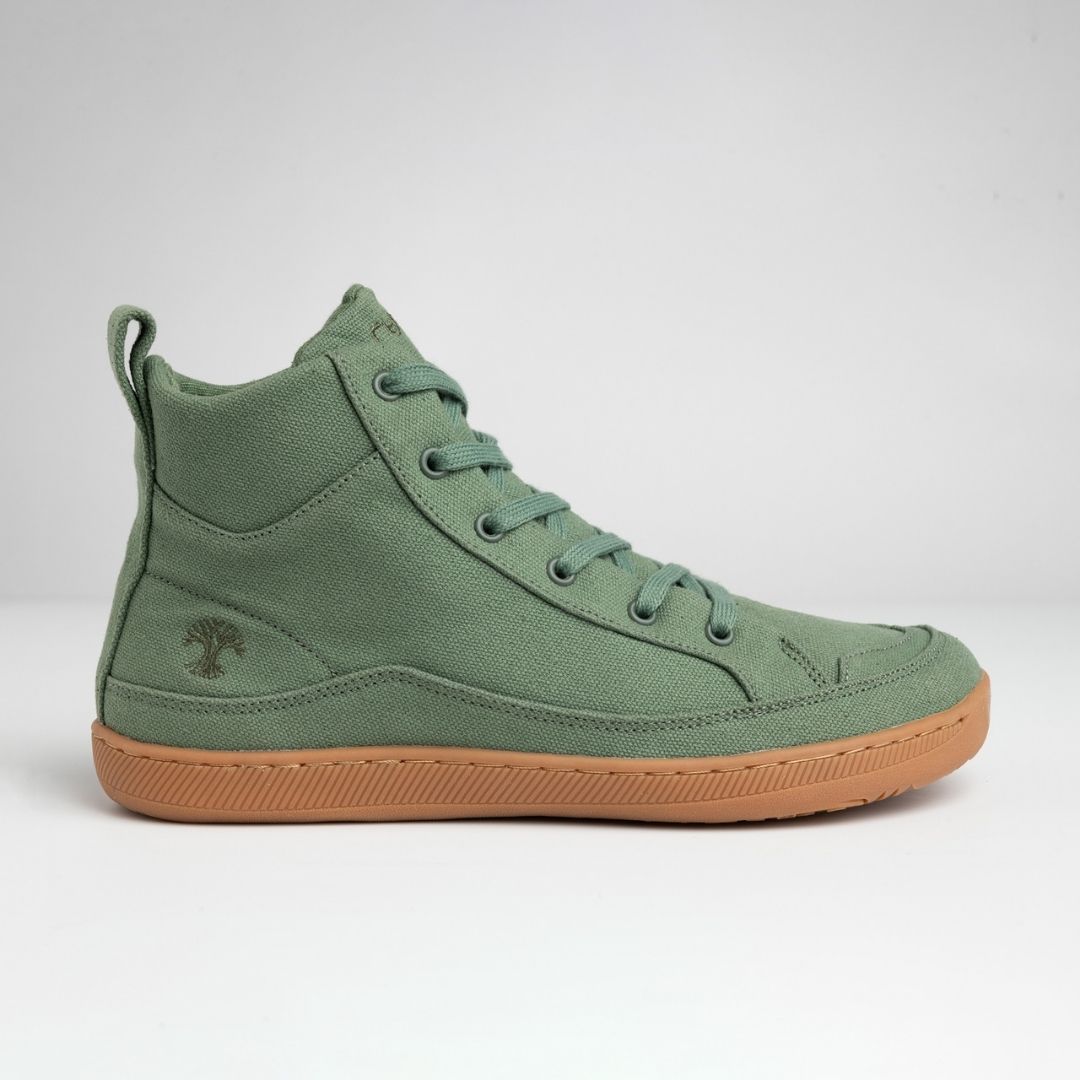
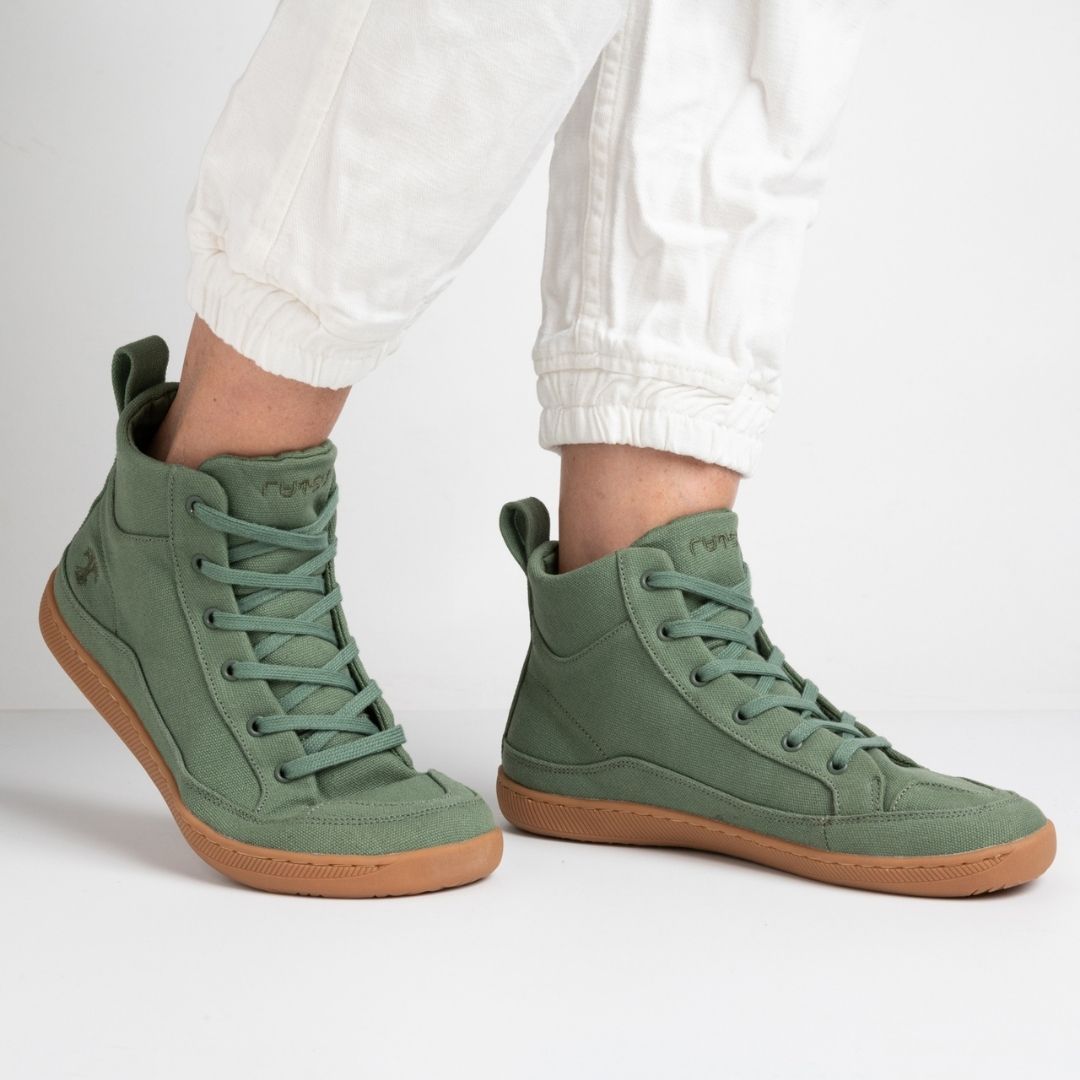
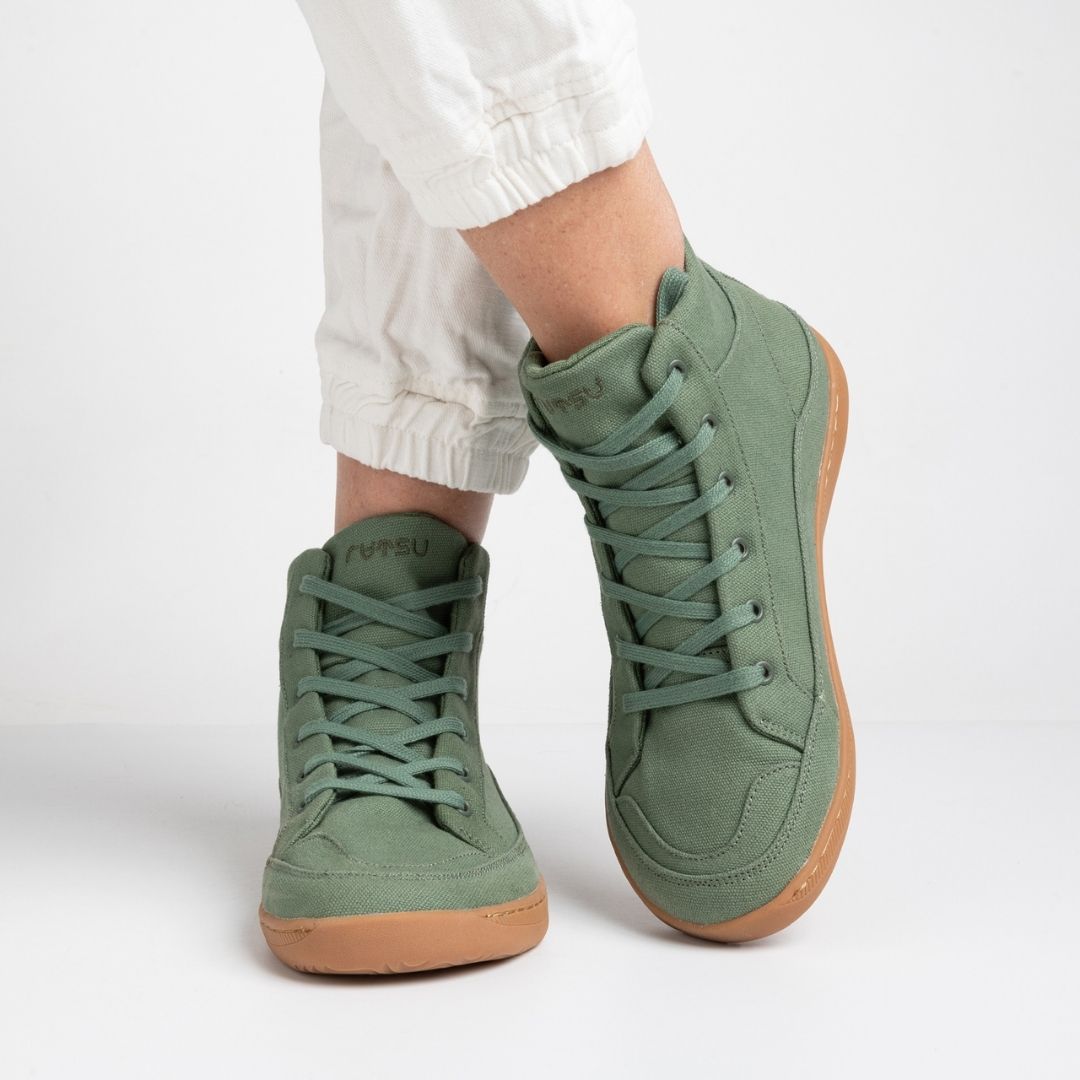
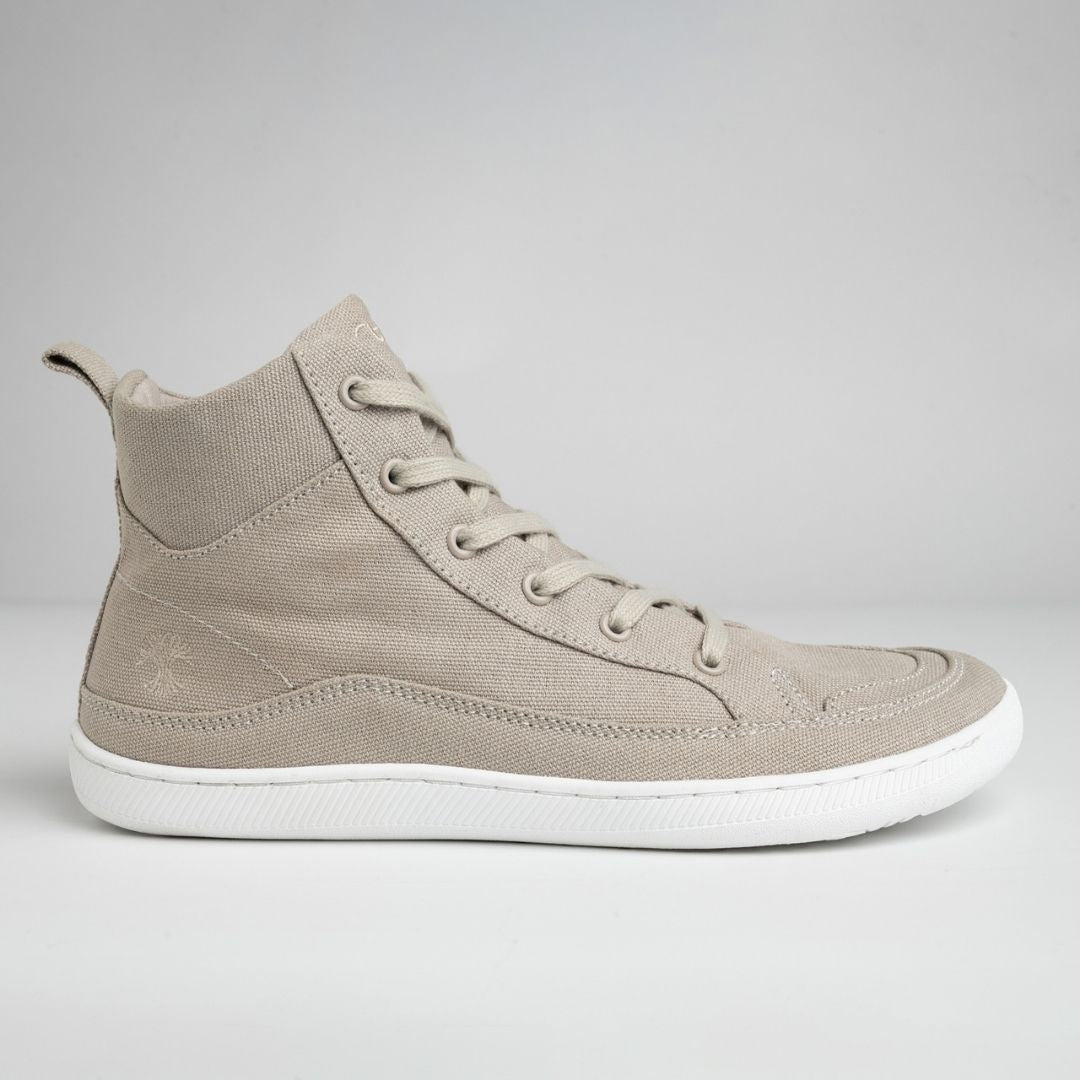
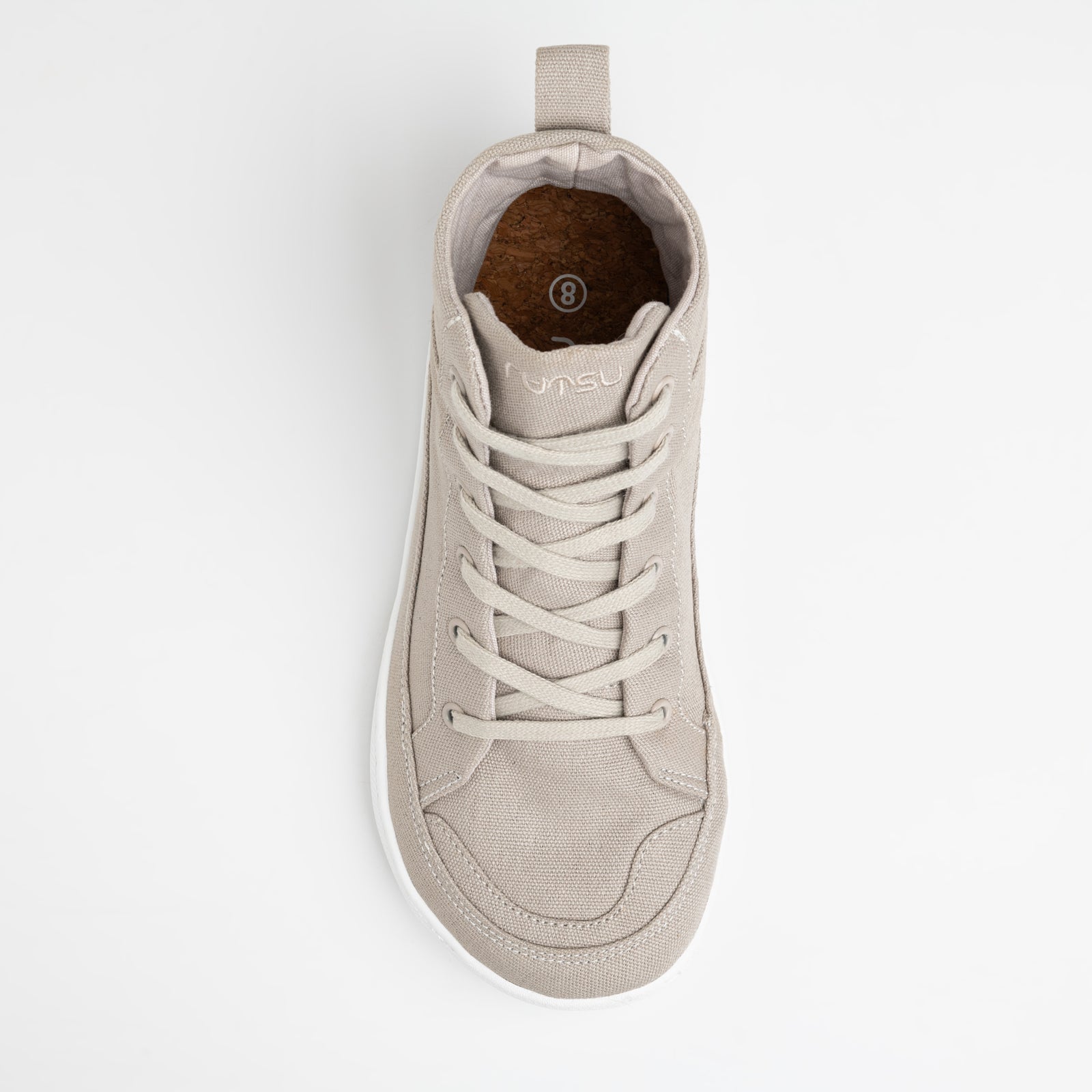
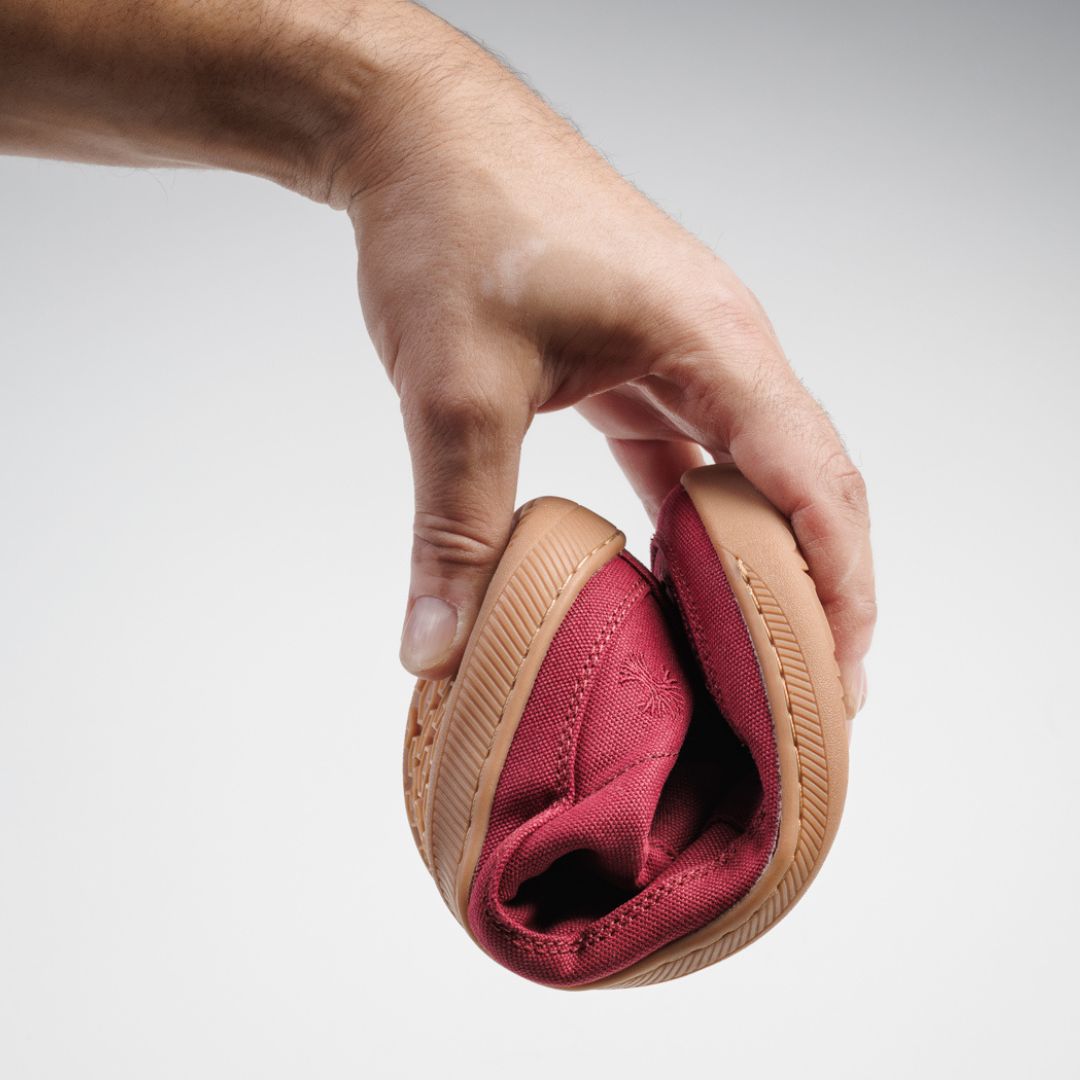
Three things define a true barefoot hiking shoe. Zero-drop sole, meaning heel and forefoot sit at the same height. A wide toe box that gives your toes room to splay, grip, and stabilize. And a thin flexible sole that transmits ground feedback instead of blocking it.
Is that automatically better for everyone? No, and anyone who tells you otherwise is selling something. Your feet, your trail fitness, your willingness to adapt slowly — all of that matters. Some research suggests minimalist footwear may strengthen intrinsic foot muscles over time. But "may" is doing real work in that sentence.
Key Features to Look For in Barefoot Hiking Shoes
Buying barefoot shoes for a casual walk around town is easy. Trail shoes? Different story entirely. You need specific features that most minimalist shoes skip.
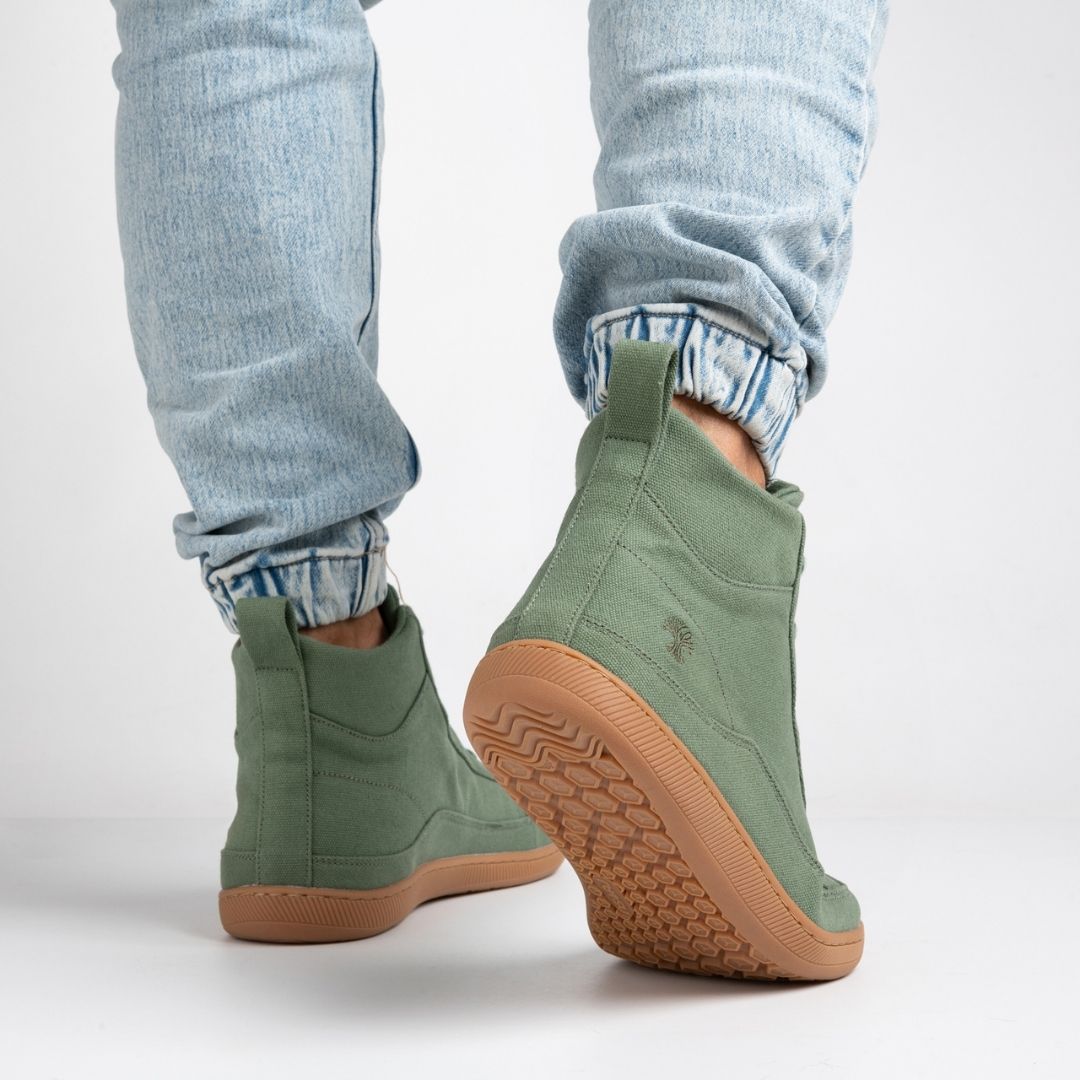
Ground feel paired with real protection. A sole between 4mm and 8mm hits the sweet spot. Thin enough to read the terrain. Thick enough so a pointy rock doesn't ruin your Tuesday. Look for aggressive tread patterns with deep lugs, too.
Quick drainage. Creek crossings happen. Shoes with mesh uppers or drain ports dry faster, and dry feet blister less. Simple equation.
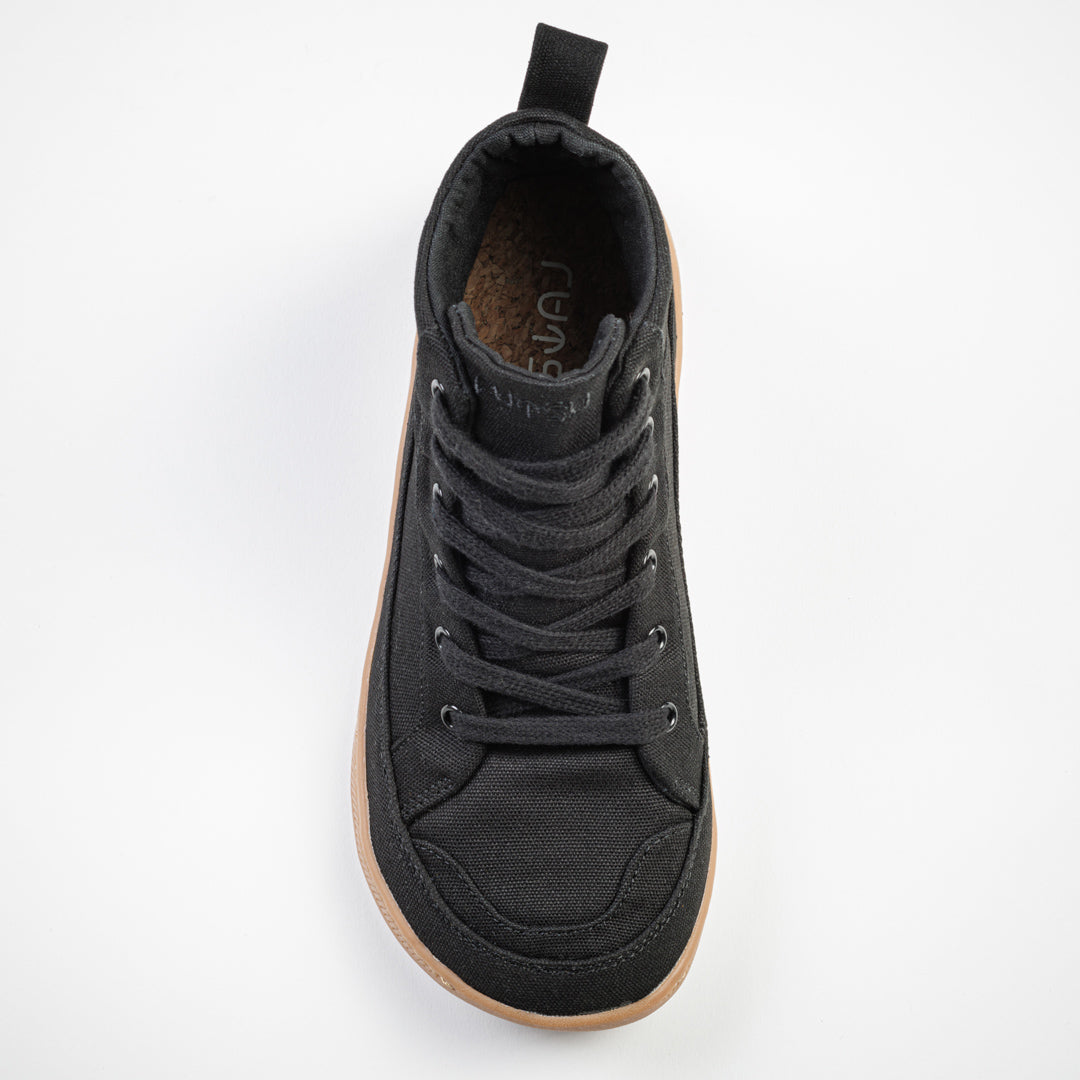
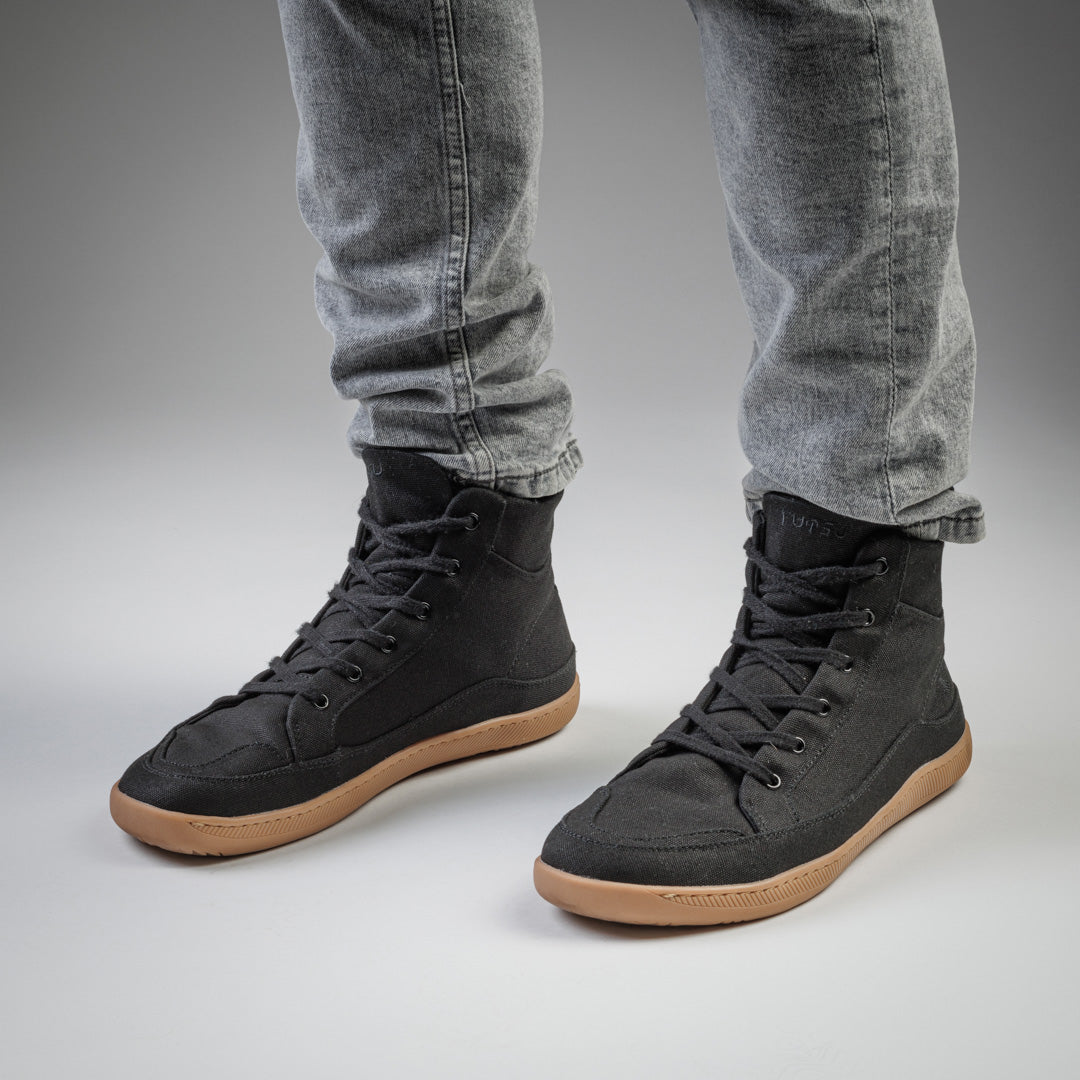
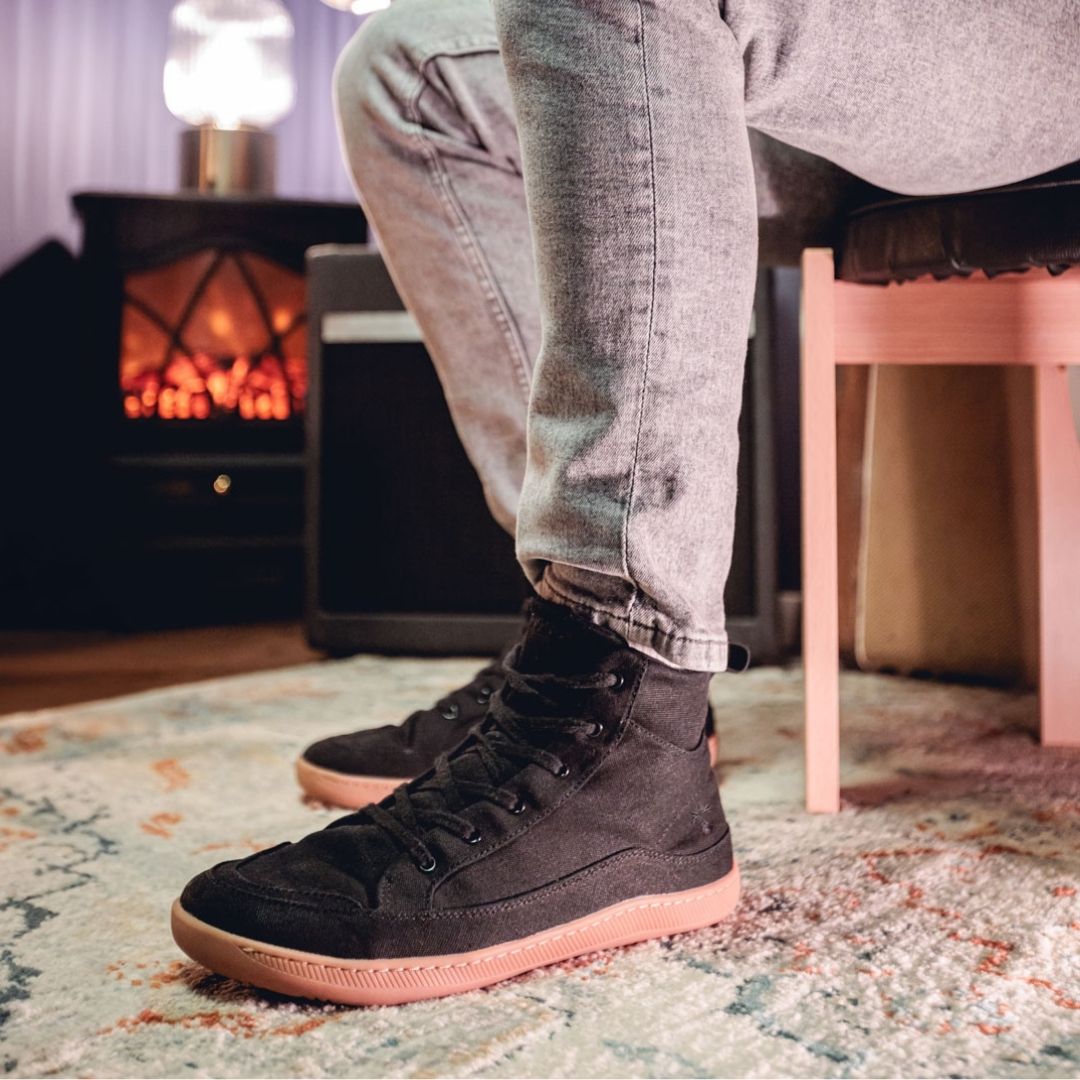
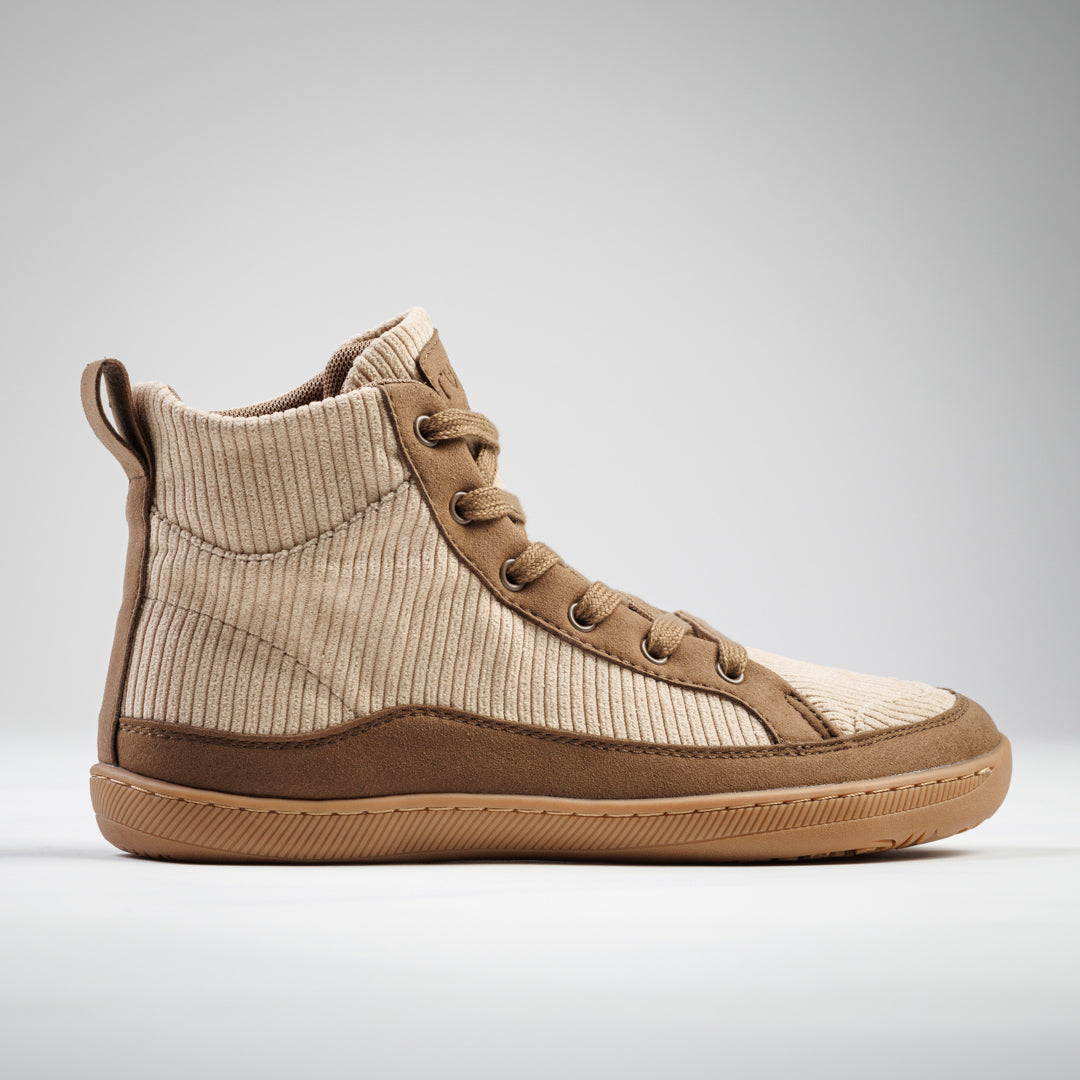
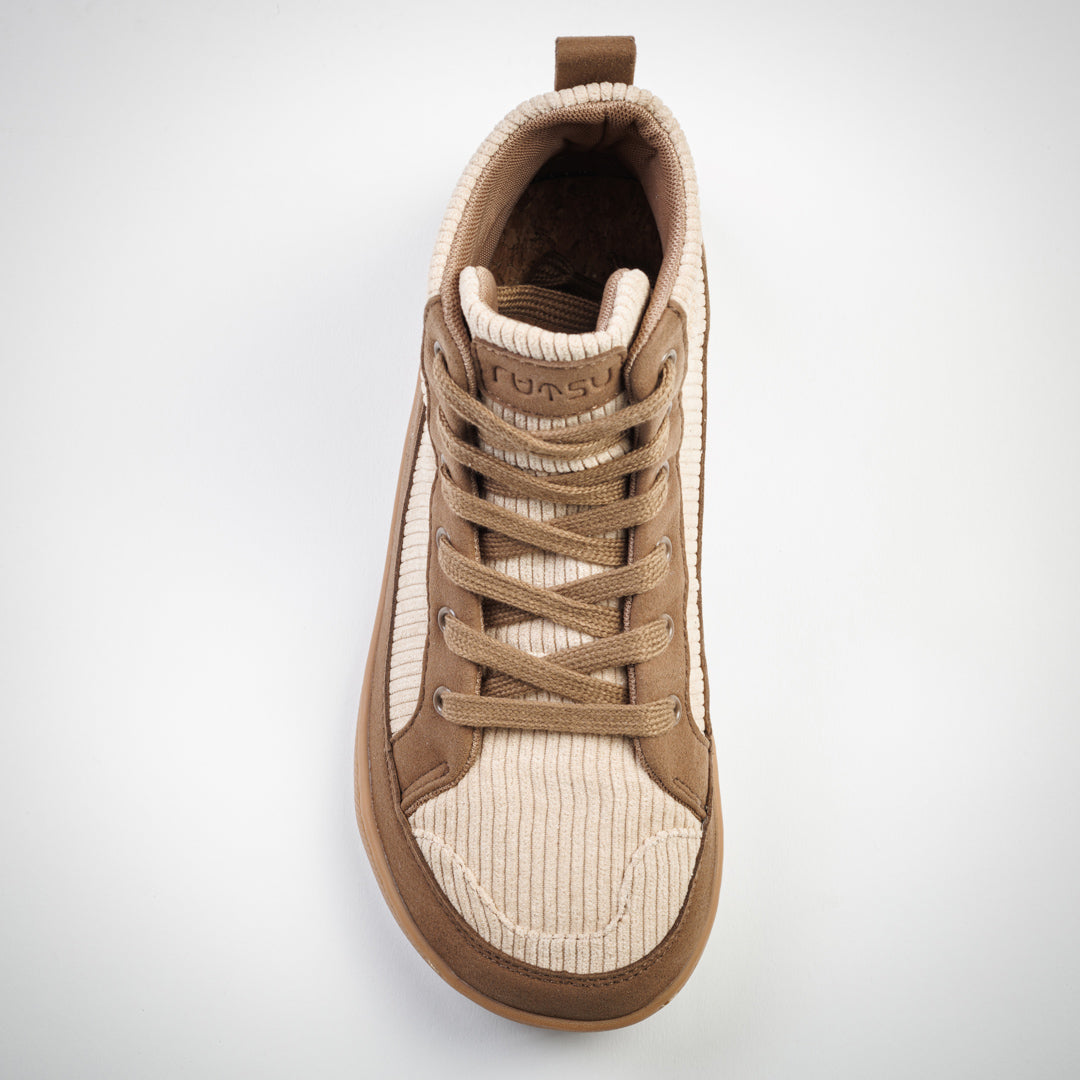
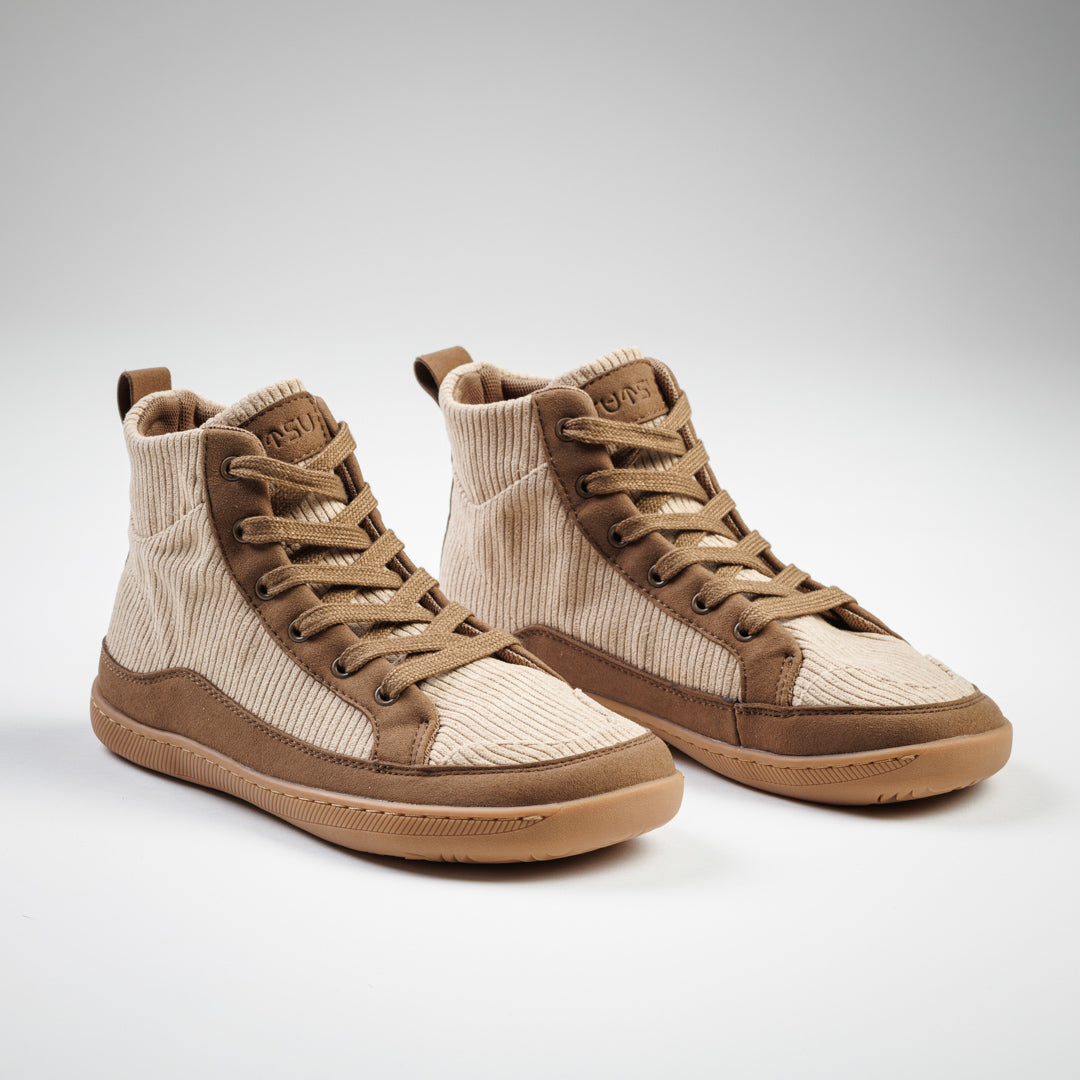
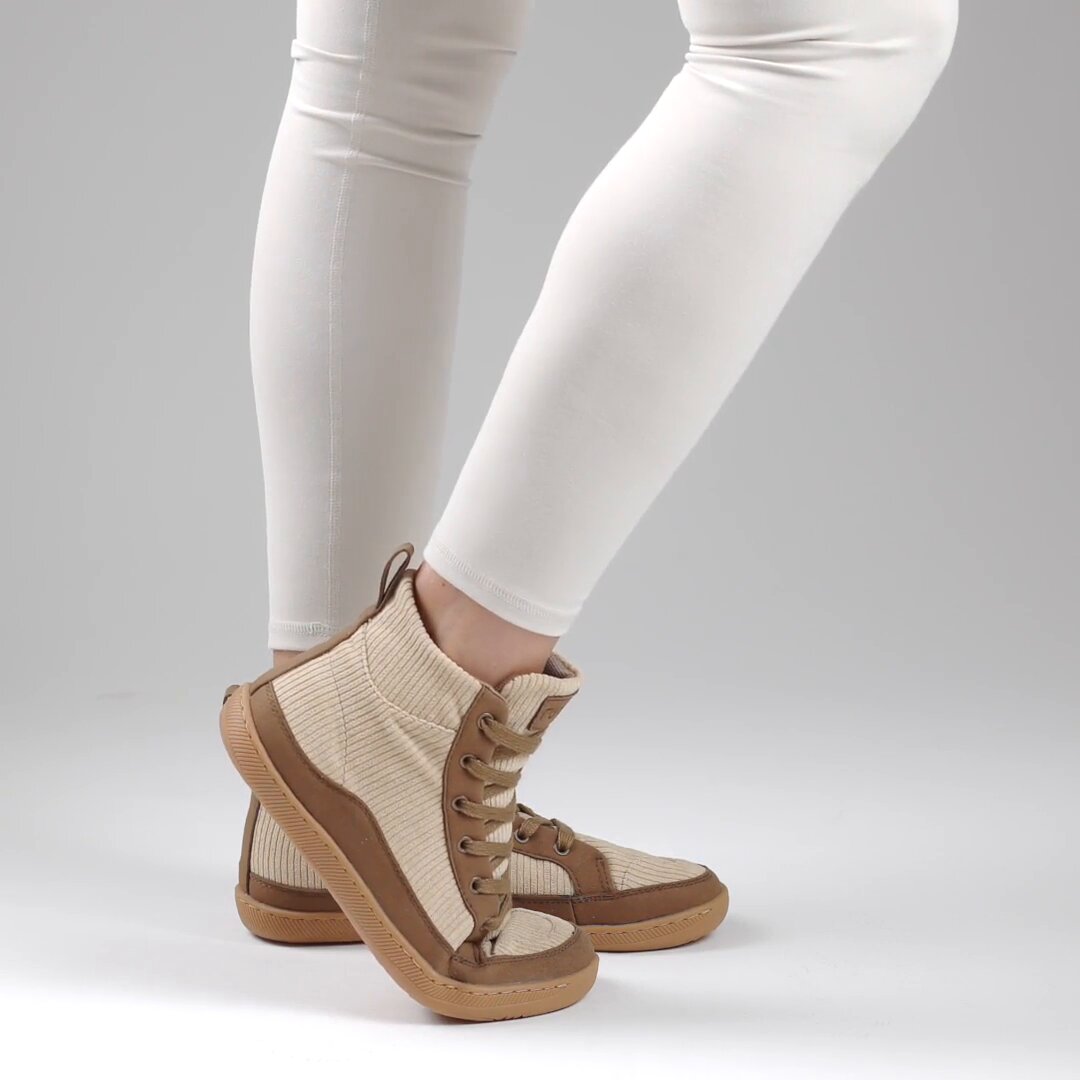
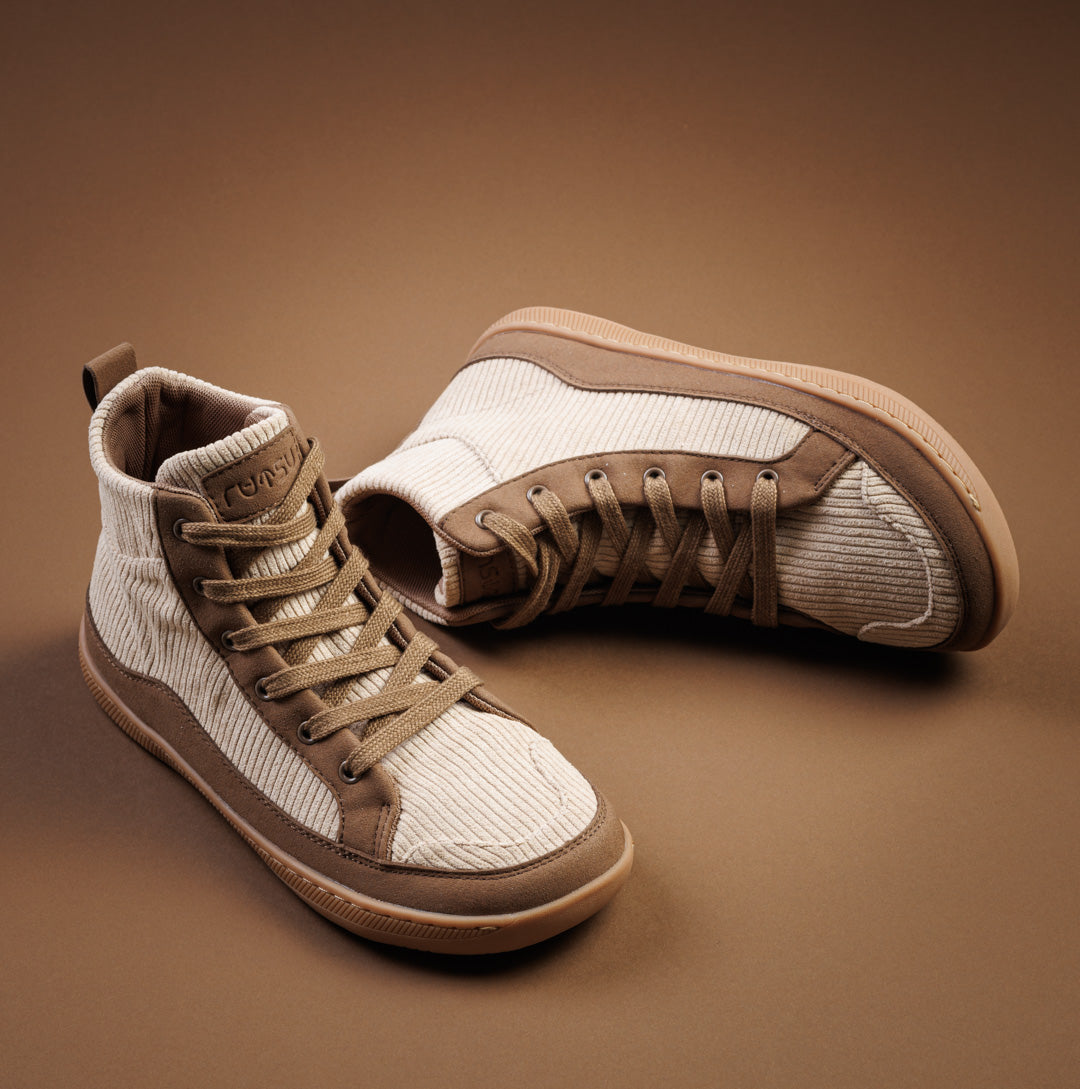
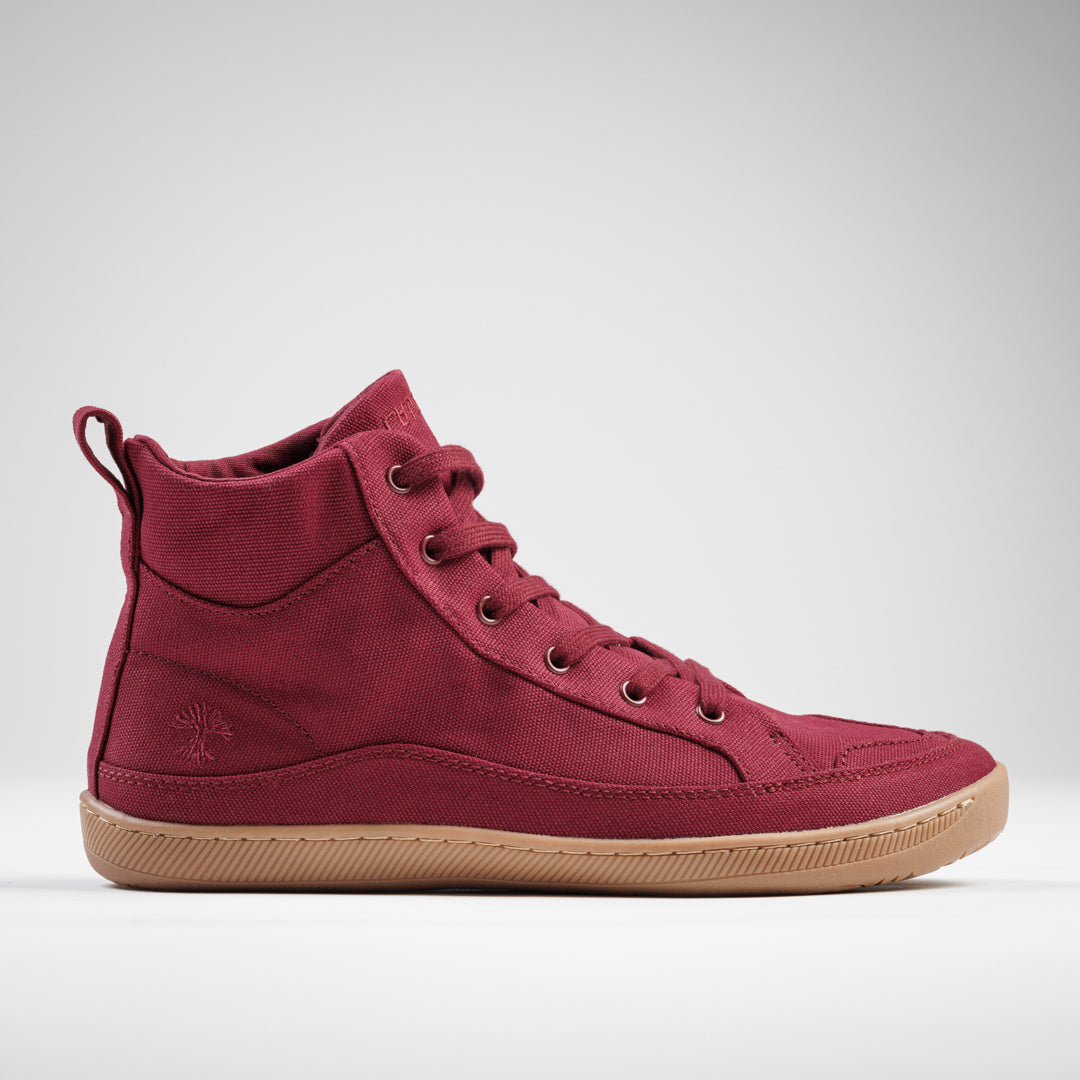
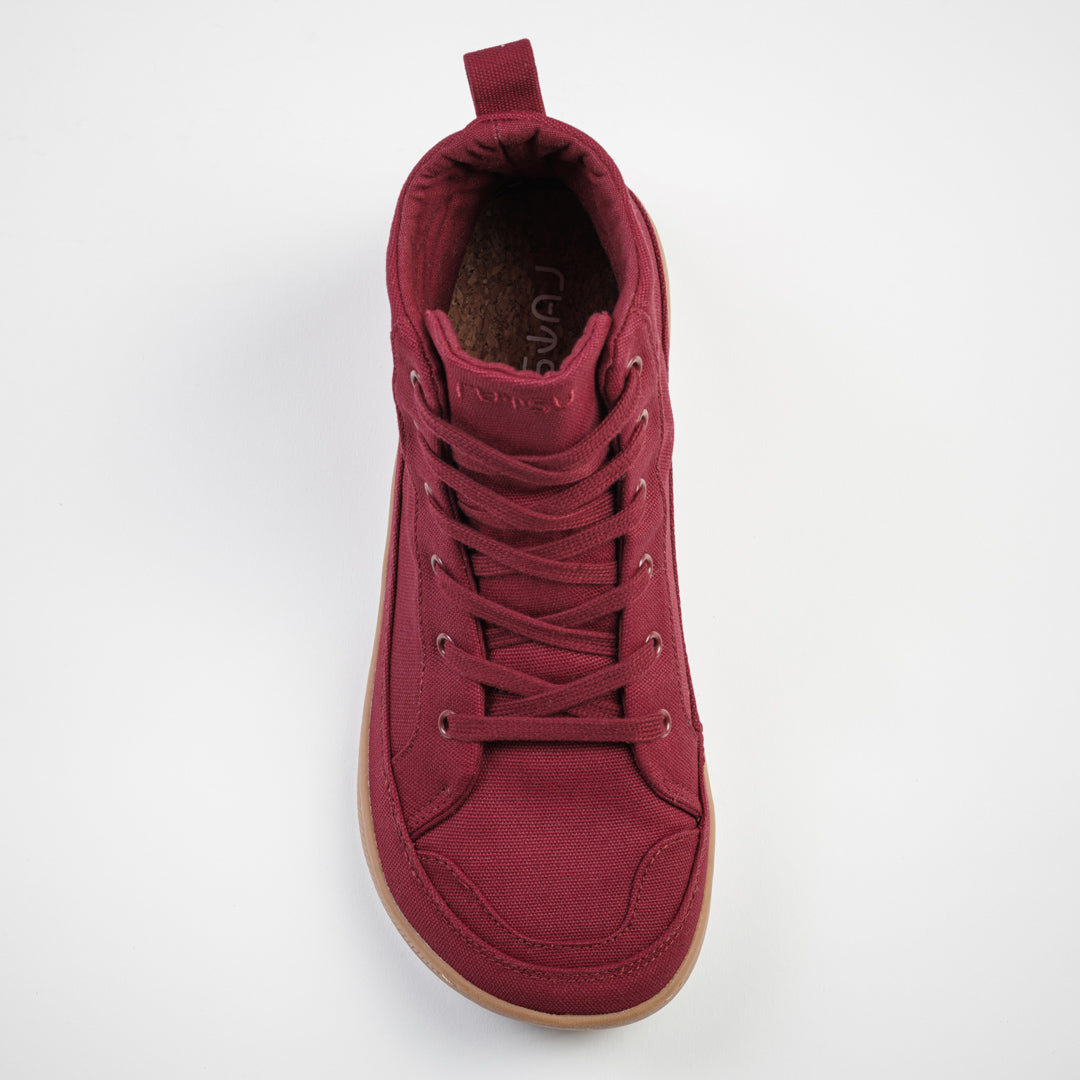
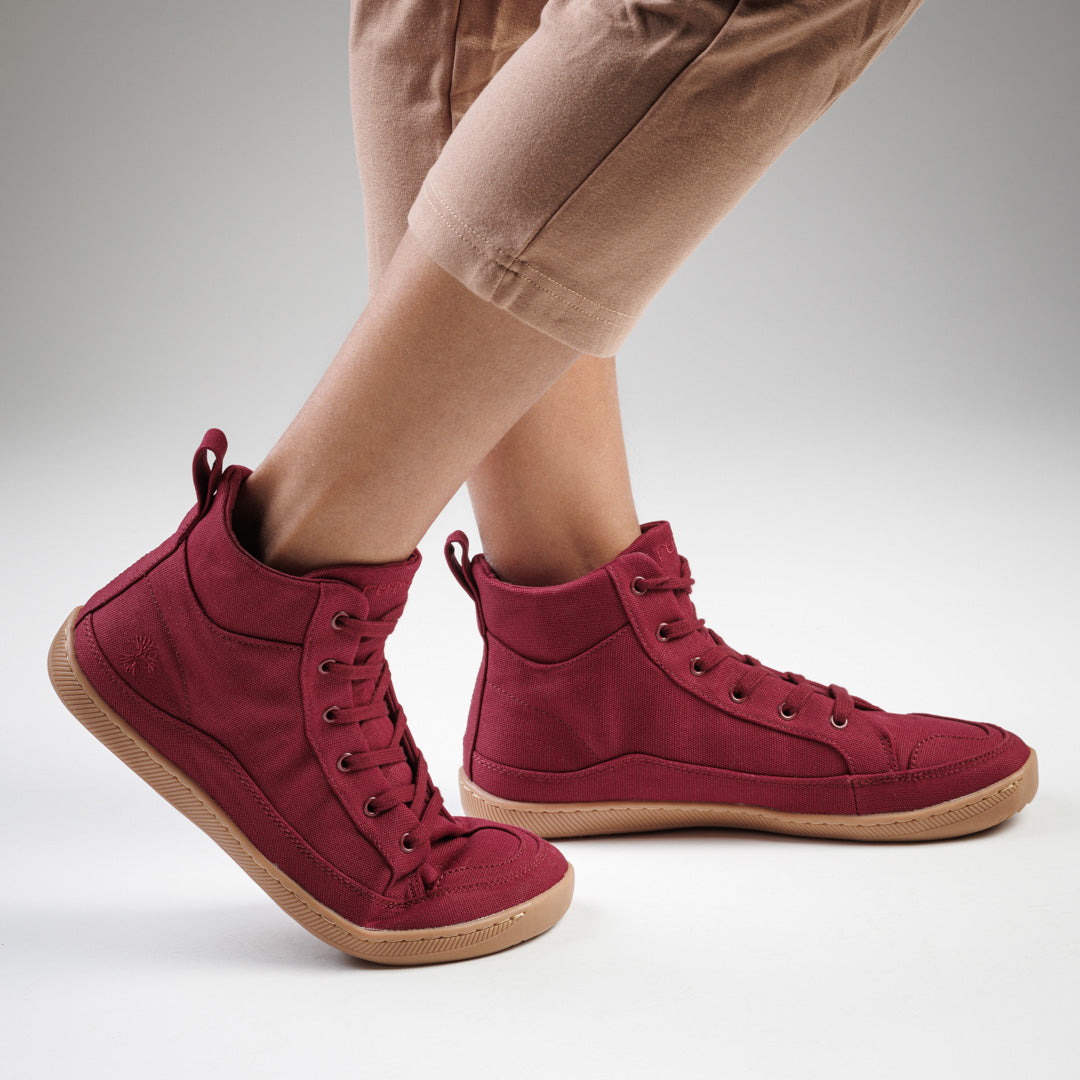
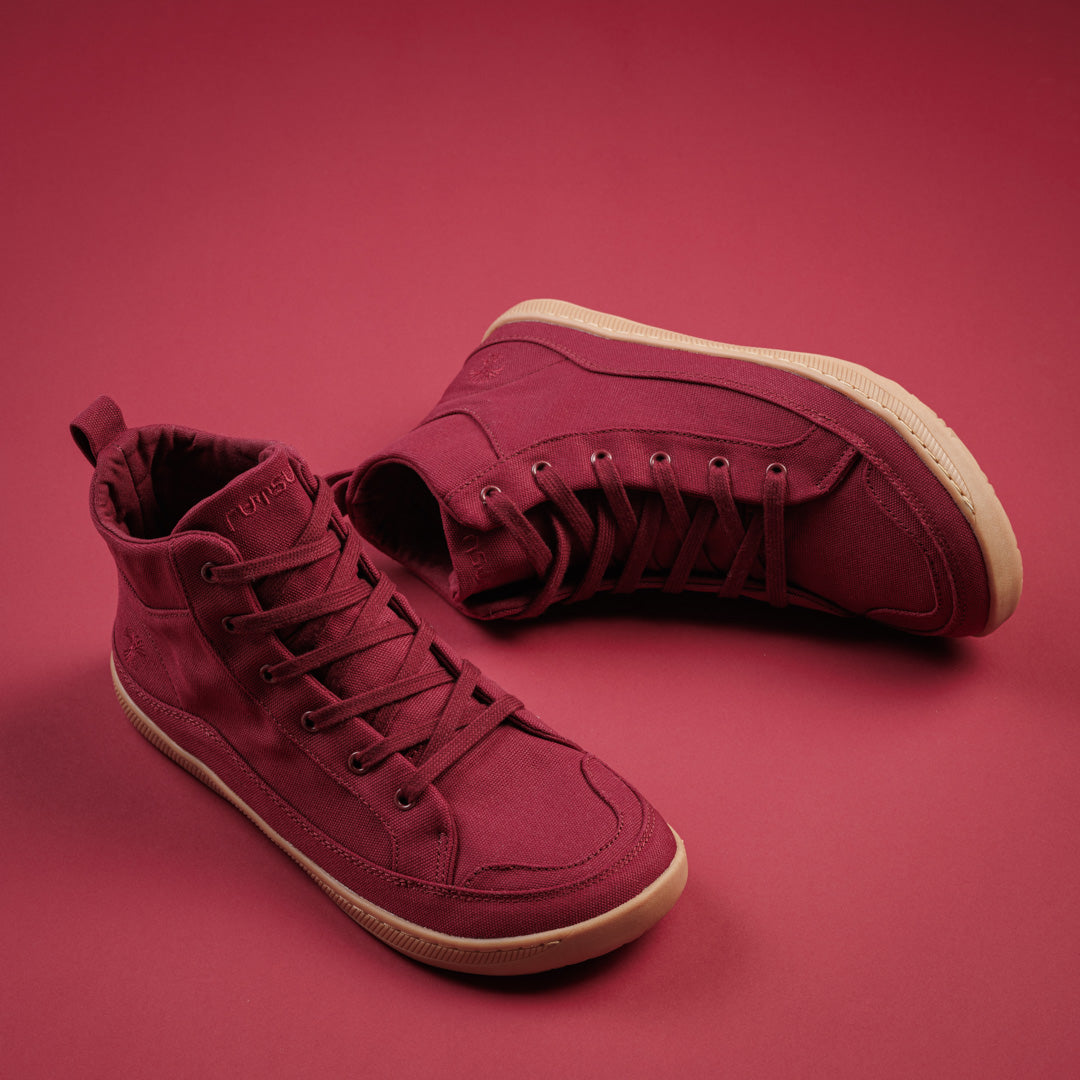
Toe box width that actually matches a human foot. Wild concept, right? Rutsu Barefoot builds every shoe around a naturally wide toe box, which matters more than you'd think on uneven ground. If your toes can't spread, your stability drops.
Ethical materials. For hikers who care about what their gear is made of (and more people do every year), vegan options like Pinatex, Bio-PU, and cactus leather deliver durability without animal products.
Best Overall Barefoot Shoes for Hiking in 2026
Versatility is the name of the game here. Your "best overall" pick needs to handle packed dirt, rooty forest trails, and light scrambles without self-destructing after a few outings.
What does that look like in practice? A low-top design. Grippy rubber outsole. Reinforced toe cap for stubs and scrapes. Snug midfoot fit so your foot doesn't slide around inside. Barefoot shoes for hiking in a low-top style nail this balance between agility and trail protection for most conditions. Even better if they're vegan, because your gear should reflect what you stand for.
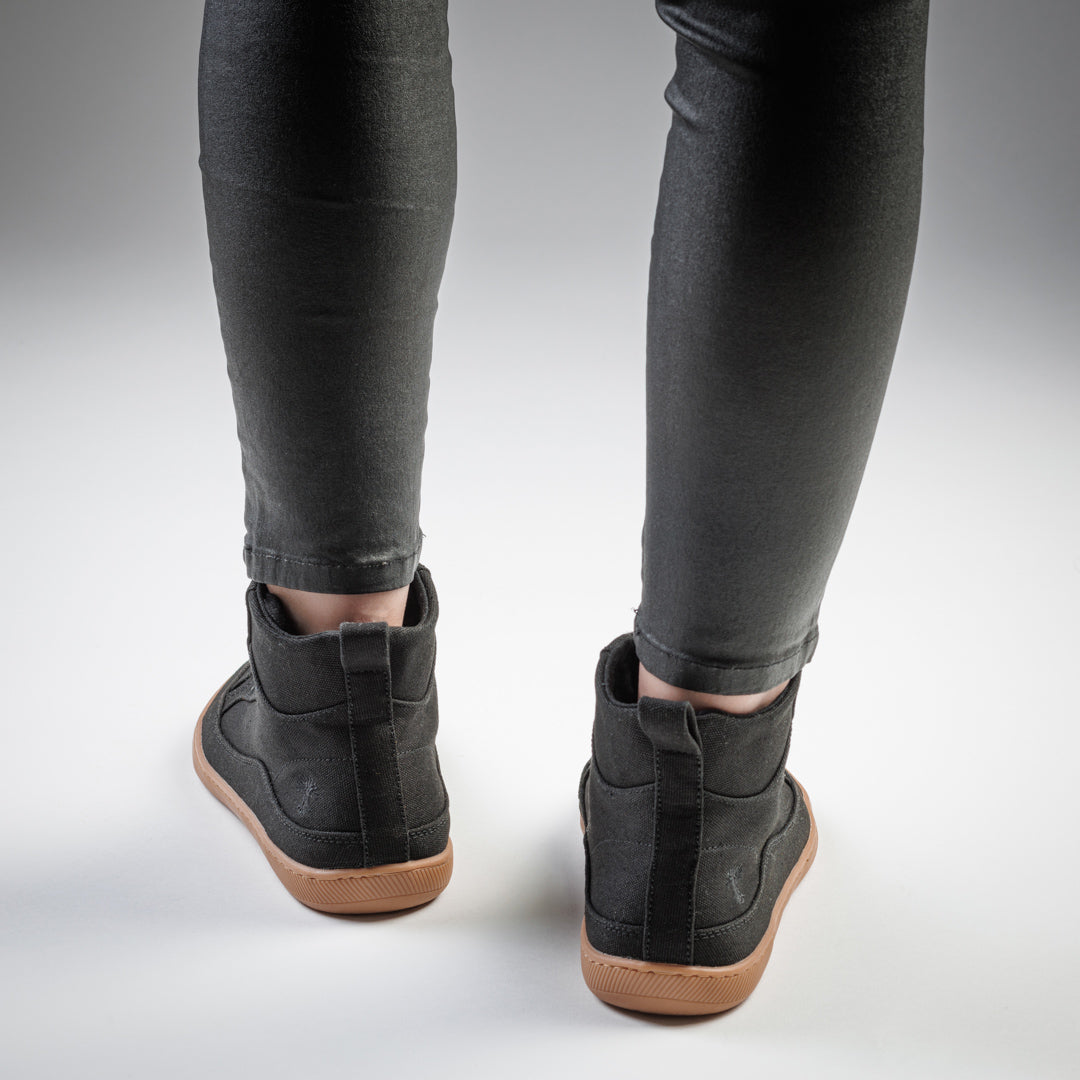
Now, the ankle support question. I hear it constantly. Here's the thing nobody mentions: strong ankles come from training them, not from wrapping them in rigid boot cuffs. A flexible shoe forces your stabilizer muscles to actually engage. That builds genuine strength over weeks and months.
Best Barefoot Hiking Shoes for Rocky and Technical Trails
Rocks change everything. Flat gravel paths? Almost any barefoot shoe handles those. Jagged scree fields and granite slabs? You need two specific things.
First, a sole compound tough enough to resist stone bruising. Vibram-style rubber works well. Second, tread lugs at least 4mm deep to grab loose surfaces. The outsole carries your entire experience on technical terrain. Don't cheap out here.
Some hikers add a thin insole for extra rock protection. Totally fine. It doesn't ruin the barefoot experience despite what purists on Reddit will tell you. (A parenthetical eye-roll feels appropriate here.)
One critical caveat. If you've never hiked in minimalist shoes before, technical trails are a terrible place to start. Groomed paths first. Rocky stuff later. Your feet need to build tolerance gradually.
Best Budget Barefoot Shoes for Hiking Under $100
Great news for your wallet. You absolutely don't need to drop $200 on a capable barefoot hiking shoes. The market has grown enough that solid trail options exist under $100.
Will you sacrifice something at this price? Probably. Premium outsole rubber or fancy upper materials tend to go first. But the fundamentals — zero drop, wide toe box, flexible sole — should still be present. Focus on fit and tread pattern before brand prestige. A $75 shoe that fits your specific foot shape will destroy a $180 shoe that doesn't. Every time.
Quick math worth doing. A $90 shoe lasting 300 trail miles costs you $0.30 per mile. Most padded running shoes cost more than that per mile. Suddenly "expensive" looks pretty relative.
Barefoot Hiking Shoes for Wide Feet: Top Picks That Actually Fit
Raise your hand if you've ever crammed wide feet into a narrow trail shoe and pretended it was fine. Blisters by mile two. Numb toes by mile four. Bunion screaming by the trailhead.
Stop doing that to yourself.
Barefoot shoes generally treat wide feet better because the whole design philosophy starts with natural foot shape instead of fashion-shoe proportions. But not every brand gets it right. Rutsu Barefoot designs their full lineup with a generous toe box, so hikers with wider feet don't have to size up and lose midfoot security in the process.
Shopping advice: check the forefoot width measurement, not just length. And read reviews from other wide-footed hikers specifically. Fit beats features. Always has.
How Barefoot Hiking Shoes Perform on Wet and Slippery Terrain
This is the objection I see most often. "Can a thin-soled shoe really handle wet rocks and muddy switchbacks?"
Yeah, it can. If the rubber compound is soft enough. Softer rubber grips wet surfaces dramatically better than hard plastic compounds. Deep lugs with wide spacing channel mud and water away from the contact patch. Some shoes also drain internally, so a creek crossing doesn't mean sloshing for the next mile.
But let's keep it real. No shoe — barefoot or otherwise — is magic on wet ice or greasy clay. What actually helps on slippery terrain is technique. Shorter strides. Lighter foot placement. Forefoot or midfoot striking instead of crashing down heel-first. Barefoot shoes naturally encourage this gait pattern, which gives you more control than you'd expect.
Barefoot Shoes vs. Traditional Hiking Boots: Real Trail Comparison
Fair is fair. Both tools have strengths.
Traditional boots bring immediate, brute-force protection. Thick soles block sharp rocks cold. High cuffs brace weak ankles. Waterproof membranes keep feet dry (at least for the first hour before your feet cook inside them). They're proven for heavy pack loads and multi-day suffer-fests.
Barefoot shoes bring agility, ground feel, dramatically lower weight, and potentially better long-term foot health. Some studies suggest a more natural gait pattern may reduce knee stress over time. They're also far more packable for travelers.
My honest take? Most day hikers on moderate terrain will prefer barefoot shoes after a proper transition period. Thru-hikers shouldering 40-pound packs across exposed alpine terrain might still want a burlier boot. Match the tool to the specific job. Dogma helps nobody on a mountain.
How to Transition From Hiking Boots to Barefoot Shoes Without Injury
Rushing this process is the single biggest mistake people make. And honestly, it's the reason barefoot shoes get such a bad reputation in some circles. Someone buys a pair, hikes 10 miles on day one, gets injured, and blames the shoe. The shoe wasn't the problem. The approach was.
Your feet have lived in padded, supported shoes for years. Maybe decades. Those small stabilizer muscles need time to wake up and strengthen.
Start with short walks on flat ground. Fifteen to twenty minutes for week one. Gradually increase both distance and terrain difficulty over 8 to 12 weeks. Achy arches and sore calves? Normal. Sharp pain in your heel or the ball of your foot? Not normal. Back off immediately.
A smart strategy: mix shoe types during the transition. Wear your barefoot shoes for hiking on easier trails and keep traditional boots for bigger days until your feet catch up.
Foot strengthening drills speed things along, too. Toe curls with a towel. Single-leg balance holds. Calf raises on a stair edge. Fifteen minutes a day makes a measurable difference within a month.
FAQs
Are barefoot shoes good enough for long-distance hiking?
Plenty of long-distance hikers finish 500+ mile trails in minimalist shoes. The secret is gradual adaptation and a shoe with a durable outsole. Build mileage slowly before committing to a big trek.
Can you wear barefoot hiking shoes in cold weather?
You can, but sock choice matters. Thin merino wool adds warmth without killing the ground feel. A few brands offer insulated barefoot models for winter trails. Below freezing, expect cold to reach your feet sooner than in padded boots.
How long do barefoot hiking shoes typically last?
Most quality pairs hold up for 300 to 500 miles. Rocky terrain eats outsoles faster than soft dirt. Check your tread often and swap shoes when grip starts fading.
Do barefoot shoes provide enough protection against sharp rocks?
Shoes with outsoles of 6mm or thicker handle most sharp rock comfortably. Reinforced toe caps and rock plates add extra security on nasty terrain. Your soles also toughen up naturally with consistent use.
What socks work best with barefoot hiking shoes?
Thin merino wool or toe socks are the top choices. They wick moisture, fight blisters, and don't bunch up inside a slim shoe. Thick cotton socks trap sweat and cause problems. Skip them entirely.
Are barefoot hiking shoes safe for people with flat feet?
Limited scientific research exists on this specific question. Anecdotal reports from flat-footed hikers suggest some feel stronger arch engagement after months of barefoot walking. Talk to a podiatrist before making the switch, especially if you already deal with foot pain.