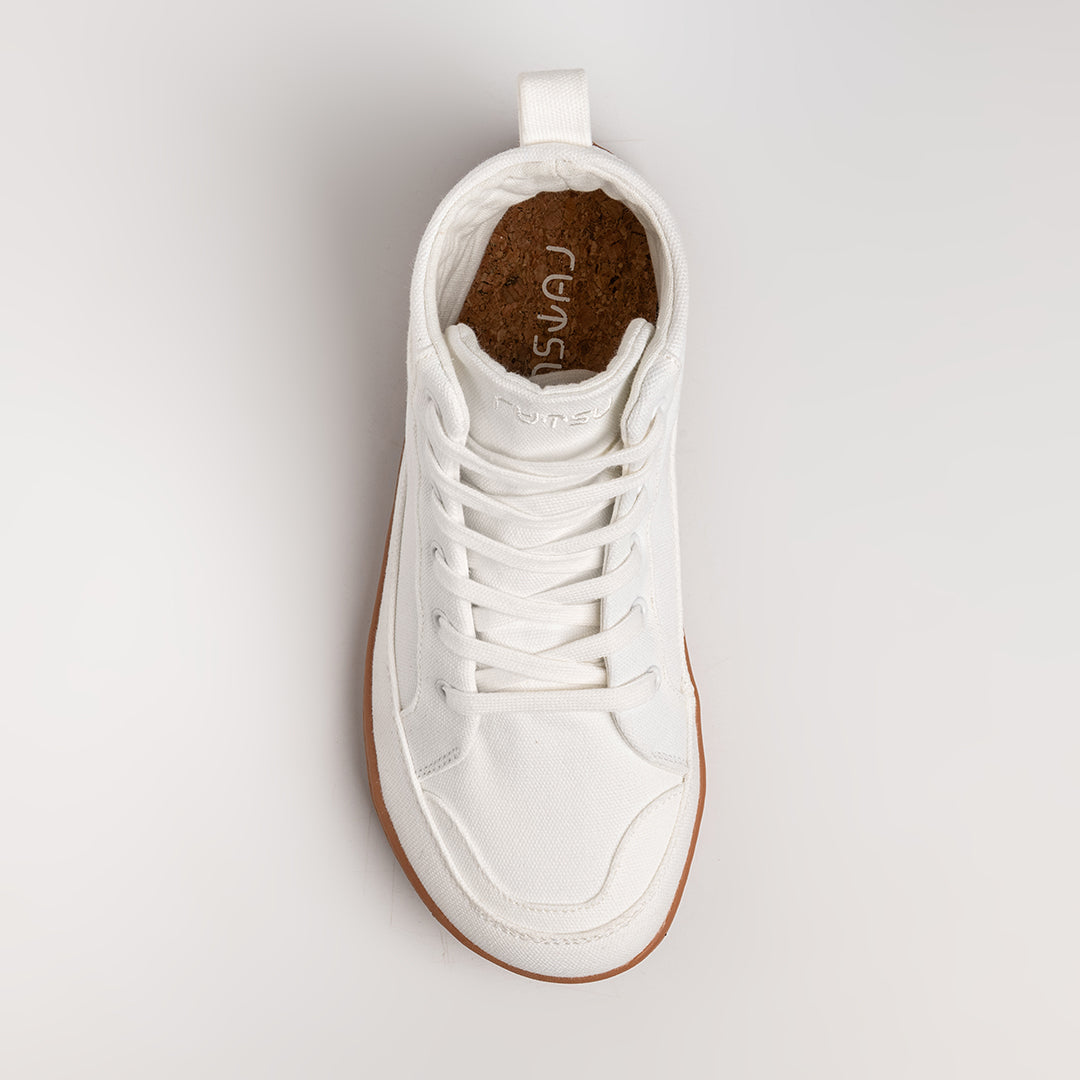


Here's something nobody tells you about women barefoot shoes: the good ones don't make you choose between happy feet and looking put-together. That old trade-off? Gone. Dead. Buried somewhere next to low-rise jeans and flip phones.
2026 changed the game. We're seeing barefoot options that actually deliver—natural movement, posture that doesn't wreck your back, and designs you'd proudly wear to brunch. Whether you spend your days in downward dog, typing away at your home office, or just walking off years of cramped toes, stick around. This guide breaks down everything worth knowing.
Why Women Barefoot Shoes Are the Top Choice for Walking, Work, and Everyday Wear
Your feet have been coddled. Seriously. Those cushy sneakers with their thick soles and elevated heels? They've turned your foot muscles into couch potatoes. Narrow toe boxes squeeze toes together like sardines. Not great.
Women barefoot shoes do the opposite. They get out of the way and let feet actually work. Toes spread. Arches wake up. Balance gets sharper because—plot twist—you can feel what you're standing on.
Here's the thing about spending all day on your feet: traditional cushioning creates a weird dependency. Zero-drop soles (where heel and toe sit level) encourage how humans walked for thousands of years before we decided to strap platforms to our feet. Knees and hips take less beating. And weirdly enough, once the adjustment period ends, most women find barefoot shoes way more comfortable than the puffy alternatives they replaced.
Key Features to Look for When Buying Women Barefoot Shoes
Some shoes slap "barefoot" on the label and call it a day. Don't fall for it. Here's what actually matters:
-
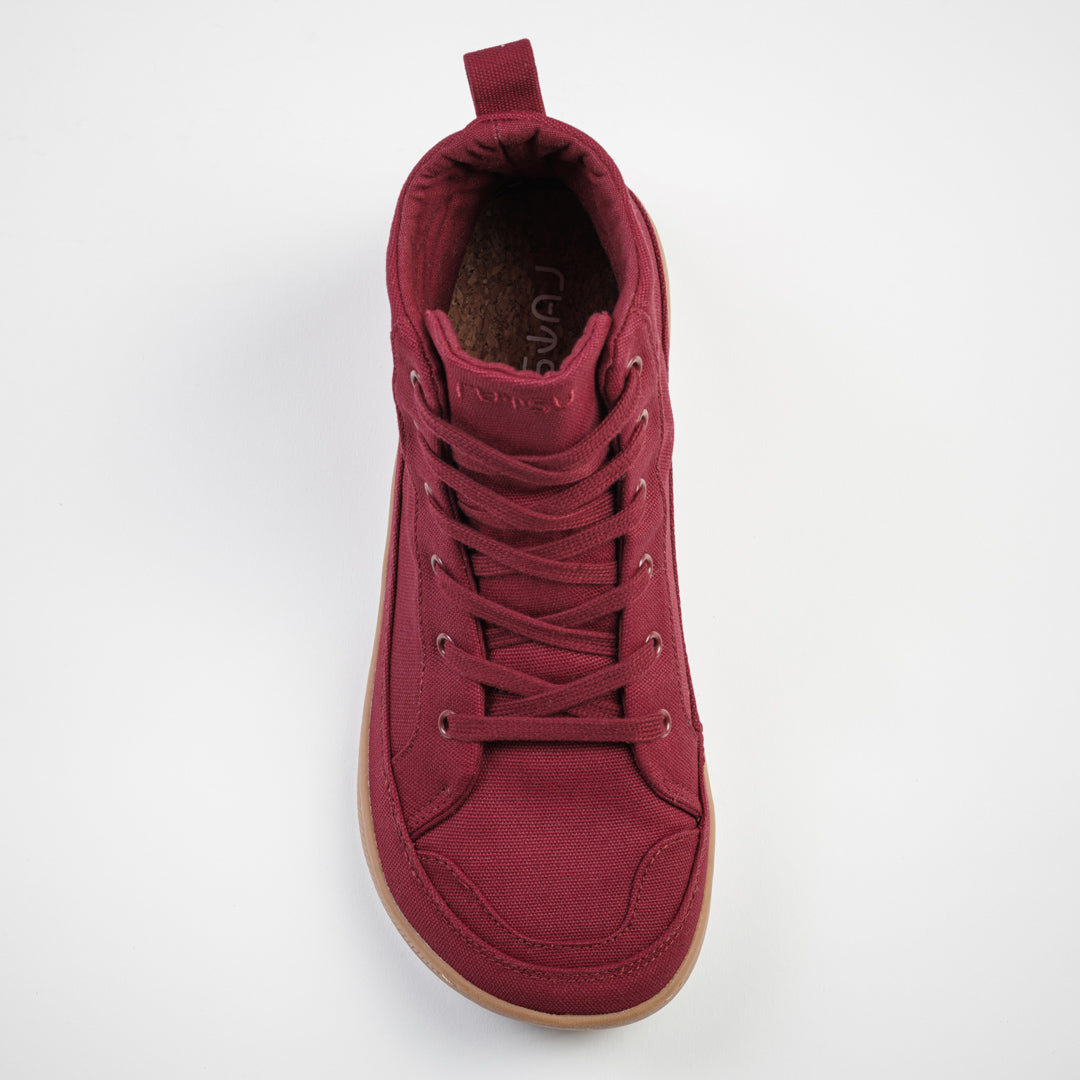
Wide Toe Box: Toes need breathing room. If they're touching each other or the sides, pass.
-
Zero Drop Sole: Level from heel to toe. Anything elevated defeats the purpose.
-
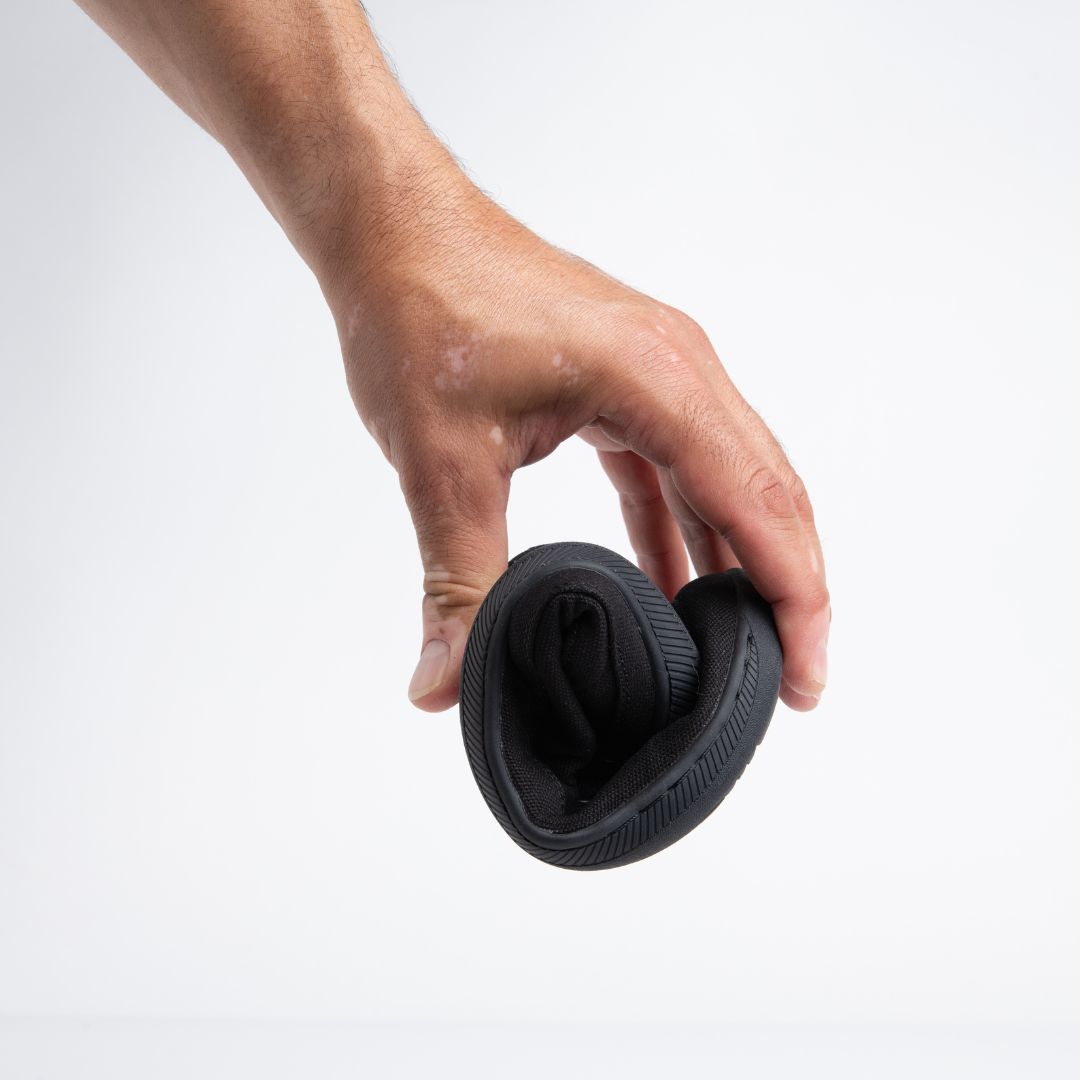
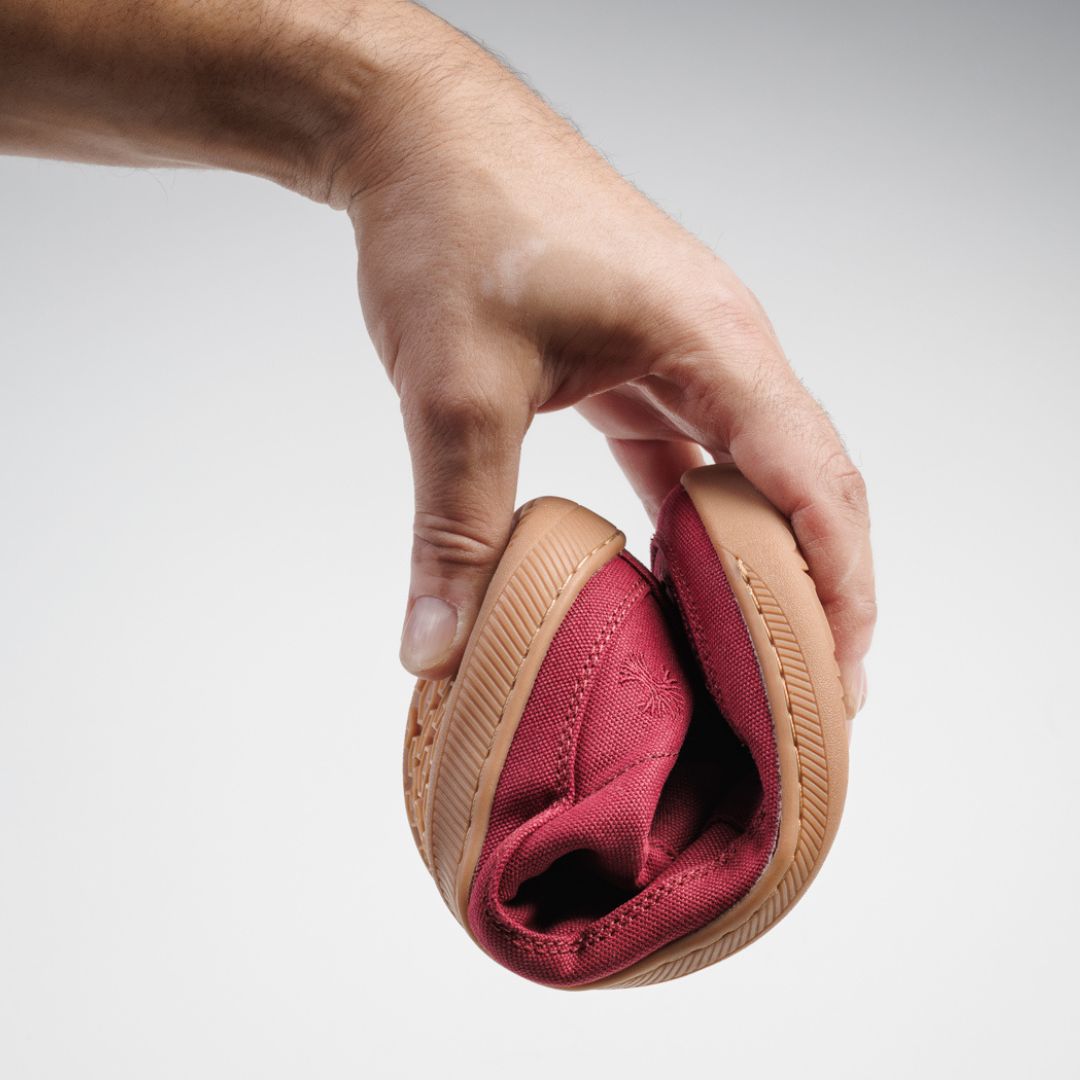
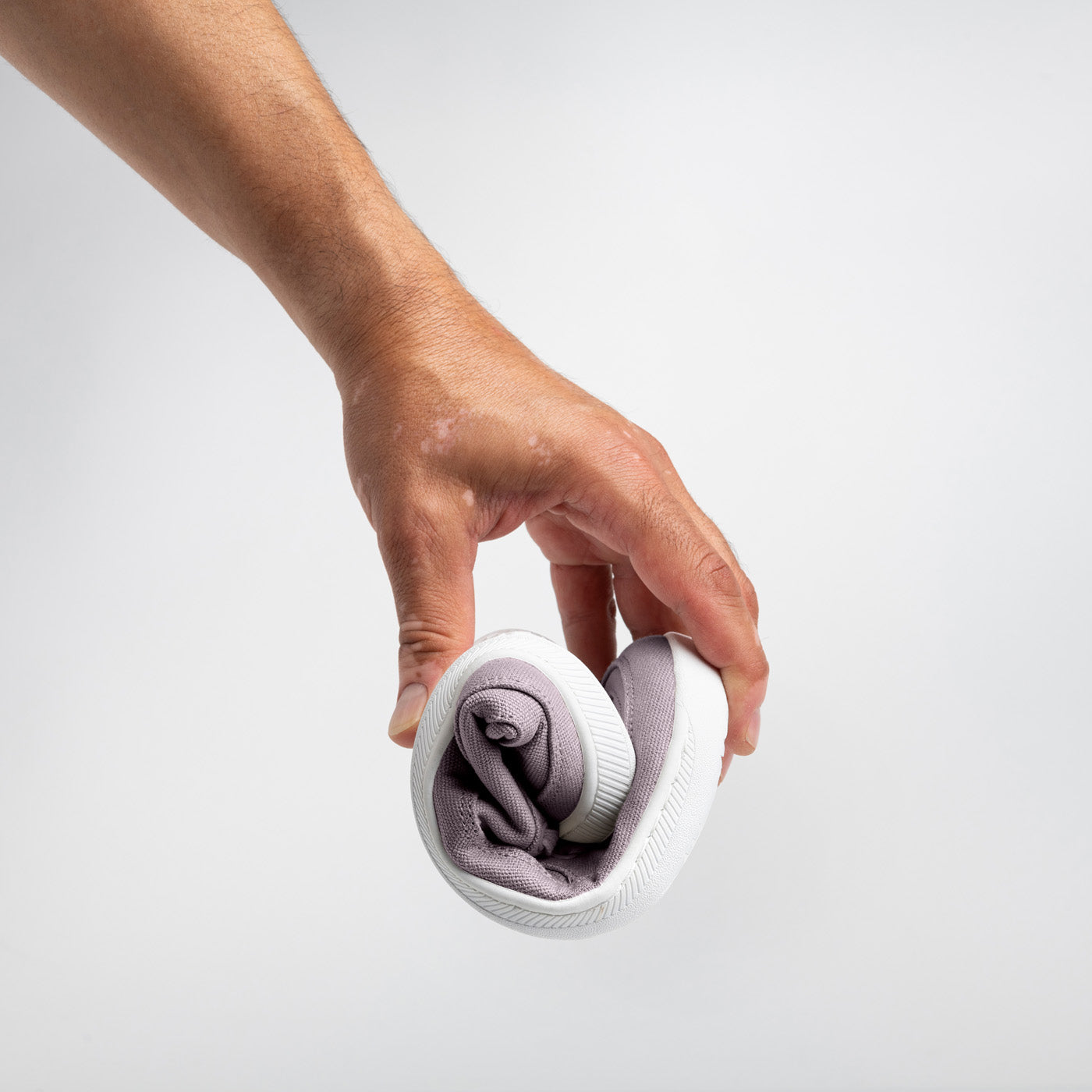
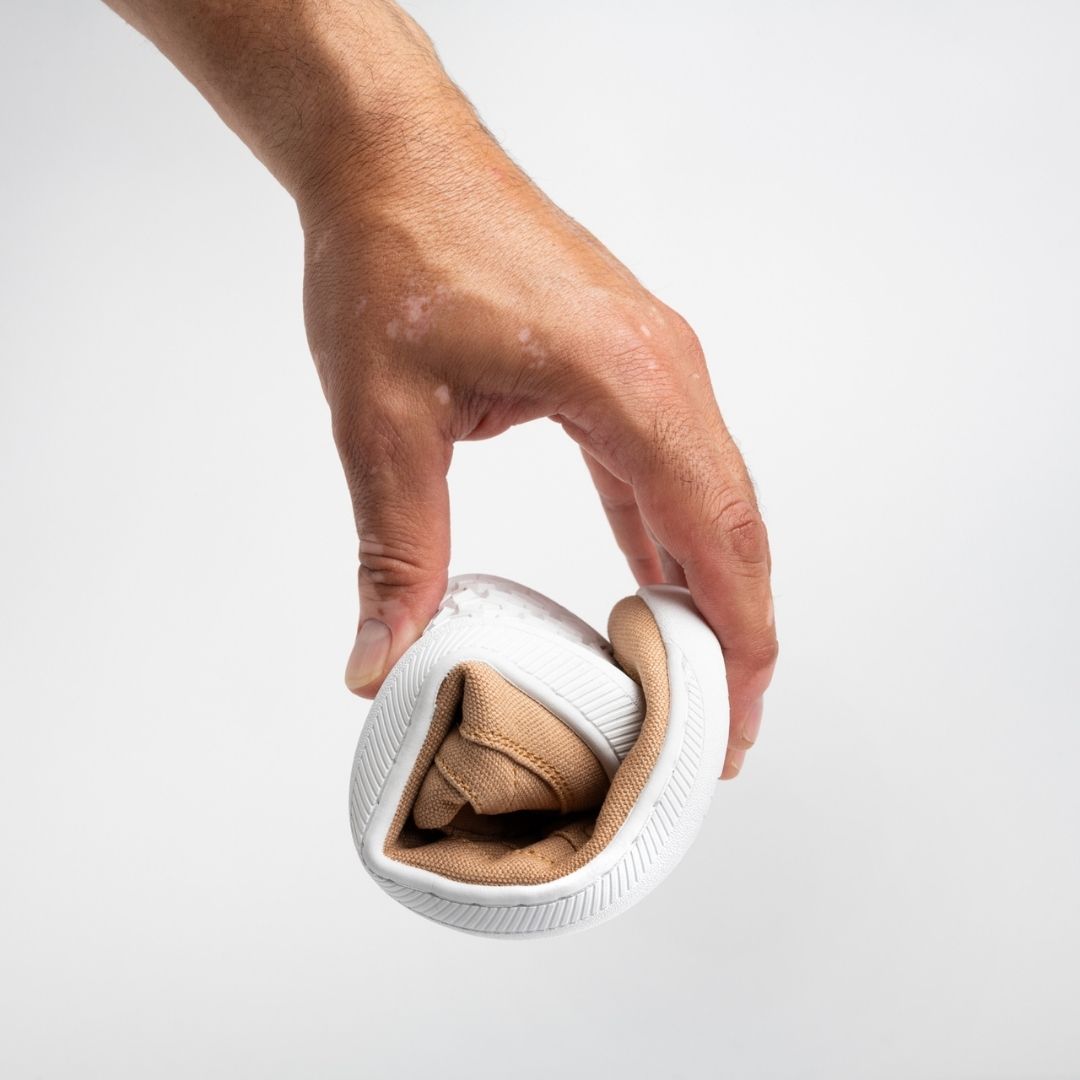
Flexible Sole: Grab the shoe. Twist it. Bend it. If it fights back, move on.
-
Lightweight Construction: Nobody wants anchors strapped to their feet.
-
Removable Insoles: Handy for customizing fit or easing the transition period.
Rutsu nails these basics across their lineup. No guesswork, no hunting through fifty options hoping one checks the right boxes.
How Women Barefoot Shoes Improve Foot Health and Posture
Picture your feet as a house foundation. Cracks there? Problems travel upward—ankles get wobbly, knees ache, hips complain, lower back joins the chorus. Fun times.
Thick-soled shoes basically put your foot muscles on permanent vacation. They stop working. Atrophy sets in. Barefoot-style footwear flips that switch back on. Every step becomes a mini workout. Arches rebuild. Toes remember how to grip things.
Posture shifts too. Standing on a level surface (crazy concept, right?) naturally straightens your spine. Plenty of women mention their back pain fading after switching over. Not overnight—but gradually, noticeably.
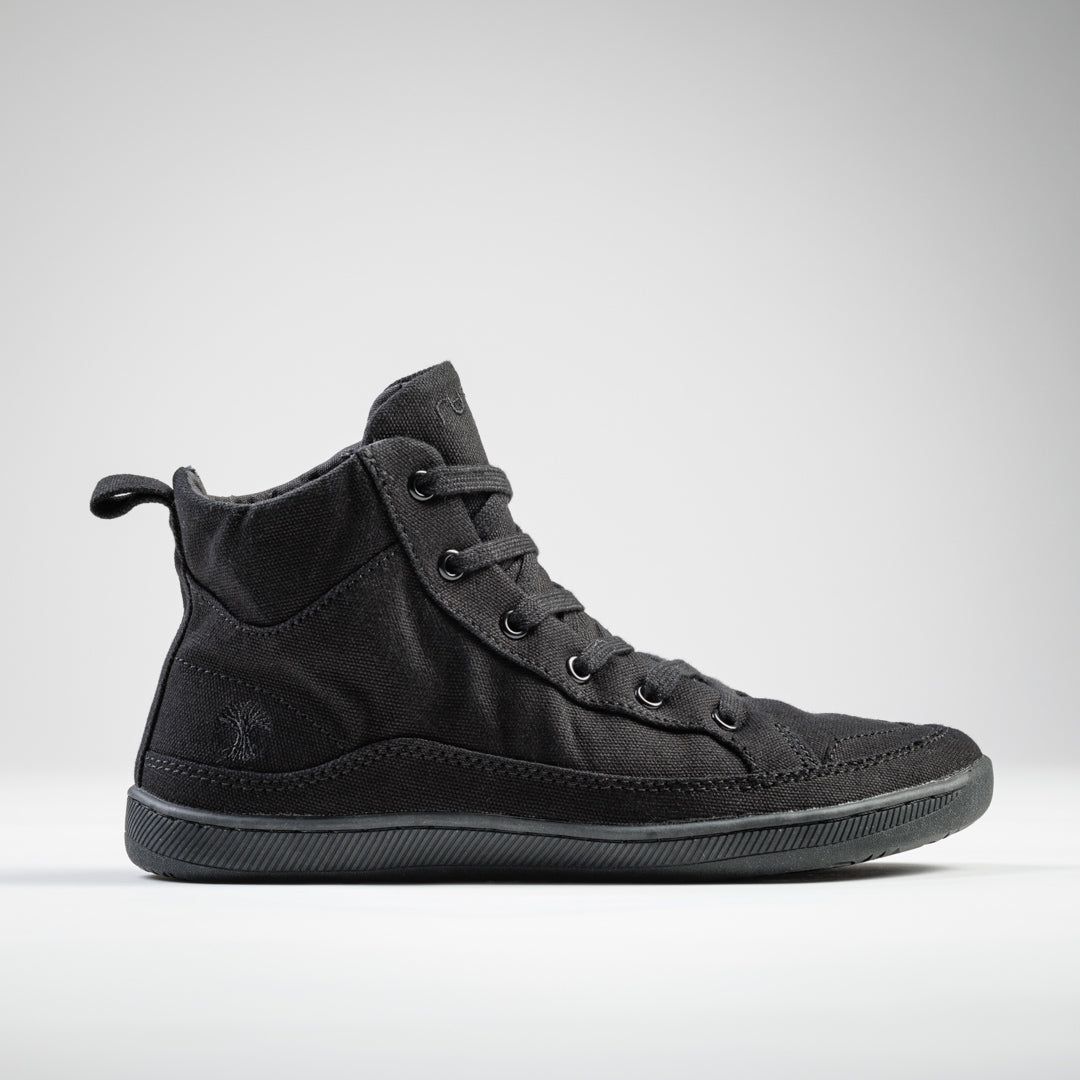
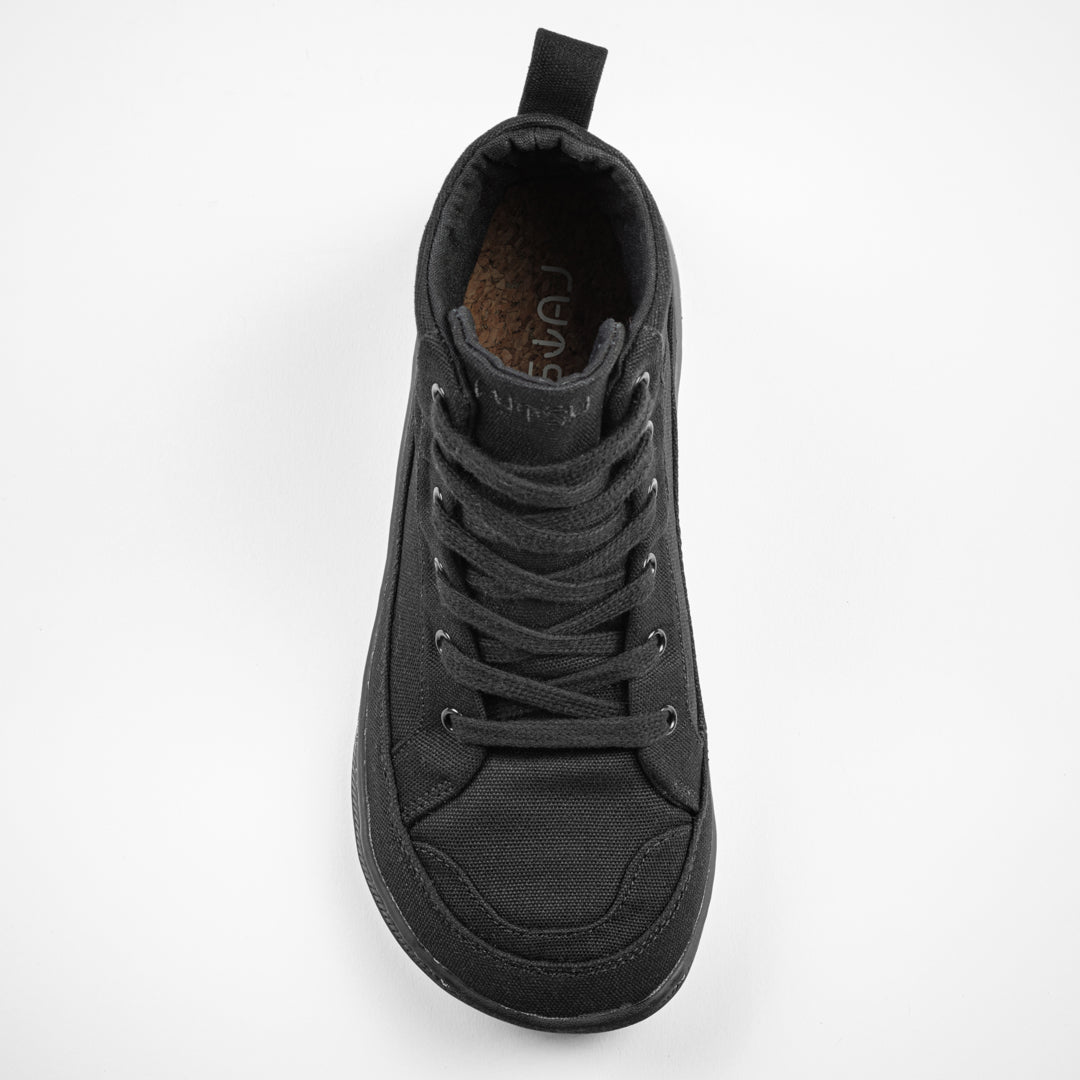
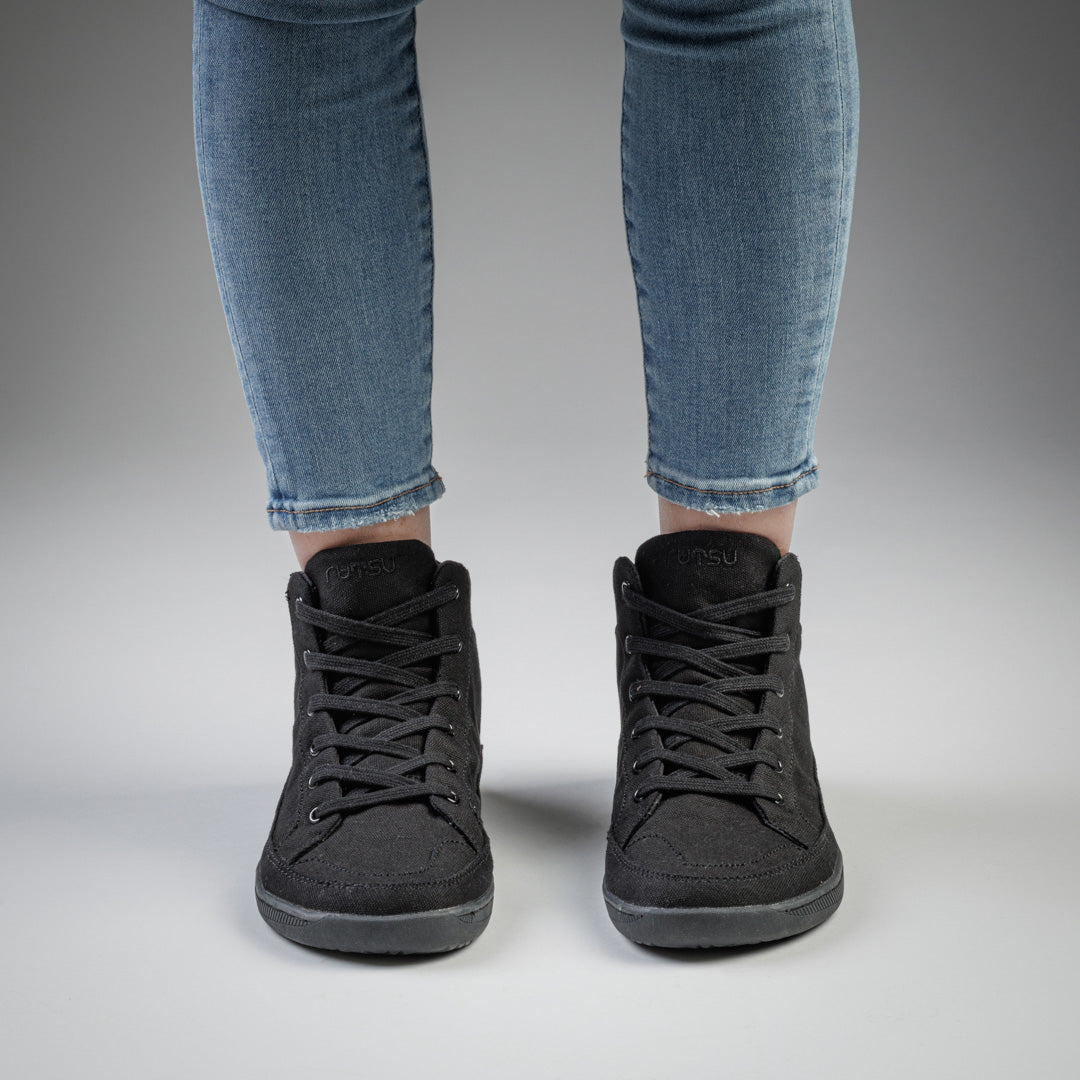
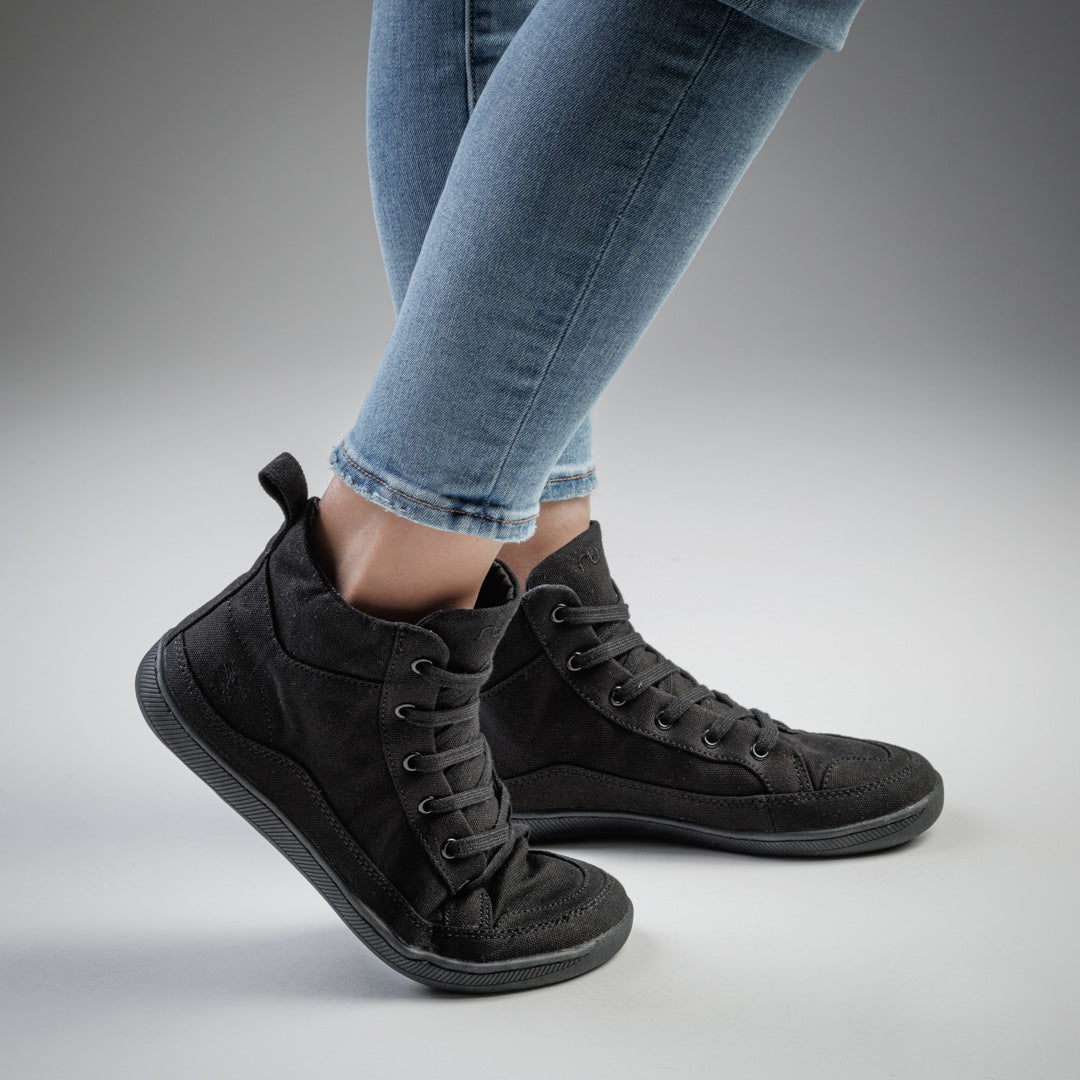
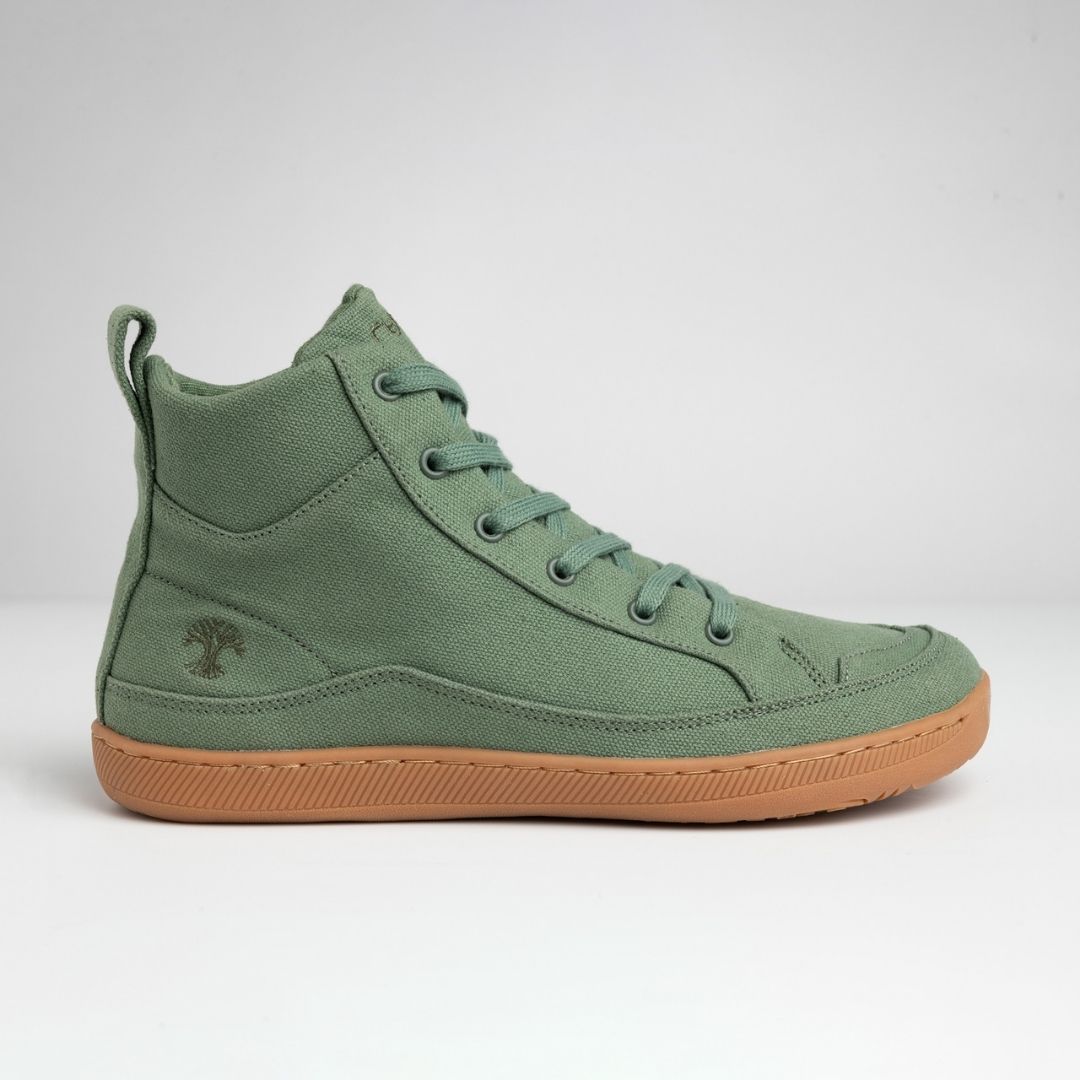
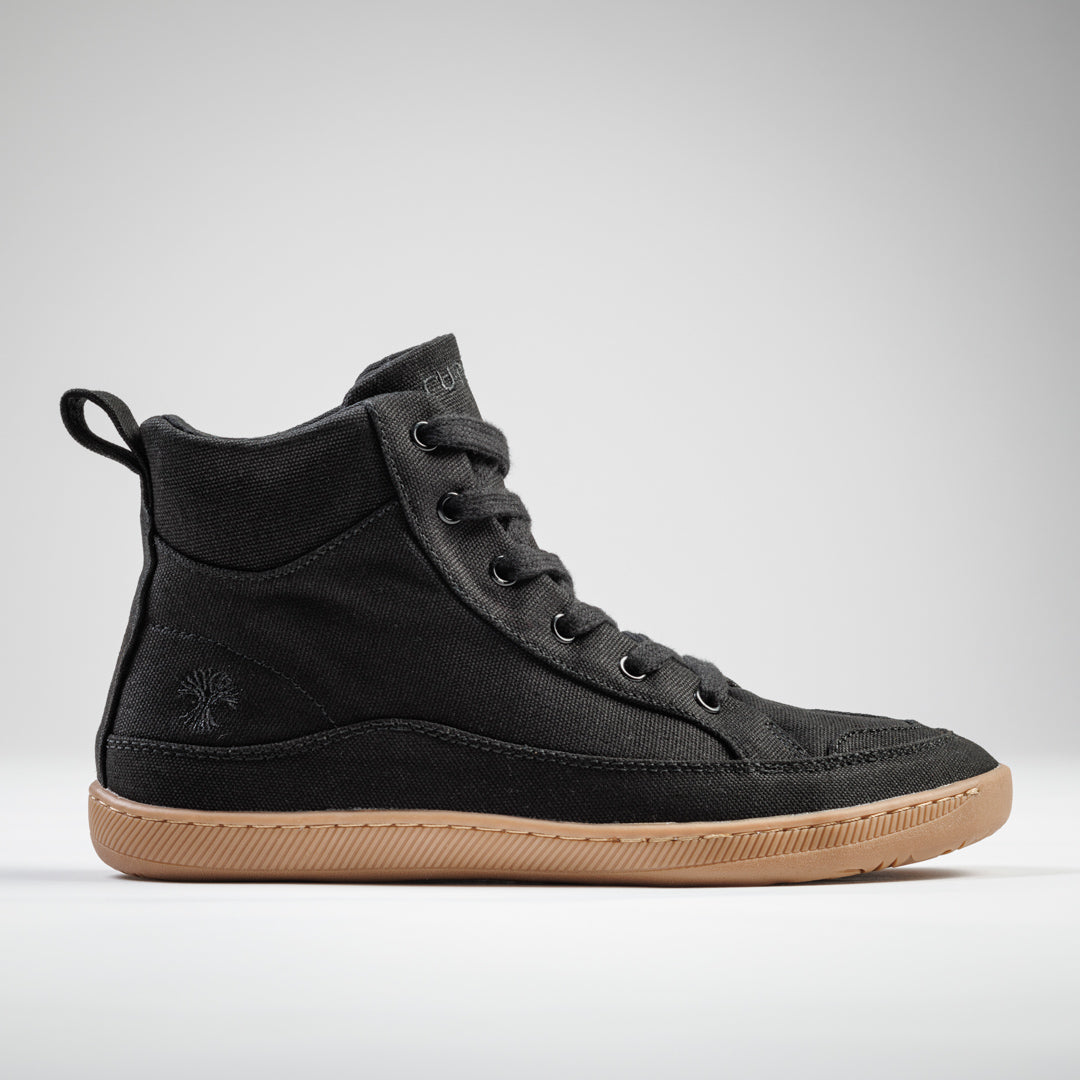
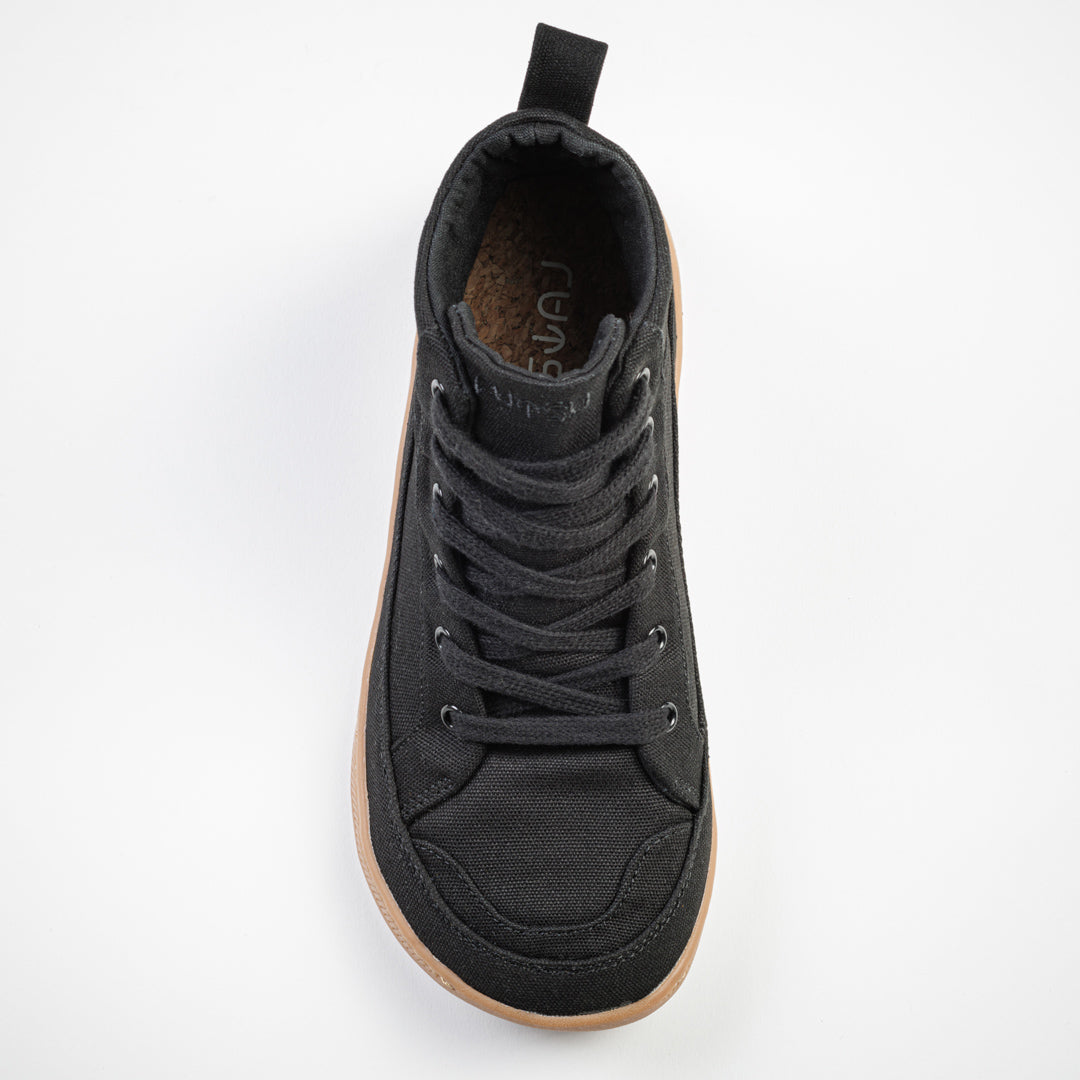
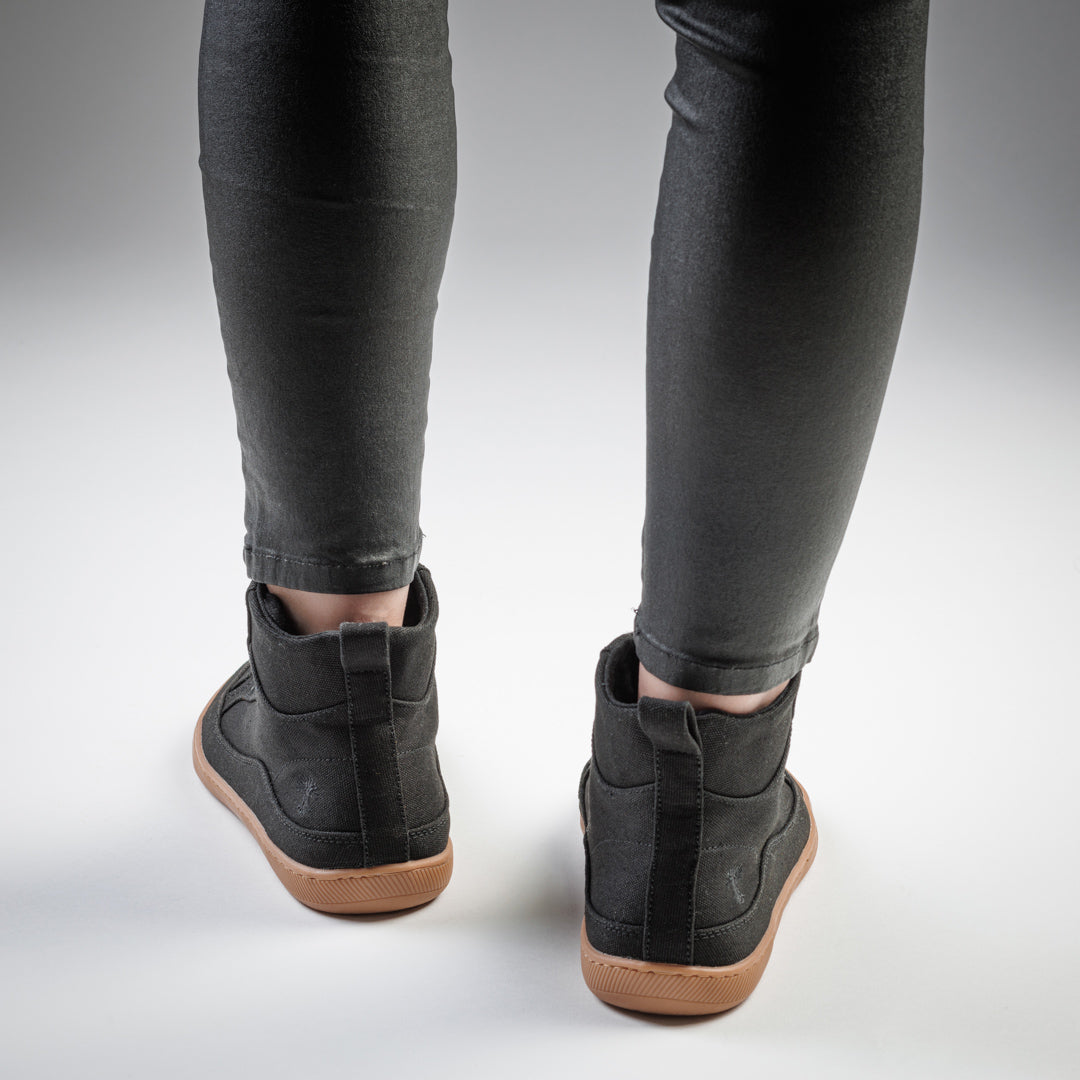
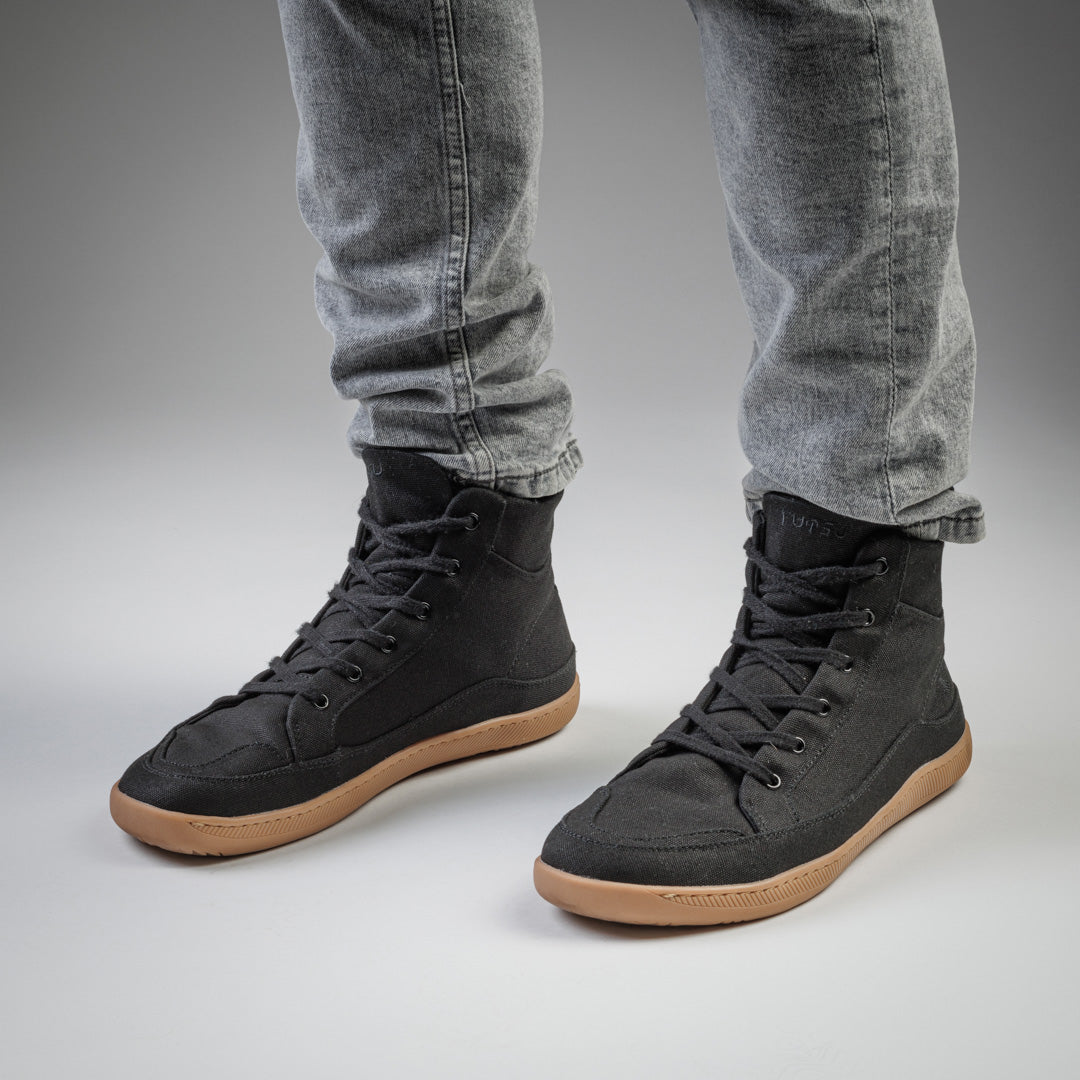
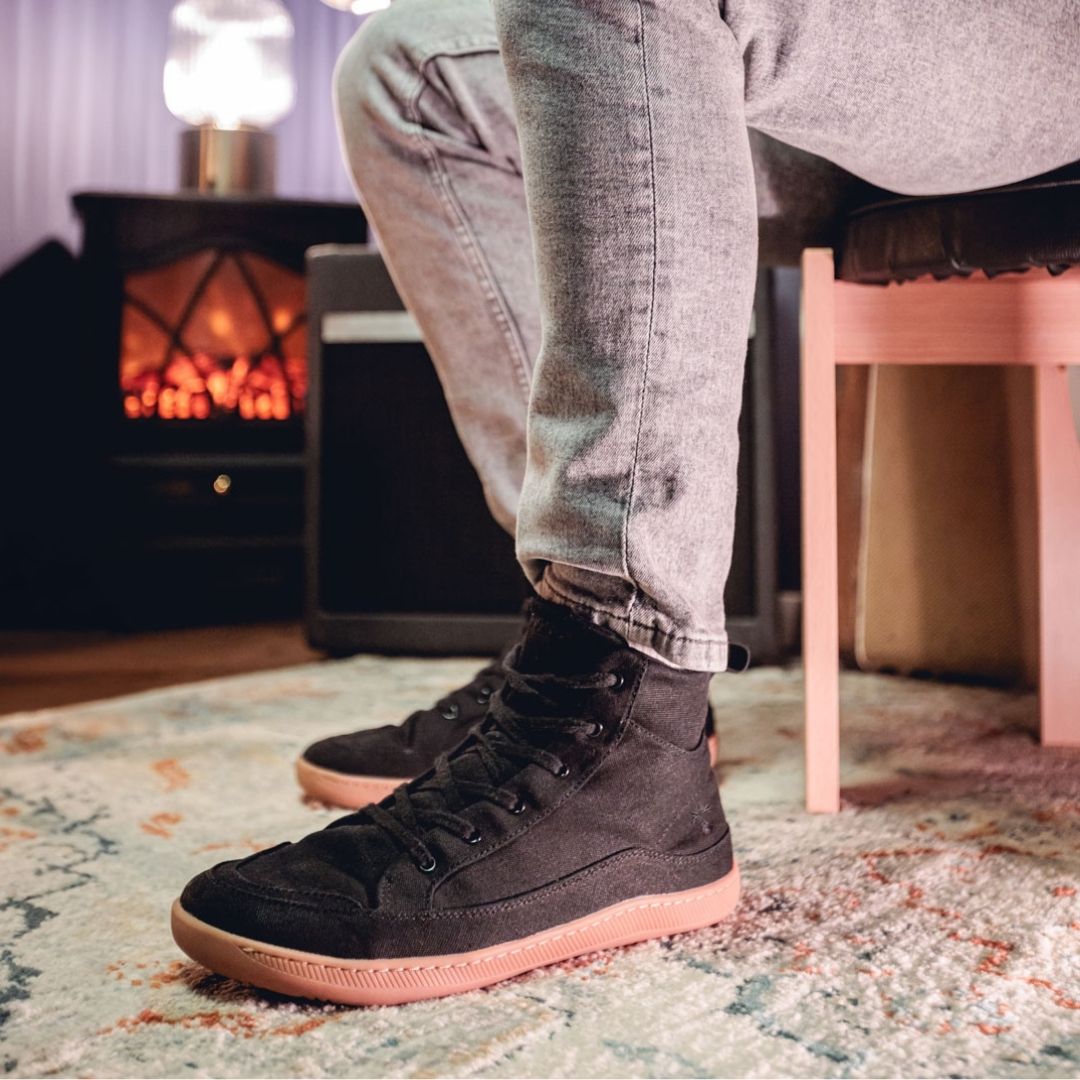
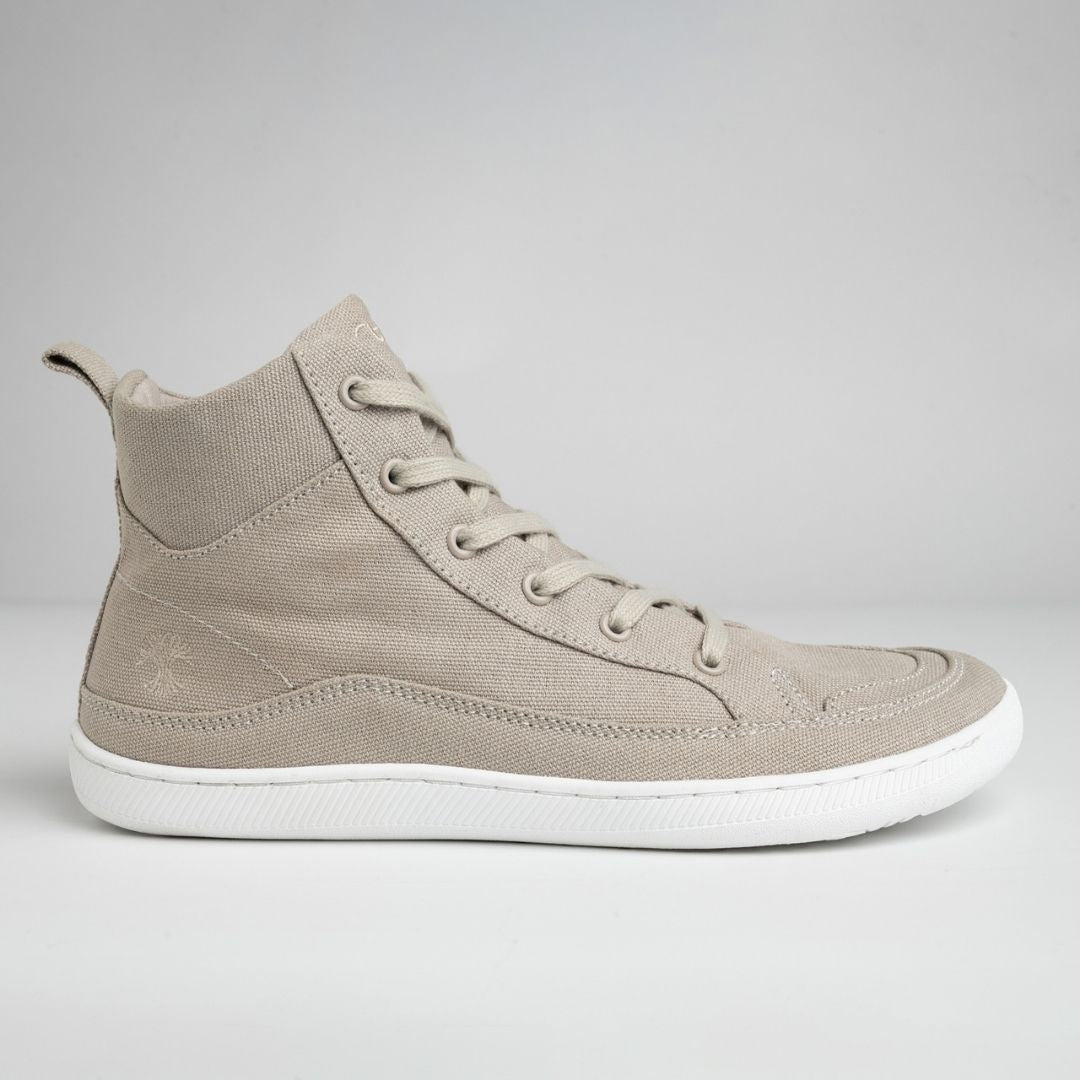
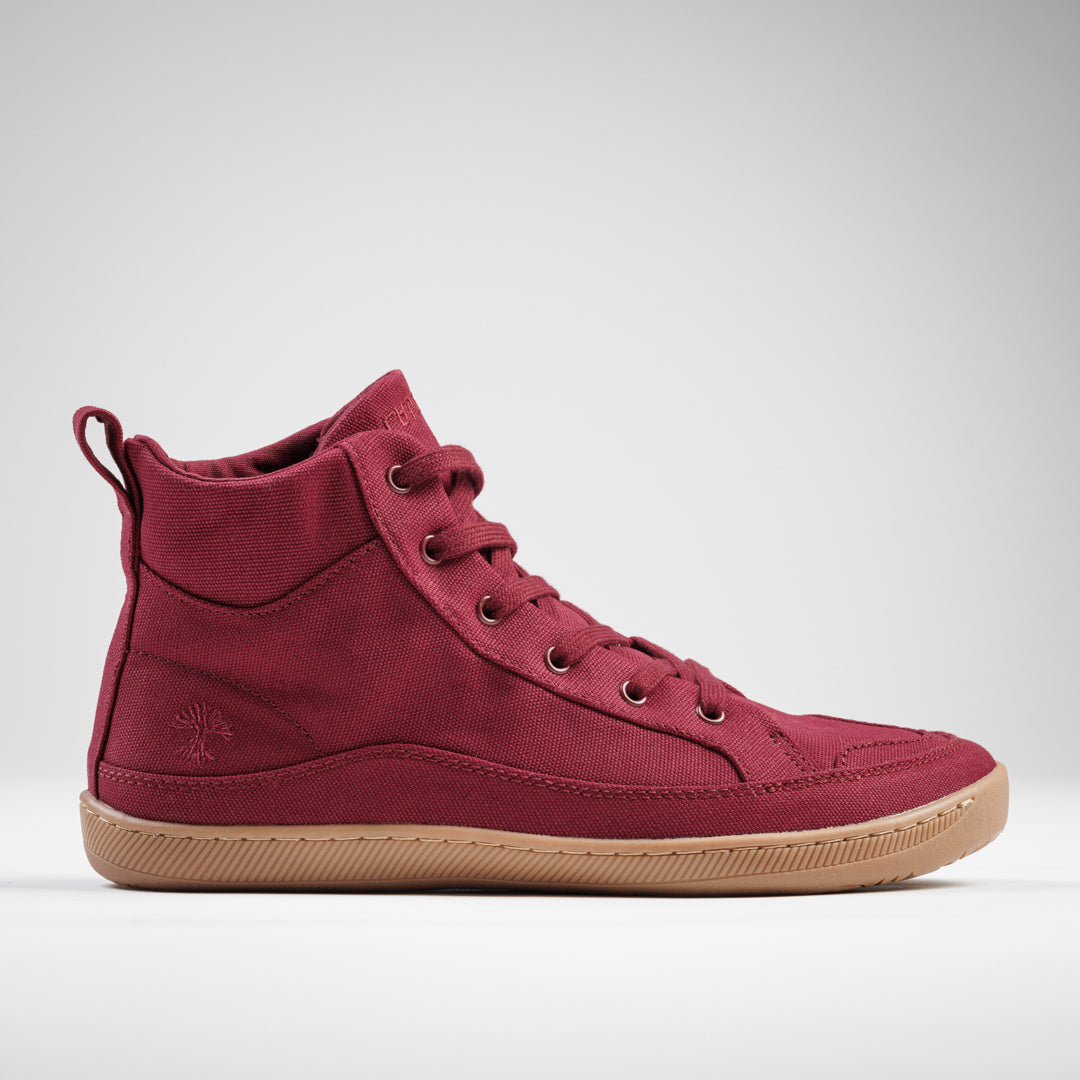
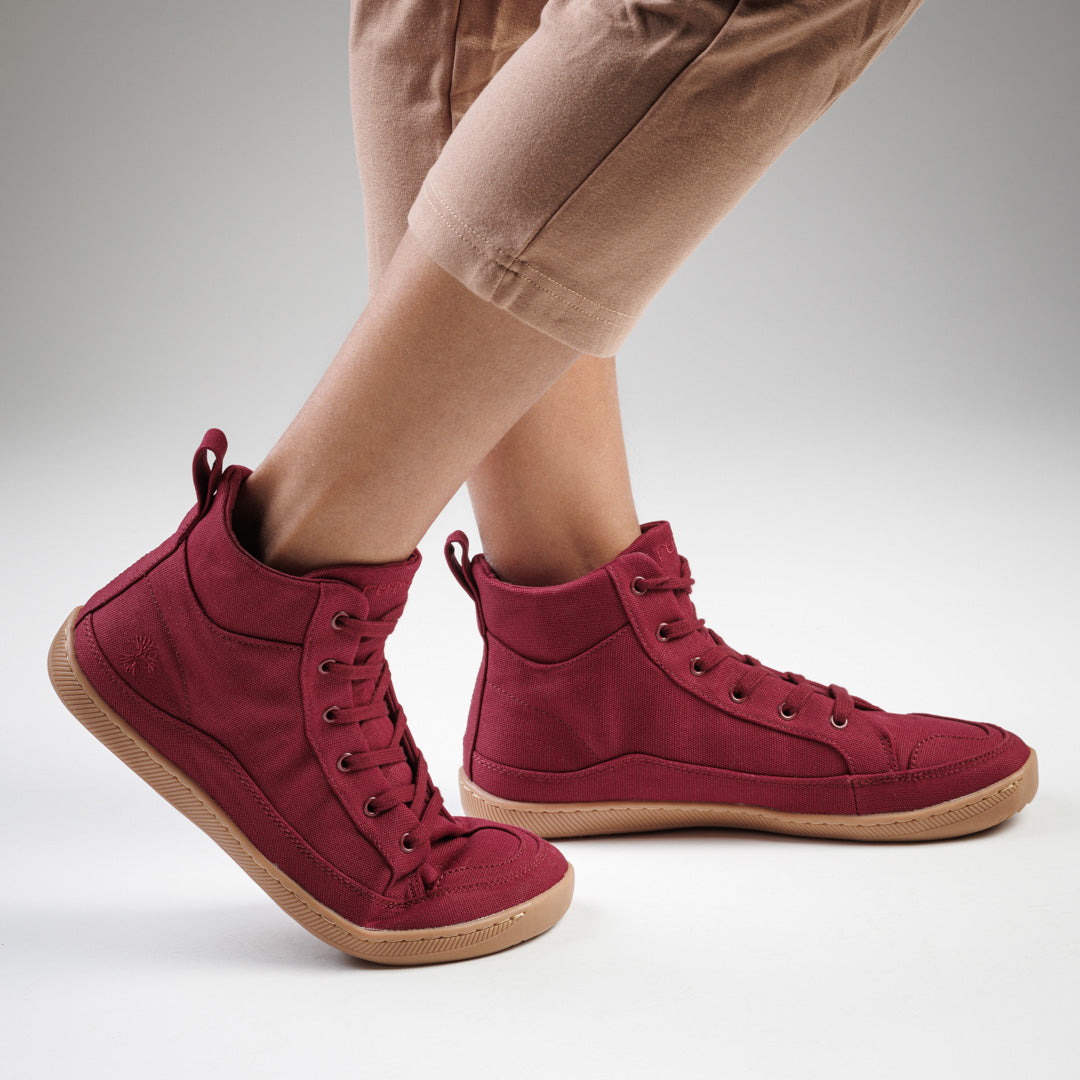
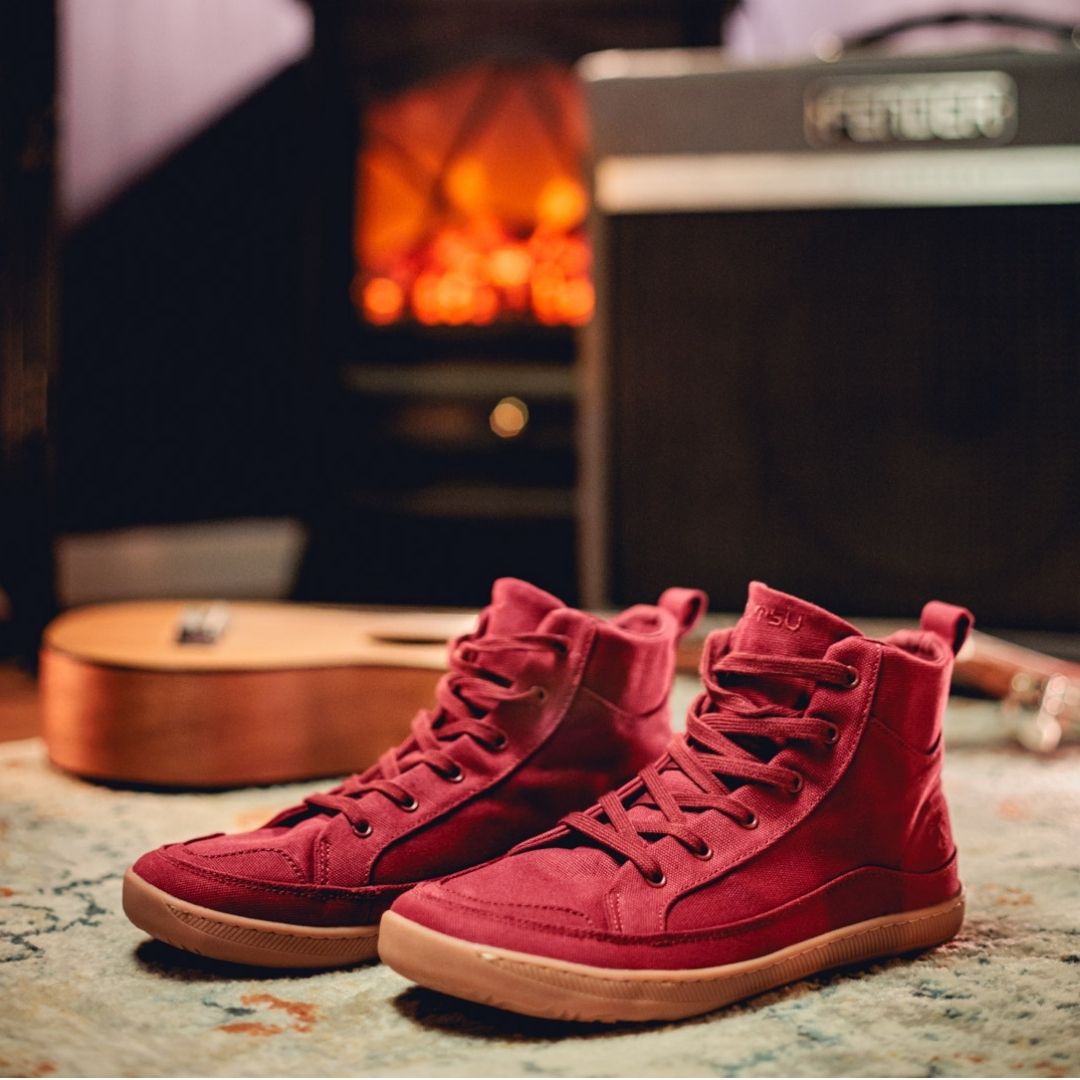
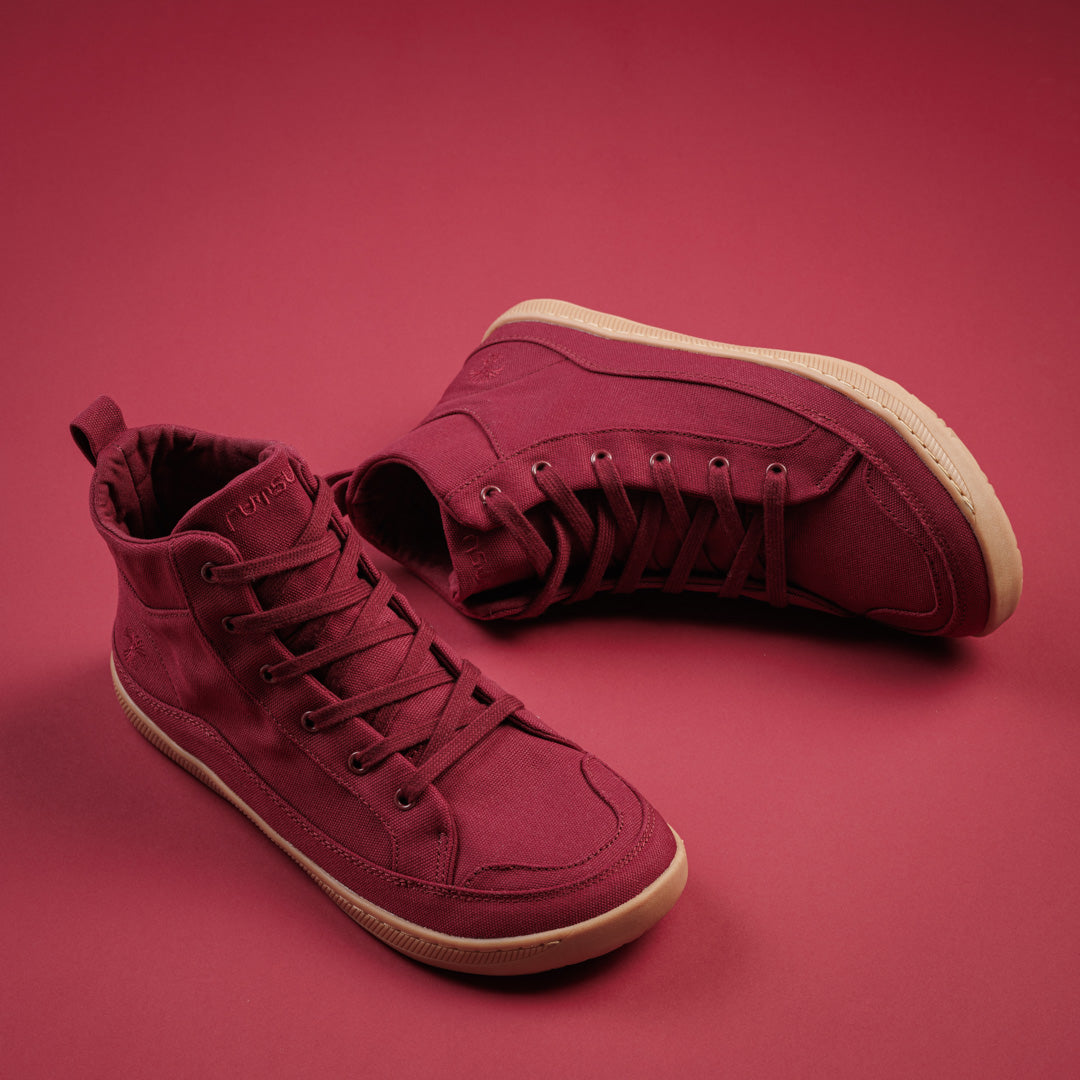
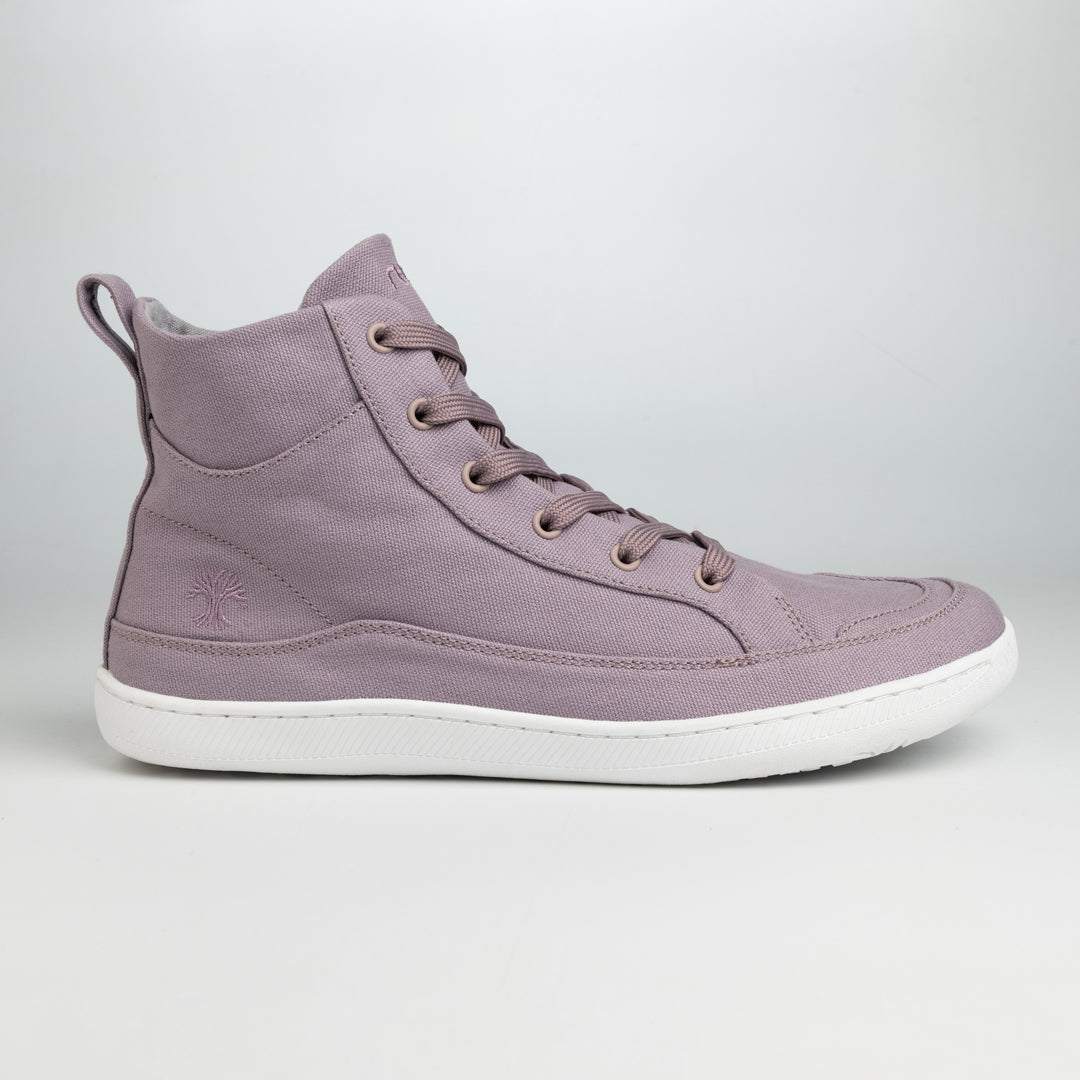
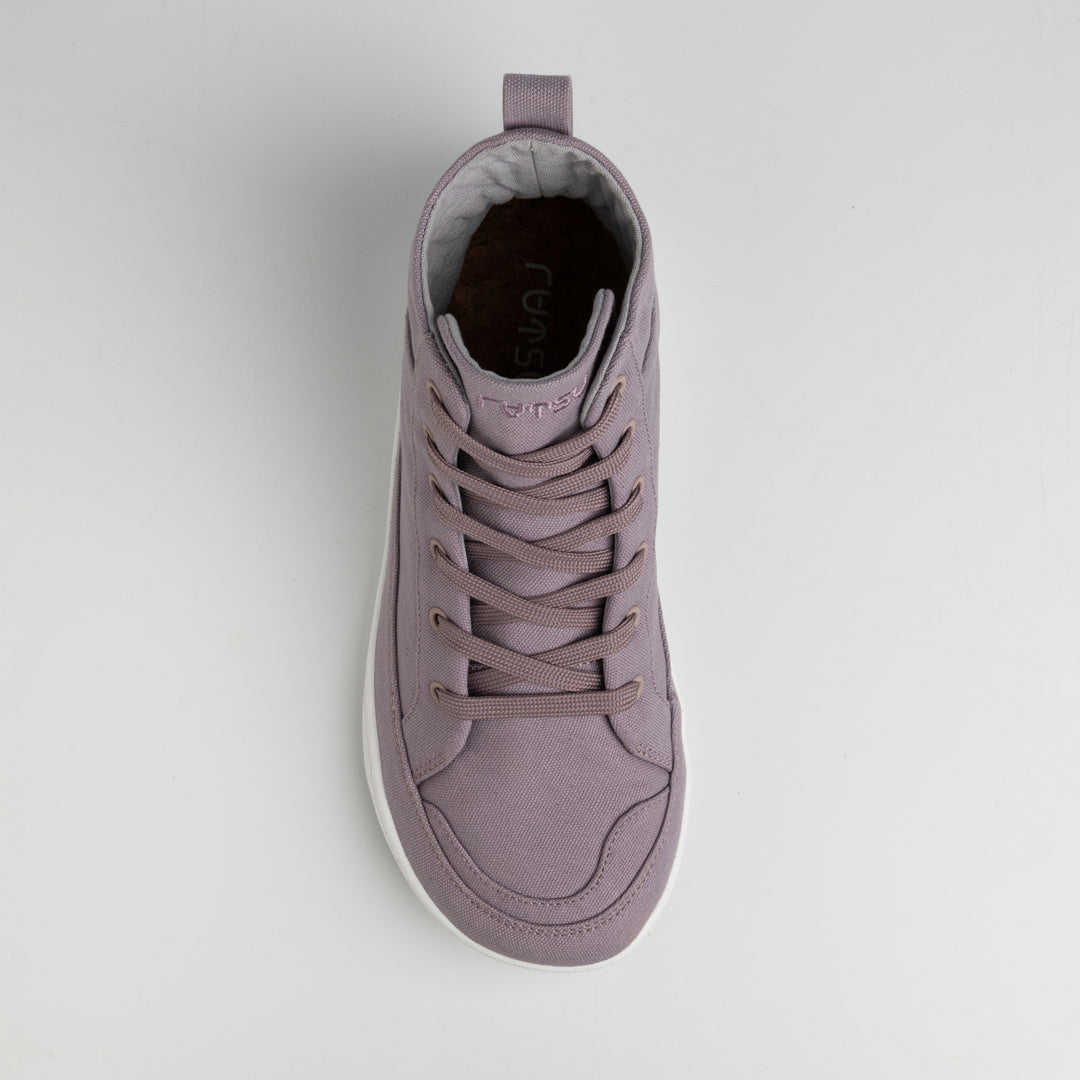
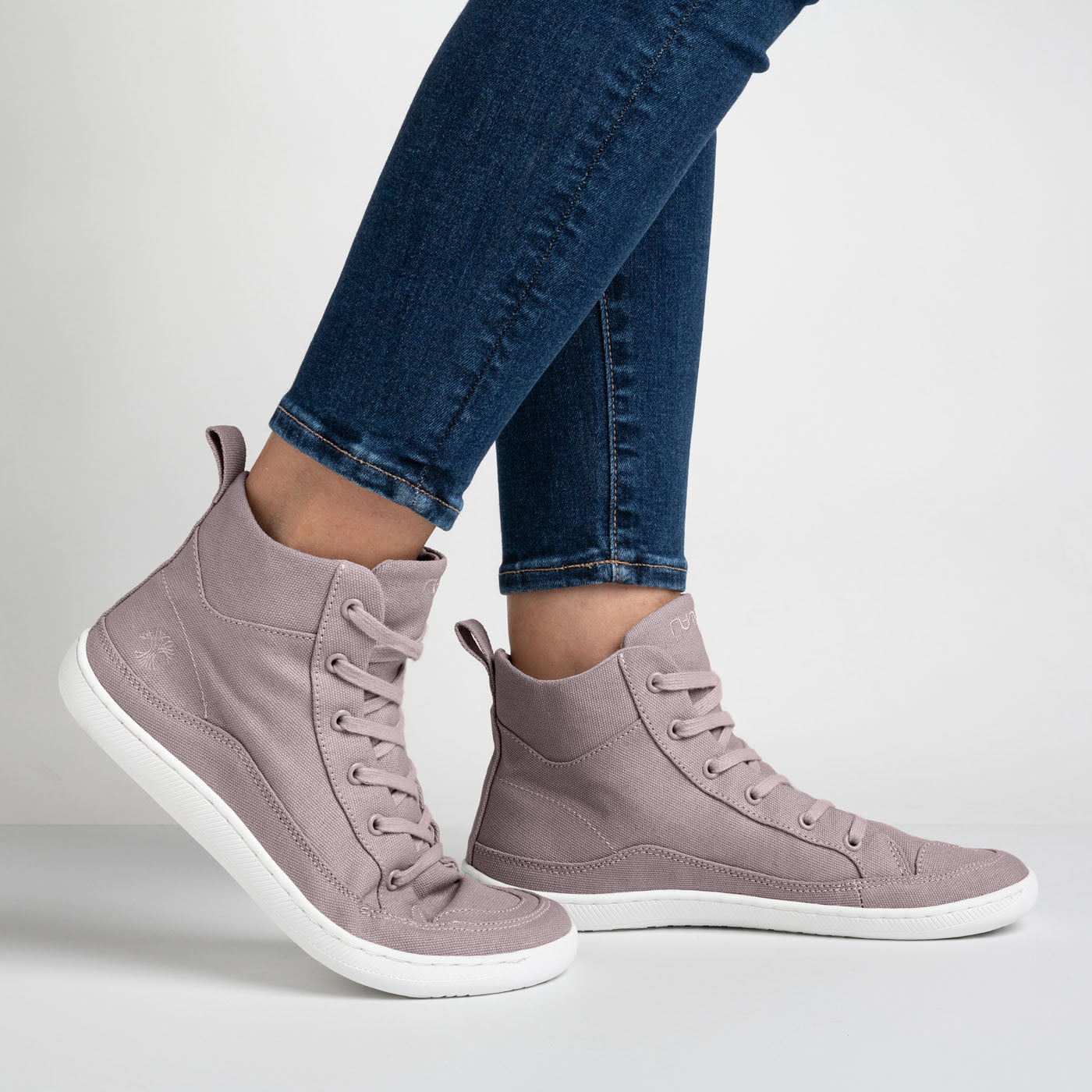
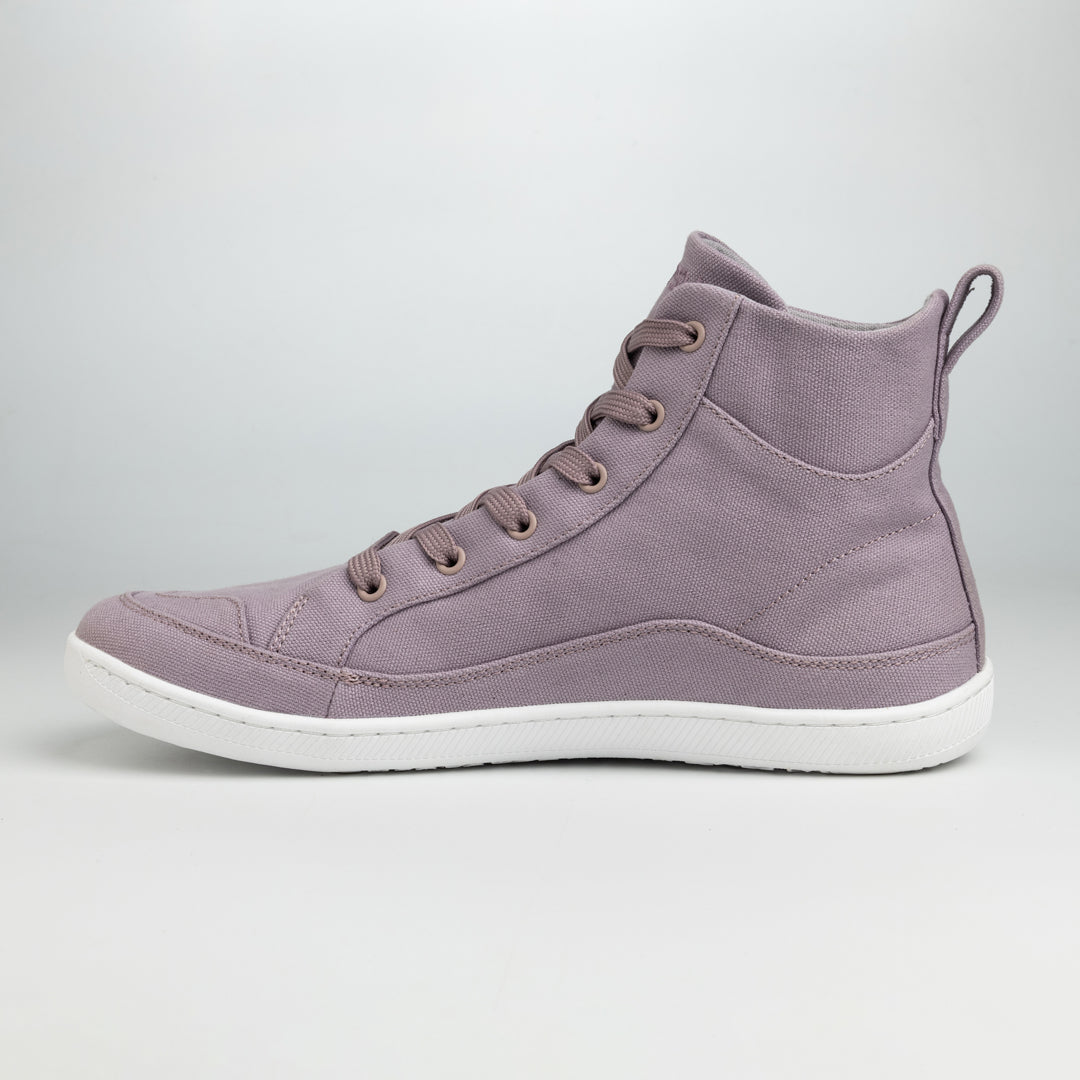
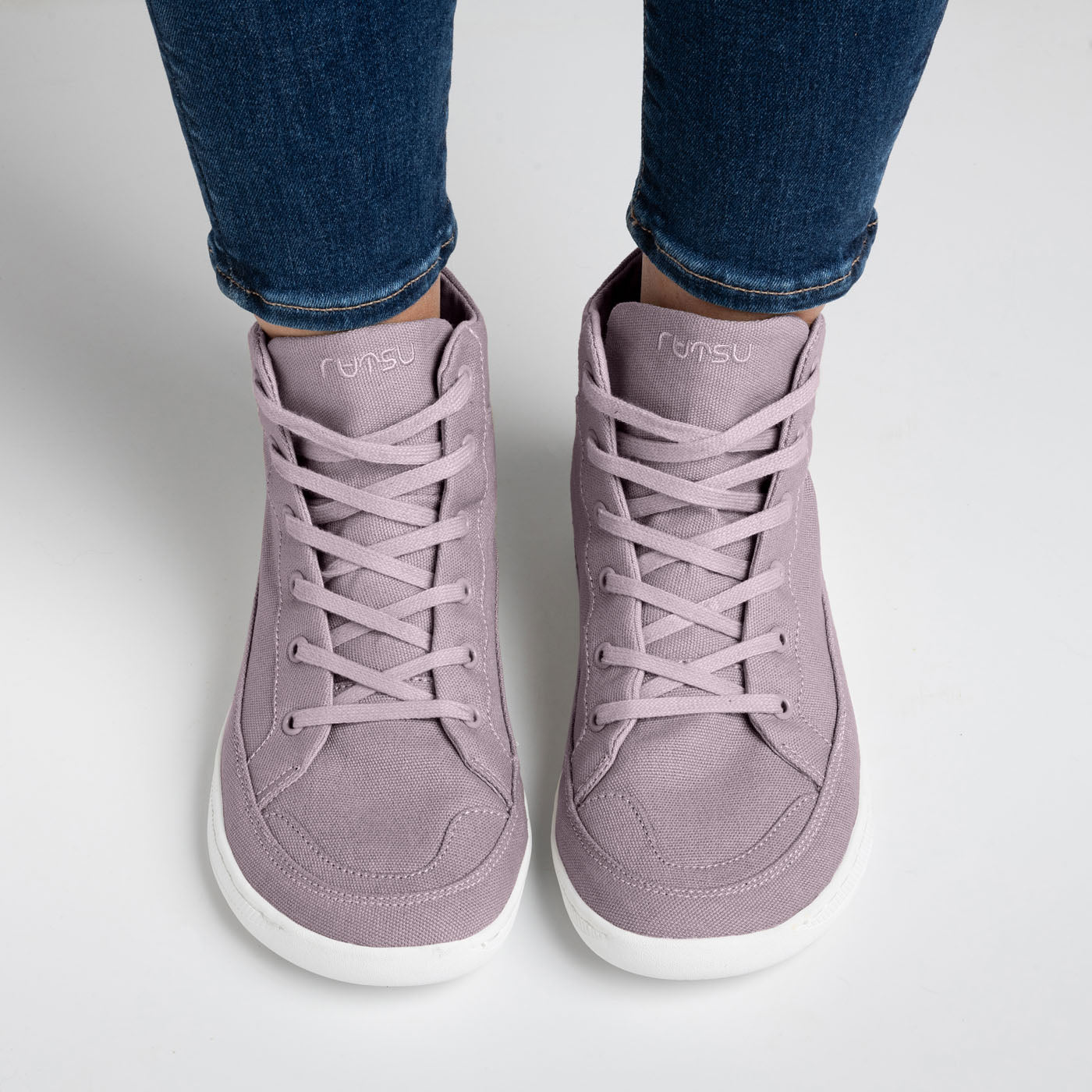
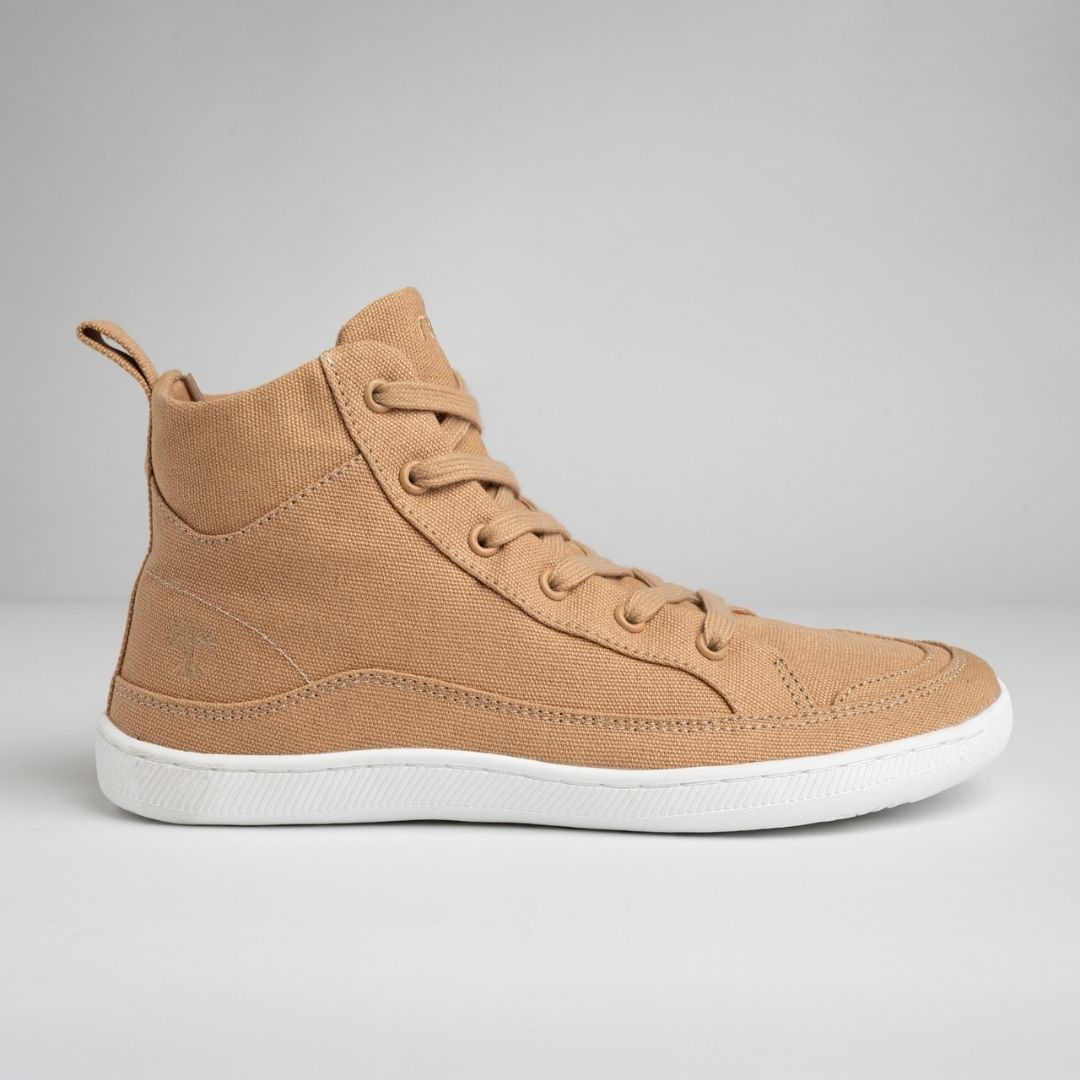
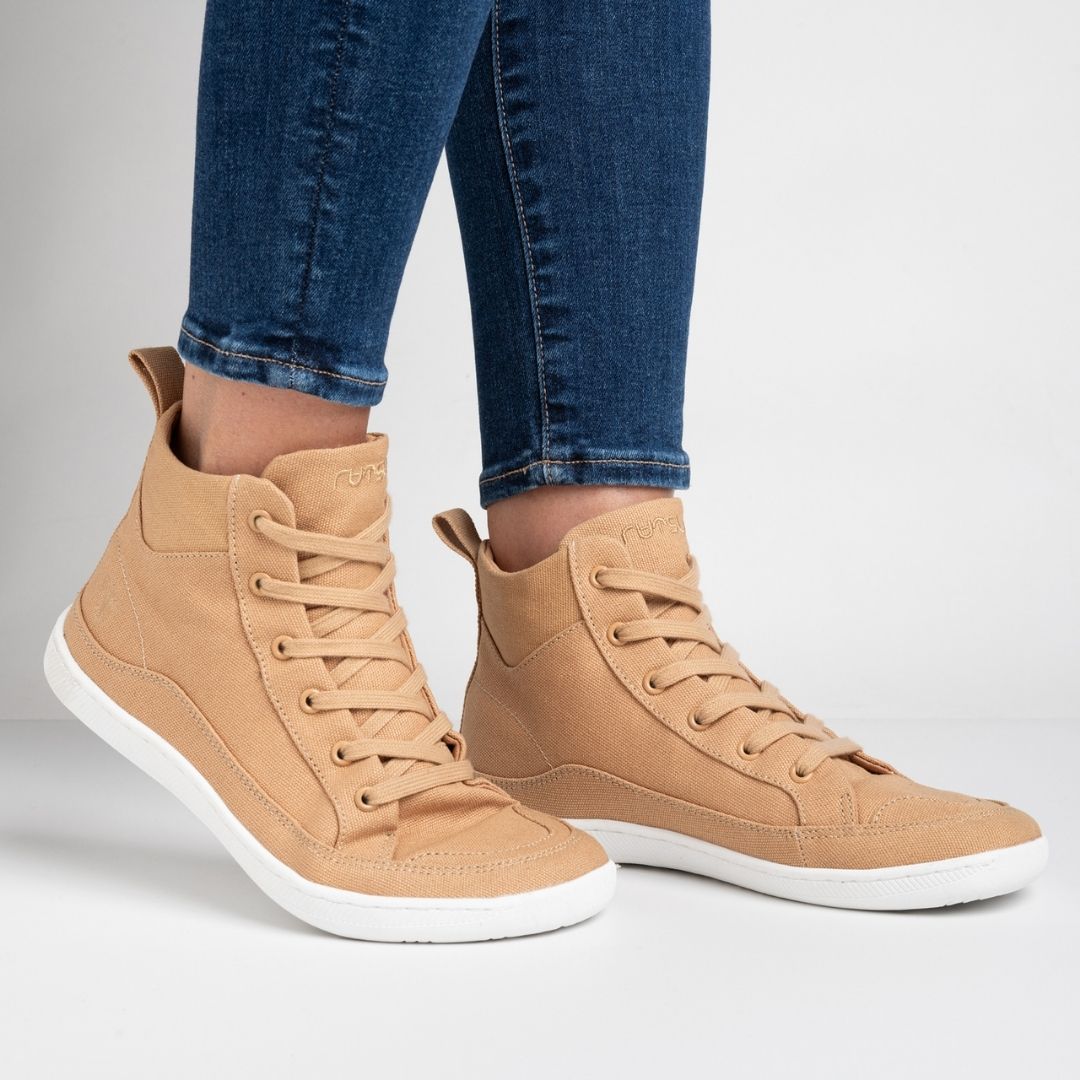
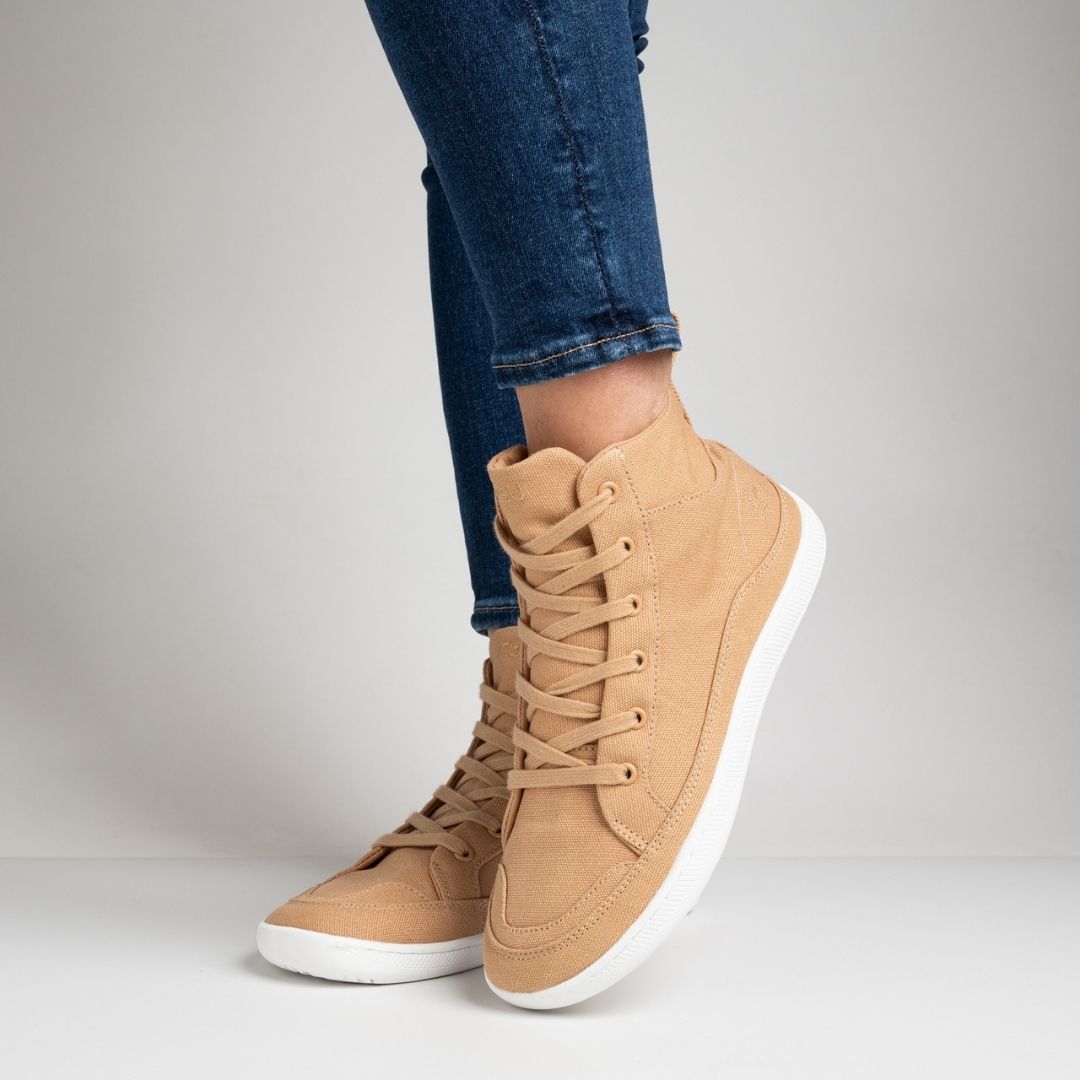
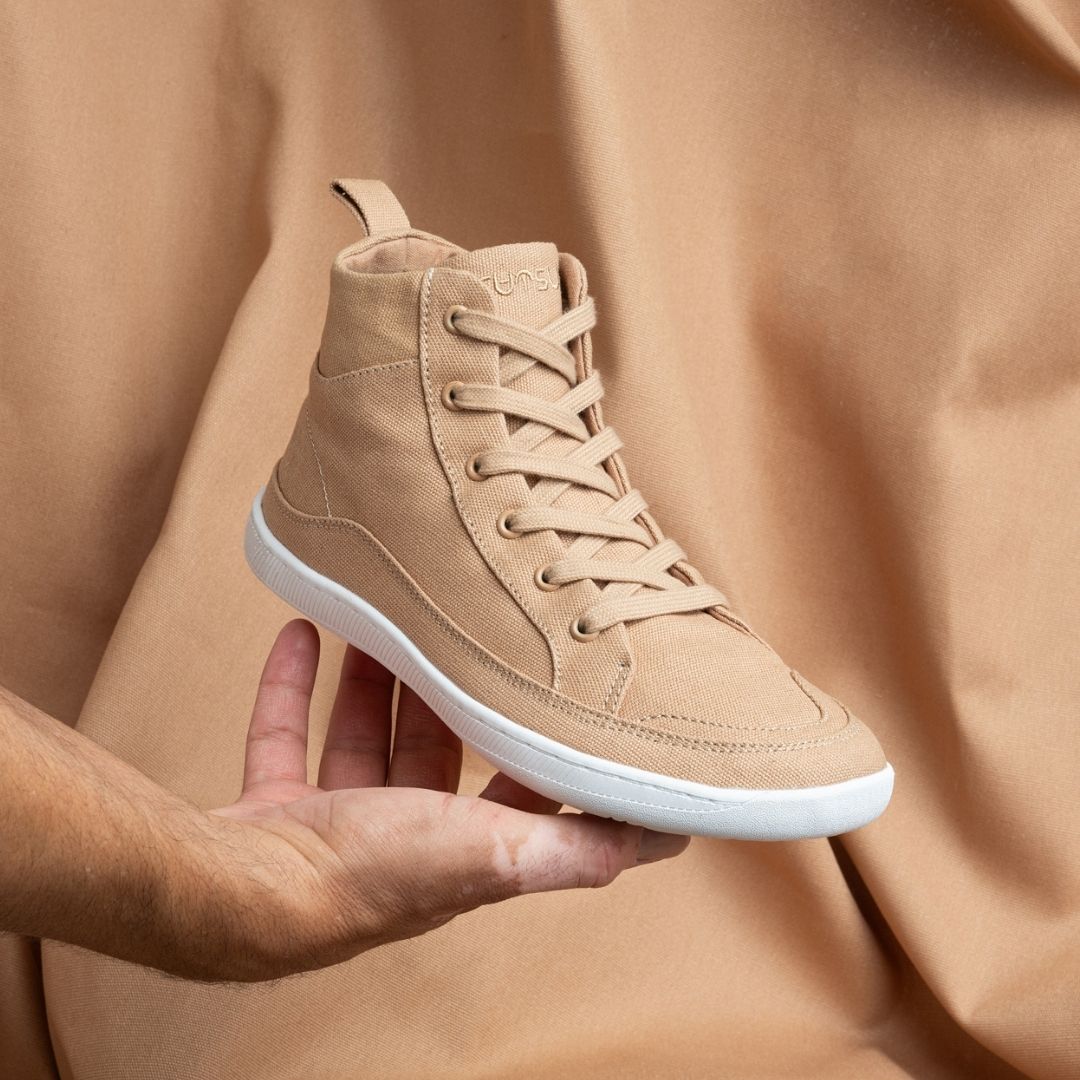
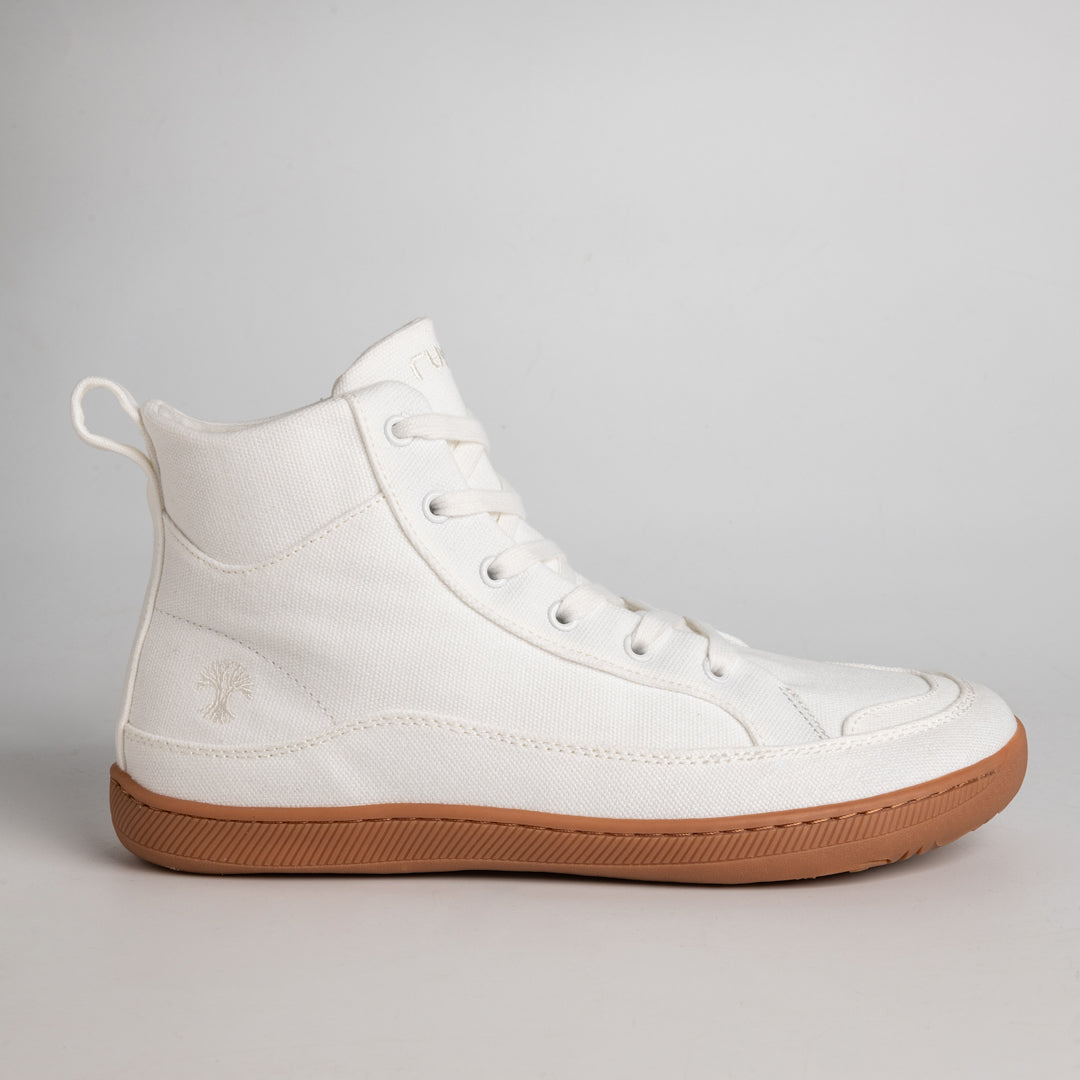
The Rutsu Original High at $79.95 shows what's possible when health meets aesthetics. High-top ankle coverage that supports natural movement and doesn't look like orthopedic equipment. Fancy strengthening your feet while still looking sharp? Shop Rutsu Original High →
Women Barefoot Shoes Fit Guide: Choosing the Right Size, Toe Box, and Sole
Fit makes or breaks everything. Too snug and you've just recreated the narrow-toe-box prison you're escaping. Too roomy and your foot slides around causing blisters and instability.
Getting it right:
-
Measure feet in the evening—they swell throughout the day
-
Paper on floor, trace your foot, measure heel to longest toe
-
Check the brand's actual size chart (your "usual size" means nothing here)
-
Thumb's width of space between longest toe and shoe end
-
Width check: toes should spread flat without brushing the sides
Sole thickness comes down to preference. Some women want ground feel so intense they can count sidewalk cracks. Others—especially newbies—want a little cushion buffer. Both approaches work. Just know yourself.
Best Women Barefoot Shoes for Long Walks and Active Lifestyles
Marathon shopping days and travel adventures demand shoes that don't tap out at mile two. Lightweight build, soles that last, and a fit that stays comfortable when the step counter hits five digits.
The best shoes for walking deliver flexibility plus ground feedback minus the "stepping on Legos" experience. Soles should grip pavement, trails, wet surfaces—whatever your day throws down.
Breathability isn't optional either. Sweaty feet breed blisters. Blisters breed misery. Mesh uppers or moisture-wicking materials keep things civilized.
Travelers obsess over barefoot shoes for good reason. They fold flat, weigh practically nothing, and replace three pairs of traditional shoes in your suitcase.
The versatility angle deserves emphasis. One pair handling morning beach walks, afternoon museum wandering, and evening dinner reservations? That's reality with solid women barefoot shoes. Rutsu's designs fold into carry-ons effortlessly, shifting from barefoot beach sandals energy to restaurant-appropriate without missing a beat. For anyone wondering whether barefoot shoes are better for active days—spend one long travel day in them. No swollen feet from rigid flats. No arch agony from flimsy sandals. Just comfortable movement, sunrise to sunset. Your feet send thank-you notes around mile five.
Stylish Women Barefoot Shoes That Don't Sacrifice Comfort
Let's talk about the elephant stomping around: yeah, some barefoot shoes look... questionable. Like something your podiatrist's office would sell. But that era ended.
Today's market includes designs that actually complement outfits. Jeans, dresses, business casual—covered. The trick is finding brands where style isn't an afterthought bolted onto function.
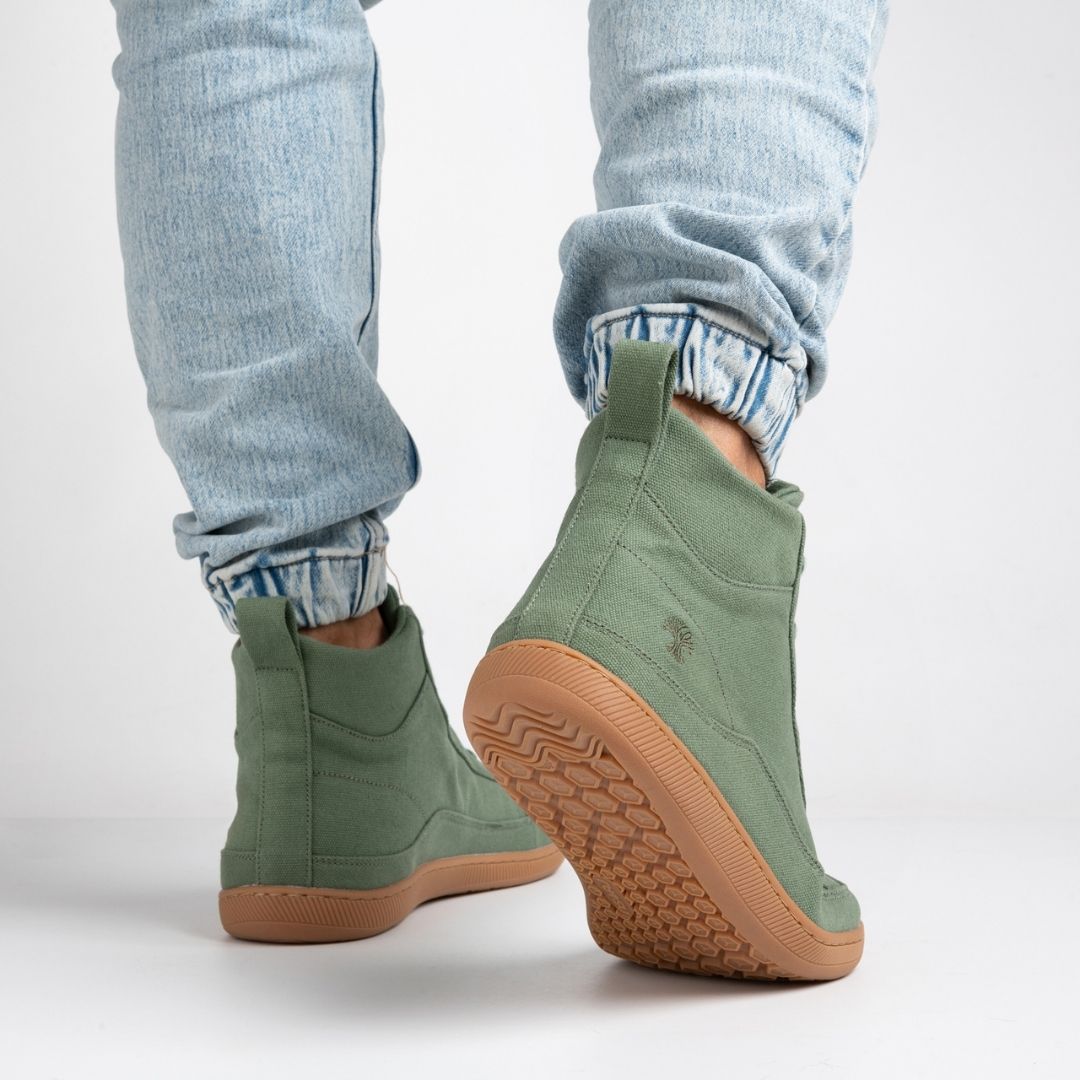
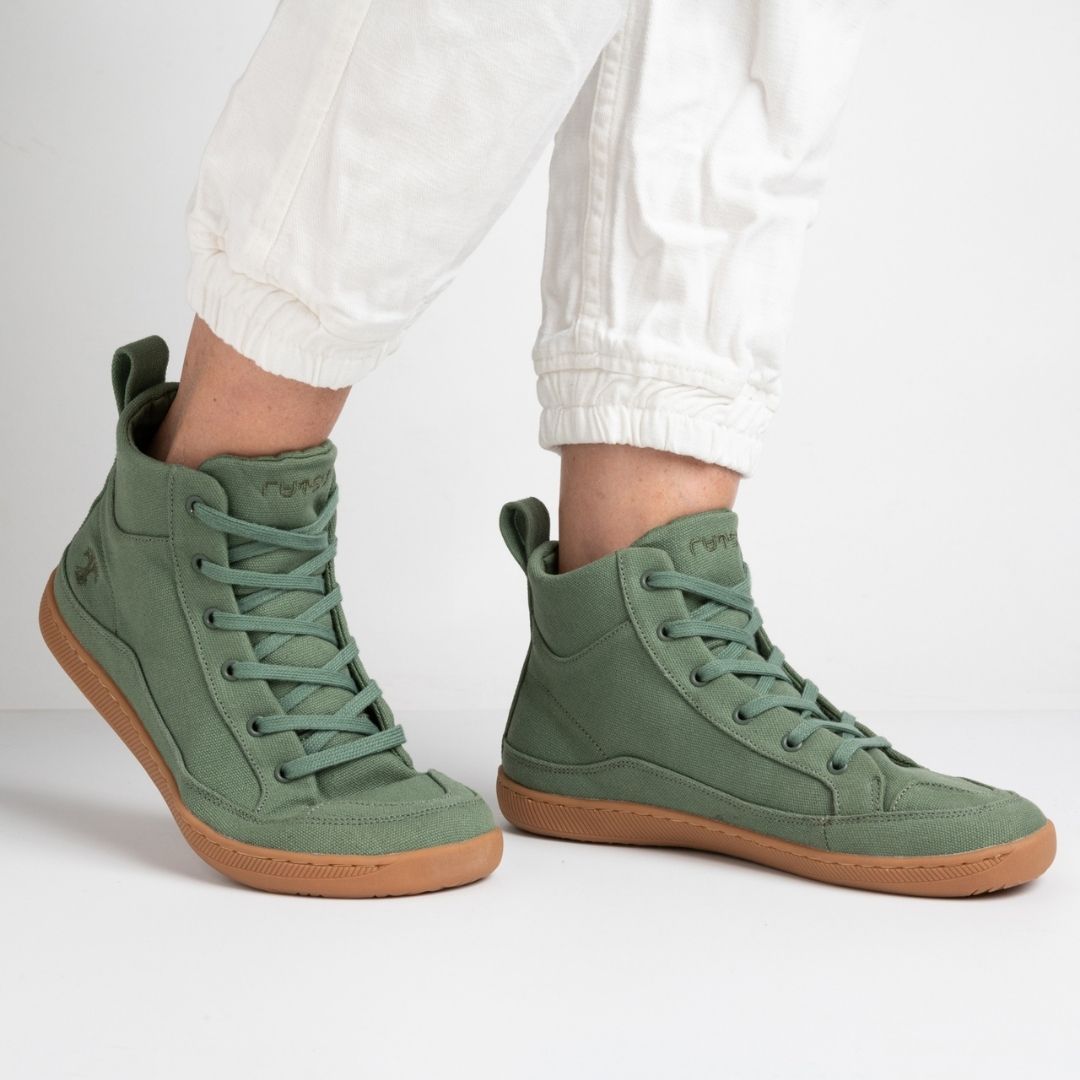
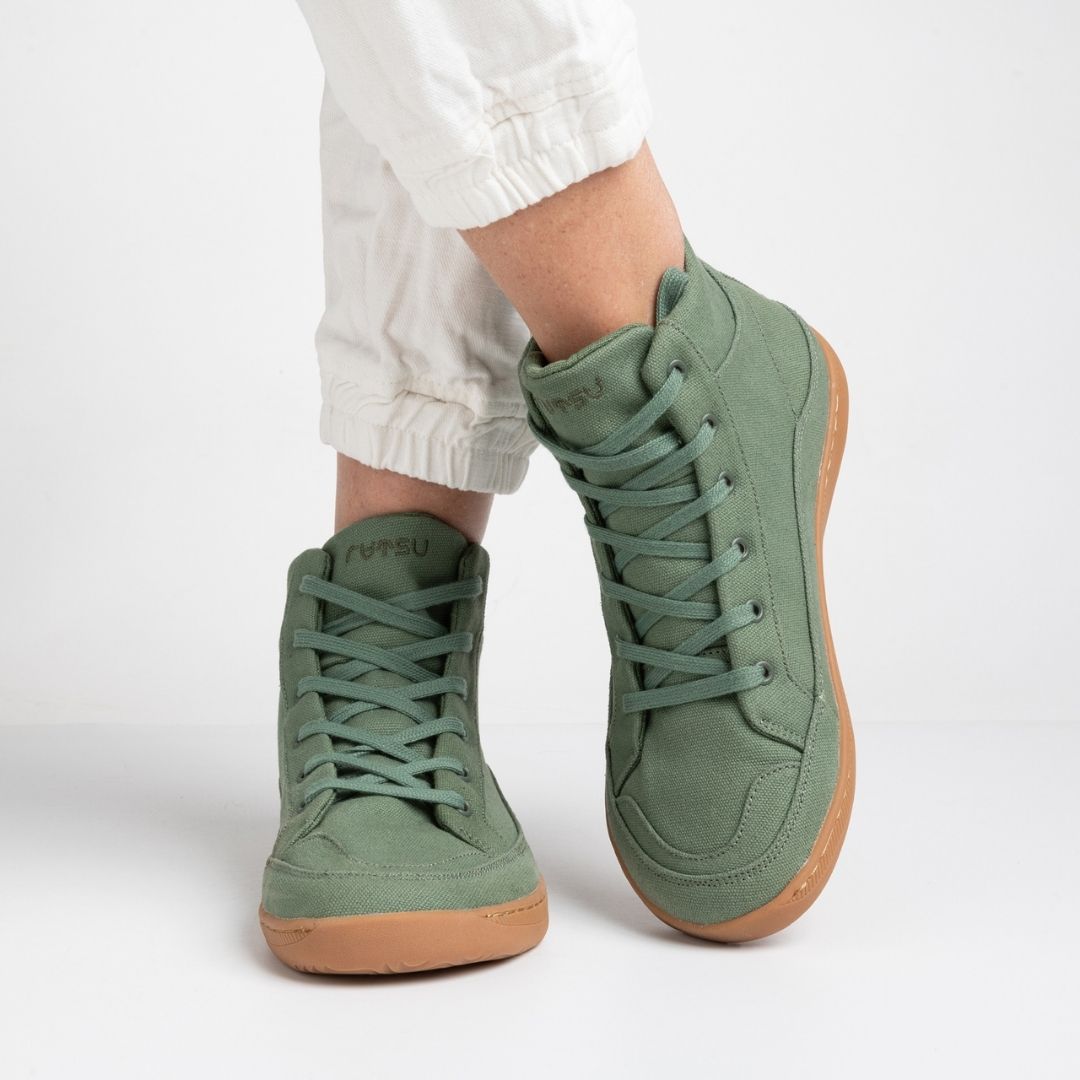
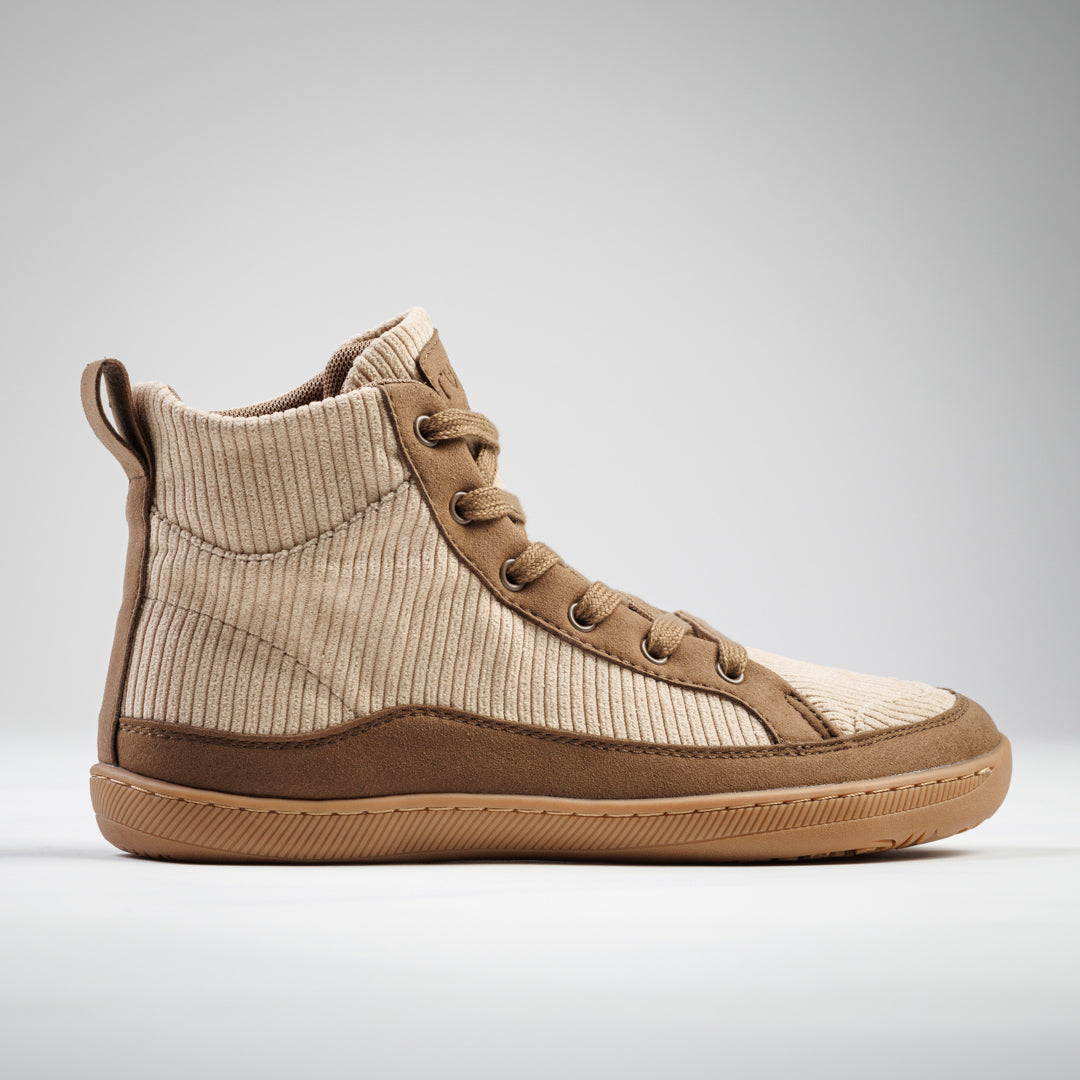
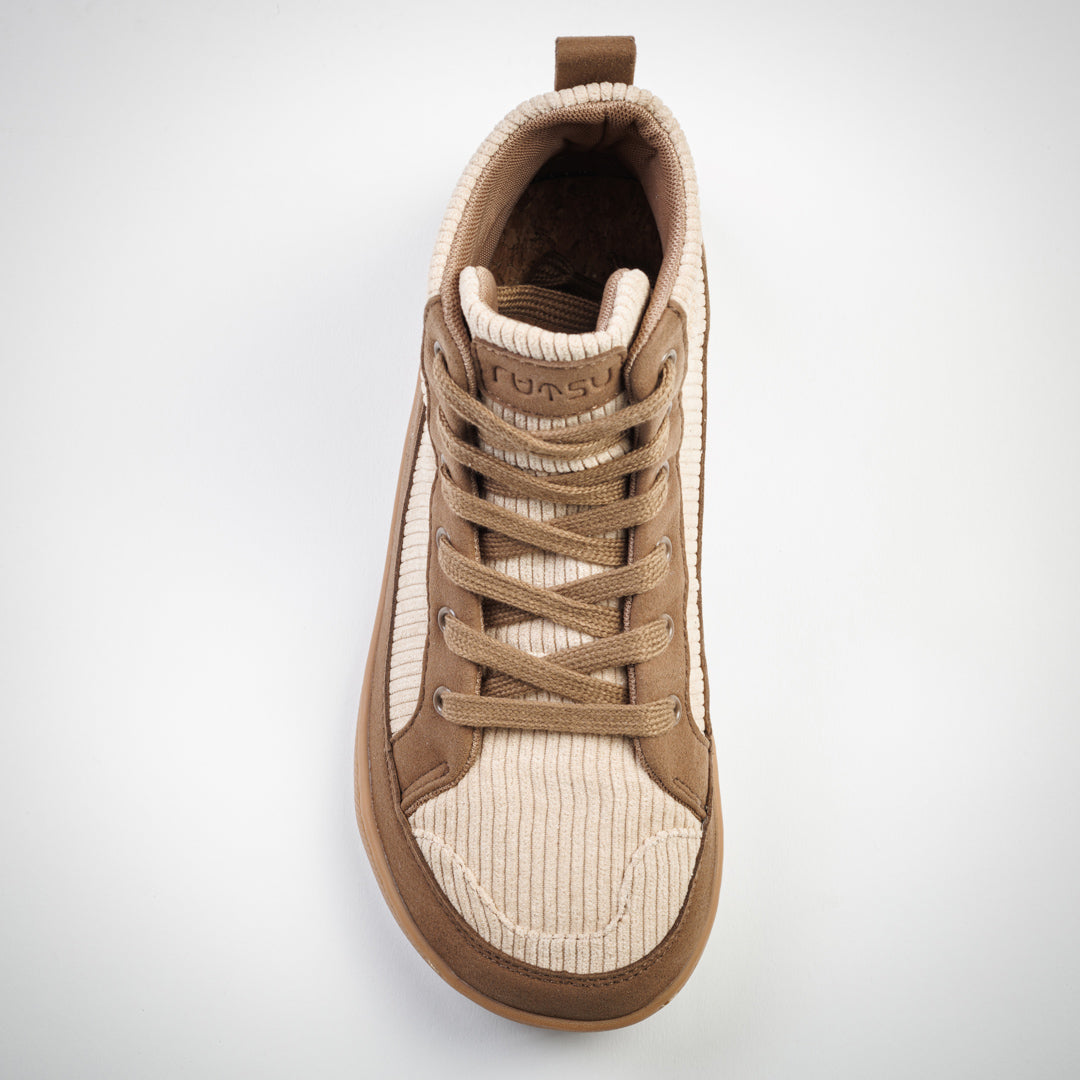
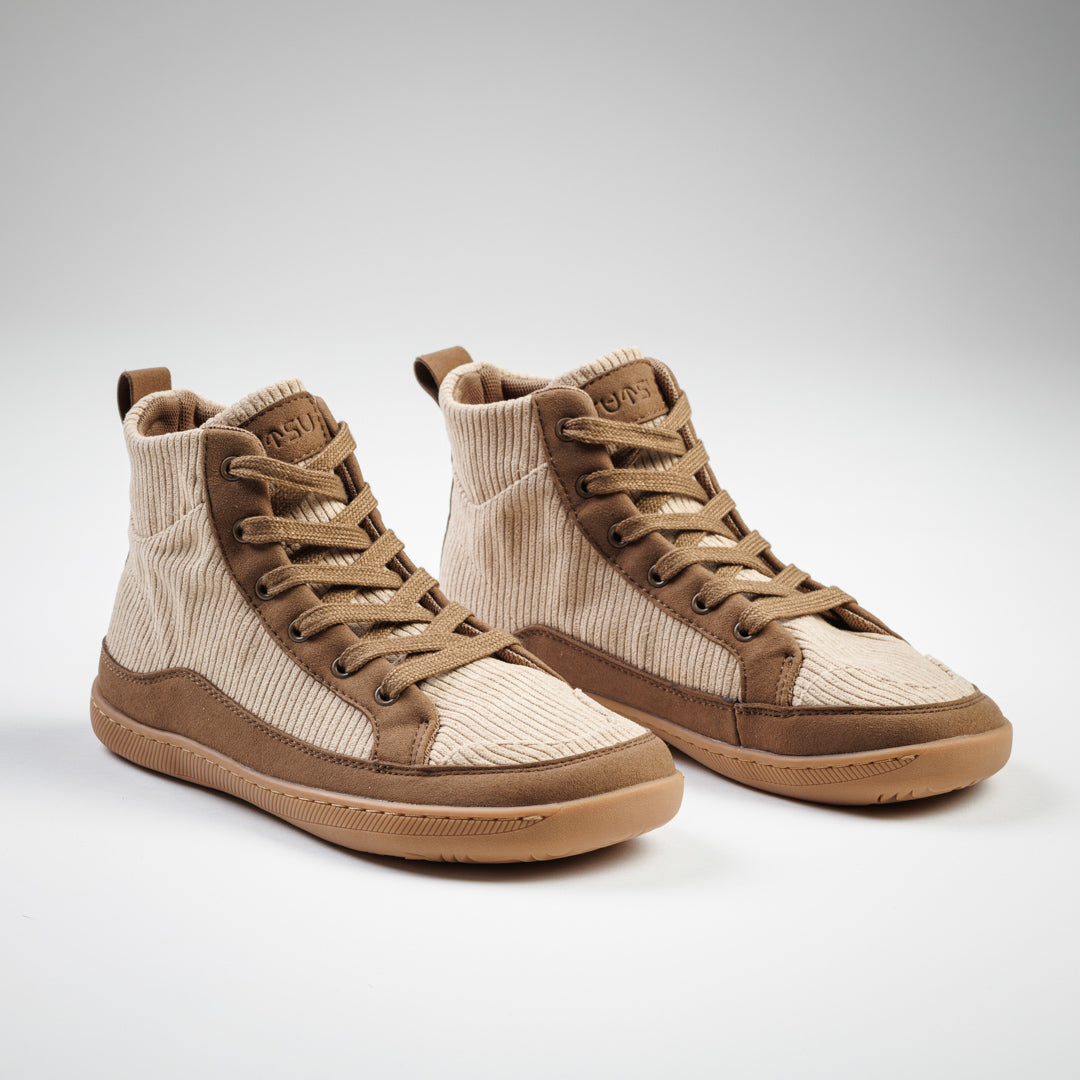
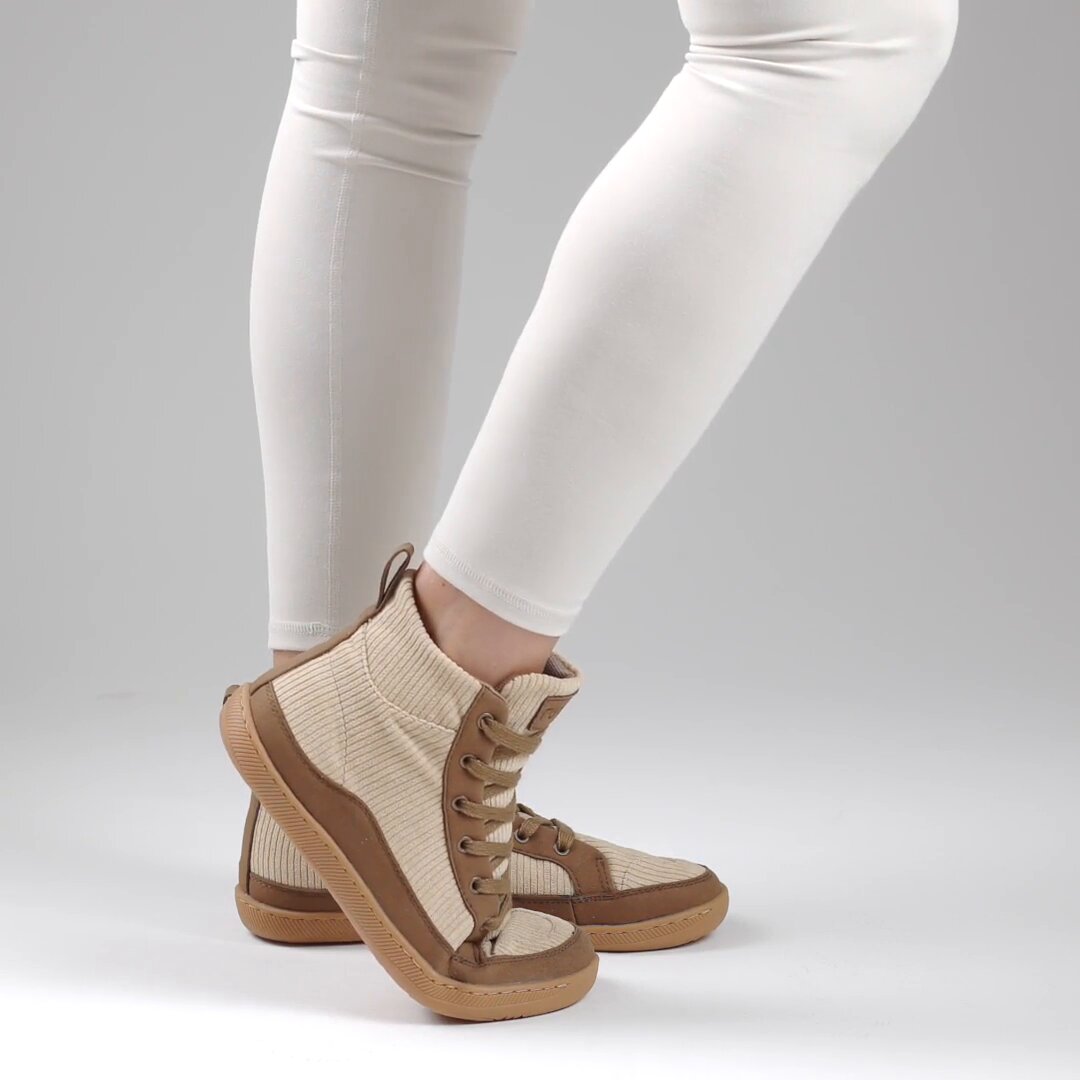
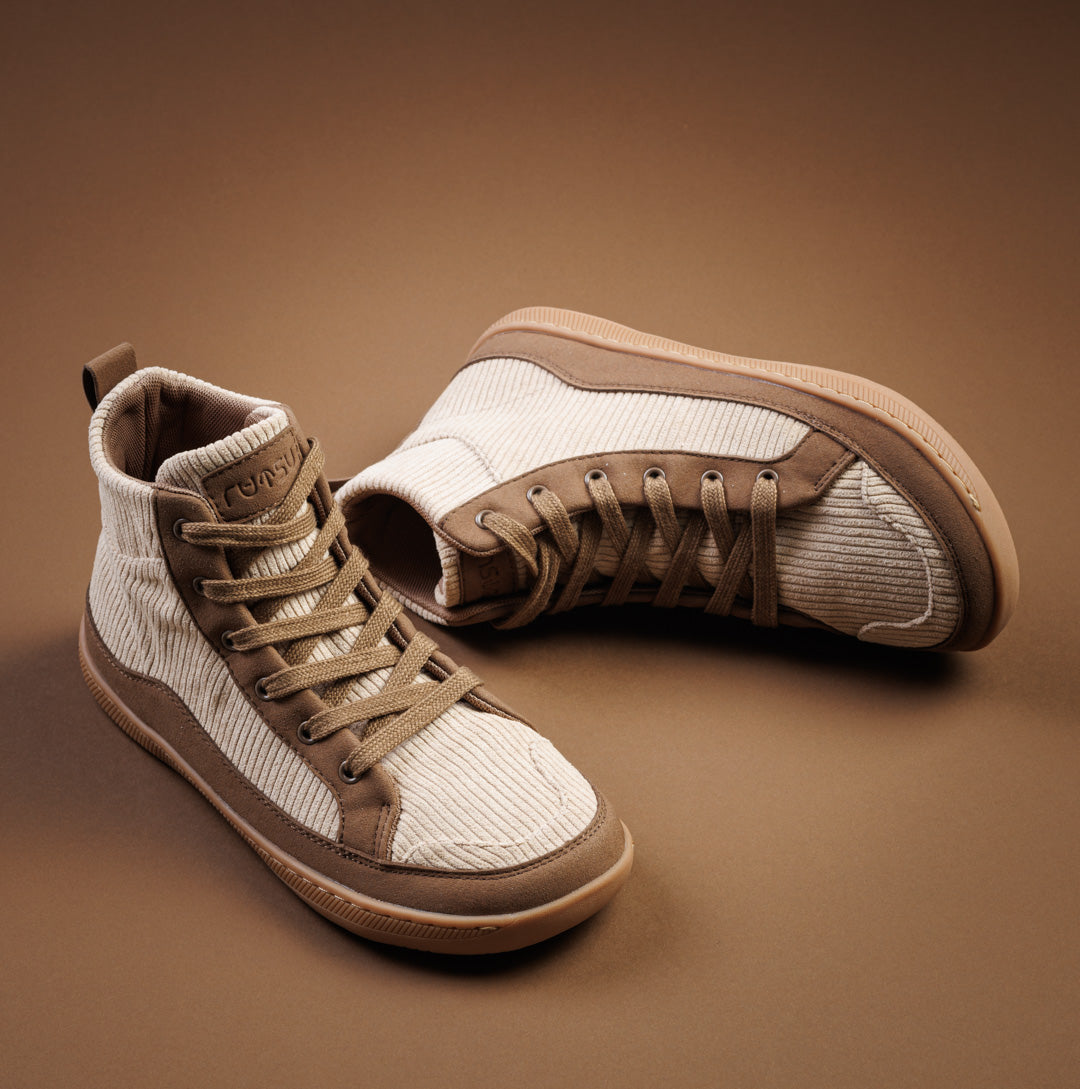
Rutsu built their whole thing around this balance. The Rutsu Original High Green ($79.95) delivers color without screaming. The Rutsu Original High Corduroy ($99.00) brings texture and sophistication—creative office appropriate, weekend brunch approved.
Barefoot shoes turning heads instead of raising eyebrows? Absolutely possible. Sleek greens, textured corduroy, natural movement that looks genuinely good. Explore Rutsu's Style Collection →
Women Barefoot Shoes Materials Explained: Breathability, Flexibility, and Durability
Materials dictate feel, performance, and lifespan. Quick breakdown:
Uppers: Mesh and knit maximize airflow—summer favorites. Leather adds structure and handles weather. Canvas and corduroy bring texture and visual interest.
Soles: Rubber outsoles hit the flexibility-durability sweet spot. Thinner versions (4-6mm) maximize ground connection. Thicker ones (8-10mm) add protection for rougher terrain or sensitive feet.
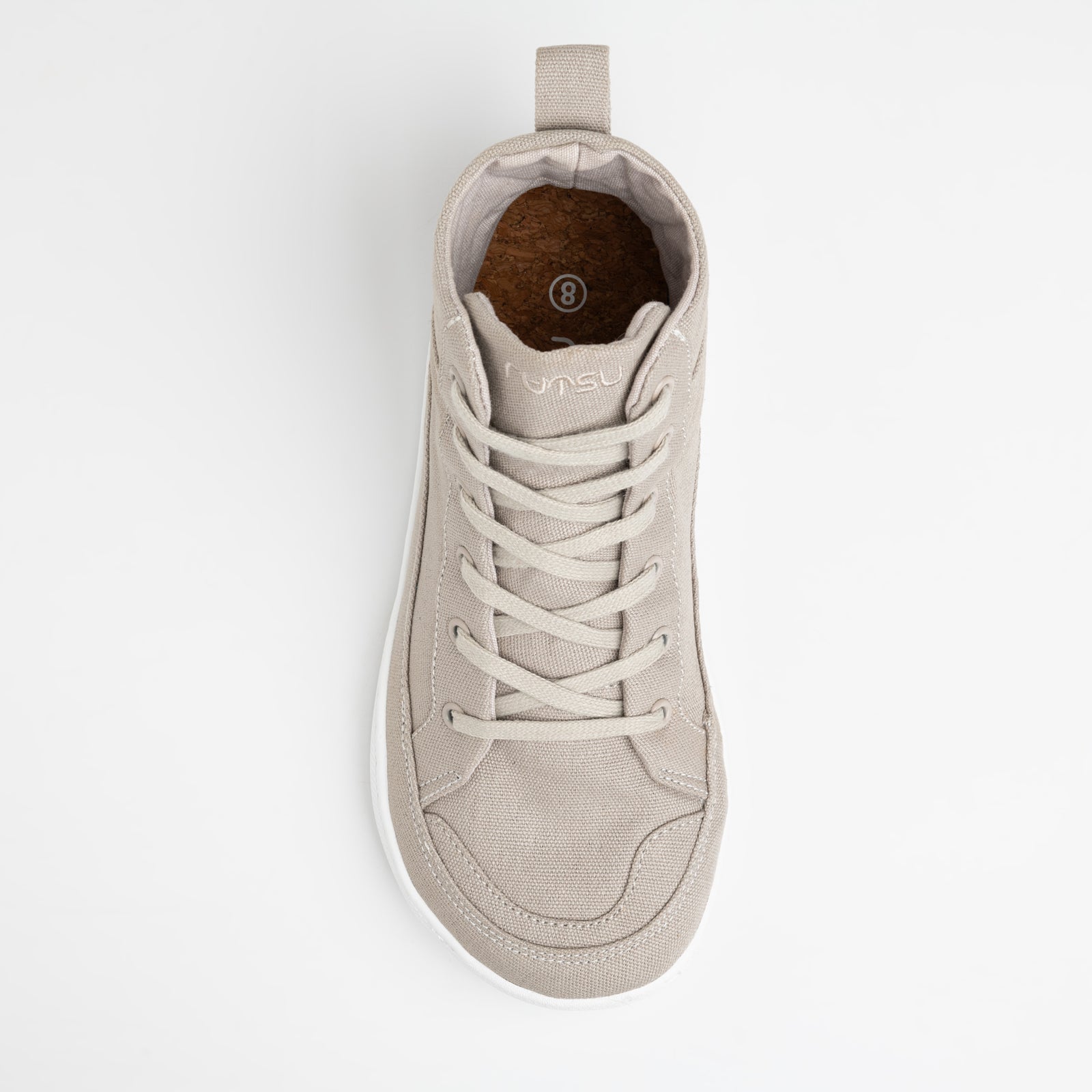
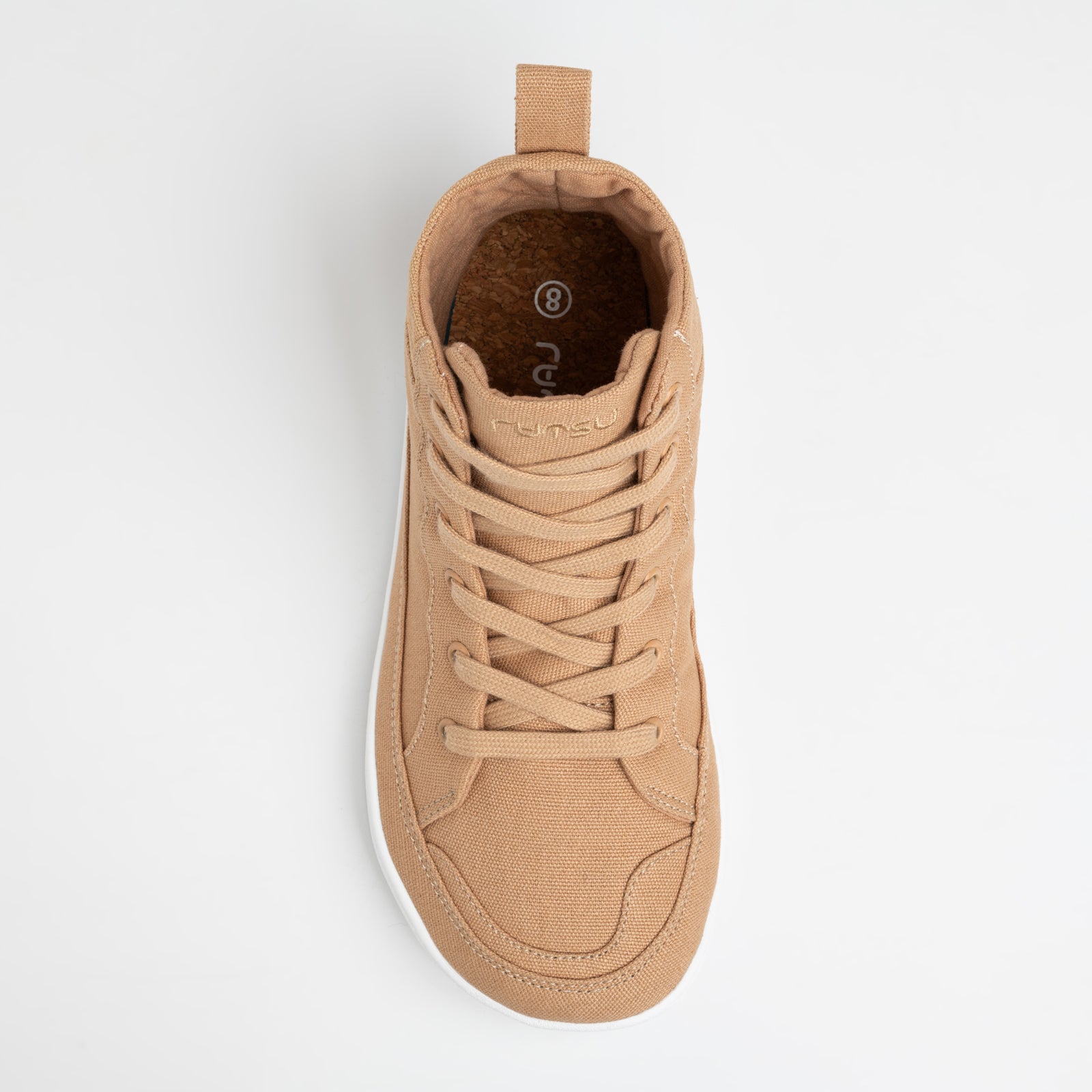
Insoles: Cork molds to your foot shape over time—personalized fit without custom pricing. Foam cushions the transition for folks leaving heavily padded shoes behind.
Construction quality separates shoes that last from shoes that fall apart. Reinforced stitching at high-stress points—where sole meets upper especially—adds serious mileage to shoe life.
Common Mistakes to Avoid When Buying Women Barefoot Shoes
Smart shoppers still stumble. Common traps:
Diving into ultra-minimal immediately. Decades in cushioned shoes means weak foot muscles. Paper-thin soles on day one leads to soreness, frustration, possibly injury. Ease in.
Letting style override fit. That stunning shoe means zero if it cramps your toes. Fit wins every argument.
Skipping break-in time. Even perfectly sized barefoot shoes need adjustment periods. Few hours daily at first. Build up.
Trusting your "usual size." Barefoot sizing varies wildly brand to brand. Measure. Check charts. Every single time.
Rutsu's size guide eliminates most confusion. Their 30-day return policy handles the rest. Try at home, exchange if needed. No gamble, no stress.
How to Transition Safely to Women Barefoot Shoes Without Foot Pain
Rushing wrecks transitions. Feet need time building strength they've never used.
Week 1-2: One to two hours daily. Light activities only. Around the house works perfectly.
Week 3-4: Stretch to half-day wear. Monitor soreness—some is normal, sharp pain isn't.
Week 5-8: Full-day wear becomes realistic for most. Bodies adapt at different speeds though. Yours might need longer. That's fine.
Foot exercises accelerate adaptation. Toe spreads, calf raises, barefoot walks on grass or sand—all strengthen neglected muscles faster.
Transition insoles bridge the gap nicely. Start with them inserted, remove gradually as feet strengthen. Training wheels for your soles.
Top Brands and Models of Women Barefoot Shoes to Consider This Year
Options span every budget now—casual everyday sneakers through the best barefoot running sandals built for serious warm-weather workouts. Premium players like Vivobarefoot ($125-180) deliver quality but demand wallet commitment. Mid-tier brands like Xero Shoes ($90-140) balance capability and cost.
Women wanting style, quality, and prices that don't sting? Rutsu occupies interesting territory. Casual barefoot collection starting at $69.95—noticeably cheaper than premium competitors, comparable fit and craftsmanship.
What separates them? Focus on casual barefoot footwear that disappears into normal wardrobes instead of announcing itself. Clean designs, versatile colors. With 4.9-star ratings and 30-day returns, trying them risks basically nothing.
Sick of the foot-health-versus-style standoff? Rutsu settled that argument. Workdays, long walks, weekend adventures—there's a Rutsu matching every step.
Frequently Asked Questions
Are women barefoot shoes suitable for beginners with no barefoot experience?
Totally. Transition-friendly options with thicker soles exist specifically for newcomers. Start with short wear periods, increase gradually, let adaptation happen naturally.
How long does it take to adapt to women barefoot shoes for daily use?
Four to eight weeks typically. Longtime cushioned-shoe wearers or those with weaker feet sometimes need extra time. No universal timeline—bodies differ.
Can women barefoot shoes help with foot pain or posture issues?
Frequently, yes. Reduced foot pain, improved posture, better balance—common reports from women who've transitioned. Specific medical conditions warrant podiatrist consultation first though.
Are women barefoot shoes appropriate for office or professional settings?
Many current designs work fine in business casual environments. Leather options and clean minimalist styles in neutral colors blend seamlessly.
How do women barefoot shoes differ from minimal or minimalist shoes?
Barefoot shoes go further—zero drop, wide toe boxes, very thin soles. Minimalist shoes often retain some cushioning or slight heel elevation while being lighter than conventional footwear.
How should women barefoot shoes fit to avoid discomfort or injury?
Toes spreading naturally without side contact. Thumb's width between longest toe and front. Heel staying put without slippage. Snug but never tight.
Can women barefoot shoes be worn for long walks or travel days?
Absolutely. Post-adaptation, many women find them superior for extended wear. Lightweight and packable makes them travel naturals.
How often should women barefoot shoes be replaced with regular wear?
Quality pairs last one to two years under regular use. Replace when soles show significant wear patterns or uppers lose structural support.