

The Hidden Benefits of Barefoot Shoes Most People Don't Talk About
You already know barefoot shoes let your toes spread. You've heard they strengthen foot muscles. But here's the thing: the most interesting benefits of barefoot shoes have almost nothing to do with your feet.
They affect your sleep. Your stress response. Even the way your brain processes movement. And hardly anyone talks about it.
Let's change that.
The Sleep Connection No One in the Footwear Industry Talks About
Your feet contain roughly 200,000 nerve endings. When you stuff them into rigid, cushioned shoes for 14 hours a day, you're essentially putting a key sensory organ on mute.
What does that have to do with sleep? More than you'd think. Overstimulation and poor proprioceptive input during the day can leave your nervous system running on fumes by nighttime, stuck in a low-grade alert state. Barefoot shoe wearers often report falling asleep faster and waking up feeling more rested. It's not magic. It's the downstream effect of a nervous system that got better input all day long.
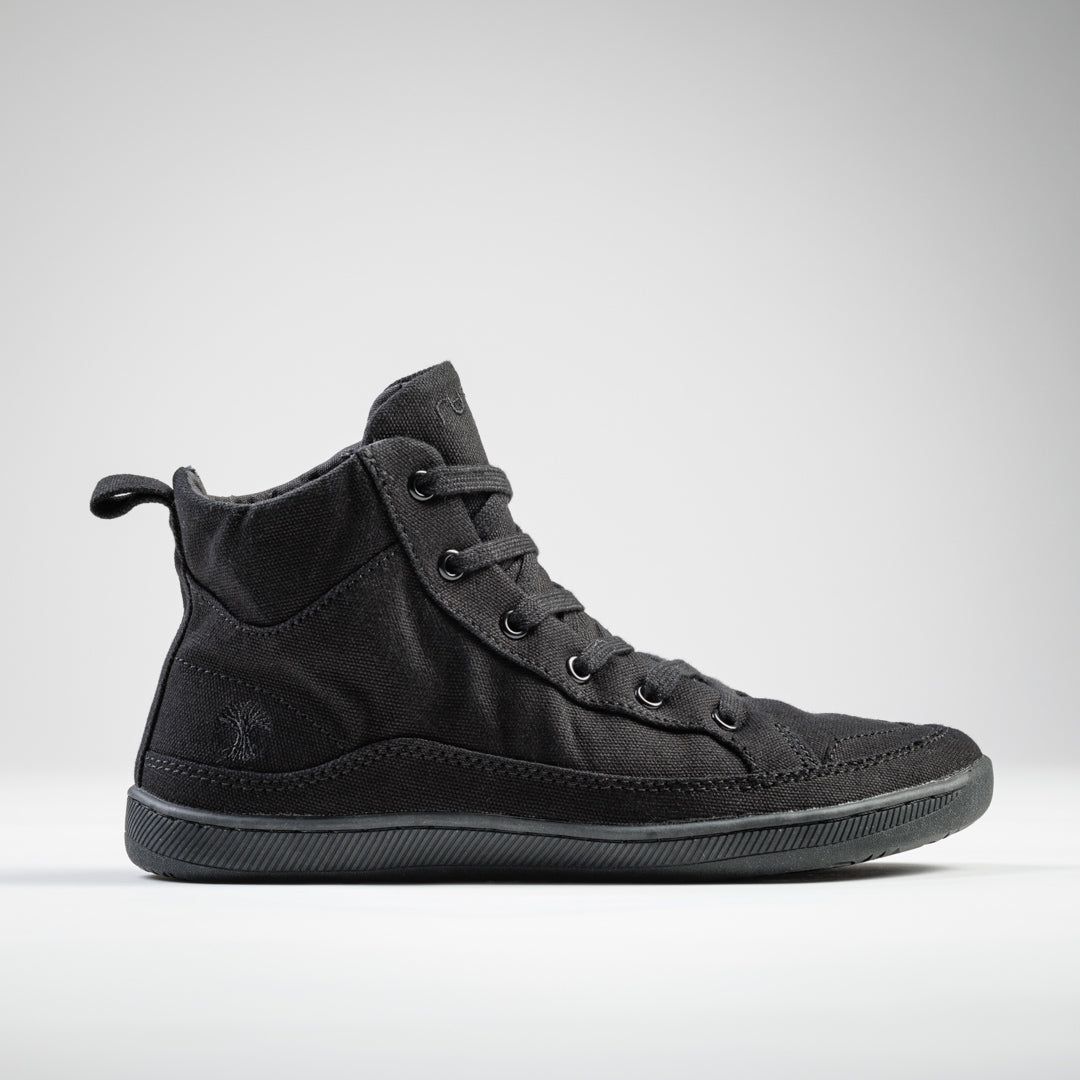
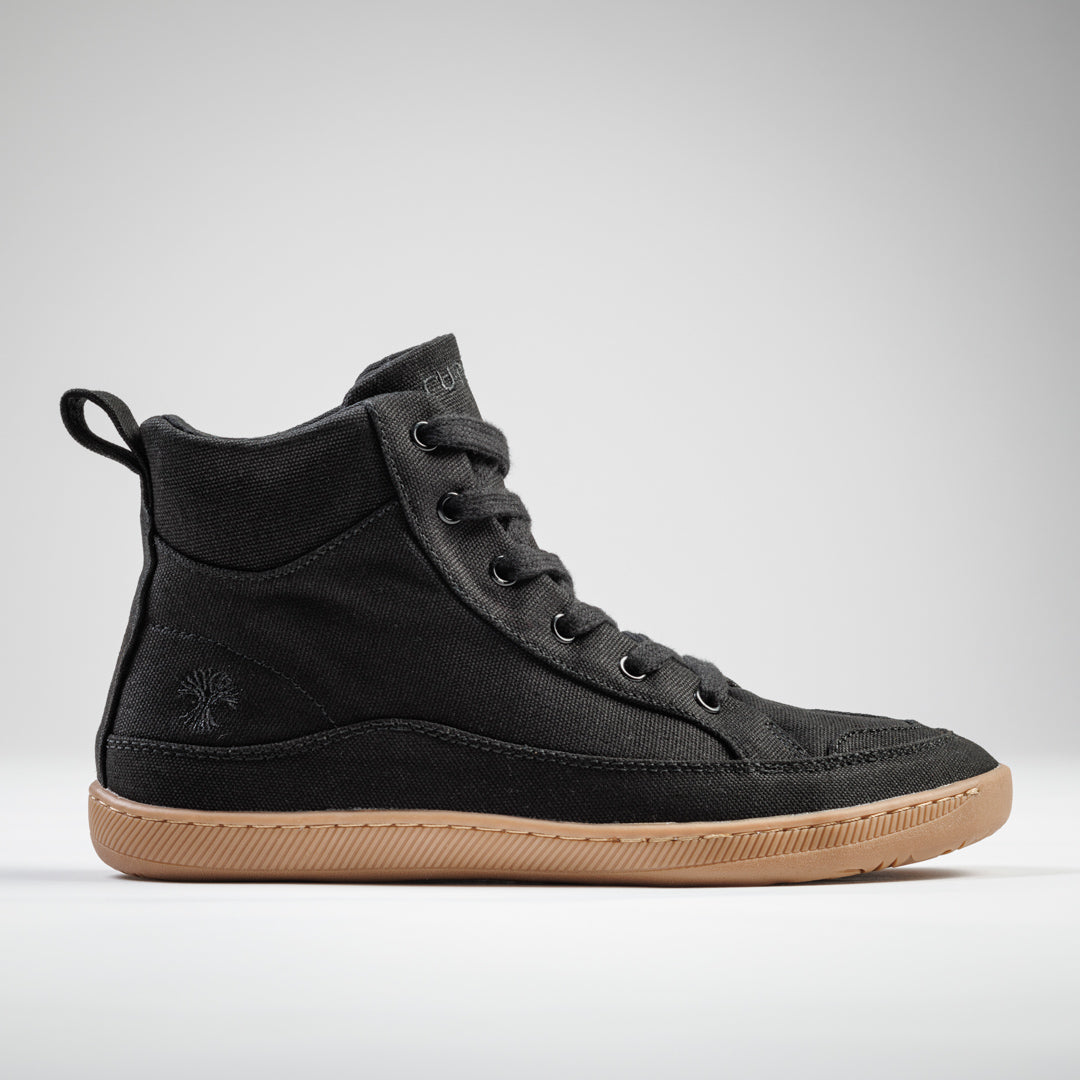
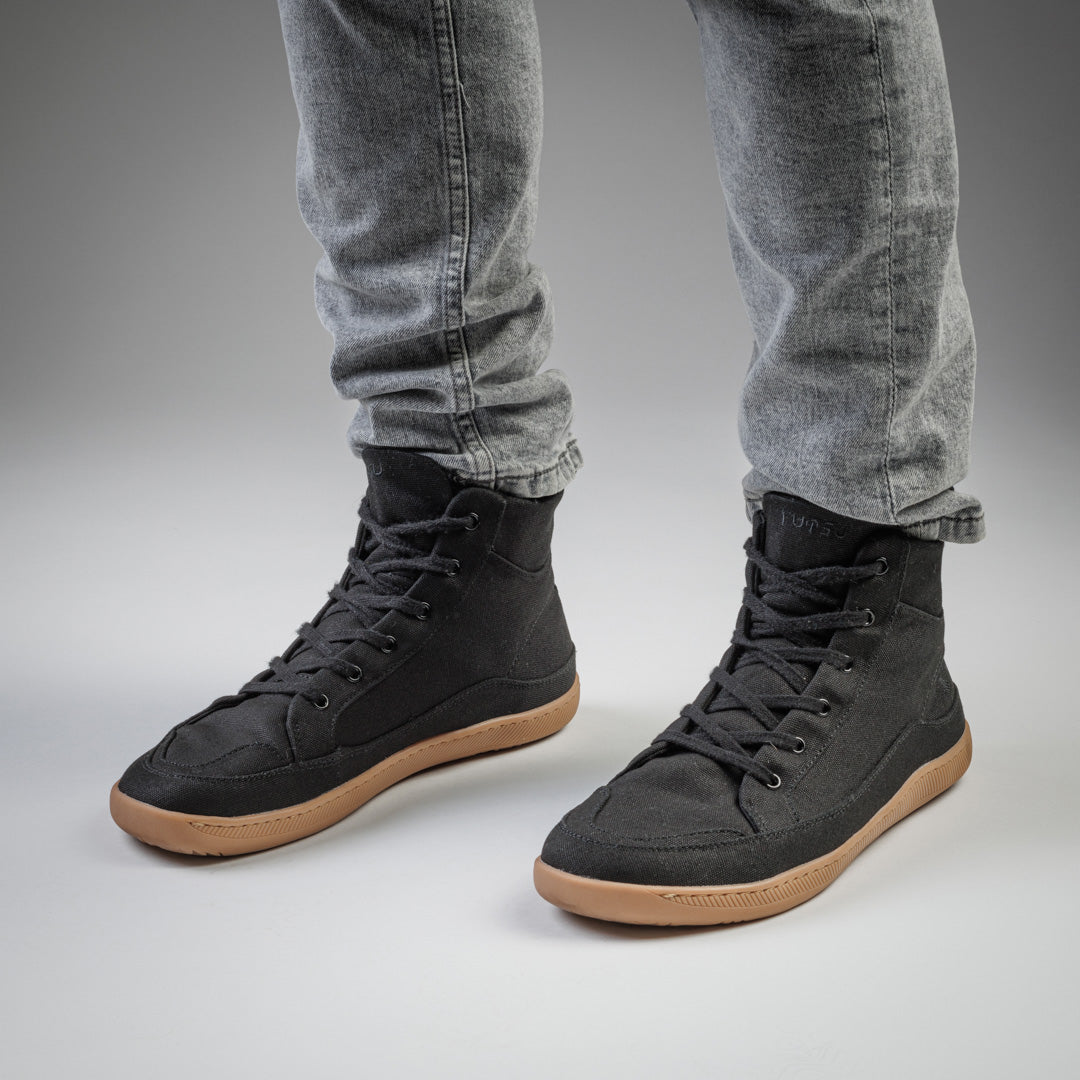
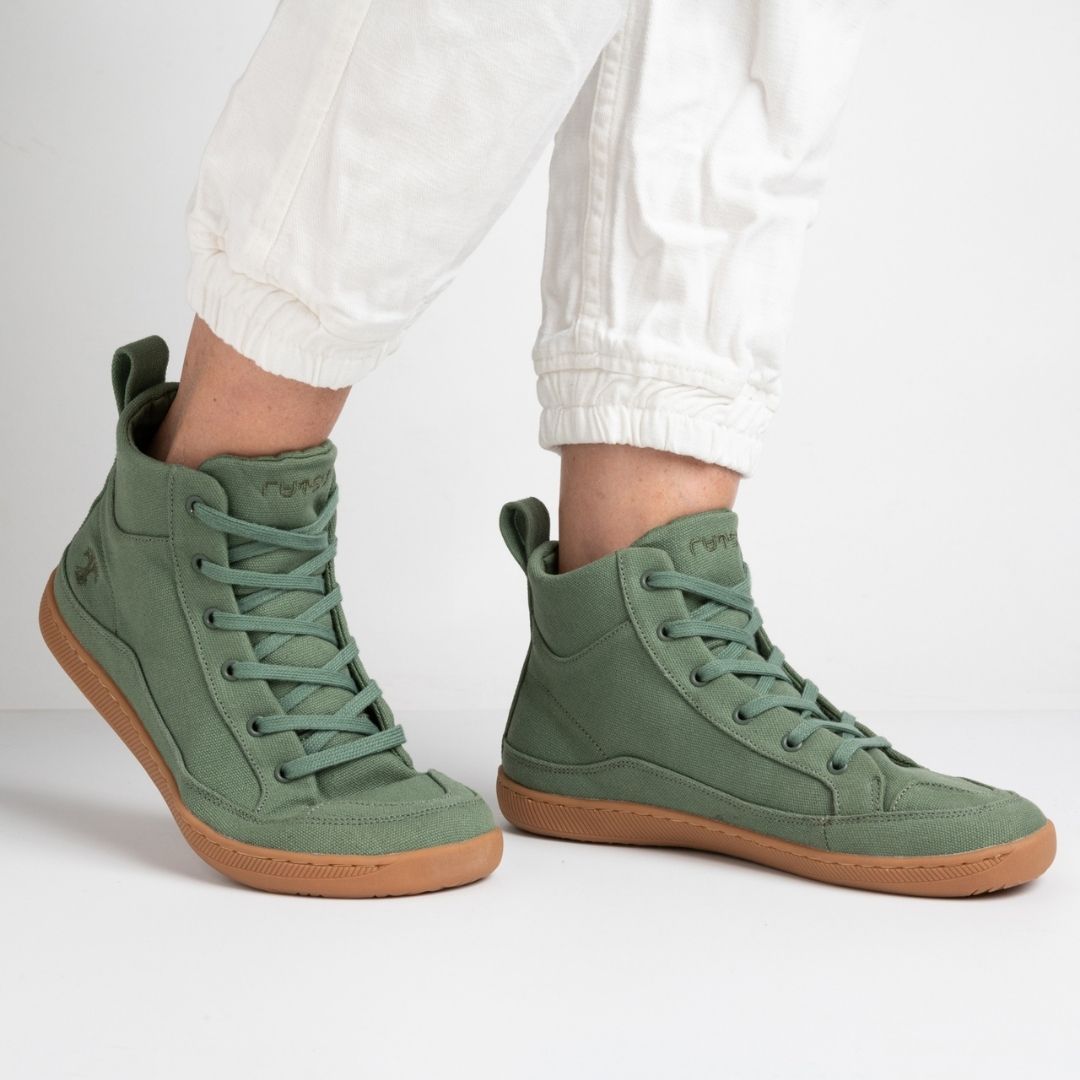
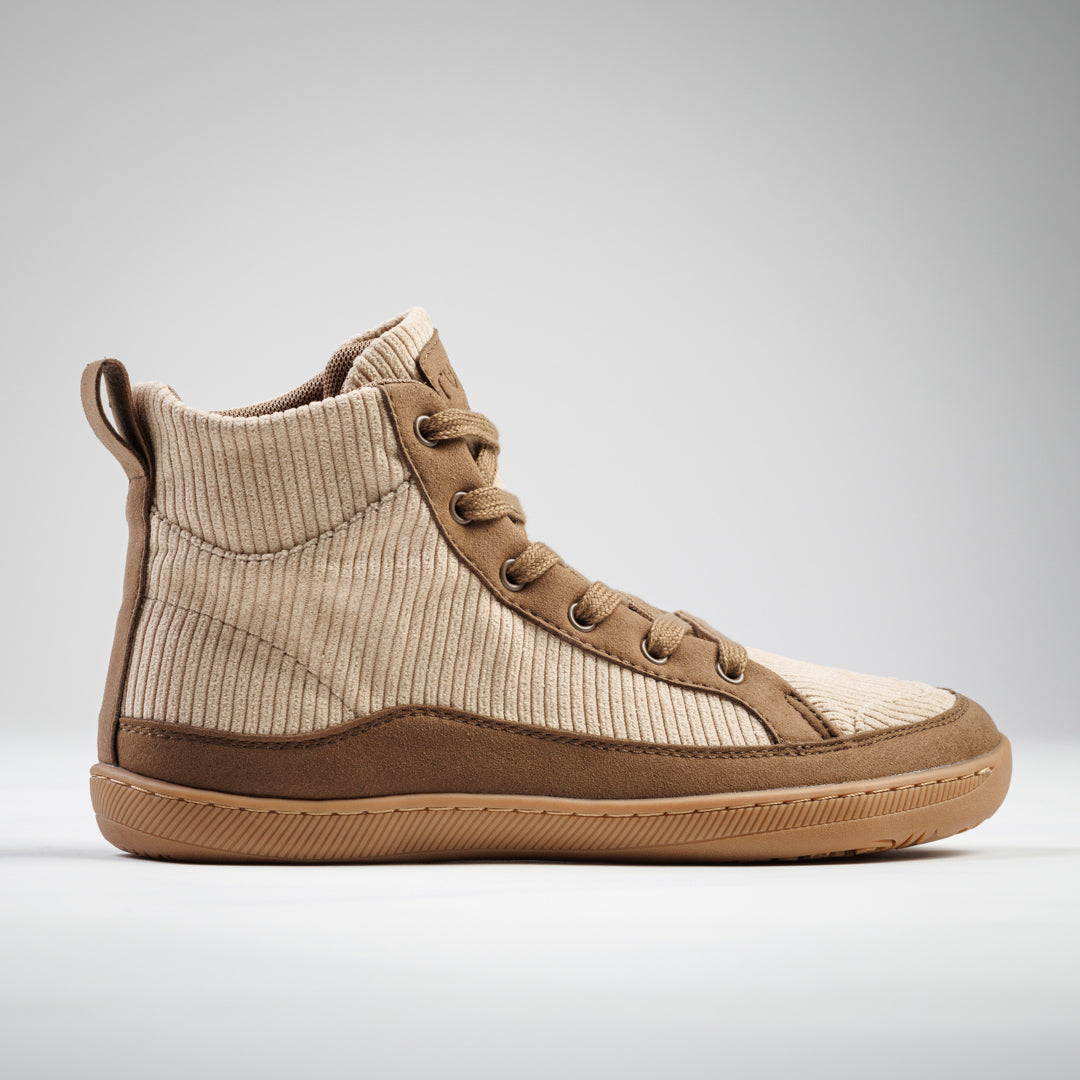
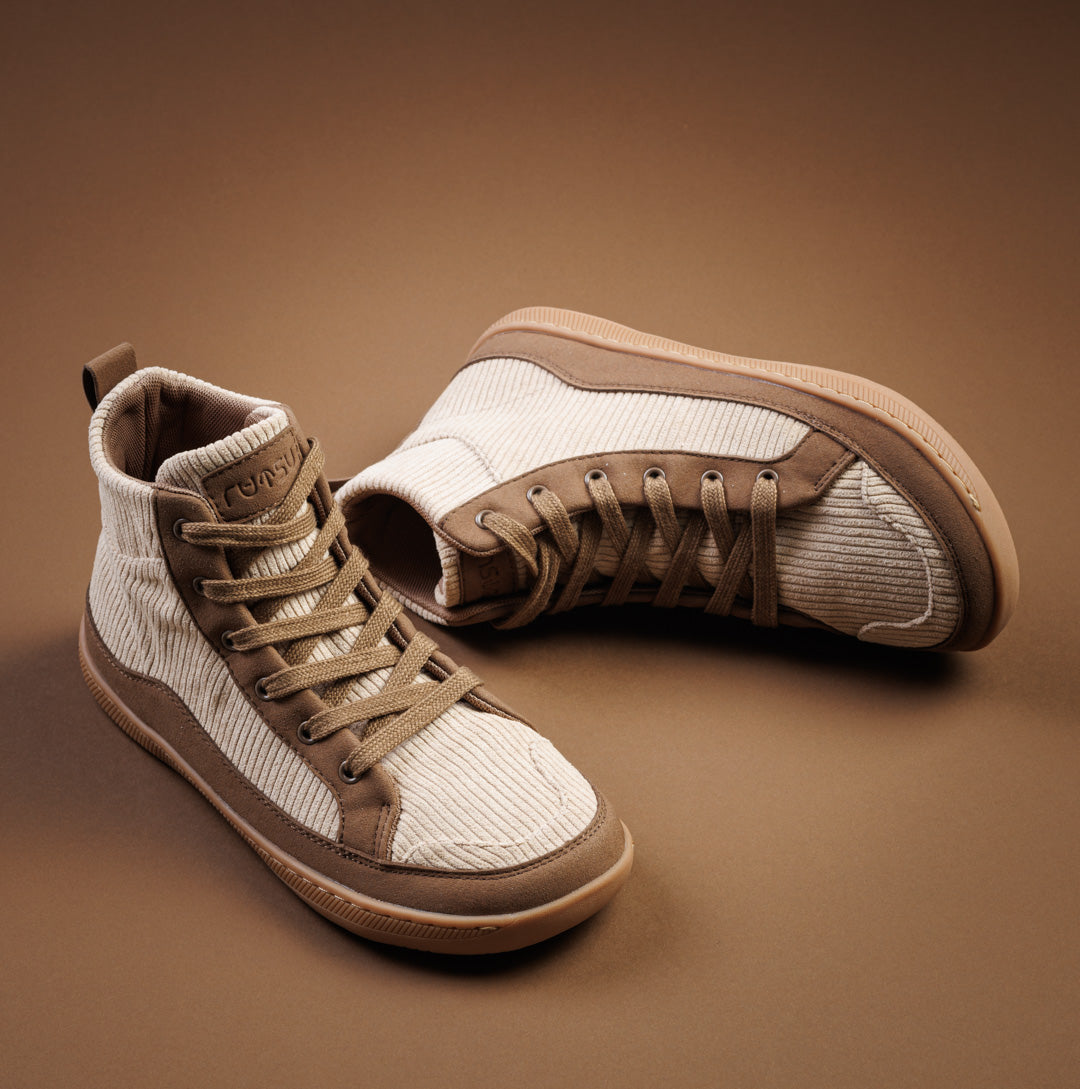
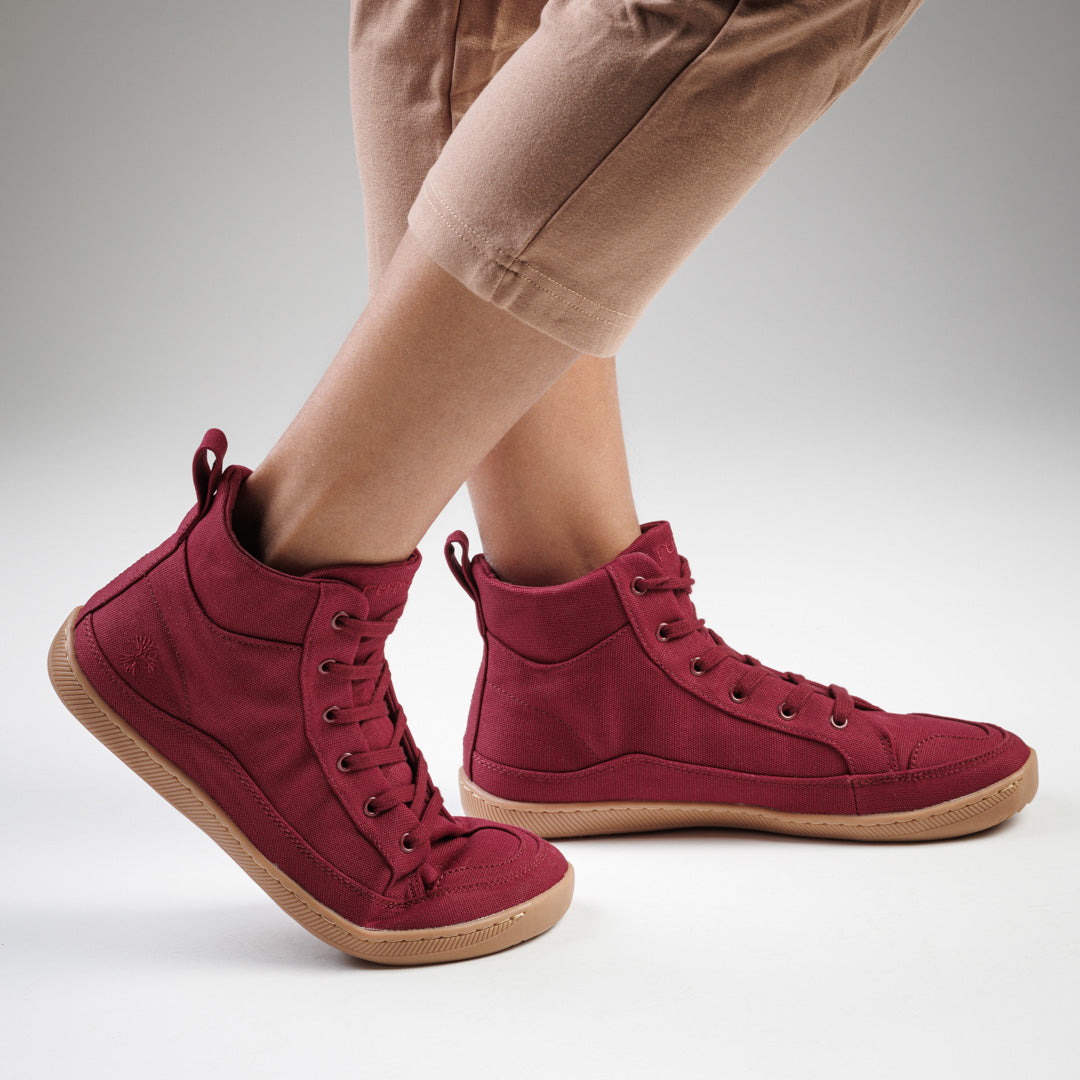
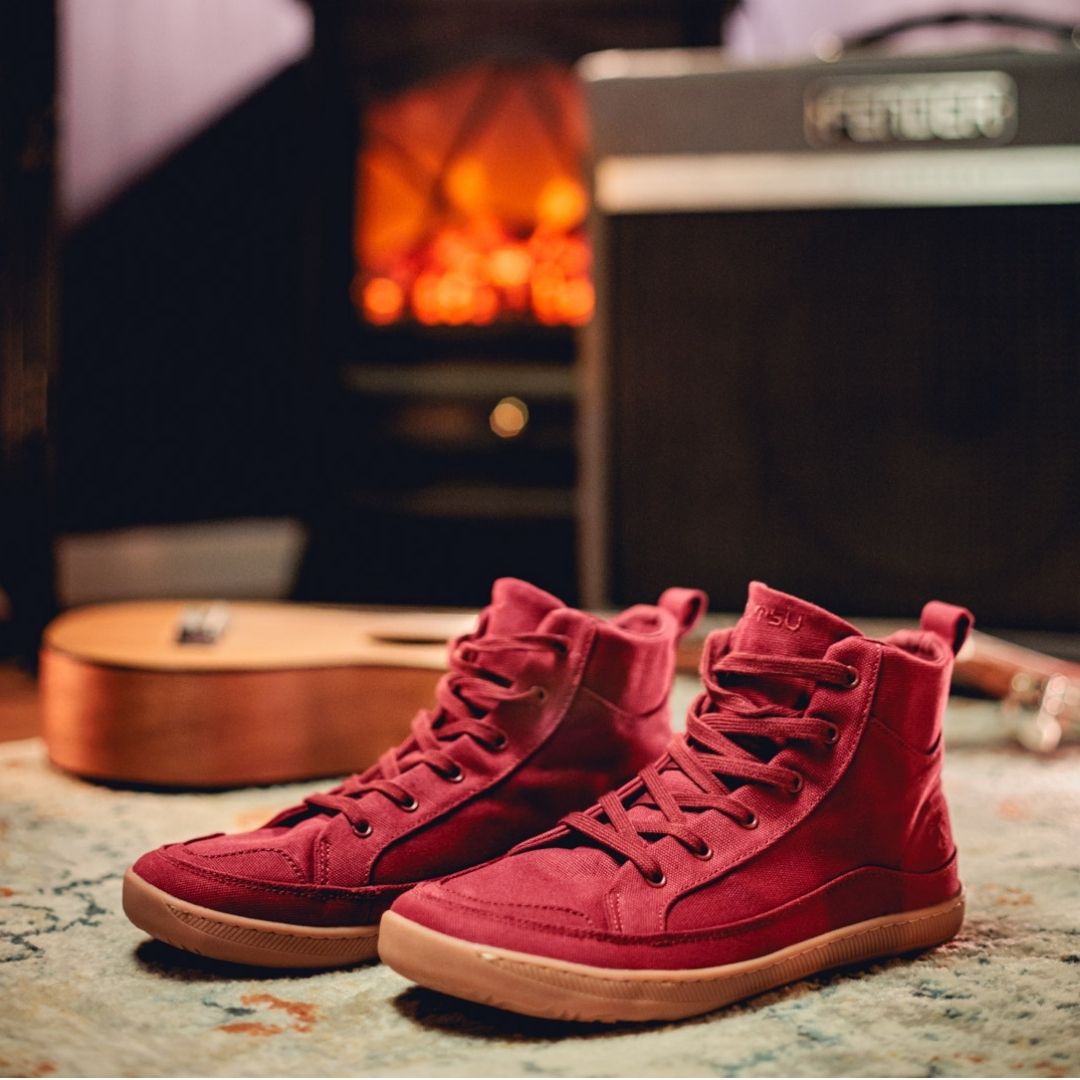
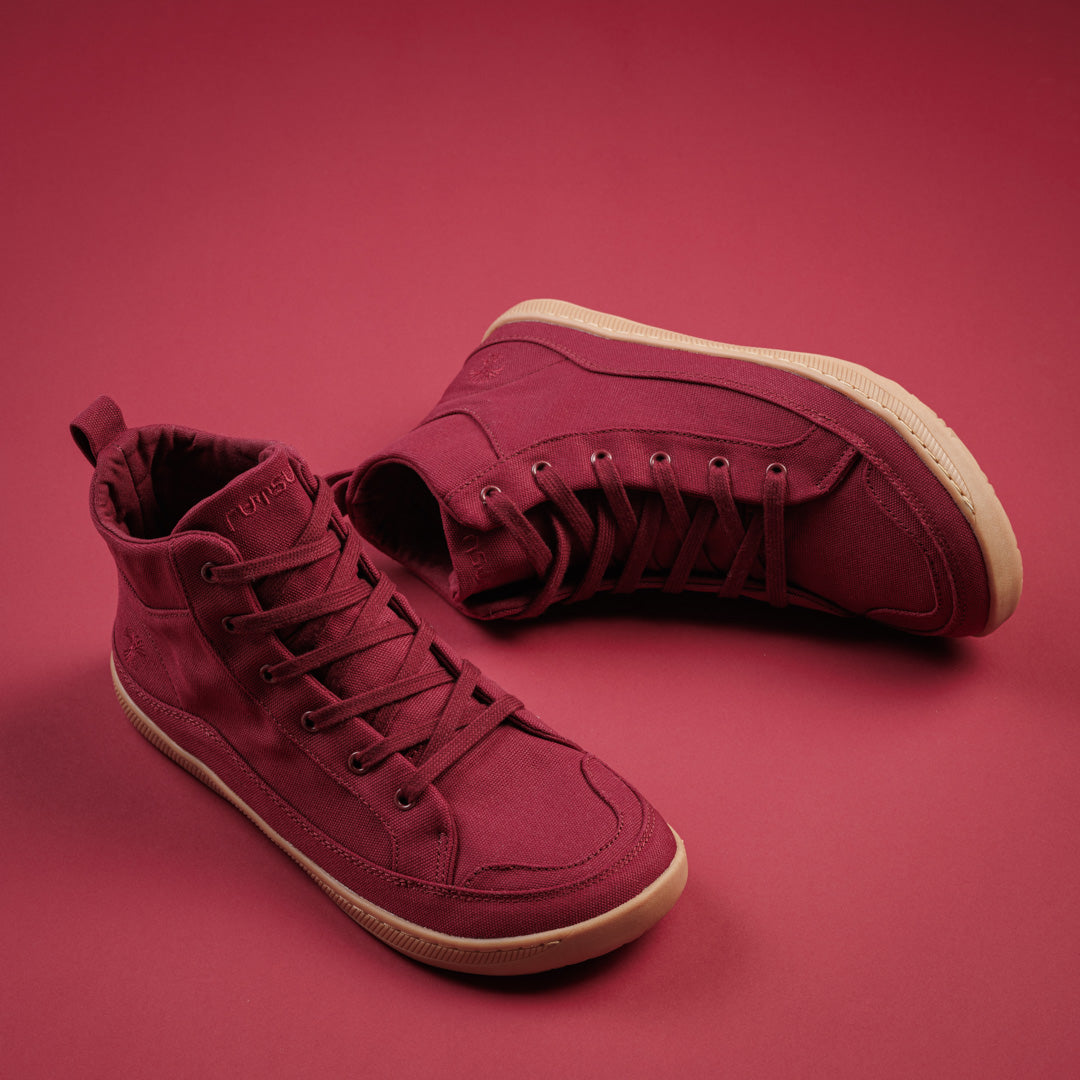
If you're curious about shoes designed with grounding in mind, the Rutsu Earth grounded collection was built specifically for this kind of full-spectrum benefit.
How Your Feet Are Quietly Sending Stress Signals to Your Nervous System All Day
Picture your foot locked inside a stiff dress shoe. The arch can't flex. The toes can't grip. Every step sends a slightly "off" signal to your brain, and your body compensates by tightening muscles up the chain. Over hours, this creates a subtle but constant stress loop.
Barefoot shoes break that loop. When your foot moves the way it evolved to, the feedback to your central nervous system shifts from "something's wrong" to "all clear." That recalibration matters. A lot.
The Cognitive Load of Walking, and Why Your Brain Works Differently in Minimal Shoes
Walking in conventional shoes is surprisingly brain-intensive. Your brain has to constantly correct for the artificial heel lift, the narrow toe box, the thick sole blocking ground feedback. It's like driving with a foggy windshield: you can do it, but it takes extra effort.
Strip that interference away? Your brain frees up bandwidth. Some barefoot shoe users describe a feeling of mental clarity on long walks that they never noticed before. It's not a placebo. It's your brain allocating fewer resources to "not tripping" and more to, well, thinking.
Balance, Falls, and Aging: The Long Game Most Buyers Don't Realize They're Playing
Here's what nobody tells you about the benefits of barefoot shoes for the long haul. Balance isn't just an athletic skill. After age 65, falls become one of the leading causes of injury-related death. And balance starts declining decades before that.
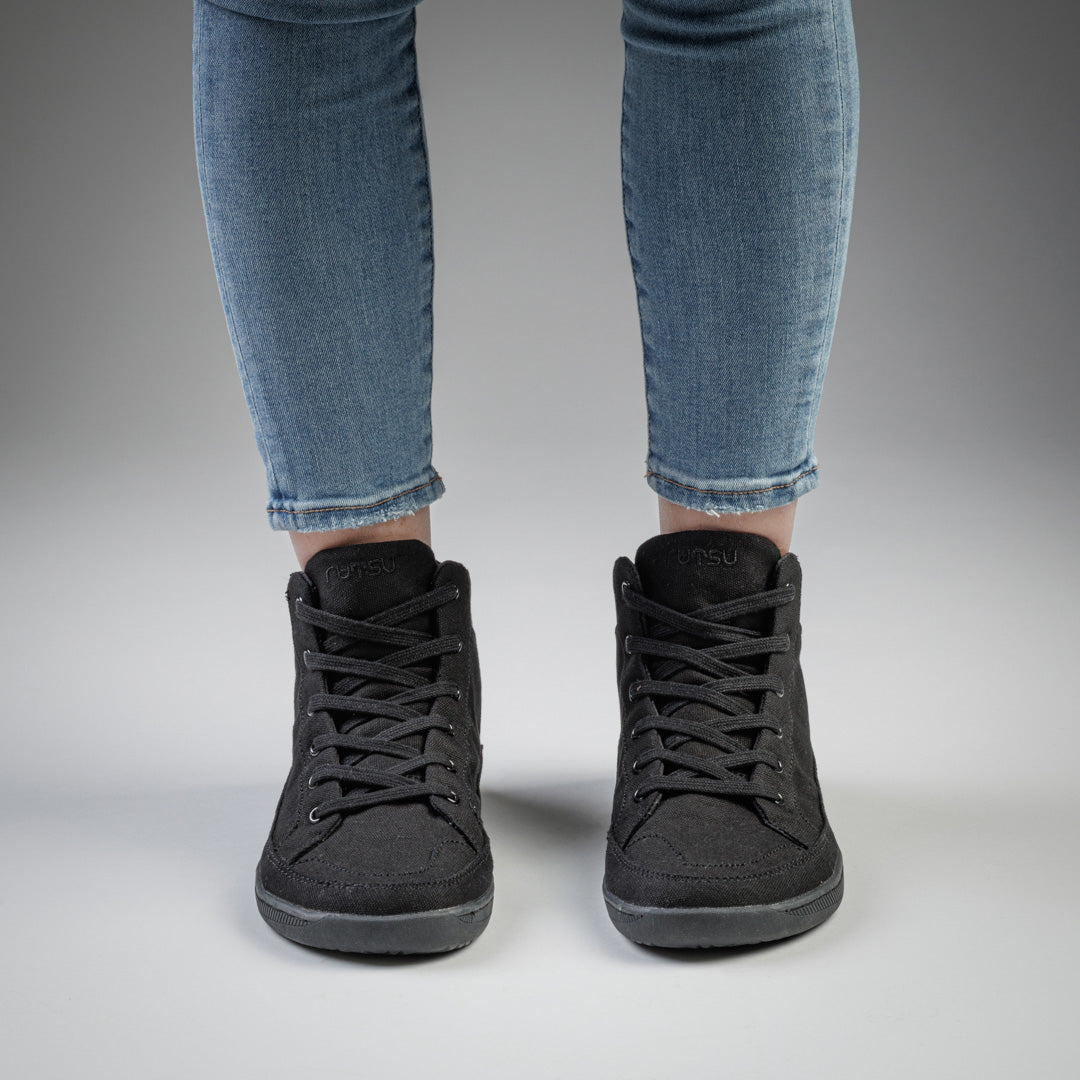
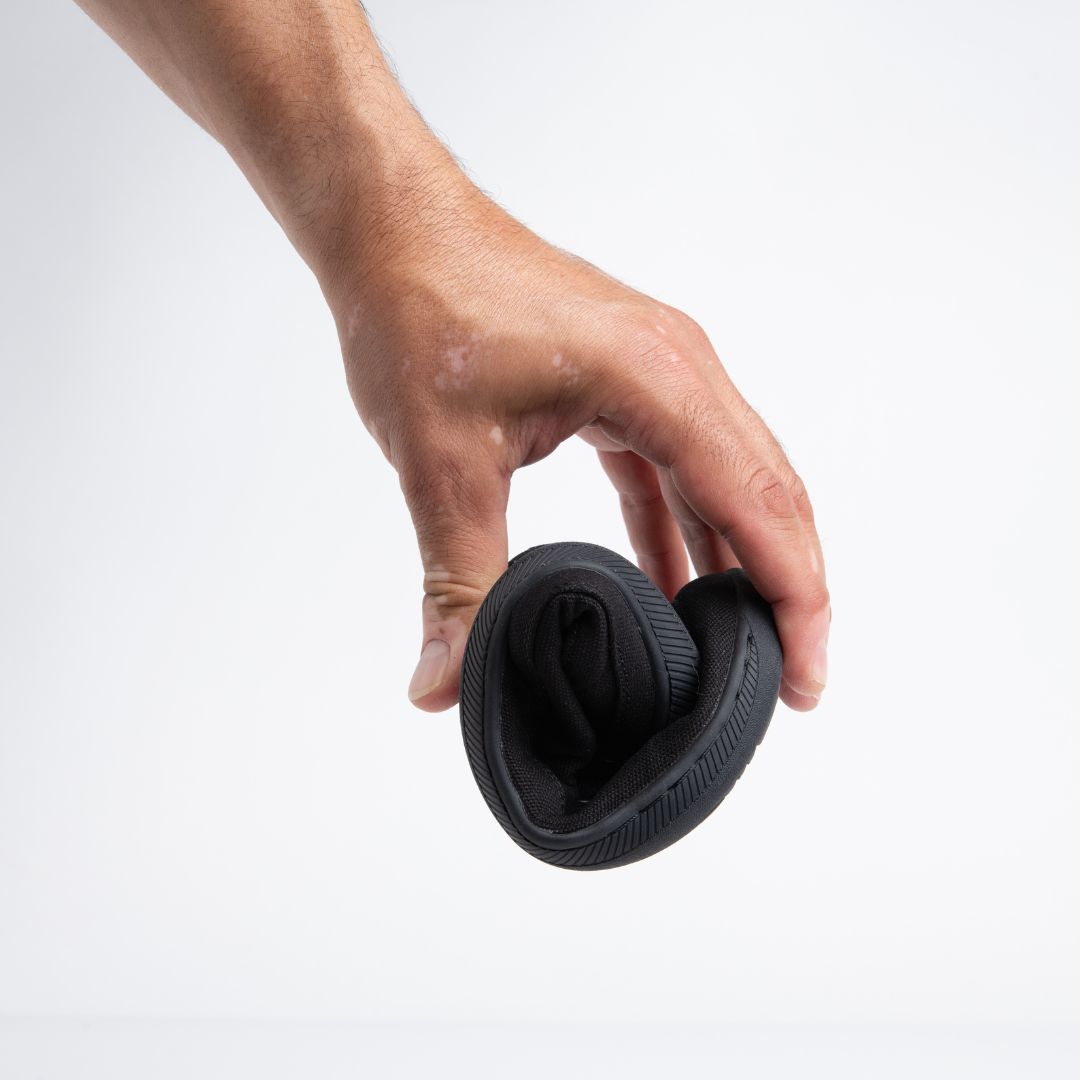
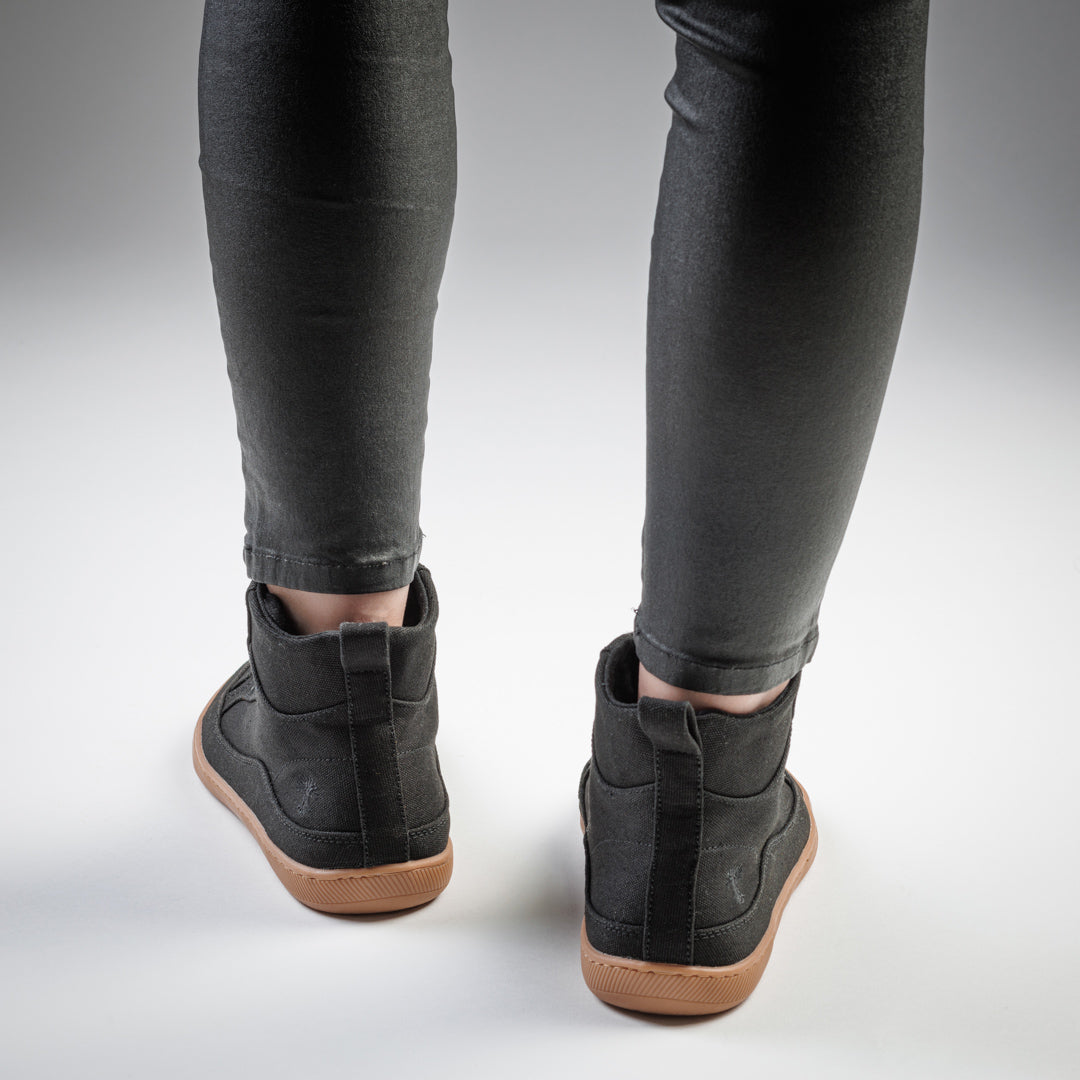
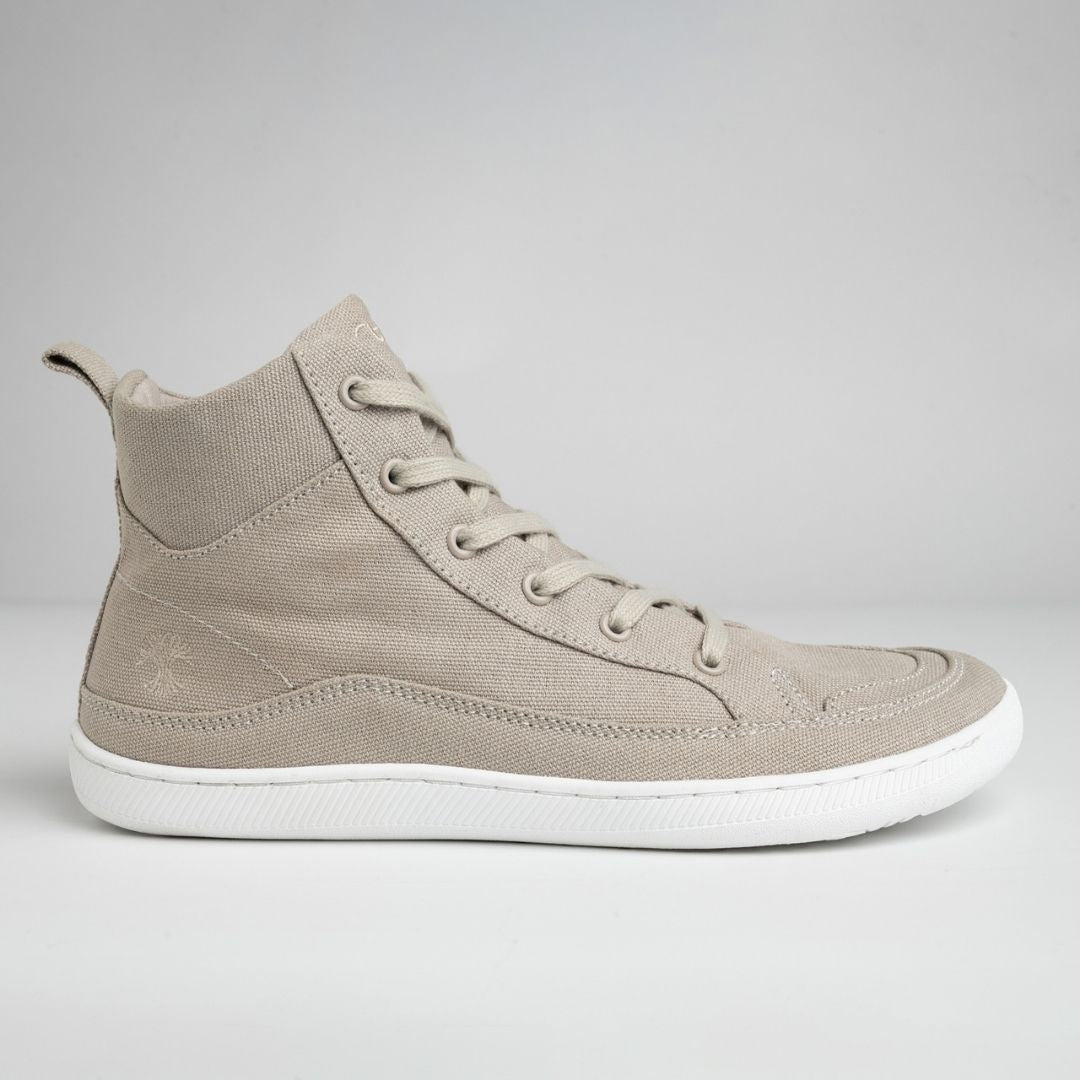
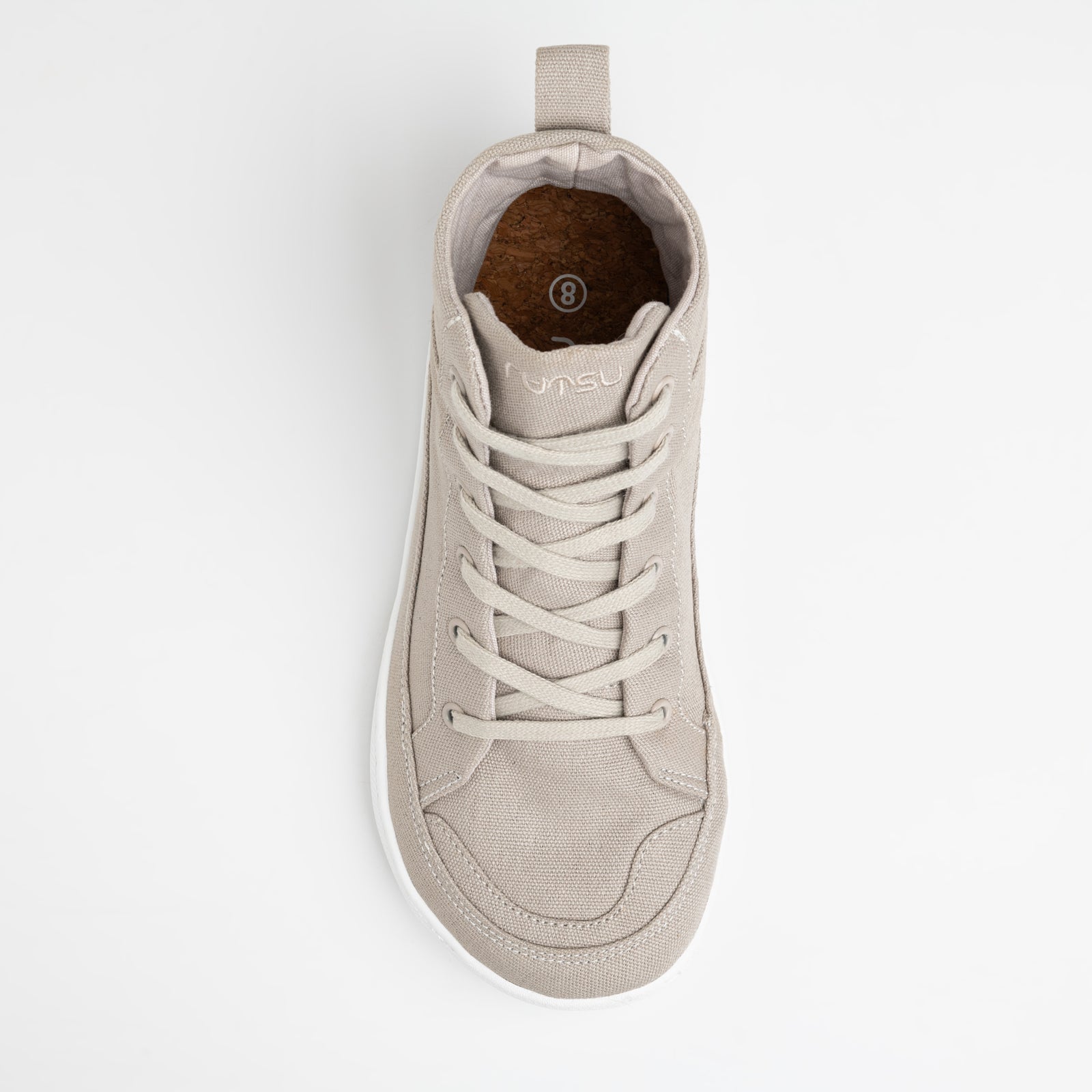
Barefoot shoes train the small stabilizer muscles in your feet every single step you take. That's thousands of micro-corrections per day that conventional shoes rob you of. Starting early with everyday low-top barefoot shoes is one of the simplest investments in your future mobility.
The Microclimate Inside a Conventional Shoe (and Why It's a Bigger Deal Than You Think)
Ever taken off your shoes after a long day and felt that wave of relief? That's your foot escaping a warm, humid microenvironment that breeds bacteria and weakens skin integrity.
Most conventional shoes trap heat and moisture. Barefoot shoes, especially those built with breathable uppers, flip that script. They let air circulate. Your skin stays drier. Fungal issues become less common. It sounds mundane, but foot health is foundational health. (Pun intended.)
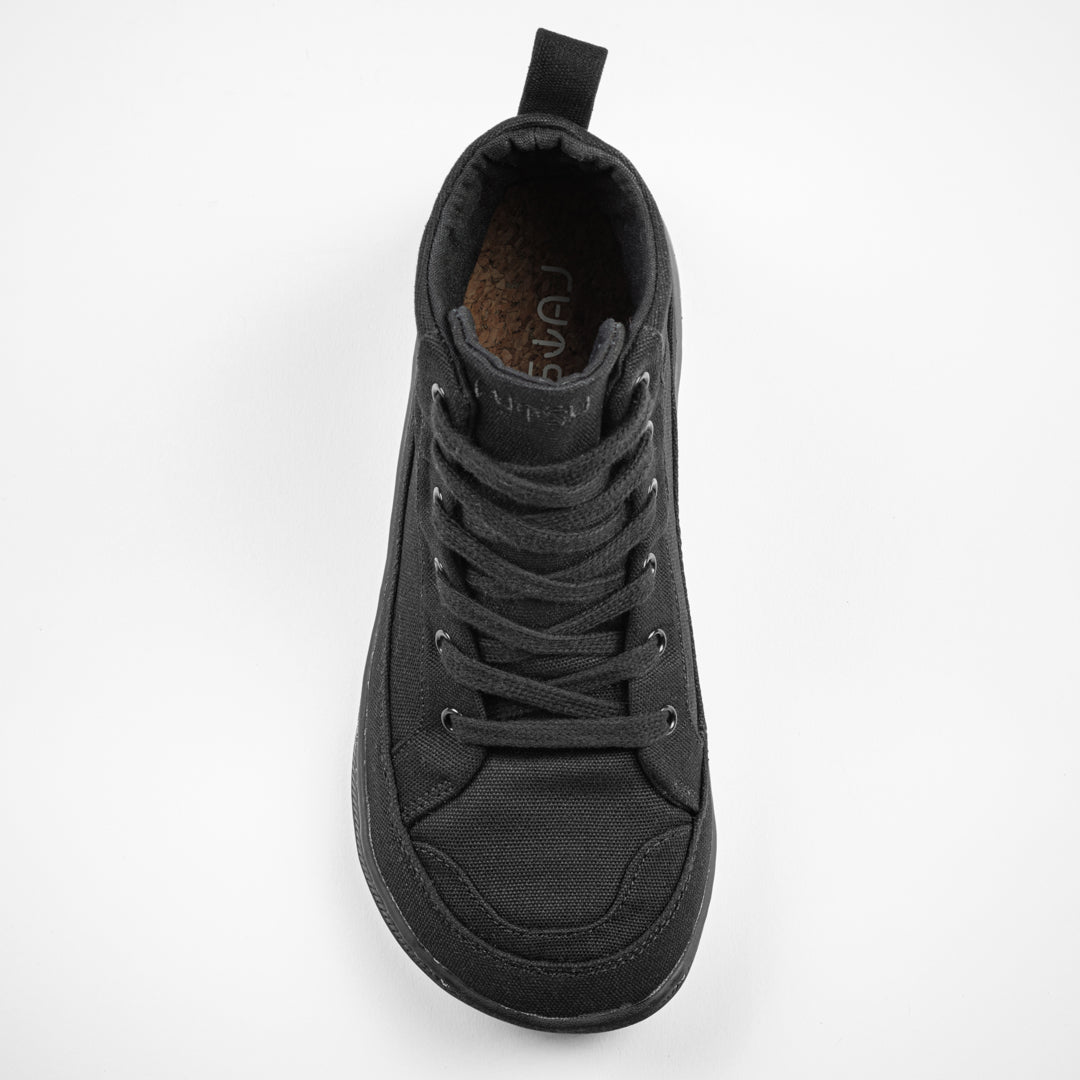
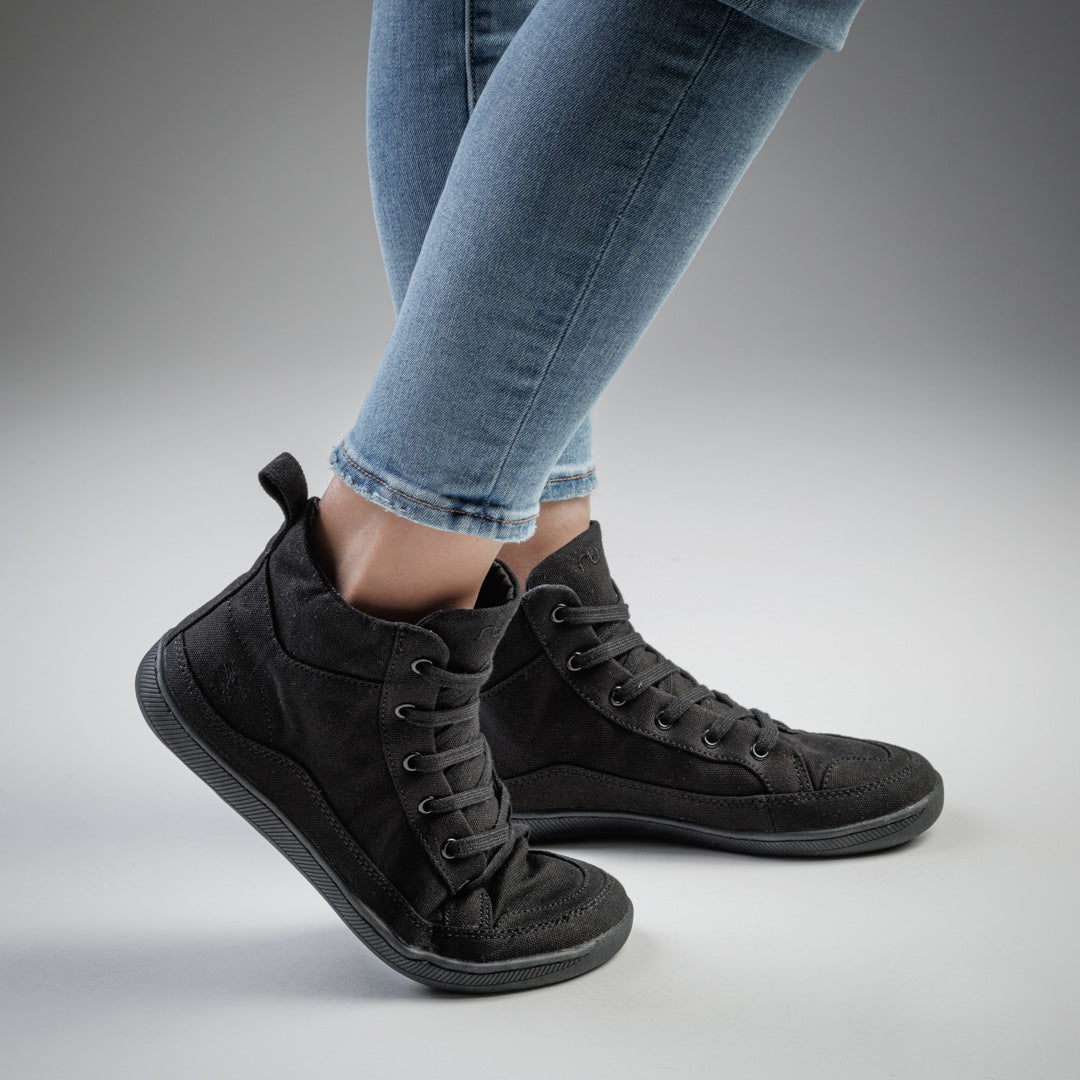
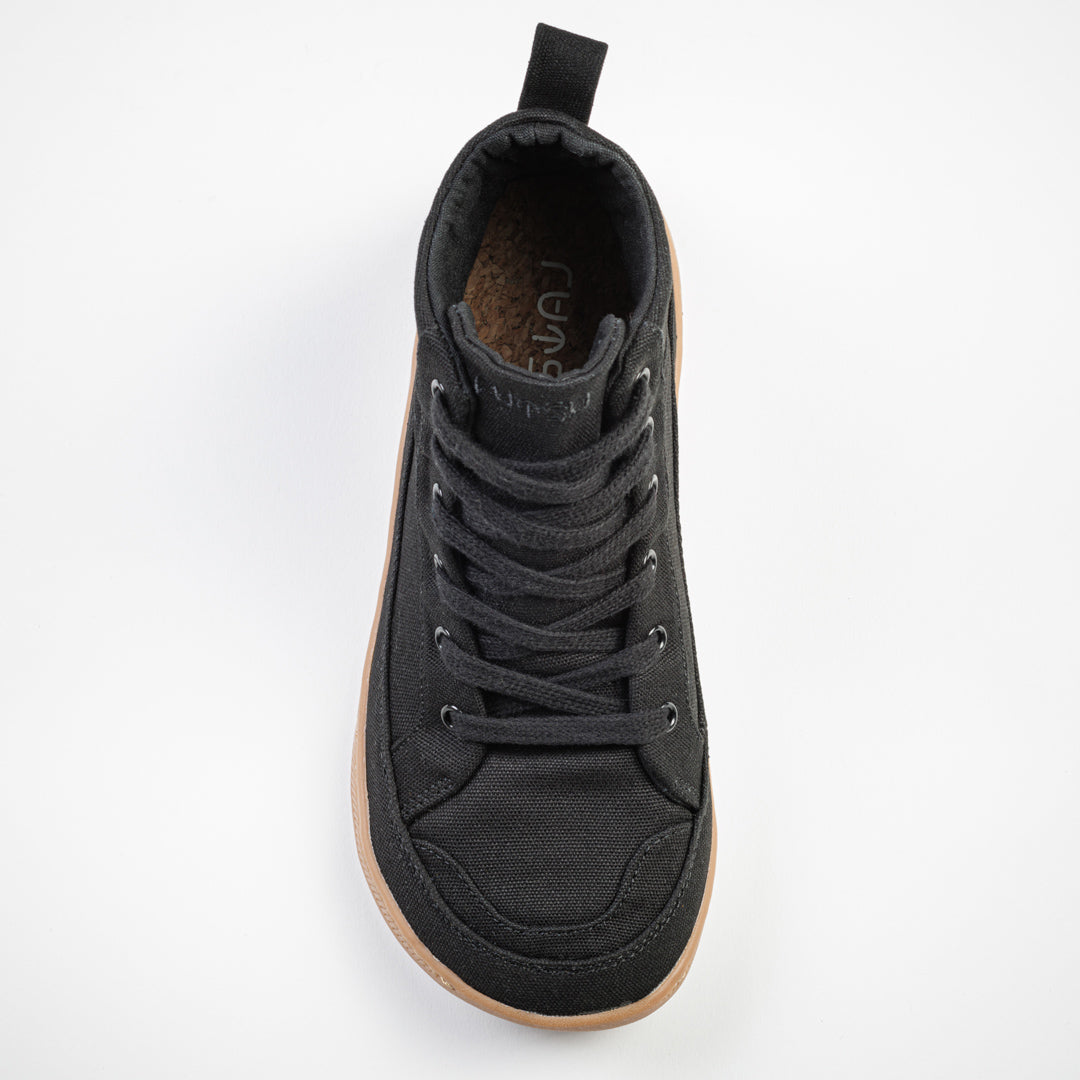
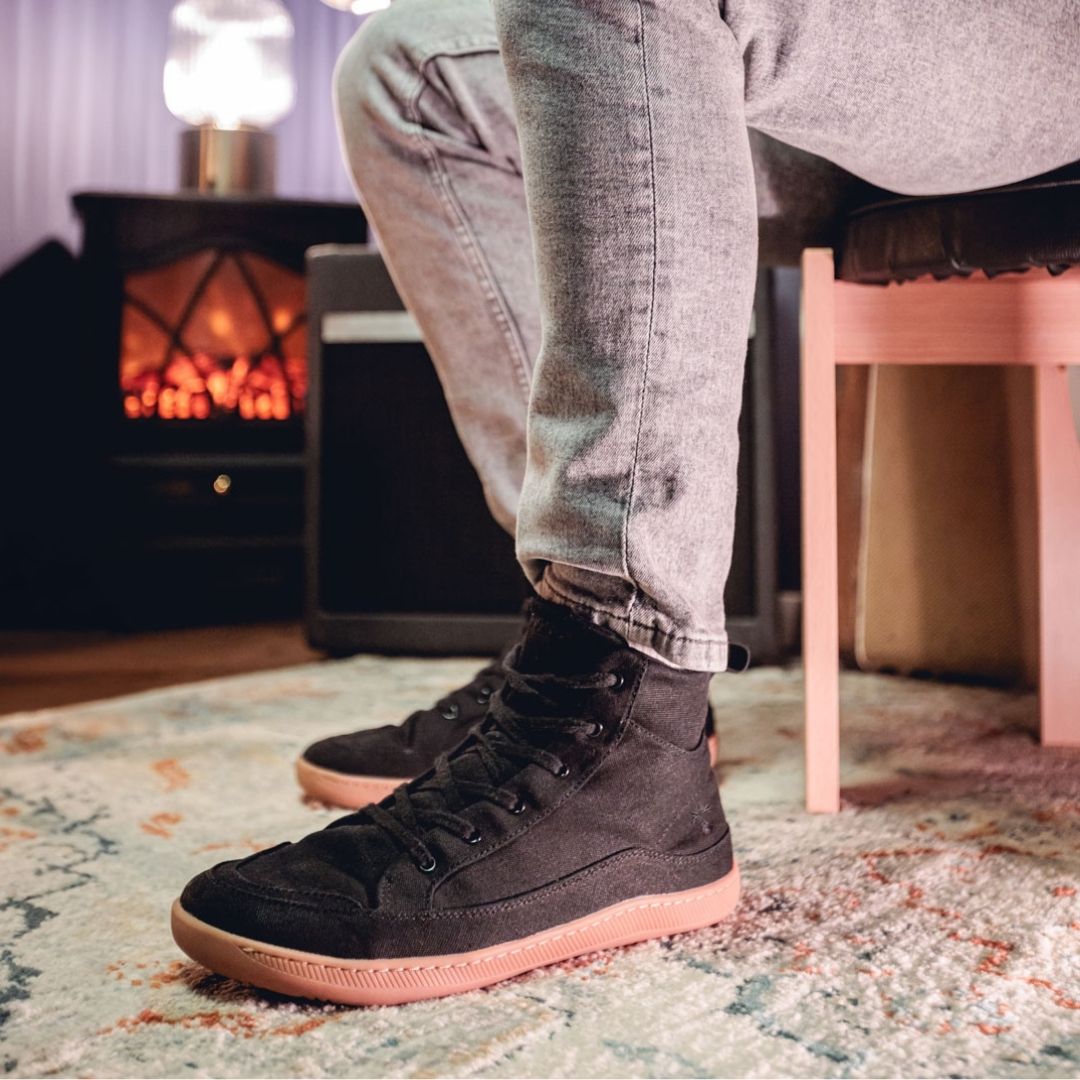
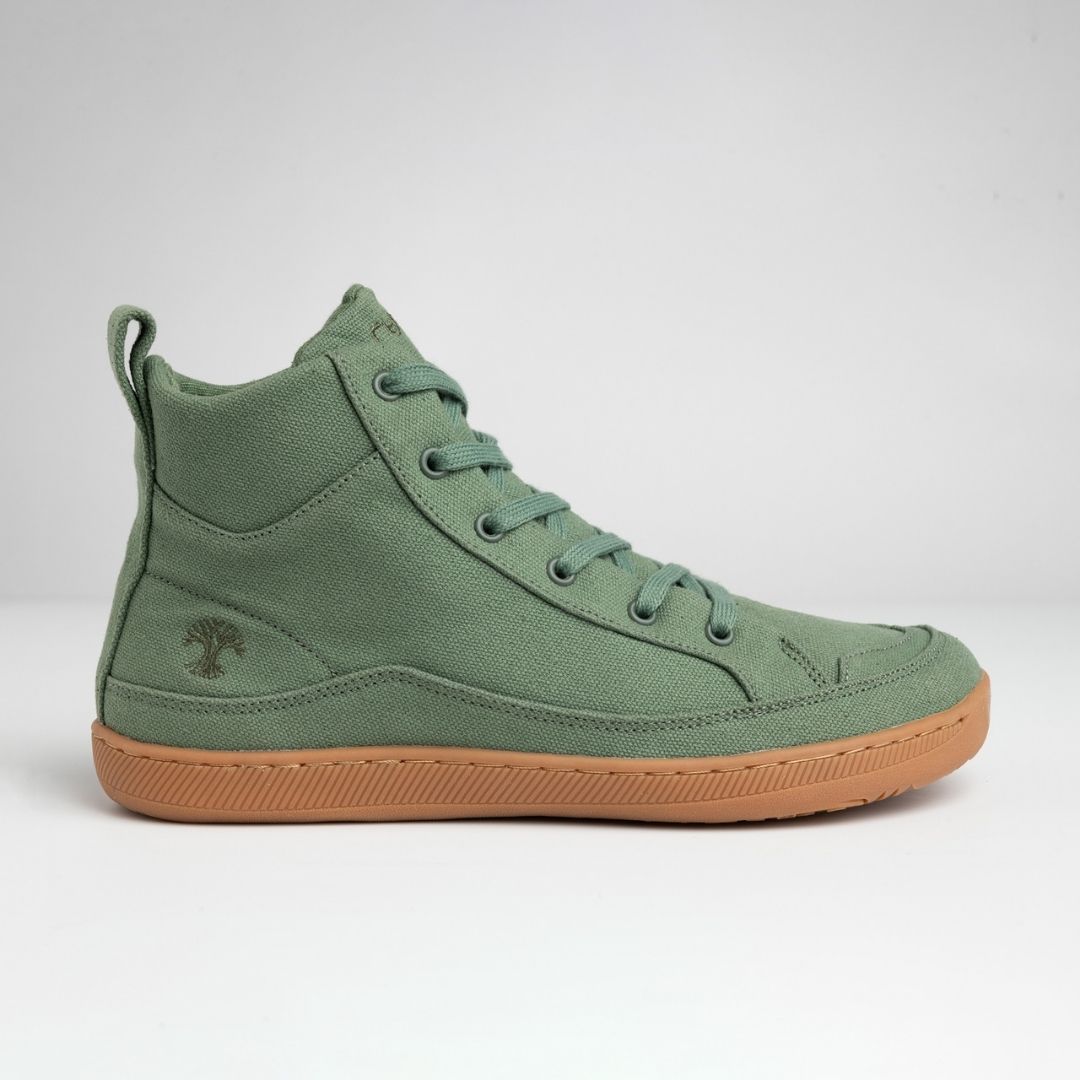
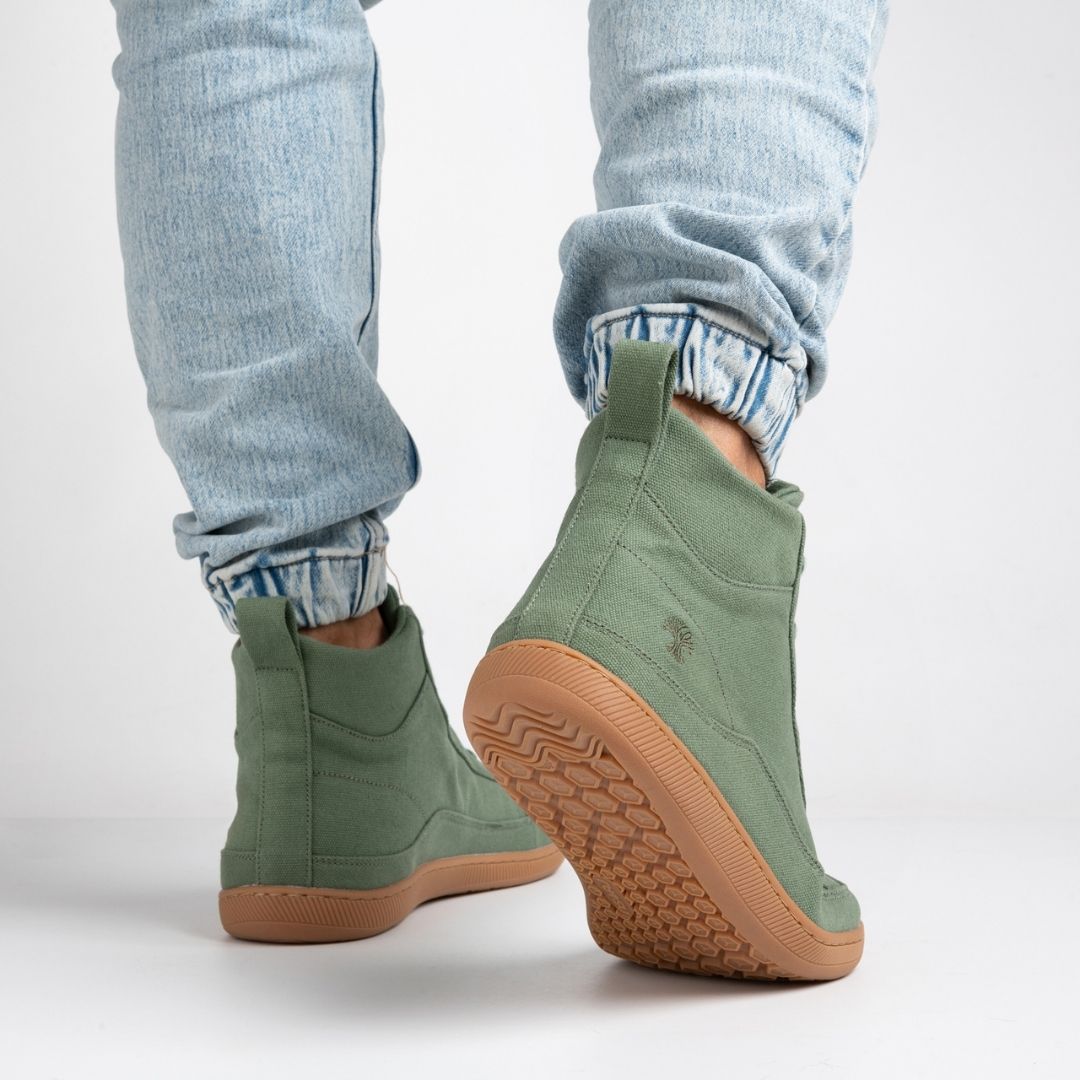
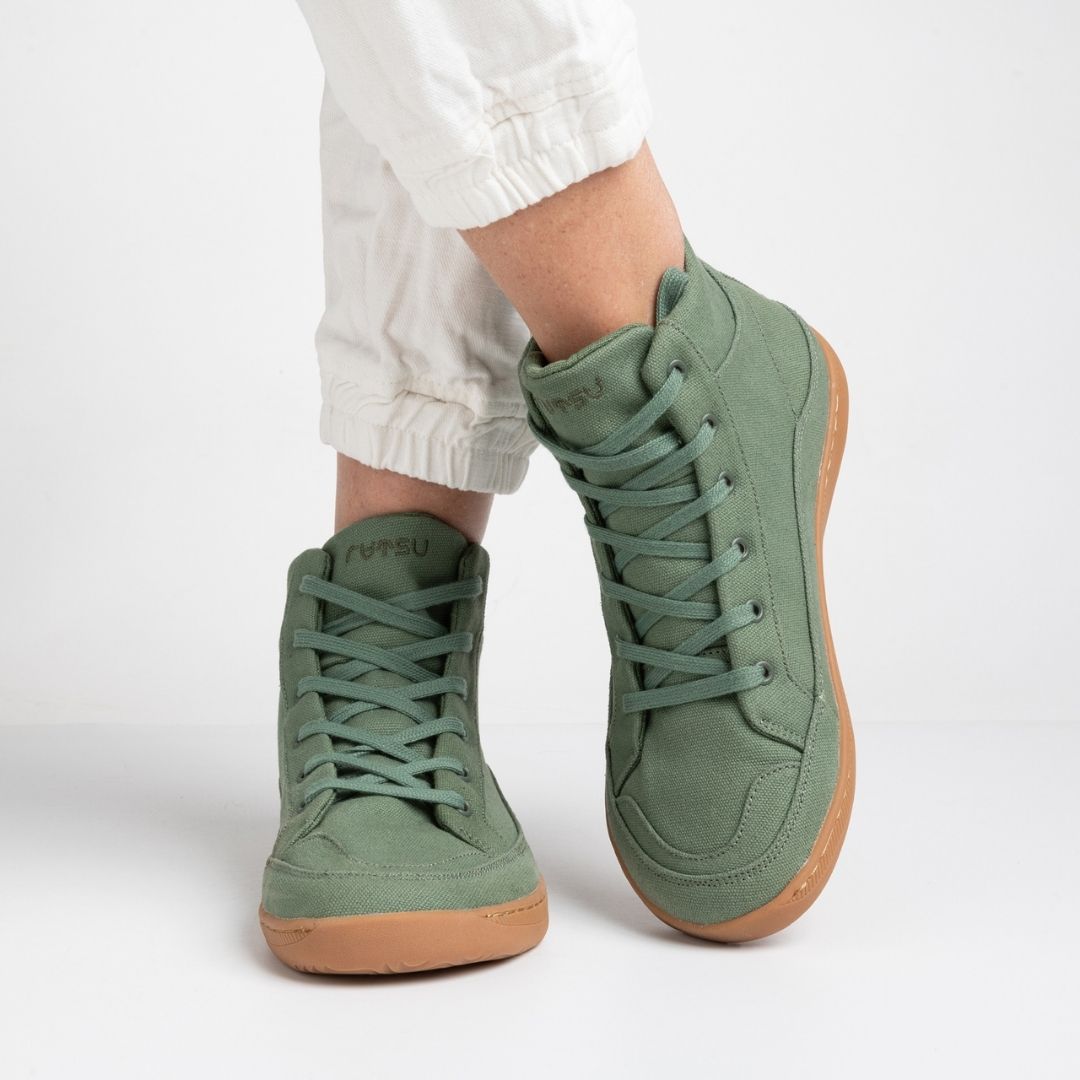
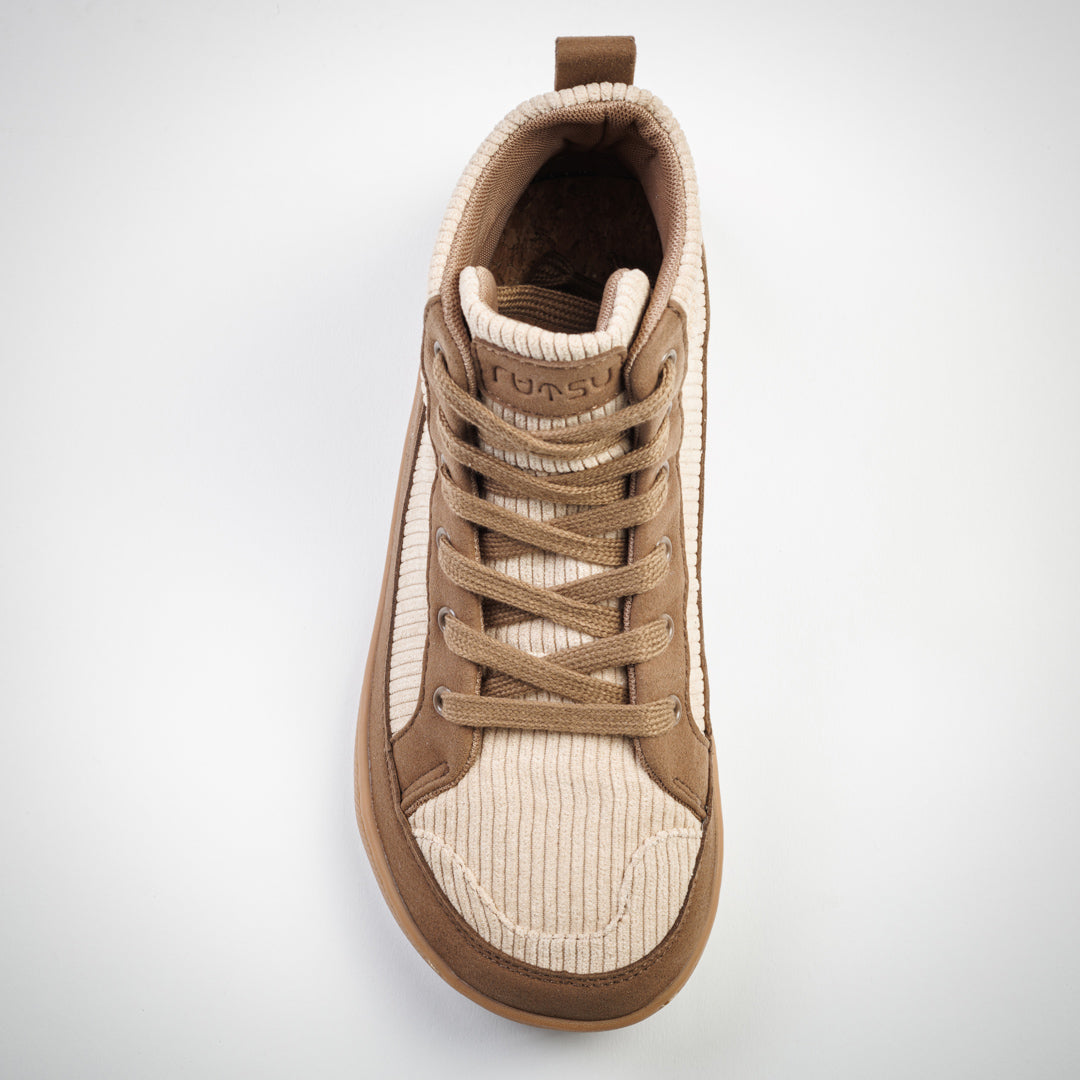
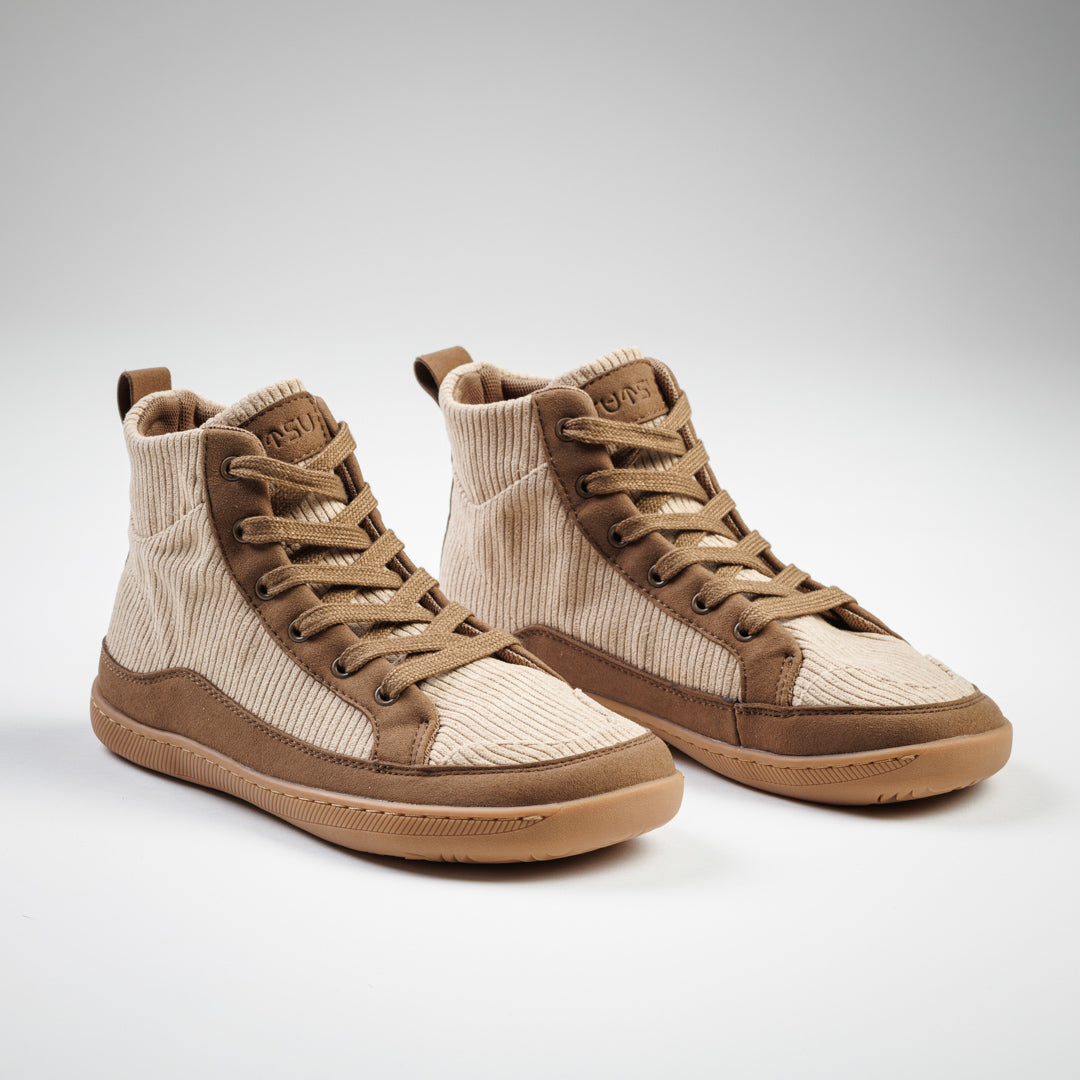
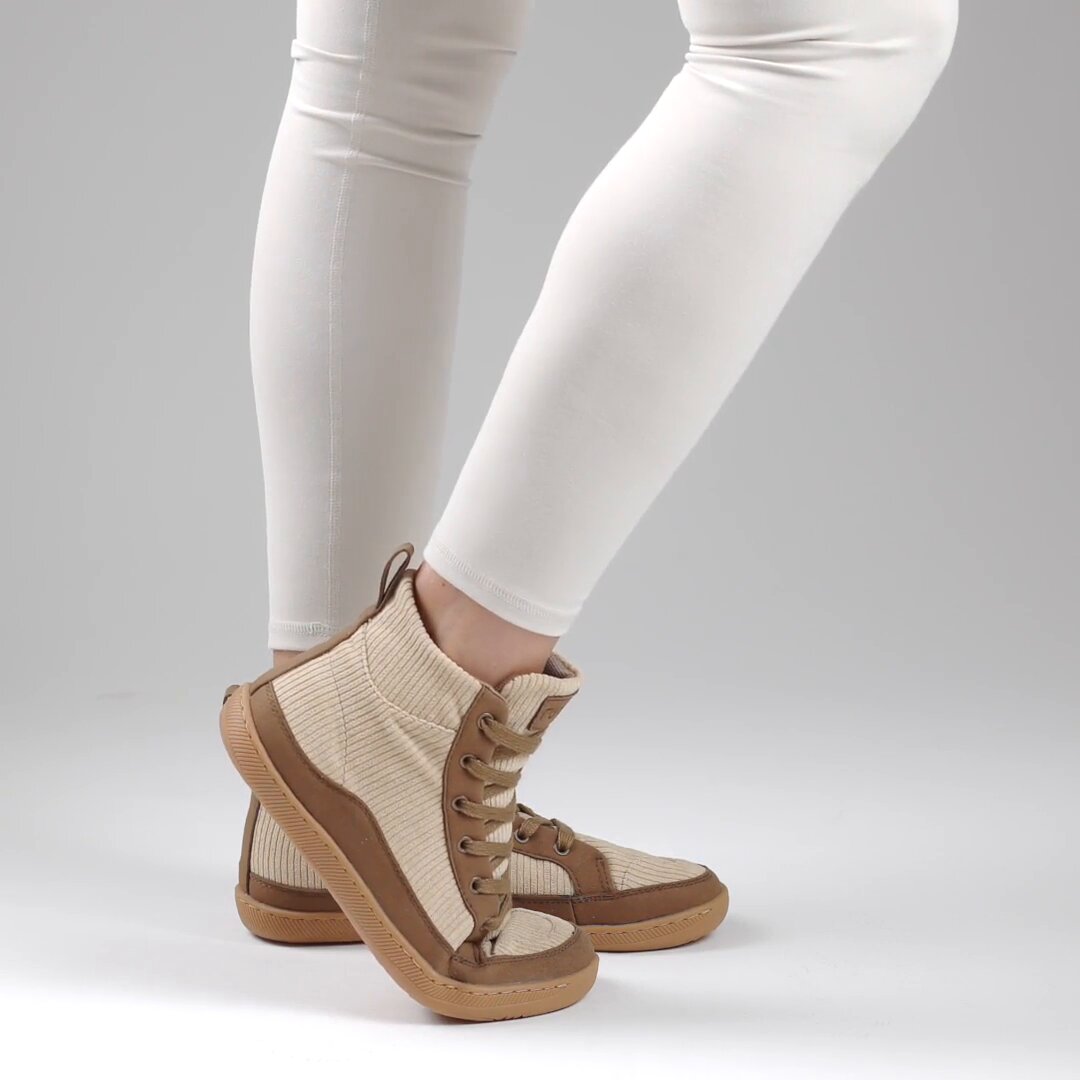
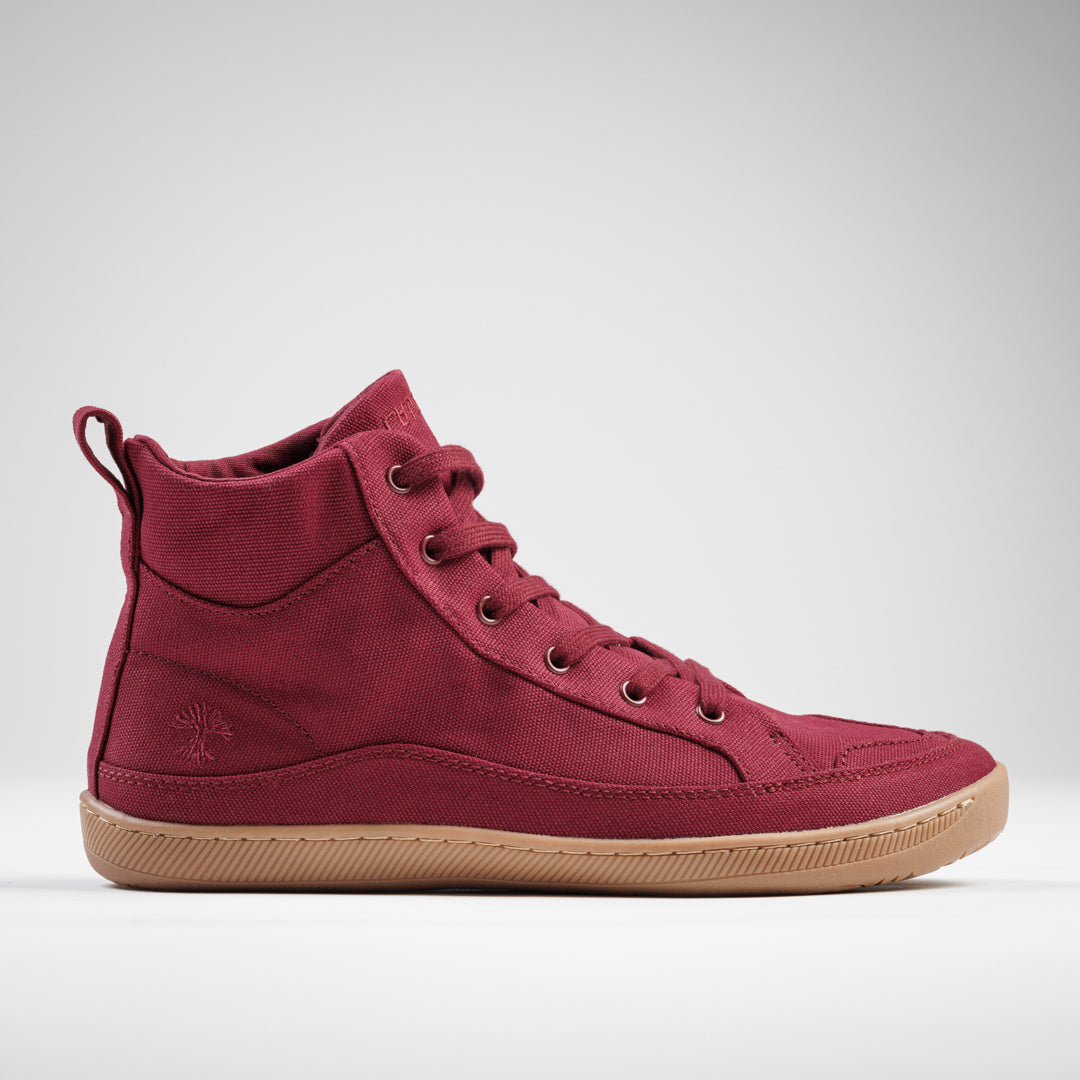
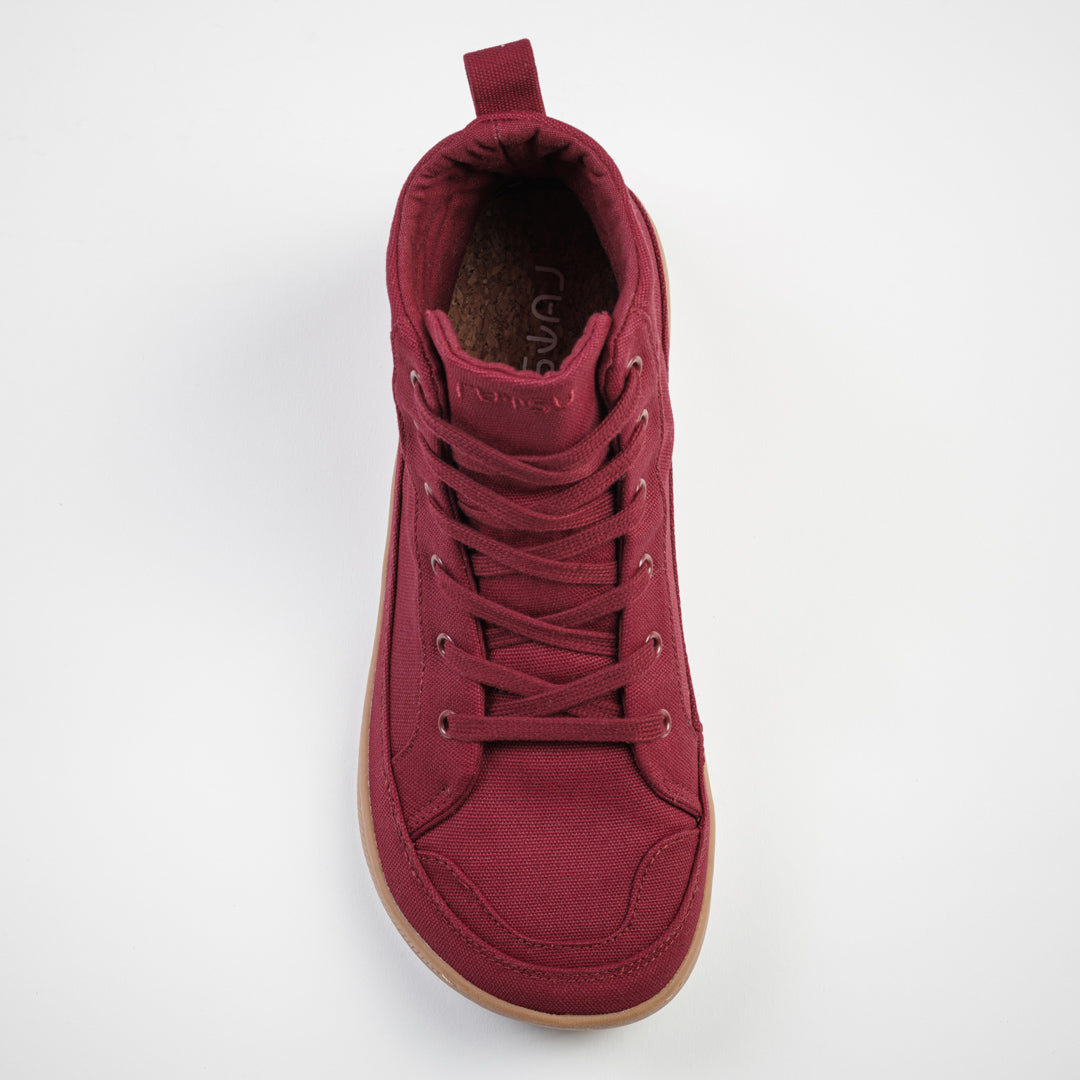
Rutsu's breathable barefoot sneakers were designed with exactly this problem in mind.
Interoception: The Underrated Sixth Sense Your Feet Help Build
Interoception is your body's ability to sense its own internal state. Hunger, heartbeat, tension, fatigue. It's the sense behind "gut feelings," and it plays a massive role in emotional regulation.
Your feet contribute to interoception more than most people realize. When they can feel temperature changes, texture shifts, and pressure variations, your brain gets richer data about where you are and how you're moving. That data feeds directly into body awareness. People who score higher on interoception tests tend to handle stress better and make more intuitive decisions. Wild, right?
Grounding, Earthing, and Why Conductive Soles Are Becoming a Quiet Subcategory
Grounding (or earthing) refers to direct physical contact with the earth's surface. The theory? Your body absorbs free electrons that act as antioxidants. The science is still emerging, but early studies point to reduced inflammation and improved cortisol rhythms.
Traditional shoes block this contact completely. That's why conductive soles are gaining traction (another pun, sorry). The Rutsu Earth grounded collection features soles designed to maintain that electrical connection with the ground. Whether you're a full convert or just earthing-curious, it's worth exploring.
The Surprising Effect on Hip Mobility, Glute Activation, and Pelvic Alignment
Your feet are the foundation of your kinetic chain. When they can't move freely, your ankles compensate. Then your knees. Then your hips. Before long, you've got tight hip flexors, dormant glutes, and a pelvis that's tilted forward.
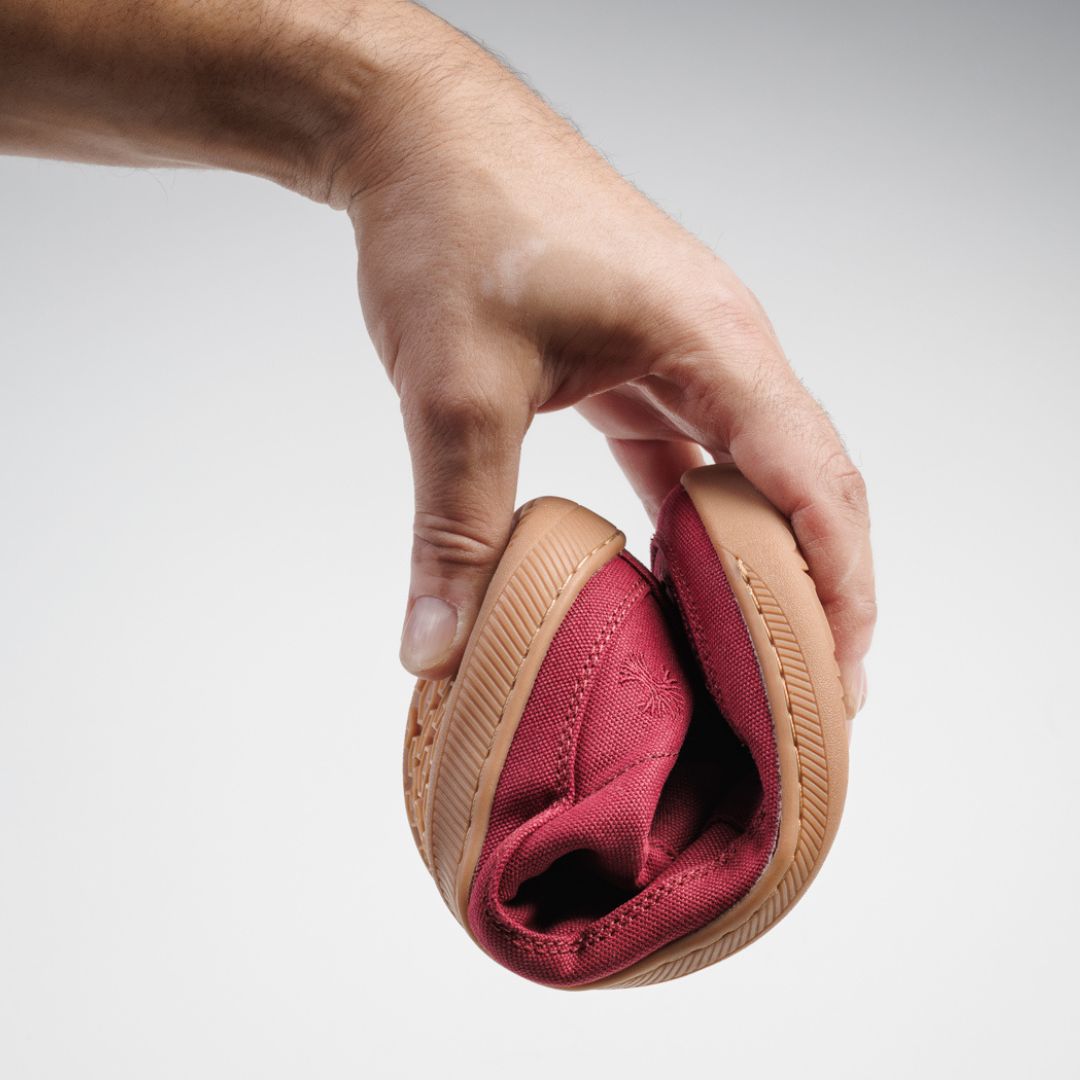
Barefoot shoes reverse this cascade. A zero-drop sole encourages a more neutral pelvic position. Your glutes start firing on walks again. Hip flexors gradually release. It's slow. It's subtle. And after a few months in everyday low-top barefoot shoes, most people can't believe the difference.
The Social and Behavioral Shifts: How Barefoot Wearers End Up Moving More Without Trying
Here's an odd side effect no one warns you about: you'll want to walk more. Barefoot shoe wearers consistently report choosing stairs over elevators, walking instead of driving short distances, and spending more time outdoors. It's not discipline. It's that walking actually feels good again.
When movement stops being a chore and starts being a sensory experience, your behavior shifts without willpower. You might catch yourself choosing a gravel path over a sidewalk just because the texture is interesting. That's your feet waking up. Grab a pair of Rutsu's breathable barefoot sneakers and see how long it takes before your step count climbs on its own.
FAQs
Can barefoot shoes actually improve sleep quality, or is that a stretch?
It's not a stretch. Better sensory input during the day helps your nervous system downregulate at night. Many wearers report falling asleep faster and sleeping more deeply after switching.
Do barefoot shoes help reduce anxiety or stress through nervous system regulation?
Yes. By allowing natural foot movement, barefoot shoes reduce the low-grade stress signals that rigid footwear sends up your kinetic chain. The result is a calmer baseline for your nervous system.
Are the cognitive and balance benefits of barefoot shoes backed by real research?
They are. Studies on proprioception and gait show that thinner, more flexible soles improve balance markers and reduce the cognitive effort of walking. Research in older adults is especially promising.
Will barefoot shoes change how my hips, knees, and core feel after a few months?
Most people notice looser hips, more active glutes, and better posture within 8 to 12 weeks. The zero-drop sole encourages a neutral pelvis, which rebalances the entire chain.
Is "grounding" through conductive barefoot soles a real benefit or a wellness trend?
It's somewhere in between. Early research shows measurable effects on inflammation and cortisol. It's not a cure-all, but the science is more legitimate than skeptics suggest.
Do the hidden benefits of barefoot shoes apply to kids and older adults too?
Absolutely. Kids develop stronger arches and better balance. Older adults reduce fall risk. Both groups benefit from the sensory feedback that conventional shoes block.