

Shoes off. Grass under your toes. That was childhood, and nobody questioned it.
Then somewhere around adulthood, bare feet became almost scandalous. You need arch support! You need cushioning! Walk around without shoes and people look at you like you've lost your mind.
So is it healthy to walk barefoot, or is this just a wellness trend with good marketing? The honest answer sits somewhere in the middle, and it depends on factors most articles conveniently leave out.
Let me walk you through what we actually know. And what we don't.
What Happens to Your Feet When You Walk Barefoot Every Day
Your feet contain roughly 200,000 nerve endings. That's not a typo. And for most adults, those nerve endings spend the entire day sealed inside cushioned shoes, receiving almost zero direct input from the ground.
Start going barefoot and that changes quickly.
The small intrinsic muscles running through your toes and arches begin firing in ways they haven't in years. Maybe decades. Here's an analogy that helps: wearing thick-soled shoes is a bit like keeping your arm in a sling when nothing is broken. The support feels nice, but the muscles underneath slowly weaken from disuse.
Remove the sling and those muscles have to rebuild. Same idea with your feet.
Some people notice their toes gradually spreading wider. Others report feeling more stable during everyday movement. A fair number just feel achy at first, which tends to fade as the feet adapt.
None of this happens overnight. If your feet spent 20 years in conventional shoes, they won't transform in 20 days. Patience matters here more than enthusiasm.
The Science Behind Barefoot Walking and Natural Foot Mechanics
Research into barefoot movement has grown over the past decade, and a few patterns keep showing up across studies. Populations that habitually go without shoes tend to have wider feet, more arch flexibility, and stronger foot musculature compared to groups that wear shoes from a young age.
That part seems fairly well supported.
The gait question is where things get more nuanced. Most modern shoes feature a raised heel, even casual sneakers. That elevation tends to promote a heel-strike walking pattern, which sends impact force up through the ankle and knee with each step. Barefoot walkers often shift toward landing on the midfoot or forefoot, which may distribute that force differently.
I want to be straight with you, though. "May" carries a lot of weight in that sentence. The available research points in encouraging directions, but the body of evidence isn't large enough to make definitive claims. We're seeing consistent signals, not settled conclusions.
Anyone who tells you the science is 100% clear on this? They're overselling it.
Surprising Health Benefits of Walking Without Shoes
Beyond foot-level changes, a few other potential benefits keep coming up in both research and personal reports. I'll share what we know and flag where the evidence gets thin.
Balance and body awareness may improve. Proprioception, your body's ability to sense its position in space, depends heavily on sensory feedback from your feet. More direct ground contact means more data reaching your brain. For older adults, better balance can be genuinely meaningful. Falls are a leading cause of injury after 65, so anything that sharpens spatial awareness deserves attention.
Some people report feeling less stressed. There's a concept called "earthing" that suggests direct skin contact with natural ground may influence stress hormones. Honestly? The scientific evidence here is limited and not yet conclusive. But plenty of people describe feeling calmer after walking barefoot on grass or soil. Whether that's a physiological response or simply the relaxation of being outdoors is still an open question.
Toes regain mobility. This one's more straightforward mechanically. Narrow shoes compress toes into cramped positions over time. Going barefoot lets them spread and grip naturally. Whether that helps prevent or improve conditions like bunions is harder to say with certainty, but giving toes room to move seems like common sense at minimum.
Not everyone will experience these benefits equally. Bodies respond differently, and that's worth repeating.
Barefoot Walking on Grass vs. Sand vs. Concrete: How Surface Matters
One thing people overlook? Where you walk barefoot matters as much as whether you walk barefoot.
Grass is the gentle introduction. Low impact, soft landing, mild sensory stimulation. If you're brand new to this, grass is your friend. Just watch where you step. Broken glass, thorns, and the occasional fire ant hide in grass better than you'd think.
Sand is deceptively tough. Especially the dry, loose kind you find above the tide line. Your ankles, calves, and small stabilizer muscles work hard on every single step. Packed wet sand near the water is much more forgiving, but dry sand? Twenty minutes and you'll feel muscles you forgot existed.
Concrete and asphalt are advanced territory. Zero cushion, zero forgiveness. Every pebble and temperature change registers immediately through your skin. If you're a beginner, hard surfaces will humble you inside of ten minutes.
My honest recommendation? Rotate. Different surfaces challenge different muscles and build more adaptable feet over time.
Risks and Dangers You Should Know Before Ditching Your Shoes
Skipping this section would be irresponsible. Barefoot walking has real risks, and pretending otherwise helps nobody.
Puncture wounds and cuts sit at the top of the list. Glass, sharp stones, rusted metal. Hot pavement in summer can cause burns faster than most people realize. These aren't theoretical concerns.
Parasitic infections come up frequently too, particularly in tropical climates or rural areas with contaminated soil. Certain parasites can enter through bare skin on the feet. This is uncommon in most developed urban environments, but it's a legitimate risk in specific settings.
The most common danger, though? Going too hard too fast. Transitioning from full-time shoes to full-time barefoot without a gradual buildup often leads to stress reactions in foot bones, Achilles tendon strain, or irritation of the plantar fascia. Your musculoskeletal system needs time to adjust. Skipping the transition is asking for trouble.
Who Should Avoid Walking Barefoot (and Why)
Let me be direct here. This isn't appropriate for everyone, and certain groups face elevated risk.
People with diabetes should exercise significant caution. Diabetic neuropathy reduces sensation in the feet, sometimes dramatically. A small cut, blister, or pressure sore can go completely unnoticed and escalate into a serious infection. For someone with compromised healing, that's a dangerous situation. Most medical professionals advise against barefoot walking for diabetic patients unless specifically cleared by their care team.
Anyone with peripheral vascular disease, open wounds on the feet, or a weakened immune system should consult their physician before trying barefoot movement. The same applies to individuals with structural foot conditions that rely on orthotic support for daily function.
Does a medical condition automatically disqualify someone permanently? Not necessarily. But self-diagnosing your way through this isn't smart. Get professional input first.
How Barefoot Walking Affects Your Posture, Knees, and Lower Back
Your feet sit at the very bottom of your body's kinetic chain. Whatever happens there ripples upward through ankles, knees, hips, and spine.
Some people report that chronic knee or lower back discomfort eases after transitioning to barefoot or minimalist movement. The general idea? Without a raised heel pushing alignment forward, the pelvis tilts differently and the lumbar spine may find a more neutral position.
That said, I want to flag something most barefoot enthusiasts gloss over. Years of wearing conventional shoes leave many people with shortened calf muscles, tight Achilles tendons, and restricted hip flexors. Jumping into barefoot walking before those tissues have loosened up can actually generate new pain rather than resolving existing problems.
A physical therapist or sports medicine professional can evaluate your specific movement patterns and tell you whether barefoot walking supports your goals or complicates them. That assessment is worth far more than any blog article, including this one.
Barefoot Shoes vs. Going Fully Barefoot: Which One Is Actually Better?
Completely bare feet make sense in certain situations. Your living room. A clean stretch of beach. Well-maintained grass in your backyard.
City sidewalks in February? A restaurant? Your office? Bare feet aren't practical, and sometimes they're not even allowed.
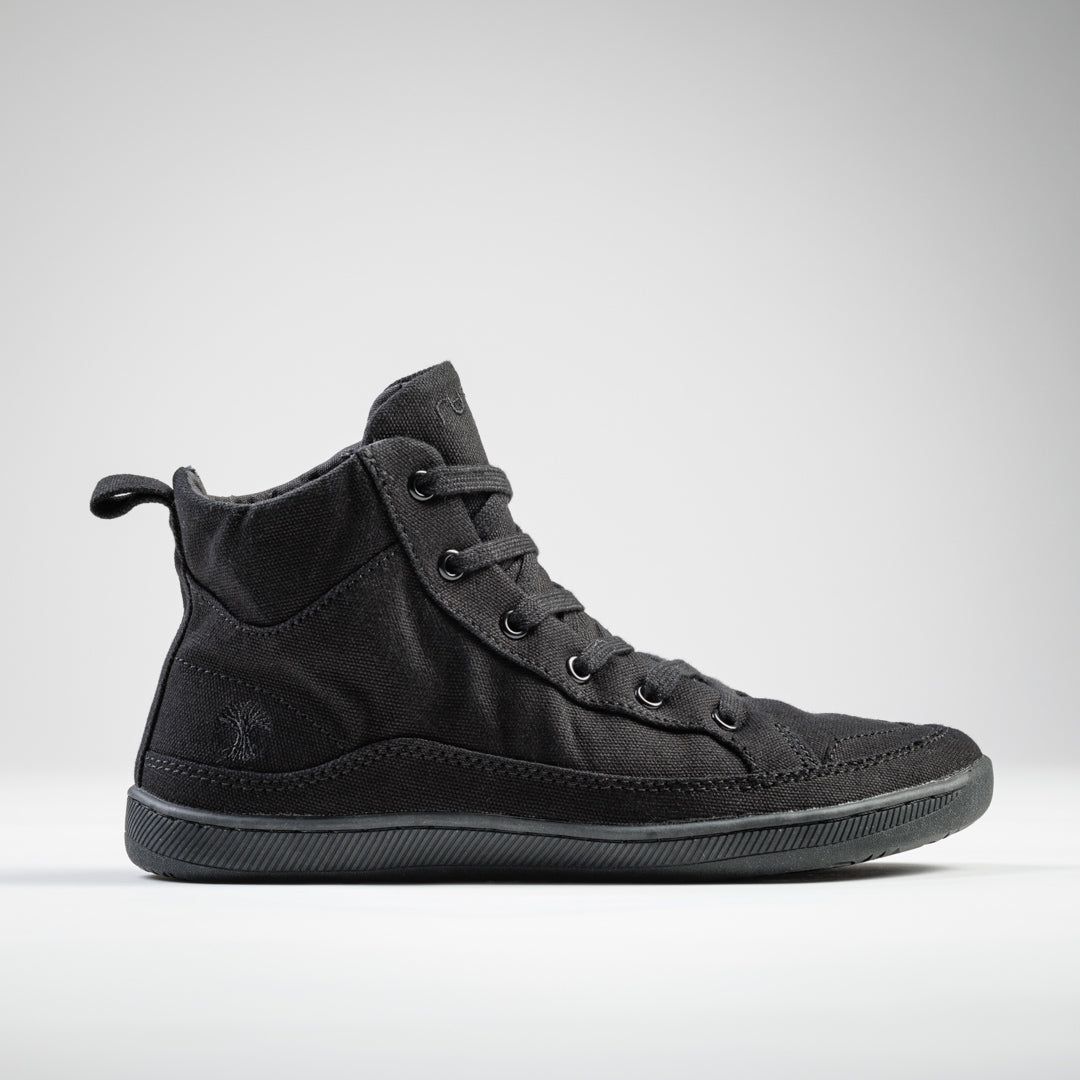
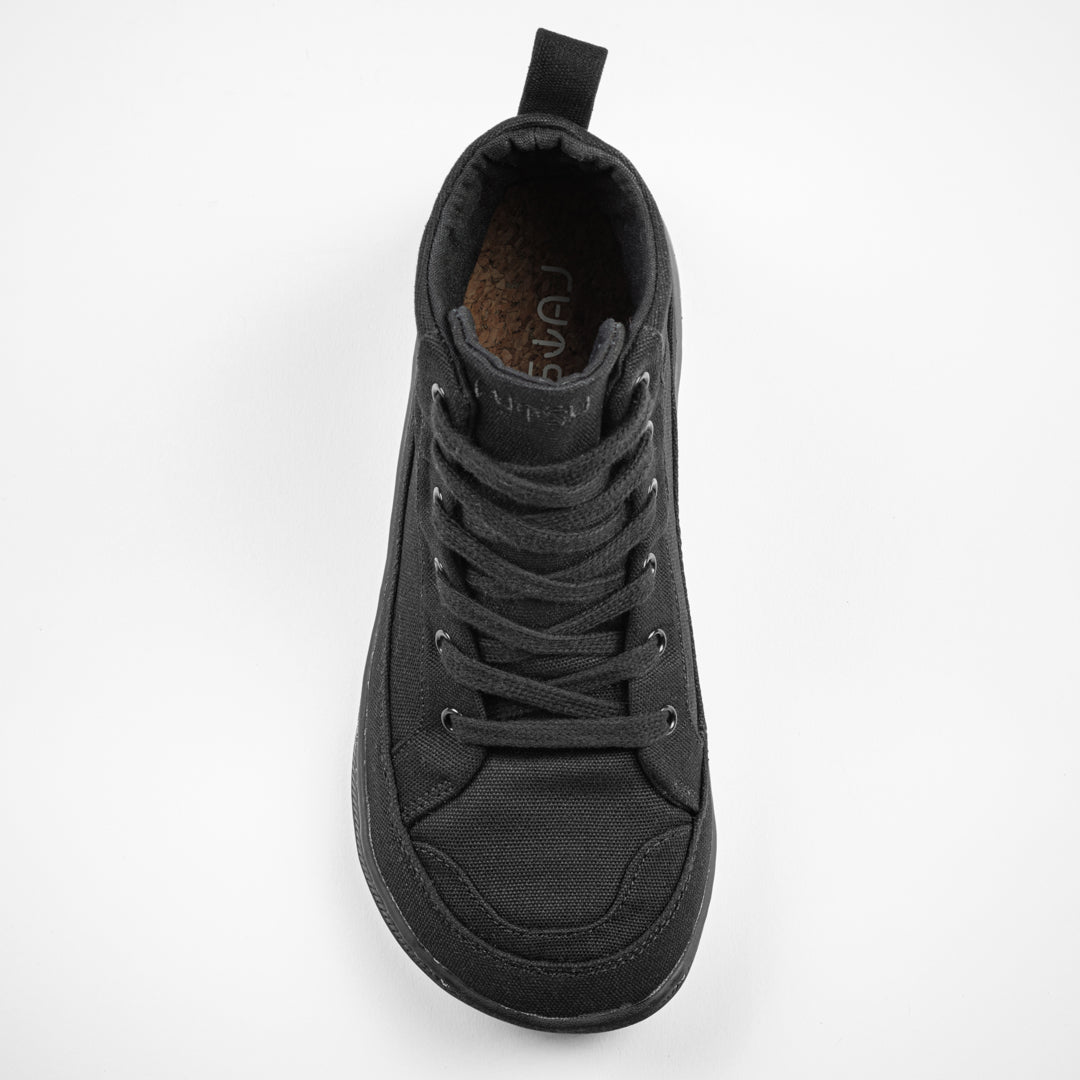
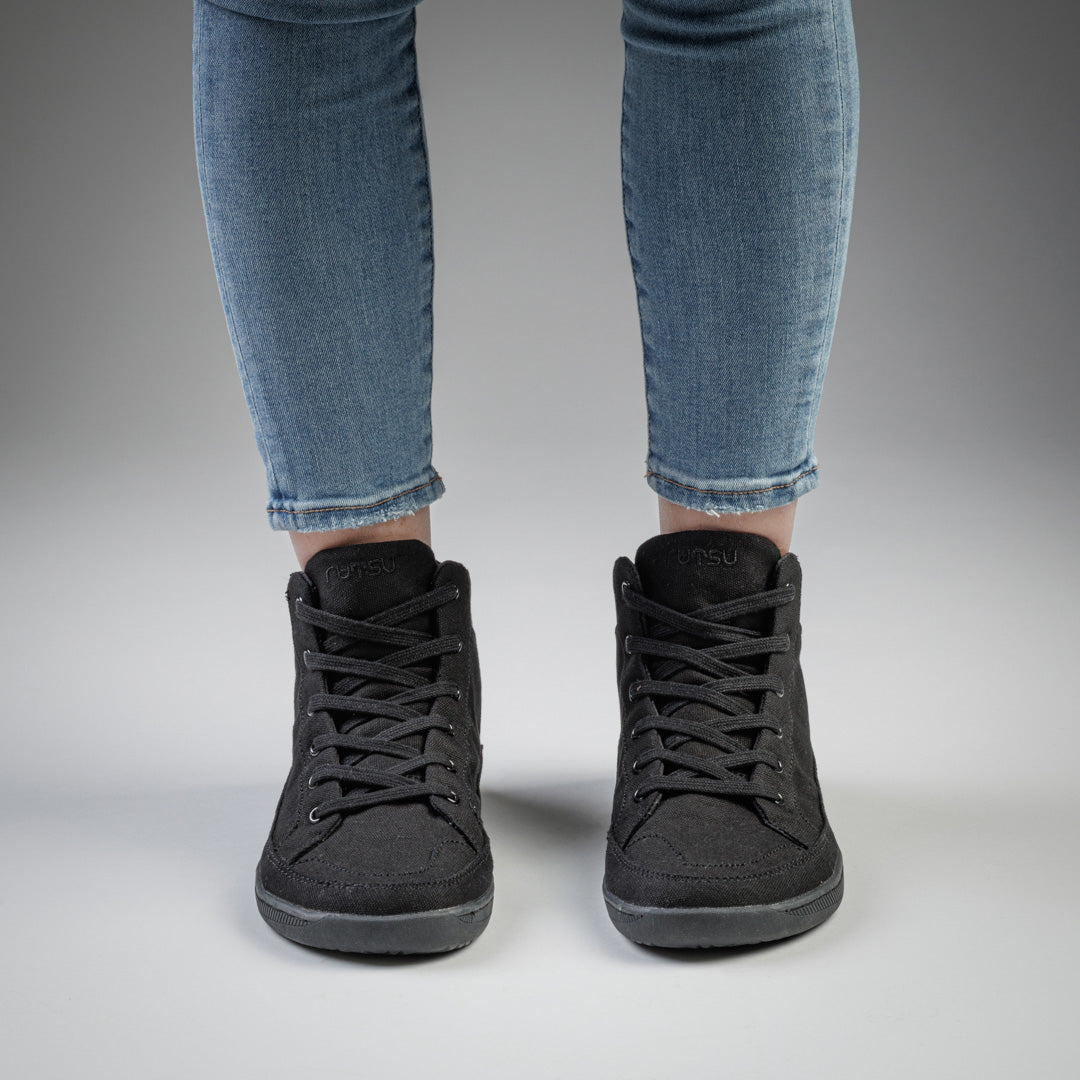
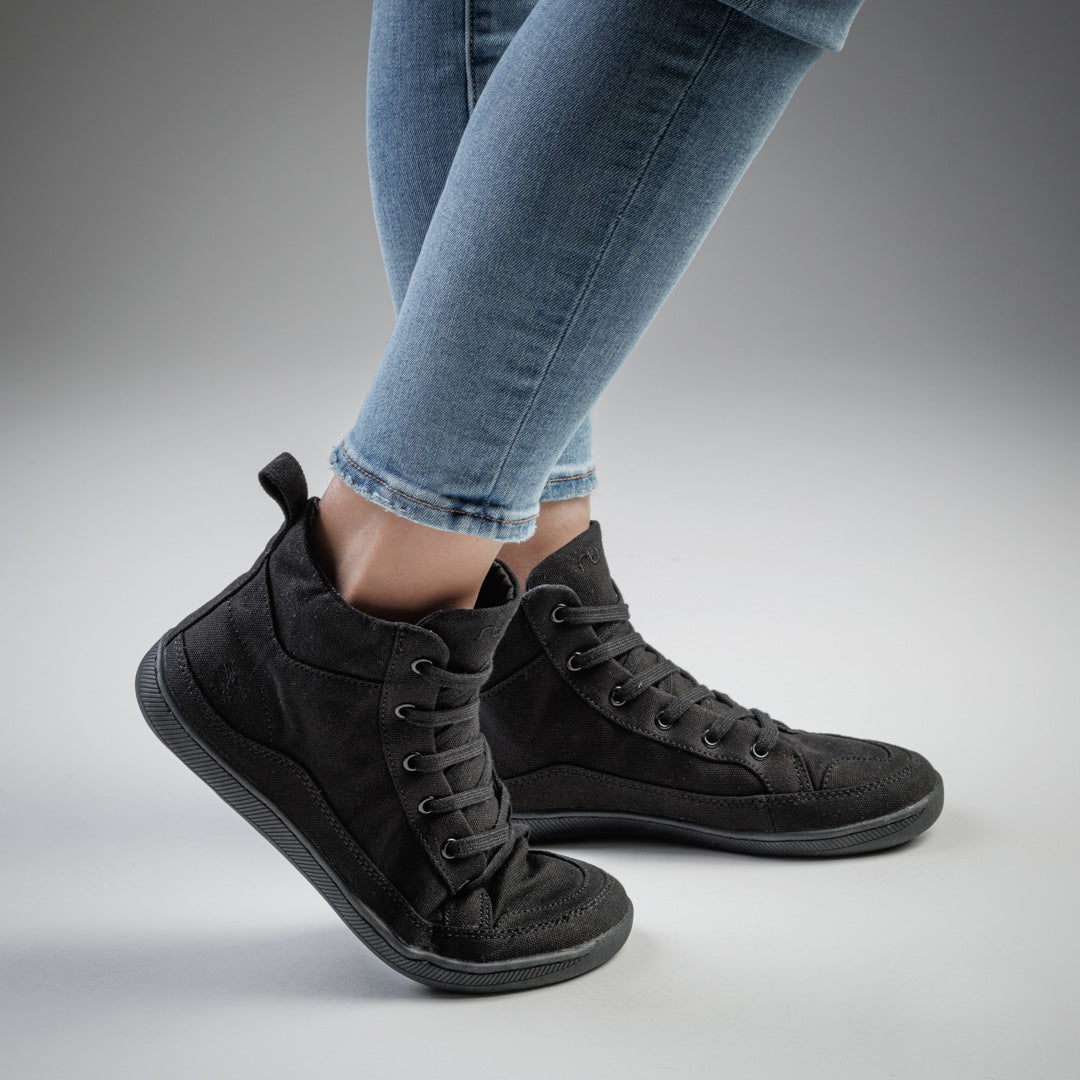
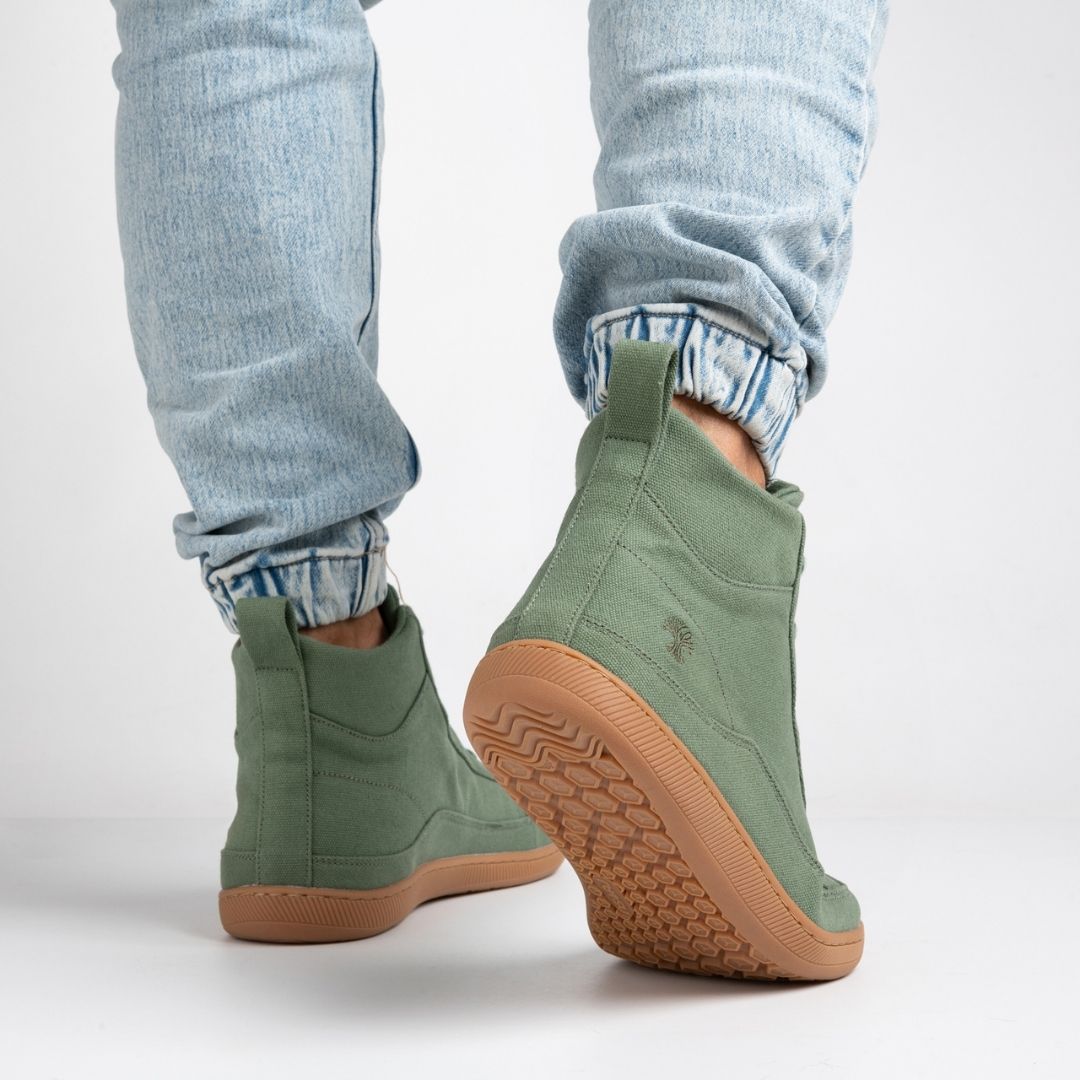
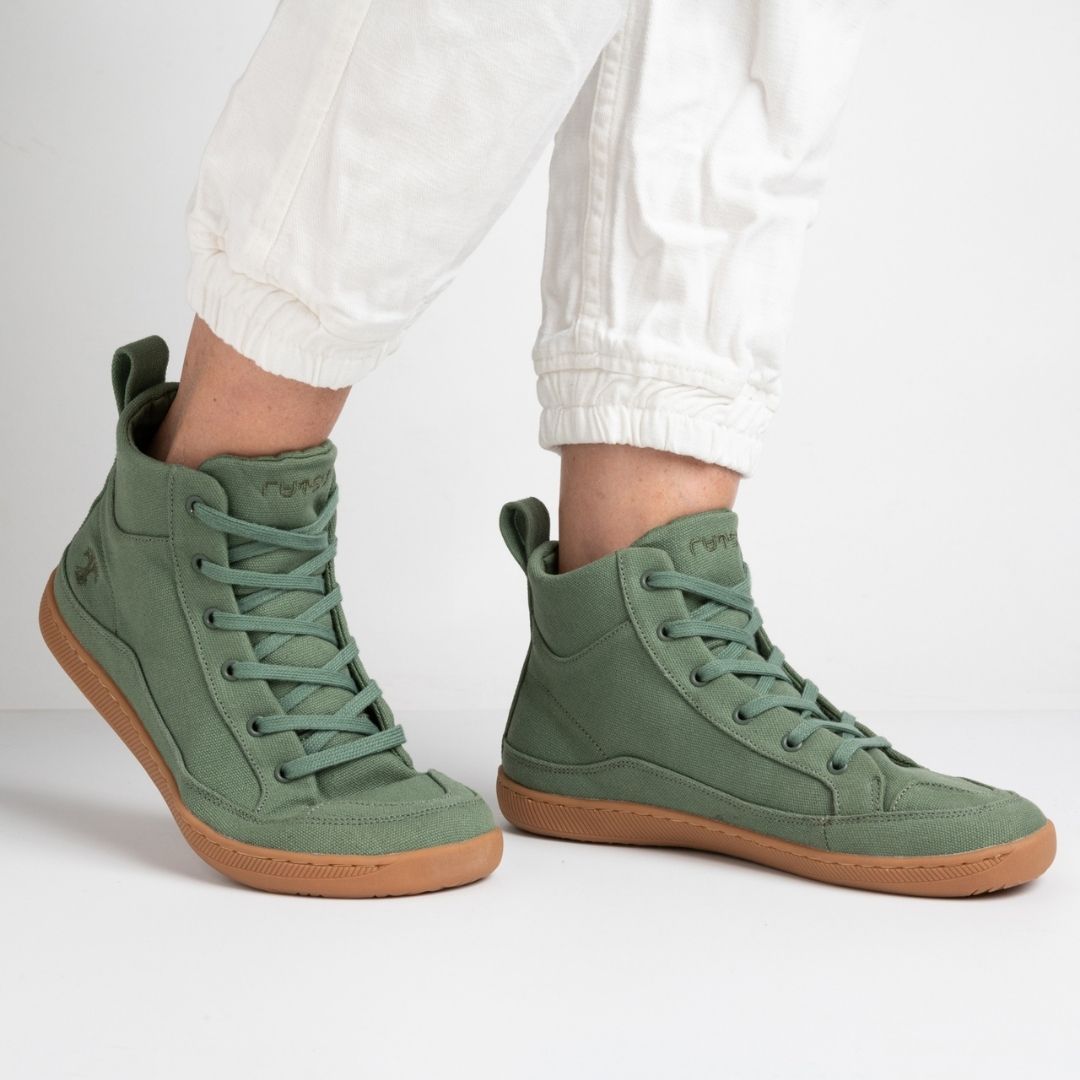
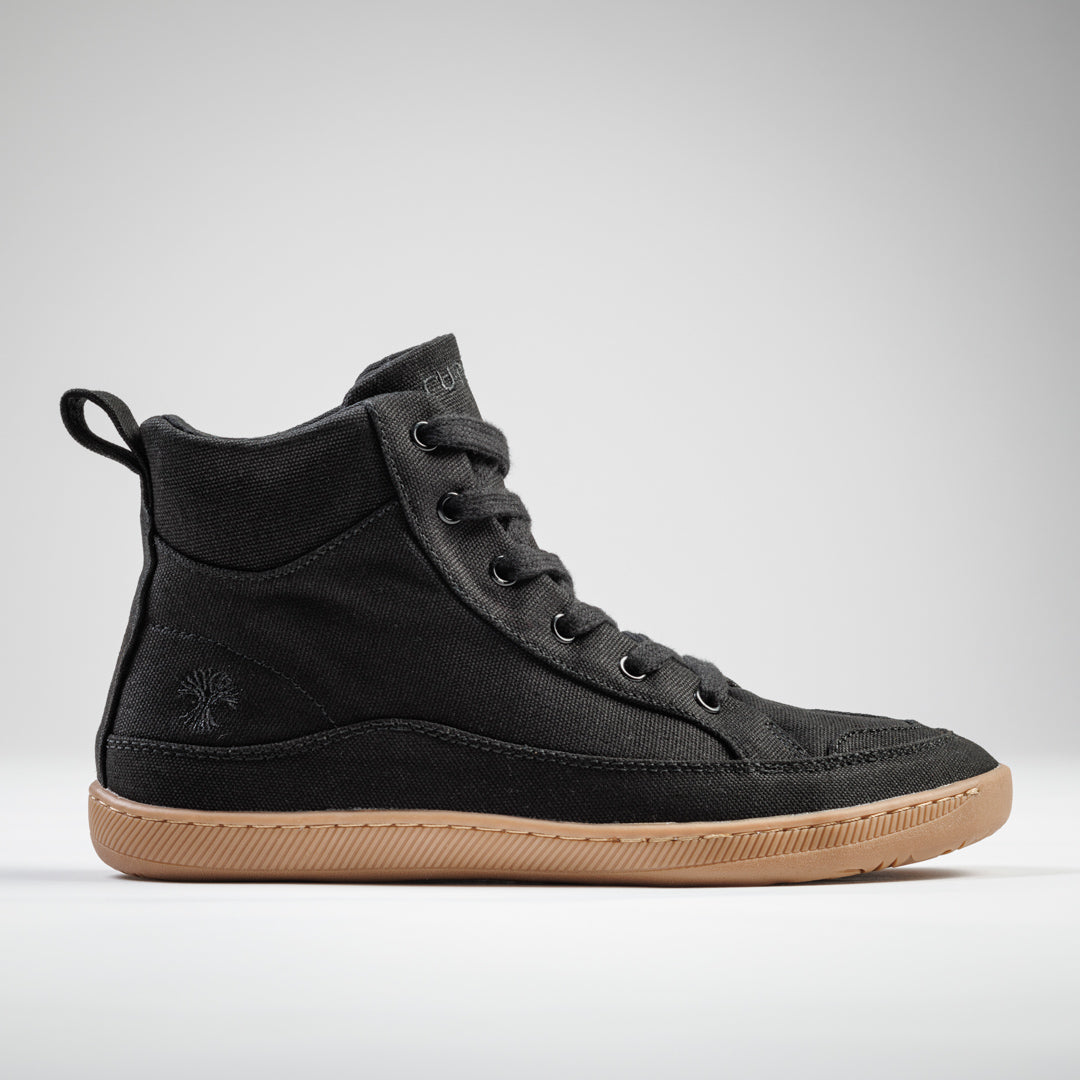
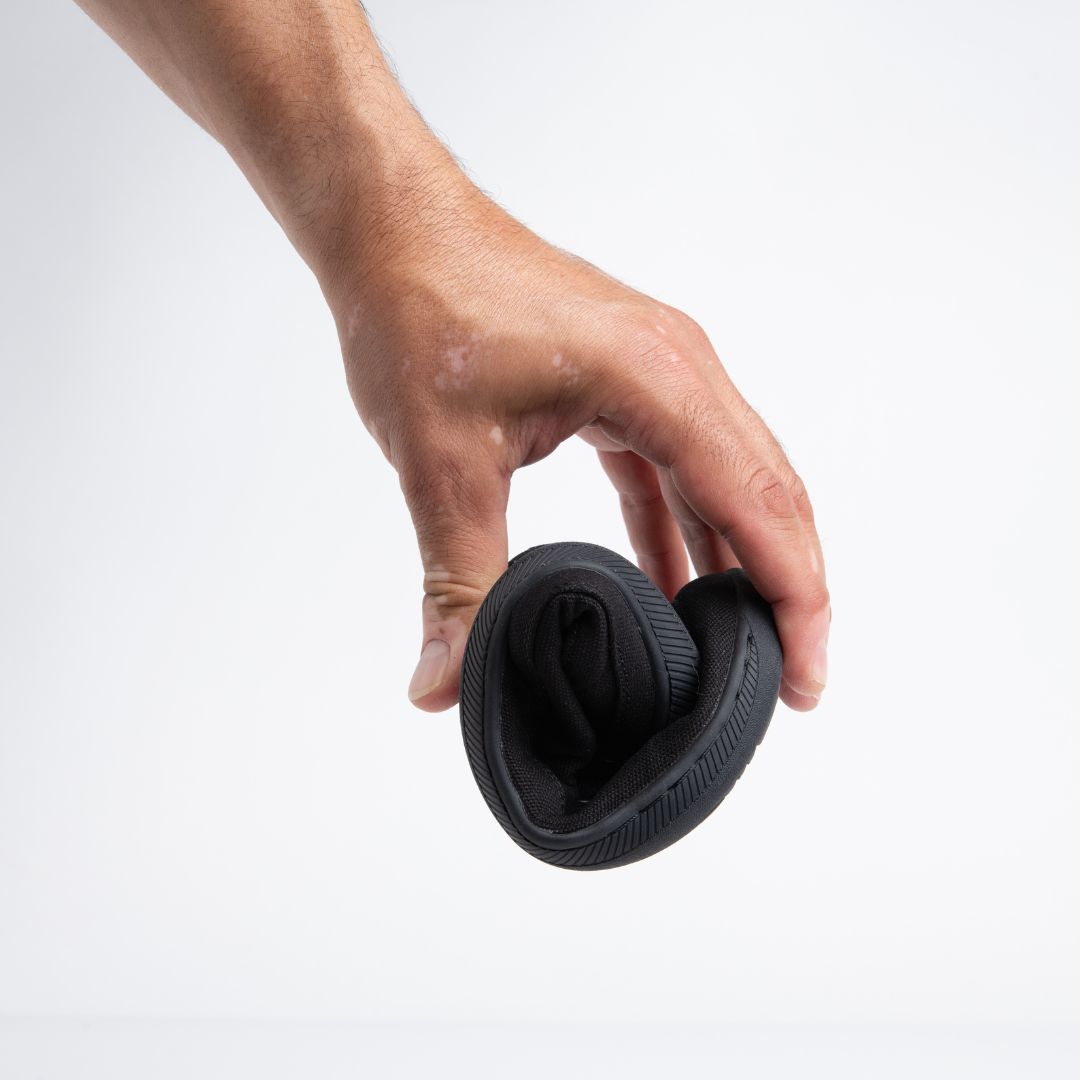
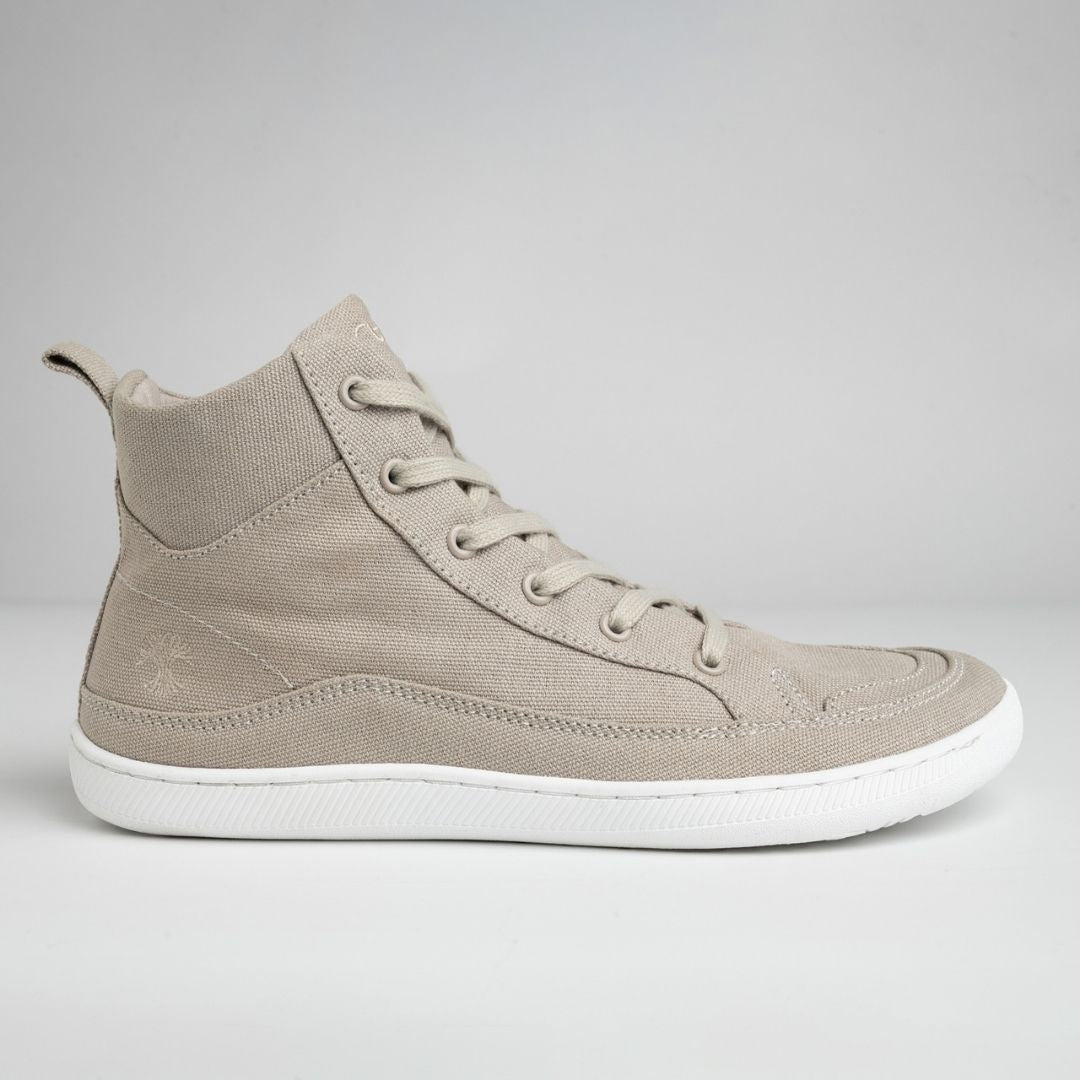
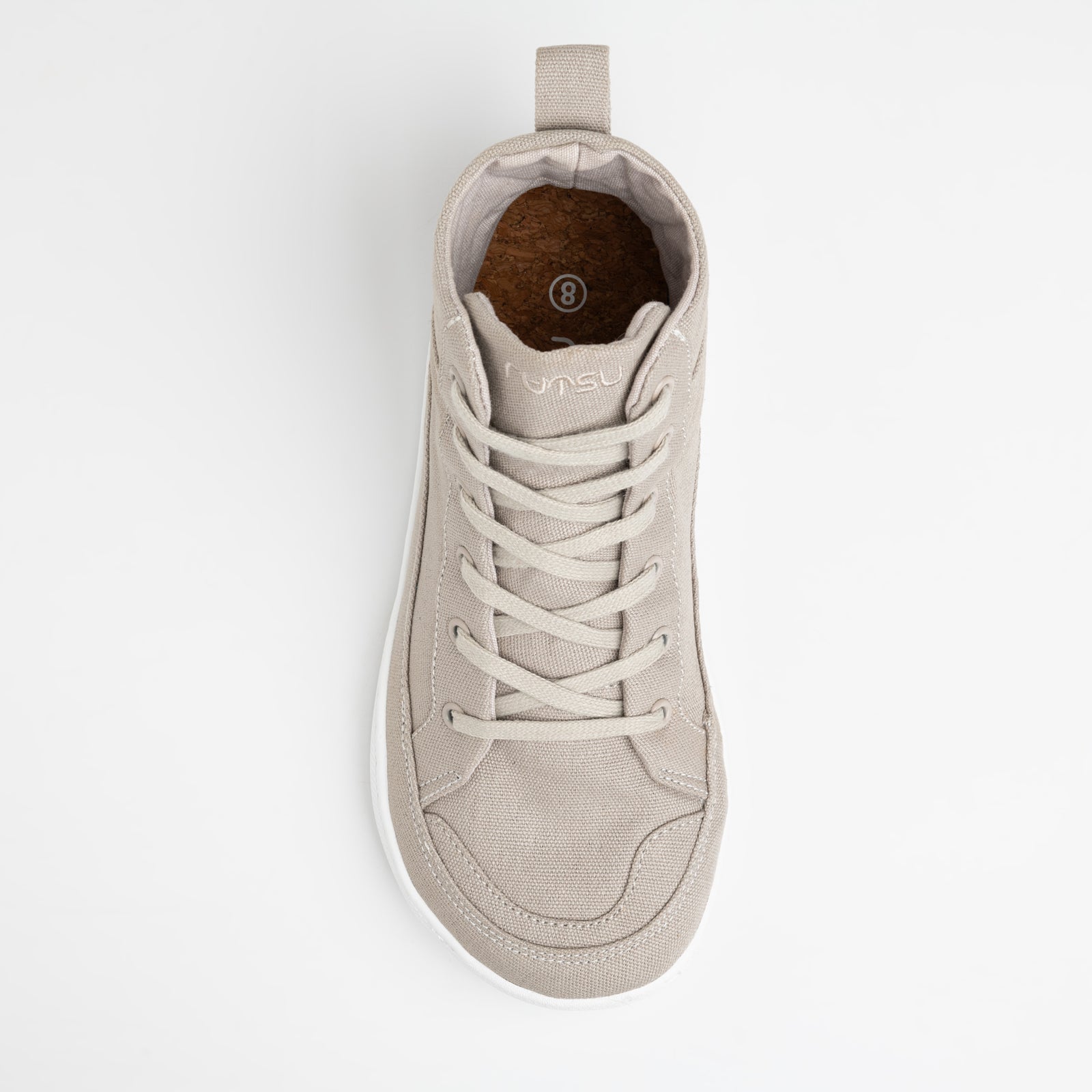
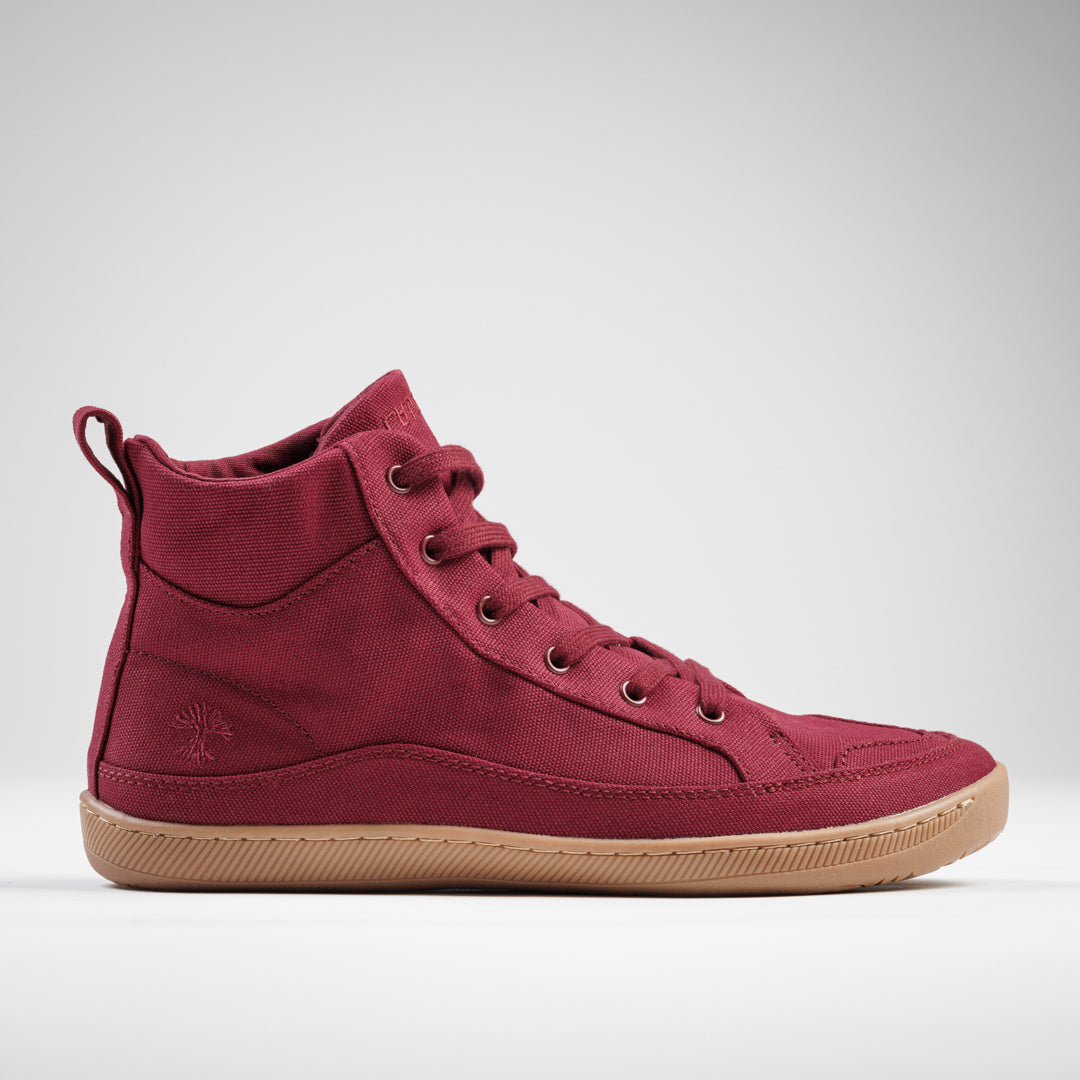
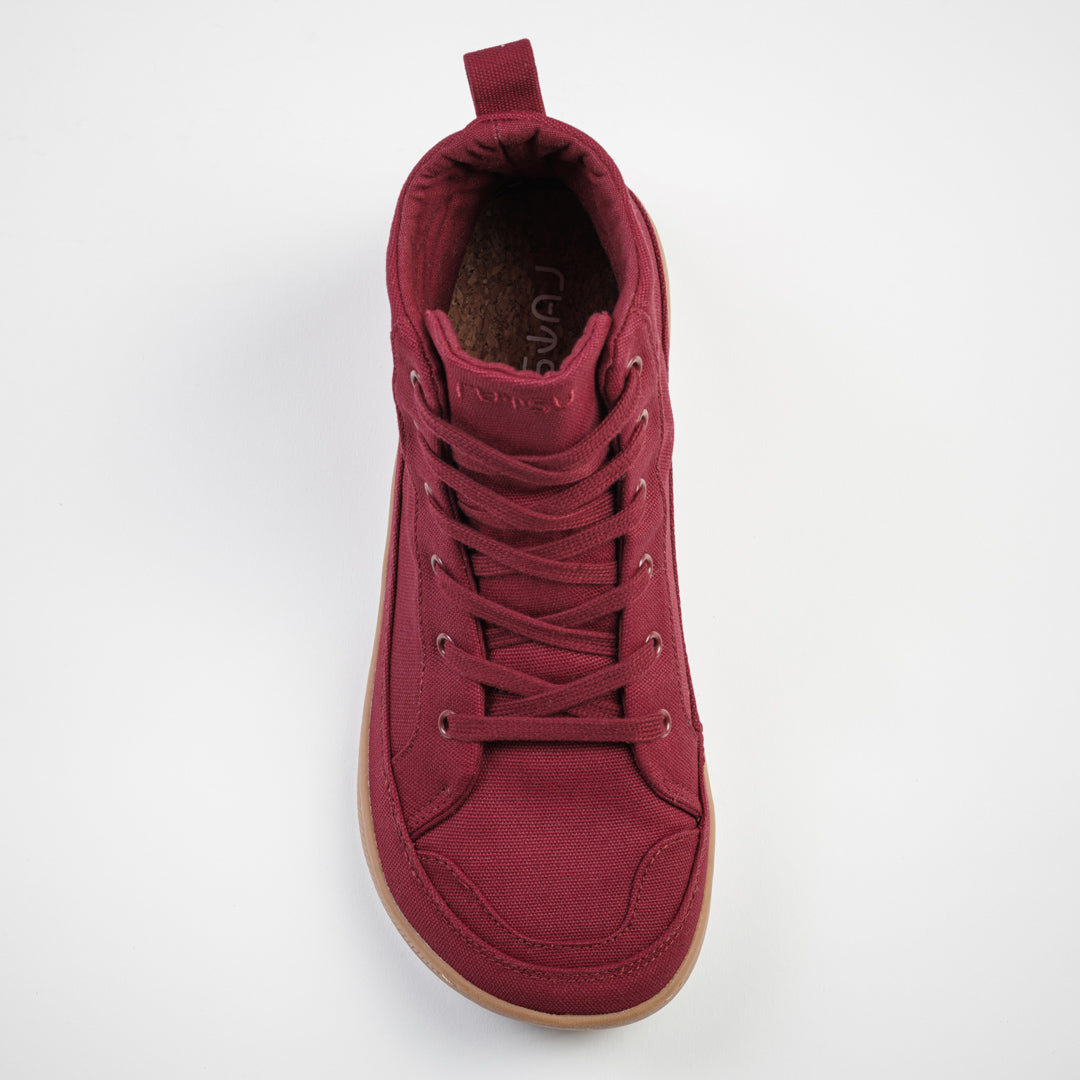
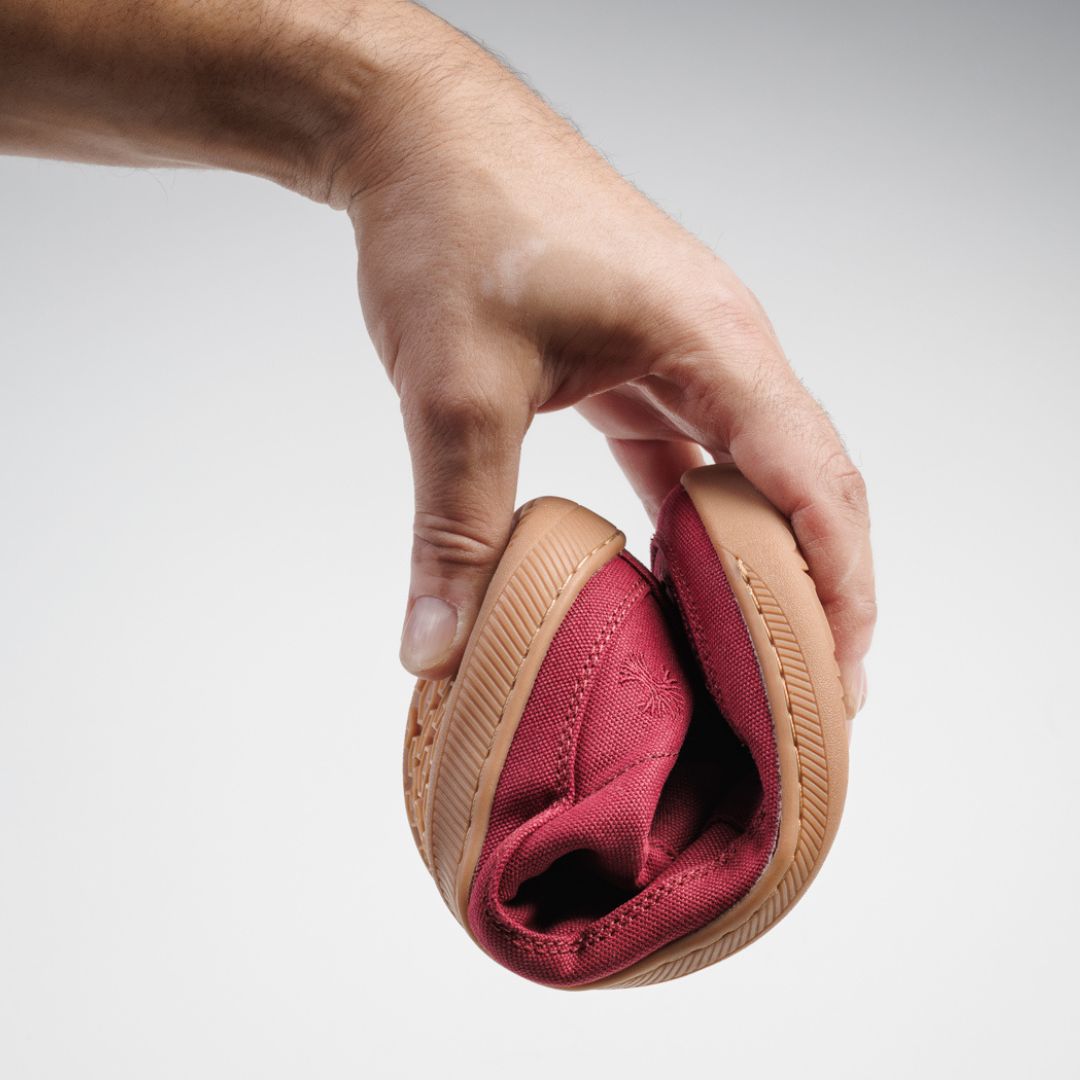
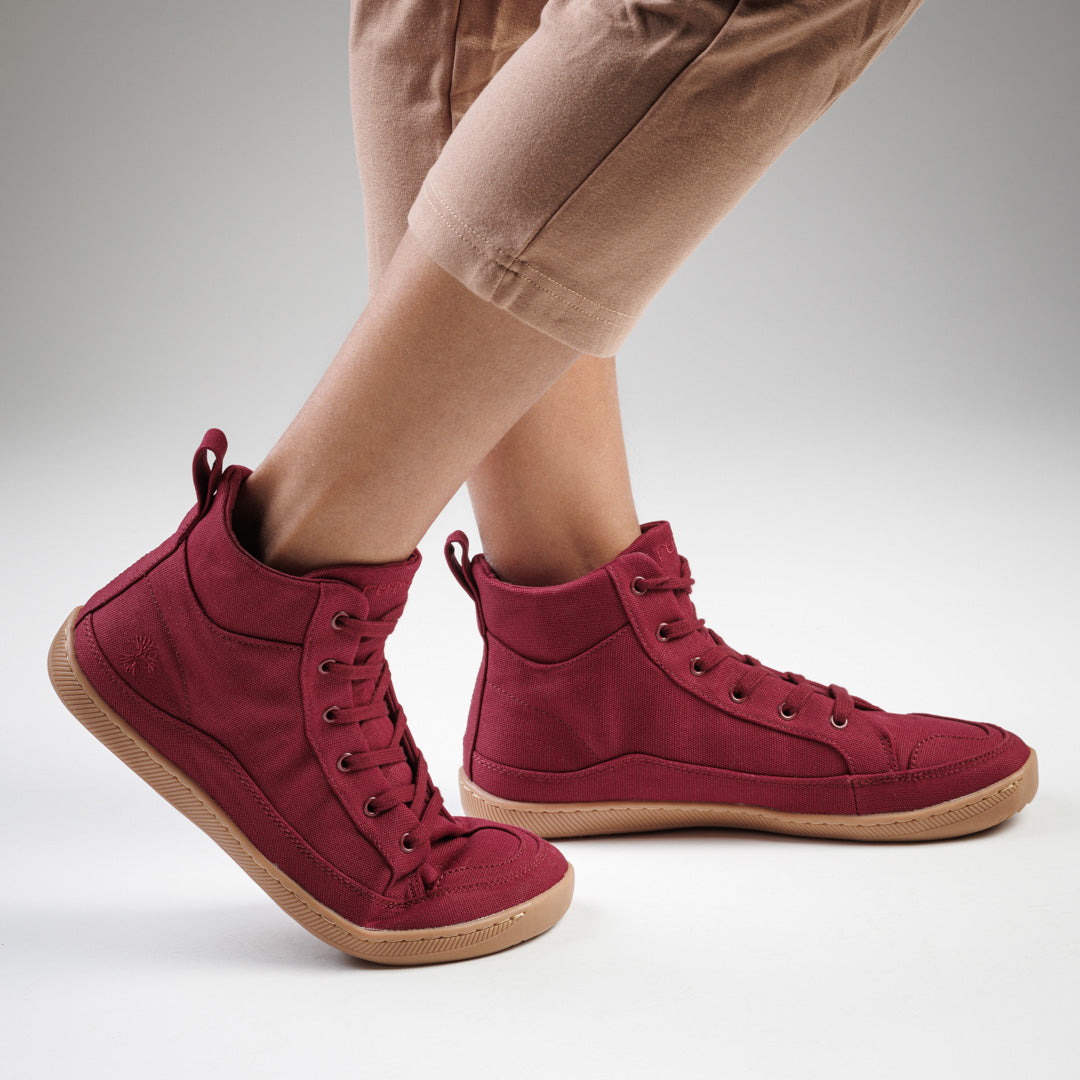
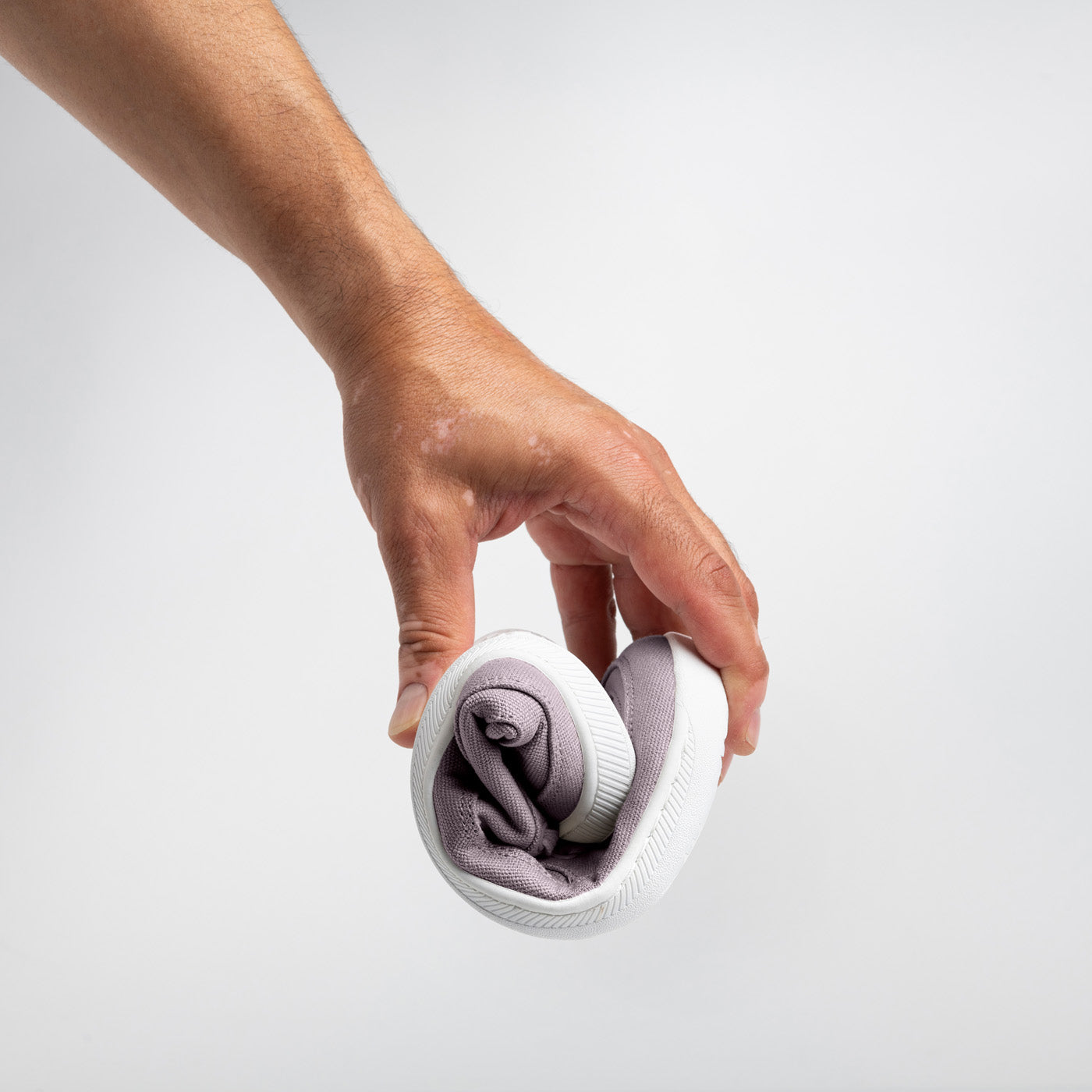
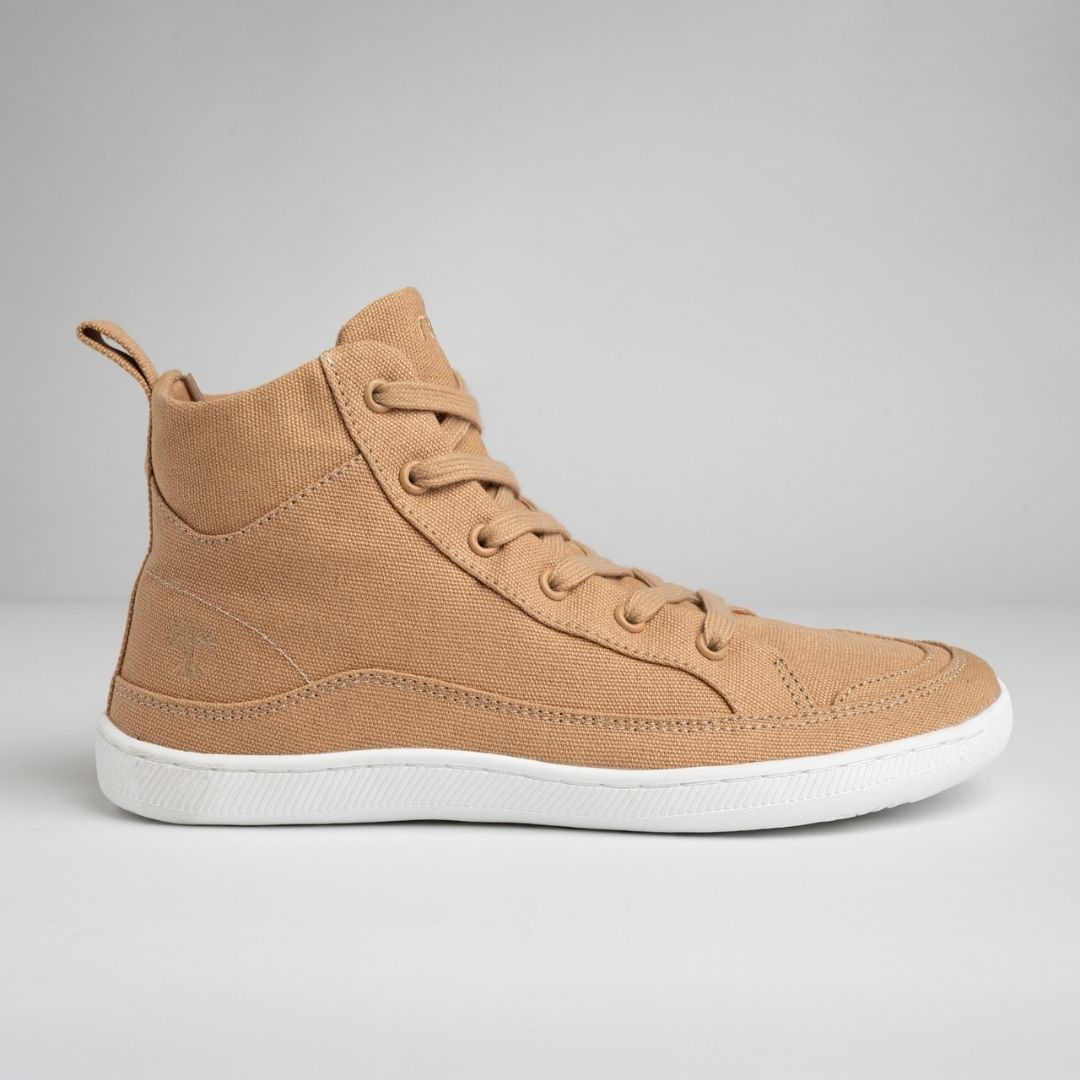
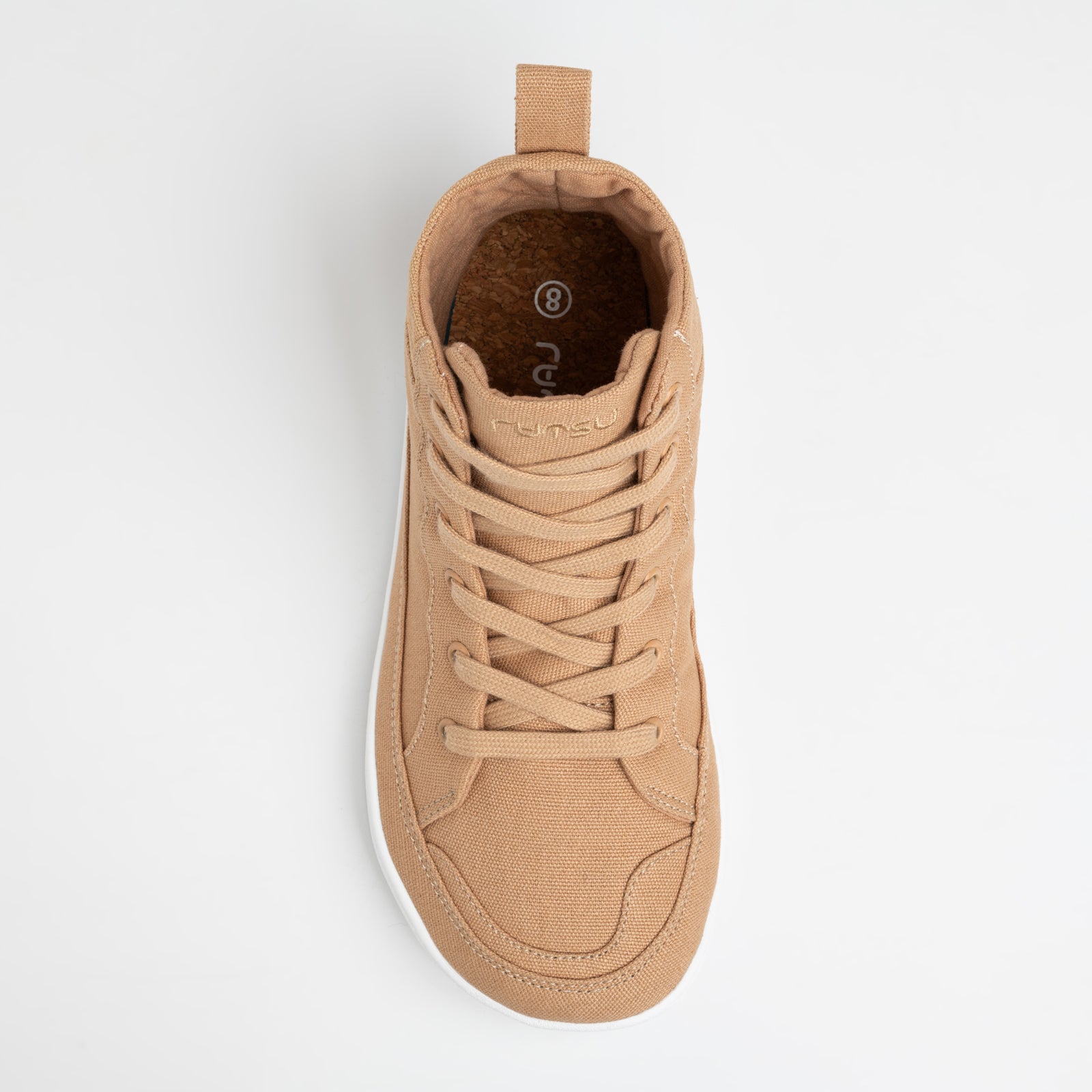
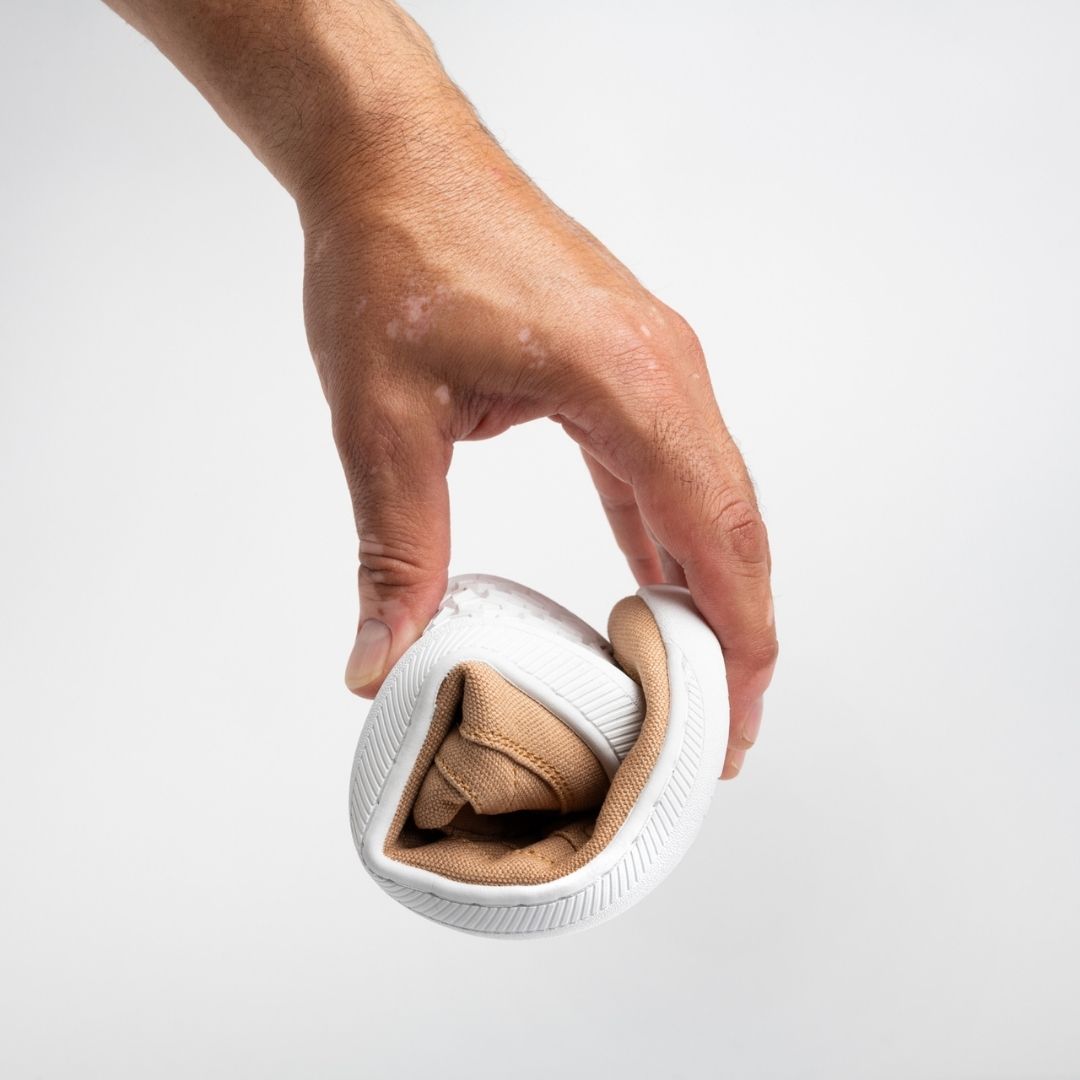
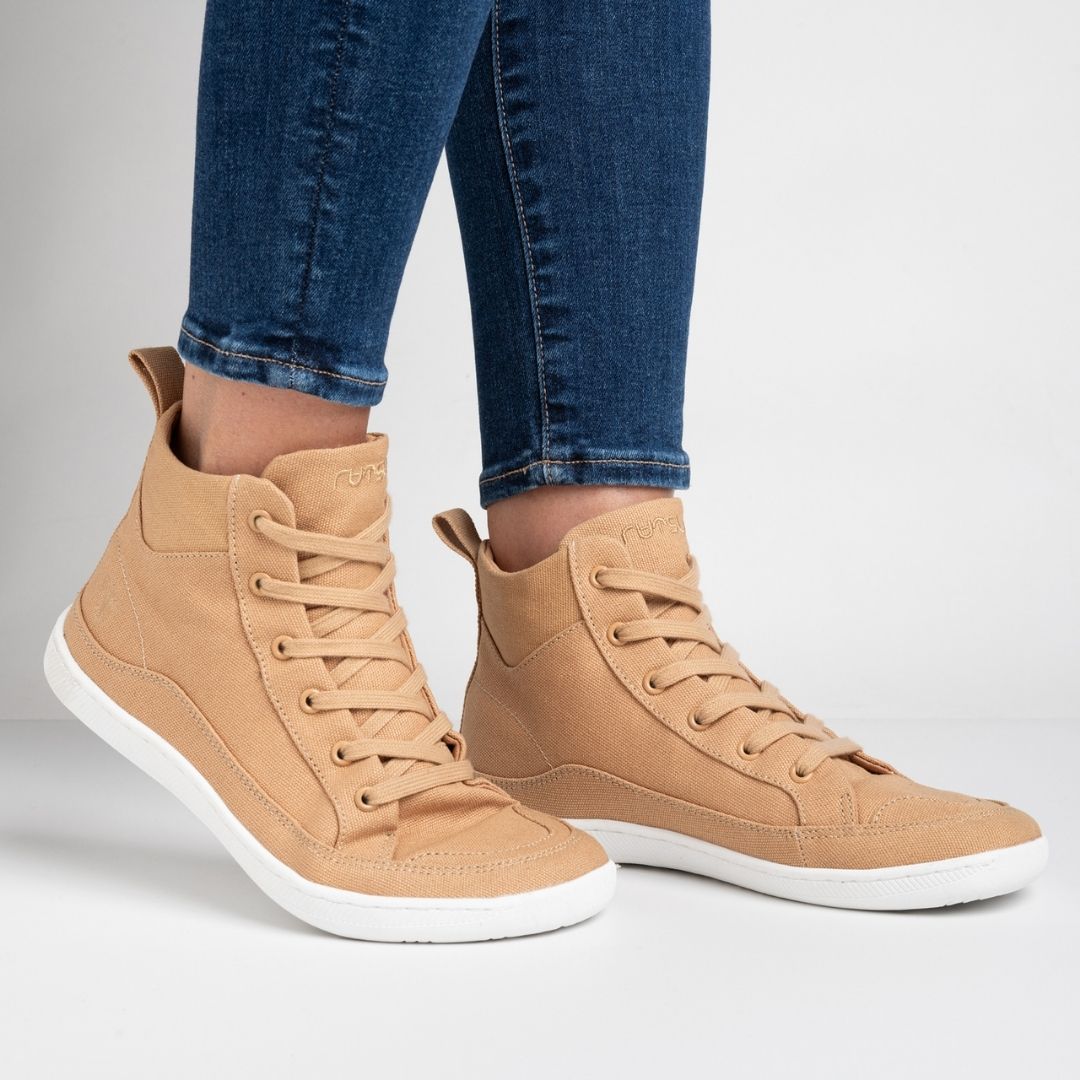
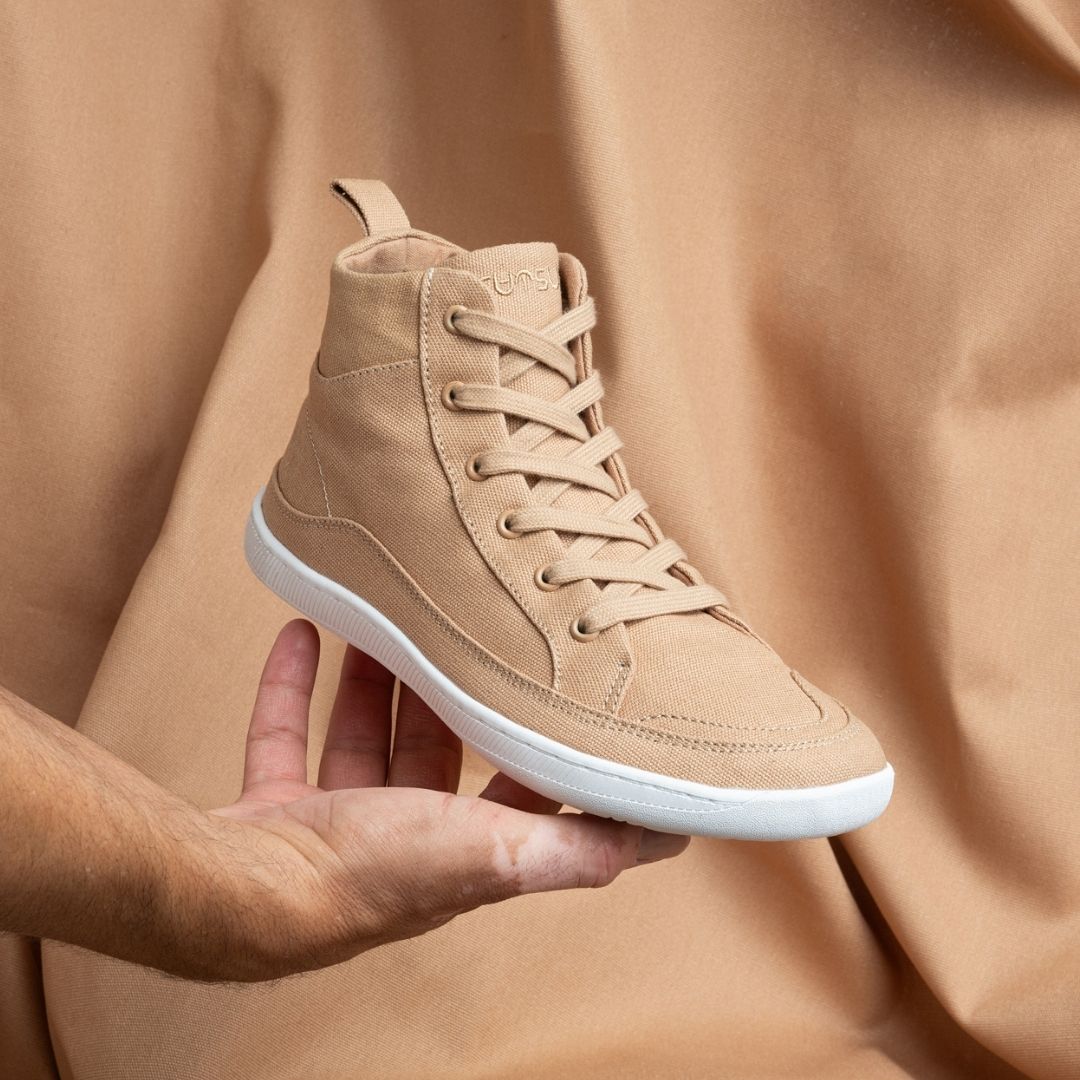
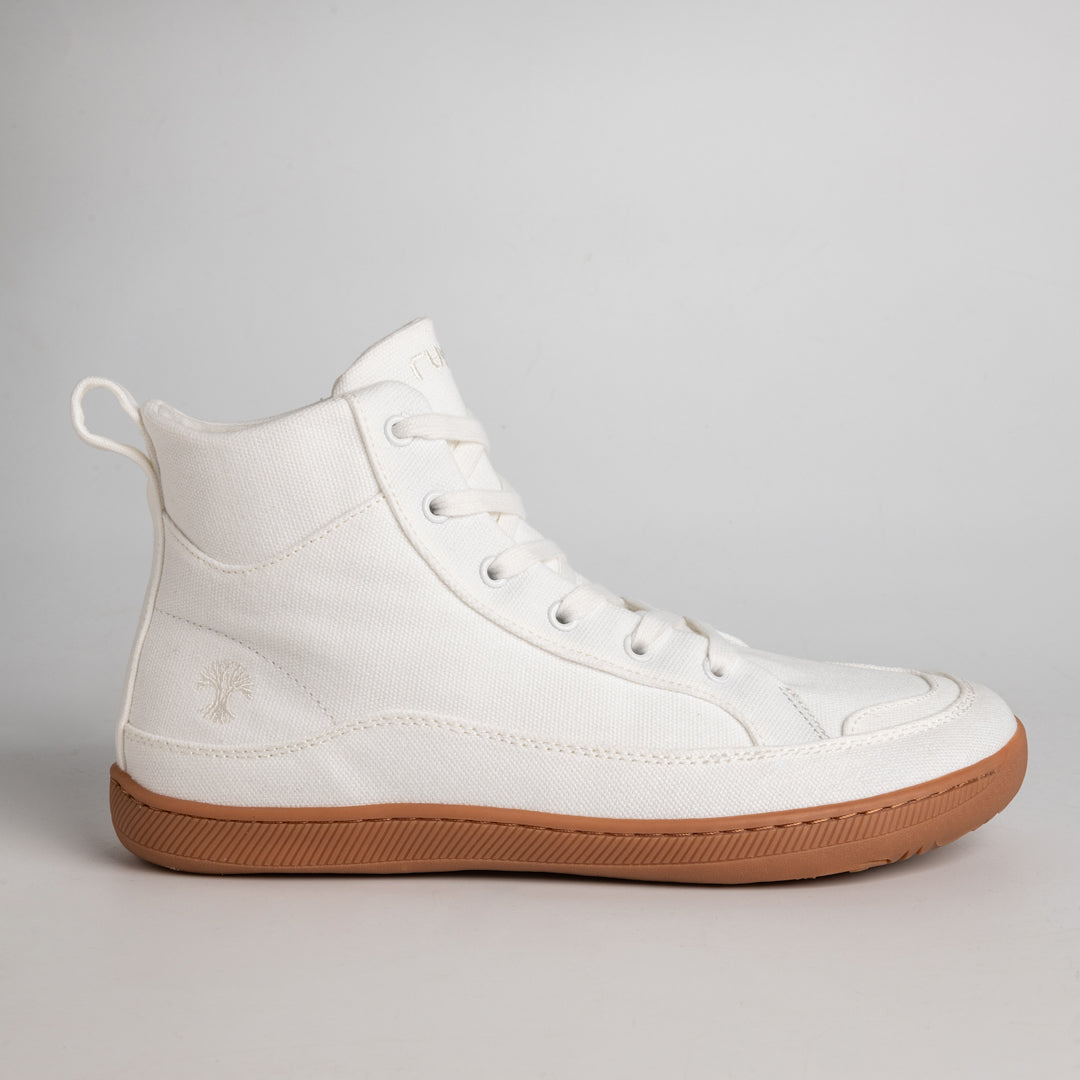
That's where barefoot shoes bridge the gap. They feature thin, flexible soles that let your feet bend and sense the ground while shielding them from sharp debris, temperature extremes, and "no shoes, no service" policies.
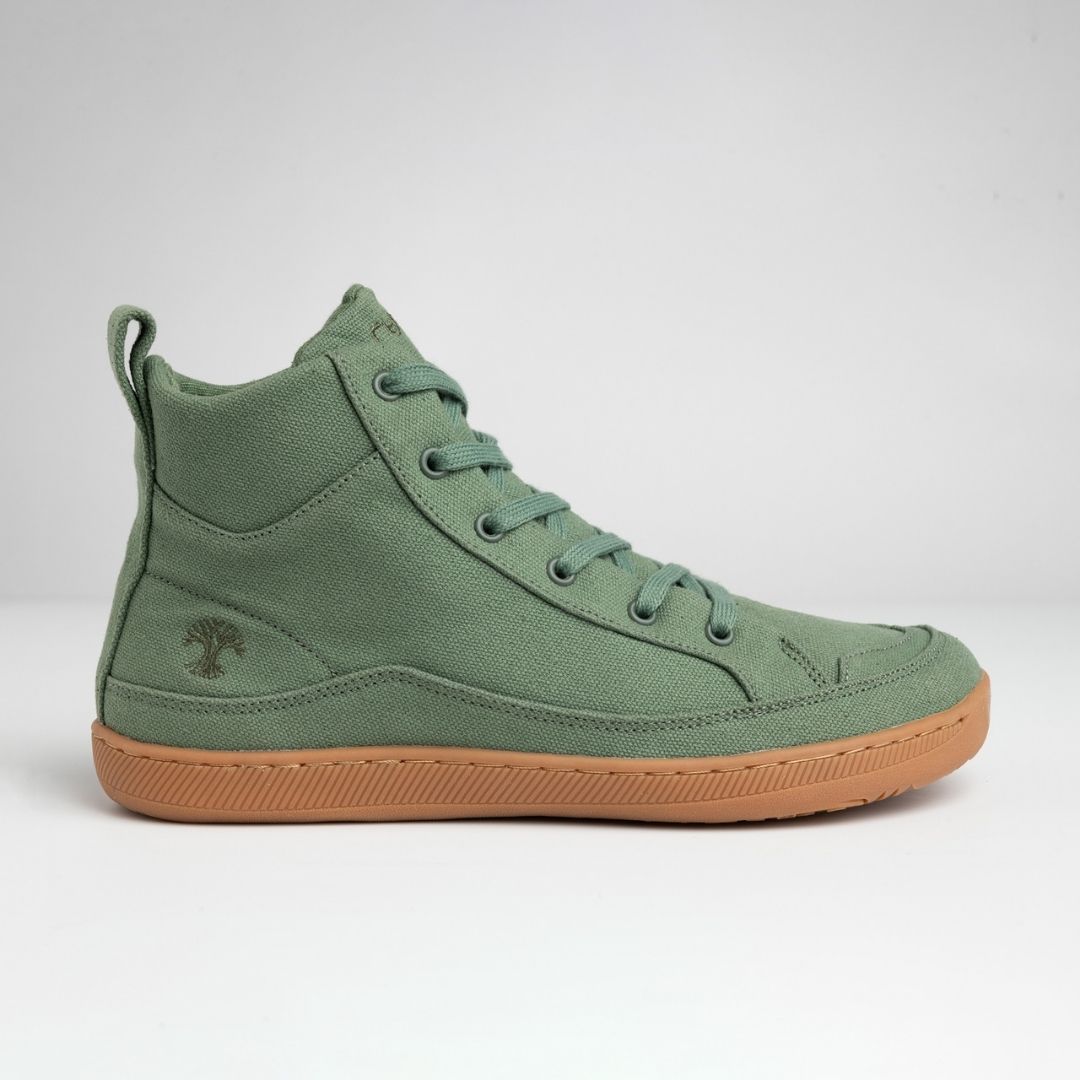
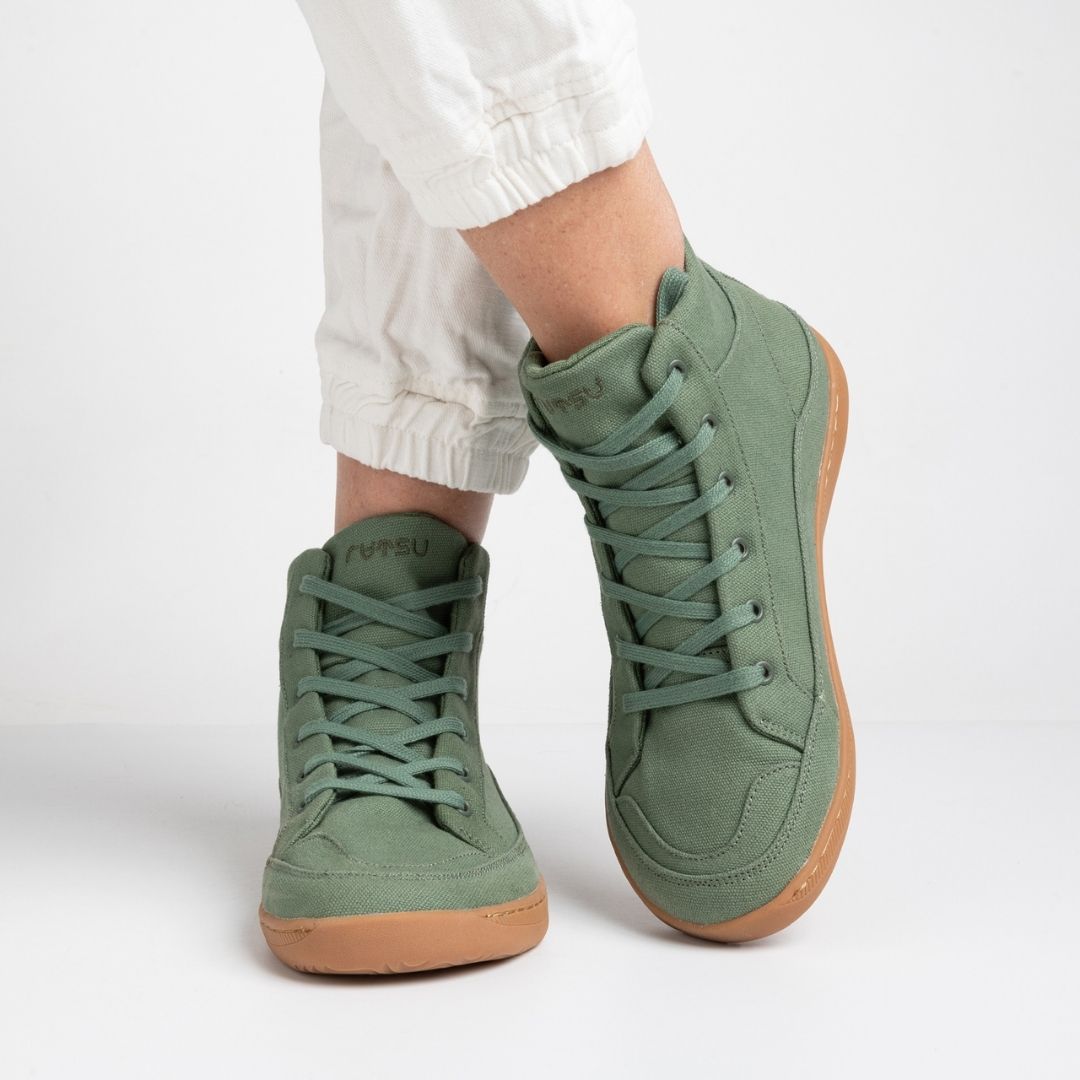
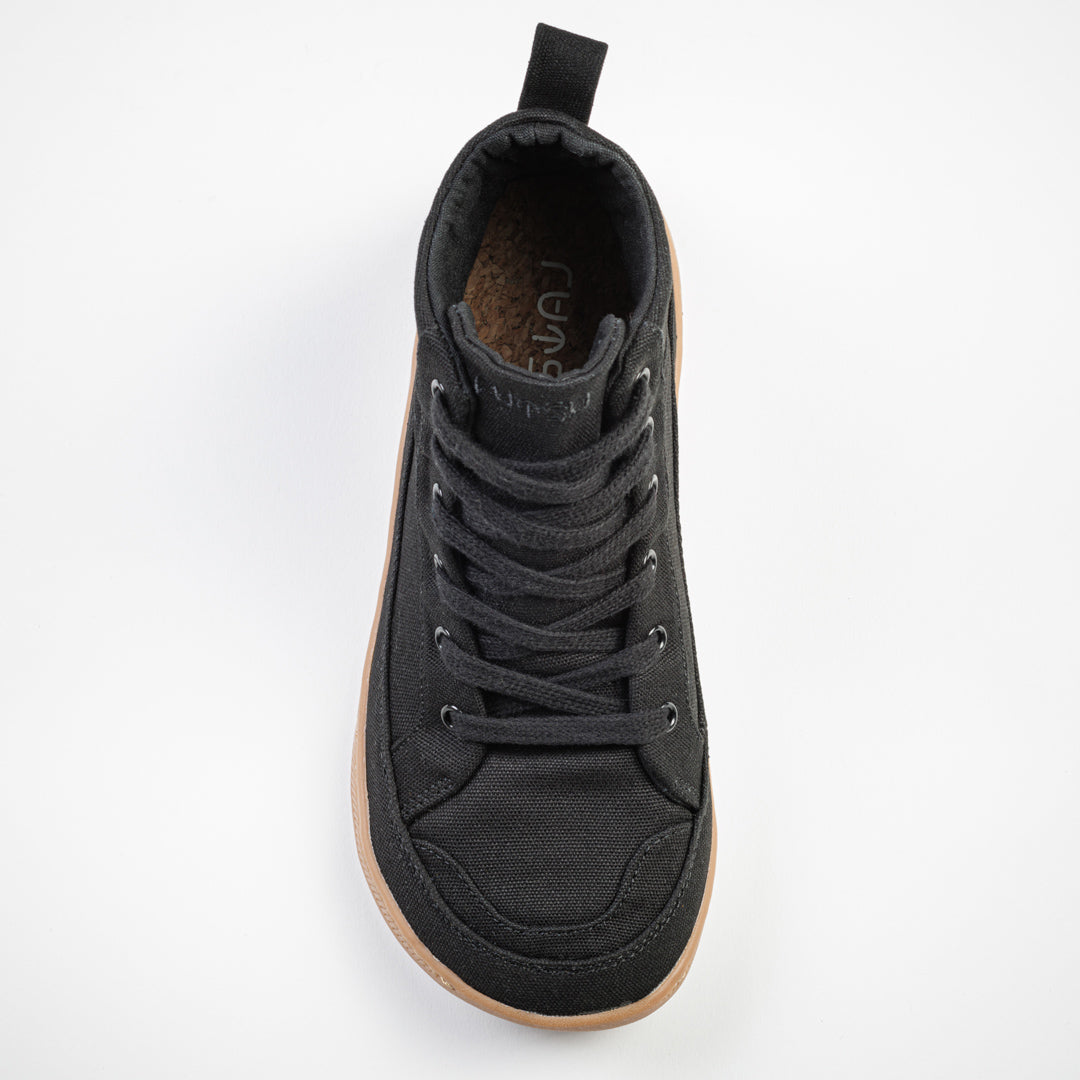
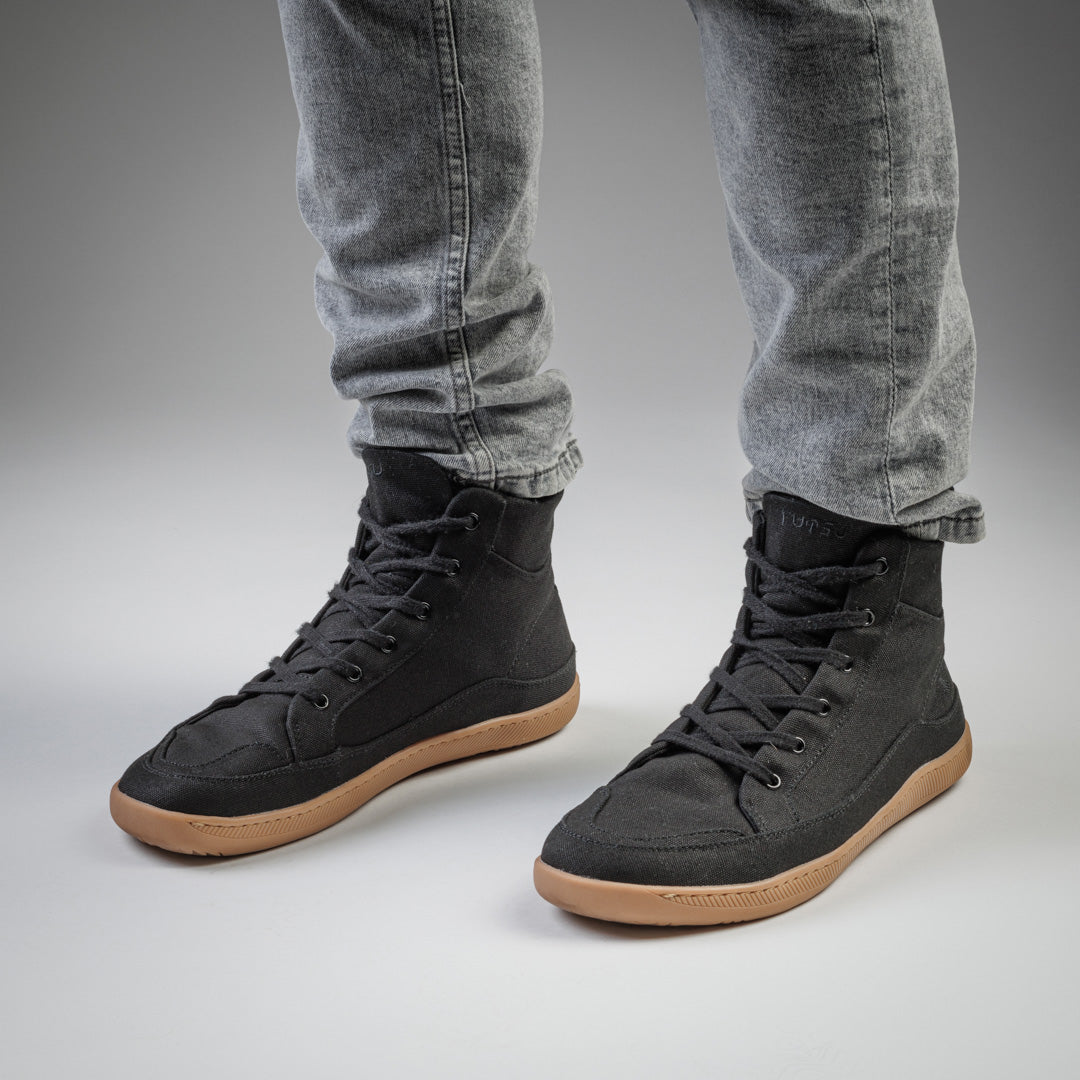
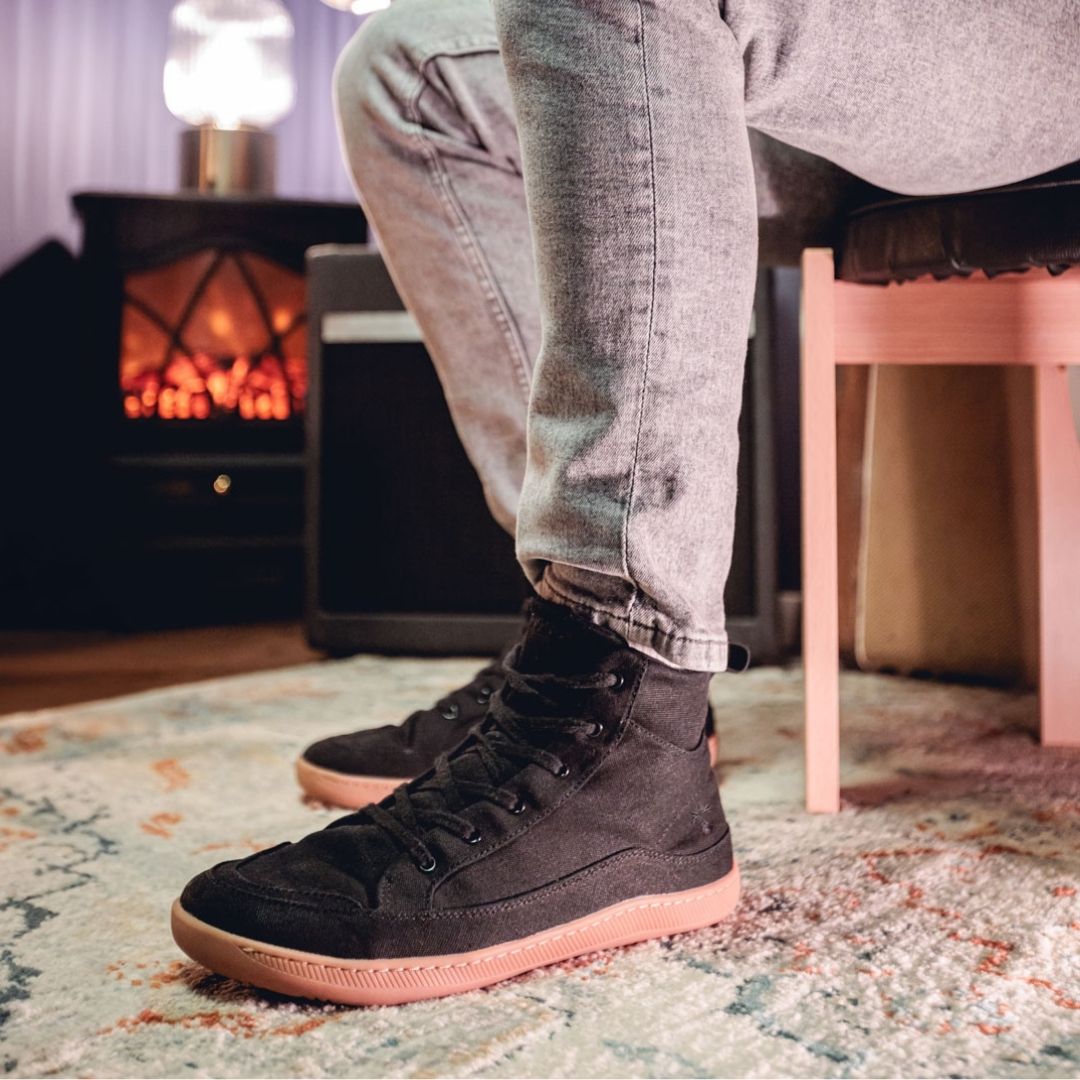
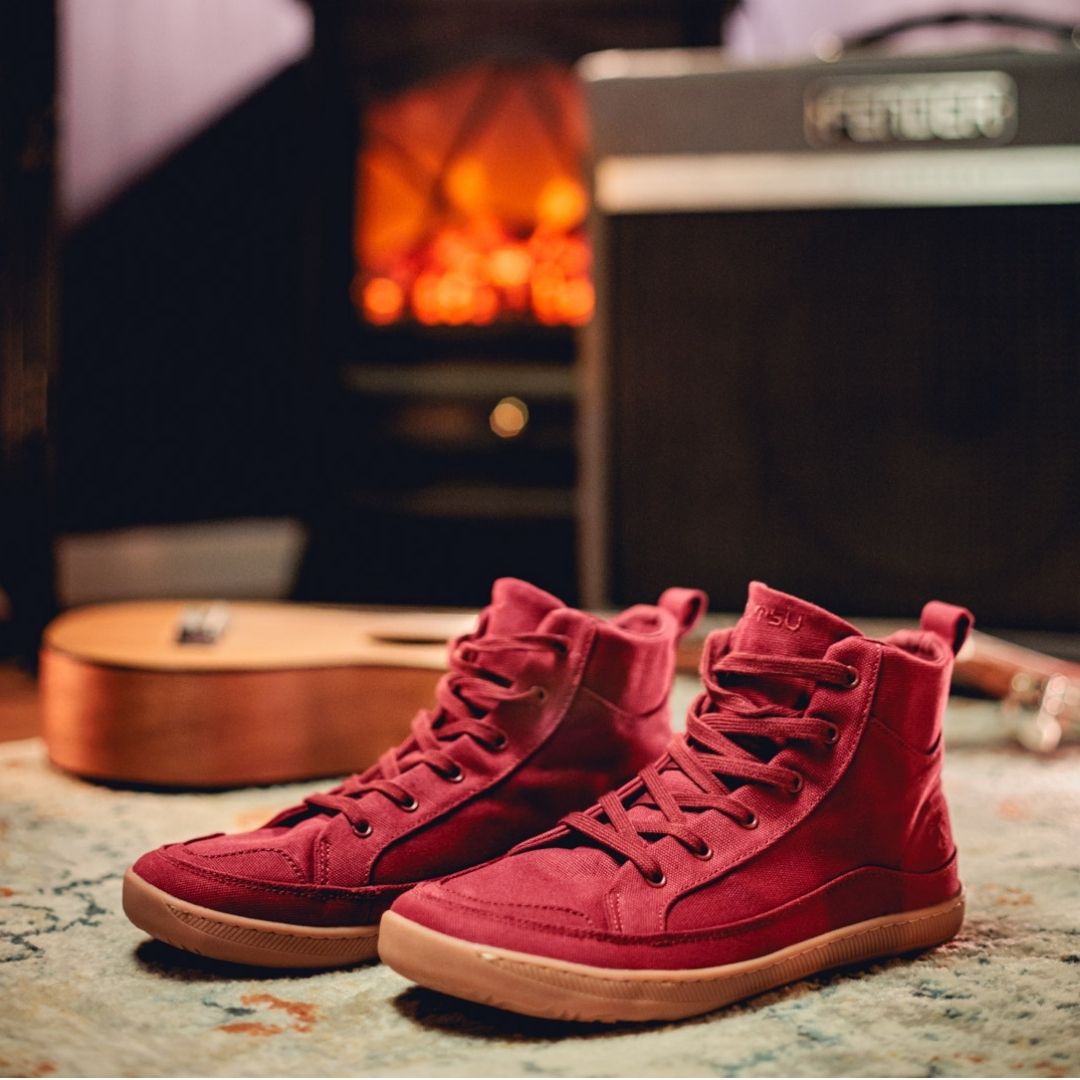
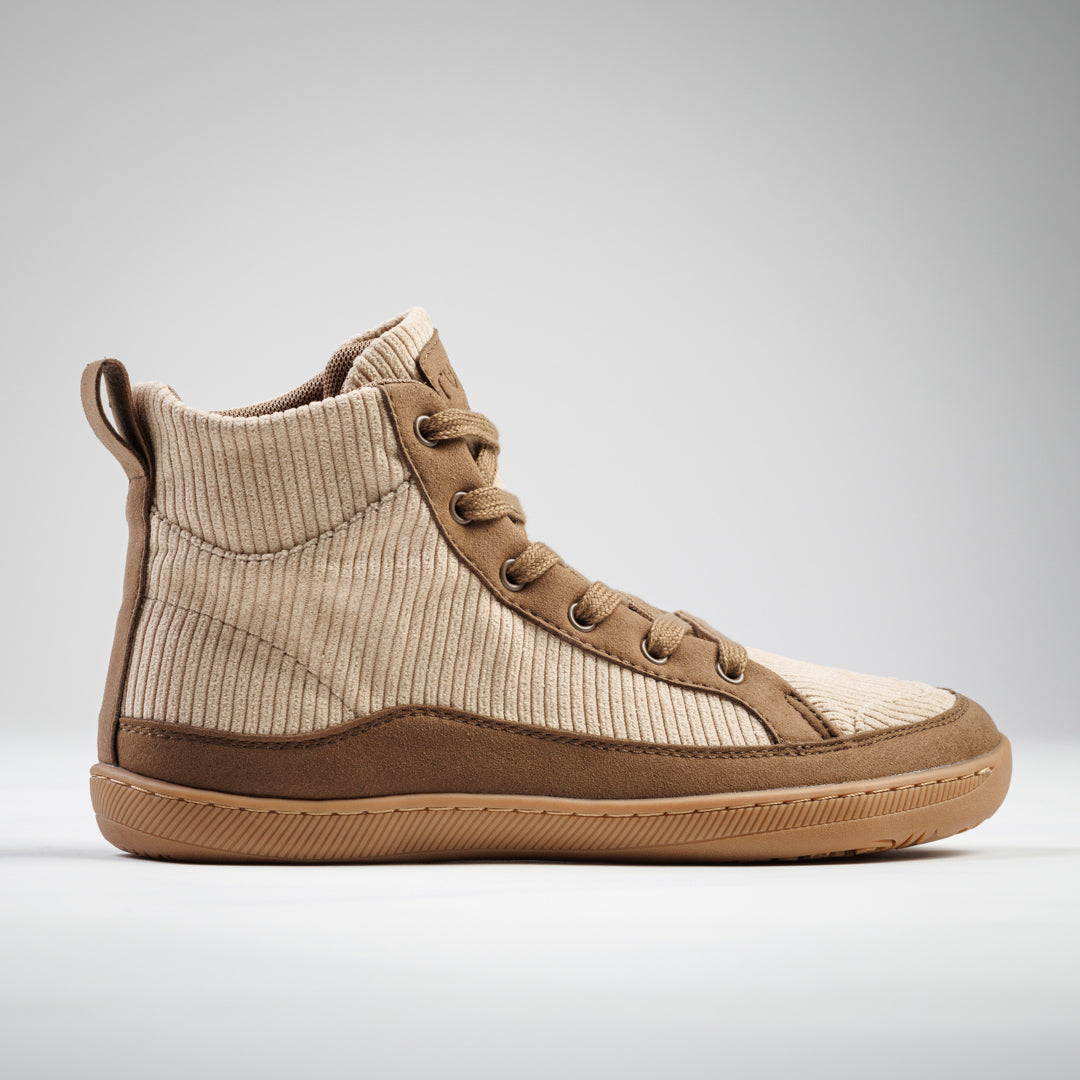
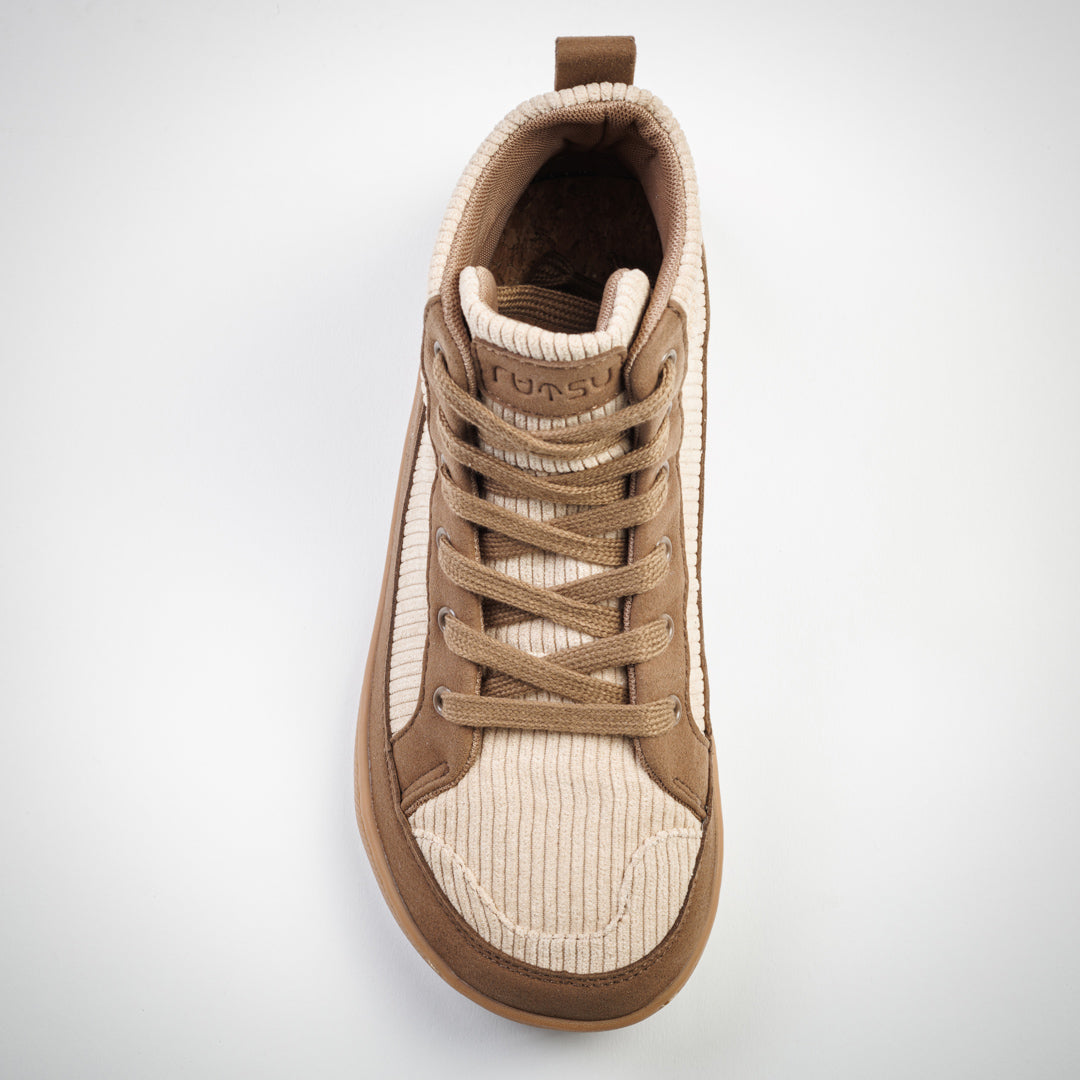
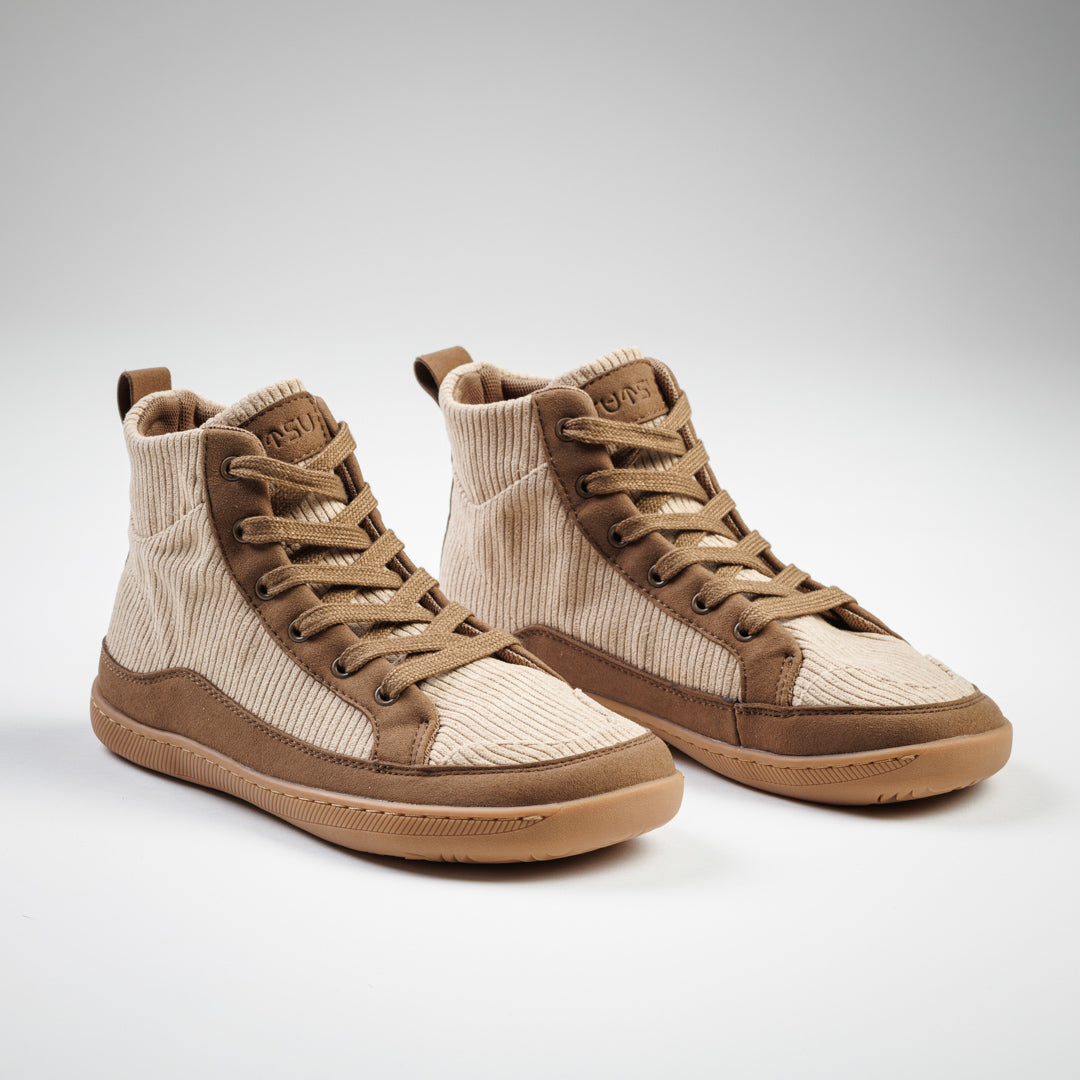
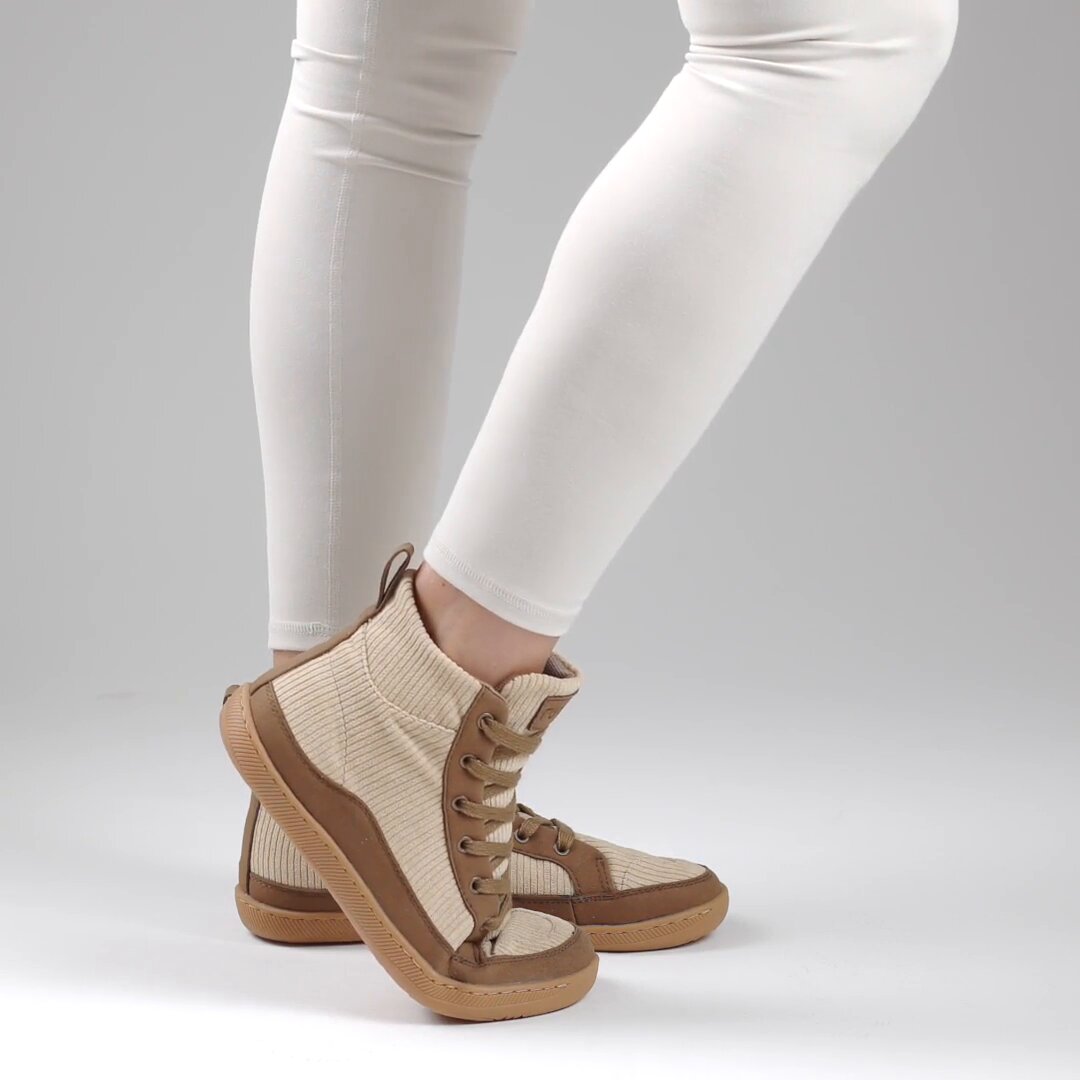
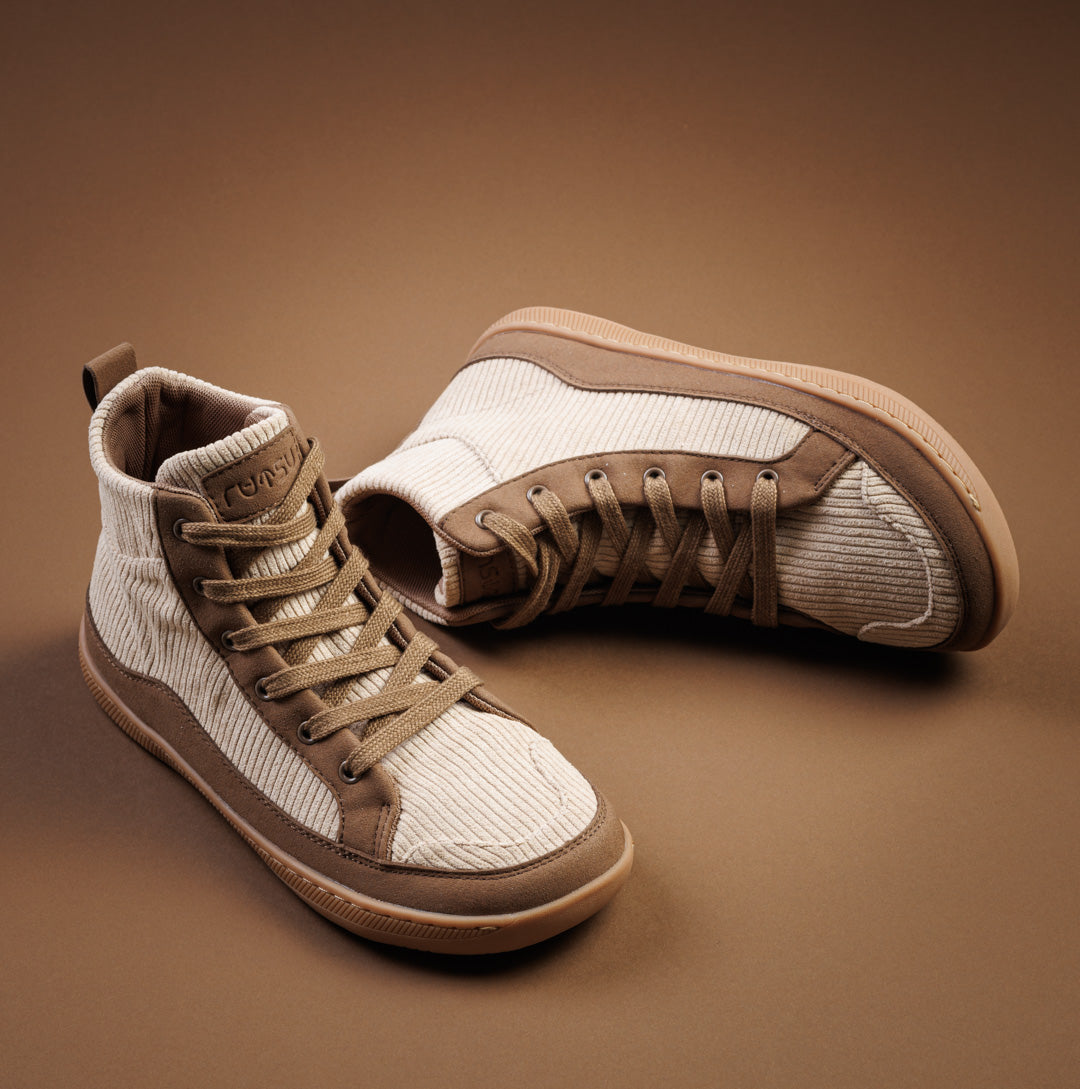
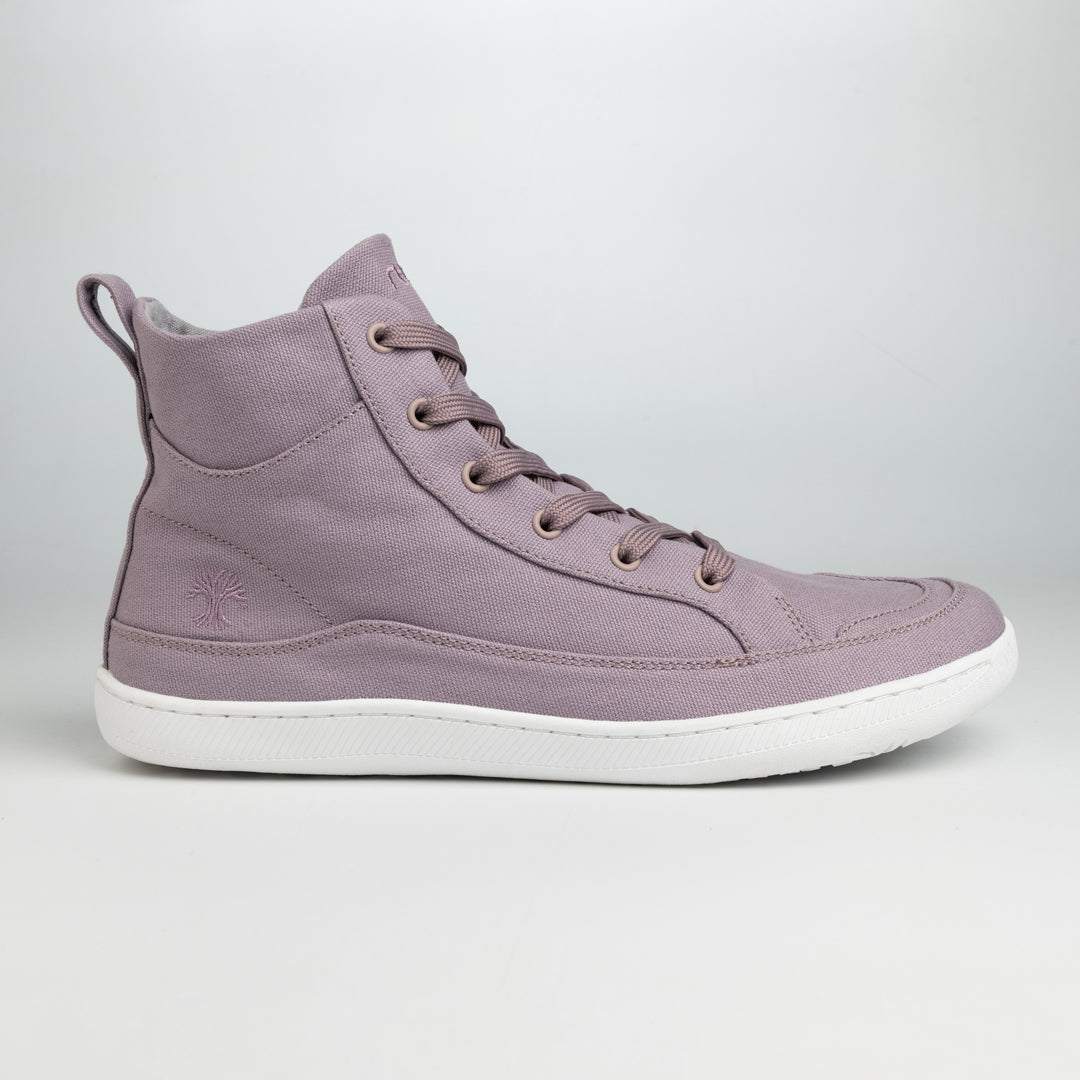
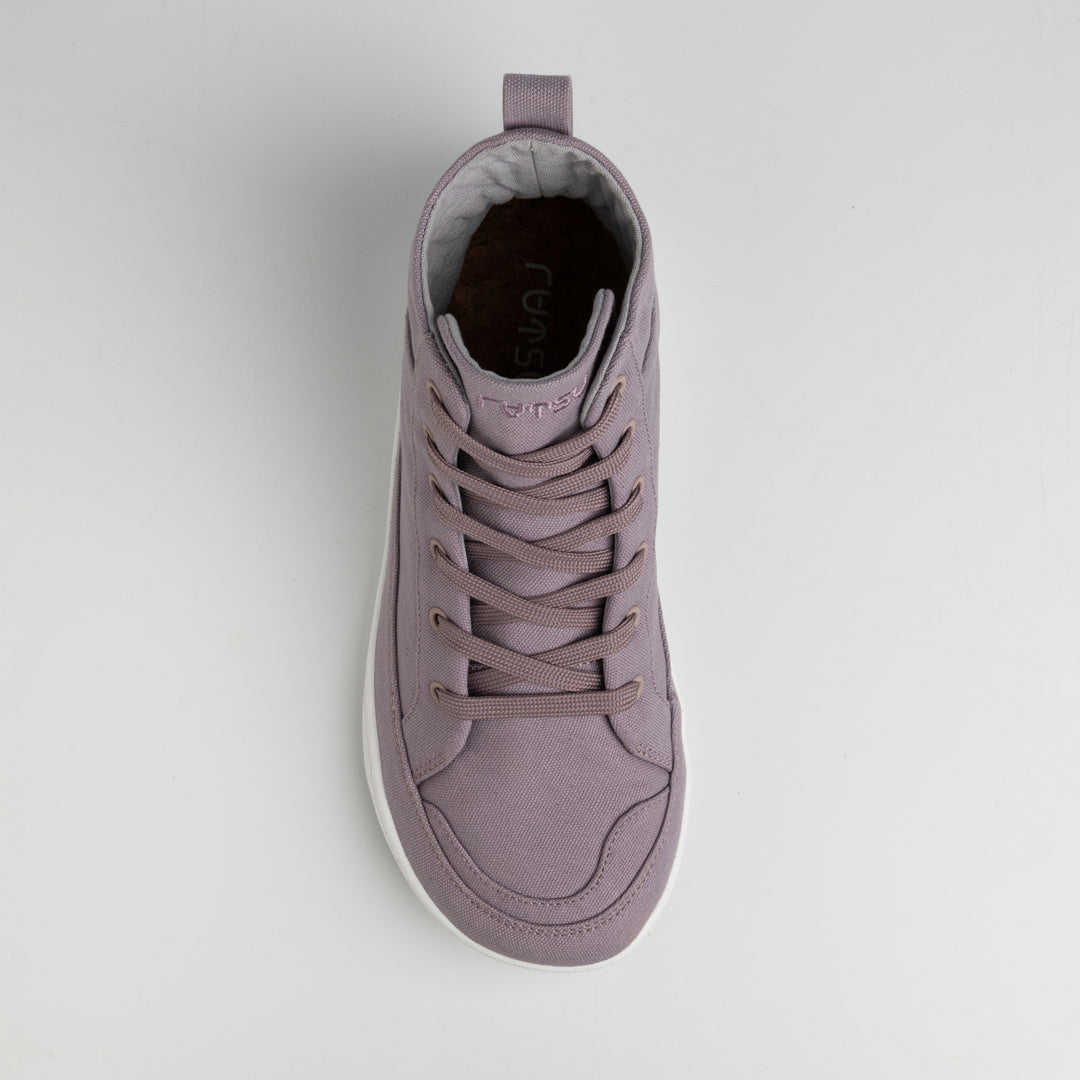
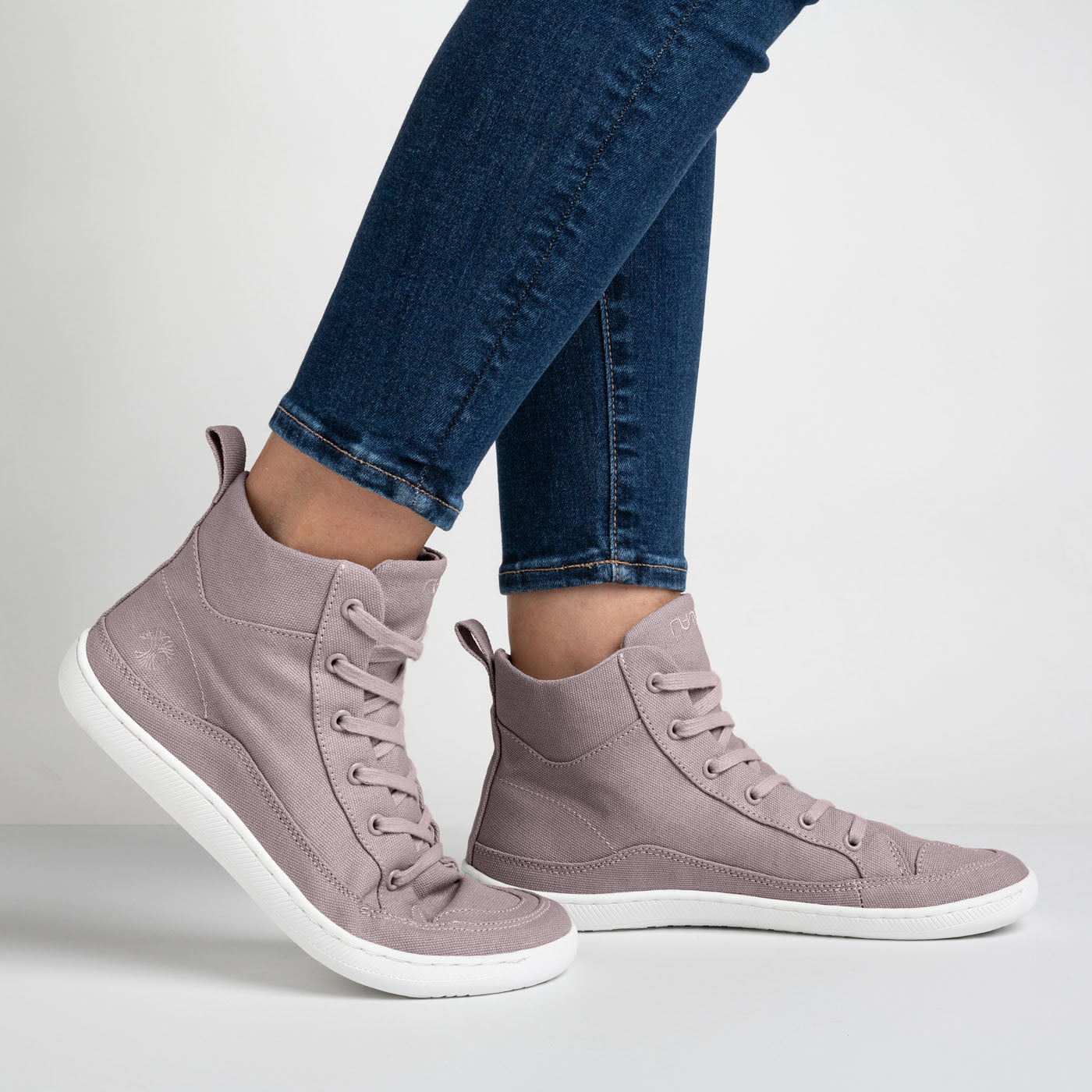
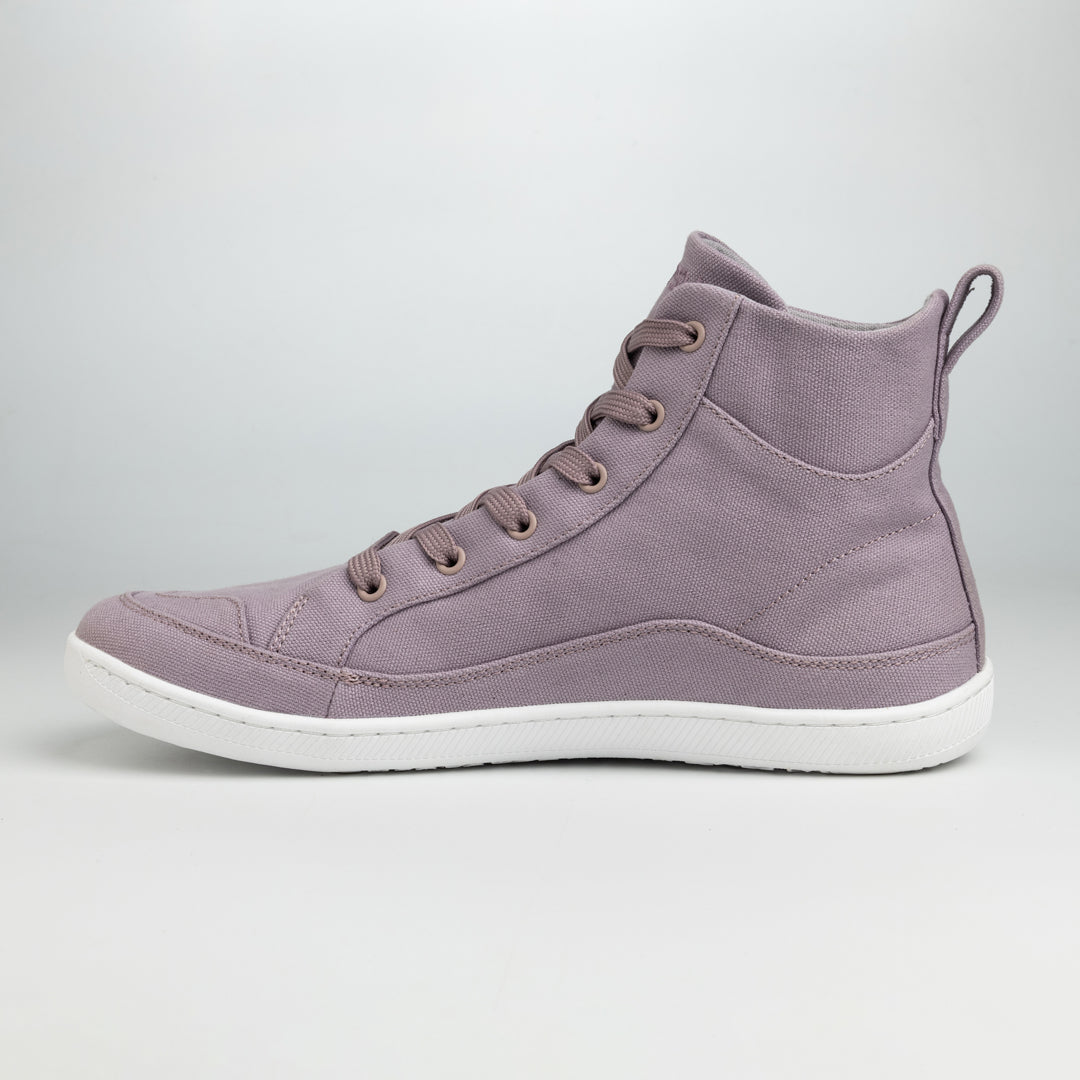
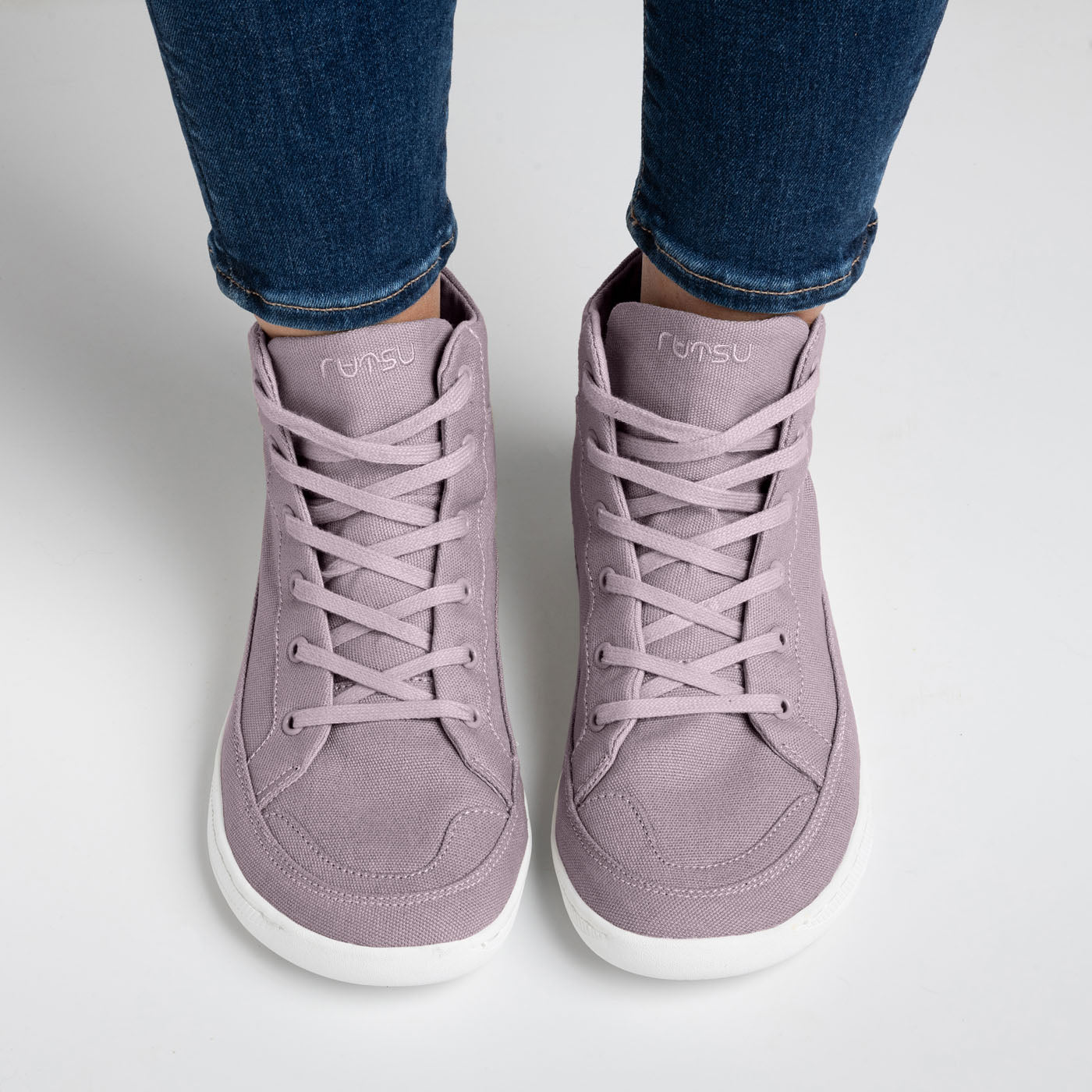
Rutsu Barefoot designs their sneakers around a wide toe box and zero-drop sole. Your feet get space to spread and move naturally, which is the whole point of walking barefoot in the first place, minus the real-world hazards of totally unprotected skin.
For everyday life? Barefoot shoes make more practical sense than going fully unshod. You retain the natural movement pattern and ground feedback. You skip the anxiety about what's lurking on the sidewalk.
How to Start Walking Barefoot Safely: A Step-by-Step Transition Guide
Impatience wrecks more barefoot transitions than anything else. Go slow or pay later.
Weeks one and two. Barefoot on smooth indoor floors. Fifteen to twenty minutes daily. Nothing ambitious. Just let your feet reacquaint themselves with the sensation of ground beneath them.
Weeks three and four. Step outside onto grass or packed earth. Keep sessions under thirty minutes. Pay attention to how different natural surfaces feel compared to your kitchen tile.
Weeks five and six. Gradually increase duration. Introduce varied terrain. Monitor your arches, calves, and Achilles tendon closely after each session. Mild muscle fatigue? Fine. Sharp or persistent pain? That's your cue to pull back.
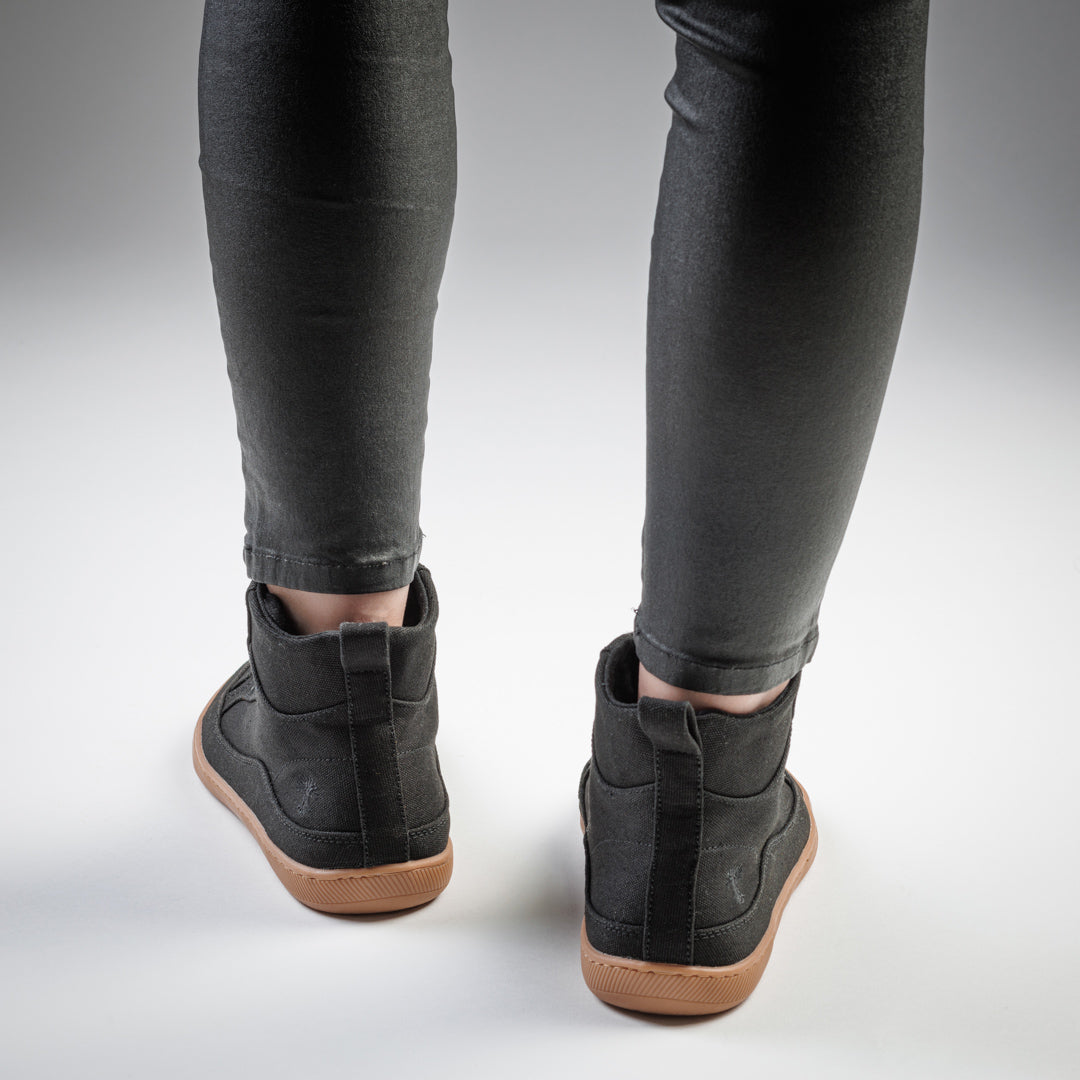
Moving forward. Think about swapping your daily footwear over to barefoot shoes from Rutsu Barefoot. Wearing them throughout the day helps your feet maintain natural mechanics beyond just your walk sessions.
If anything feels worse than typical post-exercise soreness, slow down. Pushing through legitimate foot pain is never the move.
FAQs
How long should I walk barefoot each day as a beginner?
Around ten to fifteen minutes on smooth indoor floors is a solid starting point. Add roughly five minutes every few days and let your body's feedback guide the pace. Soreness that lingers means dial it back.
Can walking barefoot help with plantar fasciitis?
It may help some individuals over time by gradually strengthening the intrinsic foot muscles that support the plantar fascia. However, it can also aggravate symptoms in others, especially during active flare-ups. A podiatrist should weigh in before you try this.
Is it safe to walk barefoot if I have diabetes?
Most medical professionals advise against it. Reduced sensation from neuropathy makes it too easy to miss small injuries that can become serious infections. Always get clearance from your doctor first.
Does walking barefoot strengthen your arches?
Research suggests it can. Barefoot movement activates muscles in the arch that cushioned footwear typically does the work for. Individual responses vary, though, and people with pre-existing arch conditions should proceed with professional guidance.
Can barefoot walking cause foot infections or parasites?
Yes, particularly in areas with contaminated soil or warm, humid environments. Sticking to clean surfaces and checking your feet afterward reduces risk considerably.
Is walking barefoot indoors as beneficial as walking barefoot outside?
Indoor barefoot time builds baseline foot strength and reactivates sensory pathways your shoes normally block. Outdoor surfaces add more variety and challenge, which pushes adaptation further. Both contribute, but they stress your feet in different ways.