

Search "barefoot vs normal shoes" and you'll find two camps shouting past each other. One side says barefoot shoes fix everything from bunions to back pain. The other says they're a fast track to stress fractures.
Neither camp is fully right. The truth sits in the middle, and it depends on your body, your history, and how you make the switch. So let's skip the hype and look at what the research actually backs up.
The Anatomical Difference Between Barefoot and Regular Shoes: It's Not Just "Less Cushioning"
People assume barefoot shoes are just thin versions of regular shoes. They're not. Not even close.
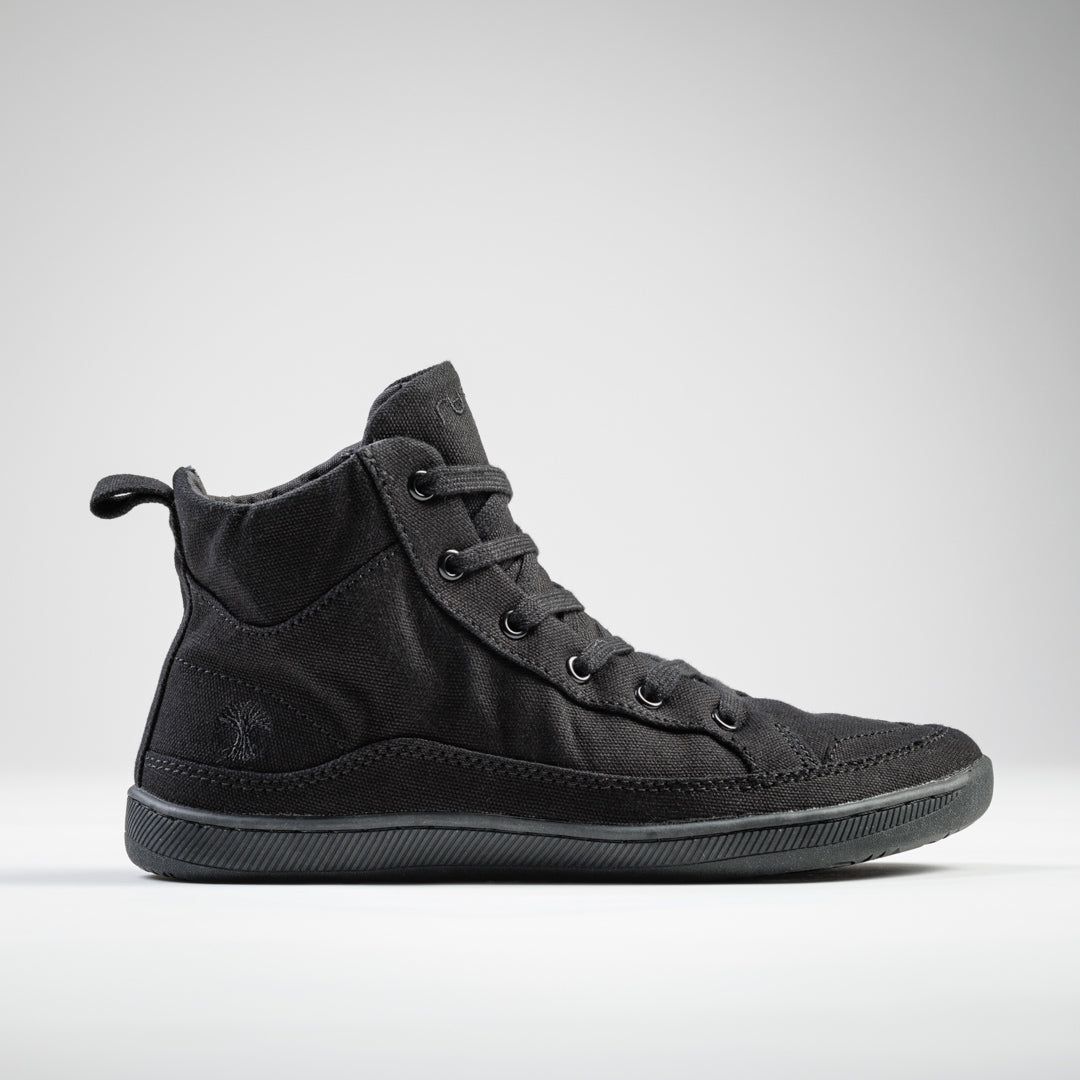
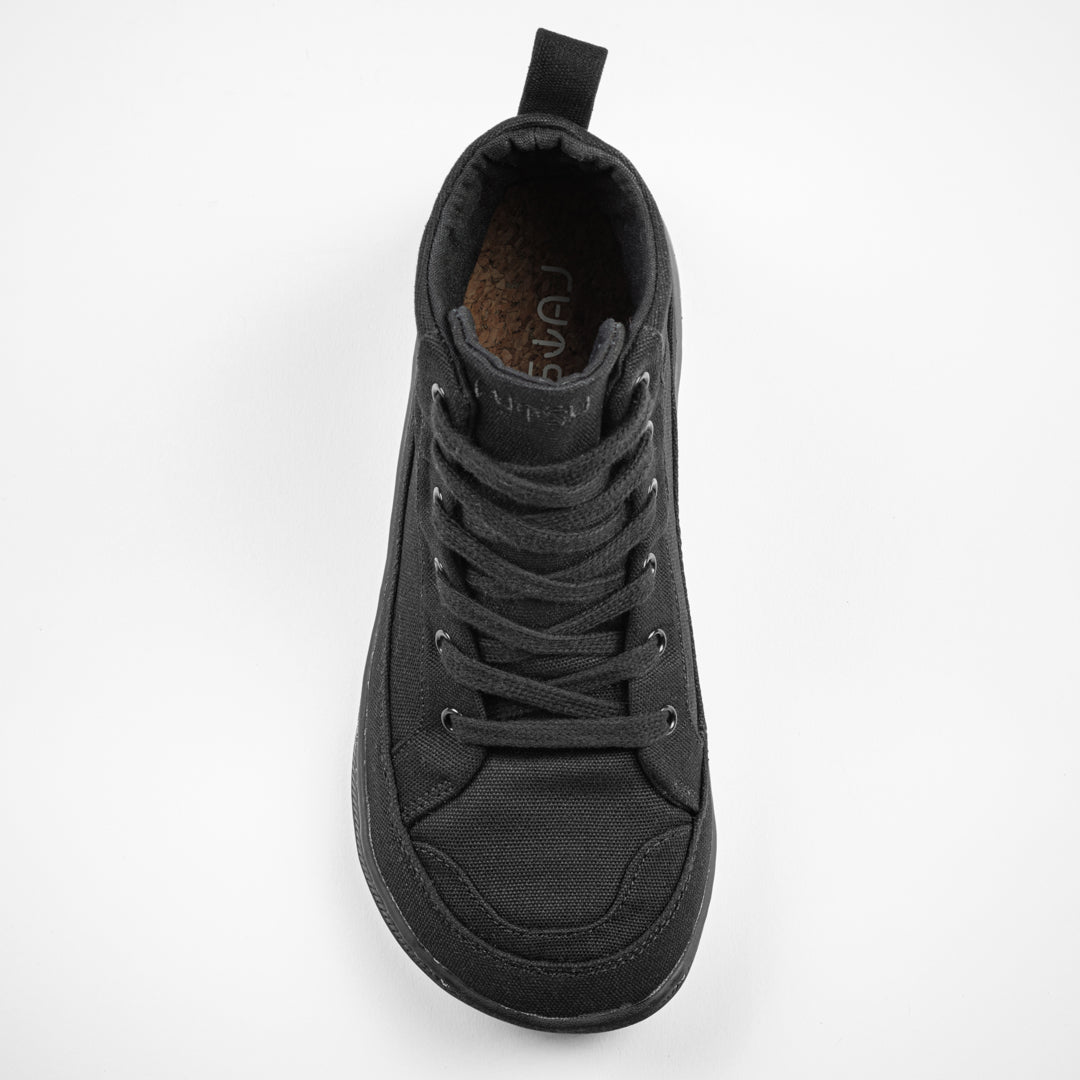
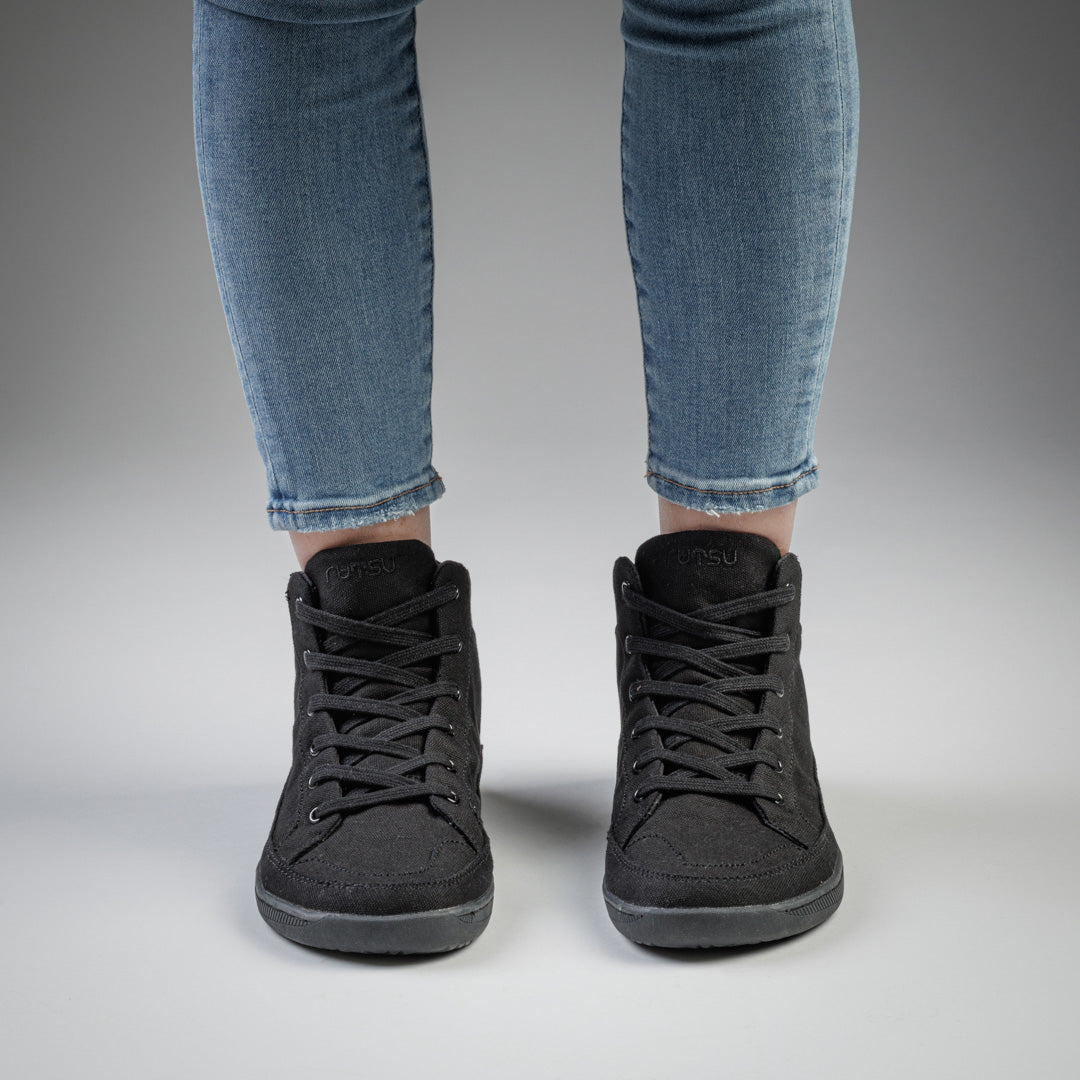
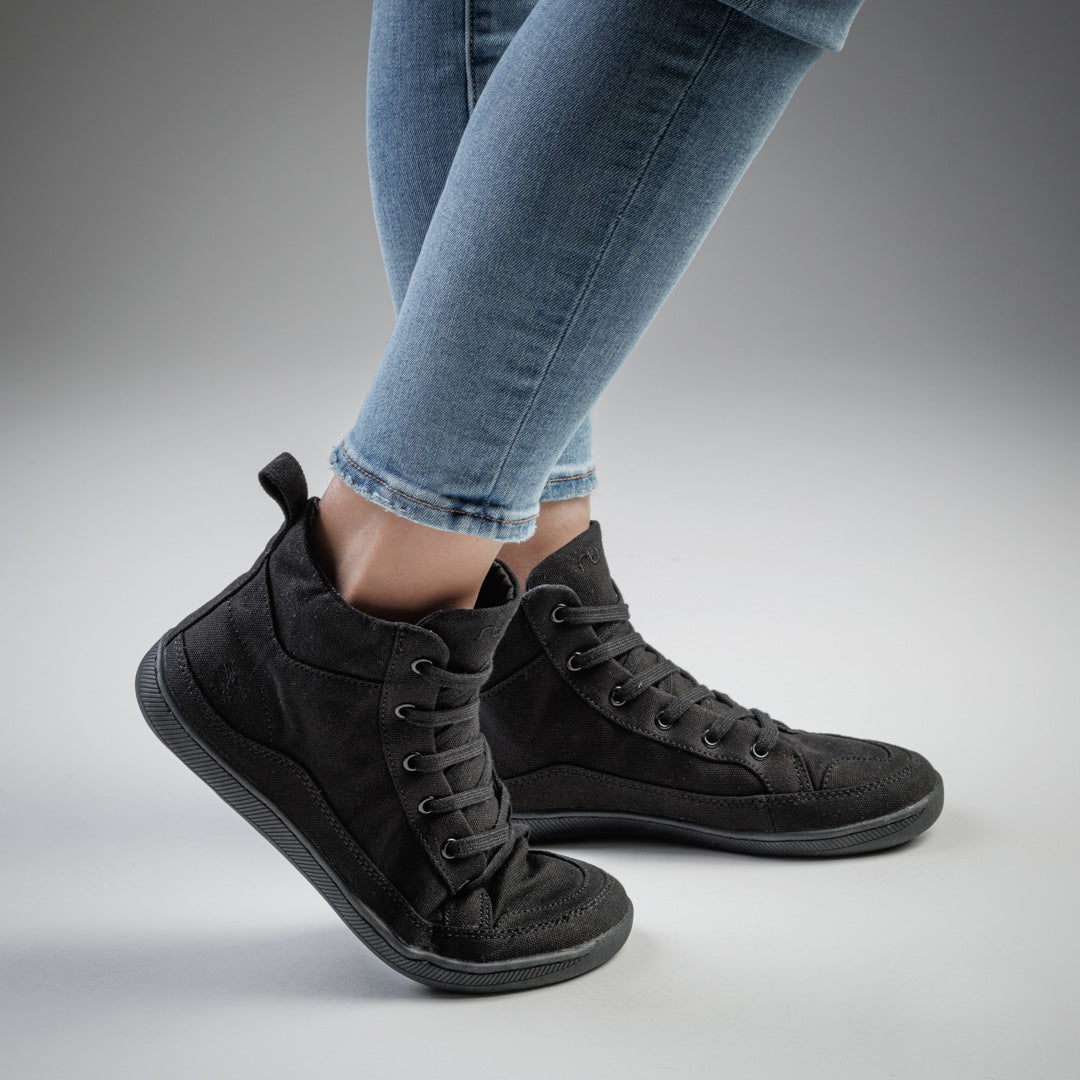
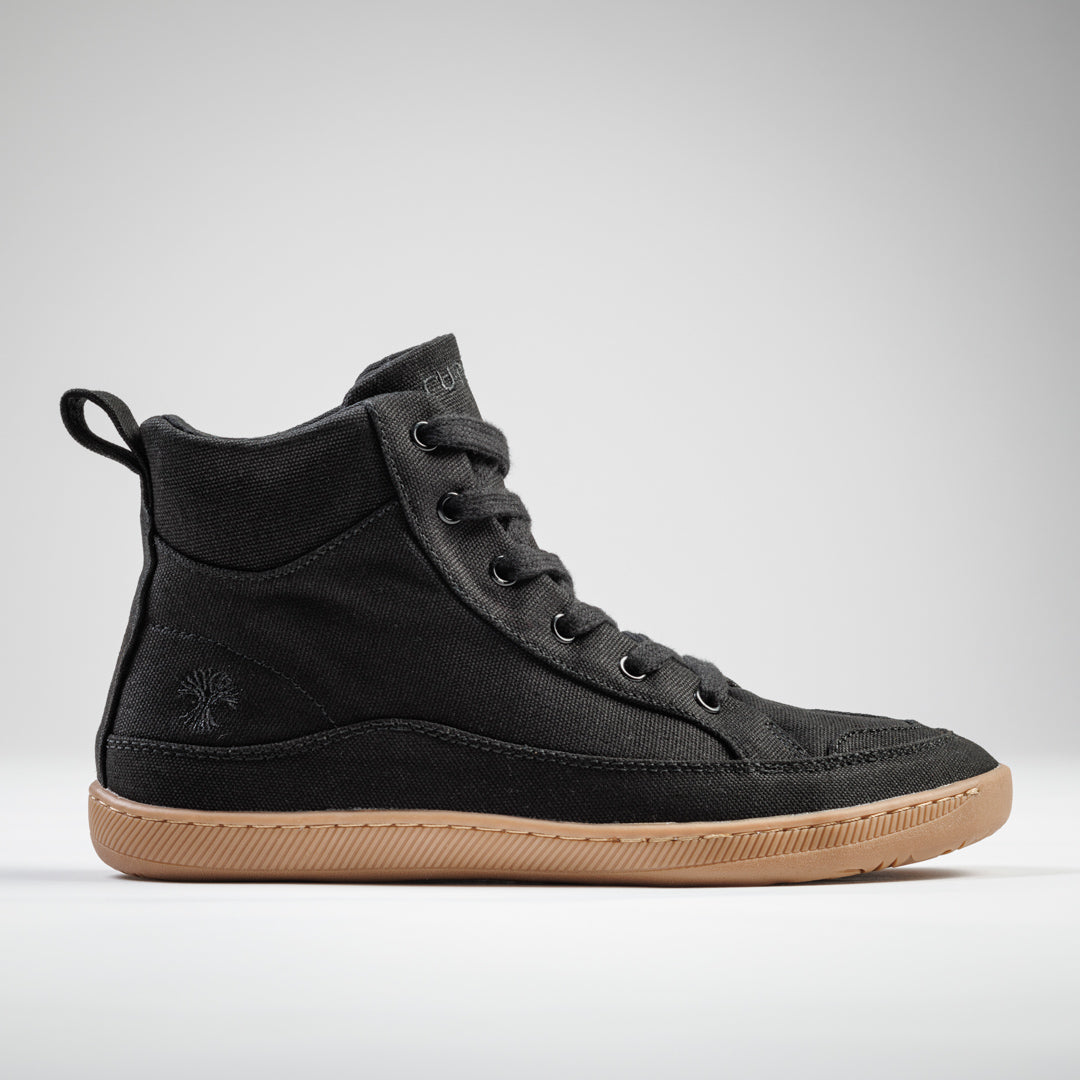
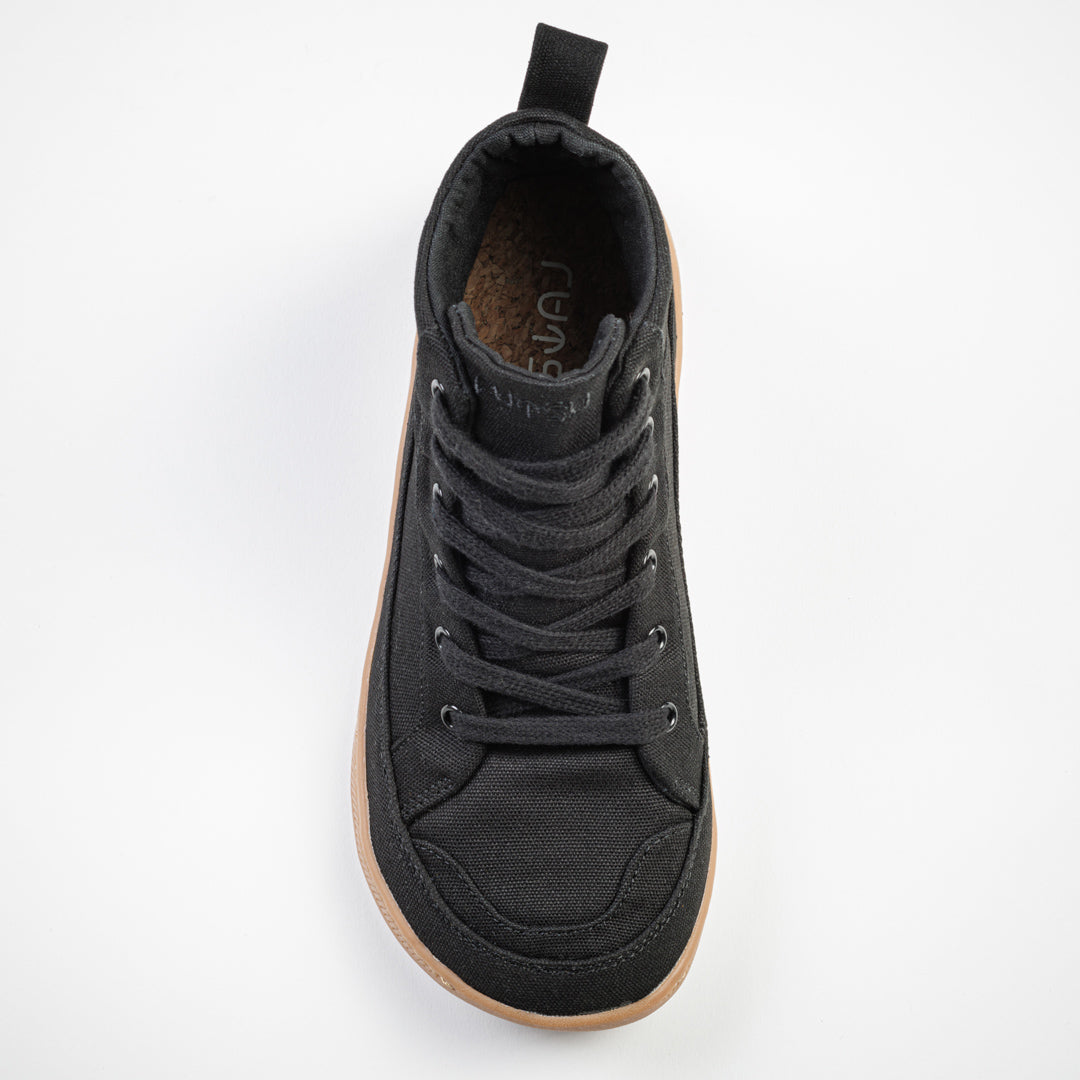
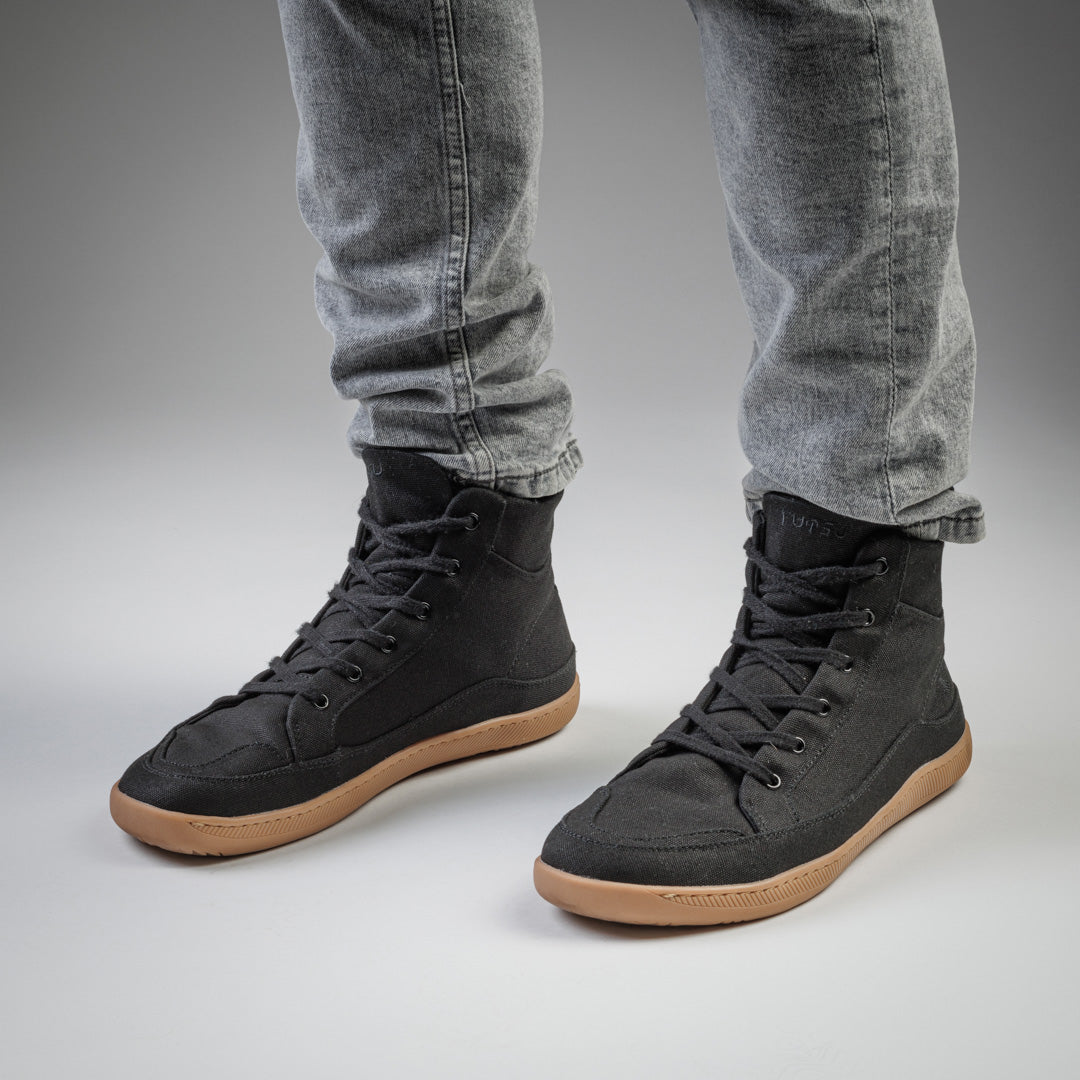
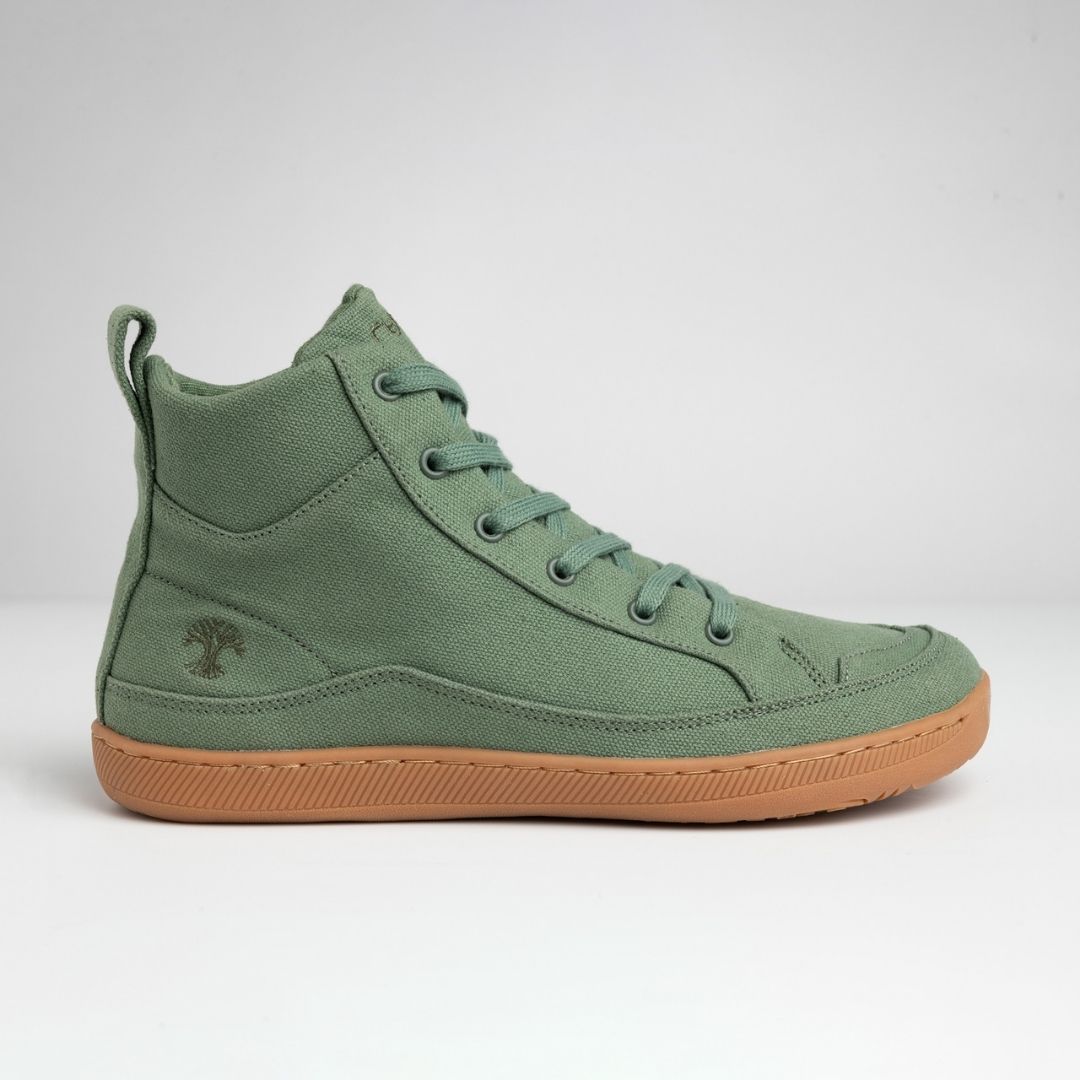
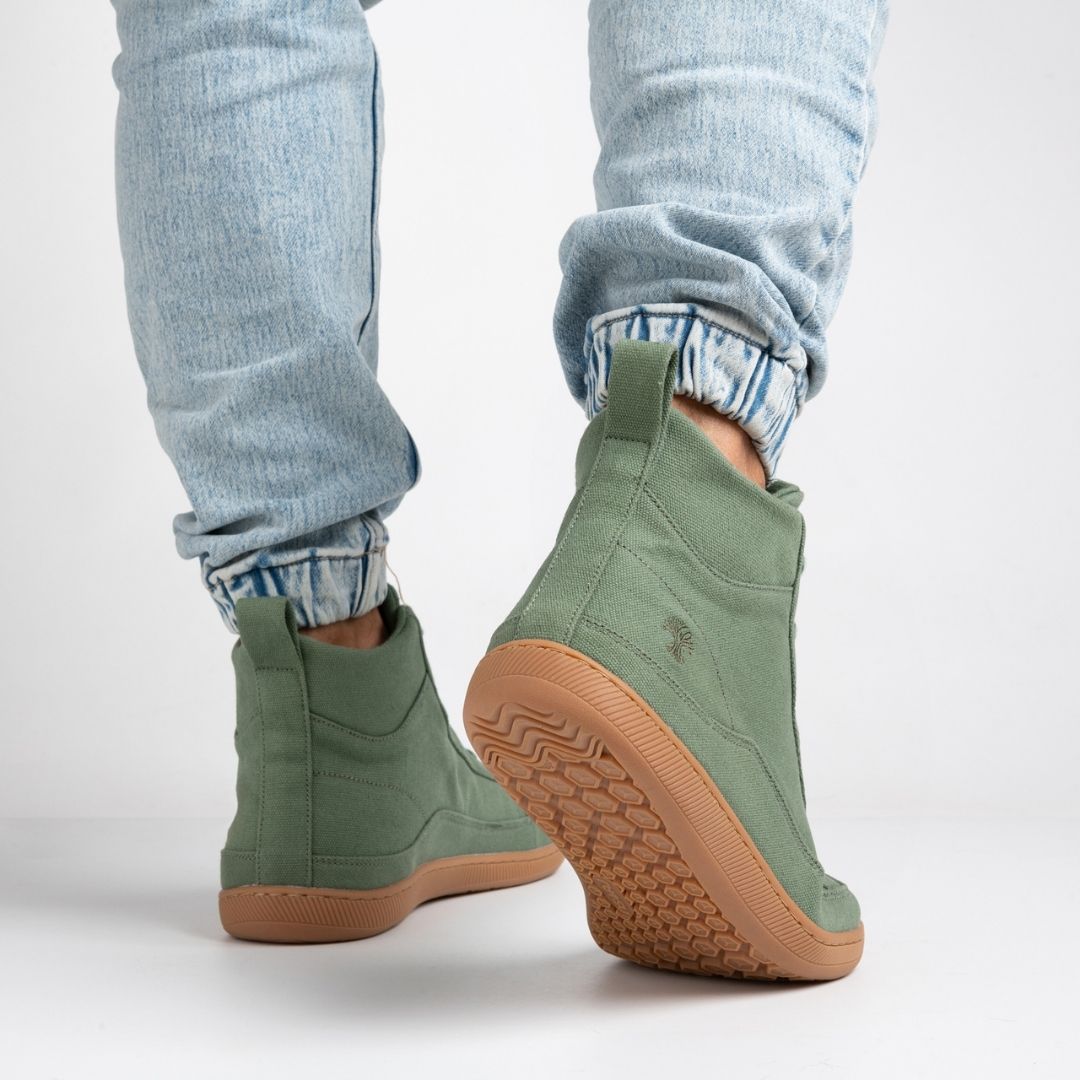
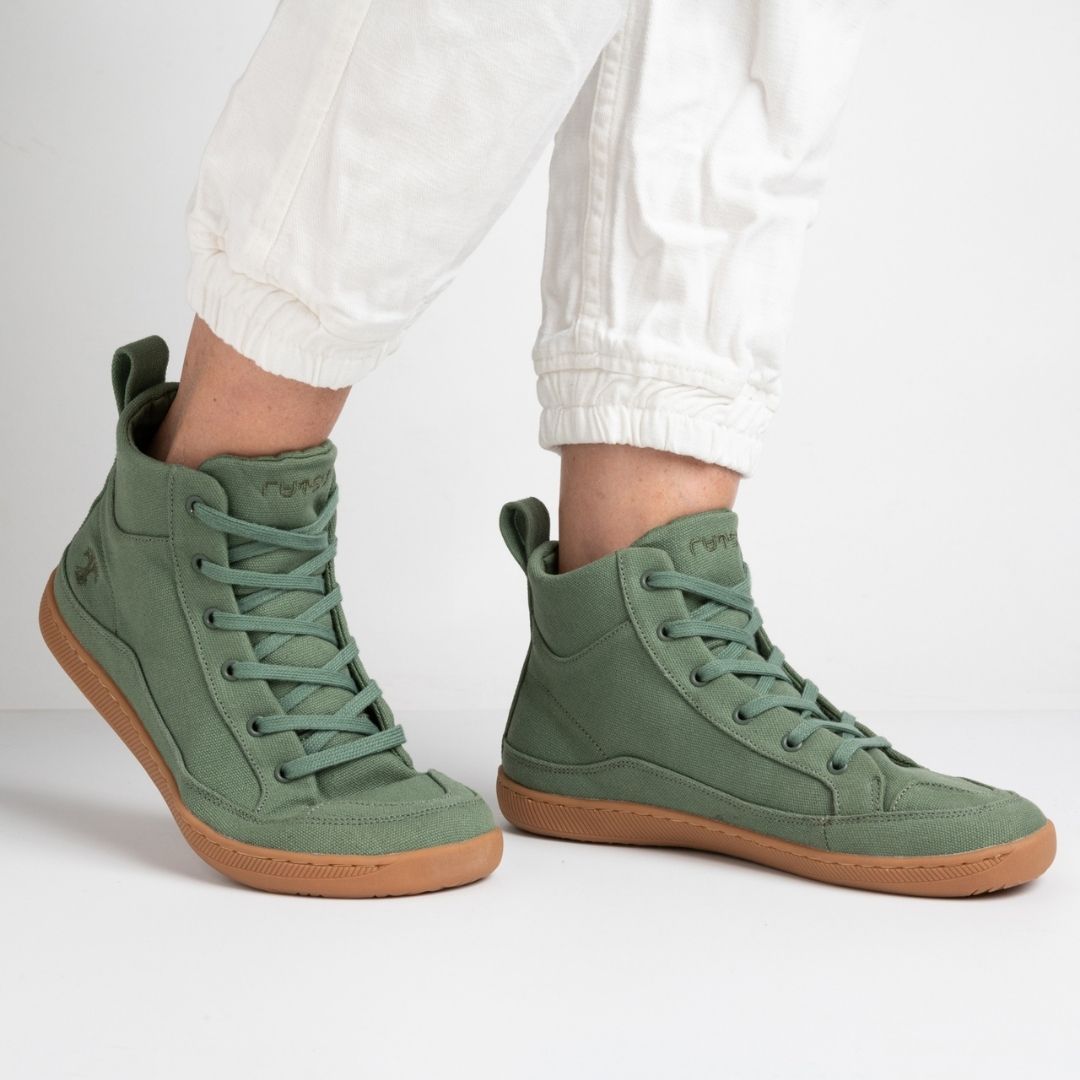
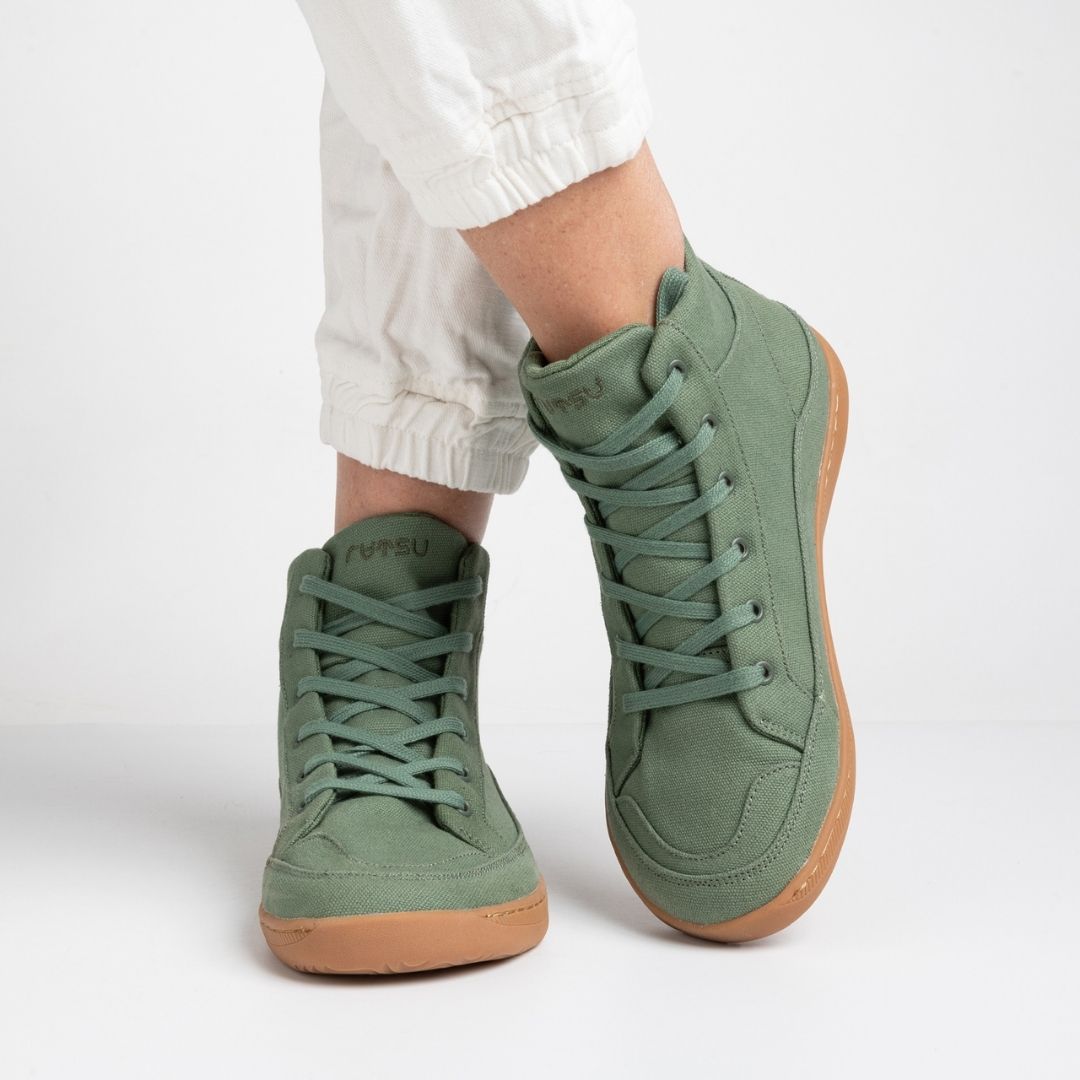
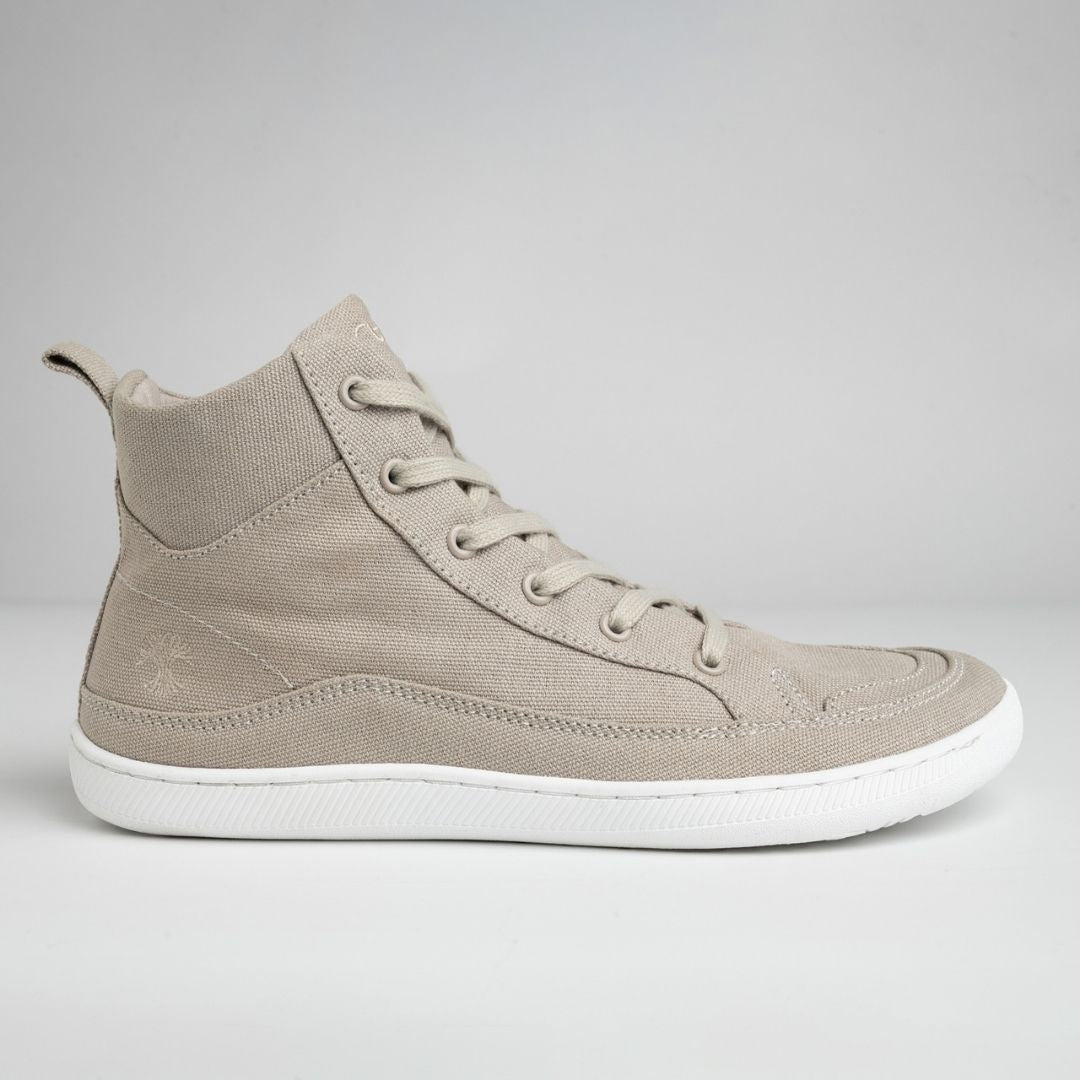
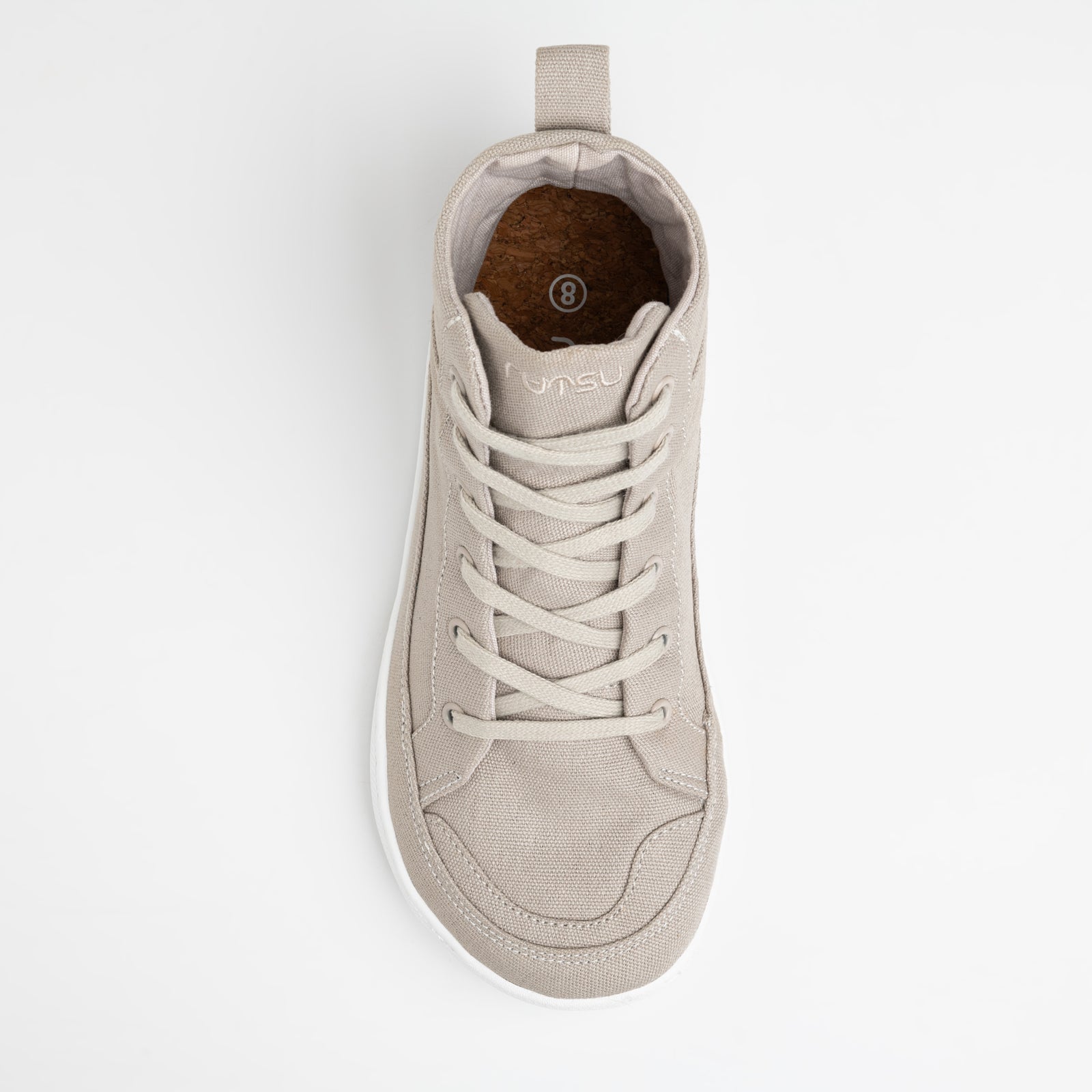
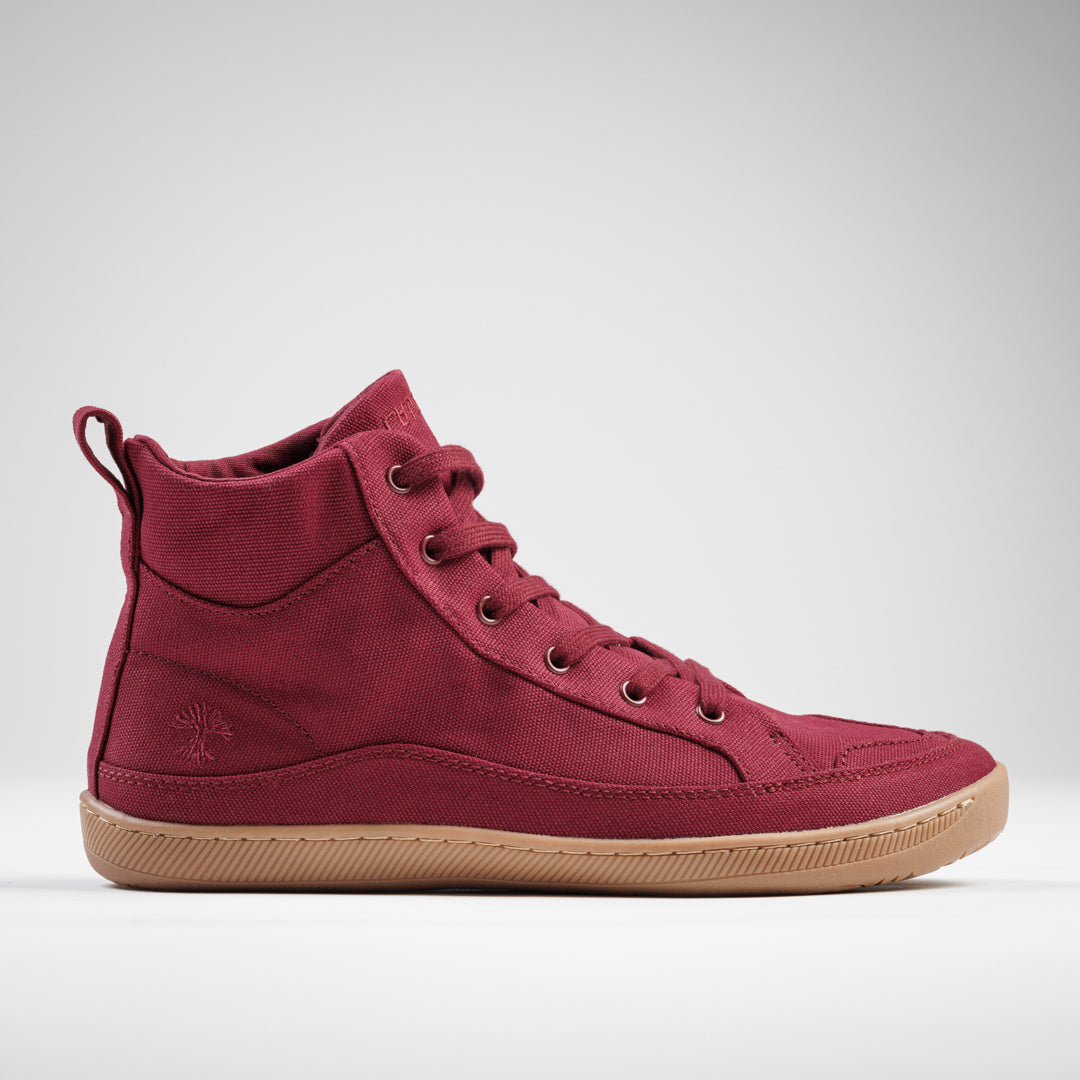
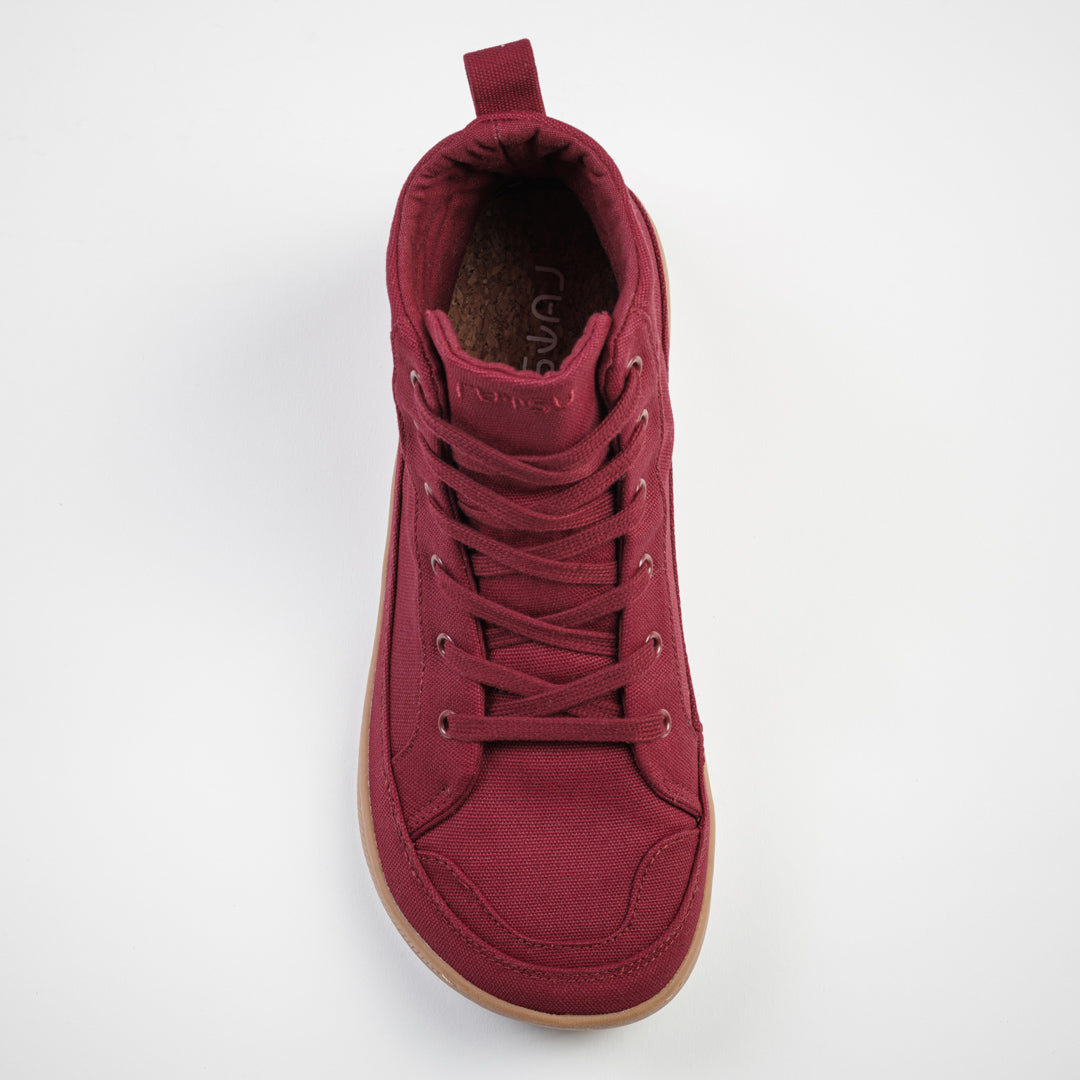
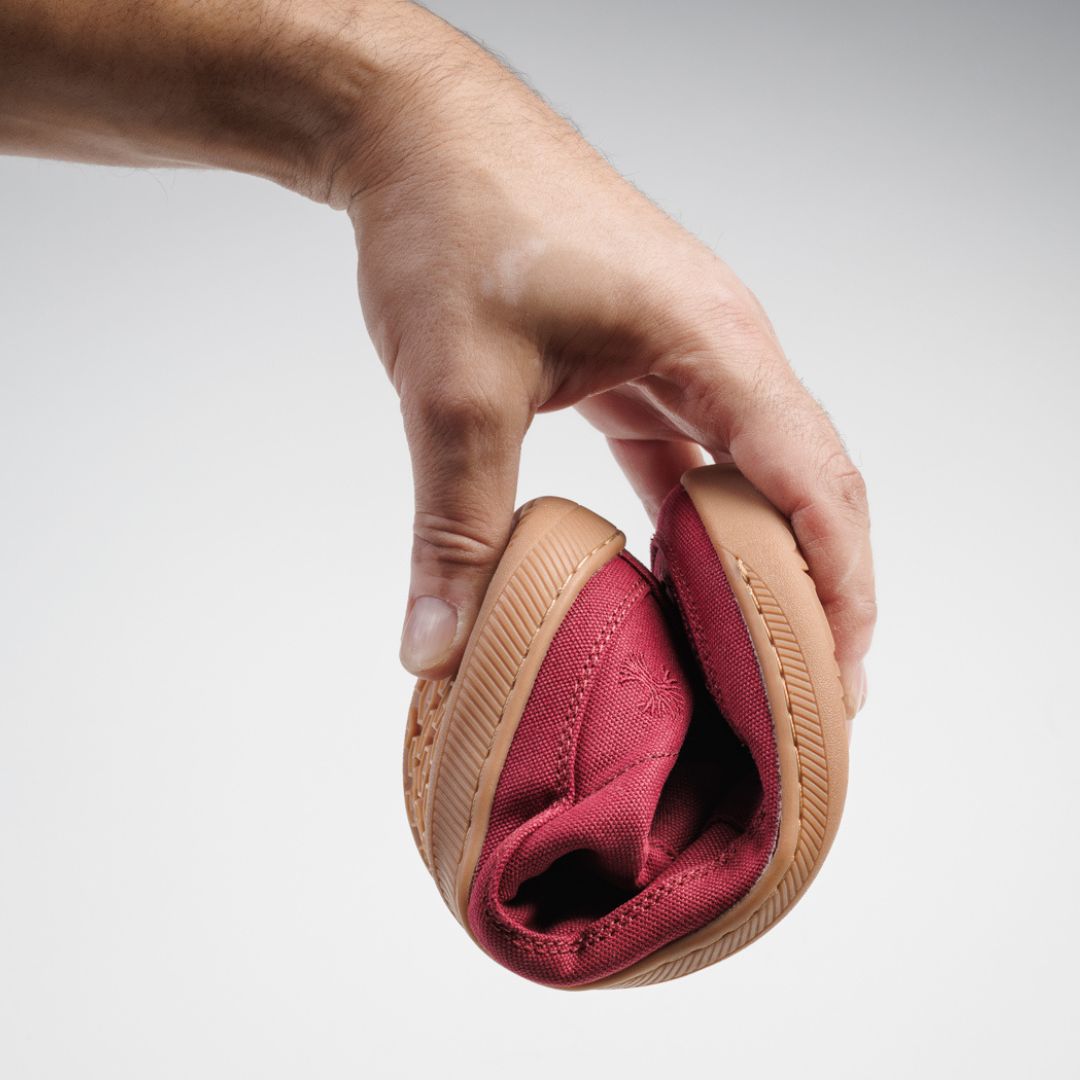
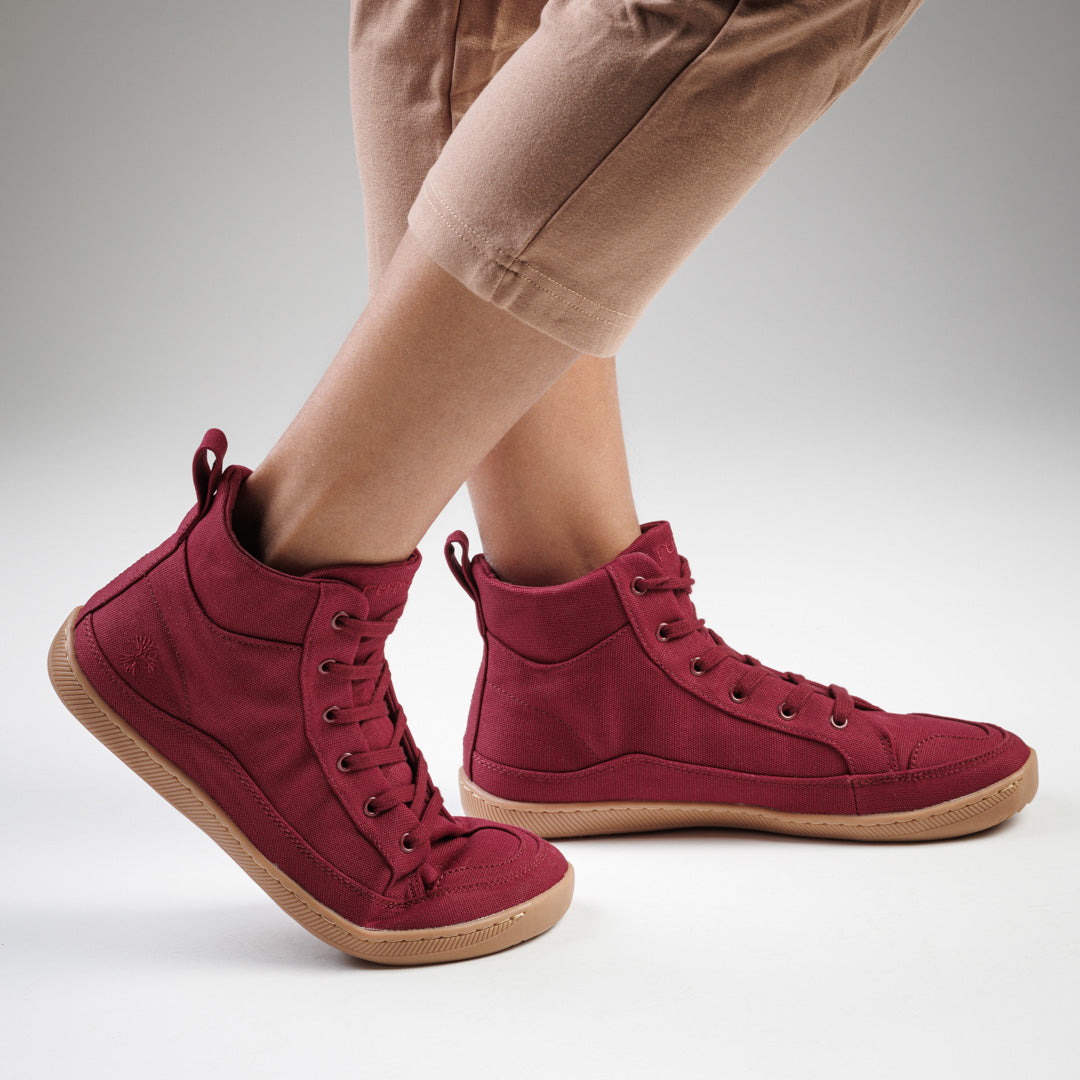
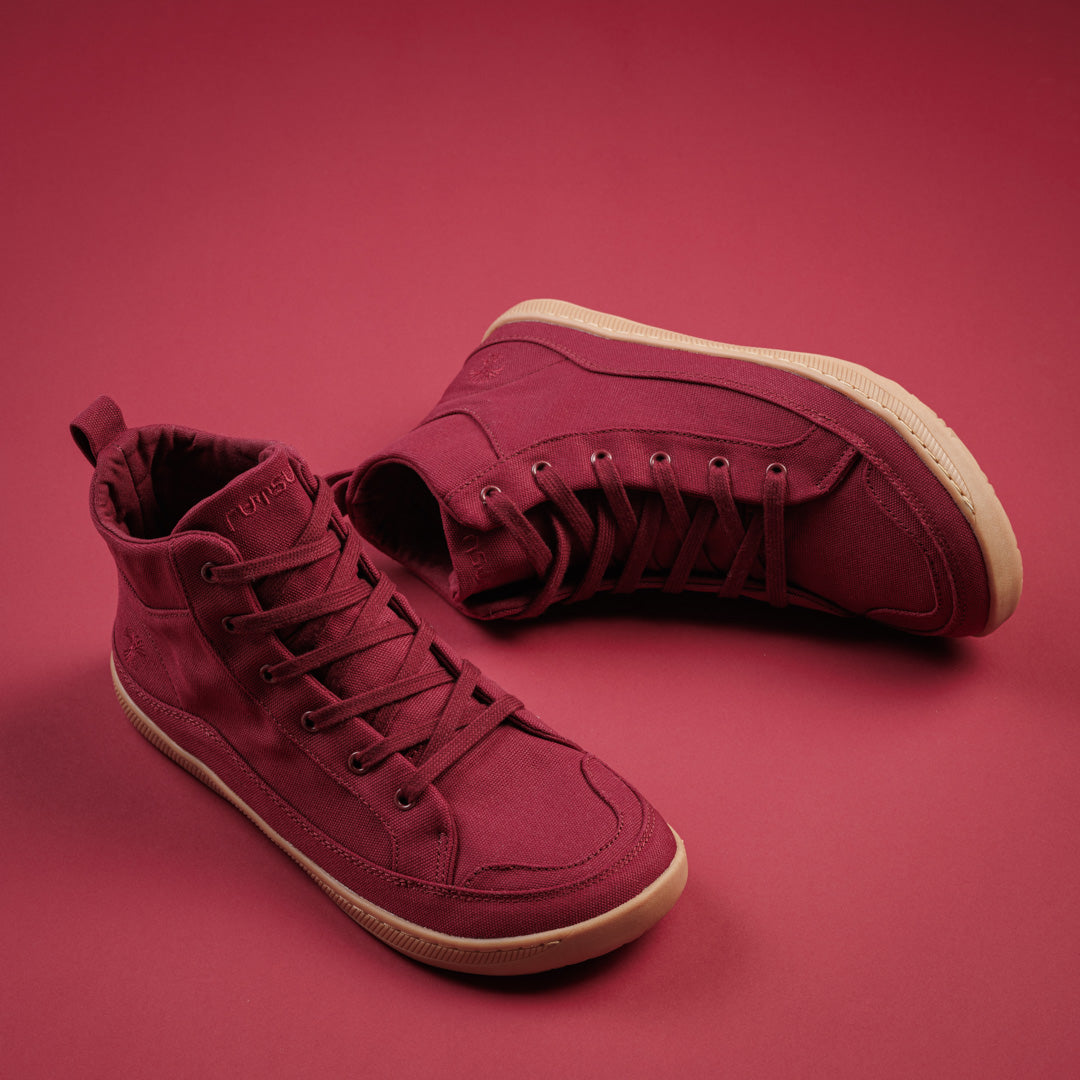
Three things define the category. A wide toe box. Zero drop from heel to toe, so your foot sits flat. Very little structure, so your foot muscles do the work instead of the shoe. Regular shoes tend to narrow near the toes and raise the heel by 8 to 12 millimeters. That lift shifts your weight forward. Over years, it can shorten your calf muscles too.
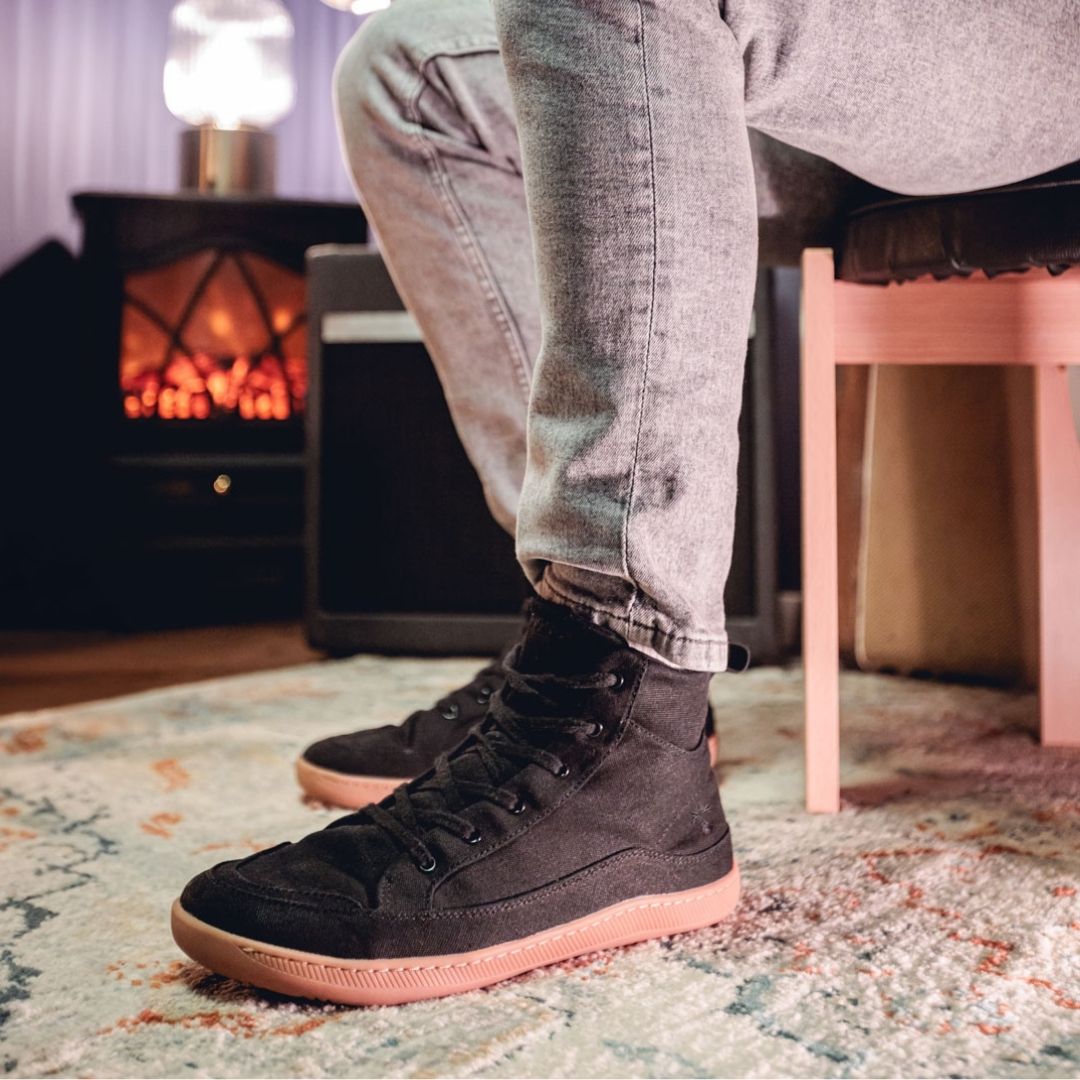
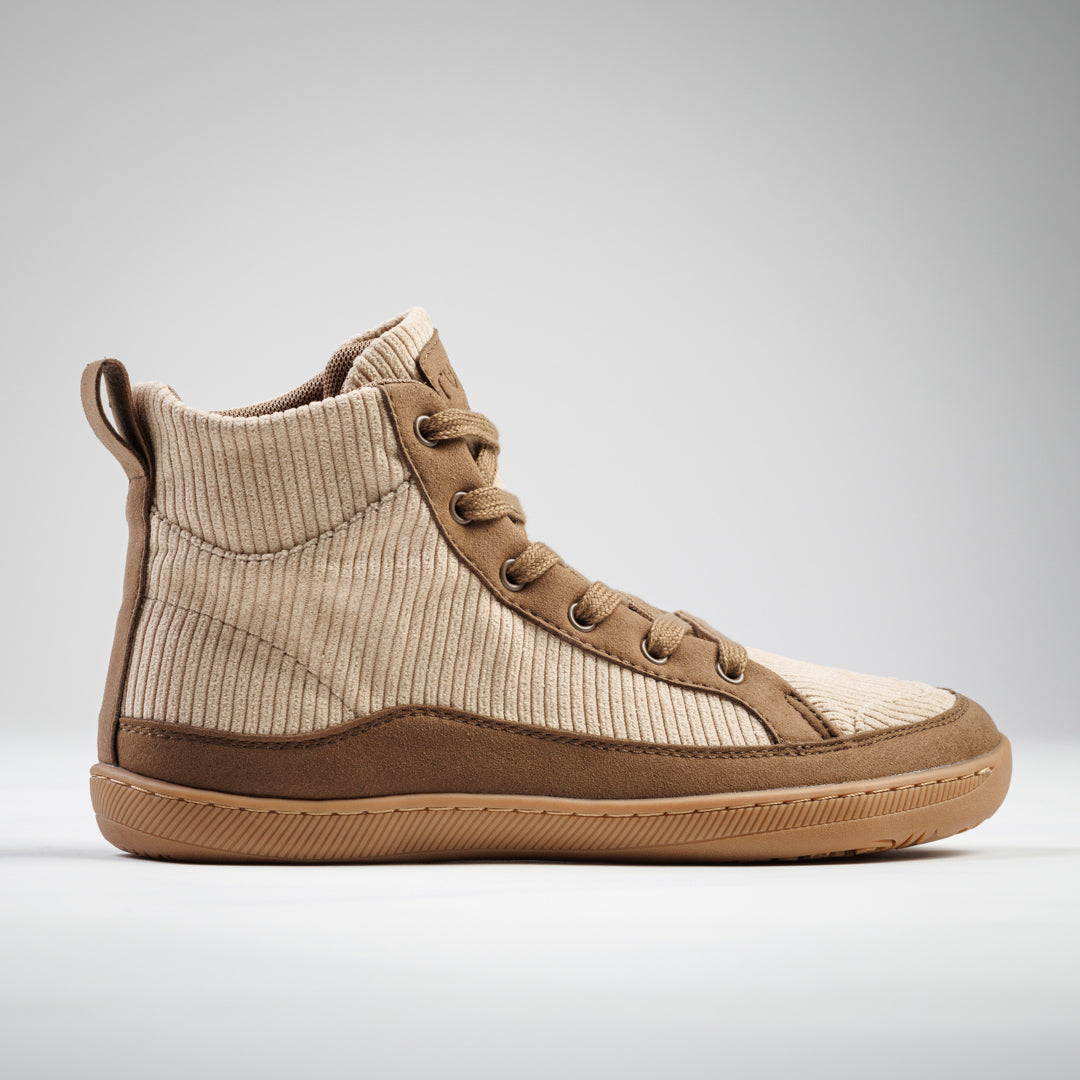
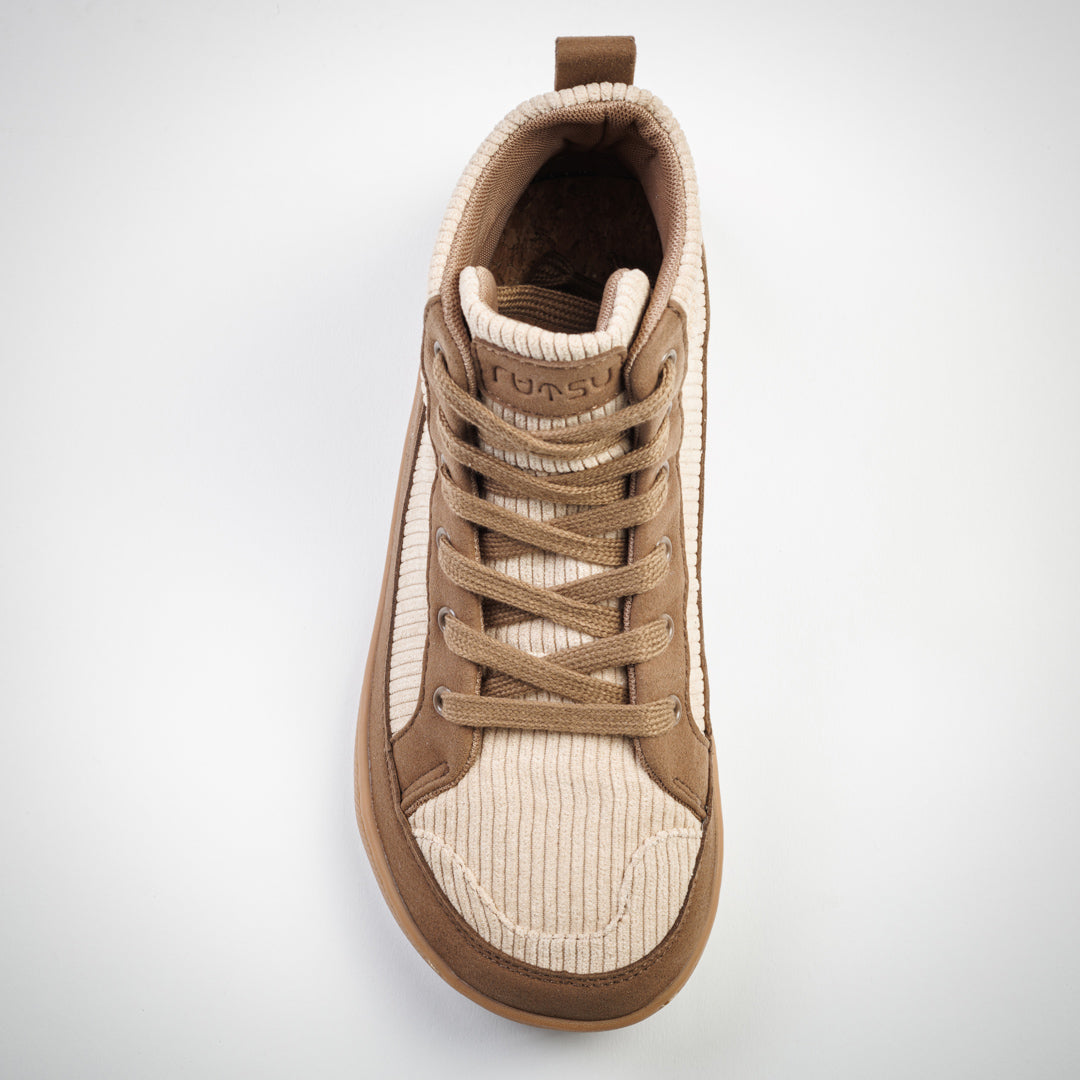
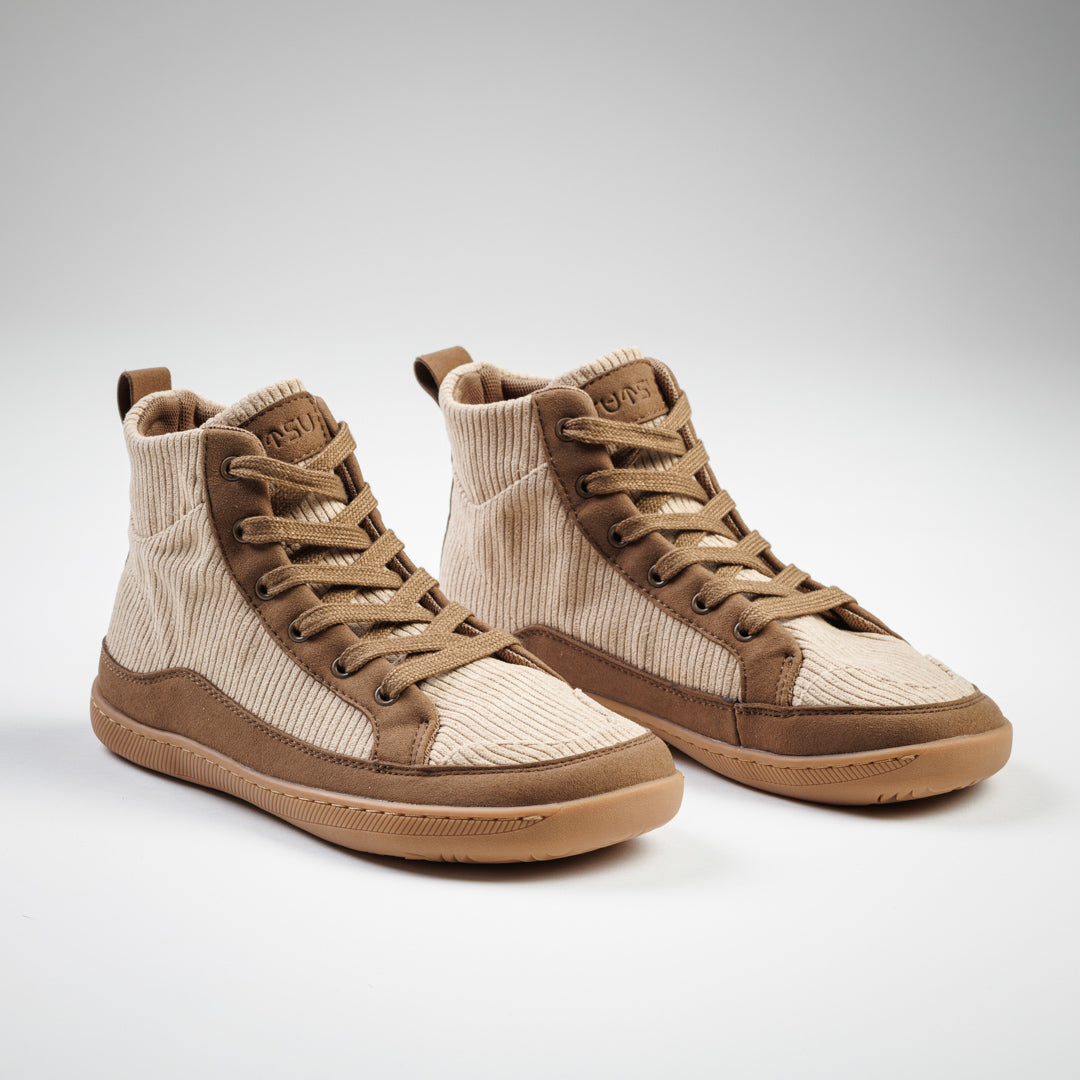
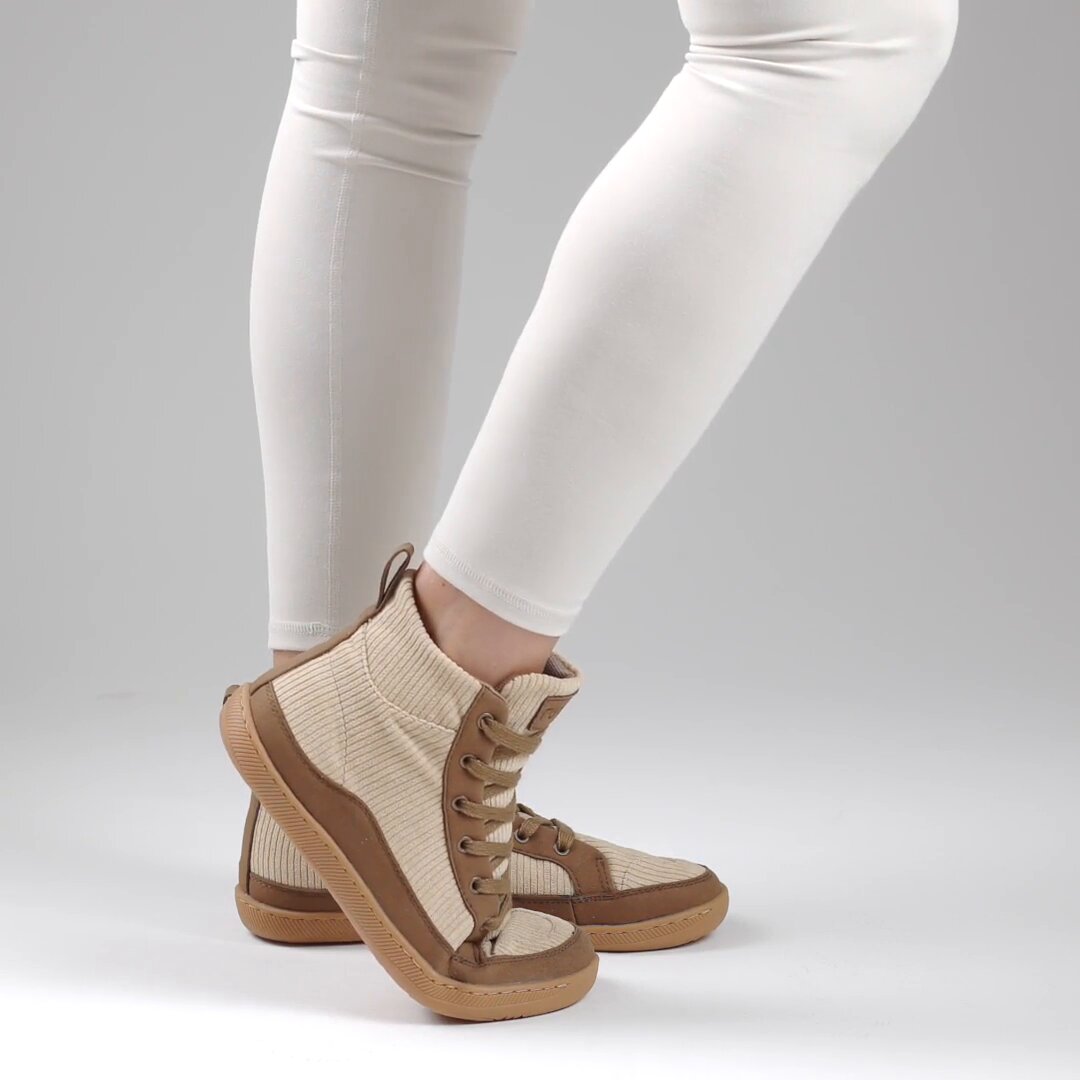
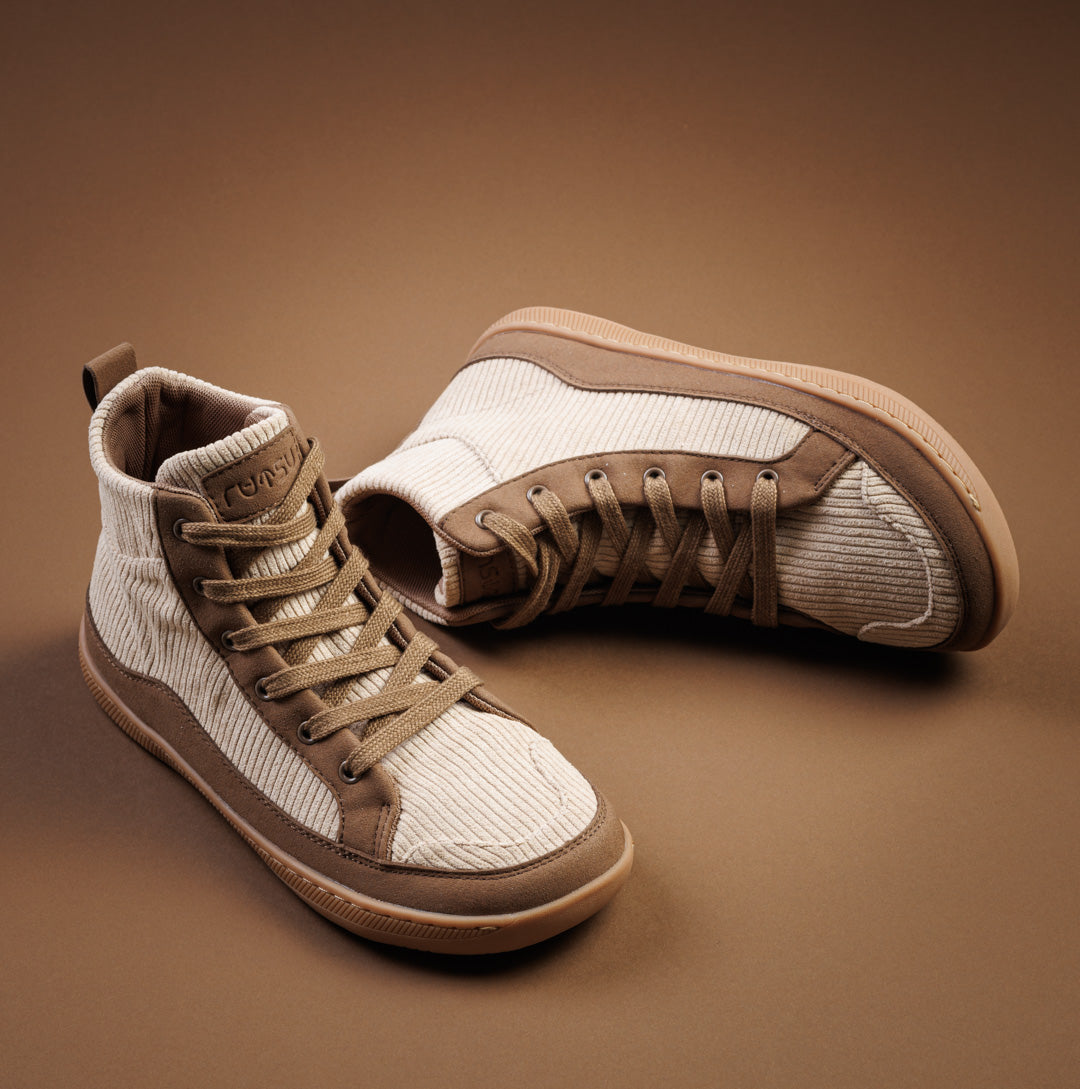
Rutsu Barefoot builds its wide toe box shoes around this idea, not as a gimmick. Your foot has 26 bones. It has over 100 muscles, tendons, and ligaments. Squeeze all of that into a narrow, raised shape for decades, and things start to change.
How Regular Shoes Quietly Change Your Walking Pattern Without You Noticing
Here's what nobody tells you: your shoes have been retraining how you walk for years. You just never noticed.
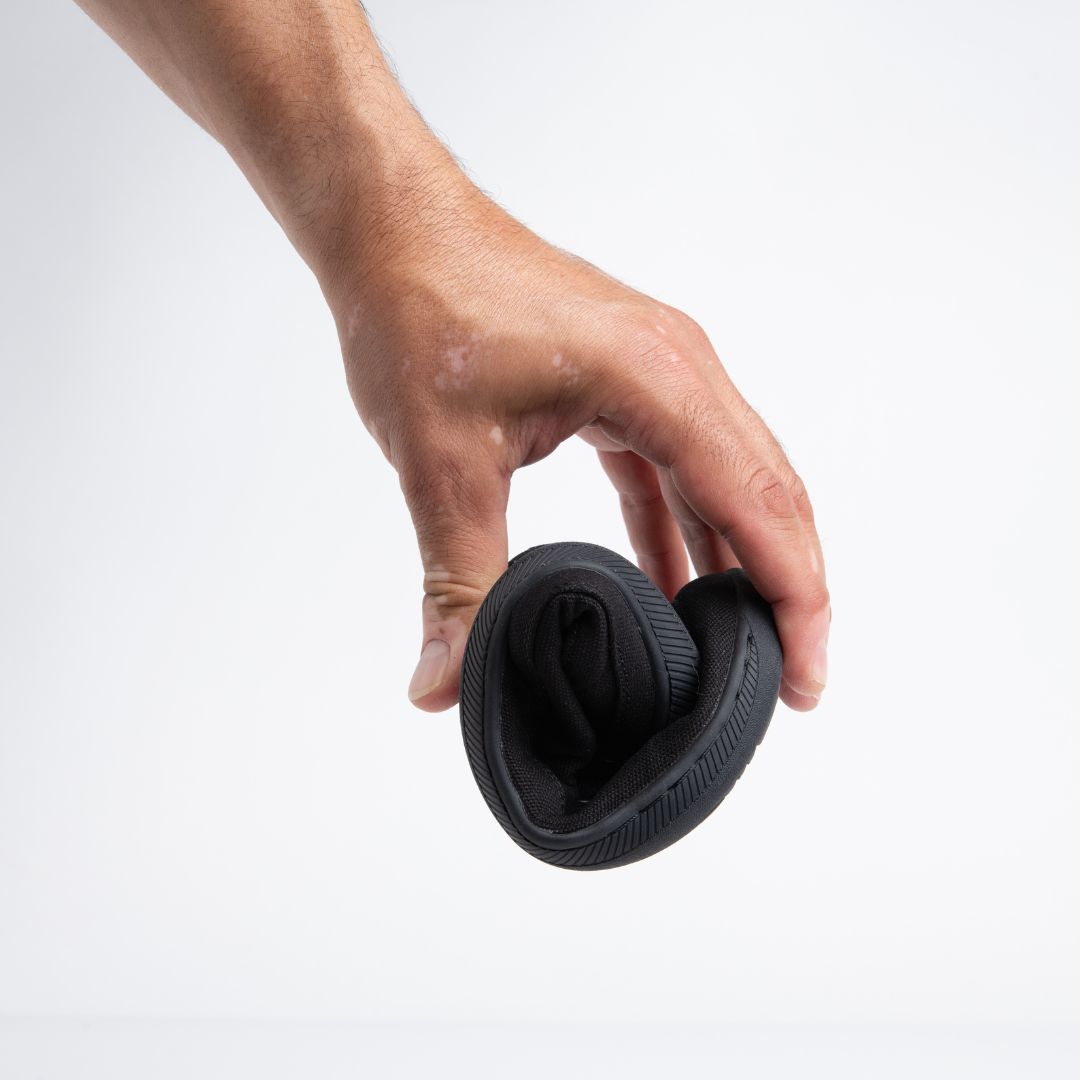
Cushioned heels push you toward a heel-first strike. Stiff soles stop your foot from flexing the way it wants to. Bit by bit, the small muscles in your feet fire less. Some research suggests they may even weaken, the same way any muscle weakens when you stop using it.
This isn't some evil shoe-company plot. Companies built cushioned shoes because people asked for comfort. But the tradeoff is real. It's worth knowing before you assume your walk is just "normal."
The Proven Benefits of Barefoot Walking: What the Research Actually Shows
Some studies point to stronger foot muscles after weeks of barefoot or minimalist walking. Others show better balance. Why? Your brain gets clearer signals about where your foot lands and what it's touching.
A few findings worth knowing:
-
Foot strength may improve within months of regular minimalist use
-
Balance scores in older adults sometimes improve with barefoot-style training
-
Toes may keep their natural spread better than in narrow shoes
None of this makes barefoot shoes a cure-all. The research base is still small. Results vary by person. Treat these as real possibilities, not guarantees.
The Risks of Transitioning to Barefoot: Injuries Transition Guides Don't Mention
Honestly? This is where most people mess up. They buy barefoot shoes, wear them all day, and wonder why their calves ache that night.
Stress fractures in the foot show up more in people who rush the switch. So does plantar fasciitis, which is almost funny, since that's often the exact pain people hope barefoot shoes will fix. Your Achilles tendon and calves need weeks, sometimes months, to adjust to a flat position. Skip that step, and you're asking old tissue to do new work.
Running in Barefoot Shoes: Why It's a Completely Different Game Than Walking
Walking and running load your feet in totally different ways. Running can slam two to three times your body weight into the ground with every step. A week of barefoot walking will not prepare you for a 5K in the same shoes.
Should you run barefoot on day one? No. Should you eventually, once your feet adapt? Maybe. Build mileage slowly. Watch for sharp pain in the front of your foot or swelling that won't quit.
Who Should Avoid Barefoot Shoes: Contraindications Worth Knowing
This part matters more than any sales goal. People with nerve damage from diabetes, bad plantar fasciitis flare-ups, certain foot deformities, or recent foot surgery should talk to a foot doctor first. Barefoot shoes strip away protective padding. For some conditions, that padding matters a lot.
Had a stress fracture before? Achilles trouble? Go slow, and loop in a physical therapist if you can.
A Safe Transition Process from Regular Shoes to Barefoot: Stages and Timelines
Here's a realistic timeline:
-
Weeks 1 to 2: Wear them 1 to 2 hours a day, mostly for walking
-
Weeks 3 to 6: Stretch that to half your day. Add light standing tasks
-
Weeks 7 to 12: Full-day wear starts to feel normal for most people
-
Month 3 onward: Try light running or harder activity, but only if you're pain-free
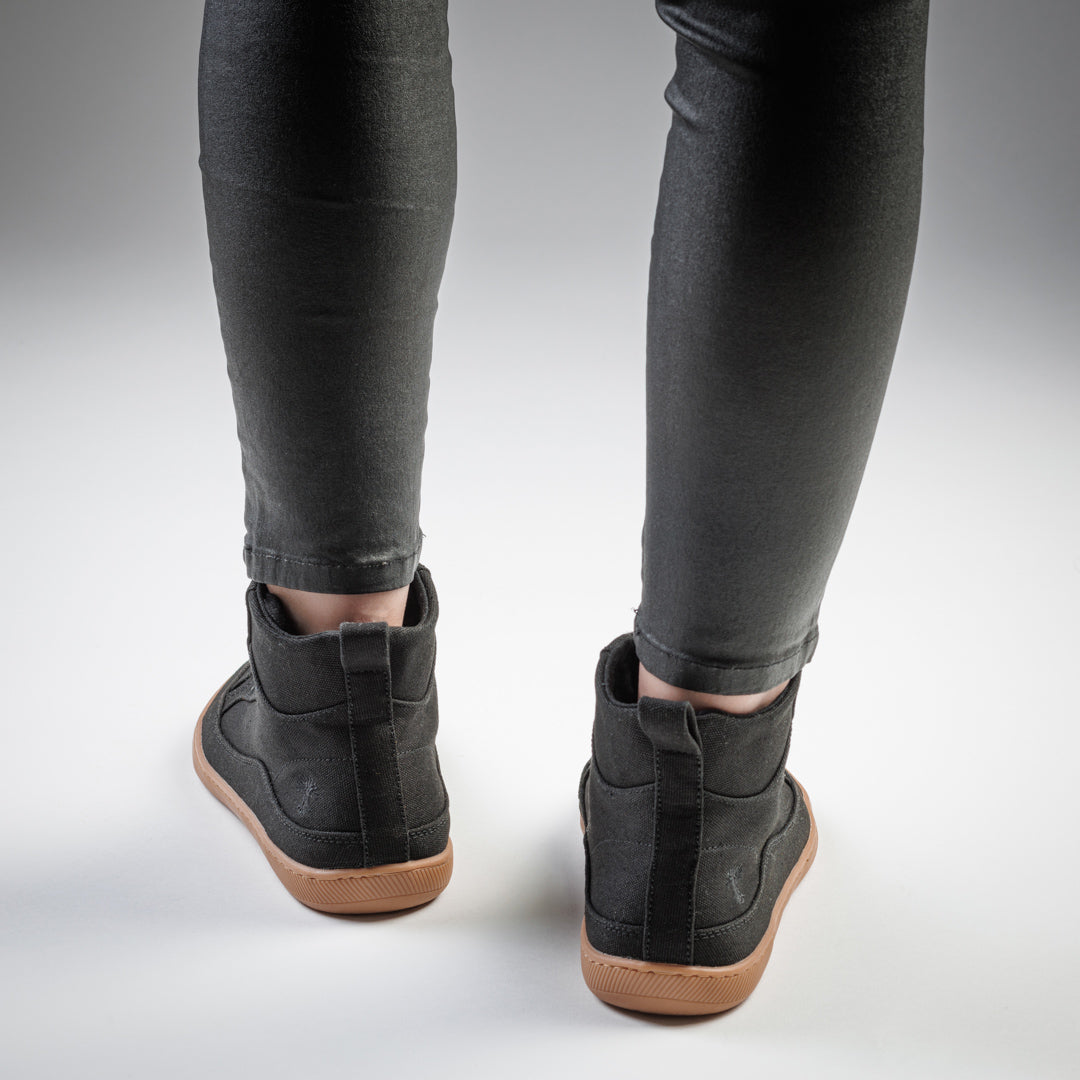
Rutsu Barefoot's Earth grounded collection fits well here. The ground feel is gentler than a fully minimalist shoe, which helps during the early weeks. Not every brand plans for a slow build. This one does, and that's the whole point.
How Footwear Affects Posture, Knees, and Lower Back
Your feet are the base of your whole body. Raised heels tilt your pelvis forward. That can increase the curve in your lower back. Some people say their knee and back pain eases up after switching to flatter, wider shoes. Results vary, though. Posture depends on more than footwear alone.
Think of it like fixing a wobbly table leg. Sometimes that one fix solves everything. Sometimes three other legs are wobbly too, and you just haven't found them yet.
How to Choose: A Decision Guide Based on Lifestyle and Goal
Standing all day at work? Go for a wide toe box with light cushioning, not a fully minimal sole. Training for a marathon? Barefoot running shoes need a much longer buildup than barefoot walking shoes do. Just curious about barefoot vs regular shoes for daily errands? Start with a low-top pair, and give yourself real time.
There's no single right answer. Your goals, your foot history, and your patience for a slow transition all play a part.
Frequently Asked Questions
Can barefoot shoes hurt feet that aren't used to them?
Yes, if you rush it. Sore calves, tired arches, and the odd stress reaction are common when people skip the adjustment period. Go slow over weeks, not days, and most of that goes away.
How long does it take to safely transition from regular shoes to barefoot?
Most people need 8 to 12 weeks before full-day wear feels comfortable. Running or other high-impact activity can take three to six months of steady buildup.
Are barefoot shoes suitable for running on asphalt?
They can be, once your feet have adapted. Asphalt gives less than trails do, so build up your mileage slowly and pay attention to any sharp or lasting pain.
Do barefoot shoes help with lower back pain?
Some people notice improvement, maybe tied to less pelvic tilt from flatter shoes. It's not a guaranteed fix, though. Back pain usually has more than one cause worth checking with a professional.
What's the difference between barefoot and minimalist shoes?
Barefoot shoes have zero drop and max ground feel. Minimalist shoes sit on a spectrum. Some have a touch more cushion or a small heel lift, but still keep a wider toe box than regular shoes.
Do you need special socks for barefoot shoes?
Not really. Some people like thin, wide-toe socks for comfort and hygiene, but toe socks aren't required. It comes down to personal preference.
Final Thoughts
The barefoot vs normal shoes debate isn't about crowning a winner. It's about matching your shoes to your body, your goals, and how patient you're willing to be. For most healthy adults with no red flags, a gradual switch to wider, flatter shoes offers real benefits. They're modest, but they're backed by a growing pile of research.
Ready to start? Browse Rutsu Barefoot's low-top barefoot shoes for an easy entry point. Or check out the barefoot vs regular shoes breakdown for a closer side-by-side look before you buy.