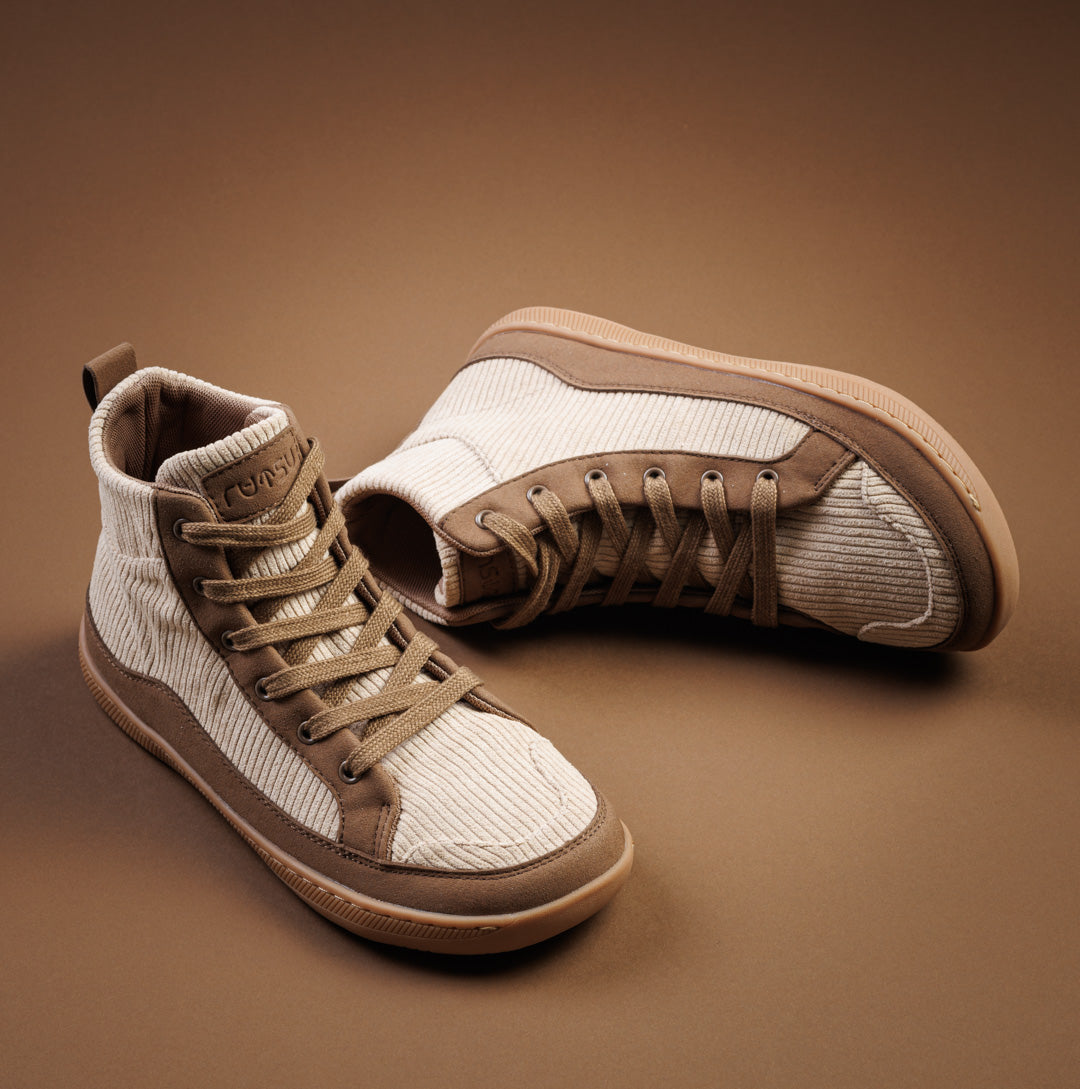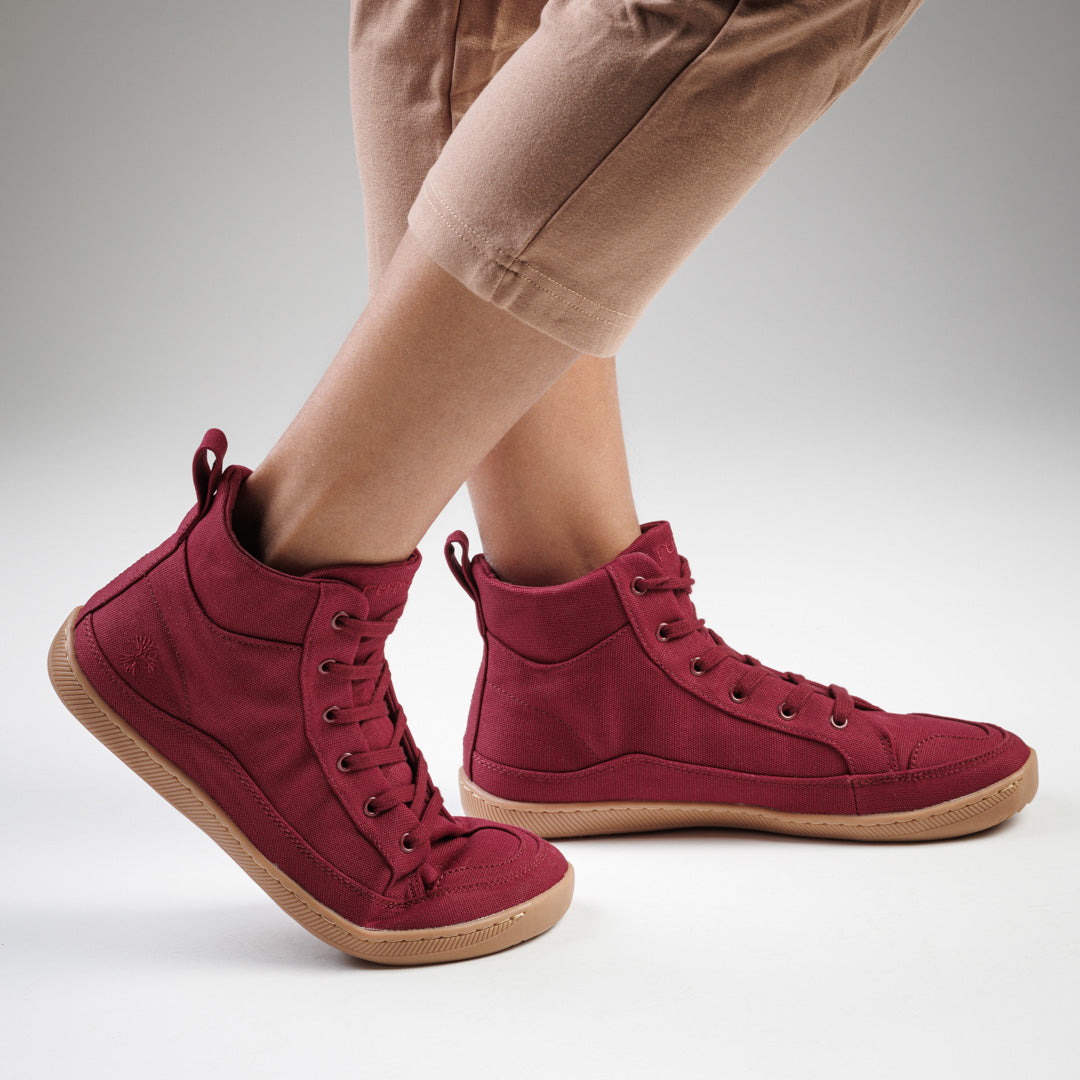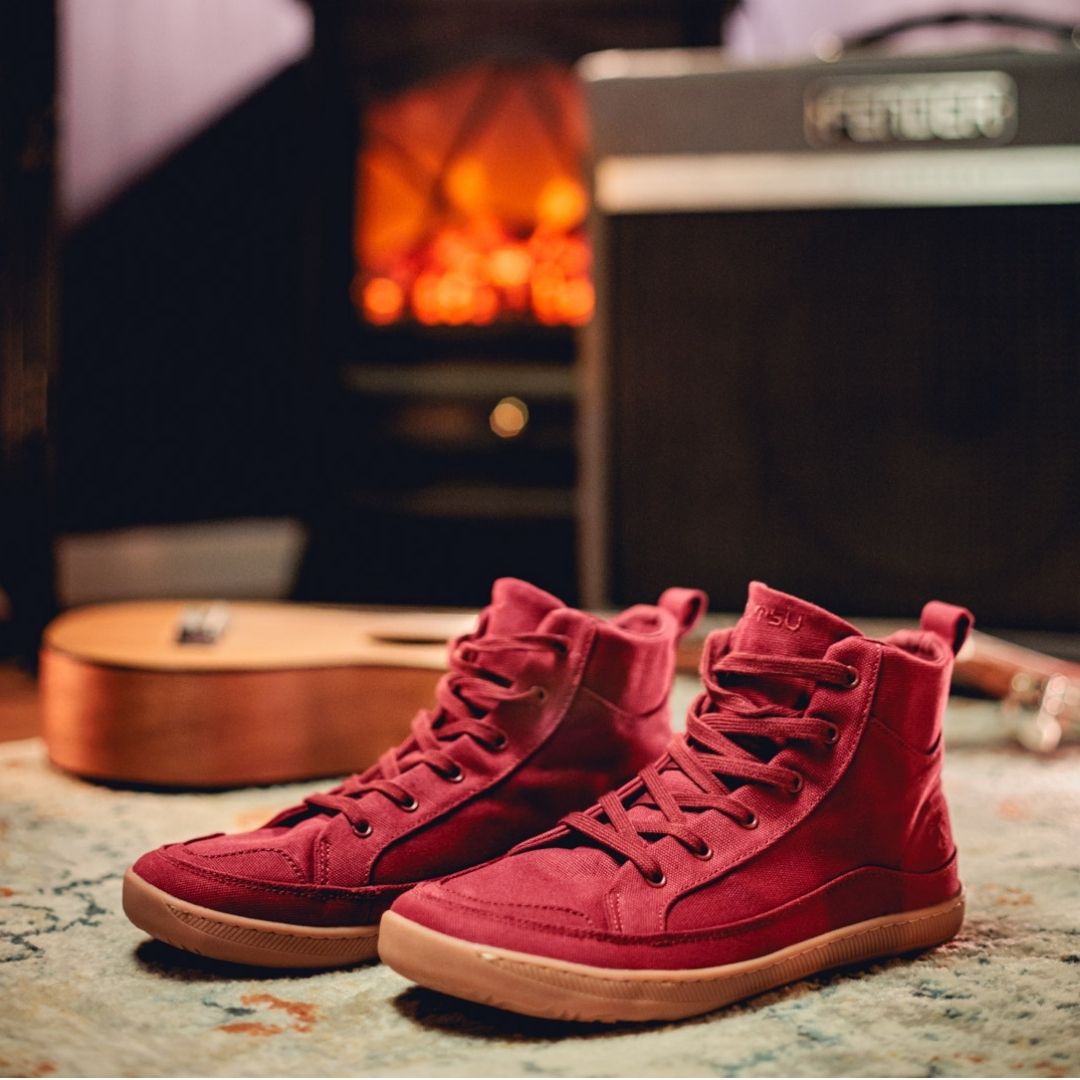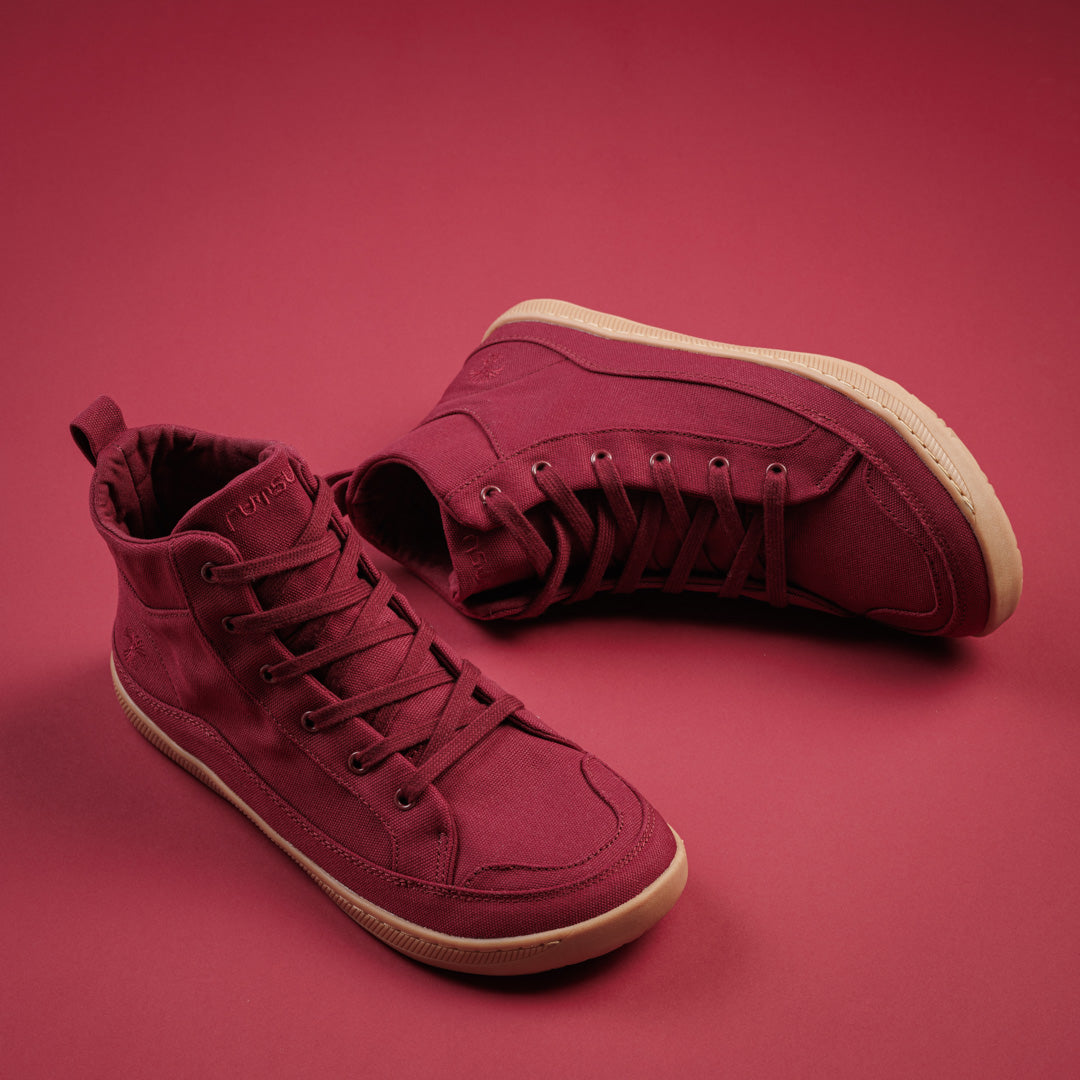


Most training shoes do a lot of the work for you. Thick foam, raised heels, stiff arch support. Comfortable? Sure. But barefoot fitness shoes flip that idea on its head. They strip the shoe down to almost nothing and let your feet do what feet were built to do. This guide walks you through how they work, who they help, and how to switch without ending up on the couch with a sore arch.
What Barefoot Fitness Shoes Actually Are: Zero Drop, Wide Toe Box, and Thin Soles Explained
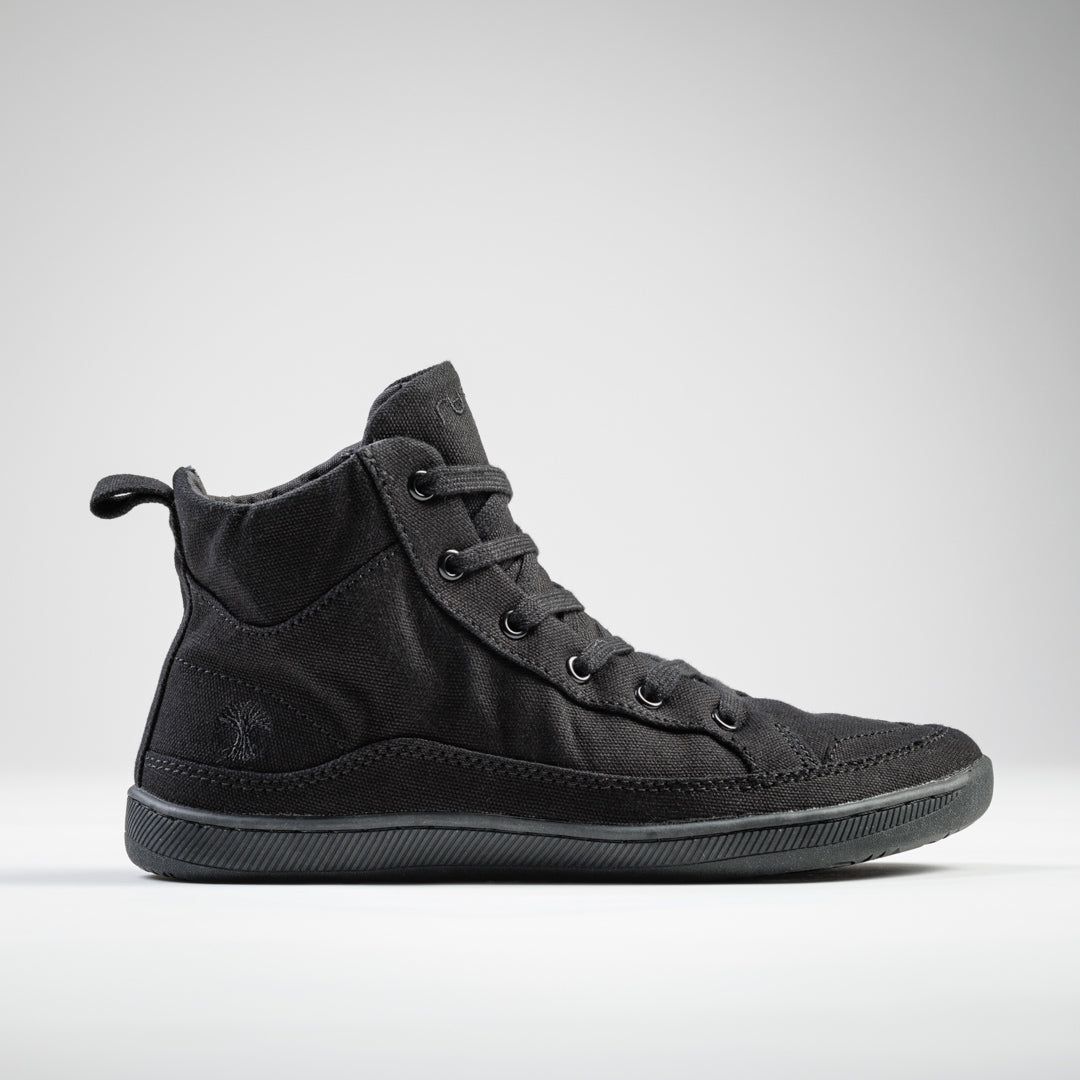
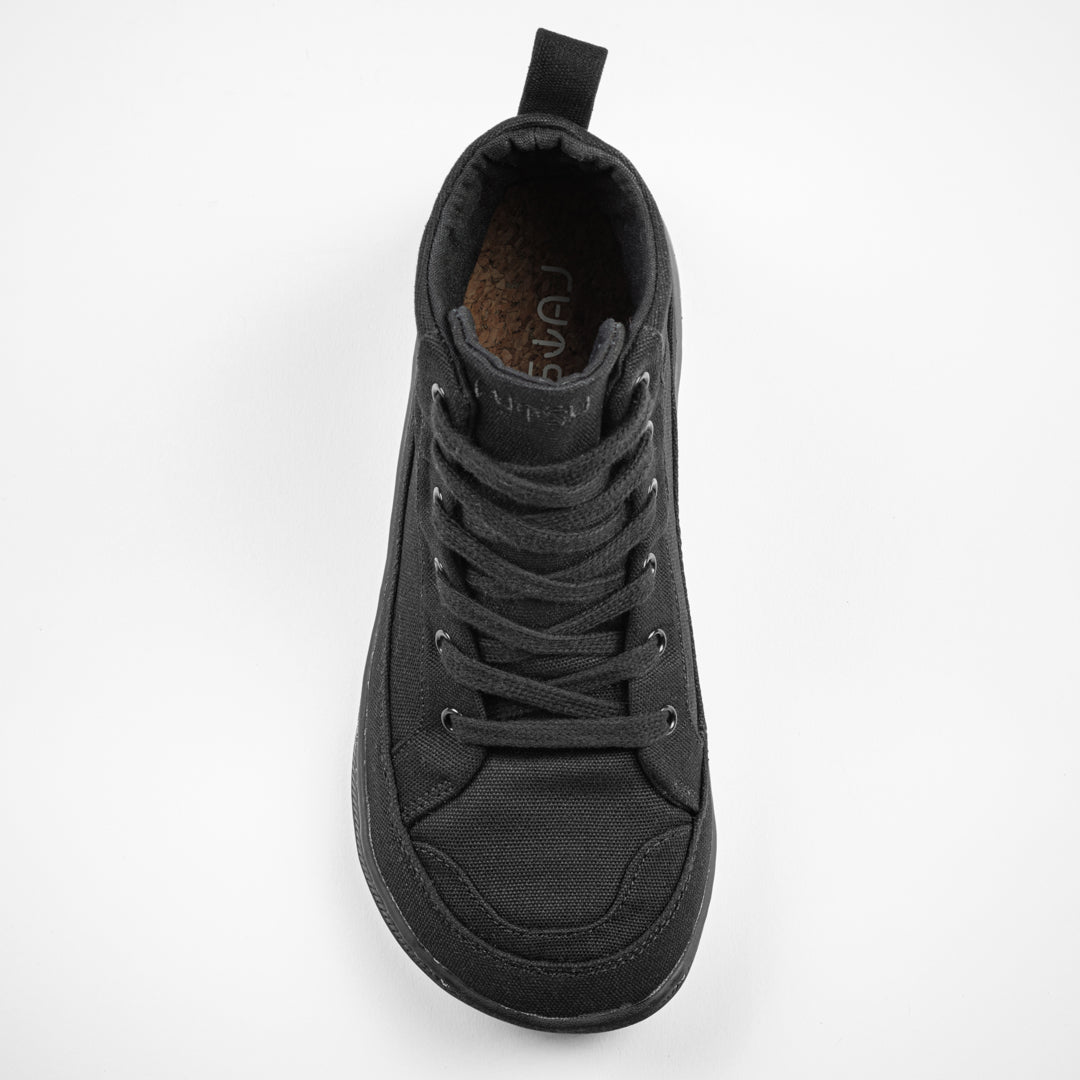
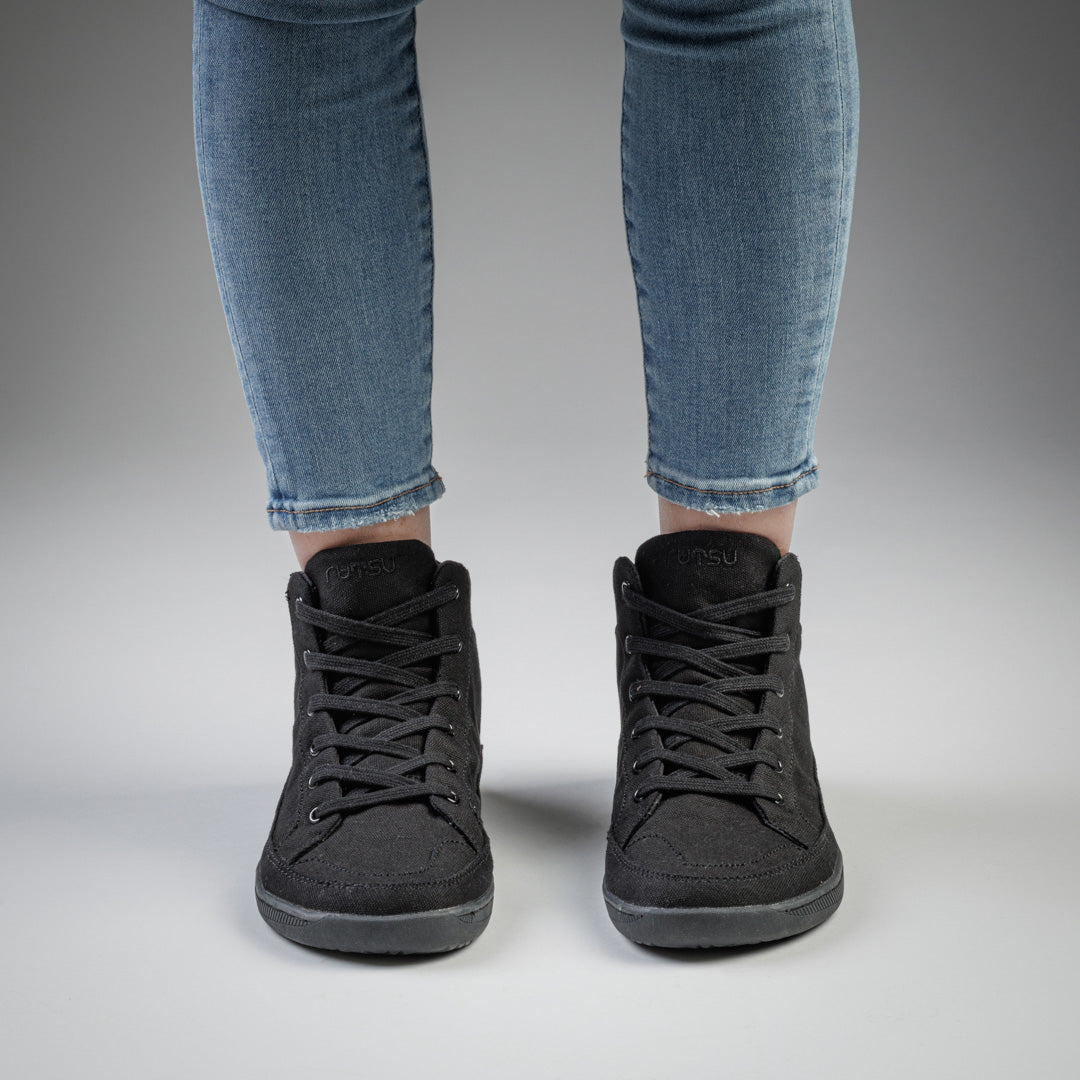
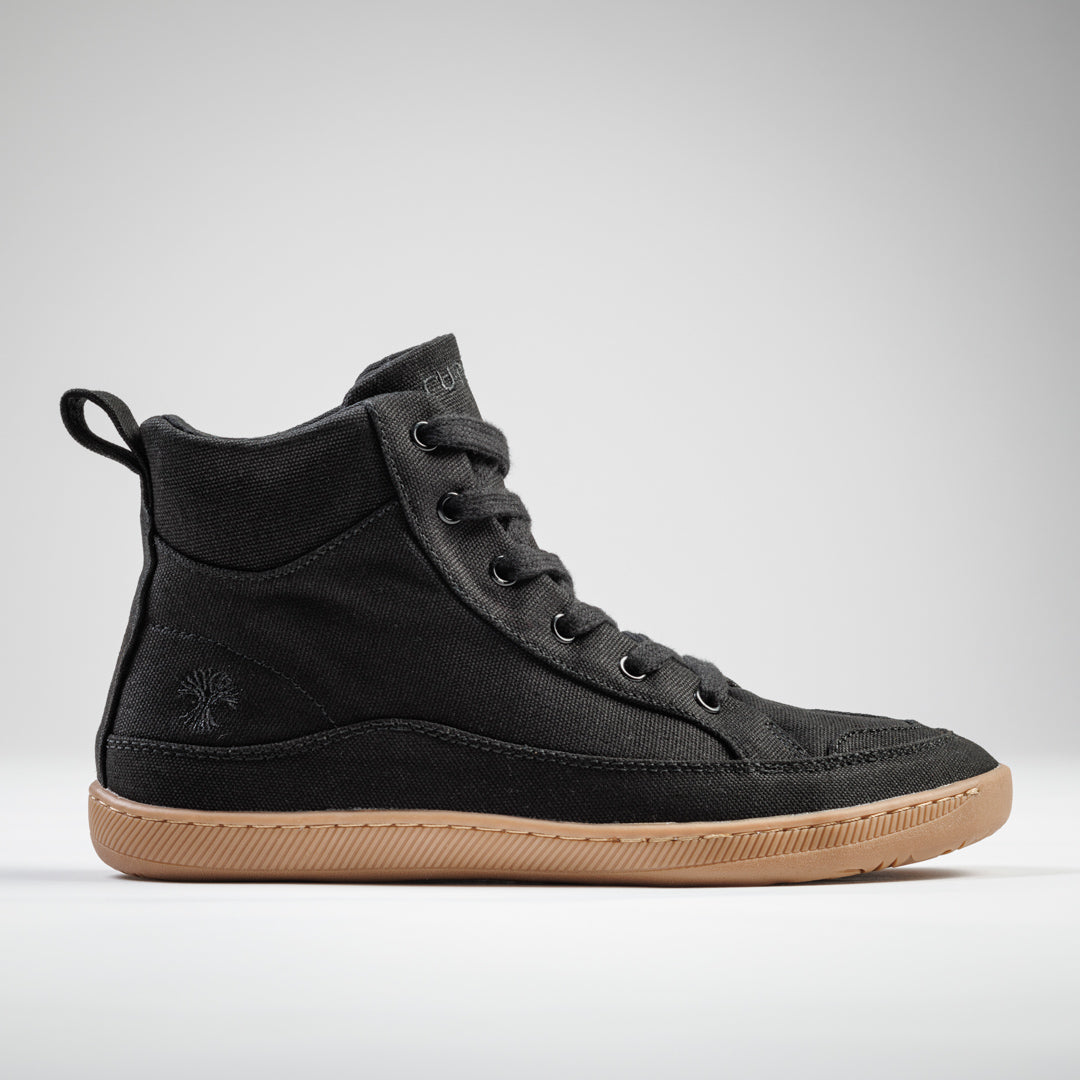
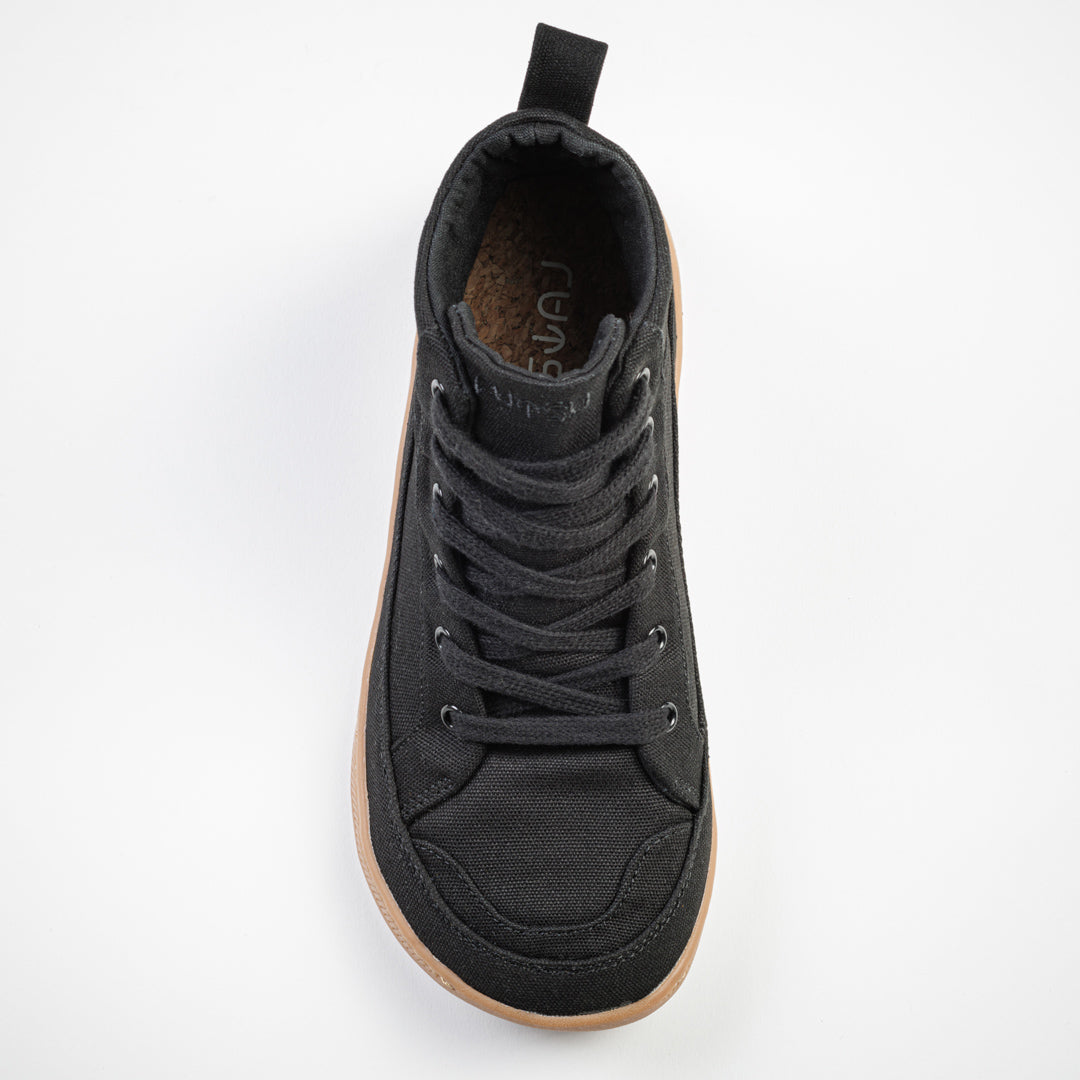
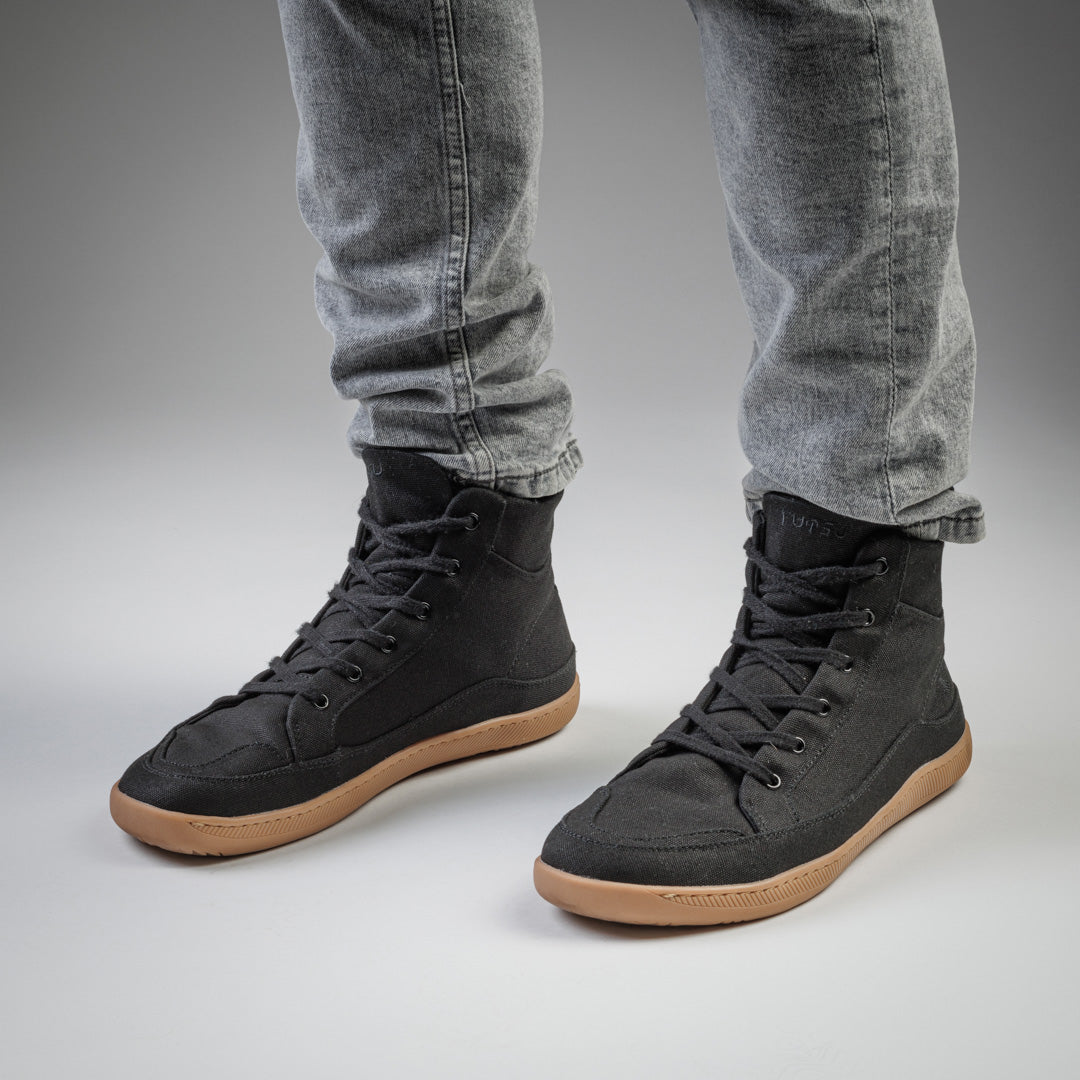
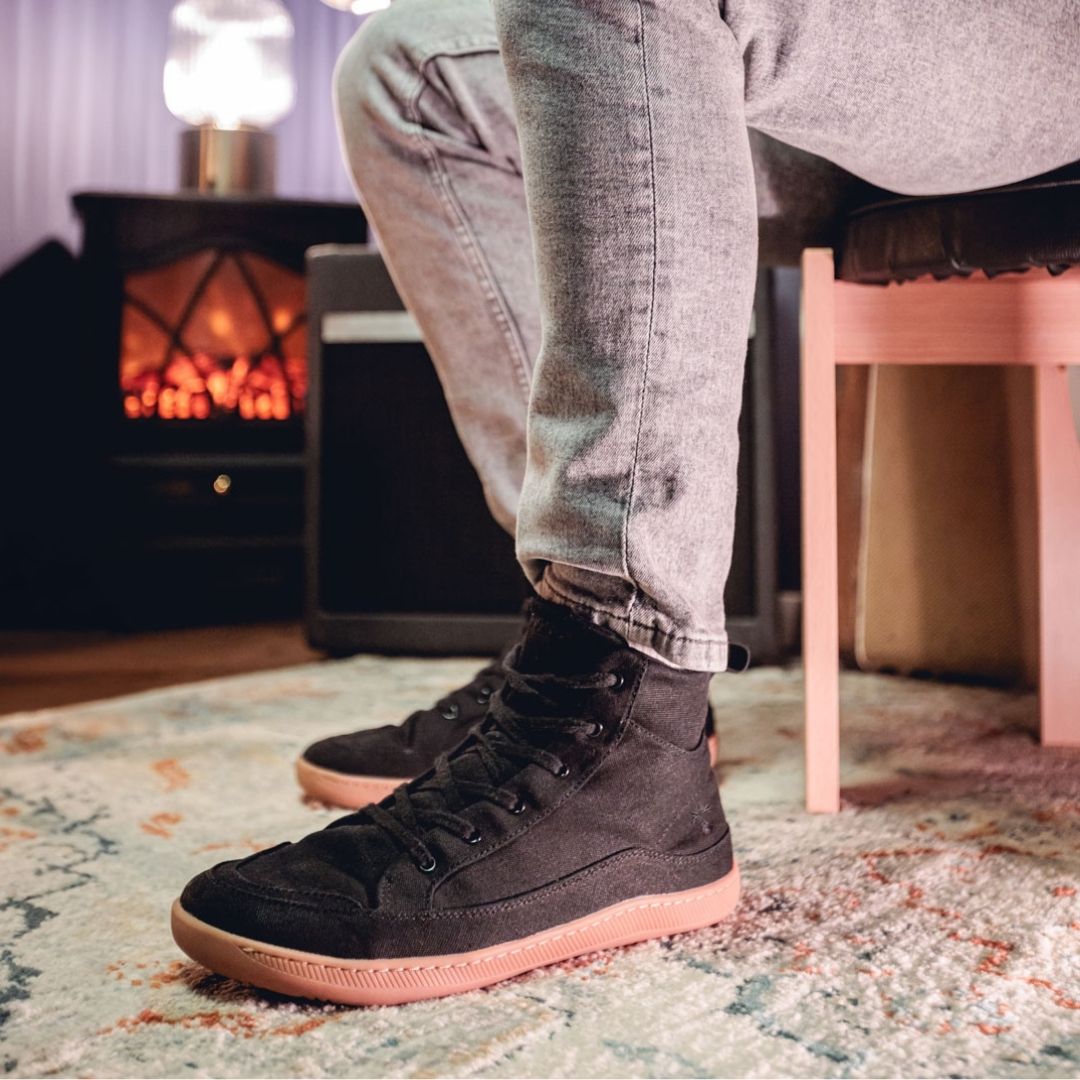
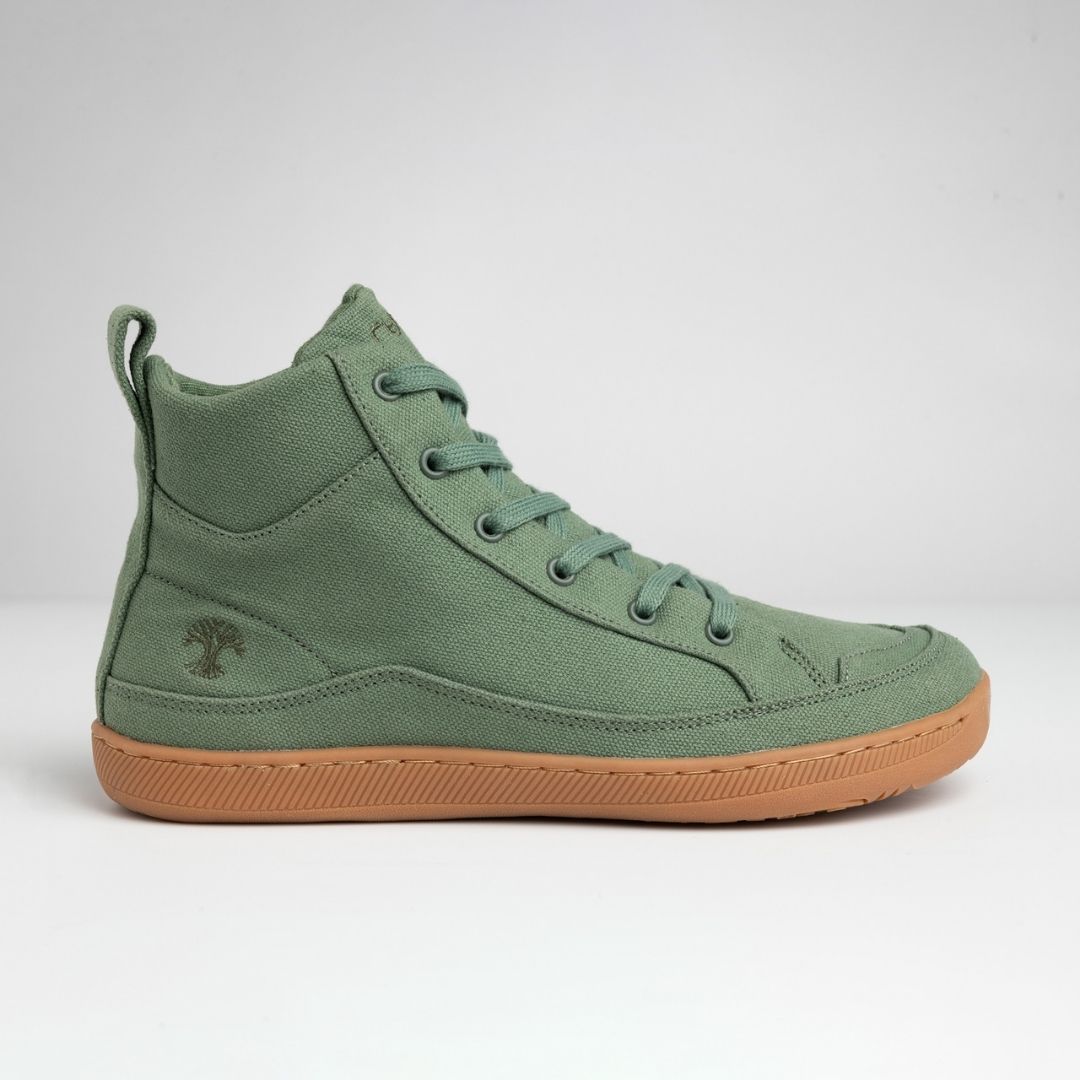
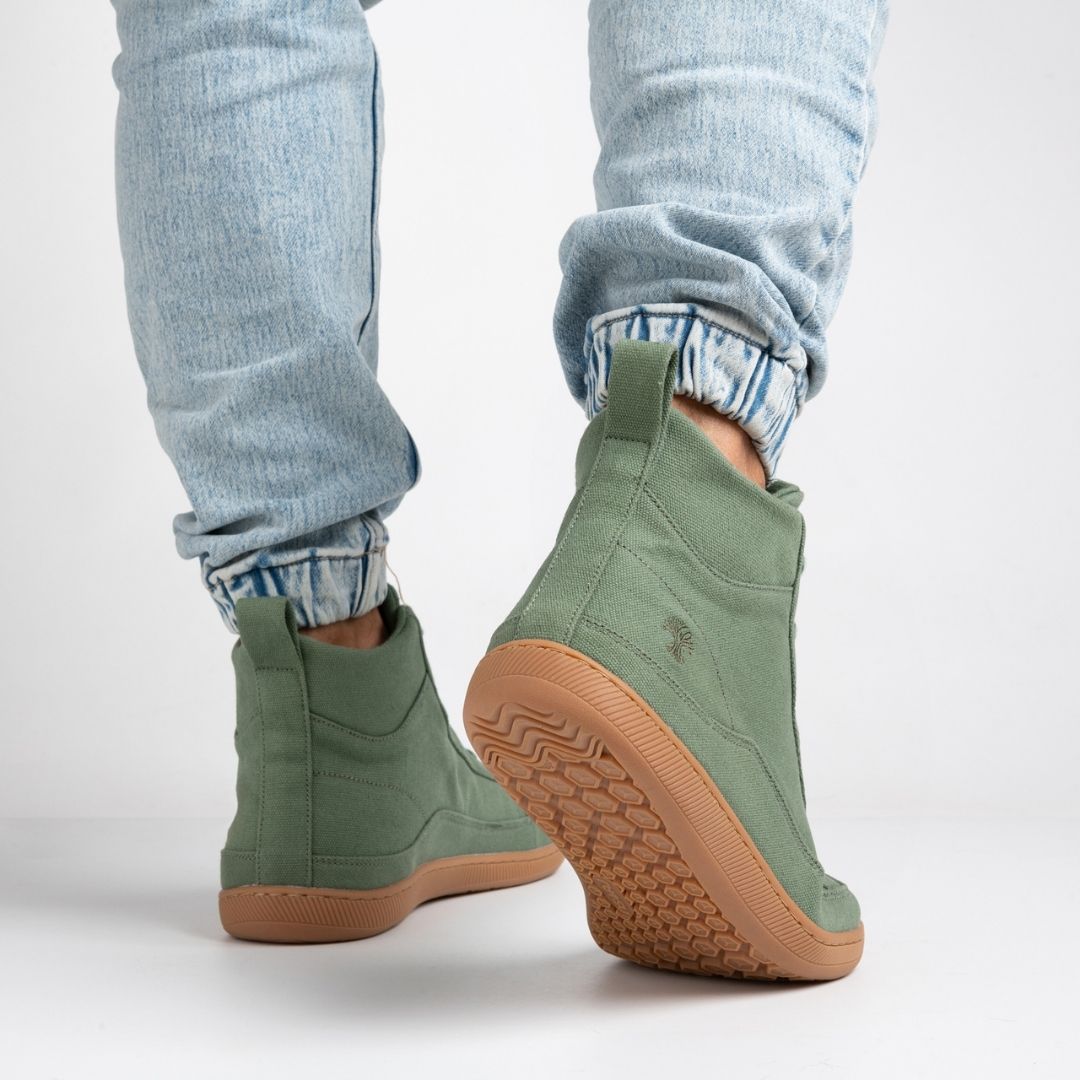
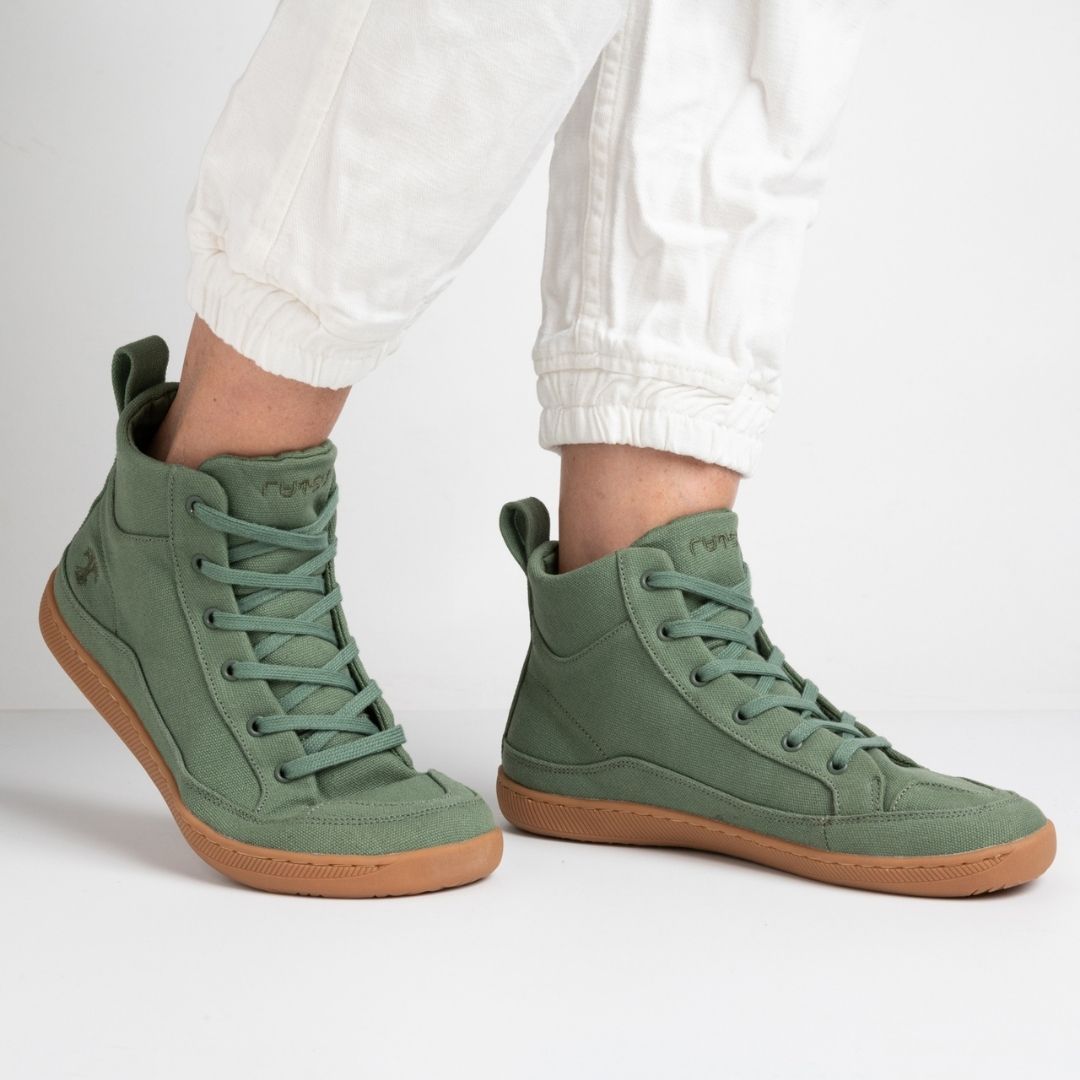
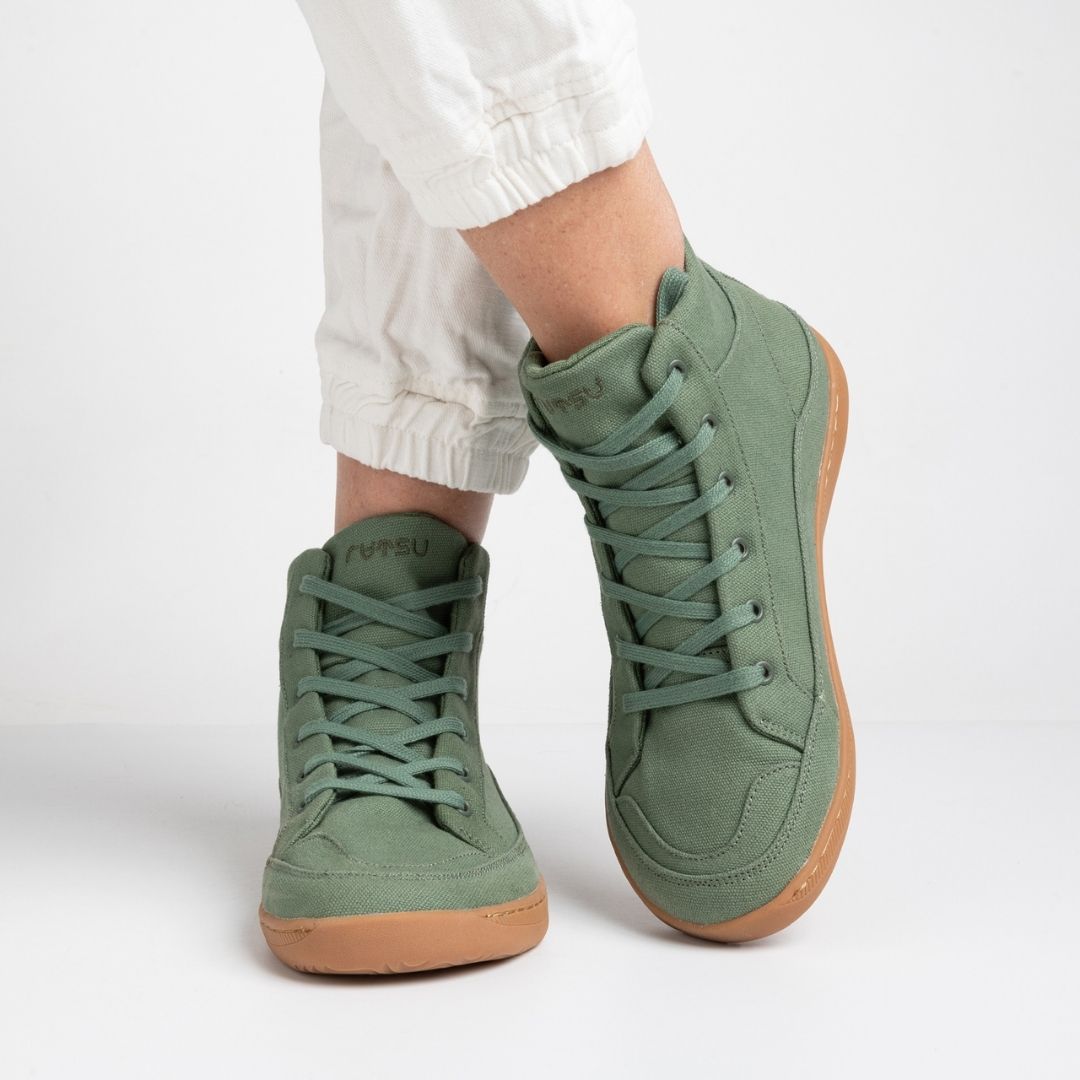
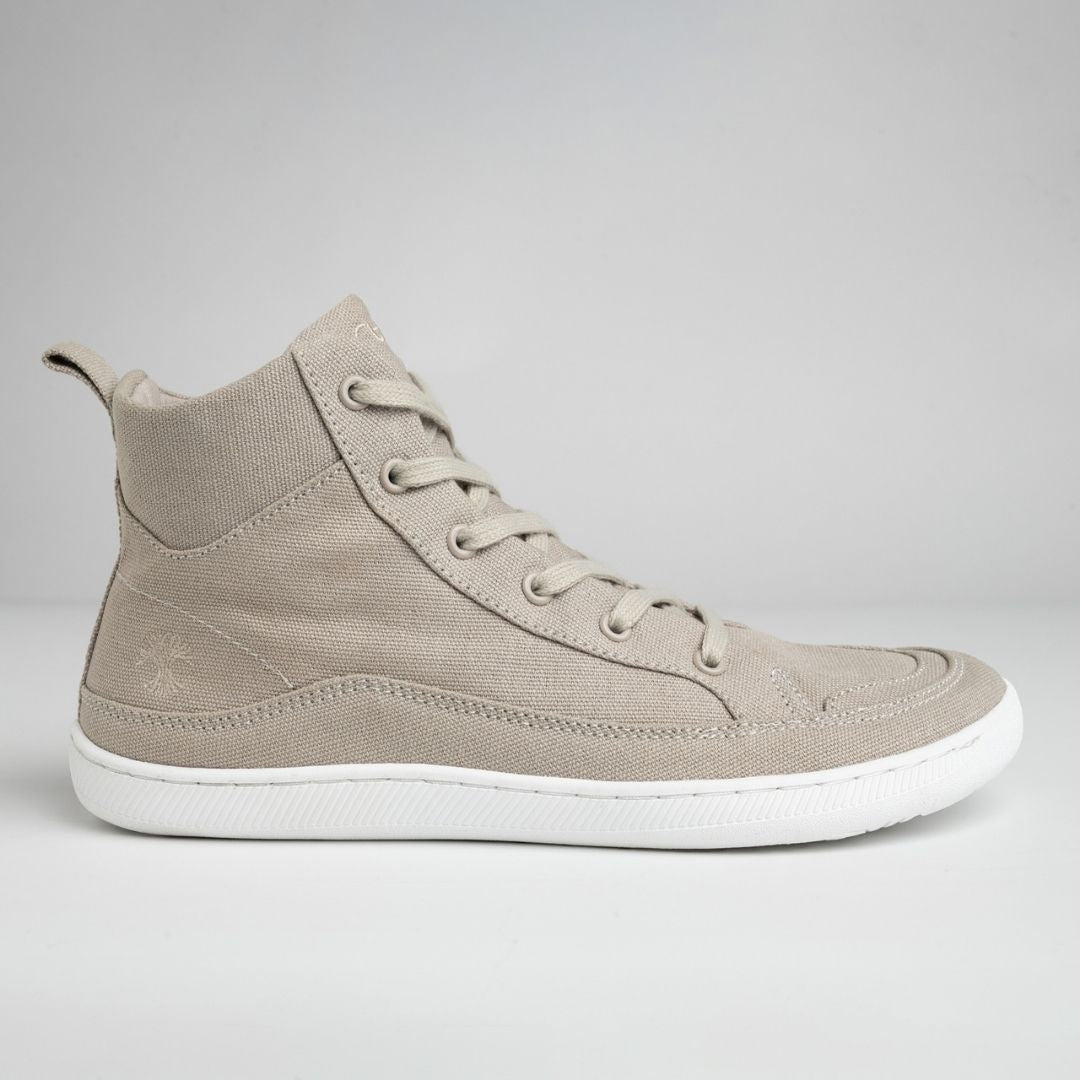
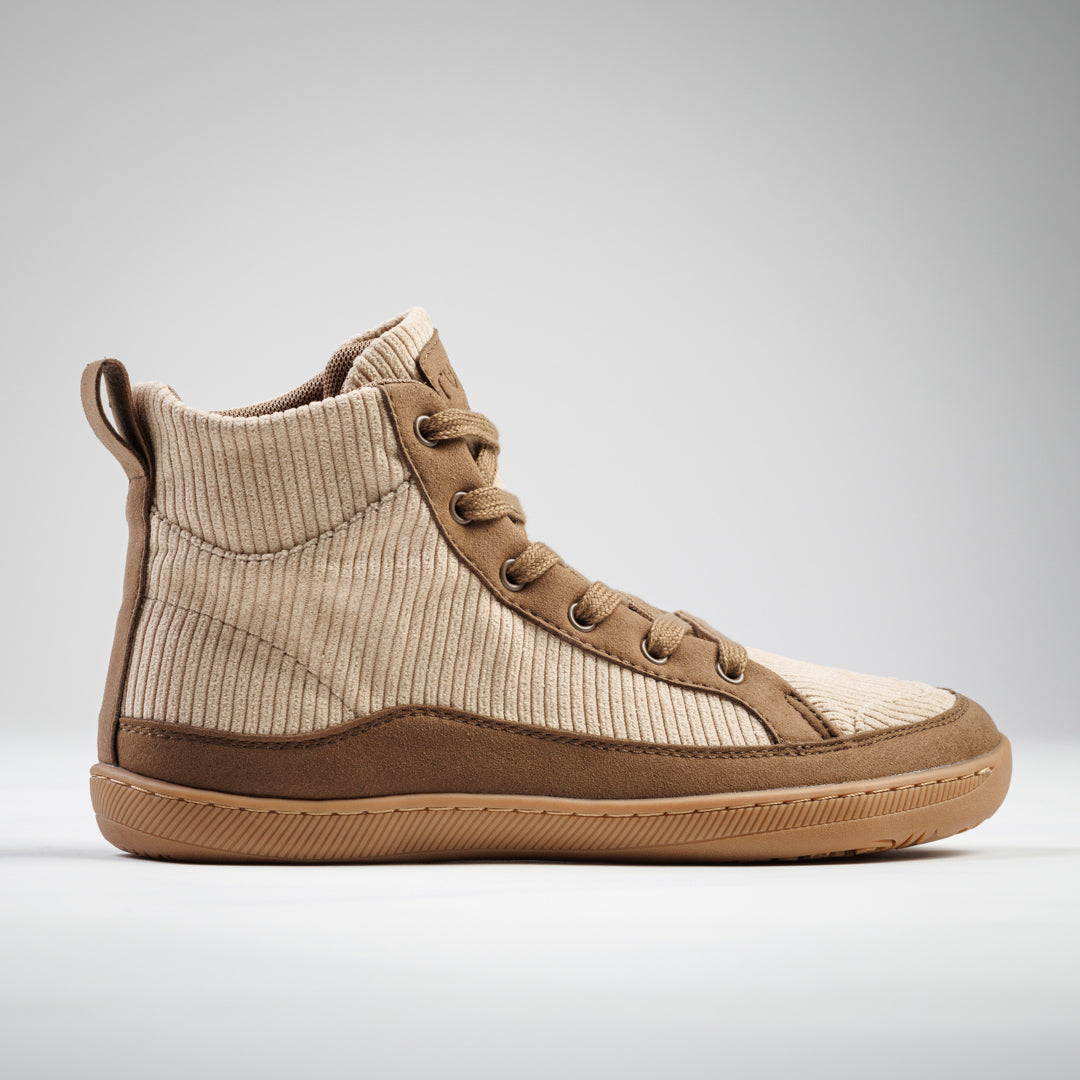
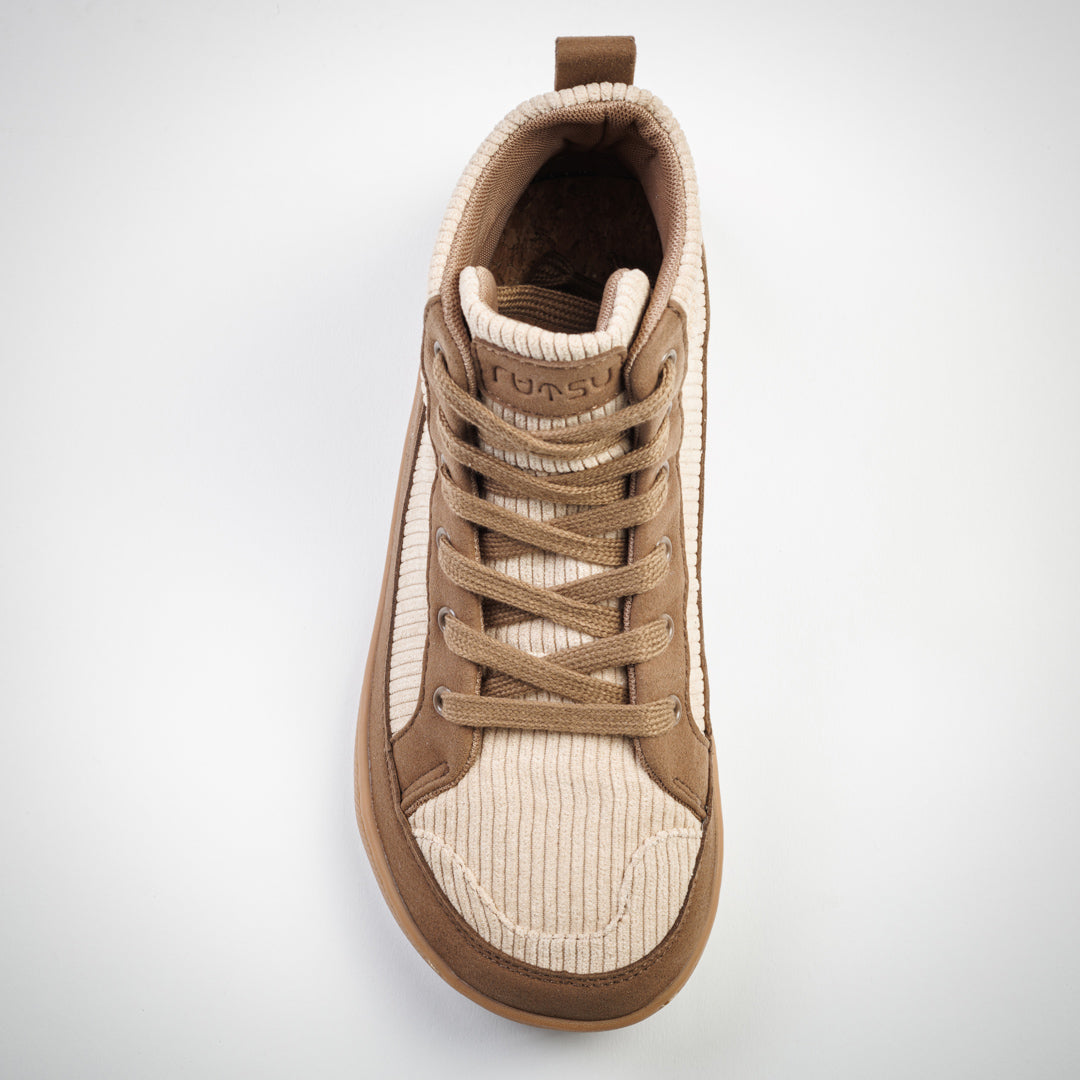
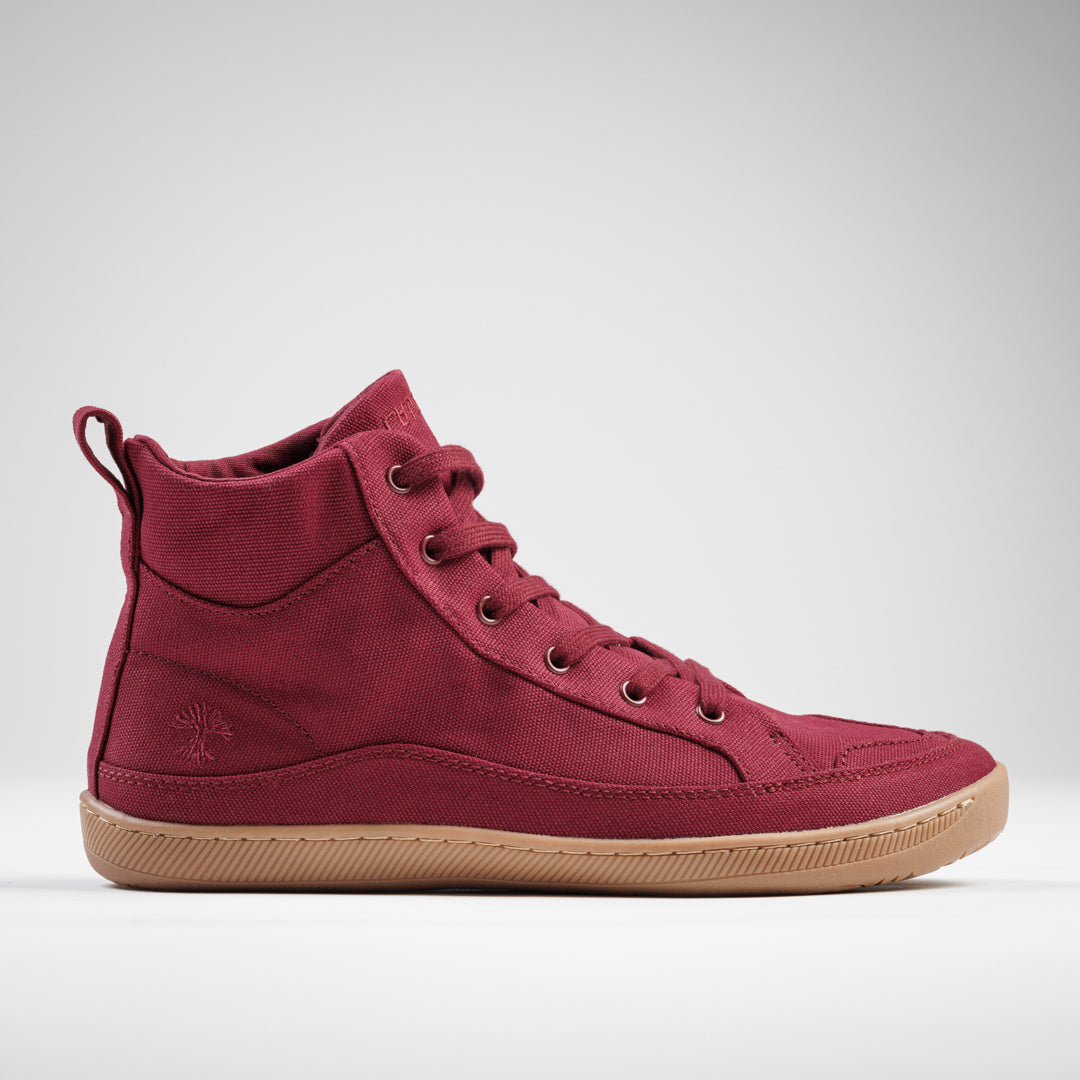
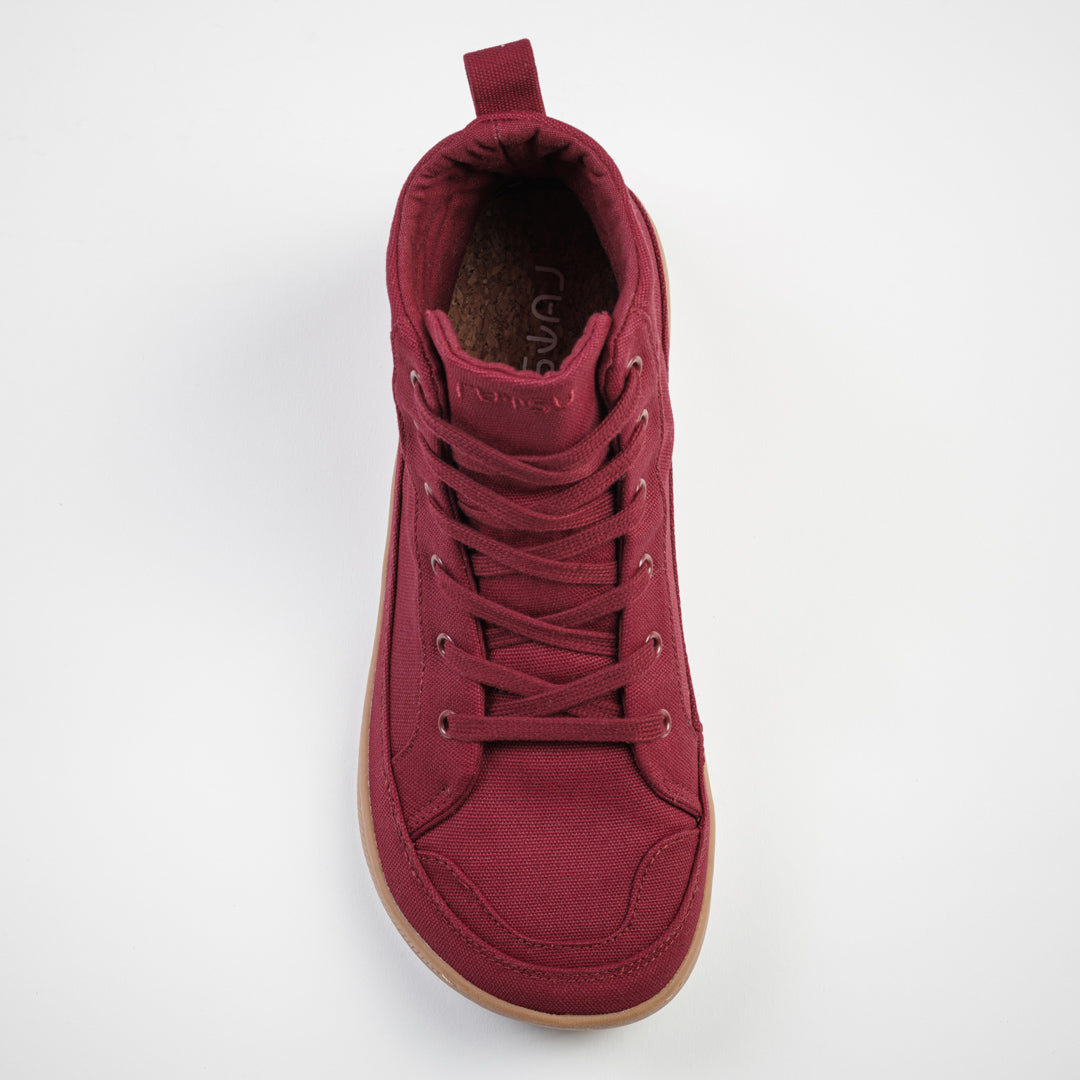
Three features define the category. Zero drop means the heel and forefoot sit at the same height, so your foot stays level instead of tilting forward. A wide toe box lets your toes spread out and grip the ground (cramped toes cannot do their job). And a thin, flexible sole puts you close to the floor so you can actually feel it.
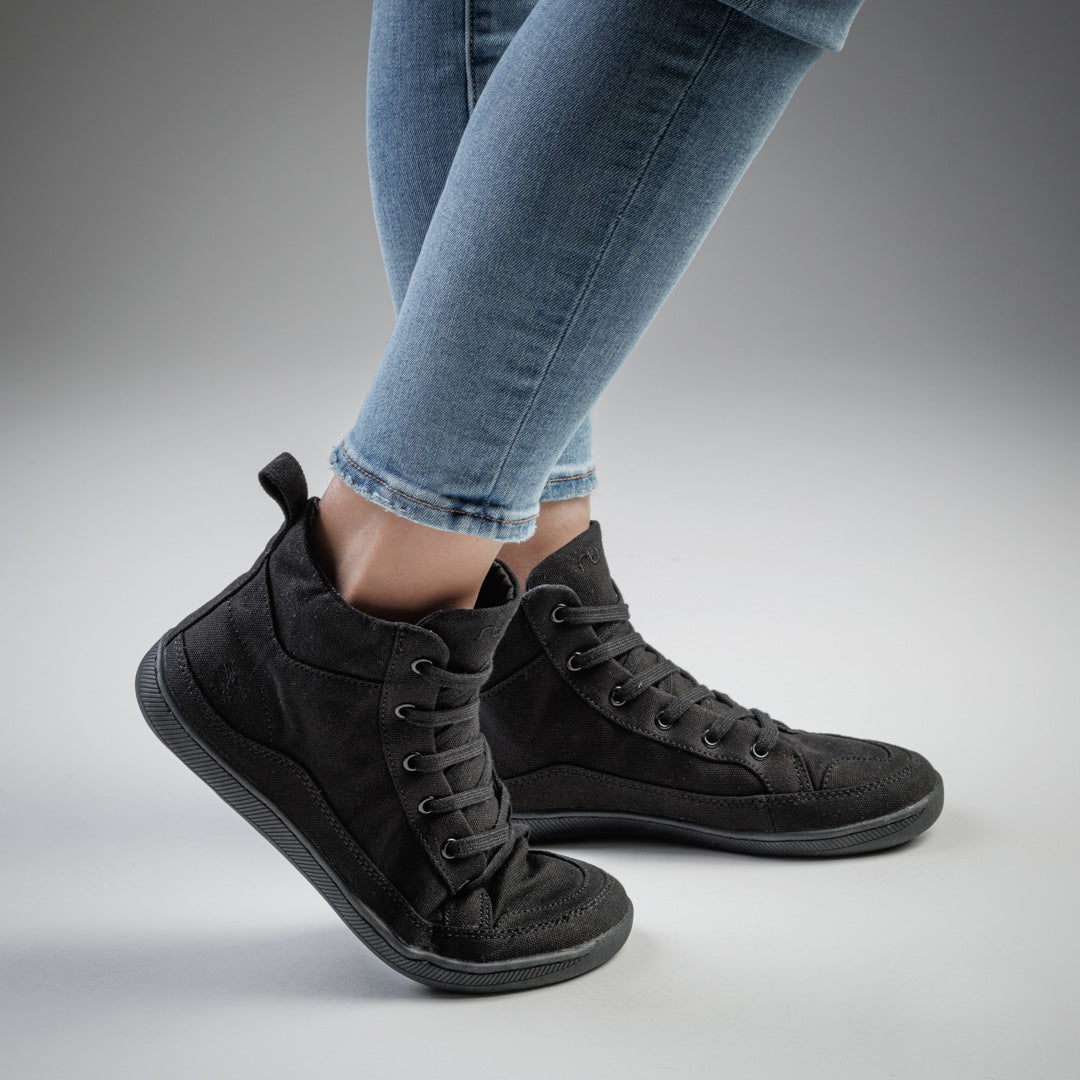
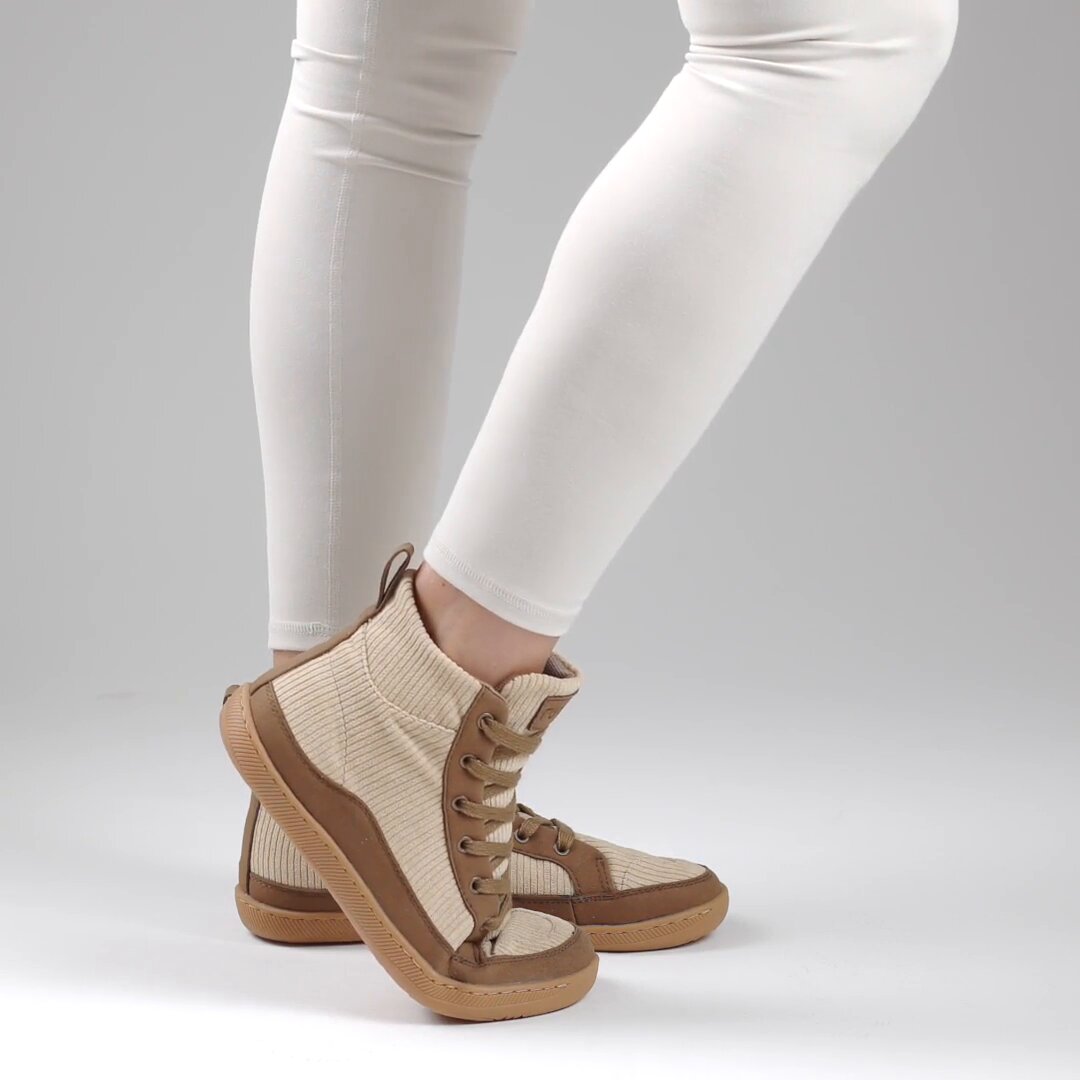
That feedback matters more than people expect. Your foot has thousands of nerve endings, and a slab of foam mutes most of them. Minimal shoes turn the volume back up. The result is a shoe that feels less like a cushion and more like a second skin.
The Case for Training Barefoot: What Minimal Shoes Do for Strength and Foot Mechanics
Here is what nobody tells you about big cushioned trainers: they can quietly do the work your feet should be doing. When your sole is thin and flat, the small muscles in your feet have to stabilize you. Over time, some research suggests this may help build foot strength and improve balance, though the evidence is still limited and individual results vary.
Many lifters also report better ground contact. Take a heavy deadlift. With a soft, squishy sole, some of your force gets absorbed before it ever reaches the bar. A firm, flat base sends that power straight into the lift. When you can feel the floor, you can push against it. That is the whole point of a heavy squat or deadlift.
Lifting, CrossFit, or Running? Matching the Shoe to the Workout
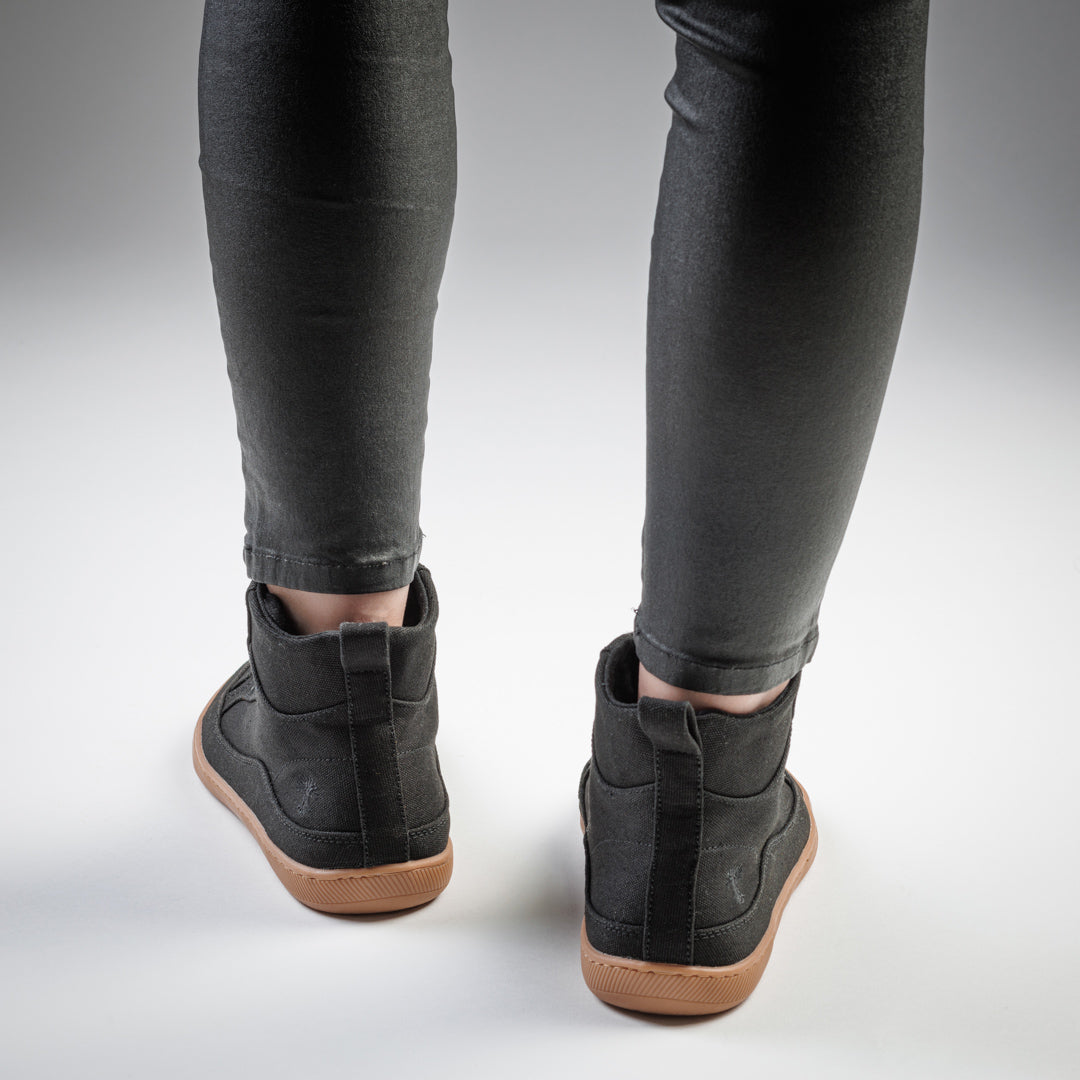
Not every workout wants the same shoe. For lifting and squats, a flat, stable sole is hard to beat. You want a solid base, not a wobbly cushion. CrossFit is trickier, since you mix lifting with jumps and short sprints, so you will want something flexible but grippy that holds up to rope climbs and box jumps without falling apart.
Running? That is its own conversation. Thin soles can work, but only after your feet adapt to a midfoot or forefoot landing instead of a heel strike. A pair of low-top barefoot shoes for training tends to cover the gym side of things well, while leaving room to build up to road work slowly.
The Transition Period: How to Switch Without Injuring Yourself
Slow down. Honestly, this is where most people get it wrong. They buy a pair, wear them all day, then wonder why their calves scream by Thursday.
Your feet and lower legs need time to adjust. Start with 20 to 30 minutes a day, a few days a week. Add time gradually over several weeks, maybe even a couple of months if you are coming from heavily cushioned shoes. Mild soreness is normal; sharp pain is a stop sign. If something hurts in a way that worries you, back off and check with a professional.
Barefoot vs. Cushioned Training Shoes: What the Tradeoff Really Is
There is no free lunch here. Cushioned shoes protect your joints from repeated impact and feel plush on long days. Barefoot shoes give you ground feel and let your feet move freely. One is not simply better.
The real question is what you are training for and what your body can handle. Some people thrive in minimal shoes. Others need the padding, and that is fine. You are allowed to pick the tool that fits the job.
Foot Strength, Stability, and the Muscles Conventional Shoes Let Atrophy
Think of arch support like a sling for an arm that is not broken. Use it long enough and the muscles may get lazy. The idea behind minimal footwear is to wake those muscles back up by asking them to work again. The arch, the small stabilizers around your ankle, the muscles that fan out across the sole: all of them get a chance to pull their weight.
Does it always deliver? Not for everyone. The research on foot muscle changes is still thin, and results depend on the person. Still, plenty of athletes feel more stable once their feet start carrying their share of the load.
What to Look For: Sole Thickness, Flexibility, Grip, and Fit
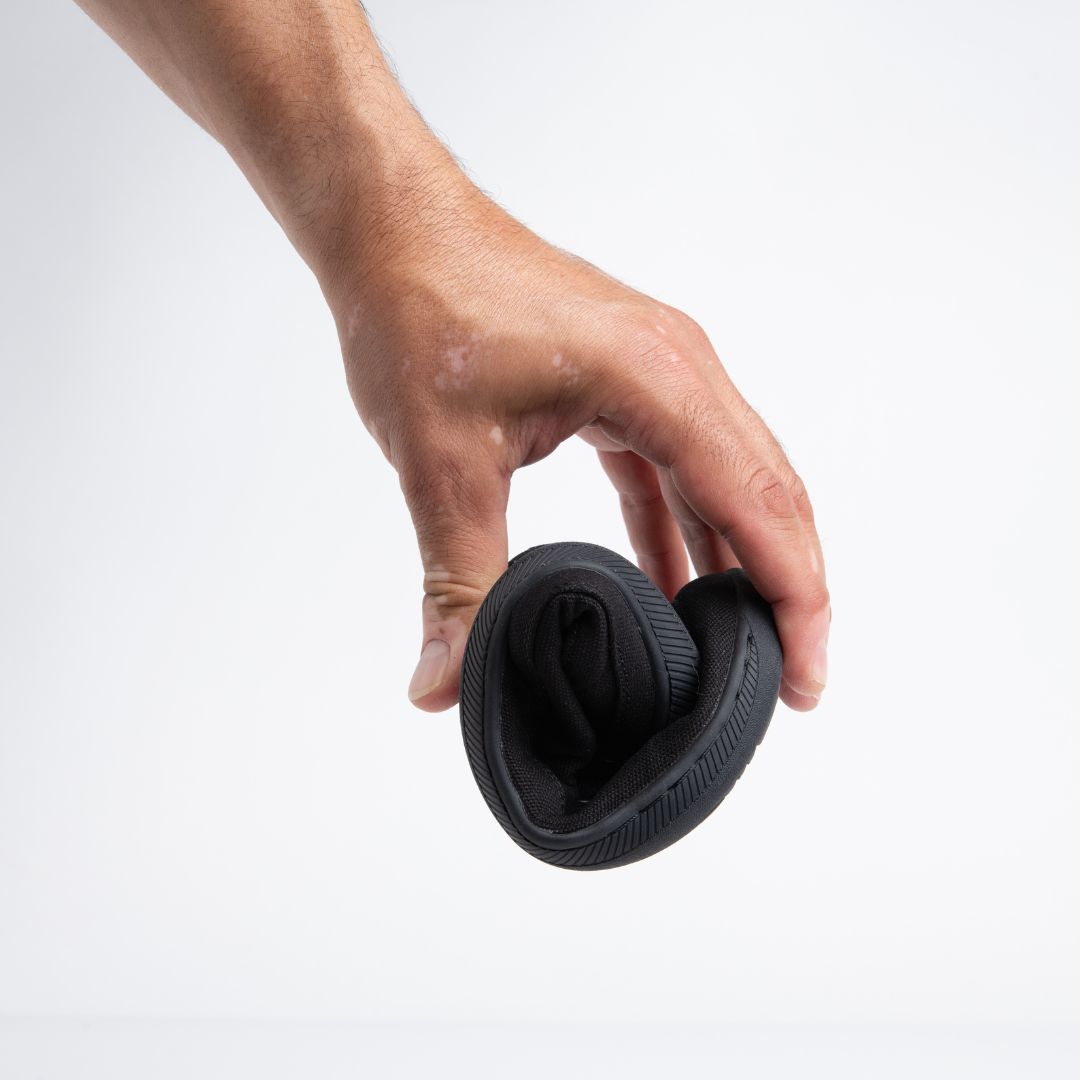
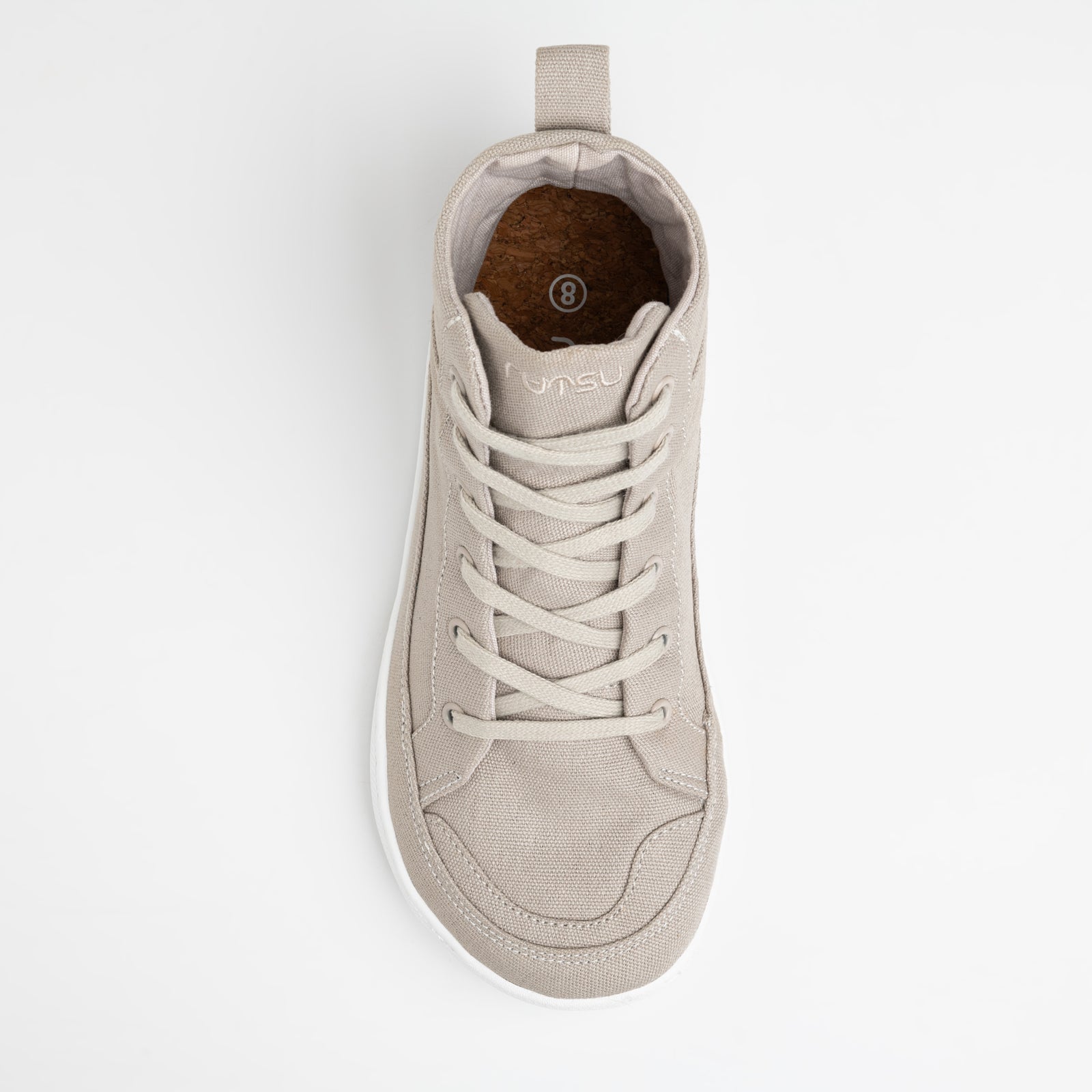
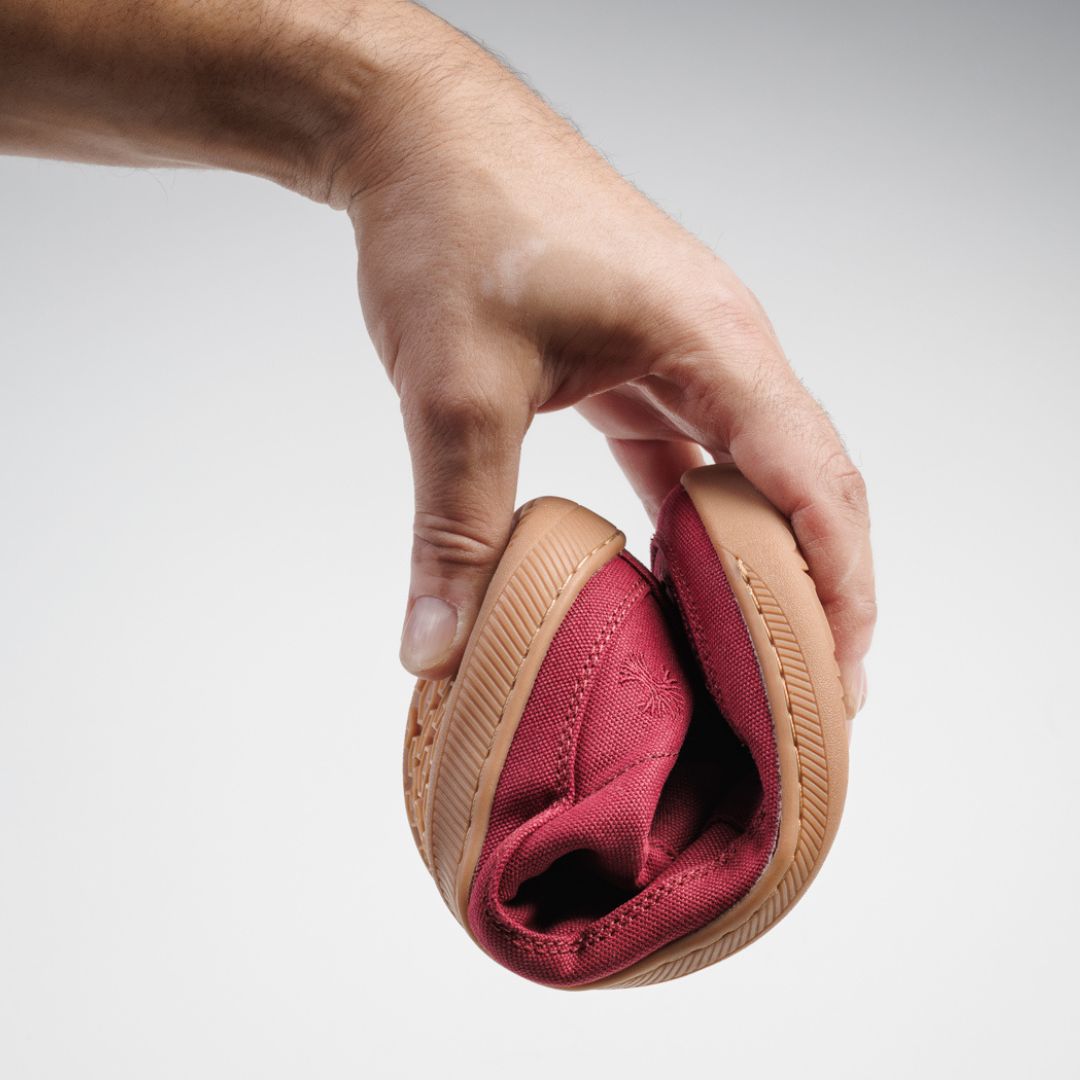
Four things matter most. A thin sole (usually under 10mm) for ground feel. Real flexibility, so you should be able to roll the shoe up like a burrito. Solid grip for sweaty gym floors. And a roomy toe box that does not pinch.
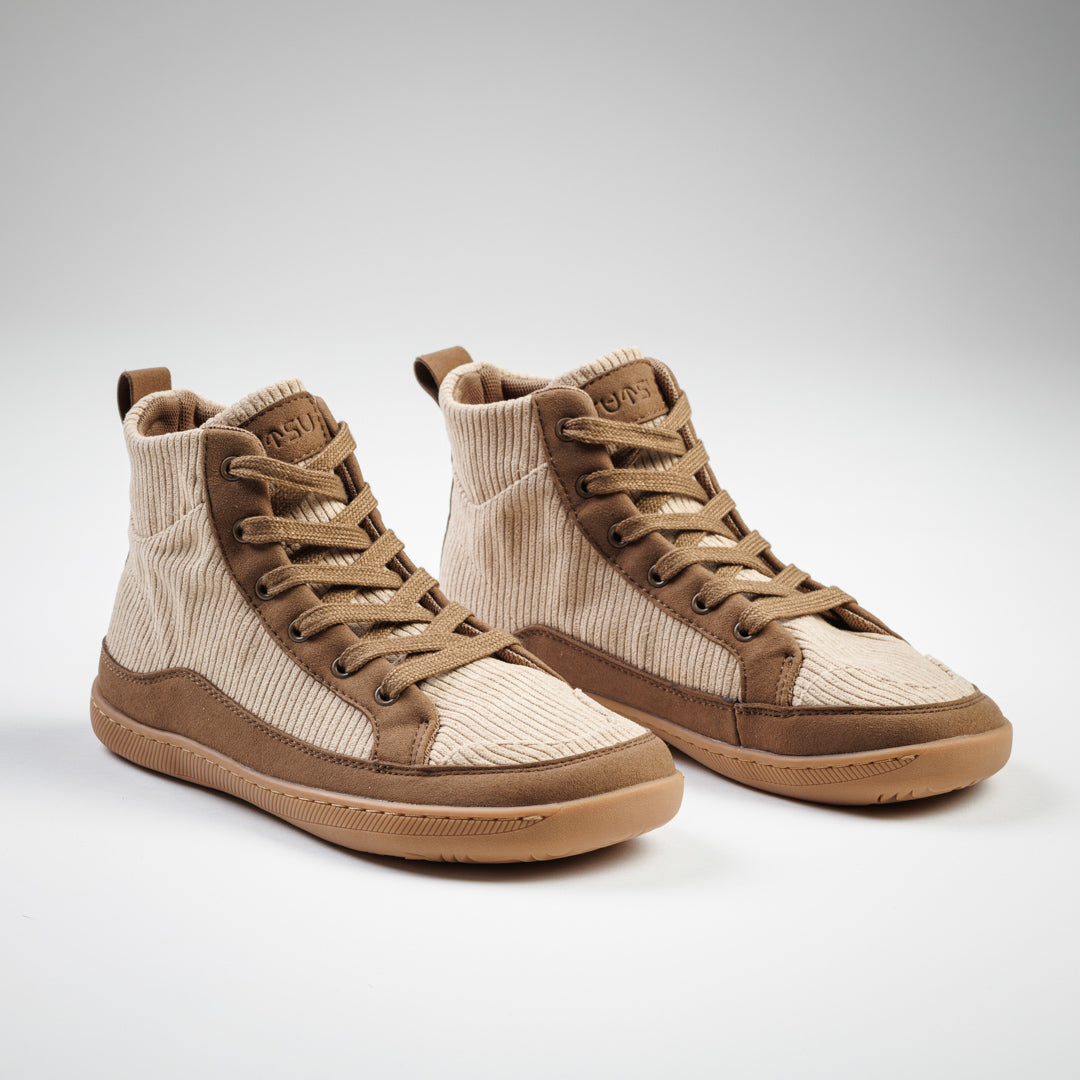
Fit is the one people skip. A shoe that is too narrow defeats the whole purpose. Here is a quick test: stand on the insole and check that no part of your foot spills over the edge. Rutsu Barefoot designs its pairs around foot-shaped lasts, which helps your toes splay the way they are meant to.
Who Should Be Careful: Conditions and Cases Where Minimal Shoes Backfire
Minimal shoes are not for everyone, and that is worth saying plainly. If you have diabetes, neuropathy, or reduced sensation in your feet, the lack of protection can be risky. People with certain foot conditions may also struggle without support.
Pregnant? Recovering from an injury? Talk to a podiatrist or physical therapist first. A quick conversation beats weeks of setback.
Caring for Your Pair and Knowing When to Replace Them
Thin soles wear faster than thick ones. That is the trade. Check yours every few months for worn-through spots, especially under the ball of the foot and heel.
Air them out after sweaty sessions, and most pairs clean up with a damp cloth and gentle soap (skip the washing machine, which can wreck the glue). When the grip fades or you start feeling hard ground through the sole, it is time. A good pair of barefoot fitness shoes should last, but nothing lasts forever.
The Bottom Line
Barefoot fitness shoes will not fix everything, and they are not magic. What they do offer is a closer connection to the ground, a chance to build foot strength, and a simpler, lighter feel under your feet. Go slow, listen to your body, and pick the pair that matches how you train. If you are curious where to start, the Rutsu Barefoot collection is built for exactly this.
FAQs
Are barefoot shoes good for weightlifting and squats?
Many lifters love them for squats and deadlifts because the flat, stable sole gives a strong base. You feel the floor and can push hard against it. Just ease in if you are used to raised-heel lifters.
How long does it take to transition to barefoot fitness shoes?
It varies, but most people need several weeks to a few months. Start with short sessions and build up slowly. Rushing is the fastest way to get hurt.
Can you run in barefoot fitness shoes?
You can, but only after your feet and calves adapt. Thin soles change how you land, so a slow buildup is key. Start with short, easy runs.
Do barefoot shoes actually strengthen your feet?
Some research suggests minimal footwear may help build foot muscle and balance over time. The evidence is still limited, and results differ from person to person. Many users do report feeling stronger and steadier.
Are barefoot fitness shoes bad for your knees or joints?
For most healthy people, they are fine when introduced gradually. The reduced cushioning shifts impact, which is why a slow transition matters. If you have joint issues, check with a professional first.
Can you wear barefoot shoes if you have flat feet or plantar fasciitis?
It depends, and there is no one-size answer. Some people with flat feet do well; others need more support. With plantar fasciitis, talk to a podiatrist before switching.