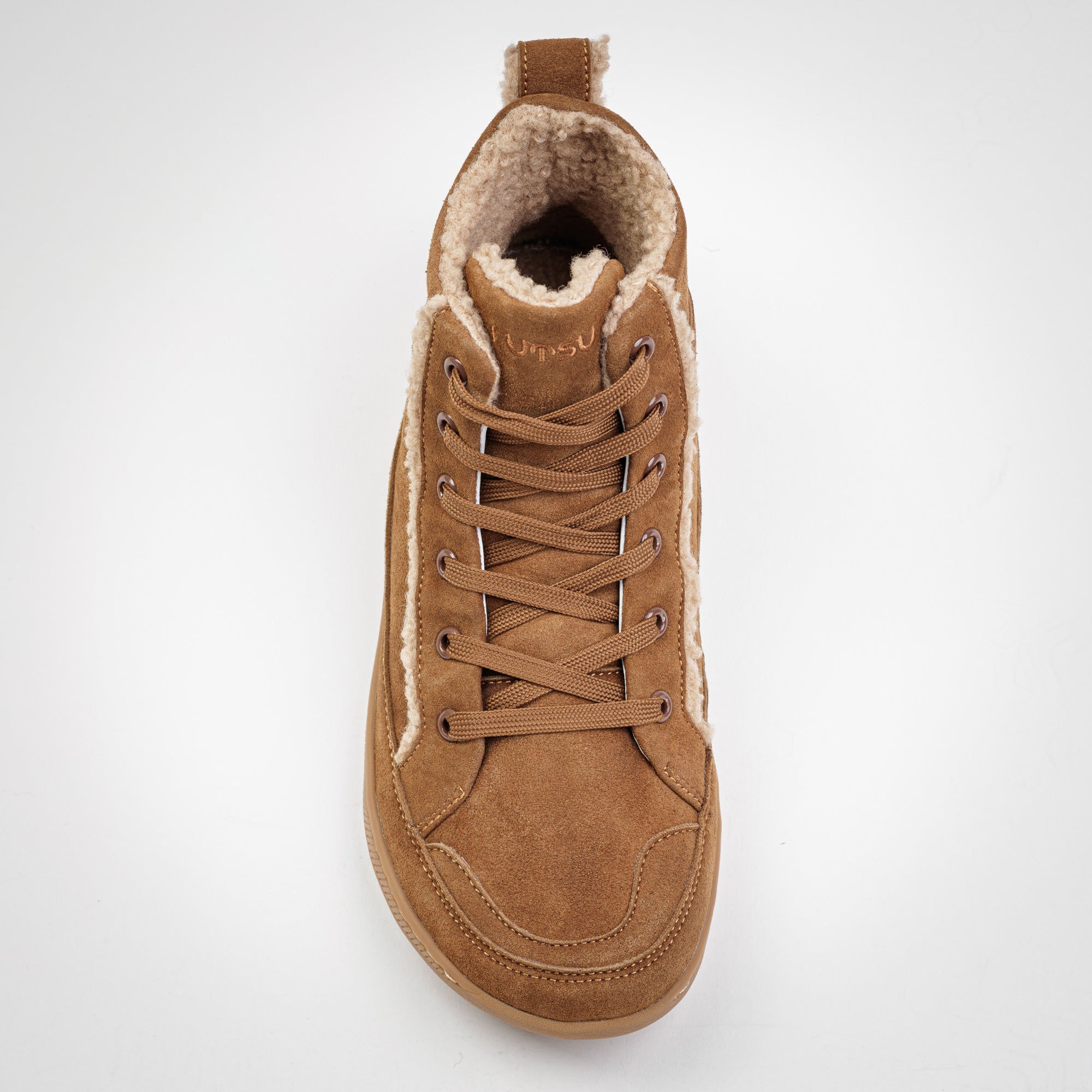


Your feet carry you roughly 100,000 miles in a lifetime. So why do we treat shoe shopping like a guessing game? Finding the best women's shoes isn't about owning fifty pairs. It's about knowing what makes a shoe work for your foot, your day, and the way you actually live. Let's sort it out, occasion by occasion.
What Makes a Shoe Actually Good? The Fit, Support, and Quality Markers That Matter
Start with fit, because everything else is noise without it. Your toes need room to spread (not just wiggle), your heel should stay put without slipping, and the shoe shouldn't pinch anywhere by the end of the day.
Then there's "support," a word brands love to throw around. Here's what nobody tells you: support can mean two very different things. Some shoes prop your foot up with thick cushioning and built-in arches. Others give your foot room to move and let your own muscles do the work. Neither is automatically right. It depends on your feet and what they're used to.
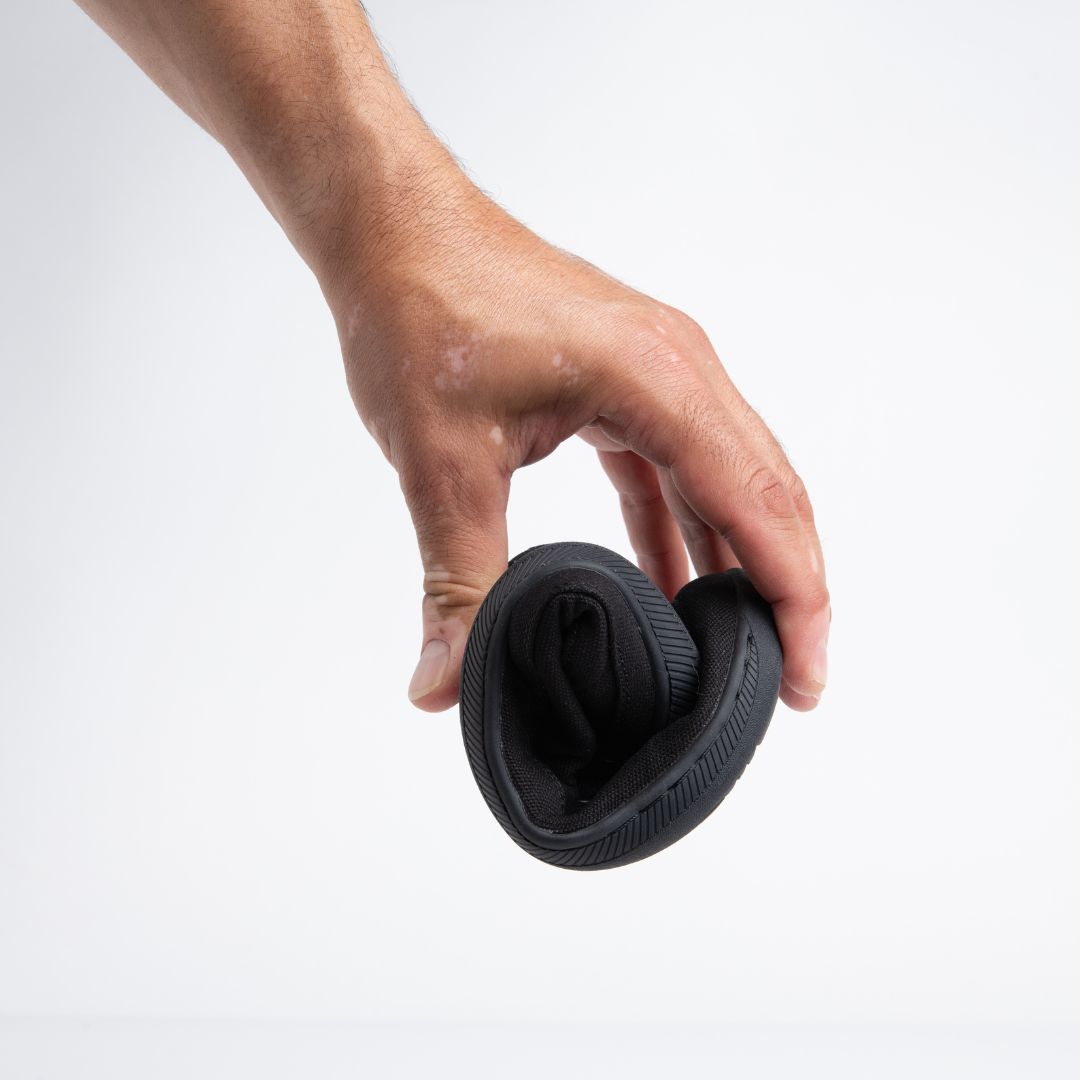
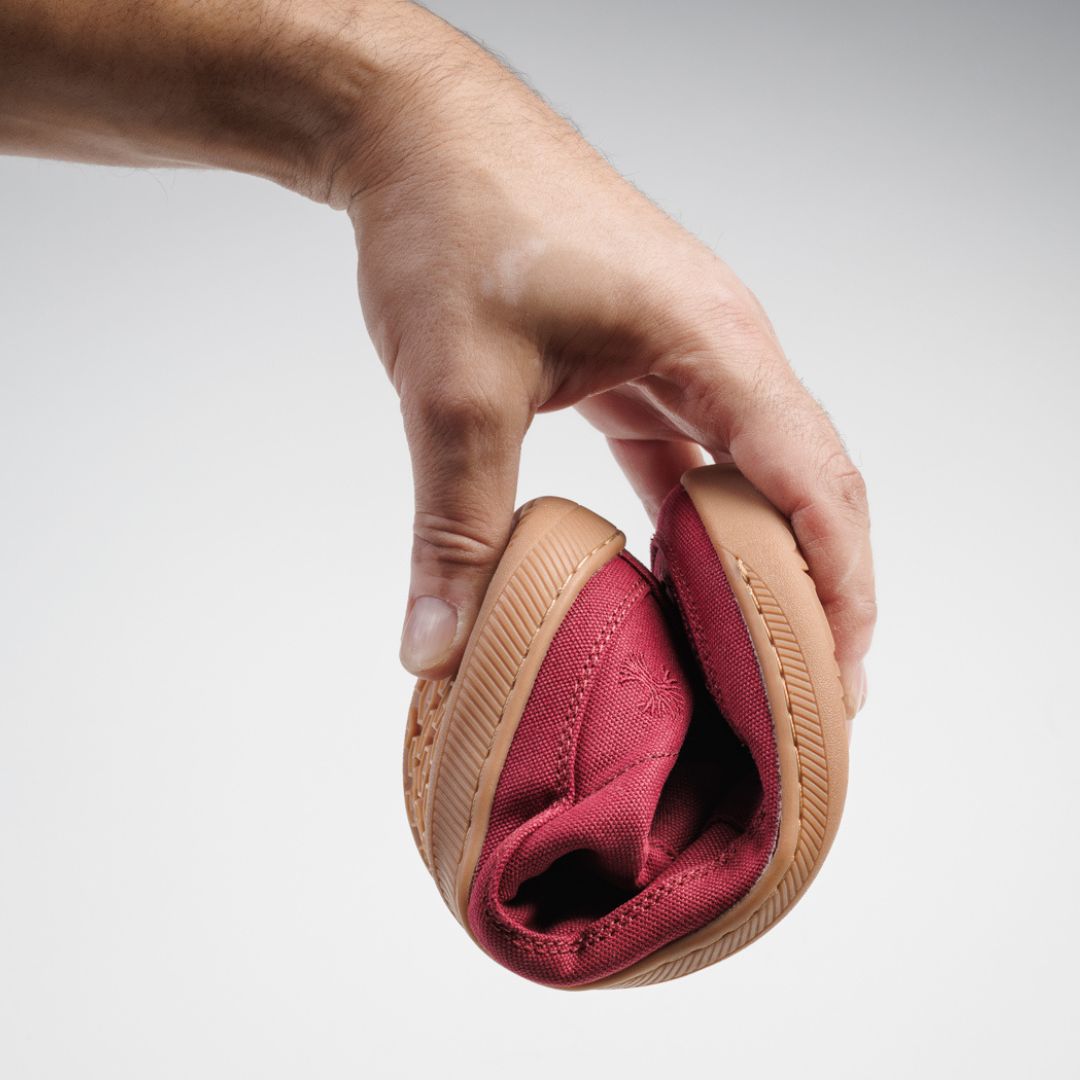
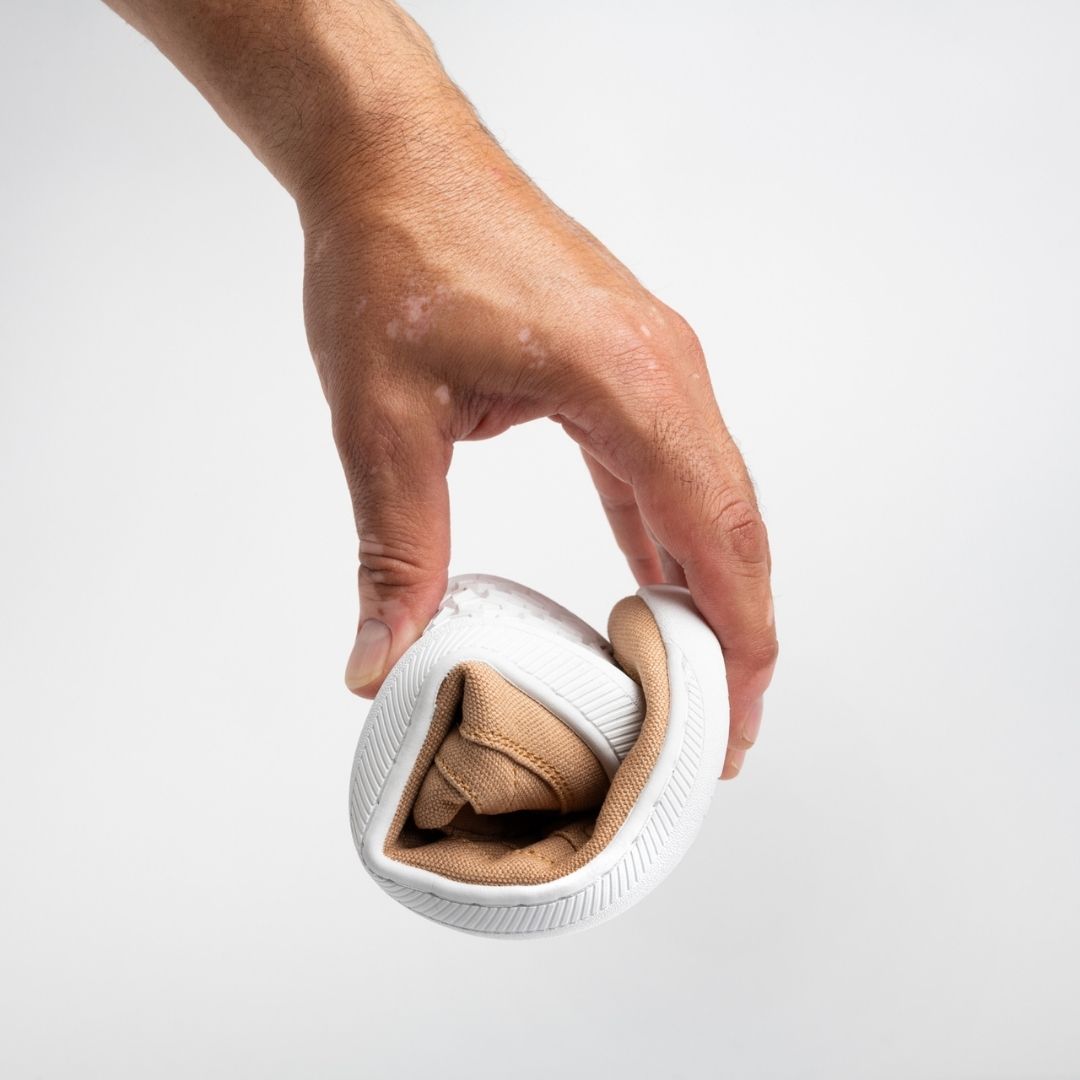
Quality markers? Check the stitching, flex the sole in your hands, and feel the weight. A good shoe bends where your foot bends.
The Core Styles Every Woman's Closet Should Have
You don't need a closet that rivals a department store. A few well-chosen pairs cover most of life.
A clean everyday sneaker. One versatile flat or slip-on. Something a little dressier for nights out or meetings. A weather-ready boot or sandal depending on your climate. That's the backbone. Everything else is personal taste.
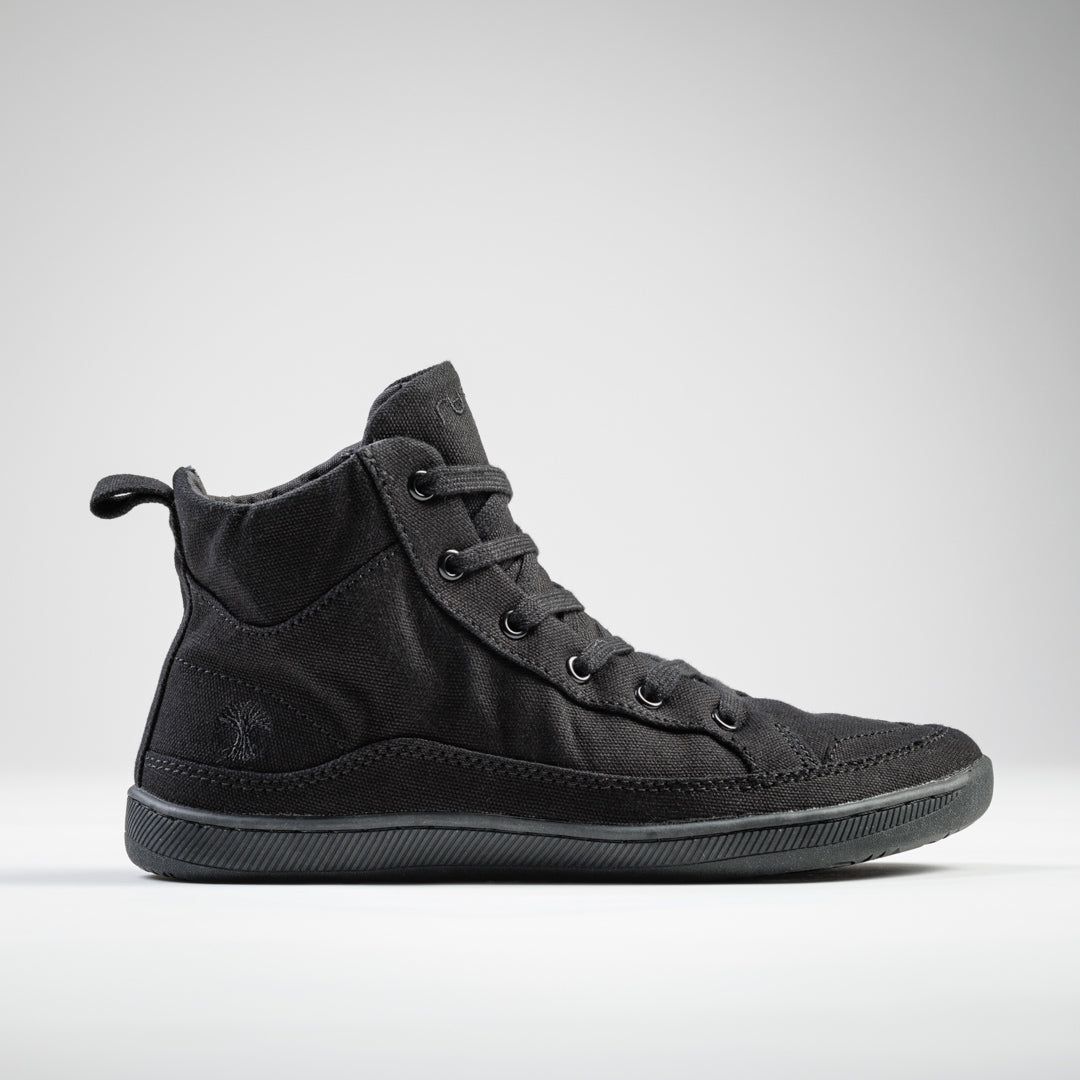
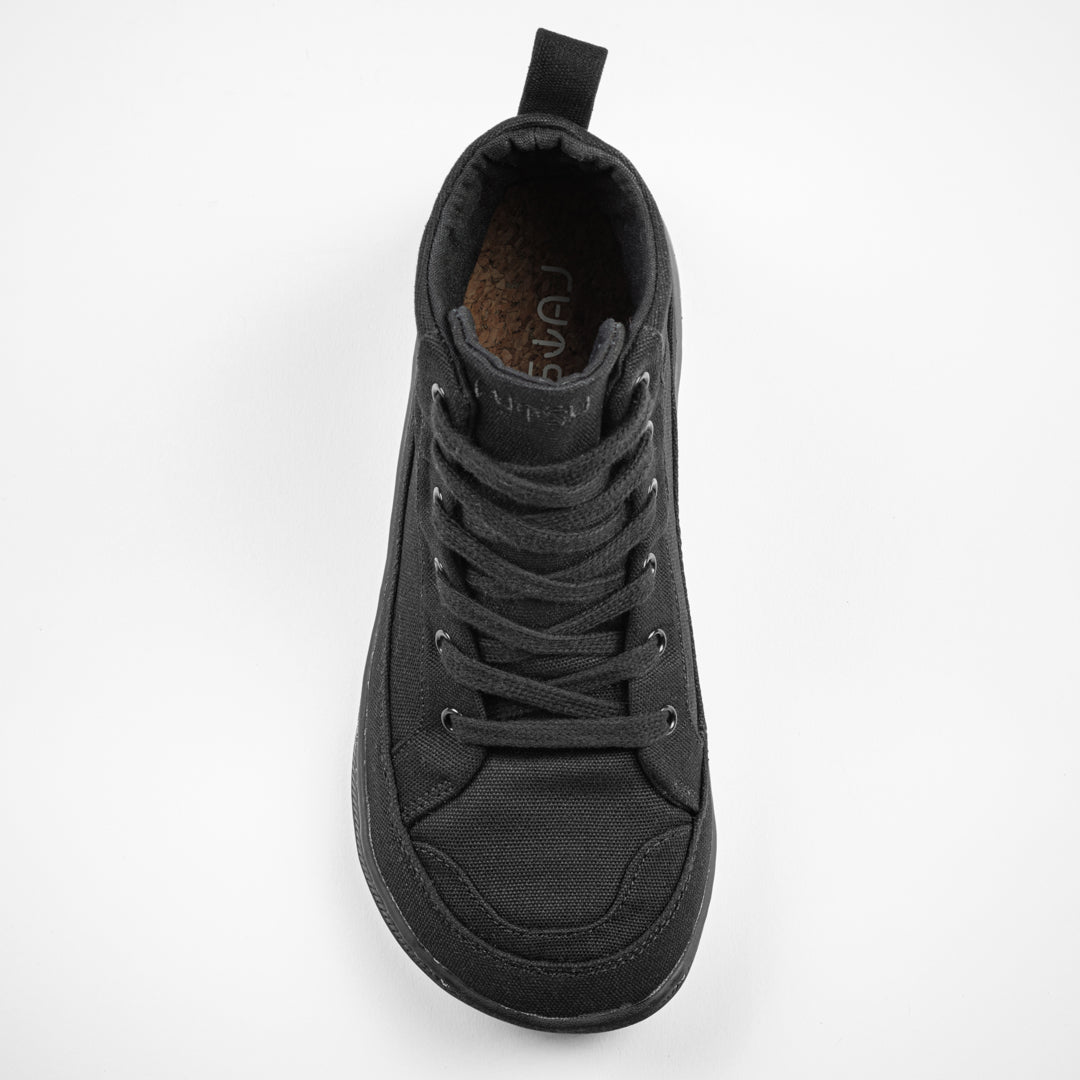
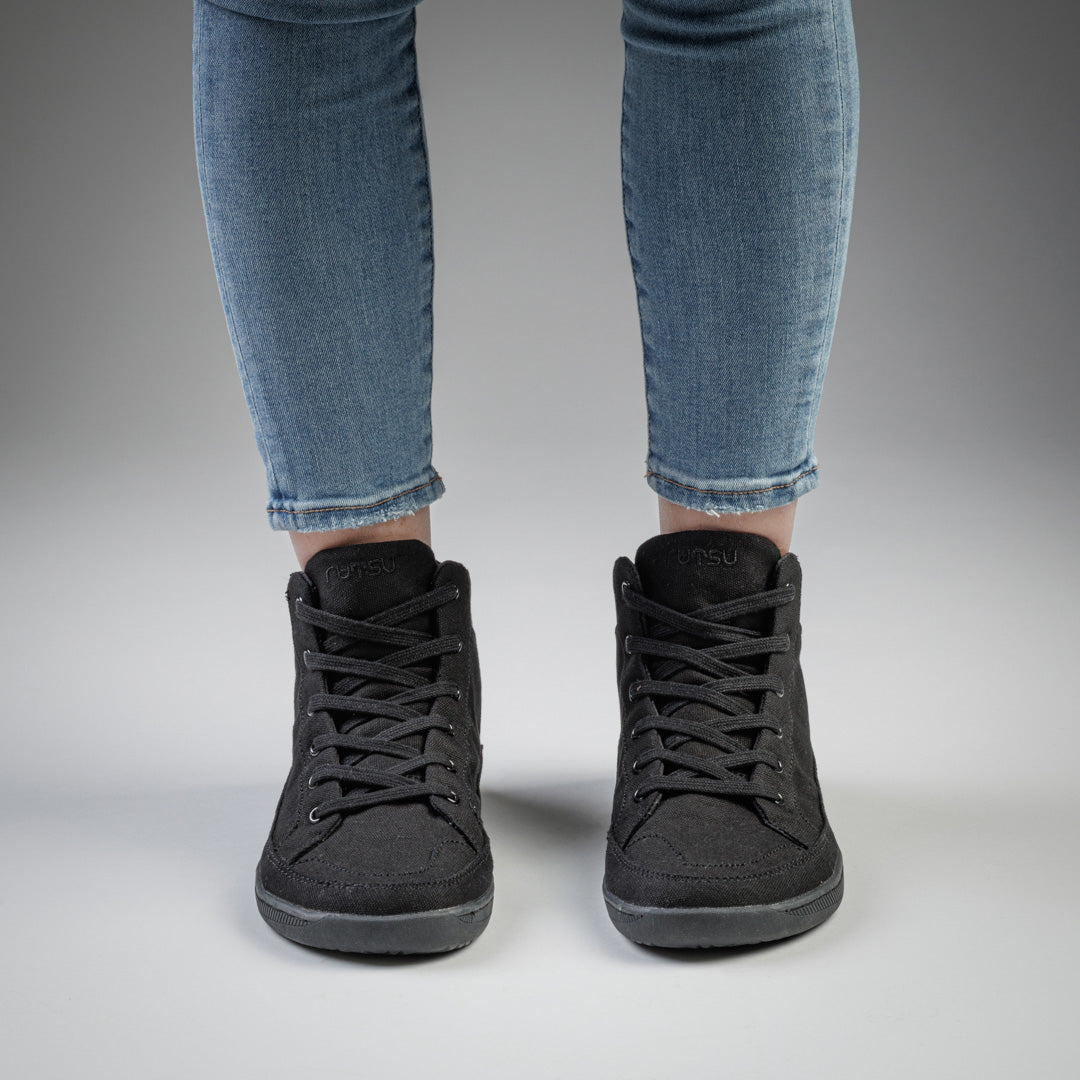
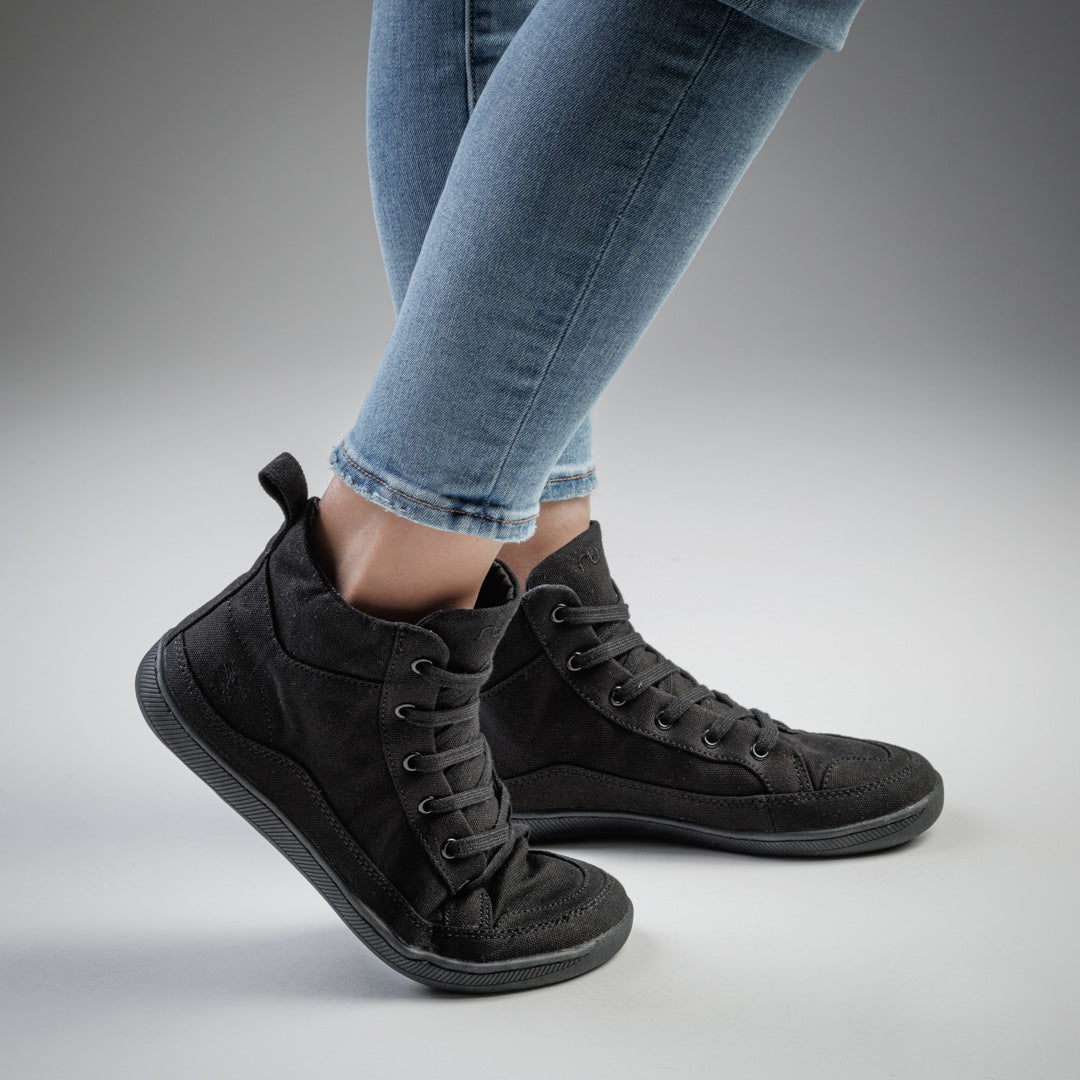
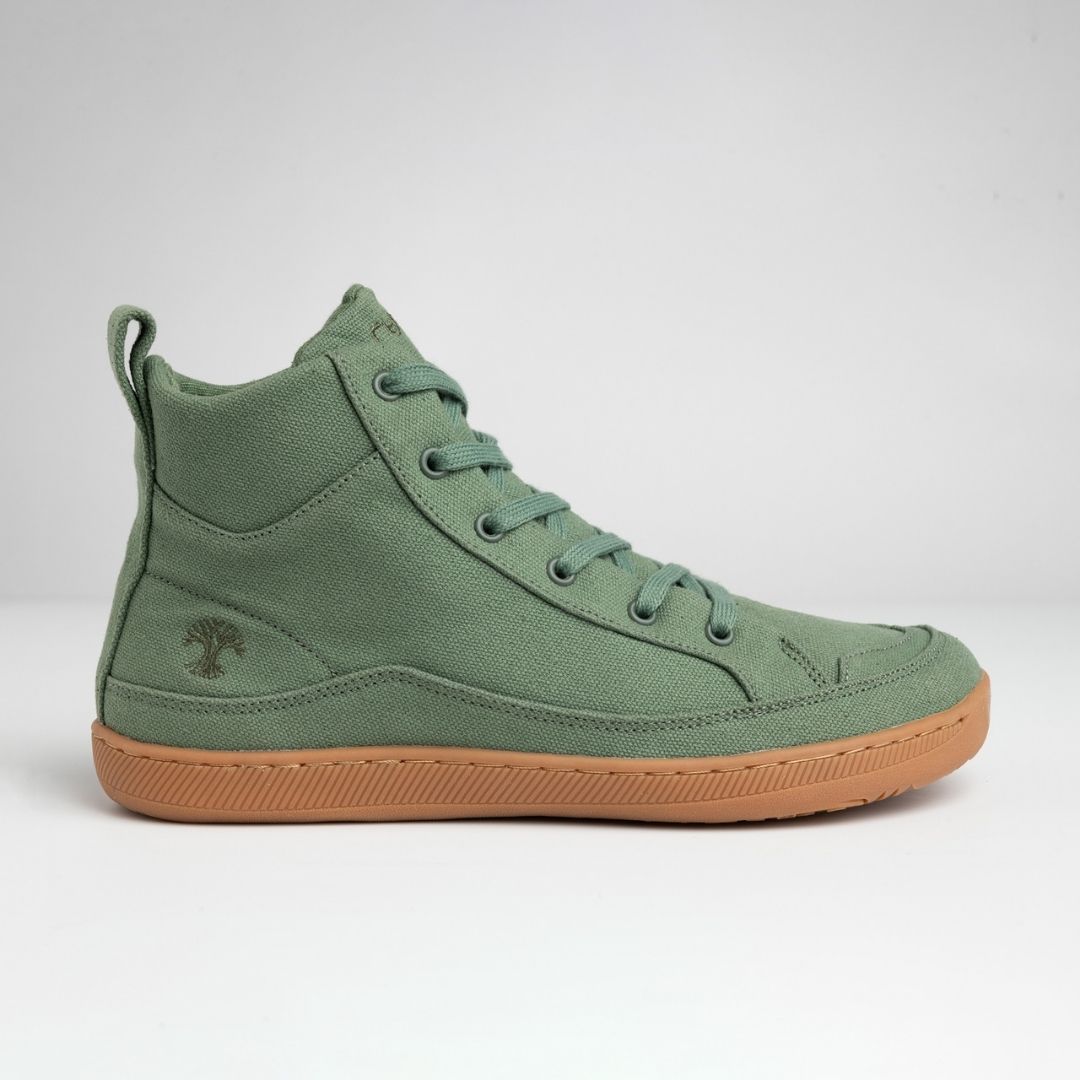
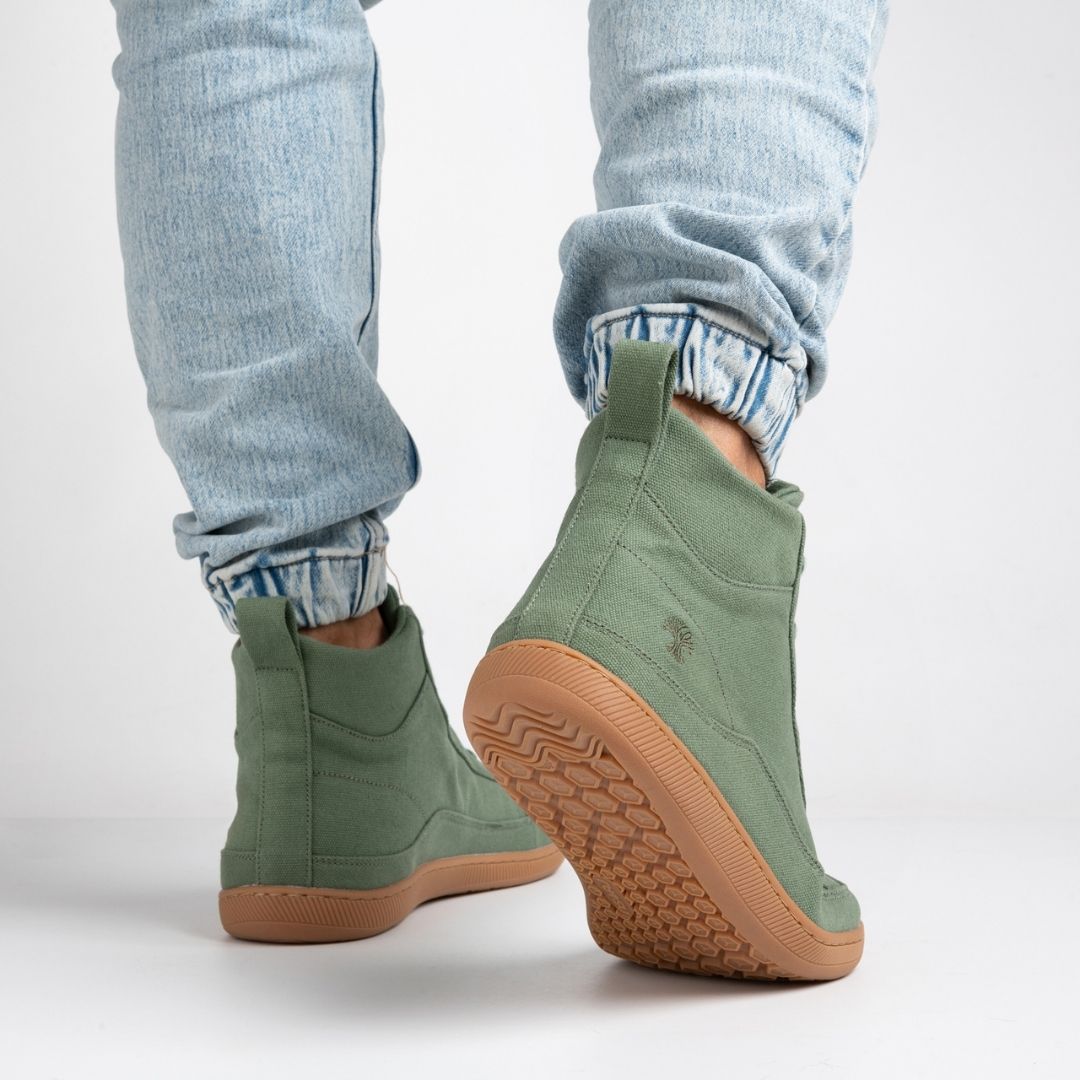
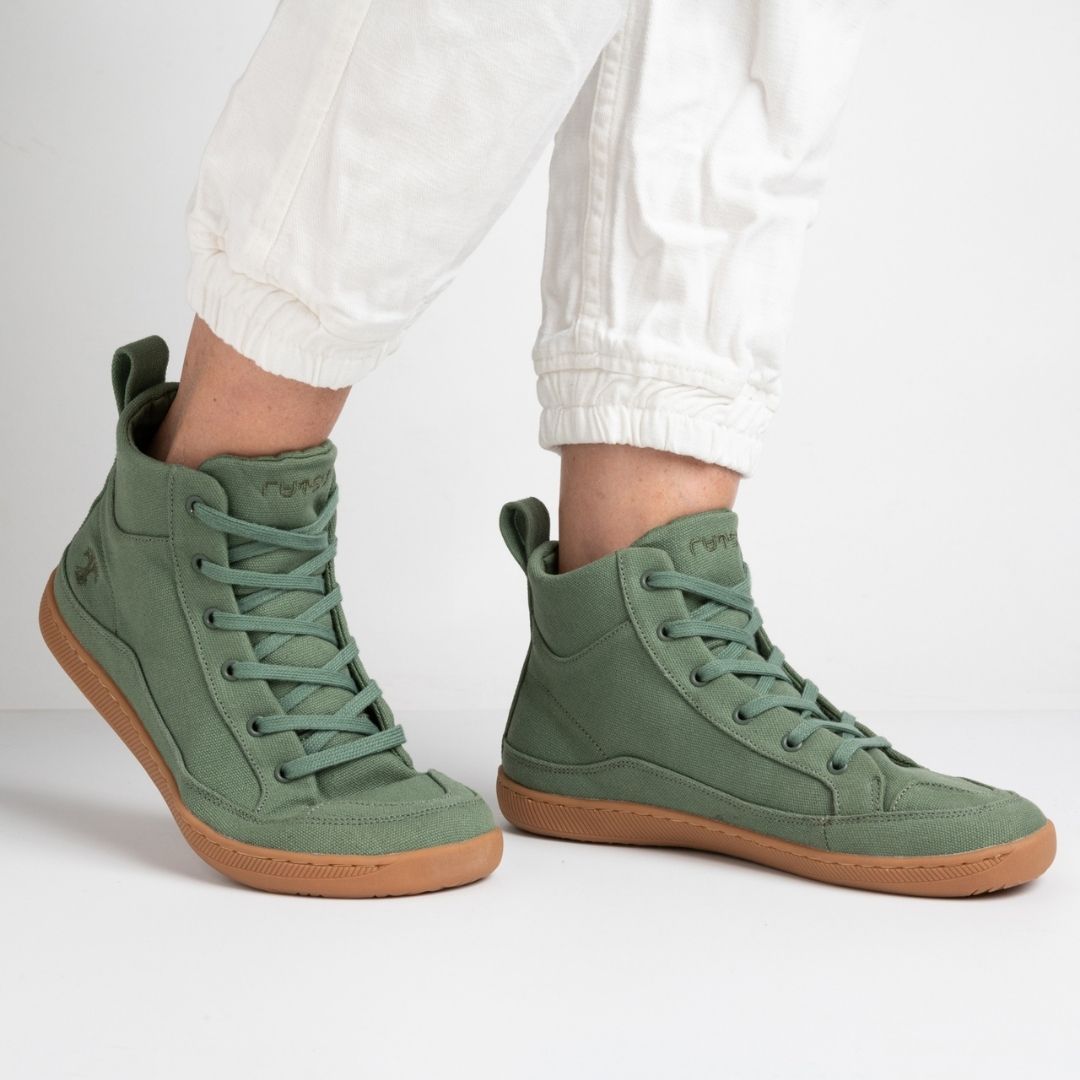
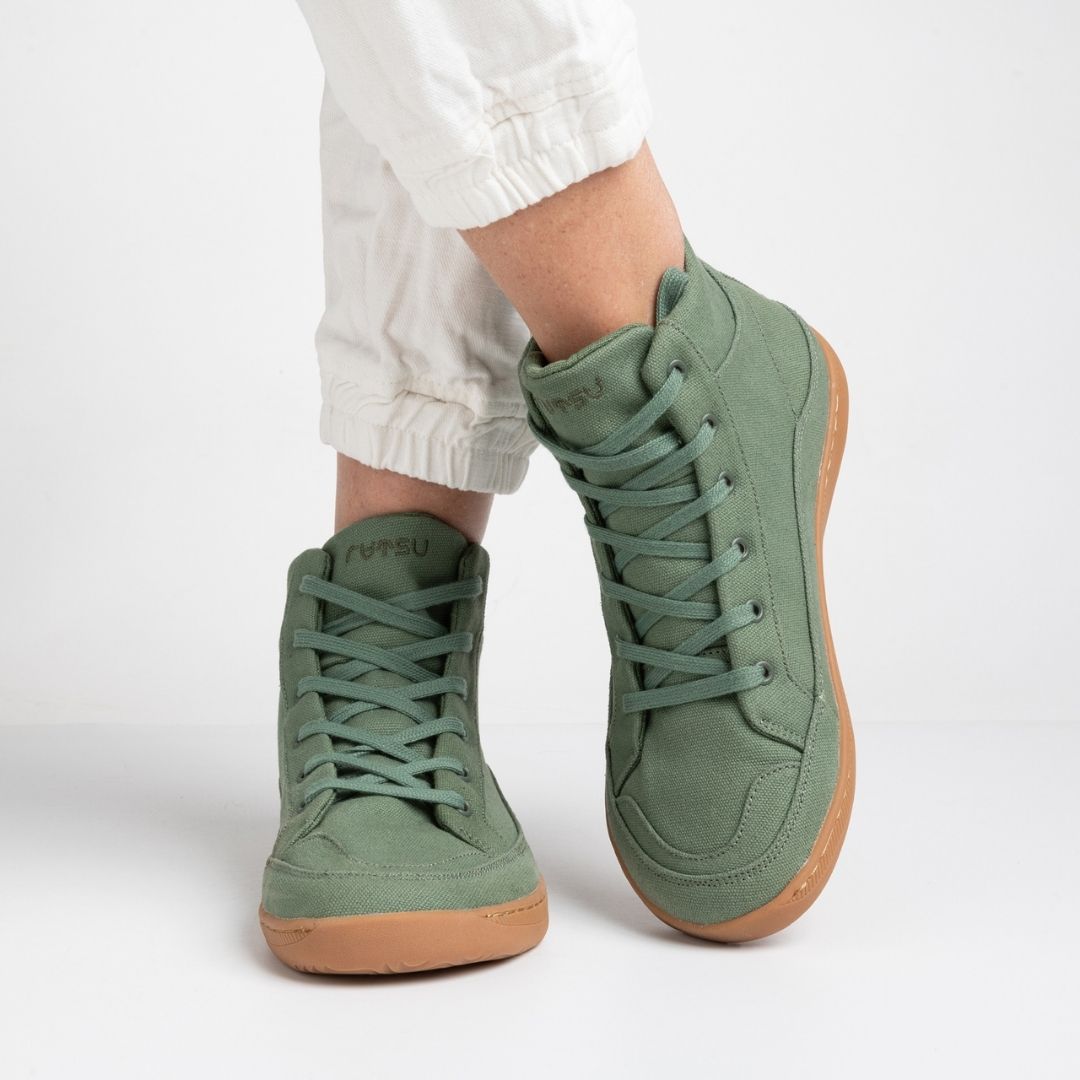
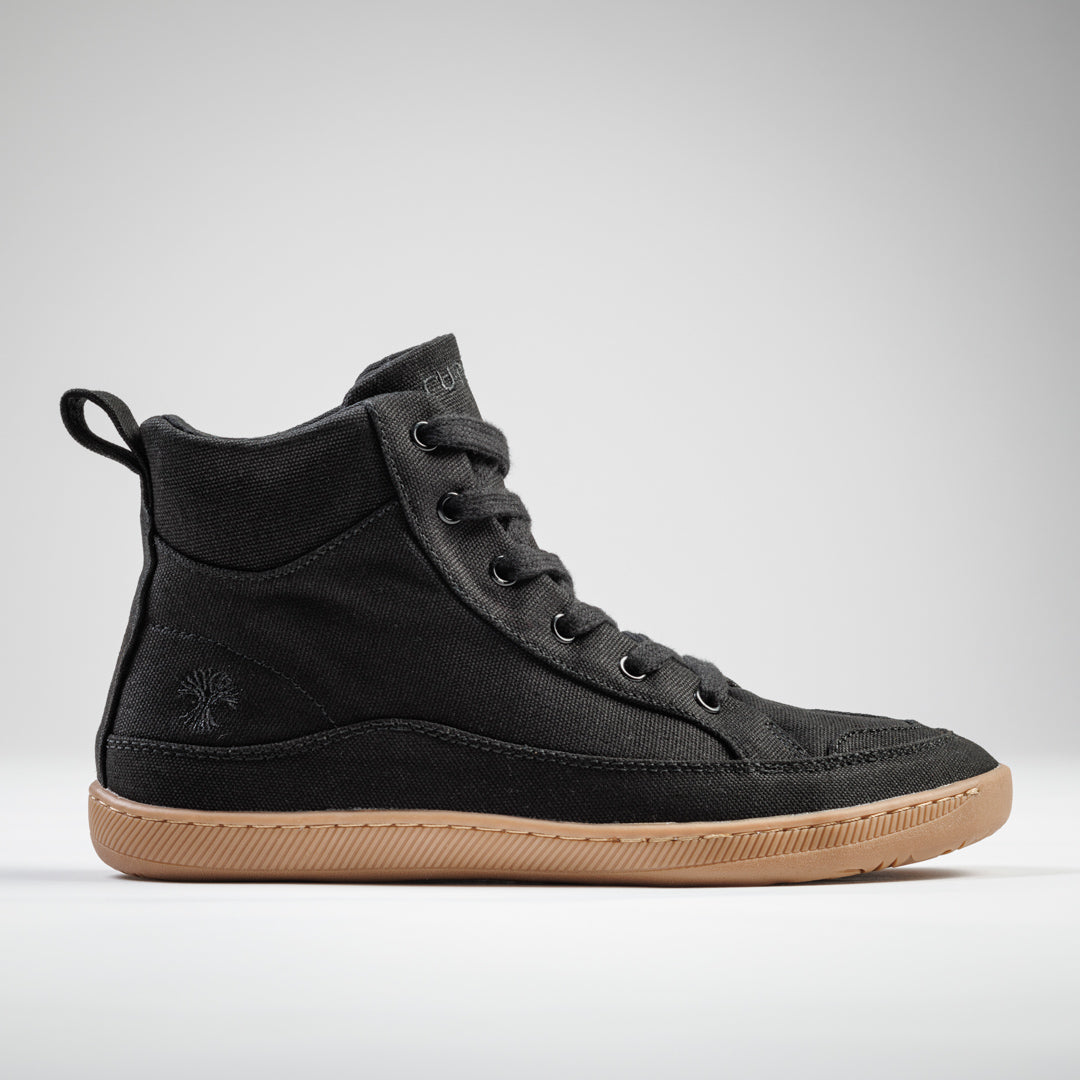
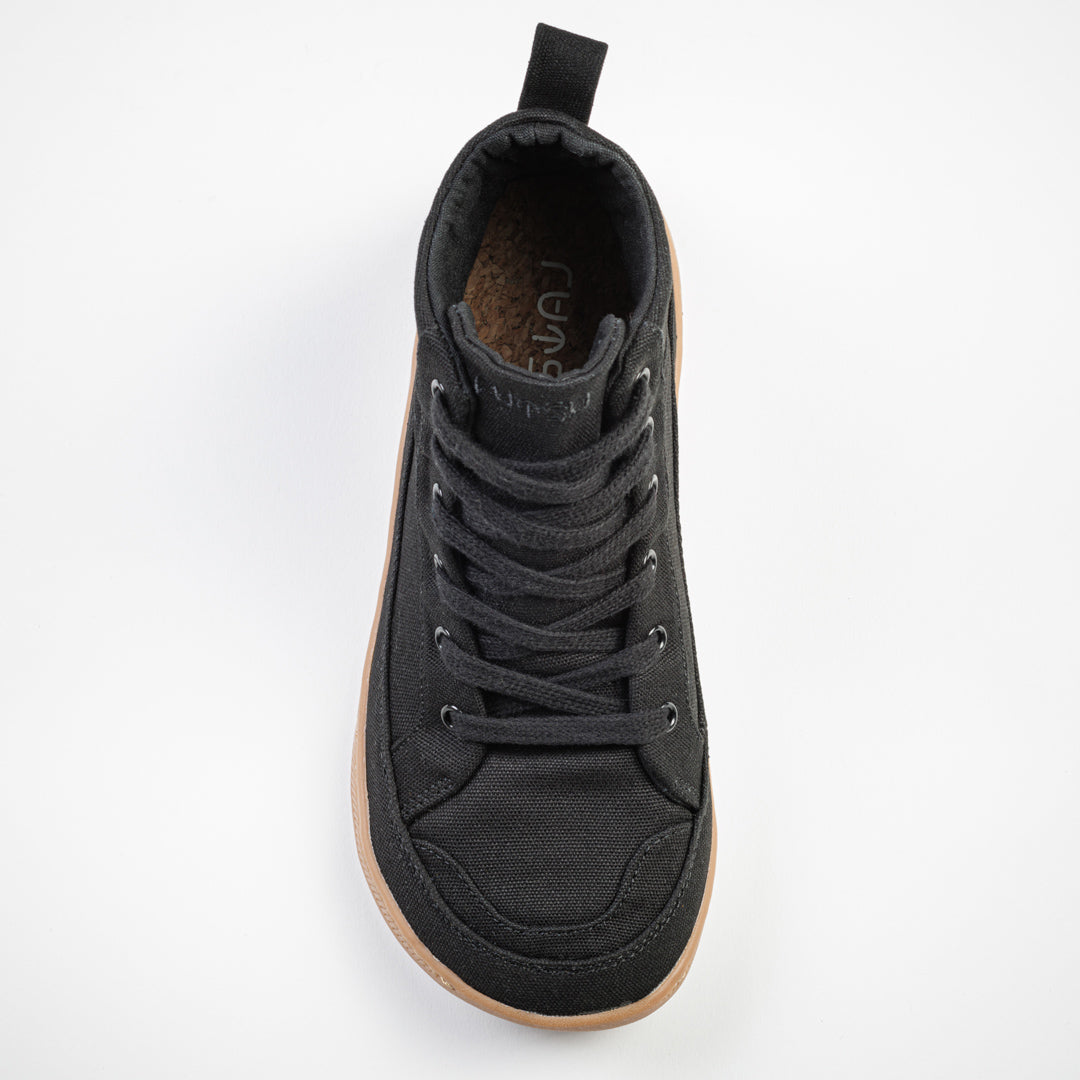
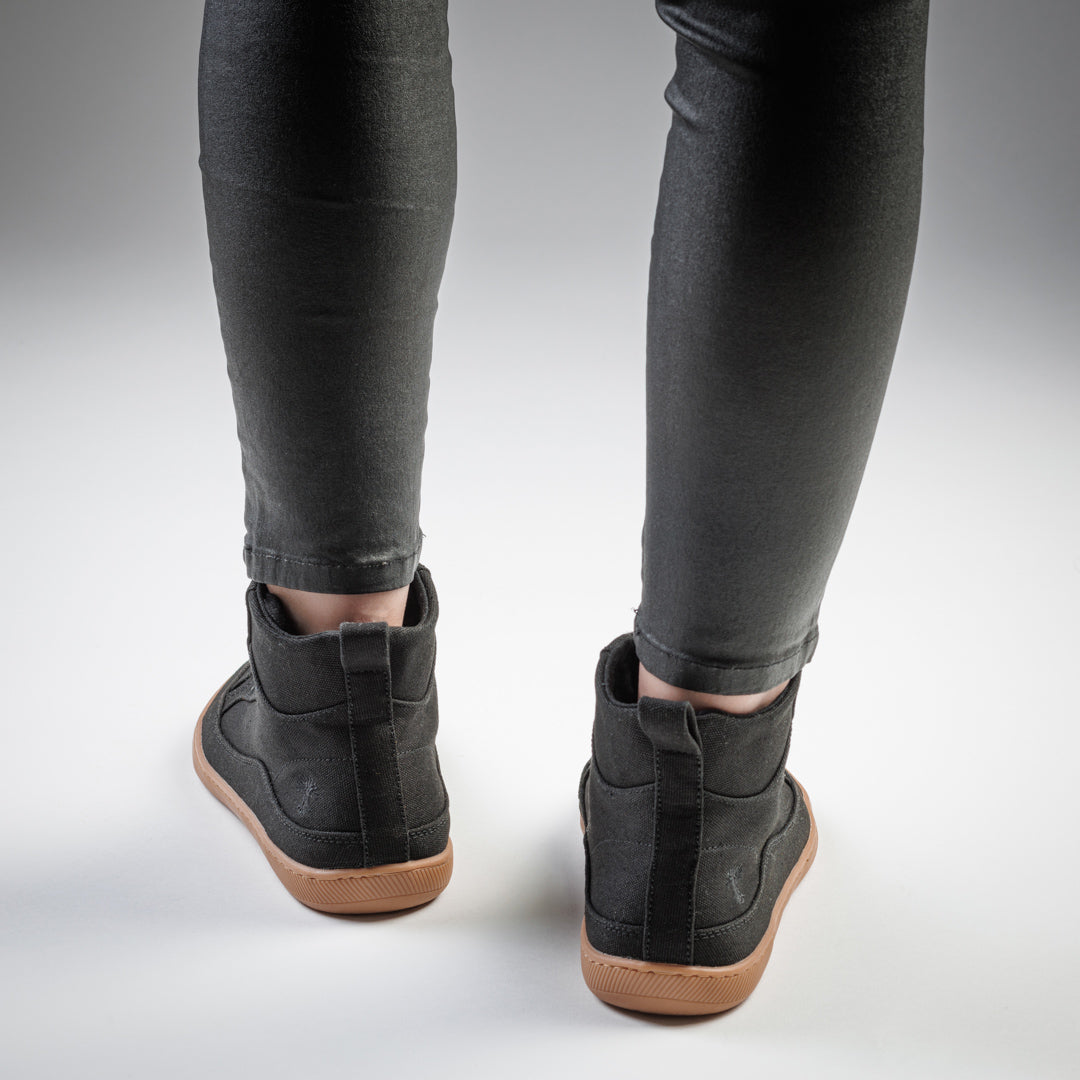
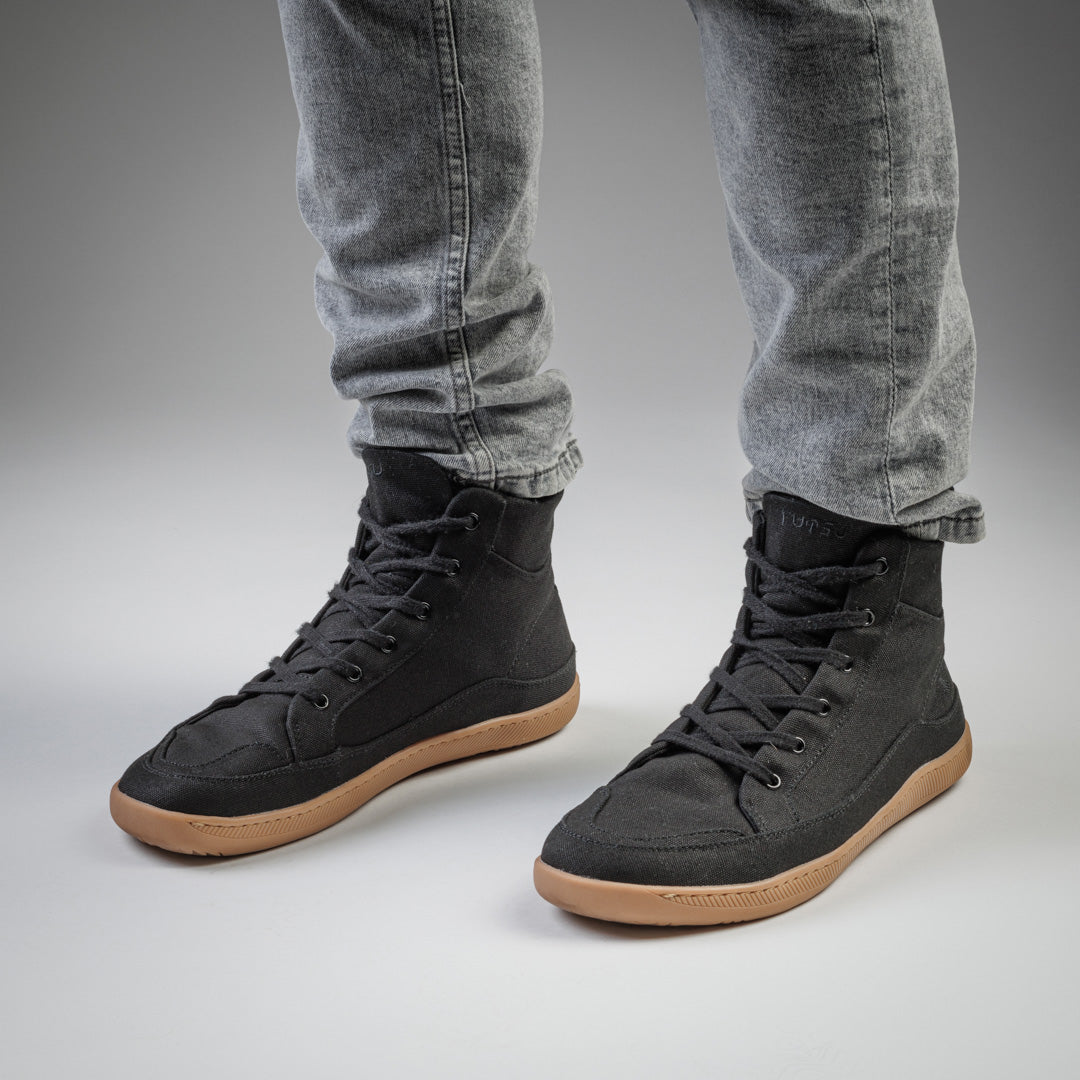
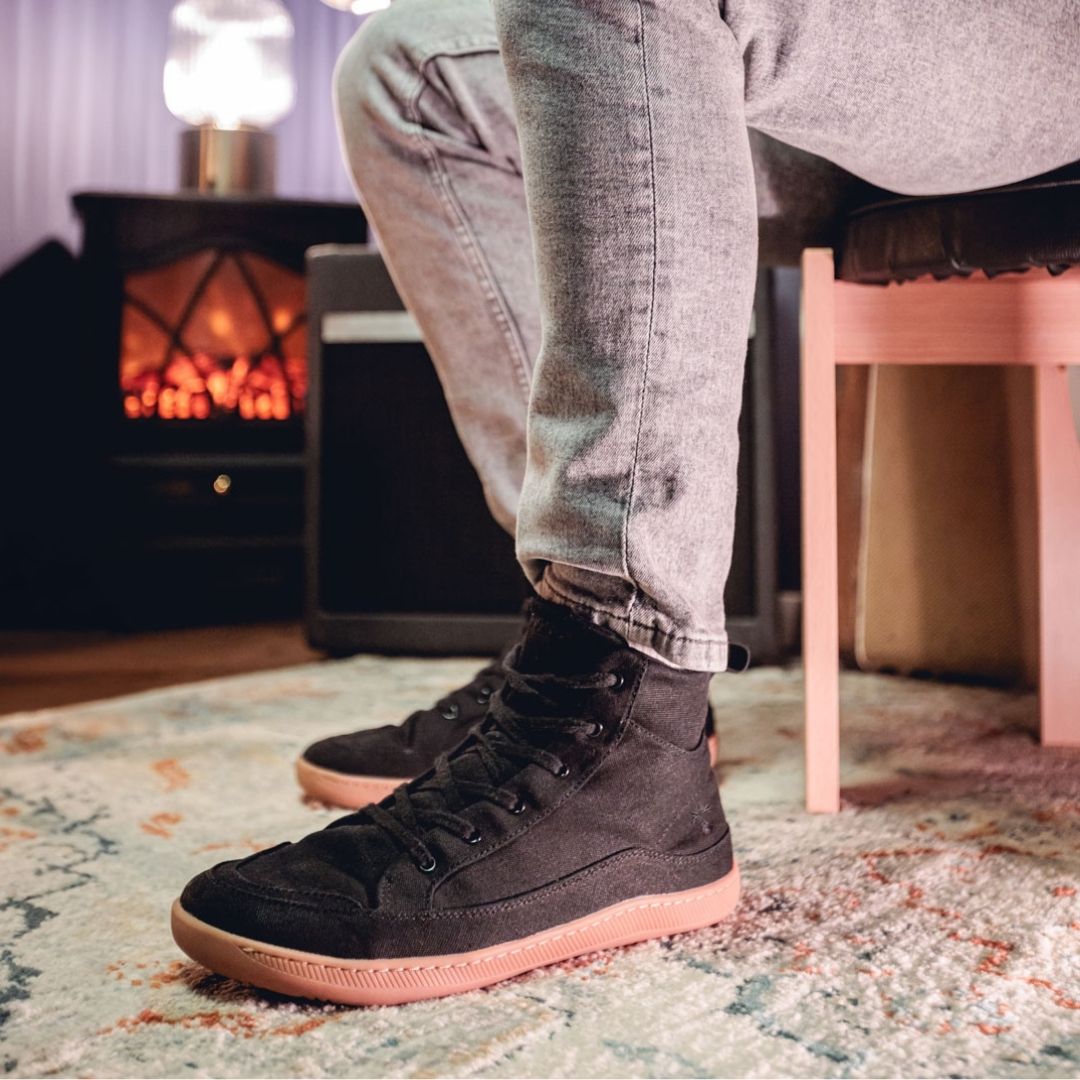
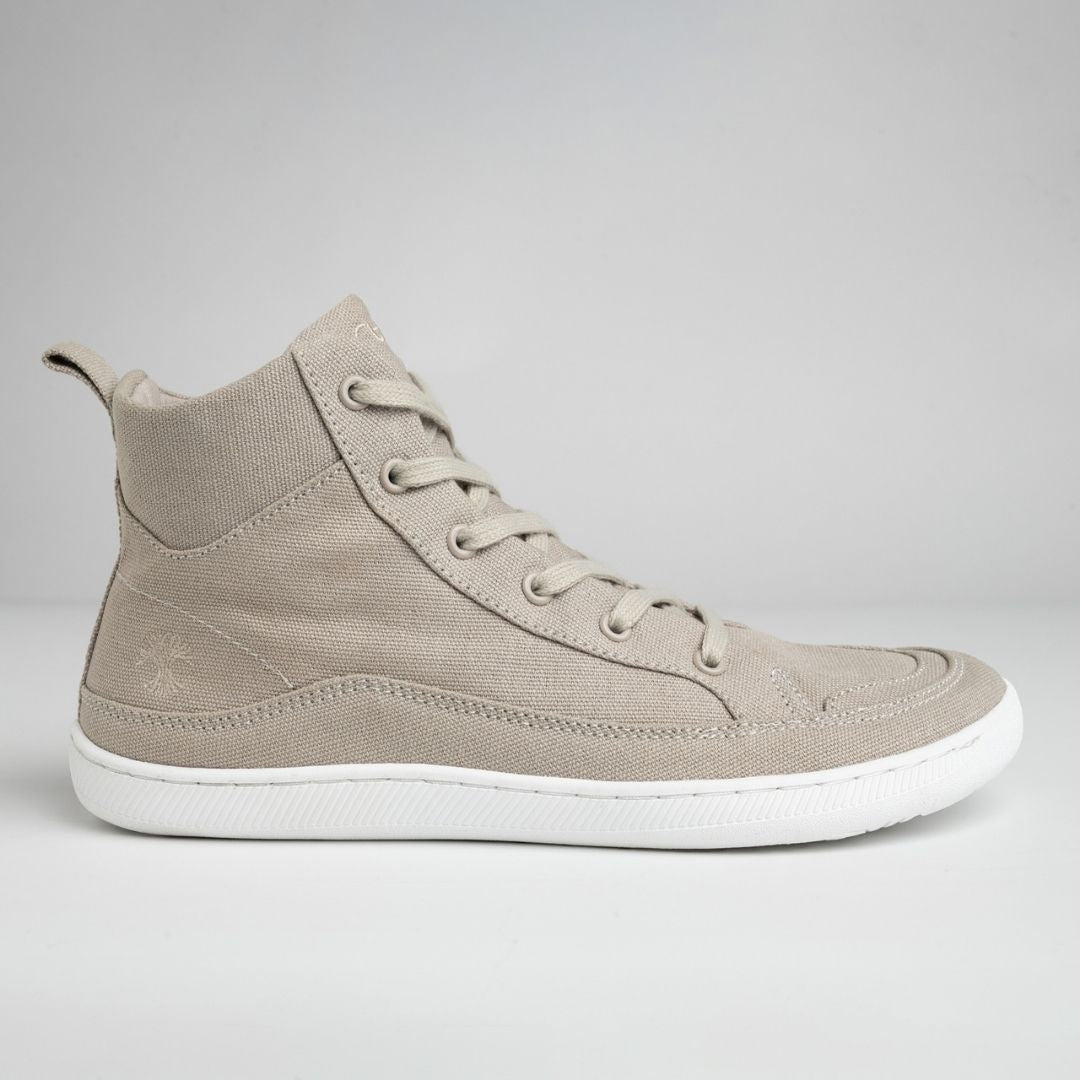
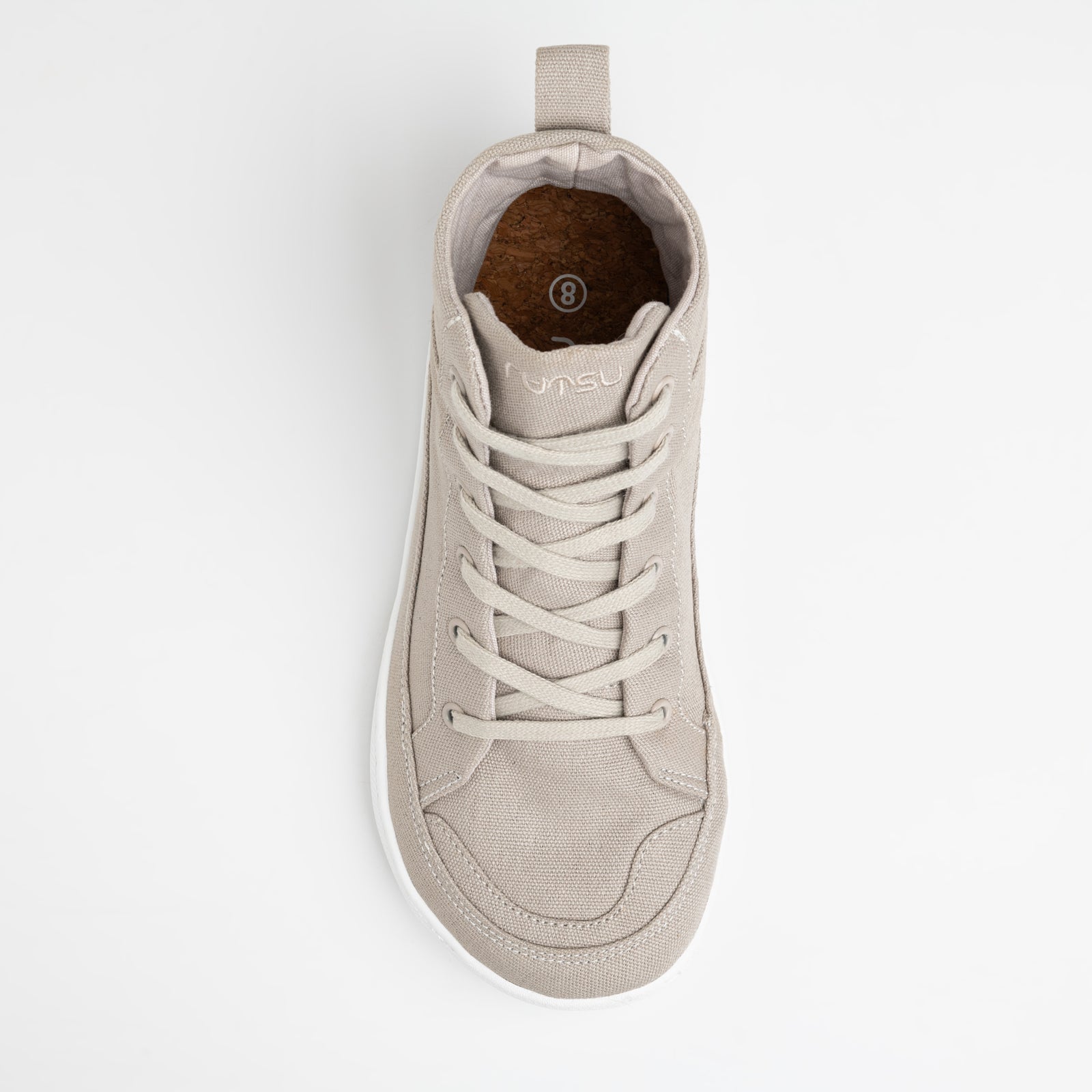
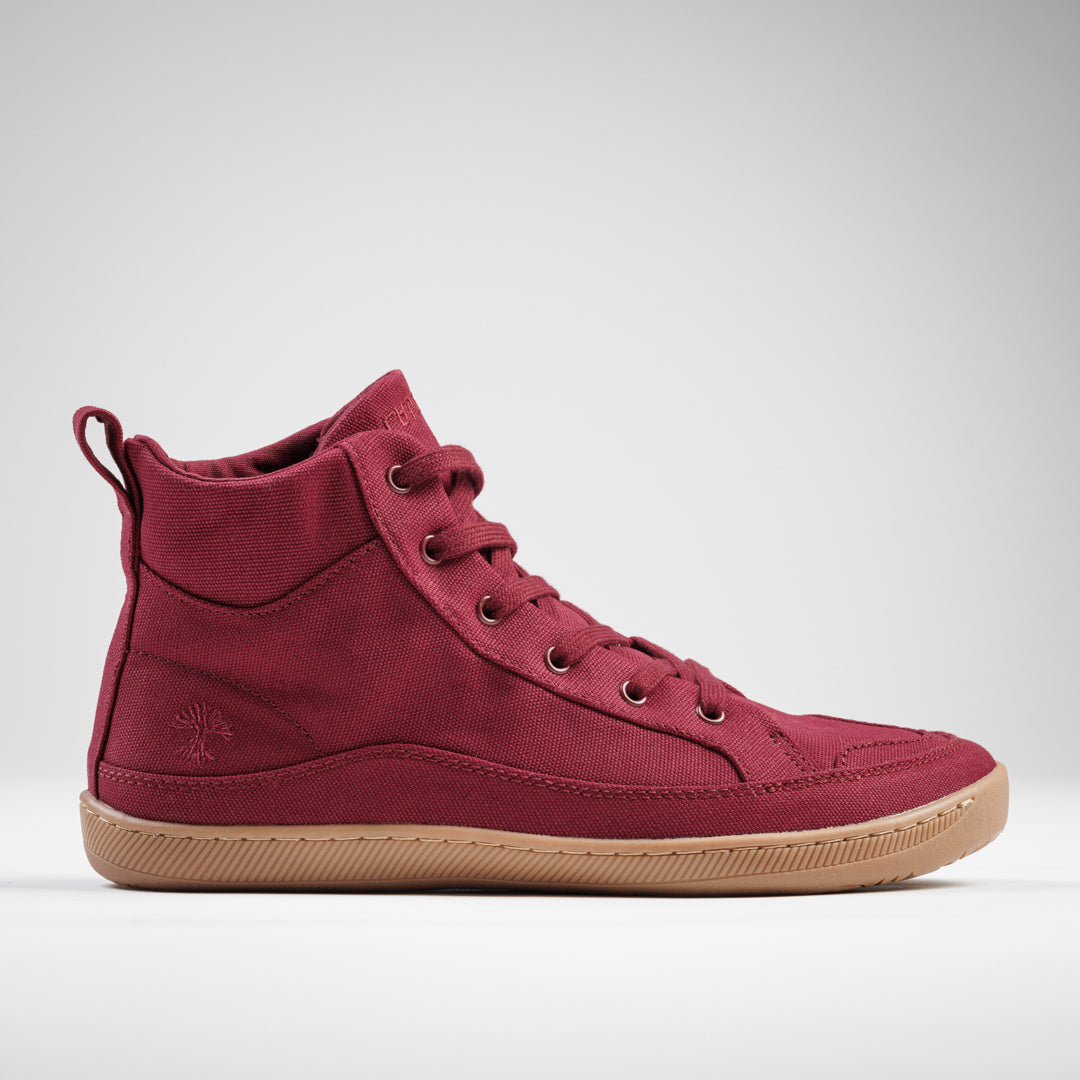
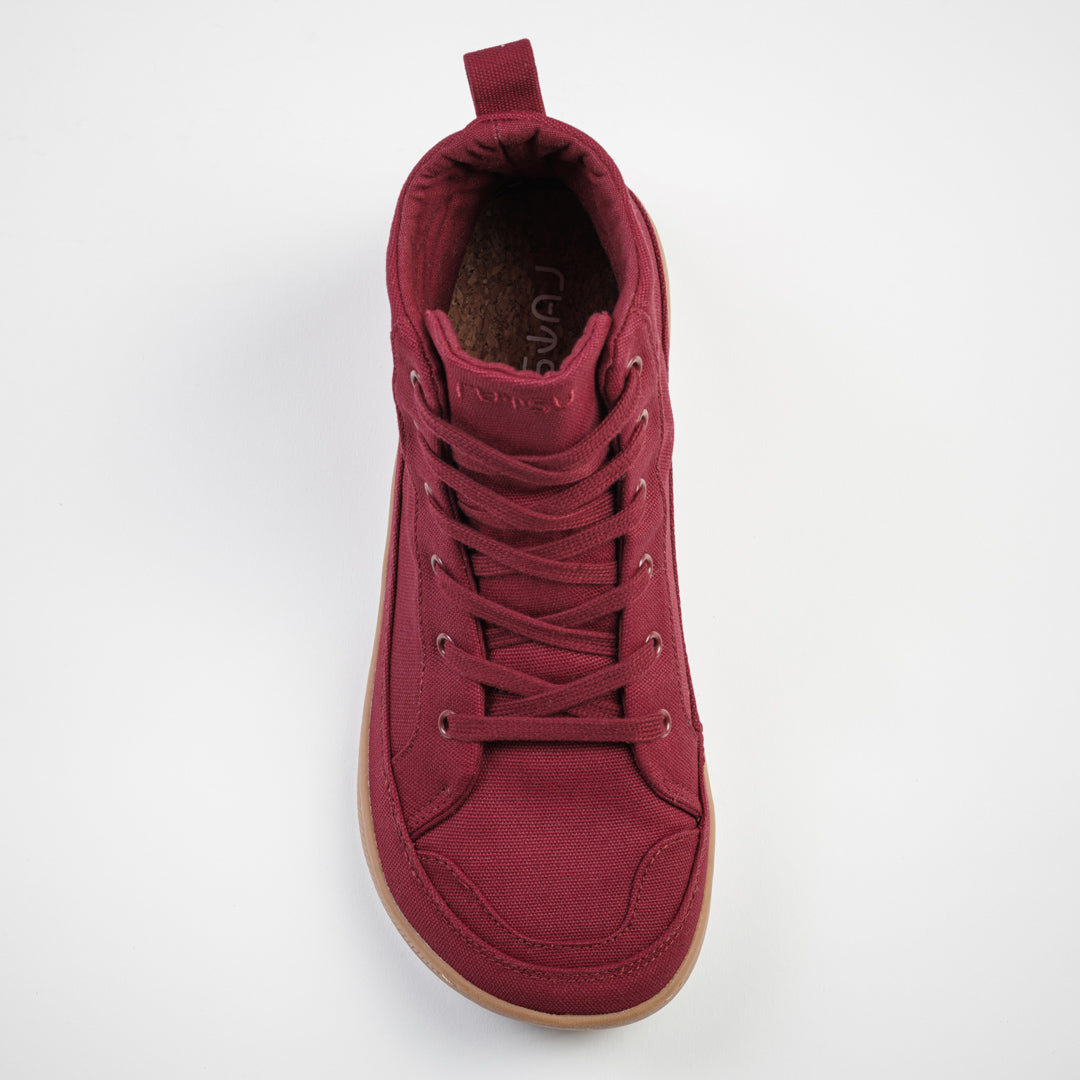
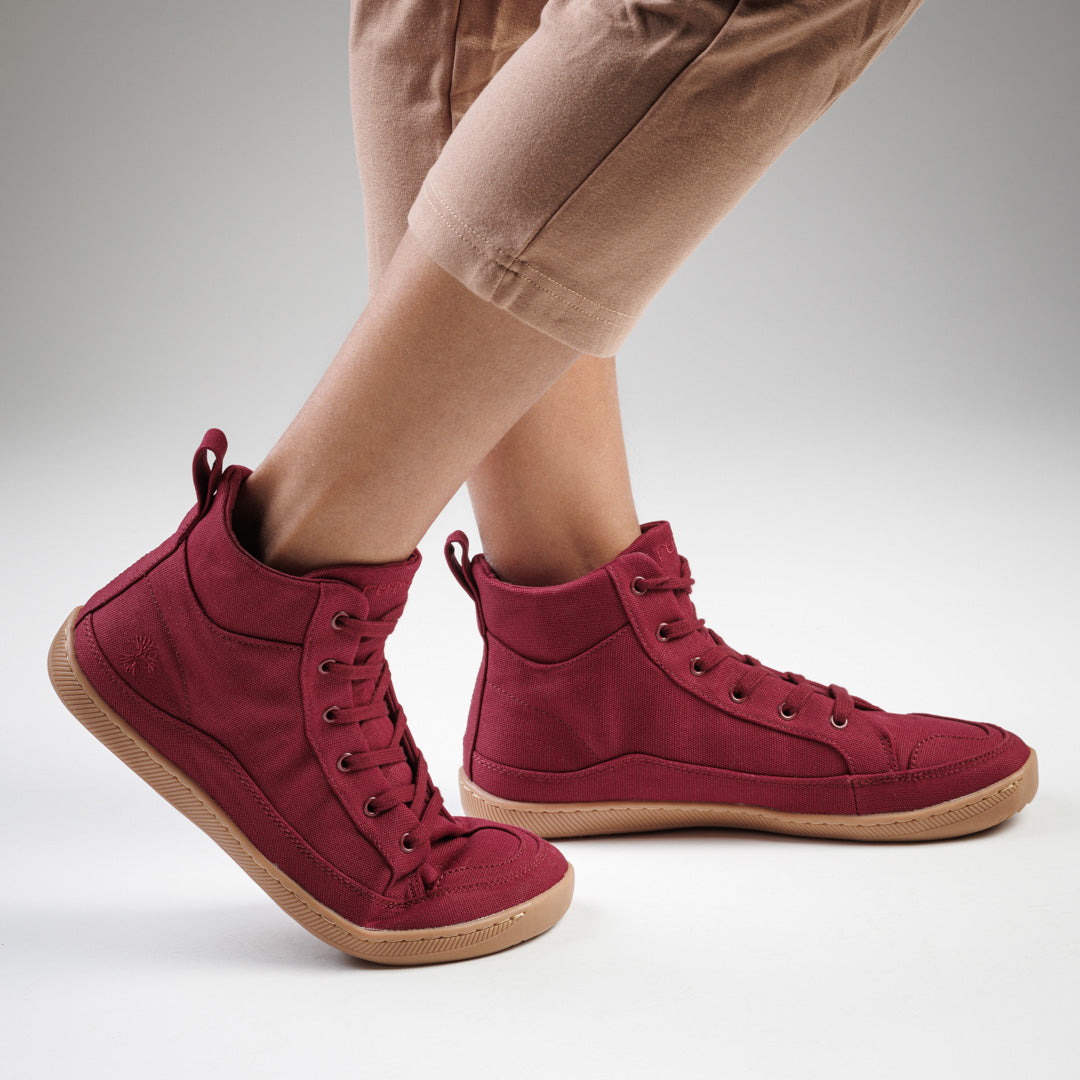
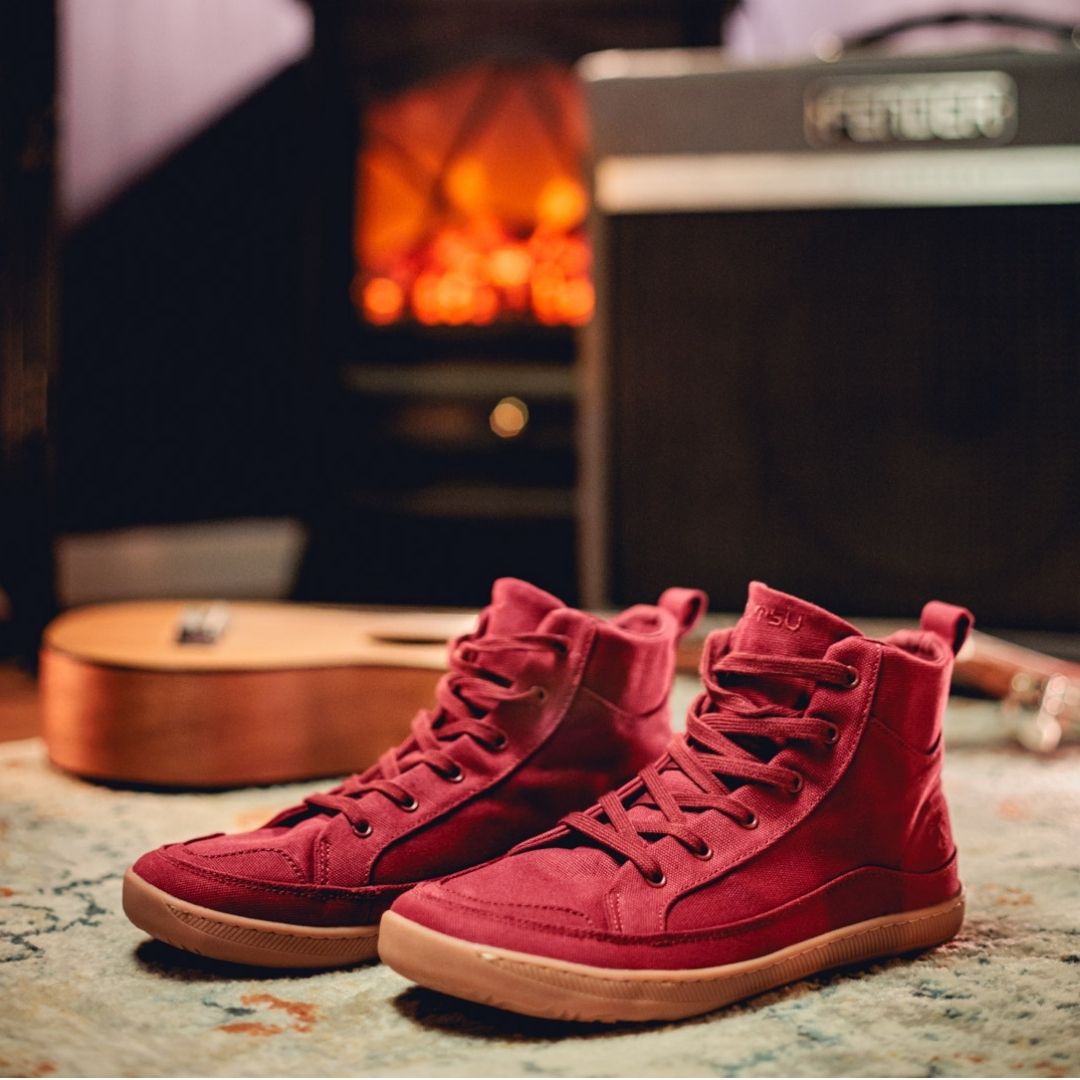
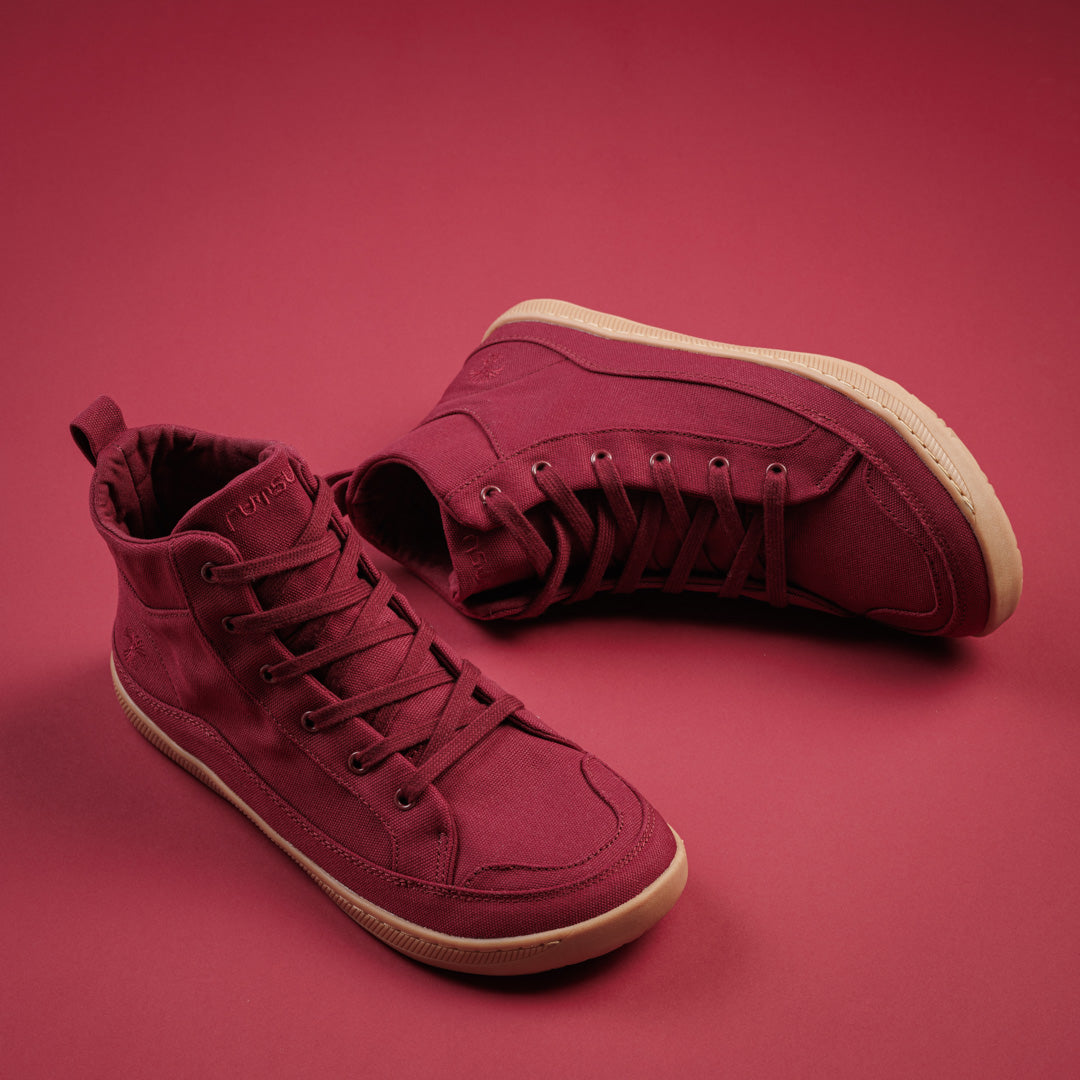
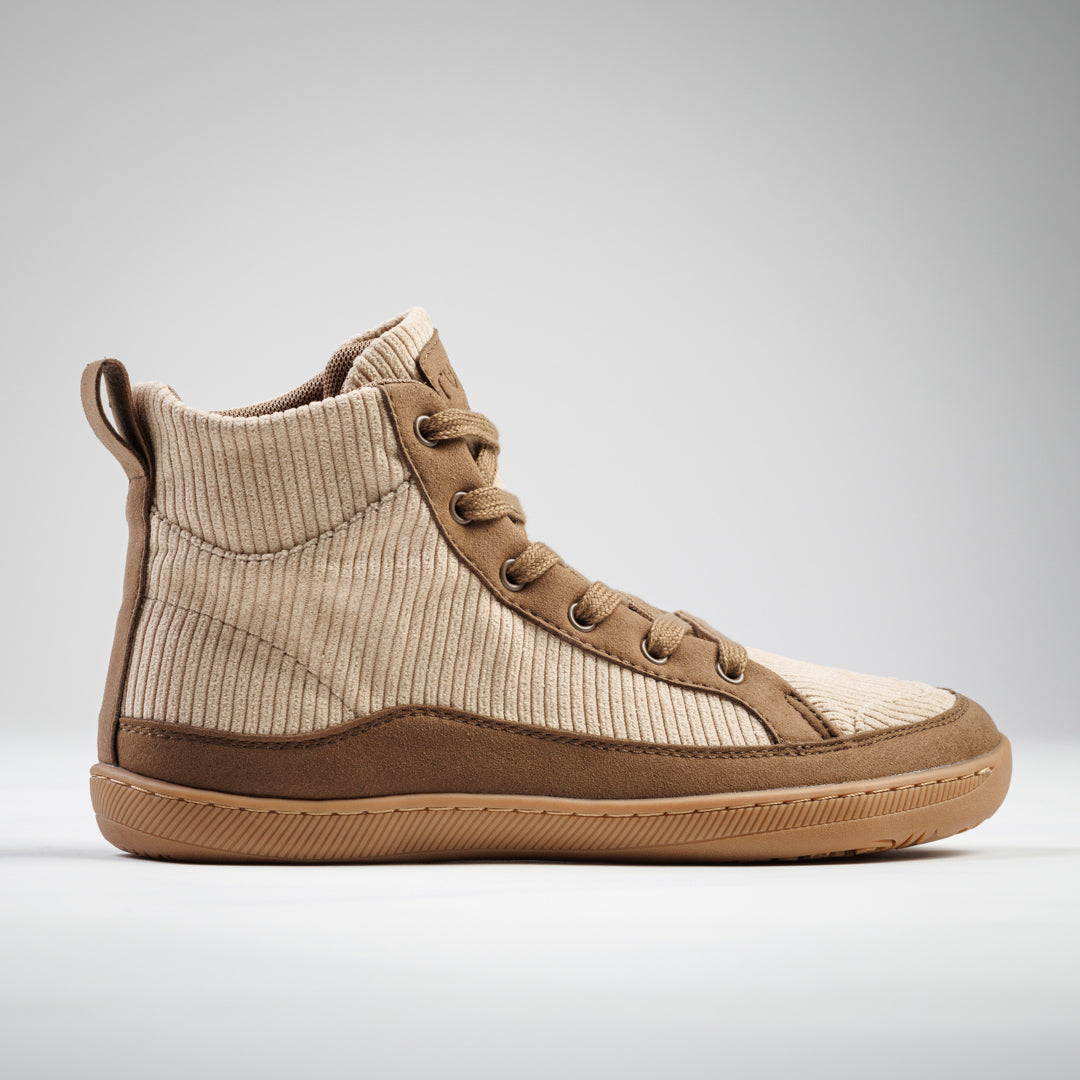
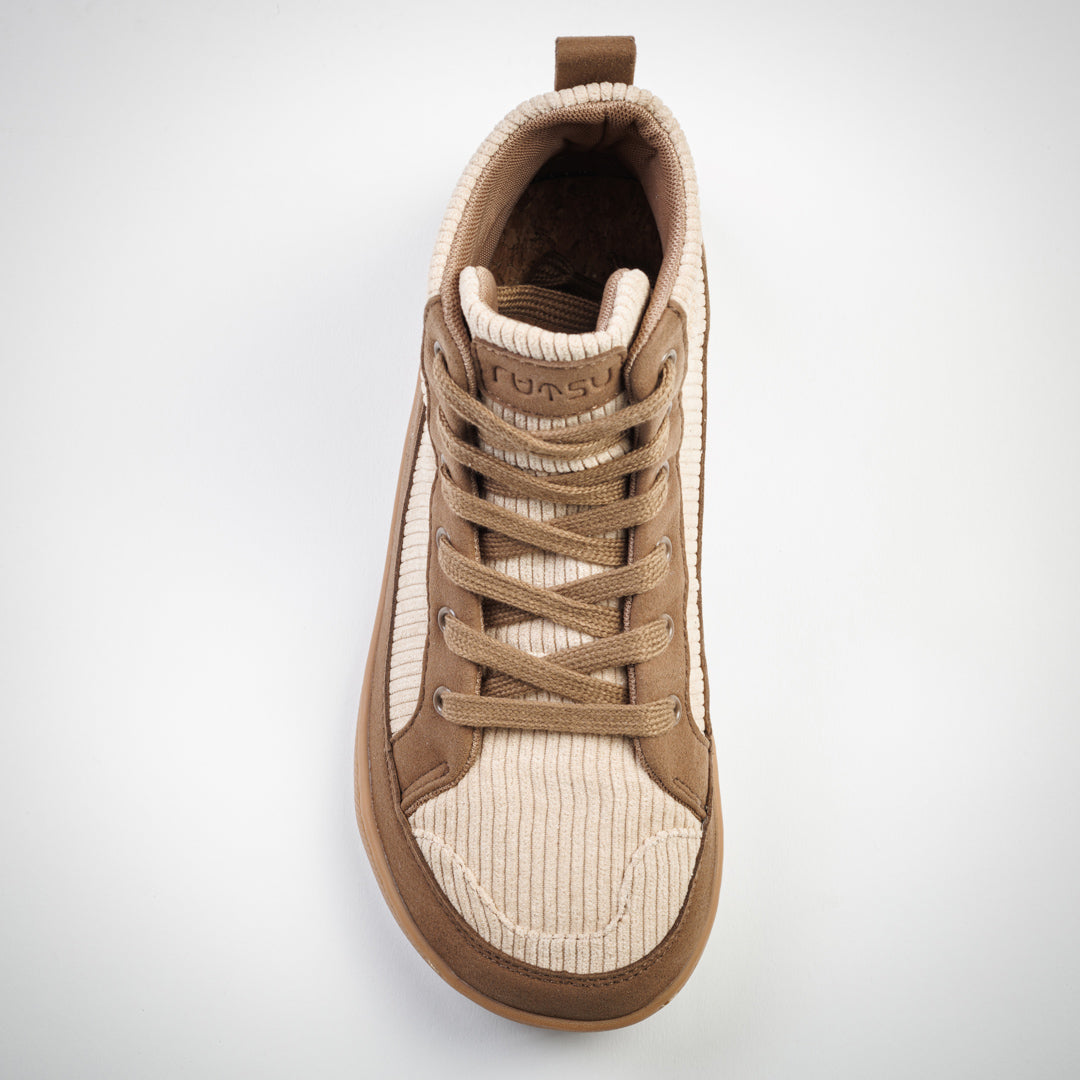
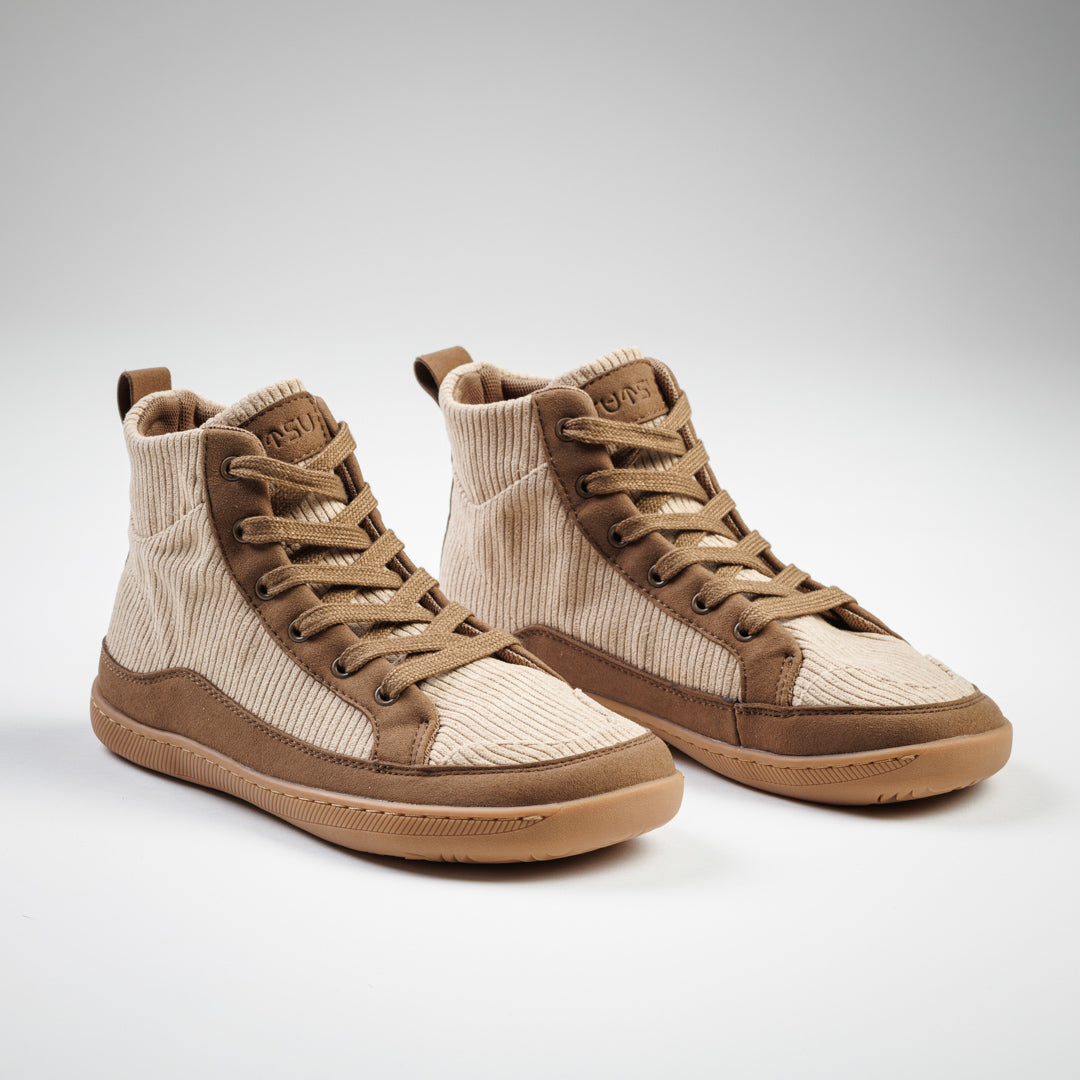
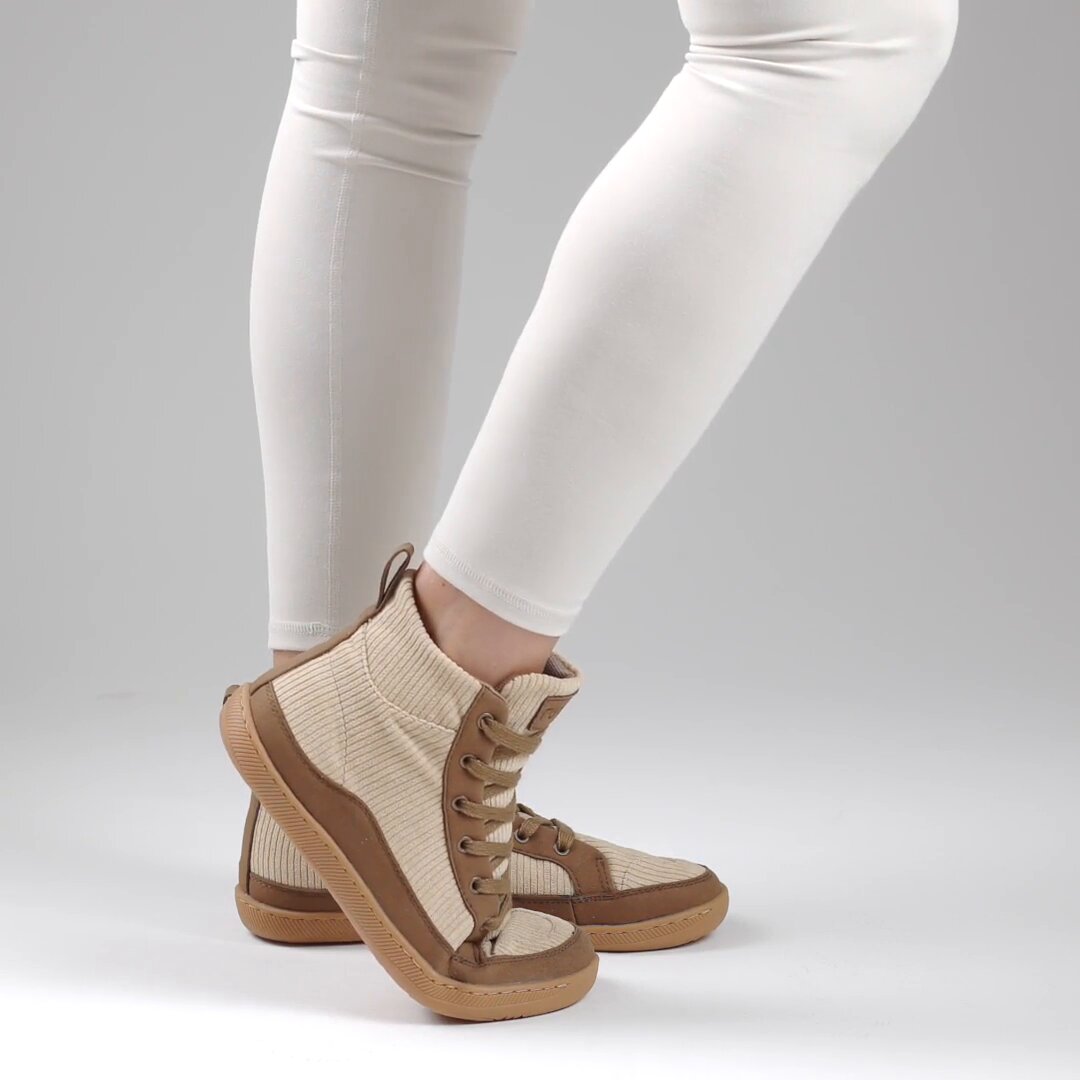
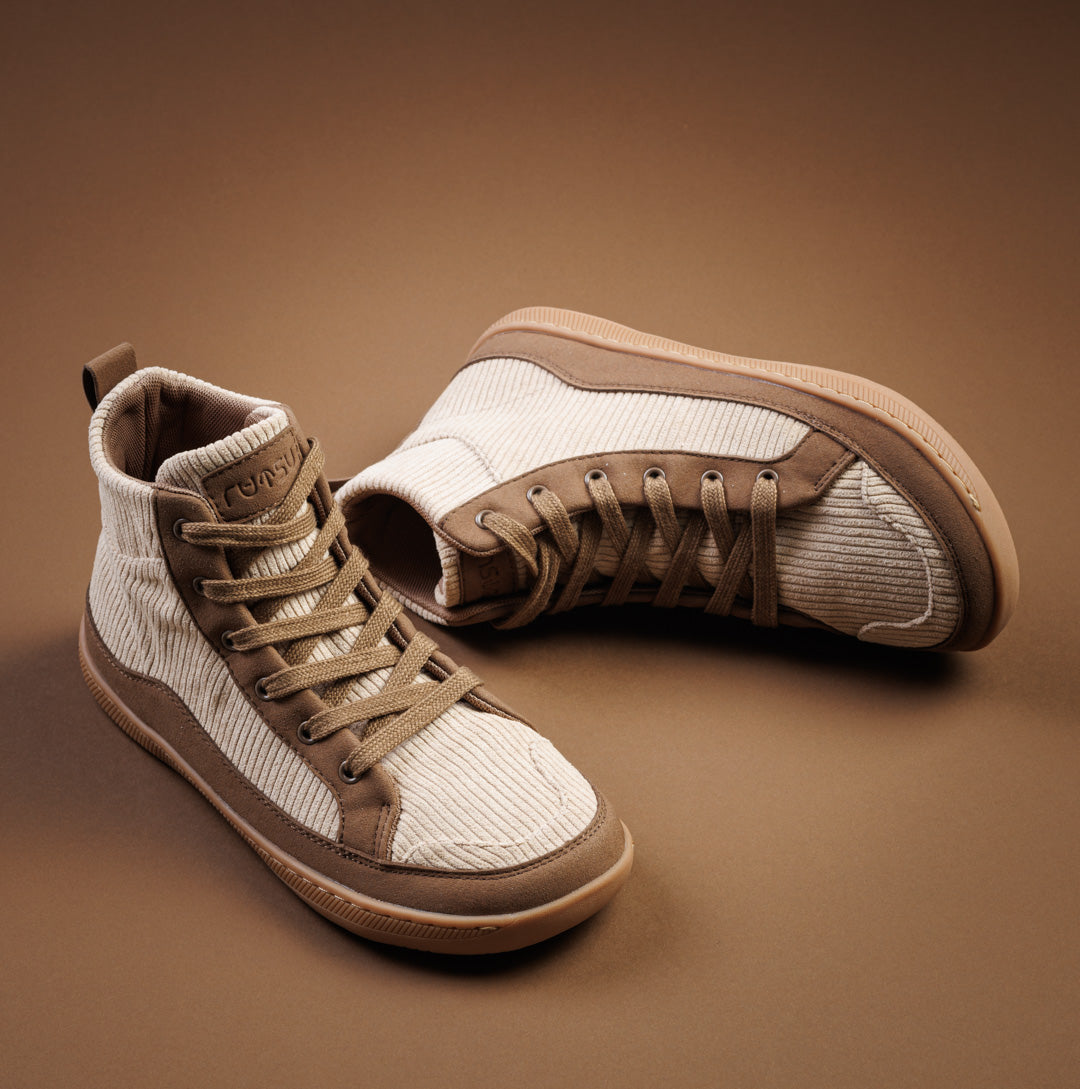
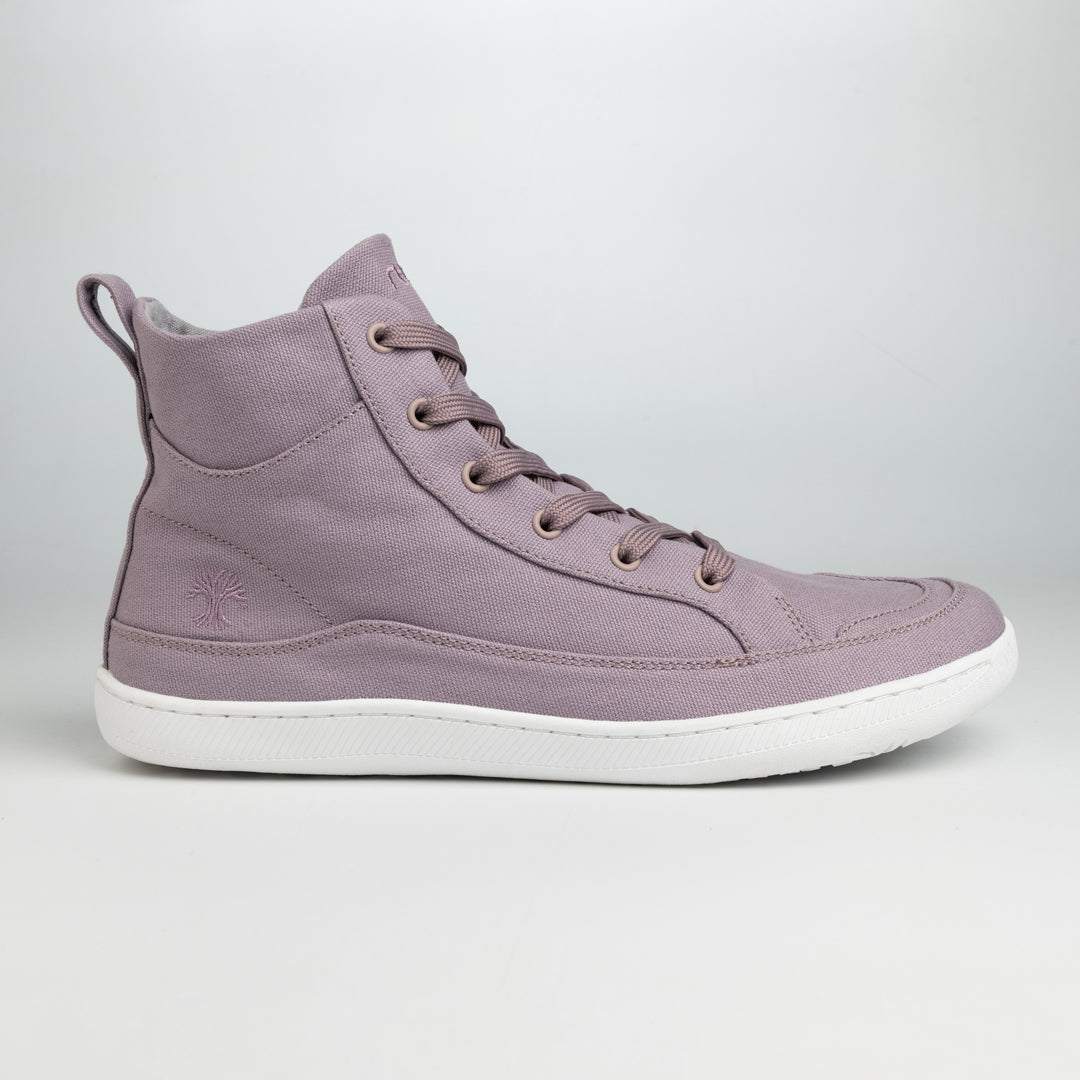
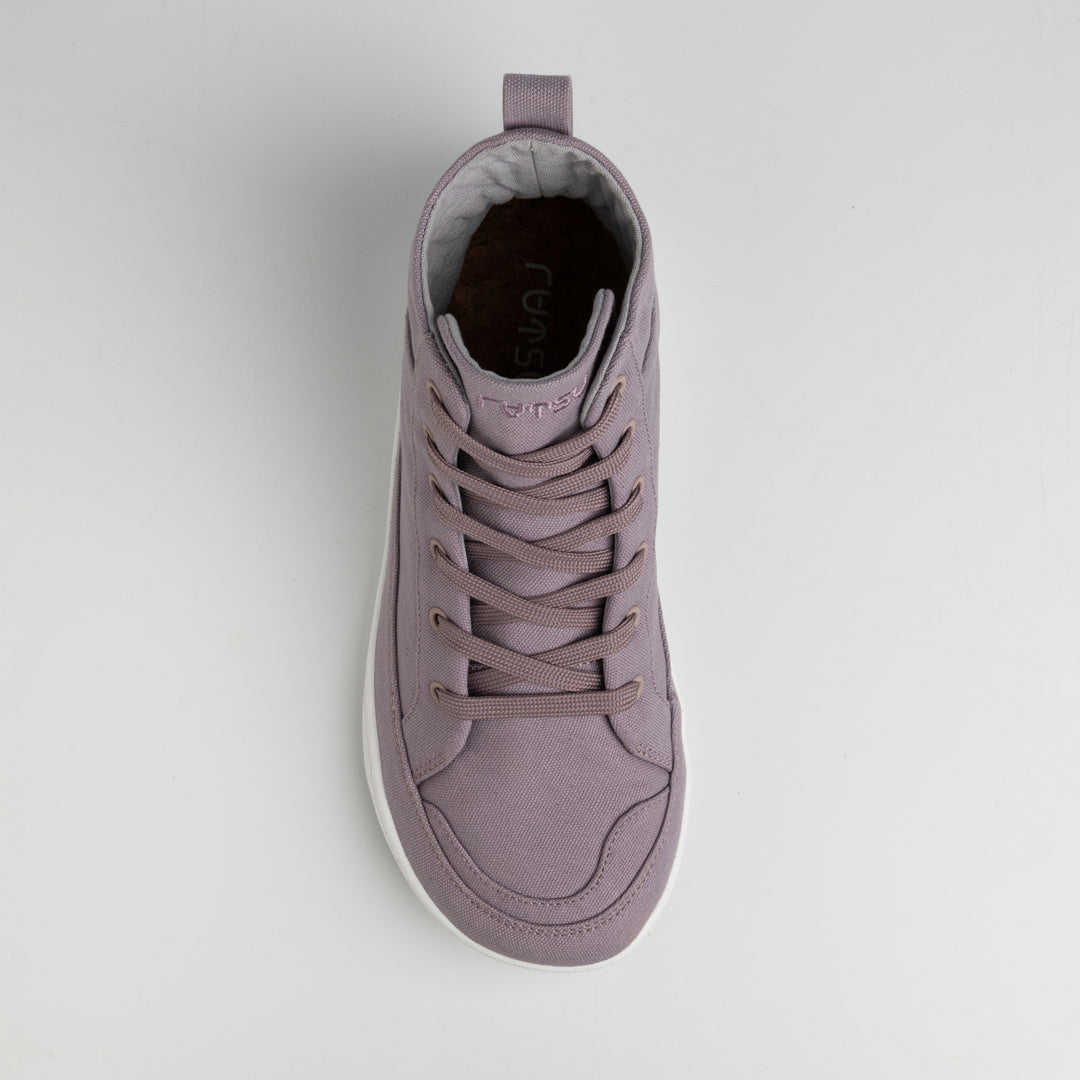
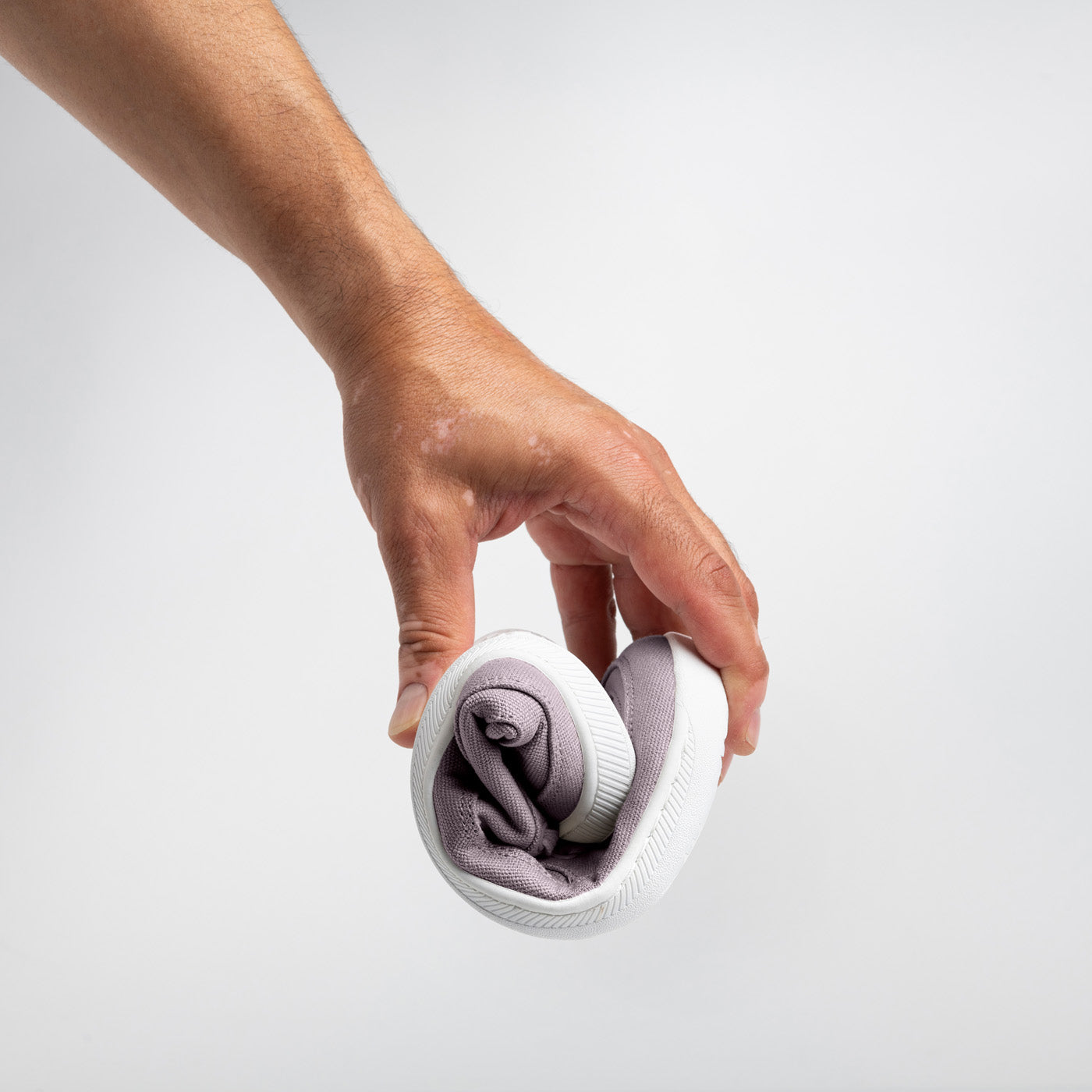
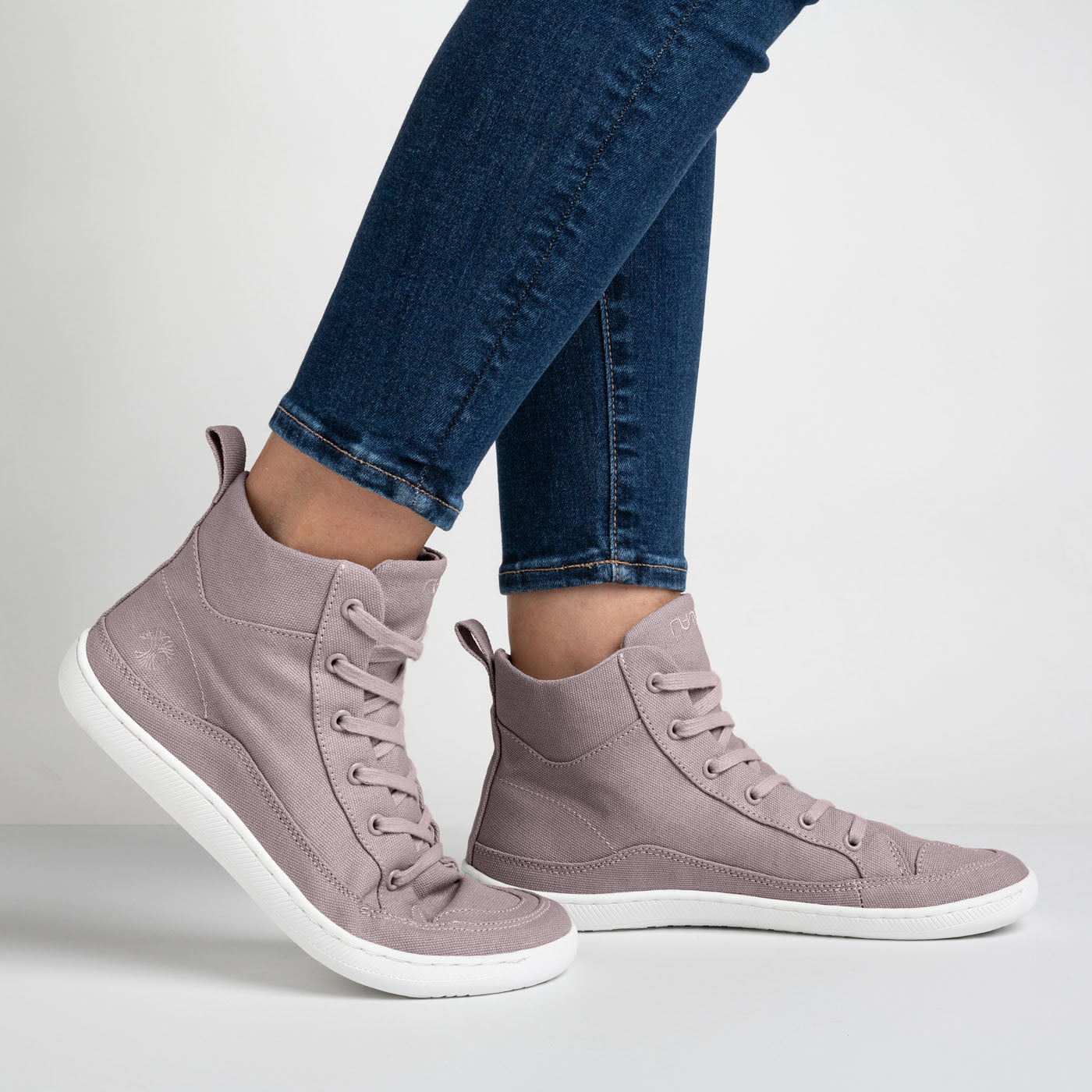
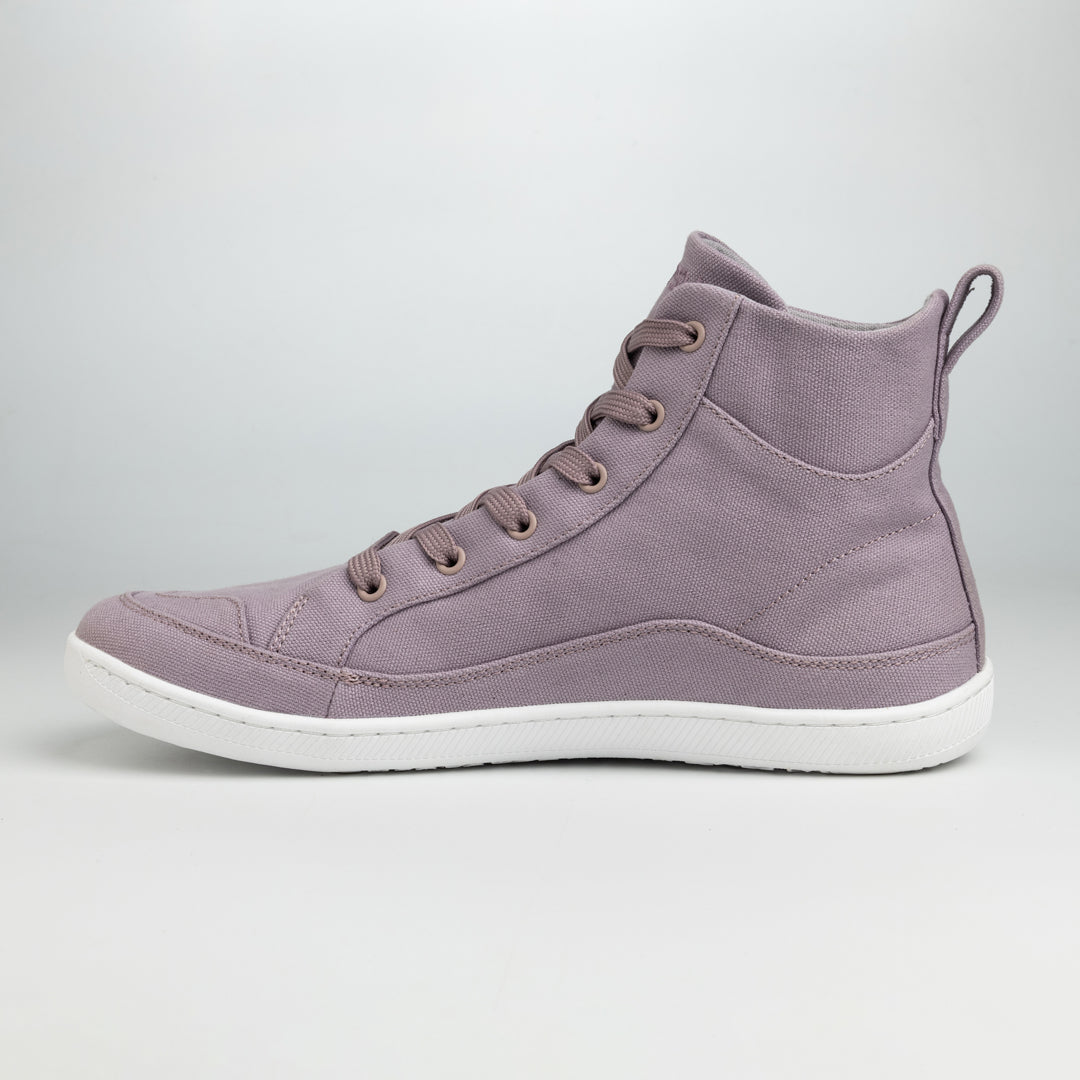
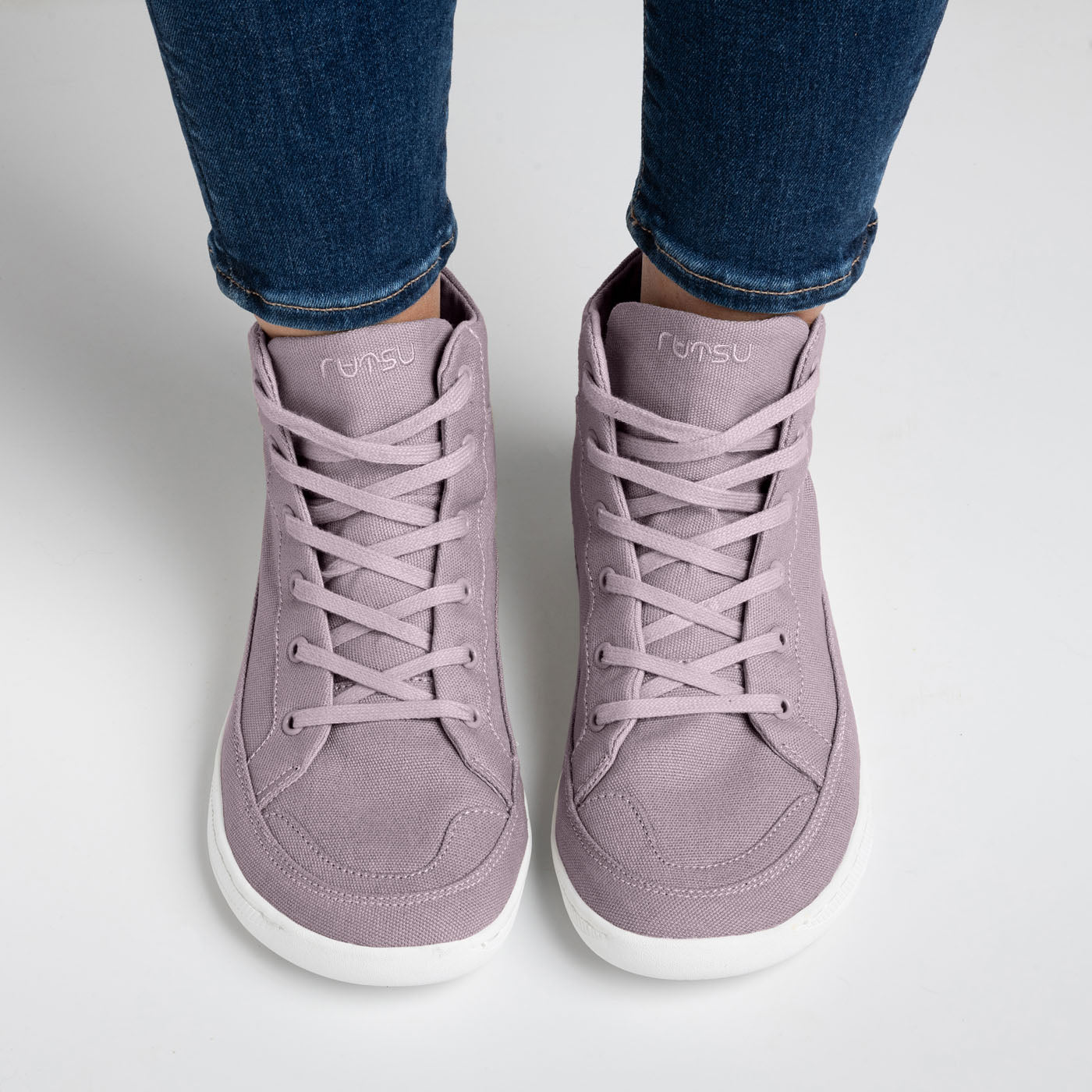
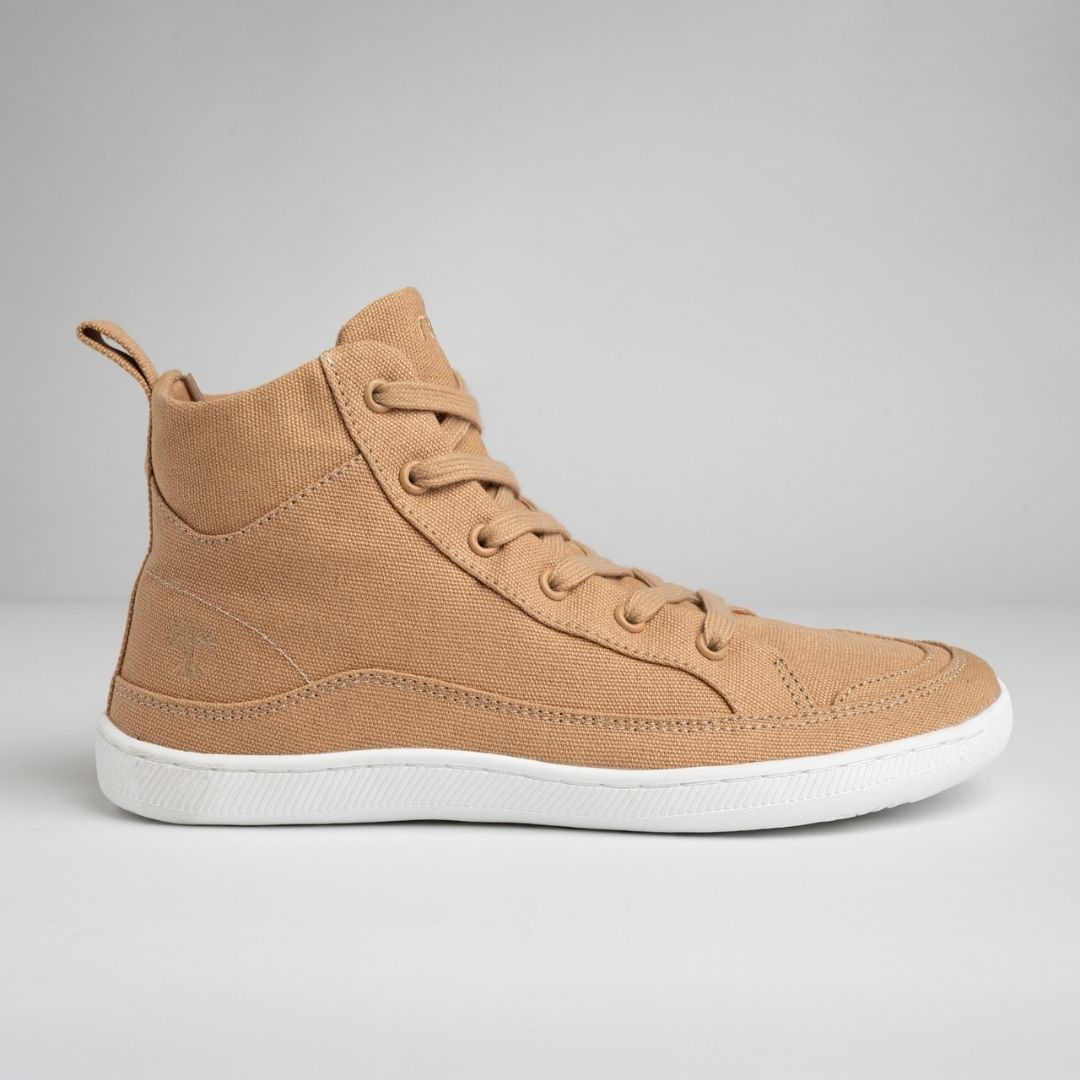
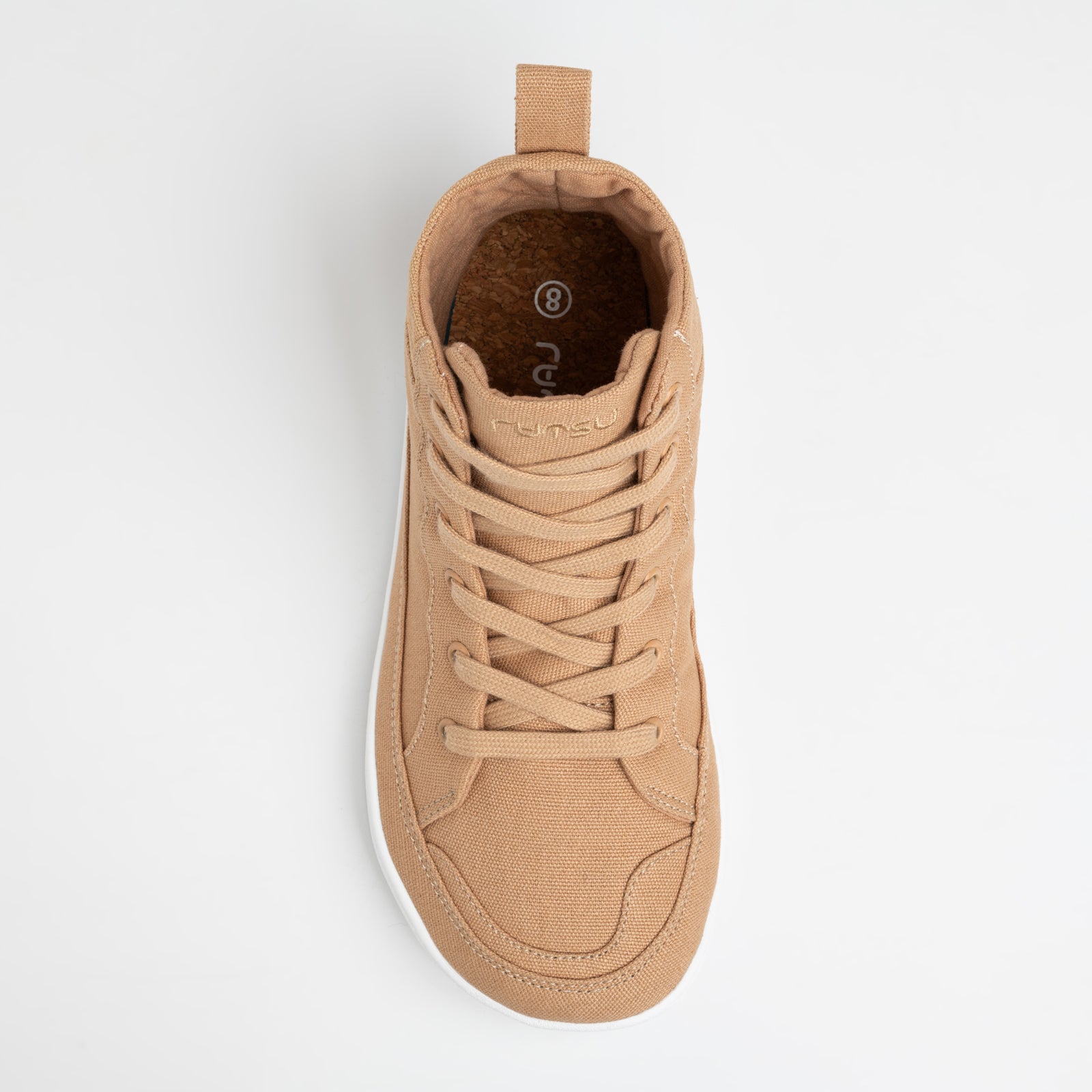
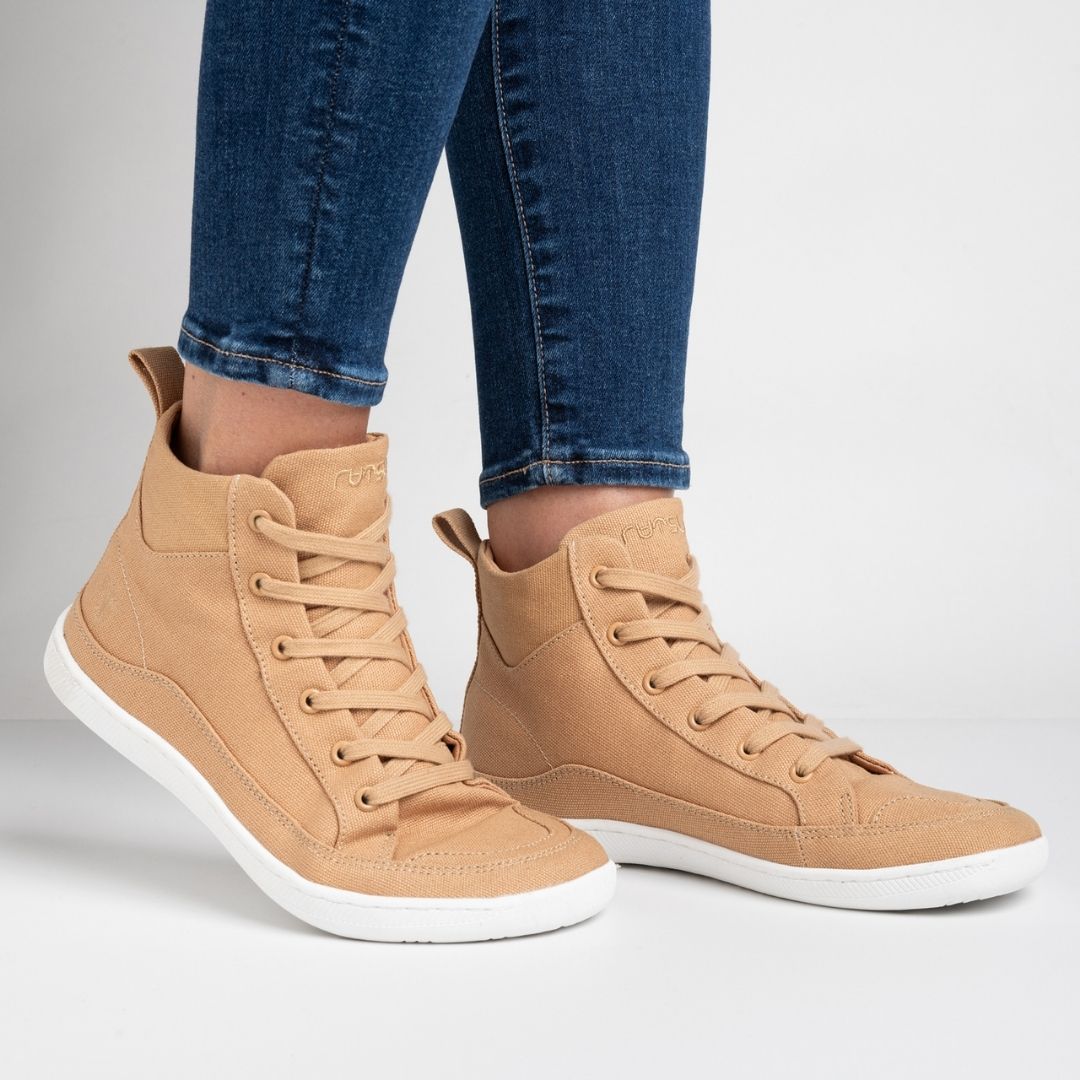
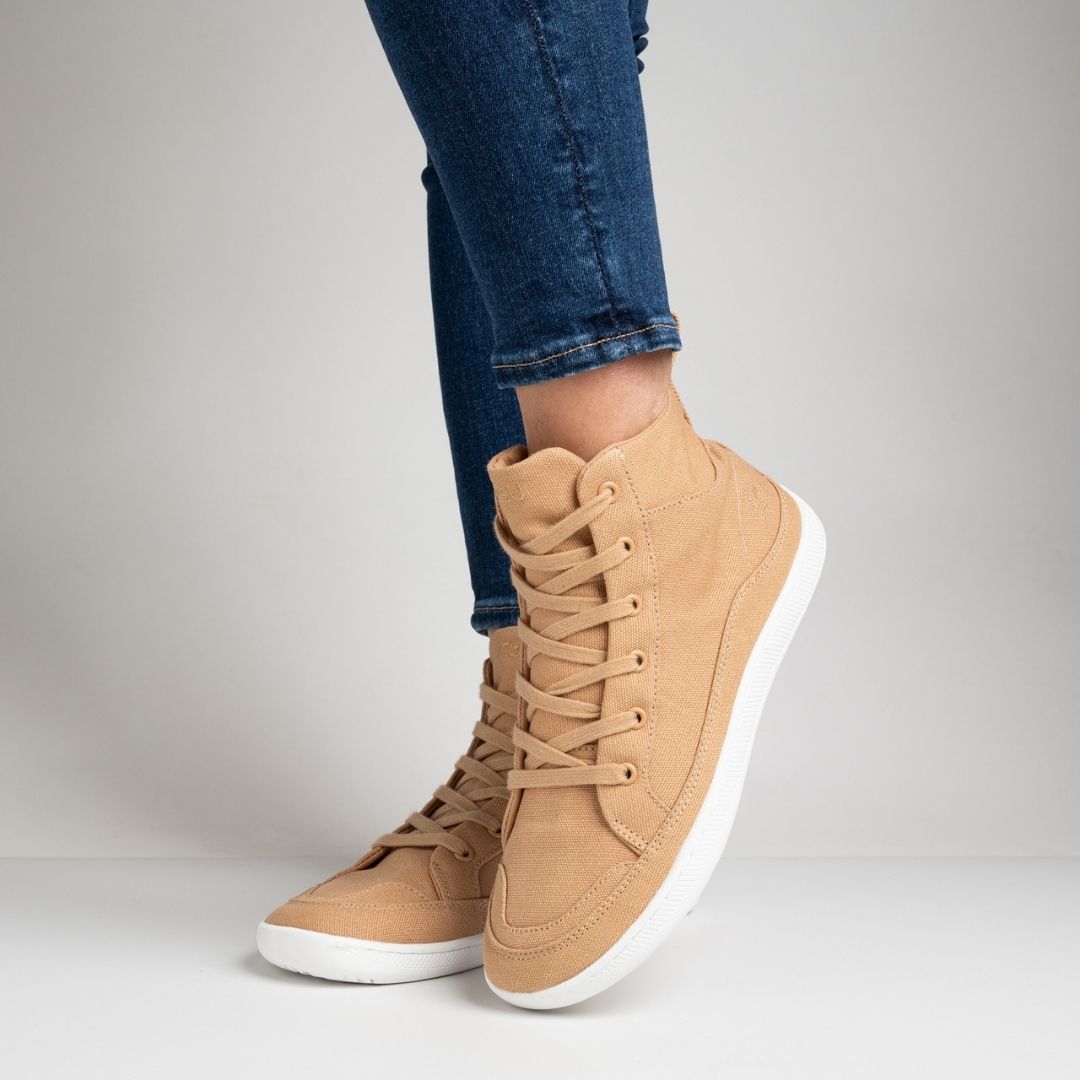
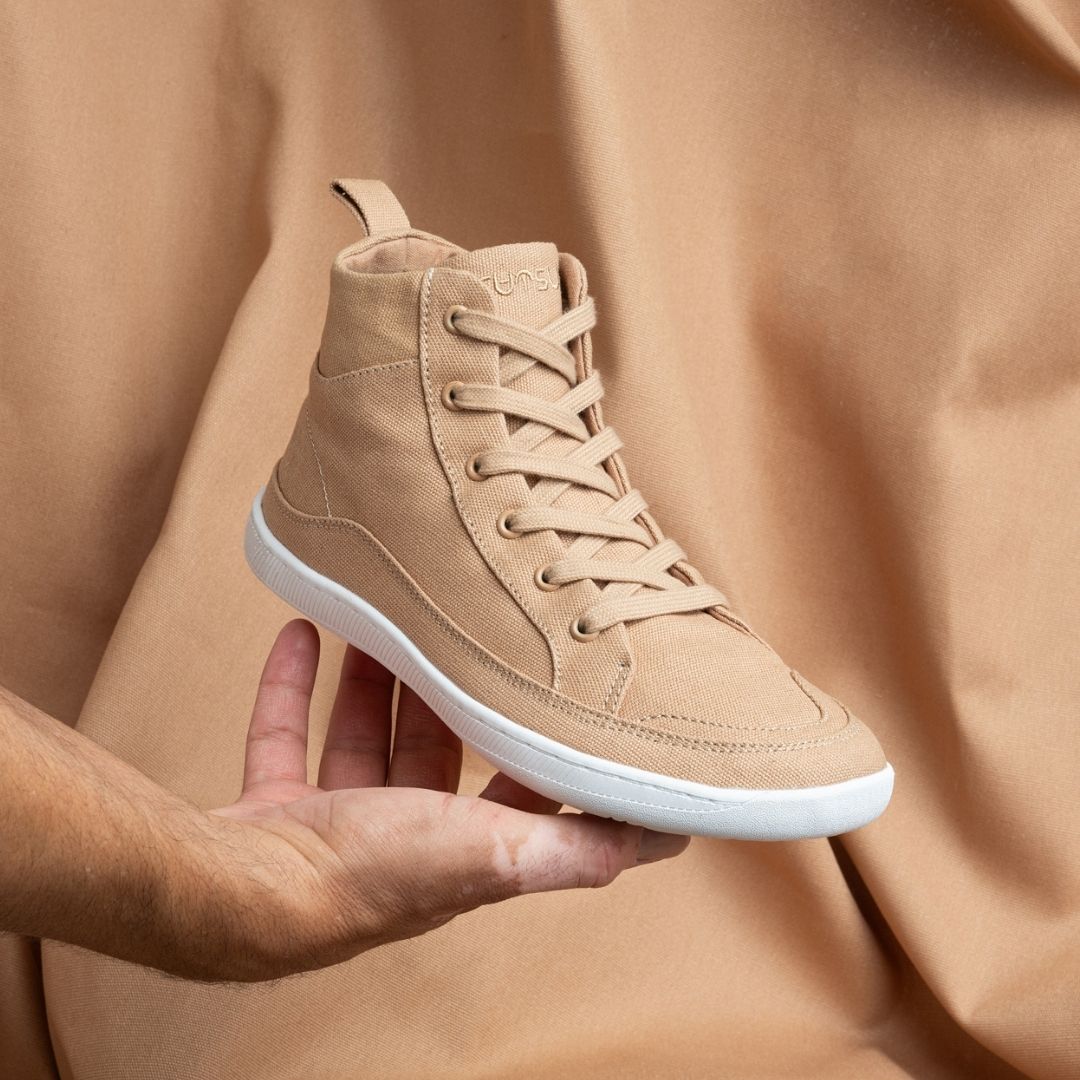
If you spend a lot of time moving, a pair of women's barefoot sneakers earns its keep fast. They're light, flexible, and easy to pair with almost anything in your wardrobe.
Best Women's Shoes for All-Day Comfort and Time on Your Feet
Nurses, teachers, retail workers, parents chasing toddlers. If you're on your feet for hours, comfort isn't a luxury. It's survival.
The old advice was simple: more cushioning equals more comfort. But thick, squishy soles can actually make your feet work harder to stay balanced. A flatter, flexible shoe with a roomy toe box lets your foot sit naturally and spread under load.
Worth saying plainly: this approach isn't for everyone, and it isn't instant. If you switch from heavily cushioned shoes, your feet and calves may need a few weeks to adjust. Ease in. Some people find their all-day aches fade once their feet get stronger. Others prefer a bit of cushion, and that's a perfectly fine choice too.
From Office to Evening: The Most Versatile Shoes for Work and Beyond
The dream shoe gets you through a 9 a.m. meeting and a 7 p.m. dinner without a costume change. Does it exist? Mostly, yes.
Look for clean lines, a neutral color (black, tan, and white go with everything), and a low profile that reads polished but not stuffy. A pair of top women's barefoot shoes in a low-top design can slide under trousers at the office and still look intentional with jeans later.
The trick is choosing one pair that handles 80% of your week, not five pairs that each handle one situation.
Best Everyday Sneakers and Walking Shoes for Women
Walking is the one exercise almost everyone does, every day, without thinking about it. Your shoes should make it easier, not harder.
For everyday miles, you want flexibility, breathability, and grip. Heavy, stiff sneakers can fight your stride. Lighter women's barefoot sneakers move with your foot instead of against it, which a lot of walkers say makes longer distances feel less tiring.
Quick test before you buy: hold the shoe at both ends and twist. If it barely budges, your foot's going to fight it all day.
Heels Without the Pain: Styles You Can Actually Wear All Day
Let's be honest. A four-inch stiletto is never going to feel like a slipper, and no guide should pretend otherwise.
If you love heels, a few choices make a real difference. A lower block heel (think two inches or under) spreads your weight better than a thin spike. A rounded or squared toe gives your toes somewhere to go. And a secure strap keeps your foot from sliding forward into the crush zone.
For days that demand hours of standing, though? Flats usually win. There's no shame in keeping a comfortable pair in your bag for the walk home.
Seasonal Picks: The Right Shoes for Summer, Winter, and the In-Between
Summer wants breathable. Think open sandals or light, airy shoes that don't trap heat. Your feet swell in warm weather, so a roomy fit matters even more.
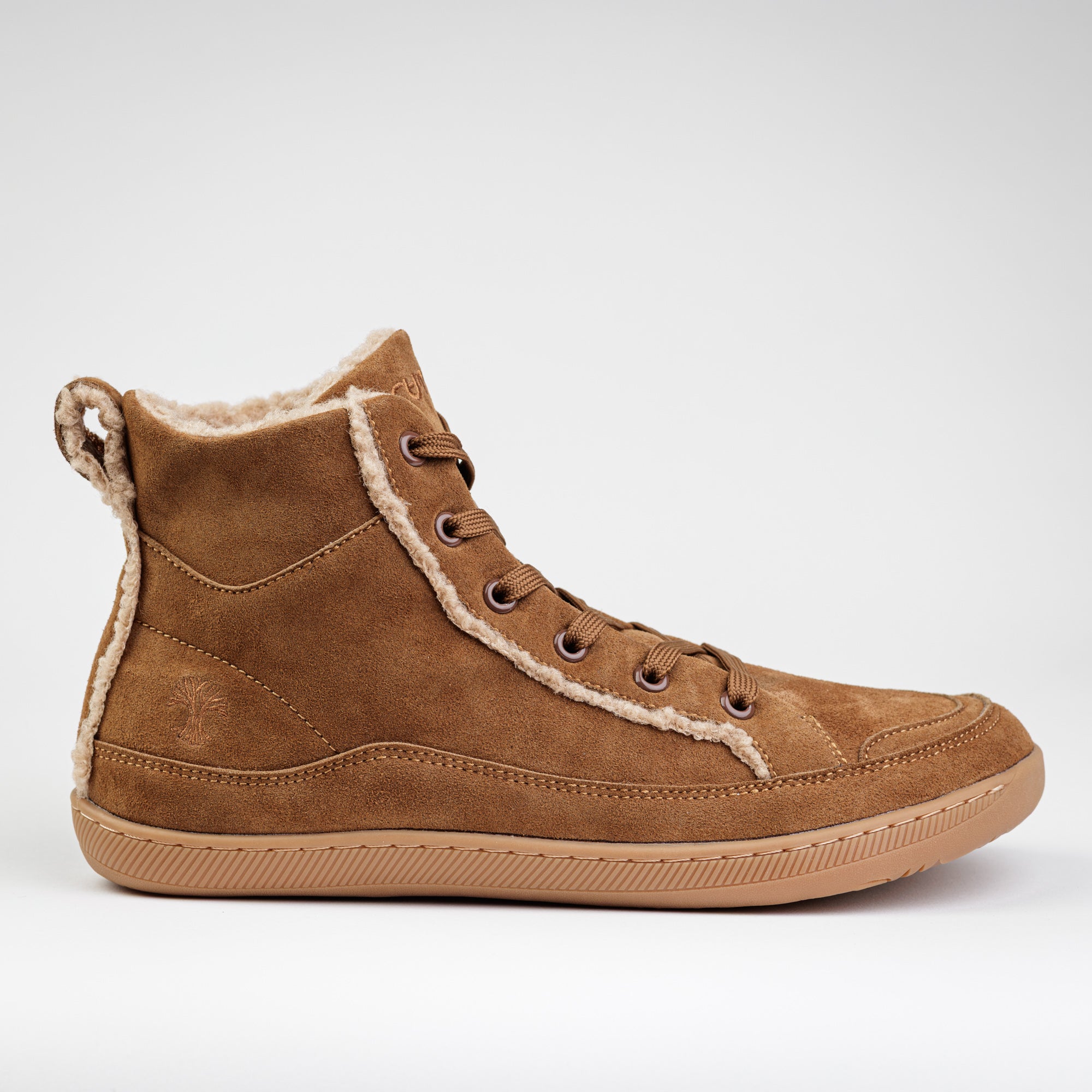
Winter flips the script: you need warmth, water resistance, and traction on slick sidewalks. A solid boot with a grippy sole beats fashion-first footwear when the pavement turns to ice.
Spring and fall? That's where versatile, closed everyday shoes shine. One adaptable pair often beats two seasonal ones.
Matching Shoes to Your Foot: Wide, Narrow, High Arch, and Flat
Here's a truth the shoe industry glosses over: feet are wildly different, and "average" doesn't fit most people.
Wide feet need a generous toe box, not just a longer size (going up a size to get width usually leaves your heel swimming). Narrow feet do better with adjustable straps or laces that cinch things down. If you have flat feet or high arches and you feel real pain, that's a signal to see a podiatrist rather than self-diagnose from a blog.
Roomy, foot-shaped designs tend to suit wide feet especially well, since they're built around the natural fan of your toes instead of a narrow point.
Materials and Construction: What Separates Shoes That Last from Ones That Fall Apart
Cheap shoes announce themselves fast. The glue lets go, the lining shreds, the sole peels at the toe.
Look for stitched construction over glued-only seams, since stitching holds up far longer. Quality plant-based materials (Rutsu Barefoot, for example, works with options like Mirum and Piñatex) can offer durability without animal leather. And a well-bonded sole that flexes without cracking is the difference between a shoe that lasts years and one that's landfill by spring.
Spending a little more on construction usually costs less over time. One good pair often outlasts three throwaway ones.
The Bottom Line
The best women's shoes aren't the trendiest or the priciest. They're the ones that fit your foot, suit your day, and hold up over time. Start with fit, choose a few versatile pairs over a cluttered closet, and don't ignore what your feet tell you. If a roomier, more natural feel sounds like what your feet have been asking for, Rutsu Barefoot's collections are an easy place to start exploring what works for you.
FAQs
What are the most comfortable women's shoes for standing all day?
Look for a roomy toe box, a flexible sole, and light weight rather than just thick padding. Letting your toes spread and your foot move naturally helps reduce fatigue. Comfort varies by person, so test pairs during a real day on your feet.
How many pairs of shoes does a woman actually need?
Honestly, four to six covers most lives: an everyday sneaker, a versatile flat, a dressier option, and a seasonal boot or sandal. Quality beats quantity every time. Buy for the life you actually lead, not the one in the catalog.
What women's shoes go with almost everything?
Neutral low-top sneakers and simple flats in black, white, or tan are the closest thing to a universal match. They bridge casual and smart-casual with ease. One clean, well-made pair will quietly do half your styling for you.
How should women's shoes fit to avoid pain and blisters?
Your longest toe needs a thumb's width of space at the front, your heel should stay put without rubbing, and nothing should pinch the sides. Shop in the afternoon when feet are slightly swollen. If a shoe needs "breaking in" to stop hurting, it doesn't fit.
Are expensive women's shoes worth the money?
Sometimes. Price often reflects better materials and construction, which means the shoe lasts longer and treats your feet better. But a high price tag doesn't guarantee good fit, and fit matters most. Pay for quality, not just a logo.
What are the best women's shoes for wide feet?
Shoes with a genuinely wide, foot-shaped toe box work best, not simply a larger size. Barefoot-style designs tend to suit wide feet well because they're built around the natural spread of your toes. Adjustable laces help dial in the rest.