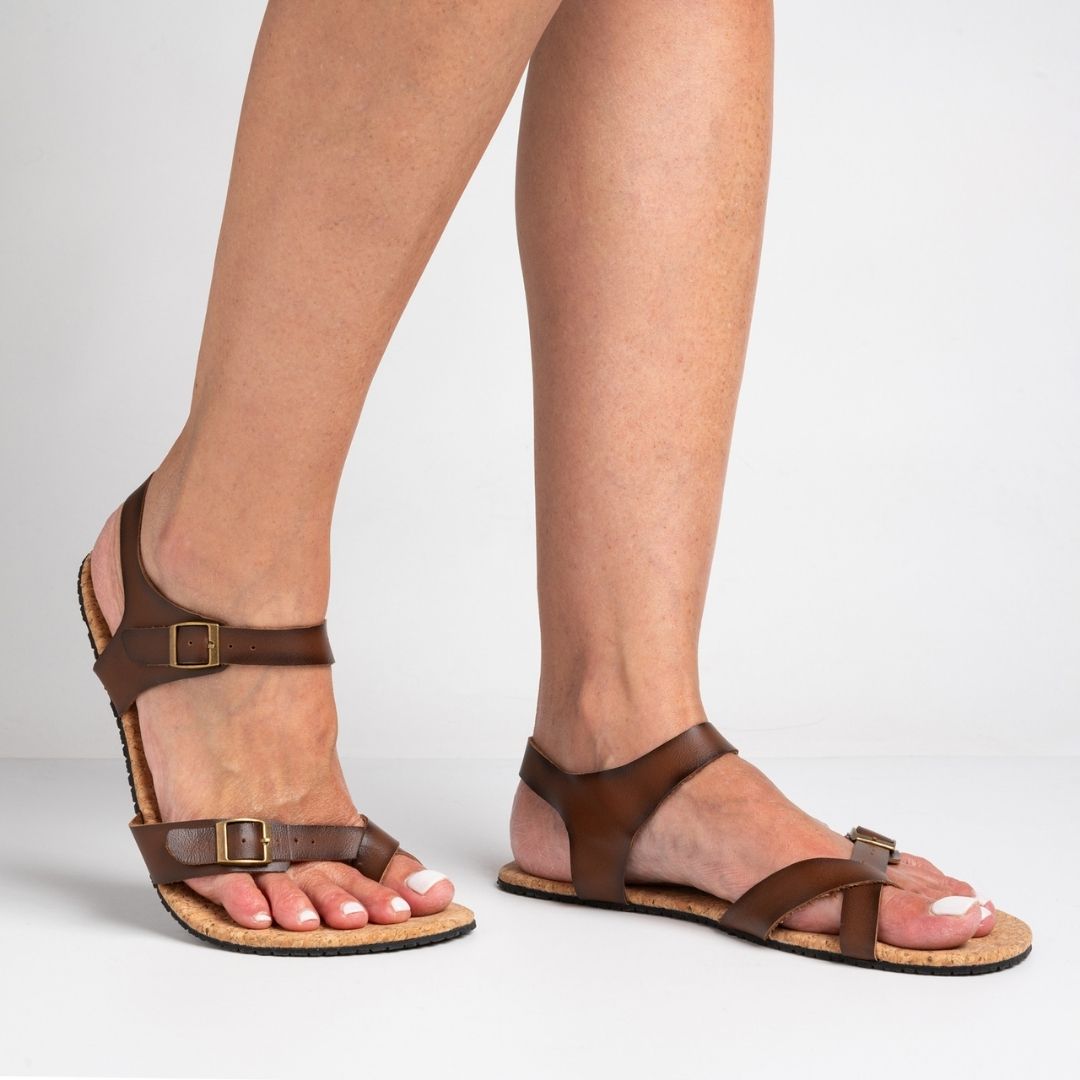
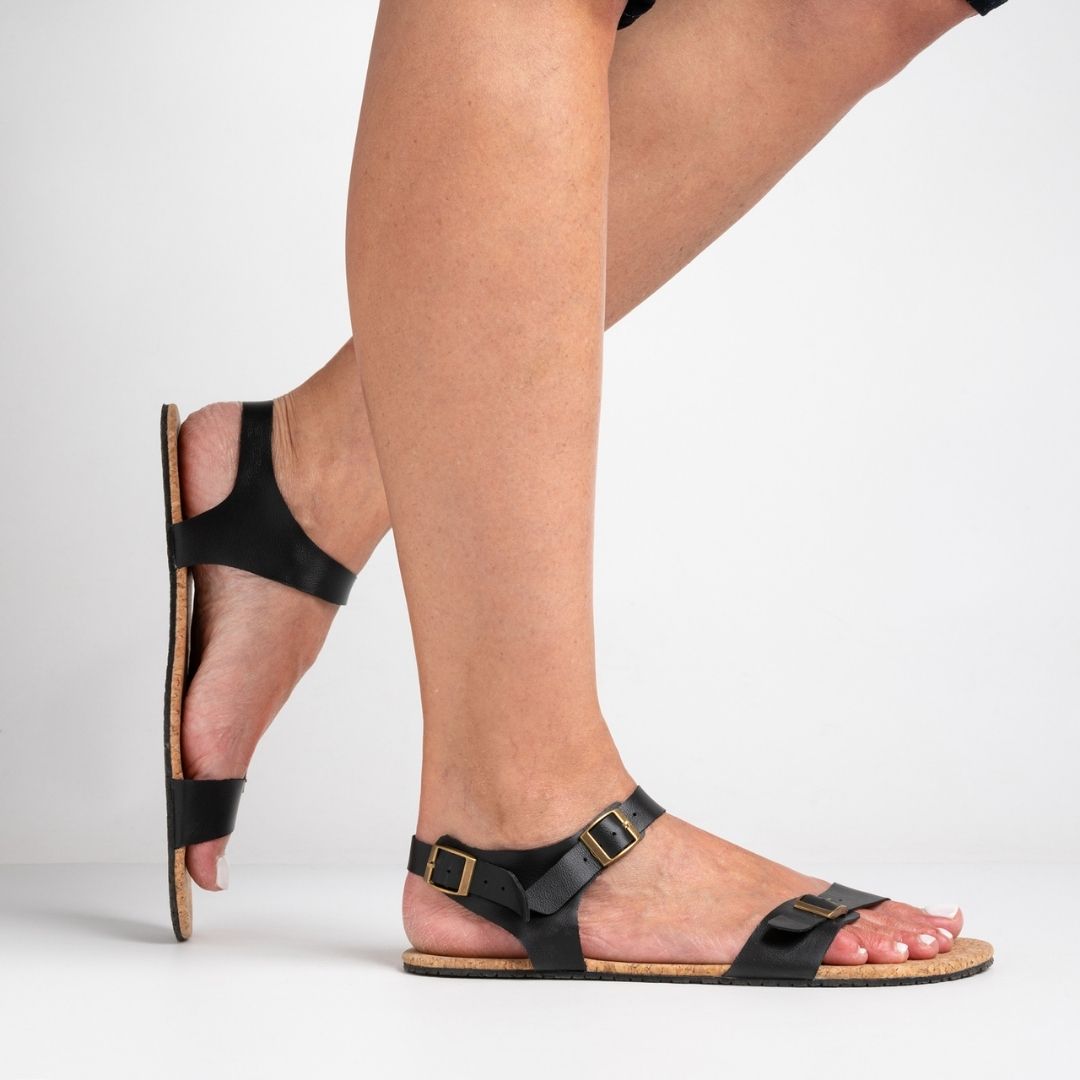
When it comes to footwear, you want something that looks good and feels great. Barefoot sandals offer both. They're not your typical sandals, and once you slip them on, you'll likely wonder why you didn't try them sooner.
What Are Barefoot Sandals?
Barefoot sandals embrace simplicity. They allow you to experience the sensation of walking barefoot with added protection and a dash of style. It's a back-to-basics approach but with a modern twist, perfect for anyone who loves the idea of walking barefoot but prefers a little more support.
Are Barefoot Sandals Good for Your Feet?
Of course! Your feet will feel liberated wearing barefoot sandals. Barefoot sandals provide independence, letting your feet breathe and preventing sweat accumulation where traditional shoes could feel constricting. Additionally, they are incredibly light that you might forget you're wearing them. It's similar to treating your feet to a daily mini-vacation.
One clear advantage of walking barefoot is that it can help restore a more "natural" walking pattern, often referred to as our gait, as explained by Dr. Jonathan Kaplan, a foot and ankle specialist and orthopedic surgeon.
Are Barefoot Sandals Better Than Flip-Flops?
Ever tripped over a flip-flop? It's almost like they have a mind of their own. Barefoot sandals, however, stay securely on your feet, boosting your confidence with each step. They offer the same relaxed vibe but without the annoying flop-flop sound. Plus, they mimic the natural movement of your foot, making them a healthier alternative in the long run.
Is It Safe to Wear Barefoot Shoes?
Safety is a common concern, but barefoot sandals, especially from Rutsu Barefoot, are designed with protection in mind. They allow your feet to move naturally while safeguarding them from the ground. This natural movement can help reduce the risk of injuries. Whether you're taking a leisurely walk or running errands, your feet are well-protected in these sandals.
Getting the right fit is crucial for barefoot sandals. The Rutsu Sandals Size Guide simplifies this by helping you find the perfect size based on your foot's unique shape. It ensures your sandals strike the right balance between comfort and performance, making it particularly helpful for those choosing women's barefoot sandals.
Barefoot sandals, especially from Rutsu Barefoot, strike a balance between style, comfort, and practicality. Whether you're after a flip-flop alternative or exploring our Barefoot Sneakers Collection, these options give your feet the break they've been craving. So why wait? Step into the world of barefoot footwear and experience true freedom!
The Benefits of Cork Soles in Barefoot Sandals
Ever stood barefoot on warm sand or soft earth and felt instantly grounded? That’s what cork soles bring to your everyday step. Lightweight, supportive, and naturally shock-absorbent, cork mimics that barefoot-on-nature feeling while still giving you just the right cushion for all-day wear.
What makes Rutsu’s sandals even better? The cork molds slightly over time—kind of like memory foam, but without the synthetic nonsense. Plus, it's breathable, antibacterial, and planet-friendly. That’s a win for your feet and the Earth.
How to Transition Smoothly into Barefoot Sandals
If your feet have been locked in stiff sneakers or padded shoes for years, switching to barefoot sandals might feel like learning to walk all over again—because, in a way, it is. The goal? Let your foot muscles wake up and start doing the job they were built for.
Start slow. Wear your sandals for short walks at first. Listen to your body. Feeling a bit sore at the end of the day is normal—it’s like hitting the gym after a long break. Your arches, toes, and even calves are finally moving as nature intended.
How to Style Barefoot Sandals for Everyday Looks
Barefoot sandals might be built for function, but that doesn’t mean they’re reserved for dusty trails and yoga retreats. Rutsu has designed them to look just as good in a café as they do on a coastal hike.
Heading to a casual brunch? Pair your leather barefoot sandals with wide-leg linen pants and a cropped tee. For something breezier, throw them on with a maxi dress and straw hat—beach wedding barefoot sandals, anyone? These are the kinds of shoes you forget you’re wearing until someone asks, “Where’d you get those?”
Don’t be surprised when barefoot sandals become your go-to. They're that comfy-chic combo that saves you time in front of the mirror and miles of foot fatigue.
Why Rutsu Barefoot Sandals Are a Customer Favorite
People don’t just wear our barefoot sandals—they fall head over heels for them (figuratively, of course). They’re light, airy, and make your whole body feel like it finally got the memo on alignment. The straps? Soft and drama-free. The soles? Basically, your spine’s new BFF. From impromptu adventures to “just grabbing coffee,” they’re down for it all. And unlike overpriced brands with ego issues, these won’t demand half your paycheck. Style, support, and sanity—finally in one sandal.
Barefoot Sandals vs. Regular Sandals: What's Actually Different?
The difference is more fundamental than most people expect.
Regular sandals typically include some form of arch contour, a cushioned footbed, and a sole thick enough to absorb most of the ground feedback beneath you. They're comfortable in the immediate sense. But they're doing the same thing conventional sneakers do — replacing the foot's natural function with external support.
Minimalist sandals operate from a completely different premise. The sole is thin and flexible. The footbed is flat. The toe box area is wide enough that toes spread naturally with each step. Ground feedback reaches the foot directly, which means the foot responds, adjusts, and strengthens in ways a cushioned sandal never allows.
It's the difference between a foot being carried and a foot doing its job.
The Health Benefits of Wearing Barefoot Sandals Every Day
Daily wear produces compounding benefits most people don't see coming.
The small stabilizing muscles inside the foot — the ones cushioned sandals have been quietly putting out of work for years — start firing again when the foot can actually feel the ground. Arches strengthen from the inside out. No foam insert required.
Toe health follows. Standard sandals compress the forefoot into shapes that have nothing to do with actual toes. A wider construction lets toes spread naturally, which reduces bunion pressure, slows hammertoe progression, and restores the foot's natural stability base.
Then posture joins the conversation. A flat sole keeps the entire skeletal chain correctly aligned — less pelvic tilt, less lumbar strain, less of that mysterious back tension that accumulates across long days on your feet. Funny how fixing the foundation fixes everything above it.
How to Choose the Right Barefoot Sandals for Your Feet
Start with sole thickness. Thinner soles give more ground feedback — which is the goal — but transitioning from thick cushioned sandals overnight causes soreness. A four to six-millimeter sole is a sensible starting point for most people. Experienced minimalist footwear wearers often prefer thinner footwear.
Strap fit matters considerably. Straps should hold the foot securely without creating pressure points. Try them across different terrains before deciding. The heel should feel anchored, and the straps should lie flat against the foot without digging in during movement.
Width is non-negotiable. The foot should sit fully within the sandal's footprint, with toes able to spread naturally. If your foot spills over the edge or feels compressed at the front, sizing up or choosing a wider last will fix it.
Barefoot Sandals for Wide Feet and Common Foot Conditions
If toe room has always meant buying bigger rather than buying better, this is worth reading.
Wide feet are not a problem to be managed — they're simply feet shaped the way many feet naturally are. Standard sandal lasts are built for a narrower average that doesn't represent most real feet. Minimalist sandals, with their wider toe box design philosophy, accommodate natural foot width far more honestly.
For specific conditions, bunion sufferers benefit immediately from the lack of forefoot compression. Hammertoe progression slows when toes are no longer forced into tight spaces. Plantar fasciitis cases respond well over time as foot muscles strengthen and load distribution improves. Morton's neuroma — irritation of the nerve between the toes — often eases when toe compression is removed.
None of this is instant. The foot needs weeks to adapt. The improvement isn't instant, but it is consistent.
Leather vs. Synthetic Barefoot Sandals: Which Material Is Better?
Both have legitimate arguments. The better choice shifts depending on what you actually need.
Leather molds to the foot over time. It breathes well in dry heat, develops character with age, and tends to outlast synthetic materials in terms of overall lifespan. Full-grain leather particularly holds up well with proper care. The trade-off is water sensitivity — leather and prolonged soaking don't get along well.
Synthetic materials — quality nylon webbing, recycled fabric straps, rubber composites — handle moisture without complaint. Better for beach use, water activities, and high-humidity environments. Often lighter than leather equivalents. The gap in durability has narrowed considerably as synthetic construction has improved.
For everyday urban wear and dry climates, leather wins on feel and longevity. For travel, beach use, or mixed conditions, synthetic is the more practical call. Plenty of people solve the debate by simply buying both.
Barefoot Sandals for Travel: Why They're the Ultimate Packing Essential
Pack-conscious travelers understand that every item needs to earn its place in the bag.
Minimalist sandals pass that test easily. They pack flat, weigh almost nothing, and compress into the corner of any luggage without consuming meaningful space. A pair that handles beach, casual walking, and relaxed evenings out represents serious packing efficiency — one item covering three contexts.
There's a functional benefit beyond packing. High-step-count travel days are brutal in conventional footwear. Feet swell, fatigue sets in, and the last hour of a city walking tour becomes a study in endurance. Minimalist sandals keep feet active and engaged throughout the day rather than being passive passengers in foam platforms. End-of-day fatigue genuinely reduces. Experienced travelers notice this quickly and don't go back.
Can You Wear Barefoot Sandals to Work and Formal Events?
More often than you'd think — with the right pair.
The minimalist sandal aesthetic has matured considerably. Clean leather construction, quality hardware, and simple strap design produce sandals that read as genuinely polished in casual professional settings and smart-casual social situations. The flat sole looks intentional rather than accidental.
For strictly formal events — weddings, board meetings, black-tie occasions — a dedicated dress shoe is still the right call. But the number of contexts where a well-made minimalist sandal is entirely appropriate is larger than most people initially assume. Business casual environments, summer offices, outdoor events, and restaurant dinners all fall within range.
Barefoot Sandals for Men: Breaking the Myth That They're Only for Women
This myth has been fading for years. It's almost gone. Let's finish it off.
Men have worn sandals across virtually every culture and climate throughout recorded history. The idea that open footwear is somehow gendered is a recent and geographically specific quirk, not a universal truth. Roman soldiers wore sandals into battle. That's a reasonable counter-argument.
Practically speaking, men's minimalist sandals follow the same construction principles as women's — zero-drop sole, wide toe accommodation, quality strap materials — scaled to larger lasts and sized accordingly. The health benefits apply identically regardless of who's wearing them. Foot muscles don't have a gender.
What Makes Rutsu Barefoot Sandals Different From Other Brands
The minimalist sandal market has grown quickly. Not everything in it is built honestly.
Some brands apply minimalist aesthetics without minimalist construction — thin-looking soles that are actually rigid, "wide" fits that still compress toes, or zero-drop claims that don't hold up under measurement. The label has gotten ahead of reality in parts of the market.
Rutsu's construction starts from function and builds style around it — not the other way around. The sole thickness, strap width, and toe box dimensions are driven by foot health principles rather than trend cycles. The pricing reflects genuine material and construction quality without the premium markup that often has more to do with branding than footwear.
For people who've tried other minimalist sandals and found them unconvincing, the difference is noticeable from the first wear.
Your Feet Have Been Patient Long Enough
The sandal was invented because the foot needed protection, not management. Somewhere along the way, footwear forgot that distinction.
Minimalist sandals return to the original brief. Protect the foot from the ground. Get out of its way. Let it move, strengthen, and function the way it was built to.
Rutsu's sandal collection makes that principle accessible, stylish, and genuinely affordable. Whether you're packing for a trip, recovering from foot pain, or simply tired of sandals that leave your feet worse off than when you put them on, the right pair is closer than you think.
Step Into Comfort
If you’re looking for footwear that blends comfort, style, and natural movement, barefoot sandals from Rutsu Barefoot check every box. They're lightweight, supportive, and built for real-life adventures—whether you're hitting the trail or the town. Give your feet the freedom they’ve been craving and explore the full collection today.
FAQs
Can I wear barefoot sandals for long walks?
Yes, barefoot sandals are ideal for long walks. They encourage natural foot movement, which can reduce fatigue. Just take your time adjusting to them if you're new to the barefoot experience.
How do I clean my barefoot sandals?
Cleaning is simple. A damp cloth usually does the trick. For stubborn stains, mild soap and water should suffice.
Are barefoot sandals suitable for all seasons?
They're perfect for warm weather. Some people also wear them with toe socks in cooler months for added warmth.
Do barefoot sandals offer arch support?
Most barefoot sandals focus on natural foot movement, which can help your feet strengthen over time. Some designs include minimal arch support.
Can barefoot sandals help with foot pain?
Many users report less foot pain after switching to barefoot sandals. The natural foot movement they promote can alleviate pressure on certain areas.
Are barefoot sandals good for kids?
Yes, they're great for kids, allowing their feet to develop naturally. Just ensure the fit is correct to avoid discomfort.
Do barefoot sandals require a break-in period?
A little one, yes—but it’s worth it. Your feet need time to adjust if they’re used to heavily padded shoes. Most people find a comfortable groove after just a few wears.
Are barefoot sandals suitable for people with flat feet or foot conditions?
Definitely! Many people with flat feet find relief wearing barefoot sandals because they strengthen underused foot muscles. That said, start slow and consult a podiatrist if you have specific conditions.
Can I wear barefoot sandals for hiking or outdoor adventures?
Absolutely. Many Rutsu fans wear their barefoot sandals on trails and rugged terrain. Just pick a pair with solid grip and reinforced toe straps, and you’re good to go.
How should barefoot sandals fit compared to regular sandals?
Roomier at the toes, flatter everywhere else. Your foot should sit fully on the footbed with toes able to spread. If it feels like a regular sandal, something's off.
Can barefoot sandals help with bunions or hammertoes?
Yes — removing forefoot compression directly reduces the pressure driving both conditions. Progress is gradual, but the foot responds well when given actual space to function.
Are barefoot sandals good for the beach and water activities?
Excellent. Thin soles handle sand and wet surfaces well. Choose synthetic straps over leather for water use — leather and prolonged soaking have a complicated relationship.
What is the best sole thickness for barefoot sandals?
Four to six millimeters suits most beginners. Experienced minimalist footwear wearers often prefer thinner footwear. Start moderate and progress as your feet adapt and strengthen.
Can men wear barefoot sandals, and how should they size them?
Absolutely — and they should. Size using both feet measured standing, referencing the brand's chart specifically. The wider toe box will feel unfamiliar at first. That's the point.
What's the difference between barefoot sandals and minimalist sandals?
Largely interchangeable terms. Both mean thin soles, flat geometry, and wide toe accommodation. "Minimalist" sometimes implies a slightly broader category — but in practice, the construction is identical.