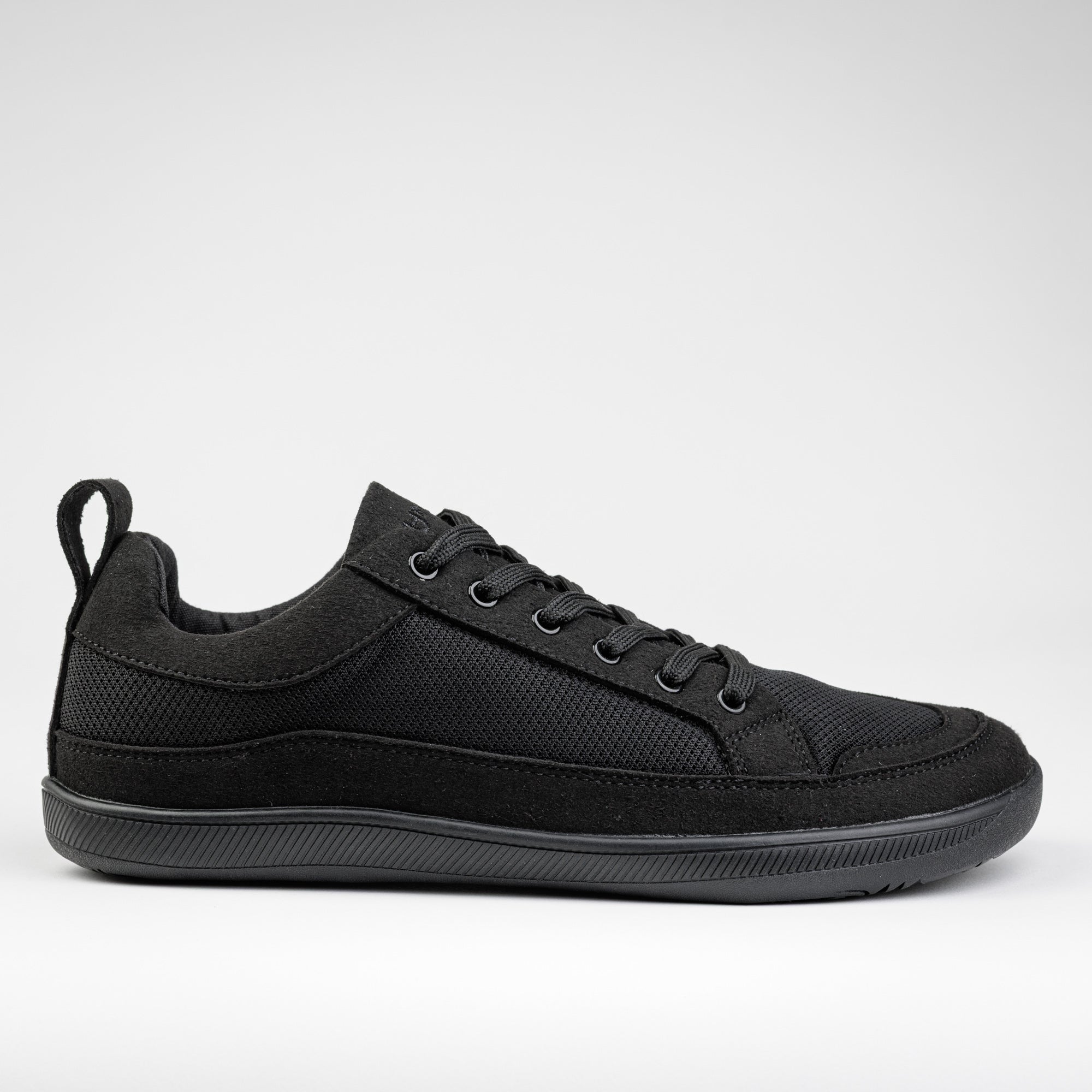
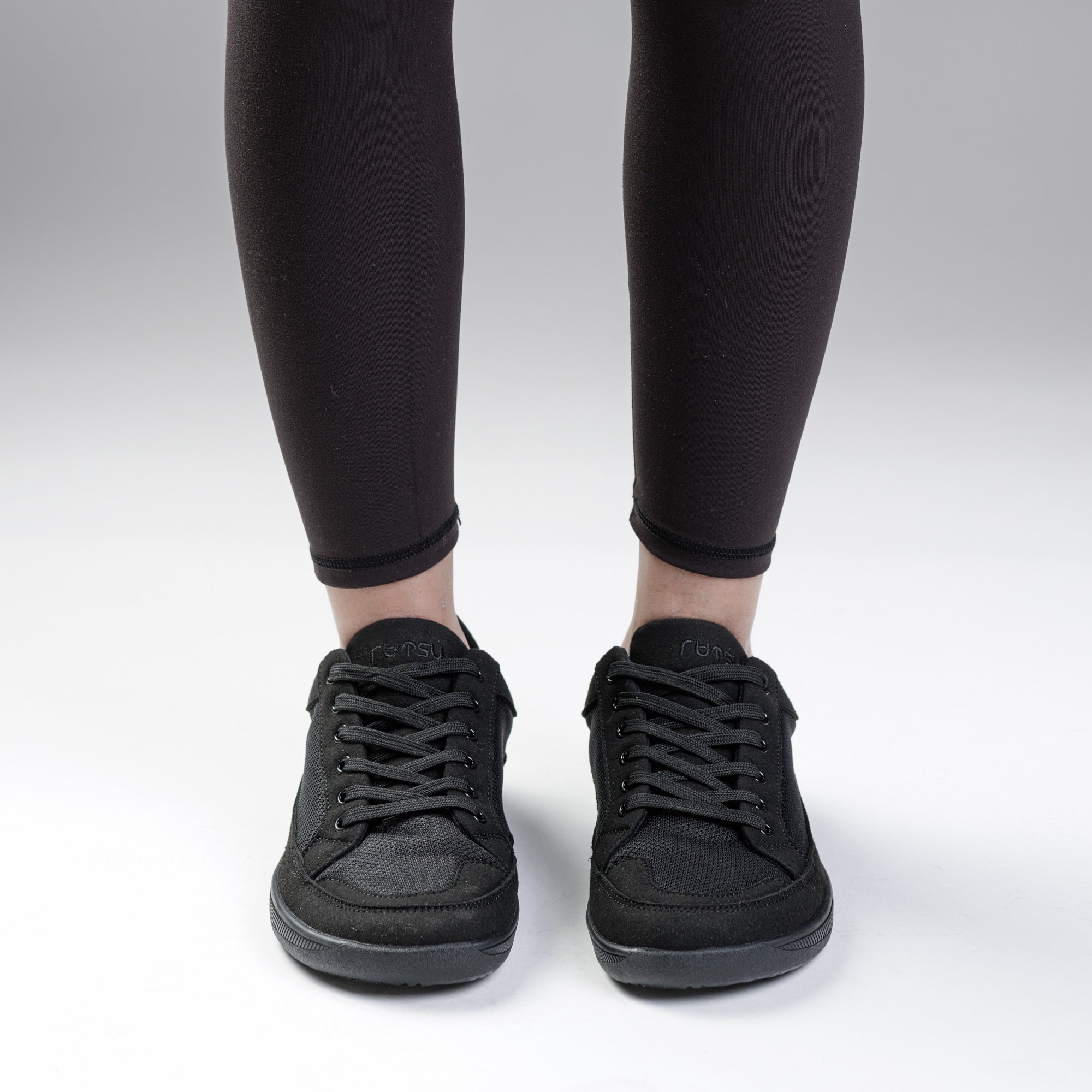
You spend a third of your day on your feet. Why not give them a fair shot at comfort? The Rutsu Shift is our answer: barefoot work shoes that look sharp, feel natural, and keep pace with long shifts, meetings, and everything in between.
If you’re a health-conscious go-getter who wants footwear that helps rather than hinders, pull up a chair (or better yet, stand tall). Let’s talk feet, posture, and style that actually works at work.
Why Choose Barefoot Work Shoes Over Traditional Footwear?
Traditional shoes squeeze toes, lift heels, and dull ground feel, leading to tight hips and cranky knees. Barefoot work shoes flip the script with a foot-shaped toe box, zero-drop platform, and flexible sole. Toes spread. Your spine stacks. Gait relaxes. It’s like trading stiff dress clothes for stretch chinos for your entire lower chain.
The Rutsu Shift keeps it office-ready: clean lines, work-friendly colors, and all the benefits of natural shoes without a gym vibe, built for desk, site visits, and dinner.
Key Features That Make Rutsu Barefoot Work Shoes Stand Out
Foot-shaped fit. The Shift follows your anatomy, not the other way around. Splayed toes mean better balance and fewer hot spots.
Zero-drop stance. Heels and forefeet sit level, promoting neutral posture from ankles to neck. Your body does the work it was designed to do.
Flexible, grippy outsole. Thin enough for ground feedback; tough enough for slick hallways and quick coffee runs. It bends, twists, and rebounds just like your foot.
All-day materials. Breathable uppers keep air moving. Light padding smooths pressure points without dampening feel.
High-top option. Prefer a little more ankle coverage? Our high top barefoot shoes hug the collar with soft stability—great with chinos, scrubs, or cuffed denim.
Dress-it-up details. Minimal stitching, smart silhouettes, and colorways that play nicely with uniforms and business casual. No clownish toe lumps here, just clean style.
Crave versatility? Discover our casual shoes that pair perfectly with everything from joggers to polo shirts.
How Barefoot Work Shoes Improve Posture and Reduce Fatigue
Picture a stack of blocks: hips over knees over ankles. Raise the back block (a heeled shoe), and the whole tower leans to compensate. Over time, your muscles shout, “We’re tired!” Barefoot work shoes keep the stack level. Your calves and glutes engage naturally. Stride length evens out. Micro-movements in your feet act like a built-in massage, boosting circulation.
A quick anecdote: one Shift wearer told us his smartwatch thought he’d started a “light workout” during a three-hour standup meeting. That’s the magic of movement. Tiny motions add up, keeping energy higher as the day stretches.
Style Meets Function: Barefoot Work Shoes for Everyday Wear
Work has a dress code; feet have a biology. The Shift respects both. Pair them with tech chinos and a button-down. With scrubs. With a blazer and dark denim. They’re natural shoes that don’t shout for attention until someone asks, “Wait, those are barefoot?”
Going out after hours? Swap the blazer for a bomber and keep walking. If you like a bolder vibe, our high top barefoot shoes add just enough edge without sacrificing ground feel.
One shoe, many outfits. Build your work-to-weekend rotation with Rutsu.
Customer Reviews: Real Experiences with Rutsu Barefoot Work Shoes
Here’s the kind of feedback we hear most:
- “I stand 10–12 hours. My toes finally have room to breathe.”
- “Zero break-in. By lunch, I forgot I was ‘breaking in’ anything.”
- “They look like standard office shoes but move like my favorite trainers.”
- “After a month, my lower back feels less tense.”
We love stories like these because they echo our design goal: dependable, everyday comfort that cleanly fits the workplace.
Add your story to the list. Grab your pair and tell us how the first week goes.
Choosing the Right Size: Tips for a Perfect Fit in Barefoot Work Shoes
Getting the fit right is key with barefoot designs. A quick guide:
- Measure at day’s end. Feet swell. Trace both feet on paper, then measure the longer one heel-to-big-toe.
- Add toe room. Aim for about a thumb’s width (10–12 mm) of space in front of your longest toe. Your feet should splay without bumping the front.
- Mind width. If you’re between sizes or have wide forefeet, choose the larger size. Barefoot comfort comes from space, not squeezing.
- Socks matter. If you wear thicker socks on shift, test fit with them. For ultra-sensitive ground feel, try thin socks.
- High-top considerations. For high top barefoot shoes, make sure the collar hugs without rubbing. Walk a few laps; your ankle bones will swell quickly.
Still unsure? Our sizing chart translates foot length to the right Shift size with plain-English guidance.
Sustainable Design: The Eco-Friendly Side of Barefoot Work Shoes
Better movement shouldn’t come at the planet’s expense. The Shift is built with durability in mind to cut down on replace-and-toss cycles. We choose materials for breathability and long life, and we favor streamlined patterns that help reduce off-cut waste. Packaging is minimal and recyclable. Walk easier, tread lighter.
Step Into Better Days: Choose Rutsu Barefoot Work Shoes
If you’re ready for shoes that respect your anatomy and your calendar, the Rutsu Shift is calling. These barefoot work shoes give toes space, keep heels level, and match your work wardrobe without fuss. You’ll get real comfort that lasts all shift, and still looks sharp at dinner.
Your desk, your rounds, your next big day—step into the Shift and feel the difference from the first hour.
FAQs
Can I wear barefoot work shoes for long shifts or standing all day?
Yes. Flexible soles encourage micro-movements, improving circulation and comfort. Many wearers report reduced hotspots, fatigue, and less end-of-day heaviness overall.
Do barefoot work shoes provide enough protection in the workplace?
They suit everyday professional settings, offering grip and abrasion resistance. For hazards requiring steel toes, choose certified safety footwear instead.
How do barefoot work shoes compare to minimalist running shoes?
Minimalist runners prioritize athletics. Barefoot work shoes favor polished styling, work-surface traction, zero-drop posture, and daylong comfort during professional activities.
Are barefoot work shoes recommended for people with flat feet?
Often, yes. Roomy toe box and neutral platform help. Transition gradually, increase wear time weekly, and consult clinicians for conditions.
What outfits or uniforms pair best with barefoot work shoes?
Chinos with an Oxford, scrubs, or dark denim with a blazer. High-tops suit tapered pants. Keep silhouettes clean, colors work-friendly.