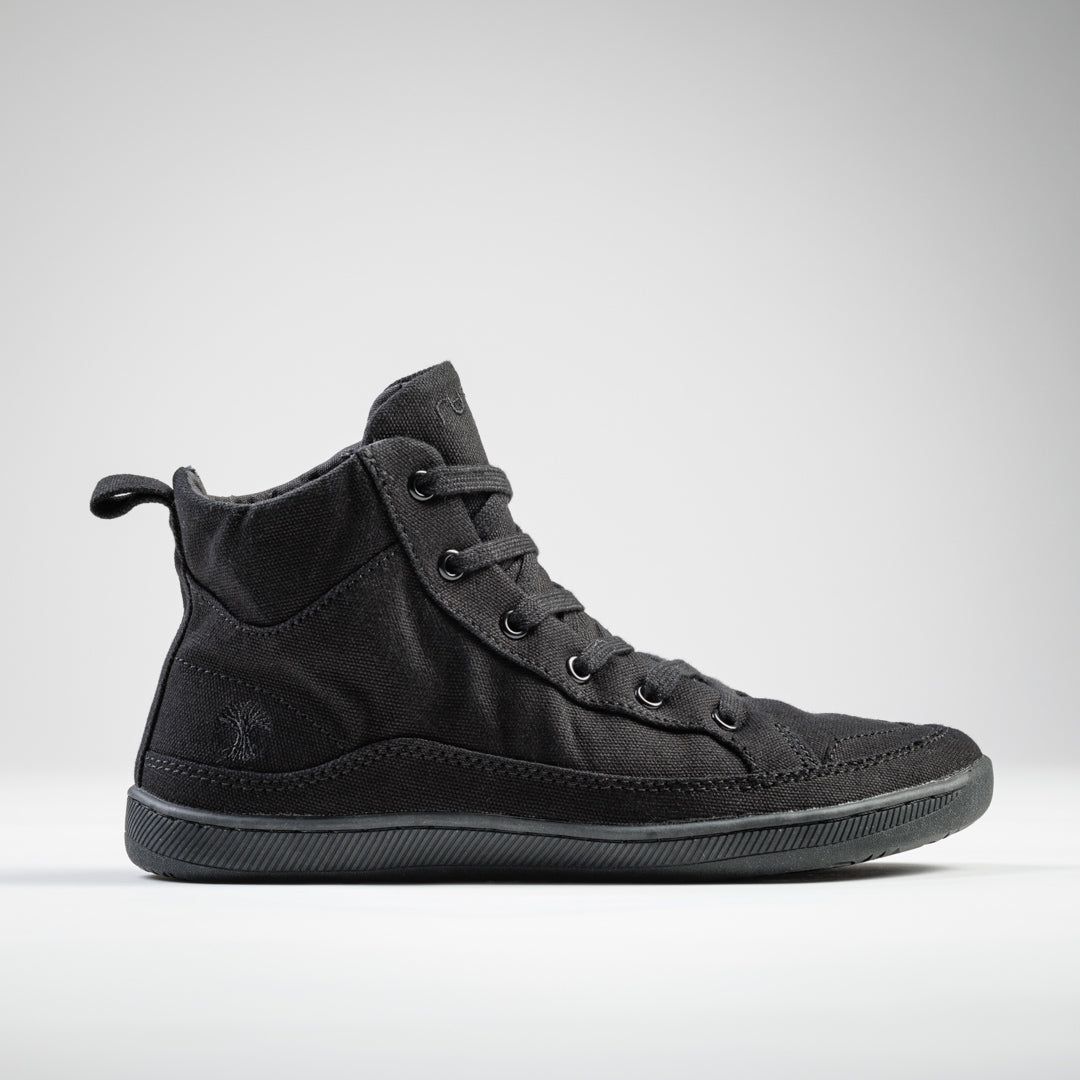
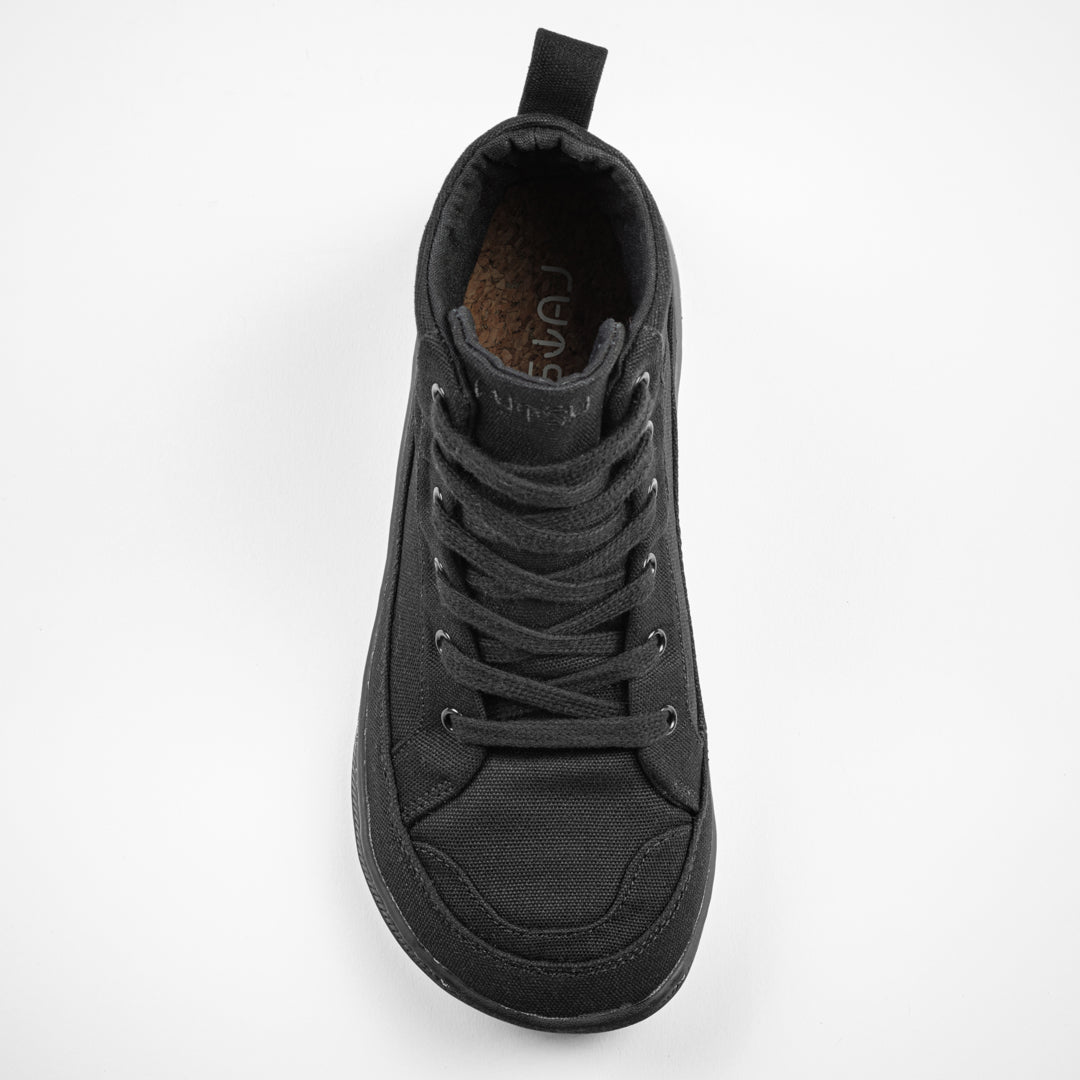
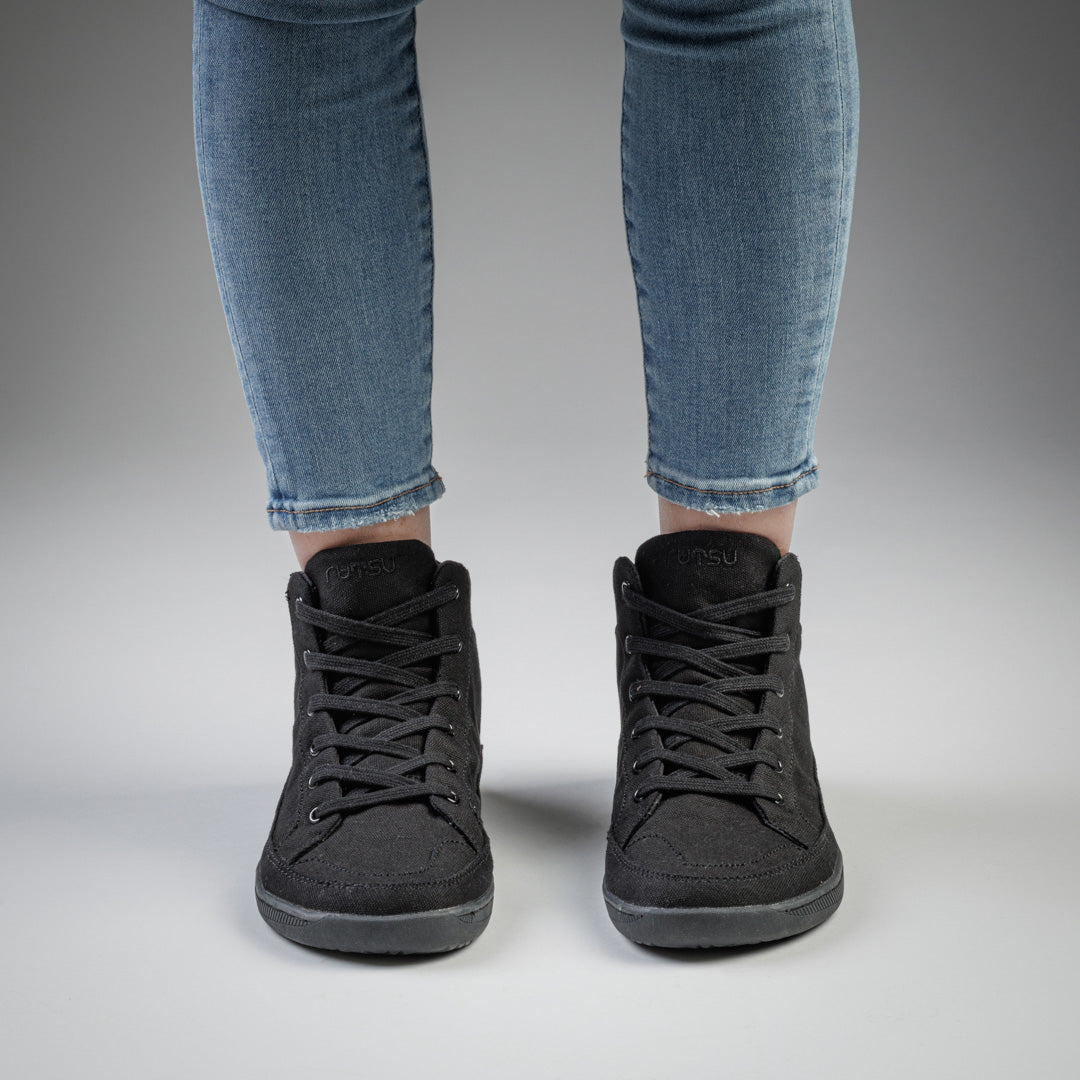
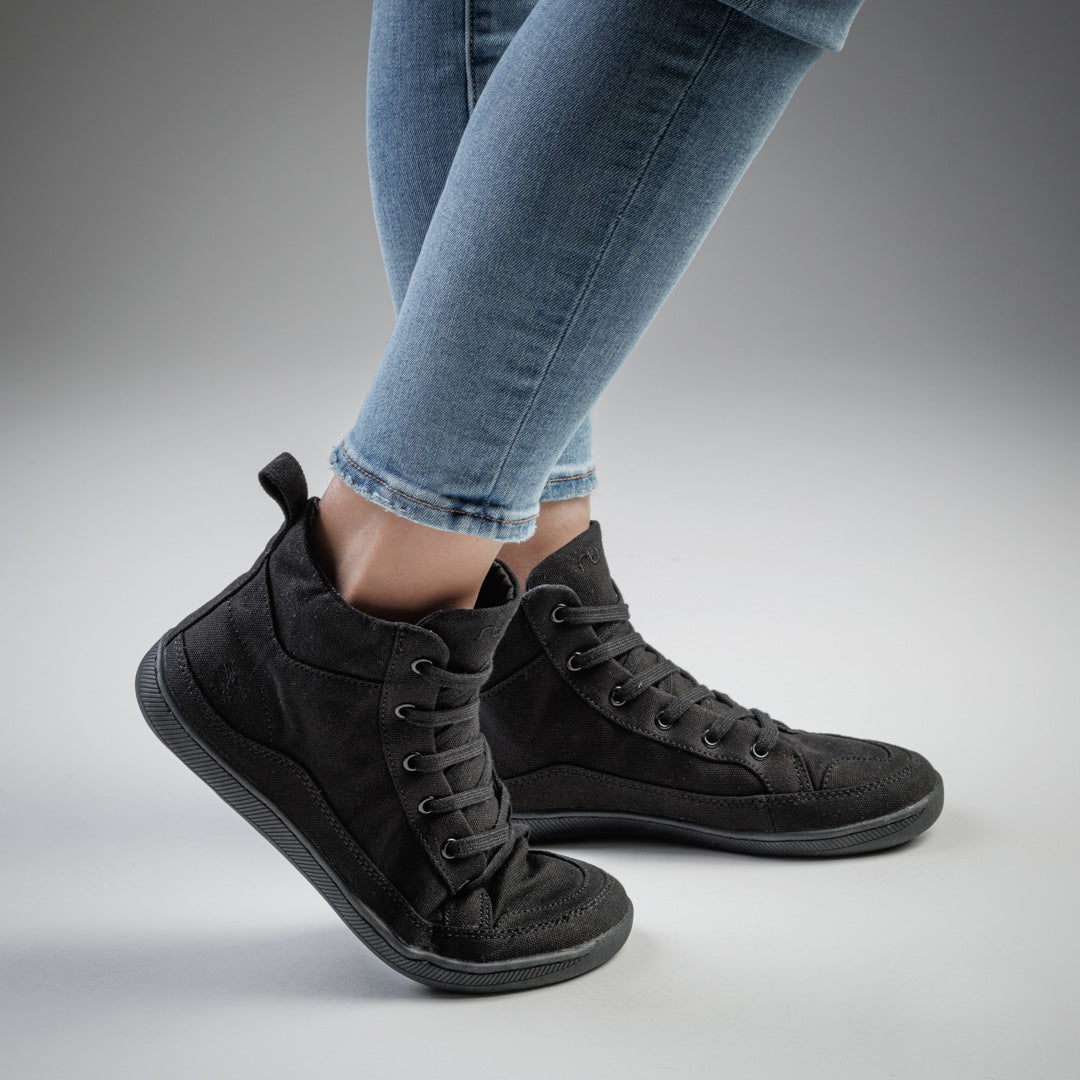
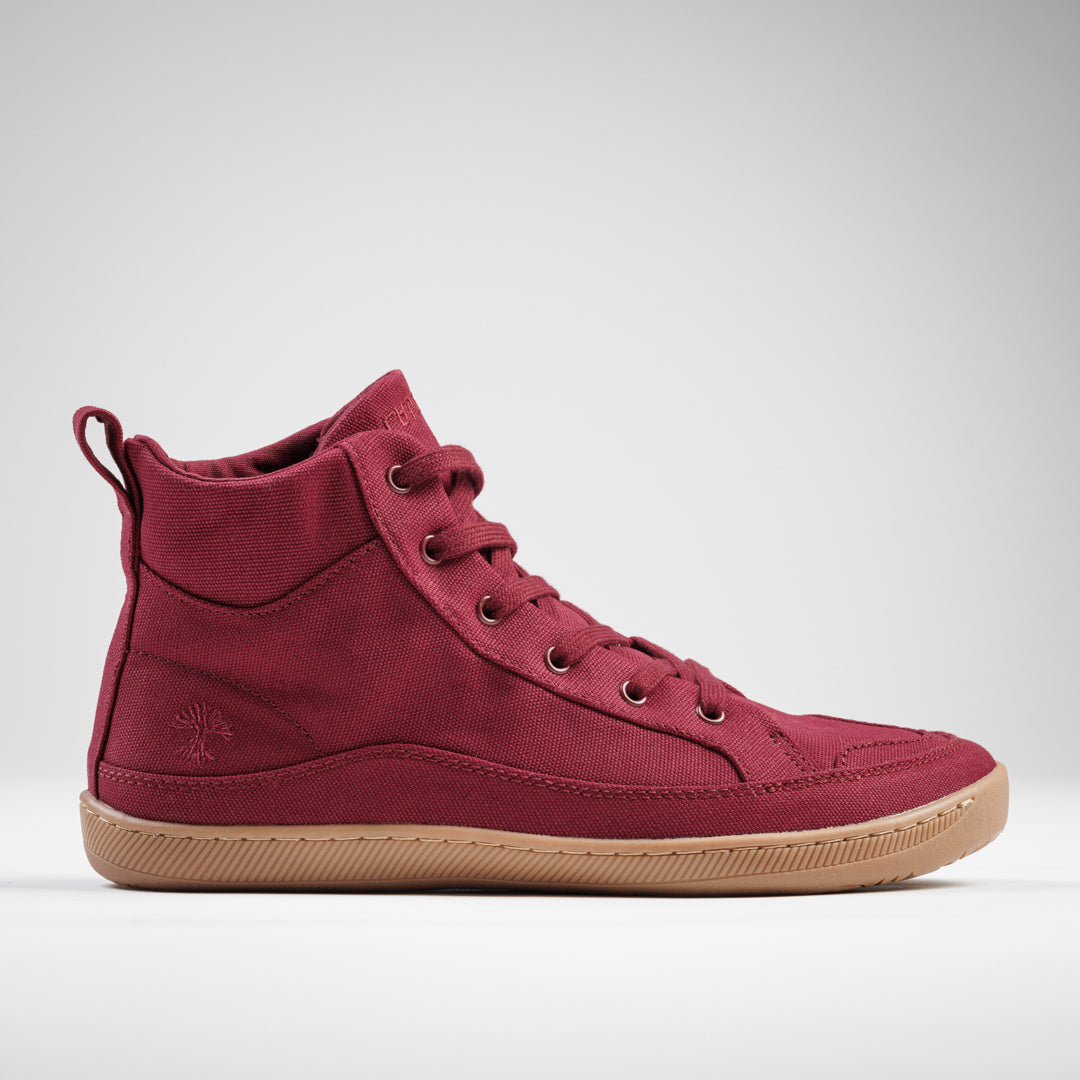
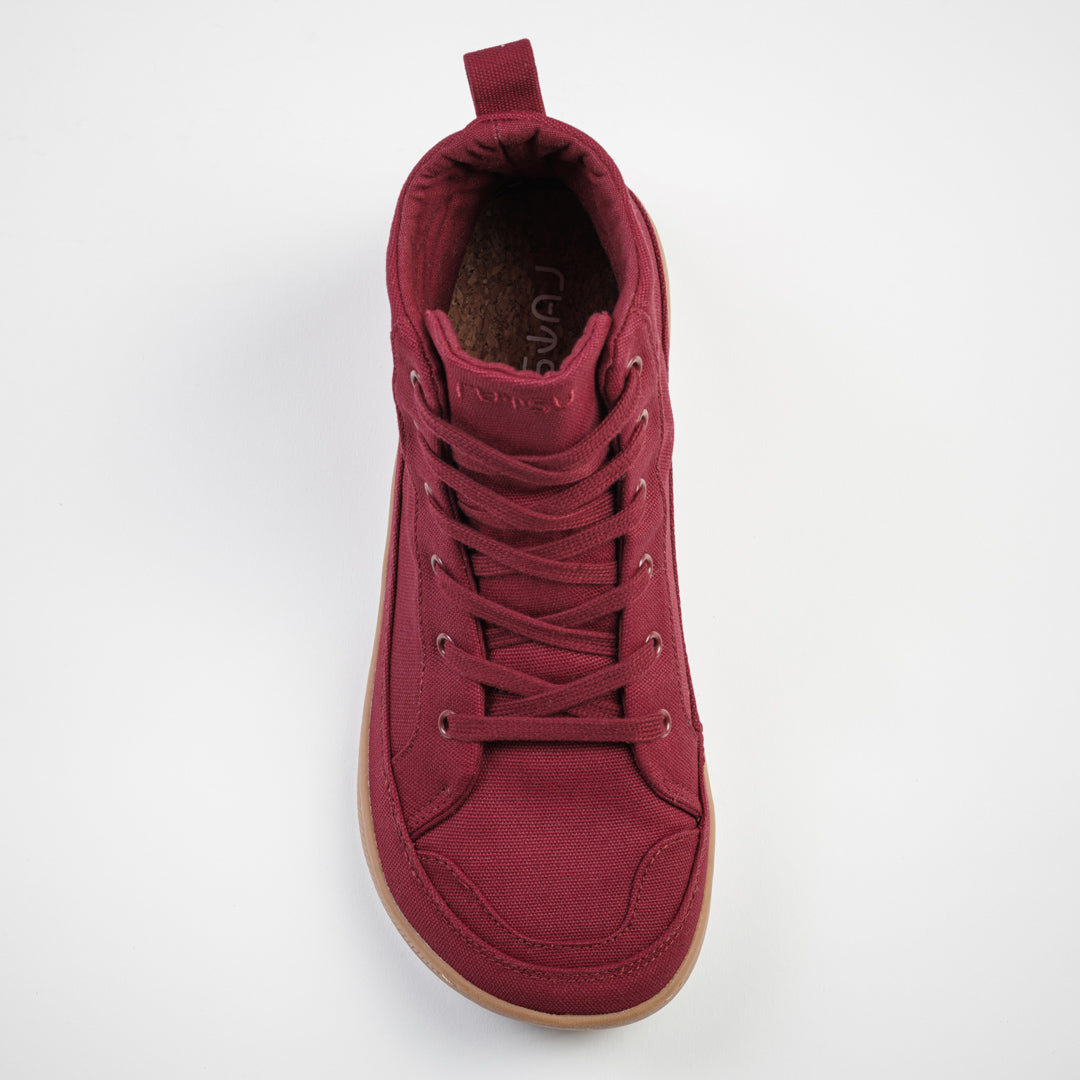
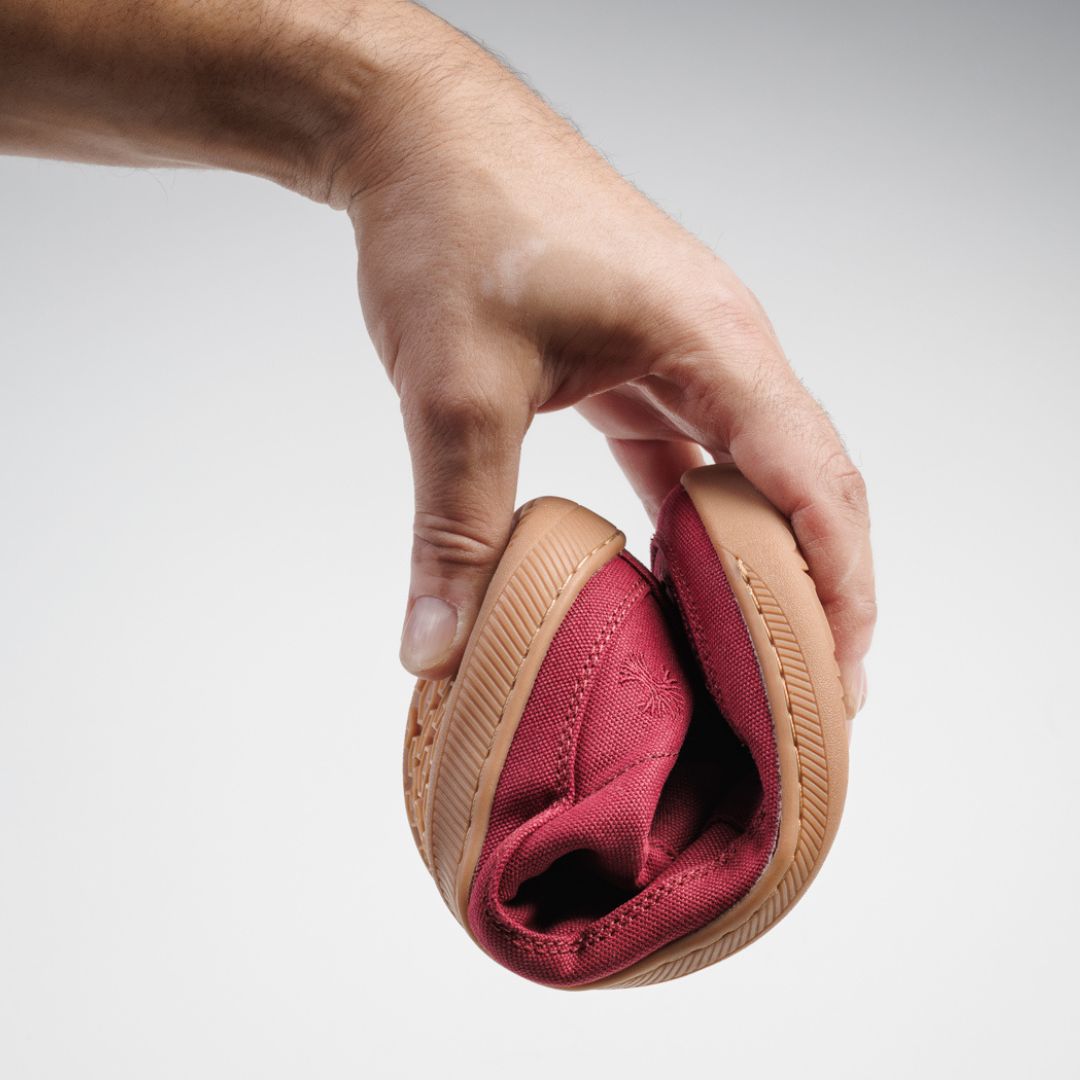
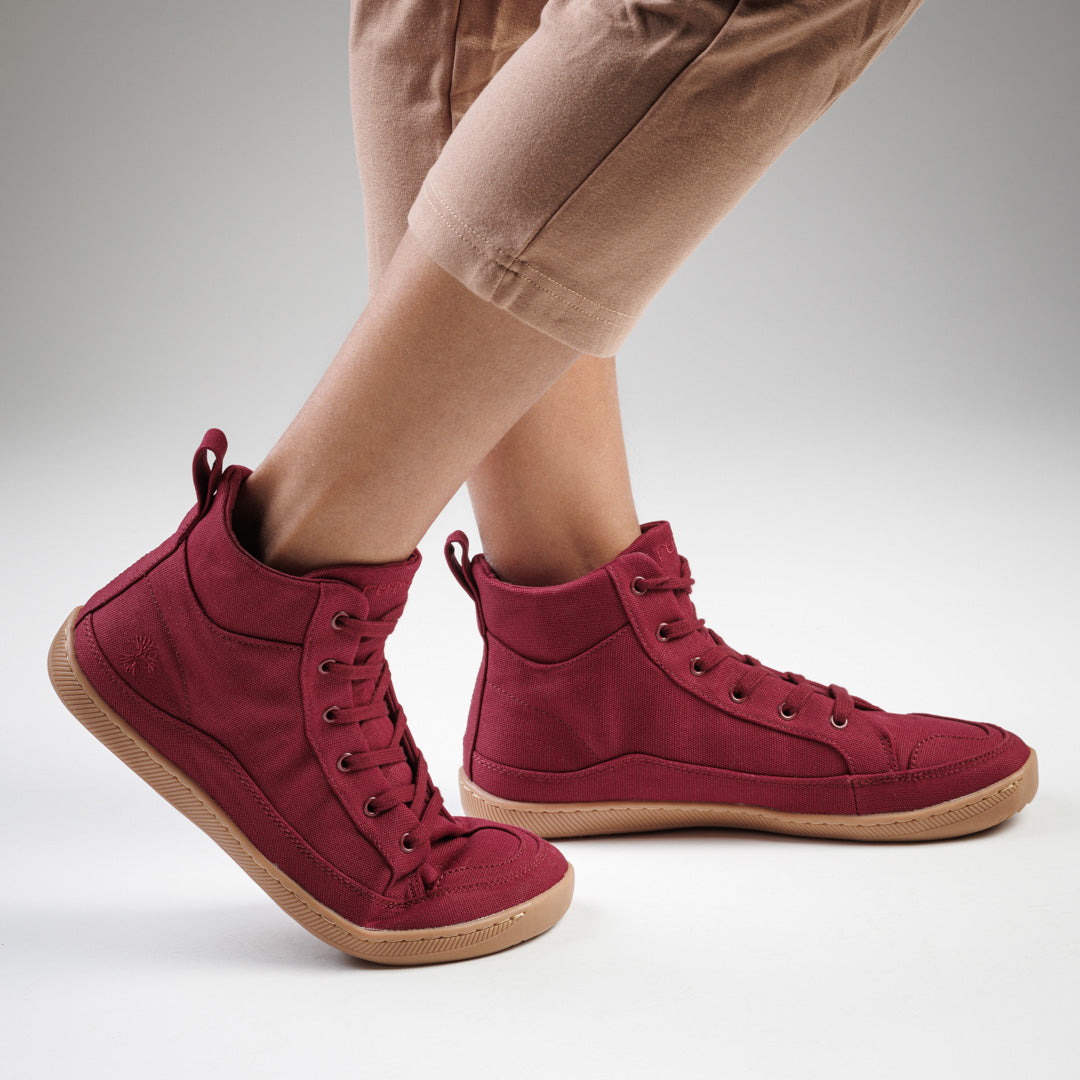
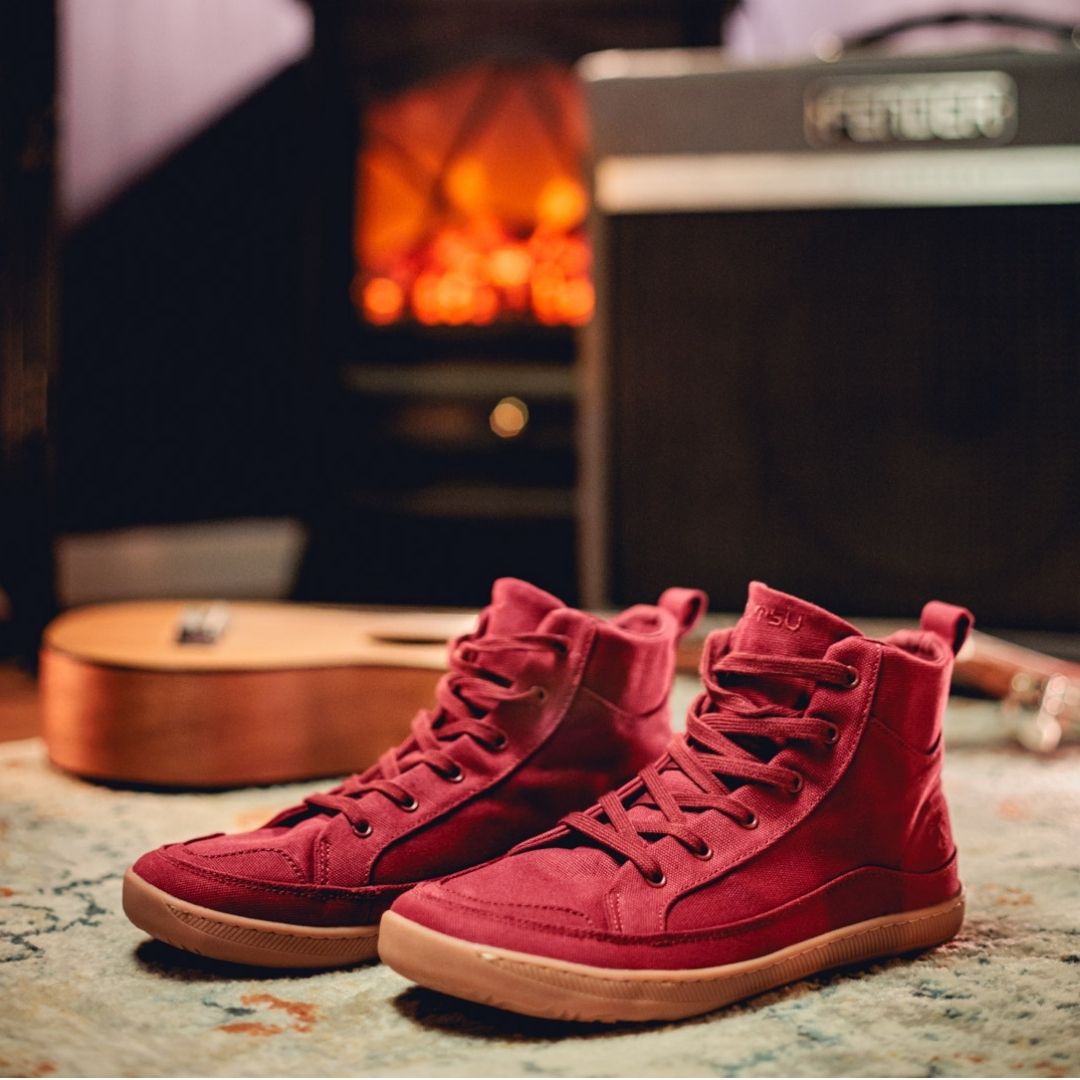
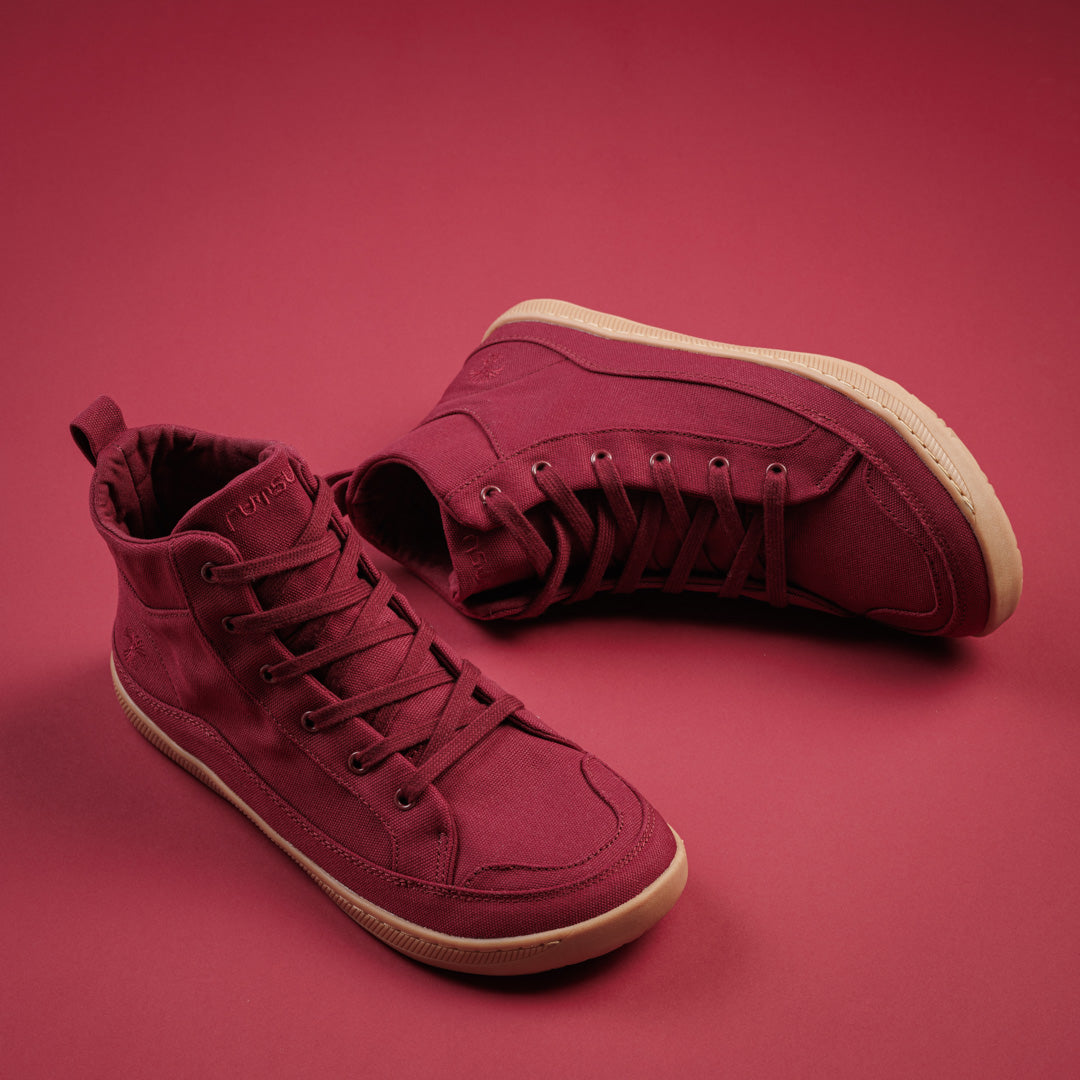
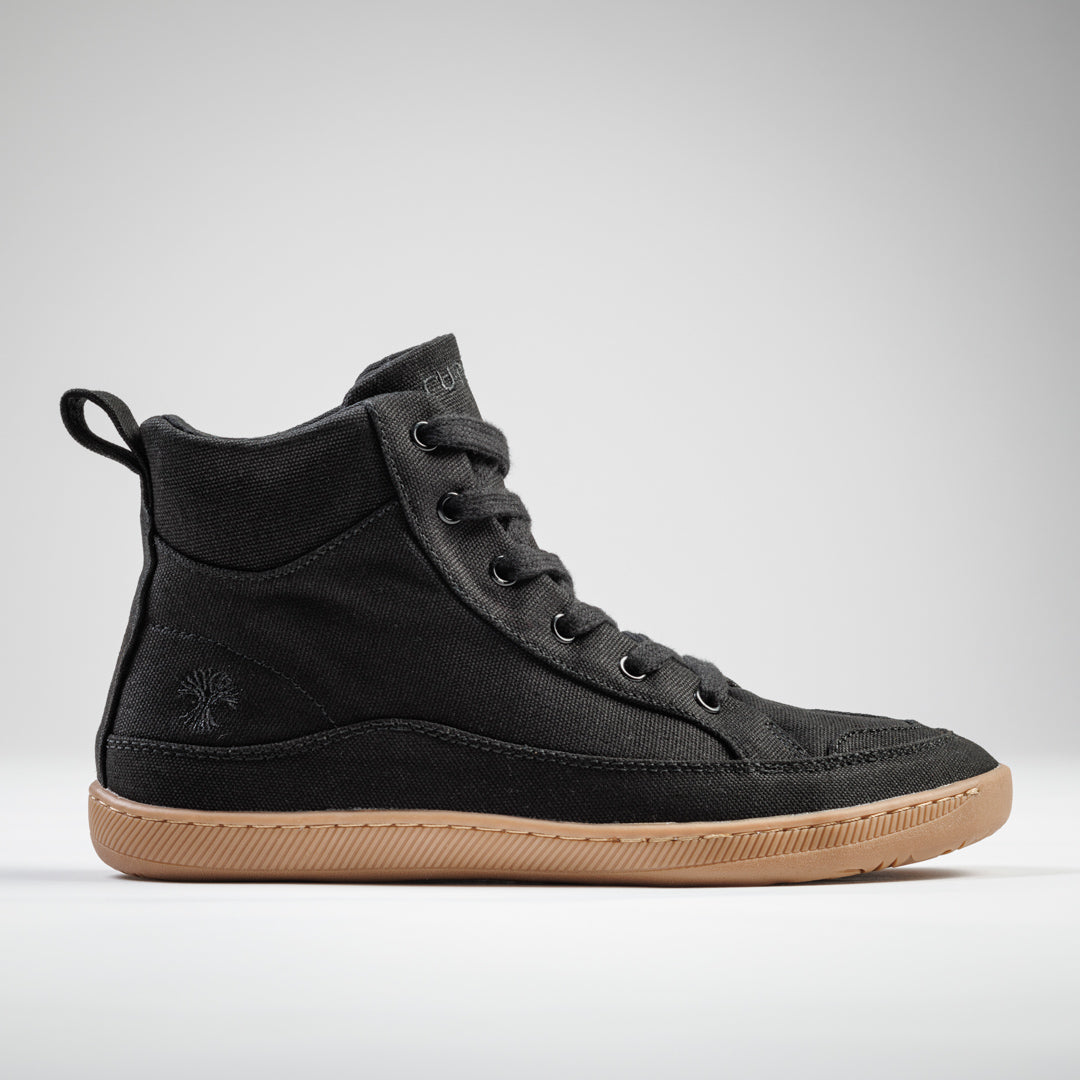
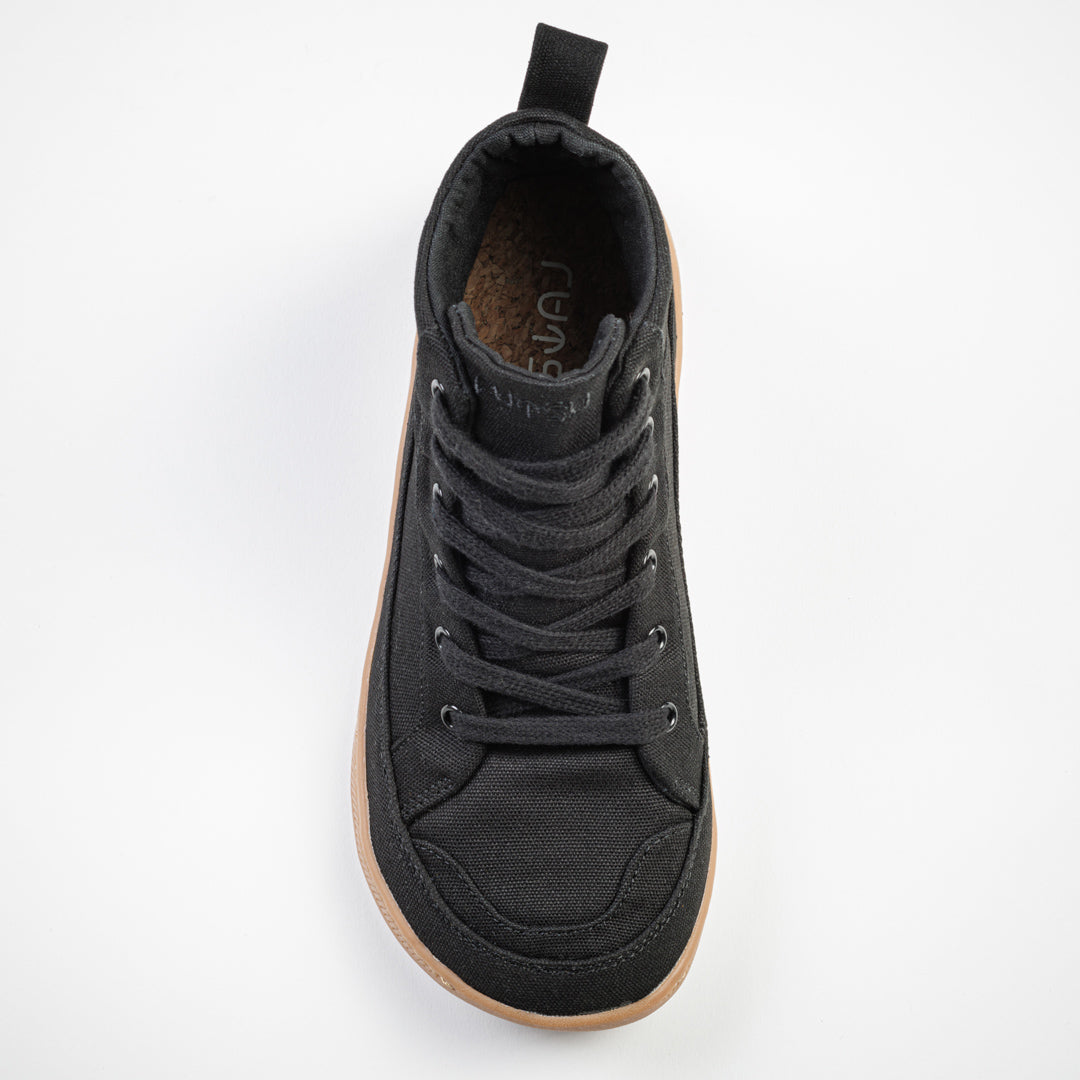
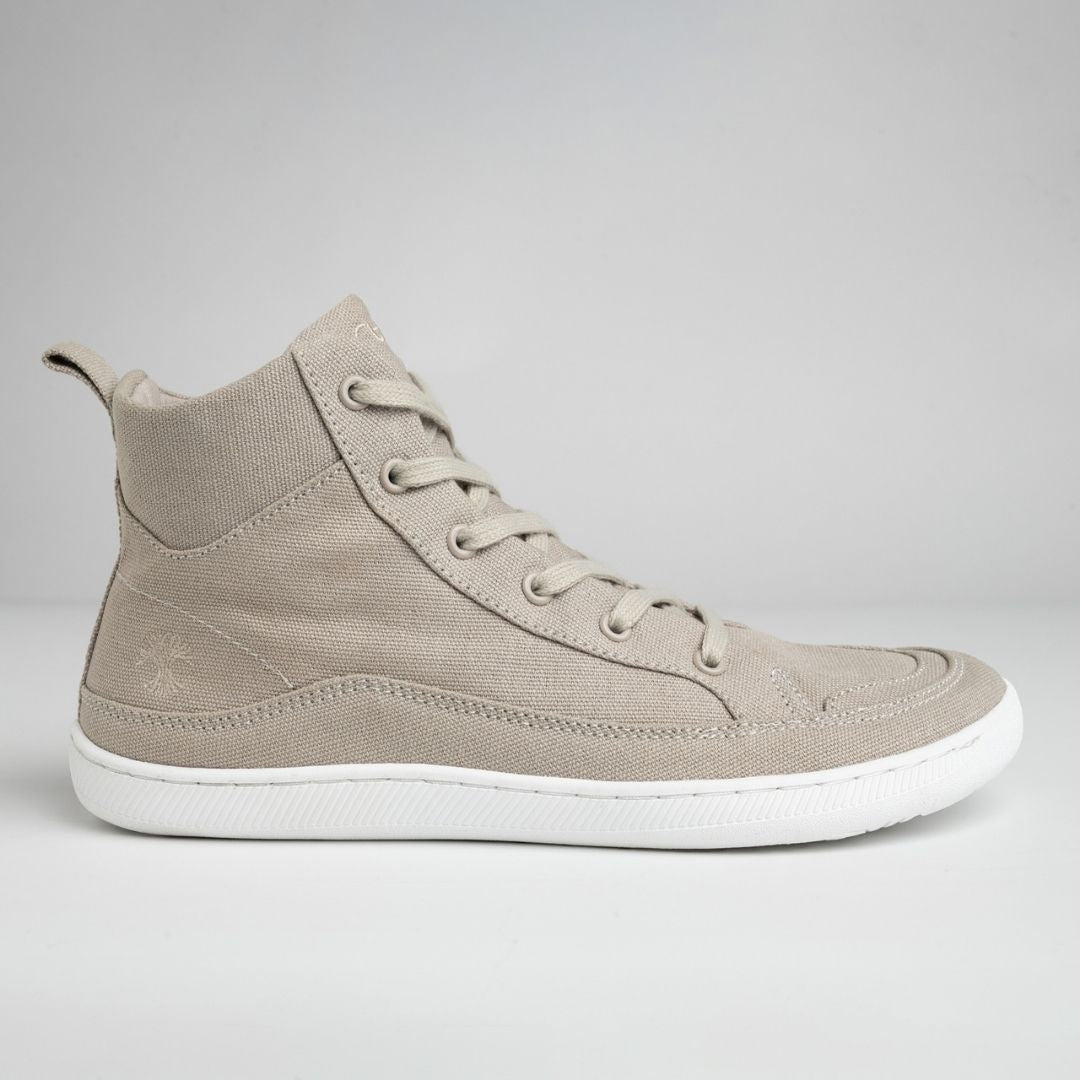
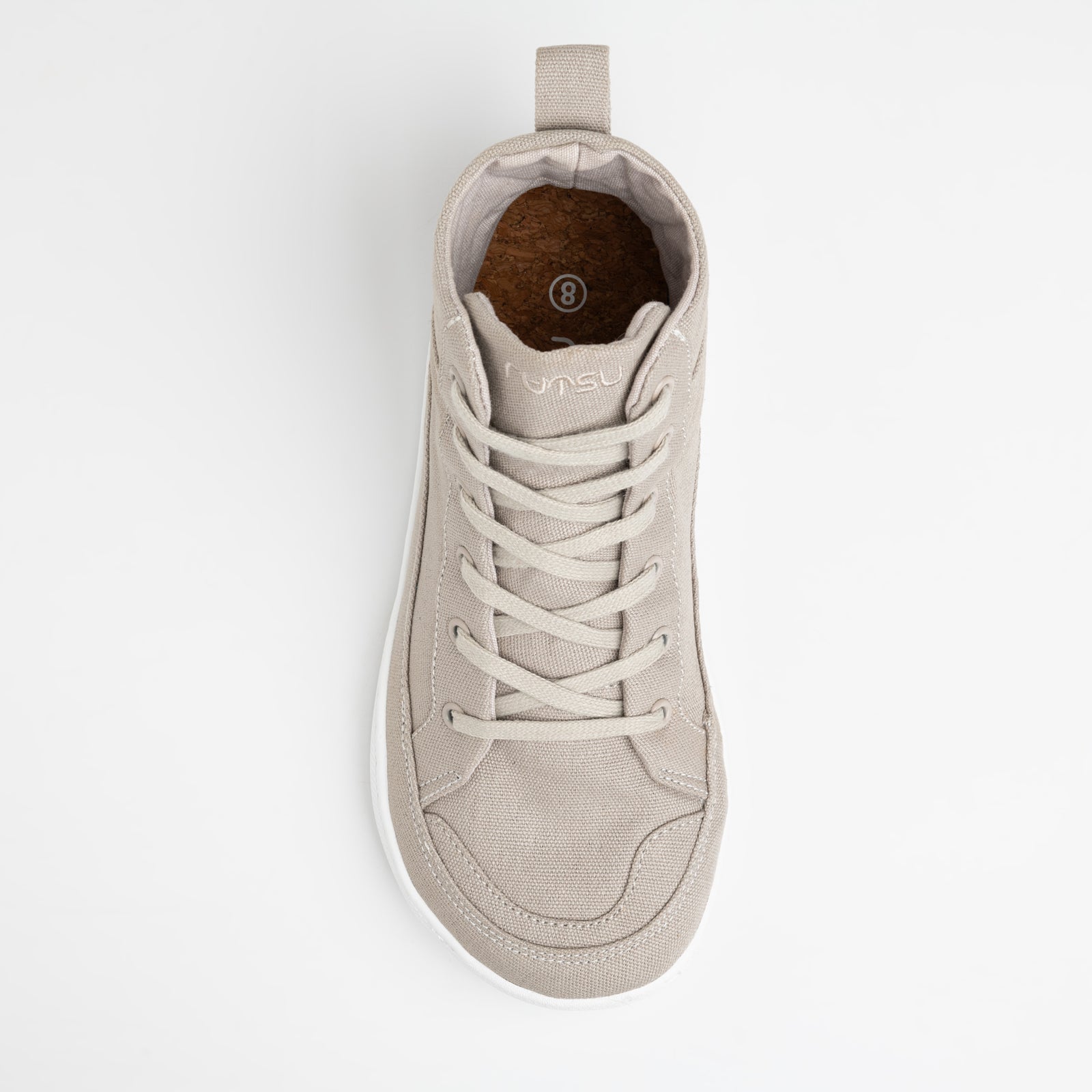
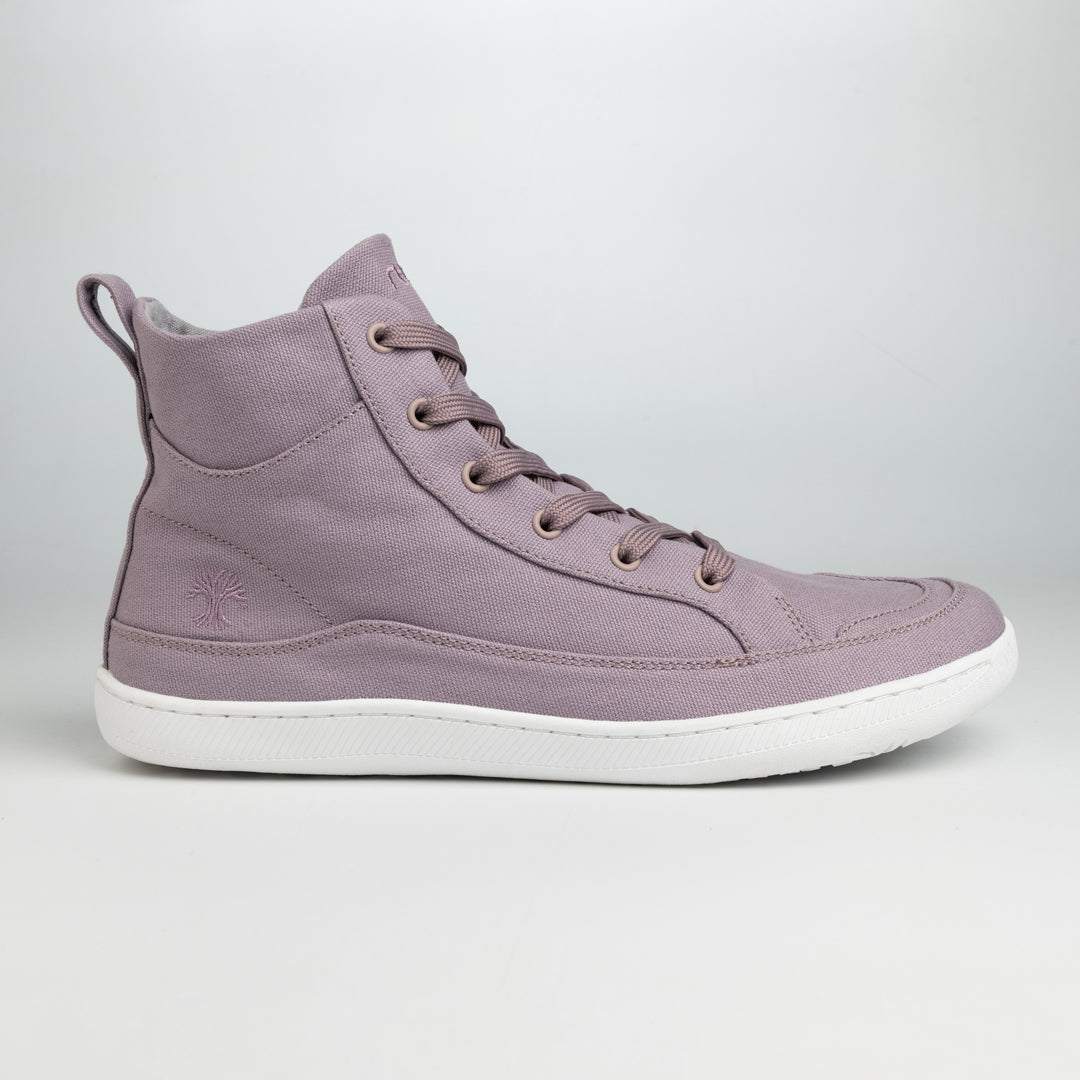
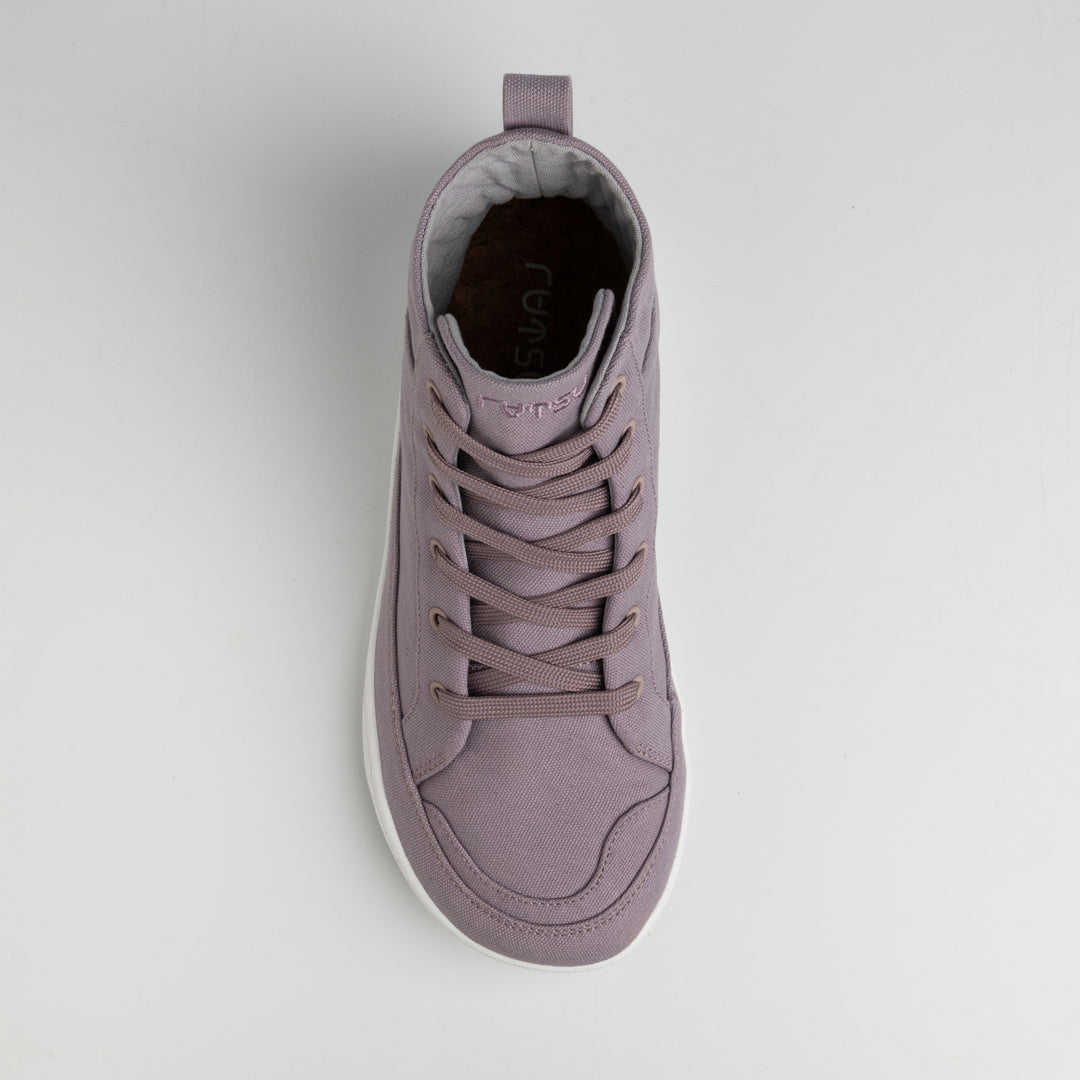
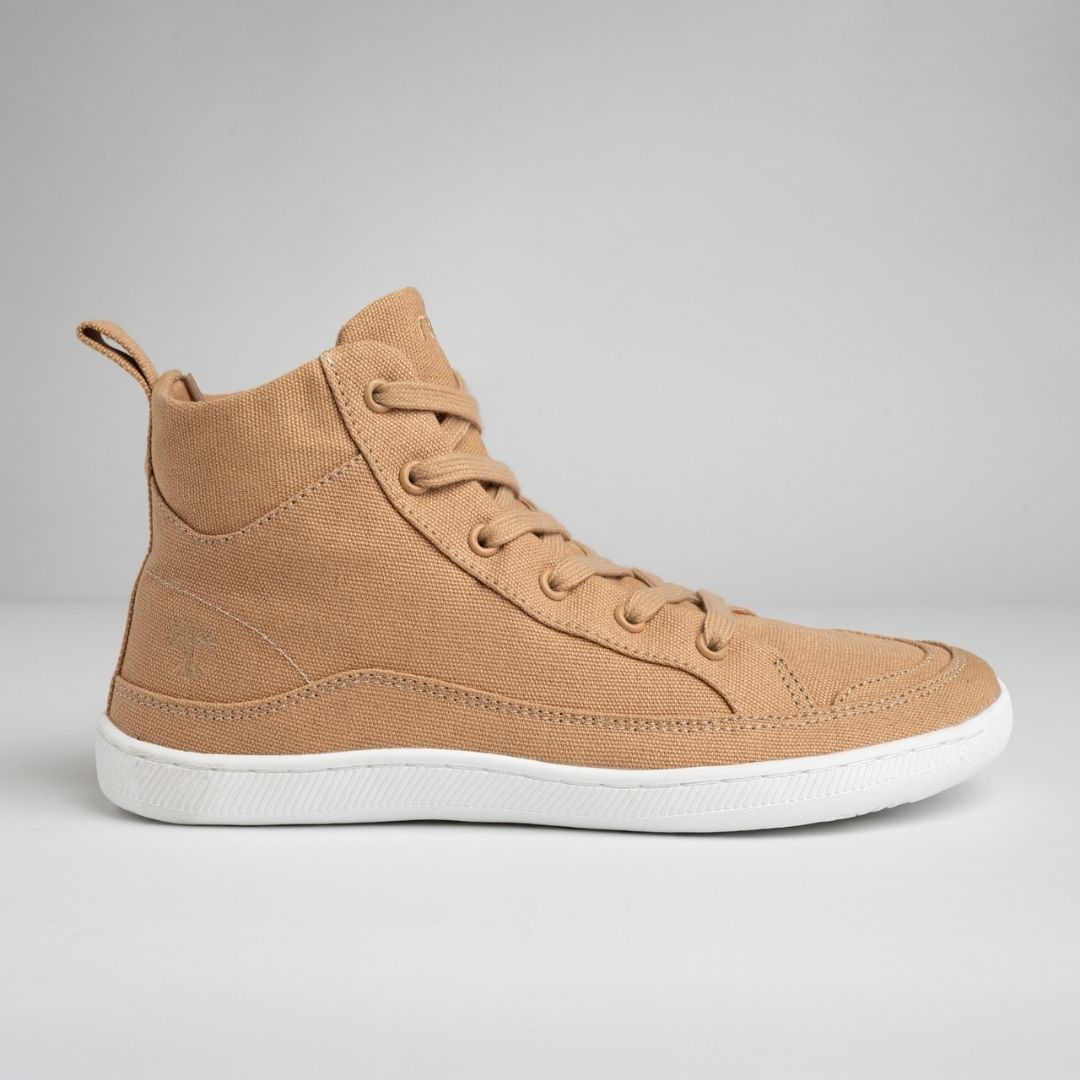
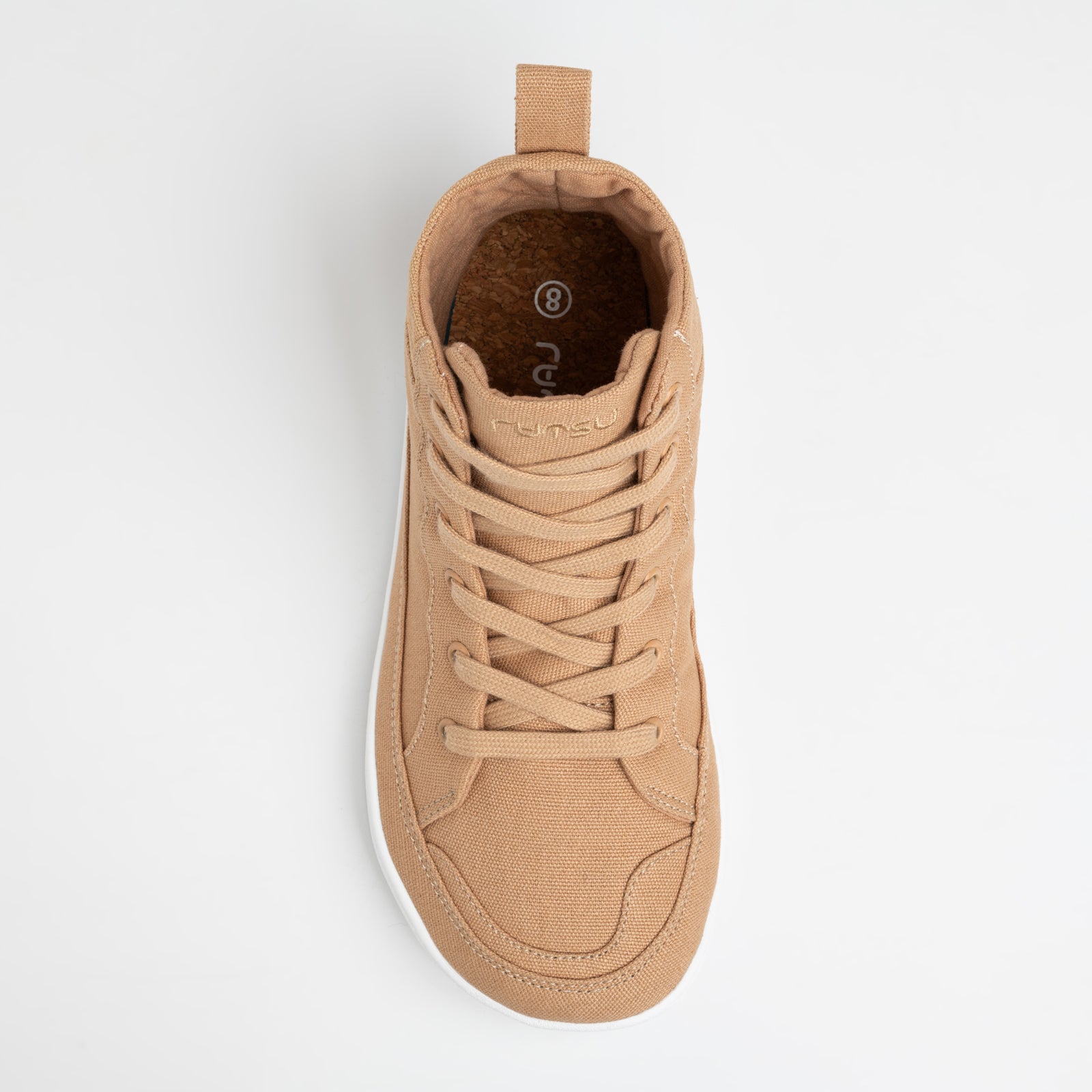
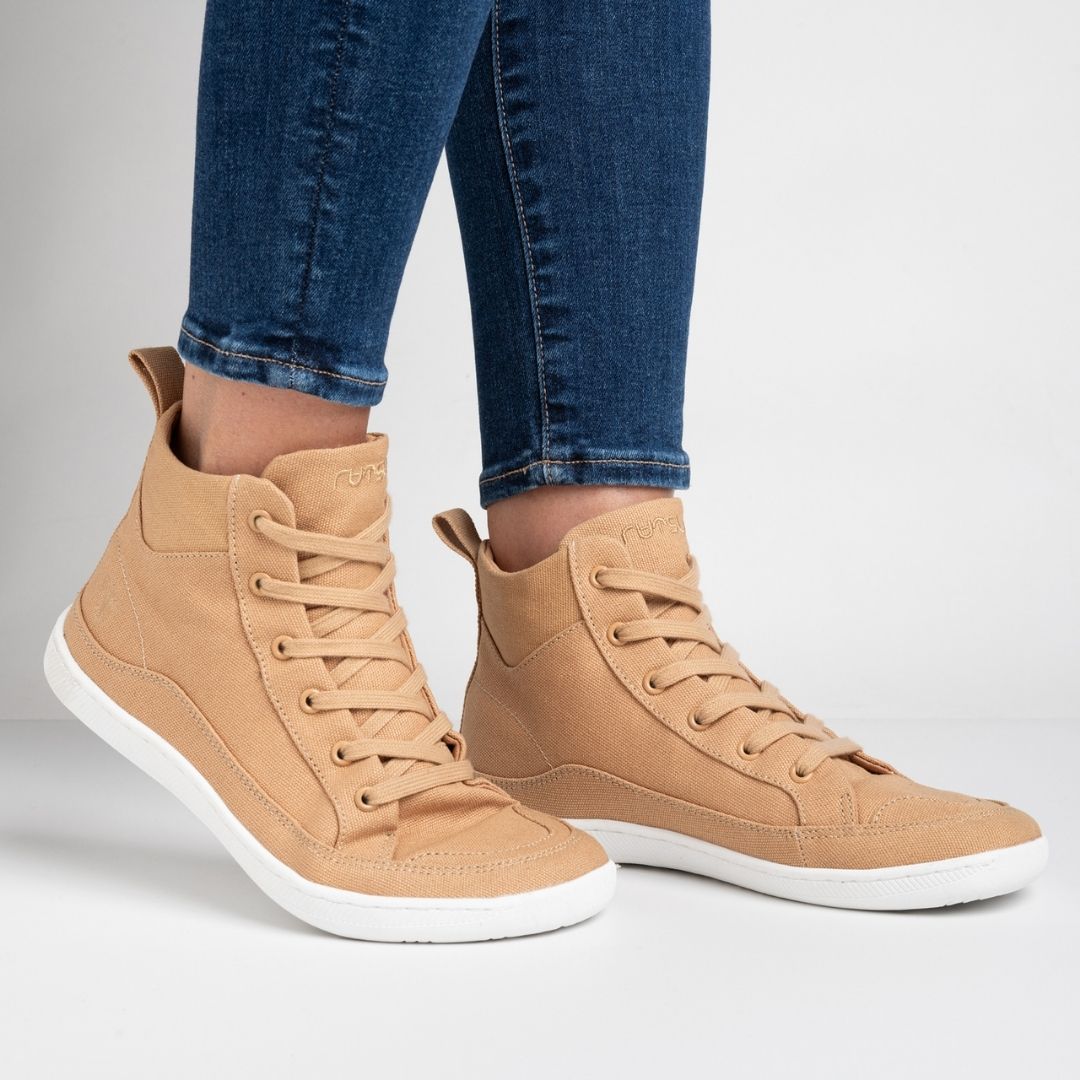
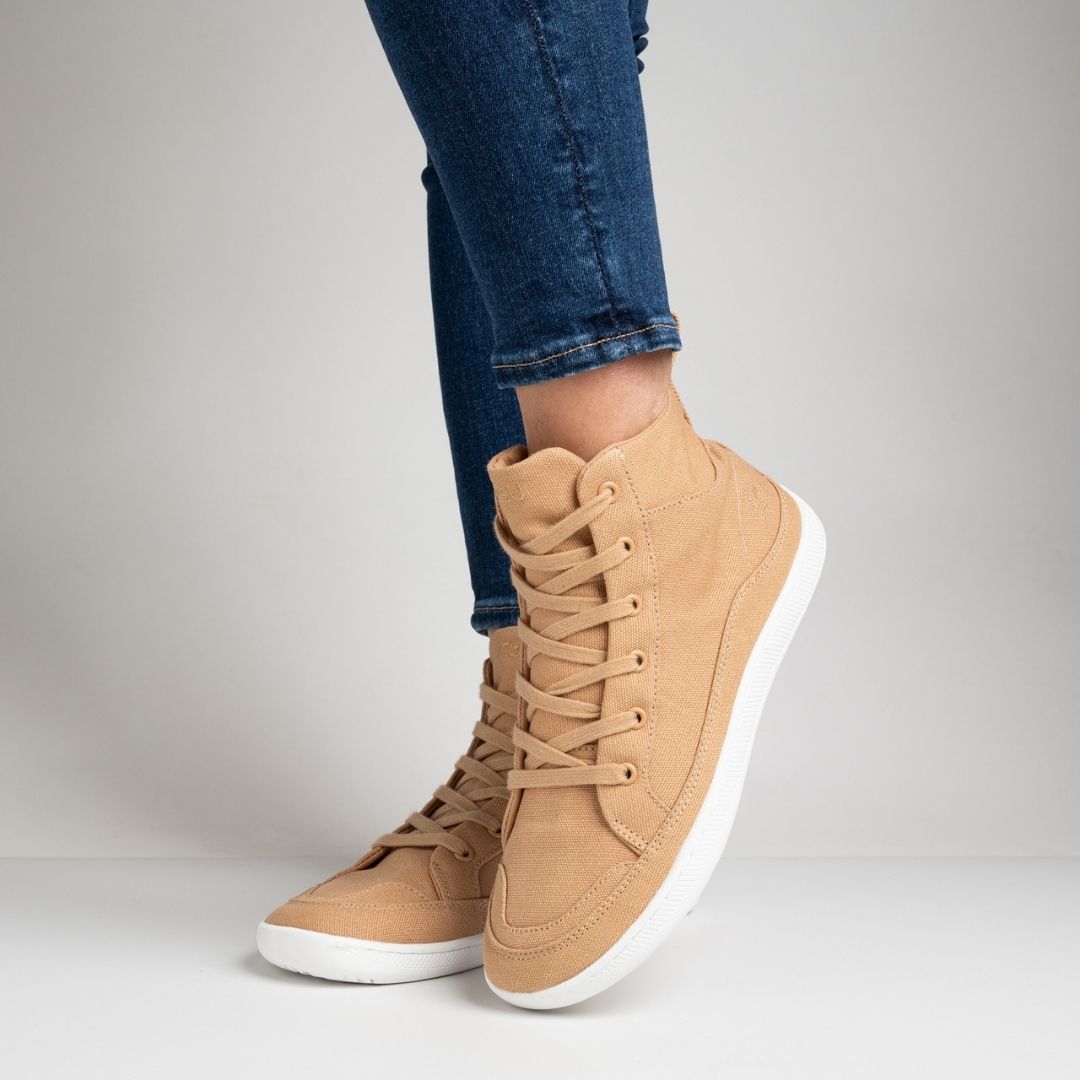
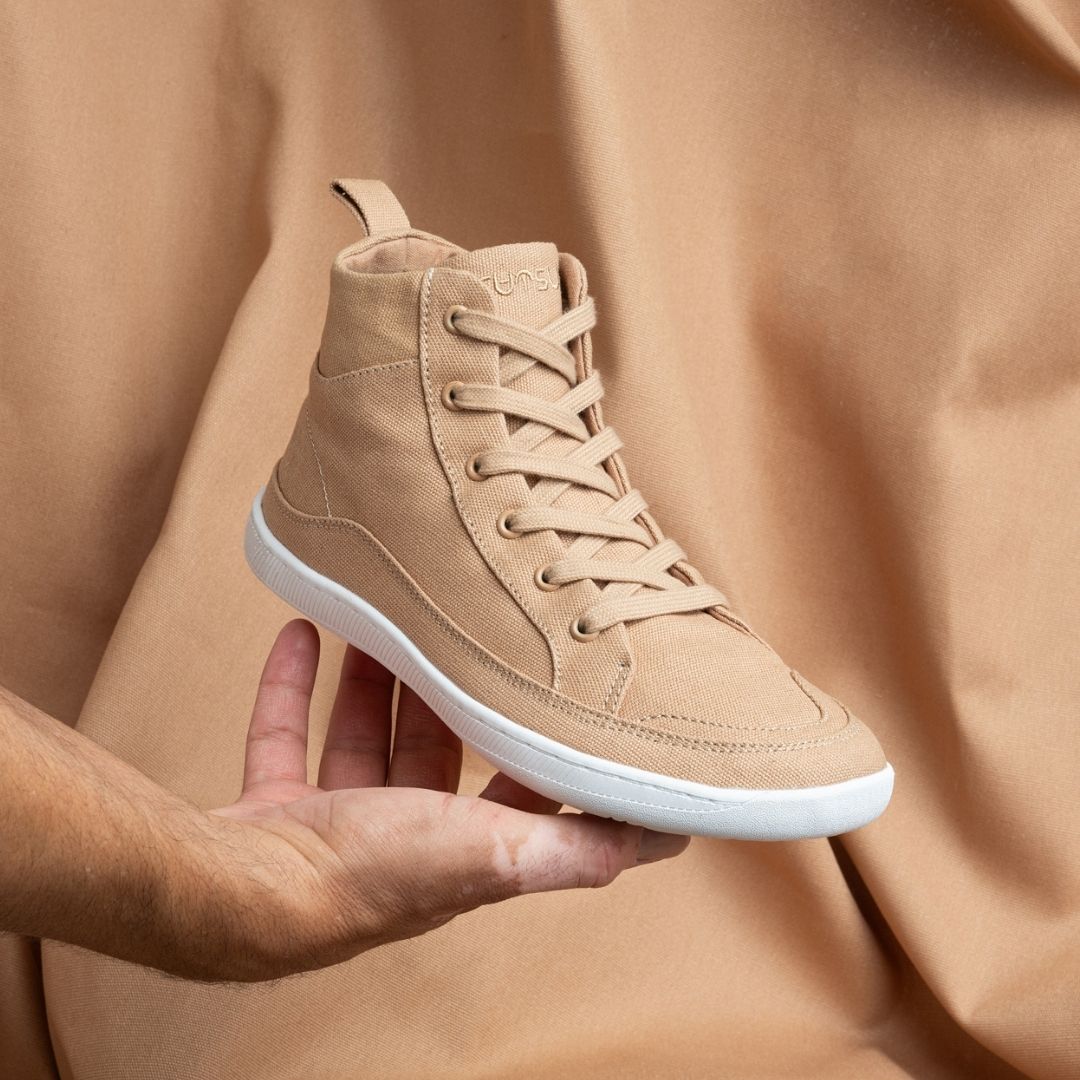
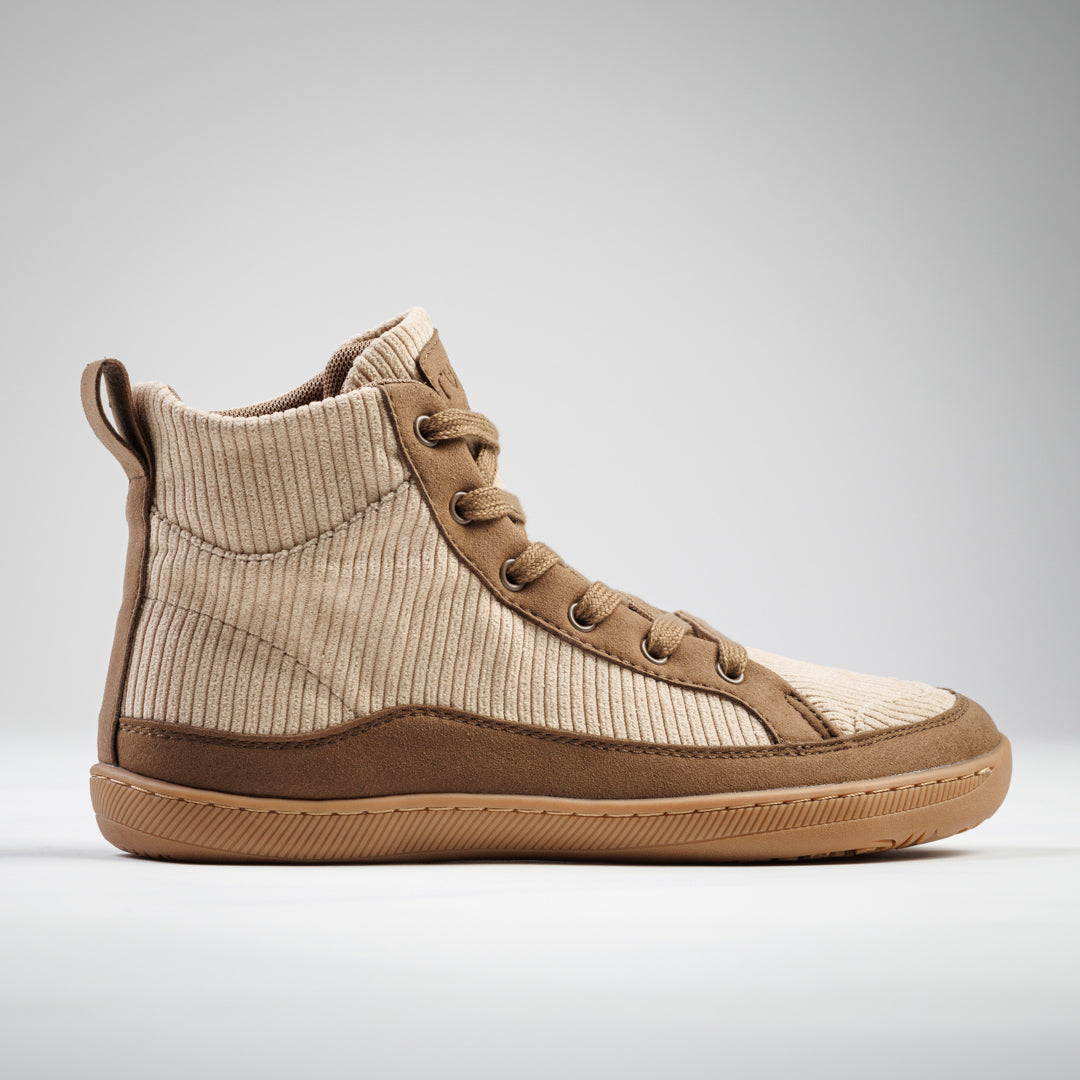
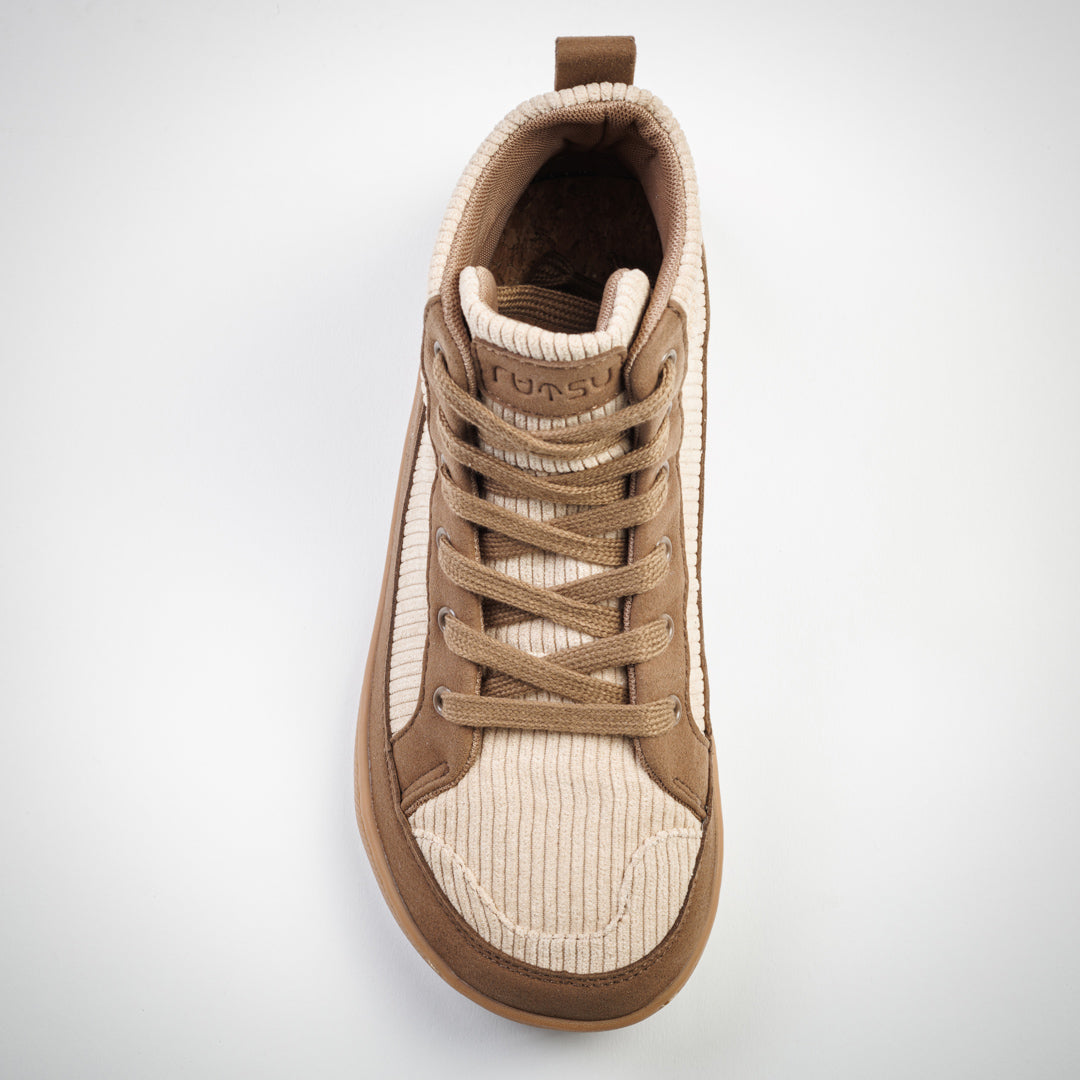
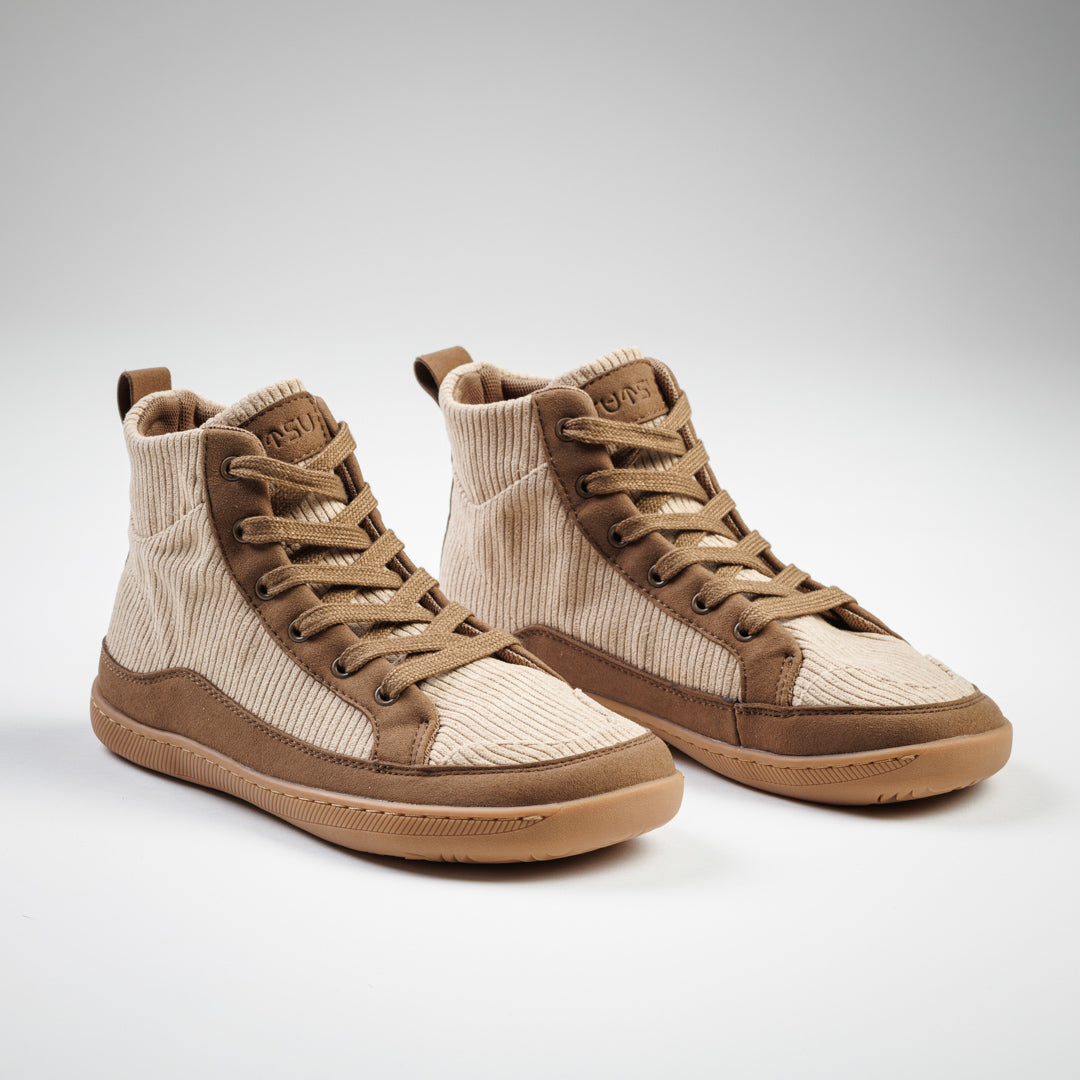
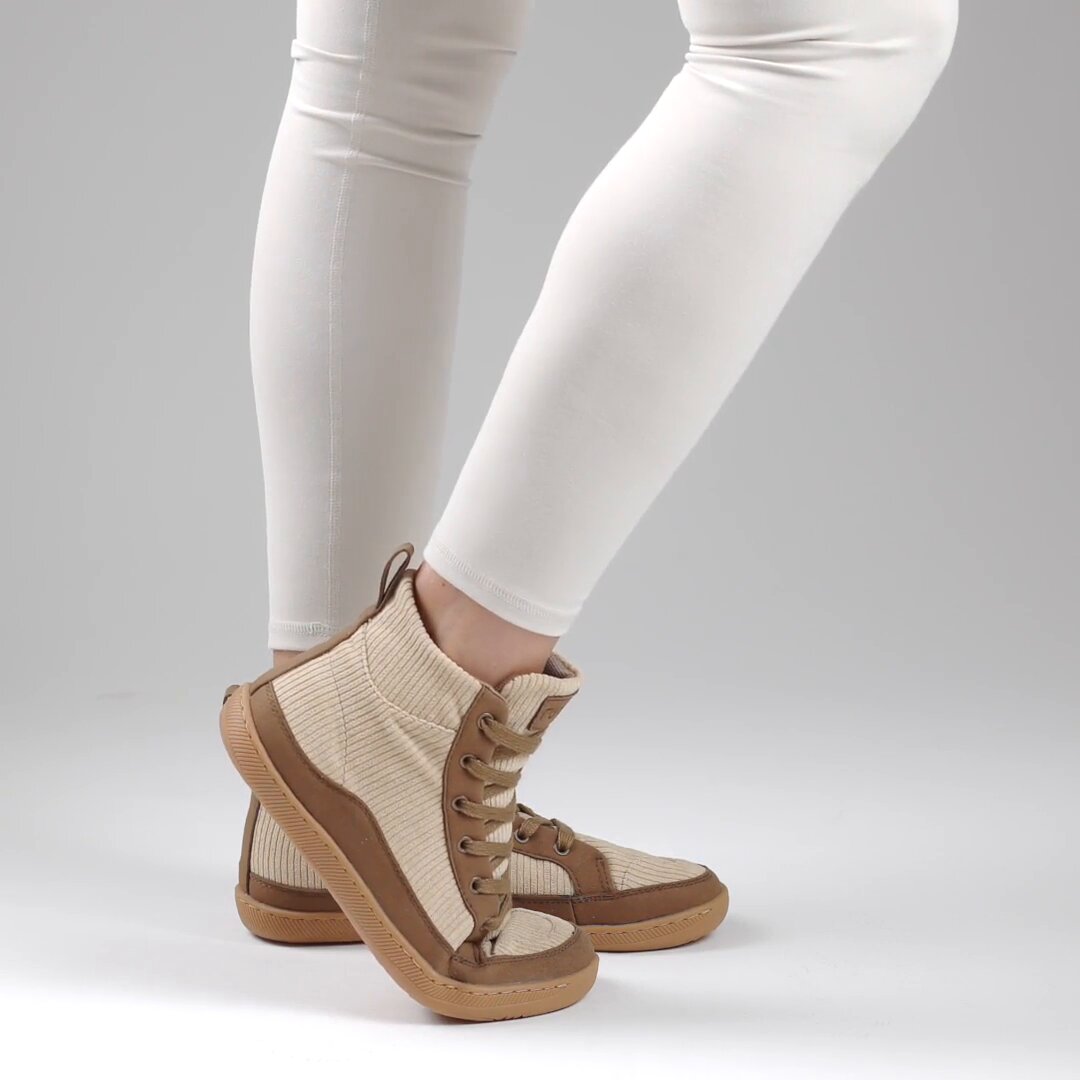
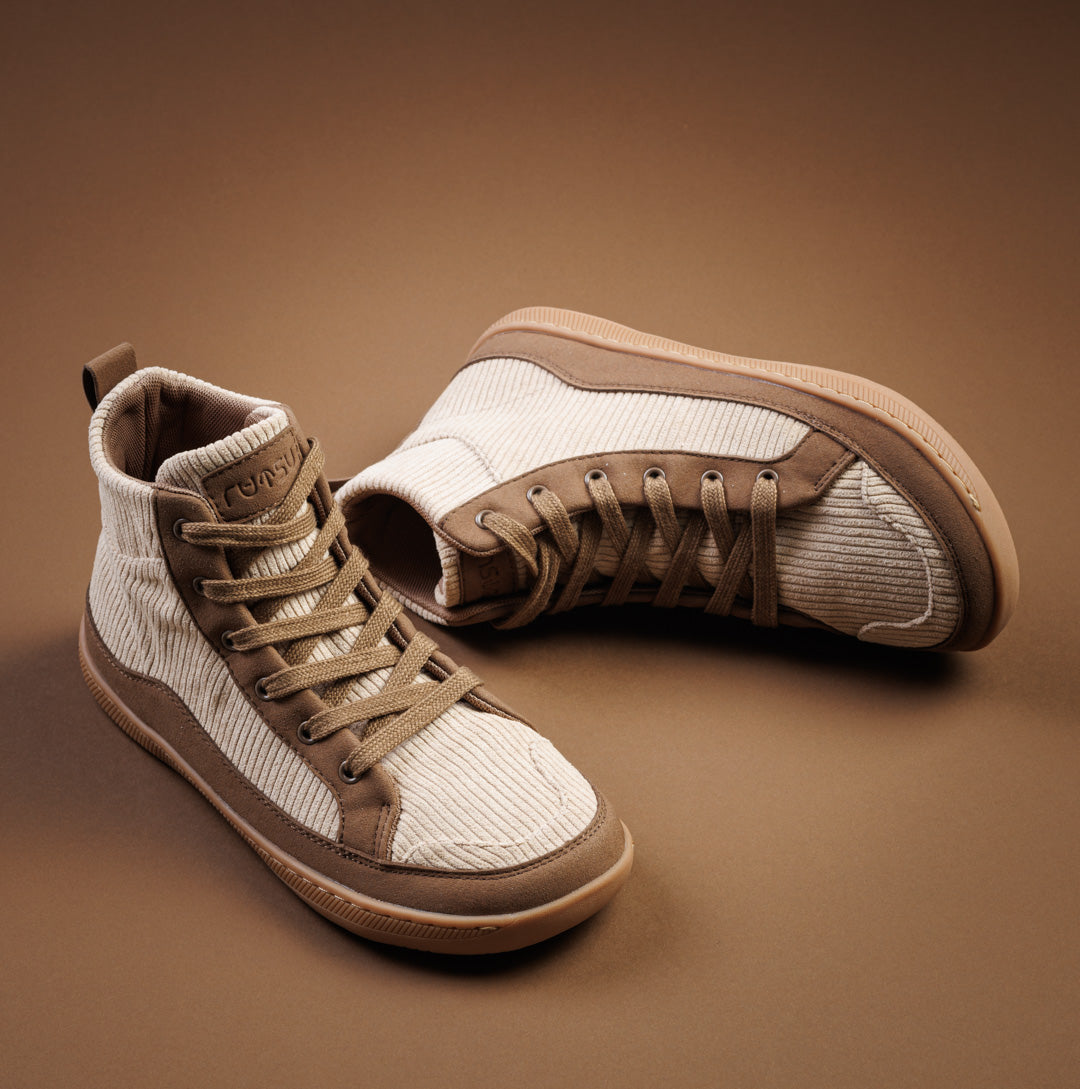
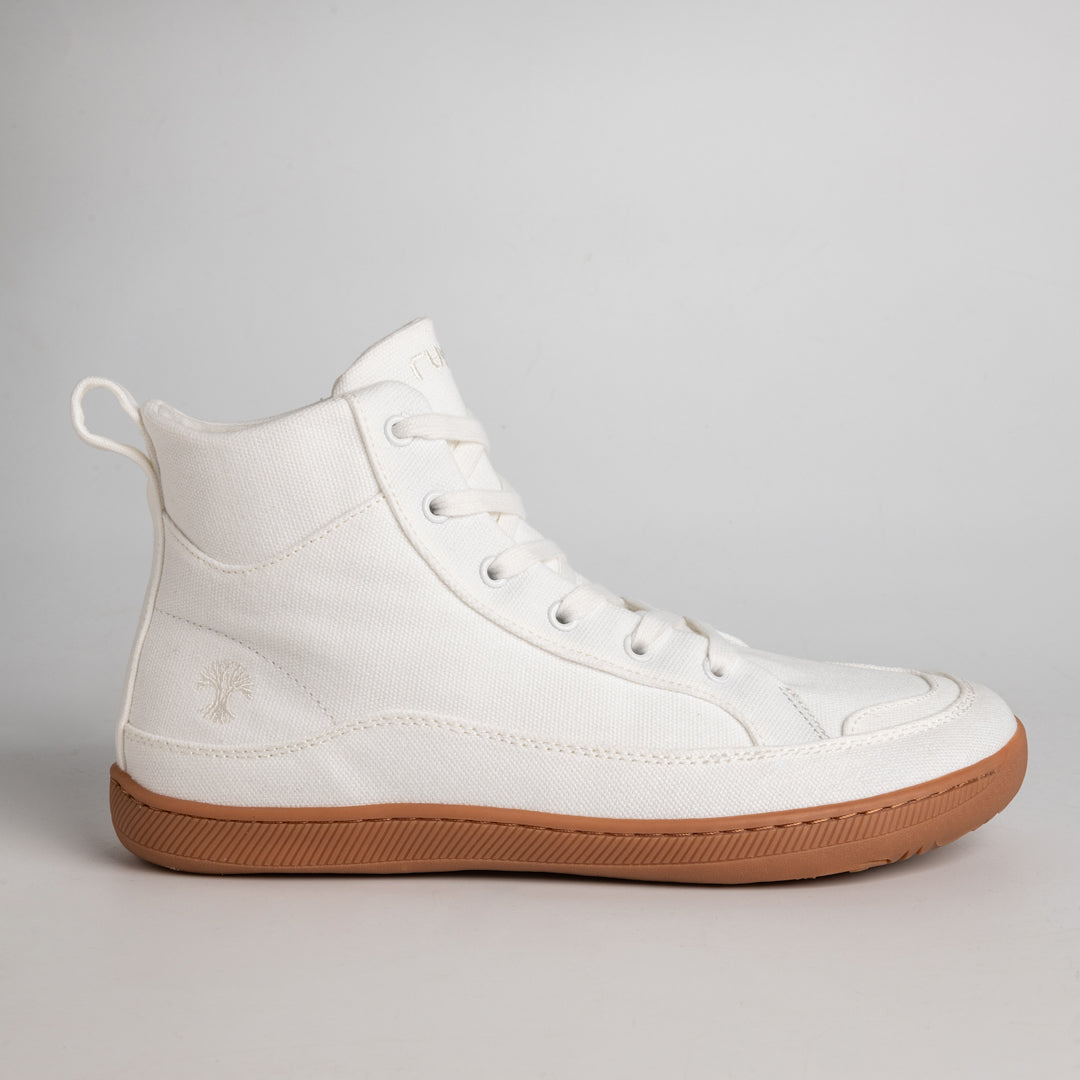
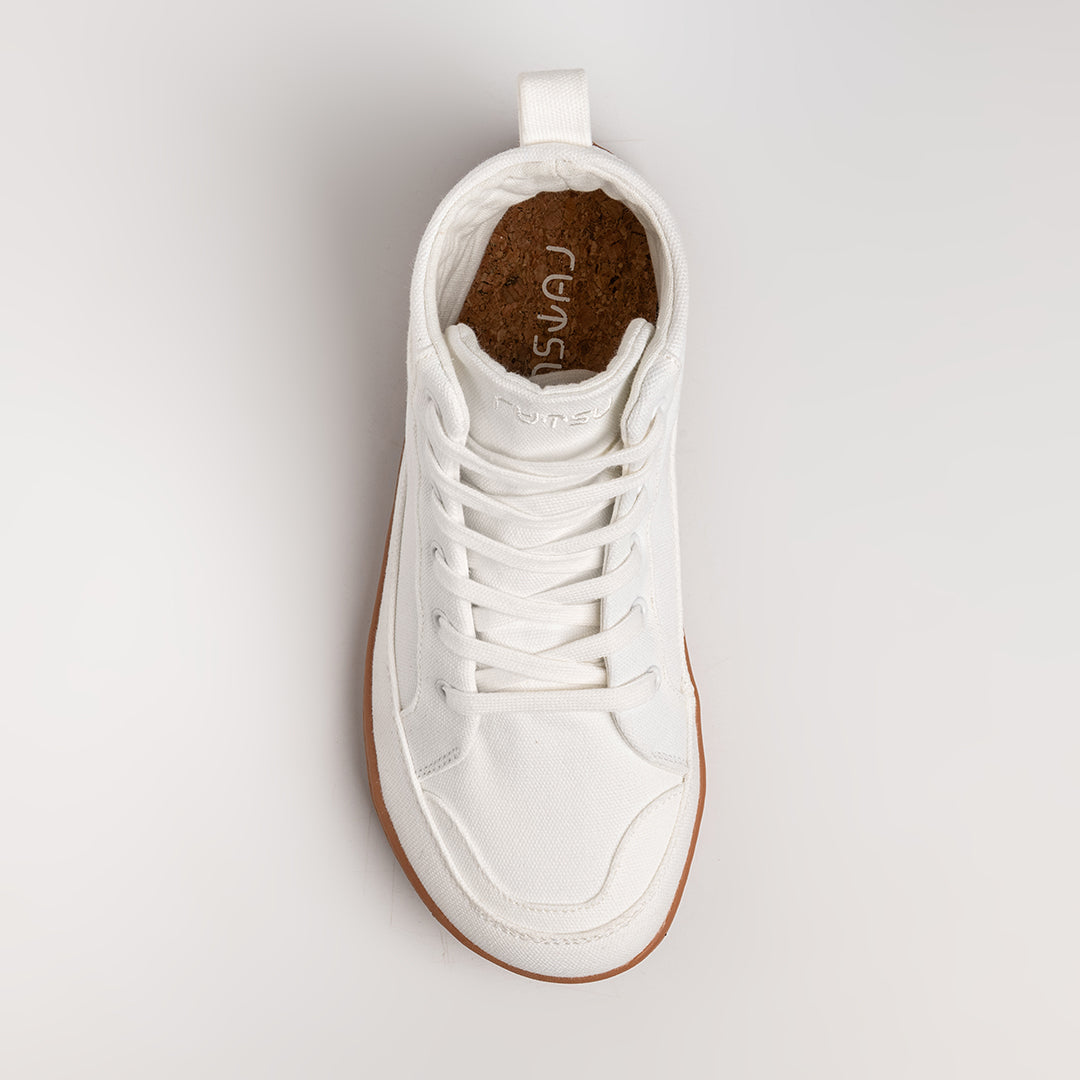
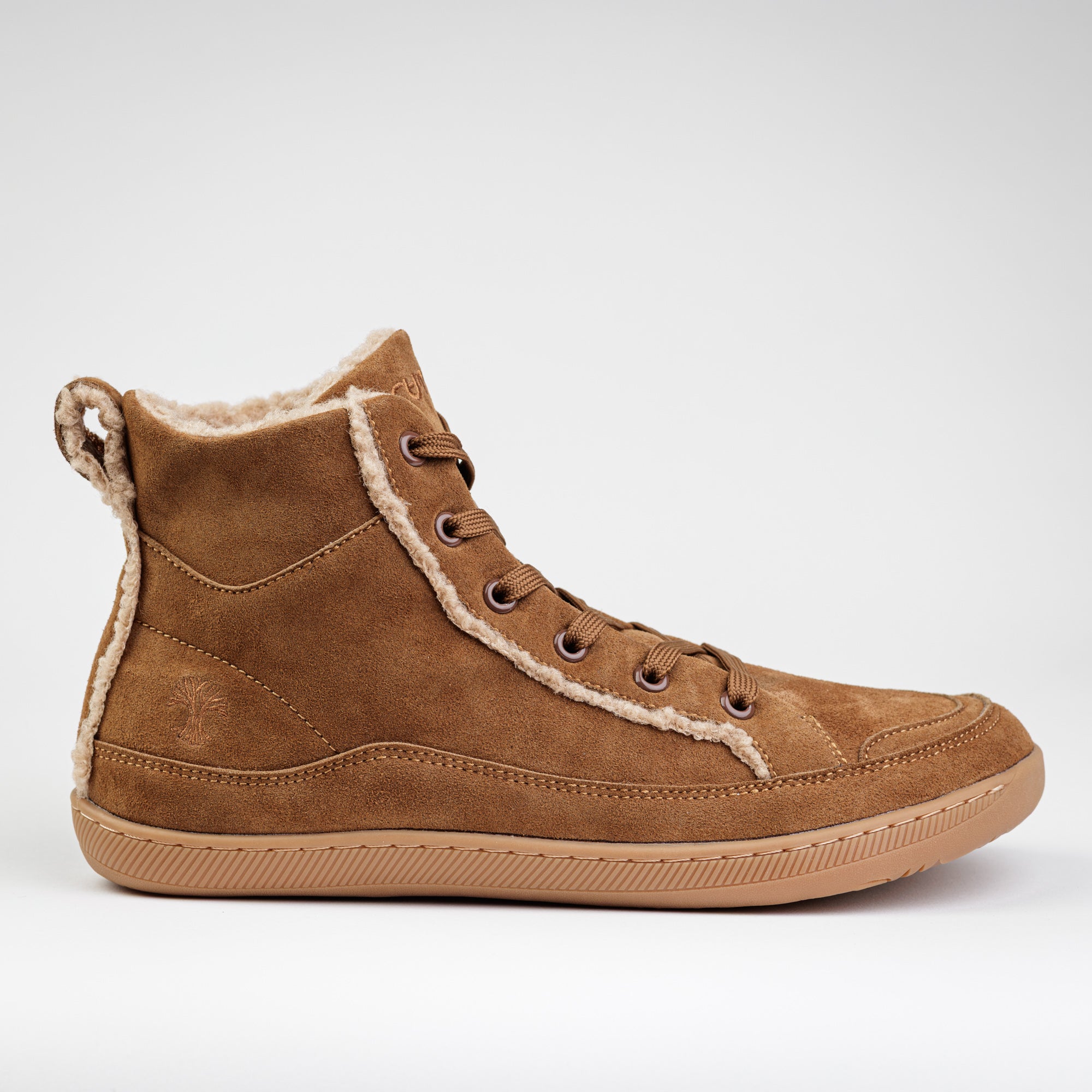
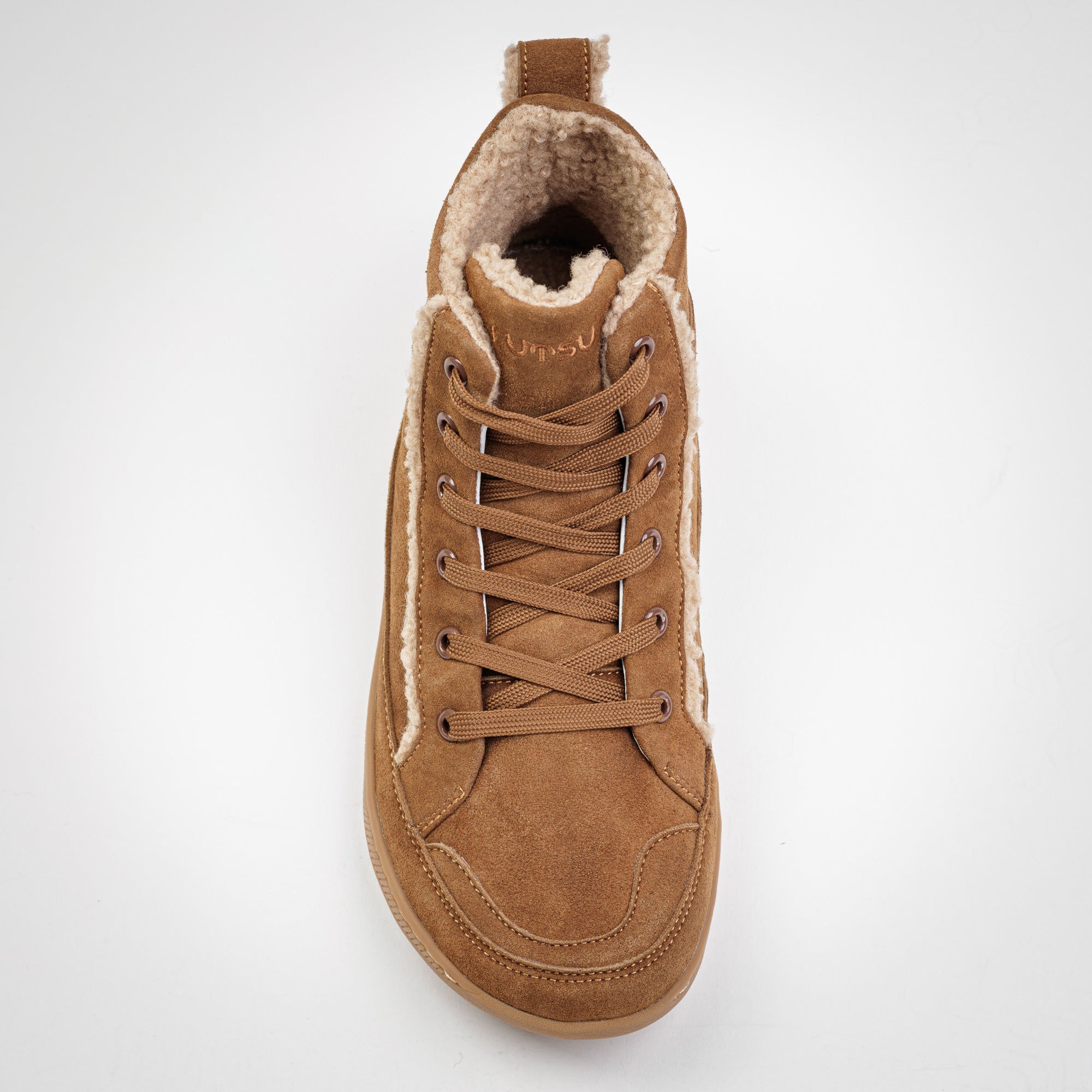
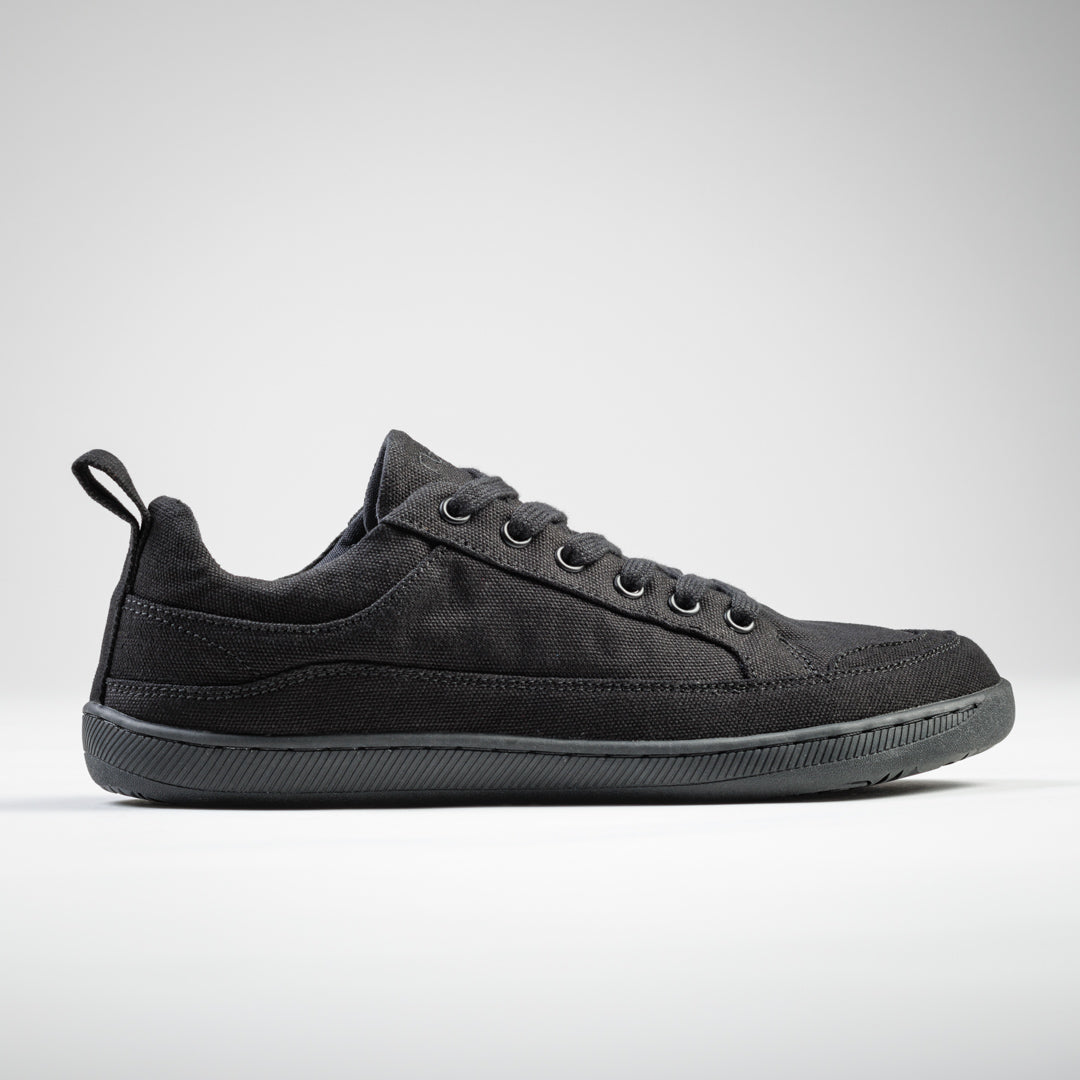
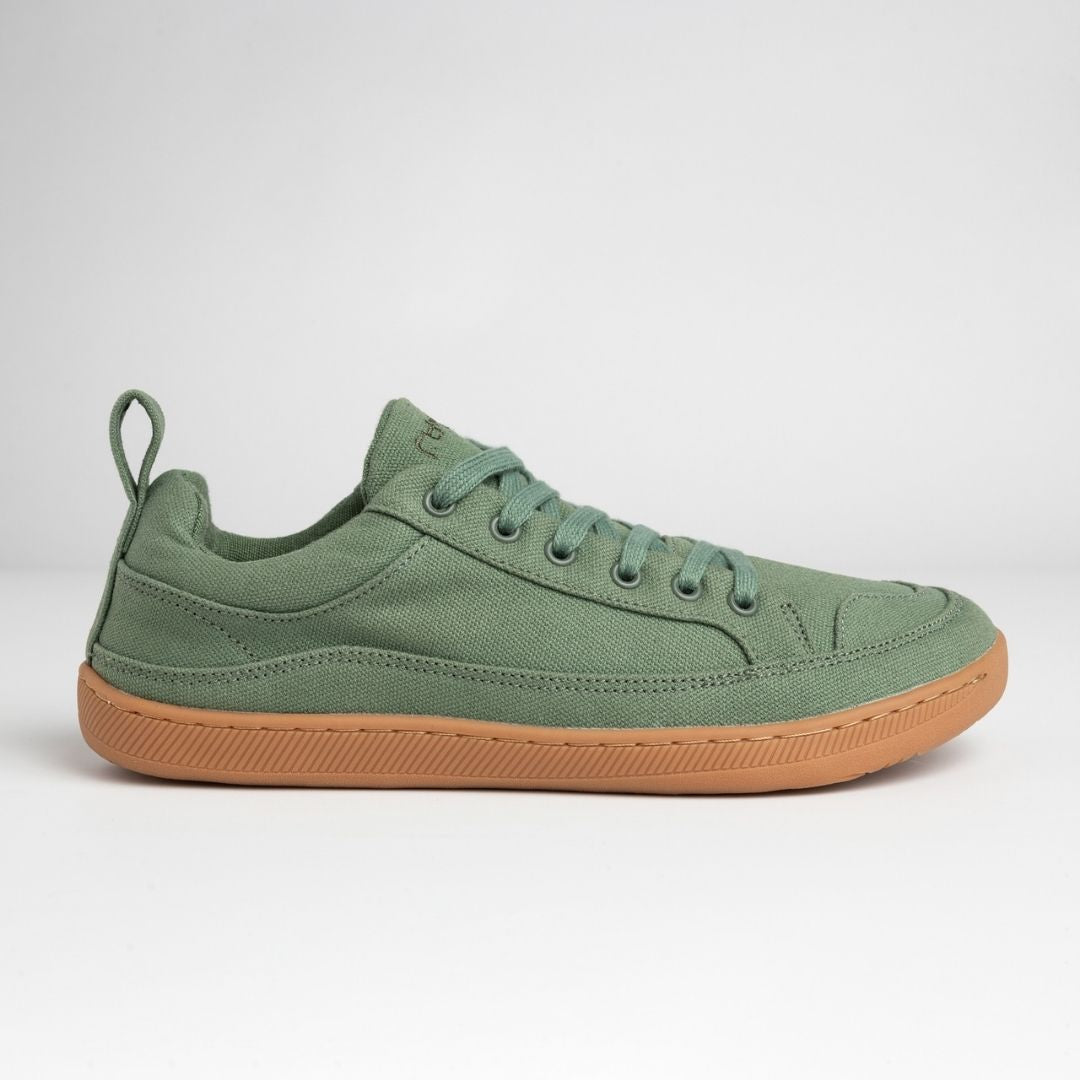
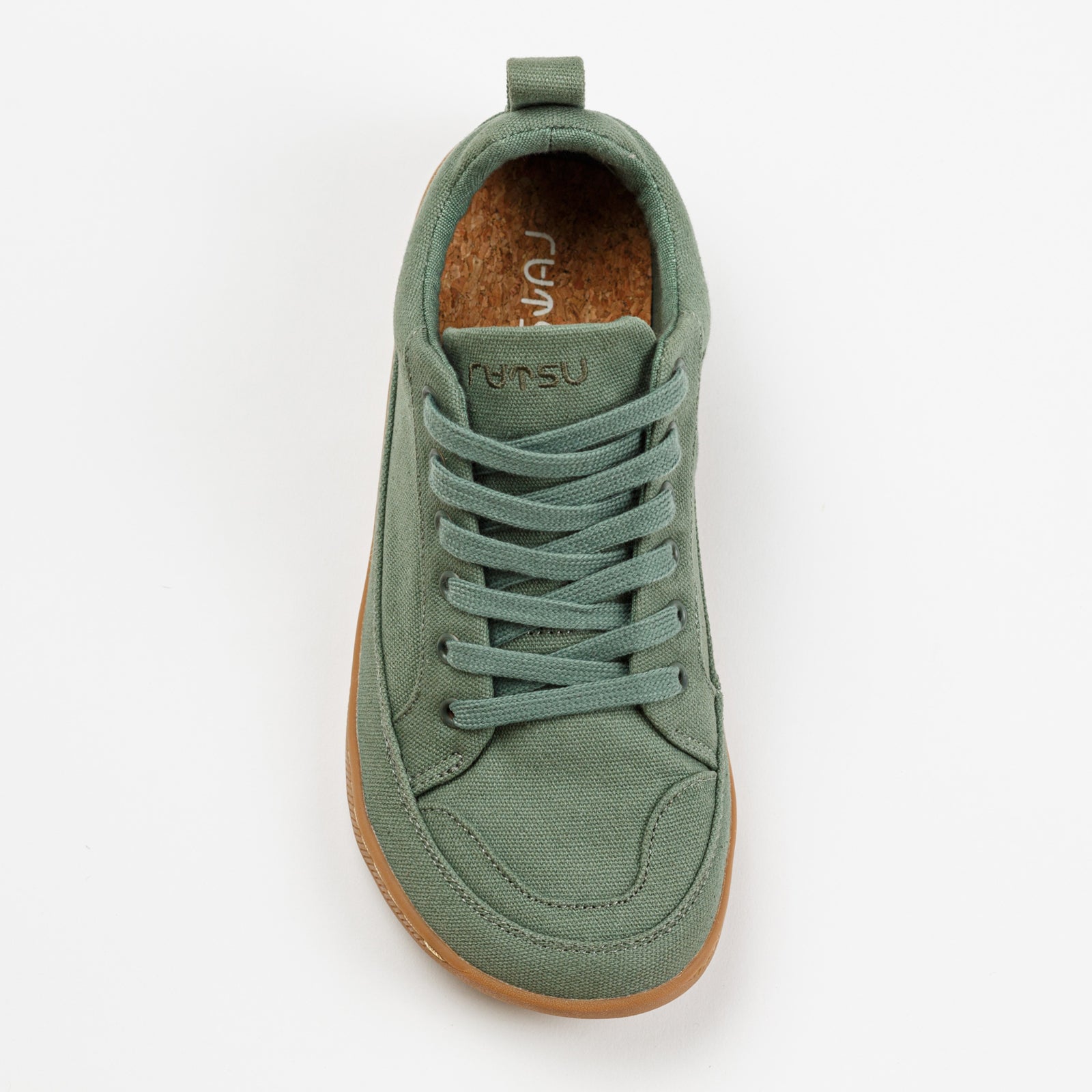
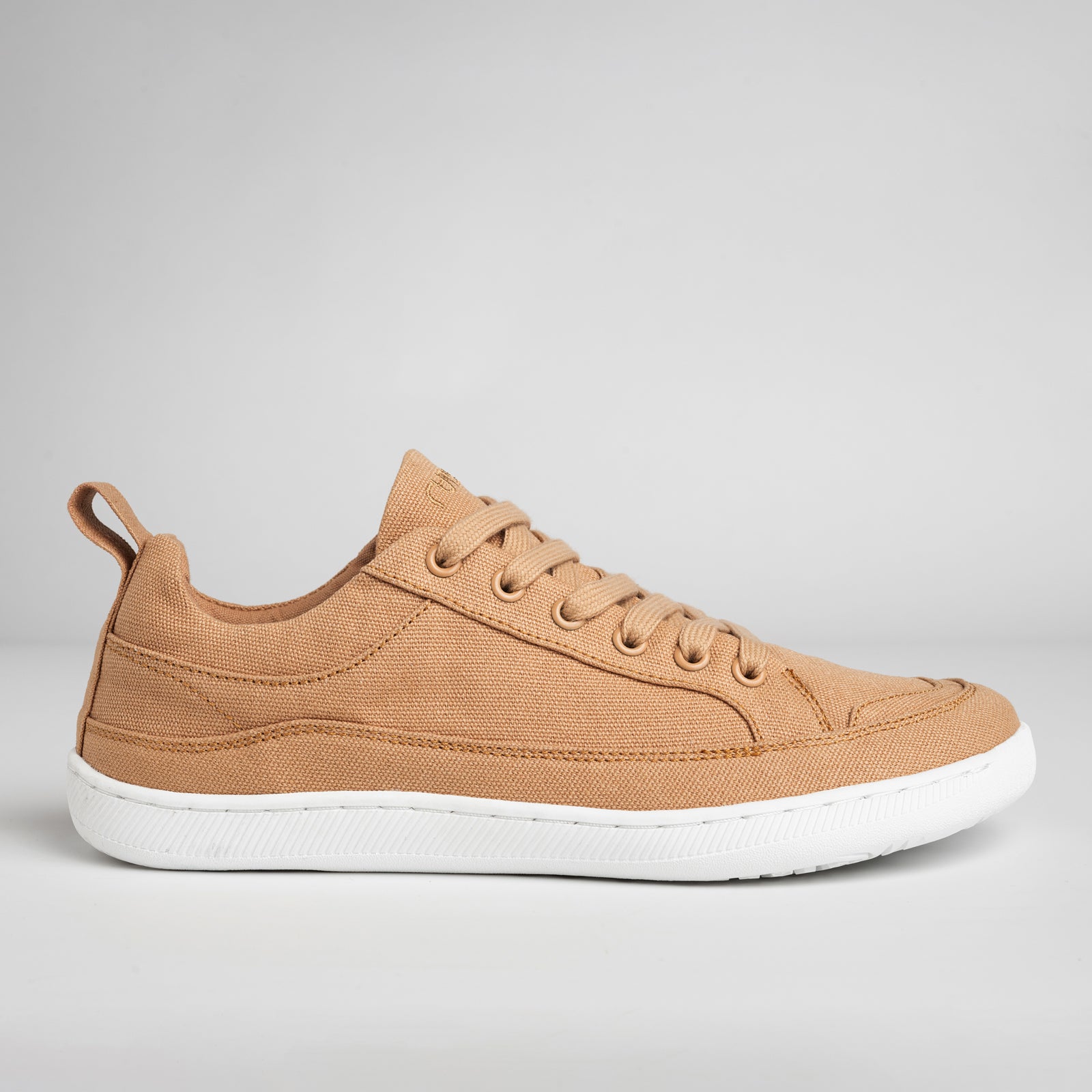
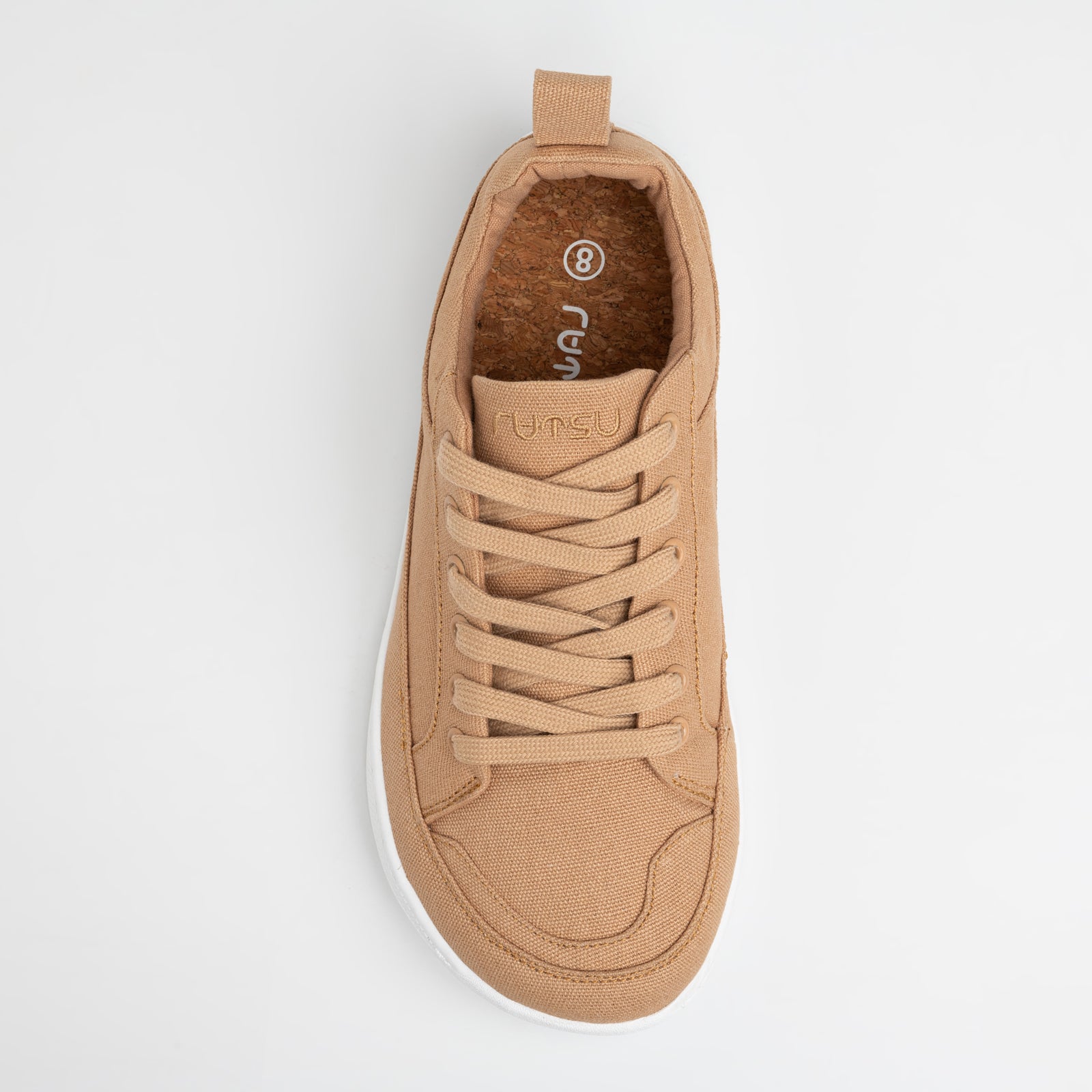
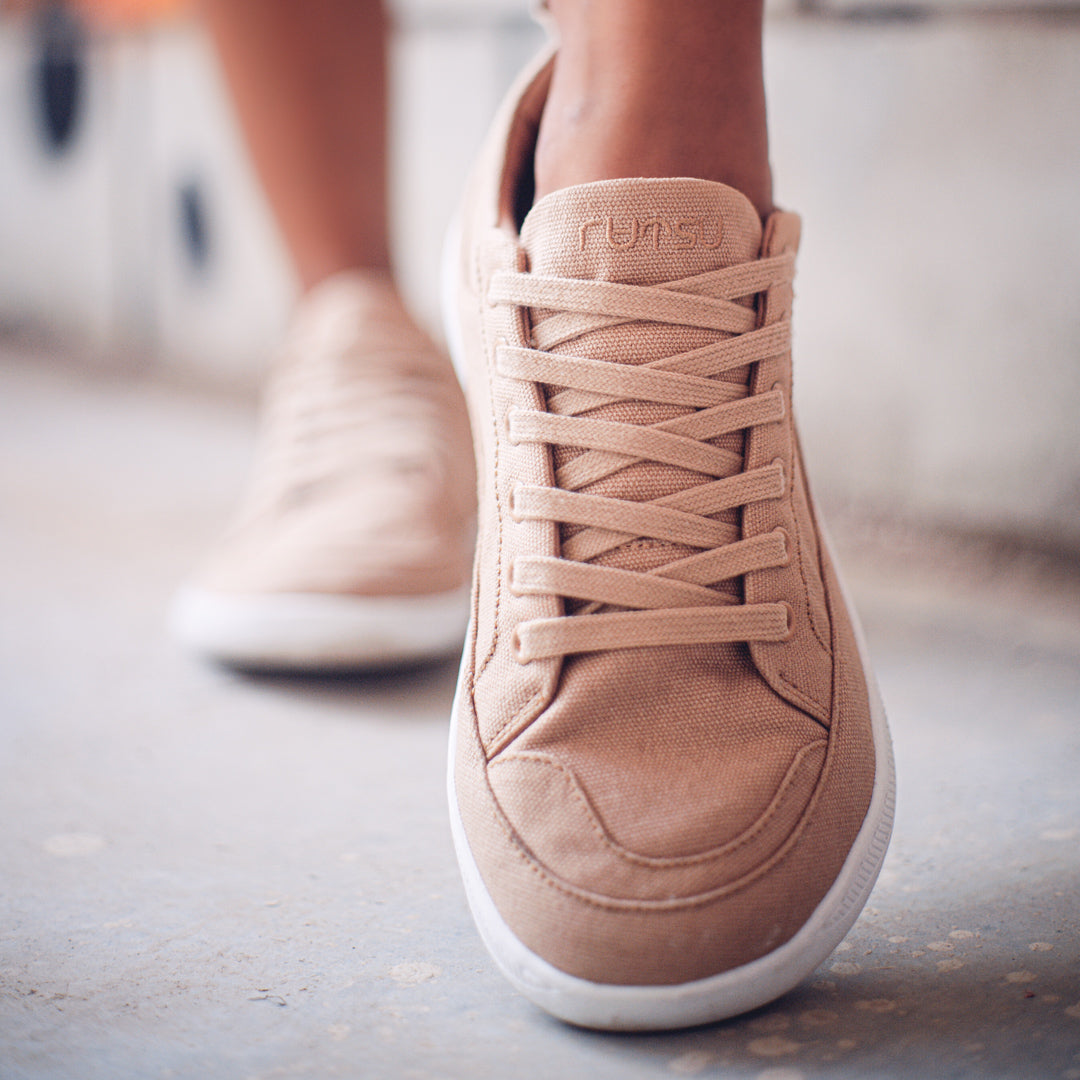
Imagine having the necessary protection while still being able to run with the freedom of bare feet. Barefoot sneakers are beautiful because of this. Style and comfort come together in these lightweight, flexible shoes that are made to replicate the natural movement of your feet.. It lets your feet move naturally and stylishly in the park or on the street.
Are Barefoot Sneakers Good for You?
There's a solid reason why health enthusiasts love wearing barefoot footwear. They encourage natural foot motion, which enhances running efficiency, foot health, and injury prevention. Studies reveal that they improve alignment and strengthen foot muscles. Many consumers reported relief from foot pain after switching to barefoot sneakers. The barefoot sandals collection also embodies these benefits, offering the same natural movement and comfort in a stylish, open design.
When Not to Wear Barefoot Shoes?
Even while barefoot shoes have numerous advantages, there are situations in which they might not be the best option. For instance, the minimum padding might not be enough to support you if you hike in rough terrain, have flat feet, or severely pronate your feet. In certain situations, the ease of barefoot shoes may be uncomfortable. My barefoot sneakers performed admirably when I wore them on rocky terrain, but I would have preferred additional cushioning. In demanding settings, more assistance may be required.
Why Are Barefoot Shoes Expensive?
You might wonder why barefoot shoes often cost more than regular sneakers. The answer lies in their fine craftsmanship. Creating barefoot shoes involves more than just attaching a thin sole to fabric; it’s about balancing flexibility and protection. The durable, lightweight materials add to the cost but ensure long-lasting performance. Rutsu Barefoot footwear’s commitment to quality makes them an investment in your foot comfort and health, not just a purchase.
Getting the right fit is crucial with barefoot sneakers. The Rutsu Sneakers Size Guide helps you find the ideal size, tailored to your feet's unique shape. This tool ensures your sneakers provide the perfect balance of comfort and performance, especially for women’s barefoot sneakers, by addressing variations that standard sizing charts often miss.
Not only are barefoot sneakers fashionable right now, they're a revolution in shoe design. Your feet will be grateful that you switched, especially with Rutsu Barefoot setting the example. Barefoot sneakers are a unique combination of health advantages and style, perfect for everyday wearers as well as runners wishing to improve performance. Why not give them a shot and see how they differ?
What Are Vegan Minimalist Shoes?
Vegan minimalist shoes offer a clean style and use materials that are gentle on animals. They are comfy and also good for the environment. These shoes have a simple design. They feature thin, flexible soles and a zero-drop from heel to toe. There is no extra cushioning or support. This design supports a more natural way for your feet to move, feeling closer to walking barefoot, even in designs like minimalist pumps as an example. We use only vegan materials. No animal products are involved.
We choose sustainable and ethical options. This means using synthetic leather and natural fabrics. The benefits of this footwear are clear. They offer comfort and support for natural foot mechanics. Plus, they reduce environmental impact and oppose animal cruelty. More people are becoming aware of their values. They want products that match those values. This trend makes vegan minimalist shoes popular among eco-conscious and ethical consumers.
Winter-Ready Vegan Minimalist Barefoot Footwear
To wear vegan minimalist shoes in winter, you need extra features. These help fight the cold and wet weather common in this season. Vegan minimalist winter shoes have water-resistant uppers. They help keep your feet dry. They might be made from natural rubber or high-tech synthetic materials. These shoes often have insulated linings. They keep your feet warm without making the shoes bulky. This helps maintain flexibility and a lightweight feel. The soles provide better grip on slippery surfaces. This improves safety in snow and ice.
When picking winter shoes, think about thermal linings and sealed seams. These features help keep your feet warm and dry. Additionally, the emergence of sneakers vegan style has expanded the options available, ensuring that eco-conscious consumers do not have to compromise on ethical standards even in winter footwear.
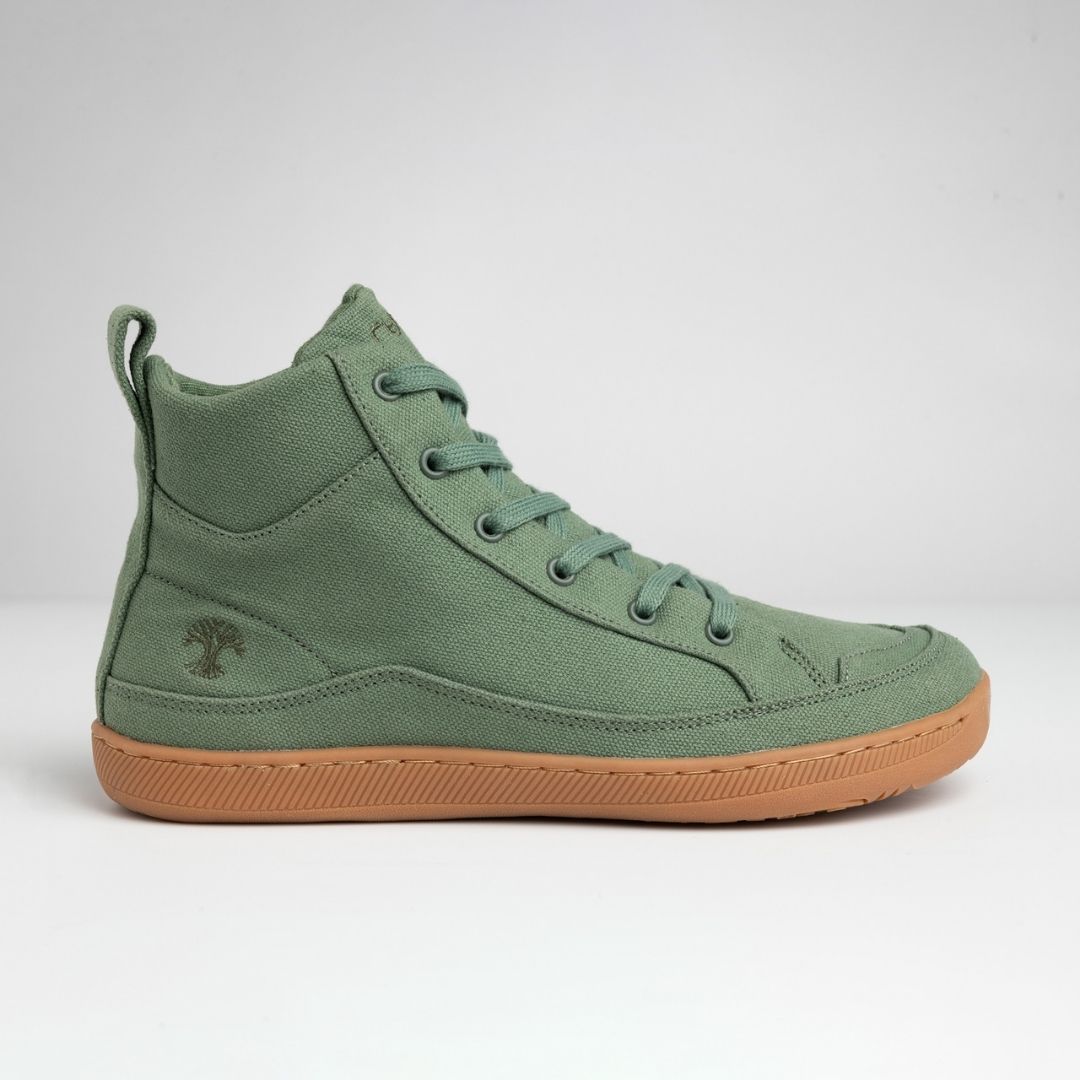
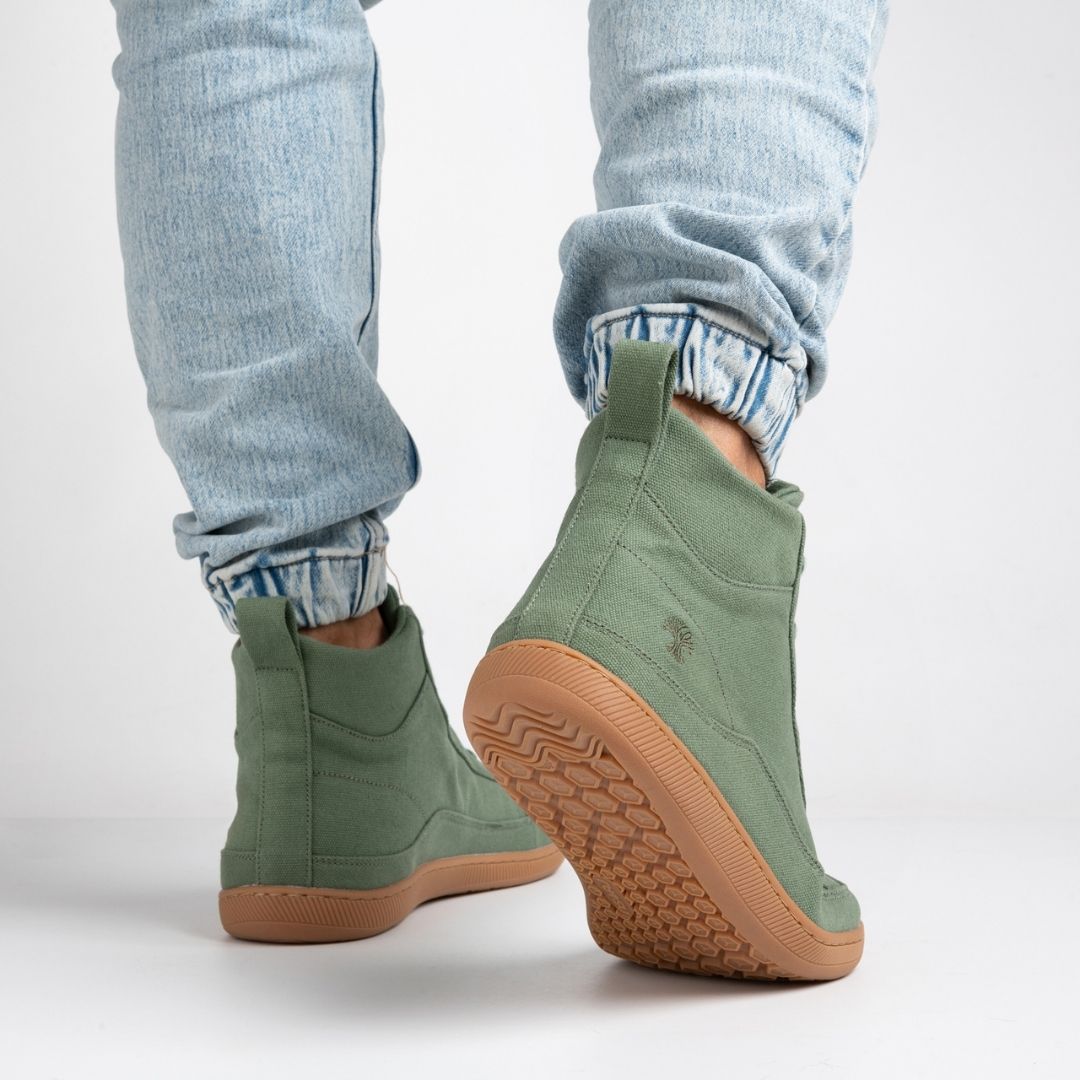
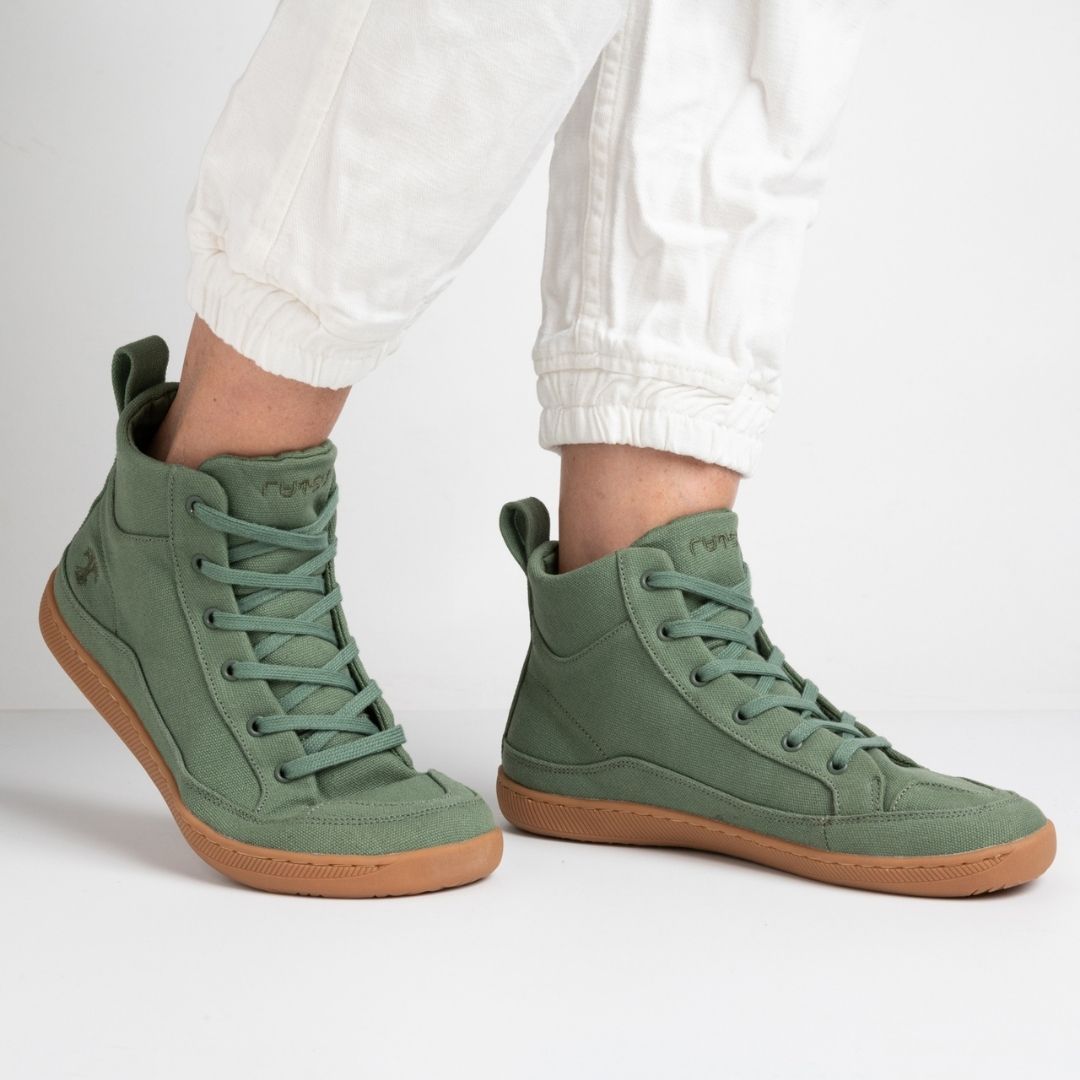
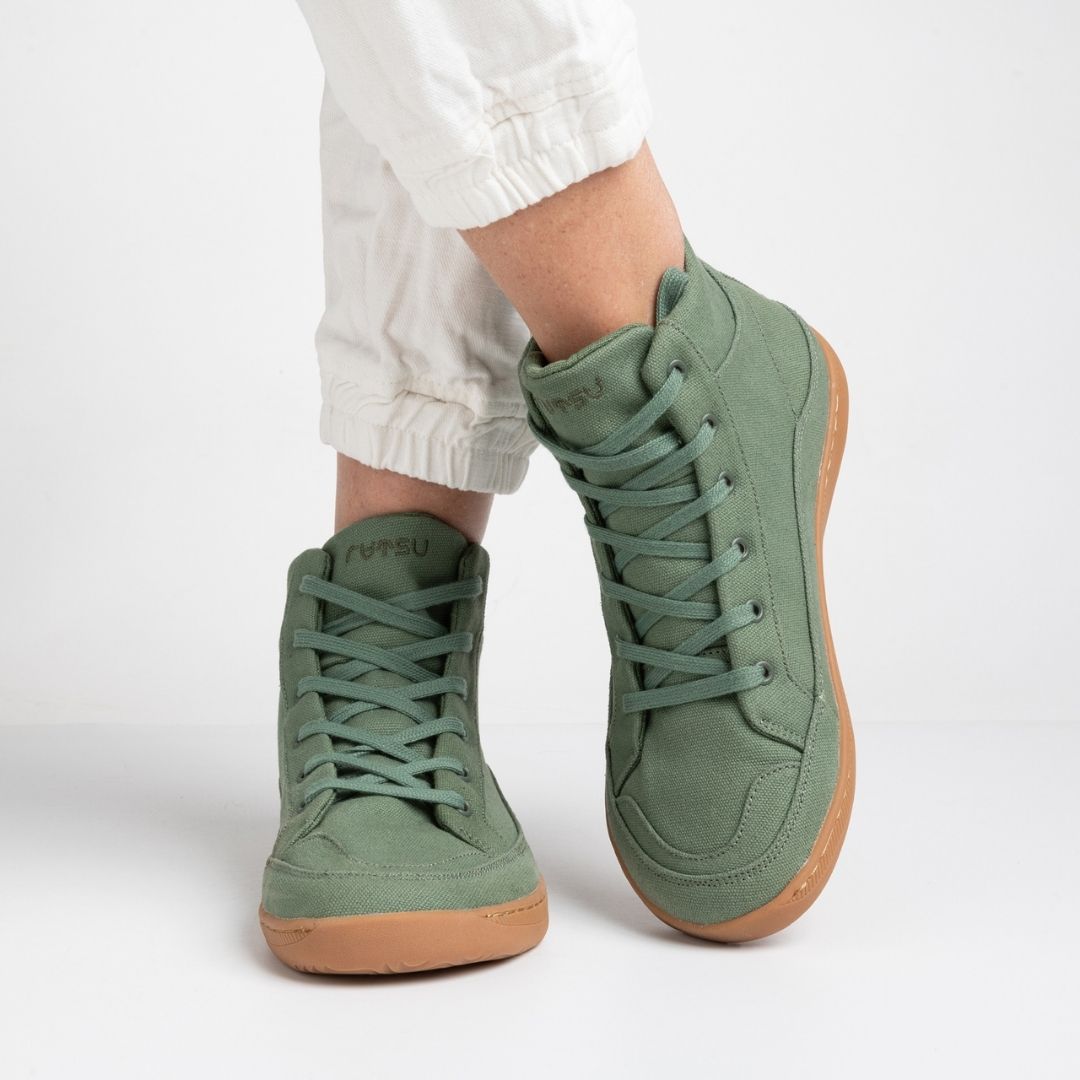
The Rutsu Original Barefoot Sneakers High Green are a prime example of how winter-ready vegan minimalist shoes can offer both style and practical protection. Stay warm without sacrificing flexibility—Shop the Rutsu High Green now!
Sustainability in Vegan Minimalist Barefoot Shoes: Choosing the Right Materials
Footwear can harm the environment, but vegan minimalist barefoot shoes aim to change that. They focus on using eco-friendly materials. Sustainable materials such as hemp, cork, organic cotton, and bamboo are favored in barefoot shoes. These materials have a low environmental impact and can break down naturally. Conversely, synthetic alternatives often labeled as vegan leather, such as polyurethane (PU) and polyvinyl chloride (PVC), provide durability and water resistance but are less eco-friendly in barefoot shoes.
The challenge lies in balancing durability, ethical considerations, and environmental impact. Eco-friendly materials are now more common in barefoot shoes. They are simpler to recycle and have a smaller carbon footprint. This helps consumers make responsible choices. Some vegan barefoot shoes use synthetic materials. Rutsu Barefoot Shoes provide a minimalist, durable option. They help cut down on material waste. To ensure maximum sustainability, these shoes are designed with both the environment and user experience in mind.
Their streamlined designs ensure fewer resources are used during production. Looking for eco-friendly minimalism? Explore and shop Rutsu Barefoot Sneakers!
Durability and Comfort: Does a Vegan Minimalist Shoe or Barefoot Boots Hold Up?
Despite their minimalistic design, vegan minimalist barefoot shoes are built to last. The durability of these shoes is crucial as they need to handle daily wear without the extra support found in regular shoes. The materials, including high-quality synthetics and advanced textiles, are chosen for their strength and ability to endure prolonged use. Notably, these shoes move with your foot, a feature that enhances their flexibility. This flexibility helps reduce strain and prevents injuries often caused by tighter footwear, contributing significantly to the overall durability and comfort of the shoe. It makes wearing them more enjoyable, even for long periods, ensuring that these minimalist barefoot shoes, including styles like barefoot boots or vegan boots, provide both style and substantial support. Each type of material is carefully selected to balance environmental responsibility with performance needs.
Vegan Barefoot Shoes for Different Foot Shapes and Sizes
Vegan minimalist shoes and sandals stand out because they accommodate many foot shapes and sizes. Inclusivity is essential as everyone’s feet vary, and it’s crucial to meet these differences for comfort and to prevent foot health problems. Many vegan minimalist shoes and sandals feature a wide toe box, allowing your toes to spread naturally. This design helps distribute weight evenly across the foot, which can ease pain and prevent issues like bunions and hammertoes. Additionally, many models have adjustable closures such as laces, buckles, or straps, enabling you to tighten or loosen them for a custom fit. This adjustability ensures the footwear fits each person's unique foot shape, providing a snug feel without squeezing or limiting movement.
Vegan minimalist shoes and sandals stand out because they accommodate many foot shapes and sizes. Inclusivity is essential as everyone’s feet vary, and it’s crucial to meet these differences for comfort and to prevent foot health problems. Many vegan minimalist shoes and sandals feature a wide toe box, allowing your toes to spread naturally. This design helps distribute weight evenly across the foot, which can ease pain and prevent issues like bunions and hammertoes. Additionally, many models have adjustable closures such as laces, buckles, or straps, enabling you to tighten or loosen them for a custom fit. This adjustability ensures the footwear fits each person's unique foot shape, providing a snug feel without squeezing or limiting movement, embodying the principles of barefoot minimalist design.
Are Vegan Minimalist Barefoot Shoes Suitable for Formal and Business Settings?
Vegan minimalist barefoot shoes have come a long way. They now offer styles that work well for both formal and business settings. The secret to their appeal is their design. Many minimalist barefoot shoes, including options specifically designed for women barefoot enthusiasts, have sleek shapes that look like traditional dress shoes. These designs often come in neutral colors, which boosts their versatility and helps them fit well with a professional wardrobe. Moreover, the ethical and sustainable aspects of vegan minimalist barefoot shoes can be appealing in corporate cultures that value social responsibility.
These shoes are a great choice for professionals. They provide comfort and style while also being ethical. Additionally, the inclusion of women vegan options ensures that there is a stylish and ethical choice for every professional woman looking to make a positive impact with her footwear choices. To further accommodate the business professional, these shoes often meet dress code requirements, seamlessly integrating into any corporate environment.
Affordability and Value of Vegan Minimalist Footwear: Exploring Black Vegan and Barefoot Styles
Vegan minimalist shoes might look pricier than regular shoes at first. However, their true value shows in how long they last and the health benefits they provide. Buying quality minimalist shoes can save you money over time. They need fewer replacements, so they’re a smart investment. Also, the comfort and foot health benefits can lower healthcare costs for foot issues. For consumers looking to maximize value, it is important to choose shoes from brands that prioritize quality and sustainability over brand prestige. These brands provide the best mix of price and performance, offering options like black vegan minimalist shoes as an example.
Additionally, for those particularly interested in barefoot-like experiences, options tailored for men barefoot styles are also available, enhancing natural foot mechanics without sacrificing style or ethical standards. Buyers get high-quality shoes without paying too much for the name. Furthermore, the introduction of vegan sneakers provides a versatile option that combines casual style with the principles of vegan and minimalist design, appealing to a broad audience, including women.
Is a Vegan Barefoot Shoe Worth It for Women of Every Type?
Vegan minimalist shoes offer great benefits, making them a smart choice for anyone dedicated to ethical and sustainable living. These vegan shoes support the natural movement of the feet, which can improve overall health and well-being. They are not only durable but also designed to handle daily wear, providing long-term value and making them a reliable vegan shoe option. Plus, their stylish designs prove that you can live ethically without giving up on looks. For individuals who value health, sustainability, and ethical manufacturing practices, vegan minimalist shoes are indeed worth the investment.
This article tackles common concerns about vegan minimalist shoes. It shows their value in engaging potential customers. The aim is to deepen the understanding of the brand's values and the benefits of its products. Whether facing winter weather, attending a business meeting, or simply seeking comfortable, stylish, and ethical footwear, vegan minimalist shoes are an excellent choice for a wide range of consumers.
Additionally, many consider them a top vegan option in the footwear market, appealing to both eco-conscious and fashion-forward individuals. To fully appreciate the versatility and ethical commitment of these products, readers are encouraged to read testimonials from satisfied customers who have made the switch to vegan minimalist shoes.
The growing demand for women's vegan minimalist shoes reflects a significant shift towards more gender-specific offerings that cater to women seeking functional and fashionable ethical footwear. Moreover, the attention to detail in women's designs emphasizes comfort without compromising on the aesthetic, ensuring that women can enjoy both style and sustainability.
What Makes Barefoot Sneakers Different from Regular Sneakers?
Do you know the phrase “less is more”? Barefoot sneakers live by it. Unlike traditional sneakers that often cram your feet into narrow shapes with overly padded soles, barefoot shoes let your toes spread and your muscles work. They’re designed to mimic the natural movement of your feet.
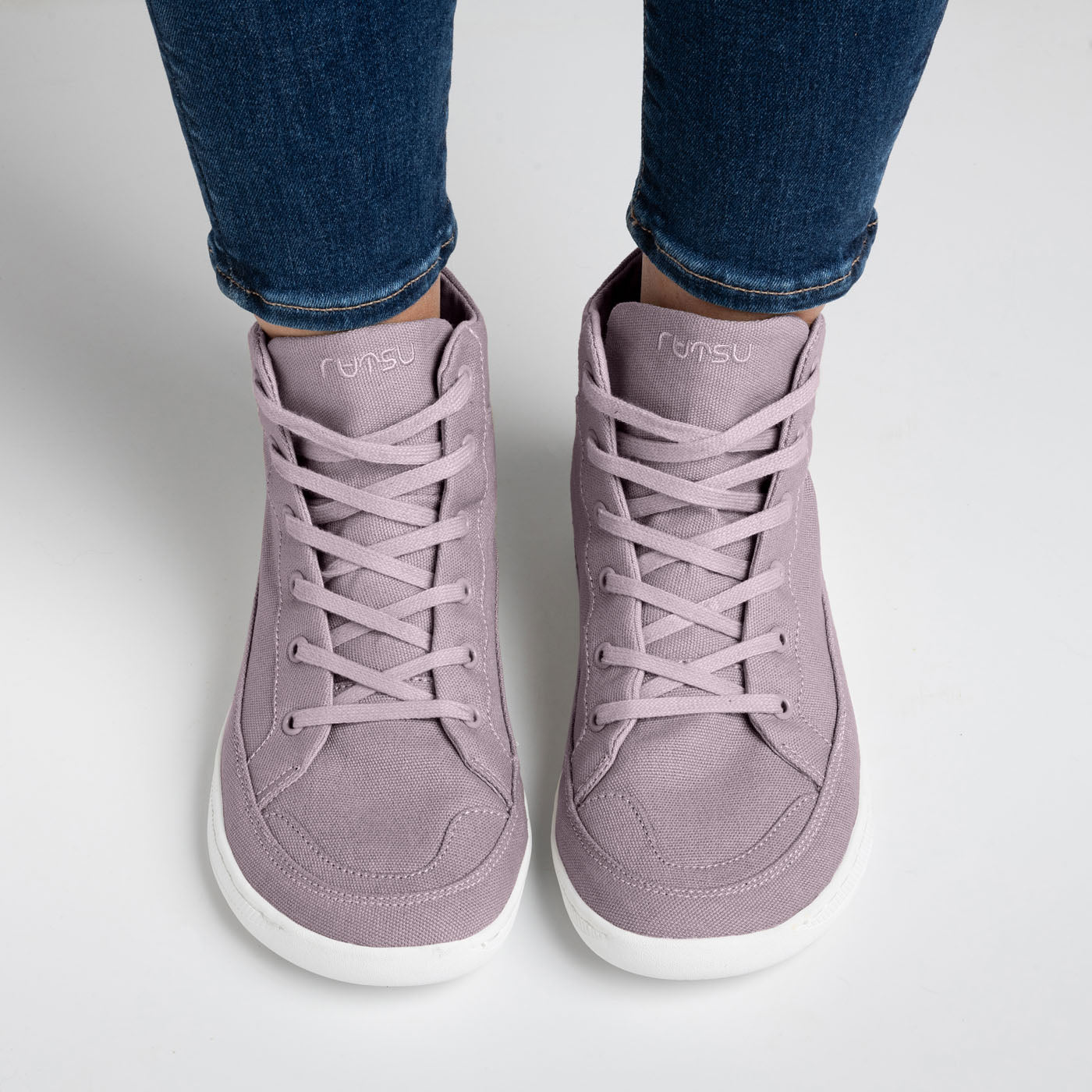
The secret sauce? A zero-drop sole (meaning your heel and toes are on the same level), flexible materials, and a wide toe box that gives your foot room to breathe. If you’ve ever wondered what is a wide toe box, it’s exactly what it sounds like: space for your toes to move freely instead of being jammed together like sardines in a can.
And when you compare barefoot shoes vs regular shoes, you’ll notice this: barefoot styles help your body move the way it was meant to. Regular shoes often do the work for your feet—barefoot sneakers help your feet do their job better.
Barefoot Sneakers for Everyday Life: From Gym to Street Style
Barefoot sneakers aren’t just for nature walks or yoga sessions. They're stylish enough to pair with jeans and comfy enough to wear from sun-up to sundown. That’s where Rutsu’s functional shoes shine. Built for performance but designed for daily life, they’re perfect for your next gym session and your coffee run after.
Feeling like keeping it casual today? Our casual shoes keep things breezy with minimalist style and barefoot benefits. Whether you’re walking the dog or heading to a brunch date, these kicks are equal parts fashion and function.
How to Break In and Adapt to Barefoot Sneakers Safely
Switching to barefoot sneakers isn’t like flipping a light switch—it’s more like easing into a hot bath. Start slow. Your feet have been living in padded cocoons for years, so give them time to wake up.
Begin by wearing your barefoot sneakers for short walks, gradually increasing wear time. Mix it up with your old shoes if needed. Stretch your calves, go barefoot at home, and focus on building strength in your arches and ankles. The adjustment period can take a few weeks—but the payoff? A more natural gait, improved balance, and that magical “oh wow” moment when your knees stop complaining after a long day.
The Rise of Eco-Conscious Barefoot Sneakers: A Sustainable Choice
Minimalist doesn’t stop at design—it extends to the planet too. Barefoot sneakers are a smarter, cleaner choice for eco-conscious shoppers. At Rutsu, we use materials like cork, organic cotton, and responsibly sourced rubber to create shoes that feel good in every sense.
Because here's the thing—taking care of your feet shouldn’t mean trashing the environment. Our barefoot sneakers are built to last longer, waste less, and travel lighter. So when you lace up a pair, you’re not just doing your body a favor—you’re doing the Earth one too.
Barefoot Sneakers That Actually Work for You
Feet tired of living in tight, squishy captivity? Set them free with barefoot sneakers from Rutsu Barefoot—where comfort meets cool without cramping your style. These aren’t just shoes, they’re a lifestyle upgrade for feet that prefer a little breathing room and a lot of support. Slip ’em on, and your toes might just throw a tiny party.
The Science Behind Barefoot Shoes/Sneakers: How They Benefit Your Body
Feet like space. Toes need room to splay. That’s why Rutsu designs wide toe boxes and thin, flexible soles that let your foot do what it was born to do—move. A zero-drop platform helps align ankles, knees, and hips, while light, pliable materials wake up small stabilizer muscles. The result? Better ground feel, steadier steps, and less “end-of-day foot groan.”
Rutsu focuses on the casual category—your everyday walk, commute, or brunch run. That’s where better mechanics meet real life. Oh, and our prices? Friendly. So you can treat your feet without frightening your bank account.
Barefoot Shoes Sneakers vs. Minimalist Trainers: What’s the Difference?
“Minimalist” often just means lighter and lower. Natural-motion designs go further: roomy forefoot, flexible sole, zero drop, and no stiff heel counters. Many minimalist trainers still squeeze the toe box or add stack height that dulls ground feedback. Rutsu keeps things simple and functional, so your foot drives the movement, not the midsole.
We also tune materials for daily wear. Think soft liners, breathable uppers, and durable outsoles that handle errands, school pick-ups, and coffee dates.
Styling Tips: How to Wear Barefoot Shoes Sneakers with Any Outfit
Keep it easy. With denim, pick a low-profile pair and cuff the hem for a clean line. With athleisure, go monochrome from ankle to laces to lengthen the leg. Office-casual? Try a leather or knit upper with chinos and a crisp tee or Oxford. Weekends love shorts and no-show socks—or sandals when the sun’s out.
Color trick: match your shoe shade to your top, not your pants. It ties the look together and keeps the vibe intentional, not try-hard.
How to Maintain and Extend the Life of Your Barefoot Shoes Sneakers
Rotate pairs. Let yesterday’s go-to dry out before today’s adventure. Brush off dust, then spot-clean with a mild soap and water solution. Air dry—no heaters. For leather, use a light conditioner. For knit uppers, a gentle hand wash keeps things fresh. And if you’re new to natural-motion designs, ease in. Start with short walks, then add time every few days while your feet adapt.
Rutsu crafts stylish, comfortable footwear that champions natural movement—without premium brand prices. If barefoot shoes or sneakers are on your radar, our casual collection is ready for daily miles and daily outfits.
High-Top vs. Low-Top Barefoot Sneakers: Which Style Is Right for You?
This comes down to two things: how you move and what you're doing.
Low-tops are the everyday workhorse. Lighter, more flexible, and built to allow full ankle mobility — which is actually a feature, not a gap. When the ankle moves freely, the surrounding muscles strengthen over time. Low-tops work well for walking, the gym, travel, and most daily activities.
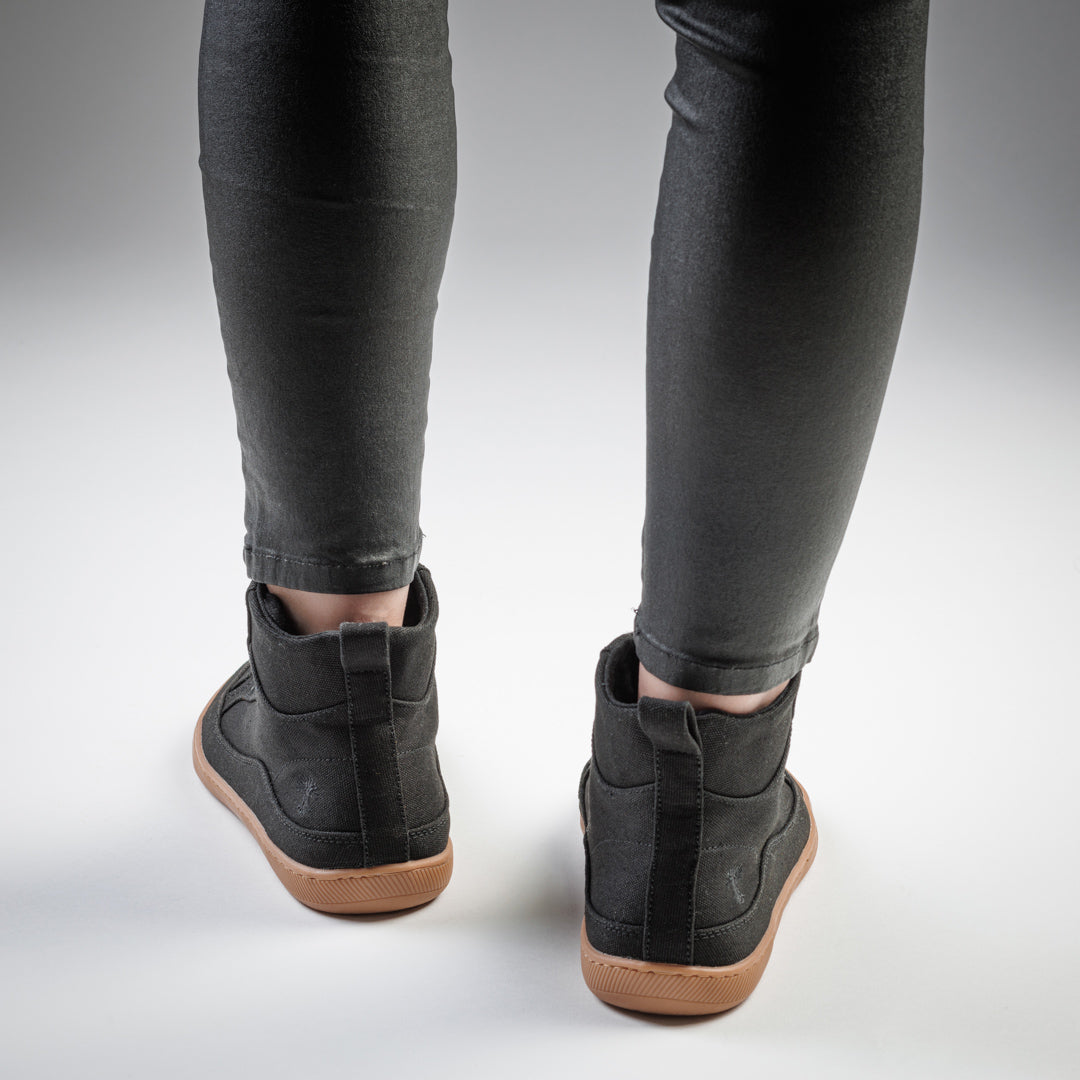
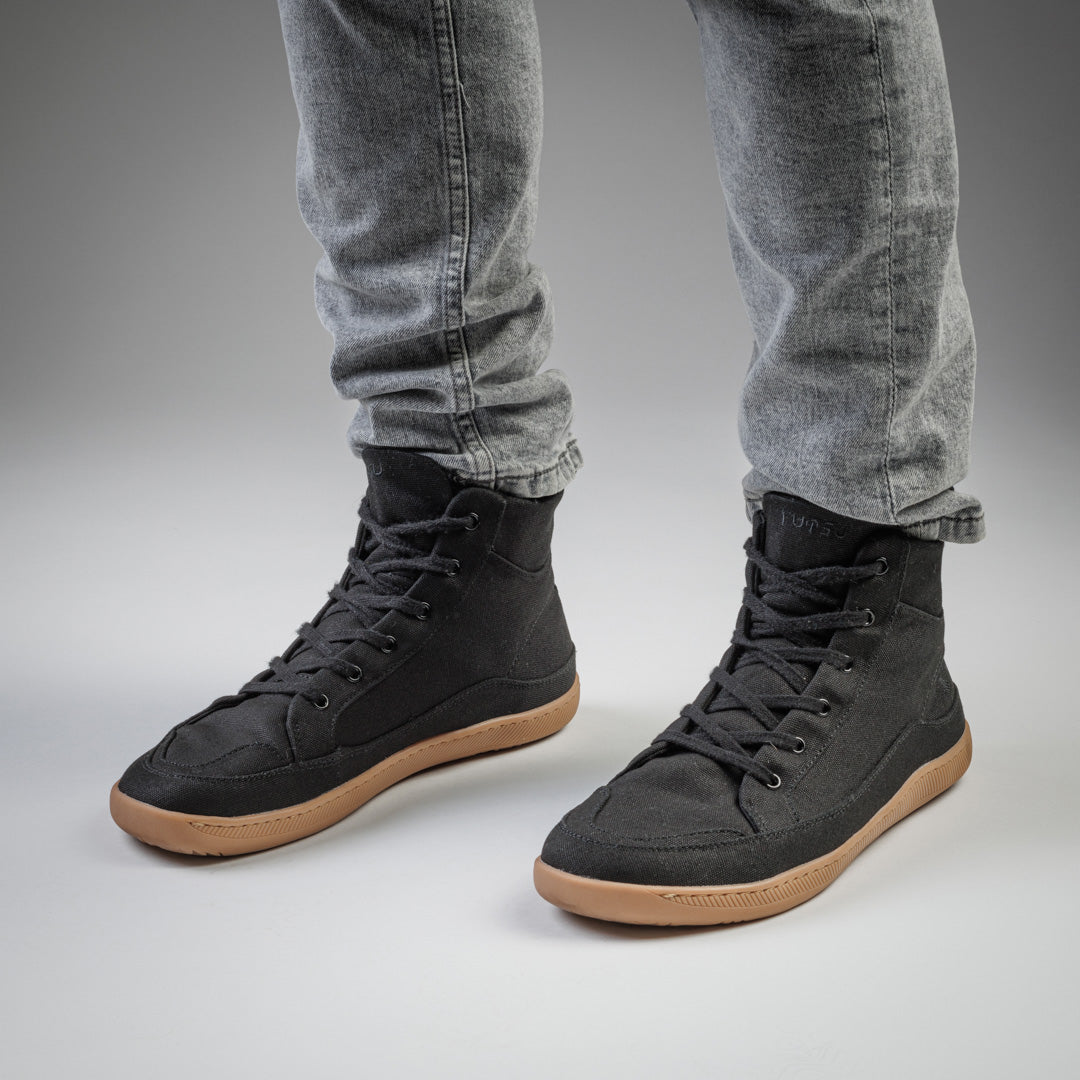
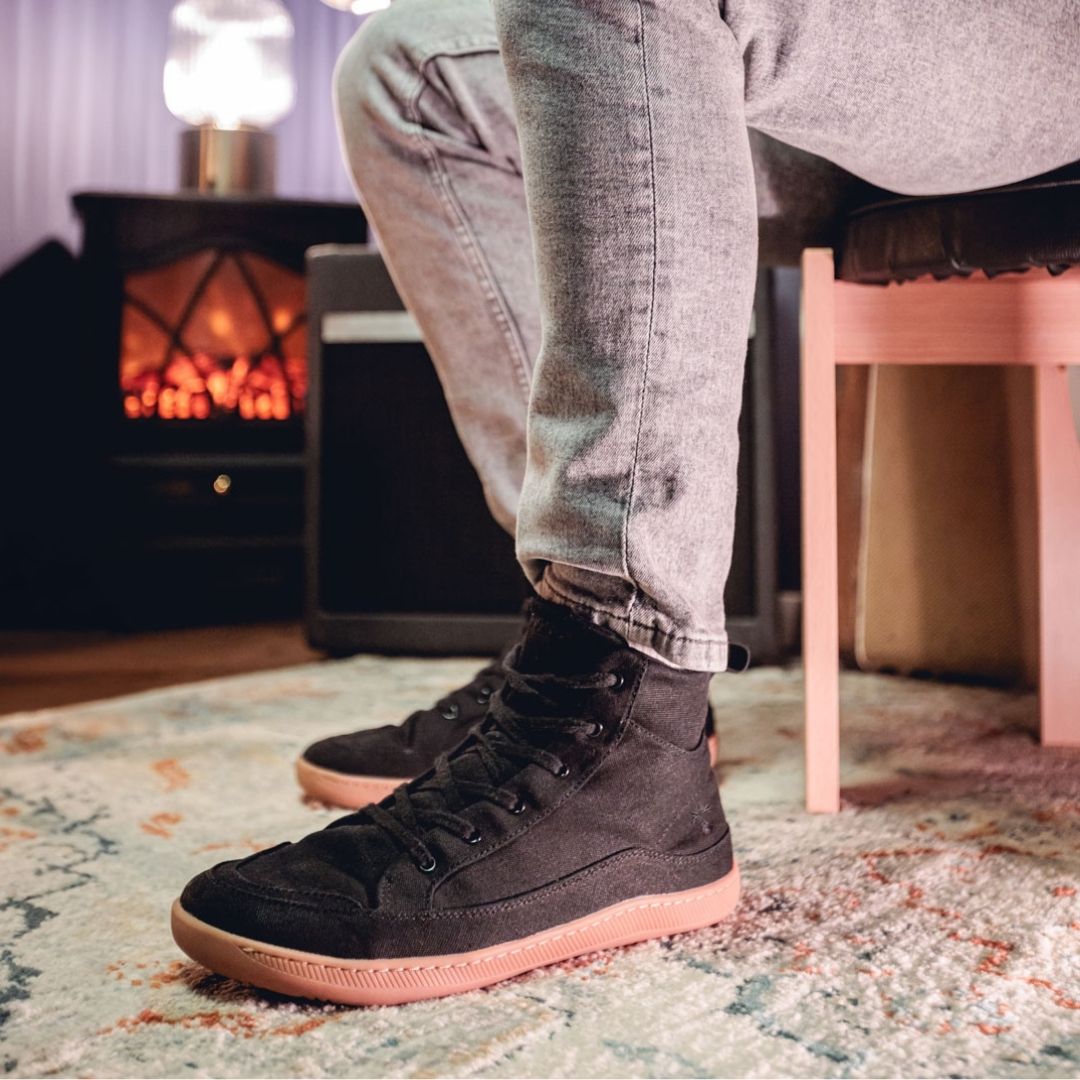
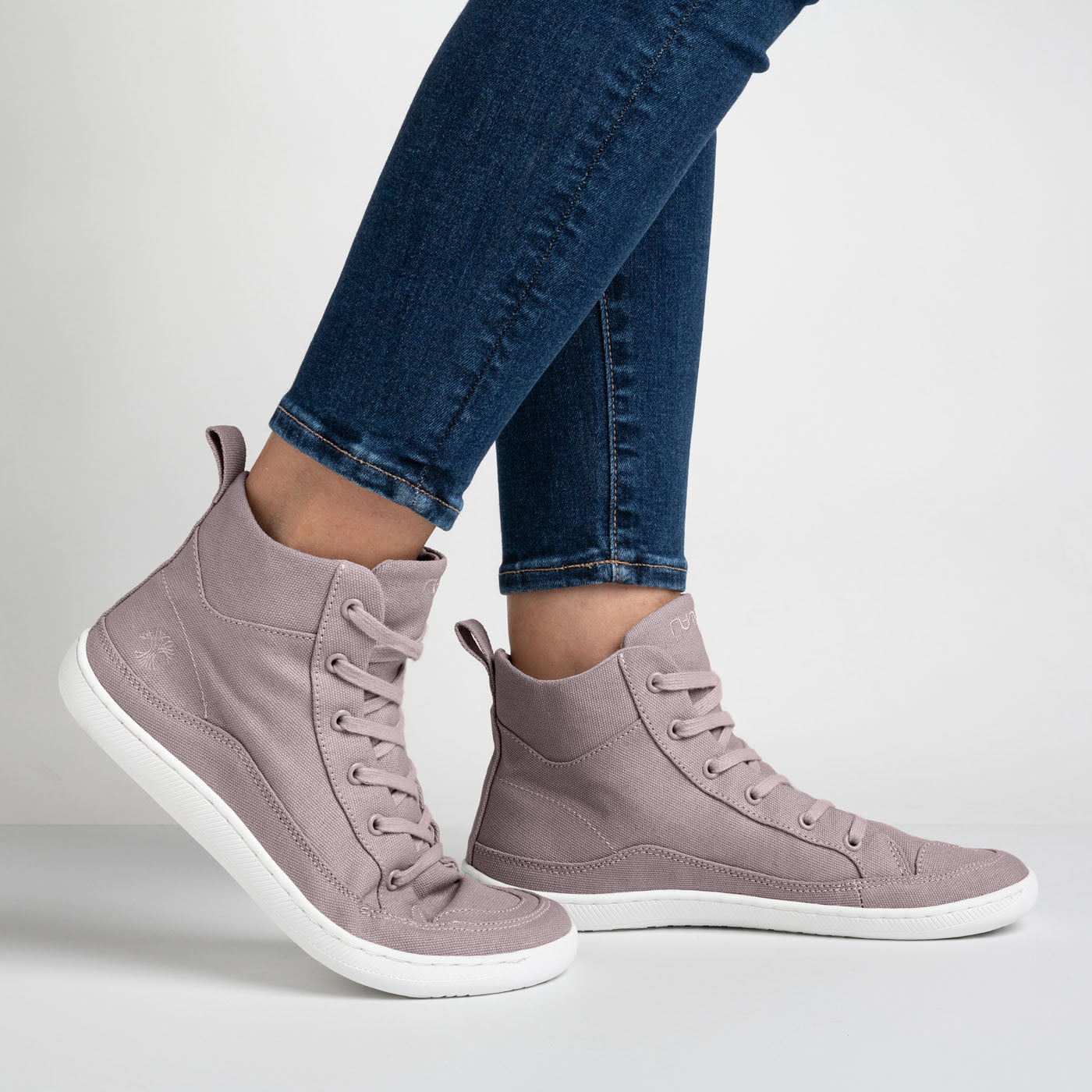
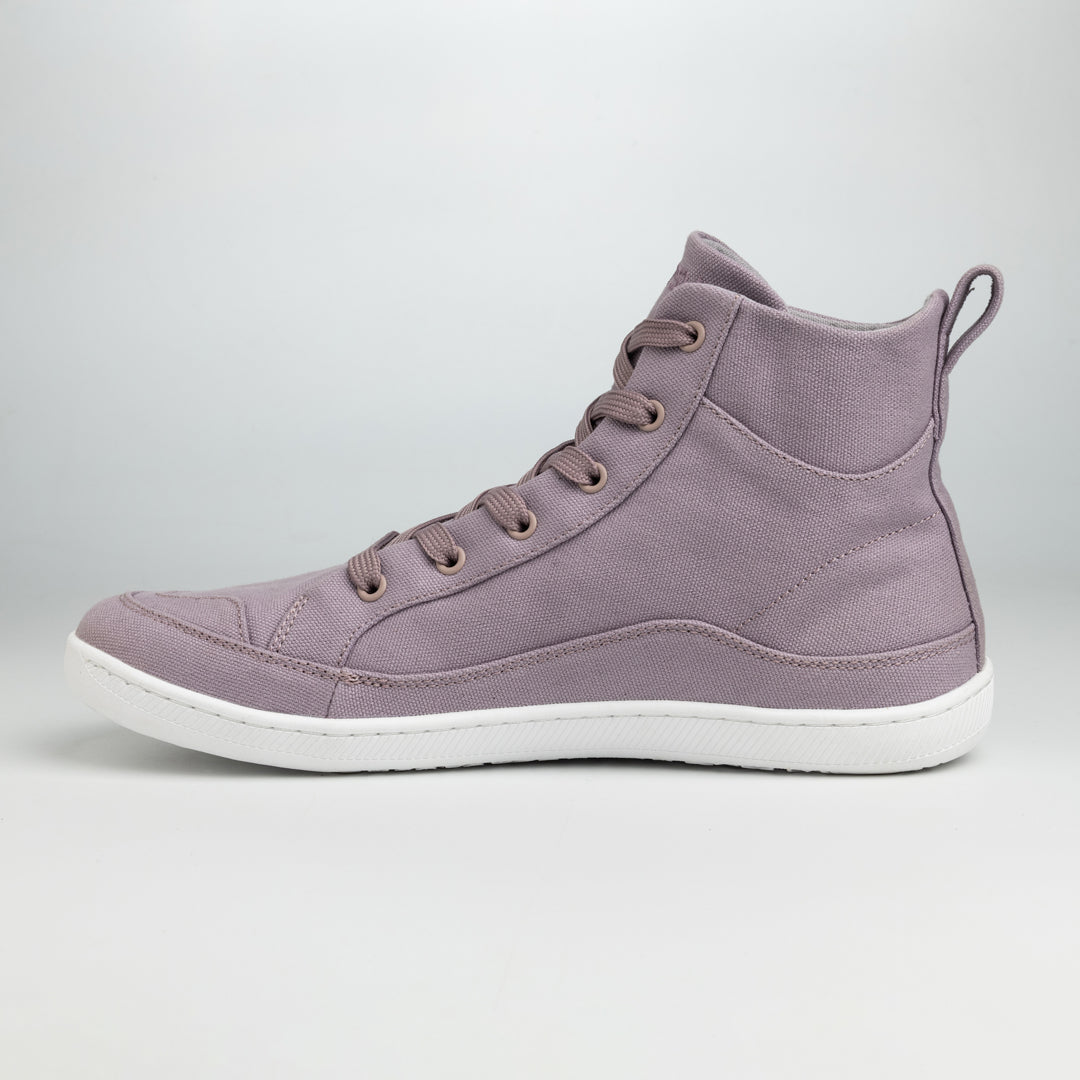
High-tops offer more ankle coverage and a slightly more structured silhouette. People transitioning from conventional sneakers sometimes find the familiar look easier to adjust to psychologically. They also tend to read as more casual and fashion-forward.
Neither is superior. It comes down to preference and use. Plenty of people end up owning both.
Best Barefoot Sneakers for Standing All Day at Work
Standing all day is a specific kind of punishment — and the wrong shoe makes it worse.
What you actually need is a flat sole that keeps weight distributed evenly across the foot. A cushioned heel shifts load forward onto the forefoot, which doesn't help anyone by hour six. A wide toe box matters here, too. Compressed toes fatigue faster. When toes spread naturally, the foot stabilizes itself more efficiently — and that efficiency holds up across a full shift.
Breathable uppers are important in static environments where heat and moisture accumulate quickly. A flexible sole matters as well. Your foot makes constant small adjustments while standing, and a stiff base fights that process rather than supporting it.
Rutsu's everyday styles were built with exactly this in mind. Clean enough for professional settings, functional enough for the long haul.
Barefoot Sneakers for Beginners: What to Look for Before You Buy
Here's the honest version: your feet are probably out of shape. That's not an insult — years of heavily cushioned shoes do that to everyone.
The transition takes time. Jumping straight into the thinnest sole available is the footwear equivalent of starting a fitness plan by running a half-marathon. It doesn't end well.
For beginners, a slightly thicker minimalist sole — somewhere in the four to six millimeter range — gives feet a chance to adapt without overwhelming them. Zero-drop geometry and a wide toe box are non-negotiable from day one. Start with an hour or two of daily wear and build gradually. Within a few weeks, you'll notice your feet waking up. Within a few months, going back to conventional sneakers will feel genuinely strange.
Can Barefoot Sneakers Help With Plantar Fasciitis and Knee Pain?
The short answer: often yes, but patience is required.
Plantar fasciitis frequently ties back to weak intrinsic foot muscles and poor load distribution. When a shoe absorbs all the support work, those muscles atrophy. Minimalist footwear gradually re-engages them. Most people who transition carefully report significant improvement over several months.
Knee pain follows similar logic. Elevated heels push the body into more pronounced heel-striking — and that extra impact force travels straight up to the knee. A flat sole naturally encourages a midfoot or forefoot strike, which absorbs shock more efficiently. Less impact, less knee stress.
If your pain is severe or medically managed, get professional input before switching. For most people, though, the direction of change is toward less pain, not more.
Barefoot Sneakers for Travel: Why They're the Perfect Packing Choice
Experienced travelers learn quickly: every gram matters. Heavy shoes are a commitment you feel by day three.
Minimalist sneakers are genuinely light — the kind of light that makes you check the luggage scale twice. They're low-profile enough to pack flat without consuming half the bag. And because they work across contexts — walking tours, casual dinners, easy trails — you can often get away with a single pair for an entire trip.
There's another bonus. After covering serious ground in conventional sneakers, feet swell and ache. Minimalist footwear keeps feet active throughout the day, which actually reduces end-of-day fatigue. Arrive at the hotel still feeling like a person. It matters more than people expect.
What to Look for in Quality Barefoot Sneakers: A Buyer's Checklist
Here's what separates a quality minimalist sneaker from a marketing claim:
- Zero-drop sole — heel and forefoot at equal height, no exceptions
- Wide toe box — toes should spread without resistance
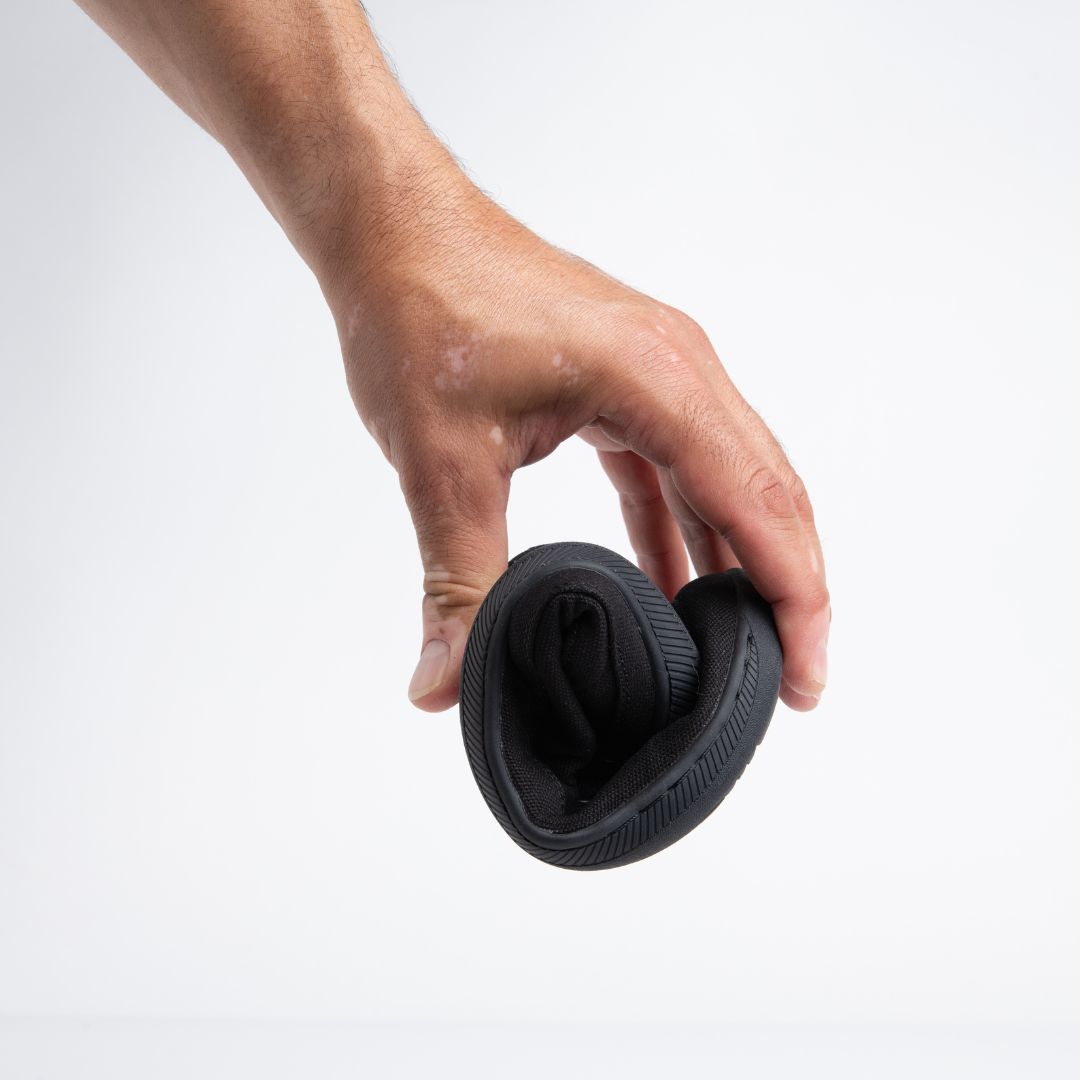
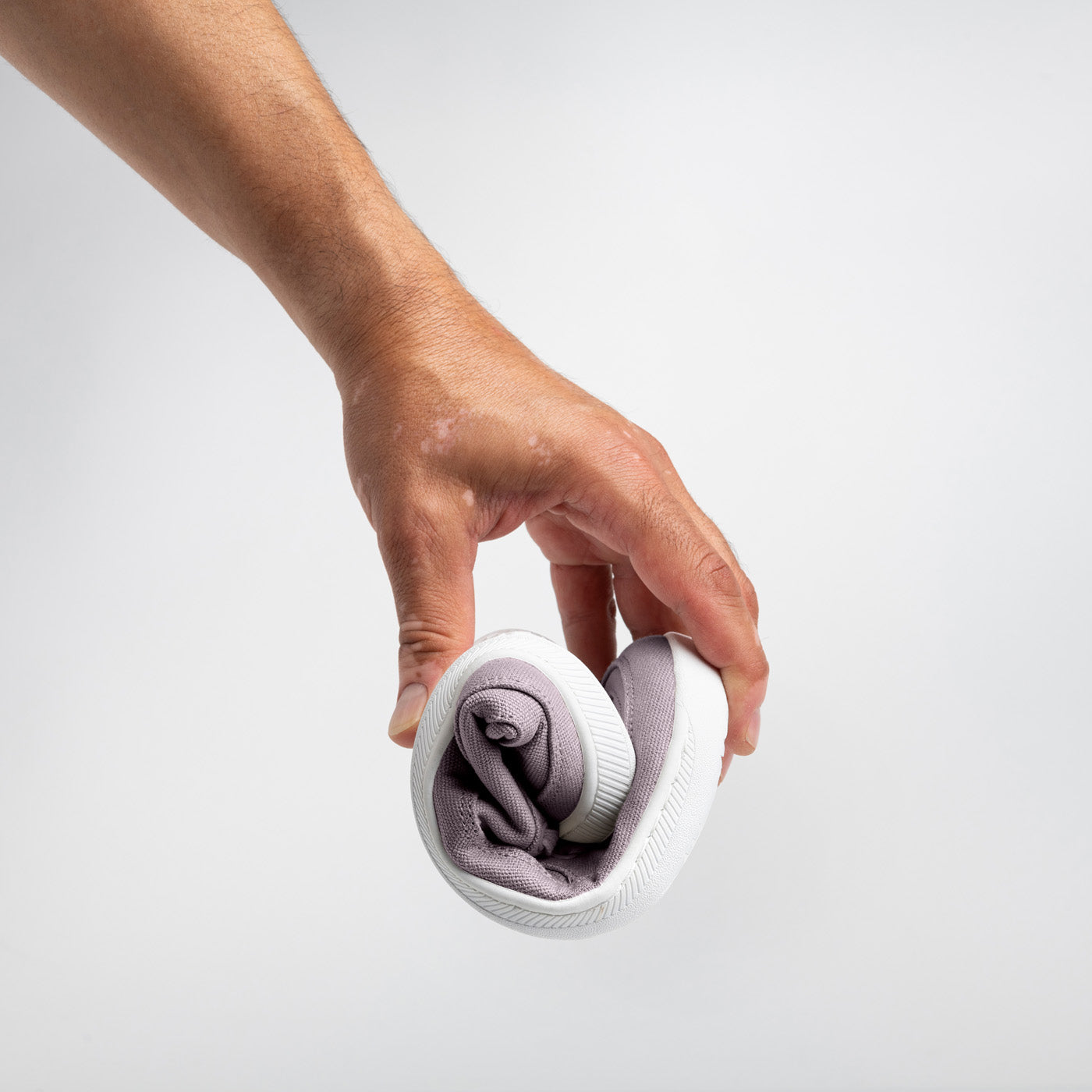
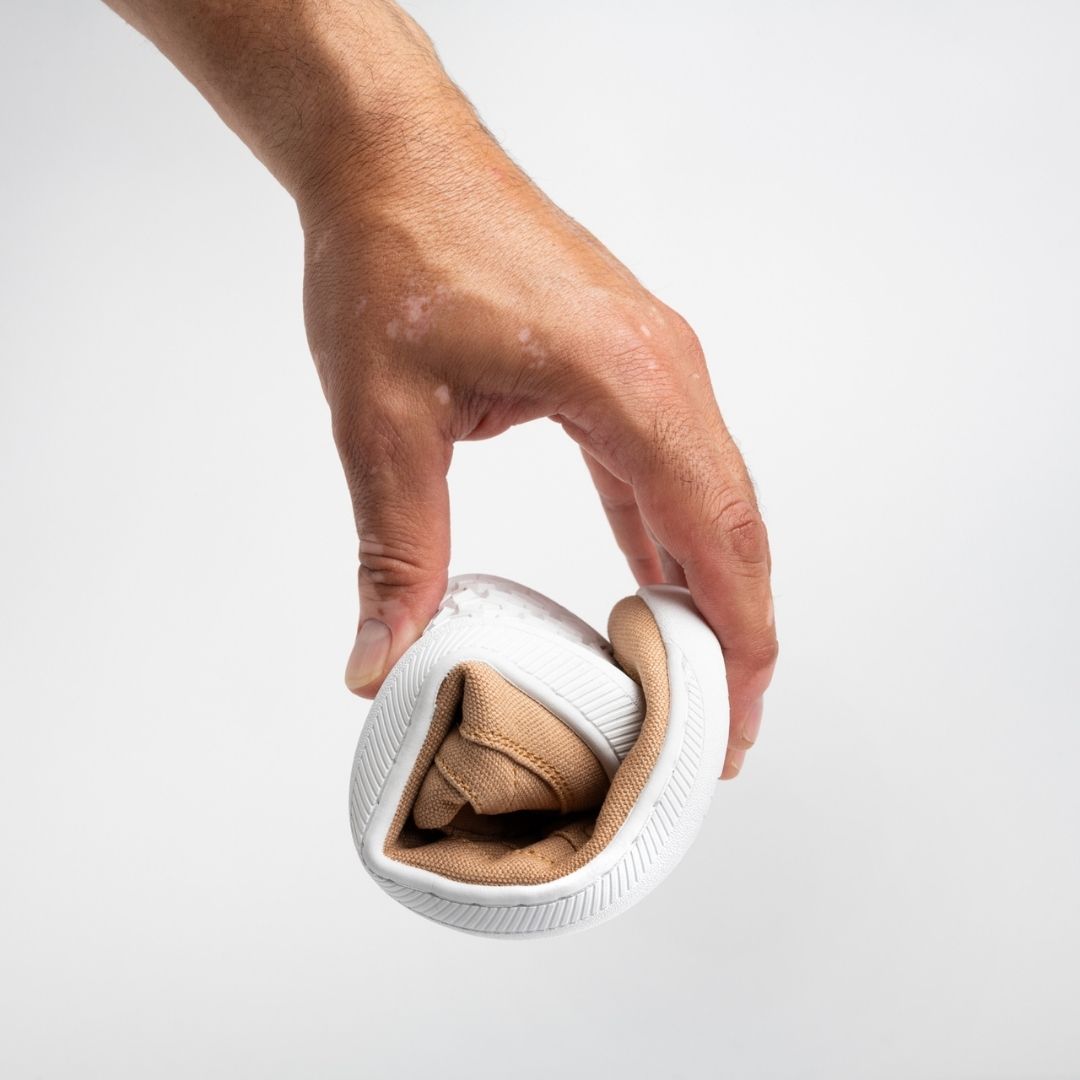
- Flexible sole — the shoe should bend easily in your hands
- Lightweight construction — if it feels heavy before you put it on, it'll feel heavier after
- Durable upper materials — there's less structural bulk compensating for material weaknesses, so quality matters more here
- Accurate sizing guide — minimalist brands size differently; always check the chart before ordering
Barefoot Sneakers for Older Adults: Supporting Balance and Mobility
Balance problems in older adults often start in the feet. Thick soles reduce ground sensation — the proprioceptive feedback that tells your nervous system exactly where your feet are in space. When that information gets muffled, stability suffers.
Thinner soles restore that feedback. The foot can feel the ground, respond to it, and communicate with the rest of the body more accurately. The result is noticeably better balance over time — not from added structure, but from better information reaching the brain.
For older adults with significant balance concerns, a gradual transition and a conversation with a physiotherapist is sensible. The evidence consistently points in one direction: more ground feel, better balance.
The Best Barefoot Sneakers Under $100: Style Without the Premium Price Tag
Quality minimalist footwear doesn't always demand a premium price.
What you're looking for at any price point is identical: zero-drop, wide toe box, flexible sole, honest materials. Rutsu offers options that hit the mark without the eye-watering markup of some competitors. The engineering still matters at lower price points — a thin sole still needs to flex and protect simultaneously — but finding a solid minimalist sneaker without paying designer prices is entirely achievable.
Use the checklist above. Price becomes a secondary variable once the fundamentals are right.
Barefoot Sneakers for Wide Feet: How the Right Toe Box Changes Everything
If you've ever sized up just to get toe room, this section is for you.
Conventional sneakers are built on narrow lasts. Toes get compressed into a triangular space that has nothing to do with the actual shape of a human foot. Over the years, this causes real damage — bunions, overlapping toes, and chronic forefoot pain.
A properly wide toe box accommodates the foot's natural shape. Toes sit side by side, spread slightly, functioning as they should. The difference is immediately noticeable. People with wide feet often describe putting on a well-fitted minimalist sneaker for the first time as genuinely surprising — like the shoe was made for the foot they actually have, rather than some industry average.
The Next Step Is Yours
Feet are the foundation. Get them right, and the rest of the body tends to follow.
Minimalist sneakers aren't a passing trend — they're a correction to decades of overengineered footwear that traded long-term function for short-term comfort. Whether you're managing pain, standing all day, packing light for a trip, or simply tired of shoes that don't fit how your foot actually works, Rutsu's collection of minimalist sneakers is worth a serious look.
Your feet have been patient. Time to return the favor.
FAQs
Can barefoot sneakers help with foot pain?
Absolutely! Barefoot sneakers promote natural foot movement, strengthening muscles, and improving alignment, which can alleviate foot pain.
Are barefoot sneakers suitable for long-distance running?
They can be, but it’s important to transition gradually to avoid overloading your feet and legs. Many runners find that barefoot sneakers improve their form and reduce injuries over time.
Do barefoot sneakers require special care?
Generally, barefoot sneakers can be cleaned like regular shoes. However, since they’re made of lightweight materials, air drying is best, and you should avoid harsh detergents.
Can children wear barefoot sneakers?
Definitely! Barefoot sneakers are great for kids as they support natural foot development. Just make sure the fit is right.
Do barefoot sneakers come in different styles?
Yes, Rutsu Barefoot offers a variety of styles, from casual to sporty, all combining comfort with aesthetics.
How do I know if barefoot sneakers are right for me?
If you value natural movement, comfort, and a closer connection to the ground, barefoot sneakers might be perfect for you. It’s all about how they feel on your feet.
Can barefoot sneakers be worn every day?
Absolutely. Many people wear barefoot sneakers all day—just give your feet time to adjust if you’re new to them. They're especially great for everyday wear when you’re on your feet often.
Do barefoot sneakers work well for people with wider feet?
Yes! That’s one of their biggest advantages. Most barefoot sneakers come with a wide toe box that gives your feet the room they naturally need, making them perfect for people with wide feet or foot issues.
How long does it take to get used to barefoot sneakers?
It varies, but most people need a few weeks to fully adjust. Start slow, mix in your old shoes, and increase barefoot wear time gradually to build foot strength and avoid soreness.
Can barefoot shoes or sneakers help improve posture and balance?
Yes. A flat platform and flexible sole help your body stack naturally, engaging foot and ankle muscles that stabilize every step.
Are barefoot shoes or sneakers suitable for gym workouts or weight training?
For lifting, a flat, stable base is a win. Many athletes prefer this feel for squats and deadlifts. For plyometrics, start gradually and listen to your calves and arches.
How do barefoot shoes/sneakers perform in wet or slippery conditions?
Look for textured rubber and siped patterns. Rutsu casual models use grippy compounds made for everyday streets and sudden rain.
Do barefoot sneakers have arch support?
No foam inserts here. Instead, your foot builds its own support — the kind that actually lasts, because it comes from strength, not stuffing.
Can you wear barefoot sneakers without socks?
Absolutely. Many people prefer it. Your foot feels everything, which is the point. Just grab a moisture-wicking lining, and you're sorted.
Are barefoot sneakers safe for older adults or people with balance issues?
Counterintuitively, yes. Thinner soles sharpen ground feedback, which improves balance over time. Transition slowly, and consider checking with a physiotherapist first.
What is the difference between high-top and low-top barefoot sneakers?
Coverage versus mobility. High-tops feel familiar. Low-tops free your ankle entirely. Both share the same zero-drop, wide-toe-box foundation underneath.
Can I use barefoot sneakers for light hiking or trail walking?
Easy trails? Absolutely. Technical mountain routes? Grab a purpose-built trail shoe instead. Know your terrain before committing your feet to it.
How do I know what size to order in barefoot sneakers?
Measure standing, use your larger foot, and follow the brand chart. If the toe box feels roomy — congratulations, you sized correctly.