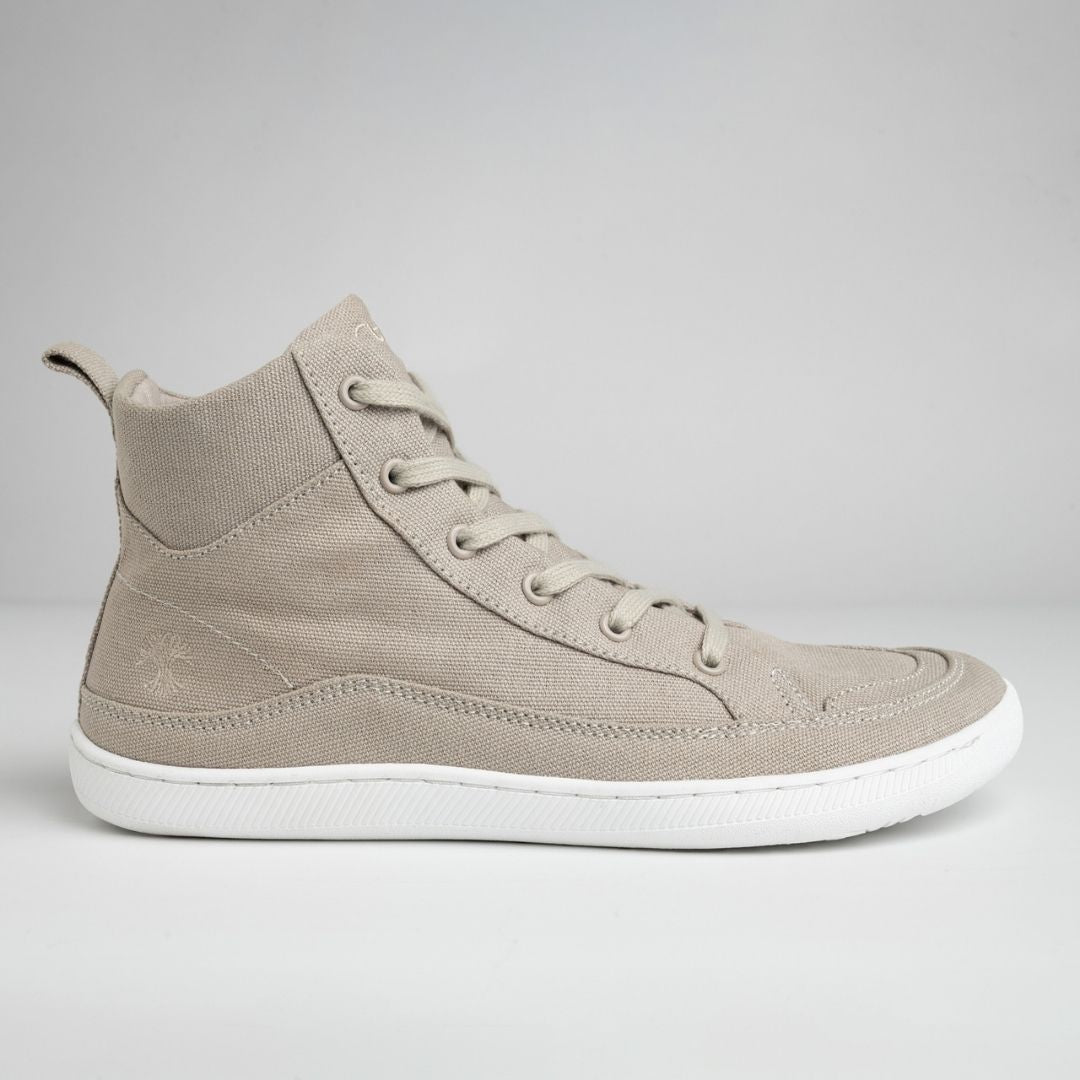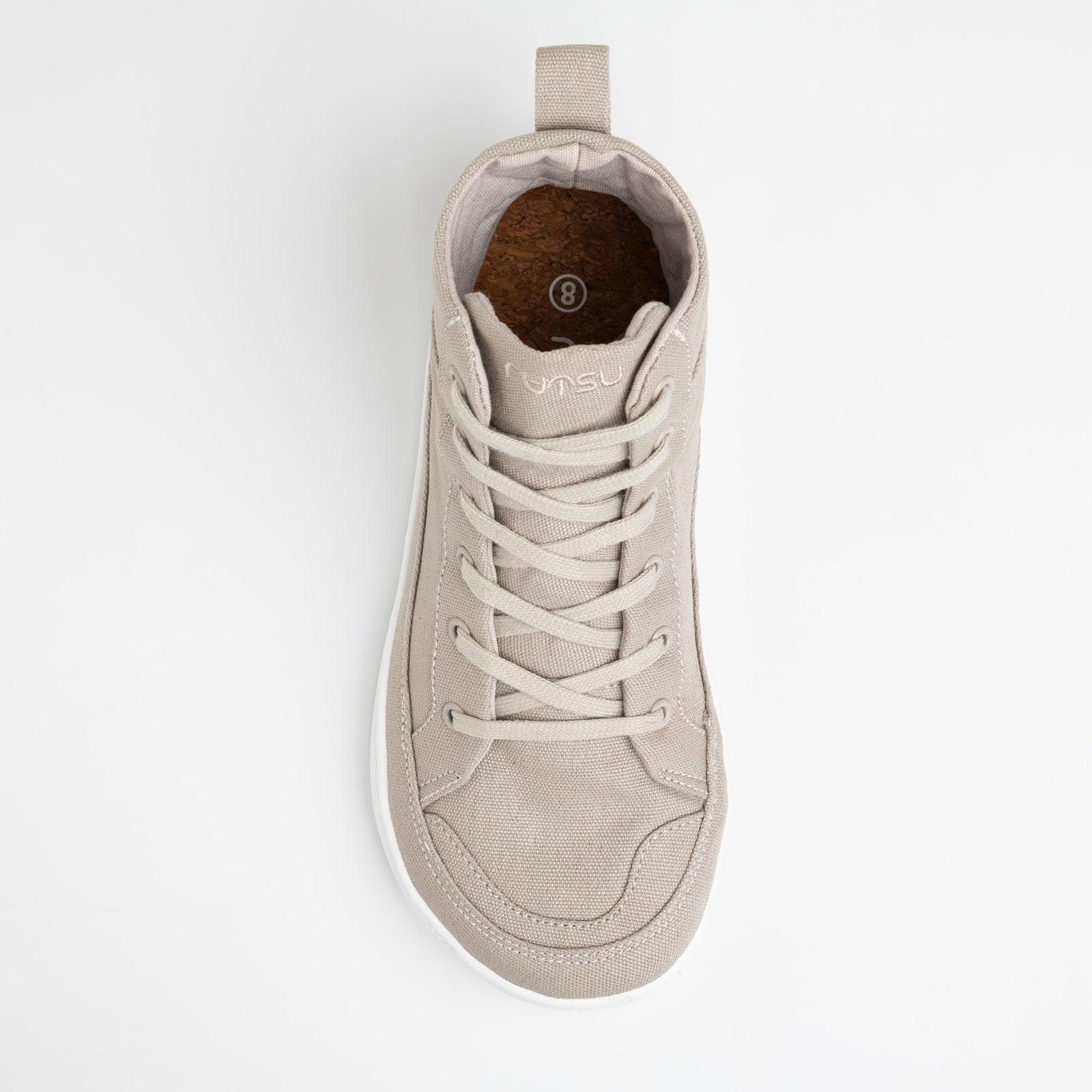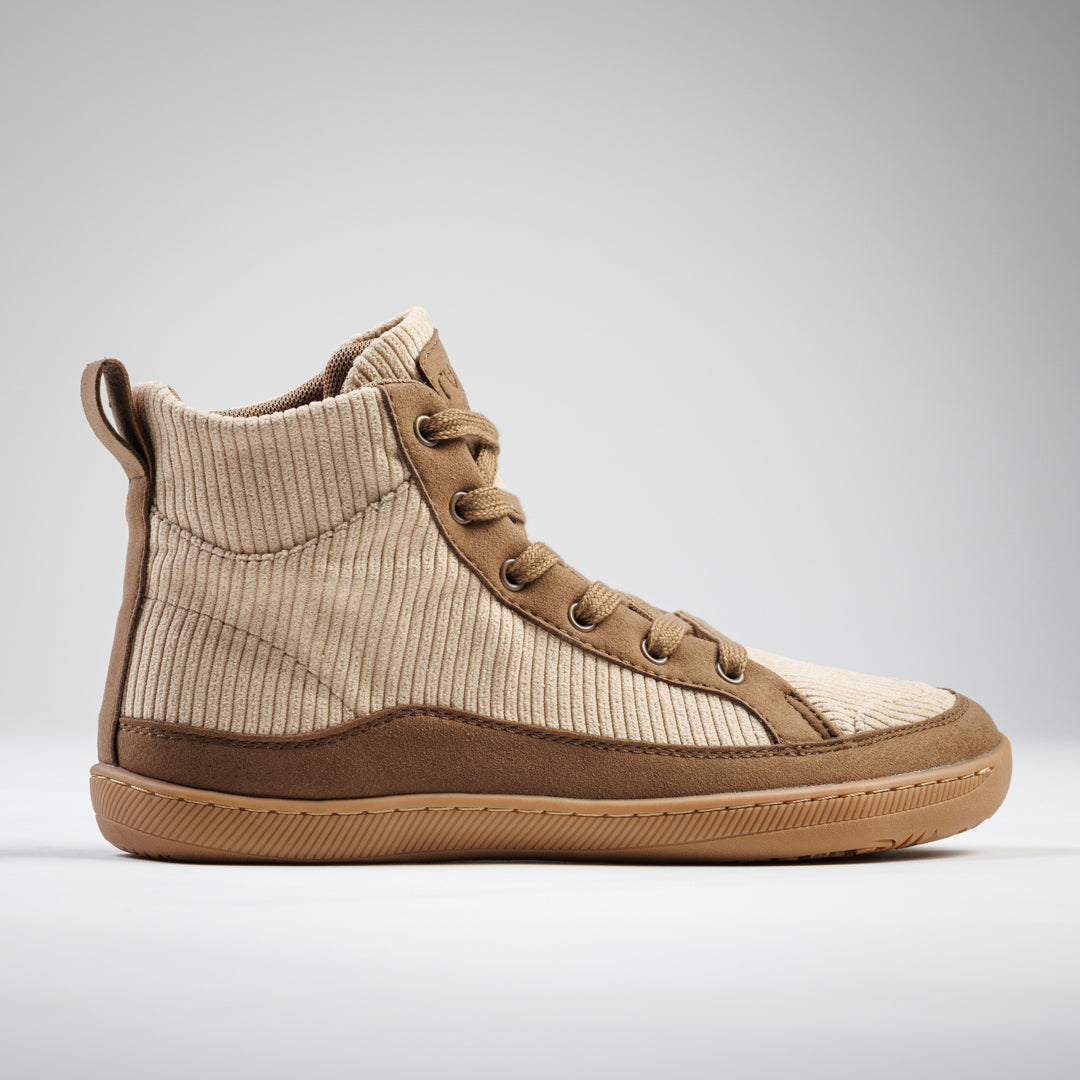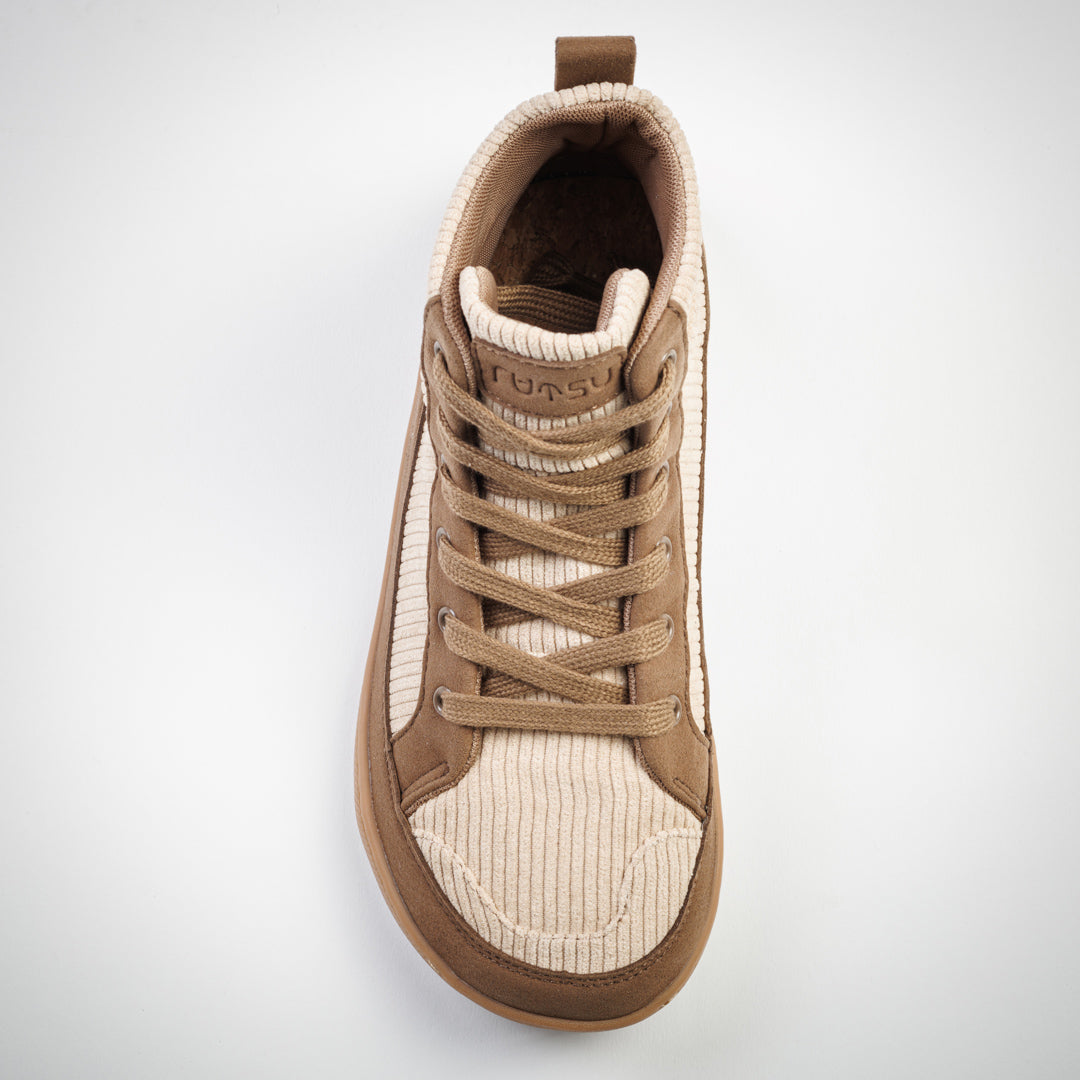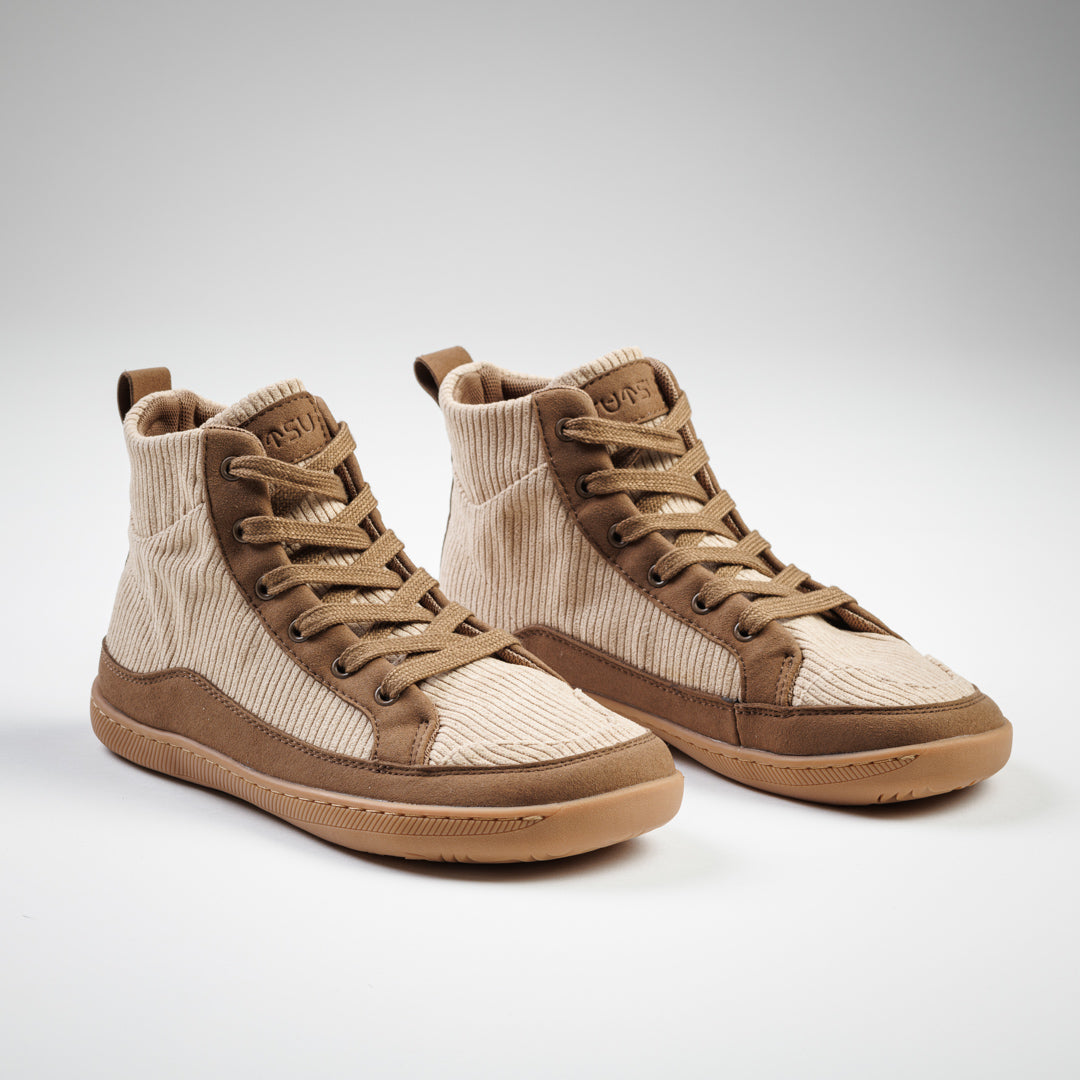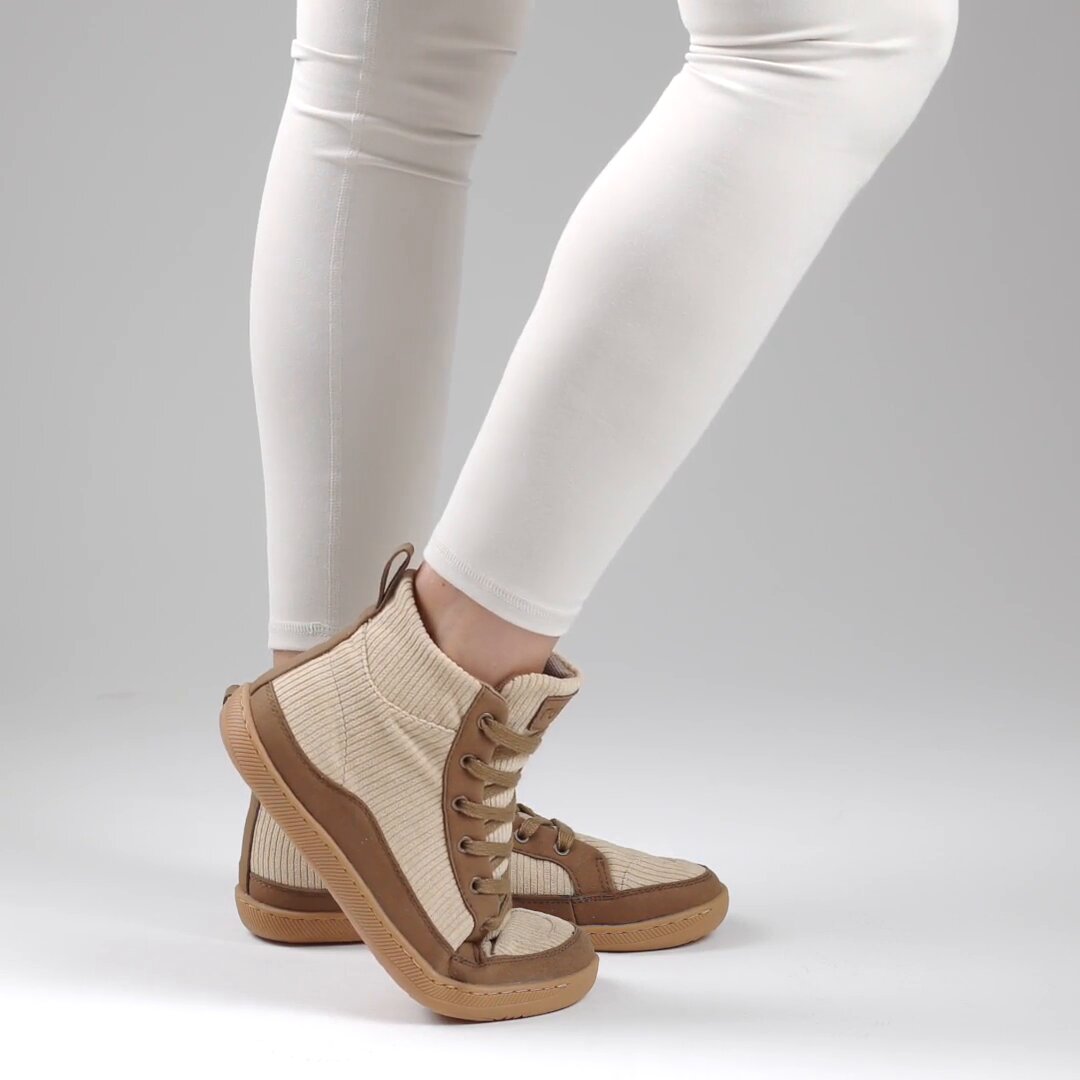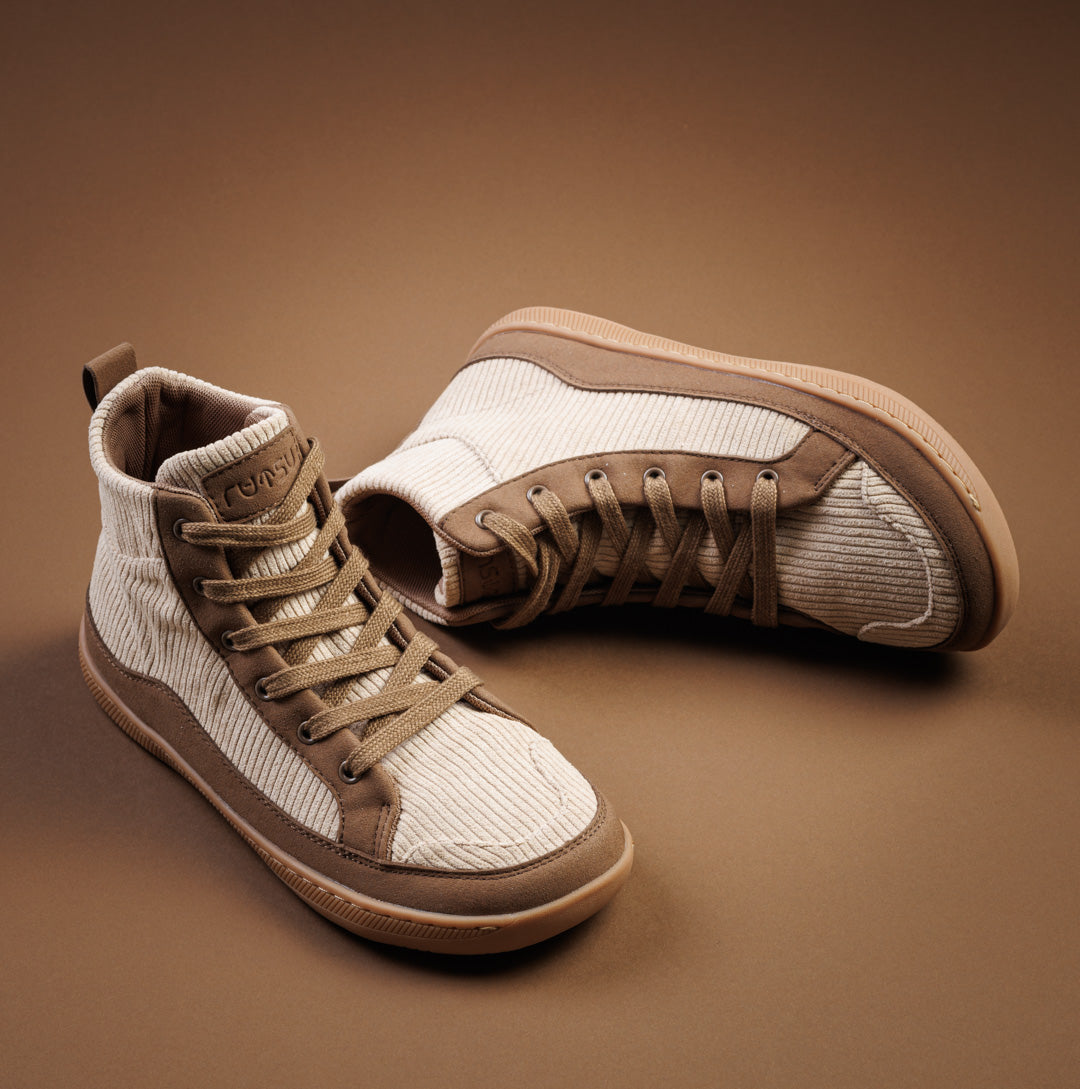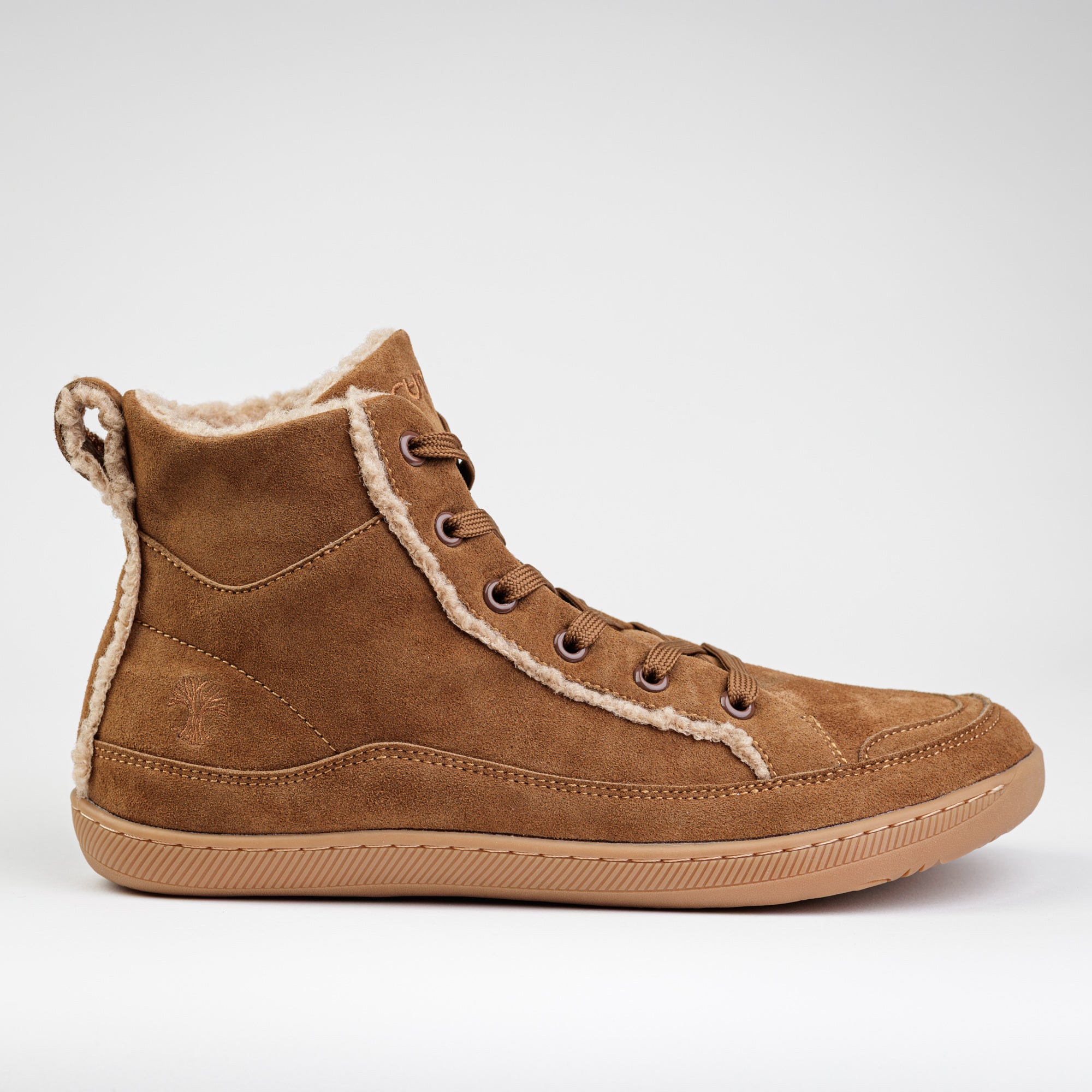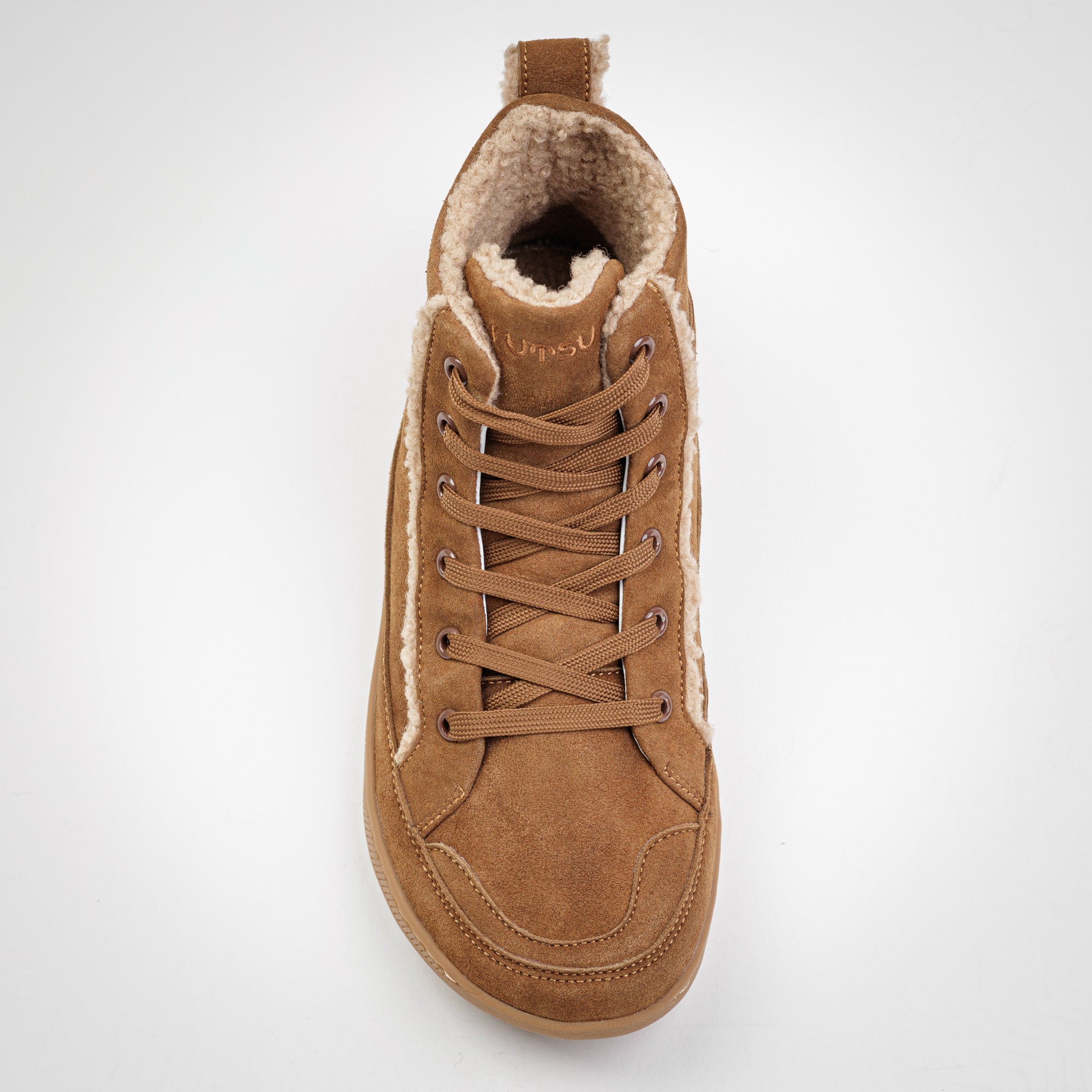


Zero drop shoes have no difference in height between the heel and forefoot. Your heel is not raised above the front of your foot by the shoe's platform. The term describes one measurement, usually given as 0 mm, rather than a promise about comfort or foot health.
That distinction makes shopping easier. A zero drop shoe can be thickly cushioned or very thin, flexible or relatively stiff. To decide whether a pair suits you, consider the drop alongside the sole thickness, fit and activities you plan to use it for.
What Is Zero Drop Shoes? Understanding the Unique Design?
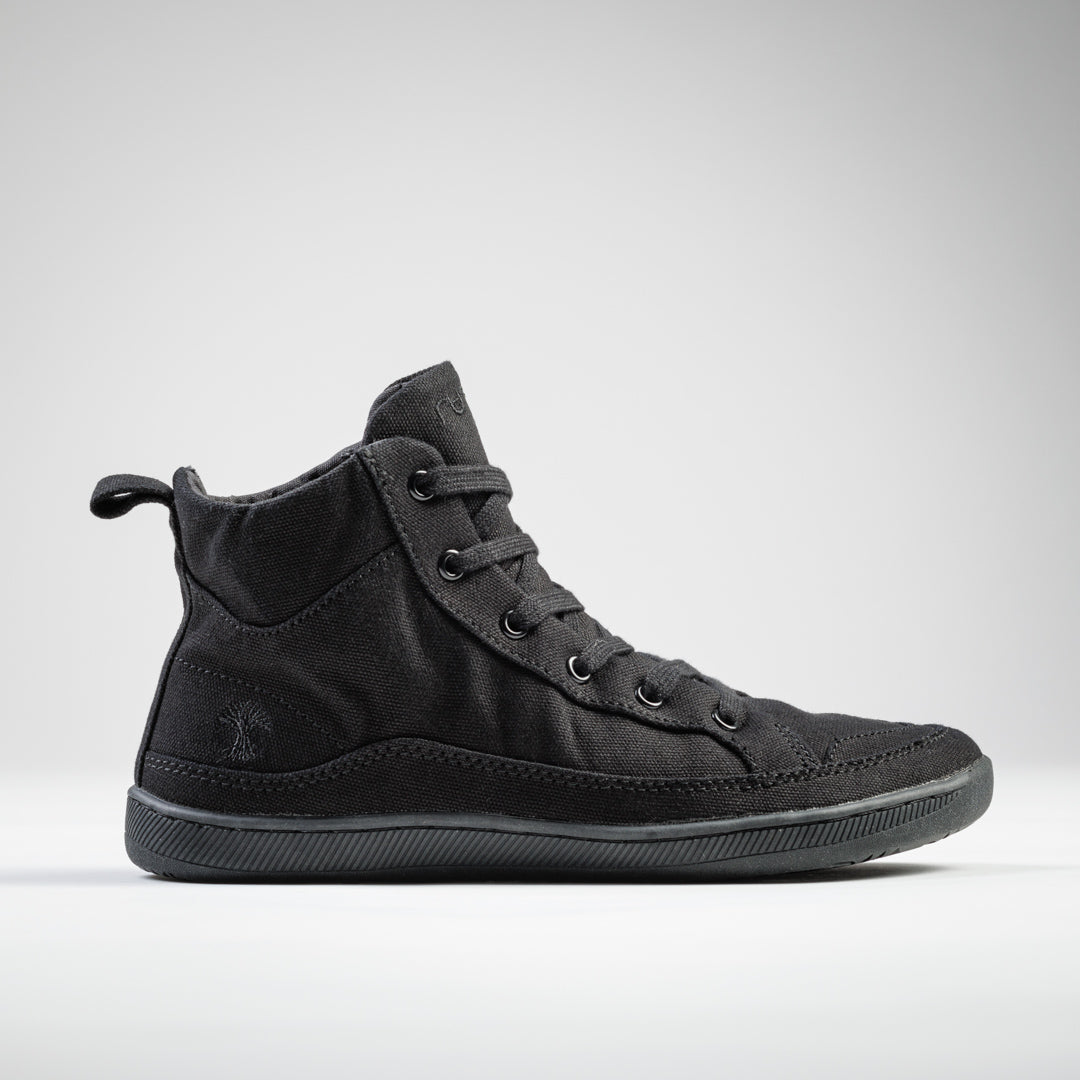
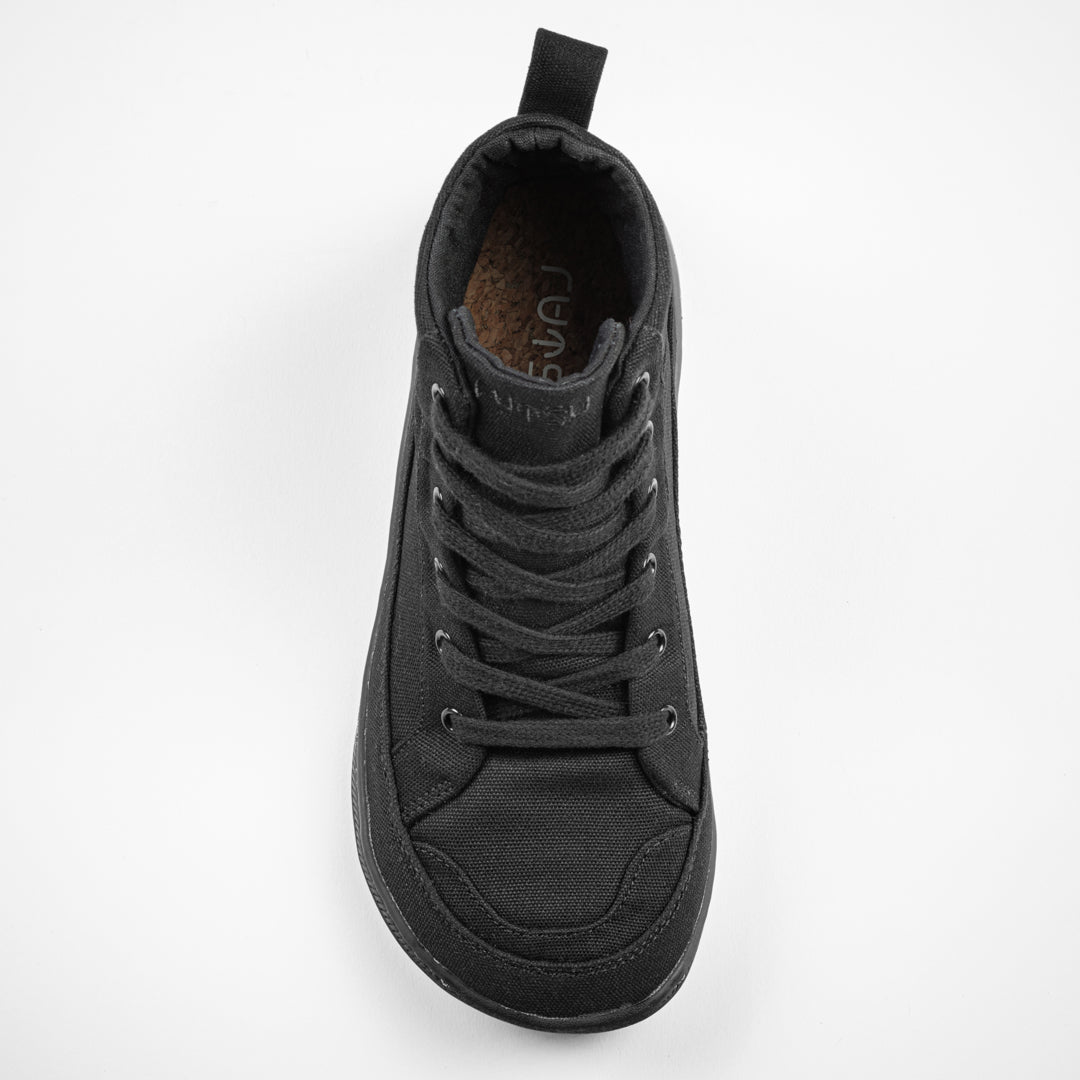
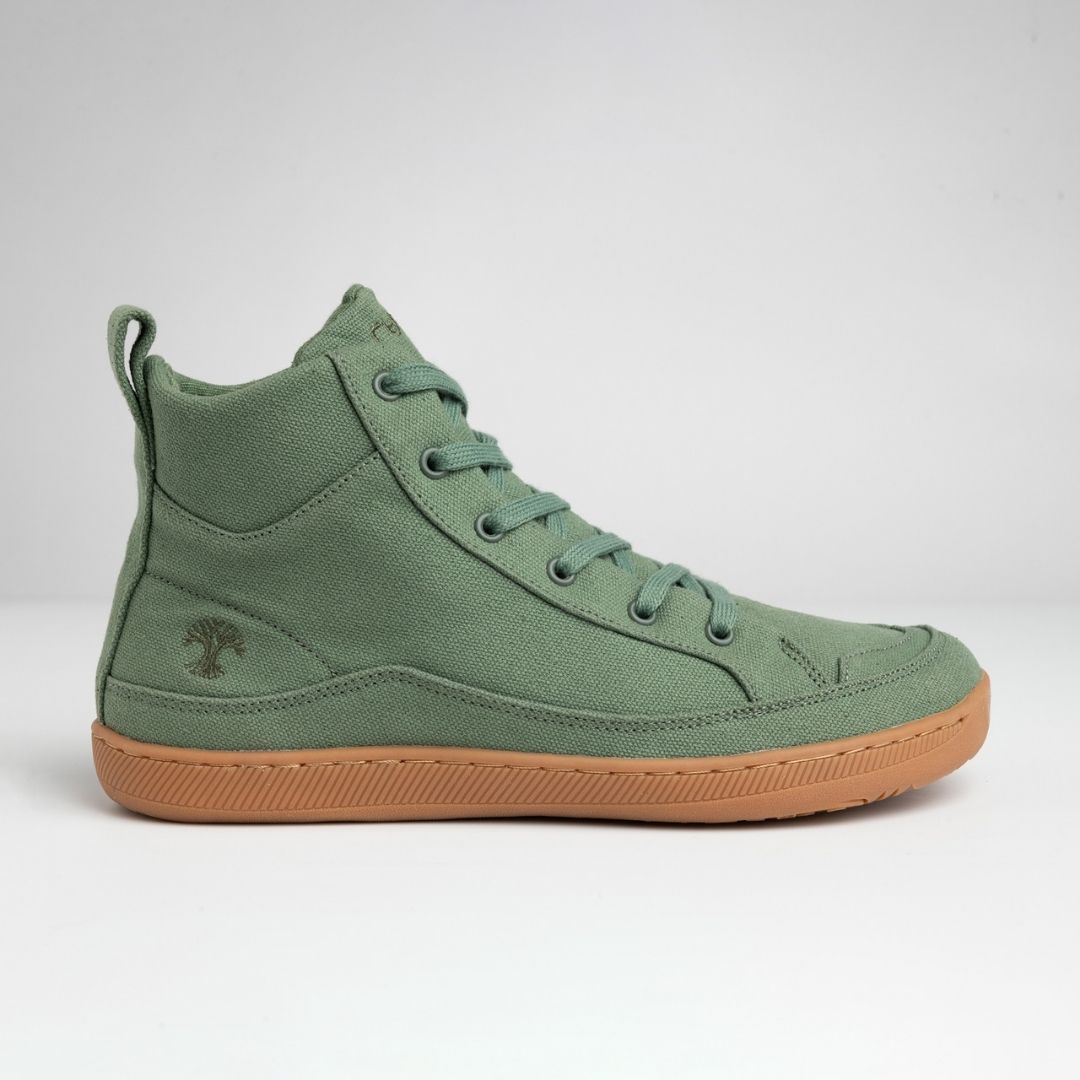
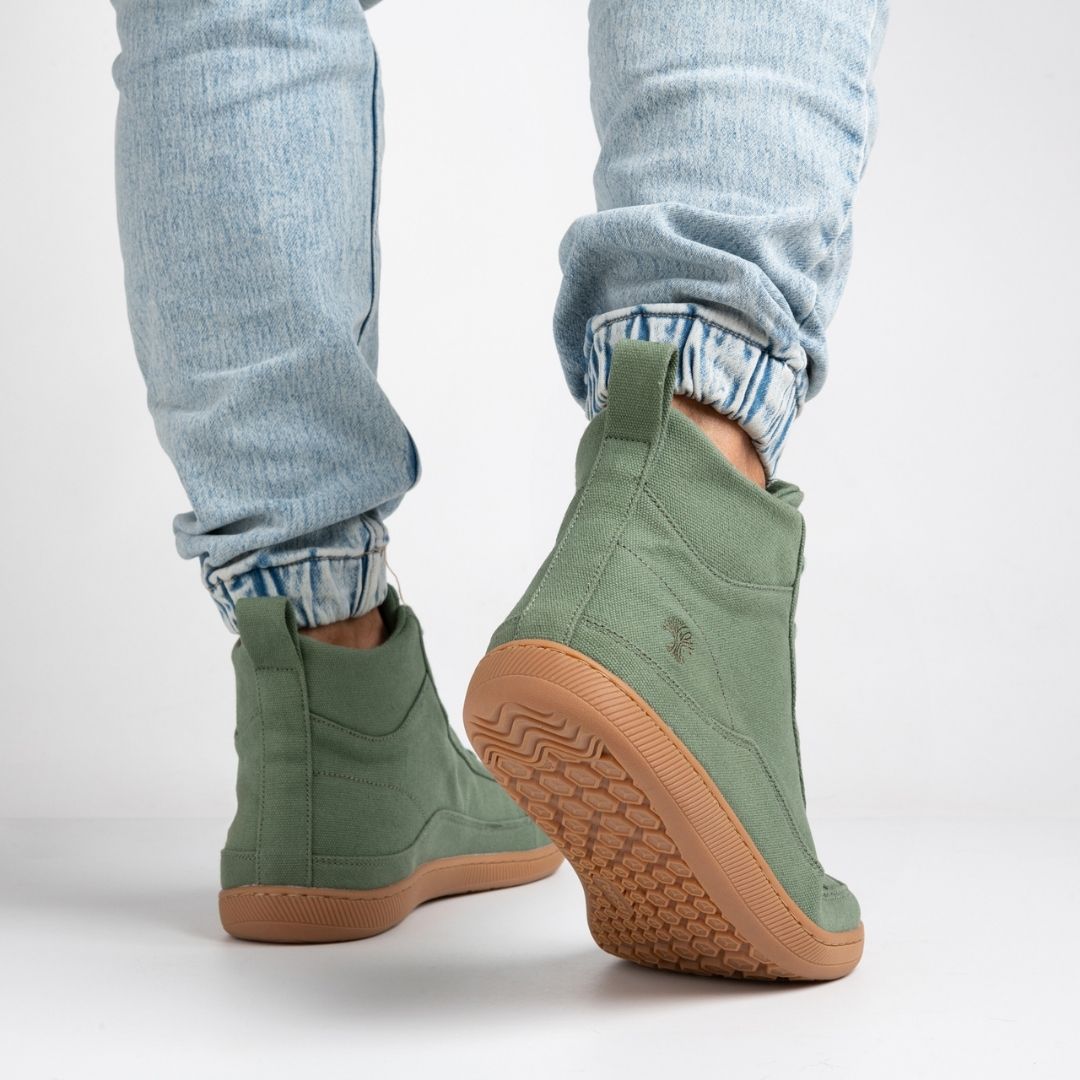
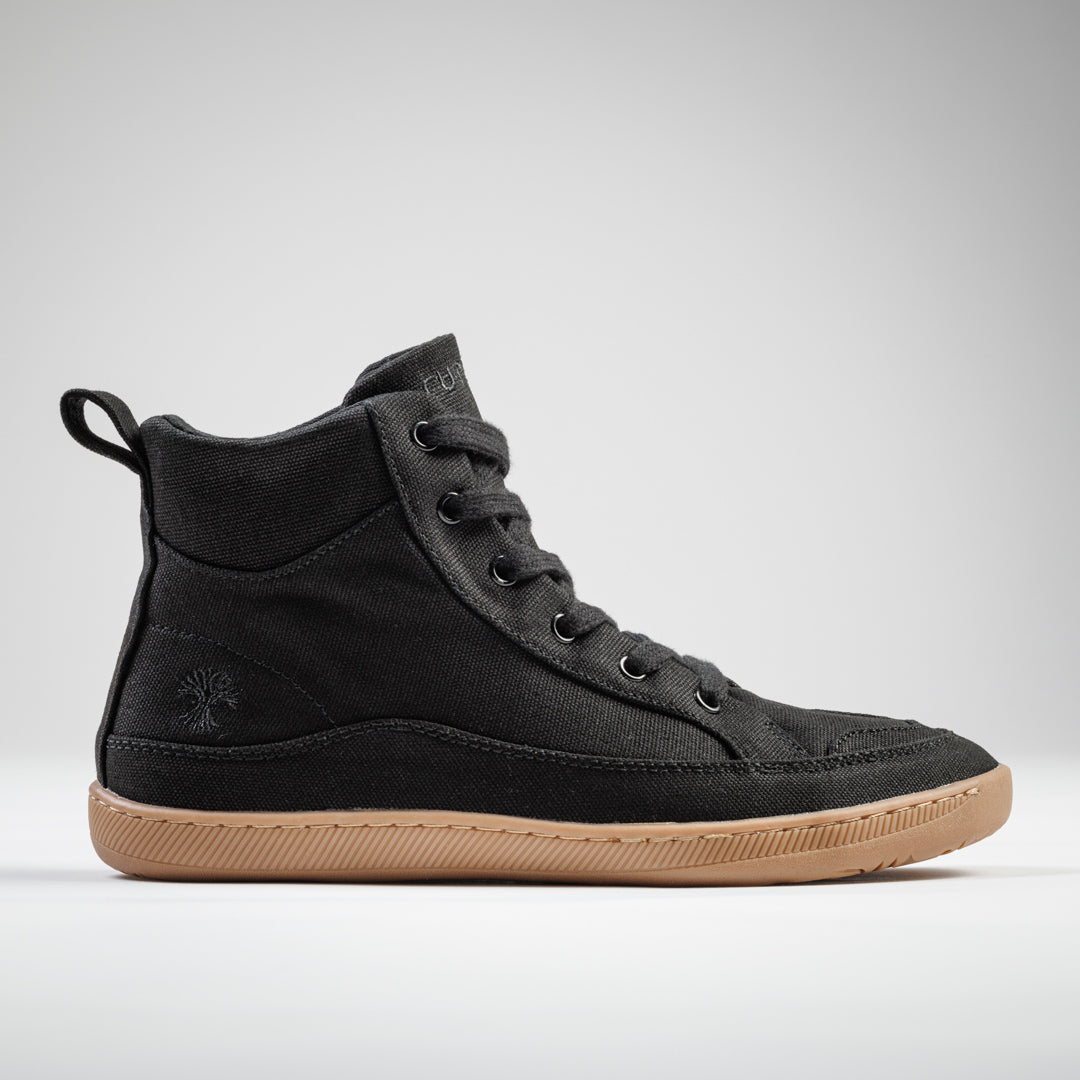
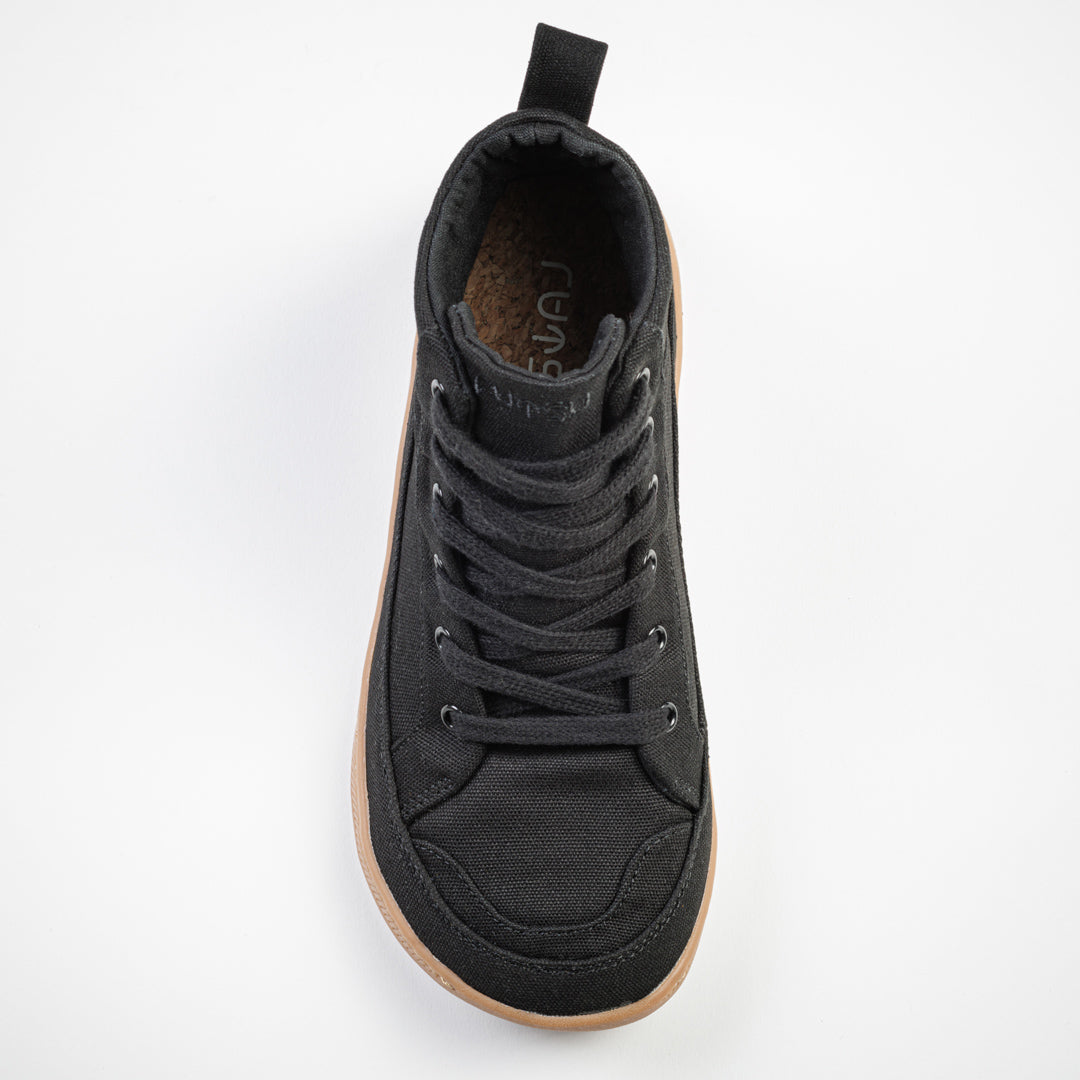
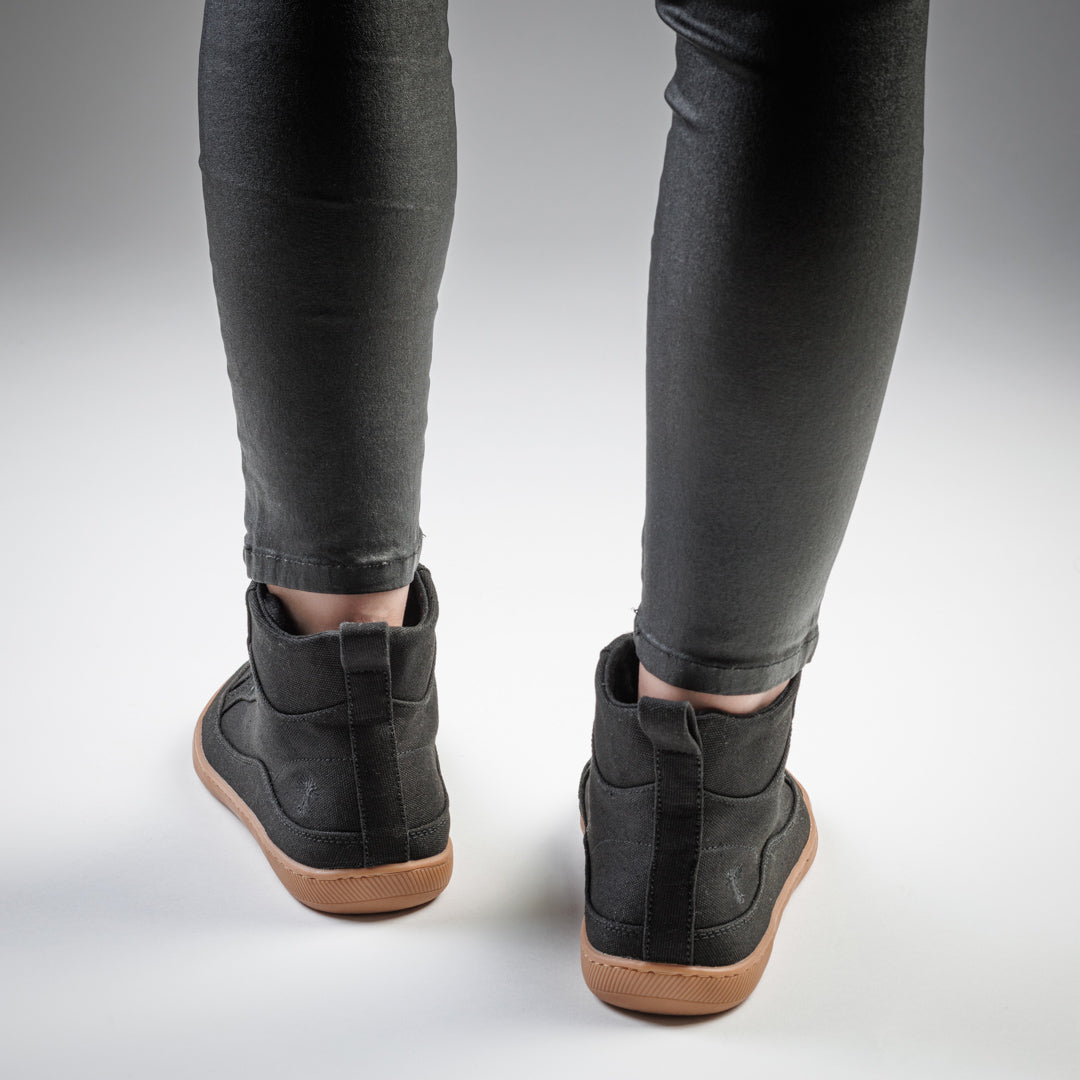
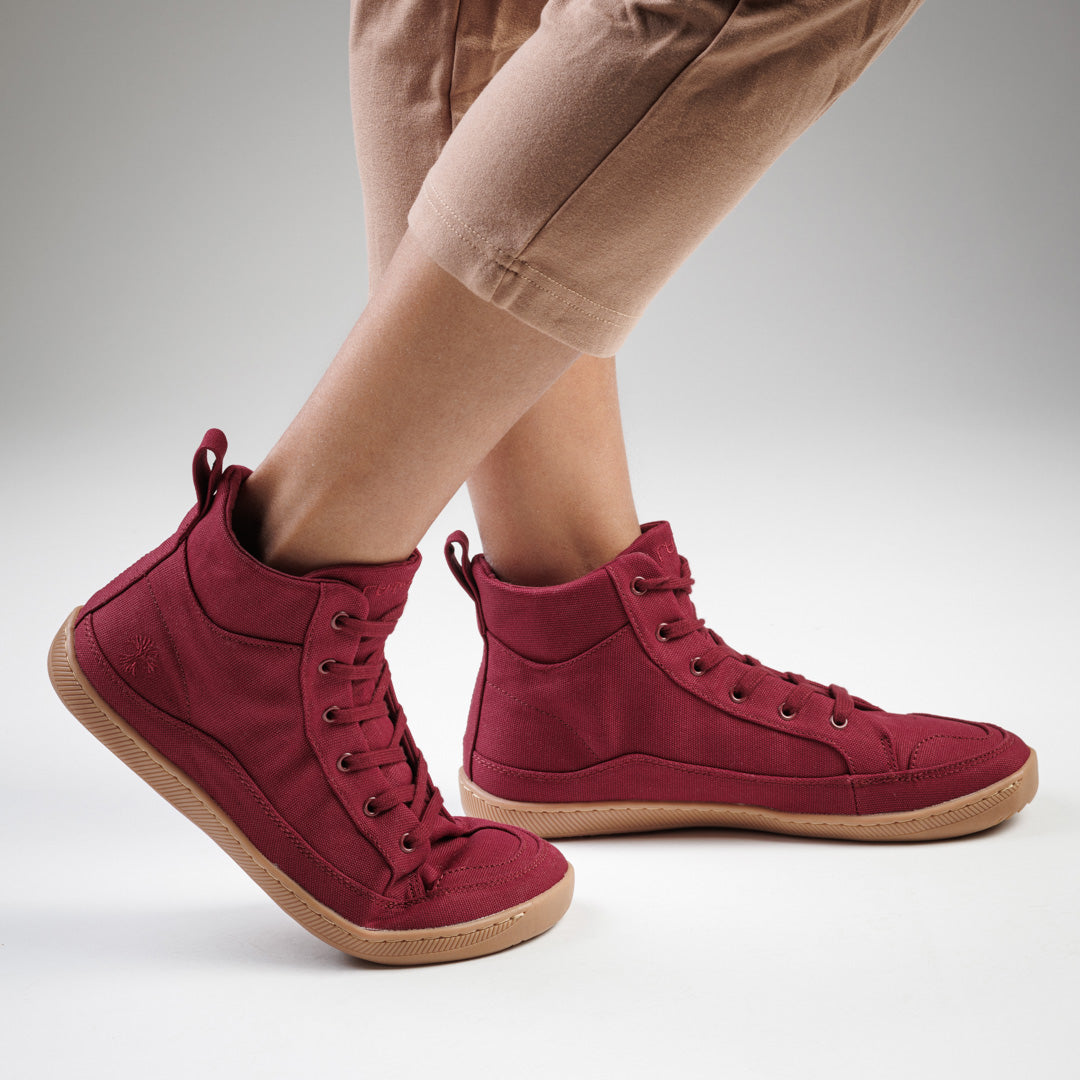
Zero drop shoes have a flat sole. This means the heel and forefoot sit at the same height from the ground. This design is very different from regular shoes that raise the heel. Rutsu Barefoot's zero drop shoes support the foot's natural shape. How much you feel the ground depends on the thickness and flexibility of the sole, rather than heel drop alone.
Do Podiatrists Recommend Zero Drop Shoes?
A podiatrist may recommend zero drop shoes for some people, depending on their symptoms, activities and need for support. A wide toe box gives the toes more room, but it is a separate feature from zero drop. Check the fit of the specific shoe you are considering. This is important during active movements or long periods of standing.
Potential Benefits of Zero Drop Shoes
Some people prefer the feel of a level platform without a raised heel. Wearing shoes that let your feet expand naturally can feel amazing for new users.
Are Zero Drop Shoes Right for Everyone? What You Should Know?
Whether zero drop shoes suit you depends on the shoe, your activities and your individual needs. Individuals with specific foot conditions or those who have worn heeled shoes for a long time may require a gradual transition to zero drop footwear. This transition should be tailored to individual needs, potentially with the guidance of a healthcare professional to address any specific concerns such as severe pronation or foot pain.
How to Transition to Zero Drop Shoes Safely and Comfortably?
Transitioning to zero drop shoes should be a careful and measured process. Start by wearing them for short periods each day, gradually increasing the time as your feet and body adjust to the new alignment.
There is no fixed adjustment period. Check how your feet and calves feel later that day and the next morning.
Avoid increasing several demands together. A new thin sole, a lower heel and a much longer walk can be a substantial change in one day. Introduce the footwear during a familiar routine before taking it on a demanding trip or shift.
Plan a gradual transition to barefoot shoes around your response rather than a compulsory deadline. Pain is a reason to reduce wear time. If it persists, seek advice.
What to Look for When Buying the Perfect Pair of Zero Drop Shoes?
Choosing the right pair of zero drop shoes involves several considerations to ensure they meet your specific needs:
-
Fit and Comfort: Make sure the shoes fit well without being too tight, allowing enough room for the toes to move freely. Check length, width and the fit across the instep so your foot feels secure without sliding. Measure both feet and consult the [Rutsu size guide](https://rutsubarefoot.com/pages/size-guide) to compare your measurements with the inner dimensions and allow space in front of the longest toe.
-
Material Quality: Opt for high-quality, durable materials that offer breathability and longevity.
-
Activity Suitability: Consider what activities you'll primarily use the shoes for, whether for running, walking, or everyday wear, to select a model that best suits those needs.
A casual zero drop sneaker is not automatically a running shoe or certified protective footwear.
Drop specification: Look for a stated drop of 0 mm, or heel and forefoot measurements that are directly comparable. If the numbers or included layers are unclear, ask the manufacturer. A shoe's outline is not reliable proof of its internal drop.
Cushioning and flexibility: A thin, flexible sole gives a different experience from a thick foam platform, even if both have the same drop. Try the shoe on a surface representative of your day.
What Does Heel Drop Measure??
Heel drop is the difference between the height under the heel and the height under the forefoot. For example, a shoe with 20 mm beneath the heel and 16 mm beneath the forefoot has a 4 mm drop. If both measurements are 20 mm, the drop is zero.
Stack height describes how much material separates your foot from the ground. It is a different measurement. A shoe with 20 mm under both areas is zero drop, but it still has substantially more material underfoot than a shoe with a thin sole.
Product specifications should make clear what a thickness measurement includes. An outsole measurement alone may exclude the insole or other layers. Do not assume that a quoted 5 mm sole means the entire distance beneath your foot is 5 mm.
Zero drop low drop and barefoot shoes
Low drop describes a small height difference between the heel and forefoot. Brands may use the term differently, so compare the actual millimeter figure. Zero drop is the specific case where that difference is zero.
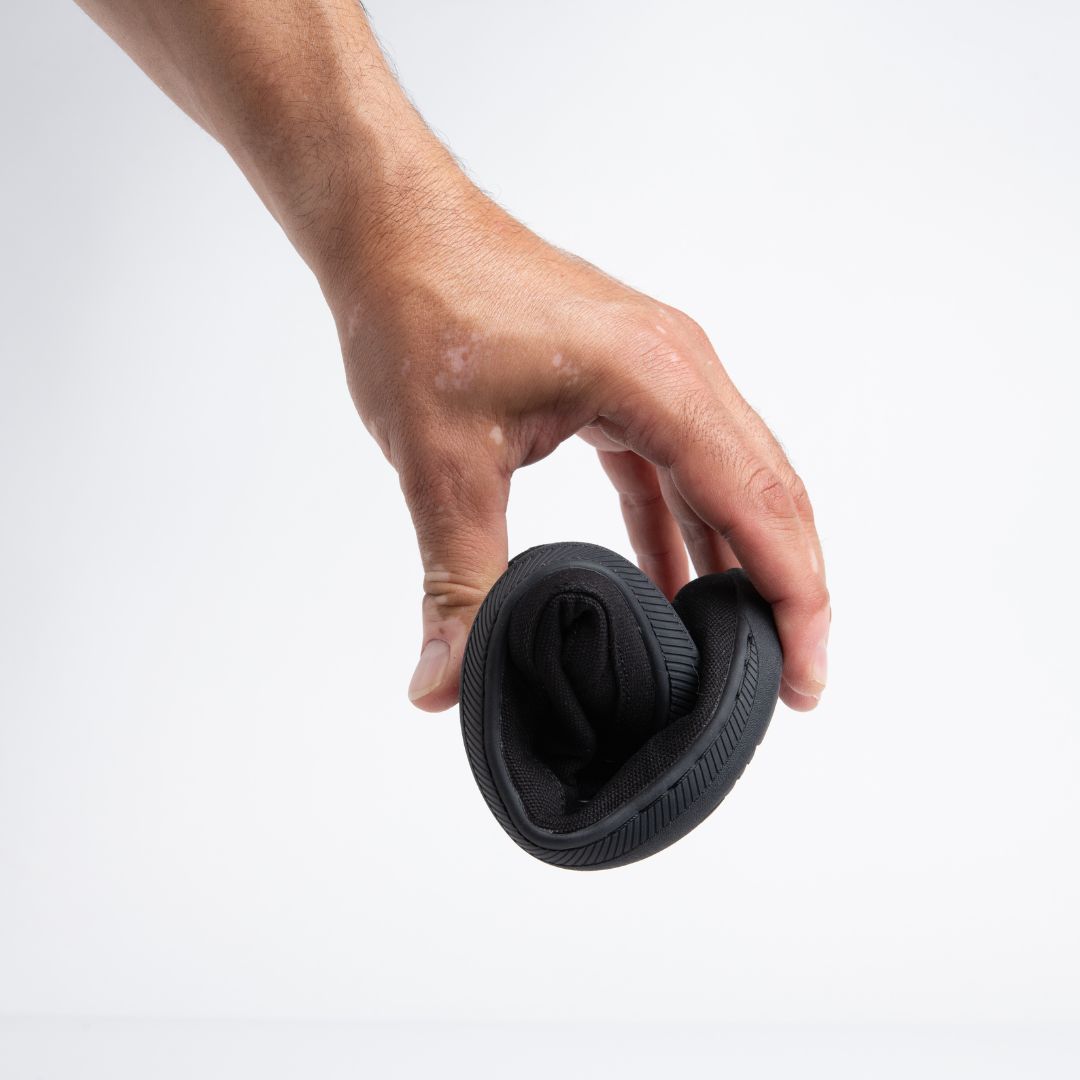
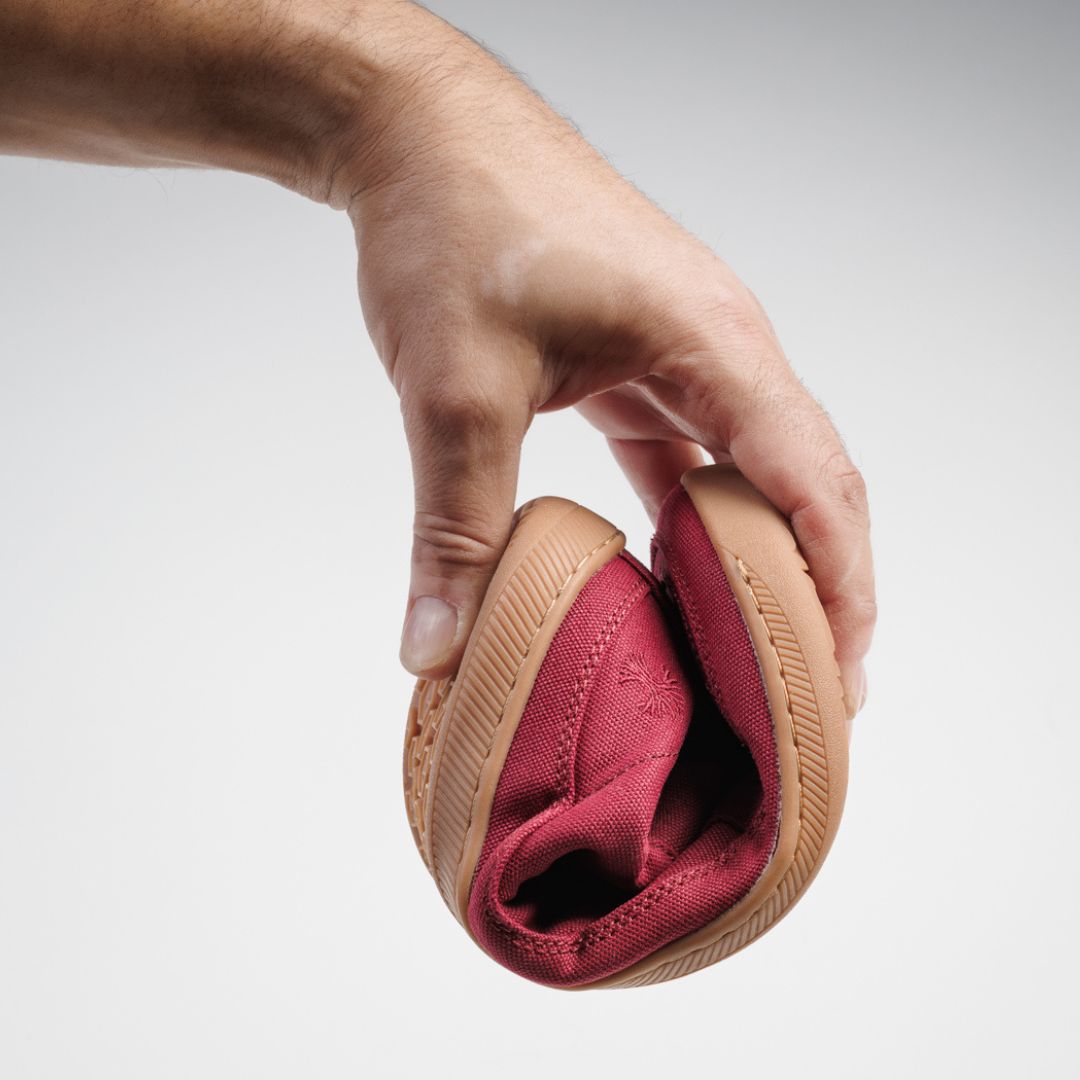
Barefoot footwear describes a broader set of features. It typically combines a thin, flexible sole, little cushioning and room around the toes, usually with zero or very low drop. A heavily cushioned zero drop shoe can therefore feel quite different from a barefoot sneaker.
If your goal is more toe space, check the toe box rather than using drop as a shortcut. If you want a shoe that bends easily, assess flexibility too. Neither feature follows automatically from a 0 mm drop.
How a lower heel can feel different
Changing from a raised heel to a level platform changes the demands on the lower leg. The American Physical Therapy Association explains that lower heel drop increases the demands on the calf muscles and Achilles tendon. That matters when introducing a new pair, particularly if your usual footwear has a substantial heel lift.
Cushioning can change at the same time, but it does not have to. Moving from a cushioned shoe to a thin barefoot sole involves more than a change in heel height. You may notice the floor more and find that long periods on hard surfaces feel different.
Are zero drop shoes bad for you?
Problems can arise when a large change is introduced too quickly. A comfortable first fitting does not show that your feet and legs are ready for an entire day of standing or a long run. Existing foot or Achilles pain is a reason to get individual advice before switching.
Claims that zero drop shoes automatically correct posture, prevent injuries or cure back and knee pain go beyond what the measurement tells you. A level platform does not guarantee those outcomes, and there is no single footwear recommendation that suits everyone.
Choosing zero drop shoes for everyday use
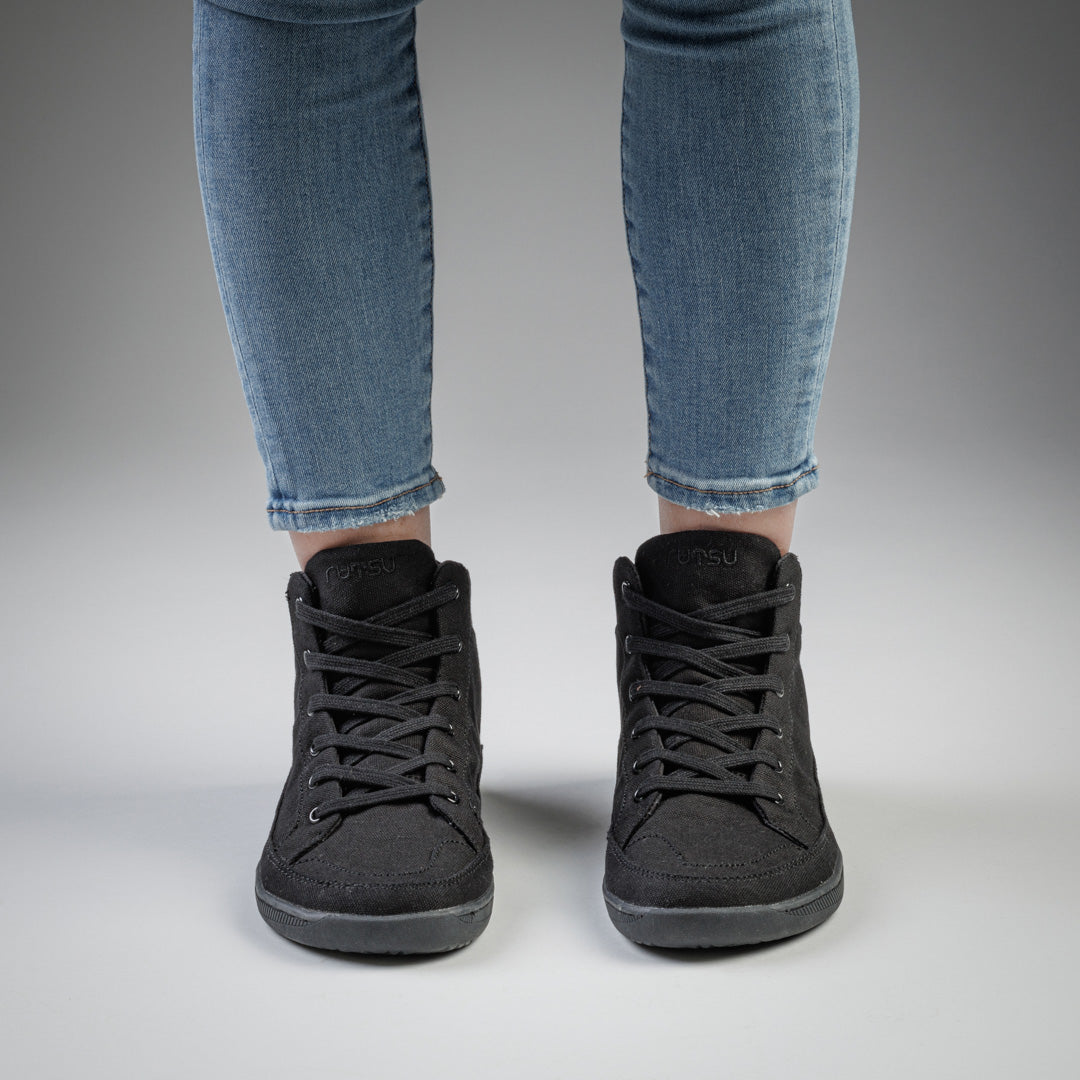
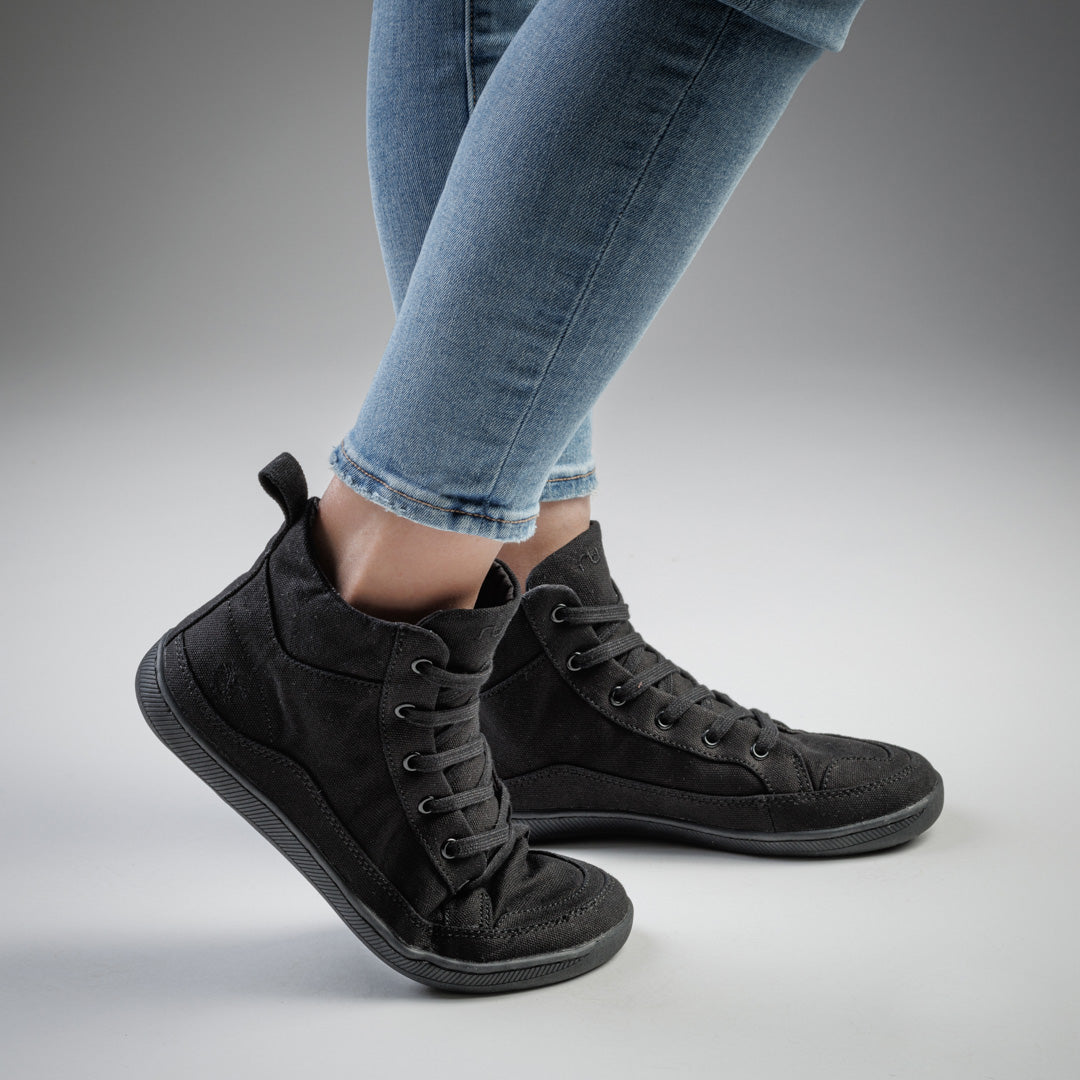
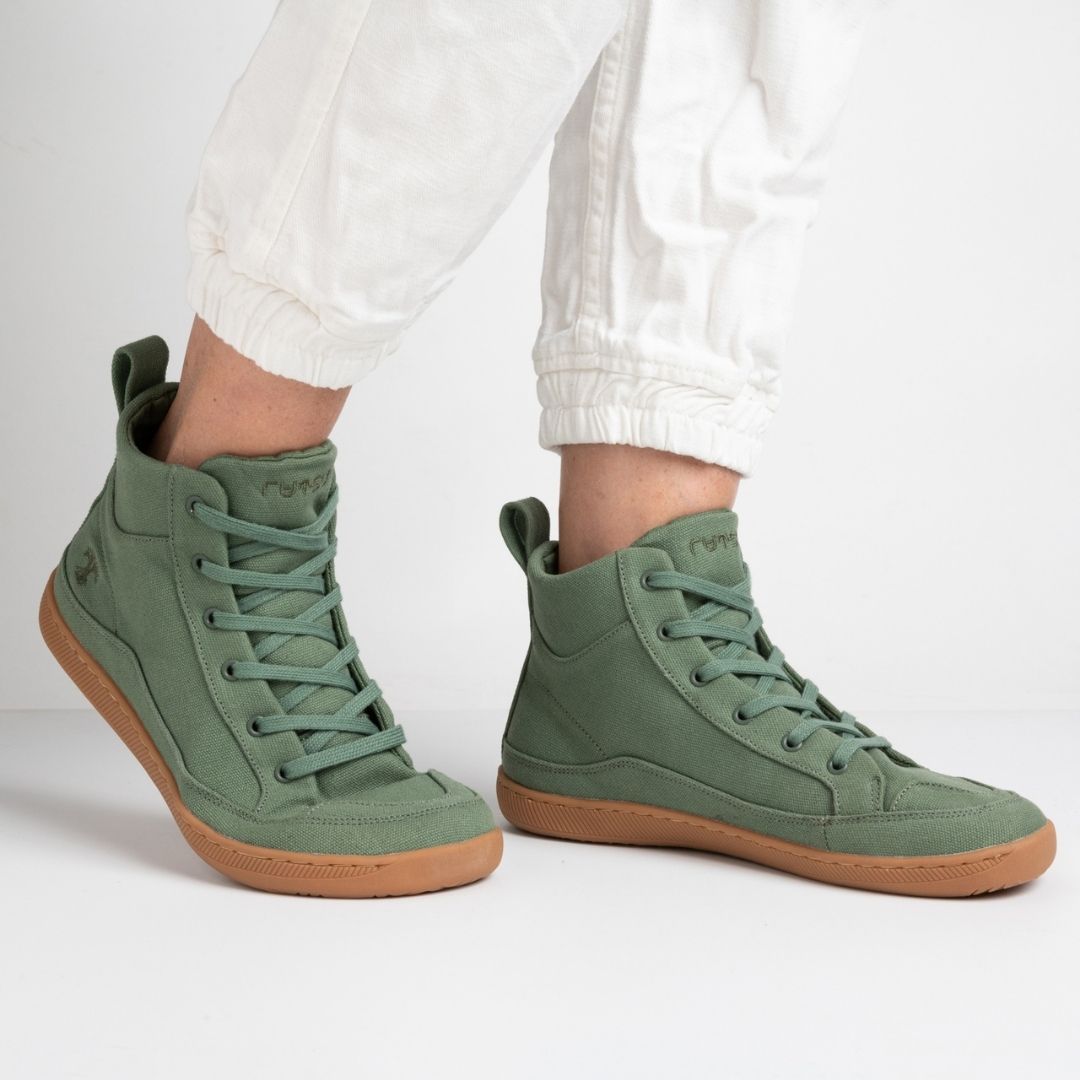
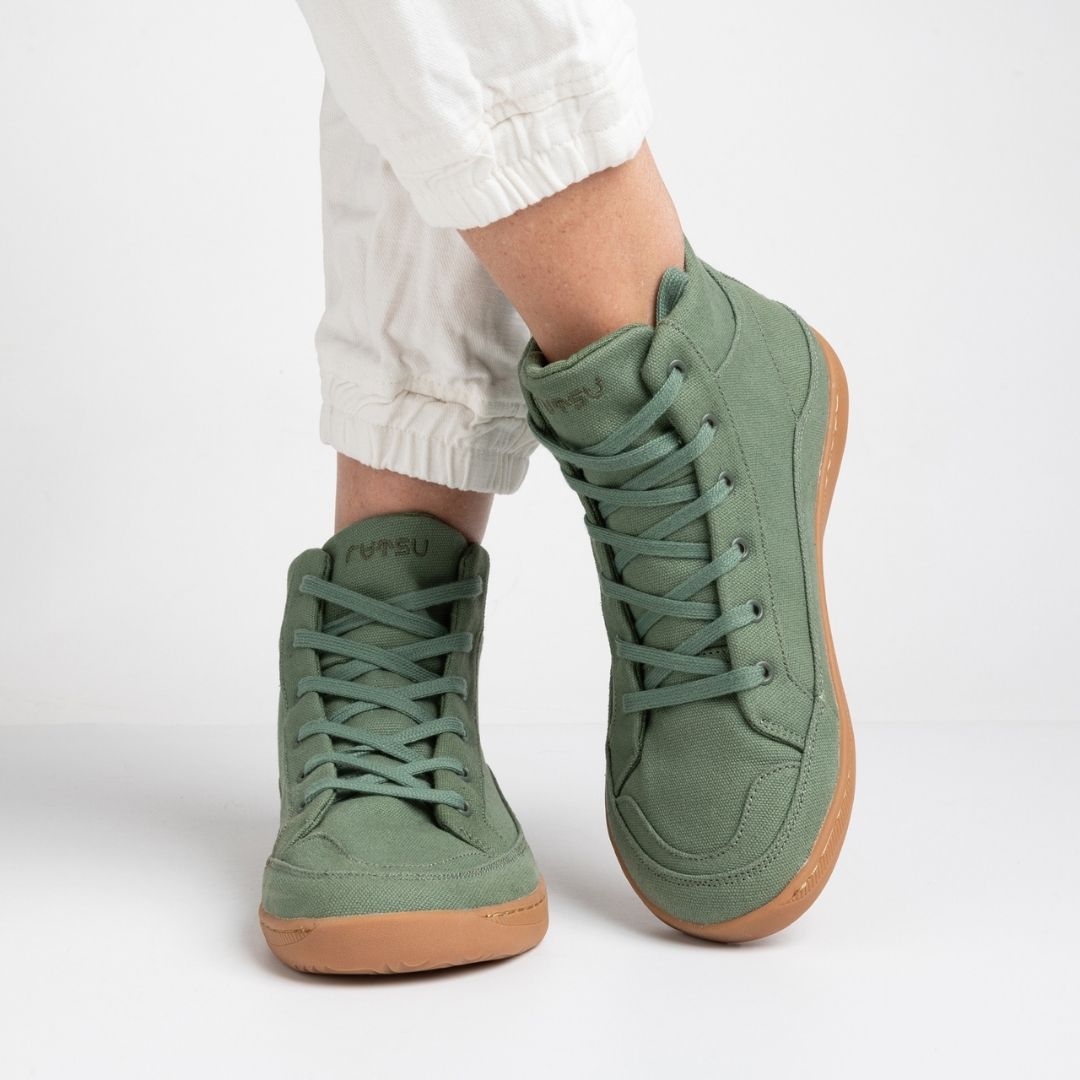
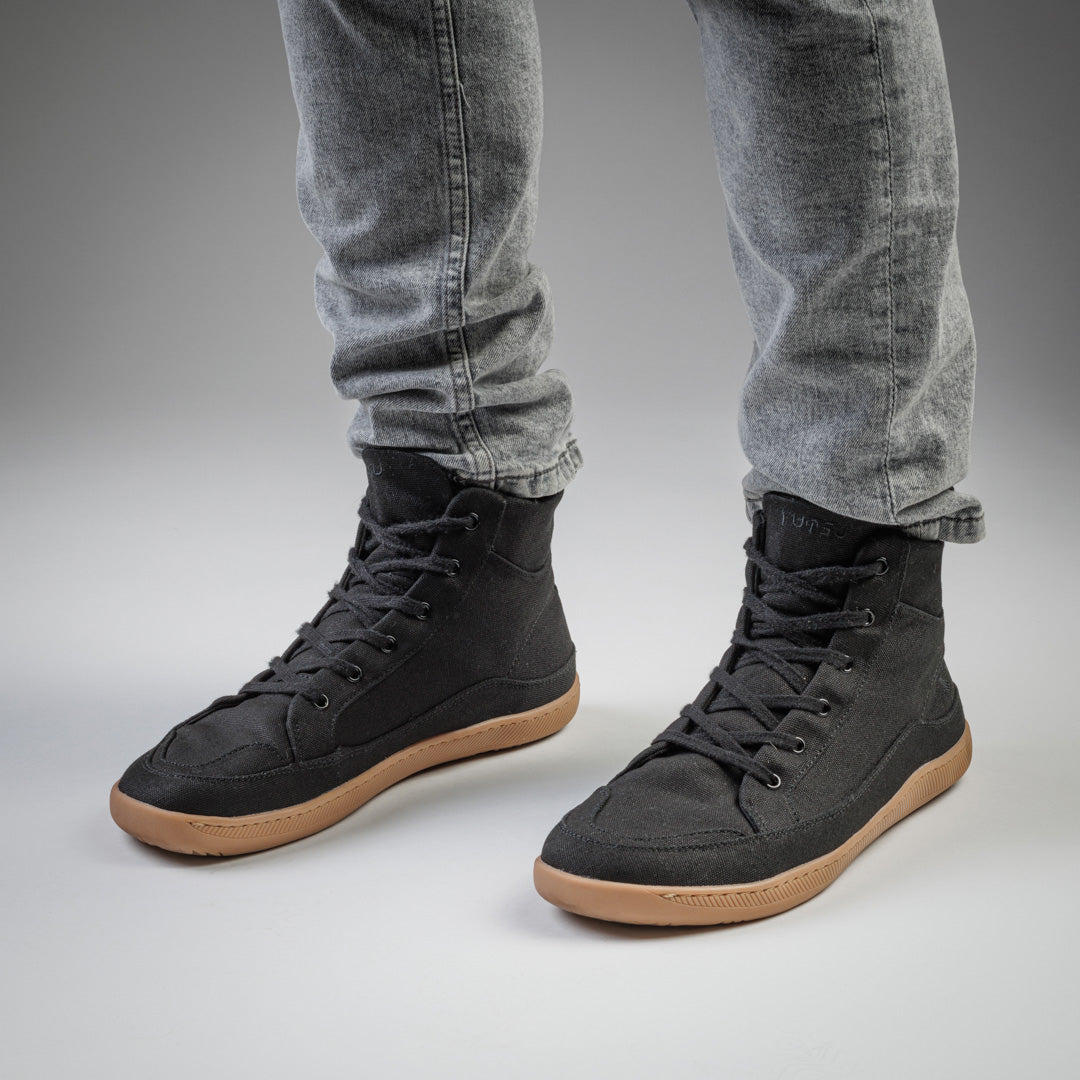
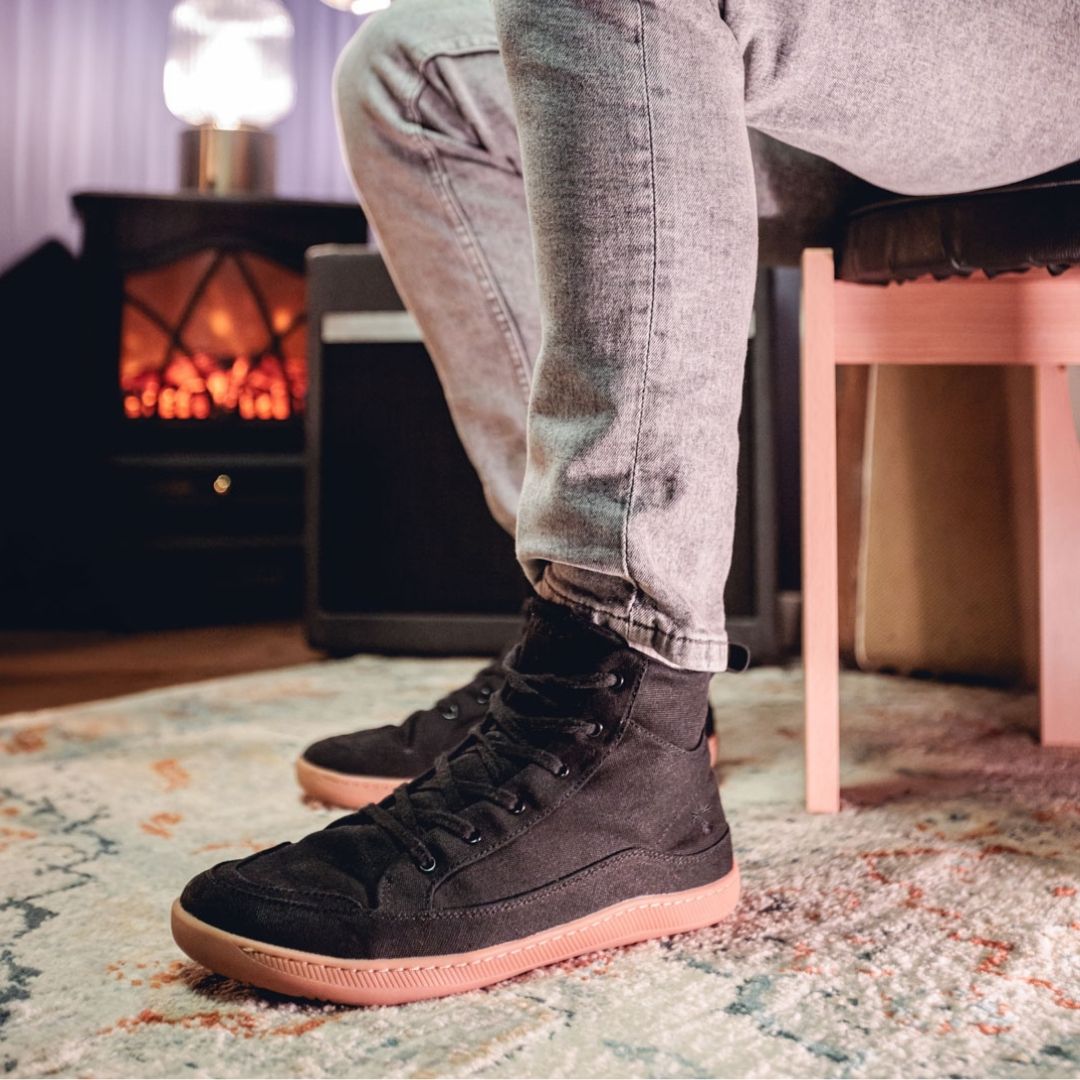
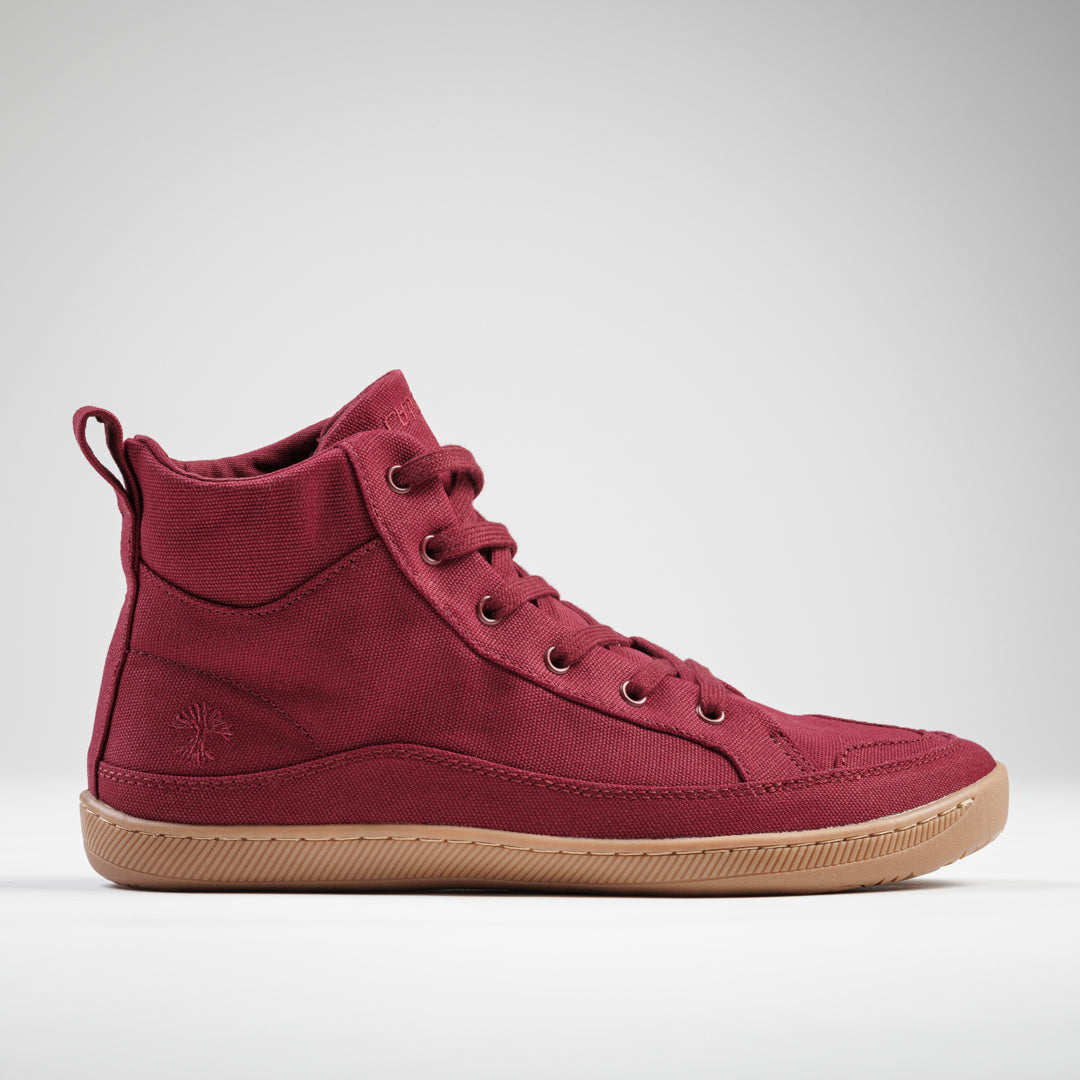
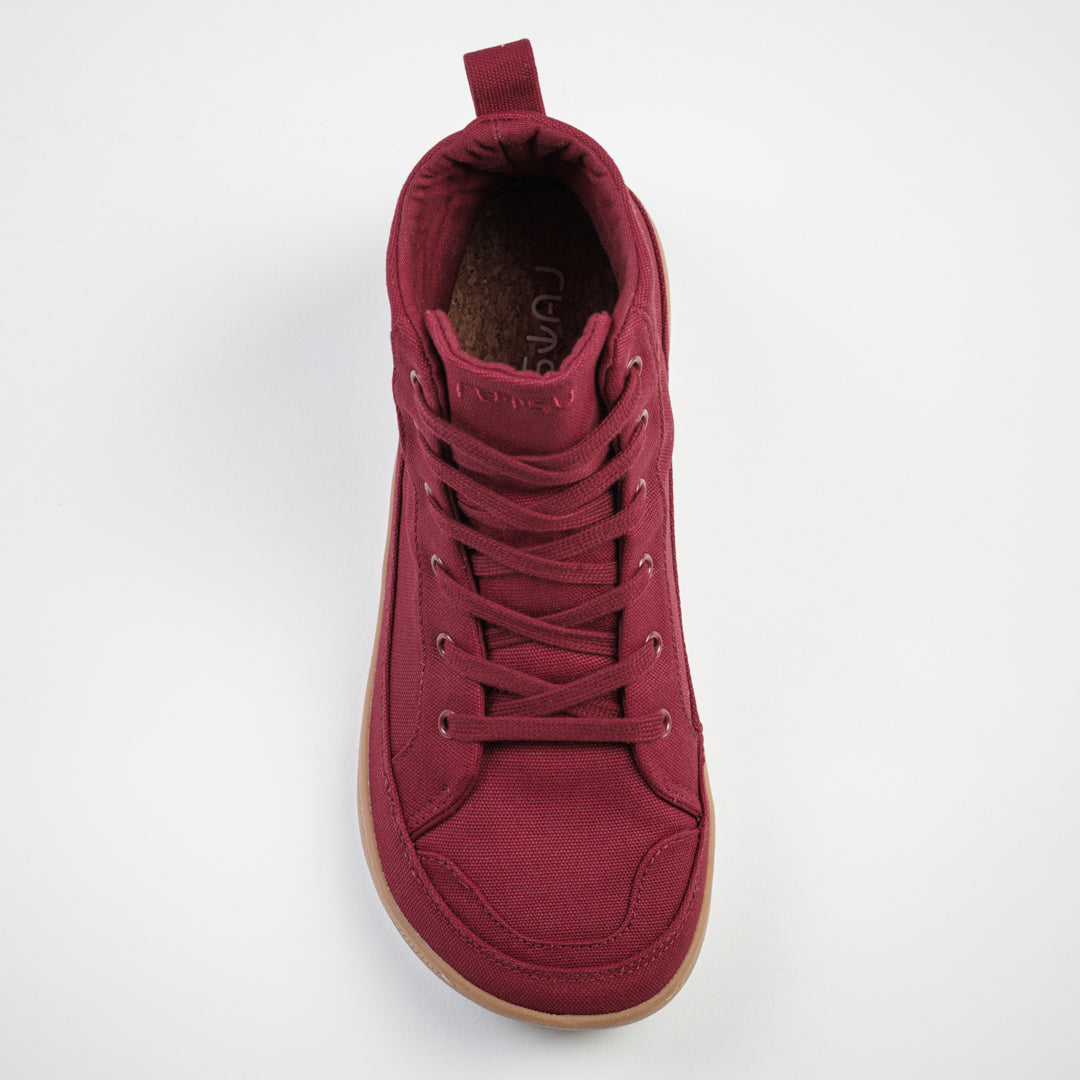
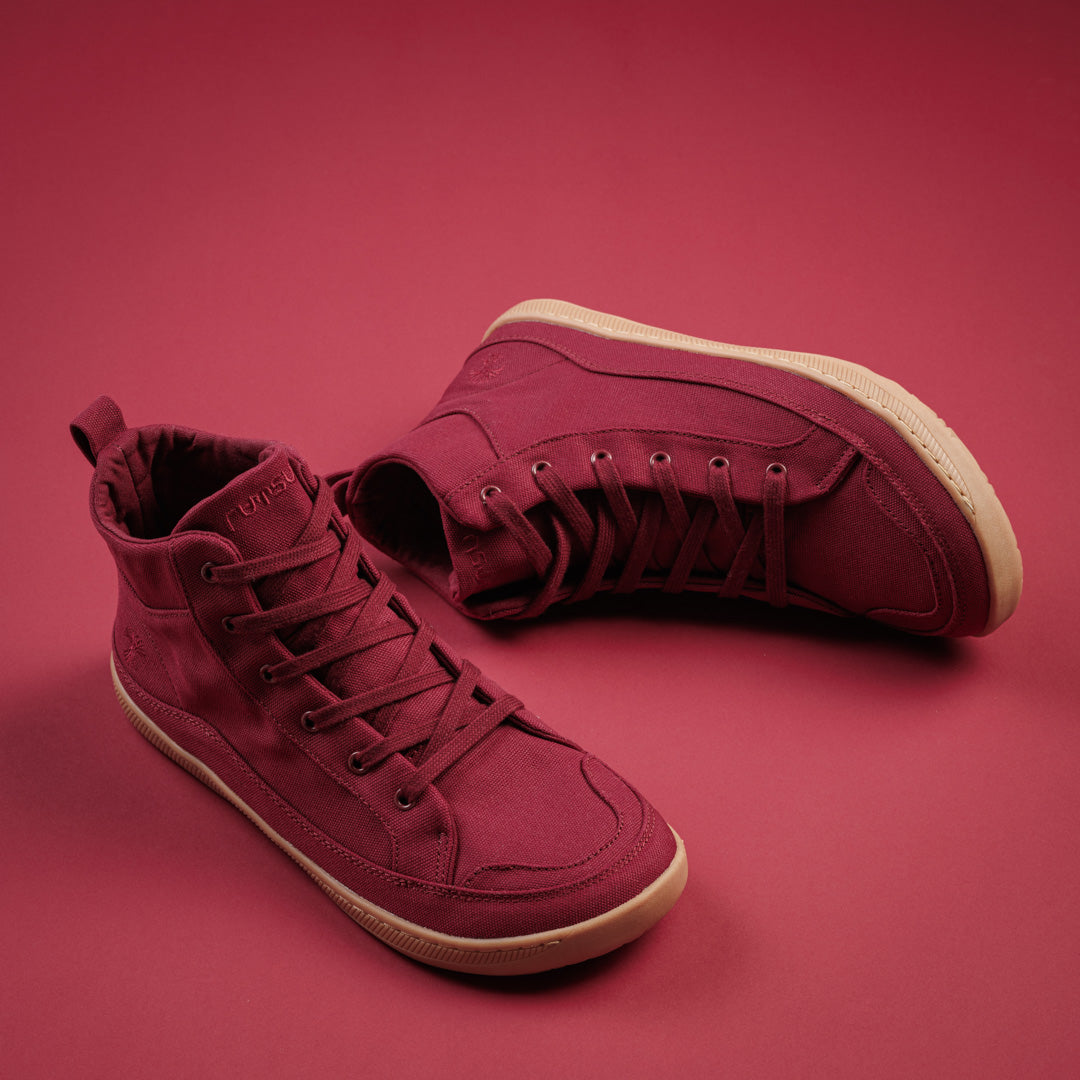
If you want a familiar casual shape, the Rutsu Original range combines canvas uppers with a wide toe box and flexible rubber soles. The low top barefoot shoes leave the ankle uncovered, while taller styles offer a different silhouette.
For work, floor conditions and your employer's requirements matter alongside fit. The Rutsu Shift adds a slip resistant outsole and a water repellent upper. Those features do not establish compliance with every workplace standard, so confirm the requirements of your role before choosing.
Rutsu focuses on casual footwear that combines barefoot construction with styles you can wear in daily life. Compare the barefoot sneaker range by material and collar height once you have decided which sole and fit suit you.
FAQs
Frequently Asked Questions
What are zero drop shoes and how do they differ from regular shoes?
Zero drop shoes have the same platform height beneath the heel and forefoot. The term describes heel drop, not cushioning, toe box width or flexibility.
Do podiatrists recommend zero drop shoes?
Recommendations depend on the individual. A podiatrist may consider your symptoms, current footwear, activity and need for support. Zero drop is not a universal recommendation for every wearer.
Are zero drop shoes suitable for flat feet or high arches?
Arch shape alone does not determine the right shoe. Comfort, symptoms and any need for support also matter. If you have pain or have been prescribed orthotics, discuss a substantial footwear change with your clinician.
Can zero drop shoes help with plantar fasciitis, back pain or knee pain?
A zero drop design alone does not establish that a shoe will relieve these conditions. Suitability depends on the individual, the shoe's other features and the cause of the pain. Seek clinical advice before changing footwear to manage ongoing symptoms.
How long does it take to adjust to zero drop shoes?
There is no fixed adjustment period. It depends on your current footwear, activity level and whether cushioning or support is also changing. Start with short periods, increase wear gradually as comfort allows, and reduce exposure if pain develops.
Are all flat looking shoes zero drop?
No. Appearance does not establish the internal height difference. Check the manufacturer's measurements, including whether the stated drop accounts for the intended insole.
Can an insole change the drop?
Yes. An insert with a thicker heel can alter the effective height difference inside the shoe. It can also reduce usable space. If you use a prescribed insert, check both the fit and the intended setup with your clinician.
Can I wear zero drop shoes for an entire workday?
Some people do, but suitability depends on the shoe, the job and the wearer. Do not use a full shift as your first trial. Introduce the pair gradually and make sure it meets the requirements of your workplace.