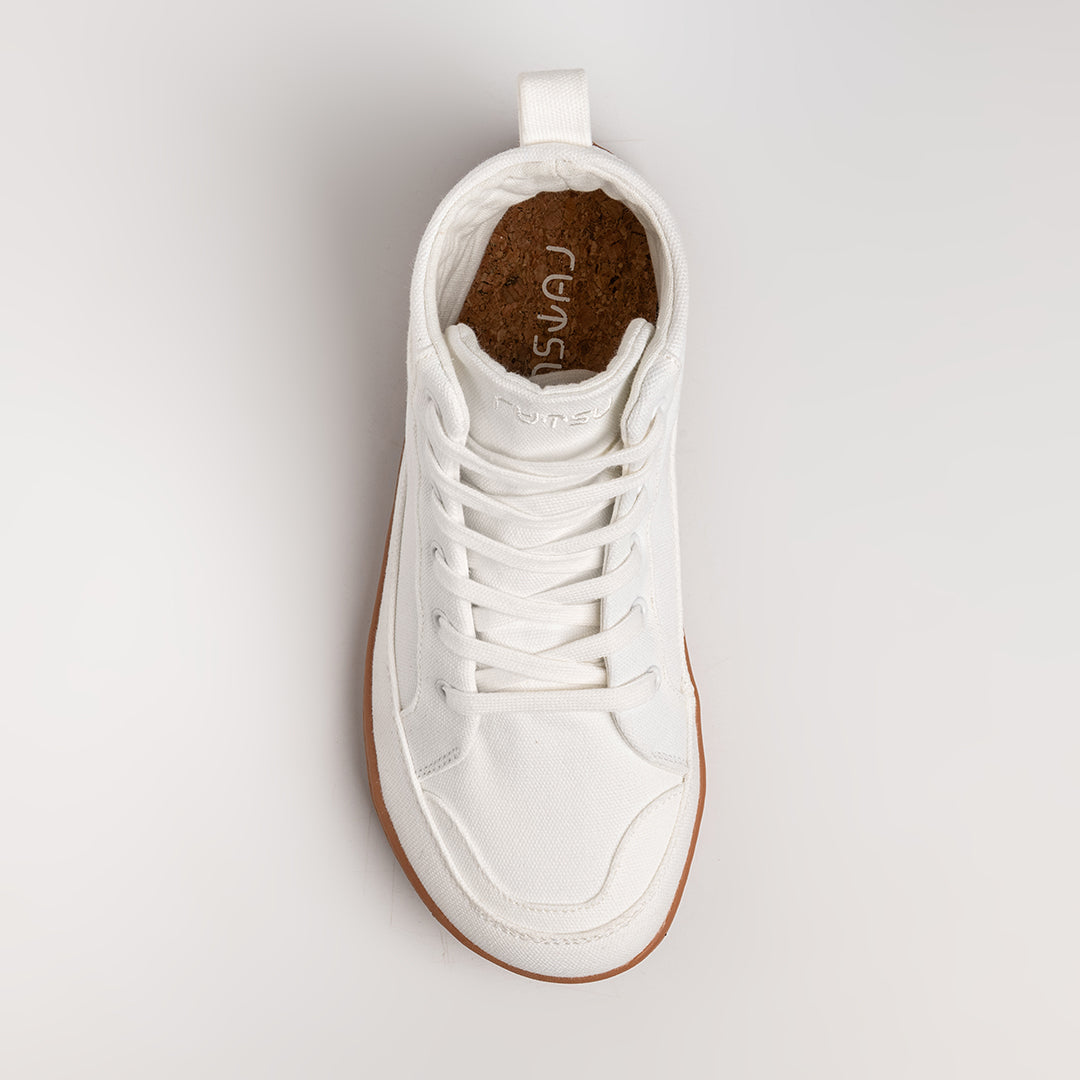


Here's something wild. Your feet contain 26 bones, 33 joints, and around 100 muscles. That's a lot of moving parts. And what do most shoes do with all that potential? They lock everything down. Stuff your feet into stiff boxes and call it "support."
Minimal shoes take a different approach. They let your feet work the way nature intended—flexing, gripping, and feeling the ground beneath you.
But walk into any shoe store, and you'll find dozens of brands claiming to be "minimalist." Some deliver. Others? Not so much. Pick wrong, and you're looking at blisters, sore arches, or that weird slapping sound when you walk.
So let's cut through the noise. This guide covers what actually matters when shopping for minimal shoes—no marketing fluff, just stuff that helps.
Whether you're a yoga practitioner seeking better balance, a remote worker tired of achy feet after quick errands, or someone dealing with foot pain from years of conventional shoes, minimal footwear might be exactly what you need. These shoes work for people who value both wellness and looking good while getting it.
What Are Minimal Shoes, and How Do They Actually Work for Your Feet?
Strip away the chunky soles. Ditch the raised heels. Get rid of that narrow toe box, squishing your toes together. What's left? A minimal shoe.
These shoes do one thing really well: they get out of your foot's way. You still get protection from sharp rocks and hot sidewalks, but the shoe moves with you instead of against you.
Three things make this work. Zero-drop soles—meaning your heel and toes sit at the same level. A wide toe box so your toes can spread out. And thin, flexible materials that let you feel the ground without leaving you exposed.
Here's an analogy that clicks for most people. Regular shoes are basically mittens for your feet. Minimal shoes? More like gloves. Each part can do its job.
Why Choosing the Right Minimal Shoes Matters More Than You Think
I've seen people grab any shoe labeled "barefoot" and assume they're good to go. Big mistake.
The wrong pair will mess with you. Blisters. Arch fatigue. That embarrassing flap-flap-flap when you walk. Not fun.
Find the right pair, though? Your balance improves. Posture gets better. Those end-of-day aches start fading.
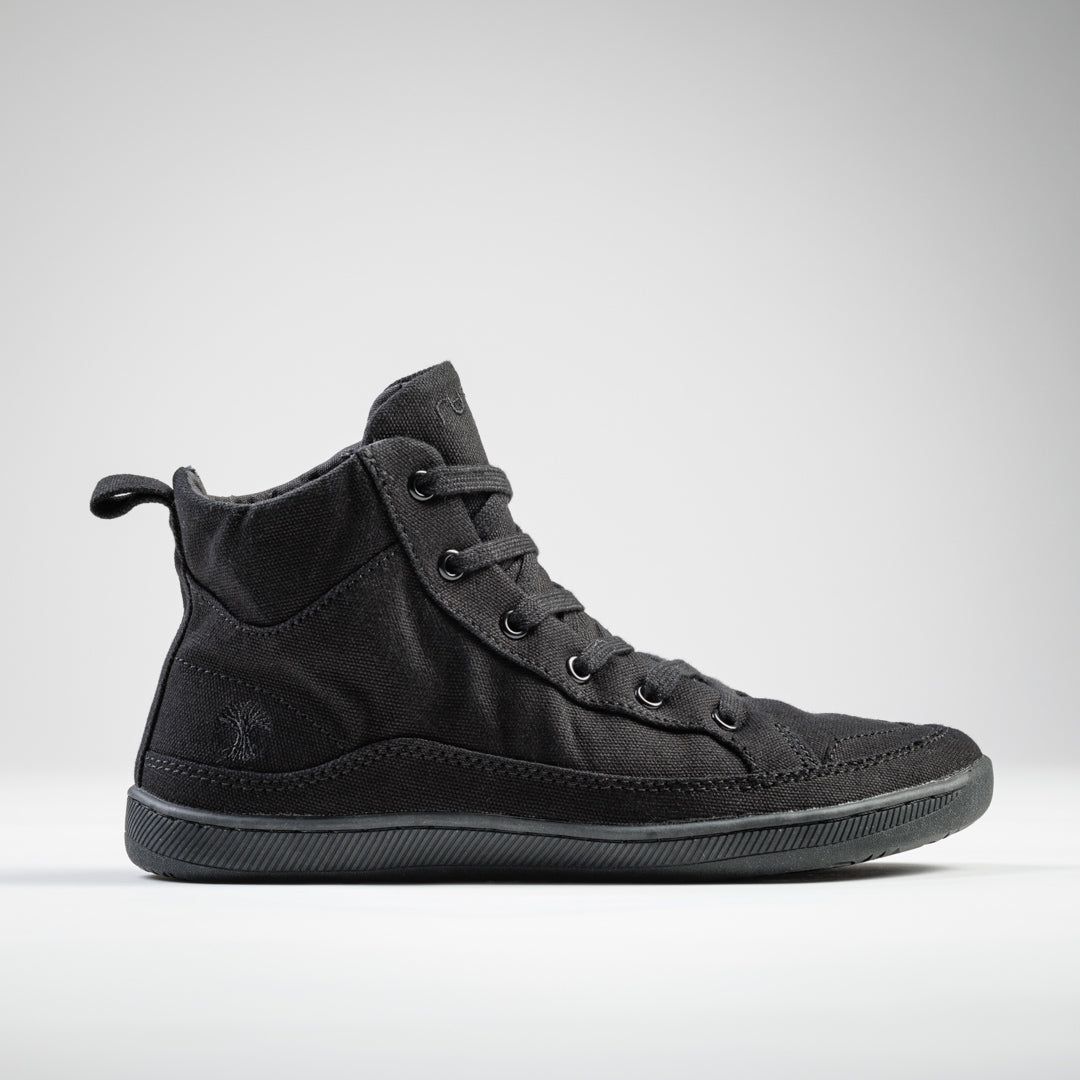
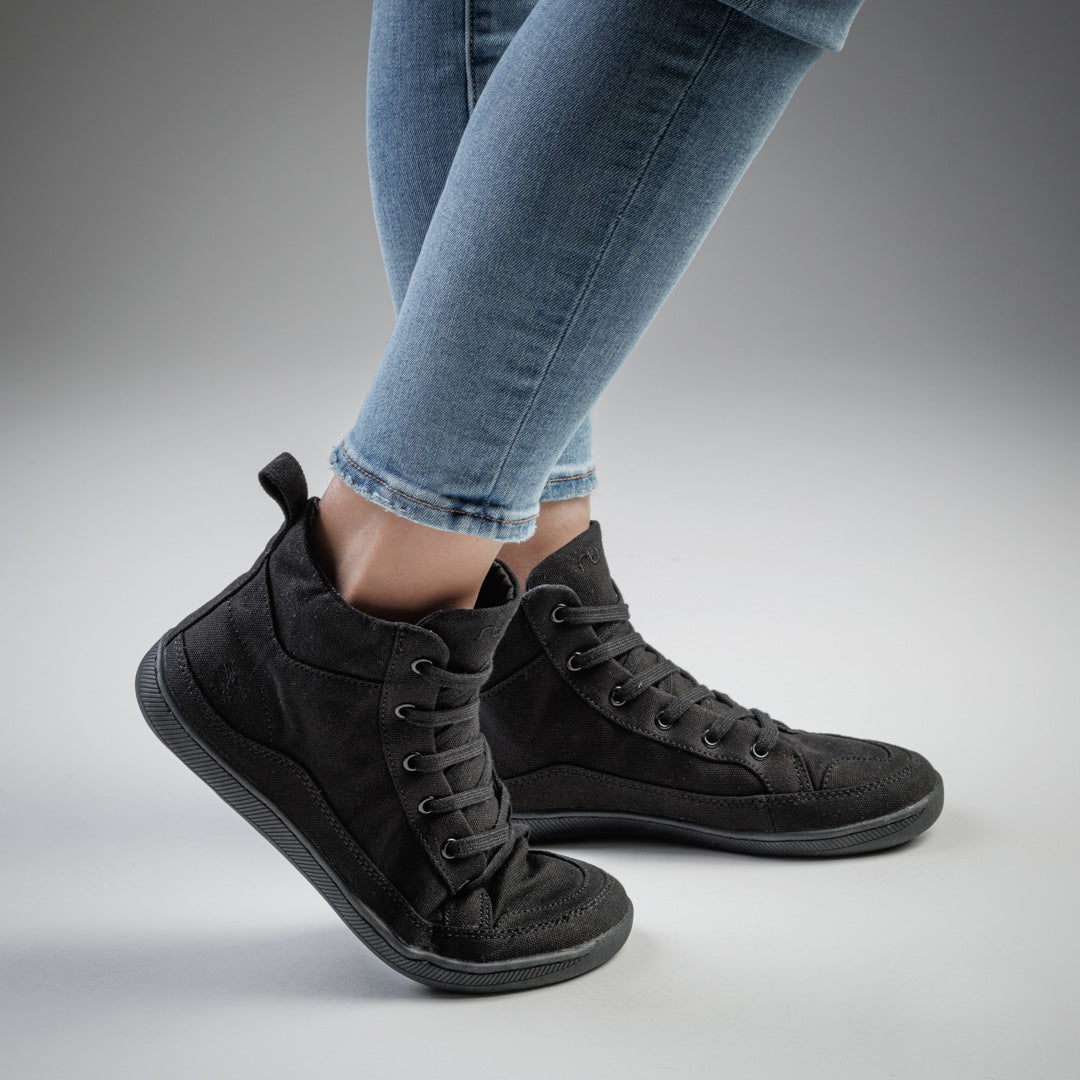
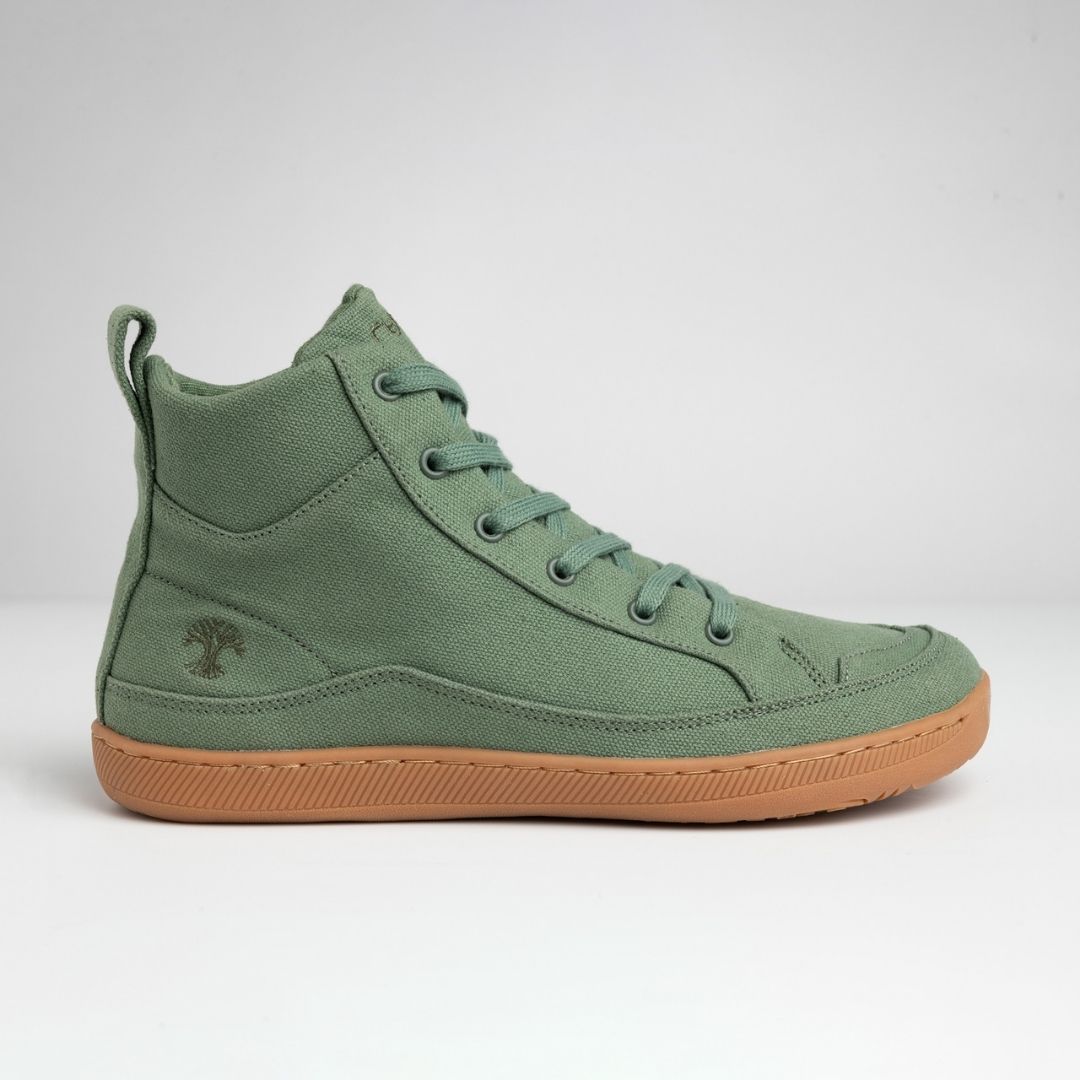
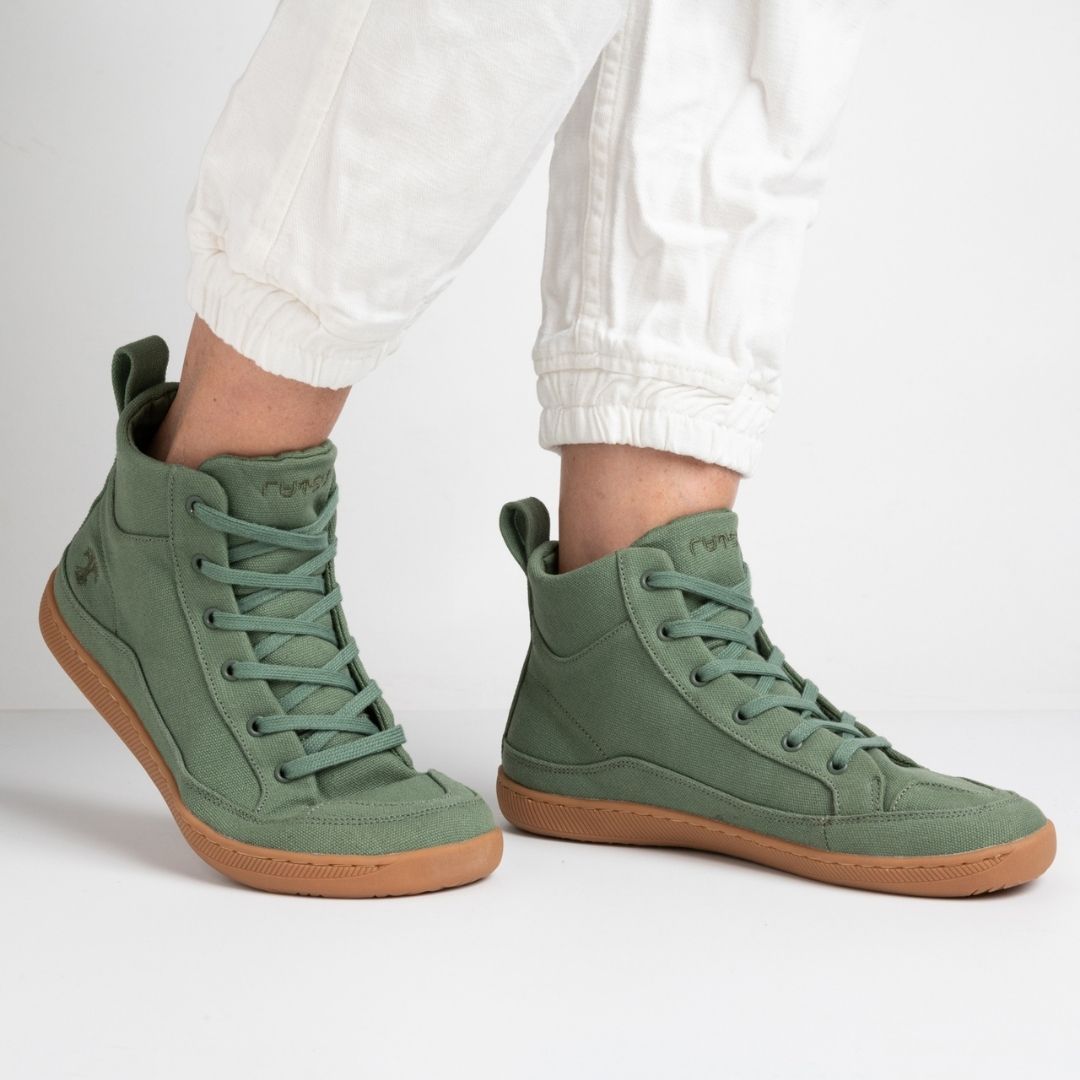
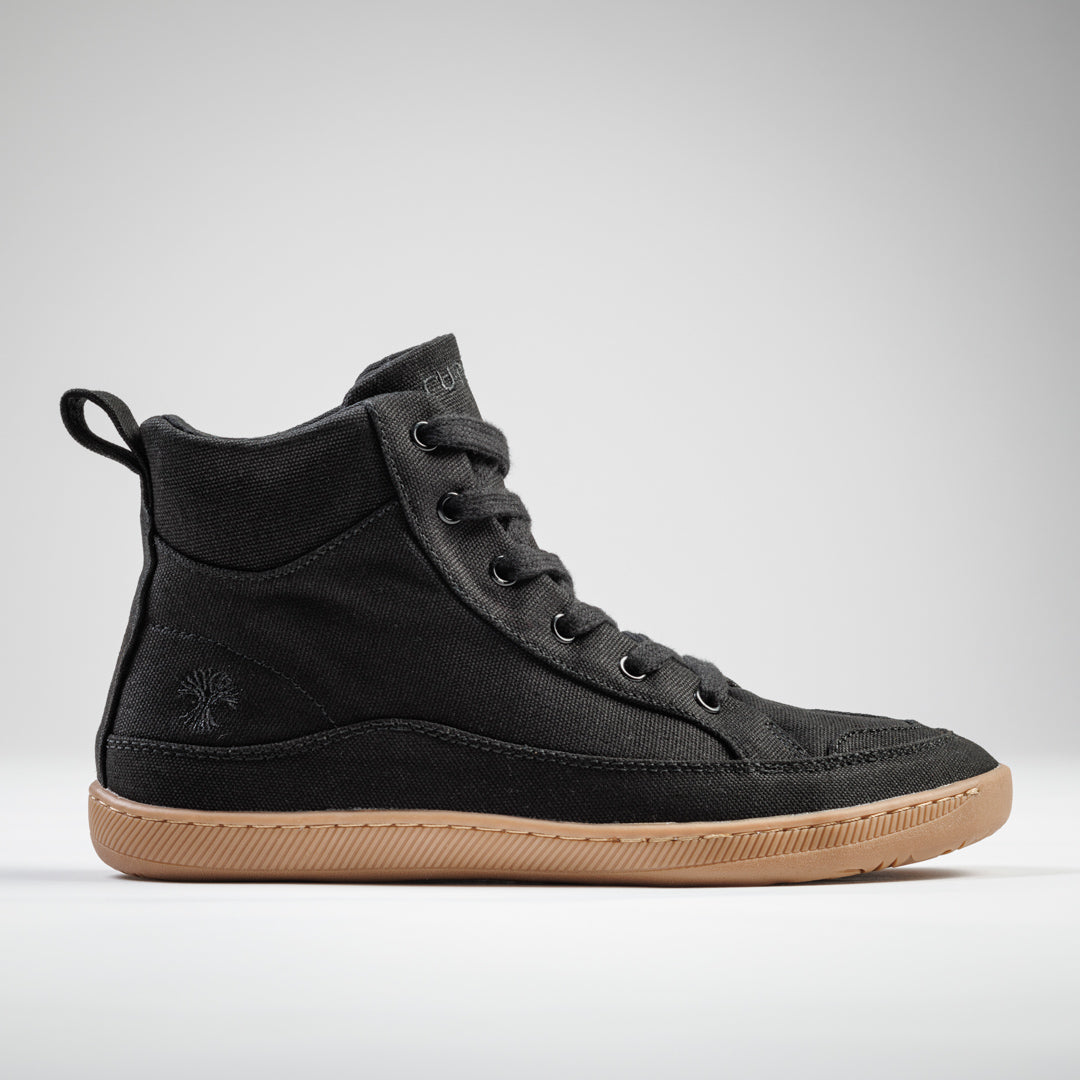
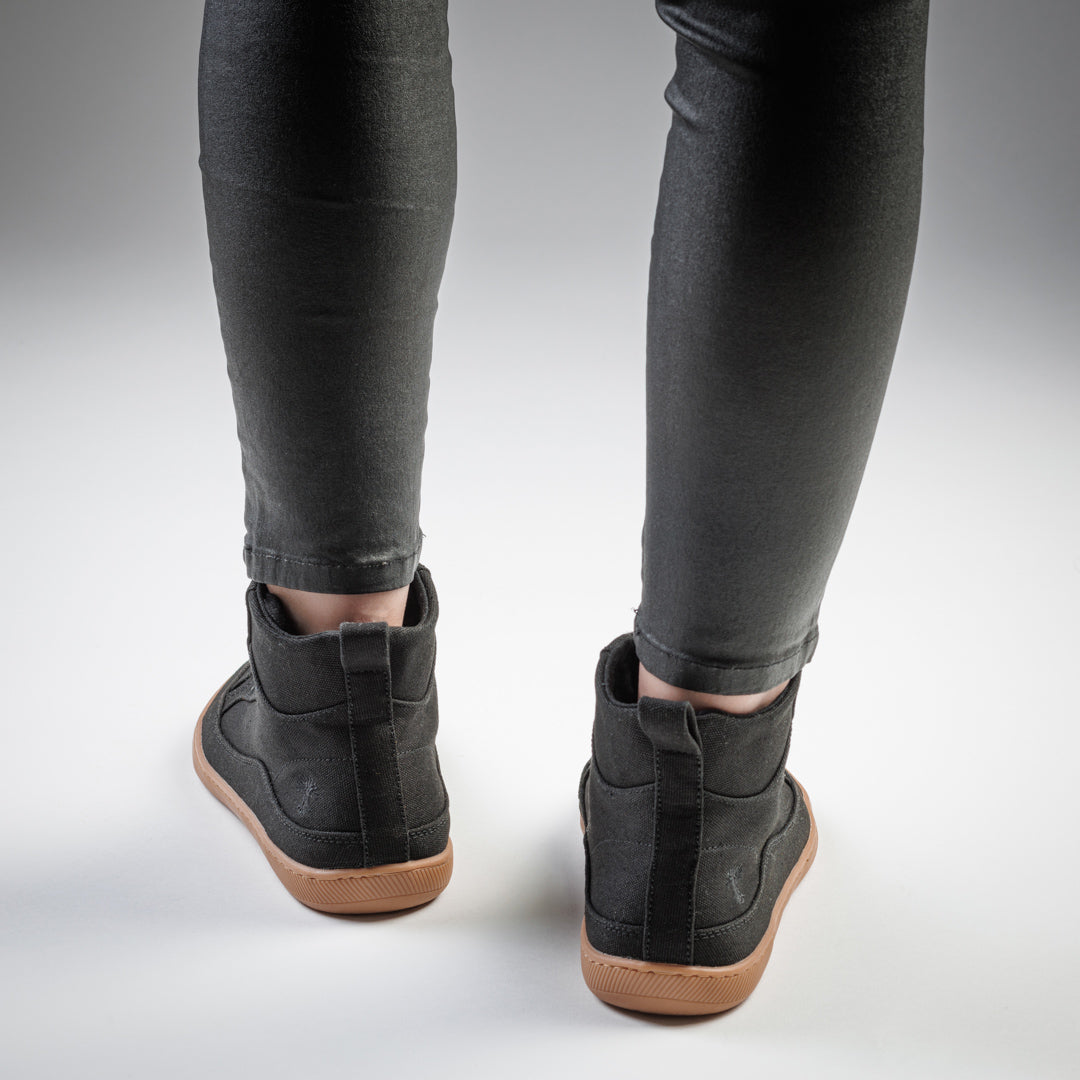
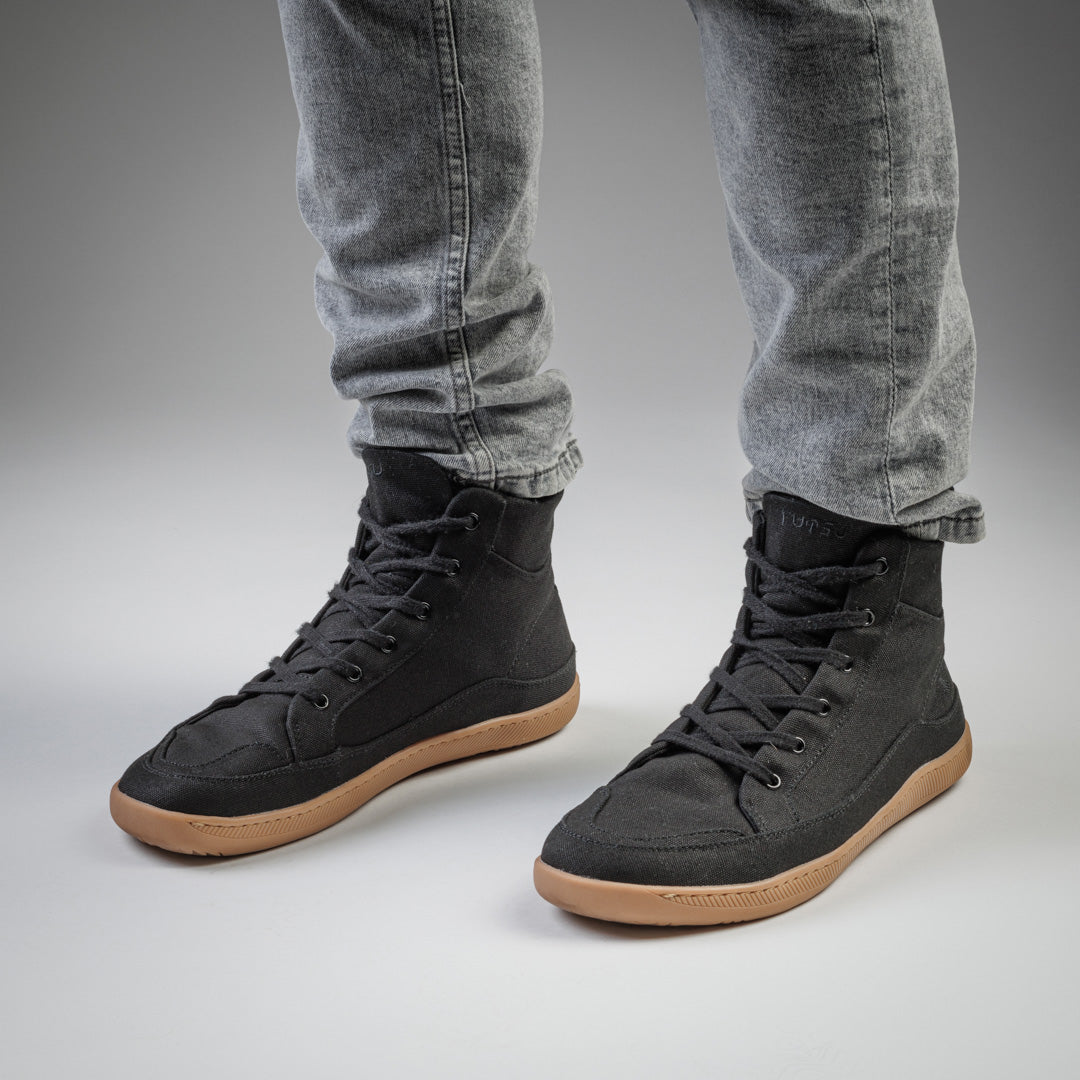
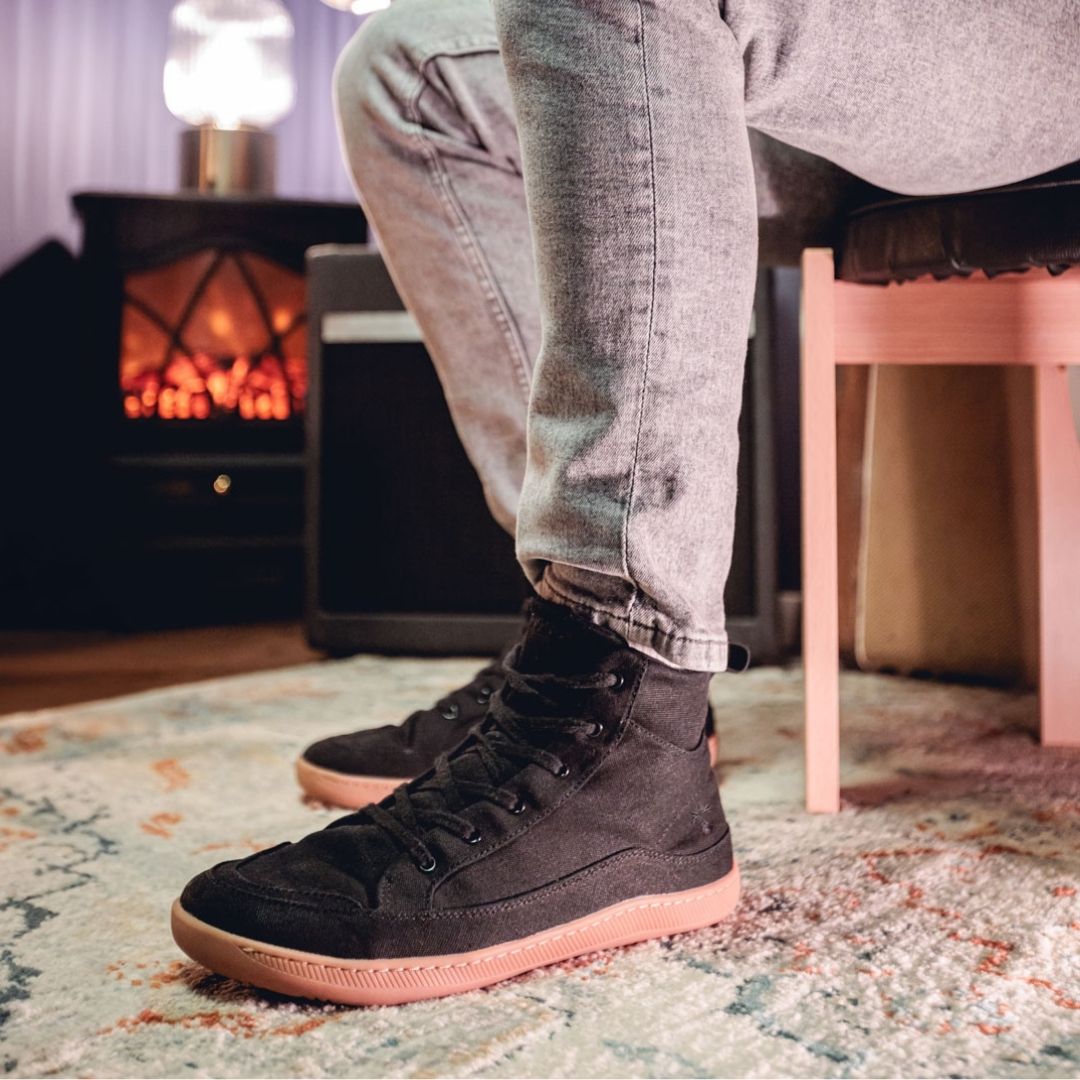
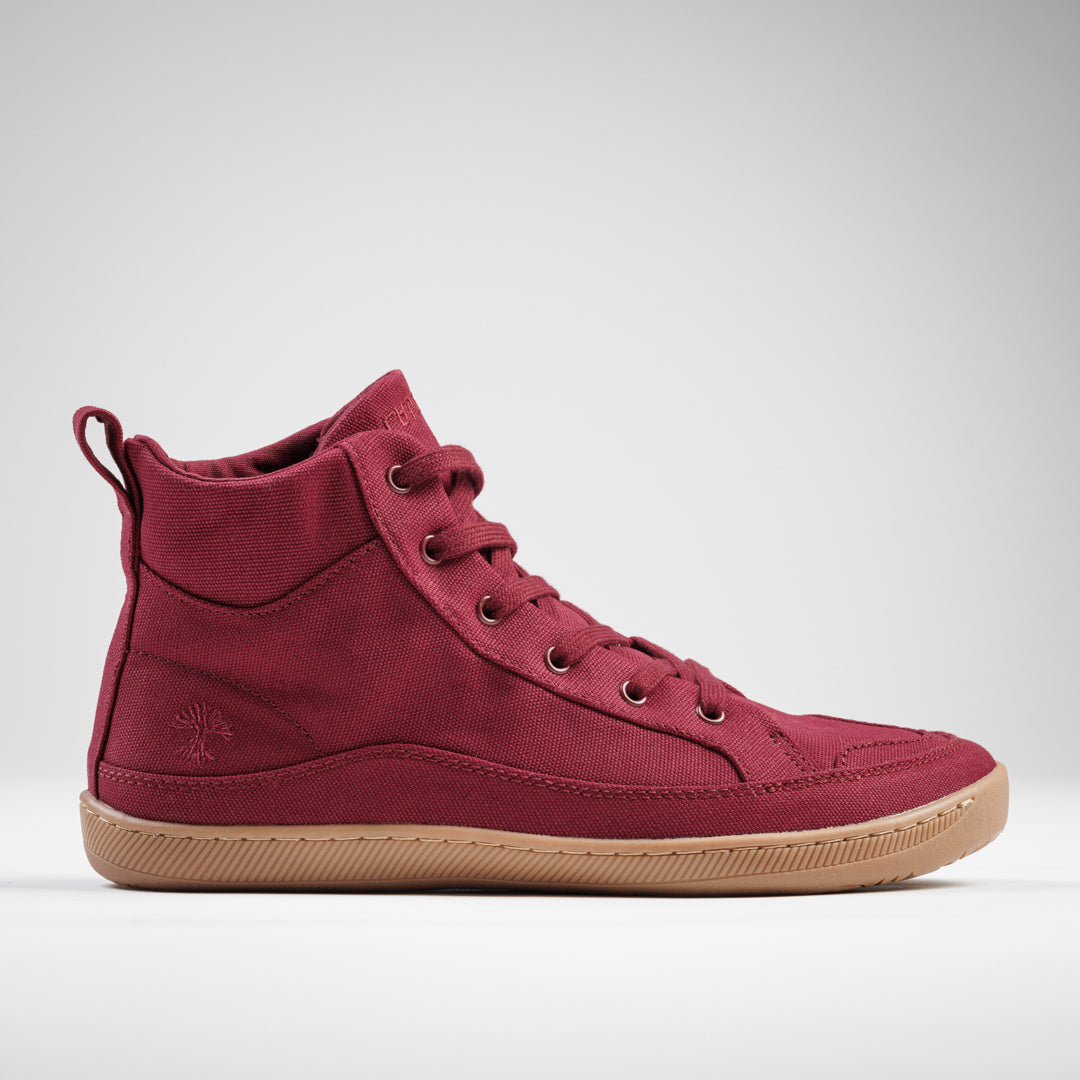
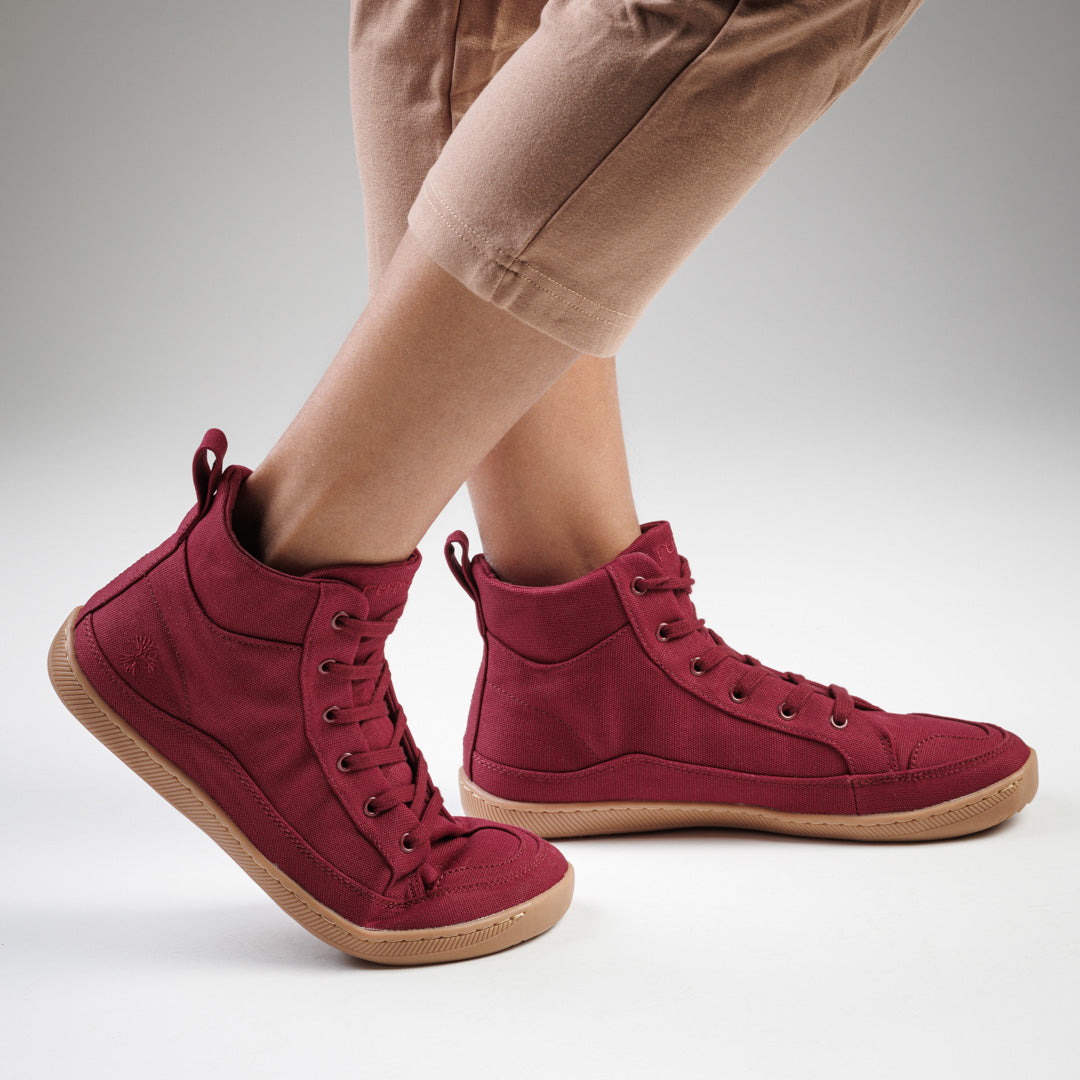
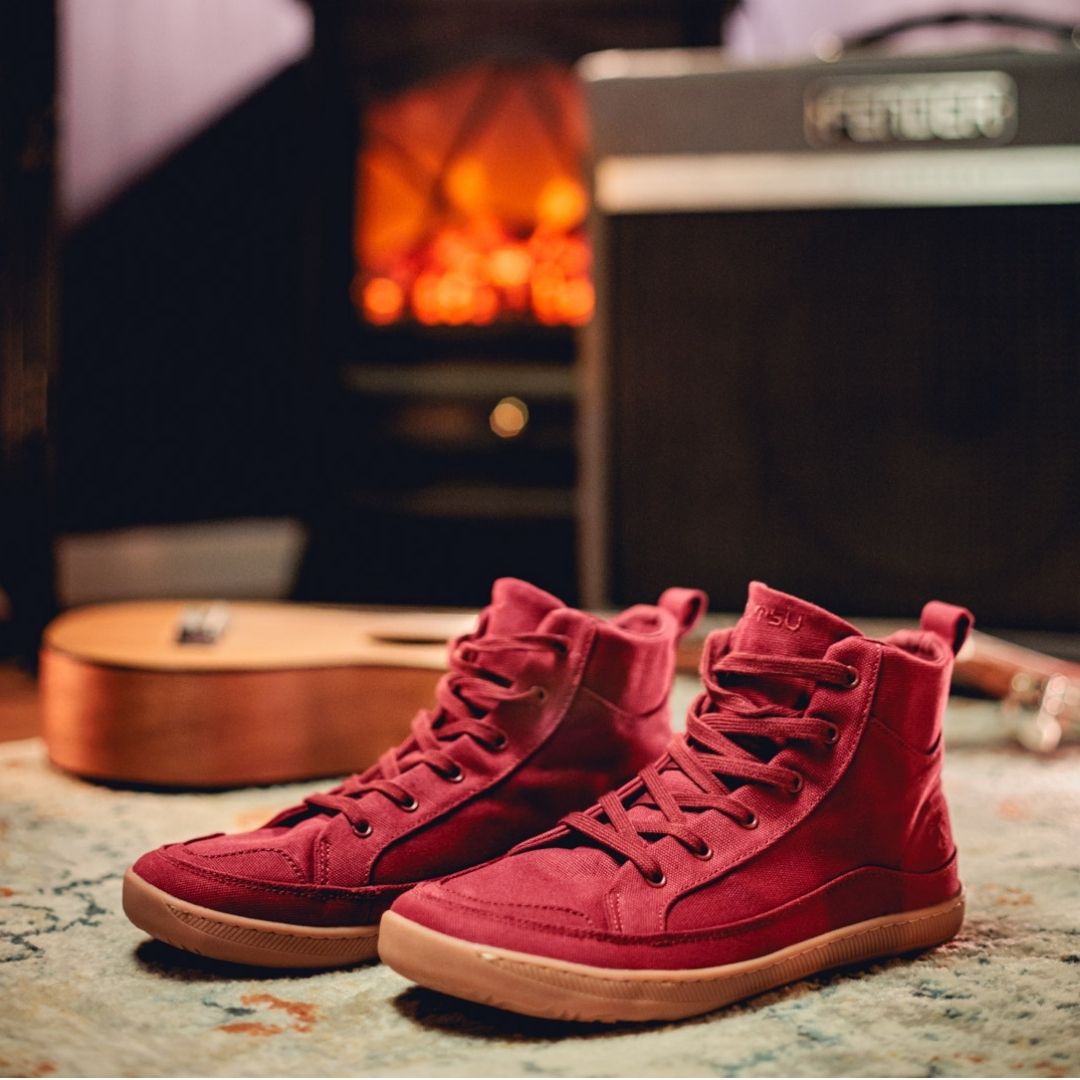
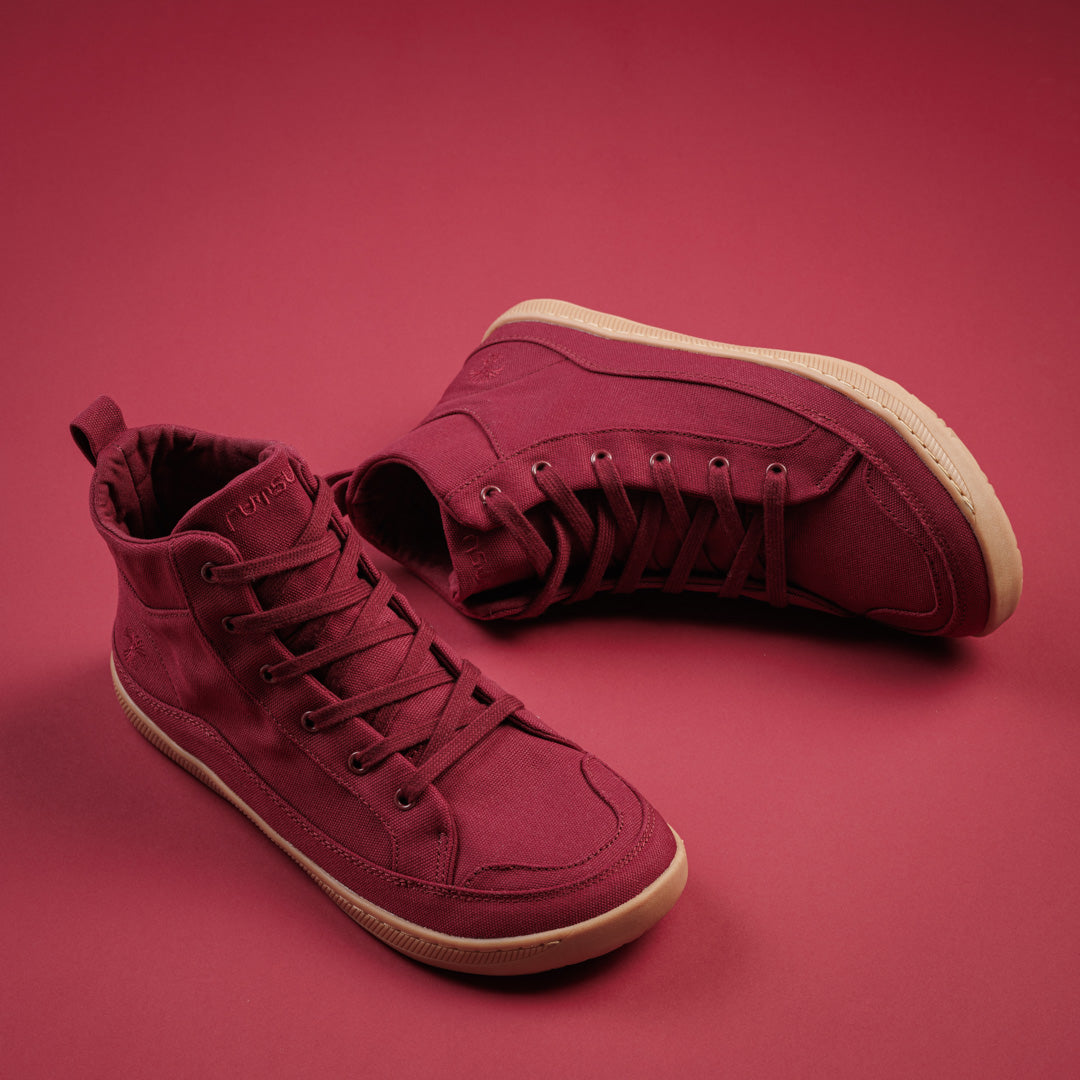
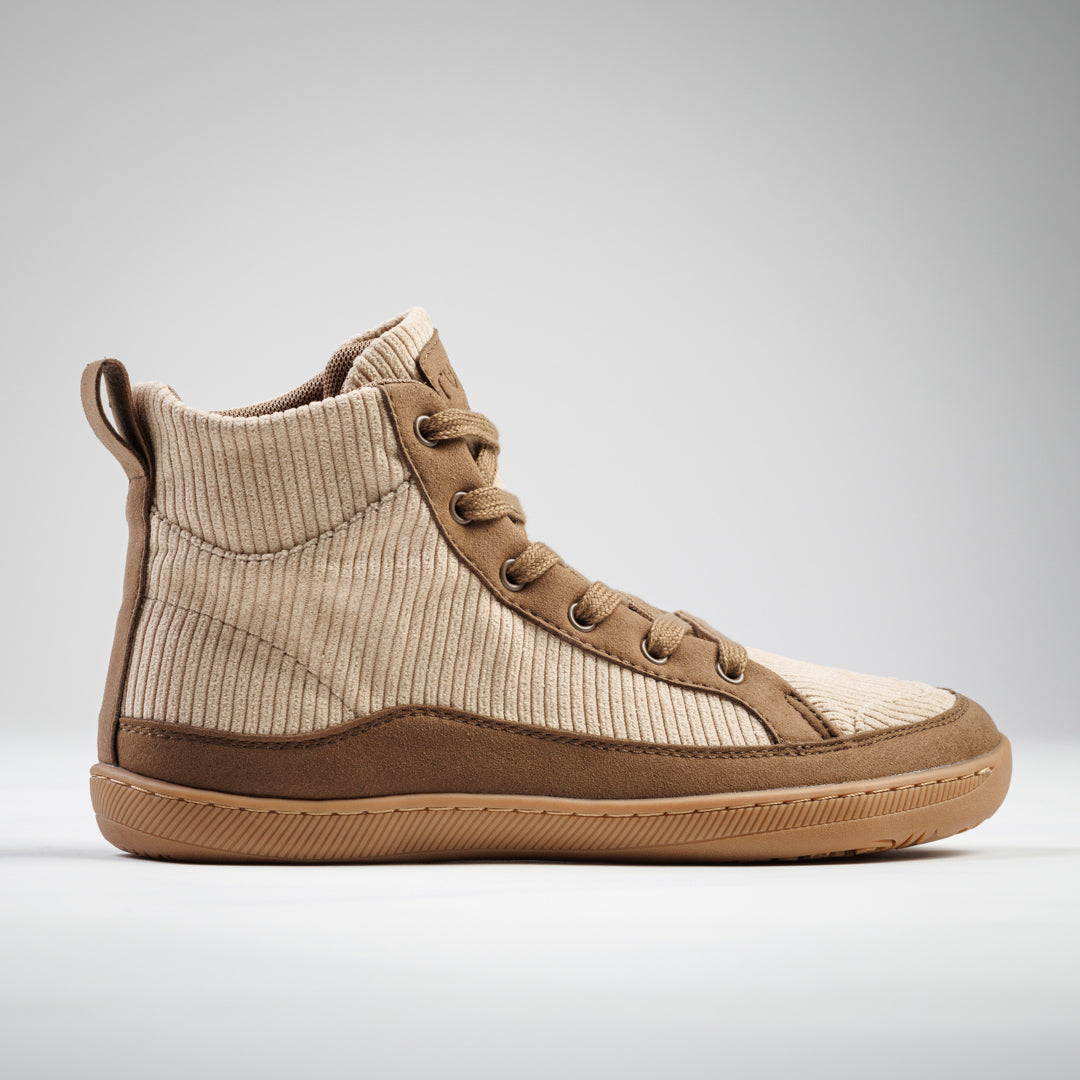
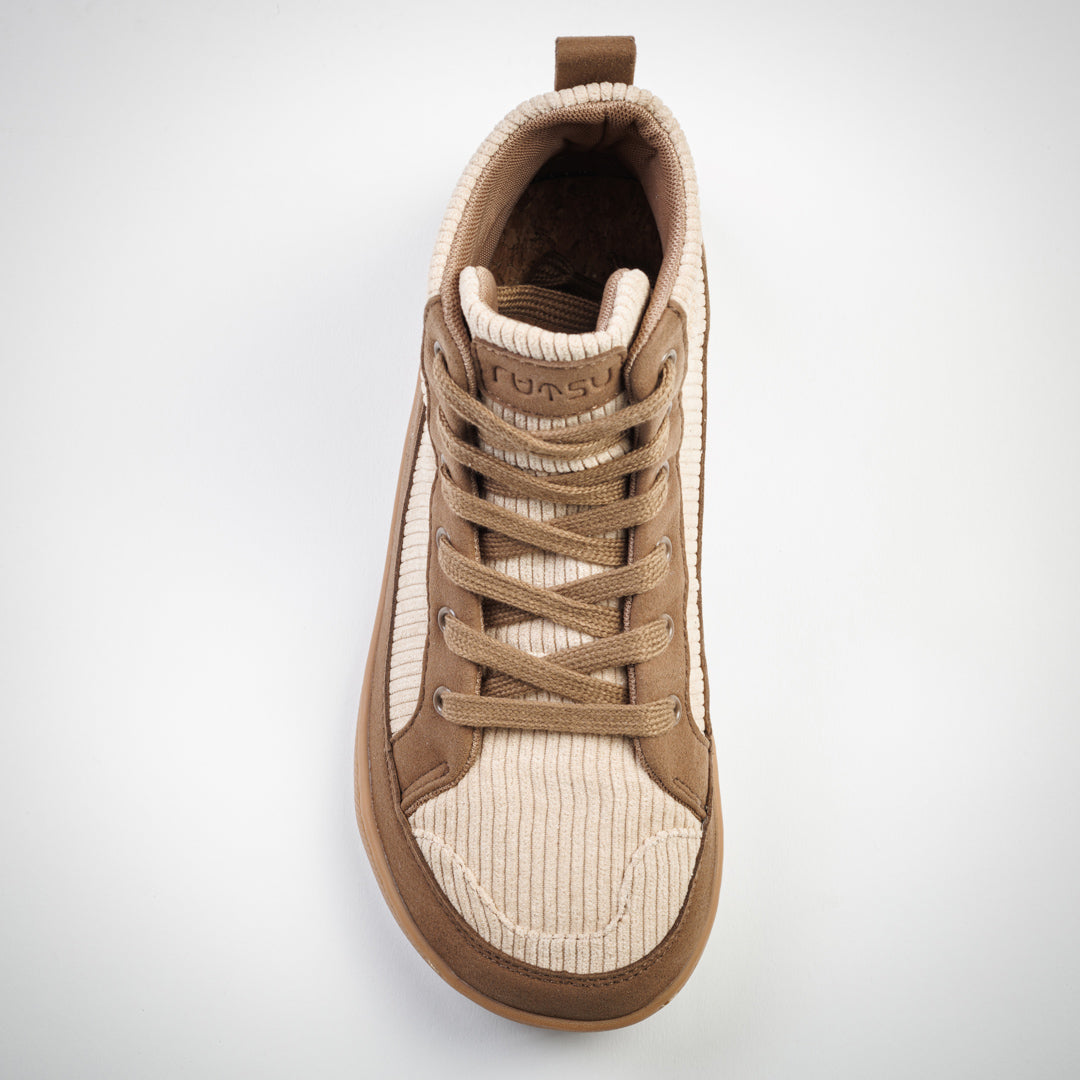
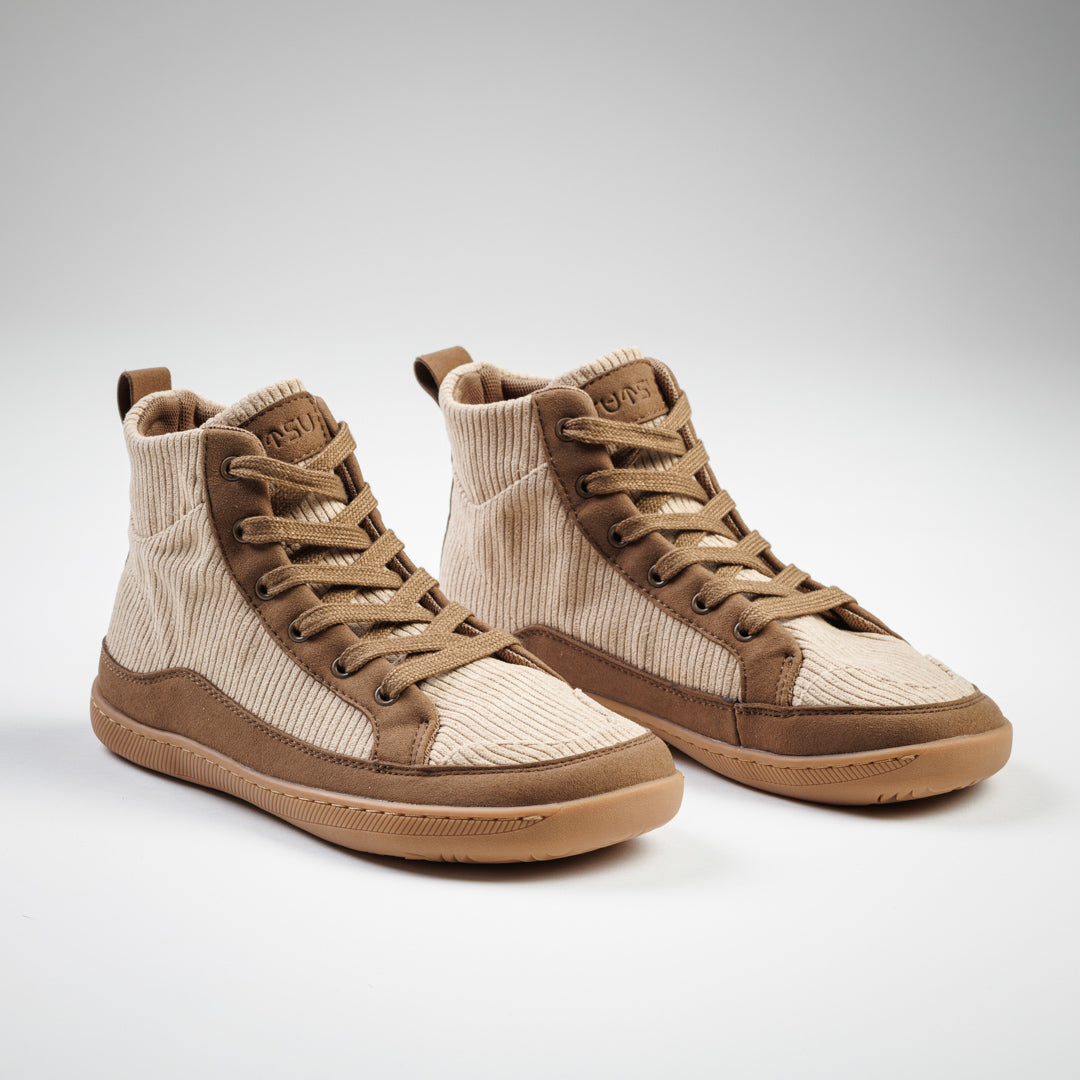
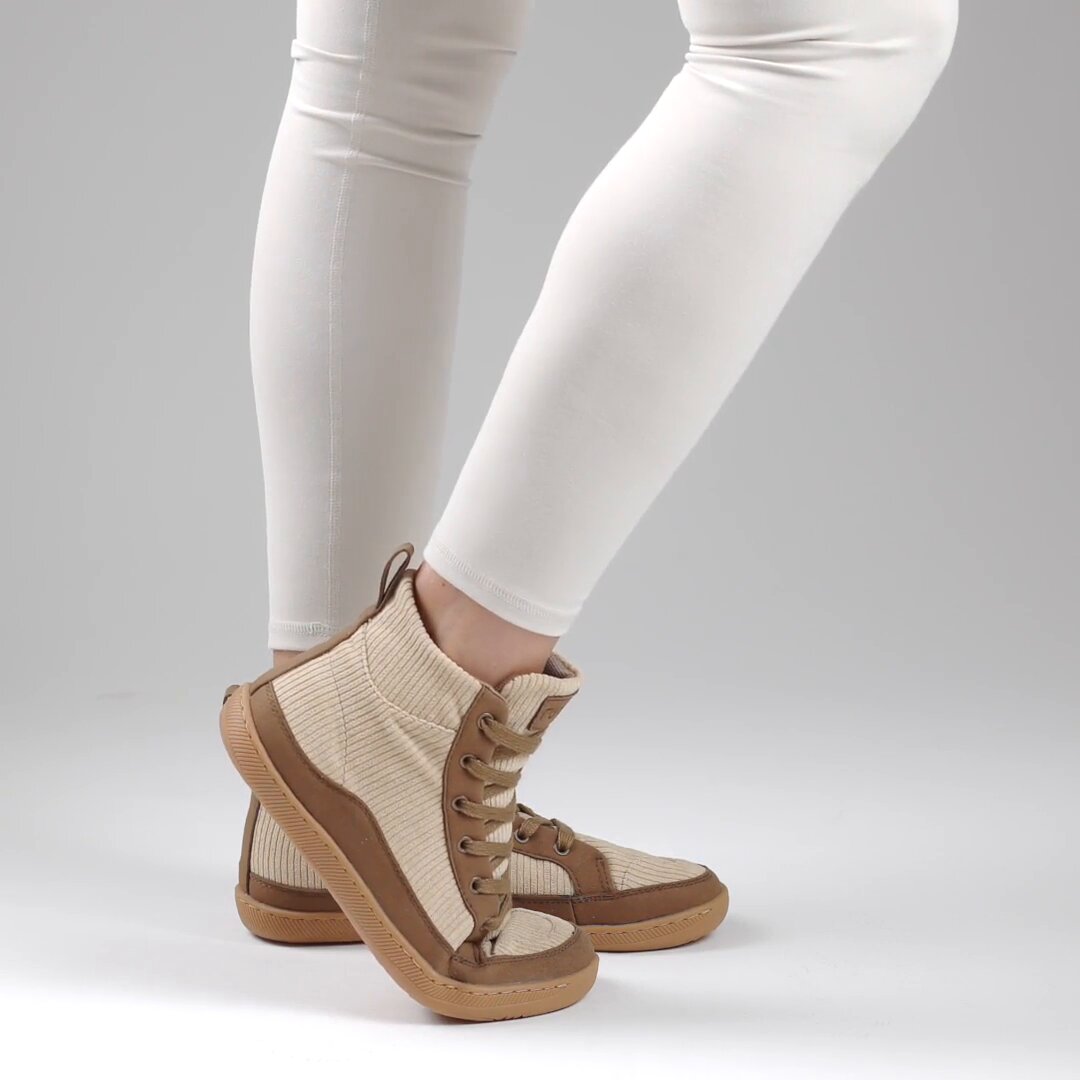
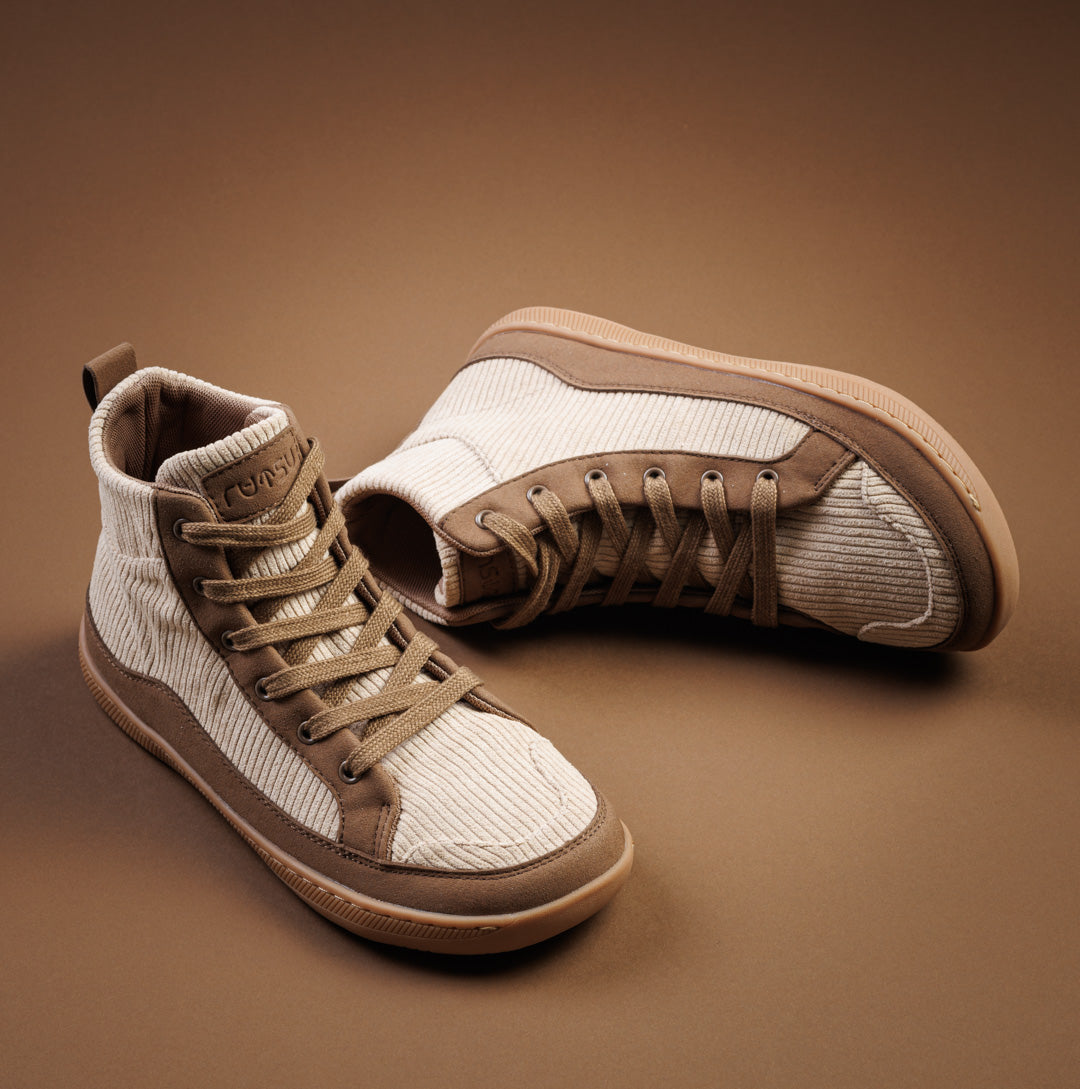
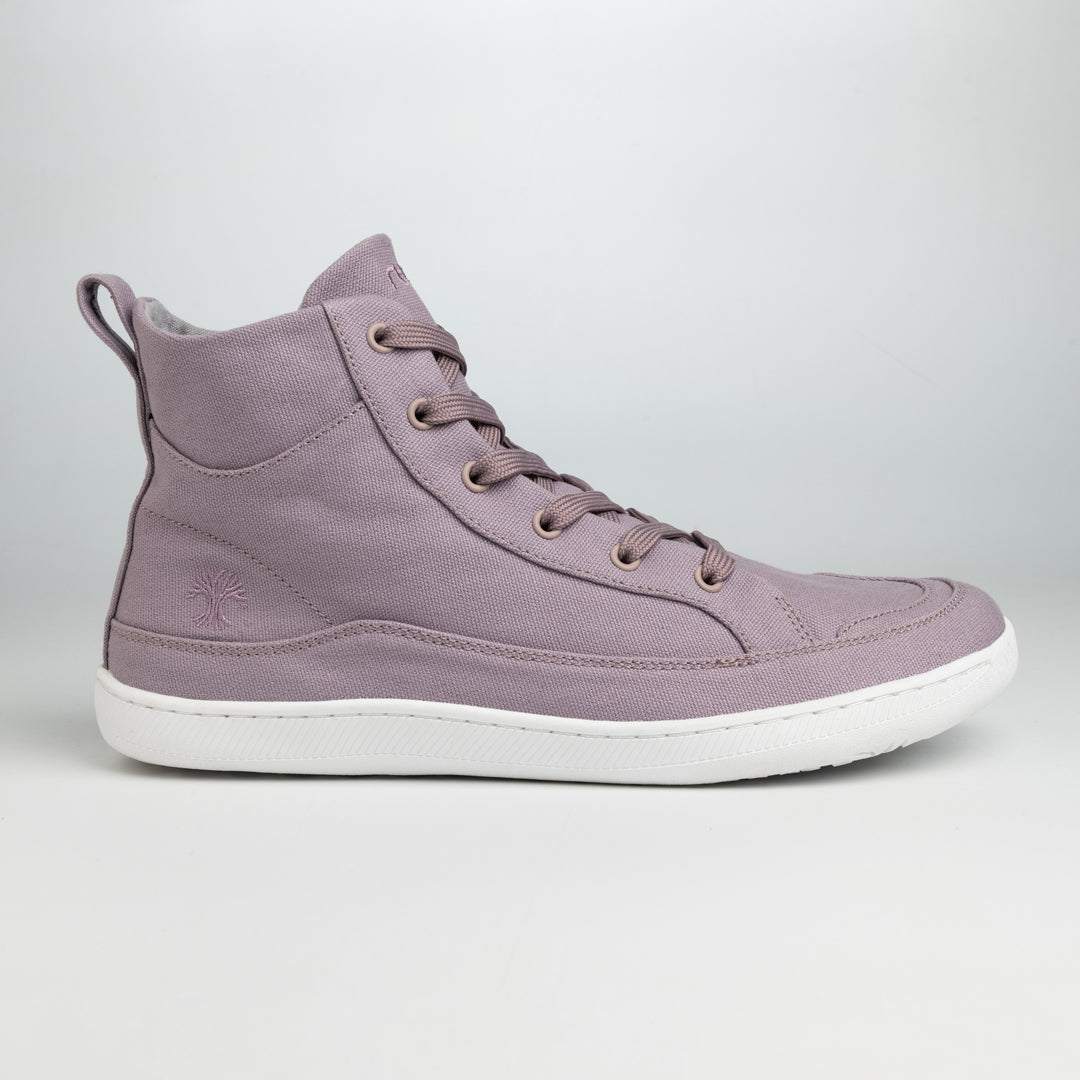
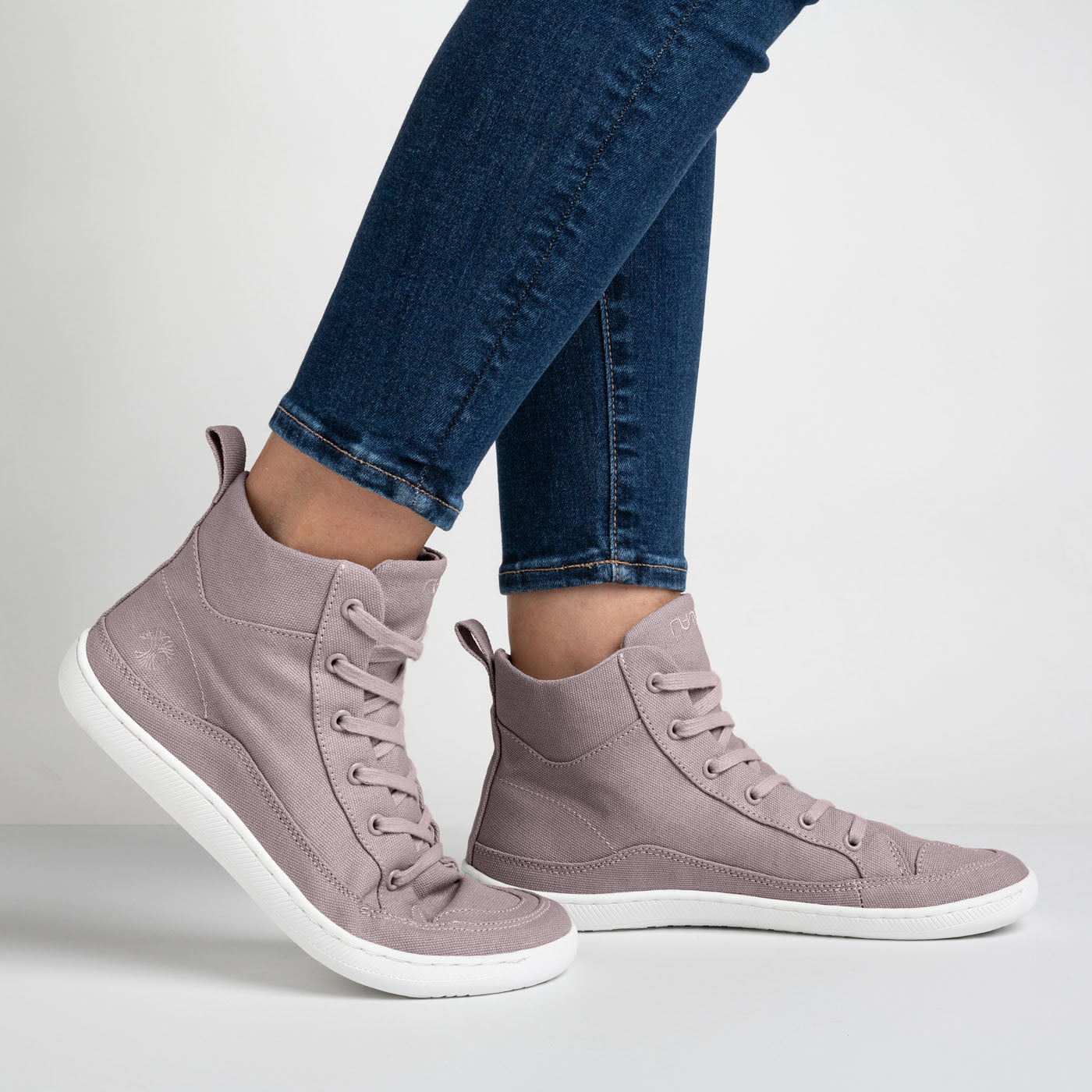
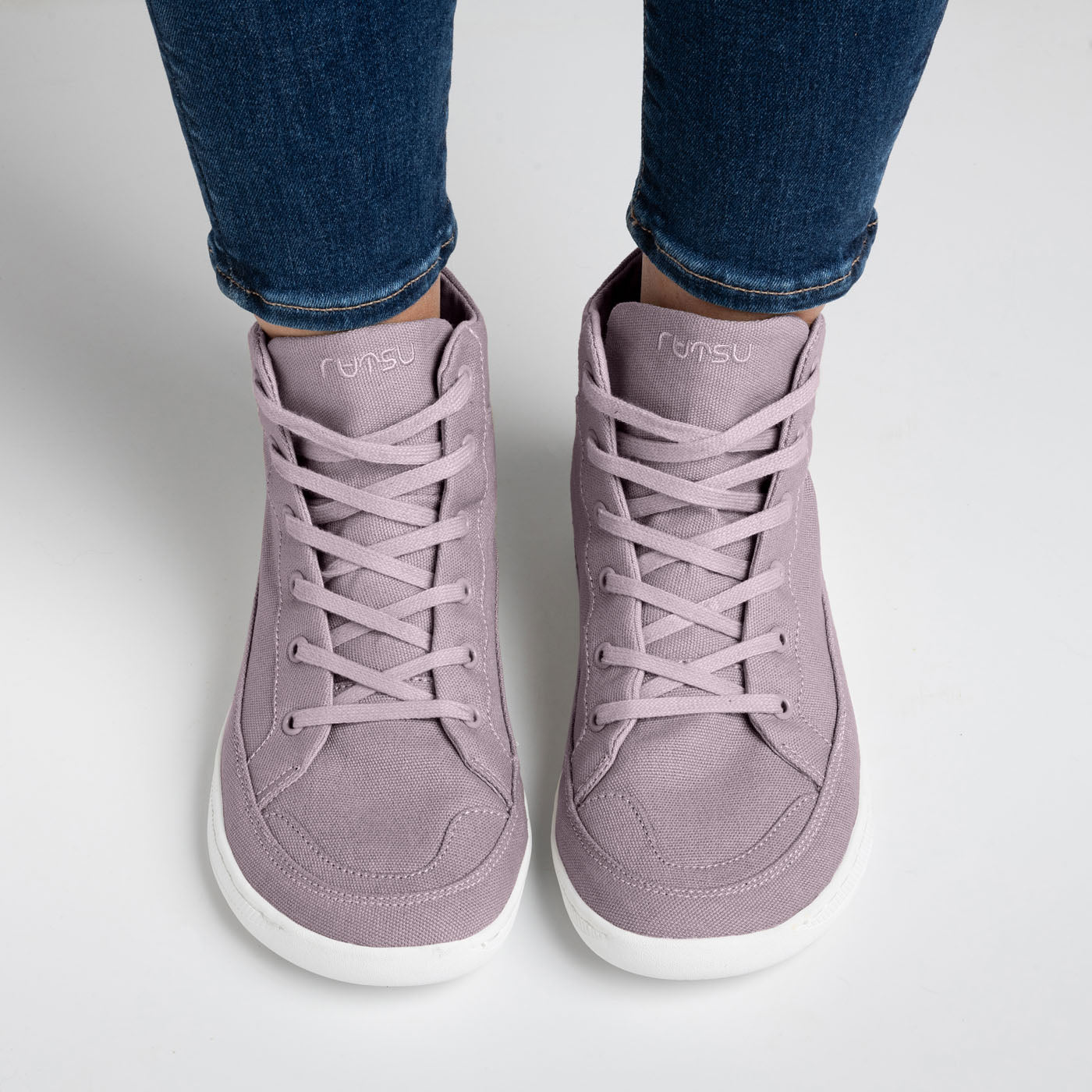
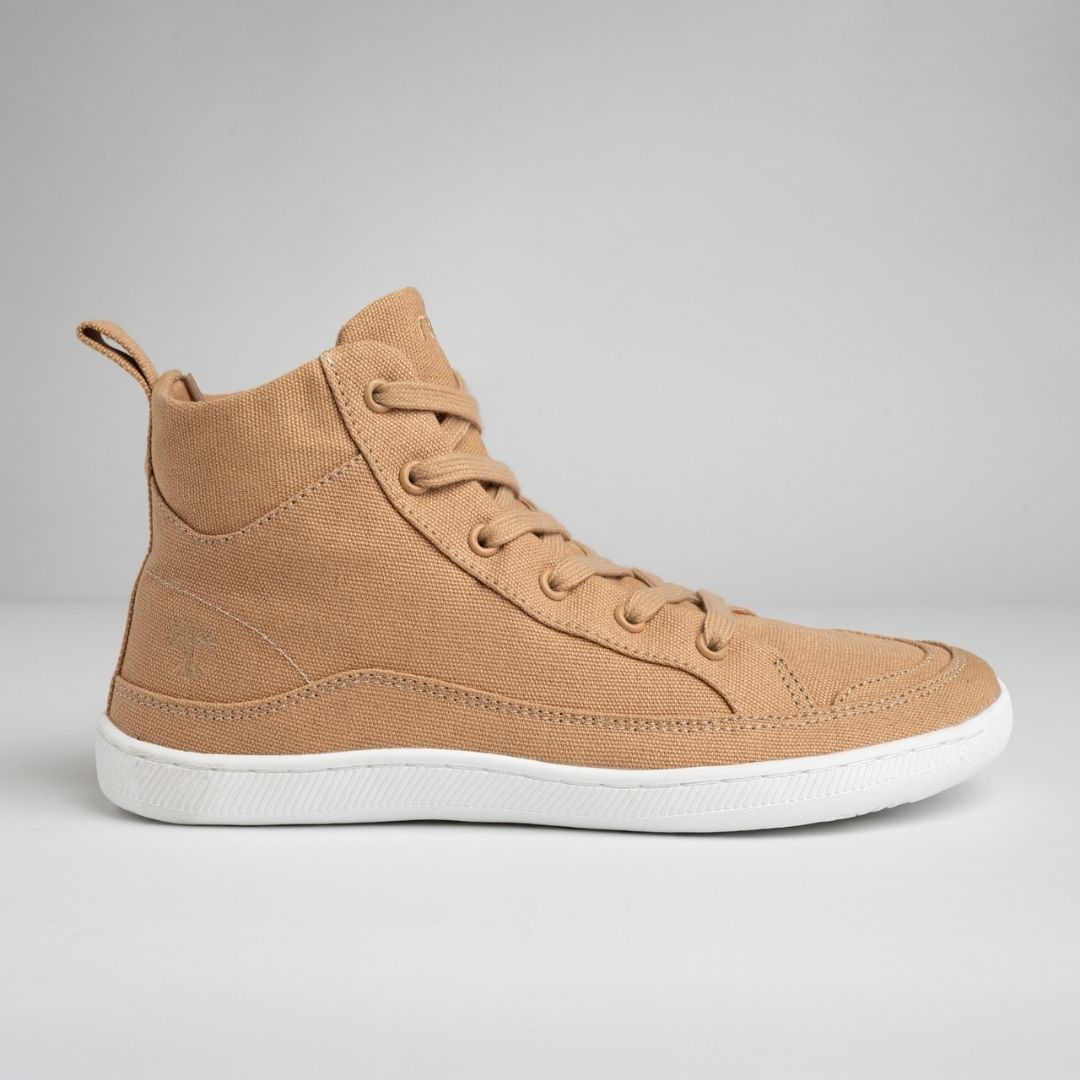
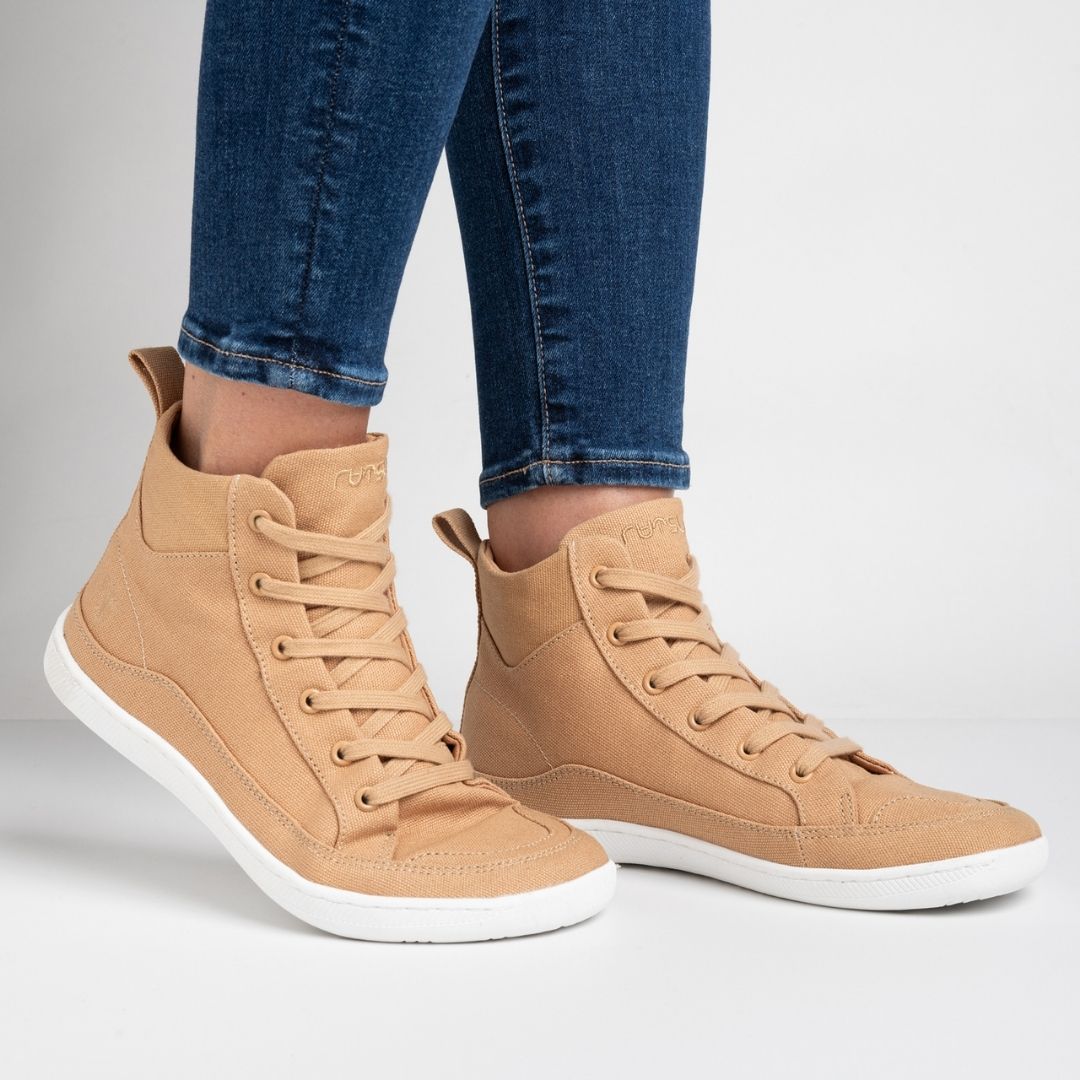
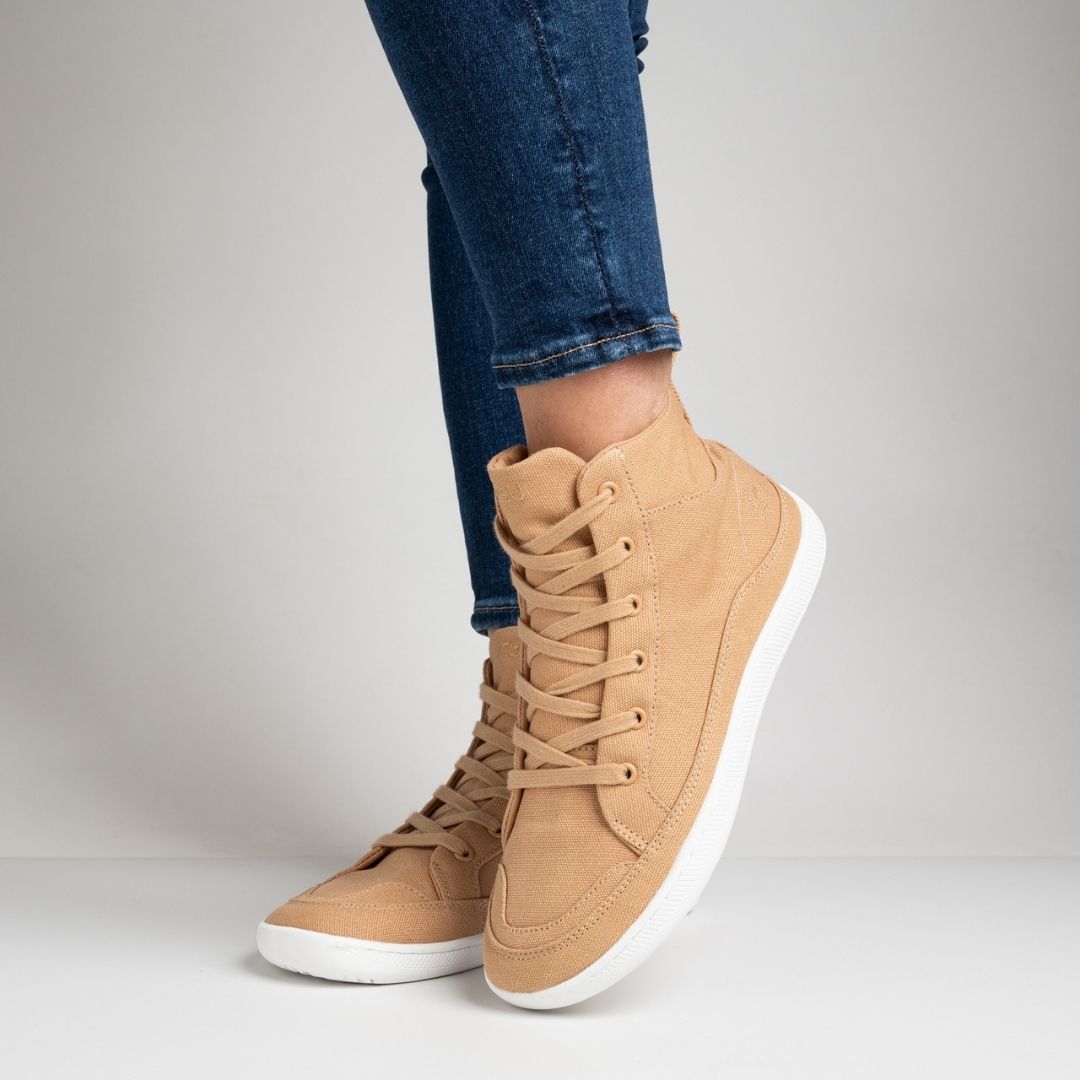
Rutsu gets this balance right. They make minimalist shoes womens and men actually want to wear—shoes that work for the gym but don't look ridiculous at a coffee shop. Because if your shoes scream "I do barefoot hiking," you're probably not wearing them everywhere.
Key Features to Look for When Buying Minimal Shoes
Before you buy anything, know what separates good minimal shoes from disappointing ones:
Zero-drop sole—heel and toe at the same height. No artificial tilt.
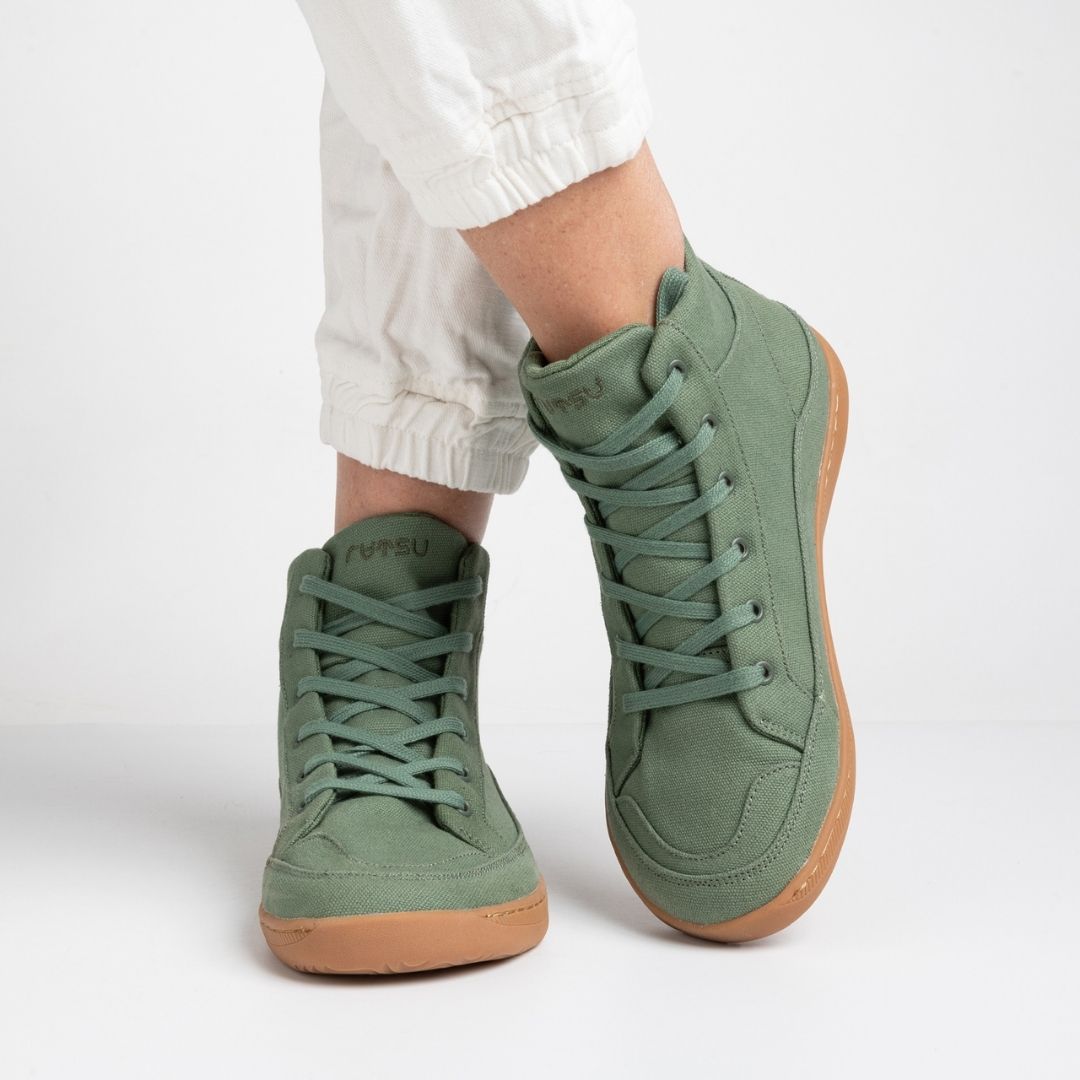
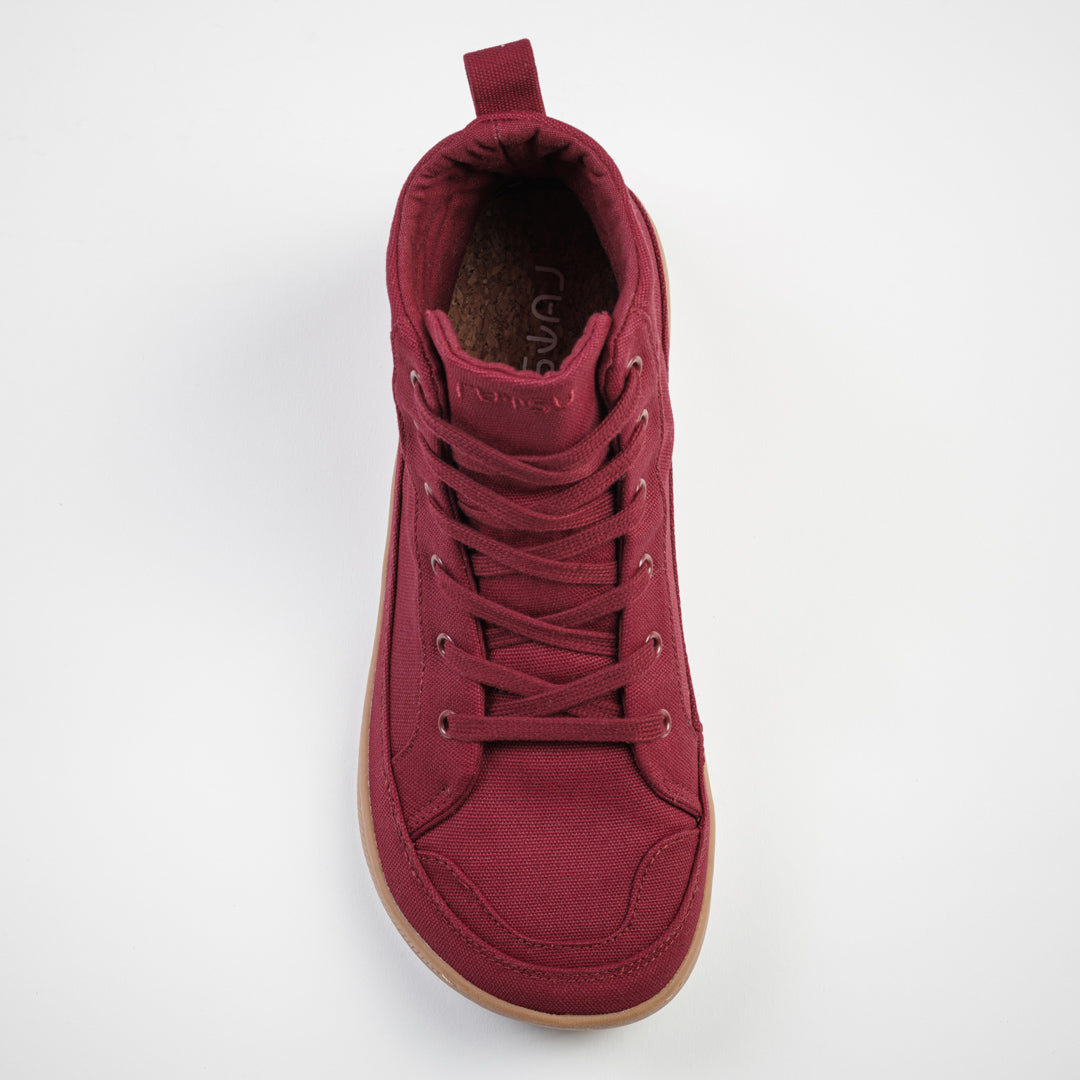
Wide toe box—room for toes to spread naturally.
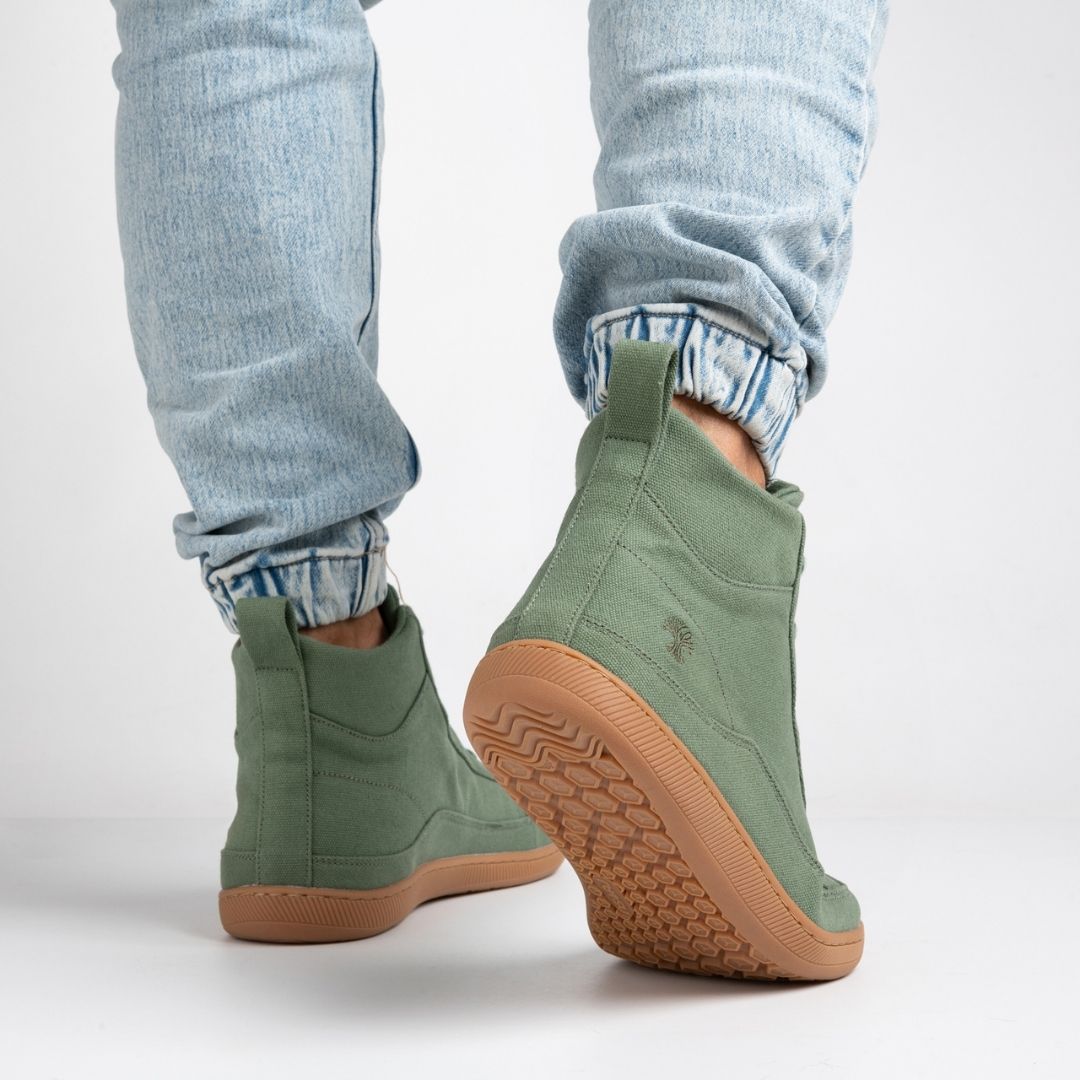
Thin, flexible sole—feel the ground, just not every tiny pebble.
Lightweight—Heavy "minimal" shoes miss the whole point.
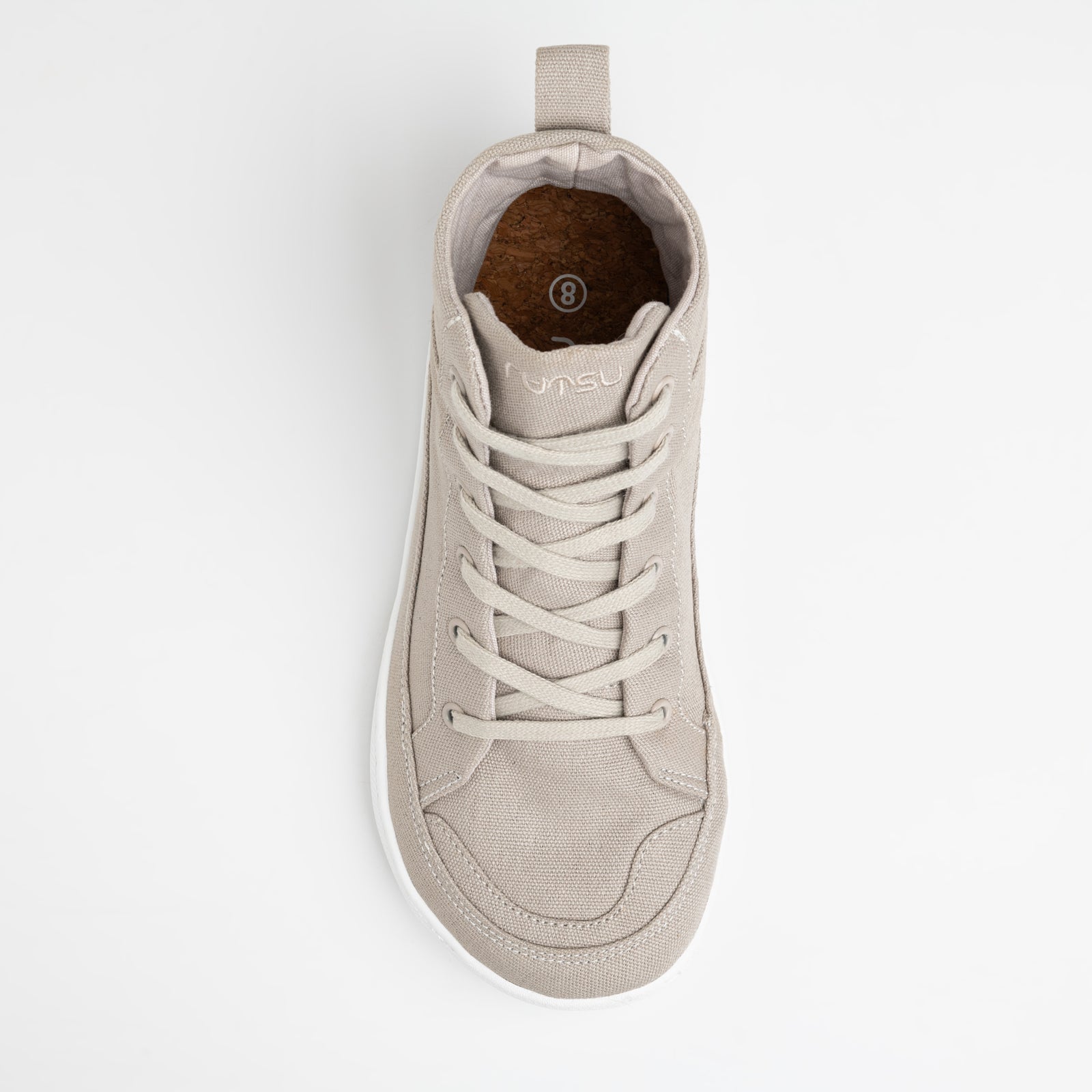
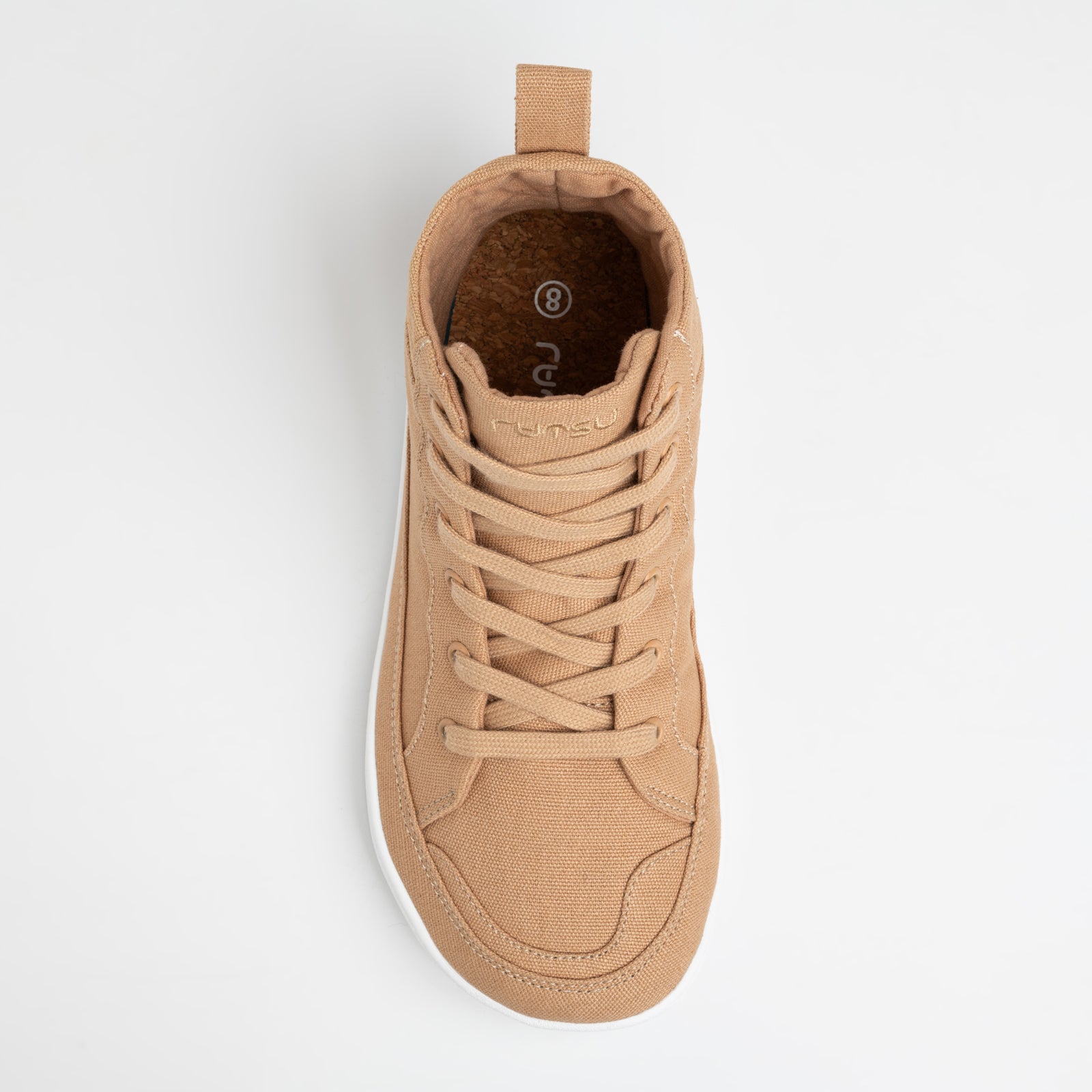
Removable insoles—options for customizing fit and easing into barefoot life.
These aren't nice-to-haves. They're the baseline.
Minimal Shoe Sole Thickness: How Thin Is Thin Enough?
This one starts arguments in barefoot forums. Some folks want soles thin enough to feel sidewalk texture. Others think that's overkill.
My take? It depends on how long you've been wearing minimal shoes and where you'll use them.
Just starting? Look for a 6–10 mm range. Thick enough to protect while your feet build strength. As things progress, you might want less between you and the ground.
For city walking—concrete, cobblestone, occasional gravel—moderate thickness handles it without leaving feet beat up. Women's barefoot sneakers from solid brands nail this middle ground. Protected enough for real life, thin enough to stay connected.
How Minimal Shoes' Toe Box Width Affects Comfort and Foot Health
Your toes shouldn't be crammed together like commuters on a packed subway. But that's what most conventional shoes do. Over time? Bunions. Hammertoes. General foot misery.
A proper toe box gives toes space to splay when you walk. Better stability, stronger foot muscles, and fewer pressure points.
Quick test: can you wiggle all five toes freely? Any pinching on the sides? If your pinky toe feels like it's fighting for survival, the shoe's too narrow.
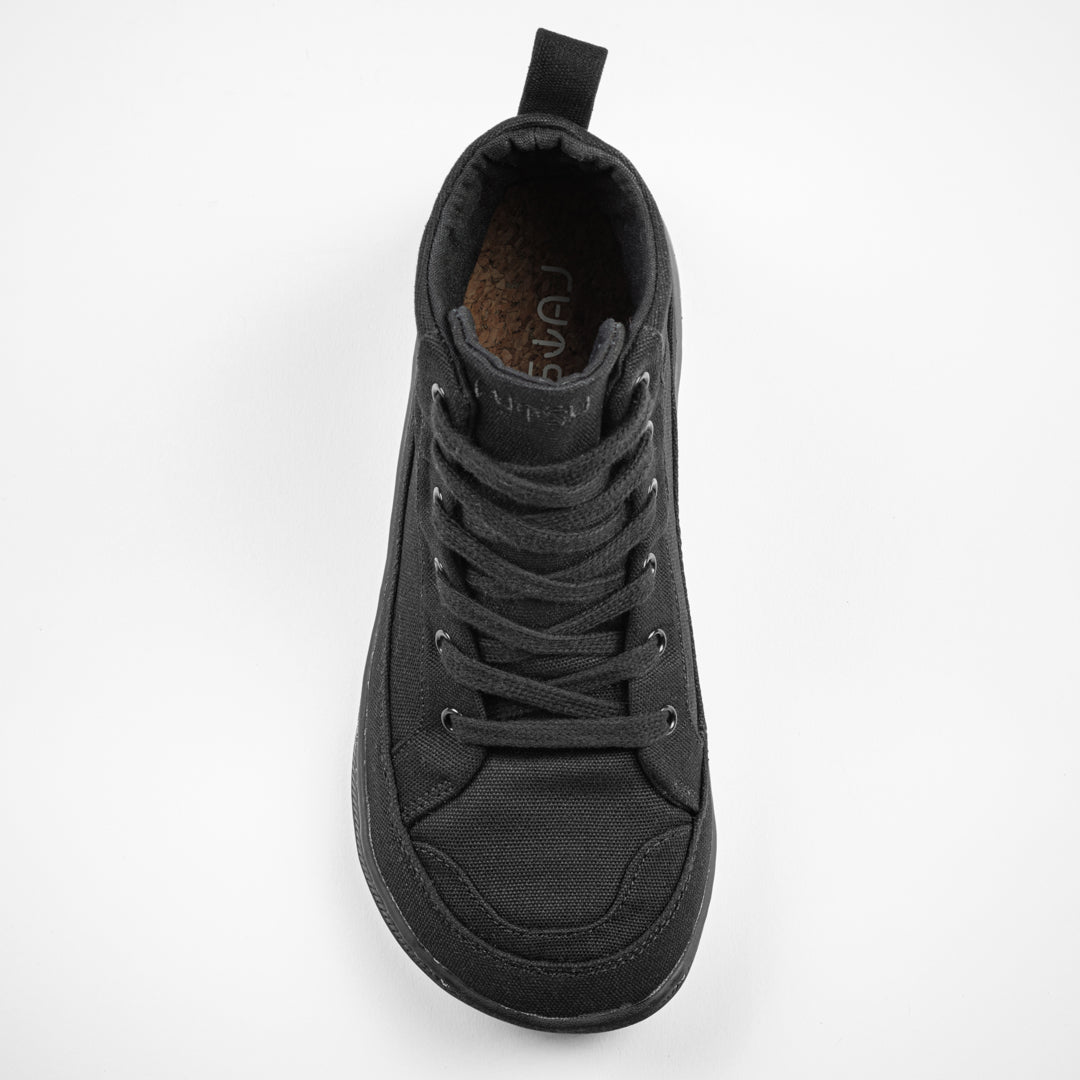
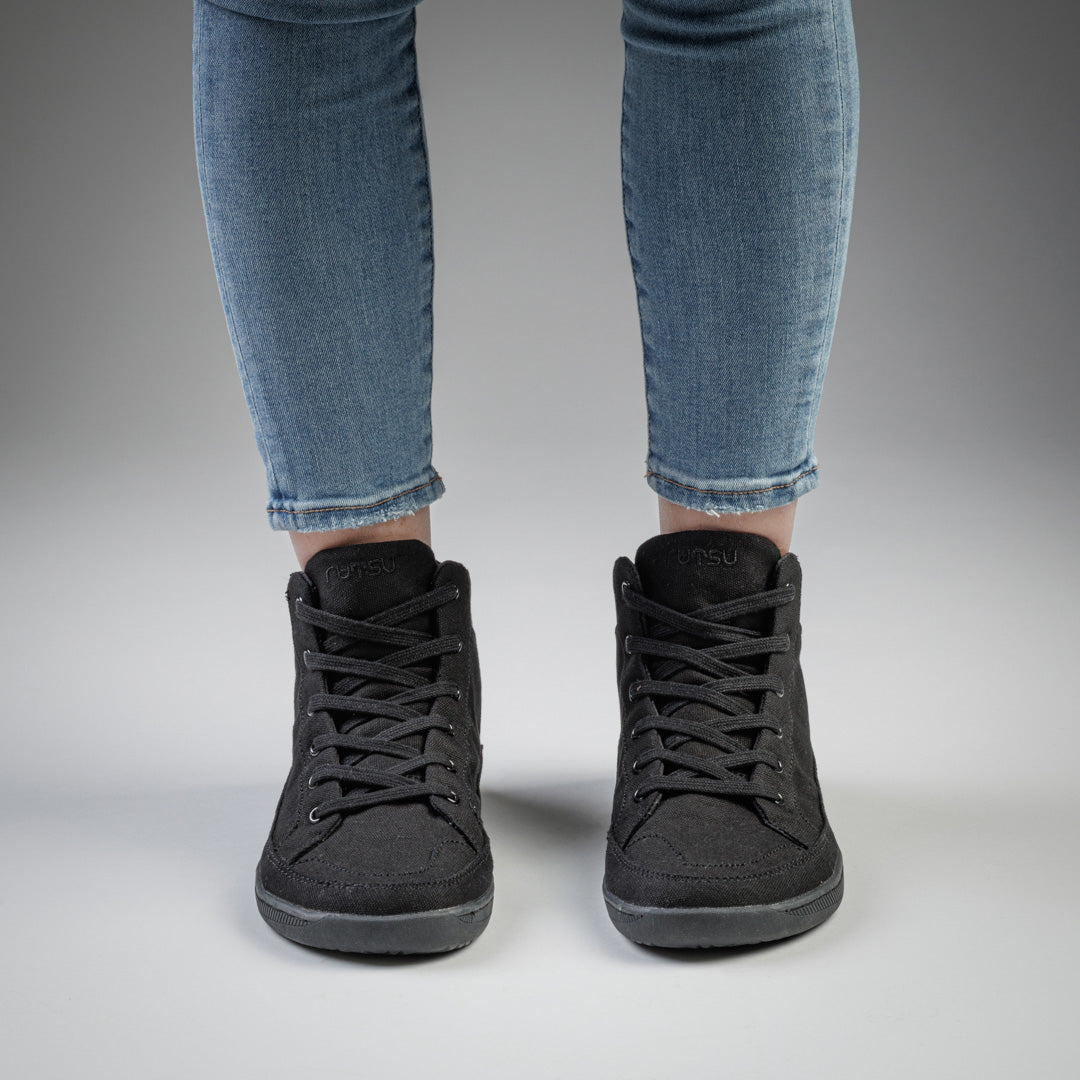
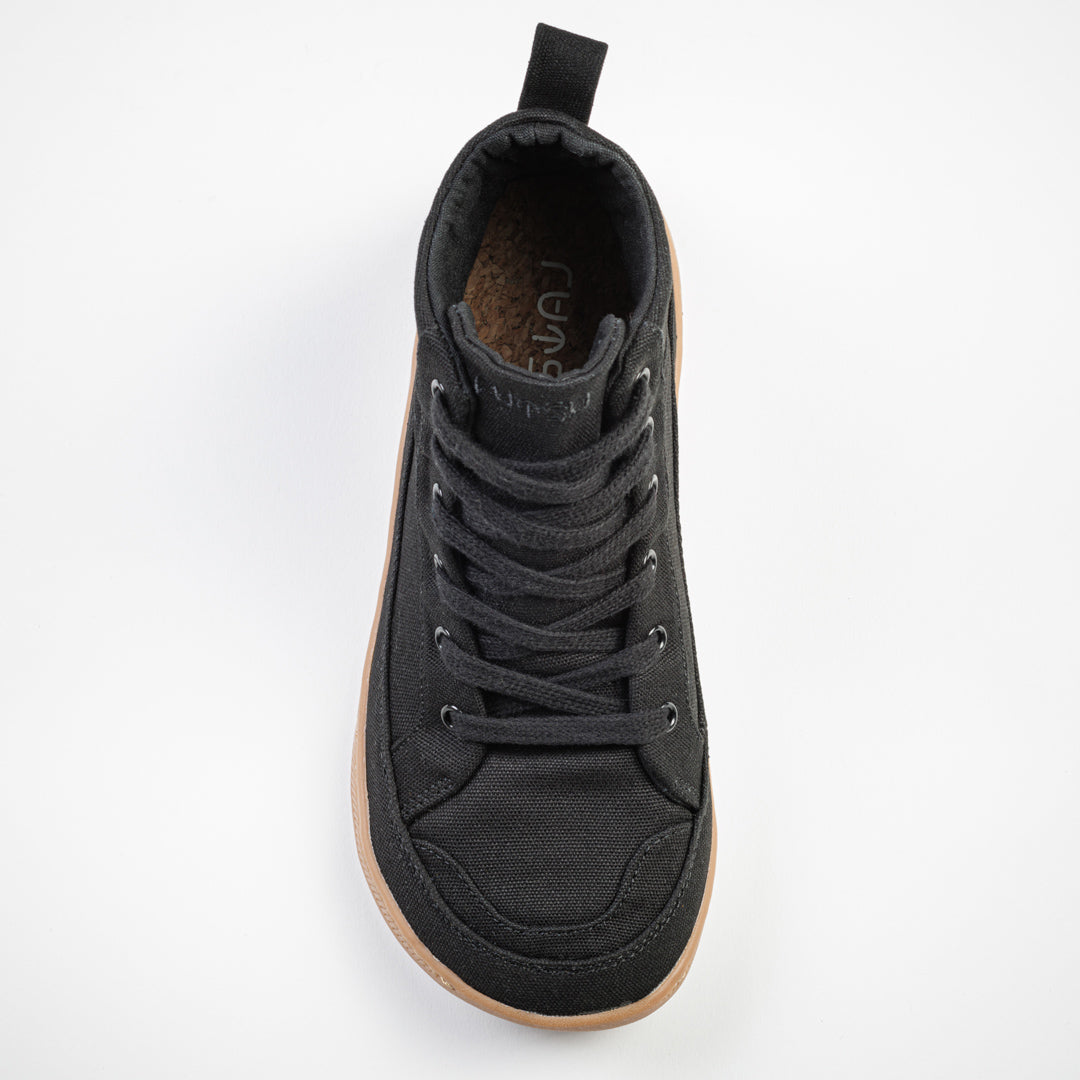
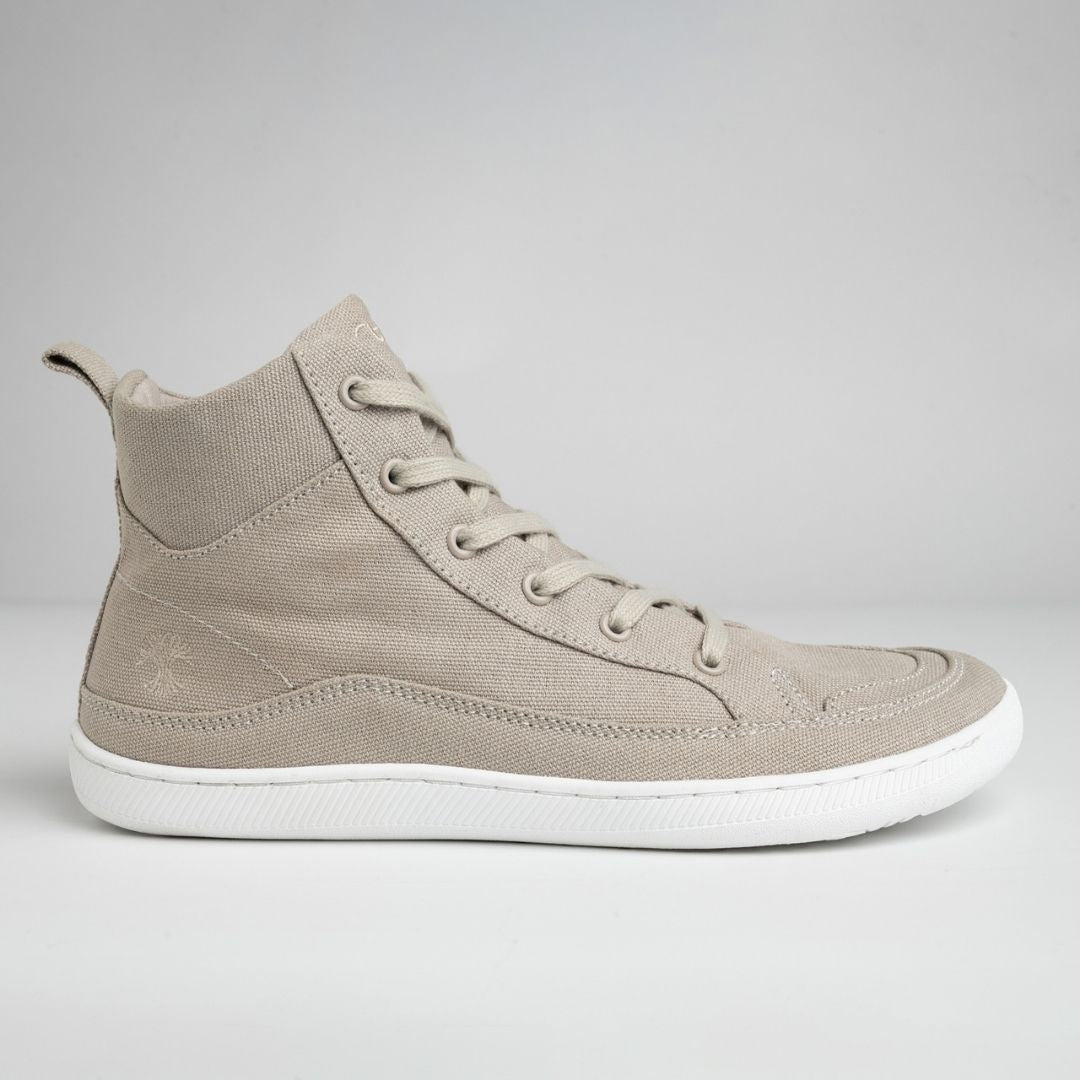
Rutsu nails this. Their sneakers look clean and modern while giving your toes breathing room. Proof that "good for your feet" doesn't mean "ugly."
Minimal Shoes for Walking, Running, and Everyday Use: What's the Difference?
One shoe won't handle everything perfectly.
For walking: all-day comfort, decent ground protection, and enough flex for natural movement.
For running: better grip, reinforced impact areas, and a secure fit that won't slip mid-stride.
For casual wear: the sweet spot between function and looking put-together. Works for errands and dinner plans without screaming "trail run."
Understanding what barefoot shoes good for helps match footwear to your life. Most people do best with two pairs: one for activity, one for everything else.
How to Choose Minimal Shoes Based on Your Foot Shape and Gait
Feet are weird. Wide, narrow, high arches, flat. Some people have longer big toes (Egyptian foot), others longer second toes (Greek foot). All of this changes which shoes feel amazing versus terrible.
Try this: trace your foot on paper. Compare that outline to the shoe's footbed shape. If your tracing is wider, that shoe isn't for you.
Gait matters too. Do your feet roll inward (overpronation)? Roll outward (supination)? Minimal shoes won't "fix" these patterns, but knowing how you move helps you transition safely.
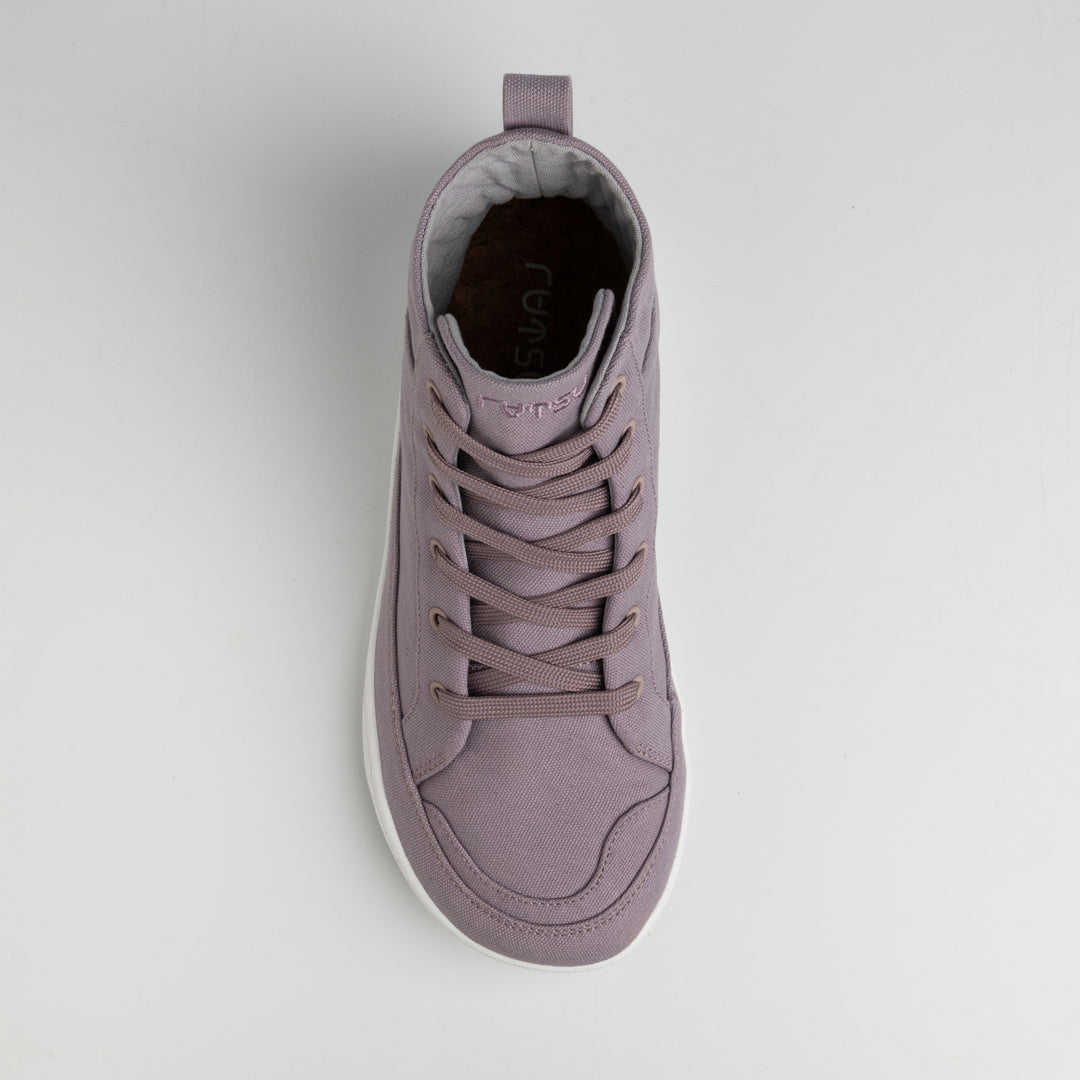
Is sizing stressing you out? Rutsu's Size Guide walks through exactly how to measure properly. Every pair includes removable insoles to dial in the fit. Check out the Rutsu Original Barefoot Sneakers Low to see this in practice. Get Your Perfect Fit →
Minimal Shoes Materials: Breathability, Flexibility, and Durability Explained
What a shoe is made of changes everything. How it feels. How long does it last? Whether your feet turn into swamps after twenty minutes.
Breathability: Look for mesh, knit fabrics, or perforations. Feet sweat. Airflow keeps things from getting gross.
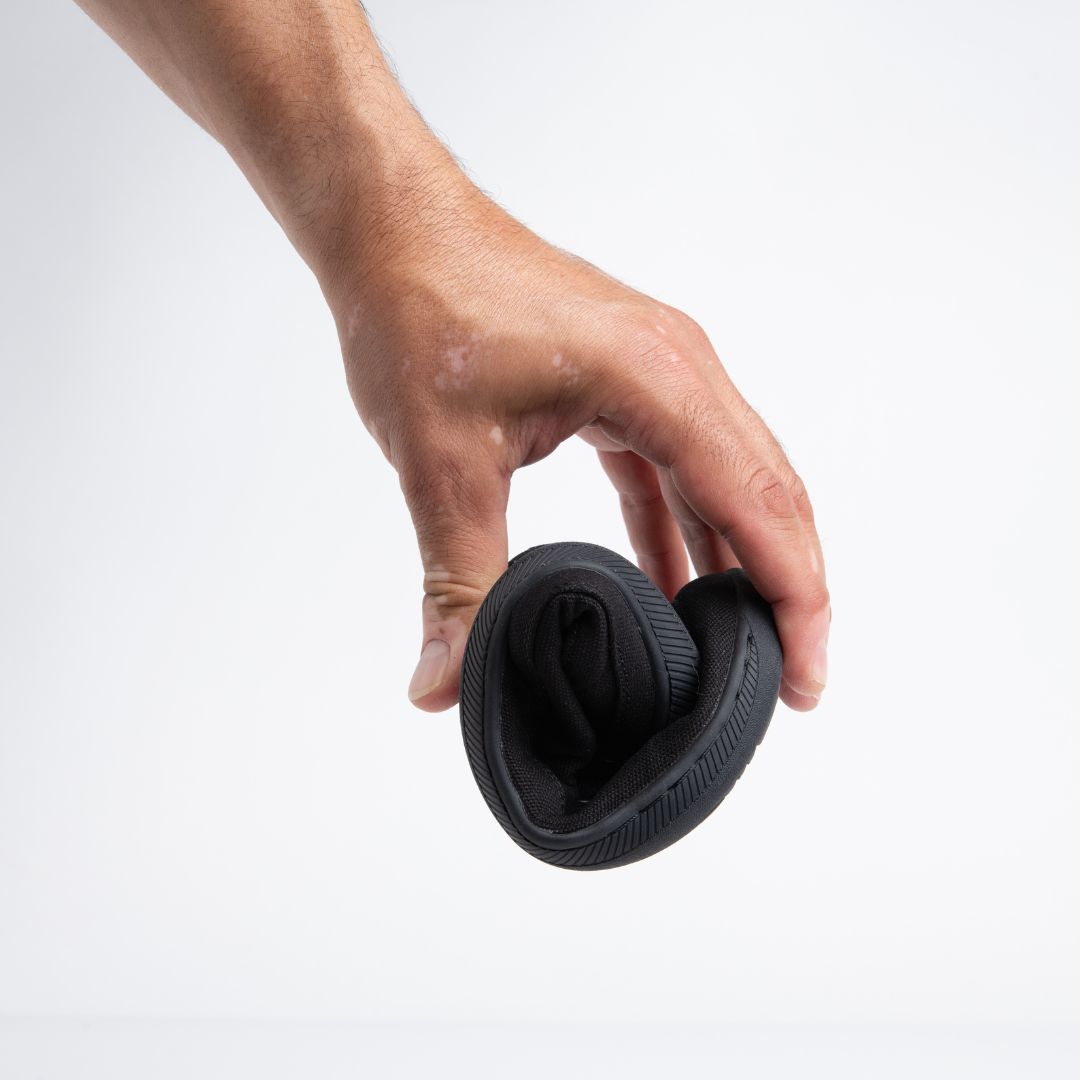
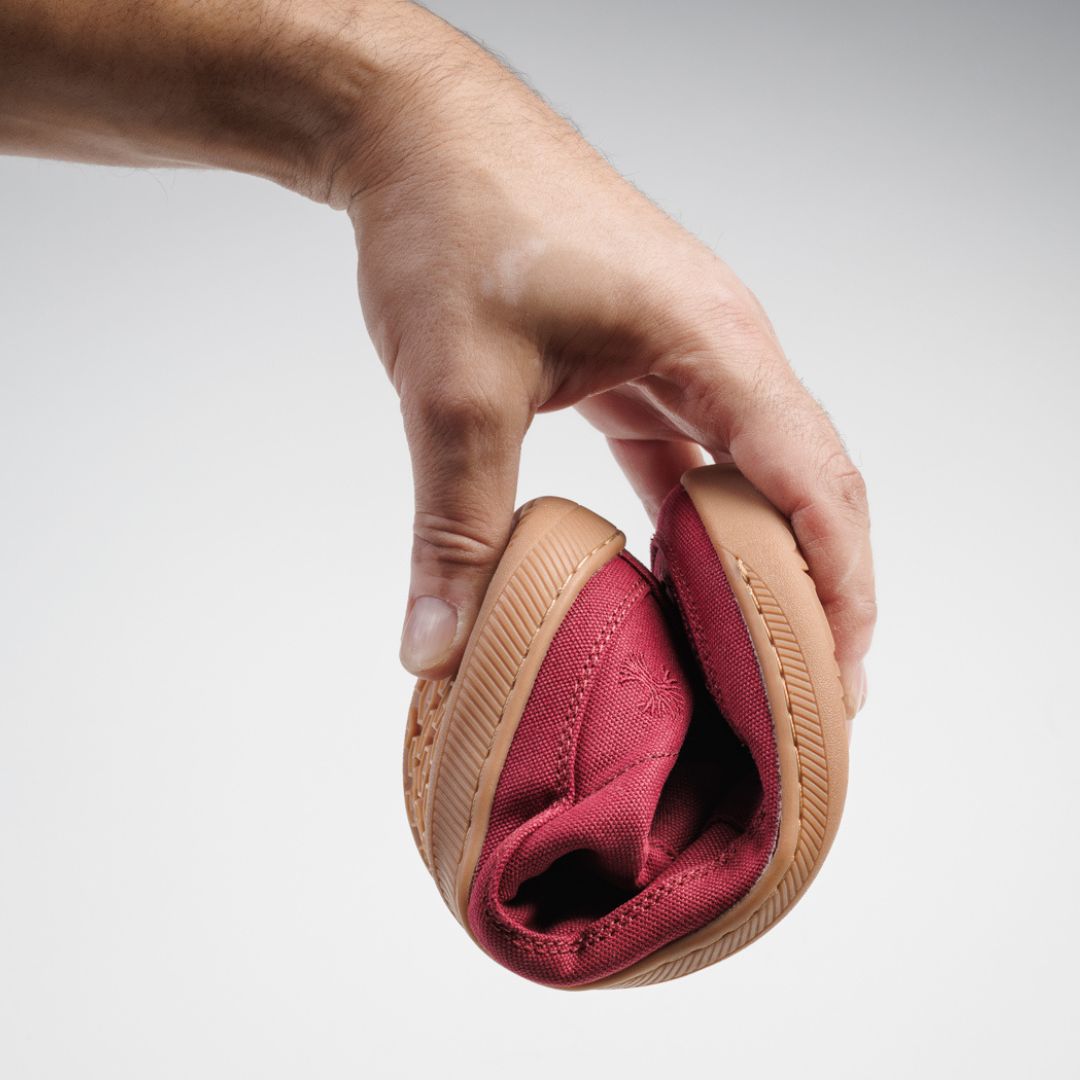
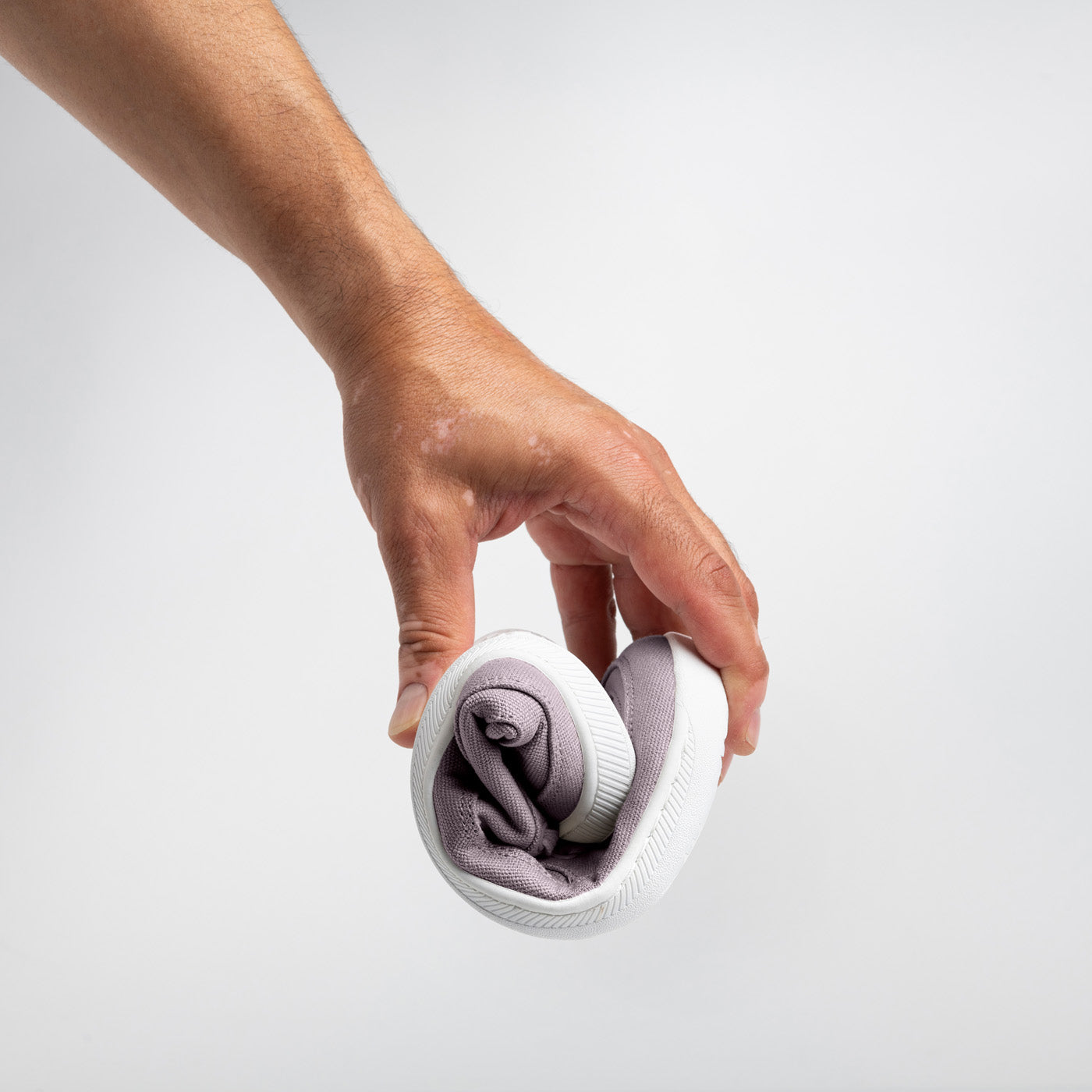
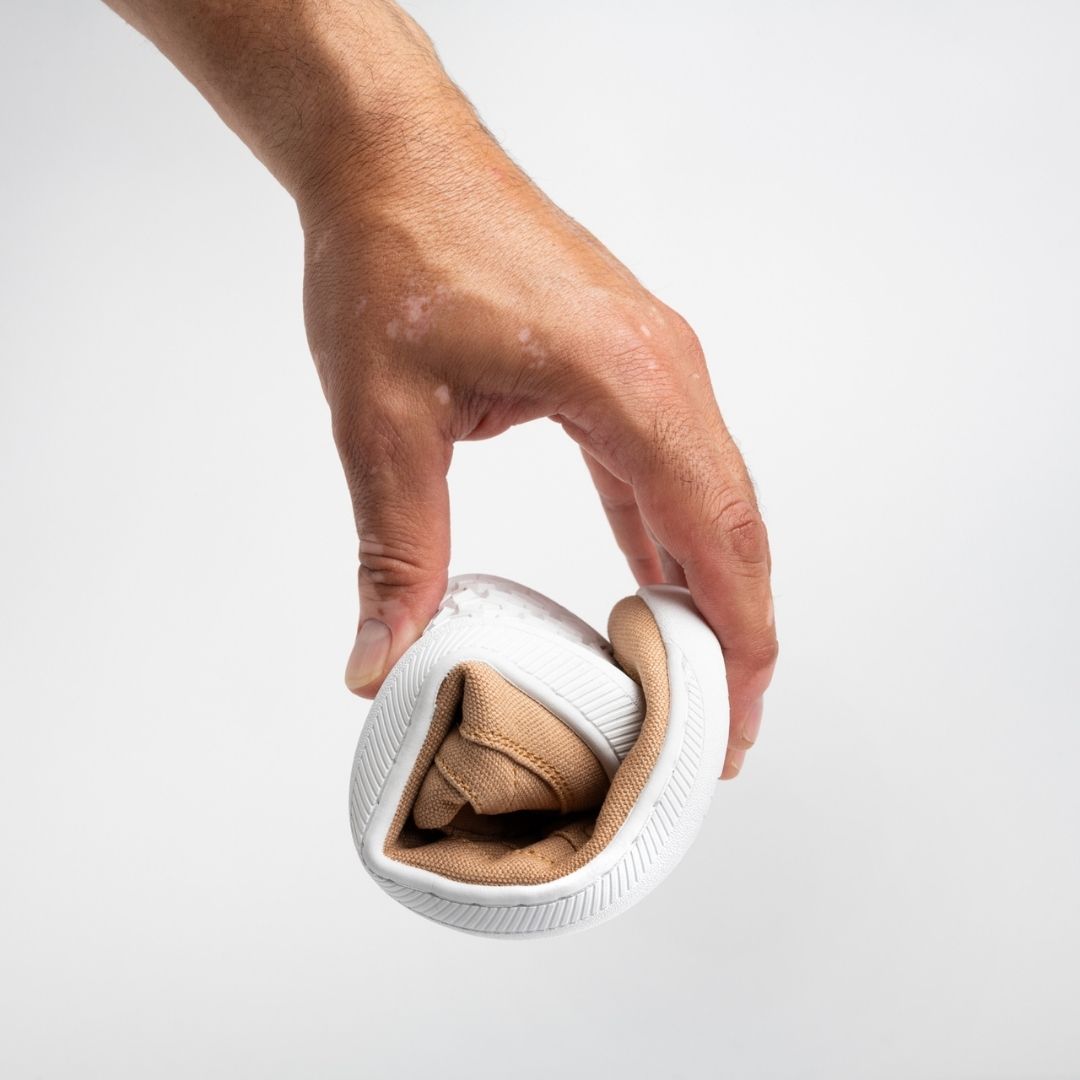
Flexibility: Grab the shoe and bend it. Can you fold it in half easily? Good. If it resists, it is too stiff.
Durability: Thin doesn't mean flimsy. Quality shoes reinforce high-wear spots with solid outsole rubber and stitching that lasts.
Synthetics win on breathability and dry fast. Leather lasts longer but ventilates less. Pick based on climate and use.
Common Mistakes People Make When Buying Minimal Shoes
Mistake #1: Going too fast. Your feet spent years in cushioned shoes. Those muscles got lazy. Jumping into ultra-thin soles for serious mileage? Recipe for injury.
Avoid the rush. Rutsu's Transition Insoles let feet adapt gradually while getting barefoot benefits. Use them first; remove when ready. The Rutsu Original Barefoot Sneakers Low works great with these. Ease Into Barefoot →
Mistake #2: Obsessing over length, ignoring width. Toe box room matters more than the size number.
Mistake #3: Chasing brand names. Popular doesn't mean right for your feet. Focus on fit and features.
Mistake #4: Skipping break-in. Wear them around the house first. Short walks before long ones.
How to Test Minimal Shoes for Fit and Performance Before You Commit
Run through this checklist:
Stand normally. Wiggle your toes. Can all five move freely?
Take a walk. Does your heel slip? Does the shoe flex where your foot bends?
Squat down. The shoe should move with your foot, not fight it.
Check the heel. Snug is good. Tight, isn't it? Any Achilles rubbing?
Test both feet. Most people have one foot slightly bigger.
Something feels off? Try a different size or model. Good minimal shoes feel right from the start.
Ready to Take Your First Step Toward Healthier Feet?
You've got what you need. Choosing minimal shoes that work for your feet comes down to knowing what matters and avoiding common traps.
The right pair lets toes spread naturally. Keeps your body aligned. Reminds you what walking should feel like.
Your game plan:
-
Measure feet properly using a sizing guide
-
Think about the main use—daily wear, work, activities
-
Invest in quality (cheap knockoffs skip essential features)
-
Give yourself transition time
Our Top Pick for Getting Started
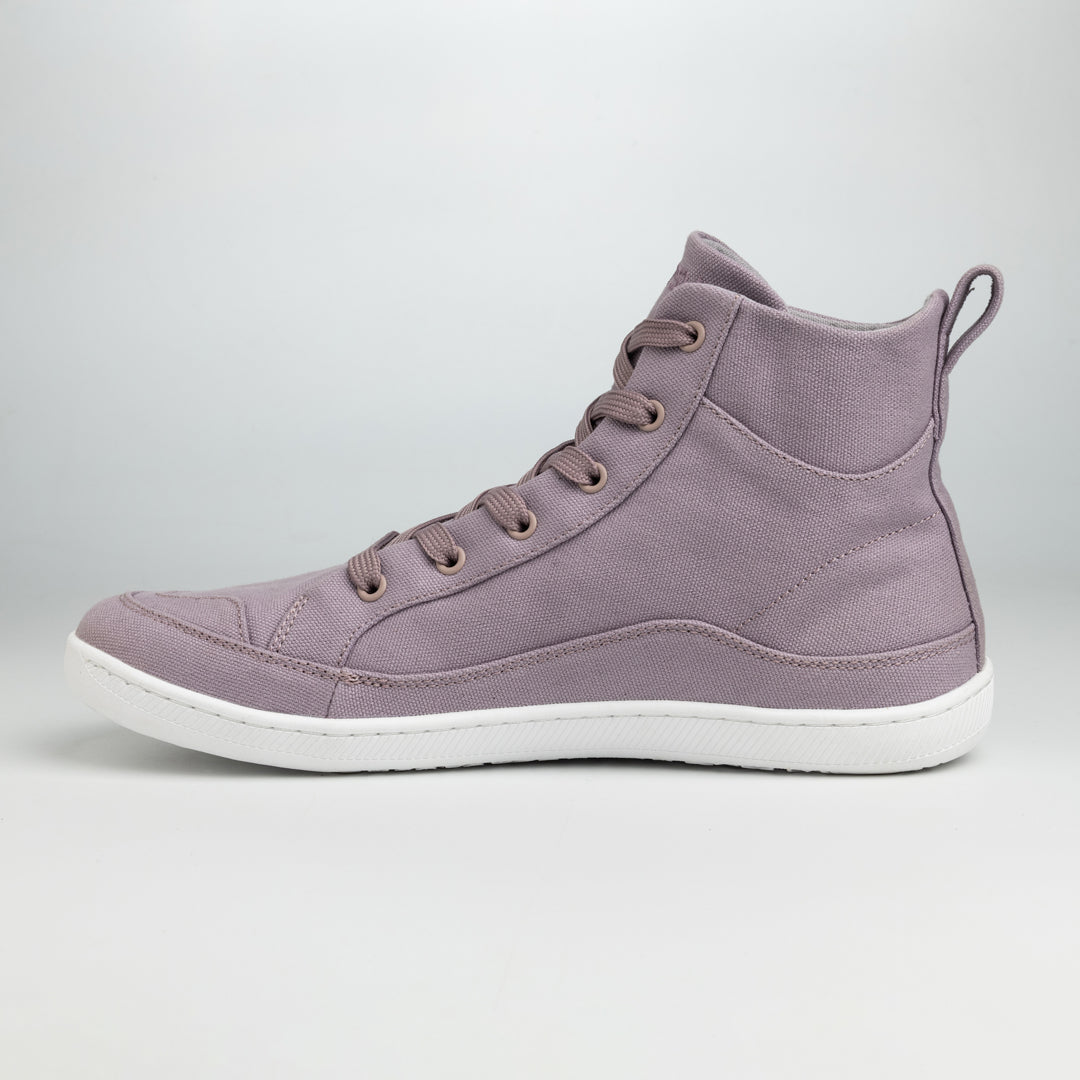
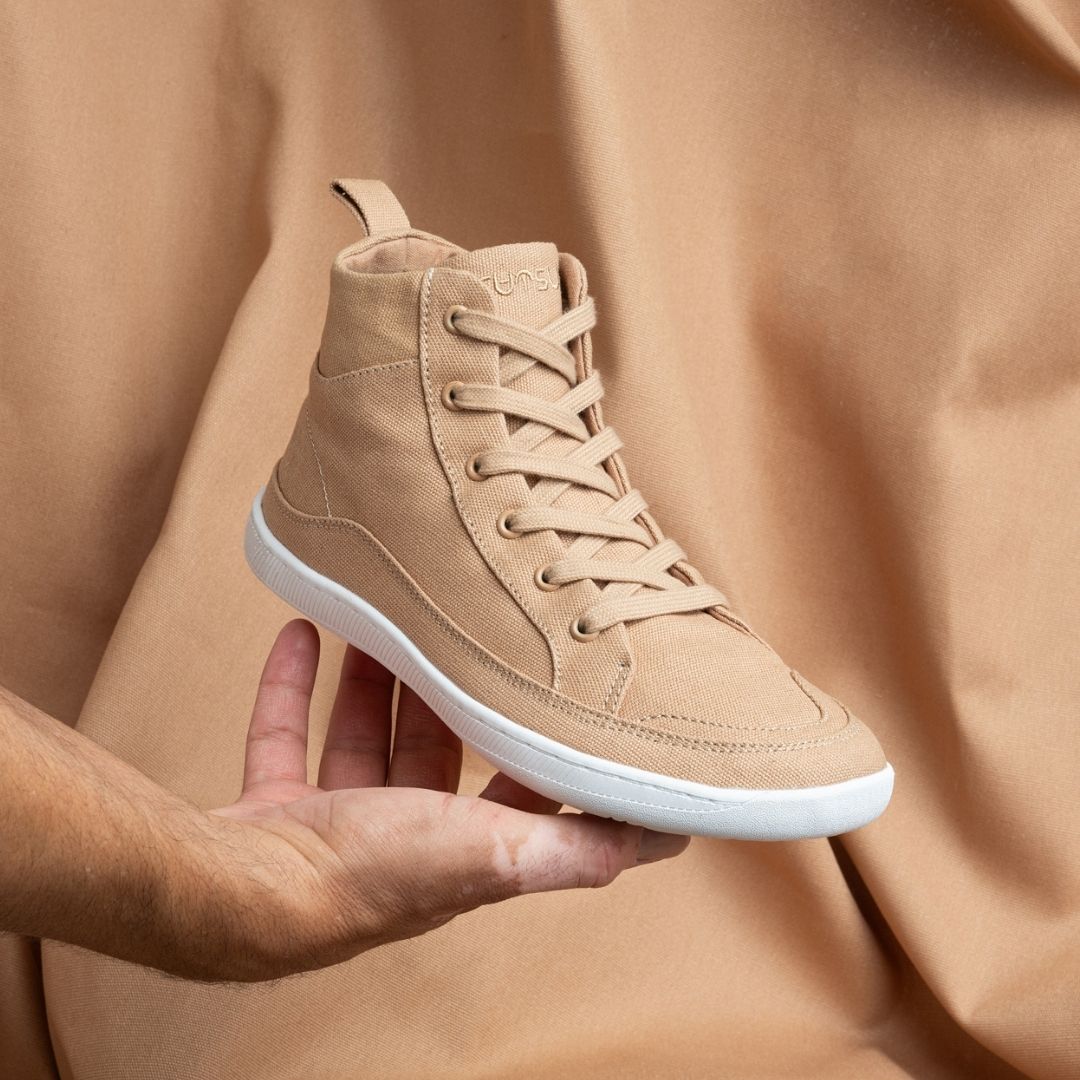
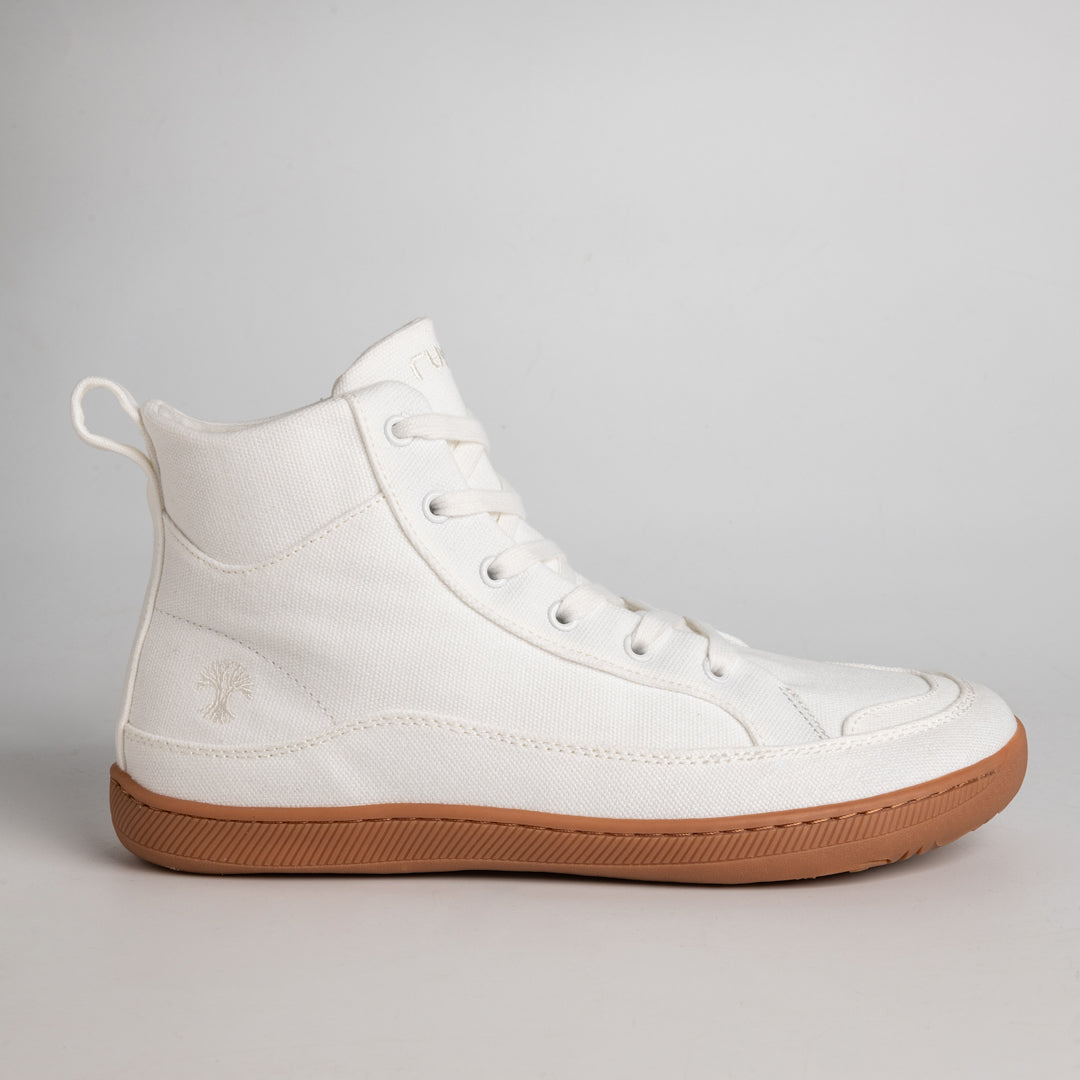
The Rutsu Original Barefoot Sneakers Low hits every mark. Wide toe box. Zero-drop. Flexible sole. Removable insoles. All for $74.95 with 677+ reviews averaging 4.9 stars.
Explore the Full Rutsu Collection and find your match with free 30-day returns.
Your feet were built to move freely. Time to let them.
Frequently Asked Questions
Are minimal shoes suitable for beginners with no barefoot experience?
Totally. Just don't rush. Start with short stretches and build up gradually. Consider transition insoles while your foot muscles wake up.
How long does it take to transition safely to minimal shoes?
Most people need 4–12 weeks for all-day comfort. Some adjust faster. Pay attention to your body. Mild soreness is normal. Sharp pain means slow down.
Can minimal shoes help with foot pain or posture issues?
Many report less plantar fasciitis, reduced knee pain, and better posture. Results vary. They promote natural alignment but aren't medical devices. Talk to a professional for ongoing issues.
Are minimal shoes good for all types of activities and surfaces?
Great for walking, light running, gym sessions, and daily life. Urban settings are their sweet spot. Extreme terrain might need specialized footwear.
How do I know if minimal shoes are too minimal for my feet?
Soreness that doesn't fade after adjustment. Bruised soles. Lingering discomfort. These could mean you need more cushion or a slower transition.
What is the difference between minimal shoes and barefoot shoes?
Terms overlap a lot. "Barefoot shoes" emphasize maximum ground feel and zero drop. "Minimal shoes" might include slightly more cushioning. Both prioritize natural foot movement.
How often should minimal shoes be replaced with regular use?
Every 6–12 months with daily wear. Watch for worn soles, less flexibility, and reduced ground feel.