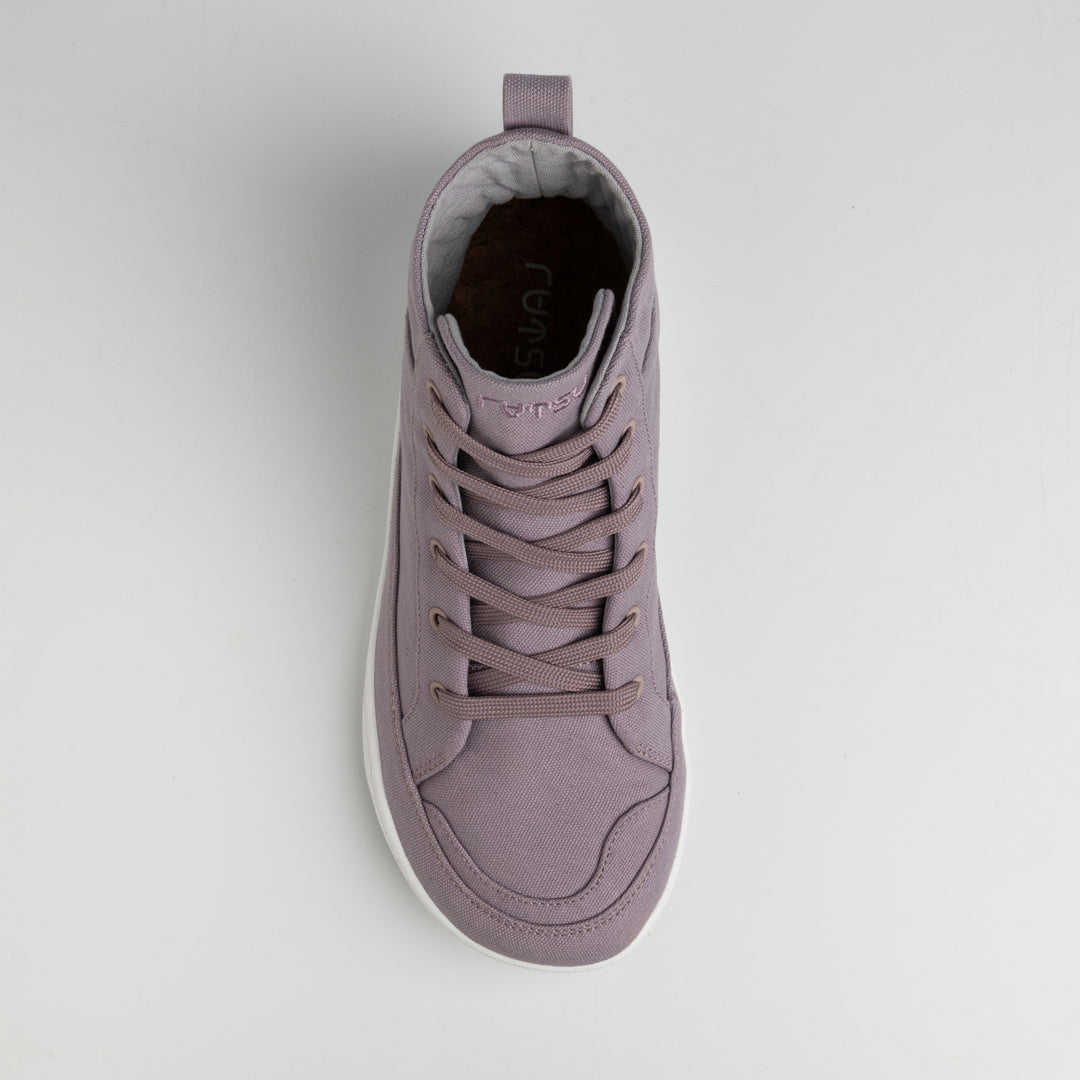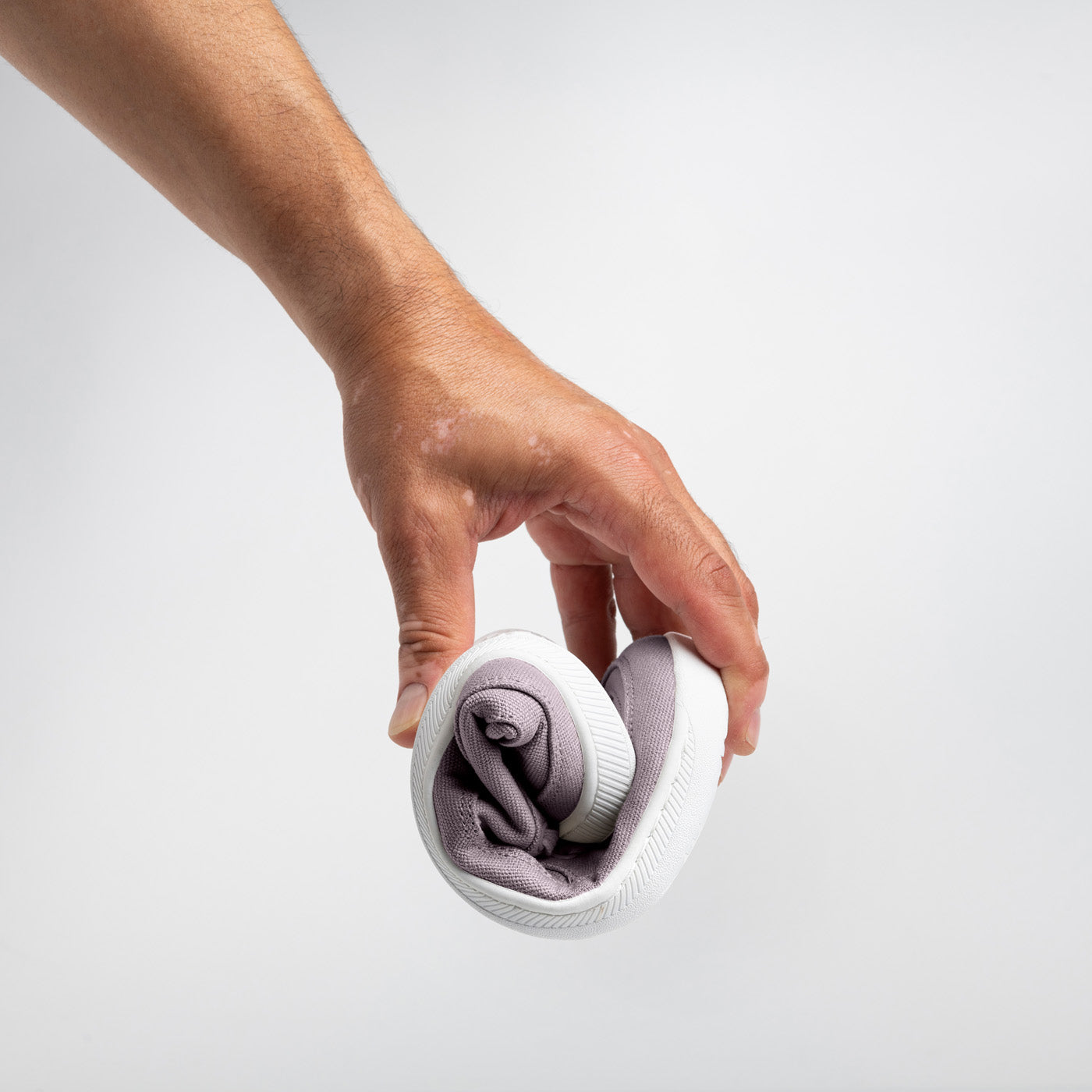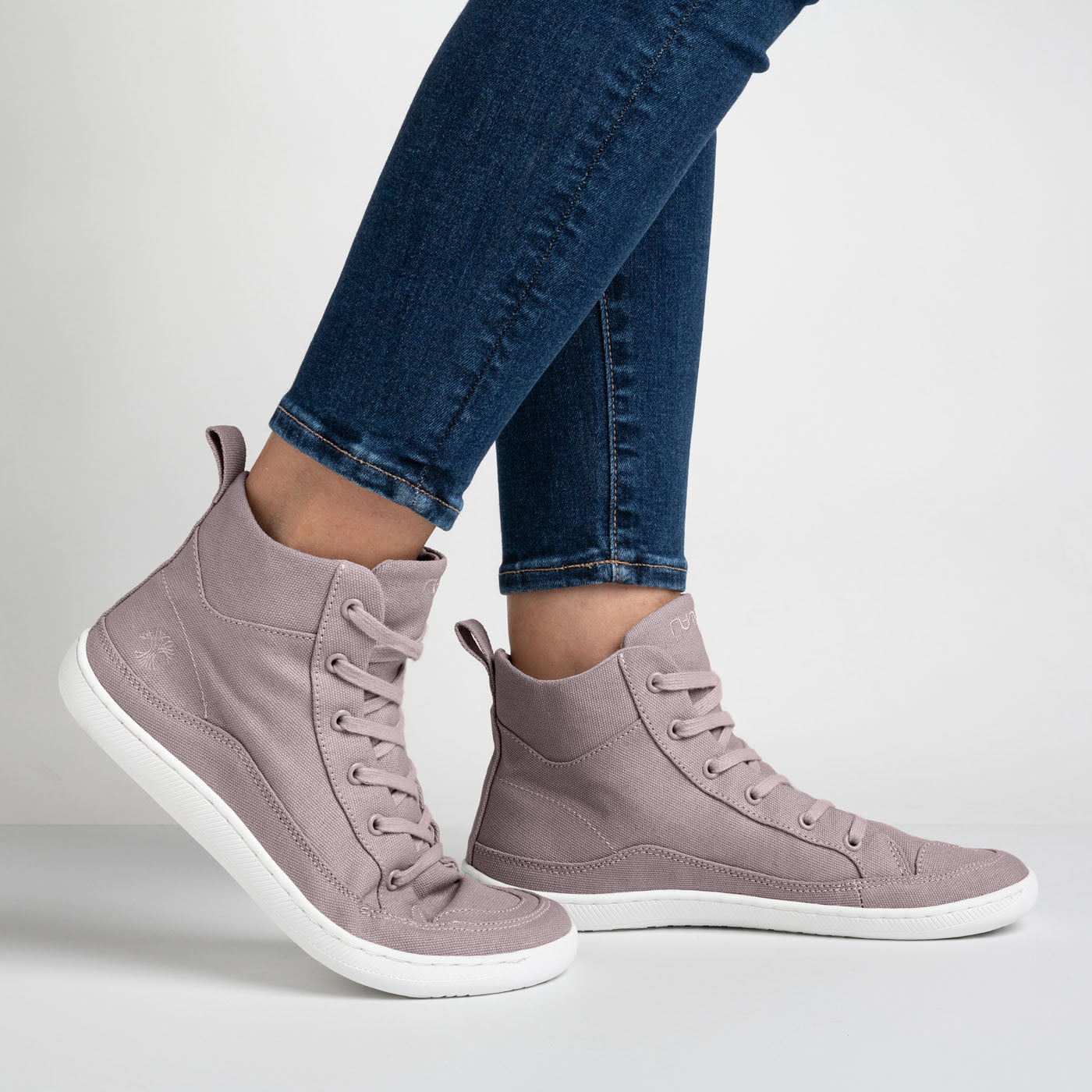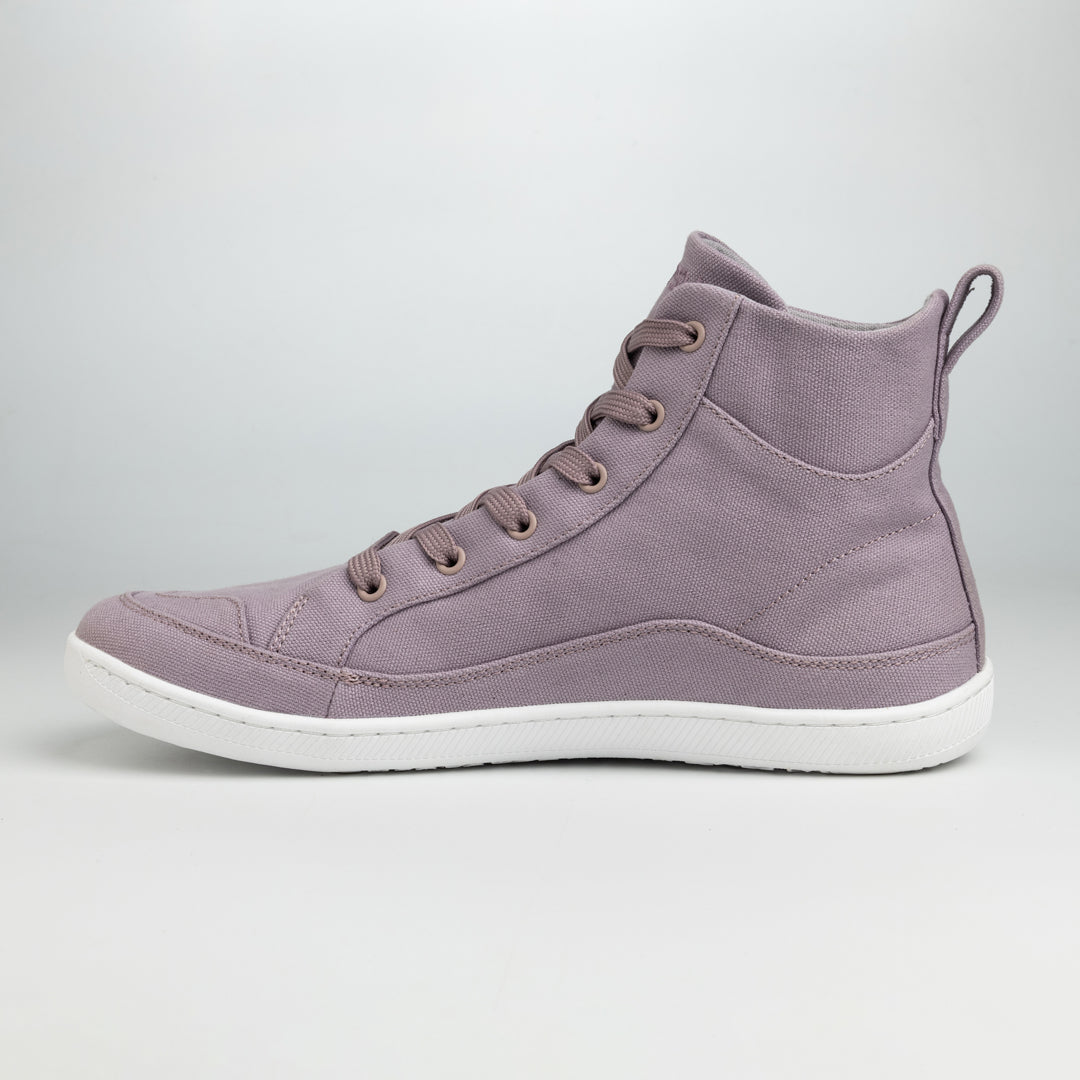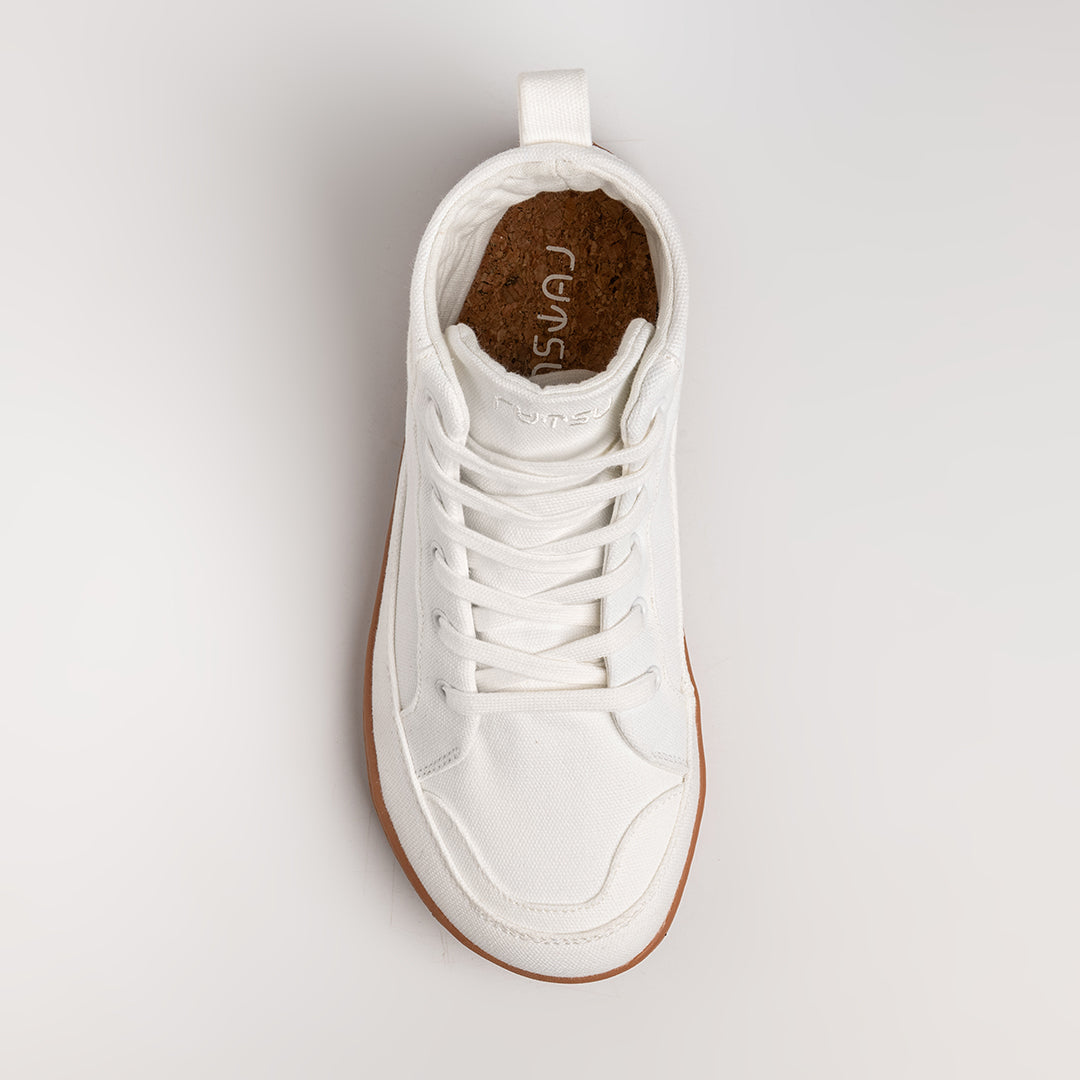


If you’ve ever slipped off your shoes after a long day and felt instant relief, you’ve already asked the question: Are barefoot shoes better than regular shoes? For many people today—urban walkers, yoga lovers, travelers, and remote professionals—the answer is becoming a curious “maybe… or yes, actually.”
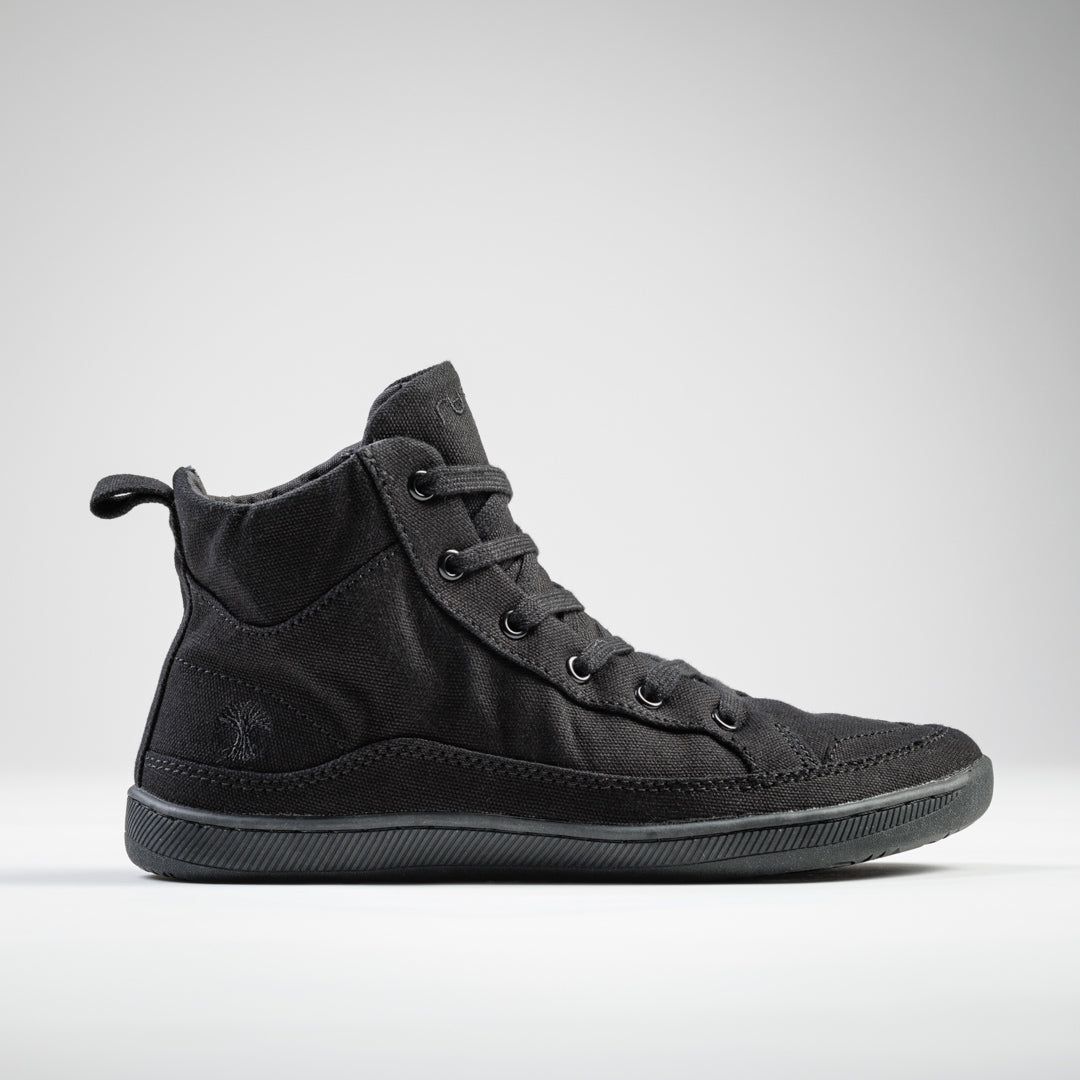
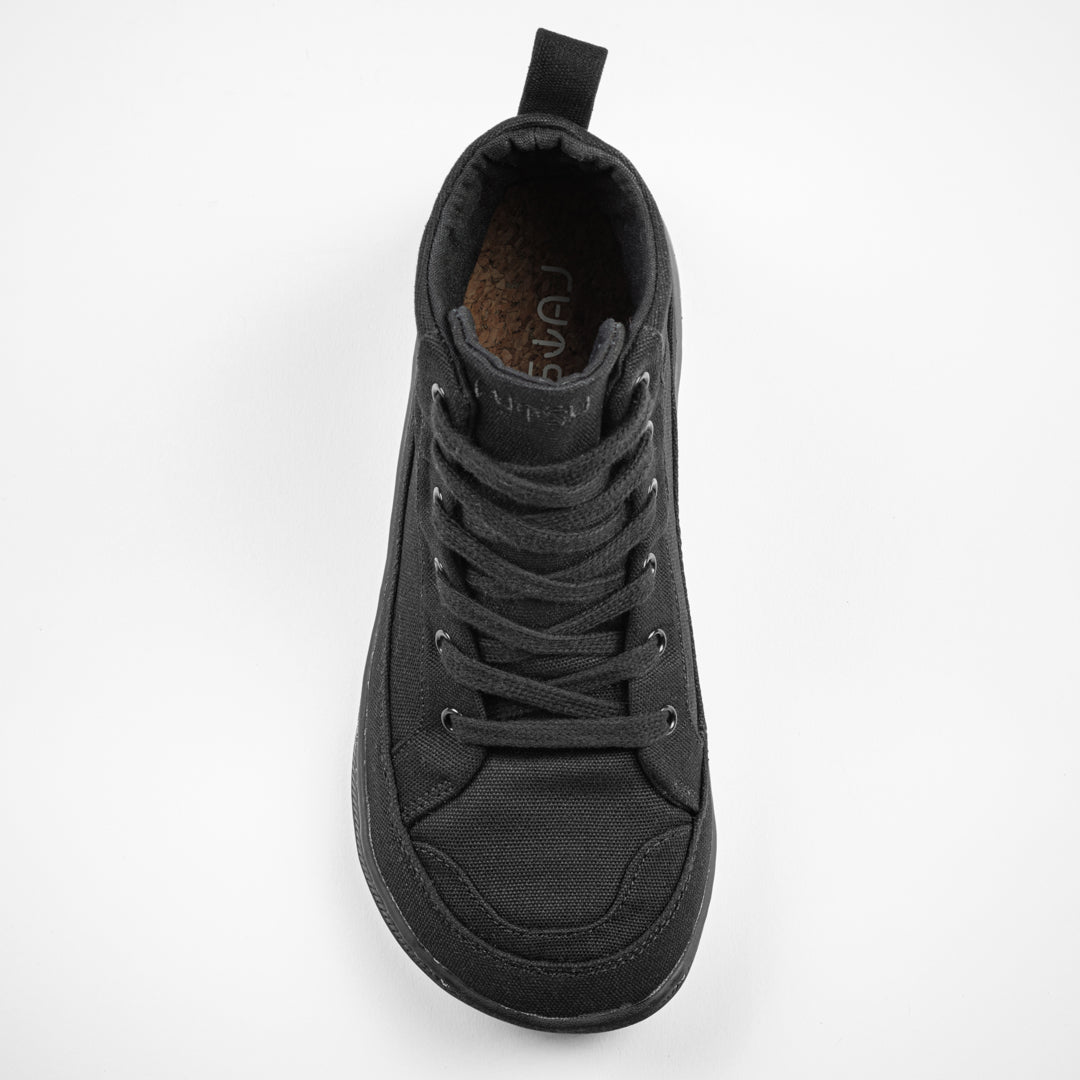
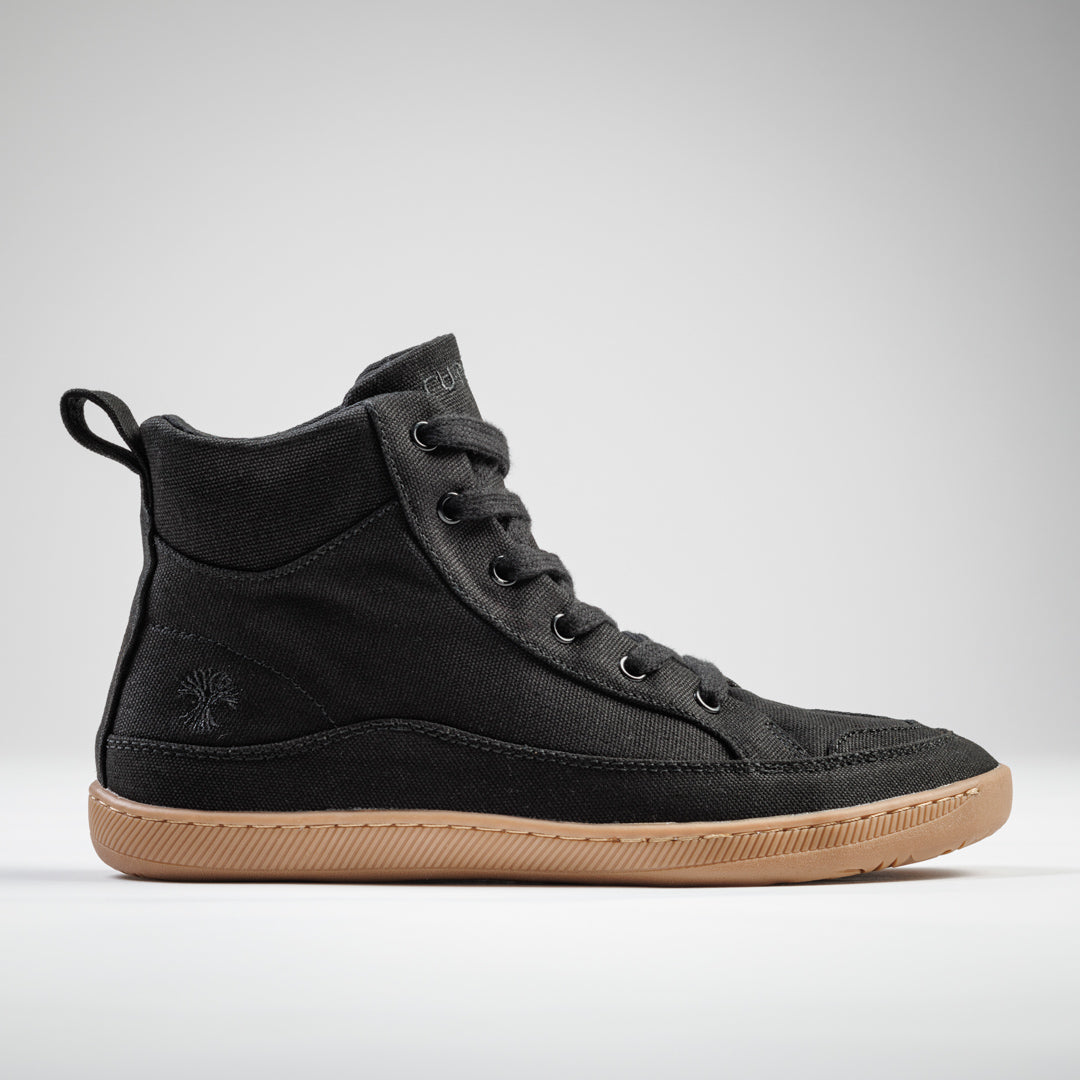
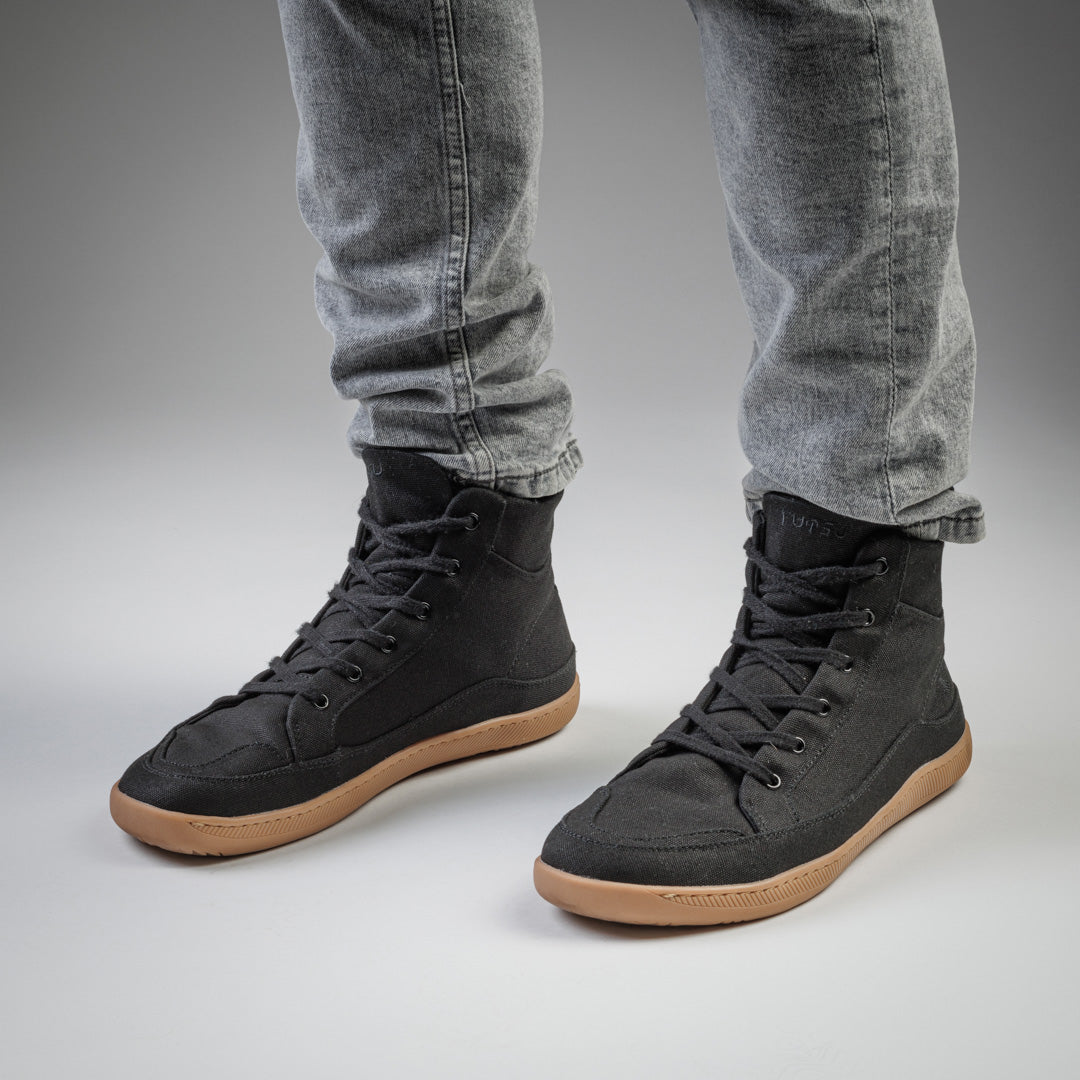
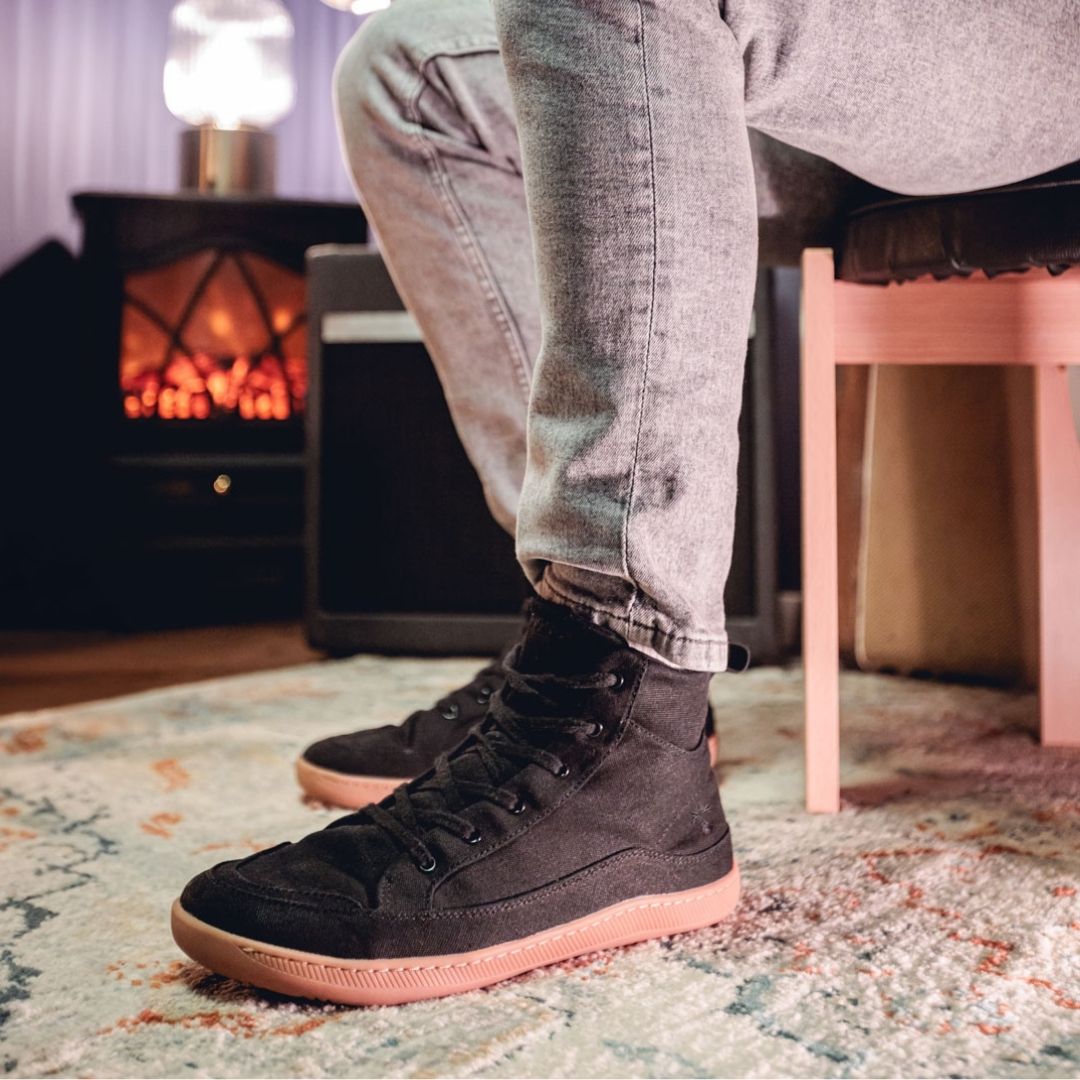
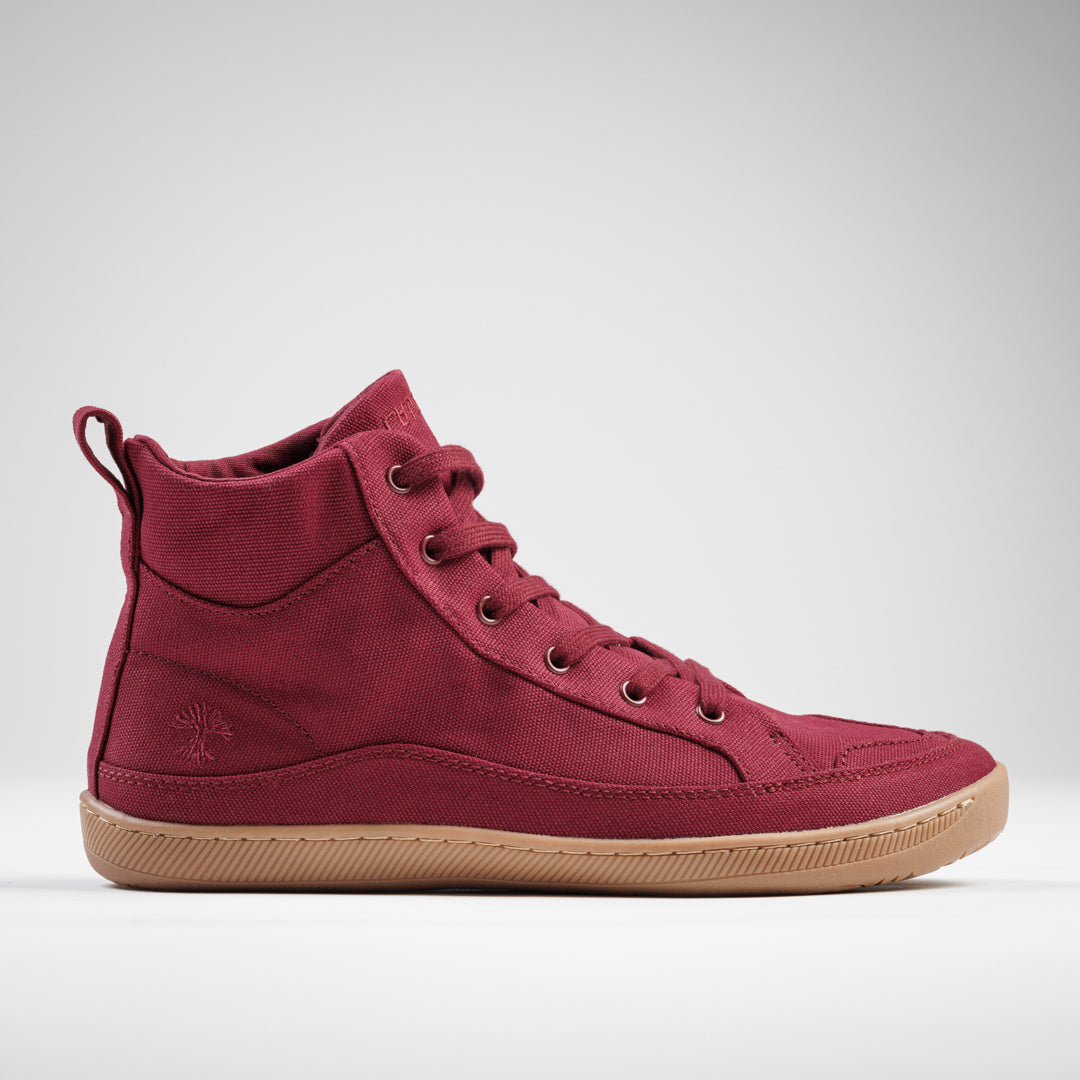
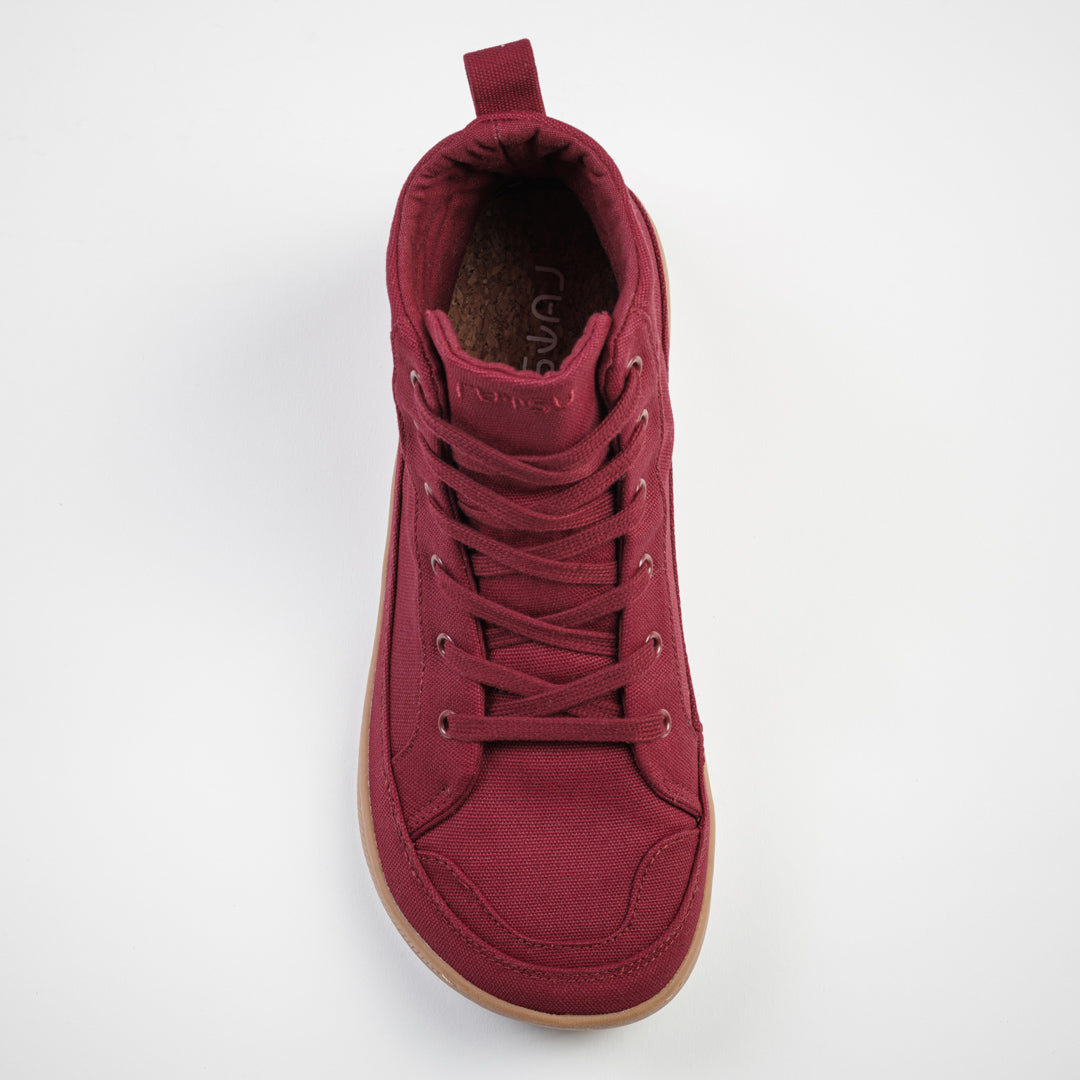
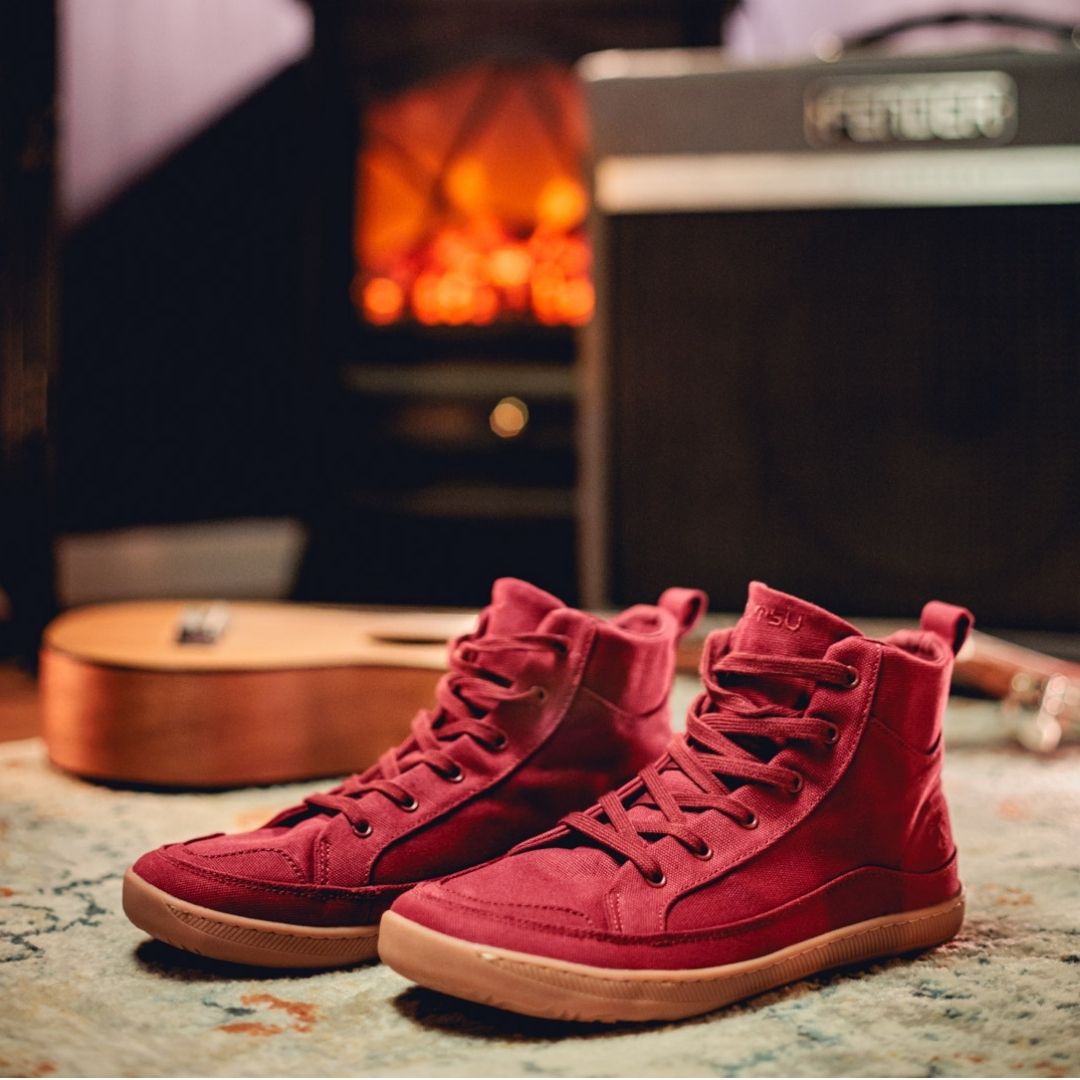
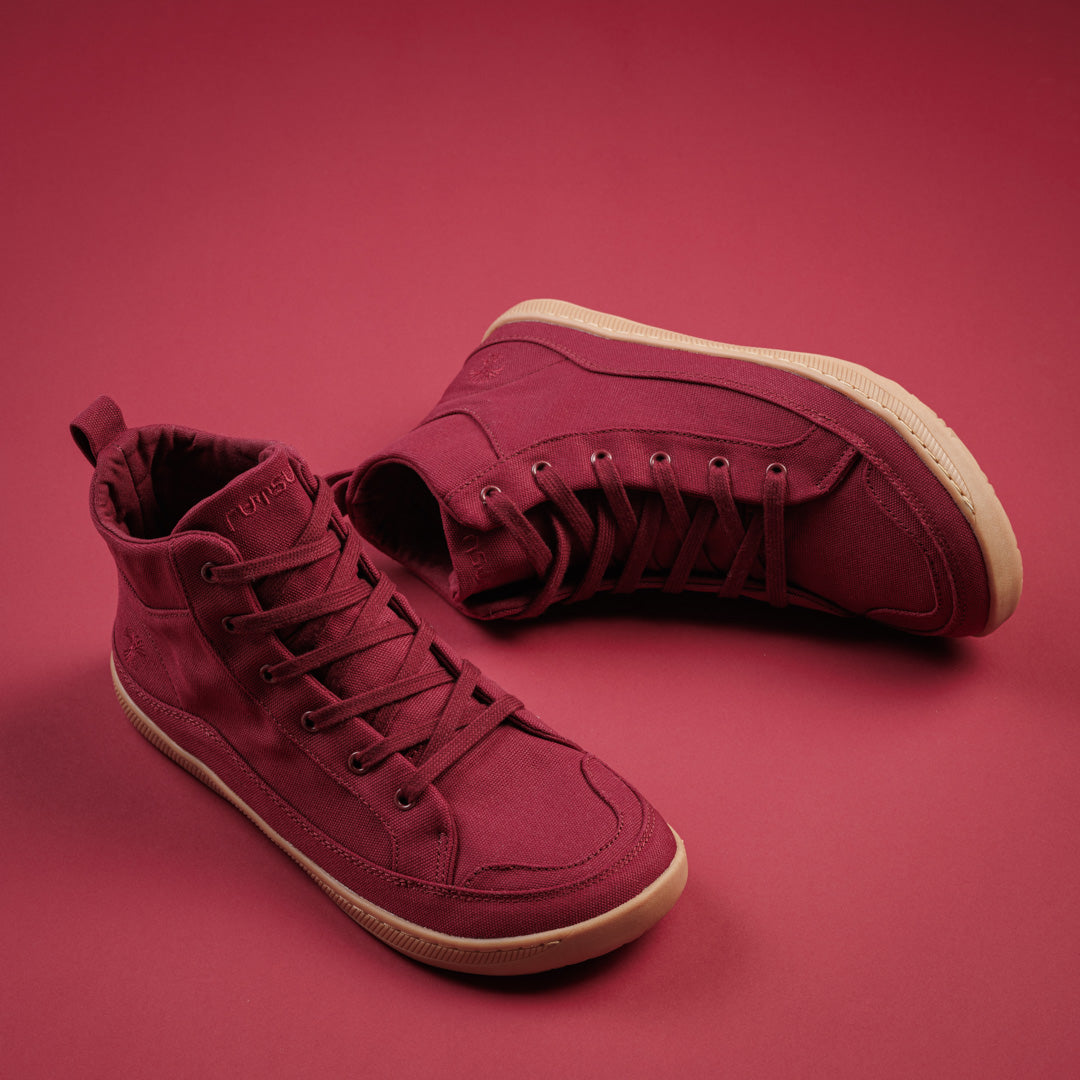
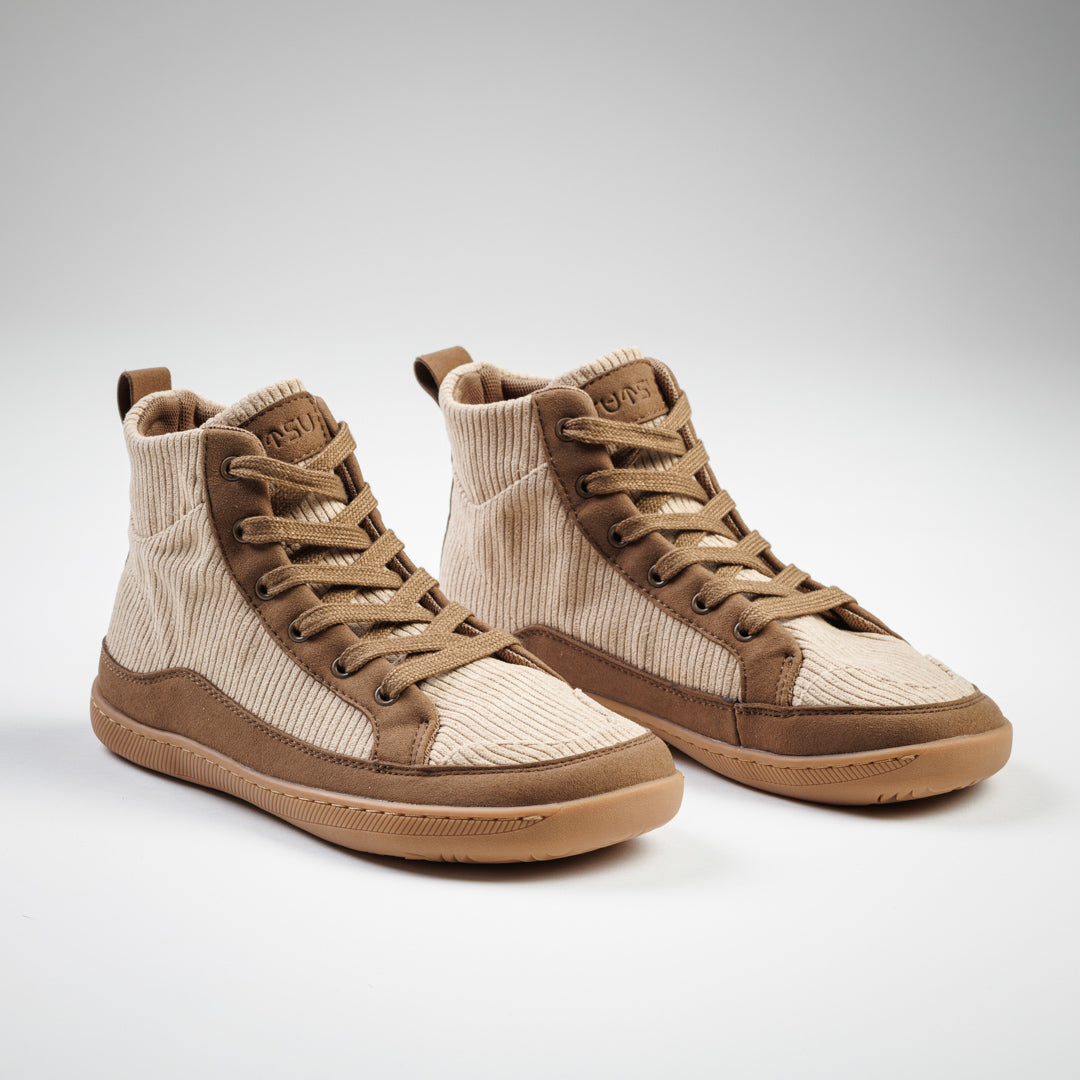
Barefoot shoes are designed to work with your body, not fight it. Instead of stiff soles and bulky cushioning, they promote natural foot movement, sensory feedback, and everyday comfort. Brands like Rutsu Barefoot bring this philosophy into the casual space, blending minimalist design with style-forward looks you can wear anywhere—from morning coffee runs to relaxed social settings.
But barefoot shoes aren’t magic slippers. They come with real benefits, real drawbacks, and a learning curve worth understanding. Let’s break it all down honestly, without hype or hard sells.
Are Barefoot Shoes Better for Natural Foot Movement and Biomechanics?
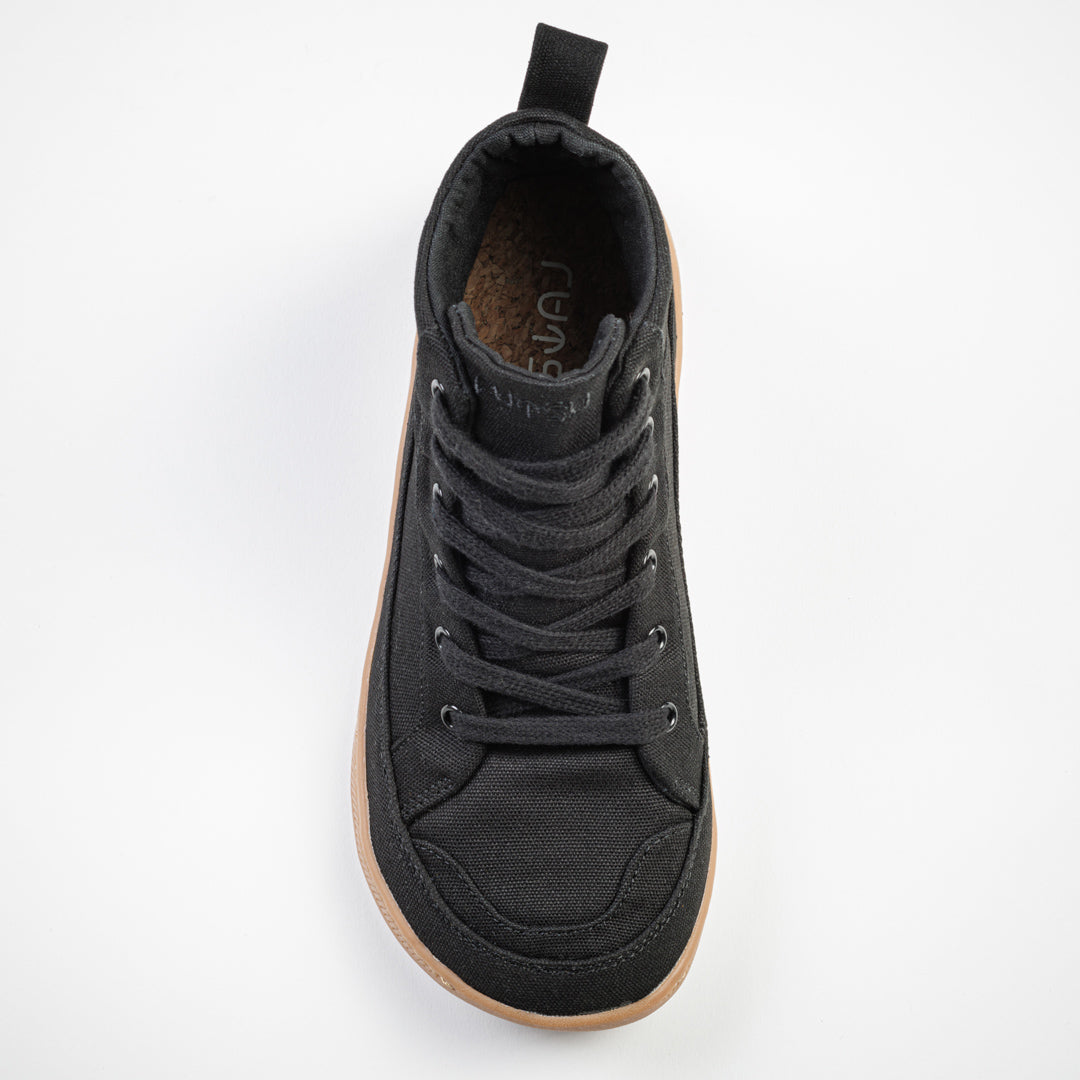
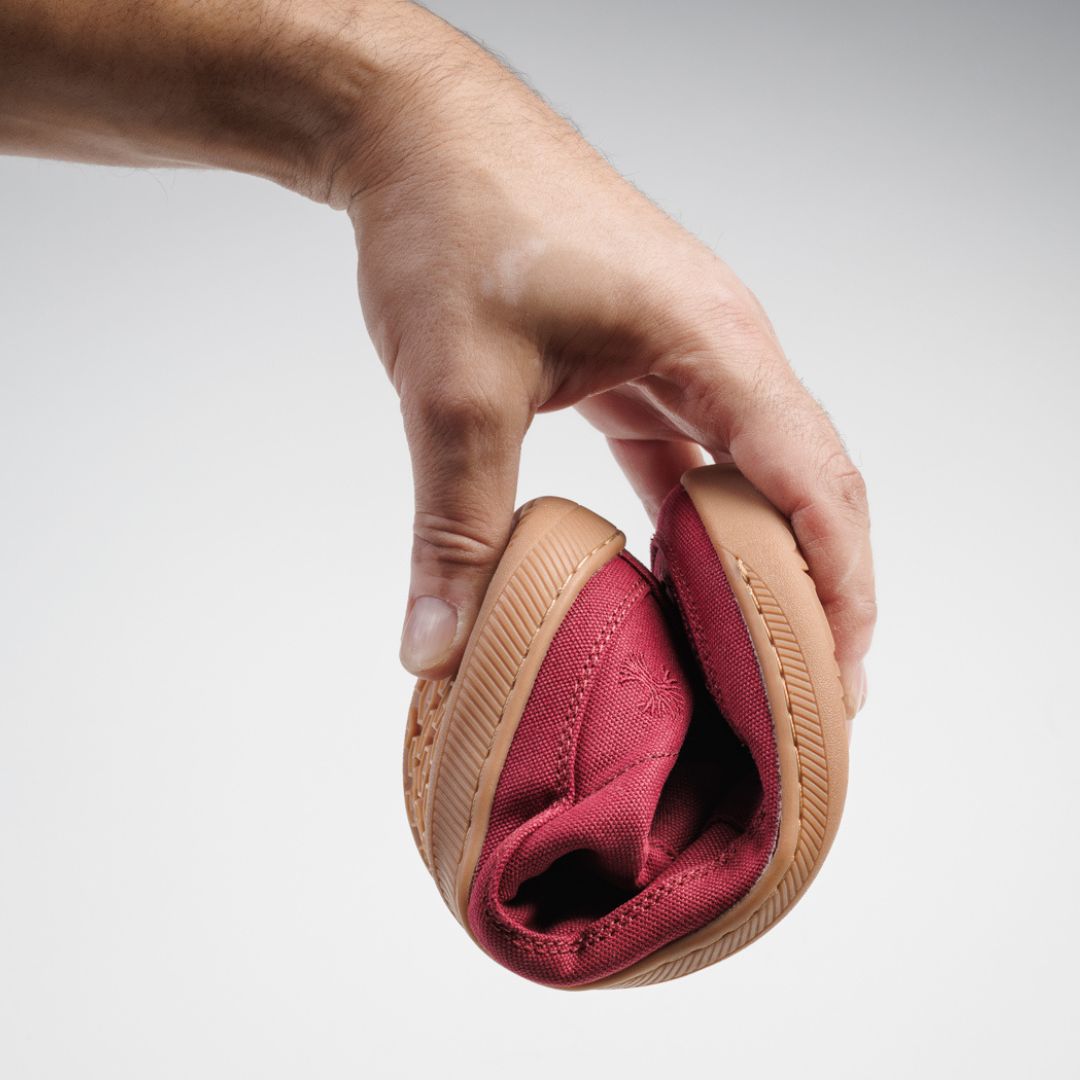
Barefoot shoes aim to let your feet behave like… feet. That means toes can spread, arches can flex, and muscles get to do the job they were meant to do. Traditional shoes often restrict this with narrow toe boxes and thick soles that disconnect you from the ground.
When your foot makes contact with the ground beneath it, your body responds with improved balance and smoother movement. Many wearers report feeling more “awake” in their steps—less clunky, more fluid. Think of it like switching from driving a bus to riding a bike. You feel the road more, and that awareness matters.
Rutsu Barefoot leans into this idea while keeping things visually clean. Their minimalist sneakers and sandals respect natural biomechanics but don’t scream “gym shoe,” which is exactly why casual barefoot fans gravitate toward them.
How Barefoot Shoes Compare to Regular Shoes in Comfort and Support
Comfort is subjective. Some people love plush cushioning. Others feel trapped by it. Barefoot shoes offer a different kind of comfort—freedom.
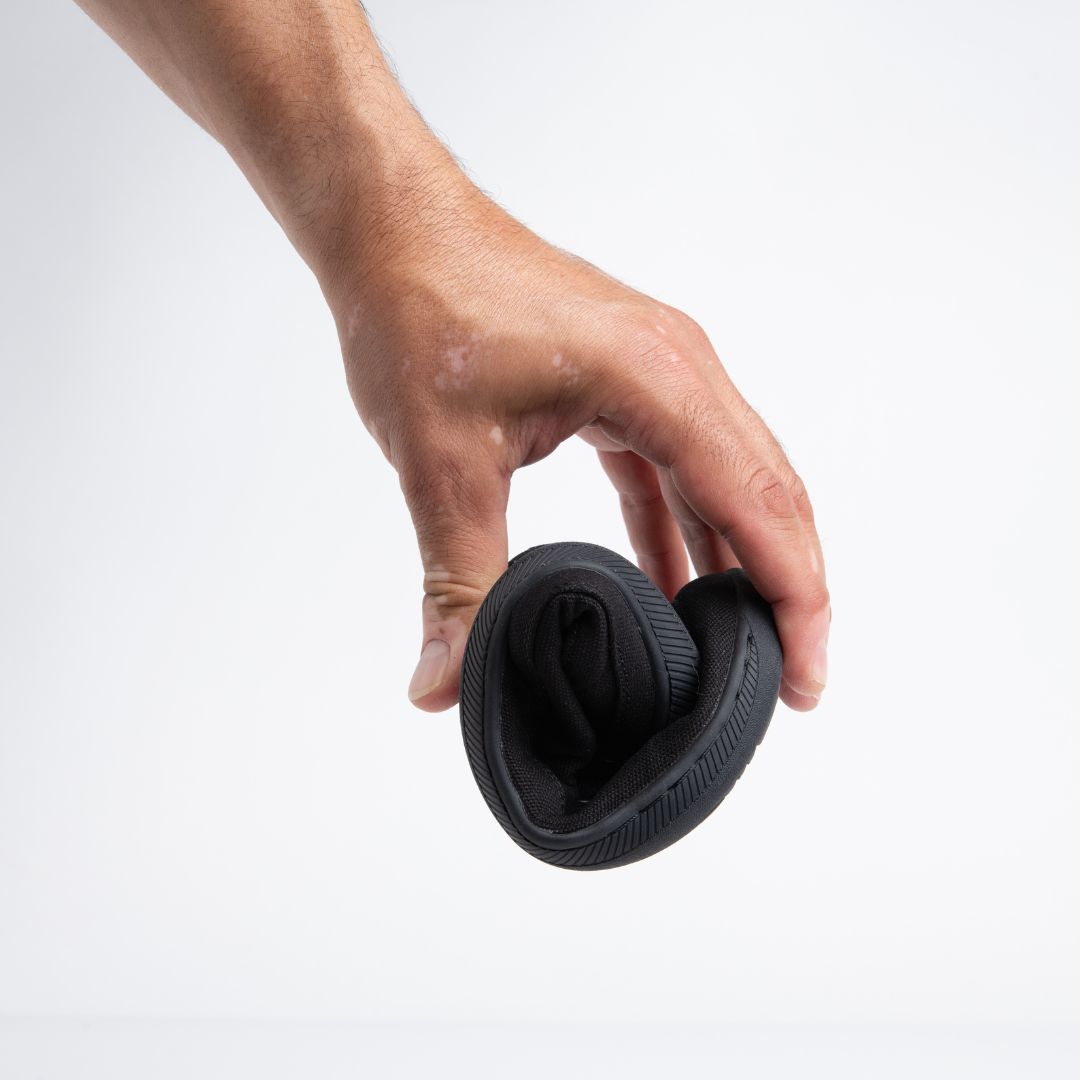
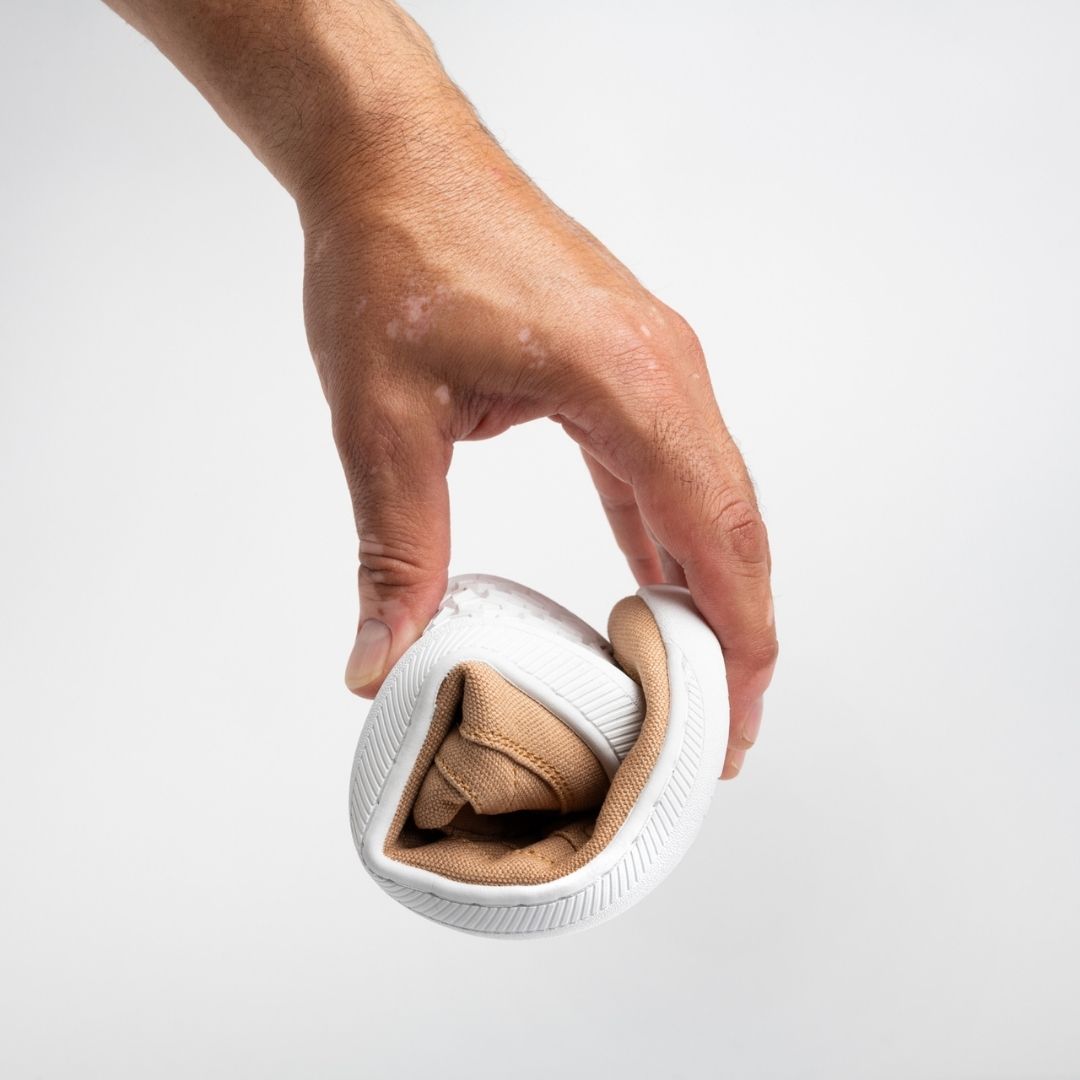
Instead of arch support doing all the work, your foot muscles stay engaged. Over time, this can feel more supportive because your body is carrying itself naturally. The flexible soles also reduce pressure points, especially in the forefoot.
Regular shoes still have their place, especially for people who need medical support. But for everyday wear, many users find barefoot shoes surprisingly comfy once they adapt. Rutsu Barefoot focuses on soft materials, breathable builds, and lightweight designs so comfort doesn’t feel clinical or awkward.
Are Barefoot Shoes Better for Reducing Foot Pain and Improving Posture?
Here’s where things get interesting. Many people turn to barefoot shoes because of foot pain, knee discomfort, or posture issues caused by years of rigid footwear.
Barefoot shoes encourage shorter strides and more natural alignment. This can reduce heel striking and shift stress away from joints. Some wearers notice improved posture simply because their body isn’t compensating for elevated heels or stiff soles anymore.
That said, barefoot shoes aren’t a quick fix. If you jump in too fast, your muscles may protest. Rutsu Barefoot often appeals to people easing into minimalist footwear because their casual designs feel less intimidating while still supporting better movement habits.
The Hidden Downsides: When Barefoot Shoes May Not Be Better
Let’s be real. Barefoot shoes aren’t for everyone, at least not right away.
If you’ve spent decades in heavily cushioned shoes, your feet may feel sore at first. There’s also less protection from sharp terrain, which matters if you’re on rough surfaces all day. People with certain conditions may still need structured footwear.
This doesn’t mean barefoot shoes are bad. It means they require intention. Like switching diets or workout styles, your body needs time. Starting slow and choosing well-made shoes—like those from Rutsu Barefoot—can make the experience smoother and far more enjoyable.
Are Barefoot Shoes Better for Walking, Running, and Everyday Use?
For everyday walking, commuting, and casual movement, barefoot shoes shine. They’re light, flexible, and easy to wear all day without feeling weighed down.
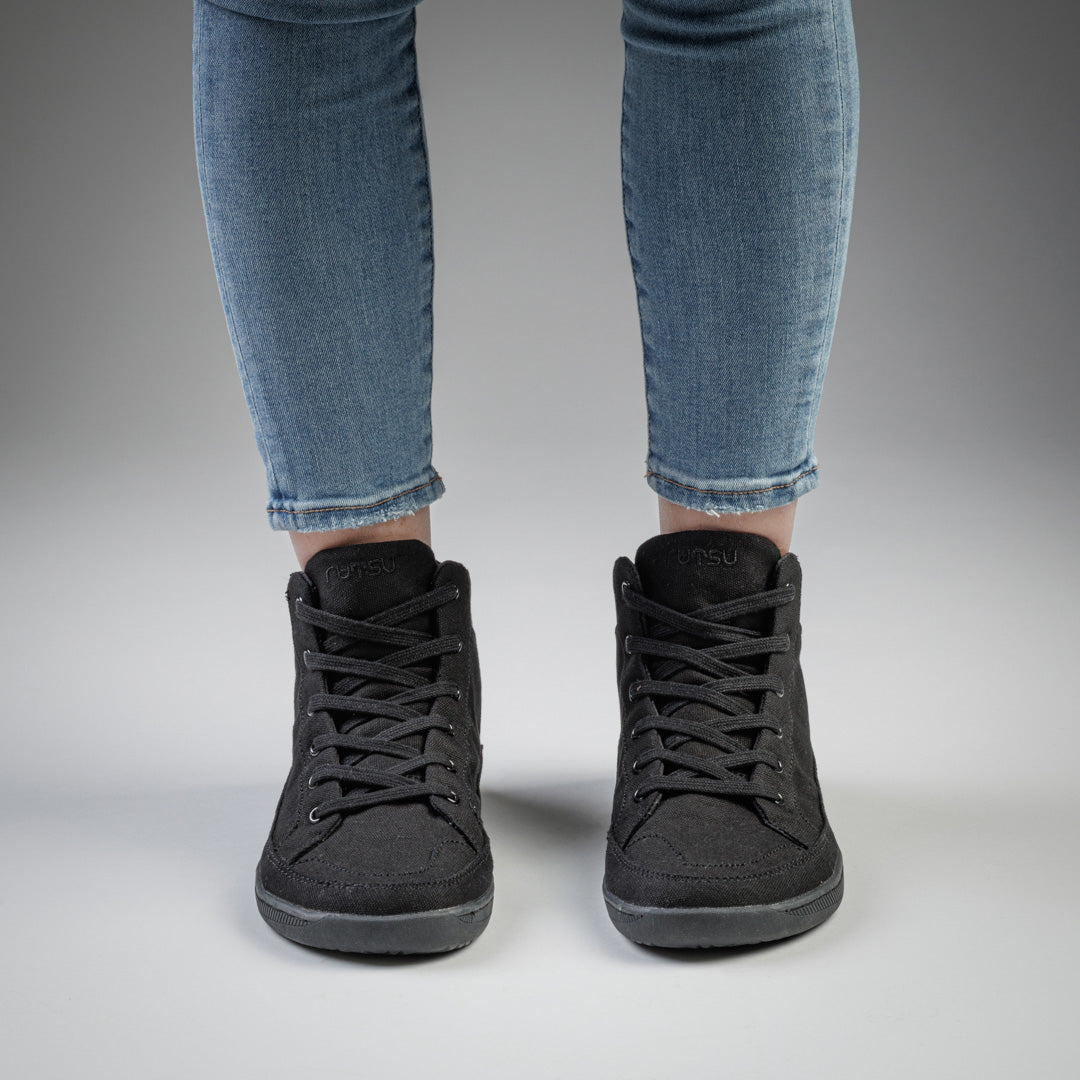
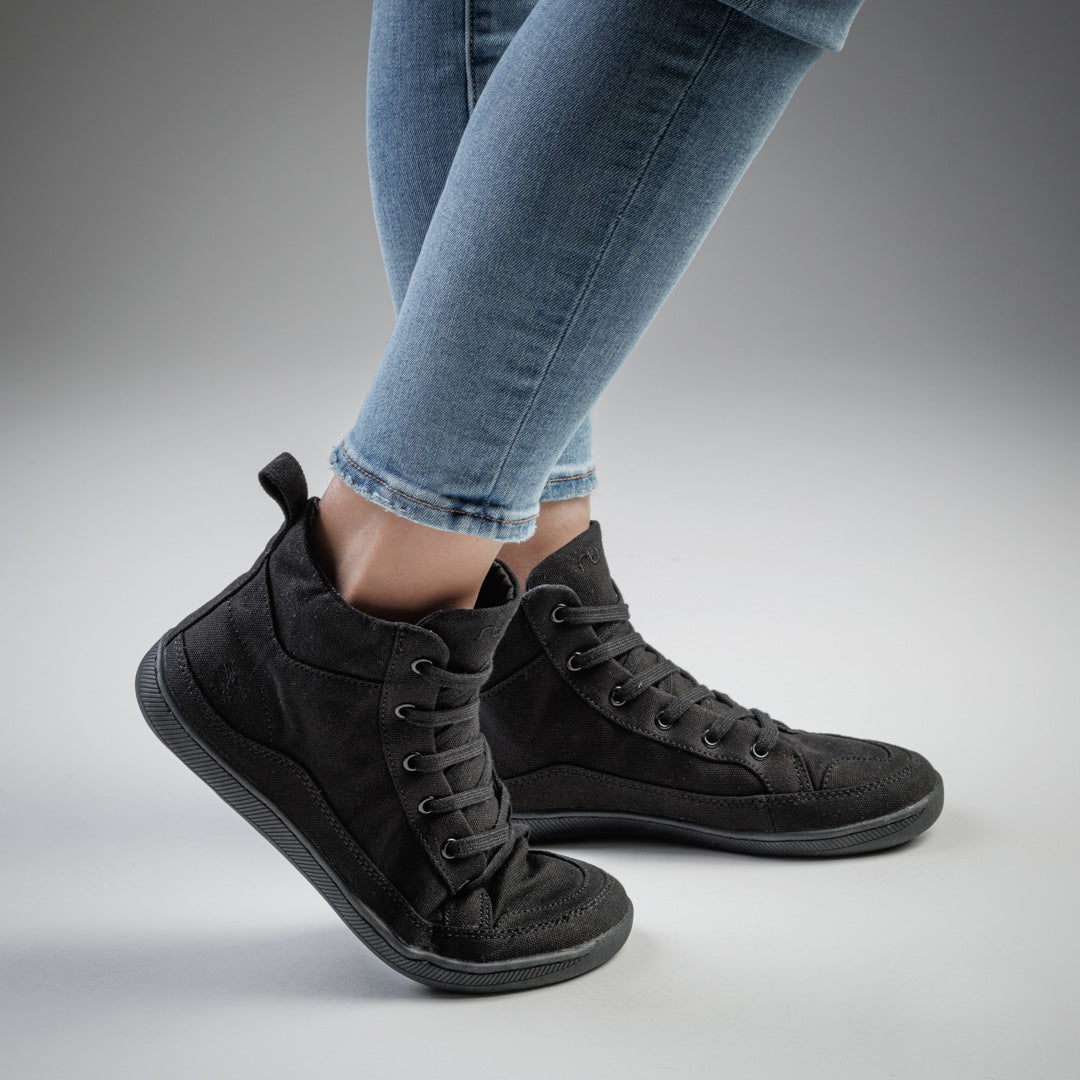
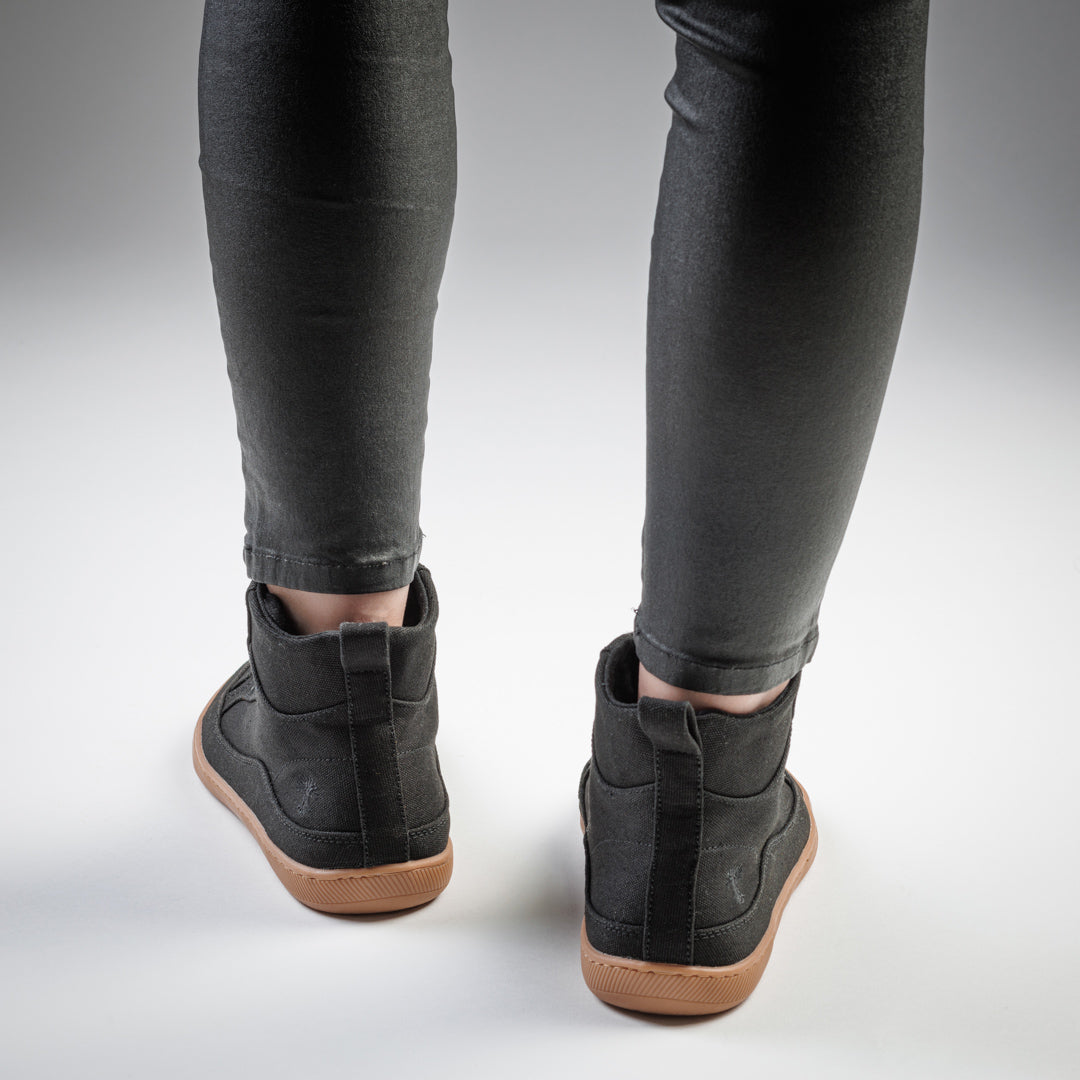
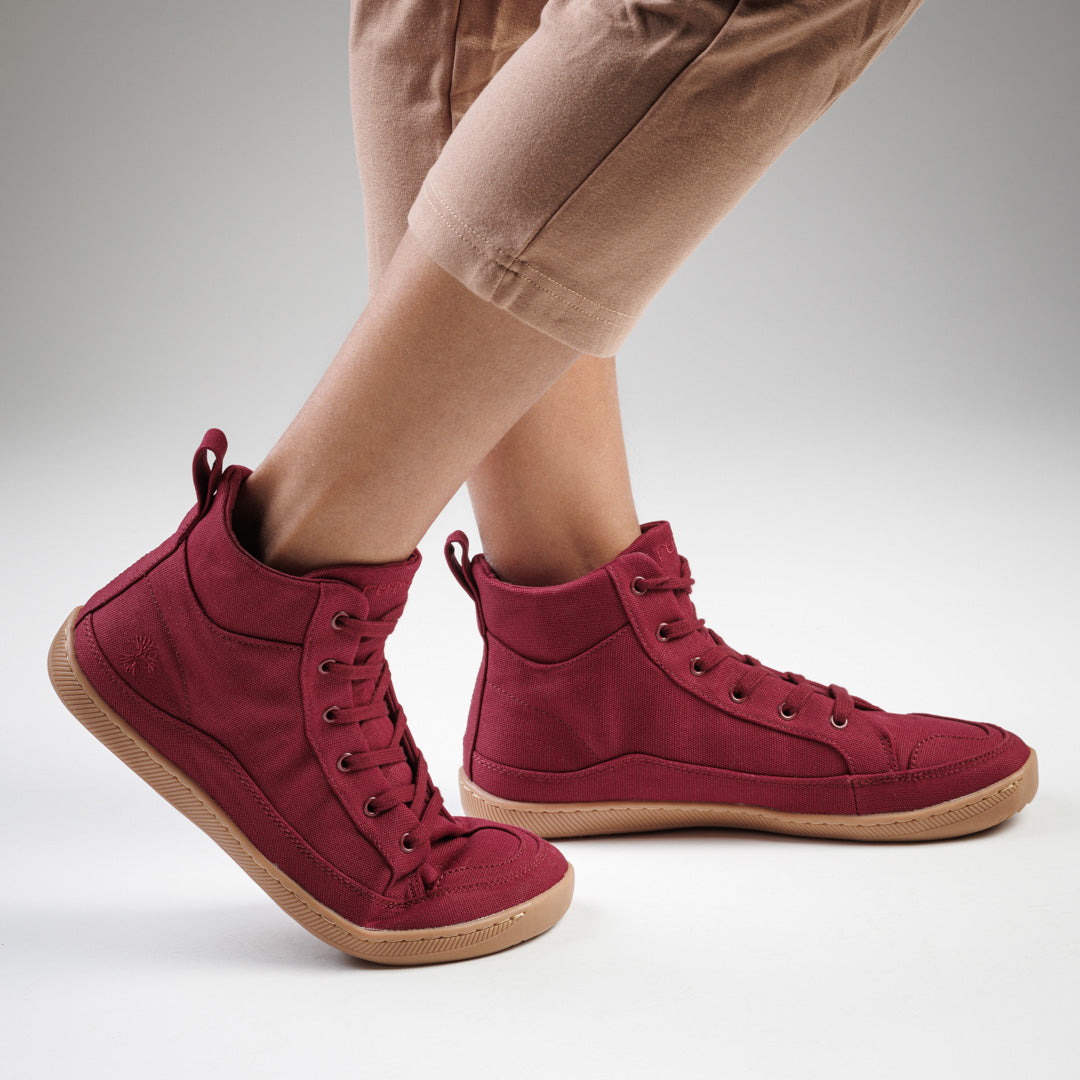
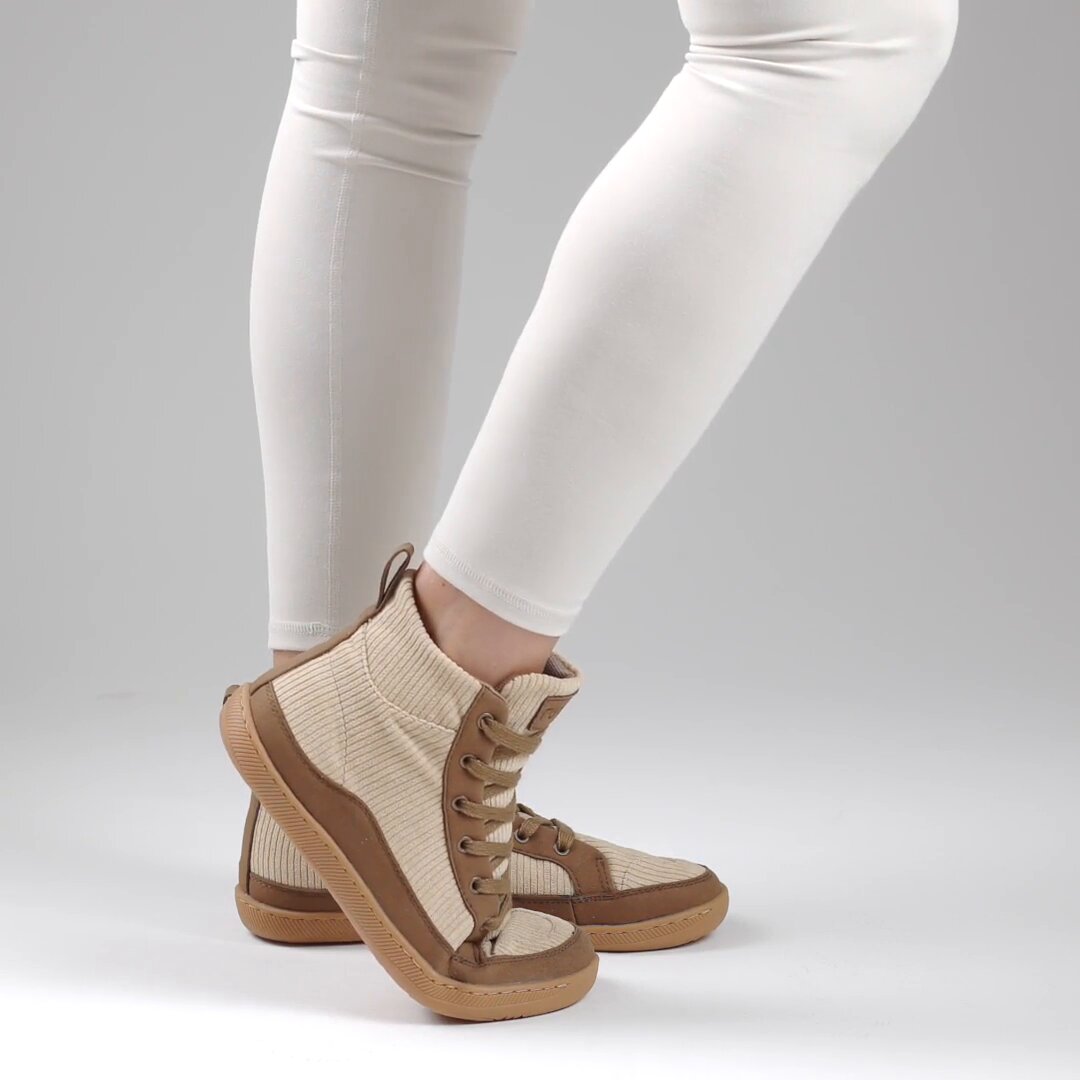
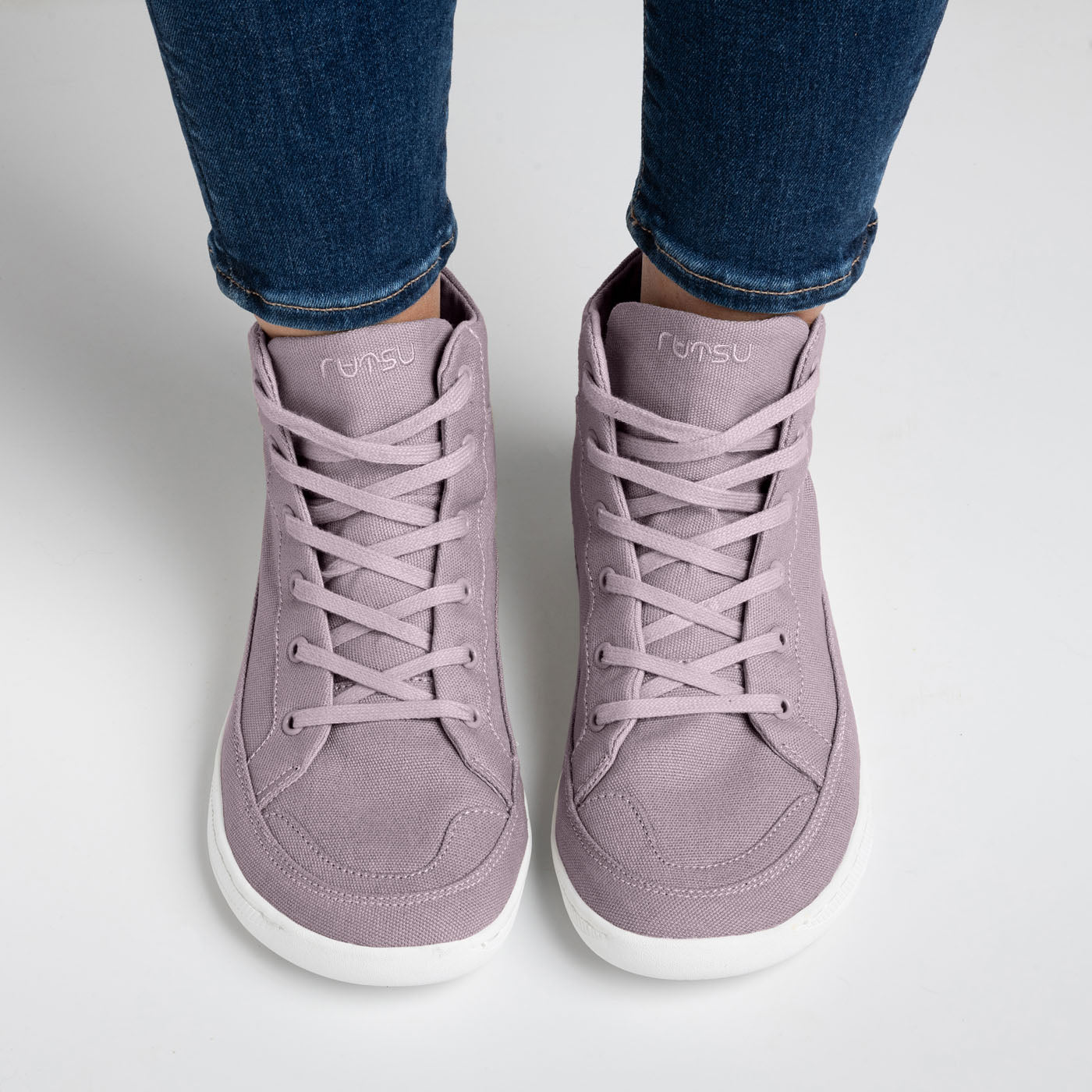
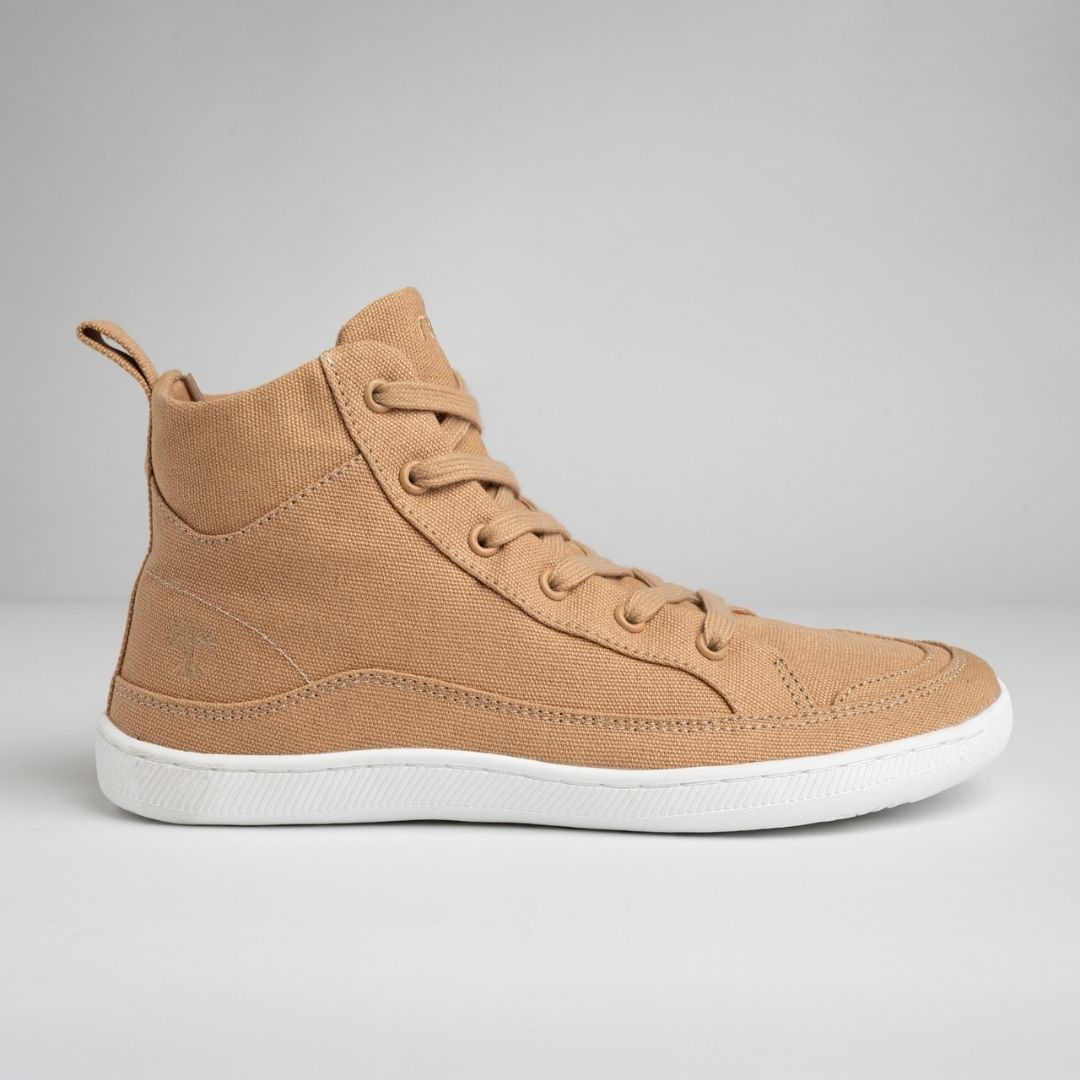
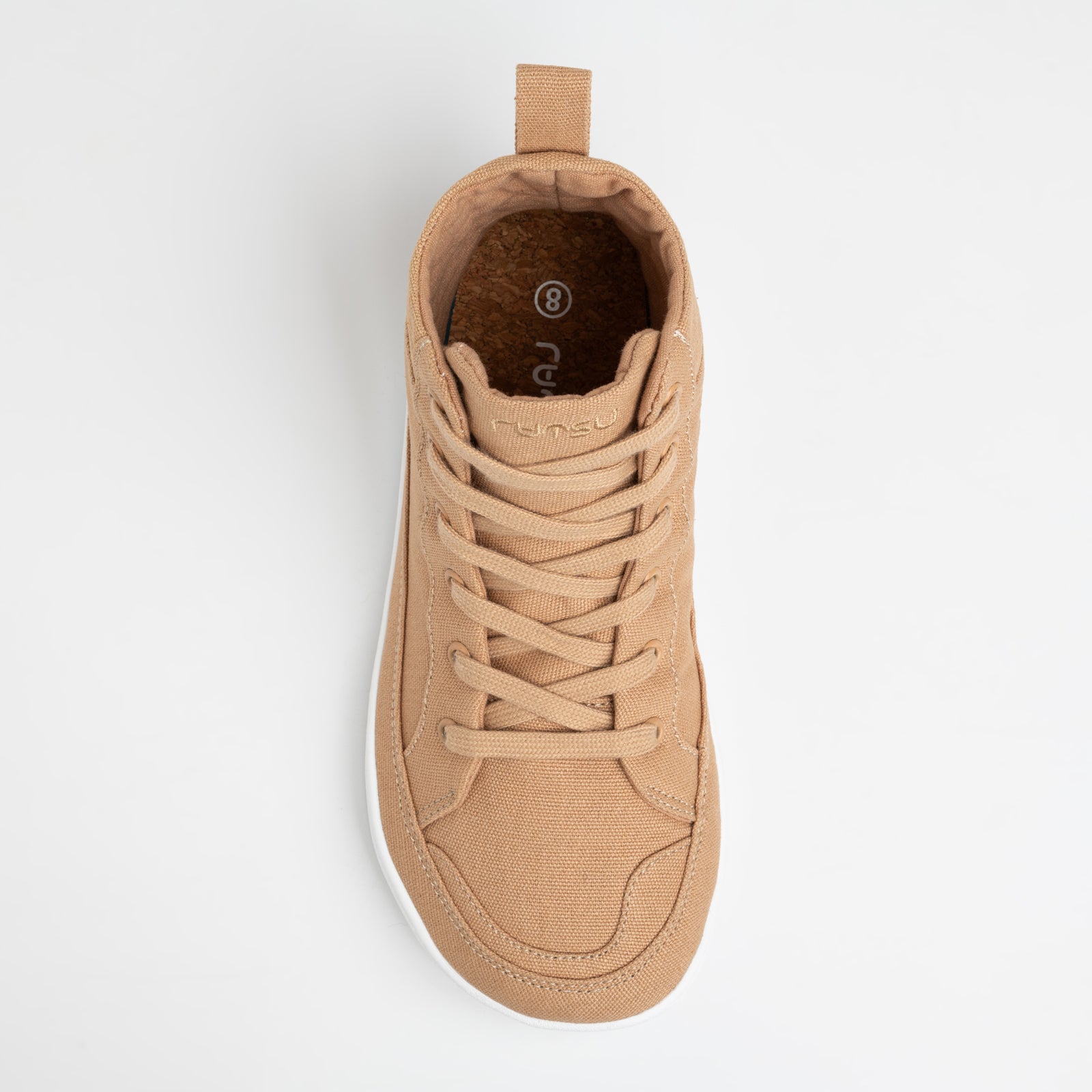
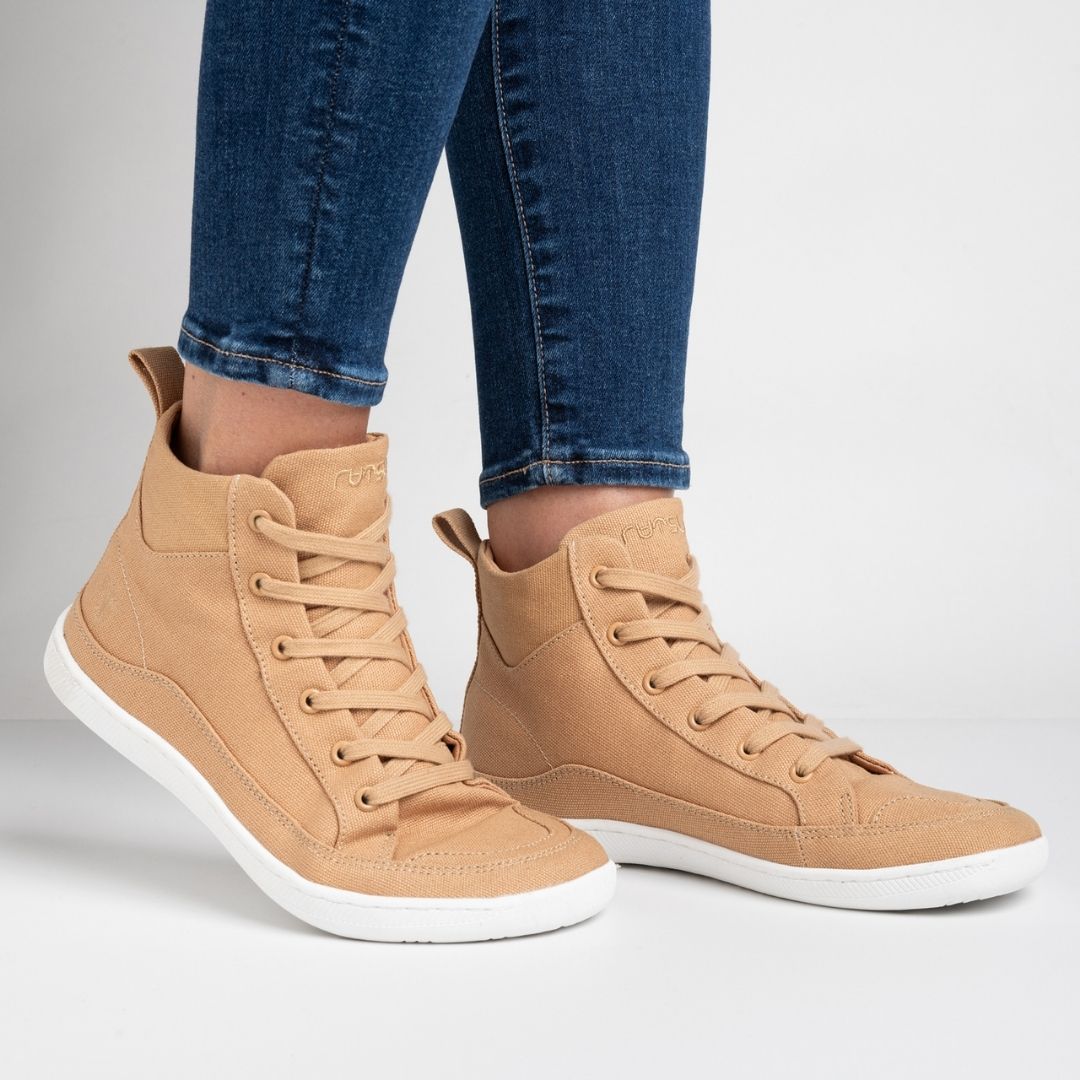
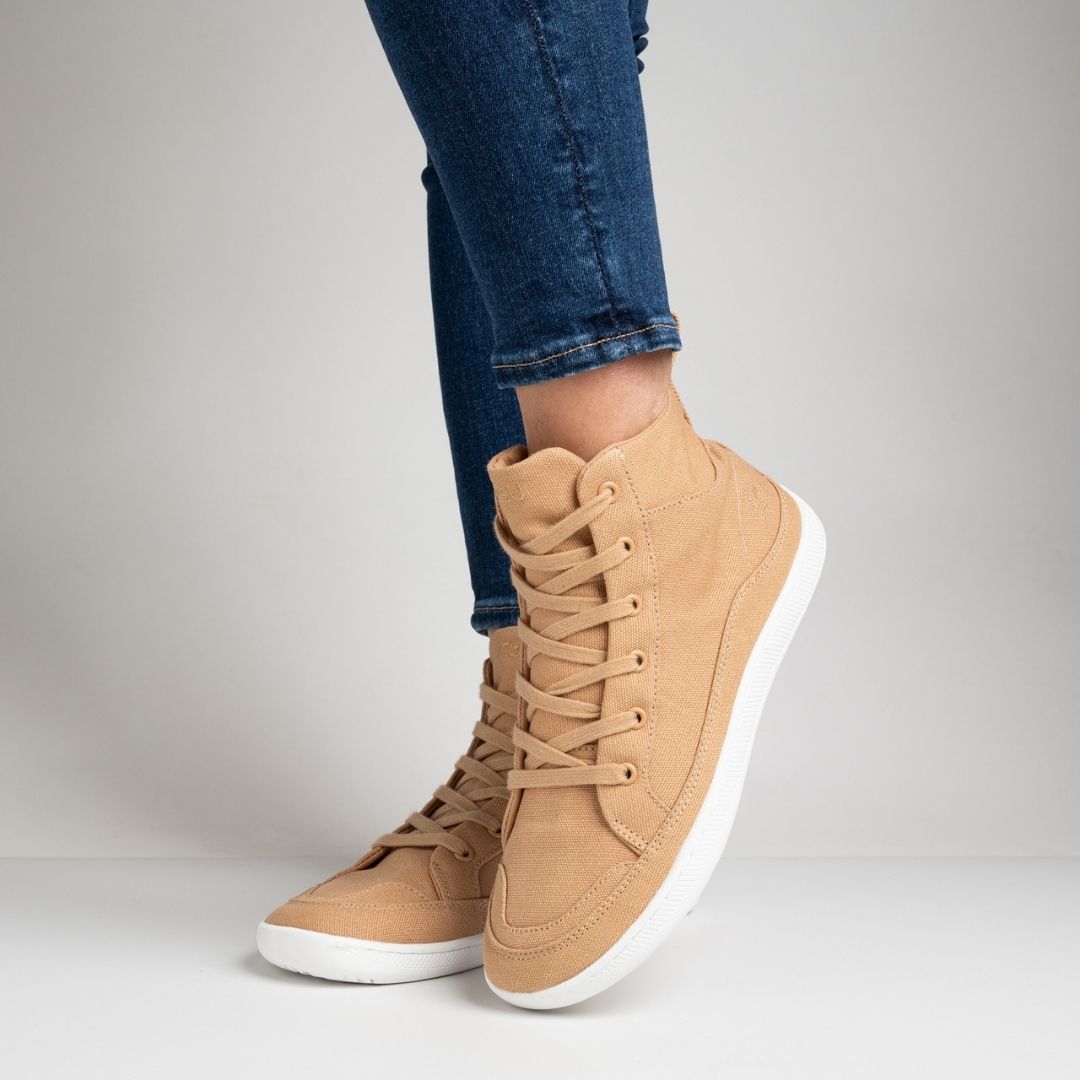
For anyone seeking everyday comfort, barefoot shoes aren’t just functional—they can also fit seamlessly into your style. From women barefoot sneakers to versatile sandals, Rutsu Barefoot offers designs that let your feet move naturally while keeping your outfit polished. Every step feels lighter, whether you’re commuting, strolling through the park, or running errands around the city.
Rutsu Barefoot Product Highlights
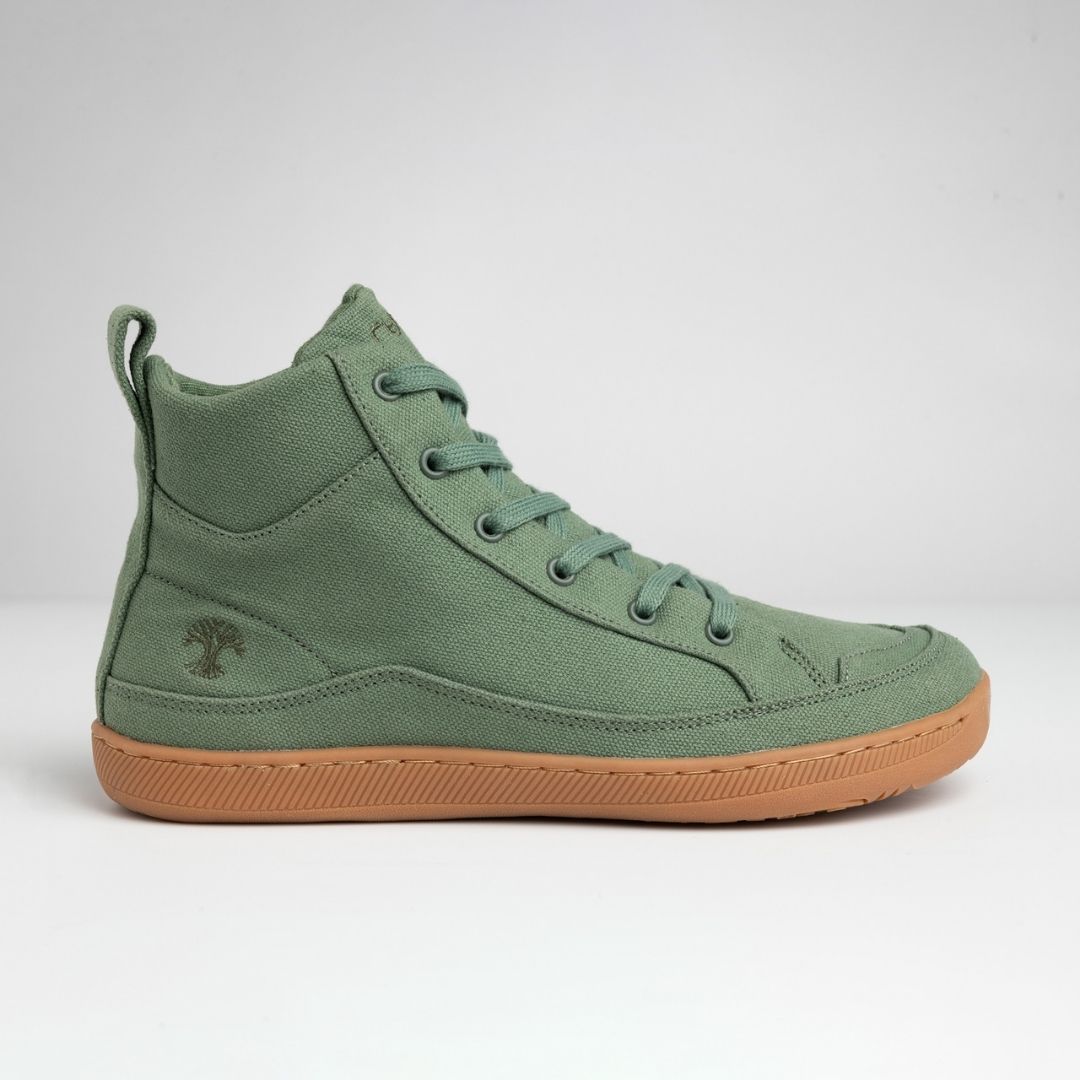
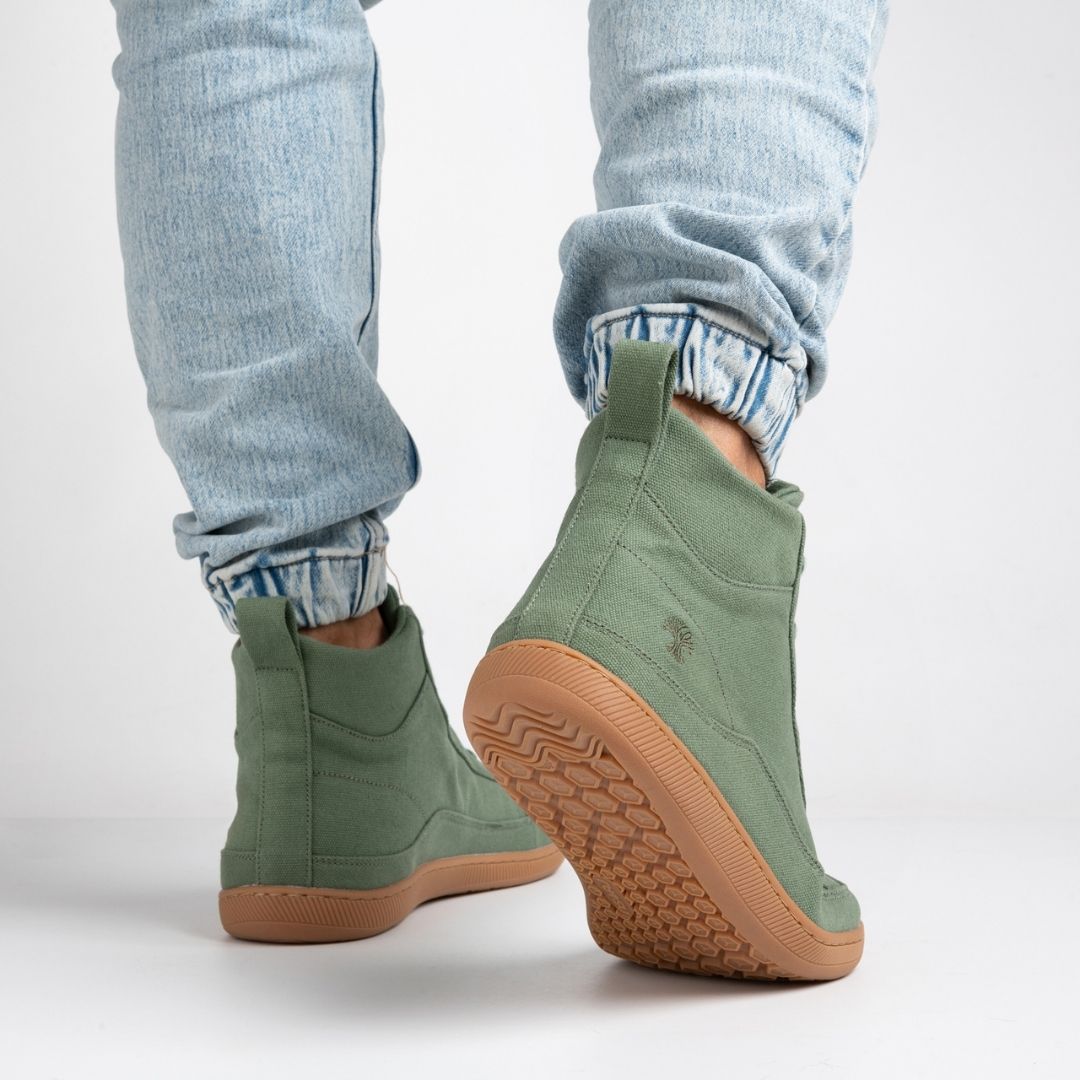
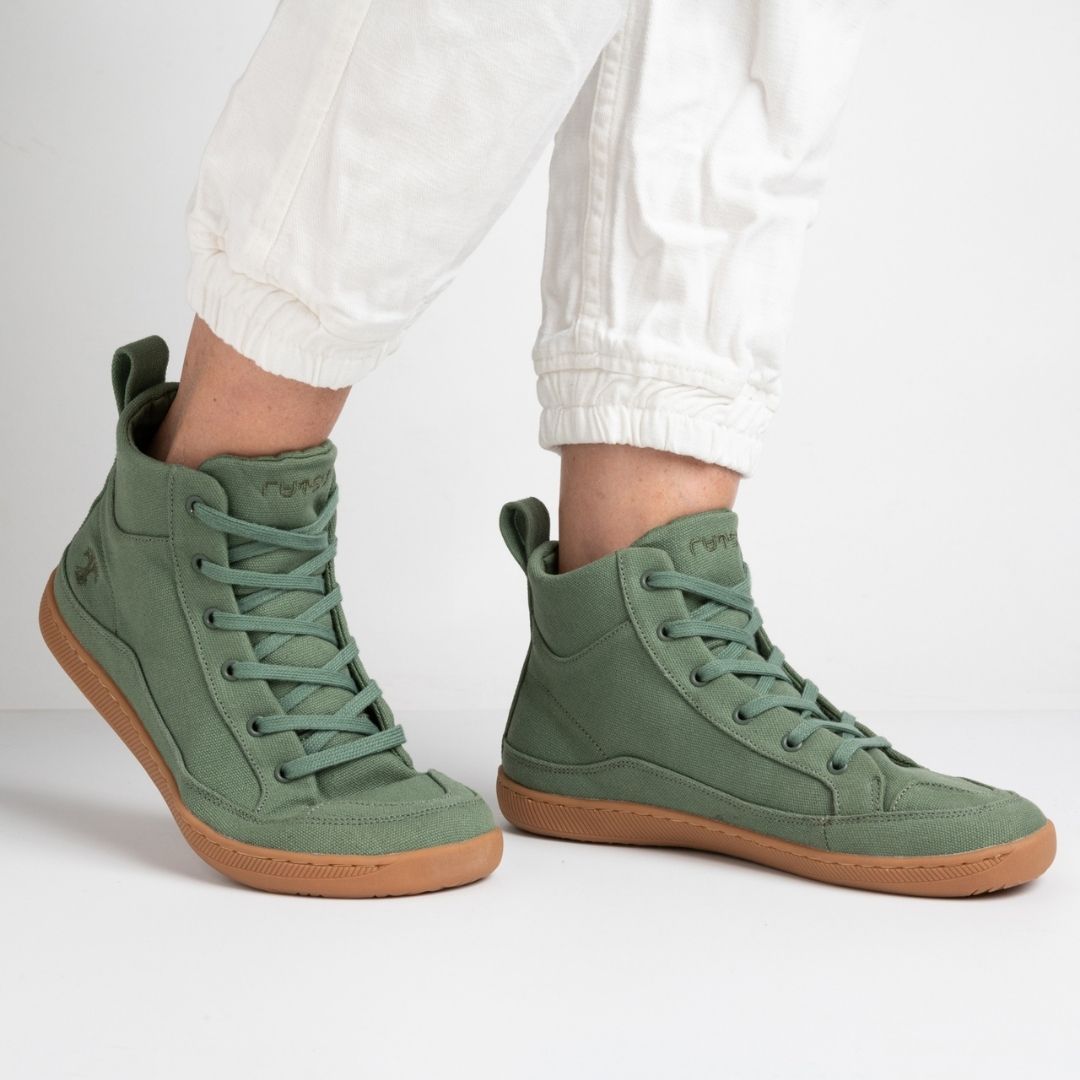
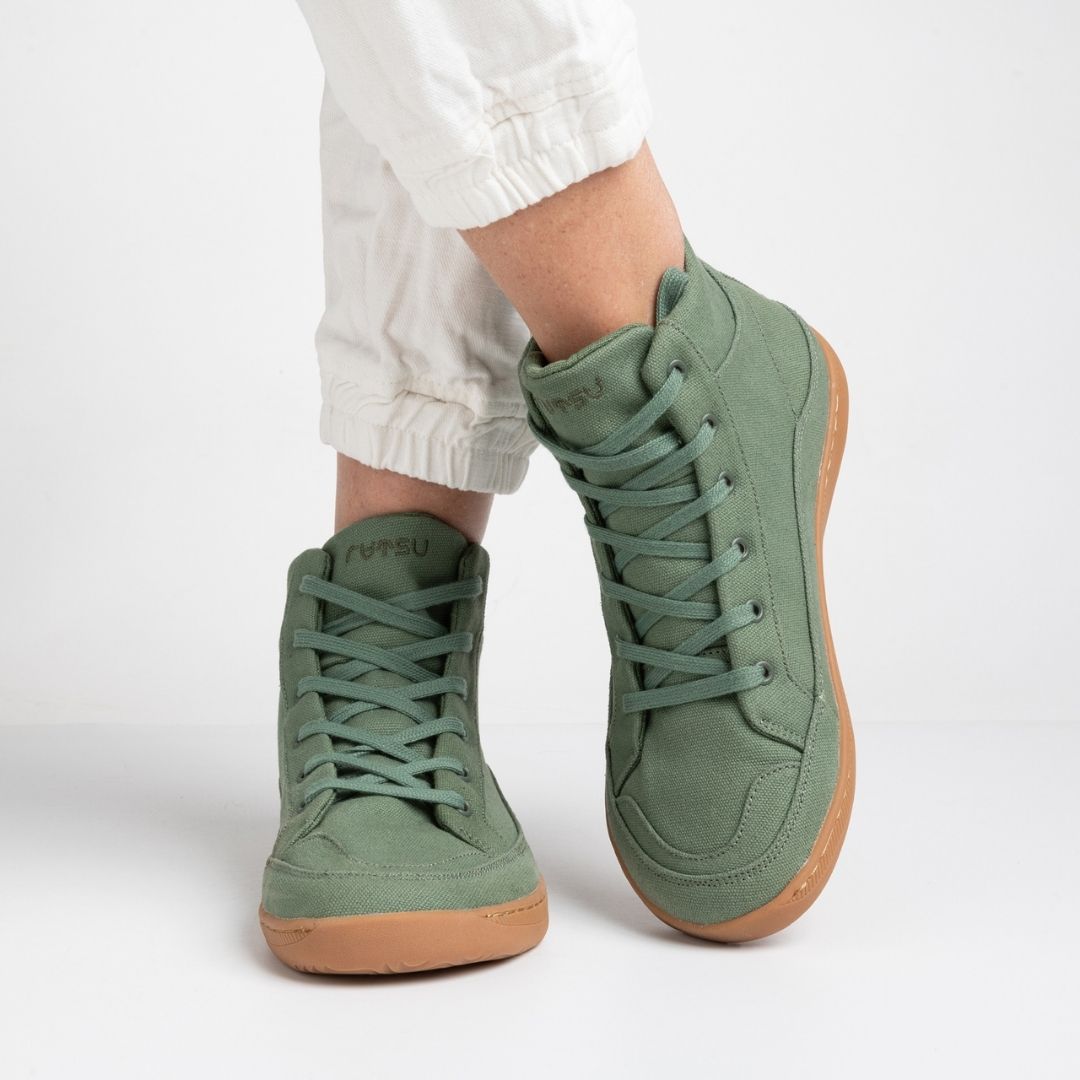
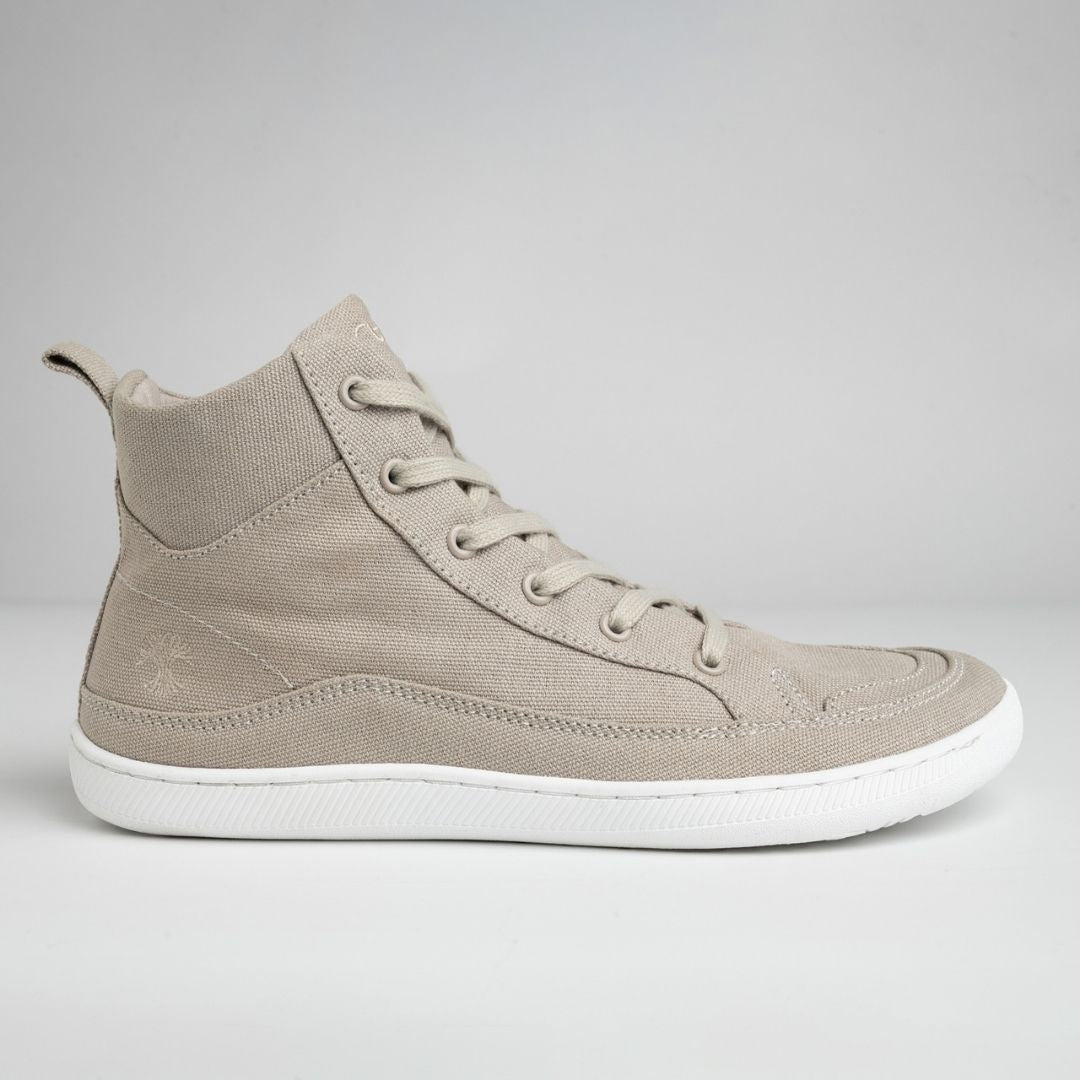
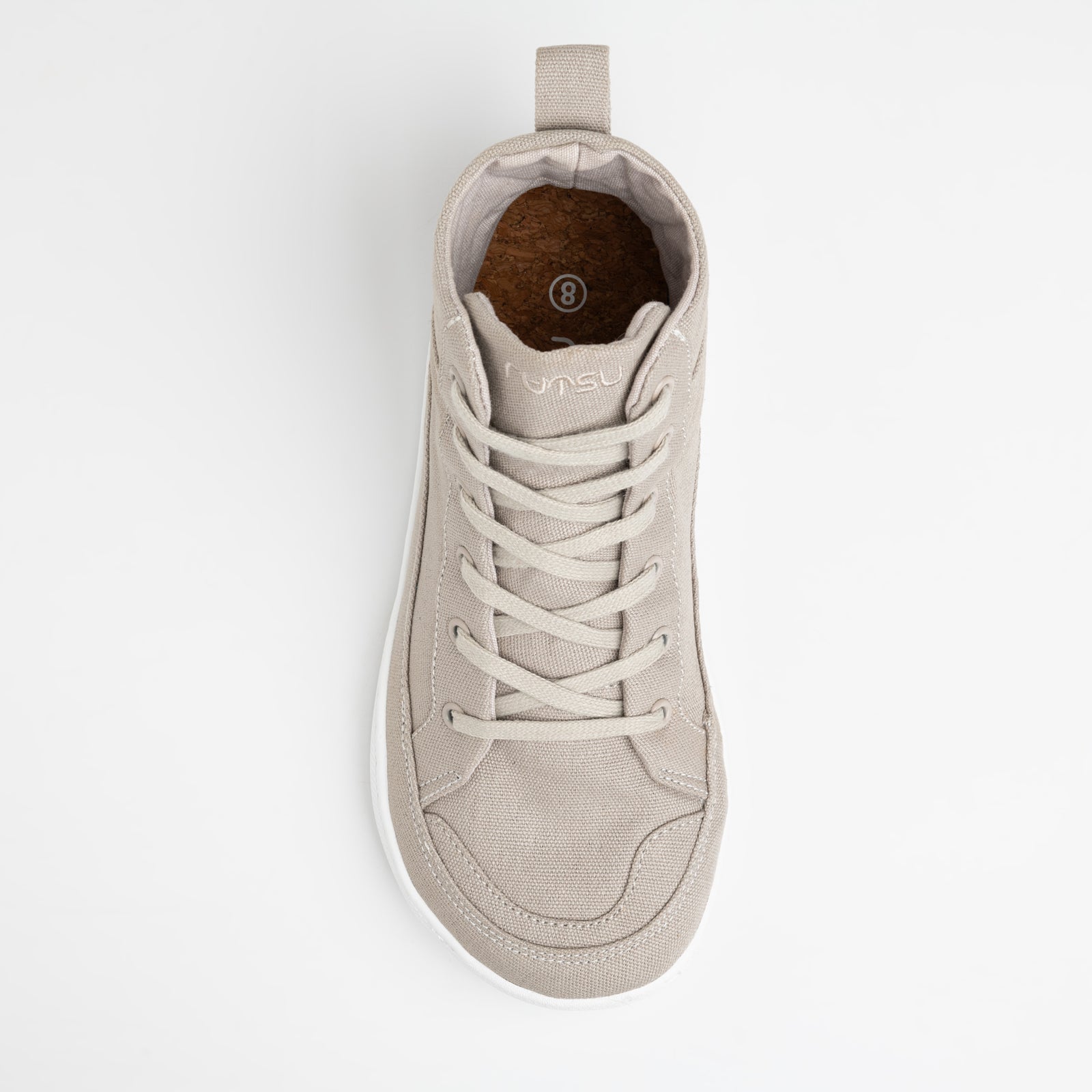
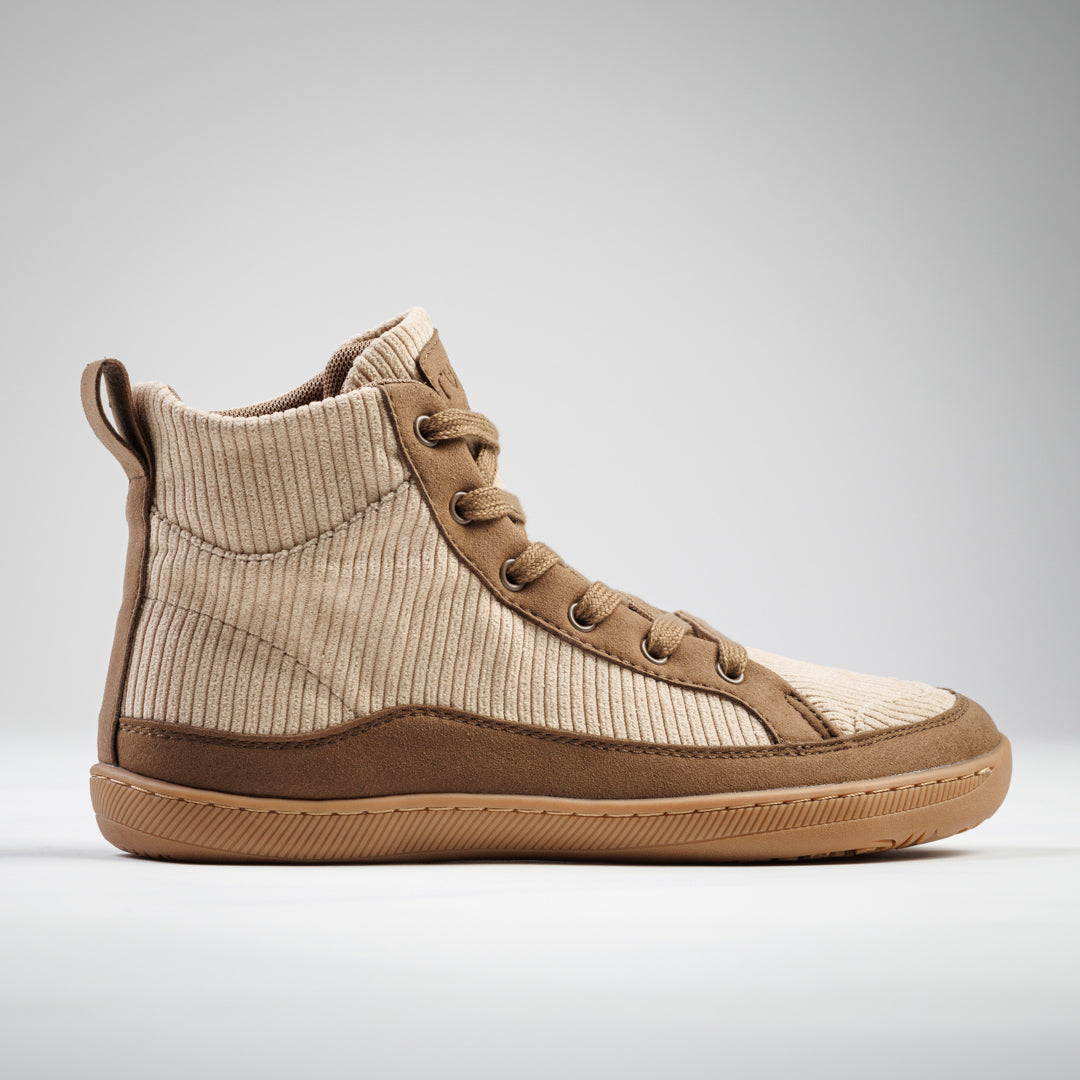
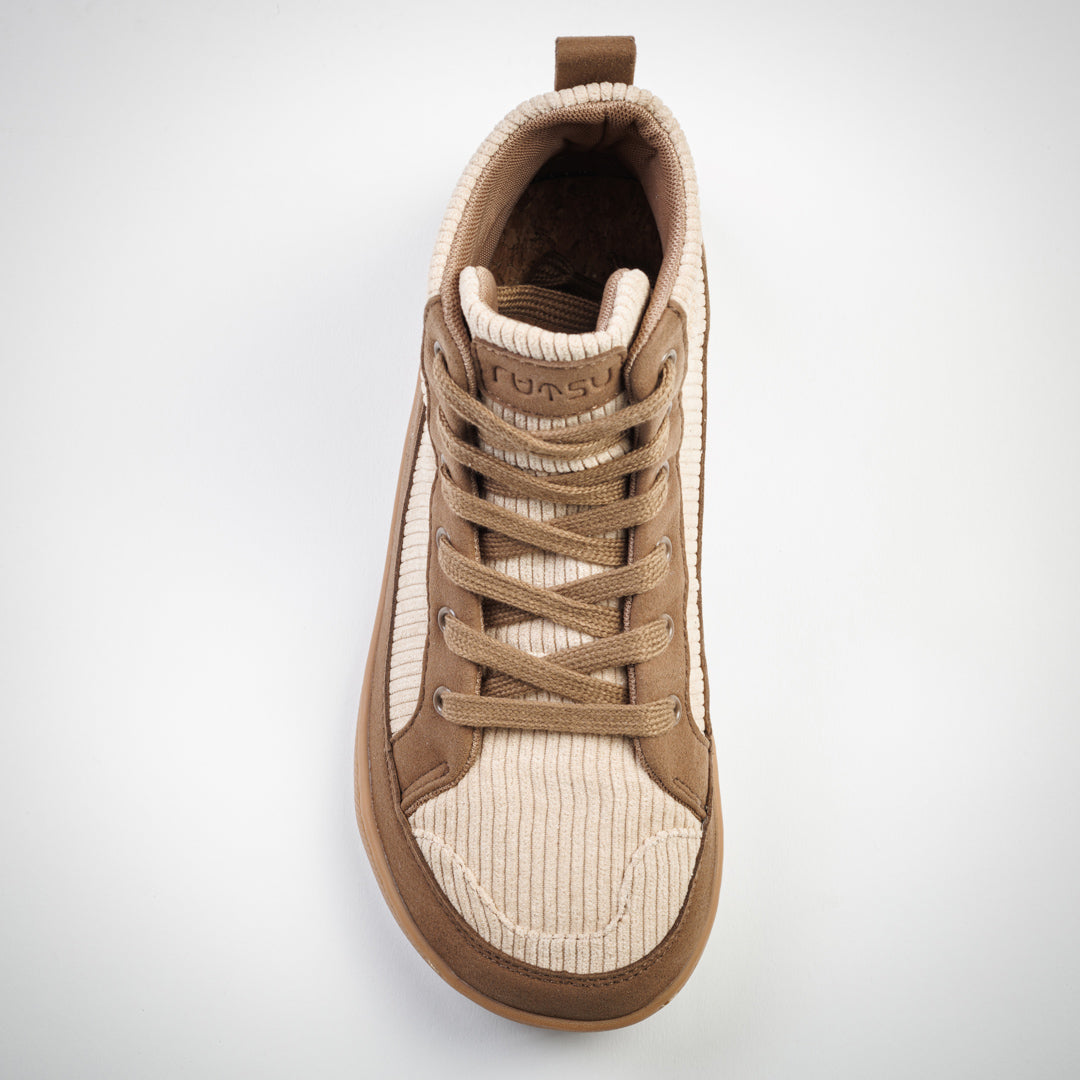
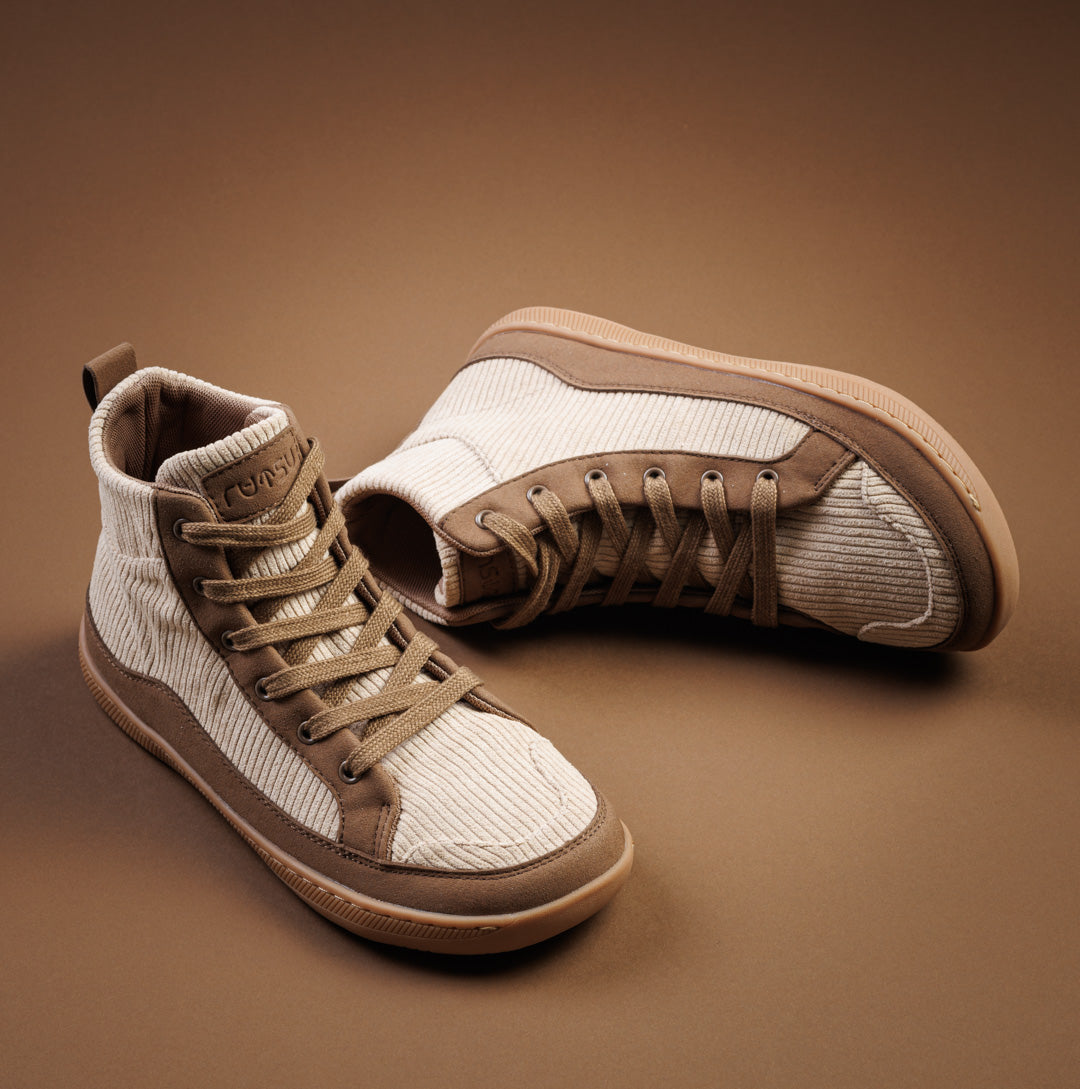
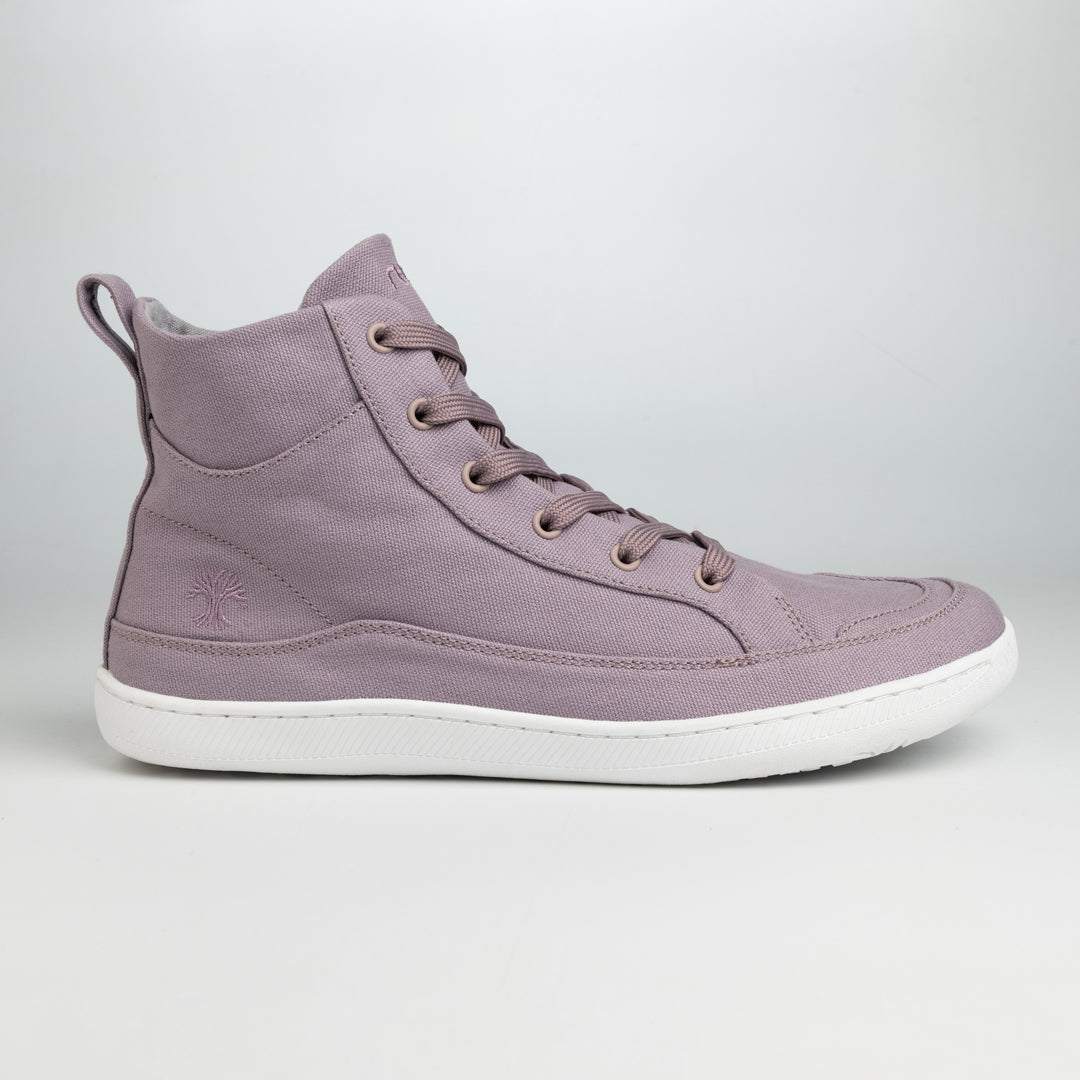
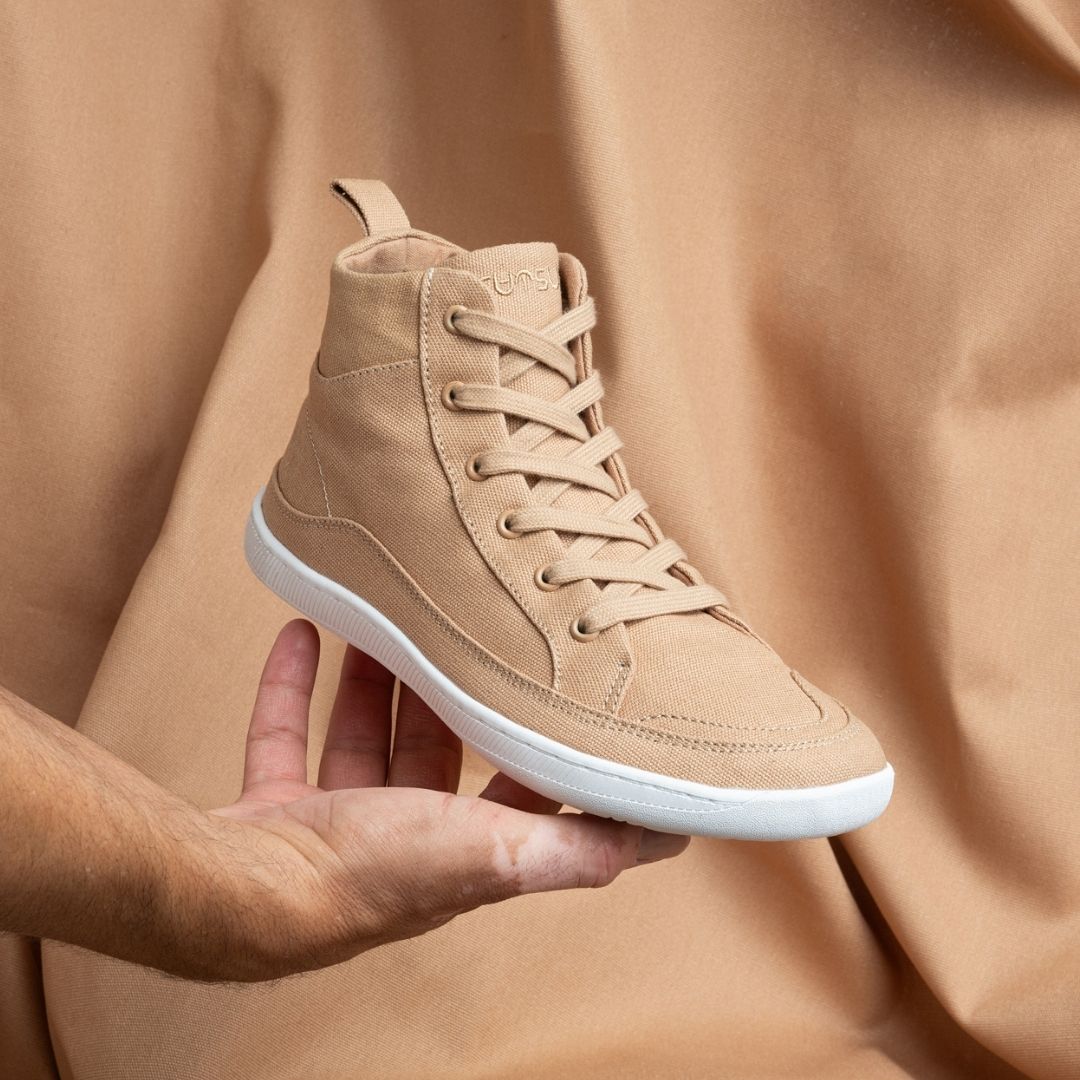
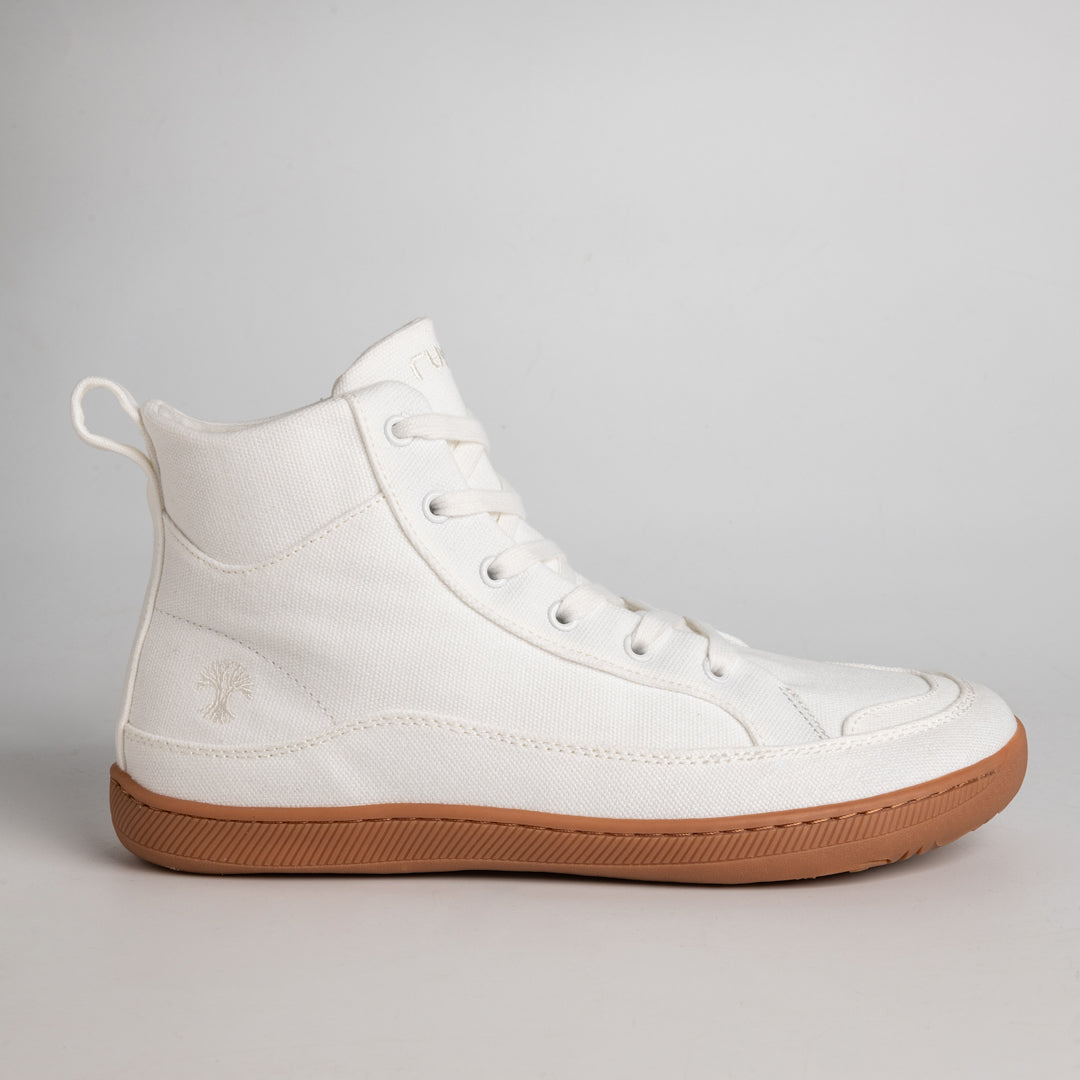
✔ Original Barefoot Sneakers (High & Low)
Perfect for daily walks, city life, and casual work settings. Clean lines, soft materials, and just enough structure.
✔ Barefoot Sandals
Ideal for warm weather, travel, and relaxed outings. Breathable, flexible, and surprisingly stylish.
Ready for lighter steps and freer movement? Discover which barefoot shoe suits your daily rhythm.
Running in barefoot shoes is more personal. Some runners love the ground feel. Others prefer them only for walking. The beauty is choice—and barefoot shoes give your body more say in how it moves.
Transitioning Safely: Are Barefoot Shoes Better If You’re New to Minimal Footwear?
Short answer: yes, if you transition smartly.
Going full minimalist overnight can feel like learning a new language without subtitles. Your muscles need time to adapt. That’s where transition tools come in handy.
Helpful Transition Option from Rutsu Barefoot
Barefoot Transition Insoles
A subtle way to ease into natural motion without overwhelming your feet.
New to barefoot shoes? Try transitioning insoles first—ease into natural motion comfortably.
Start with short walks. Alternate with your regular shoes. Listen to your body. This approach helps barefoot shoes feel supportive rather than shocking.
Who Should (and Shouldn’t) Choose Barefoot Shoes Over Regular Shoes
Barefoot shoes often work well for:
-
Casual walkers and urban explorers
-
Yoga and movement enthusiasts
-
Travelers who want light, packable shoes
-
People seeking a better balance and posture
-
Style-conscious minimalists
They may not be ideal for:
-
Those needing medical-grade orthotics
-
People standing on hard industrial floors all day
-
Anyone unwilling to transition gradually
For many in the casual barefoot category, Rutsu Barefoot hits the sweet spot—better-looking, more affordable, and easy to style without sacrificing foot freedom.
Wrap Up Your Honest Verdict
So, are barefoot shoes better than regular shoes? For many people, especially those craving natural movement without sacrificing style, the answer leans strongly toward yes—with patience and the right fit.
Barefoot shoes reconnect you with how your body was meant to move. And when they look good, too? That’s a win. Rutsu Barefoot proves you don’t have to choose between health and aesthetics. You can have both.
Feeling inspired to step naturally? Transform the way you move—explore Rutsu’s barefoot collection and discover shoes that work with your body, not against it. Start your barefoot journey today.
Frequently Asked Questions
Are barefoot shoes better for people with flat feet or high arches?
They can be. Barefoot shoes allow your arches to work naturally, but adaptation time matters. Some people benefit greatly; others prefer gradual support.
How long does it take to adapt if barefoot shoes are better for you?
Most people notice changes within 2–6 weeks. Start slow and increase wear time gradually.
Are barefoot shoes better for long walks and standing all day?
Many users say yes, especially after adapting. The lightweight feel reduces fatigue, but surface type matters.
Can barefoot shoes increase the risk of injury if misused?
Yes. Jumping in too fast can strain muscles. Transitioning thoughtfully lowers this risk.
Are barefoot shoes better than orthopedic or cushioned shoes?
Not universally. Barefoot shoes support natural movement, while orthopedic shoes address specific medical needs. Choose based on your body and goals.